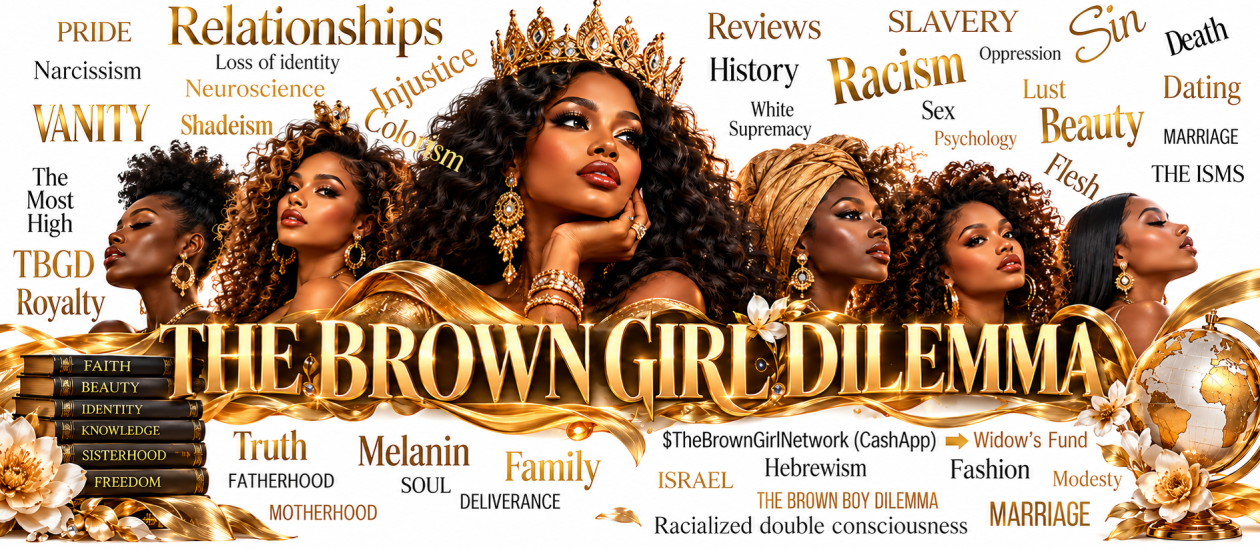


Beauty is often presented as something to purchase, perfect, or prove. Images suggest that acceptance depends on a particular complexion, hairstyle, figure, or age. Yet an authentic understanding of beauty begins with recognizing the person beneath those expectations. It allows appearance to be an expression of identity rather than a test of human worth.
Being authentically beautiful does not require rejecting fashion, makeup, or personal grooming. These can provide pleasure, creativity, and a sense of occasion. The important question is whether a choice feels personally meaningful or necessary to earn acceptance. A woman should have room to enjoy her appearance without making it responsible for her entire value.
Beauty standards become influential through repetition. When certain features receive consistent praise while others are ignored, those preferences can begin to appear natural or universal. Fredrickson and Roberts (1997) examined how objectifying environments can encourage women to view themselves from an observer’s perspective. Their work offers a useful framework for considering the burden of constantly monitoring how one looks.
That burden can interrupt ordinary experiences. A photograph becomes an inspection of perceived flaws, and a social gathering becomes an opportunity to compare bodies or clothing. Attention shifts away from participation toward self-evaluation. Authenticity invites a person to return some of that attention to what she is experiencing, thinking, and enjoying.
Comparison is especially complicated because people rarely see one another’s full circumstances. Festinger’s (1954) social comparison theory describes how individuals evaluate themselves through reference to others. In matters of appearance, the comparison may involve carefully selected images rather than everyday reality. Recognizing that limitation can help a person question the fairness of the judgment she is making.
For Black women, beauty can also involve questions of identity, visibility, and belonging. Admiration sometimes arrives with conditions about skin tone, hair texture, or facial features. A broader understanding of beauty makes space for variety without arranging women into a hierarchy. Dark skin, light skin, broad noses, full lips, and countless other features deserve to be seen without qualifying language.
Colorism deserves particular attention within that discussion. Hunter (2007) examined skin-tone stratification and its relationship to inequality among people of color. Her analysis places preferences for lighter skin within a wider social structure rather than treating them as harmless individual tastes. This perspective helps explain why conversations about complexion can carry consequences beyond appearance.
Authentic beauty does not answer colorism by reversing its ranking. Praising one complexion through the dismissal of another preserves the underlying habit of comparison. A more inclusive approach recognizes distinct forms of beauty without requiring a winner. It also allows people to discuss unequal treatment without turning that discussion into hostility toward someone else’s features.
Hair offers another opportunity for self-expression. An Afro, locs, braids, a bob, a wig, or long straight hair may reflect taste, convenience, tradition, or experimentation. The meaning of a hairstyle belongs partly to the person wearing it. Respect leaves room for that complexity instead of demanding that one style demonstrate everyone’s authenticity.
Age can similarly become a measure against which women are encouraged to struggle. An authentic perspective makes room for changing faces and bodies without requiring constant celebration of every change. Someone may appreciate her appearance on one day and feel uncertain on another. Neither response cancels her dignity or her right to be visible.
Body appreciation provides a useful alternative to relentless correction. Tylka and Wood-Barcalow (2015) describe positive body image as a broader construct than simply having little dissatisfaction. Their discussion includes respect for the body and a more protective way of interpreting appearance-related information. This allows care for the body to develop alongside, rather than wait for, complete confidence.
Such care need not depend on achieving a preferred size or shape. Comfortable clothing, rest, nourishment, and appropriate attention to health have value in themselves. A body does not have to look a certain way before it deserves consideration. Authentic beauty becomes more humane when it includes the practical experience of living in that body.
Self-compassion can help when appearance becomes a source of harsh judgment. Neff (2003) describes self-compassion through kindness toward oneself, recognition of shared human difficulty, and balanced awareness of painful feelings. Applied here, it means noticing insecurity without using it as evidence of failure. A difficult moment can receive attention without becoming a final verdict.
This approach also leaves room for mixed feelings. A person does not have to claim that she loves every feature in order to treat herself respectfully. Some days may call for confidence; others may call for patience. Authenticity permits an honest relationship with appearance that does not require either perfection or constant positivity.
Personal values can give that relationship greater stability. Someone may find meaning in modest dress, artistic expression, cultural traditions, or a carefully chosen professional style. Another person may value simplicity and comfort. Knowing why a choice matters can make it less dependent on the immediate approval of an audience.
Other people’s responses still matter emotionally, however. A dismissive comment or repeated criticism can hurt even someone with a strong sense of self. Authenticity should not become another demand to remain unaffected by mistreatment. It can include setting boundaries, questioning unfair judgments, and seeking relationships where respect is consistent.
Kindness, honesty, and consideration also influence how people experience one another. These qualities do not replace physical beauty or make appearance irrelevant. They deepen the impression a person leaves through her conduct. An attractive image may draw attention, while a thoughtful interaction gives that attention something more lasting to remember.
Communities can support this broader understanding through everyday language. Compliments can recognize creativity, warmth, skill, and presence alongside appearance. Conversations can challenge ridicule without turning someone’s insecurity into entertainment. Small changes in how people speak can make room for a wider range of faces and experiences.
Representation has a place in that effort as well. Images of women across ages, complexions, body types, and personal styles can offer more possibilities for recognition. The aim should be to expand what is visible rather than establish a new required look. Authentic beauty has room for a polished portrait, an ordinary afternoon, and the person who exists in both.
To be authentically beautiful is to have space to appear as a whole person. It includes pleasure in clothing and style, uncertainty about change, pride in identity, and freedom from having to justify every feature. Beauty becomes less restrictive when it accommodates real lives. Within that space, a woman can decide how she wishes to present herself while remembering that her worth extends beyond what anyone sees.
References
Festinger, L. (1954). A theory of social comparison processes. Human Relations, 7(2), 117–140.
Fredrickson, B. L., & Roberts, T.-A. (1997). Objectification theory: Toward understanding women’s lived experiences and mental health risks. Psychology of Women Quarterly, 21(2), 173–206.
Hunter, M. (2007). The persistent problem of colorism: Skin tone, status, and inequality. Sociology Compass, 1(1), 237–254.
Neff, K. D. (2003). Self-compassion: An alternative conceptualization of a healthy attitude toward oneself. Self and Identity, 2(2), 85–101.
Tylka, T. L., & Wood-Barcalow, N. L. (2015). What is and what is not positive body image? Conceptual foundations and construct definition. Body Image, 14, 118–129.
Discover more from THE BROWN GIRL DILEMMA
Subscribe to get the latest posts sent to your email.