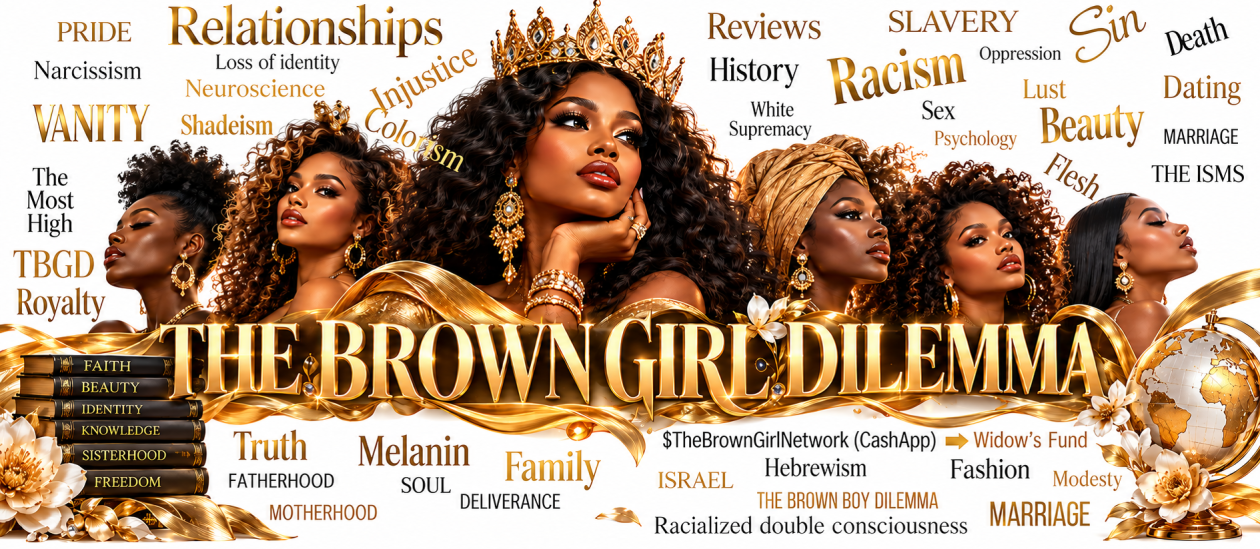

The Meaning of Beauty and the Power of Representation

Beauty has never existed as a purely physical concept. Across civilizations, ideas of beauty have been shaped by culture, history, social structures, media, and systems of power. For people of African descent, especially dark-skinned Black women, beauty has often existed within a complicated landscape of admiration, appropriation, prejudice, and resistance. The story of Black beauty is not simply a discussion about appearance; it is a historical narrative about identity, dignity, representation, and the human desire to be seen and valued.
Melanin, the natural pigment responsible for the wide range of human skin tones, represents one of the most visible expressions of human diversity. Scientifically, melanin is a biological adaptation that provides protection from ultraviolet radiation and reflects the remarkable ability of human populations to adapt to different environments. However, throughout history, societies have attached social meanings to skin color, creating systems in which some appearances were elevated while others were marginalized.
The history of Black beauty is therefore both biological and cultural. The beauty of African-descended people existed long before modern beauty industries recognized it. Ancient African civilizations celebrated artistry, adornment, hair traditions, and cultural expressions that reflected identity and social status. Beauty was connected to heritage, spirituality, community, and personal expression.
African Beauty Traditions and Cultural Identity
Before European colonial expansion, African societies possessed diverse standards of beauty that varied across regions and cultures. Beauty was often connected to character, health, family lineage, creativity, and cultural belonging. Hairstyles, jewelry, body art, clothing, and personal presentation communicated important aspects of identity.
Across many African societies, hair carried deep cultural significance. Hairstyles could communicate age, marital status, social position, ethnic identity, and spiritual meaning. Hair was not merely a physical feature; it represented history, creativity, and community connection.
The diversity of African aesthetics challenges the idea that there has ever been only one definition of beauty. Africa contains thousands of cultures, each with unique traditions and expressions of beauty. This diversity demonstrates that beauty standards are not universal; they are shaped by social and historical contexts.
Colonialism and the Transformation of Beauty Ideals
The arrival of European colonial systems dramatically changed how beauty was defined in many parts of the world. European standards of appearance were often promoted as superior through political, economic, and cultural power. Features associated with European ancestry, including lighter skin, straight hair textures, and certain facial characteristics, were frequently positioned as ideals within colonial societies.
These ideas were reinforced through institutions, literature, education, and media. Over generations, many societies internalized beauty hierarchies that placed lighter features closer to social privilege while associating darker skin with negative stereotypes.
The legacy of these historical systems contributed to colorism, a form of discrimination in which individuals with lighter skin may receive social advantages compared with individuals who have darker skin within the same racial or ethnic group. Colorism has affected communities throughout the African diaspora and continues to influence experiences related to beauty, opportunity, and identity.
Colorism and the Psychological Impact of Beauty Standards
Colorism is not simply a matter of personal preference; scholars have examined it as a social phenomenon connected to historical power structures. Research has shown that skin tone can influence social experiences, perceptions, and opportunities in societies where color-based inequalities exist.
For many dark-skinned Black women, navigating beauty standards has involved confronting stereotypes that unfairly associate darker skin with negative characteristics. These messages can influence self-image, confidence, and perceptions of belonging.
The psychological effects of exclusion from dominant beauty ideals can be significant. When individuals repeatedly encounter messages suggesting that their natural features are less desirable, it may affect identity development and self-esteem. However, many Black women have also resisted these messages by embracing their natural features and redefining beauty on their own terms.
The Role of Media in Defining Beauty
Media has played a powerful role in shaping public perceptions of beauty. For much of modern history, mainstream media often presented narrow definitions of attractiveness that excluded many Black women, particularly those with darker skin tones and natural hair textures.
Representation matters because images influence how societies understand value and belonging. When people rarely see themselves represented positively in entertainment, advertising, fashion, and popular culture, it can reinforce feelings of invisibility.
However, recent decades have witnessed significant changes. Black models, actresses, artists, entrepreneurs, and activists have challenged traditional beauty standards by highlighting the diversity of Black appearance and celebrating different shades of skin, hair textures, and facial features.
The Rise of Black Beauty Empowerment
The modern Black beauty movement represents a broader effort to reclaim identity and challenge restrictive standards. Movements celebrating natural hair, melanin-rich skin, and diverse representations of Black womanhood have encouraged many individuals to embrace features that were historically criticized.
Beauty empowerment is not simply about appearance; it is about agency. It allows individuals to define themselves rather than accept definitions imposed by outside forces.
The celebration of dark skin represents a recognition that beauty exists across a spectrum. Dark skin is not something that requires correction or approval; it is a natural expression of human diversity with its own history, complexity, and beauty.
Melanin as a Symbol of Strength and Heritage
Beyond its biological function, melanin has become a powerful cultural symbol. For many people, melanin represents ancestry, resilience, and connection to generations who survived historical challenges while maintaining cultural traditions.
The celebration of melanin does not suggest that one skin tone is superior to another. Instead, it challenges the belief that certain appearances should determine human value. True appreciation of beauty recognizes diversity rather than creating new hierarchies.
The story of Black beauty is ultimately a story of transformation. It moves from imposed definitions toward self-definition, from exclusion toward representation, and from societal judgment toward appreciation.
Conclusion: The Triumph of Black Beauty
The history of Black beauty is a journey through celebration, struggle, resistance, and renewal. From ancient African traditions to modern movements for representation, Black beauty has endured despite centuries of social challenges.
Melanin and Majesty represents more than a phrase; it represents the recognition that beauty is connected to history, identity, and human dignity. The triumph of Black beauty is found not only in being accepted by society but in the ability to define beauty from within.
The future of beauty lies in embracing complexity. Every shade, texture, and feature carries a story. The celebration of Black beauty is therefore part of a larger celebration of human diversity itself.
© 2026 The Brown Girl Dilemma
If this work has informed or inspired you, please consider supporting it so we can continue researching, writing, and sharing these stories.
CashApp: $thebrowngirlnetwork
Make a one-time donation
Make a monthly donation
Make a yearly donation
Choose an amount
Or enter a custom amount
Your contribution is appreciated.
Your contribution is appreciated.
Your contribution is appreciated.
References
Banks, I. (2000). Hair matters: Beauty, power, and Black women’s consciousness. New York University Press.
Craig, M. L. (2002). Ain’t I a beauty queen? Black women, beauty, and the politics of race. Oxford University Press.
Hunter, M. L. (2005). Race, gender, and the politics of skin tone. Routledge.
Patton, T. O. (2006). Hey girl, am I more than my hair? African American women and their struggles with beauty, body image, and hair. NWSA Journal, 18(2), 24–51.
Robinson-Moore, C. L. (2008). Beauty standards reflected in African American women’s magazines. Journal of Black Studies, 40(2), 271–282.
Russell, K., Wilson, M., & Hall, R. (1992). The color complex: The politics of skin color among African Americans. Doubleday.
Thompson, C. (2009). Ancestry, hair, and identity: Black women’s negotiations of beauty. Feminist Studies, 35(2), 300–323.
Wade, T. J., & Bielitz, S. (2005). The relationship between skin color and self-esteem among African Americans. Journal of Black Psychology, 31(3), 320–331.
Discover more from THE BROWN GIRL DILEMMA
Subscribe to get the latest posts sent to your email.