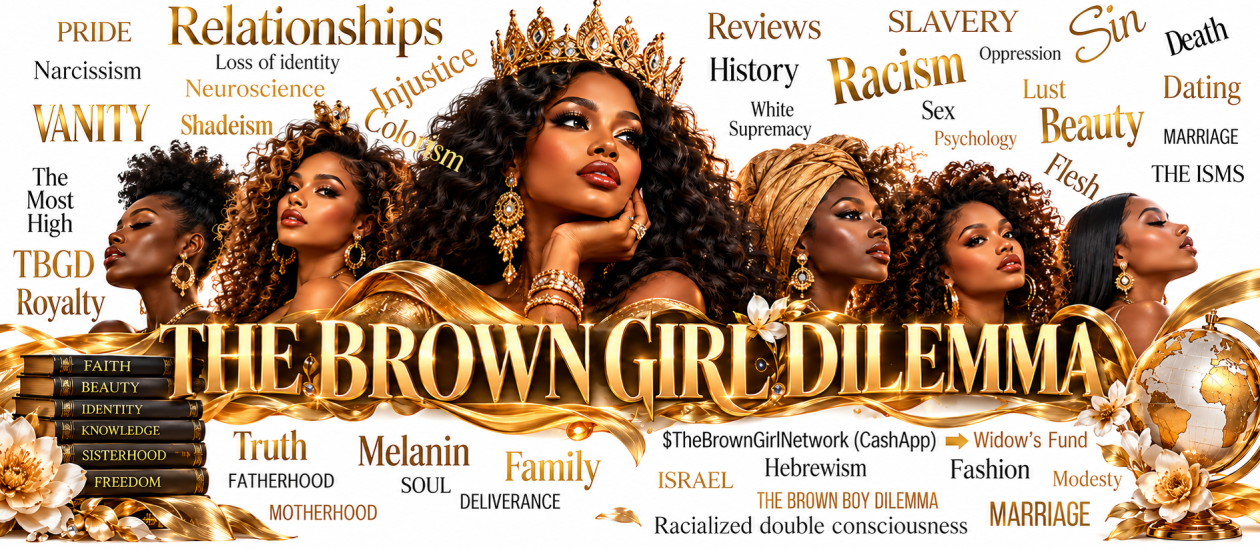


Beauty has always been more than a reflection in a mirror; it is a cultural narrative shaped by history, power, economics, media, and social expectations. Every society creates ideas about what is considered beautiful, desirable, and worthy of admiration. However, the deeper question remains: who has the authority to write the story of beauty? The answer reveals much about the relationship between identity, representation, and power. Beauty standards are not created in isolation; they are influenced by institutions, industries, and cultural systems that determine whose features, bodies, and appearances receive recognition.
Throughout history, beauty ideals have reflected the values and priorities of dominant societies. From ancient civilizations that celebrated specific physical traits to modern media industries that promote particular images, beauty has often been connected to status and social acceptance. The Western beauty industry, in particular, has played a significant role in defining global standards through advertising, film, fashion, and popular culture. These representations have shaped perceptions of femininity, attractiveness, and social worth.
For many Black women, the beauty narrative has historically been complicated by racism, colonialism, and colorism. Features associated with African ancestry have often been marginalized while Eurocentric features were elevated as universal standards of beauty. Scholars have examined how these social constructions influenced the way Black women viewed themselves and how they were viewed by society. The struggle has not only been about appearance; it has been about recognition, dignity, and the right to define beauty on one’s own terms.
Media representation plays a powerful role in shaping beauty narratives. When certain groups are consistently underrepresented or portrayed through stereotypes, society receives a limited understanding of beauty and identity. Representation matters because images influence self-perception, confidence, and belonging. The stories that appear in magazines, television, film, and digital platforms communicate messages about who is considered beautiful and whose experiences deserve visibility.
The beauty industry also demonstrates how economics influence perception. Companies invest billions of dollars in products, advertisements, and trends that often create desires and insecurities simultaneously. The beauty market can empower individuals through creativity and self-expression, but it can also reinforce the idea that people must constantly modify themselves to achieve acceptance. This tension raises important questions about whether beauty is an expression of individuality or a response to social pressure.
Social media has transformed the beauty narrative by allowing individuals to challenge traditional gatekeepers. Platforms have created spaces where diverse forms of beauty can be celebrated, including different skin tones, body types, hairstyles, and cultural expressions. However, social media has also introduced new pressures through filters, editing, and algorithm-driven popularity. The question remains whether these platforms truly democratize beauty or simply create new forms of comparison.
The rewriting of beauty narratives requires recognizing that beauty is not a single standard but a complex human experience shaped by culture, history, and personal identity. Movements celebrating natural hair, diverse representation, and cultural pride demonstrate efforts to expand society’s understanding of beauty. These movements challenge the assumption that one group has the authority to define what is beautiful for everyone else.
Psychological research suggests that the way people are represented influences self-esteem and identity development. When individuals see themselves reflected positively in society, it can strengthen feelings of belonging and confidence. Conversely, repeated exposure to narrow beauty ideals can contribute to dissatisfaction and feelings of inadequacy. Therefore, the beauty narrative is not merely about appearance—it is connected to mental health, social acceptance, and human dignity.
Ultimately, the question “Who writes the story?” reveals that beauty narratives are shaped by those with cultural influence, but they can also be rewritten by individuals and communities. Every generation has the opportunity to challenge limiting definitions and create broader visions of beauty. True beauty recognition occurs when people are valued not only for how they appear but for their intelligence, character, creativity, and humanity.
The future of beauty depends on expanding the narrative beyond comparison and exclusion. Beauty should not function as a hierarchy that determines worth; it should be understood as a diverse expression of human identity. The most powerful beauty story is one written by people who recognize their own value and refuse to allow society’s limitations to define them.
References
Bordo, S. (2003). Unbearable weight: Feminism, Western culture, and the body. University of California Press.
Crenshaw, K. (1989). Demarginalizing the intersection of race and sex. University of Chicago Legal Forum, 1989(1), 139–167.
hooks, b. (1992). Black looks: Race and representation. South End Press.
Wolf, N. (1991). The beauty myth: How images of beauty are used against women. William Morrow.
Discover more from THE BROWN GIRL DILEMMA
Subscribe to get the latest posts sent to your email.