
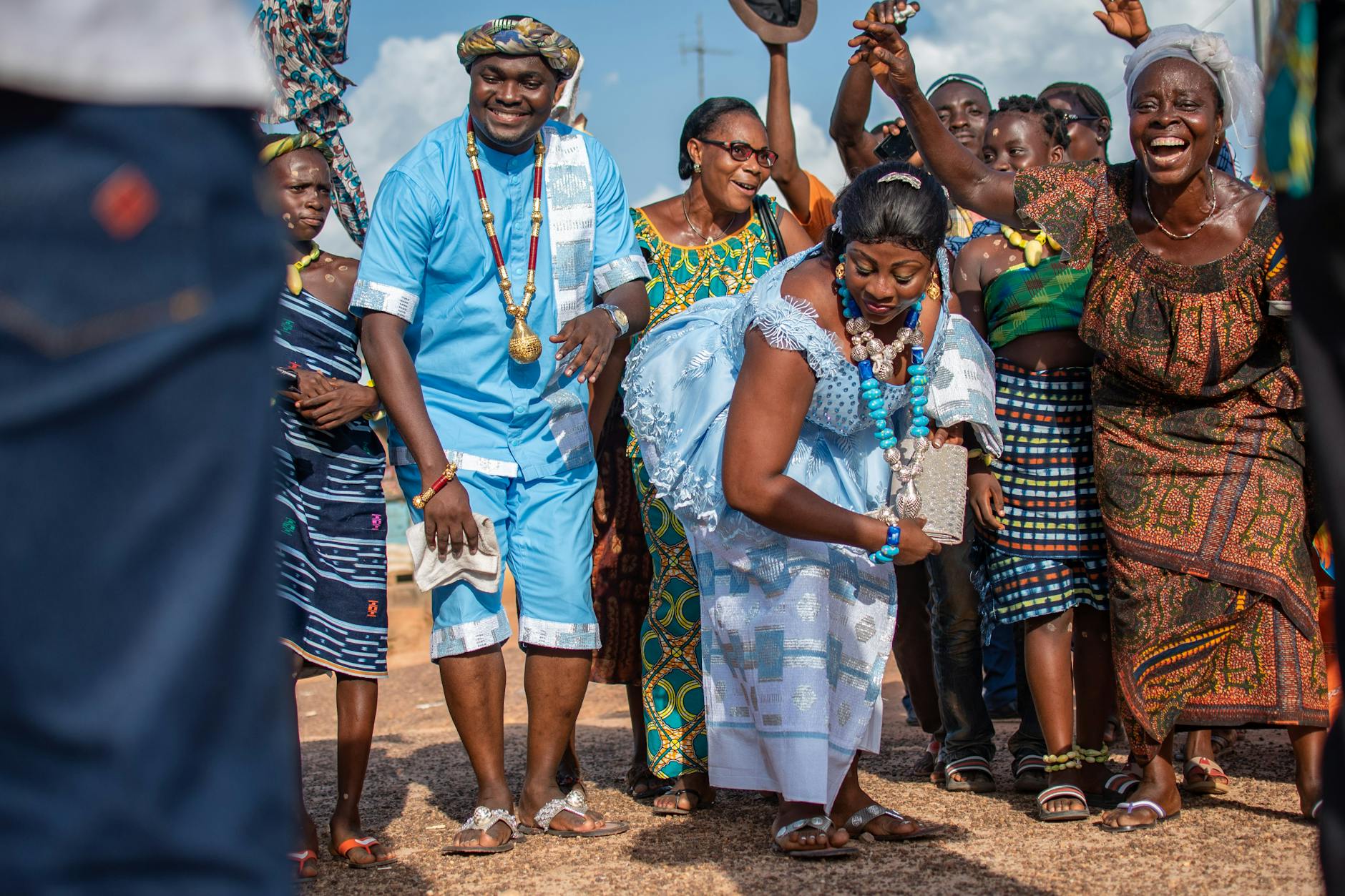
The history and cultural legacy of Black people are rich, complex, and often misrepresented. From ancient civilizations to the transatlantic slave trade, Black communities have faced oppression, exploitation, and erasure. Yet, these narratives also reveal extraordinary resilience, intelligence, and innovation. Understanding these facts challenges misconceptions and honors God’s design of His people (Psalm 139:14).
African Civilizations Pre-Slavery
Long before European contact, African kingdoms such as Mali, Songhai, Kush, and Great Zimbabwe were centers of wealth, education, and governance. Mansa Musa of Mali, for example, amassed immense wealth and elevated scholarship and trade, demonstrating the intellectual and economic prowess of Black civilizations (Conrad, 2012).
The Origins of Humanity
Scientific research shows that Homo sapiens originated in Africa. Genetic studies confirm that all humans trace lineage to African ancestors, highlighting Black people as the root of humanity (Tishkoff et al., 2009).
Contributions to Science and Medicine
Ancient Egyptians pioneered surgery, medicine, and mathematics. The concept of medical documentation, early surgical procedures, and complex calendars originated in African societies, long before European acknowledgment.
Cultural Innovations
Black people developed advanced metallurgy, architecture, textiles, music, and art. Instruments such as the drum and innovations in astronomy, navigation, and oral history shaped civilizations globally.
The Transatlantic Slave Trade
Between the 16th and 19th centuries, millions of Africans were forcibly enslaved. This systemic oppression disrupted societies, severed familial bonds, and attempted to erase cultural identity, leaving a legacy of trauma that persists today (Eltis & Richardson, 2010).
Black Intellectual Traditions
Despite oppression, Black intellectualism flourished. Figures like W.E.B. Du Bois, Olaudah Equiano, and Phillis Wheatley challenged stereotypes and demonstrated literary, philosophical, and scientific brilliance.
Biblical Identity
The Bible references the descendants of Cush, Mizraim, and Ham, linking Black people to God’s covenantal history (Genesis 10:6–14). This heritage underscores that Black people are not secondary or accidental, but divinely created with purpose.
Resilience Amid Oppression
Black communities have demonstrated remarkable resilience, developing strategies to survive, adapt, and thrive despite systemic racism, segregation, and economic exploitation. Faith, communal support, and cultural preservation were central to survival.
Impact on Global Culture
From language and music to cuisine and fashion, Black culture has profoundly influenced global societies. Jazz, hip-hop, gospel, and African diasporic traditions reflect creativity born from both joy and struggle.
Skin Tone and Colorism
Colorism within Black communities is a byproduct of colonialism, privileging lighter skin while marginalizing darker skin. This internalized hierarchy is not reflective of value or beauty but of historical imposition (Hunter, 2007).
Economic and Political Contributions
Black inventors, entrepreneurs, and leaders have shaped modern society. Innovations such as traffic lights, medical devices, and agricultural techniques were pioneered by Black individuals, despite systemic barriers.
Misrepresentation in Media
Media often distorts Black identity, portraying negative stereotypes while omitting historical and cultural contributions. These narratives perpetuate misconceptions and obscure the richness of Black heritage.
Health Disparities and Genetics
Black populations experience certain health disparities due to both socio-economic and biological factors. Yet genetic diversity among Africans has contributed to adaptive strengths, including immunity to certain diseases and physical endurance.
Spiritual Depth
Faith has been central to Black survival and empowerment. Christianity, Islam, and traditional spiritual practices have fostered resilience, moral guidance, and community cohesion across centuries.
Diaspora Connections
The African diaspora maintains cultural continuity through language, religion, and tradition. Understanding these connections highlights a shared heritage that spans continents and centuries.
Resistance and Liberation Movements
From slave revolts to civil rights activism, Black people have consistently resisted oppression. Leaders such as Harriet Tubman, Frederick Douglass, and Malcolm X exemplify courage, strategic intelligence, and moral leadership.
Contemporary Achievements
Today, Black individuals excel in academia, arts, business, science, and governance, challenging historical misrepresentations and redefining global influence.
Conclusion
Black history and culture are filled with achievements, resilience, and divine purpose. Recognizing these facts challenges societal misconceptions and honors the value and dignity of Black people as God’s creation (Psalm 139:14; Genesis 1:27). True understanding requires both historical insight and cultural appreciation.
References
- Conrad, D. C. (2012). Empires of medieval West Africa: Ghana, Mali, and Songhai. Ohio University Press.
- Eltis, D., & Richardson, D. (2010). Atlas of the transatlantic slave trade. Yale University Press.
- Hunter, M. L. (2007). The persistent problem of colorism: Skin tone, status, and inequality. Sociology Compass, 1(1), 237–254. https://doi.org/10.1111/j.1751-9020.2007.00006.x
- Tishkoff, S. A., et al. (2009). The genetic structure and history of Africans and African Americans. Science, 324(5930), 1035–1044. https://doi.org/10.1126/science.1172257
- Psalm 139:14 (KJV) – “I am fearfully and wonderfully made.”
- Genesis 10:6–14 (KJV) – Descendants of Cush, Mizraim, and Ham.
Discover more from THE BROWN GIRL DILEMMA
Subscribe to get the latest posts sent to your email.
 THE BROWN GIRL DILEMMA