
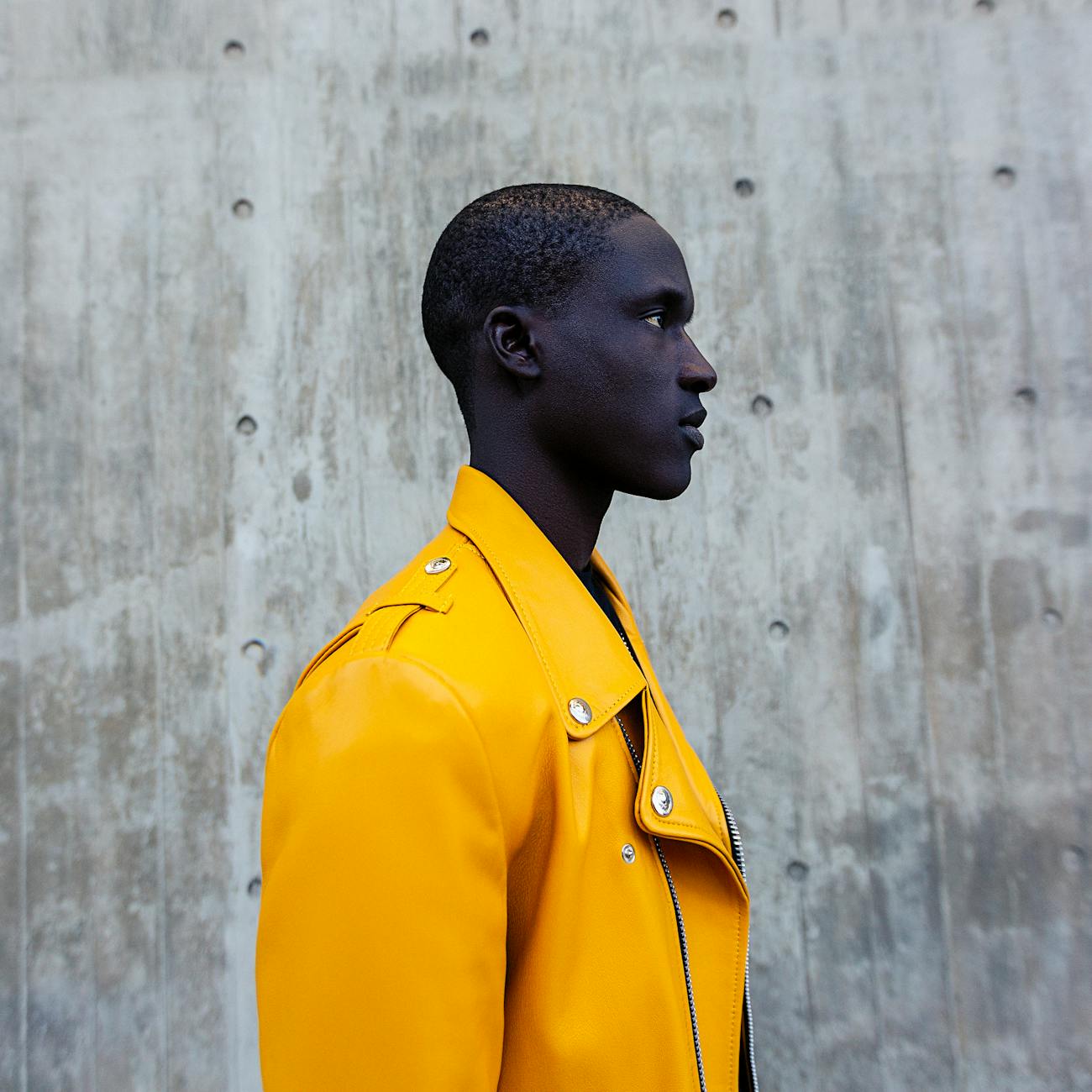
Colorism is not just a women’s issue — it is a community issue. Black men, in particular, play a critical role in shaping beauty standards, especially through dating choices, music, and cultural influence. To dismantle colorism, Black men must become allies and active participants in affirming dark-skinned women’s dignity and worth.
Historically, colorism was reinforced by systems that divided enslaved Black people based on skin tone. Lighter-skinned Black men and women were given preferential treatment, creating hierarchies that still influence dating and marriage patterns today (Hunter, 2007). Black men must examine how much of their preferences are rooted in this colonial history.
Many Black men have admitted to being told from a young age that lighter-skinned girls were more desirable. This conditioning is not merely personal taste but cultural programming that associates lightness with refinement and status (Wilder, 2010).
Rap lyrics and hip-hop culture have often glorified “redbones” or “yellow bones,” reinforcing the idea that lighter-skinned women are the ultimate prize. When influential Black men elevate only one type of beauty, it reinforces harmful hierarchies for the entire community (Neal, 2013).
The first step for Black men is introspection. Asking “Why do I find this skin tone more attractive?” can uncover unconscious biases. Recognizing that preferences can be shaped by media, colonialism, and white supremacy is essential to choosing love freely and without inherited prejudice.
Public affirmation matters. When Black men openly celebrate their dark-skinned wives, daughters, and partners, they send a powerful message to younger boys and the community at large. NBA player LeBron James, for example, often praises his dark-skinned wife Savannah publicly, providing representation that counters stereotypes.
Music artists can also be powerful agents of change. Kendrick Lamar famously rapped, “I want a real woman, not a Barbie doll” and has celebrated darker-skinned women in his videos. More male artists following suit would normalize seeing dark-skinned women as desirable and worthy of love songs.
Black fathers hold special influence. The way a father talks to his daughter about her beauty can shape her self-esteem for life. Fathers must affirm their daughters’ skin as beautiful, compliment them without comparing them to lighter peers, and teach them to embrace their natural hair and features (Harris, 2015).
Mentorship is another key area. Young Black boys must be taught early that beauty is not determined by proximity to whiteness. When mentors and role models praise women of all shades — especially darker-skinned women — they help undo cycles of internalized bias.
In barbershops and male-dominated spaces, colorist jokes and comments must be challenged. Black men can change the tone of conversation by refusing to laugh at insults aimed at dark-skinned women and calling out backhanded compliments like “She’s pretty for a dark-skinned girl.”
In families, brothers and male cousins can be protective allies. Instead of teasing their sisters or female relatives for being “too dark,” they can encourage them, compliment them, and shut down colorist remarks from others.
Spiritual leadership from Black men can be transformative. When pastors and male church leaders preach against favoritism (James 2:1-4) and affirm that every shade of Black skin reflects God’s image, they restore dignity to the women in their congregations.
Economically, Black male entrepreneurs, photographers, and designers can hire, feature, and celebrate dark-skinned women in their projects. This provides both representation and opportunity, counteracting decades of exclusion in business and media.
Black male directors, writers, and filmmakers must also tell stories that feature dark-skinned women as love interests and heroines. Barry Jenkins’ If Beale Street Could Talk and Ryan Coogler’s Black Panther are examples of films that present darker-skinned women with elegance and depth.
Men must also hold one another accountable in dating spaces. If a friend refuses to date dark-skinned women because they are “too ghetto” or “too masculine,” brothers must challenge those stereotypes and ask where those ideas originated.
Educating sons is critical. Parents can show their boys positive images of dark-skinned women in books, movies, and history lessons. When boys grow up seeing dark-skinned beauty celebrated, they are less likely to perpetuate colorism in adulthood.
Social media is another battleground. Black men with platforms should use them to uplift women of all shades, rather than fueling comparison or tearing down darker-skinned women. Positive representation online can reach millions of people and shift public perception.
Breaking cycles of colorism also means embracing healthy masculinity. When men heal from their own traumas, they stop projecting insecurities onto women by trying to control or police their appearance based on Eurocentric ideals.
Ultimately, Black men’s voices carry weight. When they reject colorism publicly, privately, and in relationships, they help dismantle a system that has harmed Black women for centuries. They become co-builders of a community where every shade is celebrated.
The fight against colorism is not just about aesthetics — it is about restoring unity, love, and respect between Black men and women. When Black men lead with intention, they can help rewrite beauty standards and leave a healthier legacy for generations to come.
References
- Harris, A. (2015). The Influence of Fathers on the Self-Esteem of African American Daughters. Journal of Black Psychology, 41(3), 257–276.
- Hunter, M. (2007). The Persistent Problem of Colorism: Skin Tone, Status, and Inequality. Sociology Compass, 1(1), 237–254.
- Neal, M. A. (2013). What the Music Said: Black Popular Music and Black Public Culture. Routledge.
- Wilder, J. (2010). Revisiting “Color Names and Color Notions”: A Contemporary Examination of the Language and Attitudes of Skin Color among Young Black Women. Journal of Black Studies, 41(1), 184–206.
Discover more from THE BROWN GIRL DILEMMA
Subscribe to get the latest posts sent to your email.
 THE BROWN GIRL DILEMMA