Tag Archives: wellness

The Tuskegee Syphilis Study – Medical exploitation of Black men.

The Tuskegee Syphilis Study stands as one of the most infamous examples of medical racism and ethical misconduct in American history. Conducted between 1932 and 1972, the study involved hundreds of Black men who were deliberately misled and denied proper medical treatment in order for government researchers to observe the natural progression of untreated syphilis. The experiment revealed how racial prejudice, scientific curiosity, and institutional power combined to exploit a vulnerable population under the guise of public health research.

The study was conducted in Tuskegee, located in Alabama, a region with a large population of poor Black sharecroppers. Researchers from the United States Public Health Service collaborated with the Tuskegee Institute (now Tuskegee University) to recruit participants. Approximately 600 Black men were enrolled in the study, including 399 men who had syphilis and 201 who did not and were used as a control group.

Participants were told that they were receiving treatment for what doctors described as “bad blood,” a vague term commonly used in the rural South to refer to various ailments such as fatigue, anemia, or infections. In reality, the men were never informed that they had syphilis, nor were they told that the purpose of the study was to observe the disease’s untreated progression over time.

During the early twentieth century, scientific racism strongly influenced American medical research. Many white physicians believed that Black people were biologically different and less sensitive to pain or disease than white populations. These racist assumptions contributed to the belief that Black bodies could be used as experimental subjects without the same ethical considerations afforded to white patients.

When the study began in 1932, treatments for syphilis were limited and often dangerous. However, by the mid-1940s, the antibiotic Penicillin had become the widely accepted and highly effective cure for syphilis. Despite this breakthrough, researchers involved in the Tuskegee study intentionally withheld the drug from participants in order to continue observing the disease’s long-term effects.

Researchers monitored the men for decades, regularly conducting blood tests, spinal taps, and physical examinations. Many of the participants believed these procedures were forms of medical care, when in reality they were part of a long-term observational experiment. The spinal taps were misleadingly described to the men as “special treatment,” even though they were primarily diagnostic procedures used for research purposes.

The consequences for the participants were devastating. Untreated syphilis can lead to severe complications, including neurological damage, blindness, heart disease, and death. Many of the men in the study suffered these outcomes while researchers documented the progression of their illness.

The harm extended beyond the individual participants. Because the men were unaware they had syphilis, many unknowingly transmitted the disease to their wives. In some cases, children were born with congenital syphilis, a condition that can cause serious developmental and health complications.

The study continued for forty years, largely hidden from public scrutiny. Government officials, medical researchers, and public health professionals were aware of the experiment, yet few questioned its ethical implications during its early decades. Institutional authority and racial bias allowed the study to persist without significant oversight.

The experiment was finally exposed in 1972 after investigative reporting by Jean Heller, a journalist for Associated Press. Her report brought national attention to the unethical nature of the study and sparked widespread public outrage.

Following the media revelations, the study was immediately terminated by federal authorities. Public condemnation came from medical professionals, civil rights organizations, and political leaders who recognized the experiment as a gross violation of human rights and medical ethics.

The scandal prompted congressional hearings and led to the establishment of new ethical guidelines for human research in the United States. In 1974, the U.S. government passed the National Research Act, which created oversight systems for studies involving human subjects.

One of the most important outcomes of the investigation was the development of the Belmont Report in 1979. This document established fundamental ethical principles for human research, including respect for persons, beneficence, and justice. These principles continue to guide modern medical research practices.

The legacy of the Tuskegee study has had a profound impact on the relationship between Black communities and the American medical establishment. The study reinforced longstanding mistrust toward healthcare institutions among African Americans, many of whom view the incident as evidence of systemic racism within the medical system.

Medical researchers and public health officials have acknowledged that the lingering effects of this mistrust contribute to disparities in healthcare access, participation in clinical trials, and attitudes toward medical treatment among Black populations.

In 1997, the U.S. government formally apologized for the study. During a ceremony at the White House, Bill Clinton issued a public apology to the surviving participants and their families, acknowledging that the government had profoundly violated their rights and dignity.

Clinton stated that the study represented a betrayal of trust and a reminder of the importance of ethical standards in medical research. The apology was widely viewed as a symbolic attempt to address the historical injustice inflicted upon the victims.

Today, the Tuskegee Syphilis Study is frequently taught in medical schools, public health programs, and ethics courses as a cautionary example of how scientific research can be corrupted by racism and institutional power.

The event also serves as a critical reminder of the need for informed consent, transparency, and respect for human dignity in medical research. These ethical standards were strengthened precisely because of the injustices exposed by the Tuskegee study.

Ultimately, the Tuskegee Syphilis Study illustrates how vulnerable populations can be exploited when prejudice, authority, and scientific ambition intersect. Its history remains a powerful lesson about the importance of ethical accountability in both medicine and public health.


References

Brandt, A. M. (1978). Racism and research: The case of the Tuskegee Syphilis Study. Hastings Center Report, 8(6), 21–29.

Centers for Disease Control and Prevention. (2023). The Tuskegee timeline. Centers for Disease Control and Prevention.

Gamble, V. N. (1997). Under the shadow of Tuskegee: African Americans and health care. American Journal of Public Health, 87(11), 1773–1778.

Jones, J. H. (1993). Bad blood: The Tuskegee syphilis experiment. New York: Free Press.

Reverby, S. M. (2009). Examining Tuskegee: The infamous syphilis study and its legacy. Chapel Hill: University of North Carolina Press.

U.S. Department of Health and Human Services. (2022). Tuskegee syphilis study archival records. Washington, DC.

Balancing Career, Family, and Self-Care

Photo by Anna Shvets on Pexels.com

In modern society, Black women often navigate multiple roles simultaneously—professional, familial, and personal—while managing expectations shaped by race, gender, and culture. Balancing career, family, and self-care is not merely a matter of time management but involves intentional planning, boundary-setting, and prioritization to sustain health, well-being, and personal fulfillment.

Career demands frequently compete with family responsibilities. Black women are often expected to excel professionally while maintaining households, providing emotional support, and fulfilling caregiving roles. Research shows that this “double burden” contributes to higher stress levels, burnout, and decreased overall well-being if self-care is neglected (Lewis & Neville, 2015).

Family responsibilities encompass childcare, eldercare, and domestic management. Cultural expectations within Black communities often emphasize strong familial bonds and multigenerational support, which, while enriching, can place additional demands on women. Effective balancing requires delegation, open communication with family members, and the setting of realistic expectations.

Self-care is a critical yet frequently overlooked component of sustaining this balance. Practices may include regular physical exercise, mental health care, mindfulness, hobbies, and spiritual growth. For Black women, self-care is also a form of resistance against societal pressures to be perpetually strong and self-sacrificing (Greene, 2019).

Balancing Career, Family, and Self-Care for Black Women

1. Career Strategies

  • Prioritize tasks and set realistic goals.
  • Seek mentorship and professional support networks.
  • Negotiate flexible work hours or remote options.
  • Icons: Briefcase, checklist, calendar.

2. Family Responsibilities

  • Delegate household tasks when possible.
  • Communicate openly with family members.
  • Set boundaries to prevent overcommitment.
  • Icons: Family tree, home, heart.

3. Self-Care Practices

  • Physical: Exercise, nutrition, rest.
  • Mental: Therapy, journaling, mindfulness.
  • Spiritual: Prayer, meditation, scripture reflection (Proverbs 31:15, KJV).
  • Icons: Lotus flower, yoga figure, Bible.

4. Time Management

  • Use planners or digital calendars.
  • Schedule dedicated personal time.
  • Break tasks into manageable segments.
  • Icons: Clock, calendar, alarm.

5. Boundary-Setting

  • Learn to say “no” without guilt.
  • Limit exposure to toxic environments.
  • Protect energy and prioritize well-being.
  • Icons: Shield, stop sign, lock.

6. Community & Support

  • Join support groups or online communities.
  • Connect with friends, family, or colleagues who uplift.
  • Share experiences and strategies for balance.
  • Icons: People icons, chat bubbles, network nodes.

Time management strategies, such as creating structured routines, prioritizing tasks, and scheduling personal time, are essential. Using tools like planners, digital calendars, and task lists can help manage competing responsibilities while ensuring space for rest and rejuvenation.

Boundary-setting is equally crucial. Learning to say “no” to overcommitment, limiting exposure to toxic work or social environments, and advocating for equitable distribution of household responsibilities supports both mental and physical health. Boundaries protect energy and reinforce the importance of self-care as non-negotiable.

Career flexibility, such as negotiating remote work, flexible hours, or professional support systems, enables Black women to meet family obligations while pursuing career growth. Mentorship and networking can also provide guidance and support, reducing isolation and promoting sustainable success.

Spiritual grounding and reflective practices enhance resilience. Prayer, meditation, and alignment with personal values offer emotional replenishment and guidance, reinforcing the interconnectedness of personal well-being, family harmony, and professional fulfillment. “She riseth also while it is yet night, and giveth meat to her household, and a portion to her maidens” (Proverbs 31:15, KJV) exemplifies the integration of care for self and others.

Technology can support balance through organizational apps, virtual support communities, and online wellness resources. However, mindful use is critical to avoid digital fatigue, ensuring technology aids rather than exacerbates stress.

In conclusion, balancing career, family, and self-care requires intentionality, resilience, and strategic planning. By setting boundaries, prioritizing self-care, fostering supportive networks, and integrating spiritual and personal practices, Black women can achieve sustainable fulfillment across all life domains. Recognizing that self-care is essential, not indulgent, empowers women to thrive professionally, personally, and spiritually.


References

  • Greene, L. (2019). Self-Care and Resistance: Black Women’s Well-Being in a Demanding World. Routledge.
  • Lewis, J. A., & Neville, H. A. (2015). Construction and initial validation of the Gendered Racial Microaggressions Scale for Black women. Journal of Counseling Psychology, 62(2), 289–302.
  • The Holy Bible, King James Version.

Brain Rot: The Lure of Social Media

Photo by Dalila Dalprat on Pexels.com

Social media stands as one of the most powerful forces shaping modern consciousness. While it promises connection, entertainment, and information, it simultaneously erodes attention, distorts self-perception, and rewires the mind. The phrase “brain rot” captures this slow psychological decay—a cultural and neurological drifting toward distraction, comparison, and overstimulation (Alter, 2017). In a world where digital platforms govern attention, the brain becomes a battlefield.

Algorithms engineer compulsion, not connection. Platforms optimize for engagement, not mental well-being, feeding the mind constant stimulation that disrupts cognitive rest cycles (Foerde & Shohamy, 2020). Where previous generations sought answers through study and silence, today many seek stimulation through endless scroll.

Attention—the currency of consciousness—is now fractured. Continuous scrolling conditions the mind to crave novelty at the expense of depth (Carr, 2020). A long-form book becomes unbearable, silence becomes uncomfortable, and thought becomes fragmented. The result is an inability to remain still, focus deeply, or engage meaningfully in sustained learning.

Attention decay is not a failure of willpower; it is engineered. Platforms deploy behavioral design mechanisms—intermittent rewards, infinite scroll, push notifications—to keep users locked in feedback loops (Eyal, 2014). The brain, wired for dopamine reward cycles, responds instinctively. Every like, share, and notification becomes a small high.

This dopamine loop leads to repeated checking, searching, and refreshing. Research shows similar neural activation patterns between social media engagement and substance addiction (Andreassen et al., 2017). The mind becomes dependent on micro-stimuli, weakened in its ability to seek fulfillment offline. The quiet life feels empty without digital applause.

Beyond neurology, the lure of social media is emotional. It offers validation. Affirmation. Belonging. Yet behind the screen lies comparison, envy, and insecurity. Curated lives produce distorted standards—beauty that is filtered, success that is exaggerated, happiness that is staged (Chou & Edge, 2012). The heart grows restless chasing illusions.

Identity becomes performance. Value becomes measured by visibility. The self becomes a brand. The digital mirror shapes self-worth as individuals seek approval from audiences rather than from purpose, community, or faith (Twenge, 2017). What once came from inner conviction now comes from metrics: likes, followers, views.

Vulnerability deepens among youth. Studies show rising anxiety, depression, and social disorientation among adolescents linked to heavy social media use (Keles et al., 2020). With developing brains still forming executive function and emotional regulation, the digital trap becomes generational.

Social comparison intensifies colorism, beauty bias, and racial insecurity online. Eurocentric filters and algorithmic biases elevate certain features and diminish others, reinforcing internalized hierarchy (Noble, 2018). In Black communities especially, social media creates pressure to conform to narrow aesthetics while erasing complexity and heritage.

The spiritual dimension of brain rot is profound. Constant distraction dulls discernment. The mind becomes reactive instead of reflective. Scripture warns, “Be still, and know that I am God” (Psalm 46:10, KJV). But digital culture abandons stillness. When the soul loses silence, it loses clarity.

Social media also impacts memory and learning. Outsourcing thought to devices weakens retrieval processes and deep storage of information (Storm & Stone, 2015). Minds no longer remember; they rely on searching. Knowledge becomes external. Wisdom becomes scarce.

Community fractures into digital tribes. Echo chambers amplify anger, misinformation, and division. Outrage becomes a resource to harvest, not a reaction to injustice (Sunstein, 2017). Brain rot is not only forgetting truth; it is learning to love noise.

Yet social media is not inherently destructive—it reflects usage. It can teach, inform, uplift, and empower movements for justice. Digital mobilization has amplified marginalized voices, documented abuses, and preserved history erased from mainstream narratives (Tufekci, 2017). The danger lies not in the tool, but in the unexamined dependency.

Restoration requires discipline. Boundaries guard the mind. Intentional consumption, designated offline time, and mindful use reclaim mental sovereignty (Newport, 2019). Digital sabbaths cultivate peace. Silence strengthens the inner voice.

Parents, educators, and leaders must teach digital literacy. Children must learn that value is not algorithm-assigned but divinely inherent. Minds must rediscover books, prayer, reflection, and community—not merely screens.

Prioritizing presence heals. Eye-to-eye conversation, physical touch, shared experiences, and real-world learning nourish cognitive development and emotional well-being. No emoji replaces human intimacy.

Ultimately, brain rot is a symptom of spiritual and cultural drift. When the mind serves distraction instead of purpose, decay follows. But when the mind seeks truth, discipline, and meaning, it flourishes. As Scripture reminds, “Set your affection on things above, not on things on the earth” (Colossians 3:2, KJV).

To reclaim the brain is to reclaim sovereignty, identity, and destiny. It is to choose depth over distraction and wisdom over noise. The battle for the mind is the battle for the future.

The cure begins with awareness, continues with discipline, and ends in liberation. The brain can be rewired. Focus can be restored. Thought can deepen again. We simply must choose clarity over chaos.

The lure of social media is strong—but the power of a disciplined mind is stronger.


References

Alter, A. (2017). Irresistible: The rise of addictive technology and the business of keeping us hooked. Penguin Press.
Andreassen, C. S., et al. (2017). The relationship between addictive use of social media and video games and symptoms of psychiatric disorders. Psychological Reports, 120(4).
Carr, N. (2020). The shallows: What the Internet is doing to our brains. W. W. Norton.
Chou, H., & Edge, N. (2012). “They are happier and having better lives than I am”: Facebook use and depression. Cyberpsychology, Behavior, and Social Networking, 15(2).
Eyal, N. (2014). Hooked: How to build habit-forming products. Portfolio.
Foerde, K., & Shohamy, D. (2020). Neuroscience of habit learning. Neurobiology of Learning and Memory, 169.
Keles, B., et al. (2020). A systematic review of social media and depression among adolescents. Clinical Child and Family Psychology Review, 23(4).
Noble, S. U. (2018). Algorithms of oppression: How search engines reinforce racism. NYU Press.
Newport, C. (2019). Digital minimalism: Choosing a focused life in a noisy world. Portfolio.
Storm, B. C., & Stone, S. M. (2015). Saving-enhanced memory. Psychological Science, 26(2).
Sunstein, C. R. (2017). #Republic: Divided democracy in the age of social media. Princeton University Press.
Tufekci, Z. (2017). Twitter and tear gas: The power and fragility of networked protest. Yale University Press.
Twenge, J. (2017). iGen. Atria Books.

The Shade Spectrum

Photo by Bave Pictures on Pexels.com

The shade spectrum represents one of the most delicate and divisive realities within Black identity. From the earliest days of colonialism and slavery, skin tone became more than a biological trait—it became a marker of privilege, beauty, and perceived worth. Today, those hierarchies remain deeply embedded in culture, psychology, and social interaction. Understanding the shade spectrum requires examining not just its history but also its present effects and the biblical truth that dismantles it.

The transatlantic slave trade laid the foundation for shade divisions. Light-skinned enslaved people were often given preferential treatment, such as domestic work, while darker-skinned individuals endured harsher field labor (Hunter, 2007). These divisions created long-lasting hierarchies within the Black community, pitting skin tones against one another in a manufactured contest for worth.

Light skin came to symbolize proximity to whiteness, an idea deeply ingrained in Eurocentric beauty standards. Social psychology notes that this proximity often translated into economic and social advantages, from better marriage prospects to higher rates of employment (Keith & Herring, 1991). Within the shade spectrum, lightness was rewarded, reinforcing generational divisions.

Dark skin, conversely, was vilified under colonial ideologies. It was associated with savagery, hypersexuality, and labor, becoming a site of stigma and shame. Yet, over time, darker complexions have also become symbols of strength, pride, and authenticity, particularly during cultural movements like Black Power in the 1960s and the current “melanin magic” renaissance.

Brown skin occupies a complex middle ground within the shade spectrum. Women like Nia Long, Gabrielle Union, Regina King, and Sanaa Lathan embody this hue, which often goes uncelebrated. While not outright despised, middle hues are frequently overlooked, representing an “in-between” that lacks the societal benefits of lightness or the cultural symbolism of darkness.

Psychologically, the shade spectrum functions as a system of social stratification. Research in colorism shows that individuals with lighter skin often report higher self-esteem and greater access to resources, while darker-skinned individuals face more discrimination (Hill, 2002). Brown-skinned individuals fall somewhere in between, experiencing subtle invisibility and marginalization.

The concept of “passing” further complicates the shade spectrum. Historically, light-skinned individuals could sometimes cross into white society, benefiting from privileges denied to darker-skinned peers. This practice reinforced the perception that lightness was synonymous with safety and success, embedding generational trauma into the community.

Media has consistently reflected and reinforced these hierarchies. From Lena Horne in the 1940s to Halle Berry in the 1990s, light-skinned women were elevated as beauty icons. Dark-skinned women like Lupita Nyong’o and Viola Davis have only recently gained widespread recognition. Brown-skinned women, while present, often remain categorized as “relatable” rather than ideal.

Spike Lee’s School Daze dramatized these tensions, contrasting the “Wannabes” (light-skinned) with the “Jigaboos” (dark-skinned). Yet the film also revealed the absence of middle hues, showing how the shade spectrum often erases women who live between these extremes.

Biblical truth directly challenges the shade spectrum. Genesis 1:27 (KJV) declares that all humanity is made in God’s image, leaving no room for hierarchies based on complexion. Song of Solomon 1:5 (KJV) boldly affirms dark beauty: “I am black, but comely.” These scriptures dismantle the false narratives that tie worth to skin tone.

The psychology of belonging highlights the damage caused by shade hierarchies. Social identity theory (Tajfel & Turner, 1986) suggests that group belonging shapes self-worth. When shade divisions fracture community, individuals struggle with identity, often internalizing inferiority based on where they fall within the spectrum.

For many brown-skinned women, adolescence becomes a battleground. Not deemed “light enough” or “dark enough,” they often internalize invisibility. These experiences can lead to anxiety, depression, and confusion about self-worth. The middle hue’s challenge reveals the cruel subtlety of colorism.

Romantic relationships also reflect the shade spectrum. Studies show that lighter-skinned women are often preferred as partners, symbolizing prestige, while darker-skinned women encounter stereotypes of strength or difficulty (Maddox & Gray, 2002). Brown-skinned women often become “safe choices,” valued for balance rather than passion.

Yet, each part of the spectrum carries resilience. Light-skinned women must navigate assumptions of privilege or inauthenticity. Dark-skinned women turn stigma into power through pride movements. Brown-skinned women create identity through balance and perseverance. Each shade holds a unique story of survival and resistance.

Theologically, the shade spectrum can be viewed as a distortion of divine creation. God’s design of melanin reflects artistry and variation, not hierarchy. Acts 17:26 (KJV) reminds us that God “hath made of one blood all nations of men.” Division based on shade is a man-made system that directly opposes divine unity.

Healing begins when the community rejects these hierarchies. Psychological research suggests that collective affirmation, media representation, and open dialogue about colorism are essential for dismantling generational biases (Monk, 2014). Acknowledging the spectrum without ranking it is the first step toward healing.

Representation matters deeply. When actresses like Regina King or Lupita Nyong’o are celebrated not just for their talent but for their beauty, the spectrum shifts. Affirmation at every shade disrupts the old hierarchies and plants seeds of pride across the spectrum.

Intergenerational healing also requires deliberate teaching. Parents and mentors must affirm children of every shade, reinforcing that no complexion is more worthy than another. This breaks cycles of bias that often begin in family structures.

Spirituality offers a higher lens. Psalm 139:14 (KJV) declares: “I will praise thee; for I am fearfully and wonderfully made.” This truth dismantles the spectrum’s hierarchy, affirming that all shades reflect God’s wonder. Healing comes from grounding identity in God, not in societal categories.

Colorism is not only a gendered issue but also affects men. Dark-skinned men are often stereotyped as threatening, while lighter-skinned men may be perceived as less masculine. Brown-skinned men, like their female counterparts, often occupy a liminal, overlooked position.

Music has also addressed the shade spectrum. From India.Arie’s anthem Brown Skin to Beyoncé’s celebration of “brown-skinned girls,” artists have used their platforms to affirm beauty across the spectrum. These cultural shifts remind society that music and art can heal the wounds of division.

Despite progress, the shade spectrum persists. Workplace studies reveal that lighter-skinned individuals continue to earn more and are more likely to be promoted than darker-skinned peers (Hersch, 2006). Colorism is not just a personal struggle but a systemic injustice embedded in structures of power.

Educational systems also reflect the spectrum. Teachers may unconsciously favor lighter-skinned students, leading to disparities in discipline and academic encouragement (Ferguson, 2001). These biases perpetuate long-term inequalities, showing how colorism shapes opportunity.

Yet, the shade spectrum can also be reframed as a source of collective beauty. Rather than functioning as a hierarchy, the spectrum represents the richness of Black identity—light, brown, and dark together form a radiant tapestry. Healing requires shifting from competition to celebration.

Community initiatives, like shade-inclusive campaigns in fashion and beauty industries, represent tangible steps forward. By displaying models across the full spectrum, these industries challenge Eurocentric standards and affirm every shade as worthy of admiration.

The shade spectrum also demands a theological response within churches. Too often, Westernized Christianity absorbed colorist ideas, perpetuating silence or complicity. A biblical reclaiming of melanin as divine artistry restores dignity and affirms unity.

Ultimately, the shade spectrum reveals the destructive power of division but also the potential for healing. When light, brown, and dark are each honored, the community reflects the wholeness God intended. The spectrum becomes not a hierarchy but a rainbow of resilience.

In the end, the shade spectrum is not about superiority or inferiority but about the richness of human diversity. Black skin, in all its hues, is a testimony of survival, beauty, and divine creation. When society finally sees this truth, the spectrum will no longer divide but unite.


References

  • Ferguson, A. A. (2001). Bad boys: Public schools in the making of Black masculinity. University of Michigan Press.
  • Hersch, J. (2006). Skin tone effects among African Americans: Perceptions and reality. American Economic Review, 96(2), 251–255.
  • Hill, M. E. (2002). Skin color and the perception of attractiveness among African Americans: Does gender make a difference? Social Psychology Quarterly, 65(1), 77–91.
  • Hunter, M. (2007). The persistent problem of colorism: Skin tone, status, and inequality. Sociology Compass, 1(1), 237–254.
  • Keith, V. M., & Herring, C. (1991). Skin tone and stratification in the Black community. American Journal of Sociology, 97(3), 760–778.
  • Maddox, K. B., & Gray, S. A. (2002). Cognitive representations of Black Americans: Re-exploring the role of skin tone. Personality and Social Psychology Bulletin, 28(2), 250–259.
  • Monk, E. P. (2014). Skin tone stratification among Black Americans, 2001–2003. Social Forces, 92(4), 1313–1337.
  • Tajfel, H., & Turner, J. (1986). The social identity theory of intergroup behavior. In S. Worchel & L. W. Austin (Eds.), Psychology of intergroup relations (pp. 7–24). Nelson-Hall.
  • The Holy Bible, King James Version.

Black Health Traditions: A Guide to Wholeness and Wellness.

Photo by Dapur Melodi on Pexels.com

Health has always been at the heart of Black survival and thriving. For centuries, Black families passed down traditions that emphasized natural healing, good food, and spiritual wholeness. In many African and African American households, health was not just physical — it was spiritual and emotional. The Bible reminds us, “Beloved, I wish above all things that thou mayest prosper and be in health, even as thy soul prospereth” (3 John 1:2, KJV). True health is a balance between body, mind, and spirit.

Historically, herbs played a central role in Black health traditions. Enslaved Africans and later generations often relied on the earth to provide medicine when they lacked access to doctors or were denied care. Remedies included peppermint and ginger tea for upset stomachs, garlic for colds, aloe vera for burns, and sassafras tea as a blood purifier (Gershenson, 2013). These herbal treatments were not merely survival techniques; they were acts of self-reliance and resistance in a system that often neglected Black health.

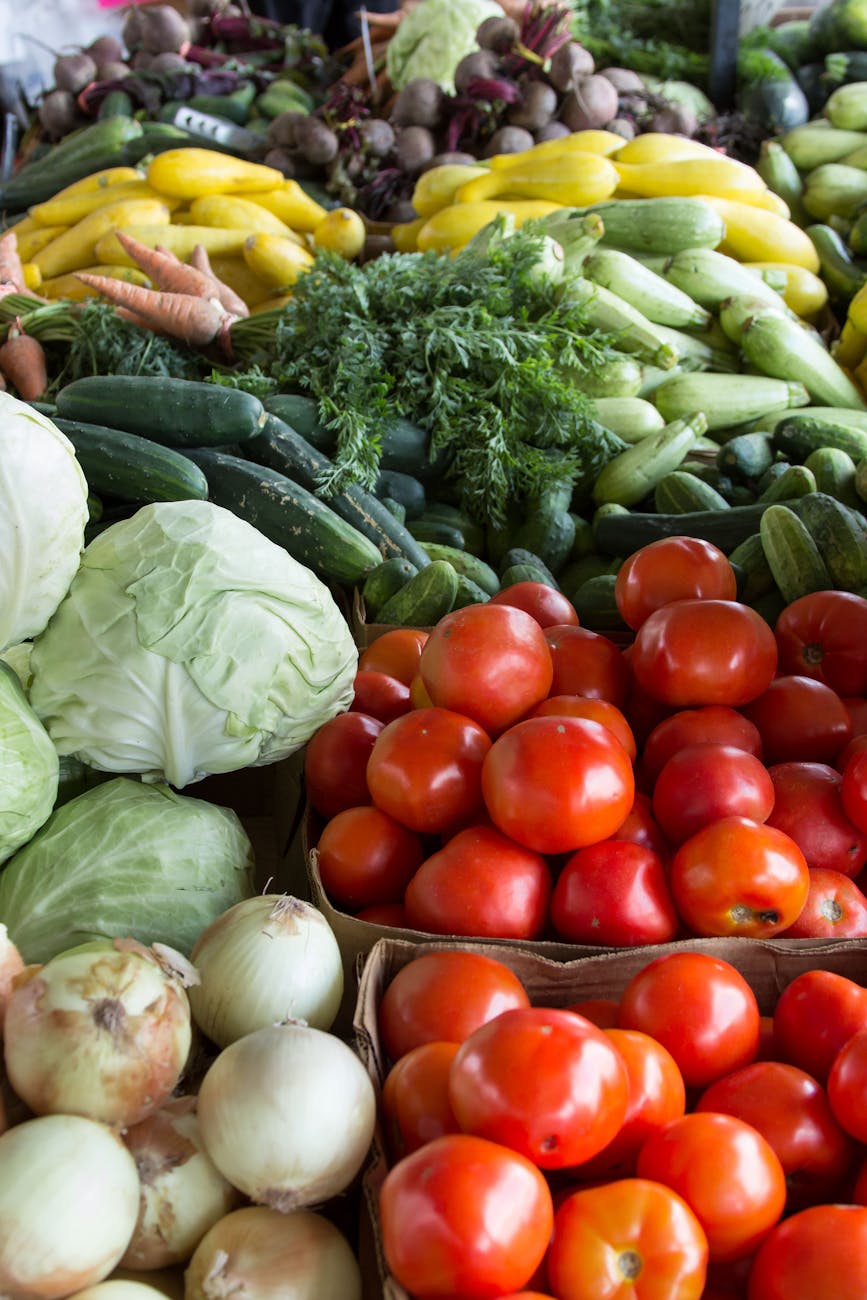
Food has always been medicine in Black culture. Psychology confirms that nutrition impacts mood and mental clarity (Jacka et al., 2017). Traditional African and African American diets emphasized vegetables, beans, rice, greens, and root crops that nourished the body. Proverbs 25:27 (KJV) warns, “It is not good to eat much honey,” reminding us that moderation is key even with good food. Soul food has roots in resourcefulness, but modern health calls us to adapt these meals by using less fat, sugar, and sodium while preserving flavor.

Home remedies were a staple of the Black household. Mothers and grandmothers often kept a pantry of vinegar, honey, lemon, castor oil, and Epsom salt. A mixture of honey, lemon, and warm water was used to soothe sore throats. Onion poultices were placed on the chest to break up congestion. Castor oil was given as a detox. These remedies reflected deep knowledge of natural health and a belief that God provided healing through creation (Genesis 1:29, KJV).

Spiritual health was always considered part of physical health. Prayer, laying on of hands, and anointing with oil were integral to the healing process. James 5:14-15 (KJV) instructs, “Is any sick among you? let him call for the elders of the church… and the prayer of faith shall save the sick.” This holistic approach — combining faith, community, and medicine — supported resilience and hope in times of illness.

The psychology of eating well plays a significant role in Black health today. Emotional eating is a common response to stress and trauma, especially in communities that have been historically marginalized. Research shows that a healthy diet can reduce depression and improve cognitive function (Jacka et al., 2017). By reclaiming ancestral eating patterns — fresh vegetables, grains, and herbs — Black people can heal not just physically but emotionally, breaking cycles of poor nutrition passed down through generations.

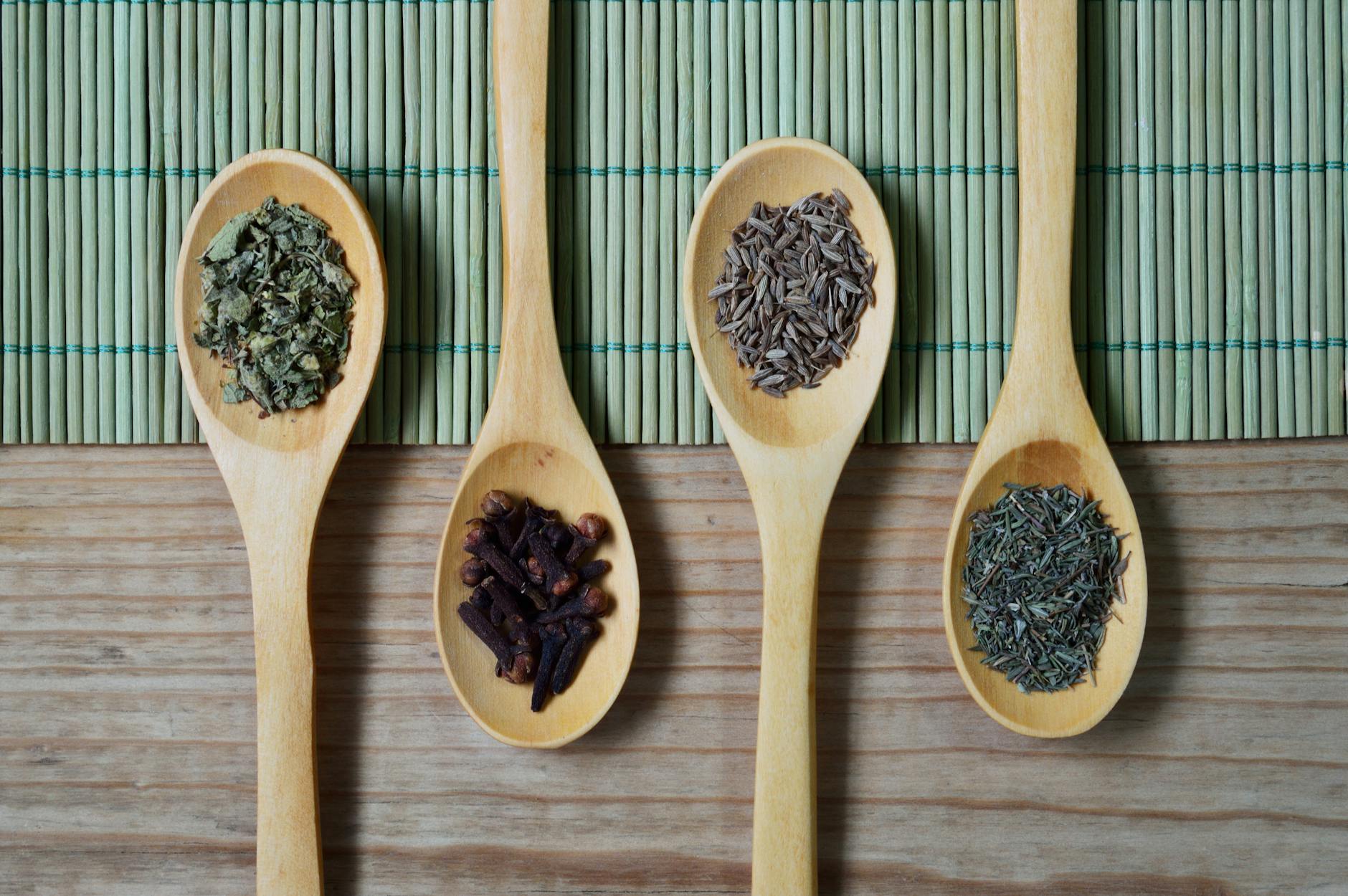
African remedies remain valuable for modern health. Bitter leaf is used in West Africa to cleanse the blood and improve digestion. Moringa, native to Africa and Asia, is packed with vitamins and antioxidants and is now called a “superfood.” Hibiscus tea (known as bissap or sorrel) helps lower blood pressure and refreshes the body. These remedies show that Africa has always been a source of wisdom in health and wellness.

Healthy Recipe Highlight:

African-Inspired Collard Greens


Ingredients: 1 bunch collard greens, 2 tbsp olive oil, 3 cloves garlic (minced), 1 small onion (chopped), 1 tomato (diced), ½ tsp smoked paprika, salt and pepper to taste.

Directions: Wash and chop collard greens. Heat olive oil in a large skillet, sauté garlic and onion until fragrant. Add tomato, paprika, and greens, cover and cook until tender (about 15 minutes). Season to taste.

Why it’s healthy: Collard greens are rich in vitamin K, calcium, and fiber. This recipe avoids heavy fats and preserves the greens’ nutrients, making it a heart-healthy choice.

Modern Black health movements encourage returning to these traditions. This means cooking at home, using natural herbs, exercising regularly, and being mindful of mental health. “Whether therefore ye eat, or drink, or whatsoever ye do, do all to the glory of God” (1 Corinthians 10:31, KJV). Eating well becomes an act of worship when it honors the body God gave you.

In conclusion, Black health traditions are rich with wisdom and resilience. From herbs and foods to prayer and community care, they remind us that health is not just about living long but living well. By blending psychology, biblical principles, and ancestral practices, Black communities can reclaim their health and pass on healing knowledge to future generations.


References

Gershenson, O. (2013). Food in the Civil Rights Movement: The soul of soul food. University of Georgia Press.

Jacka, F. N., O’Neil, A., Opie, R., Itsiopoulos, C., Cotton, S., Mohebbi, M., … & Berk, M. (2017). A randomized controlled trial of dietary improvement for adults with major depression (the SMILES trial). BMC Medicine, 15(1), 23. https://doi.org/10.1186/s12916-017-0791-y

World Health Organization. (2022). Nutrition and health. https://www.who.int/health-topics/nutrition

King James Bible. (1769/2023). Authorized King James Version. Cambridge University Press. (Original work published 1611)

Herbal Treatments for Pain

Photo by Miguel u00c1. Padriu00f1u00e1n on Pexels.com

Herbs have been used for centuries to relieve pain naturally, often providing anti-inflammatory, analgesic, and calming effects without the side effects of many synthetic medications. Here’s an overview of some well-known pain-relieving herbs and a closer look at turmeric’s specific role in pain management:


🌿 Herbs for Pain Relief

1. Turmeric (Curcuma longa)
Turmeric is one of the most powerful anti-inflammatory herbs known. Its active compound, curcumin, helps reduce pain by blocking inflammatory pathways in the body. Studies have shown that turmeric can work similarly to NSAIDs (like ibuprofen) but without the same risk of stomach irritation (Daily et al., 2016).

2. Ginger (Zingiber officinale)
Ginger contains gingerols, which have anti-inflammatory and antioxidant properties. It is often used for muscle soreness, menstrual pain, and arthritis-related discomfort.

3. Willow Bark (Salix alba)
Known as “nature’s aspirin,” willow bark contains salicin, which the body converts into salicylic acid — the same compound used to make aspirin. It’s particularly good for headaches, back pain, and osteoarthritis.

4. Devil’s Claw (Harpagophytum procumbens)
Traditionally used in African medicine, devil’s claw is effective for reducing inflammation and pain from arthritis, tendonitis, and lower back pain.

5. Boswellia (Boswellia serrata)
Also called Indian frankincense, boswellia helps block the formation of certain inflammatory molecules. It’s used for osteoarthritis and rheumatoid arthritis pain relief.

6. Valerian Root (Valeriana officinalis)
Though mainly used for sleep, valerian root also has mild muscle relaxant properties, making it helpful for tension headaches and muscle spasms.


🌟 What Turmeric Does for Pain

Turmeric’s pain-relieving power comes mainly from curcumin, its bright yellow polyphenol compound. Curcumin has several mechanisms of action:

  • Anti-Inflammatory Action – Curcumin inhibits NF-κB, a molecule that triggers inflammation. Less inflammation usually means less pain.
  • Antioxidant Support – It neutralizes free radicals that damage tissues and worsen pain.
  • Joint Health – Clinical studies have shown turmeric to reduce stiffness, swelling, and tenderness in people with osteoarthritis and rheumatoid arthritis (Henrotin et al., 2013).
  • Nerve Pain Support – Emerging research suggests curcumin may help with neuropathic pain by supporting nerve repair and reducing inflammation around nerve tissues.

Best Way to Use:

  • Take turmeric with black pepper (piperine) to increase absorption.
  • Can be used in golden milk, teas, or taken as a standardized curcumin supplement (500–2000 mg/day under medical supervision).

🌿 Herbal Remedies for Different Types of Pain

🧠 Headaches & Migraines

  • Willow Bark – Natural aspirin-like pain relief.
  • Feverfew (Tanacetum parthenium) – Known to prevent migraines and reduce severity.
  • Peppermint (Mentha piperita) – Peppermint oil applied to temples can relieve tension headaches.
  • Ginger – Reduces nausea and inflammation often associated with migraines.

🦴 Joint Pain & Arthritis

  • Turmeric (Curcuma longa) – Anti-inflammatory; helps reduce swelling and stiffness.
  • Boswellia (Indian Frankincense) – Blocks inflammatory enzymes, reducing joint damage and pain.
  • Ginger – Decreases pain and improves mobility.
  • Devil’s Claw – Traditionally used for arthritis and tendon pain.

💪 Muscle Pain & Soreness

  • Arnica (Arnica montana) – Topical gel or cream for bruises, sprains, and sore muscles.
  • Valerian Root – Acts as a mild muscle relaxant.
  • Chamomile – Calms muscle tension and helps with stress-related pain.
  • Rosemary – Used topically as an oil to improve circulation and ease muscle stiffness.

🔥 Nerve Pain (Neuropathy, Sciatica)

  • Turmeric/Curcumin – Reduces inflammation and supports nerve healing.
  • St. John’s Wort – Traditionally used for nerve pain and mild nerve damage.
  • Skullcap (Scutellaria lateriflora) – Helps calm nerve-related pain and spasms.
  • Cayenne Pepper (Capsaicin) – Cream applied topically can desensitize nerve pain signals.

🌸 Menstrual Pain & Cramps

  • Ginger – Reduces menstrual pain when taken as tea or capsules.
  • Cinnamon – Has antispasmodic properties and eases uterine contractions.
  • Cramp Bark (Viburnum opulus) – Specifically used to relax the uterus and reduce cramps.
  • Chamomile – Calms muscles and relieves bloating and discomfort.

🩹 Back Pain

  • Willow Bark – Works like aspirin for pain relief.
  • Devil’s Claw – Excellent for chronic lower back pain.
  • Turmeric – Helps reduce inflammation in the spine and surrounding muscles.
  • Ginger Compress – Can be applied topically for soothing warmth and pain relief.

💡 Tips for Best Results

  • Combine Herbs with Lifestyle Support – Stretching, hydration, rest, and anti-inflammatory foods amplify the effects.
  • Consistency Matters – Many herbs work best when taken regularly for a few weeks.
  • Check for Interactions – Some herbs (like St. John’s Wort, willow bark) may interact with medications, so consult a healthcare professional before starting.

📚 References

Daily, J. W., Yang, M., & Park, S. (2016). Efficacy of turmeric extracts and curcumin for alleviating the symptoms of joint arthritis: A systematic review and meta-analysis of randomized clinical trials. Journal of Medicinal Food, 19(8), 717–729. https://doi.org/10.1089/jmf.2016.3705

Henrotin, Y., Priem, F., & Mobasheri, A. (2013). Curcumin: A new paradigm and therapeutic opportunity for the treatment of osteoarthritis: Curcumin for osteoarthritis management. SpringerPlus, 2(1), 56. https://doi.org/10.1186/2193-1801-2-56

Gorji, A., & Khaleghi Ghadiri, M. (2001). History of headache in medieval Persian medicine. The Lancet Neurology, 1(8), 510–515. https://doi.org/10.1016/S1474-4422(02)00215-7

Gruenwald, J., Brendler, T., & Jaenicke, C. (2007). PDR for herbal medicines (4th ed.). Thomson Healthcare.

Ulbricht, C., Basch, E., Cheung, L., Goldberg, H., Hammerness, P., Isaac, R., … & Woods, J. (2011). An evidence-based systematic review of boswellia by the natural standard research collaboration. Journal of Dietary Supplements, 8(1), 45–88. https://doi.org/10.3109/19390211.2011.552068

Shara, M., & Stohs, S. J. (2015). Efficacy and safety of white willow bark (Salix alba) extracts. Phytotherapy Research, 29(8), 1112–1116. https://doi.org/10.1002/ptr.5377

Terry, R., & Ernst, E. (2000). Herbal remedies for osteoarthritis: A systematic review. British Journal of General Practice, 50(455), 493–496.

Ozgoli, G., Goli, M., & Moattar, F. (2009). Comparison of effects of ginger, mefenamic acid, and placebo in patients with primary dysmenorrhea. Journal of Alternative and Complementary Medicine, 15(2), 129–132. https://doi.org/10.1089/acm.2008.0311

Self-Care Strategies for Black Women

Photo by Anna Shvets on Pexels.com

Self-care is a vital practice for overall well-being, yet Black women often face unique social, cultural, and systemic stressors that make self-care both essential and challenging. Between navigating racial discrimination, gendered expectations, and community responsibilities, prioritizing one’s mental, emotional, and physical health is a radical act of empowerment (Beauboeuf-Lafontant, 2009).


Unique Challenges for Black Women

Black women frequently encounter intersectional stressors:

  • Racism and Microaggressions: Daily experiences of bias and subtle discrimination impact mental health and resilience (Sue et al., 2007).
  • The Strong Black Woman Schema: Cultural expectation to remain strong, self-sufficient, and emotionally resilient can lead to neglect of personal well-being (Watson & Hunter, 2016).
  • Generational and Community Pressures: Black women often carry familial responsibilities, further increasing stress and burnout.

Core Self-Care Strategies

1. Mental and Emotional Self-Care

  • Therapy and Counseling: Engage with culturally competent professionals to process experiences of stress, trauma, and racialized pressures.
  • Mindfulness and Meditation: Practices such as journaling, prayer, and deep-breathing exercises reduce stress and improve emotional regulation.
  • Setting Boundaries: Learning to say no and protecting personal energy is critical for sustaining well-being.

2. Physical Self-Care

  • Nutrition and Exercise: Balanced diets and regular physical activity strengthen both body and mind.
  • Sleep and Rest: Prioritizing adequate rest supports cognitive and emotional functioning.
  • Skincare and Hair Care: Engaging in grooming rituals promotes self-esteem and self-respect, particularly in navigating Eurocentric beauty pressures.

3. Spiritual Self-Care

  • Faith Practices: Prayer, scripture reading, and church community engagement can provide strength, hope, and purpose (Chatters et al., 2008).
  • Reflection and Gratitude: Regular reflection on blessings and achievements nurtures resilience.

4. Social Self-Care

  • Community and Peer Support: Connecting with supportive friends, family, or affinity groups reduces isolation and builds emotional resilience.
  • Mentorship and Sisterhood: Sharing experiences with other Black women fosters solidarity and empowerment.

5. Professional and Lifestyle Self-Care

  • Work-Life Balance: Manage workloads, advocate for fair treatment, and create boundaries at work.
  • Hobbies and Leisure: Engaging in creative, cultural, or recreational activities provides joy and replenishment.

Self-Care Toolkit for Black Women

1. Mental & Emotional Health

  • Therapy & Counseling: Seek culturally competent therapists to process stress and trauma.
  • Mindfulness & Meditation: Daily journaling, prayer, or deep-breathing exercises.
  • Set Boundaries: Learn to say no; protect your energy.
  • Affirmations: Speak life and encouragement into your day.

2. Physical Health

  • Exercise: Move your body—walk, yoga, dancing, or gym workouts.
  • Nutrition: Prioritize balanced meals and hydration.
  • Sleep: Aim for 7–9 hours nightly.
  • Grooming Rituals: Skincare, hair care, and hygiene practices as self-love acts.

3. Spiritual Health

  • Prayer & Scripture: Daily connection with God for guidance and strength.
  • Faith Community: Engage with supportive church or fellowship groups.
  • Reflection & Gratitude: Record blessings and victories to nurture resilience.

4. Social Health

  • Community Support: Build a circle of friends, family, or mentors.
  • Sisterhood: Join Black women’s networks or support groups.
  • Celebrate Wins Together: Share accomplishments and milestones with trusted allies.

5. Professional & Lifestyle

  • Work-Life Balance: Set boundaries to prevent burnout.
  • Hobbies & Creativity: Engage in arts, crafts, reading, or music for joy.
  • Financial Wellness: Budget, save, and plan for financial independence.
  • Self-Reflection: Regularly evaluate your goals and achievements.

6. Quick Daily Practices

  • Morning prayer or meditation
  • Five-minute gratitude journal
  • Short walk or stretch
  • Compliment or affirm yourself in the mirror
  • One act of kindness for yourself or others

Reminder: Self-care is not selfish—it is essential for sustaining your mental, physical, spiritual, and emotional well-being. It is also a form of empowerment and resistance against systemic pressures that often undervalue Black women’s needs.


Psychological and Cultural Significance

Psychologists emphasize that self-care enhances resilience, reduces stress, and strengthens identity, particularly in populations facing systemic oppression (Watson & Hunter, 2016). For Black women, self-care is an act of resistance against cultural and societal pressures that often undervalue their needs.


Conclusion

Self-care is not selfish—it is a holistic practice of empowerment, resilience, and faith for Black women. By nurturing the mind, body, spirit, and social connections, Black women cultivate the strength to thrive, sustain relationships, and pursue their purpose, even amidst systemic and societal challenges.


References

  • Beauboeuf-Lafontant, T. (2009). Strong and large: The identity politics of Black women’s experiences of strength. Signs: Journal of Women in Culture and Society, 34(2), 309–334.
  • Chatters, L. M., Taylor, R. J., Jackson, J. S., & Lincoln, K. D. (2008). Religious coping among African Americans, Caribbean Blacks and non-Hispanic Whites. Journal of Community Psychology, 36(3), 371–386.
  • Sue, D. W., Capodilupo, C. M., Torino, G. C., Bucceri, J. M., Holder, A. M., Nadal, K. L., & Esquilin, M. (2007). Racial microaggressions in everyday life: Implications for clinical practice. American Psychologist, 62(4), 271–286.
  • Watson, N. N., & Hunter, C. D. (2016). Anxiety and the strong Black woman: A theory of racialized emotional suppression in Black women. Clinical Psychology Review, 49, 106–120.

“Black Don’t Crack”: The Science Behind Melanated Skin.

Photo by KATRIN BOLOVTSOVA on Pexels.com

The popular phrase “Black Don’t Crack” is more than just a cultural expression; it is a reflection of biological science, genetics, and lived experience. The phrase highlights how people of African descent, with higher levels of melanin, often appear younger than their chronological age. While the statement is rooted in cultural pride, dermatological research confirms that melanated skin is more resistant to the visible effects of aging due to its structural composition and protective properties.

Melanin, the pigment that determines skin color, is a powerful natural protector. Darker skin tones contain higher amounts of eumelanin, which shields the skin against ultraviolet (UV) radiation, reducing the likelihood of premature wrinkles, sunspots, and photoaging (Palmer & Oppenheimer, 2019). Studies have shown that darker skin tones have a natural sun protection factor (SPF) estimated between 13 and 15, compared to lighter skin which has an SPF of 3 or less (Taylor, 2002). This biological advantage helps delay visible signs of aging, keeping skin firm and radiant for longer periods.

In addition to UV protection, melanated skin has structural benefits. Research indicates that Black skin tends to have a denser dermis, with more compact collagen fibers and greater elasticity (Halder & Bridgeman-Shah, 1995). Collagen breakdown is one of the primary causes of wrinkles and sagging, yet in darker skin, this process occurs at a slower rate. Combined with natural oil production that maintains skin hydration, these factors contribute to the smooth and youthful appearance often seen in Black individuals.

Cultural narratives about beauty are reinforced by celebrities whose appearances defy time. Angela Bassett, at nearly 65, is celebrated for her glowing, youthful complexion, often appearing decades younger. Similarly, actors like Morris Chestnut and Halle Berry continue to embody ageless elegance, their skin reflecting both genetics and disciplined skincare routines. Pharrell Williams, often cited as a celebrity who appears almost untouched by time, demonstrates the profound impact of melanin’s protective qualities, paired with healthy lifestyle choices. Even supermodel Naomi Campbell, in her fifties, continues to maintain the same radiance and elasticity as she did at the height of her modeling career.

Psychologically, the phrase “Black Don’t Crack” also acts as an affirmation, countering centuries of Eurocentric beauty standards that often marginalized Black features. By celebrating the resilience and beauty of melanated skin, the phrase empowers communities to embrace their natural attributes while acknowledging the unique biological advantages they hold. It not only speaks to science but also to the cultural pride and resistance embedded in Black identity.

Yet, it is important to recognize that “Black Don’t Crack” is not a guarantee. Lifestyle choices, diet, hydration, stress management, and skincare practices all play a crucial role in preserving youthfulness. While melanin provides natural protection, it does not eliminate the risks of sun damage or skin cancer, making sunscreen and self-care important across all skin tones (Kundu & Patterson, 2013).

In conclusion, the phrase “Black Don’t Crack” embodies both cultural truth and scientific fact. Melanated skin, with its higher levels of melanin, stronger collagen structures, and natural oil balance, is biologically designed to age more gracefully. Celebrities such as Angela Bassett, Naomi Campbell, and Pharrell Williams exemplify the synergy between genetics and lifestyle in sustaining youthful appearances. What began as a cultural saying has now been validated by dermatological science: the richness of Black skin is both a gift of nature and a source of cultural pride.


References

  • Halder, R. M., & Bridgeman-Shah, S. (1995). Skin cancer in African Americans. Cancer, 75(S2), 667-673.
  • Kundu, R. V., & Patterson, S. (2013). Dermatologic conditions in skin of color: Part I. Special considerations for common skin disorders. American Family Physician, 87(12), 850–856.
  • Palmer, J. S., & Oppenheimer, S. B. (2019). The biology of melanin. Journal of Dermatological Science, 96(2), 75-83.
  • Taylor, S. C. (2002). Skin of color: Biology, structure, function, and implications for dermatologic disease. Journal of the American Academy of Dermatology, 46(2 Suppl Understanding), S41–S62.

Dilemma: Health, Diet, and Nutrition

Nourishment, Health, and Resilience: Addressing Nutritional Inequities and Chronic Disease in the Black Community”

Photo by Mark Stebnicki on Pexels.com

Across the African diaspora, food has been both a source of cultural identity and a silent contributor to disease. In the United States, Black Americans experience disproportionately high rates of chronic illnesses such as type 2 diabetes, heart disease, hypertension, and certain cancers—conditions often influenced by both genetic predispositions and nutritional environments (Centers for Disease Control and Prevention [CDC], 2023). According to the Office of Minority Health (2022), Black adults are 60% more likely than non-Hispanic White adults to be diagnosed with diabetes, and they are nearly twice as likely to die from heart disease before the age of 75. These alarming disparities are rooted in a complex interplay of systemic racism, economic barriers, targeted marketing of unhealthy foods, environmental toxins, and limited access to nutrient-rich diets (Walker et al., 2010).

The health crisis within the Black community is not merely a matter of individual choice—it is a product of history, policy, and science. The legacy of slavery, segregation, and urban food deserts has shaped dietary patterns, often replacing traditional African plant-rich diets with highly processed, chemically laden foods (Ashebir et al., 2022). Compounding these issues are genetic factors such as the prevalence of sickle cell anemia and heightened risk of hypertension, as well as autoimmune conditions like lupus, which affect Black women at disproportionately high rates (Pons-Estel et al., 2010).

Black Americans bear a disproportionate burden of chronic diseases such as type 2 diabetes, hypertension, heart disease, and certain cancers. These disparities stem from a complex interweaving of historical structural inequities, systemic racism, socioeconomic deprivation, and limited access to nutritious foods (Artiga et al., 2024; Shin et al., 2019) KFFarXiv. This essay explores the root causes of these health disparities, dietary approaches that support healing, the promise of medicinal herbs, strategies for cancer prevention, impacts of environmental toxins, the role of genetics, and culturally relevant wellness practices for the Black community.


Structural and Psychosocial Determinants of Health Disparities
The foundations of racial health inequities in the U.S. are deeply rooted in historical policies and medical racism. Black Americans have endured discriminatory medical experimentation, unequal care, and stereotyping that continue to influence health outcomes today (Artiga et al., 2024; Wikipedia, 2025) KFFWikipedia. Discrimination and chronic stress contribute to physiological dysregulation such as inflammation, hypertension, and poor health behaviors, reinforcing disease risks (APA, 2025; Wikipedia, 2025) American Psychological AssociationWikipedia. Additionally, many predominantly Black neighborhoods are food and healthcare deserts—terms more accurately described as “food apartheid” or “medical deserts”—where access to trauma centers, supermarkets, and wholesome food is severely restricted (Wikipedia, 2025) Wikipedia+1. These systemic barriers converge to amplify the prevalence of multimorbidity among African American families (CDC, 2020) CDC.


Nutrition and Dietary Approaches
Access to affordable and nutritious food is critical. Community interventions such as urban gardens, farmers’ markets, and policy-supported nutrition programs show promise in reversing diet-related illnesses like obesity, diabetes, and heart disease (Public Health Reviews, 2016; EatingWell, 2021) BioMed CentralEatingWell.

Dietary Patterns:

  • Whole-food, plant-based diets (including vegetarian and vegan patterns) are associated with reduced risk of cardiovascular disease, improved metabolic profiles, and lower cancer incidence. However, careful planning is necessary to ensure adequate intake of vitamin B12, iron, calcium, and omega-3s.
  • Paleo diets, emphasizing lean meats, fruits, and vegetables while excluding grains and dairy, have demonstrated short-term improvements in weight, blood pressure, and lipids, but may elevate TMAO levels and lack long-term evidence.
  • Raw vegan diets offer enhanced intake of antioxidants and fiber; yet, restrictive meal options and nutrient deficiencies are important considerations.

Medicinal Herbs and Their Functional Benefits
Several culinary herbs and spices offer evidence-based health benefits:

  • Turmeric (Curcumin): Curcumin has been shown to reduce blood pressure, improve arterial compliance, enhance antioxidant status, and improve exercise performance (PMC, 2024) PMC. It also supports insulin sensitivity, beta-cell function, and may help prevent diabetes progression (Healthline, 2024) HealthlineMedical News Today. Its anti-inflammatory and anti-carcinogenic actions may contribute to cardiovascular and brain health (Healthline, 2017) Healthline.
  • Garlic: Epidemiological and clinical studies indicate garlic lowers cholesterol, triglycerides, and may slow cardiovascular disease progression (Hopkins Medicine, 2024; PMC, 2001) Johns Hopkins MedicinePMC.
  • Ginger, Garlic & Turmeric Combined: A 2025 review underscores their synergistic benefits—reducing LDL, raising HDL, exerting antioxidant effects, and improving endothelial function—thereby lowering cardiovascular risk (ResearchGate, 2025) ResearchGate.
  • Other herbs and spices: Everyday staples like cinnamon, cloves, coriander, cumin, bay leaf, berberine, bitter melon, and cayenne are linked to blood sugar regulation, lipid metabolism, insulin efficiency, and neuropathy relief in diabetes management (Diabetes Action, 2025) Diabetes Action Foundation.

Daily incorporation of a broad range of these herbs and spices—such as turmeric, garlic, coriander, cinnamon, ginger, rosemary, oregano, and black pepper—can help reduce reliance on salt/sugar and support long-term metabolic health (Times of India, 2025) The Times of India.


Cancer Prevention and Immune Support
Diets rich in colorful fruits, vegetables, whole grains, and legumes deliver phytochemicals and antioxidants that inhibit cancer development and progression. Curcumin, for example, has demonstrated anti-angiogenic and pro-apoptotic effects in tumor models (Healthline, 2017) Healthline. Herbs like turmeric and garlic also support immune function and reduce inflammation, potentially aiding cancer prevention (Health.com, 2025) Health.


Genetic and Autoimmune Health Considerations
Specific genetic and autoimmune conditions disproportionately affect Black individuals:

  • Sickle Cell Disease (SCD): A hereditary hemoglobinopathy prevalent in African Americans. Nutritional strategies include increased caloric and micronutrient intake (zinc, vitamins A, C, E, folate), hydration, and possibly amino acids to support growth and immune resilience.
  • Rheumatic and Autoimmune Disorders: Lupus and multiple sclerosis present higher severity in Black populations. Anti-inflammatory, antioxidant-rich diets and stress reduction are supportive adjuncts to medical therapy.
  • Genetic Predispositions: Variants like APOL1 heighten the risk of kidney disease, while polymorphisms affecting insulin metabolism and inflammation contribute to diabetes and heart disease risk.

Exercise and Holistic Health
Regular physical activity enhances cardiovascular endurance, insulin sensitivity, and mental well-being. Turmeric’s protective effects during exercise-induced oxidative stress further support recovery and endurance (PMC, 2024) PMC. Home-cooked meals are protective—an American Heart Association study found that consuming two home-prepared meals daily is associated with a 13% lower risk of type 2 diabetes (Time, 2015) TIME.

Black Americans face disproportionately high rates of type 2 diabetes, hypertension, heart disease, and certain cancers—driven by socioeconomic inequities, limited access to nutritious foods, targeted marketing of unhealthy products, environmental exposures, and systemic barriers in healthcare and food systems WikipediaHealthline. Genetic predispositions—such as variants linked to diabetes, hypertension, and kidney disease—further intensify vulnerability in this population WikipediaKidney Medicine. Conditions like sickle cell disease and lupus also present distinct burdens among Black individuals Verywell HealtharXivScienceDirectWikipedia.


1. Causes of Chronic Conditions

  • Type 2 Diabetes: Arises from both lifestyle factors (high-calorie, low-fiber diets; lack of access to healthy foods) and specific genetic variants (e.g., TCF7L2, IGF2, HLA-B) associated with insulin signaling and glucose metabolism Wikipedia.
  • Heart Disease: Despite often having lower cholesterol, Black adults experience higher rates of hypertension and diabetes—major contributors to cardiovascular mortality. Social determinants such as limited healthcare access and environmental stressors add to risk Healthline.
  • Cancer: Diets high in processed and red meats and low in fiber-rich plant foods increase cancer risk. Conversely, plant-based diets are associated with lower rates of colorectal, prostate, and overall cancer incidence WikipediaVerywell Health.
  • Sickle Cell Disease (SCD): A genetic blood disorder predominating in African Americans (~1 in 365 births) due to inheritance of the sickle-cell trait. It leads to anemia, painful crises, and organ damage. Management involves nutrition, hydration, and medical care Verywell HealthWikipedia.
  • Lupus & Autoimmune Diseases: More prevalent in Black women. Disparities are shaped by systemic stress, immune dysregulation, and socioeconomic factors arXivScienceDirect.
  • Other Genetic Factors: APOL1 risk variants significantly raise the likelihood of chronic kidney disease in people of African descent Kidney MedicineAJKD.

2. Dietary Patterns & Their Benefits

A. Plant-Based Diets (Vegetarian/Vegan/Whole-Food)

  • Associated with lower risk of total cancer (~–8%) and vegan diets ~–15% Wikipedia.
  • Linked with reduced cardiovascular disease incidence, lower blood pressure (~4 mmHg), improved cholesterol, and better metabolic markers WikipediaVerywell HealthSAGE Journals.
  • Beneficial for diabetes and weight management; studies show vegan diets improve glycemic control and insulin sensitivity Verywell HealthSAGE Journals.
  • Note: Requires attention to B12, iodine, vitamin D, calcium, iron, zinc, and omega-3 intake Wikipedia.

B. Raw Vegan Diet

  • Yield weight loss, enhanced energy, skin health, digestion, and increased nutrient/fiber/antioxidant intake ResearchGateSciendo.
  • May reduce cancer and cardiovascular risk and promote longevity ResearchGateSciendo.
  • Cautions: Nutrient deficiencies, food safety, social challenges, restrictive nature; cooking can enhance some nutrients and reduce pathogens Verywell HealthStanford Medicine.

C. Paleo Diet

  • Emphasizes fruits, vegetables, nuts, lean meats, eggs, fish; excludes grains, legumes, dairy, and processed foods NCBIMayo Clinic.
  • Short-term trials suggest improvements in weight, blood pressure, cholesterol, and triglycerides Mayo Clinic.
  • Concerns include nutritional balance, cost, lack of long-term evidence, and elevated TMAO levels linked to cardiovascular risk NCBI.

3. Best Herbs & Their Roles

While evidence is evolving, some herbs show promise for metabolic and immune support:

  • Turmeric (Curcumin): Anti-inflammatory, modulates metabolic health.
  • Garlic: Supports cardiovascular health through lipid and blood pressure regulation.
  • Ginger: Enhances digestion, mitigates inflammation.
  • Green Tea (EGCG): Antioxidant, supports weight and metabolic health.

Note: Further rigorous trials are needed, especially in Black populations.


4. Toxicants, Organic Eating & Nutritional Biodiversity

  • Organic Foods: Tend to have higher minerals and vitamin C, and lower nitrates; reduce pesticide exposure ResearchGateSciendo.
  • Nutritional Biodiversity: A varied plant-based diet improves micronutrient intake, gut microbiome diversity, and lowers risk of type 2 diabetes and cardiovascular disease Wikipedia.

5. Lifestyle, Exercise, and Holistic Health

  • Exercise: Improves cardiovascular function, insulin sensitivity, body composition, mood, and reduces systemic inflammation.
  • Organic & Biodiverse Foods: Support reduced toxin load, enhanced antioxidant intake, and improved metabolic resilience.
  • Holistic Guidance: Regular screenings for blood sugar, blood pressure, lipids; stress management; access to healthcare; community food access improvements HealthlineWikipedia.

6. Disease-Specific Nutritional Strategies

  • Sickle Cell Disease: Requires higher calorie and micronutrient intake (zinc, vitamins A, C, E, folate), hydration, and possibly multivitamin/amino acid supplementation (e.g., arginine) to support immune function and growth Verywell Health.
  • Diabetes & Heart Disease: Emphasize fiber-rich foods (whole grains, legumes, fruits, vegetables), lean proteins (plant, fish), healthy fats (nuts, seeds, olive oil), limited processed foods and added sugars HealthlineSAGE JournalsMDPI. Nutrition interventions following ACC/AHA guidelines reduce cardiovascular risk in Black Americans MDPI.

7. Genetic Conditions: IBS, Multiple Sclerosis (MS)

  • IBS: Not strongly tied to race, but gut-healthy diets (rich in fiber, low in FODMAPs when needed, supportive probiotics) can benefit symptoms.
  • Lupus & MS: Autoimmune conditions with higher prevalence or severity in Black individuals. Nutrient-rich diets, anti-inflammatory foods (omega-3 rich, colorful produce), stress reduction, and medical treatment are vital.

Summary: Best Foods for the Human Body

Foundational foods (especially for Black communities vulnerable to metabolic and chronic disease):

  1. Colorful Fruits & Vegetables (berries, leafy greens, cruciferous veggies)
  2. Legumes & Whole Grains (beans, lentils, oats, brown rice, quinoa)
  3. Nuts, Seeds & Healthy Oils (walnuts, flax, chia, olive oil)
  4. Lean Proteins (fish, eggs, poultry, tofu, tempeh)
  5. Herbs & Spices (turmeric, garlic, ginger, green tea)
  6. Hydrating Fluids (water, herbal teas)
  7. Organic, Biodiverse Produce for nutrient density and lower toxins

Final Thoughts

Reducing disease burden in Black communities requires integrating:

  • Culturally relevant, affordable, and diverse nutrition
  • Whole-food, plant-focused diets with appropriate supplementation
  • Support for chronic genetic conditions (e.g., SCD, lupus) via tailored dietary strategies
  • Access to fitness, healthcare, and environmental health
  • Structural efforts addressing food deserts, discrimination, and stress

Conclusion and Recommendations
To improve health outcomes for Black Americans, a multifaceted strategy is essential:

  • Nutrition: Prioritize culturally acceptable, affordable, whole foods; minimize ultra-processed foods. Maximize nutrient density with diverse produce, legumes, lean proteins, healthy fats, and medicinal herbs.
  • Herbs and Spices: Leverage the anti-inflammatory and metabolic benefits of turmeric, garlic, coriander, cinnamon, and similar botanicals.
  • Lifestyle: Encourage regular physical activity, stress management, and community-level interventions such as urban gardens and improved food access programs.
  • Healthcare and Equity: Promote culturally sensitive medical care, improved access to preventive screenings, and structural policy change to dismantle food apartheid and healthcare inequities.

References

  • Artiga, S., Hill, L., & Presiado, M. (2024). How present-day health disparities for Black people are linked to past policies and events. KFF. KFF
  • American Psychological Association. (2025). Fact Sheet: Health Disparities and Stress; Health Disparities Defined. American Psychological Association+1
  • CDC. (2020). Chronic Disease Among African American Families. CDC
  • Hopkins Medicine. (2024). 5 Spices with Healthy Benefits. Johns Hopkins Medicine
  • PMC. (2024). Effects of Turmeric Concentrate on Cardiovascular Risk Factors and … PMC
  • PMC. (2001). Effect of garlic on cardiovascular disorders: a review. PMC
  • ResearchGate. (2025). Exploring the Cardio-Protective Effect of Bioactive Compounds Present in Ginger, Garlic, and Turmeric. ResearchGate
  • Diabetes Action. (2025). Medicinal plants that can help with diabetes. Diabetes Action Foundation
  • Times of India. (2025). 14 Everyday herbs and spices that may help prevent cancer, diabetes, and heart disease. The Times of India
  • Healthline. (2024). Turmeric and Diabetes. HealthlineMedical News Today
  • Healthline, (2017). Top 10 Evidence-Based Health Benefits of Turmeric. Healthline
  • Shin, E. K., Kwon, Y., & Shaban-Nejad, A. (2019). Geo-clustered chronic affinity: pathways from socio-economic disadvantages to health disparities. arXiv. arXiv
  • Wikipedia. (2025). Medical racism in the United States; Psychological impact of discrimination on health; Medical deserts; Food desert; Food justice movement; National Institute on Minority Health and Health Disparities. Wikipedia+5Wikipedia+5Wikipedia+5
  • Public Health Reviews. (2016). Improving the health of African Americans in the USA: an overdue … BioMed Central
  • EatingWell. (2021). Good Food for All. EatingWell
  • Time. (2015). Homemade Meals Lower Risk of Diabetes, Study Says. TIME

Dilemma: SUGAR DADDIES

Photo by MART PRODUCTION on Pexels.com

Sugar Daddies and Sugar Babies: The Allure, the Risks, and the Reality

In today’s digital age, the concept of “sugar dating” has become a popular—and often controversial—phenomenon. Sugar dating refers to a relationship dynamic where typically an older, wealthier individual (the “sugar daddy” or “sugar mommy”) provides financial or material support to a younger partner (the “sugar baby”) in exchange for companionship, intimacy, or a romantic relationship.

What Is a Sugar Daddy?

A sugar daddy is usually a financially well-off man, often in his 40s or older, who seeks a relationship with a younger woman or man. His goals may vary—from mentorship and companionship to intimacy and emotional connection. Unlike traditional dating, sugar daddies tend to be upfront about the transactional nature of the relationship.

Common Characteristics:

  • Typically aged 40 to 65+
  • Financially stable or wealthy
  • May be divorced, widowed, or single
  • Often busy professionals (executives, business owners)
  • Seeking companionship without the emotional demands of traditional relationships

What Is a Sugar Baby?

A sugar baby is usually a younger woman or man, often in their late teens to mid-20s, although some are older. They seek relationships that offer financial support, mentorship, or a lavish lifestyle in exchange for time, attention, and sometimes affection.

Common Characteristics:

  • Aged 18–26 on average, though can be older
  • Students or early-career professionals
  • Looking for financial help with tuition, bills, or lifestyle upgrades
  • Attracted to older, more experienced partners
  • Varying motivations: some seek stability, others luxury or emotional security

Popular Sugar Daddy/Sugar Baby Websites

Sugar dating platforms connect sugar daddies with sugar babies. Some of the most well-known include:

  • Seeking.com (formerly SeekingArrangement) – One of the largest and most recognized
  • SugarDaddyMeet.com – Focuses on older men and younger women
  • What’s Your Price – Offers upfront negotiation for dates
  • MissTravel.com – Combines travel with sugar dating
  • RichMeetBeautiful – Popular in Europe for elite sugar dating

These platforms require users to create detailed profiles, and many offer verification services to prevent scams and improve safety.

The Appeal in a Struggling Economy

I know a lot of women who have found themselves a sugar daddy in today’s economy due to a lack of money, stable income, or access to resources. For some, the idea of being supported by a wealthy man seems far more manageable than juggling multiple jobs or struggling through financial hardship. Some have said that sugaring is a pleasure—a way to live comfortably, enjoy luxury experiences, and maintain independence while being pampered.

However, others speak of the pitfalls and dangers. Not every sugar arrangement is glamorous. Some women have faced emotional manipulation, exploitation, or had their safety compromised when boundaries were not respected. It’s a world that demands thick skin, emotional intelligence, and constant awareness of red flags.

Pros of Sugar Dating

For Sugar Daddies:

  • Companionship without traditional commitments
  • Opportunity to mentor and provide support
  • Flexibility in relationship dynamics

For Sugar Babies:

  • Financial assistance (tuition, rent, luxury items)
  • Exposure to elite social circles
  • Mentorship and life guidance
  • Freedom to set boundaries and terms

Cons and Dangers

Emotional Risks:

  • Unequal power dynamics can lead to exploitation
  • Sugar babies may develop feelings that aren’t reciprocated
  • Sugar daddies may feel used if affection isn’t genuine

Legal & Ethical Concerns:

  • Blurry line between sugar dating and prostitution in some cases
  • Age-gap relationships may invite social judgment or familial conflict
  • Some arrangements may violate laws depending on local jurisdiction

Safety Risks:

  • Scams are common—especially financial fraud and identity theft
  • Emotional abuse or coercion if boundaries aren’t respected
  • Physical safety risks if proper vetting and precautions aren’t taken

Many sites urge users to meet in public, avoid sending money upfront, and keep personal information private until trust is established.

What Do Sugar Daddies Look For?

  • Discretion and confidentiality
  • Physical attraction and youth
  • Emotional maturity and communication
  • Flexibility and companionship
  • Clear expectations – honesty about desires and limits

What Do Sugar Babies Look For?

  • Financial support
  • Stability and mentorship
  • Safety and respect
  • Generosity and consistency
  • Mutual understanding of relationship terms

Final Thoughts

Sugar dating is not inherently wrong or illegal, but it walks a fine ethical line that depends on consent, honesty, and mutual benefit. While it can offer rewards—financial, emotional, or experiential—it also carries significant risks. Whether someone is considering becoming a sugar daddy or sugar baby, it’s important to approach these relationships with transparency, caution, and realistic expectations.

In today’s economy, it’s easy to understand why some women (and men) turn to sugar dating. For a few, it’s empowering and even enjoyable. For others, it’s a dangerous path that can come with emotional or physical cost. Like any relationship, it’s essential to be informed, stay safe, and never compromise your values or well-being.


References:

  1. Wade, L. (2019). American Hookup: The New Culture of Sex on Campus. W. W. Norton & Company.
  2. Motyl, M. (2022). “The Psychology Behind Sugar Dating.” Psychology Today.
  3. Seeking.com. (2024). “About Us.” https://www.seeking.com
  4. Weitzer, R. (2015). “The Social Construction of Sex Trafficking.” Annual Review of Sociology, 41, 223-239.
  5. Smith, C. (2023). “Inside the World of Sugar Dating.” Vice News