
Music videos have become one of the most influential forms of visual media in the twenty-first century, shaping cultural values, fashion trends, and perceptions of physical attractiveness across national borders. Through television, streaming platforms, and social media, audiences are exposed daily to carefully constructed images of beauty that often transcend local customs and establish global aesthetic standards. These visual narratives do more than entertain; they communicate ideals about gender, race, body shape, skin tone, hair texture, youthfulness, and luxury. As a result, music videos have emerged as powerful cultural artifacts that contribute to the globalization of beauty ideals and influence how individuals perceive themselves and others.
Globalization refers to the increasing interconnectedness of societies through communication technologies, economic exchange, migration, and cultural interaction. Digital media has accelerated this process by making music videos instantly accessible to audiences worldwide. A single video released by a major recording artist can accumulate hundreds of millions of views within days, reaching viewers across continents regardless of language or nationality. Consequently, beauty standards once confined to particular regions now circulate globally, creating greater uniformity in ideals of attractiveness while simultaneously reducing appreciation for local cultural diversity (Appadurai, 1996).
Historically, concepts of beauty varied significantly across civilizations. African societies celebrated diverse skin tones, elaborate hairstyles, and symbolic body adornments. Asian cultures often valued graceful movements, modesty, and distinctive facial features, while Indigenous communities emphasized cultural markings, natural appearance, and spiritual symbolism. European beauty ideals evolved differently according to historical periods. However, globalization and mass media have increasingly merged these distinct traditions into a narrower set of internationally recognizable standards that frequently prioritize youth, symmetry, slimness, flawless skin, and commercial fashion (Wolf, 1991).
The music industry has become one of the principal vehicles through which these global beauty standards are disseminated. Music videos rarely present performers in ordinary settings. Instead, artists appear with professional makeup, carefully designed wardrobes, luxury automobiles, exotic locations, and cinematic lighting. These visual elements associate physical attractiveness with wealth, fame, social status, and personal success. The repeated exposure to these images reinforces the belief that beauty is not merely desirable but essential for recognition and achievement.
Social media platforms amplify the influence of music videos by allowing short clips, screenshots, and dance challenges to circulate continuously among users. Viral trends on platforms such as TikTok, Instagram, and YouTube encourage audiences to imitate hairstyles, makeup techniques, clothing styles, and cosmetic enhancements showcased by celebrities. This constant repetition normalizes particular beauty standards and increases pressure to conform, especially among adolescents and young adults who are actively forming their identities.
The globalization of beauty ideals has produced significant economic consequences. Cosmetic companies, fashion brands, skincare manufacturers, fitness industries, and cosmetic surgery clinics frequently collaborate with musicians and influencers to market products associated with celebrity appearances. Music videos often function as subtle advertisements where luxury brands, beauty products, and designer clothing become symbols of aspiration. Consumers are encouraged to purchase these products in hopes of approximating the appearance and lifestyle displayed on screen.
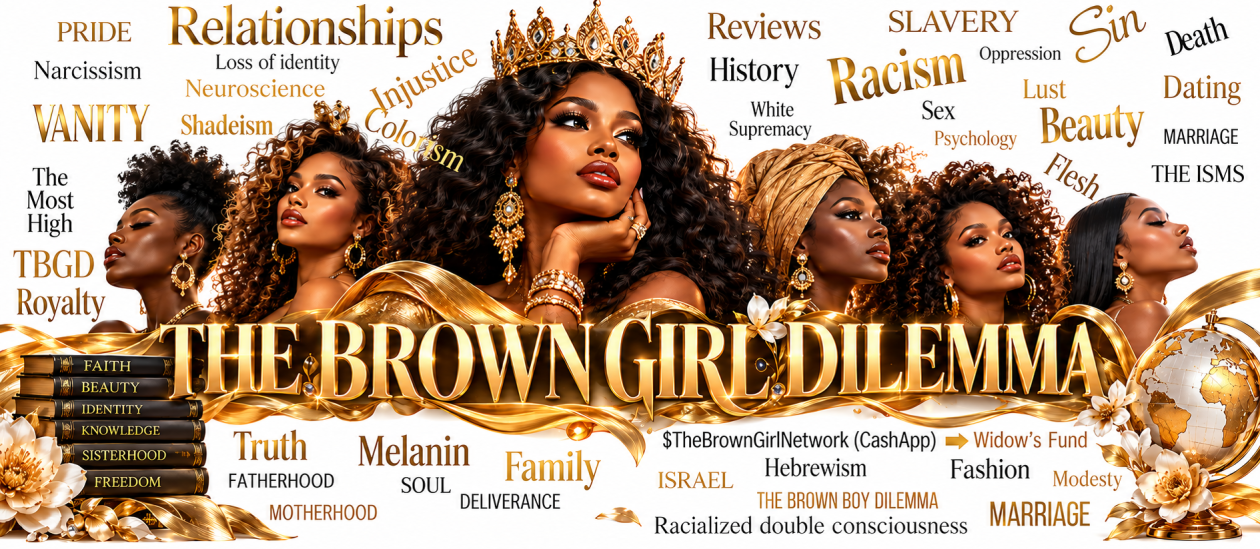
Race and ethnicity remain central issues in the globalization of beauty ideals. Although the music industry has become increasingly diverse, lighter skin, Eurocentric facial features, and loosely textured hair often continue to receive disproportionate representation across many genres. This phenomenon contributes to colorism, a system in which individuals with lighter complexions are often perceived as more attractive or socially desirable. Such representations can negatively affect self-esteem among viewers whose natural features are underrepresented or marginalized.
At the same time, music videos have also created opportunities to celebrate greater diversity. Many contemporary artists intentionally highlight natural hair, darker skin tones, fuller body types, and culturally specific fashions that challenge historical stereotypes. These visual representations encourage broader definitions of beauty and promote greater appreciation for ethnic identity. Nevertheless, even these progressive portrayals often operate within commercial industries that continue to prioritize marketability and visual perfection.
Gender expectations are also reinforced through music videos. Female performers frequently encounter greater pressure to maintain youthful appearances, thin body shapes, flawless skin, and fashionable clothing than their male counterparts. Male artists increasingly face expectations regarding muscular physiques, facial grooming, luxury fashion, and athletic appearance. These gendered expectations contribute to unrealistic standards that affect both women and men across diverse cultural settings.
The psychological consequences of globalized beauty ideals are substantial. Numerous studies have found associations between repeated exposure to idealized media images and increased body dissatisfaction, low self-esteem, anxiety, depression, eating disorders, and excessive appearance monitoring. Individuals often compare themselves with digitally enhanced celebrities whose appearances have been altered through professional styling, cosmetic procedures, and post-production editing. Such comparisons establish unrealistic expectations that few people can naturally achieve (Grabe, Ward, & Hyde, 2008).
Young people are particularly vulnerable to these influences because adolescence represents a critical period for identity development. As teenagers consume music videos alongside peer interactions on social media, they may internalize narrow definitions of beauty that shape friendships, dating preferences, and self-worth. Educational institutions and parents increasingly recognize the importance of media literacy programs that teach students to critically evaluate digital images rather than accepting them as realistic representations.
Advancements in editing technology further complicate public perceptions of beauty. High-definition cameras, specialized lighting, filters, digital retouching, artificial intelligence, and visual effects allow producers to create nearly flawless appearances. Viewers often remain unaware of the extensive editing process behind these images, leading many to believe that perfection is naturally attainable. This technological enhancement widens the gap between reality and media representation.
The globalization of beauty ideals also influences cultural identity. Individuals may gradually abandon traditional hairstyles, clothing, languages, or cosmetic practices in favor of internationally popular trends promoted through entertainment media. While cultural exchange can enrich societies, excessive standardization risks diminishing unique cultural expressions that have historical and spiritual significance within local communities.
Consumer culture reinforces these developments by linking attractiveness with purchasing power. Music videos frequently depict luxury homes, expensive jewelry, designer clothing, premium cosmetics, and exclusive lifestyles. These visual associations suggest that beauty and material success are inseparable, encouraging audiences to pursue continual consumption as a pathway toward social acceptance. Such messages contribute to materialistic values that prioritize external appearance over character, wisdom, and personal integrity.
From a sociological perspective, music videos function as agents of socialization alongside family, schools, peers, and religious institutions. They communicate norms regarding acceptable appearance, relationships, gender performance, and lifestyle aspirations. Because these messages are repeated across multiple platforms and cultures, they become embedded within collective consciousness, shaping social expectations on a global scale.
Scholars have also noted that audiences are not passive recipients of media messages. Many viewers actively critique unrealistic beauty standards and use digital platforms to promote body positivity, natural beauty, disability inclusion, and racial diversity. Independent musicians often produce videos that intentionally reject commercial stereotypes by highlighting authenticity, cultural heritage, and everyday experiences. These alternative representations demonstrate that media can serve both oppressive and liberating functions depending on its creators and audiences.
Faith traditions frequently offer contrasting perspectives on beauty by emphasizing inner character rather than external appearance. Scripture teaches that genuine beauty reflects humility, wisdom, compassion, righteousness, and reverence for God rather than physical perfection alone. Such teachings encourage believers to resist cultural pressures that elevate appearance above moral and spiritual development. This perspective provides an important ethical framework for evaluating the messages communicated through contemporary entertainment.
The future of beauty ideals will likely be shaped by emerging technologies including artificial intelligence, virtual influencers, augmented reality, and immersive digital environments. As these innovations become more sophisticated, distinguishing authentic human appearances from digitally generated images may become increasingly difficult. Consequently, educators, policymakers, parents, religious leaders, and media professionals will play vital roles in promoting ethical standards and media literacy that encourage healthy self-perception.
Despite ongoing challenges, the globalization of beauty ideals has also created opportunities for broader conversations about representation, equity, and inclusion. Greater visibility of individuals from diverse racial, ethnic, cultural, and physical backgrounds has encouraged many industries to reconsider long-standing assumptions regarding attractiveness. Although commercial pressures remain influential, increasing public awareness continues to challenge narrow definitions of beauty and advocate for more authentic representation.
In conclusion, music videos occupy a central position in the globalization of beauty ideals by influencing perceptions of attractiveness across cultures through powerful visual storytelling. While they provide artistic expression and cultural exchange, they also reinforce commercial values, unrealistic expectations, and social inequalities related to race, gender, and appearance. Understanding these influences enables audiences to engage with media more critically and appreciate beauty as a multidimensional concept encompassing physical diversity, cultural identity, moral character, and human dignity rather than conformity to a single global standard.
References
Appadurai, A. (1996). Modernity at large: Cultural dimensions of globalization. University of Minnesota Press.
Grabe, S., Ward, L. M., & Hyde, J. S. (2008). The role of the media in body image concerns among women: A meta-analysis of experimental and correlational studies. Psychological Bulletin, 134(3), 460–476.
Hall, S. (1997). Representation: Cultural representations and signifying practices. Sage Publications.
Tiggemann, M. (2011). Sociocultural perspectives on human appearance and body image. In T. F. Cash & L. Smolak (Eds.), Body image: A handbook of science, practice, and prevention (2nd ed., pp. 12–19). Guilford Press.
Wolf, N. (1991). The beauty myth: How images of beauty are used against women. William Morrow.