
Tag Archives: truth

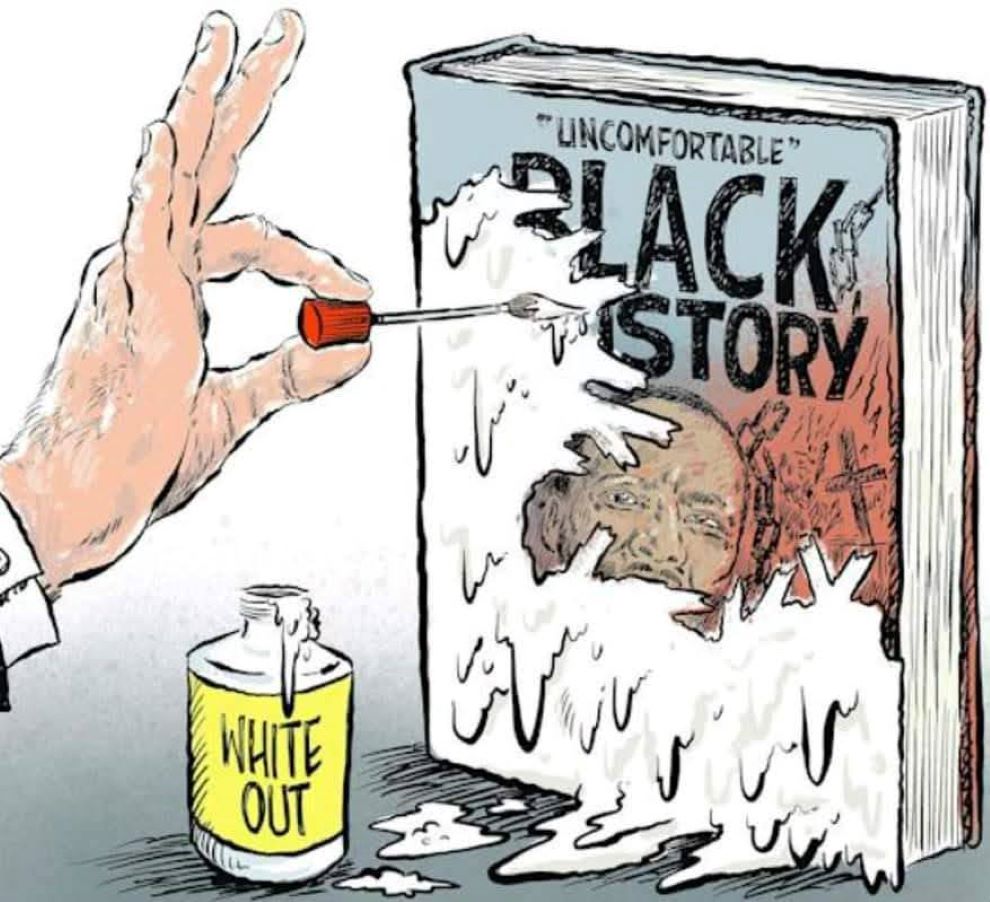
Black History, Has It Been Whitewashed?

This artwork is the property of its respective owner. No copyright infringement intended.

Black history is more than a subject taught in February; it is the story of humanity itself, tracing the contributions, struggles, and triumphs of people of African descent from antiquity to the present. Yet for centuries, much of this history has been systematically erased, misrepresented, or “whitewashed.” Whitewashing refers to the deliberate alteration of historical narratives to favor Eurocentric perspectives, minimizing or excluding Black presence, contributions, and identity. This erasure is not merely academic—it shapes the psychology of Black people and the collective consciousness of society.

Hollywood has played a major role in this process. Biblical movies, for instance, have often depicted Hebrews, Egyptians, and early Christians as European in appearance, despite the geographical and anthropological evidence pointing to their African and Semitic roots. Films like The Ten Commandments (1956) portrayed Pharaoh and Moses as white men, subtly reinforcing the idea that leadership, divinity, and chosenness are synonymous with whiteness. This not only distorts biblical truth but also conditions audiences to associate Blackness with servitude rather than divine purpose.

The Bible itself points to a different narrative. Many key figures—Moses, Joseph, and even Christ—spent time in Africa. Christ was hidden in Egypt as a child (Matthew 2:13-15, KJV), which would not have been a safe hiding place if He were a pale-skinned foreigner who stood out among the population. The Song of Solomon 1:5 (KJV) proclaims, “I am black, but comely,” affirming that dark skin was celebrated in ancient texts. The erasure of this truth diminishes the representation of Black identity in the biblical narrative.

Black history, in its truest sense, includes the kingdoms of Mali, Ghana, and Songhai; the libraries of Timbuktu; the inventions, music, and philosophies of African civilizations. It also includes the Middle Passage, slavery, and systemic oppression that followed. To study Black history is to study resilience, creativity, and faith. It is the acknowledgment of a people who survived one of the greatest crimes in human history and still found ways to bless the nations with culture, innovation, and spiritual depth.

The whitewashing of slavery is one of the most dangerous forms of historical erasure. Some school systems now refer to enslaved people as “workers” or claim that slavery was “beneficial” because it taught Africans “skills.” This revisionist narrative strips away the brutality of chattel slavery—the whippings, the family separations, the psychological warfare. Exodus 1:13-14 (KJV) describes how the Egyptians “made the children of Israel to serve with rigour,” which mirrors the forced labor and oppression endured by Africans in the Americas.

From a psychological standpoint, erasing or minimizing slavery has generational effects. Theories of intergenerational trauma suggest that the pain of slavery has been passed down genetically and emotionally (DeGruy, 2005). When history is hidden, Black communities are denied the opportunity to heal, grieve, and demand justice. It is psychologically disorienting to live in a world that denies the truth of your ancestors’ suffering while expecting you to “move on.”

The question arises: why would white society want to keep slavery hidden? The answer is multifaceted. To confront slavery honestly would require acknowledging that the wealth of nations like the United States, Britain, and France was built on Black suffering. It would also raise moral questions about reparations, justice, and restitution. Psychologically, some white individuals experience “white guilt” and prefer to avoid discomfort by sanitizing history (Spanierman & Cabrera, 2015).

The color of Black people has also been a point of erasure. In many educational and media portrayals, African Americans are depicted as a monolith, ignoring the diversity of skin tones, cultures, and histories. Colorism, which privileges lighter skin, has further complicated the narrative. Media representation often favors light-skinned actors to portray Black historical figures, which subtly communicates that lighter Blackness is more palatable to mainstream audiences.

Social media, while a tool for education, has also perpetuated whitewashing. Algorithms tend to amplify Eurocentric beauty standards and reward creators who fit into those ideals, often sidelining darker-skinned voices. Memes, viral trends, and TikTok dances created by Black users are frequently appropriated by non-Black influencers who gain more recognition and profit, leaving the originators invisible.

Whitewashing in education is particularly concerning. In some states, curriculum reforms have sought to limit or remove discussions of systemic racism and slavery from classrooms. This deprives young students—both Black and white—of a truthful understanding of history. Hosea 4:6 (KJV) warns, “My people are destroyed for lack of knowledge.” When history is withheld, it becomes easier to repeat cycles of oppression.

Psychologically, representation matters because it shapes identity. Social identity theory suggests that people derive part of their self-esteem from the groups to which they belong (Tajfel & Turner, 1986). When Black people see their history erased or distorted, it sends a message that they are insignificant or inferior. This can create internalized racism, self-hate, and low collective esteem.

The whitewashing of Black biblical history also has spiritual consequences. If Black people are taught that they have no place in sacred history, they may view Christianity as a “white man’s religion,” leading to spiritual disillusionment. Yet Acts 8:27-39 recounts the Ethiopian eunuch’s conversion and baptism, showing that Africans were among the first Christians. Reclaiming this narrative restores dignity and belonging.

The Bible takes place in Africa and the Middle East — regions where people historically had darker skin tones. The Hebrews, Egyptians, Ethiopians, and early Christians were not Northern Europeans. Yet, for centuries, European artists, church leaders, and later Hollywood filmmakers deliberately depicted them as white. This was not an accident — it was part of a larger project to make Christianity look “Western” and to align holiness, divinity, and authority with whiteness.

Here are a few key points you might find powerful:

  • Geography matters: The Bible’s events took place in regions like Egypt, Canaan, Babylon, and Jerusalem — all hot, sun-drenched places where people would have been brown-skinned or Black. Even Jesus’ family fled to Egypt (Matthew 2:13–15, KJV), a place where He would not have stood out if He were pale.
  • Biblical descriptions: Song of Solomon 1:5 (KJV) says, “I am black, but comely.” Lamentations 5:10 describes skin “black like an oven” from famine. Jeremiah 8:21 says, “I am black; astonishment hath taken hold on me.” These passages suggest that many biblical people were visibly dark-skinned.
  • Historical evidence: Ancient Israelite art, Egyptian tomb paintings, and archaeological records show people with brown to black skin tones, curly or woolly hair, and features common in African and Afro-Asiatic populations.
  • Whitewashing as control: When Europeans colonized Africa and enslaved Africans, they spread images of a white Jesus and white saints to justify slavery and teach that salvation came through European culture. This psychological tactic convinced many enslaved people that whiteness was divine and blackness was cursed — a lie that still shapes perceptions today.
  • Psychological effects: Seeing only white biblical figures can make Black and Brown believers feel disconnected from Scripture or think that God does not look like them. This is why representation matters — it shapes self-esteem, spiritual confidence, and cultural pride.

Slavery itself was justified using twisted theology, with slaveholders quoting Ephesians 6:5 (“Servants, be obedient to them that are your masters”) out of context, while ignoring the liberating themes of Scripture. This manipulation of the Word was an early form of whitewashing, reframing oppression as divine will rather than sin.

In popular culture, the whitewashing of Black music, dance, and language continues. Jazz, blues, and hip-hop—all birthed in Black communities—have been monetized by corporations while excluding the originators from full benefit. This economic exploitation mirrors historical patterns of taking from Black bodies and minds without acknowledgment.

The erasure of Black heroes is another tactic of whitewashing. Figures like Crispus Attucks, Ida B. Wells, and Garrett Morgan are rarely celebrated alongside Washington or Lincoln, despite their crucial roles in shaping American history. When they are mentioned, their Blackness is often downplayed, making them “race-neutral” heroes rather than distinctly Black ones.

This whitewashing creates a false sense of racial harmony by pretending racism never existed. It allows society to maintain systemic inequities while claiming progress. Proverbs 17:15 (KJV) warns against justifying the wicked, stating, “He that justifieth the wicked, and he that condemneth the just, even they both are abomination to the Lord.” To whitewash history is to justify wickedness and silence the righteous.

Psychologists argue that confronting historical injustice is essential for collective healing. Truth-telling initiatives, such as truth and reconciliation commissions, have been used in countries like South Africa to address systemic oppression. The United States has yet to fully reckon with its history of slavery, which is why racial tensions remain unresolved.

Social media activism has become one of the most powerful tools in combating whitewashing. Hashtags like #BlackLivesMatter and #BlackHistory365 have brought hidden stories to light, challenging mainstream narratives. This democratization of information gives Black people a voice that was long suppressed.

In conclusion, Black history has been whitewashed through media, education, religion, and social systems, but the truth continues to resurface. The erasure of slavery, Black biblical history, and cultural contributions has psychological and spiritual consequences that affect generations. Reclaiming Black history is not just an academic exercise but an act of resistance, healing, and restoration. To know Black history is to know the full story of humanity—and to resist the forces that seek to erase God’s image in Black bodies.


References

  • DeGruy, J. (2005). Post Traumatic Slave Syndrome: America’s Legacy of Enduring Injury and Healing. Joy DeGruy Publications.
  • Spanierman, L. B., & Cabrera, N. L. (2015). The emotions of White racism. Educational Psychologist, 50(3), 187–203.
  • Tajfel, H., & Turner, J. C. (1986). The social identity theory of intergroup behavior. In S. Worchel & W. Austin (Eds.), Psychology of intergroup relations (pp. 7–24). Nelson-Hall.

Key KJV Scriptures: Matthew 2:13-15; Song of Solomon 1:5; Exodus 1:13-14; Hosea 4:6; Acts 8:27-39; Proverbs 17:15; 1 Samuel 16:7; Proverbs 29:25.


Your Story Matters: The Power of Testimony in Transforming Lives.

Photo by Tima Miroshnichenko on Pexels.com

Every person carries a unique story — a tapestry of pain, triumph, lessons, and redemption — that is not only valuable but necessary for the healing and encouragement of others. In both psychology and Scripture, the power of storytelling is recognized as a tool for connection, empathy, and transformation. When we share our stories, we offer proof that adversity can be overcome, that growth is possible, and that God is faithful. The Bible reminds us, “And they overcame him by the blood of the Lamb, and by the word of their testimony” (Revelation 12:11, KJV). This verse highlights that personal testimony is not merely a narrative; it is a weapon of victory that defeats fear, shame, and the enemy’s lies.

From a psychological standpoint, sharing one’s personal narrative has measurable benefits for mental health. Narrative therapy, a widely recognized counseling approach, encourages individuals to re-author their lives by framing their experiences in ways that highlight resilience and agency (White & Epston, 1990). Telling one’s story helps process trauma, make meaning out of suffering, and reduce feelings of isolation. Research shows that when people share testimonies of overcoming challenges, listeners often experience increased hope and motivation (Adler et al., 2016). This underscores that storytelling not only heals the speaker but inspires the hearer.

The Bible is full of testimonies that were recorded to instruct, comfort, and strengthen future generations. Joseph’s story of betrayal, slavery, and eventual elevation to power (Genesis 37–50) demonstrates how one person’s journey can preserve a nation. The Apostle Paul frequently shared his conversion experience — from persecutor to preacher — to validate the transformative power of Christ (Acts 22:1–21). These biblical examples show that God intends our personal journeys to be a blessing to others, not just private experiences.

Sharing our stories also dismantles shame. Many people hide their struggles out of fear of judgment, yet James 5:16 commands, “Confess your faults one to another, and pray one for another, that ye may be healed.” Vulnerability in testimony allows others to see that they are not alone in their pain and invites communal healing. Psychology supports this, showing that shame loses power when it is spoken and met with empathy (Brown, 2015).

Moreover, sharing testimonies is an act of stewardship. The experiences we endure are not random; they are lessons entrusted to us so that we may serve others. Second Corinthians 1:3–4 reminds us that God “comforteth us in all our tribulation, that we may be able to comfort them which are in any trouble.” When we withhold our stories, we withhold the comfort someone else might desperately need.

Real-life testimonies illustrate this principle powerfully. Survivors of addiction who speak openly about recovery often encourage others to seek treatment. Individuals who share stories of grief, loss, or illness offer hope to those walking through similar valleys. Churches frequently use testimony time as a means of edification, allowing members to witness the faithfulness of God in action.

Finally, sharing your story affirms your own worth and significance. Many people struggle with feelings of insignificance or invisibility, but telling one’s story is an act of reclaiming identity. Psalm 139:14 declares, “I will praise thee; for I am fearfully and wonderfully made.” Your life, with all its complexity, is a masterpiece that reflects God’s glory. To remain silent is to hide that masterpiece under a bushel (Matthew 5:15).

In conclusion, our stories are not accidents; they are instruments for change. Whether in a counseling session, small group, pulpit, or conversation over coffee, our testimonies have the power to heal, inspire, and transform lives. Sharing them honors God, strengthens others, and reminds us of our own resilience and importance. Your story matters — and someone else’s breakthrough may depend on your willingness to tell it.


References

  • Adler, J. M., Lodi-Smith, J., Philippe, F. L., & Houle, I. (2016). The incremental validity of narrative identity in predicting well-being: A review of the field and recommendations for the future. Personality and Social Psychology Review, 20(2), 142–175.
  • Brown, B. (2015). Daring Greatly: How the Courage to Be Vulnerable Transforms the Way We Live, Love, Parent, and Lead. Gotham Books.
  • White, M., & Epston, D. (1990). Narrative Means to Therapeutic Ends. Norton & Company.
  • The Holy Bible, King James Version. (1769/2023). Thomas Nelson. (Revelation 12:11; James 5:16; 2 Corinthians 1:3–4; Psalm 139:14; Matthew 5:15).

Dilemma: Unequally Yoked

Photo by Diva Plavalaguna on Pexels.com

Biblical Guidance, Psychology, and Practical Insights

Understanding Unequally Yoked

The phrase “unequally yoked” comes from 2 Corinthians 6:14 (KJV): “Be ye not unequally yoked together with unbelievers: for what fellowship hath righteousness with unrighteousness? and what communion hath light with darkness?” In biblical terms, being unequally yoked refers to entering partnerships—whether marriage, business, or close relationships—where core values, beliefs, or spiritual commitments are fundamentally misaligned. A yoke symbolizes shared labor and direction; two partners must move in harmony, or one will hinder the other.

Unequally Yoked in Relationships and Business

In romantic relationships, being unequally yoked often occurs when one partner is spiritually or morally aligned with God while the other is not. This can manifest in incompatible priorities, conflicting worldviews, and relational tension. In business, unequal yoking may appear when partners have differing ethical standards, work ethics, or long-term goals. Psychologically, such relationships often produce stress, resentment, and a lack of shared vision. The growth mindset—a willingness to learn, adapt, and align with Godly principles—cannot flourish in unequal partnerships, as the spiritual and moral dissonance blocks mutual development.

Marriage is intended to be a sacred union of shared purpose, faith, and values. When a couple is unequally yoked, as warned in 2 Corinthians 6:14 (KJV): “Be ye not unequally yoked together with unbelievers: for what fellowship hath righteousness with unrighteousness? and what communion hath light with darkness?”, the union faces unique challenges. Unequal yoking in marriage occurs when partners differ fundamentally in spirituality, morals, priorities, or life goals, creating relational tension, spiritual stagnation, and emotional strain.

Spiritual and Moral Disalignment

A marriage between a spiritually committed partner and one who rejects or neglects Godly principles creates imbalance. The believer may struggle with frustration, disillusionment, or resentment, while the non-believer may feel constrained or misunderstood. Psychologically, this dissonance can lead to chronic conflict, emotional fatigue, and decreased marital satisfaction. Couples in such marriages often experience difficulty making joint decisions or aligning parenting, financial, and household practices with shared values.

Emotional and Communication Challenges

Unequal yoking in marriage affects emotional intelligence and communication. One partner may value empathy, forgiveness, and spiritual growth, while the other prioritizes personal freedom or secular pursuits. Conflicts over ethics, daily routines, and long-term goals become frequent. Research in relational psychology suggests that mismatched moral and emotional frameworks hinder compromise, reduce trust, and increase relational stress (Gottman & Silver, 2015). In biblical terms, marriage is meant to reflect unity and harmony, which is compromised when partners are pulling in different directions.

Signs of Unequal Yoking in Marriage

Married couples can identify unequal yoking through several indicators:

  1. Frequent conflict over moral or spiritual issues
  2. Persistent frustration with decision-making
  3. Imbalance in spiritual or religious practice (e.g., prayer, church, ethical commitments)
  4. Emotional disconnect or feeling unsupported
  5. Lack of shared vision for family, finances, or life goals
  6. One partner discouraging or resisting the other’s Godly practices
  7. Repeated compromise of values for relational peace
  8. Spiritual stagnation or growth only on one side of the partnership

These warning signs often intensify over time if not addressed with wisdom, prayer, and mutual accountability.

Practical Guidance and Conclusion

Preventing or correcting unequal yoking requires discernment, honesty, and alignment of core values before marriage, or a recommitment to spiritual and moral unity during marriage. Couples are encouraged to:

  • Pursue shared spiritual practices (prayer, study, worship)
  • Discuss life goals and ethical priorities openly
  • Seek counseling or mentorship rooted in Godly principles
  • Establish boundaries to maintain spiritual and emotional integrity

Marriage is intended to reflect the harmony of light and light, not light and darkness. When both partners pursue Godly alignment, spiritual growth, and emotional intelligence, the marriage thrives in intimacy, purpose, and fulfillment. Unequally yoked marriages, in contrast, often face long-term challenges that require careful discernment, prayer, and, in some cases, separation for spiritual well-being (Amos 3:3; Ecclesiastes 4:9–12, KJV).

Sinner vs. Godly: The Core of Unequal Yoking

A sinner and a saint, by definition, are unequally yoked if they hold fundamentally opposing values. While all humans are sinners (Romans 3:23, KJV), the distinction lies in who actively seeks to live by God’s righteousness versus who rejects or disregards it. Light and darkness, righteousness and sin, operate on different wavelengths: “And what communion hath light with darkness?” (2 Corinthians 6:14, KJV). The unequally yoked dynamic creates friction, spiritual stagnation, and often relational instability because the partners are not moving toward the same moral or spiritual destination.

Signs and Warning Traits of Being Unequally Yoked

Recognizing unequal yoking is vital for spiritual, emotional, and relational health. Key warning signs include:

  • Conflicting core beliefs (faith, morality, ethics)
  • Imbalance in spiritual commitment (one prays, the other rejects faith)
  • Persistent conflict over values
  • Lack of shared goals or vision
  • Manipulation or control over spiritual choices
  • Emotional exhaustion or resentment
  • Tolerance of sin in the relationship without mutual accountability
  • Disconnection in long-term priorities or family values

These traits may appear subtly at first, but over time, they erode trust, intimacy, and mutual growth.

Practical Implications and Conclusion

Unequal yoking can occur in marriage, dating, friendships, or business partnerships. It undermines collaboration, spiritual growth, and emotional stability. A relationship aligned with Godly principles, where both parties share faith, values, and vision, creates synergy, peace, and growth. Conversely, when light is yoked with darkness, relational friction, spiritual compromise, and disappointment are likely. Awareness and discernment are crucial: evaluate the spiritual and moral alignment of any partnership, and be willing to set boundaries where God’s guidance is ignored or dismissed.


Lastly, Unequally Yoked Traits to Look For

  1. Spiritual or moral incompatibility
  2. Different life priorities or visions
  3. Disregard for Godly principles
  4. Constant relational tension over values
  5. Lack of mutual respect or accountability
  6. Resistance to growth, learning, or compromise
  7. Emotional manipulation or neglect
  8. Habitual sin or ethical compromise
  9. Inability to communicate effectively on core issues
  10. Spiritual discouragement or emotional depletion

Biblical References (KJV)

  1. 2 Corinthians 6:14“Be ye not unequally yoked together with unbelievers: for what fellowship hath righteousness with unrighteousness? and what communion hath light with darkness?”
  2. Amos 3:3“Can two walk together, except they be agreed?”
  3. Ephesians 5:22–33 – Instructions on marriage roles and spiritual unity.
  4. Ecclesiastes 4:9–12“Two are better than one; because they have a good reward for their labour… a threefold cord is not quickly broken” (unity and shared purpose).
  5. Romans 12:2“Be not conformed to this world: but be ye transformed by the renewing of your mind…” (importance of shared spiritual values).
  6. Proverbs 14:29“He that is slow to wrath is of great understanding: but he that is hasty of spirit exalteth folly.” (emotional intelligence in relationships).

Psychology and Relational References

  1. Goleman, D. (1995). Emotional Intelligence: Why It Can Matter More Than IQ. Bantam Books.
  2. Gottman, J., & Silver, N. (2015). The Seven Principles for Making Marriage Work. Harmony Books.
  3. Twenge, J. M., & Campbell, W. K. (2009). The Narcissism Epidemic: Living in the Age of Entitlement. Free Press.
  4. Mayer, J. D., Caruso, D. R., & Salovey, P. (2004). Emotional Intelligence: Theory, Findings, and Implications. Psychological Inquiry, 15(3), 197–215.
  5. Bar-On, R. (2006). The Bar-On Model of Emotional-Social Intelligence (ESI). Psicothema, 18, 13–25.