
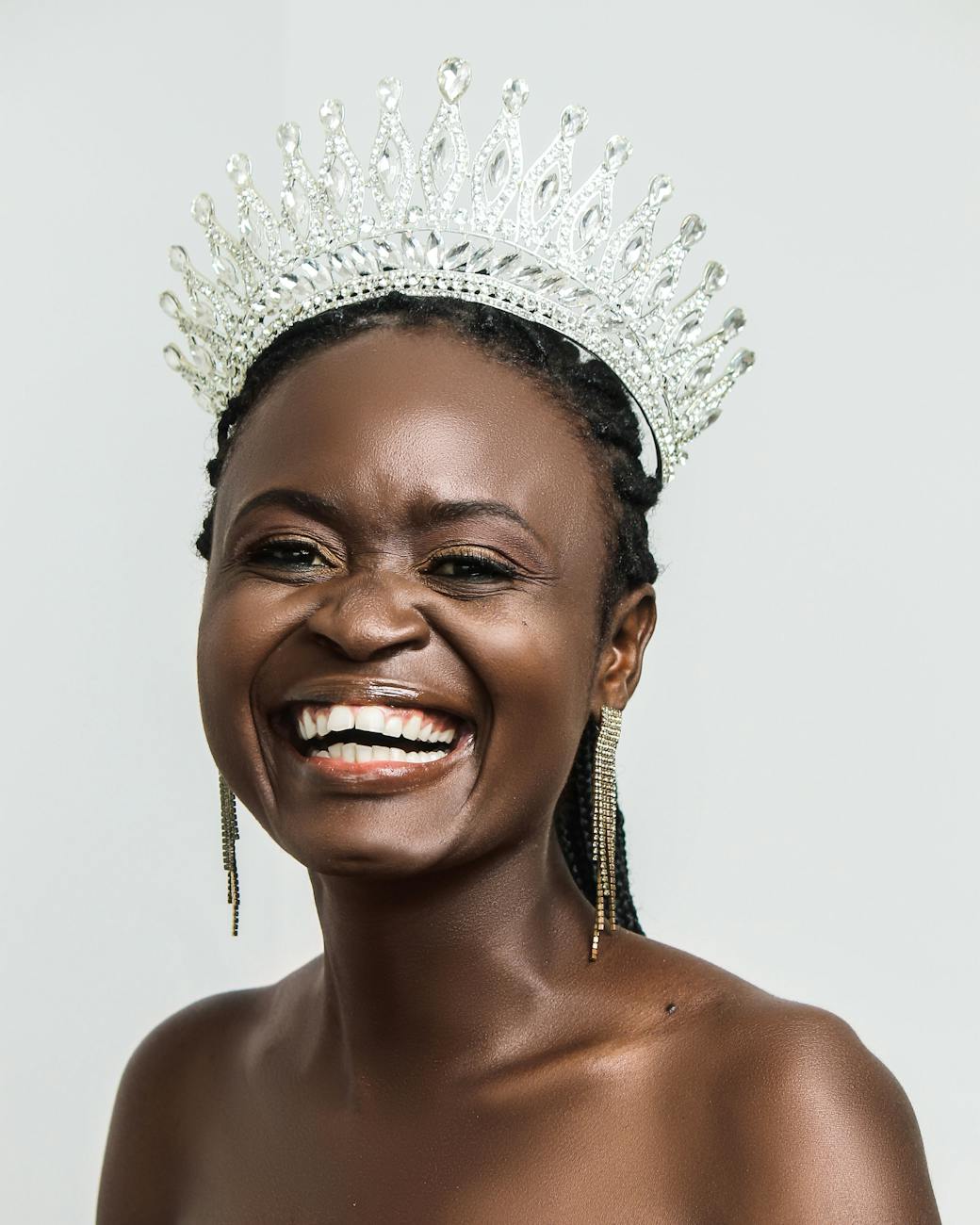
Representation is never neutral. For brown-skinned women, every appearance in media, politics, or public life carries symbolic weight far beyond personal identity. Their faces, bodies, and voices are scrutinized not only as individuals but as representatives of entire communities. The phrase “heavy is the head that wears the crown” captures the pressure of leadership, but for women with brown skin, the crown is not always given—it is fought for, earned against bias, and carried under the burden of societal expectations. This essay explores the weight of representation as it relates to brown women across history, psychology, spirituality, and modern media.
The Historical Crown of Brown Womanhood
The weight of representation begins in history. During slavery and colonization, brown-skinned women were stripped of agency and forced into stereotypical roles: the Mammy, the Jezebel, or the Sapphire. Each caricature denied complexity and dignity while shaping how society viewed brown women (Collins, 2000). To step outside those imposed roles was an act of defiance. Representation, therefore, has always been both a battlefield and a crown.
The Burden of Stereotypes
Even today, brown women in leadership, artistry, or public life face the double bind of being visible yet misrepresented. Michelle Obama, for instance, was celebrated as a First Lady but also subjected to racist caricatures questioning her femininity and beauty. Such experiences reveal how representation is not simply a platform for influence but also a site of heavy scrutiny, where one misstep can be weaponized against an entire group.
The Crown of Visibility
Visibility is both gift and burden. On one hand, representation in media and politics disrupts centuries of invisibility; on the other hand, it pressures brown women to embody perfection. Stars like Viola Davis, Issa Rae, and Lupita Nyong’o have expanded the palette of beauty and identity, yet they also carry the responsibility of “getting it right” for those who see themselves in their faces. The crown becomes heavy when one person must stand in for millions.
Psychological Toll of Representation
The psychological impact of representation cannot be underestimated. Studies show that underrepresentation or misrepresentation negatively affects self-esteem and identity formation among Black and brown girls (Ward, 2004). Conversely, positive representation can foster empowerment and resilience. Yet when representation is limited to tokenism, the crown becomes a trap, forcing women to embody ideals rather than authentic selves.
Media and the Beauty Hierarchy
Media often constructs a hierarchy of beauty that privileges light skin and Eurocentric features, leaving brown-skinned women at the margins. Even within Black media, colorism can determine who becomes a cover model or leading lady. The crown of representation is heavy when it is given only conditionally—when beauty, desirability, or relatability must first pass through a Eurocentric filter.
Representation in Politics and Leadership
In political life, brown women carry the additional burden of respectability. Figures like Shirley Chisholm, Kamala Harris, and Ayanna Pressley symbolize progress, but their crowns come with heavy costs: navigating racism, sexism, and colorism simultaneously. Their presence is not merely personal achievement but proof of possibility for future generations. Yet every critique they endure is magnified as commentary on the capability of all brown women.
The Spiritual Dimensions of Representation
The crown also carries spiritual significance. In biblical texts, crowns often symbolize both victory and responsibility. James 1:12 promises a “crown of life” to those who endure trials. For brown women, enduring societal trials of bias and exclusion parallels this spiritual crown-bearing. Their representation becomes a living testimony of perseverance, embodying Proverbs 31 strength while challenging worldly definitions of beauty and worth.
The Crown as Double Burden
Representation often forces brown women to live in two worlds. They must embody authenticity for their communities while also navigating the expectations of dominant culture. This dual burden is mentally exhausting, leading to what psychologists term “code-switching fatigue” (Jones & Shorter-Gooden, 2003). The crown is not only heavy but sometimes crushing.
Resistance Through Representation
Despite the burden, representation also fuels resistance. Campaigns like #BlackGirlMagic and #MelaninPoppin challenge dominant narratives by celebrating brown skin as regal and divine. These movements reclaim the crown as a symbol of heritage and pride rather than a weight of scrutiny. Representation becomes not just survival but revolution.
The Global Crown of Brownness
The weight of representation extends globally. In South Asia, the Middle East, and Latin America, brown-skinned women confront similar struggles of colorism and bias. The multibillion-dollar skin-lightening industry testifies to the global reach of these ideals (Glenn, 2008). The crown of brownness, then, is a shared global inheritance, both heavy with oppression and radiant with resilience.
Hair, Fashion, and Aesthetic Crowns
For brown women, representation is also policed through aesthetics. Hairstyles, clothing, and bodily expressions become battlegrounds of respectability. When Zendaya wore locs to the Oscars, she was praised by some but mocked by others. Each choice becomes symbolic, turning personal expression into public discourse. The crown of aesthetics is thus both a celebration and a cage.
Representation and the Next Generation
Young brown girls often look to role models for cues on beauty and possibility. When they see themselves reflected in positive ways, they learn to wear their crowns proudly. But when absence or distortion dominates, they inherit insecurity. Representation is not only about the present but about shaping future generations who must decide whether their crowns will be hidden or exalted.
The Theology of Crown-Bearing
From a theological perspective, the weight of representation echoes Christ’s crown of thorns. His crown symbolized both suffering and redemption. Likewise, the brown woman’s crown is carried through struggle but also testifies to divine strength. Psalm 8:5 declares that humanity is “crowned with glory and honor.” For brown women, embracing this truth dismantles external hierarchies and affirms a God-given identity beyond societal bias.
Collective Crowns and Community
Representation becomes lighter when crowns are shared collectively. The burden eases when brown women see diverse portrayals that allow for multiplicity rather than singular perfection. Community platforms, literature, and grassroots movements democratize representation so that no single woman bears the weight of symbolizing all.
Representation as Healing
Positive representation also functions as healing. When brown women are celebrated for their beauty, intelligence, and humanity, it counters centuries of erasure. Representation thus becomes restorative, mending psychological scars left by bias and validating identities that have long been marginalized.
Representation and Resistance to White Supremacy
Ultimately, the crown is heavy because it resists white supremacy. To wear brown skin proudly in a world that devalues it is a political act. Each time a brown woman ascends to visibility—whether in a film, a boardroom, or a pulpit—she disrupts narratives that suggest her inferiority. Representation is therefore not symbolic alone but revolutionary in its impact.
The Crown as Calling
Rather than a burden alone, the crown of representation can be reframed as a calling. To embody strength, intelligence, and grace while confronting bias reflects a prophetic role. Brown women stand as cultural and spiritual witnesses, bearing crowns that point to possibilities of justice and equality.
Toward Lighter Crowns
The goal of representation should not be to perpetuate heavy crowns but to create a world where no one woman carries the weight of all. Diversifying media, dismantling colorism, and affirming brown beauty at every level can redistribute the symbolic crown. In such a world, brown women are free to be human, not merely representatives.
Conclusion
Brown skin carries a heavy crown, but it also shines with unmatched radiance. Representation, while burdened with scrutiny, also births transformation, resistance, and pride. The task before us is to lighten the weight by ensuring that brown women no longer stand alone as symbols but thrive as individuals celebrated in their fullness. The crown is heavy, yes, but it is also sacred—a reminder that within brown skin lies the strength to endure, inspire, and redefine what beauty and leadership mean for generations to come.
References
- Collins, P. H. (2000). Black feminist thought: Knowledge, consciousness, and the politics of empowerment. Routledge.
- Glenn, E. N. (2008). Yearning for lightness: Transnational circuits in the marketing and consumption of skin lighteners. Gender & Society, 22(3), 281–302.
- Jones, C., & Shorter-Gooden, K. (2003). Shifting: The double lives of Black women in America. HarperCollins.
- Ward, L. M. (2004). Wading through the stereotypes: Positive and negative associations between media use and Black adolescents’ conceptions of self. Developmental Psychology, 40(2), 284–294.
- The Holy Bible, King James Version.
 THE BROWN GIRL DILEMMA