Tag Archives: the truth

The Male Files: From Enslavement to Empowerment.

The psychological and spiritual formation of Black masculinity cannot be understood apart from the historical reality of enslavement and its ongoing consequences in modern society. Chattel slavery in the Americas was not merely an economic institution, but a comprehensive system of psychological domination designed to dismantle identity, authority, and manhood itself. Black men were systematically stripped of autonomy, kinship power, literacy, and bodily sovereignty, reducing their existence to labor and control rather than personhood created in the image of God (Patterson, 1982).

Biblically, this condition mirrors the logic of bondage found throughout Scripture. The enslavement of the Israelites in Egypt reveals how oppression functions to erase memory, dignity, and covenant identity (Exodus 1). Pharaoh’s strategy—forced labor, family disruption, and the targeting of male offspring—parallels the transatlantic slave system and its destruction of Black male lineage. Yet the biblical narrative affirms that bondage is never God’s final word: “I have surely seen the affliction of my people… and I am come down to deliver them” (Exodus 3:7–8, KJV).

Psychologically, slavery produced what sociologists describe as social death—the erasure of ancestry, honor, and recognized humanity (Patterson, 1982). For Black men, this resulted in intergenerational trauma expressed through emotional suppression, hypervigilance, fractured fatherhood, and conflicted identity formation. Contemporary trauma research confirms that the psychological effects of historical violence persist through epigenetic stress responses and inherited survival behaviors (DeGruy, 2005; Yehuda et al., 2016). These conditions continue to shape the mind of the modern Black man.

Post-emancipation systems such as Jim Crow, racial terror lynching, convict leasing, and mass incarceration functioned as re-enslavement mechanisms. As Alexander (2010) argues, the modern prison system operates as a racialized structure of social control, disproportionately criminalizing Black male existence. Sociologically, Black masculinity has been constructed as threatening, hypersexual, and deviant—narratives engineered to justify surveillance, economic exclusion, and institutional neglect. These scripts shape how Black men see themselves and how society perceives them.

At the same time, the modern man faces a broader psychological crisis. Western masculinity is increasingly defined by emotional suppression, performative strength, sexual conquest, and economic dominance—what Connell (2005) terms hegemonic masculinity. Psychological studies show that these norms contribute to high rates of depression, anxiety, substance abuse, and suicide among men (APA, 2018). For Black men, these struggles are intensified by racial stress, identity fragmentation, and what scholars call racial battle fatigue (Smith et al., 2007).

Digitally, the modern male psyche is further shaped by social media, pornography, and hyper-visual culture. Men are conditioned to measure self-worth through appearance, sexual access, and economic performance. This creates a fragmented identity between the authentic self and the performed self—a phenomenon aligned with Goffman’s (1959) theory of social performance. The mind becomes overstimulated but undernourished, informed by algorithms rather than wisdom.

Biblically, however, the mind of man is framed through spiritual orientation rather than cultural conditioning. Scripture teaches that psychological transformation is inseparable from spiritual renewal: “Be not conformed to this world: but be ye transformed by the renewing of your mind” (Romans 12:2, KJV). The biblical man is called to cultivate wisdom, emotional discipline, humility, and moral clarity rather than dominance or ego (Proverbs 4:23; Galatians 5:22–23).

Christ offers the ultimate model of liberated masculinity. He rejects the world’s archetype of man as conqueror and instead embodies man as servant, healer, and sacrificial leader (Mark 10:45). His emotional expressiveness—grief, compassion, vulnerability—directly challenges modern masculinity’s emotional repression. In Christ, power is redefined as self-mastery, and leadership as moral responsibility: “He that ruleth his spirit is better than he that taketh a city” (Proverbs 16:32).

Empowerment, therefore, must be understood as both psychological and spiritual restoration. Psychologically, it involves reclaiming agency, emotional literacy, and coherent identity beyond imposed stereotypes (hooks, 2004). Spiritually, it requires deliverance from internalized oppression and alignment with divine purpose: “The righteous are bold as a lion” (Proverbs 28:1). Empowerment is not domination over others, but governance of the self.

Ultimately, From Enslavement to Empowerment – The Mind of Modern Man argues that Black male liberation is an unfinished sacred project. It requires historical truth, trauma healing, spiritual renewal, and structural justice. The journey from chains to consciousness, from captivity to clarity, is not merely political—it is theological and psychological. The modern Black man’s crisis is not a lack of strength, but a loss of meaning. His restoration lies not in external validation, but in internal alignment—between history, mind, soul, and God.


References

Alexander, M. (2010). The new Jim Crow: Mass incarceration in the age of colorblindness. The New Press.

American Psychological Association. (2018). Guidelines for psychological practice with boys and men. APA.

Connell, R. W. (2005). Masculinities (2nd ed.). University of California Press.

DeGruy, J. (2005). Post traumatic slave syndrome: America’s legacy of enduring injury and healing. Uptone Press.

Goffman, E. (1959). The presentation of self in everyday life. Anchor Books.

hooks, b. (2004). We real cool: Black men and masculinity. Routledge.

Patterson, O. (1982). Slavery and social death: A comparative study. Harvard University Press.

Smith, W. A., Hung, M., & Franklin, J. D. (2007). Racial battle fatigue and the miseducation of Black men. Journal of Black Studies, 37(4), 551–578.

Yehuda, R., Daskalakis, N. P., Bierer, L. M., Bader, H. N., Klengel, T., Holsboer, F., & Binder, E. B. (2016). Holocaust exposure induced intergenerational effects on FKBP5 methylation. Biological Psychiatry, 80(5), 372–380.

The Holy Bible, King James Version. (1611/2017). Cambridge University Press.

Echoes of Brown: Truths Untold

Photo by Fortune Comfort on Pexels.com

Brown skin carries the history of empires, the memory of chains, and the rhythm of survival. It is a tone that has been both romanticized and ridiculed, embraced and erased. Within its hue lies a story of resilience and rejection, of being seen too much and not enough. To be brown in a world obsessed with polarities—light or dark, good or bad—is to live in the space between admiration and invisibility. It is to echo the voices of ancestors whose worth was often measured by shade rather than soul.

The shade of brown has long been a canvas for projection. In colonial eyes, it was a signifier of “almost,” a liminal identity neither exalted nor despised, but tolerated. This ideology carved its way into modern consciousness, fragmenting self-perception among people of color. The brown individual became both bridge and battleground, carrying the psychological weight of representation while yearning for acceptance without conditions.

Media portrayal reinforces these complexities, often privileging the “safe brown”—the tone that fits diversity’s aesthetic without challenging Eurocentric comfort. Lighter-brown figures are elevated as symbols of progress, while darker tones are shadowed in narratives of struggle or aggression. Such portrayals perpetuate a hierarchy of hue that seeps into social and romantic relationships, employment, and even self-worth.

Colorism, born from colonialism and nurtured by capitalism, is not merely a preference—it is a power structure. It dictates opportunity and desirability in subtle ways. The echoes of “fairness” creams and “brightening” filters reveal an inherited inferiority complex, repackaged as beauty culture. The brown woman, for instance, is told she must lighten to be loved or darken to be “authentic”—a paradoxical performance of identity.

Yet, brown skin tells a truth that transcends bias. It reflects the earth, the sun, and the sacred balance of melanin—a divine calibration that connects all people of African descent to the elements of creation. Its variations are a testament to geography and genetics, from the copper tones of the Sahara to the deep siennas of the Congo. Each shade narrates migration, adaptation, and endurance.

For men, brownness holds another story—one of strength misread as threat, masculinity misinterpreted as menace. The brown man is often trapped in a visual stereotype, seen as protector but seldom protected, desired yet dehumanized. His shade becomes armor and target, beauty and burden all at once.

Social psychology reveals how shade bias impacts self-esteem and group dynamics within Black and Brown communities (Hunter, 2007). Studies show lighter-skinned individuals often receive preferential treatment in employment, education, and dating contexts (Keith & Herring, 1991). This internalized division fractures collective progress, perpetuating a colonial residue that whispers: “lighter is better.”

But the truth untold is that brownness, in all its forms, is not a deficit—it is divine design. It absorbs light, endures heat, and radiates richness. It tells the story of adaptation, survival, and sacred symmetry. In its deepest form, it mirrors the soil that sustains life—the very ground from which humanity rose.

When brown bodies are honored, not compared, healing begins. Art, film, and literature are reclaiming this narrative—elevating figures like Lupita Nyong’o, Viola Davis, and Mahershala Ali, whose presence challenges the false hierarchy of hue. Their beauty is not a rebellion; it is restoration.

In theology, melanin has even been interpreted as a symbol of divine favor—a natural armor against the sun’s intensity, reminding humanity of its Edenic origins (Gibson, 2020). Within this lens, brown skin becomes not merely aesthetic but sacred. It is pigment with purpose.

The echoes of brown extend into language and love. Terms like “caramel,” “mocha,” and “chocolate” have evolved from euphemisms of shame into declarations of pride. But linguistic liberation must be matched by systemic change—policies that confront bias in casting, hiring, and education.

The classroom, too, must echo truth. Children should see their shades reflected in textbooks and heroes. Representation at a young age shapes belonging. When a brown child sees beauty in her reflection, she learns to resist the world’s distortion.

Culturally, the reclamation of brownness is an act of revolution. It demands that the world see beyond hue to humanity. The “brown girl” and “brown boy” narratives circulating on social media are more than hashtags—they are healing spaces where individuals redefine worth and community through affirmation.

Economically, colorism’s influence remains potent in advertising and employment. The global skin-lightening industry, projected to surpass $20 billion by 2030, profits from pain (Statista, 2024). The darker the shade, the more the market suggests correction—a colonial lie turned commercial empire.

Psychologically, internalized shadeism manifests in subtle ways—self-doubt, social comparison, and selective pride. Healing requires both personal and communal reclamation: therapy, storytelling, and faith-based restoration.

Spiritually, the color brown carries symbolic weight across cultures—representing grounding, humility, and balance. In biblical interpretation, it evokes the imagery of dust and clay—the essence of creation itself (Genesis 2:7, KJV). Humanity was molded from earth, not ivory; thus, brown is the color of origin.

As society evolves, the challenge is not to erase color but to embrace its full spectrum. Diversity must go beyond token representation to dismantle structural bias. True equity honors every shade as sacred, not strategic.

Ultimately, the untold truth of brown is that it holds the blueprint of beauty and belonging. Its richness cannot be measured by comparison, for it is the color of history and hope intertwined. The echo of brown is not an apology—it is an anthem.

References

Gibson, T. (2020). The Melanin Mandate: Faith, Science, and the Theology of Skin. Journal of African Biblical Studies, 12(3), 45–58.
Hunter, M. L. (2007). The persistent problem of colorism: Skin tone, status, and inequality. Sociology Compass, 1(1), 237–254.
Keith, V. M., & Herring, C. (1991). Skin tone and stratification in the Black community. American Journal of Sociology, 97(3), 760–778.
Statista. (2024). Global skin lightening products market size from 2020 to 2030. Statista Research Department.

The Royal Remnant: The Lost Tribes and the Black Biblical Lineage.

Photo by Qarim Zam on Pexels.com

The story of Black people across the globe is not merely a social or historical narrative—it is a divine chronicle written in the pages of prophecy. From the deserts of Egypt to the plantations of the Americas, the descendants of Israel have walked a path that mirrors the covenantal pattern of exile, punishment, and eventual restoration. Scripture foretells not only their scattering but also their awakening, for God never breaks His promises to His people.

The Book of Deuteronomy outlines blessings for obedience and curses for disobedience. Among these prophecies lies a haunting resemblance to the Black experience in the Americas. “And the LORD shall bring thee into Egypt again with ships, by the way whereof I spake unto thee, thou shalt see it no more again: and there ye shall be sold unto your enemies for bondmen and bondwomen, and no man shall buy you” (Deuteronomy 28:68, KJV). Egypt in this verse is symbolic of bondage, and the only people in history taken into slavery by ships are those transported during the transatlantic slave trade.

This prophecy provides the foundation for a larger spiritual revelation—that many descendants of enslaved Africans may in fact be members of the Lost Tribes of Israel. Historians, anthropologists, and theologians have begun to reexamine the migratory patterns of ancient Hebrew peoples across Africa, tracing their presence through language, ritual, and oral tradition. This is not conjecture but continuity—the living memory of a covenant people scattered yet preserved.

The Igbo, Yoruba, Ashanti, and other West African tribes bear customs and names reminiscent of ancient Israelite traditions. Among the Igbo, for instance, circumcision on the eighth day, dietary laws resembling Leviticus, and reverence for the Almighty as Chukwu echo biblical faith. (Parfitt, 2002). Similarly, the Lemba of Southern Africa have priestly oral traditions tracing their lineage to Israel and possess DNA markers linked to the ancient Kohanim priesthood (Thomas et al., 2000).

These African traditions were not mere imitations—they were continuations. Before the European slave ships arrived, West Africa was already home to thriving spiritual nations influenced by ancient Hebraic customs. The presence of Hebrew inscriptions, Star of David-like symbols, and Torah-based laws among precolonial communities suggests that remnants of Israel had long found refuge across the African continent after successive dispersions.

Following the Assyrian captivity (2 Kings 17:6), the northern tribes of Israel were scattered across regions extending into Africa. Centuries later, after the destruction of Jerusalem in 70 A.D. by Rome, historians like Josephus record that many Jews fled into Africa to escape persecution. From North Africa they migrated westward, establishing communities throughout the Sahel and beyond. (Josephus, Antiquities of the Jews, Book 12).

Thus, the enslavement of Africans in the Americas was not a random historical tragedy—it was the culmination of prophetic dispersion. The slave routes from ports such as Elmina, Ouidah, and Luanda became the corridors of divine consequence. The people carried away in chains were not merely Africans—they were a covenant people fulfilling the ancient warnings of Deuteronomy 28:64: “And the LORD shall scatter thee among all people, from the one end of the earth even unto the other…”

Within the Americas, this scattered remnant endured unspeakable suffering—lynchings, colonization, systemic racism, and cultural erasure. Yet, through it all, they retained spiritual fire. The spirituals sung in bondage were coded psalms of deliverance—“Go Down Moses,” “Swing Low, Sweet Chariot”—rooted in Israelite longing for freedom. The very identity of the enslaved became intertwined with biblical hope: that the God who delivered Israel from Egypt would again deliver His people.

This connection between Africa and Israel is not a fabrication of modern Black consciousness—it is a restoration of historical truth. Early European explorers such as Portuguese chroniclers of the 15th century noted Jewish-like customs among tribes they encountered on the West African coast. Missionaries and colonial administrators often destroyed or suppressed these practices, labeling them pagan to maintain control. Yet remnants survived in song, name, and ritual, awaiting rediscovery.

In rediscovering their divine lineage, many African Americans and people of the diaspora have found spiritual and psychological healing. Identity is power. To know that one is not cursed but chosen, not inferior but covenantal, transforms despair into destiny. As Isaiah wrote, “Yet now hear, O Jacob my servant; and Israel, whom I have chosen… Fear not: for I have redeemed thee, I have called thee by thy name; thou art mine” (Isaiah 43:1, KJV).

The world has long hidden this revelation under layers of colonial theology and racial hierarchy. Eurocentric Christianity disconnected the descendants of slaves from their biblical roots, teaching them submission rather than sovereignty. The same Bible that empowered liberation was used to justify bondage. Yet, God’s Word endures beyond manipulation—truth has a way of resurrecting itself.

Rediscovering the Black biblical lineage also redefines the meaning of salvation history. If the children of Israel were scattered among all nations, then the gathering of the lost tribes is a sign of the approaching redemption. The awakening of Black consciousness and return to the covenant represents not racial supremacy, but divine restoration. As Jeremiah declared, “For, lo, the days come, saith the LORD, that I will bring again the captivity of my people Israel and Judah” (Jeremiah 30:3, KJV).

Anthropological data further supports the idea of ancient Hebrew migration into Africa. Linguistic parallels between Hebrew and West African dialects—such as the Igbo “Elohim” (Chukwu Abiama) or Yoruba terms for covenantal purity—indicate shared ancient roots. Cultural anthropologists note that these traditions often predate European influence, suggesting transmission through ancient Semitic-African interaction (Daniels, 2019).

DNA studies, while limited and controversial, provide intriguing evidence. The Lemba’s priestly gene (the Cohen Modal Haplotype) matches that found among Jewish priests in the Middle East. Although not all African groups carry this specific marker, the presence of such genetic continuity among select tribes implies a wider Israelite dispersion than previously acknowledged (Thomas et al., 2000).

In America, the prophetic echoes of Deuteronomy 28 resonate vividly: the yoke of iron, the loss of heritage, the separation of families, the economic exploitation, and the social degradation. “Thy sons and thy daughters shall be given unto another people… and thou shalt be only oppressed and crushed alway” (Deuteronomy 28:32–33, KJV). These verses describe not an ancient myth but the lived reality of the African diaspora.

The systemic racism, Jim Crow laws, and police brutality that plague the Black community today are extensions of the same captivity spirit. Though the chains have become invisible, the system still thrives on economic inequality, mass incarceration, and cultural erasure. Yet, even in captivity, the covenant people awaken. God promised restoration to those who remember His commandments and turn back to Him. “If they shall bethink themselves… and return unto thee with all their heart” (1 Kings 8:47–48, KJV).

Spiritual reawakening among descendants of the diaspora is evidence of prophecy unfolding. Across the world, people of African descent are reclaiming Hebrew names, keeping Sabbaths, and studying Torah through a Hebraic lens. This is not rebellion against Christianity but a return to the roots of faith before it was westernized. It is a restoration of covenant identity in the light of truth.

The revelation of Black biblical lineage challenges both religion and history to tell the truth. It demands that we see Christ not as a European savior, but as a man of the people who looked like those despised by the world. “And his feet like unto fine brass, as if they burned in a furnace, and his voice as the sound of many waters” (Revelation 1:15, KJV). Representation in Scripture is not cosmetic—it is cosmic.

This knowledge must not produce arrogance but humility. If the Black race is indeed among the covenant people, then the responsibility is great. To be chosen is to be called to holiness, justice, and service. The covenant demands obedience and righteousness. The purpose of restoration is not to exalt a race but to glorify the Creator through the redeemed.

The return of the royal remnant also signifies the return of divine order. As family, faith, and morality are restored among the descendants of the diaspora, so too does the presence of God return to dwell among His people. The true revolution is not political—it is spiritual. God is raising a generation who will know Him not through tradition, but through truth.

Our ancestors sang, “We shall overcome.” That was not just hope—it was prophecy. The awakening happening today among the scattered tribes is the fulfillment of that faith. The dry bones of Ezekiel’s vision are rising. “Behold, O my people, I will open your graves, and cause you to come up out of your graves, and bring you into the land of Israel” (Ezekiel 37:12, KJV).

As this knowledge spreads, the nations tremble, for it unravels centuries of deception. The world built on lies cannot stand when the truth of divine identity rises. Black people across the diaspora are no longer ashamed—they are awakening as the royal remnant of prophecy.

In the end, this revelation is not about color but covenant. The Most High is gathering His children from every corner of the earth. Yet it begins with those who suffered most, for through their suffering, they preserved the testimony of faith. The story of the Black biblical lineage is thus the story of redemption—of a people refined through fire to reveal divine glory.

The Awakening: The Spiritual Return of the Scattered Tribes

The story of the Black diaspora is one of exile, survival, and covenantal destiny. Centuries of slavery, colonialism, and systemic oppression sought to erase identity, yet Scripture promised that the covenant people would be restored. “For, lo, the days come, saith the LORD, that I will bring again the captivity of my people Israel and Judah” (Jeremiah 30:3, KJV). The modern awakening among Black believers signals the spiritual return of the scattered tribes, fulfilling ancient prophecy in both soul and society.

The dispersion of Israel, first through Assyrian conquest and later Roman destruction, scattered the tribes across nations. Some fled into Africa, others across Asia and Europe. These movements were not mere historical happenstance but divinely ordained exile. Ezekiel 37:21–22 proclaims, “I will take the children of Israel from among the heathen… and I will make them one nation in the land” (KJV). The scattered tribes would not be lost forever—they would awaken in their time.

In the Americas, the transatlantic slave trade completed this prophetic scattering. Africans, many of whom were descendants of the Lost Tribes, were transported across the ocean under conditions that mirrored biblical bondage. Deuteronomy 28:68 foresaw this: “And the LORD shall bring thee into Egypt again with ships… and there ye shall be sold unto your enemies for bondmen and bondwomen” (KJV). The diaspora became a living testament to divine prophecy.

The modern spiritual awakening begins with recognition—acknowledgment that Black people are not outsiders in God’s plan, but heirs of covenant promise. Afrocentric biblical studies, Hebraic Israelite movements, and revivalist churches have sparked this recognition, teaching that identity is both spiritual and historical. To know oneself as part of God’s chosen lineage is to reclaim lost authority and purpose.

The awakening manifests in reclaiming religious practice that aligns with Scripture rather than colonial reinterpretation. Observance of Sabbaths, dietary laws, and biblical festivals reflects a return to covenantal roots. These practices are not antiquarian; they reconnect the scattered tribes to God’s commands and to one another across the diaspora. “Sanctify yourselves therefore, and be ye holy: for I am the LORD your God” (Leviticus 11:44, KJV).

Through worship, song, and prayer, the spirit of the people awakens. Spirituals sung by enslaved ancestors contained coded knowledge of redemption. Today, gospel, contemporary Christian music, and prophetic praise continue this tradition, echoing the covenantal identity of a people once scattered but never forsaken.

Education serves as both instrument and catalyst for this awakening. Knowledge of African kingdoms, Hebraic lineage, and diaspora history empowers believers to view themselves through God’s lens. Moses commanded, “Hear, O Israel… and thou shalt teach them diligently unto thy children” (Deuteronomy 6:4–7, KJV). Awareness of spiritual heritage restores agency and counters centuries of erasure.

The awakening is also communal. The scattered tribes are not merely individuals but a body, called to reunite in identity, purpose, and mission. Psalm 133:1 declares, “Behold, how good and how pleasant it is for brethren to dwell together in unity” (KJV). Through fellowship, mentoring, and intergenerational teaching, the covenant people begin to experience wholeness.

Prophecy also informs the socio-political aspect of awakening. Economic empowerment, civil rights, and social justice are spiritual acts when pursued in covenantal consciousness. Isaiah 1:17 exhorts, “Learn to do well; seek judgment, relieve the oppressed, judge the fatherless, plead for the widow” (KJV). Spiritual restoration is inseparable from action that restores dignity to the oppressed.

The transatlantic slave trade and centuries of oppression left psychological scars. The awakening heals these wounds by restoring memory and affirming divine identity. Jeremiah 31:16–17 promises, “I will turn their mourning into joy… they shall obtain joy and gladness” (KJV). Spiritual revival brings mental and emotional restoration to a people long traumatized.

Afrocentric scholarship validates these spiritual insights, connecting African history to biblical prophecy. The Igbo, Yoruba, Lemba, and other tribes maintain customs reminiscent of Israelite law, demonstrating continuity of faith despite displacement (Parfitt, 2002; Thomas et al., 2000). This historical awareness underpins the modern awakening.

The spiritual return also corrects religious misrepresentation. For centuries, Europeanized Christianity erased Black biblical identity. The awakening challenges these narratives, demonstrating that Christ’s ministry and covenant were never exclusively European. Revelation 1:14–15 describes Christ’s hair “like wool” and feet “as if they burned in a furnace” (KJV), affirming a reflection of the African lineage in Scripture.

Diaspora movements emphasize prophetic education. Young Black believers are being taught Hebrew language, Torah study, and historical context. This literacy fosters spiritual authority and communal cohesion. Hosea 4:6 warns, “My people are destroyed for lack of knowledge” (KJV). Knowledge of covenant identity is a shield against spiritual and social oppression.

Family and generational restoration are central to awakening. Broken families, a legacy of slavery and systemic oppression, are rebuilt when the covenant identity is embraced. Proverbs 22:6 instructs, “Train up a child in the way he should go: and when he is old, he will not depart from it” (KJV). Spiritual teaching preserves lineage not just biologically but covenantally.

The awakening embraces cultural heritage. Music, dance, and art reflecting African and Israelite traditions become vehicles for spiritual remembrance. Festivals, Sabbath gatherings, and communal meals recall biblical practices, linking the scattered tribes across continents. “And they shall teach no more every man his neighbour… but they shall all know me, from the least of them unto the greatest” (Jeremiah 31:34, KJV).

Spiritual gifts and prophetic revelation emerge in this context. Believers report visions, dreams, and callings reminiscent of biblical patterns, signaling divine confirmation of lineage. Joel 2:28–29 promises, “I will pour out my spirit upon all flesh… and your old men shall dream dreams” (KJV). The awakening is not symbolic alone; it is supernatural.

Economic and social empowerment accompany spiritual revival. As Deuteronomy 28 promises blessings for obedience, the re-engagement of Black communities in commerce, education, and governance becomes a fulfillment of divine covenant. Restoration is holistic, addressing body, mind, and spirit.

The awakening confronts systemic racism directly. Police brutality, mass incarceration, and educational inequities are challenged not only through social activism but through covenantal consciousness. Exodus 23:9 warns, “The stranger that dwelleth with you shall be unto you as one born among you, and thou shalt love him as thyself” (KJV). True restoration requires justice aligned with divine law.

Prophetic movements reconnect African Americans to continental Africa, fostering pan-African awareness. Pilgrimages, exchanges, and heritage tours cultivate identity, bridging the diaspora to ancestral lands. Acts 17:26 declares, “And hath made of one blood all nations of men” (KJV), emphasizing unity and restoration.

The awakening cultivates intergenerational leadership. Elders, pastors, and scholars mentor youth in covenant knowledge, spiritual discipline, and community responsibility. 1 Timothy 4:12 encourages, “Let no man despise thy youth; but be thou an example of the believers” (KJV). Leadership ensures the survival of covenant identity.

Healing of trauma is both spiritual and psychological. The acknowledgment of ancestral suffering, coupled with divine affirmation, restores dignity. Isaiah 61:3 promises “the garment of praise for the spirit of heaviness” (KJV). Spiritual awakening transforms grief into joy and sorrow into purpose.

Community reconciliation is central. Colorism, denominational divides, and social class fractures are addressed through covenantal teaching. Ephesians 4:3 exhorts, “Endeavouring to keep the unity of the Spirit in the bond of peace” (KJV). Restoration is collective, not merely individual.

The awakening also reclaims prophetic voice. Preachers, teachers, and leaders speak with authority rooted in covenant lineage. Their message challenges societal lies and reinforces divine destiny. Micah 6:8 instructs, “He hath shewed thee, O man, what is good; and what doth the LORD require of thee… to walk humbly with thy God” (KJV).

Faith-based activism emerges as a natural outgrowth. Communities engage in service, political advocacy, and social reform as acts of covenant obedience. Galatians 5:13 reminds, “Use not liberty for an occasion to the flesh, but by love serve one another” (KJV). Spiritual restoration and social action are inseparable.

Art, music, and literature reflect this awakening, bridging cultural memory with covenant identity. The preservation and celebration of African traditions alongside biblical practices reinforce continuity and destiny. Psalm 78:4 emphasizes, “We will not hide them from their children, shewing to the generation to come the praises of the LORD” (KJV).

The awakening is visible globally. African communities, Caribbean nations, and African American populations are engaging in spiritual revival simultaneously, demonstrating prophetic fulfillment. Isaiah 49:22 declares, “I will lift up mine hand to the nations, and set up my standard to the people” (KJV). The scattered tribes are returning.

Personal transformation accompanies communal revival. Individuals embrace covenant identity, moral responsibility, and spiritual discipline. Romans 12:2 exhorts, “Be ye transformed by the renewing of your mind” (KJV). Spiritual awakening begins internally before manifesting externally.

Prophetic fulfillment is ongoing. Modern recognition of Israelite lineage among African descendants aligns with biblical promises of restoration. Ezekiel 36:24–25 states, “I will take you from among the heathen… and sprinkle clean water upon you” (KJV). The spiritual return is literal and symbolic.

The awakening also emphasizes repentance. Spiritual restoration is contingent upon turning from falsehood and sin, embracing covenant obedience. 2 Chronicles 7:14 prescribes, *“If my people… shall humble themselves, and pray… then will I hear from heaven, and will forgive their sin, and embracing covenant obedience. 2 Chronicles 7:14 prescribes, “If my people… shall humble themselves, and pray… then will I hear from heaven, and will forgive their sin, and will heal their land” (KJV).

As the royal remnant rises, hope becomes tangible. Communities once demoralized are empowered, spiritually equipped, and historically informed. Deuteronomy 32:10 affirms, “He found him in a desert land, and in the waste howling wilderness; he led him about, he instructed him, he kept him as the apple of his eye” (KJV). God has never abandoned His people.

The awakening unites history, prophecy, and practice. African Americans and continental Africans reclaim cultural memory while embracing spiritual truth. Psalms 126:1–2 declares, “When the LORD turned again the captivity of Zion, we were like them that dream” (KJV). Dreams of restoration become reality.

The spiritual return empowers leadership, advocacy, and stewardship. Communities embrace covenant responsibility, ensuring that the royal remnant is both preserved and active. Proverbs 29:18 notes, “Where there is no vision, the people perish” (KJV). Covenant vision restores purpose.

Ultimately, the awakening is both prophetic and personal. Every believer who understands their lineage contributes to the restoration of the scattered tribes. Isaiah 11:12 declares, “He shall set up an ensign for the nations, and shall assemble the outcasts of Israel” (KJV). The scattered tribes are awakening, returning to the covenant, and fulfilling divine prophecy.

The royal remnant rises, not in vengeance but in victory. We remember who we are: a chosen generation, a royal priesthood, a holy nation. The chains of slavery have become the symbols of survival. The story is no longer about oppression but restoration. For the God of Israel has not forgotten His people.


References

  • The Holy Bible, King James Version (KJV).
  • Asante, M. K. (2003). Afrocentricity: The Theory of Social Change. African American Images.
  • Ben-Jochannan, Y. (1970). African Origins of Major Western Religions. Alkebu-Lan Books.
  • Daniels, B. (2019). Hebrew Identity in Africa: Cultural and Linguistic Evidence. Journal of Africana Studies.
  • Josephus, F. (75 CE). Antiquities of the Jews.
  • Parfitt, T. (2002). The Lost Tribes of Israel: The History of a Myth. Phoenix Press.
  • Thomas, M. G., Parfitt, T., et al. (2000). Y Chromosomes Traveling South: The Cohen Modal Haplotype and the Origins of the Lemba. American Journal of Human Genetics, 66(2), 674–686.
  • Williams, C. (1987). The Destruction of Black Civilization. Third World Press.
  • Wilkerson, I. (2020). Caste: The Origins of Our Discontents. Random House.

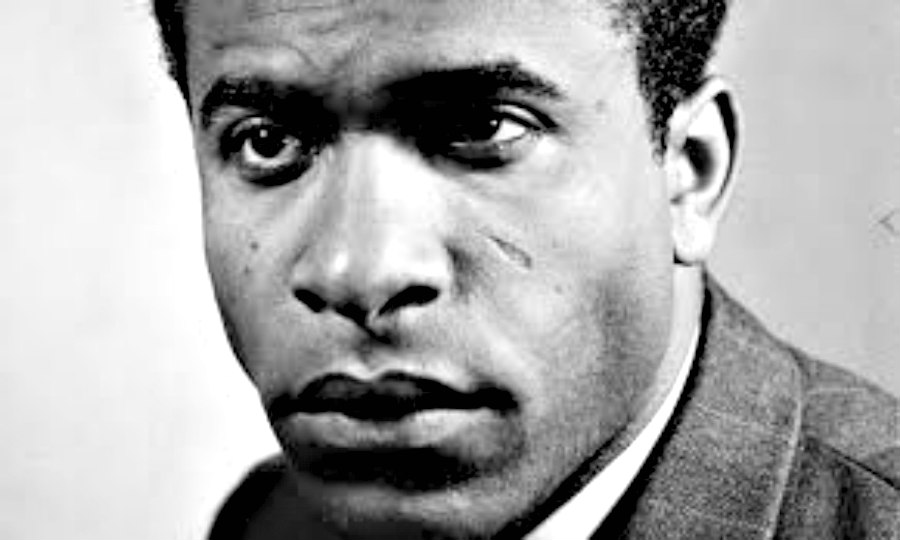
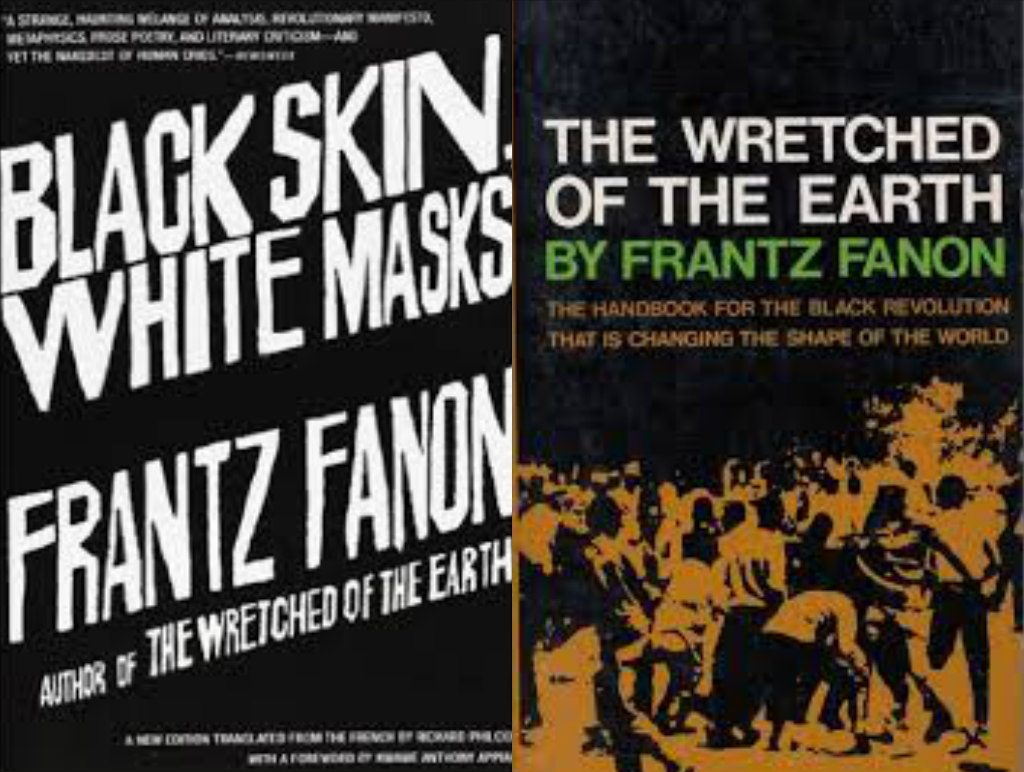
DOUBLE BOOK REVIEW: Black Skin, White Masks & The Wretched of the Earth by Frantz Fanon.

Frantz Fanon: The Revolutionary Mind of Black Liberation
Featuring Reviews of Black Skin, White Masks and The Wretched of the Earth


Who Was Frantz Fanon? Biography & Nationality

Frantz Omar Fanon was born on July 20, 1925, in Fort-de-France, Martinique, a French colony in the Caribbean. He was a Black psychiatrist, writer, revolutionary theorist, and anti-colonial activist. Fanon was of French nationality, since Martinique was a French territory, but he fiercely rejected colonial identity and became one of the most radical critics of French imperialism.

He grew up speaking French and was educated in the French system, but his experience as a Black man in a white-dominated society led him to reject colonial assimilation and instead advocate for African liberation.


His Marriage and Personal Life

Fanon married Josie (Marie-Josephe) Dublé, a white Frenchwoman, who was a nurse. This marriage sparked controversy, as Fanon wrote passionately against white colonialism and the psychological effects of internalized whiteness among Black people. Yet, he also saw personal relationships as complex and never viewed love solely through political binaries.

They had one son, Olivier Fanon.


His Language and Writing

Fanon wrote in French, and both of his major works have been translated into many languages, including English, Spanish, Arabic, and Portuguese, making his ideas accessible to freedom fighters and intellectuals around the world.


Life in Martinique and France: The Formation of a Revolutionary

Growing up in Martinique, Fanon was considered part of the Black middle class. However, he became deeply disillusioned with the racism of the French colonial structure, even in his homeland. He witnessed colorism, elitism, and a system that trained Black people to idolize whiteness.

He later moved to France to study psychiatry. As a young man, he fought in World War II for the Free French forces, believing in liberty and equality. But upon returning, he was met with the same anti-Black racism, even by those who had called him a fellow soldier. This double betrayal pushed him to rethink everything about colonialism, identity, and liberation.


Fanon wasn’t just a theorist; he joined the Algerian Revolution against French colonial rule, working as a psychiatrist and strategist for the National Liberation Front (FLN) in Algeria.

He treated Algerian fighters traumatized by war, and he exposed the use of torture by the French. His writings were not abstract—they were tools of war. The French authorities expelled him from Algeria for his radicalism, and he spent his remaining years helping liberation movements across Africa, including in Ghana and the Congo.


📘 Book Review: Black Skin, White Masks

⭐️⭐️⭐️⭐️⭐️

Published: 1952

Language: French (translated to English by Charles Lam Markmann)

Original Title: Peau Noire, Masques Blancs

This book is a psychological and philosophical dissection of what it means to be Black in a world built on white supremacy. Fanon dives deep into the Black psyche under colonialism, examining how racism shapes identity, self-worth, language, and love.

Key Messages and Themes:

  1. The Inferiority Complex of the Colonized:
    Black people, especially those educated in white systems, are taught to hate themselves and to wear “white masks” to be accepted.
  2. Language as a Tool of Oppression:
    Speaking French “well” became a way to be seen as civilized, but Fanon argued that this was a linguistic betrayal of self.
  3. Desire for Whiteness:
    Fanon was critical of Black men who sought white women to gain status, and Black women who rejected their own features for European beauty standards.
  4. Racism as a Mental Illness:
    He saw racism not just as social injustice but as a psychiatric condition—both for the oppressed and the oppressors.

“The Black man has no resistance against the white man’s culture. He becomes a mimic man.”
—Frantz Fanon, Black Skin, White Masks

🔥 Impact on the Black Psyche

The book shattered illusions. It revealed how colonialism invaded the mind, creating identity crises and self-hatred. It gave Black people language to understand their trauma and tools to decolonize the self.


📕 Book Review: The Wretched of the Earth

⭐️⭐️⭐️⭐️⭐️

Published: 1961 (just before his death from leukemia at age 36)

Translated by: Constance Farrington

Original Language: French

Introduction by: Jean-Paul Sartre

This is Fanon’s revolutionary manual, a blistering indictment of colonial violence and a blueprint for third-world liberation. Written from the frontlines of the Algerian War, it calls for armed struggle, psychological liberation, and national consciousness.

Key Messages and Chapters:

  1. “Violence is cleansing.”
    Fanon controversially argues that for the colonized to reclaim their dignity, violence is inevitable and purifying. It is how the oppressed reclaim agency.
  2. Mental Illness as a Colonial Weapon
    Fanon documents how colonial trauma causes paranoia, psychosis, and inferiority, especially among youth and fighters.
  3. Revolution Must Go Beyond Nationalism
    Independence is not enough. True liberation must dismantle capitalism, Western models of power, and Eurocentric values.
  4. Warning to Post-Colonial Elites
    Fanon criticized new African leaders who replaced white rulers but served the same Western interests, failing to uplift the masses.

“The colonized can see right away if decolonization is taking place or not. The minimum demand is for the colonized to govern their own country.”
—Frantz Fanon, The Wretched of the Earth


Why Was Fanon Revolutionary?

At a time when France still claimed moral superiority, Fanon exposed the brutality of its empire, tearing down illusions of liberal democracy. His insistence on psychological freedom, militant resistance, and cultural pride made him a hero to Black radicals and a threat to white colonial powers.


How Were Black People Seen in His Time?

In France and its colonies, Black people were exoticized, infantilized, and oppressed. They were taught that whiteness was superior, and “becoming French” was their highest goal. Fanon rejected this with rage and clarity.


Did His Light Skin Give Him Privilege?

Fanon was of mixed ancestry, and his relatively light skin may have given him closer access to French intellectual circles, but he rejected any identity built on proximity to whiteness. He used his position to amplify the pain and resistance of the oppressed, never to benefit personally.

His “je ne sais quoi” was not his skin—it was his brilliance, passion, and fearlessness.


What Was His Impact on Black People Worldwide?

Fanon inspired:

  • The Black Panther Party
  • South African anti-apartheid fighters
  • Caribbean and African revolutions
  • Black Lives Matter and global liberation movements
  • Scholars like bell hooks, Ngũgĩ wa Thiong’o, Angela Davis, and Malcolm X

His writings gave language to the rage and hope of colonized people and continue to empower those fighting white supremacy.


💡 Core Messages of Both Books

  • Colonialism is not just political—it is psychological.
  • Racism creates internalized hatred that must be unlearned.
  • Liberation requires both mental and physical decolonization.
  • Black identity must be rebuilt on truth, history, and cultural pride.
  • Freedom is not given—it must be seized.

Conclusion: The Fire That Still Burns

Frantz Fanon lived only 36 years, but he changed the world. He exposed the invisible chains in the Black mind and gave us tools to break them. His books are not just texts—they are weapons.

“Each generation must, out of relative obscurity, discover its mission, fulfill it, or betray it.”
—Frantz Fanon

Fanon fulfilled his mission. The question now is—will we fulfill ours?

Dilemma: Soul Ties

The Spiritual, Psychological, and Relational Implications

Photo by Mikhail Nilov on Pexels.com

“Marriage is the sacred union of two souls ordained by God; anything outside His covenant bears consequences.”


A “soul tie” refers to a deep, often invisible connection formed between individuals, binding their emotions, thoughts, and spirits together. These connections can be healthy or unhealthy, depending on their origin and context. While biblical marriage establishes a God-ordained tie between husband and wife (“Therefore shall a man leave his father and his mother, and shall cleave unto his wife: and they shall be one flesh” – Genesis 2:24, KJV), soul ties formed outside of marriage, particularly through fornication, can lead to spiritual, emotional, and psychological bondage. Understanding the nature, formation, consequences, and deliverance of soul ties is critical for relational and spiritual health.


Psychological and Scientific Perspective

From a psychological standpoint, soul ties are associated with attachment, emotional bonding, and neurochemical influences. Human brains release oxytocin and dopamine during sexual intimacy, attachment, and emotional closeness (Carter, 1998). Repeated sexual encounters or emotionally charged relationships strengthen these biochemical bonds, which explain why individuals feel “tied” to past partners. Psychologically, unhealthy soul ties can manifest as obsessive thoughts, emotional dependence, or repeated patterns of destructive relationships.


Biblical Perspective on Soul Ties

The Bible warns against forming intimate connections outside God’s ordained order:

  • “Flee fornication. Every sin that a man doeth is without the body; but he that committeth fornication sinneth against his own body” (1 Corinthians 6:18, KJV).
  • “Abstain from all appearance of evil” (1 Thessalonians 5:22, KJV).

Soul ties formed through fornication violate God’s design, creating spiritual bondage and relational consequences. These ties contrast with the biblical tie in marriage, which is a covenantal, holy, and enduring connection blessed by God.


Fornication: Definition and Consequences

Fornication refers to sexual immorality outside of marriage, including premarital sex, adultery, and casual sexual encounters. In the KJV Bible, it is consistently identified as a grave sin with both spiritual and bodily consequences: “But fornication, and all uncleanness, or covetousness, let it not be once named among you, as becometh saints” (Ephesians 5:3, KJV). The level of this sin is severe because it not only defiles the body but also creates attachments and soul ties that may hinder spiritual growth and relational fulfillment.


Attraction, Lust, and the Formation of Soul Ties

While attraction and sexual desire are natural, they can contribute to unhealthy soul ties when expressed outside the bounds of marriage. Lust-driven connections often prioritize physical gratification over spiritual alignment, creating strong emotional and psychological bonds with little regard for God’s purpose. These connections can lead to relational entanglements, recurring unhealthy patterns, and difficulty in establishing covenantal marital bonds.

Soul Tie Formation vs. Biblical Marriage Tie

                   GOD-CENTERED
          (Spiritual alignment in marriage)
                        │
             ┌──────────┴──────────┐
             │                     │
      BIBLICAL MARRIAGE TIE      SOUL TIE (UNHEALTHY)
             │                     │
   - Formed through covenant     - Formed through lust,
     (Genesis 2:24, KJV)         fornication, or emotional
   - Holy, enduring, blessed       entanglement (1 Corinthians 6:18, KJV)
   - Mutual respect and love      - Emotional obsession or
   - Spiritual, emotional,          dependence
     physical unity               - Often temporary
   - Supports spiritual growth    - Hinders spiritual growth
   - Security, trust, intimacy    - Creates insecurity and fear
   - Promotes procreation         - Pleasure-driven or self-serving
   - Guided by God’s will         - Not aligned with God’s will

Explanation:

  • Biblical Marriage Tie is covenantal and God-centered, fostering lifelong unity, spiritual growth, and relational fulfillment.
  • Soul Tie (Unhealthy) is often temporary, pleasure-driven, and spiritually harmful, forming through lust, fornication, or emotional entanglement outside God’s design.
  • The diagram emphasizes the importance of alignment with God in forming enduring, healthy relational bonds.

Signs and Judgment of Unhealthy Soul Ties

Unhealthy soul ties manifest in several ways:

  • Emotional dependence or obsessive thoughts about a past partner
  • Repeatedly choosing similar relational patterns or destructive partners
  • Spiritual heaviness or difficulty in prayer and intimacy with God
  • Feelings of guilt, shame, or fear in relational contexts

Biblically, soul ties formed through fornication are condemned, as they bind the spirit and hinder spiritual obedience: “Be not deceived: neither fornicators, nor idolaters, nor adulterers… shall inherit the kingdom of God” (1 Corinthians 6:9–10, KJV).


Deliverance from Unhealthy Soul Ties

Deliverance involves spiritual, emotional, and psychological steps:

  1. Confession and Repentance – Acknowledge the sin and seek forgiveness (1 John 1:9, KJV).
  2. Renunciation – Break the emotional and spiritual connection intentionally through prayer.
  3. Forgiveness – Release bitterness or resentment toward the individual.
  4. Counseling and Support – Engage pastoral guidance, accountability partners, or therapy.
  5. Replacement with Godly Focus – Redirect emotional and spiritual energy toward God and covenantal relationships.
  6. Establish Boundaries – Avoid situations that could reform unhealthy attachments.

Soul Tie vs. Biblical Marriage Tie

AspectSoul Tie (Unhealthy)Biblical Marriage Tie
FormationThrough lust, fornication, or emotional manipulationCovenantal union ordained by God (Genesis 2:24, KJV)
Spiritual StatusPotential bondage; hinders spiritual growthBlessed, holy, covenantal; promotes spiritual unity
Emotional ImpactObsession, insecurity, fear of lossEmotional intimacy, security, mutual growth
LongevityOften temporary; destructive patternsLifelong, enduring, sacrificial love
PurposeSelf-gratification, pleasure-drivenService, love, procreation, covenantal support

Conclusion

Soul ties represent powerful connections that can either bless or hinder one’s spiritual, emotional, and relational life. When birthed through fornication or lust, they carry spiritual bondage, psychological entanglement, and relational consequences. The Bible, KJV, clearly condemns sexual immorality and warns against forming ties outside God’s design. Deliverance requires repentance, prayer, forgiveness, and the cultivation of godly relationships. True intimacy, security, and fulfillment are reserved for the covenantal bond of marriage, where the union is holy, mutually supportive, and aligned with God’s purpose.


References

  • Bible, King James Version (KJV).
  • Apocrypha, KJV.
  • Carter, C. S. (1998). Neuroendocrine perspectives on social attachment and love. Psychoneuroendocrinology, 23(8), 779–818.
  • Worthington, E. L., Jr. (2006). Forgiveness and reconciliation: Theory and application. Routledge.
  • Jones, S. L., & Butman, R. E. (2006). Modern psychotherapies and spirituality: Integrating biblical principles. Baker Academic.
  • Greeley, A. (1991). Religion and intimate relationships. Journal of Marriage and Family, 53(1), 13–24.
  1. Bible, King James Version (KJV).
    • Genesis 2:24 – “Therefore shall a man leave his father and his mother, and shall cleave unto his wife: and they shall be one flesh.”
    • 1 Corinthians 6:18 – “Flee fornication. Every sin that a man doeth is without the body; but he that committeth fornication sinneth against his own body.”
  2. Apocrypha, KJV – Various passages on sexual purity and covenantal relationships.
  3. Carter, C. S. (1998). Neuroendocrine perspectives on social attachment and love. Psychoneuroendocrinology, 23(8), 779–818.
  4. Worthington, E. L., Jr. (2006). Forgiveness and reconciliation: Theory and application. Routledge.
  5. Jones, S. L., & Butman, R. E. (2006). Modern psychotherapies and spirituality: Integrating biblical principles. Baker Academic.
  6. Greeley, A. (1991). Religion and intimate relationships. Journal of Marriage and Family, 53(1), 13–24.

THE 12 TRIBES OF ISRAEL

Who Are the 12 Tribes of Israel? A Biblical and Historical Perspective

Photo by cottonbro studio on Pexels.com

1. Who Are the 12 Tribes of Israel?

The 12 tribes of Israel are the descendants of the 12 sons of Jacob, whose name was changed to Israel (Genesis 32:28). These sons became the patriarchs of the tribes:

  • Reuben
  • Simeon
  • Levi
  • Judah
  • Dan
  • Naphtali
  • Gad
  • Asher
  • Issachar
  • Zebulun
  • Joseph (divided into Ephraim and Manasseh)
  • Benjamin

Although Levi was set apart as the priestly tribe, Joseph’s portion was split between his two sons, Ephraim and Manasseh, making up the full 12.

📖 Genesis 49 gives prophetic insight into the future of each tribe.

2. Are the 12 Tribes of Israel Black?

There is strong historical and scriptural support for the belief among many that the original Israelites were people of color, particularly of Afro-Asiatic descent.

  • Lamentations 5:10 (KJV): “Our skin was black like an oven because of the terrible famine.”
  • Jeremiah 14:2 (KJV): “Judah mourneth… they are black unto the ground.”
  • Songs of Solomon 1:5 (KJV): “I am black, but comely, O ye daughters of Jerusalem…”

Many scholars and Hebrew Israelite groups argue that the modern-day African diaspora (descendants of slaves scattered during the transatlantic slave trade) may be part of the lost tribes of Israel (Deuteronomy 28).

📖 2 Esdras 13:40–46 (Apocrypha): Describes how the northern tribes were carried away and migrated to a new land—often believed to be the Americas.

3. What Are the Ten Commandments?

The Ten Commandments were given by God to Moses on Mount Sinai. They form the foundation of biblical law and morality:

📖 Exodus 20:1–17 (KJV) and Deuteronomy 5:6–21

  1. Thou shalt have no other gods before me.
  2. Thou shalt not make unto thee any graven image.
  3. Thou shalt not take the name of the Lord thy God in vain.
  4. Remember the sabbath day, to keep it holy.
  5. Honour thy father and thy mother.
  6. Thou shalt not kill.
  7. Thou shalt not commit adultery.
  8. Thou shalt not steal.
  9. Thou shalt not bear false witness.
  10. Thou shalt not covet.

Applying the Ten Commandments to Life:

These commandments teach us to:

  • Worship God alone
  • Keep our speech and actions holy
  • Respect others’ lives, marriages, and property
  • Uphold truth, justice, and contentment
  • Keep the Sabbath day (Saturday) as a day of rest

4. What Is Sin?

📖 1 John 3:4 (KJV): “Whosoever committeth sin transgresseth also the law: for sin is the transgression of the law.”

Sin is breaking God’s commandments. It separates us from God and leads to spiritual death.

📖 Romans 6:23 (KJV): “For the wages of sin is death; but the gift of God is eternal life through Jesus Christ our Lord.”

5. How Do We Resist Sin?

  • Through the Word of God:
    📖 Psalms 119:11: “Thy word have I hid in mine heart, that I might not sin against thee.”
  • Through Prayer and Fasting:
    📖 Matthew 17:21: “Howbeit this kind goeth not out but by prayer and fasting.”
  • By Following the Spirit, Not the Flesh:
    📖 Galatians 5:16: “Walk in the Spirit, and ye shall not fulfil the lust of the flesh.”

6. What Color Is Jesus?

The Bible gives a physical description of Christ that challenges the common Western image:

📖 Revelation 1:14–15 (KJV):
“His head and his hairs were white like wool, as white as snow; and his eyes were as a flame of fire;
And his feet like unto fine brass, as if they burned in a furnace.”

  • Wooly hair (texture often associated with people of African descent)
  • Burned brass feet (dark skin tone)

📖 Daniel 10:5–6 also gives a similar description.

7. Who Is the Devil?

The devil, also known as Satan, is the adversary of God and mankind. He tempts, accuses, and seeks to destroy the righteous.

📖 1 Peter 5:8 (KJV):
“Be sober, be vigilant; because your adversary the devil, as a roaring lion, walketh about, seeking whom he may devour.”

📖 Revelation 12:9 (KJV):
“And the great dragon was cast out, that old serpent, called the Devil, and Satan, which deceiveth the whole world…”

The devil often uses temptation, deception, and sin to separate people from God.

8. When Did the Country Name “Israel” Change?

The land was historically known as Canaan, then Israel, later Judah (southern kingdom), and over time came under various empires (Babylonian, Roman, Ottoman). After 70 A.D., Jerusalem was destroyed by the Romans, and the Israelites were scattered (the diaspora).

In 1948, the modern State of Israel was established in Palestine, fulfilling political prophecy and sparking much debate about who the true Israelites are.

📖 Luke 21:24: “Jerusalem shall be trodden down of the Gentiles, until the times of the Gentiles be fulfilled.”

9. Who Are the Chosen People?

📖 Deuteronomy 7:6 (KJV):
“For thou art an holy people unto the LORD thy God… a special people unto himself, above all people that are upon the face of the earth.”

📖 2 Esdras 6:54–56 (Apocrypha):
“And after these, Adam also… of him come we all, and the people also whom thou hast chosen… but we thy people, whom thou hast called thy firstborn, thy only begotten, and thy fervent lover, are given into their hands.”

The Israelites—specifically the 12 tribes—are considered God’s chosen people, with a covenant to keep His laws.

Final Thoughts

Understanding the identity of the 12 Tribes, the nature of sin, the commandments, and Christ’s true image helps believers return to biblical truth and resist modern deception. God calls His people to righteousness, not just in identity, but in obedience.

📖 Ecclesiastes 12:13 (KJV): “Let us hear the conclusion of the whole matter: Fear God, and keep his commandments: for this is the whole duty of man.”


References (KJV & Apocrypha)

  • Genesis 32, 49
  • Exodus 20
  • Deuteronomy 5, 7, 28
  • Psalms 119
  • Isaiah 1:3
  • Jeremiah 14:2
  • Daniel 10
  • Matthew 17
  • Revelation 1, 12
  • 1 John 3
  • 2 Esdras 6, 13 (Apocrypha)
  • Ecclesiasticus/Sirach (Apocrypha)