Beauty is often described as both universal and culturally specific, yet when it comes to Black women, their beauty holds a transcendent quality that blends strength, heritage, and physical distinctiveness. Across history and continents, the attributes of Black women’s appearance have not only been celebrated within their own communities but also mimicked and admired around the world. From their radiant skin tones to their sculpted bone structures and captivating eyes, Black women embody an aesthetic that challenges and redefines global standards of beauty.
One of the most celebrated attributes of Black women is their skin tone. Ranging from deep ebony to warm café au lait, their melanin-rich complexions are often associated with vitality, health, and timeless youthfulness (Russell, Wilson, & Hall, 2013). In fact, many cosmetic brands now attempt to market products that replicate the “glow” of melanin. Another defining feature is the diversity of facial structures—high cheekbones, expressive almond-shaped eyes, and full lips—which create a sense of balance and harmony that aligns with principles of facial symmetry often linked to attractiveness (Little et al., 2011).
Globally, women of other races have long sought to mimic elements of Black women’s physicality. In the West, the pursuit of full lips has become one of the most obvious examples, with lip fillers and cosmetic procedures inspired by the natural beauty of Black women. Additionally, curvaceous body types—once marginalized—are now celebrated, with emphasis on rounded hips, narrow waists, and toned figures, reflecting the global fascination with Black women’s natural silhouettes (Patton, 2006). Hairstyles, too, have been widely imitated, with braids, twists, and natural textures moving from cultural tradition to global fashion trends.
Around the world, the admiration often focuses on both face and body, though in different contexts. Western beauty markets tend to idolize Black women’s curves, while fashion and modeling industries highlight their striking facial features and versatility in style. This dual admiration underscores the holistic nature of Black beauty—embodying both power and delicacy, sensuality and elegance.
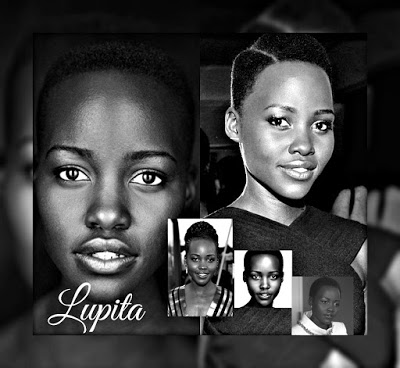
Hollywood has offered a stage where the beauty of Black women has shone in diverse ways. Consider Lupita Nyong’o, whose deep, luminous skin and regal bone structure epitomize classic African beauty; her features challenge Eurocentric ideals while affirming natural radiance. Kenya Moore, celebrated for her pageant-winning beauty, combines high cheekbones with a radiant smile that exudes confidence and allure. Halle Berry, often hailed as one of the most beautiful women in the world, blends striking hazel eyes, a delicate nose, and flawless symmetry, making her a symbol of crossover appeal.
Nia Long embodies girl-next-door charm with soulful eyes and a glowing complexion, while Gabrielle Union is admired for her timeless smile and smooth, youthful skin that seems untouched by time. Vanessa L. Williams, the first Black Miss America, captivated audiences with her green-blue eyes and luminous skin, offering a rare blend of features that challenged stereotypical norms of beauty. Salli Richardson dazzles with her elegant bone structure and silky complexion, while Stacey Dash became a 90s icon with her doll-like features and expressive eyes.
Completing this constellation of Hollywood beauty are Sanaa Lathan, with her soft yet commanding features and effortlessly natural look, and Sandra Justice, a model and actress whose statuesque frame and bold facial features reflect both strength and sophistication. Together, these women demonstrate the range of Black beauty, from delicate to striking, natural to glamorous, affirming that there is no single definition—only a celebration of diversity.
Ultimately, the beauty of Black women lies not only in their physical appearance but in the way their features embody history, resilience, and cultural pride. Their influence is seen in the global beauty industry, fashion runways, and popular culture, where elements of Black aesthetics are both imitated and celebrated. As the world continues to expand its definitions of beauty, Black women remain at the forefront—timeless, trendsetting, and undeniably powerful.
References
Little, A. C., Jones, B. C., & DeBruine, L. M. (2011). Facial attractiveness: Evolutionary based research. Philosophical Transactions of the Royal Society B: Biological Sciences, 366(1571), 1638–1659.
Patton, T. O. (2006). Hey girl, am I more than my hair?: African American women and their struggles with beauty, body image, and hair. NWSA Journal, 18(2), 24–51.
Russell, K., Wilson, M., & Hall, R. (2013). The Color Complex: The Politics of Skin Color in a New Millennium. Anchor.
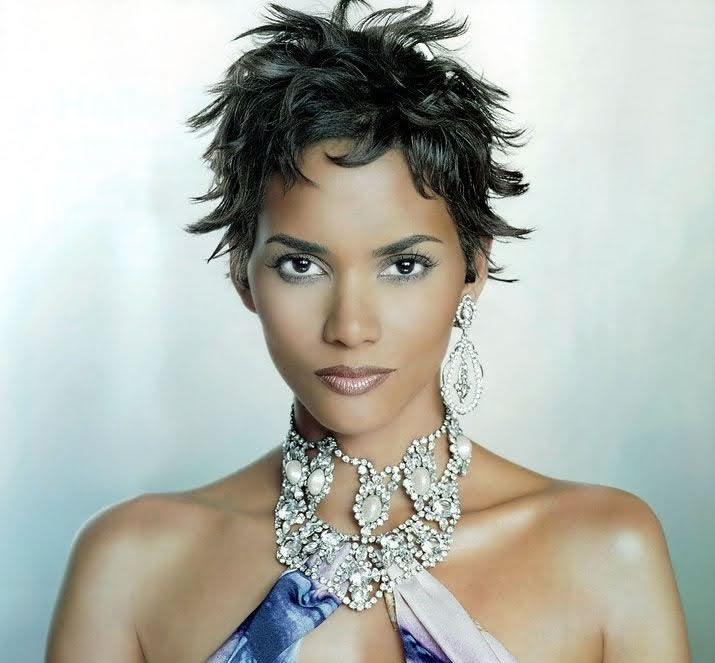
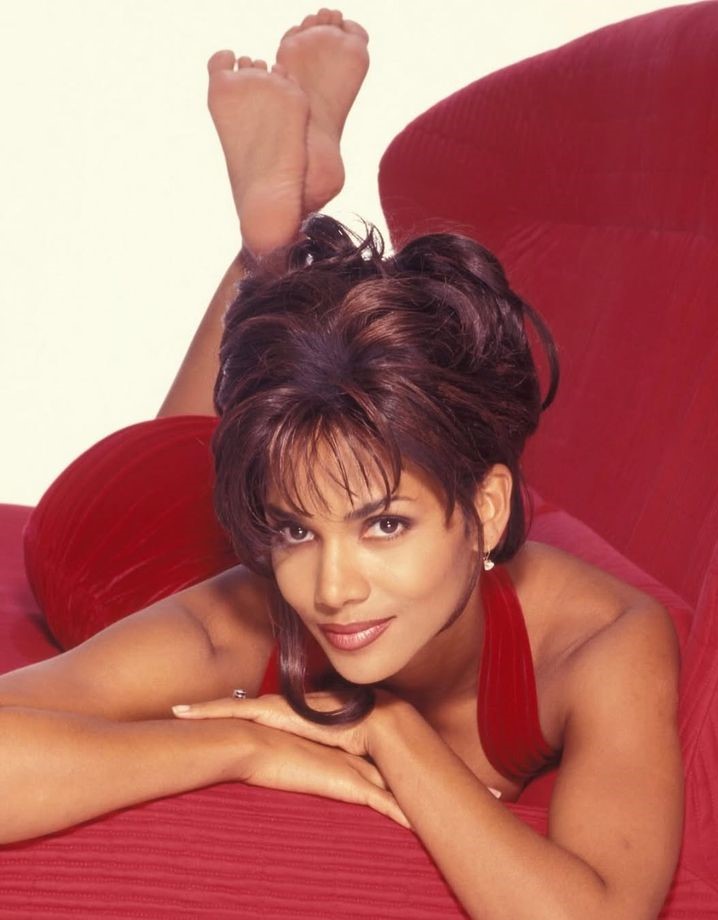
Many have said that Halle Berry is the most beautiful woman in the world, making her a living icon of beauty and timeless elegance.
In the early 1990s, after the release of Strictly Business (1991), Halle Berry captivated Hollywood and the world with her magnetic screen presence and extraordinary beauty. The film served as her breakout role, introducing audiences to a new kind of Black leading lady—radiant, confident, and effortlessly alluring. Her appearance in Strictly Business marked a cultural turning point, as Berry’s blend of sophistication and sensuality transcended racial boundaries in an industry still grappling with representation. Television host Arsenio Hall famously declared her “the most beautiful woman in the world,” echoing the collective awe of audiences and critics alike who saw in Berry not just a starlet, but a genetic marvel – the complete package in terms of beauty whose elegance and charisma would redefine Hollywood’s standards of beauty for decades to come.
These photographs are the property of their respective owners. No copyright infringement intended.
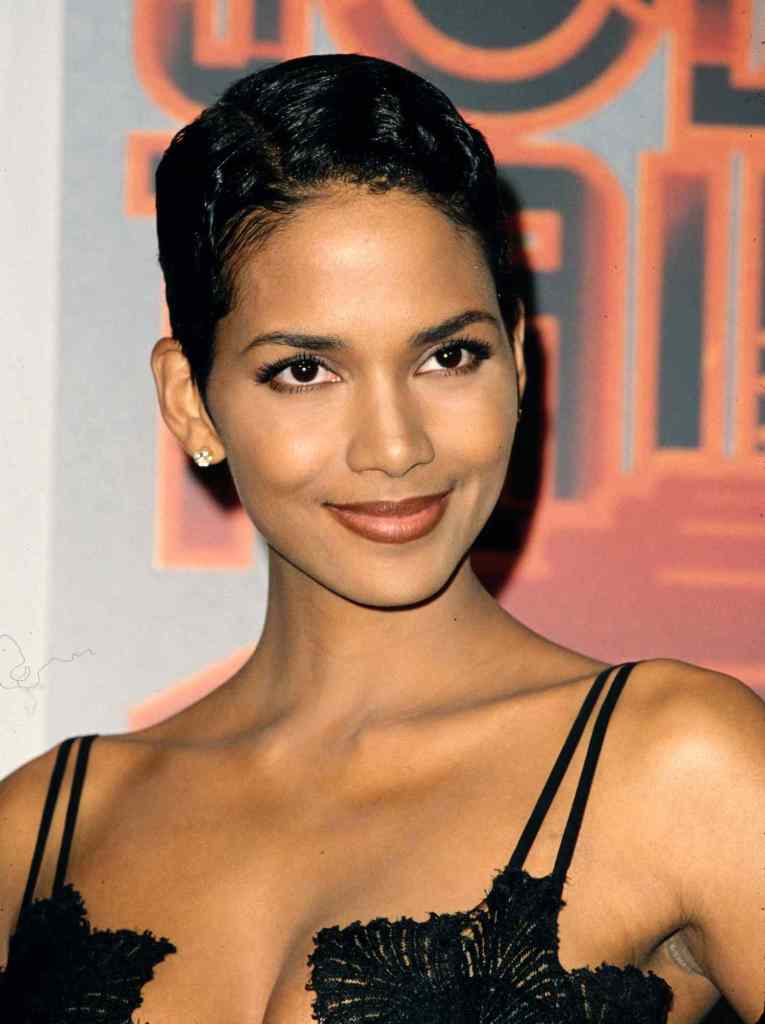
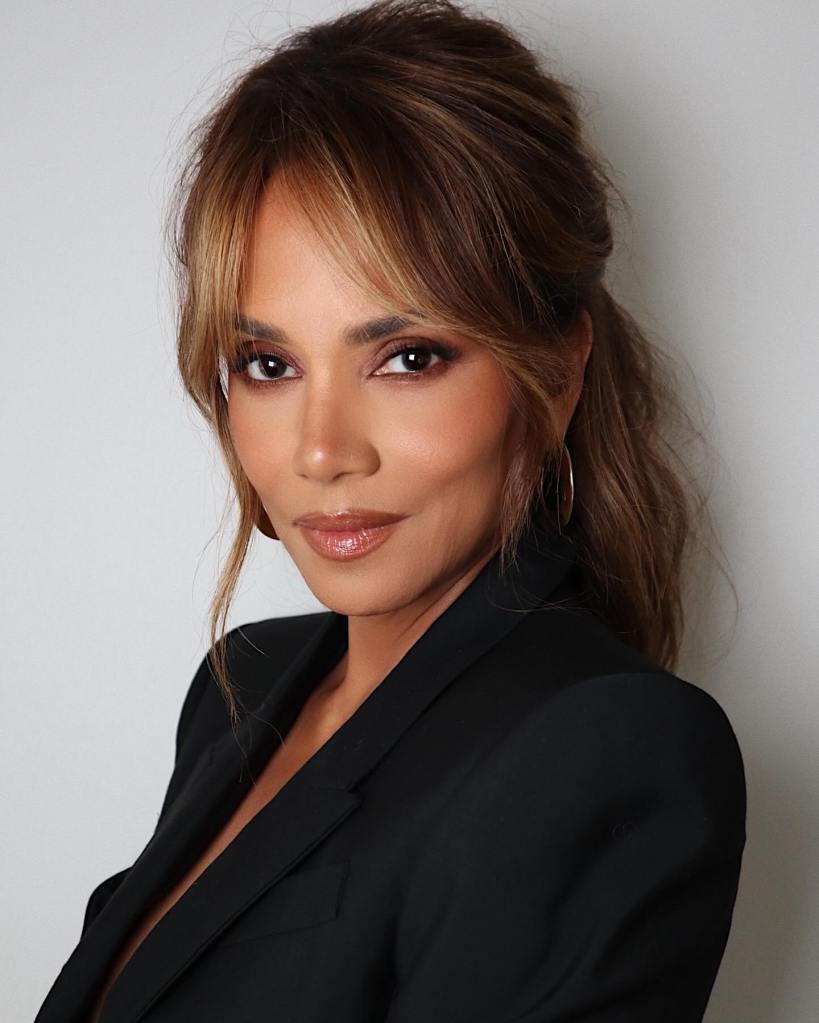
Halle Berry has long been celebrated as one of the most beautiful women in the world—a vision of timeless elegance, grace, and radiant femininity. Her symmetrical features, luminous skin, and captivating eyes embody a beauty that transcends race and age. With a sculpted jawline, flawless complexion, and confidence that radiates from within, she redefined the global perception of Black beauty. Whether walking a red carpet or appearing barefaced in interviews, Halle’s natural glow and poise reflect inner strength and divine self-assurance. Her presence commands attention—not merely for her looks, but for the spirit and perseverance behind them.
Born Maria Halle Berry on August 14, 1966, in Cleveland, Ohio, she was raised by her mother, Judith Ann, after her parents divorced when she was young. Her mother, a psychiatric nurse, taught her resilience, while her father, Jerome Berry, an African American hospital attendant, contributed to her rich biracial heritage. Halle’s early life was marked by challenges, including racial discrimination, but she turned adversity into motivation. Her drive and determination pushed her to excel academically and artistically.
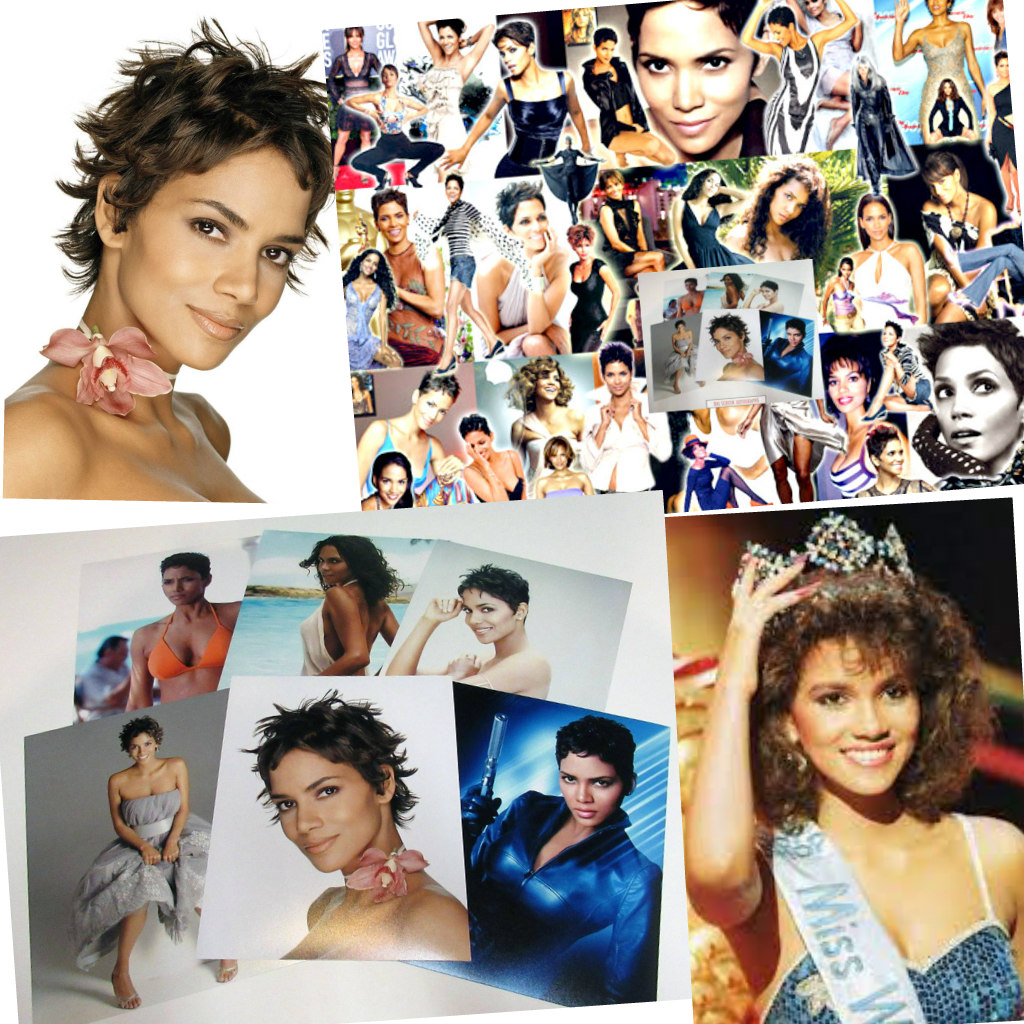
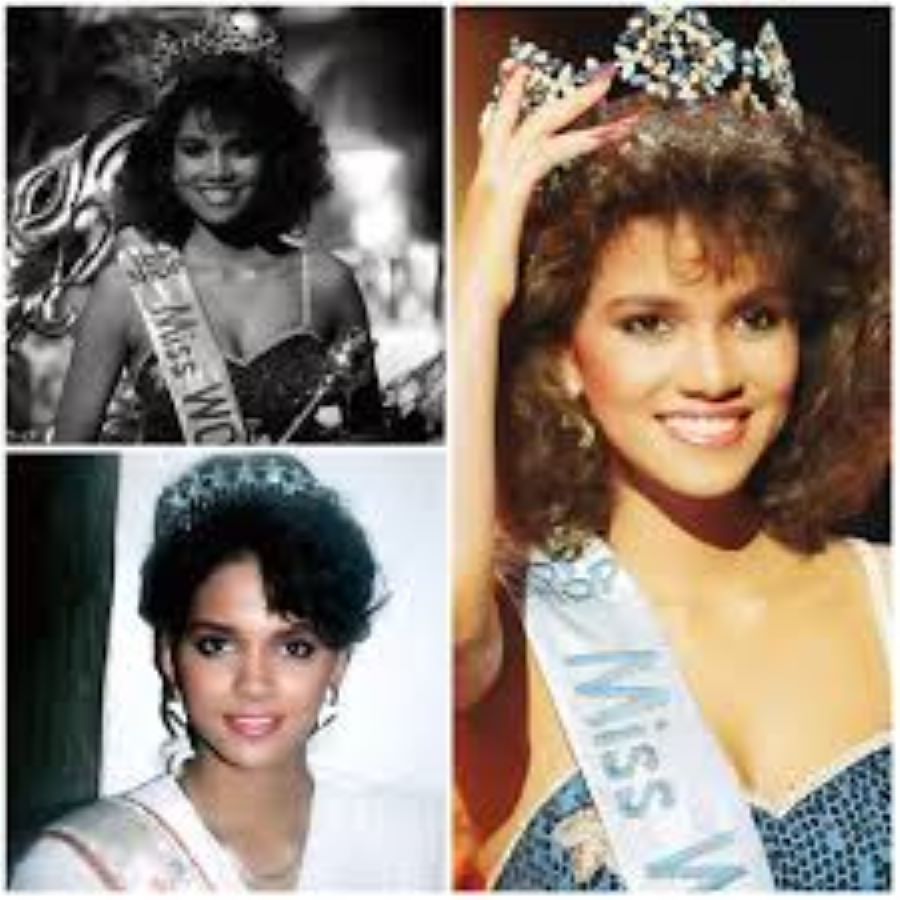
Before her rise to stardom, Halle Berry began her career in modeling and beauty pageants. In 1985, she won the title of Miss Teen All-American and later became the first runner-up in the 1986 Miss USA pageant. That same year, she represented the United States in the Miss World competition, where she placed sixth. Her pageant success opened doors to modeling and acting opportunities, giving her visibility in an industry where diversity was still limited.
These photographs are the property of their respective owners. No copyright infringement intended.
Halle’s modeling career flourished throughout the 1980s, appearing in high-profile campaigns and fashion spreads that highlighted her natural beauty and grace. She was a muse for photographers who saw in her the perfect balance between strength and softness. But it wasn’t just her looks that set her apart—it was her professionalism, intelligence, and ability to carry herself with royal composure.
Her transition to acting began with small television roles, including Living Dolls in 1989. However, her breakthrough came in Spike Lee’s Jungle Fever (1991), where she portrayed a crack addict named Vivian. This role proved that she was more than just a beauty queen—she was an actress capable of depth, vulnerability, and emotional truth. Halle’s early film choices often centered around complex female characters navigating identity, love, and survival.
This photograph is the property of its respective owner. No copyright infringement intended.
As her career expanded, Berry starred in a wide range of films that showcased her versatility. She appeared in Boomerang (1992) alongside Eddie Murphy, The Flintstones (1994), Bulworth (1998), and the critically acclaimed Introducing Dorothy Dandridge (1999). Her portrayal of the legendary actress Dorothy Dandridge earned her an Emmy, a Golden Globe, and a Screen Actors Guild Award. This performance was especially meaningful, as Dandridge had been the first Black woman nominated for an Academy Award for Best Actress—a barrier Berry herself would later break.
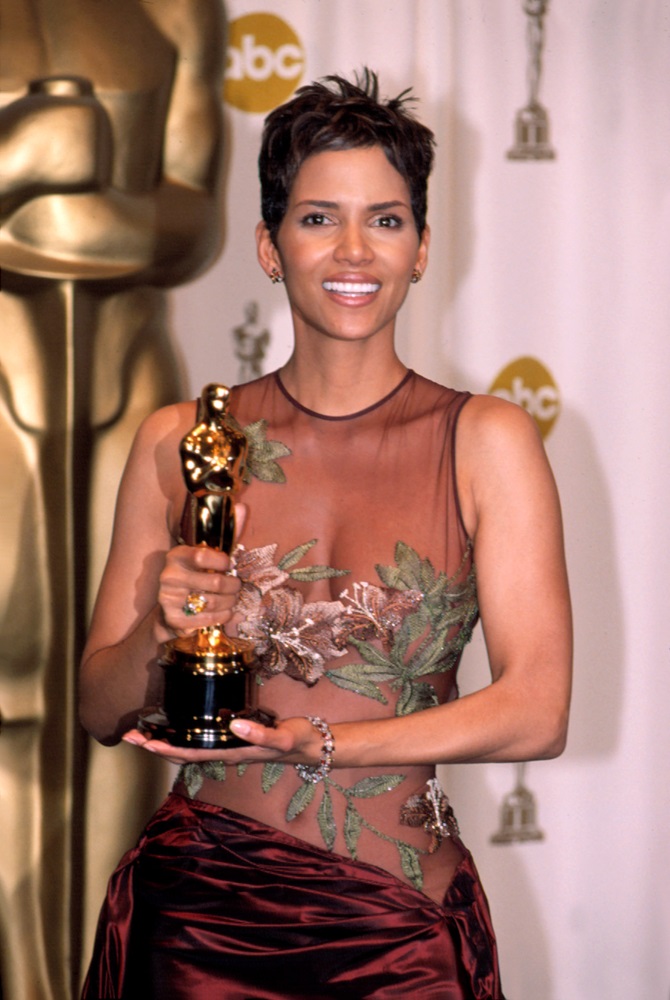
In 2002, Halle Berry made history when she became the first Black woman to win the Academy Award for Best Actress for her role in Monster’s Ball (2001). In her emotional acceptance speech, she dedicated the moment to “every nameless, faceless woman of color who now has a chance because this door tonight has been opened.” Her performance in the film, as a struggling widow seeking redemption, cemented her place among Hollywood’s elite and broke racial boundaries in the industry.
This photograph is the property of its respective owner. No copyright infringement intended.
Beyond her Oscar, Berry’s trophy case includes a Golden Globe, multiple NAACP Image Awards, and recognition from the BET Honors and Essence Black Women in Hollywood Awards. She also received a star on the Hollywood Walk of Fame in 2007, a testament to her enduring influence and body of work.
People Magazine
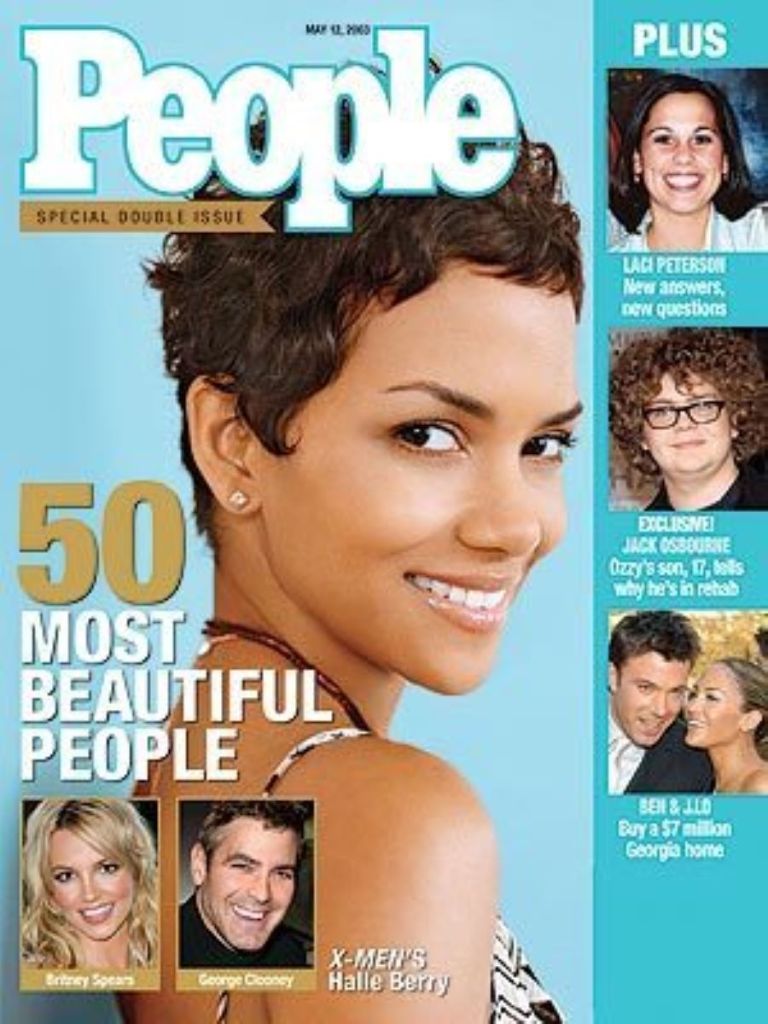
Halle’s beauty has often been celebrated alongside her talent. She was named People magazine’s “Most Beautiful Woman in the World” in 2003 and has graced the cover multiple times since. Her appeal lies not just in physical perfection but in authenticity and confidence. She embodies the kind of beauty that grows richer with time—a combination of fitness, spiritual balance, and self-love.
Her beauty regimen has always emphasized simplicity and consistency. Berry advocates for hydration, clean eating, regular exercise, and a focus on inner wellness. She follows a ketogenic diet, practices yoga, and prioritizes mental health. In interviews, she often states that “beauty begins with the soul,” emphasizing peace, faith, and gratitude as key components of lasting radiance.
Health has been a lifelong priority for Halle, especially after being diagnosed with type 1 diabetes at age 22. This diagnosis changed her relationship with food, fitness, and discipline. She became an advocate for holistic wellness, encouraging others to take control of their health through natural living and balance. Her fitness routine includes strength training, cardio, martial arts, and meditation.
This photograph is the property of its respective owner. No copyright infringement intended.
As Halle matured in her career, she took on new roles that reflected her growth as both a woman and an artist. Films like Gothika (2003), Catwoman (2004), Cloud Atlas (2012), and Bruised (2020)—which she also directed—demonstrated her fearlessness in exploring challenging roles. Her ability to reinvent herself in each decade of her career shows a rare kind of endurance and artistic evolution.
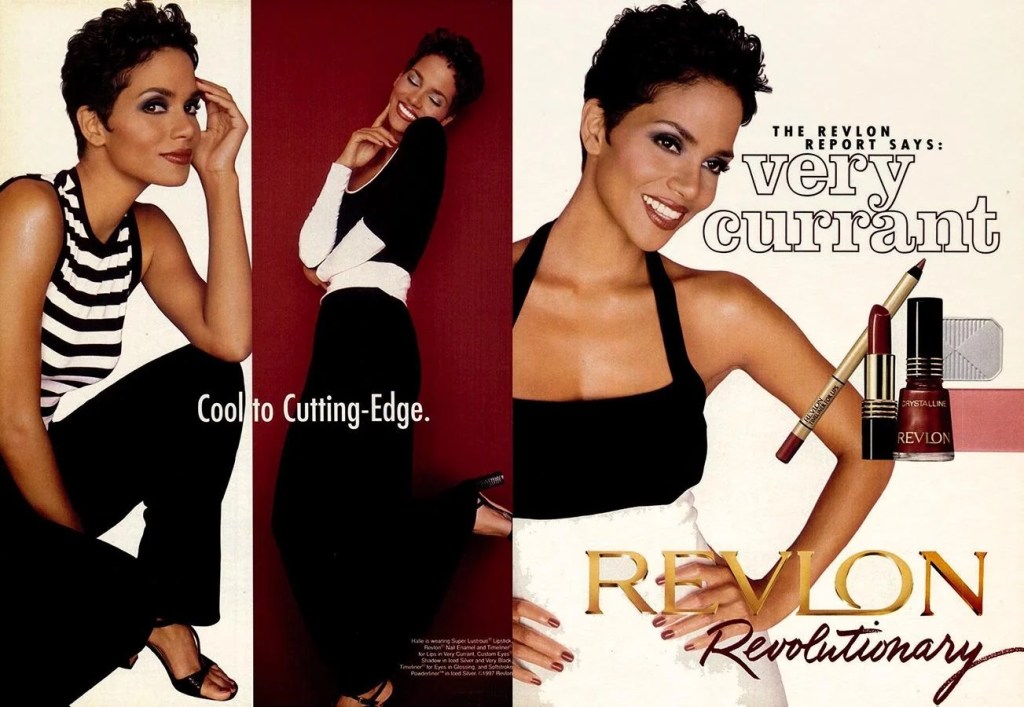
Revlon Cosmetics
Halle Berry’s enduring beauty and cinematic prestige have made her one of the most sought-after celebrity endorsers in Hollywood. Her long-term partnership with Revlon, beginning in 1996, established her as a global ambassador and symbol of timeless glamour. Berry also became a collaborative partner and campaign face for Finishing Touch Flawless, a beauty-tech brand emphasizing women’s self-care and confidence, and launched her own fragrance line with Coty in 2009, showcasing her elegance and entrepreneurial vision. Her flawless complexion, sculpted bone structure, and magnetic screen presence—paired with her historic Academy Award win as the first Black woman to receive Best Actress—solidified her appeal as the epitome of sophistication and modern femininity, aligning perfectly with brands seeking a face that transcends race and radiates universal beauty.
Her personal life has also been under public scrutiny, particularly her high-profile marriages and relationships. Berry was married to baseball player David Justice (1993–1997), musician Eric Benét (2001–2005), and actor Olivier Martinez (2013–2016). Despite the challenges, she has maintained dignity and optimism, focusing on her children and her work. Her transparency about heartbreak and healing has made her relatable to women worldwide. After these marriages, she entered a committed relationship in 2020 with Grammy-winning musician Van Hunt. Hunt proposed to Berry, though she has stated she doesn’t need marriage to validate their relationship. People.com
As a mother to two children, Nahla and Maceo, Halle has spoken openly about balancing motherhood and career. She has emphasized the importance of teaching her children about self-worth, resilience, and faith. Her nurturing yet disciplined nature mirrors the Proverbs 31 woman—strong, wise, and compassionate.
This photograph is the property of its respective owner. No copyright infringement intended.
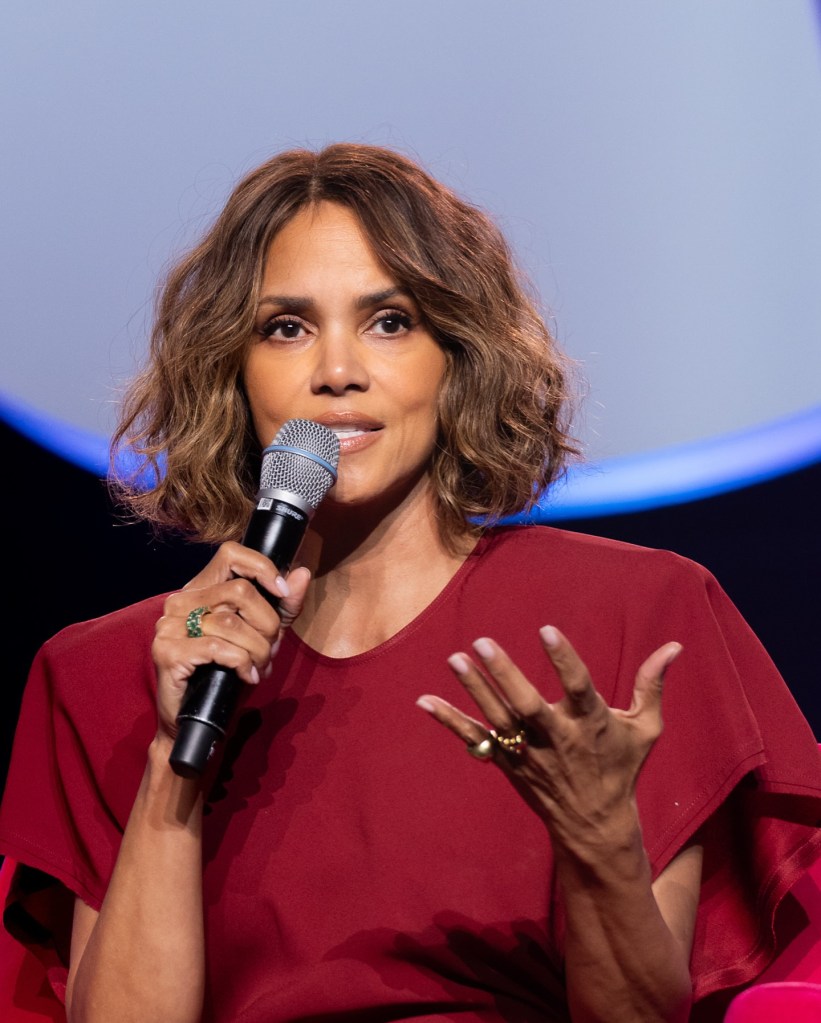
Berry’s activism extends beyond entertainment. She is a passionate advocate for women’s rights, domestic violence survivors, and health awareness. In recent years, she has become an outspoken voice for menopause education, challenging the stigma surrounding it. Halle uses her platform to empower women to embrace their changing bodies and find beauty in every stage of life.
In discussing menopause, Berry highlights the importance of embracing transformation with grace. She rejects the notion that aging diminishes worth or attractiveness. Instead, she champions the idea that true beauty deepens with experience, wisdom, and peace of mind. Her advocacy reflects her mission to redefine womanhood in Hollywood and beyond.
This photograph is the property of its respective owner. No copyright infringement intended.
Today, Halle Berry continues to inspire not only through her performances but through her authenticity. She has proven that beauty, talent, and intelligence can coexist powerfully. Her influence reaches far beyond film; she has become a symbol of endurance, elegance, and empowerment for generations of women. She has become the face and co-founder of Re•Spin Menopause, a wellness brand that seeks to redefine and destigmatize the conversation around menopause. Through her platform, Berry advocates for education, empowerment, and holistic health during midlife, encouraging women to embrace this transition with confidence and self-love. Her candid discussions about her own journey with perimenopause have inspired millions, highlighting the importance of open dialogue about women’s health. Berry’s mission with Re•Spin and her partnership with Pendulum Therapeutics mark a cultural shift toward celebrating aging as strength, not decline.
Her legacy as an “Ebony Doll” represents more than physical beauty—it is a celebration of Black excellence, resilience, and divine femininity. Halle Berry’s journey reminds the world that true allure is found not in perfection but in purpose, perseverance, and self-love. She remains a beacon of light, defying age, stereotypes, and limitations.
People Magazine. (2003–2023). Most Beautiful Woman in the World Issues.
NAACP Image Awards Archives. (2023). Halle Berry: Past Wins and Nominations.
Essence Magazine. (2022). Halle Berry on Beauty, Aging, and Empowerment.
The Guardian. (2021). Halle Berry: Breaking Barriers in Hollywood.
Women’s Health. (2020). Halle Berry Shares Her Fitness and Wellness Secrets.
BET. (2022). The Evolution of Halle Berry: Actress, Director, and Icon.
CNN. (2024, April 5). Halle Berry on changing the narrative about menopause. Forbes. (2024, March 12). Halle Berry partners with Pendulum to redefine menopause wellness. Essence. (2024, March 14). Halle Berry launches Re•Spin Menopause: Empowering women through the change.
Photo courtesy of Steve Landis, the photographer used with his permission.
“When you’re empty on the inside, it doesn’t matter how beautiful you are on the outside.” – Denise Matthews (Vanity)
Introduction: Beauty, Fame, and the Battle Within
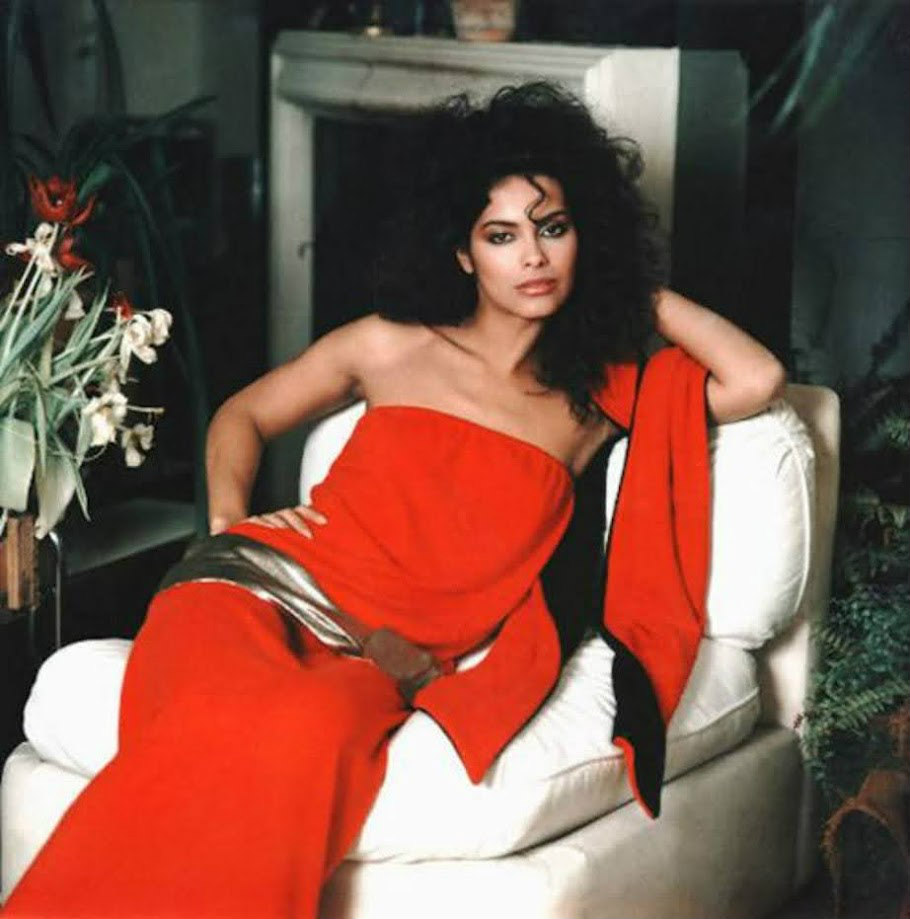
Denise Katrina Matthews—widely known by her stage name Vanity—was a striking beauty, a singer, actress, and model who captivated the world in the 1980s. With an exotic allure and a voice that blended sensuality and soul, Vanity became a pop culture icon during the height of Prince’s musical empire. Yet, beneath the surface of stardom and seduction, Denise battled addiction, identity confusion, and spiritual emptiness. Her journey from sex symbol to servant of Christ is one of profound transformation and testimony.
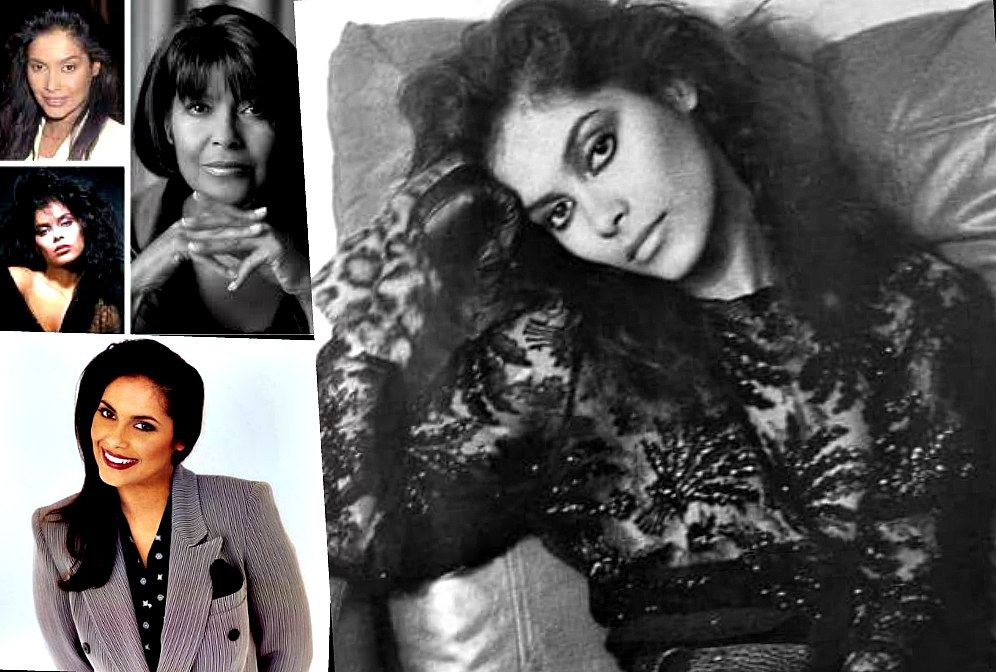
All photographs are the property of their respective owners. No infringement intended.
Early Life and Mixed Heritage
Denise Matthews was born on January 4, 1959, in Niagara Falls, Ontario, Canada. Of African-American, German-Jewish, and Polynesian descent, her mixed-race heritage contributed to her “exotic” beauty that would later become her ticket to the entertainment industry—and, paradoxically, her curse. Standing at about 5’6”, she was admired for her radiant skin, bone structure, and seductive onstage presence. Her early experiences, however, were not glamorous; Denise came from a turbulent household marked by abuse and instability. These early wounds left deep scars that influenced many of her later choices.
Rise to Fame: Vanity 6 and Prince
In the early 1980s, Denise moved to the United States to pursue a career in modeling and acting. She participated in beauty pageants and was even crowned Miss Niagara Hospitality. Her path shifted dramatically when she met Prince, the enigmatic musical genius. He renamed her “Vanity,” claiming she was the female version of himself—a reflection of his own vanity.
Together, they created the girl group Vanity 6, which became famous for their hit “Nasty Girl” in 1982. Clad in lingerie, the group embodied Prince’s provocative style, and Vanity became the face of erotic empowerment in pop culture. Though their chemistry was palpable, Vanity and Prince’s relationship was tumultuous, complicated by control issues and emotional turmoil. Vanity once said:
“Prince and I lived together. We were in love. But I had to walk away to find myself.”
Their relationship ended before the release of Purple Rain, a role Prince had initially written for her but gave to Apollonia Kotero after Vanity’s departure. Many fans speculated rivalry between Vanity and Apollonia, but Vanity later denied ill will, stating that she had outgrown that world.
Hollywood Fame and Drug Addiction
Vanity transitioned to acting, starring in films such as The Last Dragon (1985), Action Jackson (1988), and 52 Pick-Up (1986). Her sultry image became her brand, and she was often featured on “Most Beautiful Women” lists in magazines. She dated Rick James, a fellow icon of funk and excess, whose wild lifestyle mirrored her own. Their relationship was destructive, filled with drugs, sex, and volatility. Rick James later admitted that their bond was fueled by cocaine and chaos.
Fame, however, could not fill the void Denise felt. By the late 1980s, her drug use escalated, and her health began to decline. She overdosed in 1994, suffering near-fatal kidney failure. Doctors gave her three days to live.
A Radical Transformation: From Vanity to Denise Matthews
Facing death, Denise cried out to God. That moment of desperation became her spiritual awakening. She renounced her stage name and identity as Vanity and gave her life to Jesus Christ. Her conversion was not superficial; she walked away from Hollywood, cut ties with former friends and lovers, and devoted herself fully to evangelism. She once declared:
“Vanity is dead. Denise lives for Christ now.”
Denise became a preacher, Christian speaker, and evangelist, traveling across the U.S. and Canada to share her testimony of deliverance from drugs, sexual sin, and vanity. She described her fame as a form of idolatry and warned others about the traps of fame and seduction.
Her Book: Blame It On Vanity
In 2010, Denise published her memoir “Blame It On Vanity”, a raw, honest, and spiritual account of her life. The book detailed her early trauma, rise to stardom, abuse, overdose, and spiritual rebirth. She was vulnerable about her failures, yet triumphant in describing how God saved her. She emphasized the emptiness of fame, saying:
“Fame is like a drug—it makes you feel high, important, untouchable. But it’s all a lie.”
Personal Life: Marriage and Ministry
In 1995, Denise married former NFL player Anthony Smith, though the marriage ended in divorce. She had no children but often referred to the youth and young women she mentored as her spiritual children. She battled with kidney issues for the rest of her life and was on dialysis.
Despite her physical decline, Denise remained bold in her faith, never compromising her beliefs. She lived modestly and refused to return to the entertainment industry, despite offers.
Death and Tributes
Denise Matthews passed away on February 15, 2016, at age 57, from kidney failure caused by years of drug abuse. Just two months later, Prince also died. Upon hearing of her death, Prince paid tribute to her during a concert in Australia, dedicating “Little Red Corvette” to her and reportedly mourning deeply. He stated:
“She loved the Lord, and now she’s home.”
Other celebrities also expressed admiration and sadness. Apollonia Kotero wrote on social media:
“You were my sister. Your light will never dim.”
Conclusion: Beauty Redeemed by Grace
Denise Matthews’ life is a modern parable—a stunning woman who had it all in the world’s eyes but found true life in surrendering to Christ. Her journey from Vanity to virtuous womanhood serves as a powerful reminder that external beauty, fame, and riches are fleeting. The only glory that lasts is the one rooted in the eternal.
References
Matthews, D. (2010). Blame It On Vanity. CreateSpace Independent Publishing.
James, R. (2007). Memoirs of a Super Freak. Amber Books.
Holy Bible. (1611). King James Version.
George, N. (2004). The Life and Times of Prince. Da Capo Press.
Kotero, A. (2016). [Social Media Tribute]. Twitter.
Where faith, history, and truth illuminate the Black experience.

 THE BROWN GIRL DILEMMA