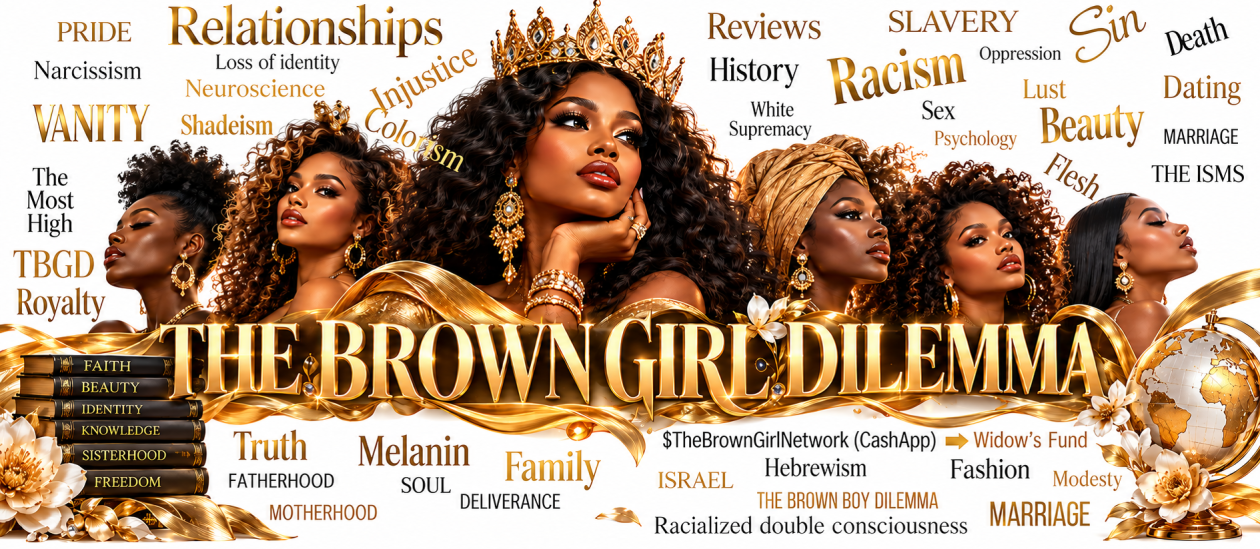

Dark skin has long carried both the burden of prejudice and the brilliance of cultural beauty. Across continents and centuries, deep melanin-rich skin has been misunderstood by oppressive systems while simultaneously revered in art, spirituality, poetry, and ancestral traditions. The phrase “Blacker Than Midnight, Brighter Than Gold” symbolizes this paradox: Blackness has been demonized socially, yet spiritually, aesthetically, and genetically, it reflects extraordinary richness and resilience.
Melanin is more than pigmentation. Scientifically, melanin protects the skin from ultraviolet radiation and contributes to biological adaptation in warmer climates. Anthropologists and geneticists recognize darker skin as one of humanity’s earliest evolutionary traits, particularly among populations originating from Africa, the cradle of humankind. The depth of dark skin reflects ancient survival, adaptation, and genetic sophistication rather than inferiority.
Historically, European colonialism and slavery created systems that associated whiteness with purity, wealth, and status while associating darker skin with labor and oppression. This social engineering deeply affected global perceptions of beauty. Colorism emerged as a destructive byproduct of colonialism, rewarding lighter skin while marginalizing darker complexions even within Black communities. Yet despite these systems, dark-skinned people continued to create culture, beauty, music, spirituality, and innovation that shaped the world.
The beauty of dark skin possesses a visual richness unlike any other complexion. Under sunlight, deep brown skin reflects hues of bronze, mahogany, cocoa, espresso, copper, and gold. Photographers and painters often describe darker skin as possessing multidimensional undertones that create natural luminosity. Unlike shallow stereotypes, dark skin is not “flat”; it absorbs and reflects light with striking elegance.
Throughout African civilizations, dark skin was often associated with royalty, fertility, divine ancestry, and power. Ancient kingdoms such as Kush, Mali, Songhai, and Kemet celebrated Blackness through sculpture, jewelry, ceremonial attire, and sacred imagery. Gold and dark skin frequently appeared together symbolically, representing prosperity, divinity, and sacred kingship. The contrast between gold ornamentation and rich dark skin created an aesthetic that still influences fashion and luxury imagery today.
In contemporary society, dark-skinned women often endure contradictory experiences. They may be admired aesthetically while simultaneously denied protection, softness, or emotional vulnerability. Many are stereotyped as “strong” to the point that society ignores their need for tenderness and care. This phenomenon reflects broader racial and gender biases rooted in historical oppression.
Dark-skinned men also navigate harmful stereotypes. They are frequently portrayed through hypermasculine lenses that reduce their humanity to physicality rather than intellect, spirituality, or emotional depth. Yet countless dark-skinned Black men embody gentleness, leadership, wisdom, creativity, and discipline beyond those limiting narratives.
The entertainment industry has historically privileged lighter complexions, but dark-skinned actors, models, and public figures have challenged these standards through excellence and visibility. Figures such as Lupita Nyong’o helped redefine global beauty standards by openly celebrating dark skin rather than minimizing it. Her visibility marked an important cultural shift toward embracing deeper complexions in mainstream media.
Similarly, icons like Cicely Tyson demonstrated how grace, intelligence, elegance, and dark beauty could command respect across generations. Tyson’s career challenged stereotypes by portraying Black womanhood with dignity and refinement during eras when Hollywood rarely honored such images.
Dark skin also carries profound spiritual symbolism in many religious traditions. Biblically, references to skin, bronze imagery, wool-like hair textures, and African regions have inspired theological discussions about identity, migration, and sacred history. Within many African and diasporic spiritual frameworks, darkness symbolizes mystery, creation, depth, fertility, and divine origin rather than evil.
Psychologically, representation matters deeply. Studies on media exposure and beauty standards demonstrate that children internalize messages about attractiveness and worth from a young age. When dark-skinned children rarely see themselves portrayed positively, it can affect self-esteem and identity development. Conversely, positive representation strengthens psychological resilience and cultural pride.
Social media has become both a battlefield and a liberation space for dark-skinned beauty. On one hand, algorithms and colorist biases still influence visibility and desirability politics. On the other hand, many creators, photographers, and influencers have reclaimed the narrative by celebrating rich melanin unapologetically. Viral photography, fashion campaigns, and beauty movements increasingly center darker complexions in powerful ways.
Fashion and luxury industries are also evolving. Dark skin paired with gold jewelry, silk fabrics, and rich earth tones creates a regal visual aesthetic frequently associated with sophistication and timeless elegance. Designers increasingly recognize that deep complexions amplify contrasts, textures, and metallic hues in extraordinary ways.
Scientifically, darker skin ages differently due to higher melanin concentrations, which can provide partial protection against photoaging caused by sun exposure. Dermatological studies note that melanin-rich skin often develops wrinkles more slowly than lighter skin, though it may face unique challenges such as hyperpigmentation. These biological realities further reveal the complexity and resilience of melanated skin.
Music, literature, and poetry have long celebrated dark beauty despite societal prejudice. Black artists repeatedly transformed pain into art, creating songs and stories that affirmed the worth of Blackness in cultures that attempted to deny it. From jazz and soul to Afrobeats and spoken word poetry, dark skin became both symbol and testimony.
The phrase “Blacker Than Midnight” evokes mystery, power, and cosmic depth. Midnight is not empty darkness; it is the backdrop of stars, galaxies, and creation itself. Likewise, dark skin carries profound symbolic beauty. It reflects survival through centuries of displacement, enslavement, resistance, and renewal.
“Brighter Than Gold” reflects value beyond economics. Gold has historically symbolized wealth, purity, royalty, and permanence. Yet even gold is refined through fire. In many ways, Black history mirrors this symbolism. Through unimaginable hardship, Black communities continually produced brilliance in science, art, theology, music, athletics, literature, and social transformation.
The modern reclamation of dark skin beauty represents more than aesthetics; it represents psychological liberation. To openly celebrate dark skin in a world shaped by colorism is an act of resistance against centuries of conditioning. It is a declaration that Blackness does not need dilution to be beautiful.
Dark-skinned beauty cannot be fully measured by trends because it transcends fashion cycles. It is ancient and contemporary simultaneously. It exists in the glow of candlelight against brown skin, in ancestral memory, in family photographs, in the strength of mothers and fathers, and in the confidence of young Black children learning to love themselves fully.
Ultimately, “Blacker Than Midnight, Brighter Than Gold” is not simply a phrase about appearance. It is a statement about identity, survival, sacredness, and worth. Dark skin carries history, struggle, creativity, and radiance within it. Like gold, its value remains constant regardless of who fails to recognize it.
References
Bond, E., & Cash, T. F. (1992). Black beauty: Skin color and body images among African American college women. Journal of Applied Social Psychology, 22(11), 874–888.
Hunter, M. (2007). The persistent problem of colorism: Skin tone, status, and inequality. Sociology Compass, 1(1), 237–254.
Jablonski, N. G. (2012). Living color: The biological and social meaning of skin color. University of California Press.
Keith, V. M., & Herring, C. (1991). Skin tone and stratification in the Black community. American Journal of Sociology, 97(3), 760–778.
Russell, K., Wilson, M., & Hall, R. (1992). The color complex: The politics of skin color among African Americans. Harcourt Brace Jovanovich.
Thompson, C., & Keith, V. (2001). The blacker the berry: Gender, skin tone, self-esteem, and self-efficacy. Gender & Society, 15(3), 336–357.
Walker, A. (1983). In search of our mothers’ gardens: Womanist prose. Harcourt Brace Jovanovich.
Wilder, J. (2015). Color stories: Black women and colorism in the 21st century. Praeger.
