Tag Archives: the brown girl dilemma

Beyond the Mirror: Unpacking the Brown Girl Dilemma. #thebrowngirldilemma

Photo by Jaycee300s on Pexels.com

The concept of the brown girl dilemma describes the tension of existing in a world that both sees and refuses to see brown-skinned women. It is a paradox of hyper-visibility and invisibility, of being exalted as exotic while simultaneously devalued as undesirable. More than an issue of surface-level aesthetics, it reflects centuries of social engineering, colonial domination, and racialized standards of femininity. To fully understand the brown girl dilemma, one must look beyond the mirror—into history, psychology, spirituality, and cultural representation.

The Mirror as Metaphor

The mirror is not simply an object; it is a metaphor for reflection and self-perception. For the brown-skinned woman, the mirror has too often reflected back distorted images shaped by Eurocentric ideals. What should be a place of affirmation becomes a site of scrutiny and comparison. The dilemma, therefore, is not only about personal insecurities but also about collective histories embedded in glass, culture, and memory.

Colonialism and the Invention of Beauty Hierarchies

The roots of this dilemma stretch deep into colonial encounters where European conquerors created hierarchies of race and beauty. Dark skin became associated with servitude and inferiority, while lighter skin was elevated as closer to civility and divinity (Painter, 2010). This system of thought shaped slavery, caste systems, and beauty industries that persist to this day. The dilemma is thus not self-imposed but historically manufactured.

Slavery and the Double Burden

During slavery in the Americas, brown-skinned women were subjected to a dual exploitation. They were both laborers and objects of sexual control. Enslavers often favored lighter-skinned women, who were frequently products of assault, while darker women endured harsher treatment. This practice seeded colorism within communities of African descent, creating internal hierarchies that still echo (Hunter, 2007). The brown girl dilemma carries this inherited wound.

Colorism as Internalized Oppression

Colorism, the preference for lighter skin over darker tones within the same racial group, continues to mark brown-skinned women. Studies show that lighter skin is often associated with higher earnings, marriageability, and social acceptance, while darker skin is linked with stigma and limited opportunities (Monk, 2014). The brown girl dilemma is therefore not just about external prejudice but also internalized self-division.

Media Representation and Stereotypes

The dilemma intensifies when examining media portrayals. Brown women are either absent, stereotyped, or exoticized. The archetype of the “strong Black woman” often denies vulnerability, while the “sassy brown girl” reduces individuality to caricature. Rarely are brown women portrayed with nuance. When actresses like Viola Davis or Lupita Nyong’o challenge these portrayals, they expand cultural imagination, showing that brown skin is not a limitation but a canvas of depth and brilliance.

The Global Reach of the Dilemma

This dilemma is not unique to African American women. Across the globe, from South Asia to the Caribbean, brown-skinned women confront similar struggles. In India, skin-lightening products remain billion-dollar industries. In the Dominican Republic, Haiti, and Brazil, color hierarchies dictate class and desirability. The brown girl dilemma is therefore a global issue, shaped by centuries of colonialism and reinforced by globalization.

The Psychology of the Mirror

Psychologists argue that beauty standards play a significant role in self-esteem and identity development. For brown girls, the mirror often reflects a struggle between internal truth and external messaging. Research shows that women of color may internalize negative stereotypes, leading to anxiety, depression, or eating disorders (Thompson, 1996). The dilemma, then, is a psychological battle, not merely cultural commentary.

Hyper-Visibility and Invisibility

One of the most painful aspects of the brown girl dilemma is the paradox of being hyper-visible yet unseen. Brown women are often hyper-sexualized in media and fetishized in relationships, yet their humanity, intellect, and individuality are overlooked. This paradox strips them of subjectivity, leaving them caught in the tension between being desired and being dismissed.

The Role of Hair in the Dilemma

Hair becomes another battlefield. Eurocentric ideals often prize straight, silky textures, leading many brown women to alter their natural hair through chemicals or heat. The natural hair movement has sought to reclaim pride in coils, curls, and kinks, asserting that beauty does not need to conform. Yet, the workplace, schools, and even legislation have historically policed Black hair. Thus, the brown girl dilemma extends from skin to scalp, from identity to acceptance.

Spiritual Dimensions of Beauty

Faith offers a powerful alternative to destructive beauty hierarchies. The Bible teaches that true beauty comes from within: “Whose adorning let it not be that outward adorning… but let it be the hidden man of the heart” (1 Peter 3:3–4, KJV). Song of Solomon 1:5 unapologetically declares, “I am black, but comely.” These scriptures affirm the dignity and worth of brown women in ways that challenge societal distortions.

Ancestral Legacy as Healing

Reconnecting with ancestral heritage is another path of healing. For centuries, African societies celebrated melanin-rich skin as divine and powerful. Brown skin was linked to fertility, wisdom, and strength. To reclaim these narratives is to resist colonial lies and honor the legacy of queens, warriors, and mothers who embodied pride long before oppression sought to define them otherwise.

Resilience and Resistance

The brown girl dilemma is not solely a story of struggle; it is also a narrative of resilience. Brown women have continually resisted erasure through art, activism, and scholarship. Writers such as bell hooks and Audre Lorde dissected the intersections of race, gender, and beauty, creating intellectual blueprints for liberation. Their voices demonstrate that naming the dilemma is the first step in dismantling it.

Representation as Revolution

Representation is not trivial; it is revolutionary. When young girls see women who look like them on magazine covers, in films, and in leadership positions, it challenges the internalized hierarchy of shade. Media visibility does not solve all issues, but it creates new frameworks for self-acceptance. Issa Rae’s rise, for example, has offered a celebration of awkward, intelligent, brown-skinned womanhood—shattering monolithic depictions.

Intergenerational Transmission of the Dilemma

The dilemma is also generational. Mothers pass down both pride and pain, shaping how daughters see themselves. Healing requires interrupting cycles of self-deprecation with affirmations of beauty and worth. Teaching brown girls to love their reflection is not vanity—it is survival.

Social Movements and Collective Healing

Movements like #MelaninMagic and #BlackGirlMagic are more than hashtags; they are affirmations of collective worth. They operate as cultural interventions, affirming that brownness is not a liability but a superpower. Social media has become a mirror of its own, where brown women can reclaim narratives, curate beauty on their terms, and create digital sisterhoods.

The Brown Girl Dilemma in Academia and Workplaces

Even in professional spaces, brown women face dilemmas of perception. They are often considered “too aggressive” or “too loud” when advocating for themselves, while lighter-skinned peers may not face the same stereotypes. Professionalism itself has been coded in ways that police Black and brown expression. Thus, the dilemma extends from beauty to competence, from mirror to office.

Beyond Victimhood: Reframing the Narrative

To unpack the brown girl dilemma is to resist framing brown women solely as victims. While acknowledging pain, it is equally essential to celebrate victories. Brown women are innovators, thinkers, artists, and leaders whose contributions to history and culture remain unparalleled. To dwell only on oppression is to diminish the fullness of their humanity.

Toward Liberation and Empowerment

Liberation requires both individual and communal action. Individually, it involves self-love, faith, and reclamation of heritage. Communally, it requires dismantling colorism, expanding representation, and creating structures that honor equity. The brown girl dilemma may have been created by oppression, but it can be undone by empowerment.

Conclusion: Beyond the Mirror

Ultimately, the mirror can no longer be the measure of brown beauty. To look beyond the mirror is to embrace a truth deeper than reflection: that brown skin is sacred, strong, and sufficient. The dilemma may persist, but it need not define. By reclaiming their narrative, brown girls transform the mirror from a place of doubt into a place of affirmation, reflecting the light of resilience, faith, and unyielding beauty.


References

  • Hunter, M. (2007). The persistent problem of colorism: Skin tone, status, and inequality. Sociology Compass, 1(1), 237–254.
  • Monk, E. P. (2014). Skin tone stratification among Black Americans, 2001–2003. Social Forces, 92(4), 1313–1337.
  • Painter, N. I. (2010). The history of White people. W.W. Norton & Company.
  • Thompson, C. (1996). Black women, beauty, and hair as a matter of being. Women’s Studies, 25(6), 667–678.
  • The Holy Bible, King James Version.
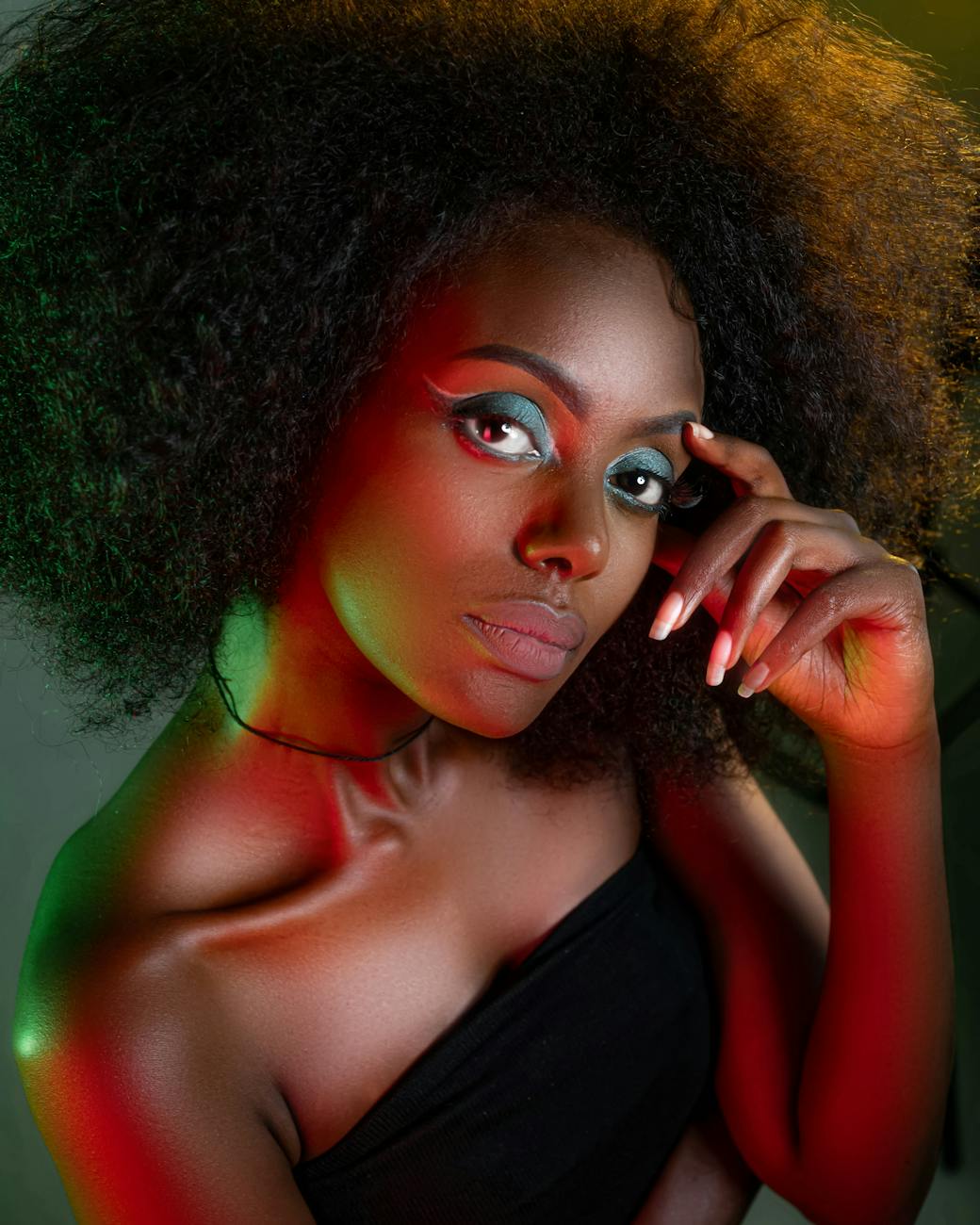
Hashtags and Shades: Online Movements Celebrating Melanin.

Photo by Sam Qeja on Pexels.com

In the digital age, social media has become a powerful tool for celebrating identity, challenging beauty standards, and amplifying voices historically marginalized. Among these movements, online campaigns highlighting melanin-rich skin have gained global traction. Through hashtags, challenges, and storytelling, communities are reclaiming beauty, fostering self-love, and redefining cultural narratives.

The Power of Hashtags

Hashtags like #MelaninPoppin, #DarkSkinIsBeautiful, #BrownSkinGirl, and #BlackGirlMagic serve as more than trends—they are declarations. These digital markers create spaces for visibility, connection, and affirmation, allowing people to celebrate skin tones that mainstream media has historically undervalued. Psychologically, the collective validation provided by such hashtags can enhance self-esteem, reduce internalized colorism, and promote a sense of belonging (Hunter, 2007).

Social Media as a Platform for Representation

Platforms like Instagram, TikTok, and Twitter provide direct access to communities and influencers embracing melanin-rich skin. Influencers such as Nyma Tang, Jackie Aina, and Rashida Strober use these spaces to educate audiences, challenge colorism, and celebrate diverse shades. Their content emphasizes authenticity, beauty diversity, and empowerment, creating a ripple effect that normalizes and honors all skin tones.

Hashtags and Shades: Celebrating Melanin Online

1. #MelaninPoppin

  • Focus: Celebrates dark and deep brown skin tones.
  • Impact: Empowers individuals to embrace natural beauty; fosters global visibility.
  • Influencers: Nyma Tang, Jackie Aina
  • Visual Idea: Showcase selfies of diverse skin tones with glowing melanin highlights.

2. #BrownSkinGirl

  • Focus: Celebrates medium brown and caramel skin shades.
  • Impact: Promotes self-love and pride among women of the African diaspora.
  • Influencers: Rashida Strober, Michaela Coel
  • Visual Idea: Include quotes from influencers about confidence and heritage.

3. #DarkSkinIsBeautiful

  • Focus: Reclaims deep skin tones from societal bias.
  • Impact: Challenges colorism; affirms beauty in shades historically marginalized.
  • Influencers: Lupita Nyong’o, Viola Davis
  • Visual Idea: Side-by-side before-and-after empowerment campaigns emphasizing melanin.

4. #BlackGirlMagic

  • Focus: Celebrates achievements, beauty, and brilliance of Black women.
  • Impact: Combines recognition of talent with melanin appreciation; builds community.
  • Influencers: Issa Rae, Yara Shahidi
  • Visual Idea: Include snapshots of career achievements paired with skin tone celebration.

5. #ShowYourShade

  • Focus: Encourages participants to share selfies, affirming all shades of brown and black skin.
  • Impact: Fosters inclusion, representation, and personal pride.
  • Influencers: Social media users worldwide
  • Visual Idea: Collage of community selfies reflecting a spectrum of melanin-rich tones.

Movements and Challenges

Online campaigns often go beyond hashtags. Challenges like “#ShowYourShade” encourage participants to share selfies or stories celebrating their melanin. Viral initiatives like Fenty Beauty’s foundation inclusivity campaign highlight the demand for representation in cosmetics and media. These movements validate melanin as powerful, beautiful, and worthy of recognition, shifting cultural perceptions globally.

Psychological and Cultural Impact

Celebrating melanin online has measurable effects on self-perception and community identity. By sharing and engaging with positive imagery and stories, individuals counteract societal bias and internalized colorism. Furthermore, these movements educate broader audiences about the beauty, history, and resilience associated with melanin-rich skin. Collectively, they foster pride, confidence, and cultural affirmation.

The Future of Digital Empowerment

The rise of online melanin movements underscores the importance of digital activism in shaping beauty narratives. As communities continue to use hashtags, viral campaigns, and influencer-led initiatives, the visibility of diverse skin tones grows, creating cultural shifts that extend beyond social media. Digital spaces are transforming from platforms of passive consumption into arenas for empowerment, education, and celebration.

Conclusion

Hashtags and shades are more than online trends—they are catalysts for empowerment. Through digital storytelling, visibility, and collective affirmation, melanin-rich communities are reclaiming beauty, reshaping cultural narratives, and fostering pride. Celebrating melanin online not only empowers individuals but also challenges societal bias, proving that identity, heritage, and color are powerful forces of beauty.


References

  • Hunter, M. (2007). The Persistent Problem of Colorism: Skin Tone, Status, and Inequality. Sociology Compass, 1(1), 237–254.
  • The Holy Bible, King James Version. (1611). Song of Solomon 1:5.

Bridging the Divide: Rebuilding Appreciation Between Black Men and Black Women

Photo by Zexy Zw.com on Pexels.com

The relationship between Black men and Black women is historically complex, shaped by centuries of systemic oppression, cultural evolution, and personal experiences. At its best, it is a partnership rooted in shared struggle, resilience, and cultural pride. At its worst, it is marred by misunderstanding, mistrust, and internalized stereotypes. Addressing this dynamic requires honesty about desires, challenges, and the spiritual foundation of mutual respect.


Do Black Men Feel Appreciated by Black Women—and Vice Versa?

Appreciation is often mutual but not always equally expressed. Many Black men report feeling valued for their strength, protection, and leadership, yet some also express frustration at being misunderstood or overly criticized. Likewise, Black women often feel celebrated for their resilience and beauty, but also burdened by societal expectations to be endlessly strong. According to psychologist Dr. Joy DeGruy (2005), the lingering effects of slavery and Jim Crow created fractured gender dynamics within the Black community, making full appreciation more difficult to maintain.


What Black Men Want from Black Women

Studies suggest that Black men often value loyalty, respect, emotional support, physical attraction, and shared cultural understanding (Pew Research Center, 2019). Many emphasize the need for a partner who believes in their vision and offers encouragement during life’s challenges. Spiritually, Proverbs 31 paints the image of a virtuous woman whose strength, wisdom, and kindness are deeply respected.


What Black Women Want from Black Men

Black women frequently prioritize protection, emotional intimacy, faithfulness, ambition, and the ability to lead with humility. They also value vulnerability—a man willing to communicate and share his inner struggles rather than hiding them. The Song of Solomon illustrates a loving relationship where both partners delight in and honor one another without power struggles or mistrust.


Traits Black Men Look for in a Mate

  1. Kindness and compassion
  2. Physical beauty and attraction
  3. Intelligence and ambition
  4. Faith and shared values
  5. Supportive spirit and respect for his role

These traits are not universal to all Black men but are frequently expressed in surveys and relationship studies.


Problems Between Black Men and Black Women

Historical oppression fostered systemic issues—mass incarceration, economic inequality, and disrupted family structures—that created tension in gender relations. Some Black men may feel disrespected or unappreciated, while some Black women feel unsupported or abandoned. Cultural portrayals often fuel conflict, with music, film, and social media promoting narratives of distrust, promiscuity, and materialism rather than unity and cooperation.


Why Do Some Black People Marry Outside Their Race?

Interracial marriage can stem from genuine attraction, shared interests, or proximity in diverse environments. However, research also points to the influence of colorism and Eurocentric beauty ideals, which may cause some to idealize white partners over Black ones (Hunter, 2007). This preference is not universal, but it reflects the lingering impact of colonialism and media representation.


Do Black Men Prefer White Women?

While a small portion of Black men express a preference for white women, most Black men in the U.S. marry Black women (Pew Research Center, 2017). Media narratives often exaggerate interracial dating trends, which can feed mistrust within the community.


Negative Stereotypes Black People Have Against Each Other

  • Against Black Women: “Angry Black Woman,” “Gold Digger,” “Overly Independent,” “Too Masculine.”
  • Against Black Men: “Absent Father,” “Player/Womanizer,” “Lazy,” “Unemotional,” “Dusty,” “Too Wimpy,” “Lack of Masculinity.”

These stereotypes, rooted in racist propaganda, damage relationships by reinforcing distrust and limiting the ability to see one another as complex, individual human beings.


How Can We Appreciate Each Other More?

  • Active Listening – Hearing each other without defensiveness.
  • Affirmation – Expressing gratitude for contributions and sacrifices.
  • Cultural Pride – Celebrating shared heritage rather than competing.
  • Partnership in Purpose – Building families, businesses, and ministries together.
  • Forgiveness – Releasing past hurts to embrace a better future.

What Does the Bible Say About How We Should Treat Each Other?

Scripture is clear about mutual respect and love:

  • Ephesians 5:25“Husbands, love your wives, even as Christ also loved the church, and gave himself for it.”
  • Proverbs 31:30“Favour is deceitful, and beauty is vain: but a woman that feareth the LORD, she shall be praised.”
  • 1 Peter 3:7“Husbands, dwell with them according to knowledge, giving honour unto the wife.”
  • Matthew 7:12“Therefore all things whatsoever ye would that men should do to you, do ye even so to them.”
  • Ecclesiastes 4:9–10“Two are better than one… For if they fall, the one will lift up his fellow.”

The Bible commands love, honor, and humility between men and women. If these principles guided every relationship, many of today’s relational wounds in the Black community could be healed.


References

DeGruy, J. (2005). Post Traumatic Slave Syndrome: America’s legacy of enduring injury and healing. Uptone Press.
Hunter, M. (2007). The persistent problem of colorism: Skin tone, status, and inequality. Sociology Compass, 1(1), 237–254.
Pew Research Center. (2017). Intermarriage in the U.S. 50 years after Loving v. Virginia. Retrieved from https://www.pewresearch.org
Pew Research Center. (2019). Race in America: Public attitudes toward race relations. Retrieved from https://www.pewresearch.org

The Science of Glow: Melanin, Skin Health, and Beauty.

Photo by Darksight Image on Pexels.com

Golden Glow

Emerging from the depths, a shimmer in the light,
Brown skin gleams with stories, both ancient and bright.
Each droplet a testament, each curve a song,
In the tapestry of heritage, we all belong. Rich as earth, deep as night,
A tapestry of ancestral light.
Golden hues in sun’s embrace,
A legacy etched upon the face.
Strength and beauty intertwined,
In every shade, a story is defined.

Glow is often used in popular culture to describe radiant, healthy skin, but behind the aesthetic appeal lies a biological marvel: melanin. Understanding how melanin functions, its impact on skin health, and its role in beauty offers both scientific insight and cultural affirmation for individuals with melanin-rich skin.

Dr. Frances Cress Welsing’s work, The Isis Papers: The Keys to the Colors, delves into the concept of the “Golden Fleece” as a metaphor for the genetic potential and beauty inherent in Black individuals.. In her writings, she emphasizes the unique and powerful attributes of Black skin, often highlighting its radiance and resilience. ResearchGate+3PBS+3Wikipedia+3

The “Golden Fleece” metaphorically represents the richness and depth of Black identity and heritage. It’s a poetic way to acknowledge the inherent beauty and strength that radiates from within, much like the glow that can be seen when light reflects off skin after emerging from water.

Melanin: Nature’s Protective Pigment

Melanin is a natural pigment responsible for skin, hair, and eye color. It is produced by specialized cells called melanocytes, which convert the amino acid tyrosine into pigment through a process called melanogenesis. Melanin serves a crucial biological function: it protects the skin from ultraviolet (UV) radiation, reducing the risk of DNA damage, premature aging, and certain types of skin cancer.

The Link Between Melanin and Skin Health

Individuals with higher melanin content have natural photoprotection, which contributes to healthier skin over time. Melanin acts as a natural sunscreen, absorbing UV rays and preventing excessive sun damage. However, proper skin care remains essential: hydration, nourishment, and protection from environmental stressors enhance the natural glow, while avoiding harsh chemicals and overexposure to sun preserves skin integrity.

Melanin and Aesthetic Glow

A radiant complexion is often associated with high melanin content because melanin-rich skin can reflect light in a warm, luminous manner. This natural radiance is enhanced by proper hydration, nutrition, and self-care practices. Beyond aesthetics, the glow symbolizes resilience and heritage, linking biological function to cultural identity.

What is Melanin?

  • Definition: Natural pigment responsible for skin, hair, and eye color.
  • Function: Protects skin from harmful UV rays and reduces DNA damage.
  • Visual Idea: Diagram showing melanocytes producing melanin in the skin layers.

2. Melanin and Natural Radiance

  • Glow Factor: Reflects light in warm, luminous tones.
  • Significance: Radiance signals health, vitality, and resilience.
  • Visual Idea: Gradient spectrum of melanin-rich skin glowing under soft light.

3. Skin Health Tips for a Natural Glow

  • Hydration: Drink water to maintain cellular function.
  • Nutrition: Eat foods rich in antioxidants, vitamins C & E, and healthy fats.
  • Sun Protection: Use sunscreen to prevent hyperpigmentation and UV damage.
  • Gentle Care: Avoid harsh chemicals; embrace natural products.
  • Visual Idea: Icons representing water, fruits/veggies, sunscreen, and skincare bottles.

4. Cultural and Psychological Power

  • Heritage: Melanin-rich skin represents ancestral pride and identity.
  • Confidence: Embracing natural glow strengthens self-esteem and counters colorism.
  • Visual Idea: Illustration of diverse brown-skinned women celebrating their glow with affirmations.

5. Daily Affirmations for Your Glow

  • “My melanin is my shield and my shine.”
  • “My glow reflects my heritage, health, and beauty.”
  • “I embrace and celebrate my natural radiance every day.”
  • Visual Idea: Typography-based banners layered over gradient brown tones.

Cultural and Psychological Significance

Melanin has been historically undervalued due to Eurocentric beauty standards and colorism. Embracing melanin-rich skin as beautiful and healthy fosters self-esteem, pride, and identity affirmation (Hunter, 2007). When communities celebrate melanin, glow becomes both a physical and psychological marker of confidence, resilience, and empowerment.

Practical Tips for Enhancing Your Natural Glow

  1. Hydration: Water consumption supports cellular function and skin vitality.
  2. Nutrition: Diets rich in antioxidants, vitamins C and E, and healthy fats promote skin radiance.
  3. Sun Protection: Even melanin-rich skin benefits from sunscreen to prevent hyperpigmentation and UV damage.
  4. Gentle Skin Care: Avoid harsh exfoliants and chemical treatments that disrupt natural skin balance.
  5. Affirmation and Confidence: Embrace your natural glow as a reflection of heritage, health, and beauty.

Conclusion

Glow is more than surface-level radiance—it is the intersection of biology, health, and cultural identity. Melanin not only protects the skin but also enhances its aesthetic appeal, symbolizing resilience, heritage, and self-pride. By understanding and caring for melanin-rich skin, individuals can cultivate a natural glow that is both scientifically supported and culturally empowering. Glow is both science and culture. By understanding melanin’s protective role, practicing healthy skincare, and embracing natural beauty, your glow becomes a declaration of confidence, heritage, and empowerment.


References

  • Hunter, M. (2007). The Persistent Problem of Colorism: Skin Tone, Status, and Inequality. Sociology Compass, 1(1), 237–254.
  • Brenner, M., & Hearing, V. J. (2008). The protective role of melanin against UV damage in human skin. Photochemistry and Photobiology, 84(3), 539–549.
  • The Holy Bible, King James Version. (1611). Song of Solomon 1:5.
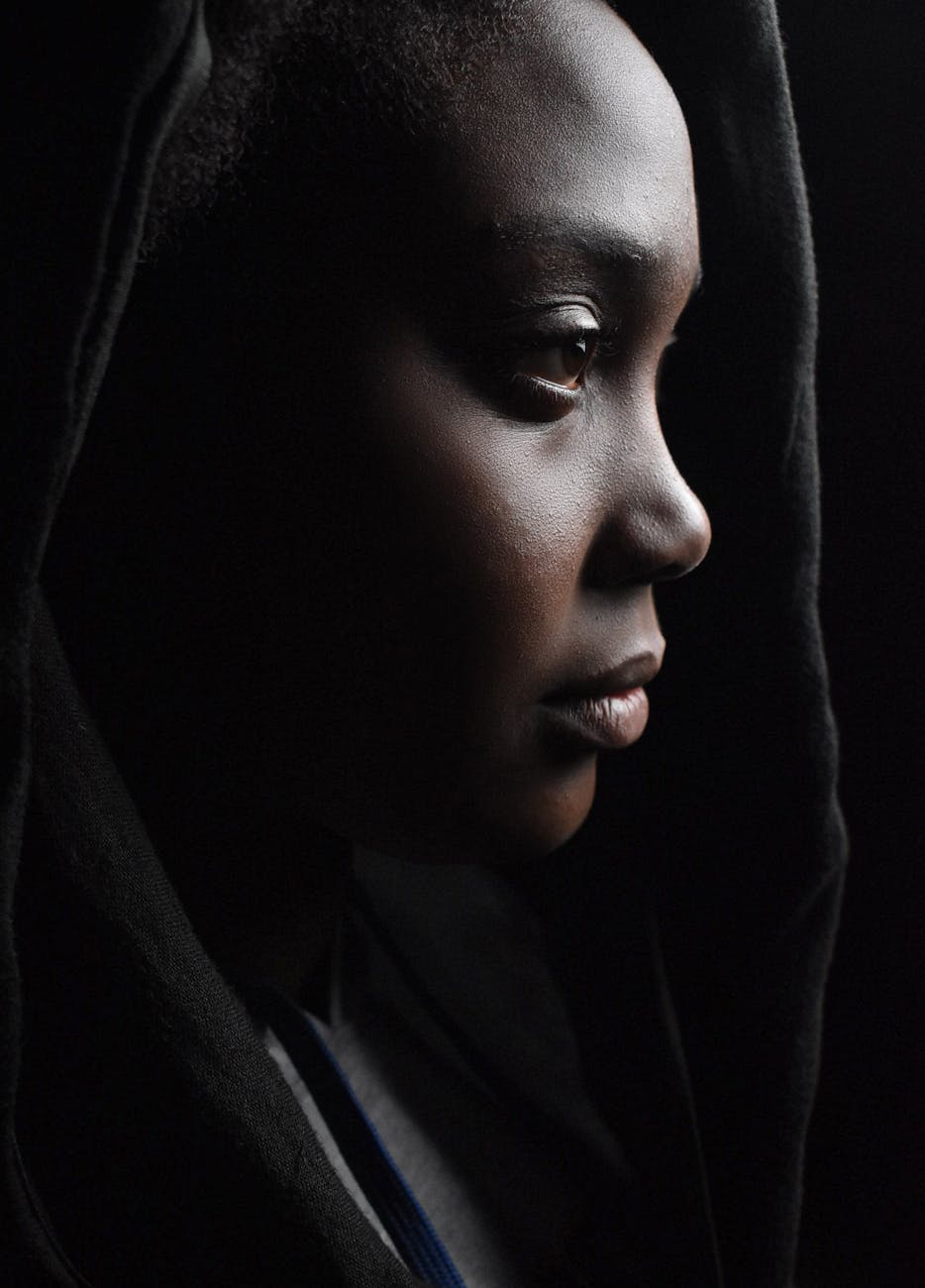
Slavery’s Legacy on Modern Beauty Standards.

Photo by Abenezer Shewaga on Pexels.com

Beauty is never neutral. It is tied to power, culture, and history. For people of African descent, the idea of what is considered beautiful has been shaped profoundly by the transatlantic slave trade and its enduring consequences. The standards of beauty that dominate in Western culture today continue to reflect the racial hierarchies constructed during slavery. These standards privilege Eurocentric features—light skin, straight hair, narrow noses—while devaluing the natural attributes of African people. To understand modern beauty culture, one must trace its roots back to slavery and its systems of oppression.

Beauty, often perceived as natural or universal, is in reality a social construct deeply shaped by history, culture, and systems of power. For people of African descent, modern beauty standards are inseparably tied to the legacy of slavery and colonialism. The racial hierarchies established during the transatlantic slave trade not only dehumanized Africans but also codified Eurocentric ideals of attractiveness. These legacies persist in the privileging of lighter skin, straighter hair, and Eurocentric facial features while stigmatizing natural Black aesthetics. Understanding slavery’s role in shaping these standards reveals how oppression continues to infiltrate the psychology of self-image and the global beauty industry.

Eurocentric Beauty and Slavery’s Foundations

Slavery created a racialized hierarchy of features. Dark skin, broad noses, and tightly coiled hair were falsely associated with ugliness, savagery, and lack of civilization, while white features were elevated as the pinnacle of beauty and refinement (Fanon, 2008). This was not simply aesthetic preference; it was a political weapon used to justify enslavement and subjugation. By dehumanizing African features, slaveholders reinforced racial superiority while stripping enslaved people of pride in their appearance.

Light Skin Privilege Under Slavery

Within the plantation system, lighter-skinned enslaved people often received preferential treatment, working inside homes rather than in the fields. This was largely due to their proximity to whiteness, often the result of sexual violence committed by slaveholders against enslaved women (Hunter, 2005). This color hierarchy planted deep divisions that still affect Black communities today, with lighter skin frequently associated with higher status, desirability, and opportunity.

Colorism as Slavery’s Heir

The preference for lighter skin, known as colorism, is one of slavery’s most enduring legacies. Research shows that lighter-skinned African Americans are more likely to be perceived as attractive, more employable, and more educated compared to darker-skinned peers (Hill, 2002). These biases echo the privileges extended to mixed-race enslaved people, showing how slavery’s beauty hierarchy remains embedded in society’s subconscious.

The Psychological Wounds of Beauty Hierarchies

Psychologists such as Frantz Fanon (2008) described how colonized and enslaved people internalized white superiority, leading to a desire to approximate whiteness. This internalized racism manifests in practices like skin bleaching, hair straightening, and altering facial features through surgery. The pain of these practices is not in individual choice alone, but in the fact that centuries of conditioning taught Black people to see themselves as less beautiful unless they conformed to Eurocentric ideals.

Women, Hypersexualization, and Beauty

For Black women, the legacy of slavery extends into gendered stereotypes. Enslaved women were simultaneously hypersexualized and devalued. They were depicted as exotic, animalistic, and lustful, justifying both sexual exploitation and the denial of their femininity (Collins, 2000). These stereotypes live on in media portrayals of Black women as either hypersexual “video vixens” or undesirable compared to white counterparts. The slavery-era denial of Black femininity still lingers in modern representations.

Black Men and Bodily Commodification

Black men, too, inherited distorted beauty standards. During slavery, their bodies were commodified for labor and reproduction, leading to the creation of stereotypes associating Black masculinity with strength, hyper-athleticism, and physical dominance (Yancy, 2008). While some of these associations are admired in modern sports and media, they also reduce Black men to bodies rather than whole persons, a dehumanization that echoes slavery’s exploitation.

Naomi Campbell and Breaking Barriers

The fashion world historically resisted darker-skinned models, favoring light-skinned or racially ambiguous women. Naomi Campbell, one of the first Black supermodels to achieve international recognition, broke barriers by forcing the industry to confront its Eurocentric preferences. Yet even she has spoken about being excluded from magazine covers and fashion campaigns because of her skin tone. Her success represents both resistance and the persistence of slavery’s beauty legacy in high fashion.

Alek Wek and the Reclamation of African Aesthetics

Alek Wek, a South Sudanese model, transformed the global perception of beauty by challenging Eurocentric norms. With her dark skin and distinct African features, she faced initial backlash, but her rise to prominence forced the fashion industry to confront its biases. Lupita Nyong’o has publicly acknowledged that seeing Alek Wek made her believe that her own dark skin could be beautiful. Wek’s career is a testament to reclaiming Black aesthetics denied during slavery.

Lupita Nyong’o and the Affirmation of Dark Skin

Lupita Nyong’o has become a symbol of unapologetic Black beauty. In her speeches, she has reflected on childhood experiences of praying for lighter skin because of the societal pressures she faced. Her visibility and accolades, including her Academy Award, symbolize a corrective to the centuries-long denigration of dark-skinned women. Yet her story also reveals the ongoing weight of slavery’s legacy, as generations of children have been taught to equate lighter skin with worth.

Beyoncé and the Complexity of Representation

Beyoncé, celebrated worldwide, embodies the complexities of modern Black beauty representation. While she embraces her identity as a Black woman, her lighter skin and long, often straightened hair align more closely with Eurocentric ideals. This duality sparks debate: does her image empower or reinforce old hierarchies? The discussion itself reveals the depth of slavery’s impact, where even empowerment is entangled with questions of proximity to whiteness.

Adut Akech and Global Black Beauty

Adut Akech, a South Sudanese-Australian model, represents a new wave of global Black beauty. With her natural hair and rich complexion, she challenges the lingering belief that Eurocentric features are required for international success. Her prominence on runways worldwide demonstrates progress, yet her experiences with racism in the industry reveal how the wounds of slavery remain.

Media and Capitalism’s Exploitation of Insecurities

Slavery’s legacy lives not only in representation but in commerce. The beauty industry profits billions from insecurities tied to Eurocentric standards. Skin-lightening products dominate markets in Africa, Asia, and the Caribbean, showing how globalized the colonial beauty hierarchy has become. Hair relaxers and cosmetic surgeries targeting nose shapes and lips similarly reflect capitalism’s exploitation of slavery’s psychological scars.

Resistance Through the Natural Hair Movement

The natural hair movement directly challenges slavery’s legacy by rejecting the idea that straight hair is more professional or beautiful. Laws such as the CROWN Act, which bans hair discrimination in workplaces and schools, reflect the fight for freedom to embrace Black aesthetics. This movement is not just about style but about reclaiming dignity denied during slavery.

Social Media as a Space of Liberation

Unlike traditional media, social platforms have allowed Black creators to redefine beauty standards for themselves. Movements such as #MelaninPoppin and #BlackGirlMagic affirm the beauty of dark skin and natural features. These grassroots affirmations of identity are acts of resistance against centuries of imposed inferiority, echoing the Civil Rights era’s declaration that “Black is Beautiful.”

Theological Reflections on Black Beauty

Scripture challenges slavery’s lies about beauty. Song of Solomon 1:5 (KJV) affirms: “I am black, but comely, O ye daughters of Jerusalem.” This verse rejects the notion that darkness diminishes beauty. Isaiah 61:3 reminds us that God grants “beauty for ashes,” showing that even the ashes of slavery’s dehumanization can give rise to dignity and self-affirmation.

Beauty, Liberation, and Self-Worth

Reclaiming beauty is more than cosmetic; it is spiritual and psychological liberation. Romans 12:2 (KJV) calls for transformation through renewed minds, not conformity to the world’s ideals. Liberation from Eurocentric beauty standards is part of a broader freedom struggle—asserting that Blackness itself is sacred and inherently beautiful.

The Continuing Struggle Against Slavery’s Shadow

Even as progress is made, slavery’s shadow lingers in subtle forms—casting lighter-skinned actresses more often, privileging Eurocentric features in media, and pressuring Black people to alter their appearance for acceptance. Recognizing these patterns is essential for dismantling the chains of slavery that persist invisibly in beauty culture.

Conclusion

Slavery’s legacy on modern beauty standards is undeniable. From the plantation to the fashion runway, from media screens to beauty aisles, Eurocentric ideals continue to haunt definitions of attractiveness. Yet resistance has been powerful—from Naomi Campbell and Alek Wek to Lupita Nyong’o, Beyoncé, and Adut Akech, Black beauty continues to rise as a force of liberation. The struggle for self-acceptance and dignity is not just aesthetic; it is a moral, cultural, and spiritual battle against slavery’s enduring legacy. In affirming that “Black is Beautiful,” we affirm life, freedom, and the sacred worth of all who bear the mark of melanin.


References

Collins, P. H. (2000). Black feminist thought: Knowledge, consciousness, and the politics of empowerment. Routledge.

Fanon, F. (2008). Black skin, white masks. Grove Press. (Original work published 1952)

Hill, M. E. (2002). Skin color and the perception of attractiveness among African Americans: Does gender make a difference? Social Psychology Quarterly, 65(1), 77–91.

Hunter, M. (2005). Race, gender, and the politics of skin tone. Routledge.

Yancy, G. (2008). Black bodies, white gazes: The continuing significance of race in America. Rowman & Littlefield.

Social Media and Black Women’s Self-Esteem.

Photo by Ketut Subiyanto on Pexels.com

In the twenty-first century, social media has become one of the most powerful cultural forces shaping identity, perception, and self-worth. For Black women, the relationship with social media is both empowering and challenging. While these platforms have created spaces for representation, celebration, and resistance against Eurocentric beauty standards, they also perpetuate unrealistic ideals and cycles of comparison that affect self-esteem. Understanding this dual impact requires exploring psychological, cultural, and sociological dimensions.

Historically, Black women have been marginalized in mainstream media, often stereotyped or underrepresented. Social media disrupted this dynamic by giving them the agency to create and share their own narratives. Hashtags like #BlackGirlMagic, #MelaninPoppin, and #NaturalHairMovement emerged as affirmations of beauty and worth, allowing Black women to reclaim space that had long excluded them. This visibility has significantly contributed to increased confidence and cultural pride, affirming identities that were once dismissed (Trudy, 2018).

At the same time, the benefits of representation are complicated by the pressure of comparison. Social media operates on visibility, likes, and shares, often rewarding curated versions of life and beauty. Black women are not immune to these pressures; in fact, they may face intensified scrutiny because of colorism, body type expectations, and hair politics. Studies have shown that exposure to idealized images on social media can increase body dissatisfaction and lower self-esteem, particularly when women compare themselves to influencers or celebrities who align with Eurocentric or narrow beauty ideals (Perloff, 2014).

Colorism is another dimension magnified by social media. While platforms highlight darker-skinned beauty more than before, algorithms, beauty filters, and brand partnerships often privilege lighter skin tones, perpetuating hierarchies within the Black community itself. For darker-skinned Black women, constant exposure to these dynamics can reinforce harmful messages about desirability and worth, creating psychological strain (Hunter, 2007).

Yet, social media has also become a site of resistance. Many Black women use these platforms to challenge stereotypes, build businesses, and create communities centered on authenticity and empowerment. Influencers such as Jackie Aina in the beauty industry, or authors and activists who amplify wellness, have carved out spaces where self-love and confidence are prioritized. This re-centering of Black women’s narratives demonstrates how digital platforms can both wound and heal, depending on how they are used and engaged.

The role of faith and spirituality also intersects with Black women’s online experiences. Scripture such as Psalm 139:14, “I will praise thee; for I am fearfully and wonderfully made” (KJV), is often invoked in digital affirmations to counteract the weight of comparison. This spiritual grounding provides a framework for resilience, reminding Black women that self-worth transcends algorithms and external validation.

From a psychological perspective, the concept of “social comparison theory” explains much of this tension. Festinger’s (1954) theory argues that individuals determine their worth based on comparison with others. For Black women navigating social media, upward comparisons—especially with Eurocentric standards—can harm self-esteem, while lateral comparisons with affirming and relatable peers can foster confidence and solidarity.

In conclusion, social media plays a paradoxical role in shaping the self-esteem of Black women. It has provided tools of empowerment, affirmations of beauty, and platforms for visibility that were previously denied. Yet, it also reproduces harmful cycles of comparison, colorism, and body surveillance that weigh heavily on psychological well-being. The challenge, then, is not only in how Black women use social media but also in how these platforms evolve to reflect diversity authentically. For many, balancing digital engagement with affirmations rooted in culture, community, and faith is key to cultivating self-esteem in a world where “likes” often determine perceived value.


References

  • Festinger, L. (1954). A theory of social comparison processes. Human Relations, 7(2), 117–140.
  • Hunter, M. (2007). The persistent problem of colorism: Skin tone, status, and inequality. Sociology Compass, 1(1), 237–254.
  • Perloff, R. M. (2014). Social media effects on young women’s body image concerns: Theoretical perspectives and an agenda for research. Sex Roles, 71(11-12), 363–377.
  • Trudy. (2018). #BlackGirlMagic: The digital politics of Black womanhood. Feminist Media Studies, 18(5), 895–910.

Biblical Insights on Black Womanhood

Photo by Victor Ace Geoffrey on Pexels.com

Black womanhood embodies resilience, strength, and spiritual depth. Across generations, Black women have relied on faith as a source of empowerment, guidance, and healing, navigating systemic oppression, personal challenges, and familial responsibilities. The Bible offers timeless wisdom that affirms their value, instills confidence, and provides tools for enduring life’s trials. Understanding these principles illuminates how spirituality can shape identity, foster resilience, and nurture generational healing.

Faith serves as a powerful tool for resilience and empowerment. Black women often face the dual pressures of racial and gendered oppression, economic disparities, and societal expectations. Scripture provides guidance and assurance of God’s sustaining power. Verses such as Isaiah 40:31 (KJV), “But they that wait upon the LORD shall renew their strength; they shall mount up with wings as eagles; they shall run, and not be weary; and they shall walk, and not faint,” illustrate that reliance on God cultivates endurance, courage, and hope. Faith empowers Black women to persevere in the face of adversity while maintaining a sense of dignity and purpose.

Healing generational trauma through spiritual practice is another essential aspect of Black womanhood. Many Black women carry the weight of historical trauma, including the legacy of slavery, segregation, and systemic discrimination. Spiritual disciplines such as prayer, meditation on Scripture, fasting, and worship create a framework for processing pain, restoring inner peace, and breaking cycles of trauma. By anchoring healing in faith, Black women can reclaim narratives of strength and resilience, fostering emotional and psychological restoration for themselves and future generations.

The church and broader community provide crucial support systems, particularly for widows and orphans. Historically, Black churches have served as centers for spiritual guidance, social support, and community advocacy. Women who are widowed or caring for children often rely on communal networks for emotional encouragement, material assistance, and mentorship. The biblical exhortation in James 1:27 (KJV), “Pure religion and undefiled before God and the Father is this, To visit the fatherless and widows in their affliction, and to keep himself unspotted from the world,” highlights the importance of nurturing and supporting vulnerable members of the community, reflecting how faith and collective care intersect.

Faith also profoundly shapes confidence and self-worth. In a society that frequently marginalizes Black women, spiritual affirmation reinforces identity, purpose, and value. Recognizing that they are fearfully and wonderfully made, as affirmed in Psalm 139:14 (KJV), Black women can embrace their uniqueness, talents, and beauty as God-given gifts. Spiritual practices, such as daily reflection and gratitude, cultivate self-awareness and self-respect, allowing women to navigate professional, personal, and social spaces with confidence and integrity.

Overcoming life challenges through spiritual discipline demonstrates the transformative power of faith. Challenges may include career obstacles, relational difficulties, health concerns, or societal pressures. By maintaining consistent prayer, scriptural study, and reliance on God’s guidance, Black women develop resilience, problem-solving skills, and emotional stability. Philippians 4:13 (KJV), “I can do all things through Christ which strengtheneth me,” serves as a guiding principle for approaching difficulties with perseverance, courage, and faith-informed strategy.

🌸 Faith & Empowerment Practices for Black Women

Daily Spiritual Practices

  • Morning Devotion & Prayer: Begin each day with scripture reflection and intentional prayer to set a positive tone.
  • Scripture Meditation: Focus on verses affirming worth, strength, and purpose (e.g., Psalm 139:14; Isaiah 40:31).
  • Gratitude Journaling: Write three things each day you are thankful for, cultivating a mindset of abundance and spiritual awareness.
  • Affirmations in Faith: Speak declarations such as, “I am fearfully and wonderfully made, and God empowers me to overcome challenges.”

Healing Generational Trauma

  • Intergenerational Prayer Circles: Join or create groups that pray for family, ancestors, and future generations.
  • Reflective Journaling: Document personal and family histories, highlighting triumphs and lessons learned.
  • Forgiveness Rituals: Use prayer and meditation to release resentment and trauma inherited through family and community.

Community Engagement

  • Bible Study: Actively engage in Bible study groups, women’s ministries, or outreach programs to foster connection and support.
  • Mentorship & Peer Support: Mentor younger women while also seeking guidance from experienced spiritual and professional mentors.
  • Service to Widows and Orphans: Volunteer or support programs that uplift vulnerable members of the community, following James 1:27 (KJV).

Building Confidence & Self-Worth

  • Reflect on God’s Purpose: Daily remind yourself that your gifts and talents are divinely given.
  • Celebrate Achievements: Record personal victories, both big and small, reinforcing a sense of accomplishment.
  • Faith-Based Goal Setting: Align personal and professional goals with spiritual values to ensure purpose-driven progress.

Overcoming Life Challenges

  • Prayer Before Decisions: Seek guidance through prayer and meditation before making important life choices.
  • Spiritual Accountability Partners: Share struggles and successes with trusted friends or mentors who encourage faith-based growth.
  • Resilience Rituals: Read uplifting scriptures, sing spiritual songs, or engage in contemplative walks to maintain mental and emotional balance.

Key Takeaways

  • Faith is both a personal anchor and a communal resource that strengthens Black women spiritually, emotionally, and socially.
  • Daily spiritual practices cultivate resilience, self-worth, and confidence.
  • Community engagement—through mentorship, church, and service—reinforces healing and generational empowerment.
  • Integrating biblical principles into daily life ensures that challenges are met with strength, purpose, and faith.

In conclusion, biblical insights illuminate the multifaceted strength of Black womanhood. Faith acts as both shield and compass, fostering resilience, empowering healing from generational trauma, and reinforcing confidence and self-worth. Through spiritual discipline and communal support, Black women navigate life’s challenges with grace, wisdom, and purpose. By integrating biblical principles into daily life, they not only overcome adversity but also cultivate legacies of empowerment and spiritual fortitude for future generations.


References

  • Bible (KJV). Isaiah 40:31; James 1:27; Psalm 139:14; Philippians 4:13.
  • hooks, b. (2000). All About Love: New Visions. William Morrow Paperbacks.
  • Boyd-Franklin, N. (2003). Black Families in Therapy: Understanding the African American Experience. Guilford Press.
  • Patterson, O. (1982). Slavery and Social Death: A Comparative Study. Harvard University Press.

Red Flags in Relationships: Recognizing Emotional Manipulation, Healing After Betrayal, and Building Healthy Boundaries.

Photo by Vera Arsic on Pexels.com

Relationships are designed to provide love, support, and partnership. Yet not all relationships are healthy, and many people ignore warning signs until significant damage is done. Recognizing emotional manipulation, recovering from betrayal, and learning to set boundaries are essential skills for building lasting, God-centered relationships. This article outlines red flags, provides psychological and biblical insights, and offers practical tips for discernment and healing.


1. Understanding Emotional Manipulation

Emotional manipulation occurs when one partner uses guilt, gaslighting, or control to gain power. Psychology defines this as a form of coercive control that erodes self-esteem and autonomy (Simon, 2010). The Bible warns against deceitful hearts: “The heart is deceitful above all things, and desperately wicked” (Jeremiah 17:9, KJV).


2. Common Red Flags of Emotional Manipulation

  • Excessive jealousy or possessiveness
  • Guilt-tripping when you set boundaries
  • Minimizing your feelings (“You’re overreacting”)
  • Gaslighting—making you doubt your memory or perception
  • Isolating you from family and friends
  • Using the silent treatment as punishment
  • Constantly shifting blame

3. Questions for Reflection on Red Flags

  • Do I feel smaller or weaker when I’m with this person?
  • Am I constantly apologizing though I did nothing wrong?
  • Does this person respect my “no”?
  • Am I free to express my faith, opinions, and goals without ridicule?

🚩 50 Red Flags in Relationships

Emotional Manipulation

  1. Constant guilt-tripping
  2. Gaslighting (making you doubt your reality)
  3. Silent treatment as punishment
  4. Excessive jealousy
  5. Love-bombing (over-the-top affection, then withdrawal)
  6. Controlling who you see or where you go
  7. Minimizing your feelings (“You’re too sensitive”)
  8. Shifting blame onto you
  9. Withholding affection to get their way
  10. Making everything about them

Lack of Respect

  1. Dismissing your opinions or ideas
  2. Interrupting or talking over you
  3. Mocking your beliefs or faith
  4. Publicly embarrassing you
  5. Ignoring your boundaries
  6. Refusing to apologize
  7. Using past mistakes against you
  8. Acting superior or condescending
  9. Treating you like property, not a partner
  10. Disregarding your need for personal time

Betrayal & Trust Issues

  1. Hiding their phone or social media activity
  2. Flirting with others in your presence
  3. Secretive about finances
  4. History of cheating (unrepented)
  5. Lying about small things often
  6. Double standards (“I can, but you can’t”)
  7. Emotional intimacy with others while neglecting you
  8. Refusal to commit
  9. Keeping important life details from you
  10. Prioritizing others over you consistently

Control & Power Imbalances

  1. Making you ask permission for basic decisions
  2. Dictating how you should dress or speak
  3. Criticizing your career or education choices
  4. Using money to control you
  5. Monitoring your whereabouts excessively
  6. Expecting you to sacrifice but never doing so themselves
  7. Using scripture or religion to manipulate you
  8. Refusing to let you grow independently
  9. Gaslighting about spiritual callings or convictions
  10. Expecting blind obedience instead of mutual respect

Emotional Neglect & Abuse

  1. Never celebrating your successes
  2. Dismissing your emotional pain
  3. Explosive anger or unpredictable moods
  4. Making jokes at your expense
  5. Refusing to communicate openly
  6. Never taking responsibility for mistakes
  7. Making you feel unworthy or undeserving of love
  8. Always taking but never giving
  9. Creating fear of abandonment as control
  10. Discouraging your relationship with God

Reflection Questions

  • Do I feel safe expressing myself in this relationship?
  • Do I feel closer to God because of this relationship, or further away?
  • Am I losing my identity in order to please this person?
  • Do I consistently feel valued and respected?

📖 Biblical Insight:
“Can two walk together, except they be agreed?” (Amos 3:3, KJV)
“Love worketh no ill to his neighbour: therefore love is the fulfilling of the law.” (Romans 13:10, KJV)


4. The Psychology of Manipulation

Manipulators thrive on control and often target empathetic individuals. According to attachment theory, those with insecure attachments may be more vulnerable to toxic dynamics (Mikulincer & Shaver, 2007). Recognizing manipulation is the first step toward reclaiming emotional health.


5. The Biblical Warning Against Toxicity

Proverbs 14:7 teaches: “Go from the presence of a foolish man, when thou perceivest not in him the lips of knowledge.” God calls His people to walk in truth and not to remain entangled in webs of deceit.


6. Betrayal and Its Psychological Impact

Betrayal, such as infidelity, leaves deep wounds. Psychologically, betrayal trauma can result in anxiety, depression, and distrust of future partners. Spiritually, betrayal contradicts God’s covenant model of faithfulness in marriage (Hebrews 13:4).


7. Healing After Cheating: First Steps

  • Allow yourself to grieve without shame.
  • Seek counseling or trusted support.
  • Avoid rushing decisions about reconciliation or separation.
  • Pray for clarity and healing.

Psalm 34:18 reminds us: “The Lord is nigh unto them that are of a broken heart.”


8. Questions for Healing

  • Am I blaming myself for someone else’s choice to betray me?
  • Do I still believe I am worthy of love?
  • What boundaries must I set to protect my heart going forward?

9. Psychology of Recovery

Studies show that intentional self-care, therapy, and building social support networks are crucial in emotional recovery (Freyd, 1996). Self-compassion, not self-condemnation, is key.


10. Forgiveness and Discernment

Forgiveness is commanded (Matthew 6:14–15), but forgiveness does not mean foolish trust. Discernment and wisdom are required to determine if a relationship can be rebuilt.


11. Building Healthy Boundaries

Boundaries are not walls but protective guidelines that preserve emotional, spiritual, and physical well-being. Saying “no” is a biblical principle of stewardship over one’s life and body (1 Corinthians 6:19–20).


12. Examples of Healthy Boundaries in Love

  • Respecting personal space and time
  • Clear expectations around communication
  • Financial transparency
  • Spiritual agreement and freedom to worship God
  • Honesty in emotional sharing

13. Questions to Evaluate Boundaries

  • Does this person respect when I say no?
  • Do I feel guilty when prioritizing self-care?
  • Am I able to worship and serve God freely in this relationship?

14. God as the Guide in Relationships

Psalm 37:23 declares: “The steps of a good man are ordered by the Lord.” Relationships flourish when God is at the center. Seeking His wisdom through prayer and Scripture ensures that compromise never leads to self-destruction.


15. Conclusion: Love Rooted in Worth and Wisdom

Recognizing red flags, healing after betrayal, and setting boundaries are all acts of honoring one’s God-given worth. Psychology equips us with tools to understand emotional dynamics, while Scripture provides the ultimate guide. In choosing God as our compass, we learn that true love is not manipulation, betrayal, or abuse—but mutual respect, faith, and covenantal devotion.


References

  • Freyd, J. J. (1996). Betrayal trauma: The logic of forgetting childhood abuse. Harvard University Press.
  • Mikulincer, M., & Shaver, P. R. (2007). Attachment in adulthood: Structure, dynamics, and change. Guilford Press.
  • Simon, G. K. (2010). In sheep’s clothing: Understanding and dealing with manipulative people. Parkhurst Brothers.

Navigating Dating as a Dark-Skinned Woman.

Photo by Kindel Media on Pexels.com

Dating as a dark-skinned woman in contemporary society presents unique challenges shaped by historical, social, and psychological factors. Colorism, the preferential treatment of lighter-skinned individuals within the same racial group, continues to influence perceptions of attractiveness, desirability, and romantic opportunity. These dynamics impact the dating experiences of dark-skinned women, often requiring heightened resilience, self-awareness, and faith-based grounding.

Historically, colorism in the Black community originates from slavery and colonialism, where lighter-skinned individuals—often the children of white slave owners—received preferential treatment, education, and access to resources (Hunter, 2007). This social hierarchy extended into notions of beauty and desirability, privileging lighter skin and marginalizing darker complexions. As a result, dark-skinned women often face societal pressures that devalue their natural beauty and influence romantic opportunities.

In contemporary dating, media representations continue to reinforce colorist ideals. Dark-skinned women are frequently underrepresented in romantic lead roles and advertising campaigns, while lighter-skinned women are celebrated as the standard of beauty (Keith & Herring, 1991). This persistent disparity can influence male preferences in dating, where unconscious biases favor lighter skin. Dark-skinned women may experience fewer opportunities for romantic attention or may face fetishization, both of which can affect self-esteem and emotional well-being.

Psychologically, navigating dating as a dark-skinned woman requires developing strong self-worth and resilience. Exposure to rejection or societal bias can lead to internalized colorism, self-doubt, or feelings of invisibility (Bryant, 2013). Strategies to counteract these effects include affirming one’s value through personal reflection, cultivating supportive social networks, and prioritizing relationships that honor character and integrity over superficial attributes.

Social media and dating apps further complicate the experience, as algorithmic and societal biases often favor lighter-skinned individuals (Hunter, 2002). The curated nature of online profiles can exacerbate feelings of inadequacy or marginalization. Dark-skinned women may need to develop intentional strategies, such as limiting app usage, setting boundaries, and focusing on meaningful engagement rather than validation through likes or matches.

Faith and spirituality can serve as essential tools for navigating these challenges. The Bible emphasizes the intrinsic worth of all individuals regardless of outward appearance. “But the Lord said unto Samuel, Look not on his countenance, or on the height of his stature; because I have refused him: for the Lord seeth not as man seeth; for man looketh on the outward appearance, but the Lord looketh on the heart” (1 Samuel 16:7, KJV). Anchoring self-worth in spiritual identity can provide resilience against external biases in the dating world.

Understanding male psychology in dating contexts is also important. Studies suggest that men often internalize societal beauty standards, which may include colorist preferences (Monk, 2014). Awareness of these biases allows dark-skinned women to navigate relationships with clarity, identifying partners who appreciate them holistically and rejecting those influenced solely by superficial factors.

Practical strategies include cultivating personal confidence, developing a strong sense of identity, and maintaining standards aligned with one’s values. Emphasizing qualities such as faith, intelligence, kindness, and emotional stability over external validation creates a foundation for healthier, more fulfilling relationships. Engaging in communities and support networks that celebrate dark-skinned beauty also reinforces positive self-perception.

Dating Toolkit for Dark-Skinned Women: Confidence, Boundaries, and Faith

1. Ground Your Self-Worth in Faith

  • Remember that your value comes from God, not external validation.
  • “The Lord seeth not as man seeth; for man looketh on the outward appearance, but the Lord looketh on the heart” (1 Samuel 16:7, KJV).
  • Daily affirmations: “I am fearfully and wonderfully made” (Psalm 139:14).

2. Embrace Your Natural Beauty

  • Celebrate your skin tone, hair texture, and natural features.
  • Follow and engage with communities that uplift dark-skinned beauty (#MelaninMagic, #BlackGirlMagic).
  • Avoid comparing yourself to lighter-skinned beauty standards on social media.

3. Identify Red Flags Early

  • Superficial interest focused only on appearance or skin tone.
  • Disrespect for boundaries or emotional manipulation.
  • Rushing intimacy or inconsistent communication.

4. Prioritize Character Over Looks

  • Ask questions about values, faith, family, and life goals.
  • Observe actions, not just words or online charm.
  • Look for consistency and emotional intelligence.

5. Set Clear Boundaries

  • Decide what behavior is acceptable in both online and offline dating.
  • Limit time on dating apps to prevent emotional fatigue.
  • Protect personal information until trust is established.

6. Build Confidence and Emotional Resilience

  • Practice self-care: exercise, hobbies, and social connections.
  • Journal thoughts and feelings to process rejection or bias.
  • Celebrate small wins: meaningful conversations, setting boundaries, or staying authentic.

7. Be Mindful of Colorism

  • Recognize societal and internalized biases.
  • Avoid internalizing rejection as a reflection of your value.
  • Seek partners who celebrate your authentic self, not just skin tone.

8. Cultivate Support Networks

  • Surround yourself with family, friends, and mentors who affirm your worth.
  • Engage in communities that celebrate dark-skinned beauty and achievement.
  • Share experiences and advice with peers to strengthen resilience.

9. Maintain Perspective on Dating Apps

  • Use them as tools, not measures of self-worth.
  • Focus on meaningful connections rather than swiping endlessly for validation.
  • Take breaks when overwhelmed by online comparisons or rejection.

10. Pray and Seek Divine Guidance

  • Pray for discernment in evaluating potential partners.
  • Meditate on scriptures about love, patience, and wisdom before engaging in dating.
  • Trust that God will guide you to a partner who values your heart and character.

Mentorship and representation are critical. Seeing successful dark-skinned women in media, leadership, and professional spheres provides aspirational models and counters narratives of marginalization. Public figures such as Lupita Nyong’o, Viola Davis, and Janelle Monáe exemplify beauty, success, and authenticity, empowering dark-skinned women in their romantic and personal journeys.

In conclusion, dating as a dark-skinned woman requires navigating the compounded effects of colorism, media bias, and societal preferences. By cultivating resilience, affirming intrinsic worth, setting standards aligned with values, and grounding identity in faith, dark-skinned women can pursue meaningful romantic relationships while embracing their authentic selves. Understanding these dynamics empowers women to reject superficial judgments and prioritize partners who value character, faith, and integrity above all.


References

  • Bryant, C. (2013). The Impact of Colorism on African American Women’s Self-Perceptions. Journal of Black Studies, 44(7), 775–790.
  • Hunter, M. (2002). If you’re light you’re alright: Light skin color as social capital for women of color. Gender & Society, 16(2), 175–193.
  • Hunter, M. (2007). The persistent problem of colorism: Skin tone, status, and inequality. Sociology Compass, 1(1), 237–254.
  • Keith, V. M., & Herring, C. (1991). Skin tone and stratification in the Black community. American Journal of Sociology, 97(3), 760–778.
  • Monk, E. P. (2014). Skin tone stratification among Black Americans, 2001–2003. Social Forces, 92(4), 1313–1337.
  • The Holy Bible, King James Version.

Girl Talk Series: What to look for in a Man.

This photograph is the property of its respective owner. No infringement intended.

A heart that seeks the Lord each day,
In prayer and truth, he walks His way.
A husband strong, yet gentle, kind,
With faith and love forever aligned.

Ladies, let me speak to you plainly: it is indeed the man who will find you, as the Bible says, “Whoso findeth a wife findeth a good thing, and obtaineth favour of the Lord” (Proverbs 18:22, KJV). We are not meant to chase men; if a man truly desires you as his wife, he will pursue you. Many men have shared that they know whether a woman is “wife material” the first time they speak with her. It is not simply beauty that keeps a man—it is Godly character, integrity, and the attributes of a true wife.

I do not prefer the term “boyfriend,” which feels high schoolish. In mature, faith-based relationships, we often progress from acquaintance or friendship toward marriage, intentional and purposeful. The question then becomes: what do we look for in a man? What traits indicate he is a suitable, Godly partner for life?


Essential Traits to Look for in a Godly Man

  1. Godliness / Spiritual Leadership
    • A man who fears the Lord and prioritizes his relationship with God is essential. He should lead spiritually, praying, studying the Word, and making decisions aligned with biblical principles (Ephesians 5:25–26).
    • Psychology: Research shows that shared spiritual values in couples correlate with higher marital satisfaction and emotional compatibility (Mahoney et al., 2001).
  2. Provider and Responsible
    • He demonstrates responsibility, ambition, and the ability to provide—not necessarily wealth, but stability and diligence. This includes financial stewardship, career commitment, and protecting the household.
    • Psychology: Men who are perceived as reliable and capable tend to inspire trust and security in partners, fostering relational attachment (Buss, 1989).
  3. Emotional Maturity
    • A mature man manages emotions effectively, communicates well, and does not resort to anger or manipulation. He practices empathy, listens, and respects boundaries.
    • Psychology: Emotional intelligence (EQ) in men predicts relationship satisfaction, conflict resolution, and long-term attachment stability (Brackett et al., 2006).
  4. Integrity and Honesty
    • Truthfulness in speech and action is non-negotiable. A man who demonstrates integrity builds trust and models moral character.
    • Psychology: Integrity is correlated with relational trust, reducing uncertainty and enhancing commitment (Rotter, 1980).
  5. Respect for Women
    • He honors women, treats them as equals, and values their input. Respect is demonstrated in both private and public settings.
    • Psychology: Perceived respect from a partner increases satisfaction, self-esteem, and relational stability (Impett et al., 2008).
  6. Supportive and Encouraging
    • A Godly man uplifts his partner, supports her personal goals, and celebrates her accomplishments. He does not belittle or compete unnecessarily.
    • Psychology: Supportive behavior in partners enhances well-being and fosters secure attachment (Feeney & Collins, 2015).
  7. Self-Control and Discipline
    • He exhibits self-discipline in habits, finances, and sexuality, demonstrating respect for boundaries and long-term goals.
    • Psychology: Self-regulation predicts relational satisfaction and reduces impulsive behaviors that can harm trust (Vohs & Baumeister, 2011).
  8. Humility and Servant-Heartedness
    • A man who is humble, willing to serve, and puts others before himself mirrors Christ’s example. Pride and arrogance are red flags.
    • Scripture: “Let nothing be done through strife or vainglory; but in lowliness of mind let each esteem other better than themselves” (Philippians 2:3, KJV).
  9. Sense of Humor and Joy
    • While serious traits are important, a man who can bring joy, laugh at life, and lighten burdens is invaluable. Joy sustains relationships through challenges.
  10. Commitment and Faithfulness
    • A man who is loyal, keeps promises, and is intentional about the relationship shows readiness for marriage. Infidelity is a leading cause of relational distress; faithfulness is non-negotiable.
    • Psychology: Commitment is a core predictor of marital satisfaction and longevity (Stanley et al., 2006).

Godly Fear and Reverence

  • A man who fears the Lord honors God above all else, submitting his life to His guidance (Proverbs 9:10; Psalm 111:10).
  • Trait in practice: He prays, reads the Word, and aligns his decisions with God’s will. Other traits listed below:

1. Spiritual & Moral Foundation

  • A man who fears God, has integrity, and strives to live by biblical and ethical principles (Proverbs 31:10; Ephesians 5:25).

2. Emotional Intelligence

  • Someone who listens well, communicates clearly, and doesn’t shut down in hard times. Emotional maturity is key to long-lasting love.

3. Leadership & Stability

  • Not just financially, but also in vision, decision-making, and the ability to guide a family with wisdom and patience.

4. Respect & Partnership

  • A man who honors your voice, values your input, and treats you as a partner, not a possession.

5. Consistency & Reliability

  • Words and actions align. You never have to guess where you stand with him.

6. Protective & Supportive Nature

  • He makes you feel safe—emotionally, spiritually, and physically—while also pushing you to grow and achieve your best.

7. Shared Purpose & Values

  • A man whose mission in life aligns with yours, so you’re rowing in the same direction rather than fighting against the tide.

👉 A good way to frame it is: “Does this man bring me closer to peace, closer to God, and closer to becoming the best version of myself?”

Conclusion

Women, your worth is in God, not in the approval of men. Seek a man who mirrors Christlike character, demonstrates integrity, and values partnership. Do not settle for charm or physical appearance alone; the foundation of a lasting, God-honoring relationship is built on spiritual alignment, emotional maturity, and shared values. When these traits are present, love is strengthened, and marriage thrives.