Tag Archives: the brown girl dilemma

Forbidden SEXUAL Sins

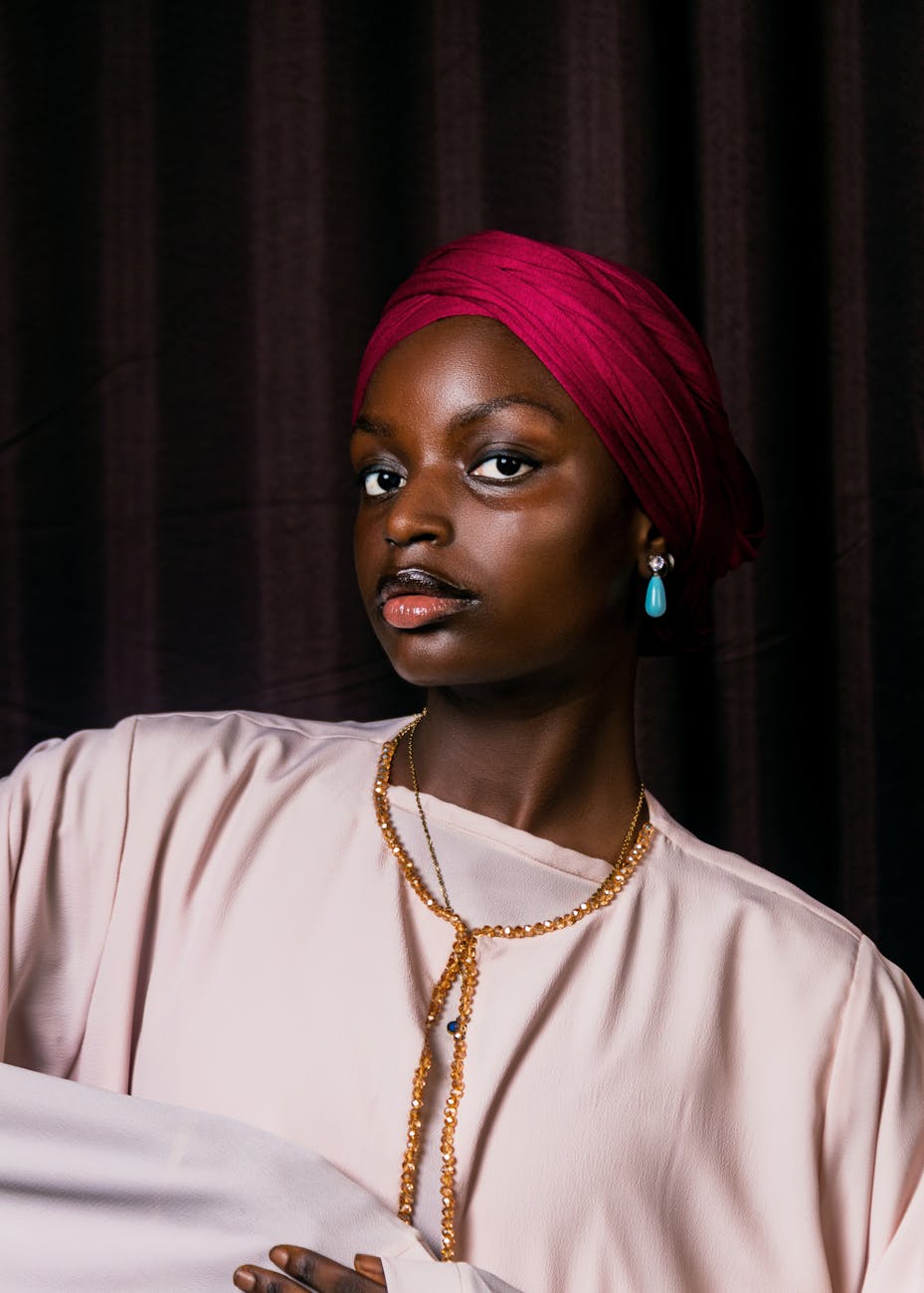
Photo by Mohaymin Islam on Pexels.com

Sexuality is one of the most powerful forces God placed within humanity. Designed for covenantal love between husband and wife, it is sacred and meant to mirror the union between Christ and His church (Ephesians 5:25–32, KJV). Yet, in a fallen world, sexual expression is often twisted into forms that dishonor God, damage relationships, and destroy lives. Today’s culture normalizes what the Bible clearly calls sin, leaving many confused about what is right in God’s eyes. This essay will expose the spiritual dangers of sexual sins, call believers to holiness, and show the pathway of forgiveness and healing through Christ.

Adultery remains one of the most devastating sexual sins, destroying marriages, families, and souls. The Bible is clear: “Thou shalt not commit adultery” (Exodus 20:14, KJV). Jesus intensified this command by teaching that even looking upon someone with lust is committing adultery in the heart (Matthew 5:28, KJV). King David’s adultery with Bathsheba (2 Samuel 11, KJV) demonstrates how one act of lust led to lies, murder, and the sword never departing from his household. Though forgiven, David’s sin carried lifelong consequences.

Fornication—sexual activity outside of marriage—has also become normalized, especially in a world that views cohabitation and casual encounters as harmless. Scripture says otherwise: “Flee fornication” (1 Corinthians 6:18, KJV). The story of Shechem and Dinah (Genesis 34, KJV) shows how fornication dishonored Jacob’s family, creating division and violence. What society calls freedom, God calls bondage.

Homosexuality, though culturally affirmed in many societies today, is directly addressed in the Bible as sin. Romans 1:26–27 (KJV) describes it as against nature, a distortion of God’s design for male and female. The destruction of Sodom and Gomorrah (Genesis 19, KJV) reveals God’s judgment on sexual perversion. While the world argues acceptance, the Word calls believers to truth in love, offering compassion without compromise.

Lust itself is the root from which many sexual sins grow. Jesus taught, “Whosoever looketh on a woman to lust after her hath committed adultery with her already in his heart” (Matthew 5:28, KJV). Samson’s downfall (Judges 16, KJV) began with lust for Delilah. Though chosen by God, he surrendered his strength to sinful desire, ultimately leading to his destruction.

Pornography fuels this lust-driven culture. While not named in Scripture, its effects mirror biblical warnings. Proverbs 6:25 (KJV) says, “Lust not after her beauty in thine heart.” Men like Amnon, who lusted after his sister Tamar (2 Samuel 13, KJV), illustrate how unchecked desire corrupts the mind and leads to devastating sin.

Pornography, often dismissed as harmless entertainment, is one of the most destructive forces against purity. Jesus warned, “Whosoever looketh on a woman to lust after her hath committed adultery with her already in his heart” (Matthew 5:28, KJV). Modern culture normalizes sexual imagery through television, music, and social media, desensitizing people to sin. Psychologists note that pornography rewires the brain’s reward system, creating addiction similar to drugs, fostering unrealistic expectations, and damaging healthy intimacy (Love et al., 2015).

Prostitution is another manifestation of sexual sin, commercializing what God made holy. Proverbs 7 (KJV) describes the strange woman who entices men into destruction. Samson again fell into this trap when he visited a harlot in Gaza (Judges 16:1, KJV). Beyond physical risk, prostitution represents the ultimate devaluation of the human body, turning God’s temple into merchandise.

Prostitution, known in Scripture as harlotry, reduces sacred intimacy to a transaction. Proverbs 7 depicts the seduction of a foolish man by a harlot, warning that “her house is the way to hell, going down to the chambers of death” (Proverbs 7:27, KJV). While society sometimes romanticizes sex work or defends it as empowerment, the Bible consistently portrays it as spiritual bondage. Many caught in prostitution are victims of exploitation and trafficking, revealing the deep wounds of sin.

Incest, one of the most detestable sins, is explicitly forbidden in Leviticus 18 (KJV). Lot’s daughters, who intoxicated their father and bore children by him (Genesis 19:30–38, KJV), demonstrate the shame and long-lasting consequences of incest. Their descendants—the Moabites and Ammonites—became enemies of Israel.

Incest, explicitly condemned in Leviticus 18, violates both natural and divine order. God commanded, “None of you shall approach to any that is near of kin to him, to uncover their nakedness: I am the LORD” (Leviticus 18:6, KJV). Incest corrupts family trust, damages generational identity, and often perpetuates cycles of abuse. Psychology affirms that survivors of incest often suffer trauma, shame, and difficulty establishing healthy boundaries later in life (Finkelhor, 1986).

Molestation, the sexual abuse of the vulnerable, is a grievous evil. The violation of Tamar by her half-brother Amnon (2 Samuel 13, KJV) left her desolate and dishonored, while judgment fell on David’s house for failing to properly address the crime. Jesus declared the seriousness of harming little ones: “Whoso shall offend one of these little ones… it were better for him that a millstone were hanged about his neck” (Matthew 18:6, KJV).

Molestation and sexual abuse are grievous sins that scar the soul. Jesus gave stern warnings against harming the innocent: “Whoso shall offend one of these little ones which believe in me, it were better for him that a millstone were hanged about his neck” (Matthew 18:6, KJV). Culture often hides or minimizes these crimes, but Scripture exposes them as vile acts that demand both justice and healing. The spiritual danger lies not only in the act but in how silence perpetuates cycles of pain.

In exposing these sins, it is essential to remember that culture often normalizes them under the guise of freedom, liberation, or entertainment. Yet, what is applauded by the world often leads to bondage of the soul. The Bible repeatedly warns against conforming to the patterns of the world (Romans 12:2, KJV). What society celebrates, God may condemn.

Despite the seriousness of these sins, God’s Word does not leave us hopeless. His design for sexuality is rooted in purity, intimacy, and covenant love. Marriage between one man and one woman remains His holy blueprint, a sacred union where love, trust, and passion find their rightful place (Genesis 2:24, KJV).

Purity, therefore, is not repression but freedom. It guards the heart from unnecessary scars and creates space for God’s blessings. Joseph is a prime example—when tempted by Potiphar’s wife, he fled, saying, “How then can I do this great wickedness, and sin against God?” (Genesis 39:9, KJV). His obedience preserved his integrity, even though it cost him temporary suffering.

Holiness does not mean perfection but separation unto God. While sin seeks to defile, holiness restores dignity. Believers are called to be temples of the Holy Spirit (1 Corinthians 6:19–20, KJV). Choosing purity is not about shame but about living as vessels of divine glory.

For those who have fallen into sexual sin, hope is not lost. God offers forgiveness through repentance. The woman caught in adultery (John 8:1–11, KJV) was spared condemnation when Jesus declared, “Go, and sin no more.” Her story reminds us that grace is always greater than guilt.

Repentance is not merely feeling sorry but turning away from sin and running toward God. David, though guilty of adultery and murder, found mercy when he humbled himself before God (Psalm 51, KJV). His story reveals that no one is beyond God’s grace.

Healing is also possible. Many who struggle with sexual brokenness carry shame, guilt, and trauma. Jesus came to heal the brokenhearted and set the captives free (Luke 4:18, KJV). Counseling, prayer, accountability, and the Word of God bring restoration.

Forgiveness does not erase the past but redeems it. Rahab, a prostitute in Jericho (Joshua 2, KJV), turned from sin and became part of Israel’s covenant people—and even entered the genealogy of Jesus Christ (Matthew 1:5, KJV). What the enemy intended for shame, God used for salvation history.

Walking in holiness requires daily surrender. Paul urges believers to “walk in the Spirit, and ye shall not fulfil the lust of the flesh” (Galatians 5:16, KJV). The Spirit empowers what the flesh cannot conquer. Discipline, prayer, fasting, and Scripture fortify the soul against temptation.

Ultimately, Jesus Christ is the restorer of even the most broken story. Where sin abounded, grace did much more abound (Romans 5:20, KJV). He offers not only forgiveness but also a new identity—no longer defined by sin but by His righteousness.

The world may call sexual sin freedom, but the Bible reveals it as bondage. God’s design for purity, intimacy, and covenant love far exceeds the counterfeit pleasures of sin. For every broken heart, there is healing. For every sinner, there is grace. For every story, there is redemption in Christ.

📖 Key Scriptures Referenced (KJV):
Exodus 20:14, Proverbs 6:32, 1 Corinthians 6:18, Romans 1:26–27, Matthew 5:28, Matthew 18:6, Deuteronomy 23:17–18, Leviticus 18, Ephesians 5:25–32, 1 Thessalonians 4:3–7, John 8:11, Romans 12:2, Isaiah 1:18, Psalm 51:10.

Clear, J. (2018). Atomic habits: An easy & proven way to build good habits & break bad ones. Avery.

Finkelhor, D. (1986). A sourcebook on child sexual abuse. SAGE Publications.

Holy Bible, King James Version. (1769/2017). Cambridge University Press.

Love, T., Laier, C., Brand, M., Hatch, L., & Hajela, R. (2015). Neuroscience of internet pornography addiction: A review and update. Behavioral Sciences, 5(3), 388–433. https://doi.org/10.3390/bs5030388

McDowell, J., & Jones, B. (2000). The pornography trap: Setting you free, setting your family free. Word Publishing.

Yarhouse, M. A. (2010). Homosexuality and the Christian: A guide for parents, pastors, and friends. Bethany House.
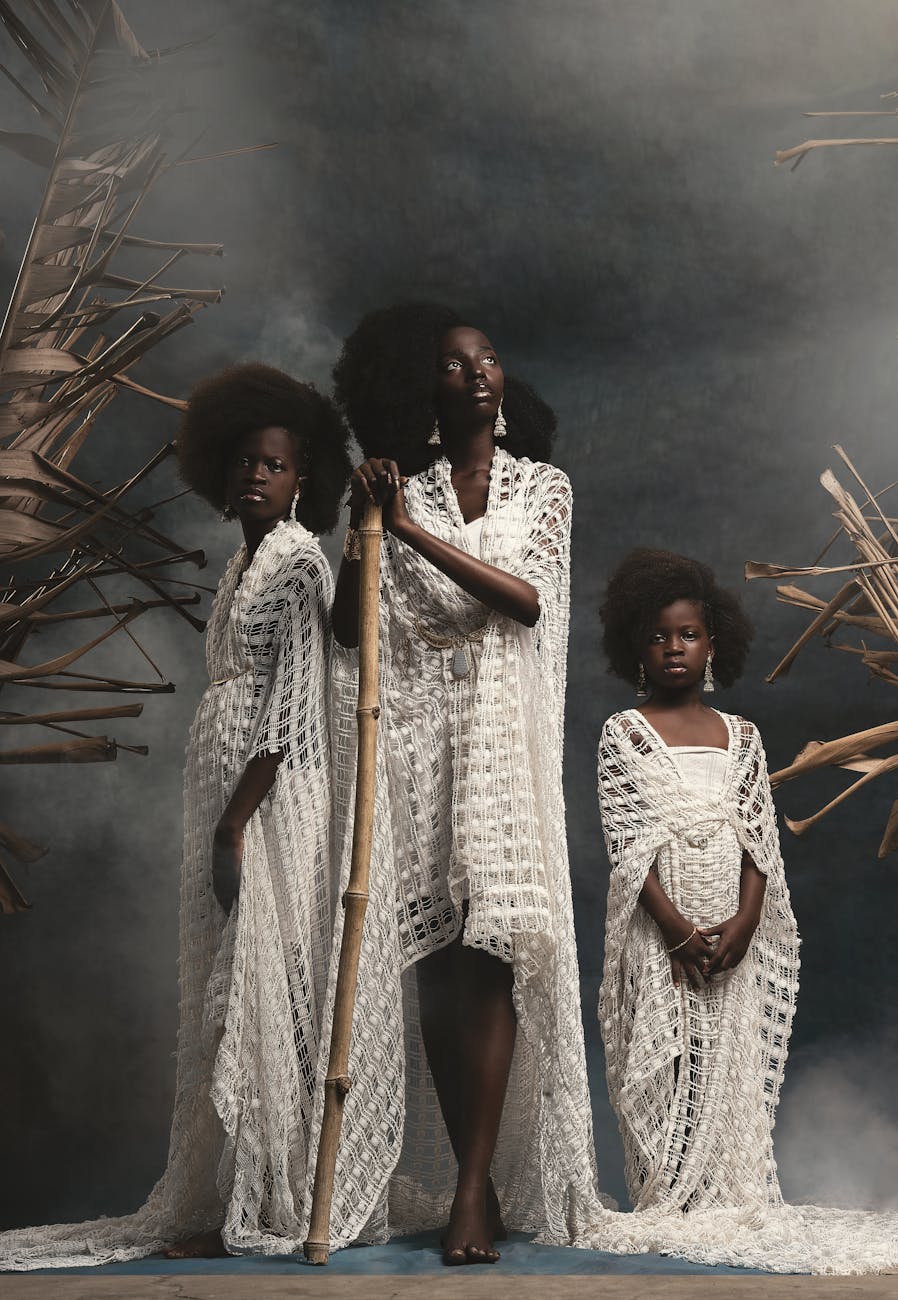
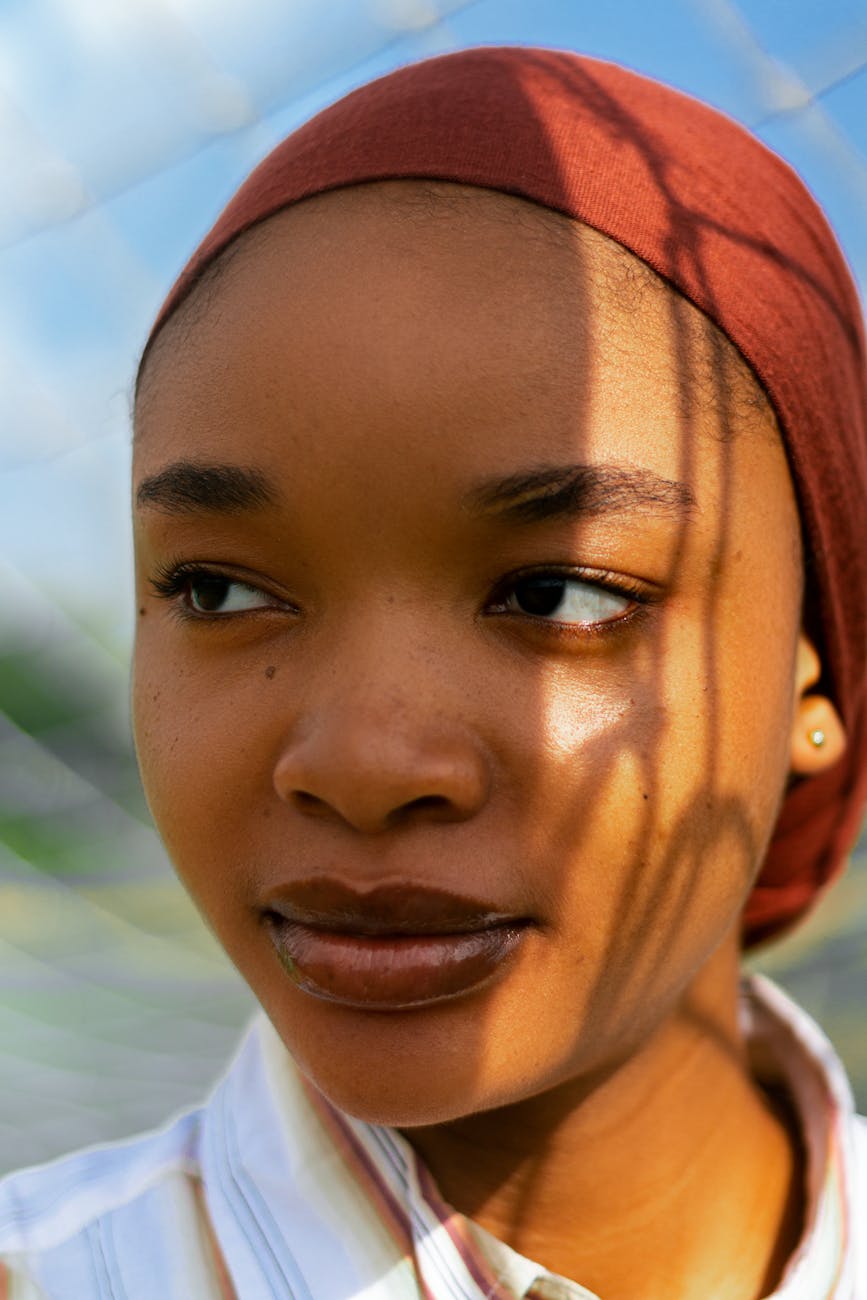
The Cost of Beauty in a Brown Body. #TheBrownGirlDilemma

Photo by Ray Kamena on Pexels.com

For Brown girls, beauty is a double-edged sword. While admired for its uniqueness, it often comes with a price—a cost dictated by society’s biased standards, historical oppression, and internalized hierarchies of skin tone. To inhabit a Brown body is to navigate admiration and marginalization simultaneously. Beauty becomes not only a source of pride but also a measure by which judgment, expectation, and limitation are applied.

Historically, the beauty of Black and Brown women has been shaped and constrained by colonialism, slavery, and colorism. Lighter-skinned women were often privileged, both socially and economically, while darker-skinned women were devalued or overlooked (Hunter, 2007). Even today, media representation favors fairer skin tones, subtly signaling that beauty is conditional. Brown girls inherit these standards and are taught, often unconsciously, that their worth is tied to their ability to conform to narrow ideals of attractiveness.

Psychologically, this burden manifests in multiple ways. Colorism and appearance-based discrimination can lower self-esteem, foster anxiety, and contribute to body dissatisfaction (Keith & Herring, 1991). Brown girls may internalize the notion that their natural features—curly hair, darker skin, fuller lips—are obstacles to acceptance, causing them to expend time, money, and energy attempting to align with socially sanctioned beauty ideals. The cost of beauty, therefore, is not simply cosmetic; it is emotional, mental, and relational.

The Bible, however, offers a radical redefinition of beauty. “Charm is deceitful, and beauty is vain: but a woman that feareth the Lord, she shall be praised” (Proverbs 31:30, KJV). True beauty, scripture asserts, is measured by character, virtue, and godly fear—not complexion or features. For Brown girls, embracing this biblical standard becomes a form of resistance against society’s shallow metrics. Their worth is divinely ordained, independent of external validation.

Yet, navigating the social cost of beauty is unavoidable. Brown girls often encounter fetishization, exoticization, or sexualized attention that commodifies their bodies. They may face scrutiny in professional spaces where their appearance is judged more harshly than competence. In relationships, they can confront bias or preference that favors lighter skin, reflecting lingering legacies of racism and colonialism. In every context, the Brown body becomes both celebrated and policed.

Despite these challenges, Brown girls are cultivating empowerment. Movements like natural hair pride, melanin positivity campaigns, and cultural affirmation initiatives teach girls to reclaim their bodies as sources of strength rather than shame. Psychologists note that embracing one’s authentic appearance strengthens self-esteem, fosters resilience, and reduces vulnerability to external biases (Neff, 2011). By redefining beauty on their own terms, Brown girls resist societal prescriptions while creating new norms of acceptance.

Families and communities play a pivotal role in mitigating the cost of beauty. When parents, mentors, and churches affirm the value of natural features and melanin-rich skin, they help Brown girls internalize messages of self-worth. Psalm 139:14 (KJV) reminds us, “I will praise thee; for I am fearfully and wonderfully made: marvellous are thy works; and that my soul knoweth right well.” Spiritual and cultural affirmation provides protection against the subtle violence of societal standards.

Tips for Beauty in a Brown Body

  1. Embrace Your Skin Tone
    • Celebrate your melanin. Know that your skin is beautiful, radiant, and historically significant. Affirm yourself daily with positive statements.
  2. Care for Your Hair Naturally
    • Learn to love and maintain your natural hair texture. Protective styles, natural oils, and gentle care honor your roots and cultural heritage.
  3. Practice Self-Love and Confidence
    • Stand tall in your body. Confidence is magnetic. Avoid comparing yourself to Eurocentric beauty standards.
  4. Set Healthy Boundaries
    • Protect your energy in relationships, social media, and environments where your worth might be questioned or undermined.
  5. Educate Yourself on Colorism
    • Understand historical and modern colorism. Awareness empowers you to challenge biases and make informed choices.
  6. Choose Affirming Communities
    • Surround yourself with people who celebrate you—friends, mentors, and spaces that uplift rather than criticize your natural beauty.
  7. Wear What Makes You Feel Powerful
    • Fashion and style are forms of self-expression. Choose clothing, accessories, and makeup that reflect your personality and culture.
  8. Prioritize Mental Health
    • Seek therapy, journaling, or spiritual guidance to process colorism, trauma, or societal pressures. Emotional wellness strengthens your resilience.
  9. Celebrate Your Cultural Heritage
    • Learn your history, traditions, and ancestry. Cultural pride reinforces self-worth and connects you to a legacy of resilience.
  10. Use Your Voice
    • Speak out against discrimination, colorism, or microaggressions. Advocacy and dialogue can empower you and others around you.
  11. Focus on Spiritual Growth
    • For faith-centered Brown girls, prayer, scripture, and spiritual reflection provide grounding, purpose, and confidence in your identity.
  12. Practice Gratitude for Your Body
    • Your body is a vessel for life, creativity, and experience. Honor it through healthy food, exercise, rest, and positive affirmations.

Ultimately, the cost of beauty in a Brown body is high, but it is not insurmountable. Brown girls learn to navigate admiration and bias, to protect their hearts while embracing their appearance, and to define beauty on their own terms. Through psychological resilience, spiritual grounding, and community support, the Brown body becomes not a burden to bear but a crown to celebrate—a testament to survival, legacy, and divine design.


References

  • Hunter, M. (2007). The persistent problem of colorism: Skin tone, status, and inequality. Sociology Compass, 1(1), 237–254.
  • Keith, V., & Herring, C. (1991). Skin tone and stratification in the Black community. American Journal of Sociology, 97(3), 760–778.
  • Neff, K. D. (2011). Self-compassion: The proven power of being kind to yourself. HarperCollins.
  • The Holy Bible, King James Version.

Beauty, Burden, and Brown Skin: The Weight of Being Seen. #thebrowngirldilemma

Photo by TRIPLE LENS PHOTOGRAPHY on Pexels.com

For Brown girls, beauty is never a neutral experience. It is both a gift and a burden, a source of pride and pain, a reflection of cultural richness but also a reminder of society’s skewed lens. To be seen as a Brown girl is to live at the intersection of visibility and invisibility—noticed for one’s appearance yet often unseen for one’s humanity. This duality forms one of the heaviest weights carried by women of color: the struggle of being defined more by skin tone than by character.

Historically, the beauty of Brown women was distorted through slavery, colonialism, and colorism. Enslaved women were simultaneously exploited for their bodies and devalued as “less beautiful” compared to White women or lighter-skinned counterparts. This legacy persists today. In media, advertisements, and even dating culture, lighter skin often remains the celebrated standard, leaving darker-skinned women to fight for validation. The result is that beauty for Brown girls often comes with unspoken conditions—accepted only if it fits within narrow, Eurocentric frameworks.

The Bible reminds us that true beauty is never defined by skin, hair, or external adornment but by the inner spirit. “Whose adorning let it not be that outward adorning of plaiting the hair, and of wearing of gold, or of putting on of apparel; But let it be the hidden man of the heart, in that which is not corruptible, even the ornament of a meek and quiet spirit, which is in the sight of God of great price” (1 Peter 3:3–4, KJV). For Brown girls, this scripture serves as both comfort and resistance—it affirms that their worth is not contingent upon external validation but upon the divine imprint within.

Psychology helps explain the toll of being hyper-visible yet undervalued. Studies on racialized beauty standards reveal that colorism can erode self-esteem and contribute to depression and anxiety (Keith & Monroe, 2016). When society constantly communicates that lighter skin is preferable, darker-skinned women internalize messages of inadequacy. This psychological burden often begins in childhood, when young girls are teased for their complexion, and extends into adulthood in areas such as employment, dating, and representation.

At the same time, the weight of being seen also generates strength. Brown girls have historically resisted narrow beauty ideals by embracing their natural features—whether through the natural hair movement, melanin pride campaigns, or simply rejecting bleaching products marketed to them. This resilience reflects what psychologists describe as “collective identity affirmation,” the process by which marginalized groups draw strength from shared experiences of struggle and pride (Sellers et al., 1998). For many Brown women, their skin becomes not just a marker of difference but a source of solidarity.

Still, the burden of beauty cannot be ignored. Brown girls often walk into rooms knowing they will be judged before they speak. They navigate workspaces where professionalism is measured against Eurocentric hair textures, and relationships where desirability is filtered through centuries-old biases. The weight is constant: to prove that their beauty is not a liability, to show that their skin is not an obstacle but a testament to survival and resilience.

The challenge for families, churches, and communities is to create counter-narratives that affirm beauty without conditions. Romans 8:37 reminds us, “Nay, in all these things we are more than conquerors through him that loved us” (KJV). For Brown girls, this verse is a reminder that no societal gaze can diminish their divine worth. Healing begins when families affirm dark skin as beautiful, when men honor it without comparison, and when Brown girls themselves embrace their skin not as a burden but as a crown.

Ultimately, beauty for Brown girls will always carry weight—but it can be transformed from a burden into a banner. By rejecting society’s shallow standards and embracing the beauty God already placed within, Brown women redefine what it means to be seen. Their presence becomes a testimony that true beauty does not ask permission to exist—it commands recognition, dignity, and love.


References

  • The Holy Bible, King James Version.
  • Keith, V. M., & Monroe, C. R. (2016). Histories of colorism and its psychological impact on African American women. Gender & Society, 30(2), 184–206.
  • Sellers, R. M., Smith, M. A., Shelton, J. N., Rowley, S. A., & Chavous, T. M. (1998). Multidimensional model of racial identity: A reconceptualization of African American racial identity. Personality and Social Psychology Review, 2(1), 18–39.

Resilience and Radiance: The Science of Black Beauty. #thescienceofblackbeauty

Photo by jim nyamao on Pexels.com

The beauty of people of African descent has long been both celebrated and contested, occupying a complex intersection of biology, culture, and politics. Black beauty is not simply a matter of outward appearance, but a profound embodiment of resilience, history, and spiritual depth. It reflects evolutionary intelligence, psychological endurance, and cultural resistance. Understanding the “science of Black beauty” requires examining its genetic foundations, the psychology of beauty perception, the historical weight of colonialism and slavery, and the spiritual dimension that has sustained Black people across centuries. In this sense, Black beauty radiates not only from the body, but also from the survival of a people who have redefined beauty against all odds.


Evolutionary and Biological Foundations of Black Beauty

Human variation is shaped by adaptation, and the physical features commonly associated with African ancestry bear witness to millennia of survival in diverse ecological environments. Skin pigmentation is one of the most visible markers. Deeply pigmented skin, rich in eumelanin, developed as an evolutionary shield against ultraviolet (UV) radiation. This adaptation protected folate—essential for reproduction and fetal development—while still permitting sufficient vitamin D synthesis near the equator (Jablonski & Chaplin, 2010). Thus, the very darkness of African skin is not only an aesthetic trait but also a marker of evolutionary fitness and resilience.

Hair texture provides another example of adaptation. Afro-textured hair, with its tightly coiled structure, plays a thermoregulatory role, shielding the scalp from intense sunlight while allowing airflow to cool the head (Robins, 2009). This unique adaptation highlights the functionality and beauty embedded within African biology. Similarly, fuller lips, broader noses, and other phenotypic features often stigmatized under Eurocentric ideals were evolutionary responses to environment and climate, rather than biological deficiencies.

Genetics further demonstrates the diversity within African-descended populations. Africa possesses the greatest genetic variation of any continent, meaning that Black beauty cannot be reduced to a monolith but must be understood as a spectrum of phenotypes, from ebony to bronze skin tones, from tightly coiled to loosely curled hair textures (Tishkoff et al., 2009). This genetic diversity underscores that Black beauty is vast, multifaceted, and scientifically foundational to humanity itself.


The Psychology of Black Beauty and Self-Perception

While biology provides the framework, psychology reveals how beauty is experienced and valued. For centuries, Eurocentric beauty standards have dominated the global imagination, leading to colorism and internalized oppression within Black communities (Hunter, 2007). Skin tone hierarchies, hair texture bias, and the devaluation of African features created psychological scars that persist today.

Psychological studies show that exposure to Eurocentric ideals negatively impacts self-esteem among Black girls and women, often leading to increased anxiety, depression, and identity struggles (Thompson & Keith, 2001). The infamous “doll test” conducted by Kenneth and Mamie Clark in the 1940s revealed that Black children preferred white dolls over Black dolls, associating whiteness with goodness and beauty while internalizing negative views of their own Blackness.

Yet psychology also highlights resilience. The “Black is Beautiful” movement of the 1960s was a revolutionary act of cognitive reframing, challenging dominant standards and affirming Black self-worth (Byrd & Tharps, 2014). Today, the natural hair movement, the rise of melanin pride campaigns, and the increasing visibility of dark-skinned models and actresses reflect an ongoing psychological resistance to internalized colonial narratives. These cultural shifts affirm that Black beauty is not fragile—it is resilient, continuously redefining itself in ways that nurture self-love and communal pride.


Cultural Representation and the Politics of Beauty

Beauty is never neutral; it is political. For centuries, the exclusion of Black women and men from mainstream beauty standards reinforced structures of racial hierarchy. Dark skin was demonized, kinky hair was stigmatized, and African facial features were caricatured or erased from media representation. When Black bodies did appear in art, literature, or film, they were often exoticized, fetishized, or portrayed as subhuman.

This exclusion was not accidental but deeply rooted in colonial projects that sought to dehumanize African people while upholding whiteness as the pinnacle of beauty and civilization (Craig, 2006). In this context, to affirm Black beauty was to resist systemic erasure. Icons such as Nina Simone, Angela Davis, and Cicely Tyson redefined beauty through their unapologetic embrace of natural hair and African aesthetics, disrupting dominant cultural narratives.

In contemporary culture, representation has expanded. Lupita Nyong’o’s global influence as a dark-skinned actress and advocate for young Black girls challenges colorism. Rihanna’s Fenty Beauty brand revolutionized the cosmetics industry by offering foundation shades across the spectrum of skin tones, addressing the long-standing exclusion of darker complexions (Tate, 2009). These shifts reveal that beauty is not just personal—it is structural, reshaping industries and social perceptions.


Spiritual and Historical Dimensions of Black Beauty

Beyond biology and psychology, Black beauty possesses a spiritual and historical dimension. The transatlantic slave trade, colonialism, and systemic racism sought to strip African people of dignity, yet inner beauty and resilience endured. Enslaved women, denied adornments or agency, still braided hair in intricate styles that carried cultural meaning and even mapped escape routes (Byrd & Tharps, 2014). Beauty became an act of survival, a hidden language of strength.

The Bible, too, speaks of beauty in terms deeper than physical appearance. “Whose adorning let it not be that outward adorning of plaiting the hair, and of wearing of gold… but let it be the hidden man of the heart” (1 Peter 3:3–4, KJV). This verse affirms that true beauty is rooted in spirit, dignity, and virtue rather than external adornment. For Black communities, beauty has always transcended surface features—it is found in resilience, faith, and the radiance of survival through centuries of oppression.


Resilience and Radiance in the Modern Era

Today, Black beauty radiates globally, shaping fashion, music, film, and art. Afrocentric hairstyles influence global trends, African skin tones are celebrated on runways, and hip-hop culture redefines aesthetics worldwide. Yet challenges remain: colorism, Eurocentric bias in corporate beauty industries, and the commodification of Black aesthetics without proper respect for Black creators (Patton, 2006).

Nevertheless, Black beauty continues to redefine itself as a site of resistance and radiance. It is a reminder that beauty is not static but evolving, deeply intertwined with survival and identity. In both science and spirit, Black beauty testifies to the resilience of a people who refused to be erased, radiating strength that shines across generations.


Conclusion

The science of Black beauty demonstrates that it is both biological and transcendent. Evolutionary biology reveals its brilliance in adaptation. Psychology uncovers both the wounds of imposed Eurocentric standards and the resilience of self-love movements. Culture illustrates the politics of representation and the revolutionary act of embracing melanin and natural aesthetics. Spiritually, Black beauty is inseparable from dignity, survival, and divine worth.

In this light, Black beauty is not fragile—it is radiant because it endured. It is resilience written into skin, hair, and spirit. It is science fused with history, and history fused with faith. Black beauty is not merely seen; it is survived, celebrated, and sacred.


References

  • Byrd, A., & Tharps, L. (2014). Hair story: Untangling the roots of Black hair in America. St. Martin’s Press.
  • Craig, M. L. (2006). Race, beauty, and the tangled knot of a guilty pleasure. Feminist Theory, 7(2), 159–177.
  • Hunter, M. (2007). The persistent problem of colorism: Skin tone, status, and inequality. Sociology Compass, 1(1), 237–254.
  • Jablonski, N. G., & Chaplin, G. (2010). Human skin pigmentation as an adaptation to UV radiation. Proceedings of the National Academy of Sciences, 107(Suppl 2), 8962–8968.
  • Patton, T. O. (2006). Hey girl, am I more than my hair? African American women and their struggles with beauty, body image, and hair. NWSA Journal, 18(2), 24–51.
  • Robins, A. H. (2009). Biological perspectives on human pigmentation. Cambridge University Press.
  • Tate, S. A. (2009). Black beauty: Aesthetics, stylization, politics. Ashgate.
  • Thompson, M. S., & Keith, V. M. (2001). The Blacker the berry: Gender, skin tone, self-esteem, and self-efficacy. Gender & Society, 15(3), 336–357.
  • Tishkoff, S. A., et al. (2009). The genetic structure and history of Africans and African Americans. Science, 324(5930), 1035–1044.

Girl Talk Series: How to know if a Man wants to marry you.

Photo by Tammy Mosley on Pexels.com

Marriage is a sacred covenant designed by God, yet discernment is needed to know whether a man’s intentions are genuine. Many women ask how to recognize if a man truly desires to build a life-long union, or if his actions reveal otherwise. The answer requires examining not just words but consistent patterns of behavior, viewed through both biblical wisdom and psychological insight.


Signs He Wants to Marry You

  1. Provider Mentality
    A man who desires marriage will show signs of being a provider. He invests his resources—time, money, and energy—into building stability for a future family. Scripture teaches that a husband should provide: “But if any provide not for his own, and specially for those of his own house, he hath denied the faith, and is worse than an infidel” (1 Timothy 5:8, KJV). Psychology also affirms that men committed to long-term bonds often demonstrate investment behaviors, such as planning financially and making sacrifices (Stanley, Rhoades, & Markman, 2006).
  2. Generous with Time and Attention
    True commitment is measured by consistency. A man who wants marriage will not only spend money but will also give his time generously, even when inconvenient. Ephesians 5:25 (KJV) instructs: “Husbands, love your wives, even as Christ also loved the church, and gave himself for it.” Sacrificial love is reflected in showing up, listening attentively, and prioritizing the relationship.
  3. Future-Oriented Conversations
    A man serious about marriage will talk openly about the future: where to live, career plans, family values, and children. Psychologists note that future talk is a reliable predictor of long-term intentions because it reveals commitment scripts (Surra & Hughes, 1997). For example, a man saying, “When we buy a house…” or “When we raise our children…” signals long-range thinking, not temporary companionship.
  4. Involvement in Family and Community
    When a man wants marriage, he seeks integration with a woman’s family and community. He introduces her to his loved ones and desires mutual approval. In biblical times, marriage was not only between two individuals but between families (Genesis 24 shows Abraham ensuring Isaac’s marriage aligned with family covenant). A man who hides his partner or resists community involvement likely does not intend to marry.

What Are Not the Signs?

  1. Empty Words Without Action
    A man may say he wants marriage but fails to show evidence. Psychology calls this inconsistency between verbal commitment and behavioral investment. James 2:17 (KJV) reminds us that faith without works is dead; likewise, promises without action reveal empty intent.
  2. Generosity with Money but Not Time
    Some men may spend lavishly but withhold their presence. This signals performance rather than commitment. A true future husband balances resources and emotional presence.
  3. Avoidance of Long-Term Planning
    If a man changes the subject when marriage or family comes up, or insists on “just seeing where things go,” it suggests he does not see marriage as a priority.
  4. Secretive or Isolating Behavior
    A man who never introduces you to family, avoids accountability, or keeps you separate from his daily life is not preparing for marriage. The Bible says: “He that walketh uprightly walketh surely: but he that perverteth his ways shall be known” (Proverbs 10:9, KJV). Secrecy is not the foundation of covenant.

Example of True vs. False Signs

  • True Sign: A man works two jobs, saves for a home, and includes his fiancée in budgeting decisions. His actions show long-term stability.
  • False Sign: A man buys expensive gifts but avoids talking about shared finances, children, or spiritual life. His gestures flatter, but they do not root the relationship in reality.

Checklist: Signs a Man Wants to Marry You

True Signs (He’s Serious About Marriage)

  • 📖 Provider mentality – Invests in stability, works hard, manages money responsibly (1 Timothy 5:8).
  • Gives consistent time & attention – Shows up, listens, sacrifices convenience (Ephesians 5:25).
  • 🏡 Future-oriented talk – Discusses marriage, home, children, long-term plans.
  • 👨‍👩‍👧 Family & community involvement – Introduces you to loved ones, seeks approval and integration (Genesis 24).
  • 🤝 Consistency between words & actions – Promises backed by proof (James 2:17).
  • 📅 Planning mindset – Works toward shared goals and stability.

False Signs (He’s Not Serious)

  • Empty promises – Says he wants marriage but avoids action.
  • Generous with money, stingy with time – Buys gifts but withholds presence.
  • Avoids long-term planning – Refuses to discuss future or children.
  • Secretive lifestyle – Doesn’t introduce you to family, keeps you hidden (Proverbs 10:9).
  • Inconsistent behavior – Hot and cold interest depending on convenience.

Quick Biblical Reminder

  • A true husband provides (1 Timothy 5:8), sacrifices (Ephesians 5:25), and builds with wisdom (Proverbs 24:3).
  • A false husband flatters with gifts but lacks the fruit of commitment (Matthew 7:16 – “Ye shall know them by their fruits”).

Conclusion

Knowing if a man wants to marry you requires looking beyond flattering words and occasional gifts. True signs include provider instincts, consistency of time and attention, future-oriented conversations, and openness with family and community. False signs include avoidance of responsibility, secrecy, or generosity without substance. Scripture and psychology both affirm that love is not mere emotion but investment, sacrifice, and action. As Proverbs 24:3 (KJV) teaches: “Through wisdom is an house builded; and by understanding it is established.” A man who truly seeks marriage will show wisdom, responsibility, and commitment to building a lasting covenant.


References

  • Stanley, S. M., Rhoades, G. K., & Markman, H. J. (2006). Sliding vs. deciding: Inertia and the premarital cohabitation effect. Family Relations, 55(4), 499–509.
  • Surra, C. A., & Hughes, D. K. (1997). Commitment processes in accounts of the development of premarital relationships. Journal of Marriage and the Family, 59(1), 5–21.
  • The Holy Bible, King James Version.

The Science of Black Beauty: Evolution, Psychology, and Representation.

Photo by Abel Kayode on Pexels.com

Black beauty is a multidimensional construct shaped by biology, cultural history, and sociopolitical forces. Unlike mainstream Eurocentric beauty standards, which often reduce attractiveness to narrow features, Black beauty encompasses genetic diversity, evolutionary resilience, and cultural expression. To understand it requires an interdisciplinary lens—examining the evolutionary science of melanin, the psychological impacts of beauty ideals, and the representation of Black aesthetics in society.

Evolutionary Foundations of Black Beauty

From an evolutionary perspective, darker skin pigmentation is a result of natural selection. Melanin, particularly eumelanin, provides protection against ultraviolet (UV) radiation while preserving folate reserves essential for reproduction (Jablonski & Chaplin, 2010). Features common within populations of African descent, such as fuller lips, broader noses, and tightly coiled hair, are not merely aesthetic traits but adaptive markers designed for survival in hot and variable climates (Robins, 2009). These traits, once stigmatized under colonial rule, reflect a scientific truth: Black beauty is evolutionarily advantageous, biologically diverse, and deeply tied to human survival.

Psychological Dimensions of Black Beauty

Psychology reveals how beauty standards affect identity and self-esteem. Eurocentric ideals historically marginalized Black features, creating internalized biases and what Fanon (1967) described as a “racial epidermal schema.” The preference for lighter skin—colorism—illustrates how systemic racism infiltrates concepts of beauty (Hunter, 2007). Conversely, the natural hair movement and celebration of melanin-rich skin highlight the psychological liberation that comes from embracing authentic Black beauty. Self-acceptance, in this context, becomes both a personal act of healing and a political statement.

Representation and Cultural Visibility

Representation of Black beauty in media has historically oscillated between invisibility and exoticization. Early depictions often reinforced stereotypes, while mainstream fashion and entertainment industries celebrated only a limited spectrum of Black aesthetics (Craig, 2006). Today, however, global icons like Lupita Nyong’o, Viola Davis, and Naomi Campbell expand representation by embodying diverse shades, textures, and body types. Social media platforms also empower everyday voices, allowing new narratives to challenge Eurocentric dominance and redefine beauty on global terms.

Intersection of Science and Culture

The study of Black beauty requires bridging scientific objectivity with cultural subjectivity. Facial symmetry, the golden ratio, and evolutionary psychology offer biological explanations for attractiveness (Little et al., 2011). Yet, beauty is also socially constructed, shaped by history, politics, and resistance. For Black communities, beauty is more than appearance—it is identity, resilience, and cultural pride.

Conclusion

The science of Black beauty cannot be divorced from its history of misrepresentation and resistance. Evolutionary biology highlights its adaptive strength; psychology reveals its role in identity formation; and representation underscores its sociopolitical weight. To honor Black beauty is to affirm both its scientific roots and its cultural power, recognizing it as central to human diversity and dignity.


References

  • Craig, M. L. (2006). Race, beauty, and the tangled knot of a guilty pleasure. Feminist Theory, 7(2), 159–177.
  • Fanon, F. (1967). Black skin, white masks. Grove Press.
  • Hunter, M. (2007). The persistent problem of colorism: Skin tone, status, and inequality. Sociology Compass, 1(1), 237–254.
  • Jablonski, N. G., & Chaplin, G. (2010). Human skin pigmentation as an adaptation to UV radiation. Proceedings of the National Academy of Sciences, 107(Supplement 2), 8962–8968.
  • Little, A. C., Jones, B. C., & DeBruine, L. M. (2011). Facial attractiveness: Evolutionary based research. Philosophical Transactions of the Royal Society B: Biological Sciences, 366(1571), 1638–1659.
  • Robins, A. H. (2009). Biological perspectives on human pigmentation. Cambridge University Press.

How to Spot an Evil Person

Photo by cottonbro studio on Pexels.com

Biblical Wisdom and Psychological Insight

Evil exists in both overt and subtle forms, and the ability to recognize harmful people is essential for personal protection, spiritual discernment, and psychological well-being. The Bible frequently warns against those who appear righteous but conceal wicked intent: “But the fruit of the Spirit is love, joy, peace, longsuffering, gentleness, goodness, faith, meekness, temperance: against such there is no law” (Galatians 5:22–23, KJV). Conversely, a person exhibiting patterns opposite to these virtues may indicate malevolent tendencies. Psychology echoes this, highlighting traits such as manipulation, callousness, and lack of empathy as markers of antisocial or narcissistic behavior.

One clear indicator of an evil person is consistent dishonesty and deception. Proverbs 6:16–19 (KJV) states, “These six things doth the LORD hate… a false witness that speaketh lies.” Psychologically, habitual liars often display manipulative behaviors to control situations or people for personal gain. This dishonesty can manifest subtly through exaggeration, omission, or contradiction, requiring careful observation over time.

Another warning sign is lack of empathy or disregard for others’ suffering. Scripture condemns such behavior: “He that despiseth his neighbour sinneth” (Proverbs 14:21, KJV). Psychological research identifies traits such as callous-unemotional affect, a hallmark of psychopathy, where individuals fail to respond to others’ pain or distress. People who repeatedly exploit others’ vulnerabilities, without remorse, often display a combination of this psychological trait and spiritual wickedness.

Manipulation and control are also characteristic of evil individuals. They exploit trust and create division for personal benefit. Galatians 5:15 (KJV) warns, “But if ye bite and devour one another, take heed that ye be not consumed one of another.” Psychology describes manipulative behavior as a method to dominate social and emotional dynamics, often appearing charming initially but ultimately undermining the autonomy and well-being of others.

A further sign is habitual anger, envy, or malice. James 3:16 (KJV) observes, “For where envying and strife is, there is confusion and every evil work.” Psychologists note that chronic hostility and destructive envy are strong predictors of harmful interpersonal behavior. Individuals who consistently provoke conflict, spread rumors, or harbor grudges may be channeling these dark impulses toward others’ detriment.

10 Signs of an Evil Person

  1. Habitual Lying
  • Proverbs 6:16–17 (KJV): God hates a false witness.
  • Psychology: Consistent deception is linked to manipulation and control.
  1. Lack of Empathy
  • Proverbs 14:21 (KJV): He who despises his neighbor sins.
  • Psychology: Callous-unemotional traits signal potential psychopathy.
  1. Manipulativeness
  • Galatians 5:15 (KJV): Beware of devouring one another.
  • Psychology: Exploiting others for personal gain is a classic antisocial trait.
  1. Persistent Anger or Hostility
  • James 3:16 (KJV): Where envy and strife are, evil work follows.
  • Psychology: Chronic hostility often leads to destructive interpersonal behavior.
  1. Envy and Resentment
  • Proverbs 27:4 (KJV): Wrath is cruel, and anger is overwhelming.
  • Psychology: Envy can fuel malice and unethical behavior.
  1. Self-Centeredness or Narcissism
  • Philippians 2:3 (KJV): Do nothing out of selfish ambition.
  • Psychology: Narcissistic tendencies undermine relationships and empathy.
  1. Hypocrisy
  • Matthew 23:27–28 (KJV): Whitewashed sepulchers, appearing righteous but full of iniquity.
  • Psychology: Presenting a false persona to manipulate perception.
  1. Habitual Gossip or Slander
  • Proverbs 16:28 (KJV): A perverse man spreads strife.
  • Psychology: Spreading rumors disrupts social trust and cohesion.
  1. Refusal to Repent or Acknowledge Wrongdoing
  • Romans 1:30 (KJV): Without natural affection, implacable, unmerciful.
  • Psychology: Lack of remorse is characteristic of antisocial personality patterns.
  1. Enjoyment of Others’ Pain
  • Psalm 109:31 (KJV): The wicked reward evil upon themselves.
  • Psychology: Sadistic tendencies can manifest as deriving pleasure from harming others.

In conclusion, spotting an evil person requires careful attention to patterns of behavior that contradict biblical virtues and psychological norms of empathy and honesty. Key indicators include deception, lack of empathy, manipulativeness, and persistent malice. Awareness of these traits, paired with prayer and discernment, can protect individuals spiritually, emotionally, and socially. As Proverbs 22:3 (KJV) counsels, “A prudent man foreseeth the evil, and hideth himself; but the simple pass on, and are punished.”


References

  • The Holy Bible, King James Version.
  • Hare, R. D. (1999). Without conscience: The disturbing world of the psychopaths among us. Guilford Press.
  • Paulhus, D. L., & Williams, K. M. (2002). The Dark Triad of personality: Narcissism, Machiavellianism, and psychopathy. Journal of Research in Personality, 36(6), 556–563.
  • Kernberg, O. F. (2016). The treatment of patients with borderline personality organization. Yale University Press.
  • Cialdini, R. B. (2009). Influence: Science and practice (5th ed.). Pearson.

Fathers, Daughters, and the Brown Girl Dilemma. #thebrowngirldilemma

Photo by cottonbro studio on Pexels.com

The relationship between fathers and daughters is one of the most formative in shaping identity, self-worth, and relational expectations. For the Brown girl—navigating the intersection of race, gender, and societal bias—this relationship carries unique weight. The presence, absence, or brokenness of fatherhood not only affects the daughter personally but also speaks to larger historical and cultural forces that have impacted Black families across generations.

Historically, the transatlantic slave trade and systemic racism disrupted the structure of Black families, creating patterns of father absence that extended far beyond individual choices (Billingsley, 1992). Enslaved men were often sold away or denied the role of protector and provider, leaving women and children to endure the trauma of fractured households. This legacy echoes into modern times, where socioeconomic oppression, mass incarceration, and economic inequality continue to weaken father-daughter bonds in Black communities (Alexander, 2010). For the Brown girl, these ruptures are not just personal but cultural, creating what some call the “father wound.”

From a psychological perspective, the absence of a father often leaves daughters vulnerable to issues of self-esteem, attachment, and relationship instability. Attachment theory suggests that children who lack consistent paternal support may struggle with trust and emotional security (Bowlby, 1988). For the Brown girl, this struggle is compounded by colorism, beauty hierarchies, and media images that frequently marginalize darker-skinned women. Without affirming fathers who speak value and worth into their daughters, many Brown girls find themselves internalizing rejection, seeking validation in unhealthy relationships, or battling a sense of invisibility.

The Bible emphasizes the role of fathers as protectors, providers, and spiritual leaders. Ephesians 6:4 instructs fathers, “provoke not your children to wrath: but bring them up in the nurture and admonition of the Lord” (KJV). Likewise, Proverbs 17:6 reminds us that “children’s children are the crown of old men; and the glory of children are their fathers.” When fathers are absent or fail to nurture, daughters are deprived of this God-ordained foundation. Yet, scripture also reveals God as the ultimate Father to the fatherless (Psalm 68:5), providing healing and identity even when earthly fathers fall short.

For those daughters who do have present and loving fathers, the Brown girl dilemma shifts. Instead of navigating absence, she wrestles with how her father’s presence prepares her to face a society that devalues her beauty, voice, and experiences. A strong father figure can help his daughter resist the narratives of inferiority, encouraging her to embrace her melanin, intellect, and worth as divinely given. Research has shown that girls with supportive fathers are more confident, perform better academically, and form healthier romantic relationships later in life (Lamb, 2010). For Brown girls, this guidance is not just beneficial but protective in a society riddled with bias.

Yet, the tension remains: how do Brown daughters reconcile love for fathers who may also perpetuate colorist standards or patriarchal views? Some fathers, influenced by the same systemic biases, may unintentionally reinforce harmful ideals by praising lighter skin, straighter hair, or Eurocentric beauty features in their daughters. This contradiction deepens the Brown girl dilemma, as daughters must discern which affirmations are rooted in genuine love and which stem from inherited prejudice. These moments reveal how personal family dynamics often mirror broader societal injustices.

The trials of Brown girls within the context of fatherhood reflect both individual wounds and collective struggles. Healing requires not only personal reconciliation but also cultural repair. Churches, communities, and families must invest in restoring the role of fatherhood, addressing systemic barriers, and teaching fathers how to affirm the full spectrum of Black beauty and womanhood. Mentorship programs, therapy, and intergenerational dialogue can also help bridge these gaps, allowing Brown girls to thrive despite the challenges they inherit.

Ultimately, the relationship between fathers and daughters holds redemptive potential. For every story of absence, there is the possibility of restoration through God’s design for family. For every moment of silence or rejection, there is the voice of the heavenly Father declaring worth and beauty. And for every Brown girl navigating this dilemma, there lies resilience, faith, and the chance to break cycles for the generations to come.


References

  • Alexander, M. (2010). The new Jim Crow: Mass incarceration in the age of colorblindness. The New Press.
  • Billingsley, A. (1992). Climbing Jacob’s ladder: The enduring legacy of African-American families. Touchstone.
  • Bowlby, J. (1988). A secure base: Parent-child attachment and healthy human development. Basic Books.
  • Lamb, M. E. (2010). The role of the father in child development. John Wiley & Sons.
  • The Holy Bible, King James Version.

Black Men, Black Women, and the Silent Wars of Love. #thebrowngirldilemma

Photo by Kalzud83dudcf8ud83cuddfaud83cuddec Michael on Pexels.com

Love between Black men and Black women has always existed within a context of both beauty and battle. The bonds of affection, intimacy, and shared struggle are often tested by external forces—racism, economic inequality, systemic injustice—and internal wounds that have been passed down through generations. What often results are silent wars: unspoken conflicts, misunderstandings, and resentments that simmer beneath the surface of Black love. These struggles are not always visible, but they shape how Black men and women relate to one another in family, community, and society.

Historically, the system of slavery fractured Black families and redefined love under oppression. Enslaved men were stripped of their authority as protectors and providers, while women were forced into roles of survival, often enduring sexual violence at the hands of slaveholders. This history planted seeds of mistrust and imbalance, where love was shadowed by trauma. Even after emancipation, Jim Crow laws, mass incarceration, and economic discrimination continued to challenge Black relationships, creating conditions where survival often outweighed romance.

The Bible acknowledges both the trials of love and the call to unity. “Two are better than one; because they have a good reward for their labour. For if they fall, the one will lift up his fellow” (Ecclesiastes 4:9–10, KJV). God designed relationships as a place of healing and strength. Yet, when systemic oppression and internalized pain intrude, couples may find themselves at odds, not against each other by choice, but against the lingering shadows of history. The silent wars of love emerge when healing is postponed, and unspoken pain replaces honest conversation.

From a psychological perspective, these conflicts often stem from unaddressed trauma and gender expectations. Black men, conditioned by society to suppress vulnerability, may struggle to express affection or emotional needs. Black women, who have historically carried the role of both nurturer and fighter, may feel unsupported or unheard. These tensions can manifest as power struggles, mistrust, or withdrawal in relationships (Wingfield, 2009). When silence replaces dialogue, resentment builds, and what should be a partnership becomes a battlefield without words.

Examples of these silent wars are seen in family structures, where fathers may withdraw due to financial pressure or incarceration, and mothers overcompensate with strength that society praises but secretly drains them. In dating and marriage, silent wars appear as financial disagreements, unmet expectations of loyalty, or struggles over gender roles. At times, these conflicts are not openly acknowledged because of pride, cultural norms, or the fear of reinforcing negative stereotypes about Black love. Yet the silence itself becomes destructive.

Healing these silent wars requires both spiritual and psychological intervention. Biblically, couples are reminded to “submit yourselves one to another in the fear of God” (Ephesians 5:21, KJV). Mutual respect, sacrificial love, and communication are antidotes to division. Psychologists emphasize the importance of vulnerability, emotional literacy, and therapy in helping couples dismantle cycles of trauma (hooks, 2000). When silence is broken by truth and empathy, love is no longer a battlefield but a sanctuary.

Despite the challenges, Black men and women continue to create powerful legacies of love that endure. From the marriages of activists like Coretta Scott King and Martin Luther King Jr. to everyday couples who build families and businesses together, the strength of Black love is undeniable. It resists division, heals wounds, and becomes a model of resilience. Though silent wars exist, they are not the end of the story—they are opportunities for transformation, where honesty, faith, and commitment can restore unity.

Ultimately, the story of Black men and Black women in love is a story of survival and hope. The silent wars may wound, but they also reveal the depth of what is at stake. When love is nurtured with forgiveness, communication, and faith, it becomes a revolutionary act. Against the weight of history and the challenges of the present, Black love remains both a refuge and a rebellion—a declaration that despite the wars, love still wins.


References

  • The Holy Bible, King James Version.
  • hooks, b. (2000). All about love: New visions. HarperCollins.
  • Wingfield, A. H. (2009). Racializing the glass escalator: Reconsidering men’s experiences with women’s work. Gender & Society, 23(1), 5–26.

The Psychology of Shade: Self-Worth in the Brown Girl Journey. #thebrowngirldilemma

Photo by Anchau on Pexels.com

Shade is more than a color on the spectrum of skin—it is a lived experience that shapes identity, opportunity, and self-worth. For the brown girl, navigating her journey often means negotiating the psychological weight of how her shade is read by the world. Colorism, both within and outside of the Black community, functions as a hierarchy of value, where lighter shades are privileged and darker shades are dismissed or devalued (Hunter, 2007). This creates a paradox of belonging: the brown girl is simultaneously celebrated for her uniqueness yet pressured to alter or deny her shade to gain acceptance.

Psychologically, this manifests in what scholars call internalized colorism, where individuals measure their self-worth against Eurocentric standards of beauty and success (Keith & Herring, 1991). Brown girls may wrestle with questions of desirability—Am I too dark to be beautiful? Too brown to be chosen?—echoing wounds that stem from centuries of colonial trauma. Such questions erode self-esteem, linking complexion to perceived social status and opportunity. This is evident in studies showing that darker-skinned women often earn less, face higher discrimination in dating markets, and experience greater stigmatization in professional spaces (Hersch, 2008).

Yet, the psychology of shade is not solely one of burden. It is also one of resilience. Brown girls develop what psychologists call racial socialization—strategies passed down through family and community that affirm their identity, instill cultural pride, and resist internalized oppression (Hughes et al., 2006). For example, Black mothers often teach their daughters affirmations of melanin beauty, linking shade to cultural strength and divine uniqueness. This nurtures resilience, allowing brown girls to push back against narratives of inferiority.

Faith also plays a crucial role in shaping the psychology of shade. The biblical reminder that “I am fearfully and wonderfully made” (Psalm 139:14, KJV) serves as a spiritual antidote to colorist lies. In the Song of Solomon, the Shulamite woman boldly declares, “I am black, but comely” (Song of Solomon 1:5, KJV), a verse that directly challenges the stigma attached to darker complexion. By rooting self-worth in divine creation rather than societal validation, the brown girl journey becomes one of liberation rather than limitation.

Media representation also influences the psychology of shade. Historically, darker-skinned women were cast in roles that reinforced stereotypes of servitude, aggression, or invisibility. Today, increasing visibility of brown-skinned actresses, models, and influencers signals a shift in cultural narratives. When Lupita Nyong’o won an Academy Award, she used her platform to speak directly to young girls with darker skin, affirming their beauty and worth. Such moments have a profound psychological impact, expanding the mirror of possibility for future generations.

Still, the scars of colorism persist. In global contexts, from South Asia to Latin America, skin-lightening creams remain billion-dollar industries (Tate, 2016), underscoring how shade continues to dictate perceived value. For the brown girl, resisting this global obsession with lightness is a radical act of self-love. It is choosing to see her shade not as a deficit but as a divine inheritance.

Ultimately, the psychology of shade reveals both the wounds and the wisdom of the brown girl journey. The struggle with self-worth is real, shaped by centuries of systemic bias. Yet, through faith, cultural pride, and resistance, brown girls transform shade from a site of shame into a source of strength. In embracing her skin, the brown girl affirms not only herself but also generations before her who were told to hide their brilliance.

Her journey declares that shade is not something to overcome but something to honor. The psychology of shade, therefore, becomes a psychology of sovereignty—choosing to define beauty, worth, and identity on her own terms.


References

  • Hersch, J. (2008). Profiling the new immigrant worker: The effects of skin color and height. Journal of Labor Economics, 26(2), 345–386.
  • Hughes, D., Rodriguez, J., Smith, E. P., Johnson, D. J., Stevenson, H. C., & Spicer, P. (2006). Parents’ ethnic-racial socialization practices: A review of research and directions for future study. Developmental Psychology, 42(5), 747–770.
  • Hunter, M. (2007). The persistent problem of colorism: Skin tone, status, and inequality. Sociology Compass, 1(1), 237–254.
  • Keith, V. M., & Herring, C. (1991). Skin tone and stratification in the Black community. American Journal of Sociology, 97(3), 760–778.
  • Tate, S. (2016). Skin Bleaching in Black and Brown Communities: Connected to Colorism and Colonialism. Palgrave Macmillan.
  • The Holy Bible, King James Version.