Tag Archives: the brown girl dilemma

Lack of Knowlege

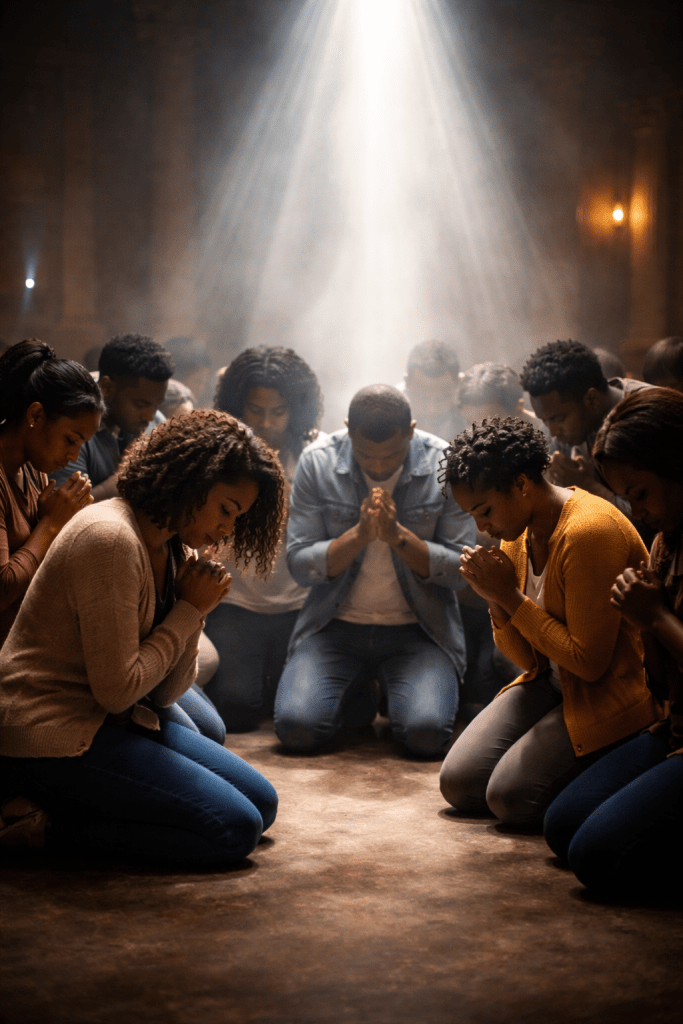
Hosea 4:6 (KJV) declares, “My people are destroyed for lack of knowledge: because thou hast rejected knowledge, I will also reject thee.” This scripture is a sobering reminder that ignorance is not just a personal issue—it can have generational, spiritual, and societal consequences. When people reject truth, they open the door to destruction, confusion, and bondage. Knowledge, in the biblical sense, is not merely intellectual information but deep understanding, discernment, and wisdom that lead to righteous living.

The danger of lacking knowledge begins with spiritual blindness. Without understanding who God is and what His Word says, people are vulnerable to false doctrines, manipulative leaders, and destructive choices. Proverbs 29:18 (KJV) warns, “Where there is no vision, the people perish: but he that keepeth the law, happy is he.” Vision here refers to divine revelation and guidance. When revelation is absent, chaos reigns.

Lack of knowledge also leads to cycles of oppression. History shows that when people are kept from education, they are easier to control. During slavery in America, it was illegal to teach enslaved Africans to read, precisely because knowledge would empower them to question their oppression and fight for freedom. This is why the Bible, literacy, and education were such powerful tools of liberation.

Psychologically, ignorance breeds fear and superstition. People without knowledge often rely on rumor, myth, or cultural tradition rather than truth. This can lead to destructive behaviors, prejudice, and generational curses. When individuals gain understanding—through study, therapy, and self-reflection—they can break free from unhealthy patterns and make wiser decisions.

Another danger of lacking knowledge is exploitation. Unscrupulous people take advantage of those who do not know their rights, their worth, or their purpose. Proverbs 22:3 (KJV) says, “A prudent man foreseeth the evil, and hideth himself: but the simple pass on, and are punished.” Without discernment, people fall into traps—whether financial scams, abusive relationships, or spiritual deception.

Lack of biblical knowledge specifically puts believers at risk of spiritual death. Jesus told the Sadducees, “Ye do err, not knowing the scriptures, nor the power of God” (Matthew 22:29, KJV). Without Scripture, people rely on human wisdom or popular culture for moral guidance, which often leads them away from God’s truth.

Overcoming ignorance requires an intentional pursuit of knowledge. Proverbs 4:7 (KJV) instructs, “Wisdom is the principal thing; therefore get wisdom: and with all thy getting get understanding.” This means believers must actively study, learn, and seek understanding—not only from books but from God through prayer, fasting, and fellowship.

Knowledge of the Bible is the foundation of true wisdom. Psalm 119:105 (KJV) says, “Thy word is a lamp unto my feet, and a light unto my path.” Scripture illuminates the right path and exposes lies. Regular Bible study, meditation on Scripture, and hearing sound teaching help believers grow in spiritual maturity and avoid deception.

Knowledge of self is also essential. Socrates famously said, “Know thyself,” and this wisdom aligns with Scripture’s call to self-examination. 2 Corinthians 13:5 (KJV) instructs, “Examine yourselves, whether ye be in the faith.” Understanding one’s identity in Christ brings confidence, purpose, and resilience against manipulation.

Psychology affirms that self-awareness is key to emotional intelligence and healthy decision-making. When people understand their strengths, weaknesses, and triggers, they are better equipped to respond rather than react, and to pursue growth rather than repeat mistakes.

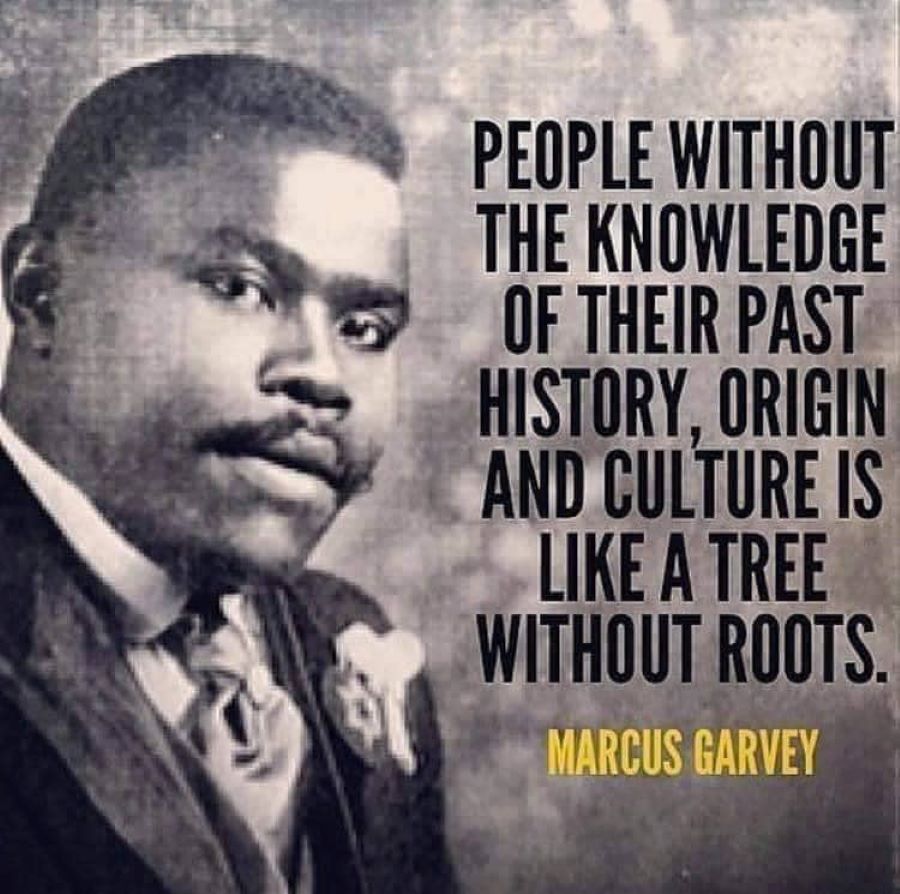
Communal knowledge is just as important as individual knowledge. Black history, for instance, has often been suppressed or whitewashed, leaving generations disconnected from their heritage. Reclaiming historical knowledge restores dignity, pride, and collective power. Hosea’s warning applies here too: forgetting the past leads to cultural and spiritual destruction.

Another way to overcome lack of knowledge is mentorship and discipleship. In the Bible, knowledge was often passed down orally and through apprenticeship. Paul discipled Timothy (2 Timothy 2:2, KJV), teaching him sound doctrine so that he could teach others. Today, mentorship helps people grow spiritually, professionally, and personally.

The Holy Spirit also plays a critical role in imparting knowledge. John 14:26 (KJV) promises that the Comforter will “teach you all things, and bring all things to your remembrance.” This means that divine revelation is not limited to human intellect—God Himself is willing to teach those who are willing to learn.

A lack of knowledge about health and wellness can also lead to destruction. Many illnesses are preventable through education about nutrition, exercise, and mental health. The Bible encourages stewardship of the body: “Know ye not that your body is the temple of the Holy Ghost?” (1 Corinthians 6:19, KJV).

Financial ignorance is another area where people perish. Proverbs 21:20 (KJV) notes that “There is treasure to be desired and oil in the dwelling of the wise; but a foolish man spendeth it up.” Learning budgeting, saving, and investing protects families from generational poverty and exploitation.

Overcoming lack of knowledge also requires humility. Proverbs 12:1 (KJV) says, “Whoso loveth instruction loveth knowledge: but he that hateth reproof is brutish.” Some reject knowledge because it challenges their worldview or pride. A teachable spirit allows one to grow and avoid destruction.

Social media can be both a danger and a blessing in this regard. While misinformation spreads quickly online, digital platforms also provide access to education, theology, and history. The key is discernment—testing every message against Scripture and credible sources.

Ultimately, knowledge must lead to action. James 1:22 (KJV) warns, “But be ye doers of the word, and not hearers only, deceiving your own selves.” Knowing what is right without doing it is self-deception. True knowledge transforms character and behavior.

In conclusion, lack of knowledge is dangerous because it leads to destruction—spiritually, emotionally, financially, and culturally. The solution is a relentless pursuit of truth: knowledge of God through His Word, knowledge of self through reflection, and knowledge of the world through study and discernment. When we seek wisdom, God promises to give it liberally (James 1:5, KJV). Knowledge is not just power—it is protection, freedom, and the life path.


References

  • DeGruy, J. (2005). Post Traumatic Slave Syndrome: America’s Legacy of Enduring Injury and Healing. Joy DeGruy Publications.
  • Goleman, D. (1995). Emotional Intelligence: Why It Can Matter More Than IQ. Bantam Books.
  • hooks, b. (1995). Killing Rage: Ending Racism. Henry Holt and Company.
  • Tatum, B. D. (2017). Why Are All the Black Kids Sitting Together in the Cafeteria? Basic Books.

Key KJV Scriptures: Hosea 4:6; Proverbs 29:18; Proverbs 4:7; Psalm 119:105; 2 Corinthians 13:5; 1 Corinthians 6:19; Proverbs 21:20; James 1:22; Matthew 22:29; John 14:26.


Internalized Whiteness: Beauty Standards and the Reverence for Eurocentric Features.

Black people in the United States and around the world have long contended with beauty ideals that place white, Eurocentric features at the top of a global hierarchy. These standards influence perceptions of skin, hair, facial structure, and desirability — shaping how individuals see themselves and each other. This phenomenon, when adopted within marginalized groups, is often referred to as internalized whiteness or internalized racism.

Internalized whiteness emerges when dominant cultural norms — rooted in white supremacy — become so embedded that they influence individuals’ self-value and self-image. This includes prioritizing lighter skin, straight hair, narrower noses, and thinner lips — traits historically associated with whiteness — over features more common among Black people.

At its core, internalized whiteness is not simply a matter of preference. It is a psychological and social legacy of historical oppression and exclusion — the aftermath of centuries in which European features were valorized while African features were devalued. This dynamic can play out within Black communities themselves, manifesting in preferences that mimic wider societal biases.

Research in psychology has found that internalized endorsement of Eurocentric beauty standards is associated with negative psychological outcomes for Black women, including increased anxiety and depression. This illustrates how deeply these aesthetic norms can penetrate individual self-worth.

Much of this beauty hierarchy has historical roots in colonialism and slavery. During slavery in the United States and Europe’s colonial enterprises globally, lighter skin was sometimes associated with proximity to enslaved persons’ masters or privileges — creating a rudimentary hierarchy of skin tone. This early color hierarchy evolved into modern colorism, where lighter skin and Eurocentric physical traits are socially rewarded.

Colorism — discrimination based on skin tone — is shaped by these beauty standards and operates both between and within racial groups. Studies have shown that within Black communities, lighter skin is often associated with social advantages, while darker skin correlates with disadvantage in socioeconomic status, relationships, and self-esteem.

This internalized ranking contributes to phenomena such as Black mothers complimenting mixed-race children for being “cute” while overlooking the beauty of darker-skinned children. Embedded beauty hierarchies can lead to intracommunity bias that privileges proximity to whiteness — a painful echo of larger societal values.

Internalized whiteness also shapes dating ideals. Within many Black communities, lighter or Eurocentric features are often perceived as more desirable. Researchers have documented how colorism can influence romantic relationships, with lighter-skinned individuals sometimes given preferential social attention or perceived as more attractive.

This dynamic is reinforced by media portrayals that celebrate Eurocentric standards. Television, film, and social media often highlight lighter skin and straighter hair as ideals of attractiveness, while darker skin and natural hair textures are marginalized or exoticized.

The entertainment industry itself reflects these norms. Colorism has long affected casting decisions, where lighter or Eurocentric Black actors may receive more visibility or roles reinforcing beauty ideals closer to whiteness. This can subtly encourage audiences to associate desirability with a closer resemblance to white aesthetics.

Prominent individuals have spoken about their own struggles with internalized beauty norms. Actor Taye Diggs has shared that he experienced self-esteem issues due to his dark skin during his youth and that seeing a dark-skinned model like Tyson Beckford celebrated for his looks helped shift his self-perception.

Diggs recounted that after seeing such representation, he felt more pride in his appearance — illustrating how affirming depictions can counteract internalized negative values.

Despite these pressures, there is a long tradition of movements that push back against internalized whiteness. The “Black Is Beautiful” movement, for example, explicitly affirmed the beauty of all African features and encouraged pride in Black identity and aesthetics.

Nonetheless, everyday social interactions continue to reflect internalized standards. Many within Black communities witness attitudes where darker skin or kinkier hair is overlooked or undervalued — sometimes even compared unfavorably to lighter skin or straighter hair. These preferences can create tension between generations and within peer groups.

Colorism also affects self-image in deeper ways. Adolescent Black girls who internalize beauty norms tied to whiteness often show lower body esteem and self-confidence, especially when media representations seldom reflect their own appearance.

The internalized gaze — the tendency to view oneself and one’s group through the lens of dominant Eurocentric ideals — is a psychological burden that can shape life choices, aspirations, and identity development.

Black individuals may also project these norms onto others. Stories of Black men and women expressing preferences for lighter-skinned or mixed partners indicate that societal beauty hierarchies persist even within marginalized groups. These patterns often reflect deeper social conditioning rather than genuine individual aesthetics.

For some, these preferences result in Black-on-Black criticism — for example, targeting darker-skinned individuals for perceived unattractiveness. Such intragroup conflict reflects the broader influence of external beauty standards internalized over time.

Within families, these dynamics can influence how children are treated and perceived. Some Black parents may unconsciously praise lighter or mixed-heritage children more frequently, reinforcing beauty standards rooted in whiteness.

However, research suggests that strong racial identity and cultural affirmation can mitigate the psychological effects of internalized whiteness. Black feminist consciousness and pride in African aesthetics have been linked to better body satisfaction and resilience against beauty ideals imposed by dominant culture.

Colorism and internalized whiteness do not only affect women. Men in Black communities may also internalize beauty hierarchies, influencing their preferences in partners and perceptions of themselves. These internalized biases can contribute to harmful social norms around desirability and masculinity.

Despite the deep roots of these issues, many in the Black community are actively resisting internalized beauty standards. Grassroots movements, cultural affirmations of natural hair care, skin tone diversity celebrations, and educational campaigns all challenge the notion that whiteness equals beauty.

Social media has become a space for Black creators to celebrate Afrocentric features, natural hair textures, and darker skin tones — offering counter-narratives to historical beauty hierarchies.

These cultural shifts are important because representation matters. Seeing diverse Black beauty celebrated publicly can weaken the internalized gaze and make space for fuller self-acceptance.

Fostering dialogue within families and communities about these issues can help dismantle internalized beauty standards. Education about the historical origins of these preferences can reveal how deeply they are rooted in systemic inequities, not biological superiority.

Ultimately, internalized whiteness and the reverence for Eurocentric features represent not an inherent flaw within Black people but the lingering psychological impact of centuries of racial domination and cultural marginalization.

Embracing Black aesthetics — in all their diversity — is part of the healing process. It involves reclaiming beauty definitions and affirming that Black features, skin tones, and hair textures are not only valid but inherently beautiful.

By understanding and challenging the internalized gaze, individuals and communities can move toward greater self-acceptance and collective pride.

Breaking free from these internalized hierarchies is not just a cultural shift — it’s a step toward racial justice and psychological liberation.


References

Dennis, A. C., DeAngelis, R., Hargrove, T. W., & Pearson, J. A. (2025). Colorism and health inequities among Black Americans: A biopsychosocial perspective. PMC. https://pmc.ncbi.nlm.nih.gov/articles/PMC12573201/?utm_source=chatgpt.com

Phoenix, A., & Craddock, N. (2024). Skin shade and relationships: How colourism pits Black and mixed Black-White women against each other. Frontiers in Sociology. https://pubmed.ncbi.nlm.nih.gov/39758188/?utm_source=chatgpt.com

Walker, S. T. (2014). Black beauty, white standards: Impacts on Black women and resources for resistance and resilience. University of Massachusetts Boston. https://scholarworks.umb.edu/doctoral_dissertations/147?utm_source=chatgpt.com

Williams, T. R., Sanders, S. M., Bass, J. E., Tookes-Williams, K., Popplewell, R., Hooper, V., & Garcia-Aguilera, C. (2025). Investigating the effects of racial identity on the relationship between Black women’s endorsement of Eurocentric beauty standards and psychological health. Women & Therapy. https://www.tandfonline.com/doi/full/10.1080/02703149.2025.2515013?utm_source=chatgpt.com

Internalized racism – Wikipedia. https://en.wikipedia.org/wiki/Internalized_racism?utm_source=chatgpt.com

Black is Beautiful – Wikipedia. https://en.wikipedia.org/wiki/Black_is_beautiful?utm_source=chatgpt.com

Taye Diggs commentary on colorism and self-esteem – Atlanta Black Star. https://atlantablackstar.com/2012/01/19/taye-diggs-reveals-black-men-are-scarred-by-colorism/?utm_source=chatgpt.com

Ode to the shades of Brown

Oh, the shades of brown, rich as the earth,
From the deepest mahogany to the honeyed warmth of birth.
You tell stories of ancestry, of kings and queens,
Of rivers crossed and lands unseen.

Your skin, a tapestry woven by God’s own hand,
A palette divine, too vast to understand.
Every tone a hymn, every hue a song,
A testament of resilience, proud and strong.

In sunlight, you shimmer like burnished gold,
A brilliance no lens nor mirror can hold.
In shadow, you speak of depth and grace,
Of sacred histories, time cannot erase.

Oh, chestnut, cocoa, and espresso hues,
Each a reflection of ancient truths.
Each freckle, each mole, a jewel to behold,
A story of courage, of valor untold.

Caramel whispers of warmth and light,
Mocha radiates quiet power in sight.
Amber gleams with a gentle fire,
Chestnut glows with ancestral desire.

The shades of brown, both subtle and bold,
Carry legacies neither bought nor sold.
From slave cabins to palaces, from fields to streets,
Your beauty defies oppression, never retreats.

KJV Truth sings in your radiant skin:
Psalm 139:14 – “I am fearfully and wonderfully made.”
Every shade, every tone, every nuance,
A reflection of God’s artistry, perfect and true.

Celebrate your brown, in all its delight,
From dawn’s soft glow to the velvet of night.
No pigment dictates your worth or your place,
Your brown is divine, imbued with God’s grace.

Oh, the shades of brown, a spectrum so vast,
From subtle taupe to the boldest cast.
You are power, beauty, endurance, and art,
A masterpiece woven straight from God’s heart.

So rise, brown daughters, with pride in your skin,
Let no world’s bias define what’s within.
Your shade is a crown, your hue is a song,
In the orchestra of creation, you alone belong.

The phrase “shades of brown” reflects more than just physical variation in skin tone—it represents a complex social reality shaped by history, power, and perception. Across the African diaspora and other communities of color, differences in skin tone have been given meaning within systems that rank and assign value to people based on how light or dark they appear. This phenomenon, known as Colorism, continues to influence identity, opportunity, and self-perception.

Colorism has deep roots in the history of slavery and colonialism. During the transatlantic slave trade, lighter-skinned enslaved individuals—many of whom were of mixed ancestry—were sometimes given preferential treatment, such as working in the house rather than in the fields. These divisions were not accidental; they reinforced a hierarchy that placed whiteness, and proximity to it, at the top. Over time, these patterns became internalized within communities, creating lasting divisions based on complexion.

The legacy of these practices can still be seen today. Lighter skin is often associated with beauty, success, and desirability, while darker skin is unfairly stigmatized. This bias is reinforced through media representation, where lighter-skinned individuals are frequently overrepresented in leading roles, advertisements, and positions of influence. As a result, societal standards of beauty often reflect a narrow range of features tied to Eurocentric ideals.

From a sociological perspective, colorism operates as a learned norm within Sociology, passed down through generations and reinforced by institutions such as media, education, and family structures. Individuals absorb these messages early in life, shaping how they view themselves and others. Children, for example, may begin to associate lighter skin with positive traits and darker skin with negative ones, even without explicit instruction.

The psychological impact of colorism is significant. Studies have shown that individuals with darker skin tones may experience lower self-esteem, higher levels of discrimination, and reduced access to opportunities in areas such as employment and education. This aligns with Social Identity Theory, which explains how people derive part of their self-worth from how their group is perceived in society. When darker skin is devalued, it can negatively affect individual identity and confidence.

In addition to its psychological effects, colorism also has economic consequences. Research suggests that lighter-skinned individuals, on average, earn higher incomes and are more likely to be perceived as professional or trustworthy. These disparities highlight how deeply embedded color bias is within social and institutional structures.

The concept of “shades of brown” also intersects with ideas of mixed race and racial ambiguity. Individuals with lighter or racially ambiguous features are often treated differently, sometimes receiving privileges not afforded to darker-skinned individuals. However, this can also come with its own challenges, including questions about identity and belonging.

The Media continues to play a central role in reinforcing color hierarchies. Through film, television, and social media, certain looks are elevated while others are marginalized. The lack of diverse representation contributes to a limited understanding of beauty and perpetuates harmful stereotypes.

At the same time, there has been a growing movement to challenge colorism and celebrate darker skin tones. Campaigns promoting inclusivity and representation have begun to shift public perception, encouraging a broader and more authentic definition of beauty. Social media, while part of the problem, has also become a platform for advocacy and empowerment.

Education and awareness are key to addressing colorism. By understanding its historical roots and recognizing its modern impact, individuals and communities can begin to dismantle these biases. Conversations about colorism help to bring attention to an issue that is often overlooked but deeply felt.

Ultimately, the “shades of brown” are a testament to human diversity, not a hierarchy of value. Skin tone variation is a natural result of genetic adaptation and ancestry, not a measure of worth. Challenging colorism requires both individual reflection and collective action to redefine standards and promote equity.

The journey toward dismantling colorism is ongoing, but it begins with recognizing that all shades carry equal beauty, dignity, and significance. By confronting these biases, society can move closer to a more inclusive and just understanding of identity.


References

Hunter, M. (2007). The persistent problem of colorism: Skin tone, status, and inequality. Sociology Compass, 1(1), 237–254.

Keith, V. M., & Herring, C. (1991). Skin tone and stratification in the Black community. American Journal of Sociology, 97(3), 760–778.

Monk, E. P. (2015). The cost of color: Skin color, discrimination, and health among African Americans. American Journal of Sociology, 121(2), 396–444.

Dixon, T. L., & Telles, E. E. (2017). Skin color and colorism: Global research, concepts, and measurement. Annual Review of Sociology, 43, 405–424.

Hall, R. E. (2018). The Bleaching Syndrome: African Americans’ Response to Cultural Domination. Springer.

When Melanin Isn’t Enough

Photo by Daryl Johnson on Pexels.com

To be cloaked in melanin is to carry the history of a people, the beauty of creation, and the strength of survival. Yet for many, that sacred covering has not always guaranteed belonging, protection, or peace. When Melanin Isn’t Enough explores the painful paradox of being richly pigmented in a world that celebrates Black culture but resists Black humanity. It is a confession and a lament—a recognition that melanin, though powerful, cannot shield the heart from systems designed to wound it.

Melanin was meant to be glory. It is the pigment that absorbs sunlight and turns it into strength, a biological brilliance that protects, preserves, and radiates. Yet society, poisoned by racism and colonial beauty ideals, has turned that divine gift into a social marker of inferiority. For centuries, Blackness has been commodified and criminalized—embraced when fashionable, erased when inconvenient. The contradiction leaves many asking: if my skin carries the sun, why must I still fight to prove my worth under its light?

The struggle begins early. In classrooms and playgrounds, darker-skinned children often face ridicule, while lighter tones are subtly praised. These small moments plant seeds of self-doubt that blossom into lifelong insecurities. The child learns that melanin is both identity and liability, and the world’s mixed messages fracture the soul. “Am I too dark to be loved? Too Black to be accepted?” These questions echo long after childhood, haunting the adult who must unlearn the lies planted in innocence.

For the Black woman, melanin becomes both armor and target. She is admired when her features fit aesthetic trends, but dismissed when her authenticity challenges Eurocentric comfort. Her beauty is borrowed by fashion and filtered by media, yet she is often denied the credit for the culture she creates. When melanin isn’t enough, her humanity becomes conditional—validated only when it entertains or conforms.

The Black man, too, feels this contradiction deeply. His melanin, symbolizing ancestral might, is perceived through a lens of fear. His strength becomes threat; his presence, politicized. No matter how articulate, accomplished, or gentle he becomes, his skin too often writes his story before he speaks. He must navigate the exhausting tightrope between pride and safety, power and perception.

Melanin should have been a bridge of unity, but within the Black community, it sometimes becomes a border. Colorism, born from colonial residue, divides sisters and brothers into categories of worth. Light-skinned privilege and dark-skinned pain intersect in cycles of jealousy, guilt, and misunderstanding. This internal division weakens collective power, fulfilling the enemy’s agenda of disunity. Scripture warns, “Every kingdom divided against itself is brought to desolation” (Matthew 12:25, KJV). Healing requires honest reckoning with these inherited wounds.

Spiritually, when melanin isn’t enough, it is because the war is not of flesh but of perception. The world has misnamed Blackness—calling divine what is pale and calling inferior what is holy. Yet the Word declares, “I am fearfully and wonderfully made” (Psalm 139:14, KJV). The Creator, who formed man from the dust of the ground, did not err in His design. Melanin was God’s intentional artistry, not a cosmic afterthought. The error lies not in the pigment but in the gaze that refuses to see it as divine.

The emotional toll of that misperception is immense. Many who are richly melanated still feel unseen—rejected in corporate spaces, romantic relationships, and even faith communities. Society consumes the aesthetic of Blackness but denies its depth. From music to fashion to slang, melanin is celebrated in fragments while its full humanity is ignored. The world wants Black culture without Black people.

In this tension, faith becomes refuge. The believer learns that divine validation transcends social opinion. The Bible reminds us in 1 Samuel 16:7 that “man looketh on the outward appearance, but the Lord looketh on the heart.” When melanin isn’t enough to earn human acceptance, grace becomes the garment that restores identity. The faithful must remember that worth is not measured by shade or status, but by spiritual alignment.

History reveals that melanin alone did not save our ancestors from oppression—but their faith did sustain them. Enslaved Africans sang songs of deliverance even while bound, trusting a God who saw their pain beyond their pigmentation. Their melanin was their mark of identity, but their endurance was their proof of divinity. It reminds us that liberation is both physical and spiritual; the chains on the body can break faster than the chains on the mind.

Modernity presents a new kind of bondage—the bondage of performance. Blackness has become commodified, reduced to trends and tokens. Melanin-rich influencers are celebrated online, but the same society often neglects justice for the oppressed. Aesthetic appreciation without moral accountability is hollow. When melanin becomes a brand instead of a birthright, identity becomes performance rather than truth.

Healing begins with revelation. Melanin is enough—when seen through the eyes of God. It is enough when rooted in purpose, not performance. But it cannot bear the full burden of validation in a world still blind to its worth. The solution lies in balance: to love the skin without idolizing it, to embrace heritage without becoming enslaved to it, and to seek wholeness that begins within.

Community restoration depends on collective healing. When melanin-rich people affirm one another across shades and experiences, they dismantle centuries of divide-and-rule. Love becomes the new language of liberation. “Above all these things put on charity, which is the bond of perfectness” (Colossians 3:14, KJV). Only love—divine and communal—can make melanin more than enough.

Ultimately, When Melanin Isn’t Enough is a call to transcend pigment politics and embrace spiritual purpose. Melanin may be our covering, but it is not our completion. Our identity is not limited to skin but rooted in spirit. We are more than color—we are covenant. More than beautiful—we are chosen. The world may not always recognize that truth, but Heaven already has.

References

  • The Holy Bible, King James Version. (1611).
  • Banks, T. A. (2019). Colorism and the politics of beauty. Journal of Black Studies, 50(3), 243–261.
  • Hunter, M. (2007). The persistent problem of colorism: Skin tone, status, and inequality. Sociology Compass, 1(1), 237–254.
  • Walker-Barnes, C. (2020). Too heavy a yoke: Black women and the burden of strength. Cascade Books.
  • hooks, b. (1992). Black looks: Race and representation. South End Press.
  • West, C. (1993). Race matters. Beacon Press.

The Woman Diaries: Why Waiting Until Marriage Is Beneficial to a Woman.

Flee fornication

(1 Corinthians 6:18, KJV)

Is a direct and urgent admonition found in Scripture, reminding believers to avoid sexual immorality because of its profound spiritual and physical implications. The apostle Paul emphasizes that sexual sin is uniquely significant because it is committed against one’s own body, which God has created with sacred purpose and design. For women in particular, this biblical instruction calls for wisdom, discernment, and the guarding of one’s personal and spiritual integrity.

A woman should therefore be mindful to guard her essence, recognizing the sacred value of her body and spirit. From both a theological and moral perspective, the female body is not merely physical but deeply spiritual in nature. Scripture teaches that the body is the temple of the Holy Spirit (1 Corinthians 6:19–20, KJV), emphasizing that it is to be treated with reverence, discipline, and honor. Within this framework, a woman’s physical being carries divine significance and should not be approached casually or without discernment.

Women are uniquely designed to receive, nurture, and cultivate life—physically, emotionally, and spiritually. Because of this profound capacity, the intimate act of sexual union holds deeper implications than simple physical pleasure. It is an exchange that involves emotional bonding, spiritual connection, and psychological attachment. For this reason, guarding one’s intimacy is an act of wisdom and self-respect, acknowledging that such a union was divinely intended to occur within the covenant of marriage.

To safeguard one’s body is therefore to safeguard one’s dignity, identity, and spiritual well-being. A woman’s body is precious, worthy of honor, and deserving of protection. Within biblical teaching, the fullness of physical intimacy is reserved for the sacred bond between husband and wife, where love, commitment, and covenant provide the proper foundation for such a profound union. In this sense, a woman who guards her intimacy affirms both her intrinsic worth and the divine purpose for which her body was created.

In a culture that often promotes instant gratification and casual relationships, the idea of waiting until marriage for sexual intimacy can seem outdated or “old-fashioned.” Yet for many women—both young and mature—this decision remains deeply meaningful. Waiting is not merely about tradition or religious rules; it is about emotional health, spiritual alignment, personal dignity, and long-term well-being.

For women exploring relationship and life choices, the conversation about sexual boundaries deserves thoughtful reflection rather than social pressure. Understanding how intimacy affects the body, mind, and spirit can empower women to make decisions that honor themselves and their values. From a biblical perspective, the body is sacred before God, and sexual union was designed to exist within the covenant of marriage (1 Corinthians 6:18–20; Hebrews 13:4, King James Version).

Waiting until marriage is therefore not a limitation—it can be a powerful act of self-respect and wisdom.


Understanding What Happens During Sexual Intimacy

Sexual intimacy is not merely physical. It involves complex biological, psychological, and emotional processes that affect men and women differently.

Research shows that the female brain releases bonding hormones such as oxytocin and vasopressin during sexual intimacy. Oxytocin is sometimes called the “bonding hormone” because it increases emotional attachment and trust between partners (Carter, 1998). This means that sexual activity can naturally deepen a woman’s emotional connection to a partner, even if the relationship itself lacks stability or commitment.

Men, however, are often socialized differently in many cultures. While men also release bonding hormones, evolutionary psychology research suggests that men may experience sexual encounters with less immediate emotional bonding compared to women (Fisher, 2004). This difference does not mean men do not care, but it highlights how intimacy can impact women’s emotional well-being more intensely.

When a woman becomes sexually involved with a man outside the covenant of marriage, the emotional attachment formed may not always be reciprocated with equal commitment. This imbalance can lead to heartbreak, confusion, and emotional wounds.

From a biblical standpoint, sexual intimacy is intended to unite two people in covenant. Scripture teaches that sexual union creates a “one flesh” bond (Genesis 2:24). When this union occurs outside marriage, it can create emotional and spiritual conflict because the relationship lacks the covenantal protection God designed.


Three Research-Supported Benefits of Waiting Until Marriage

1. Stronger Emotional and Relationship Stability

Women who wait until marriage often report greater relationship satisfaction and stability.

A study from the Institute for Family Studies found that couples who waited until marriage to have sex reported higher levels of marital satisfaction and communication compared to those who were sexually involved earlier in the relationship (Busby, Carroll, & Willoughby, 2010).

Benefits include:

  • Deeper emotional intimacy before physical intimacy
  • Stronger communication and trust
  • Reduced comparison with previous partners
  • Greater long-term relationship satisfaction

When intimacy is reserved for marriage, couples often build a stronger foundation of friendship, shared values, and spiritual connection first. These elements are essential for lasting relationships.

From a biblical perspective, patience in relationships reflects wisdom and self-control, qualities praised throughout scripture (Proverbs 4:7; Galatians 5:22–23).


2. Protection from Physical Health Risks

Waiting until marriage also significantly reduces exposure to sexually transmitted infections (STIs) and other health risks.

According to the Centers for Disease Control and Prevention, nearly 20 million new sexually transmitted infections occur each year in the United States, with young adults representing a large portion of new cases (CDC, 2023).

Some of these infections include:

  • Human papillomavirus (HPV)
  • Chlamydia
  • Gonorrhea
  • HIV
  • Herpes

Certain infections can lead to long-term health complications such as infertility, cervical cancer, and chronic illness. While modern medicine offers treatment options, prevention remains the safest approach.

Waiting until marriage with a committed partner greatly reduces these risks and allows both partners to enter intimacy with greater health security.

The biblical principle behind sexual boundaries also emphasizes protection. Scripture repeatedly warns against fornication because it harms the body and spirit (1 Corinthians 6:18).


3. Greater Self-Worth and Personal Empowerment

Contrary to the idea that waiting is restrictive, many women find that setting sexual boundaries strengthens their sense of self-worth.

Choosing to wait can help women:

  • Maintain control over their bodies and life choices
  • Avoid emotional entanglements that hinder personal growth
  • Focus on education, career, and spiritual development
  • Seek partners who value commitment and respect

Women who establish clear boundaries often attract partners who are serious about long-term commitment rather than temporary pleasure.

From a spiritual perspective, the Bible teaches that the body is a temple of the Holy Spirit (1 Corinthians 6:19). Viewing the body as sacred encourages women to treat themselves with dignity and purpose.

Waiting until marriage becomes an expression of self-respect rather than a restriction imposed by society.


Addressing Common Misconceptions

“Waiting Until Marriage Is Old Fashioned”

Some argue that waiting until marriage is outdated in modern society. However, personal values are not determined by cultural trends. Many women today intentionally choose this path because it aligns with their emotional, spiritual, and personal goals.

True empowerment involves making choices that reflect one’s values rather than simply following societal expectations.

“Sex Is Necessary to Test Compatibility”

Another common argument suggests that couples must have sex before marriage to determine compatibility. Yet research indicates that communication, shared values, emotional intimacy, and conflict resolution skills are far stronger predictors of relationship success than sexual experience alone (Stanley, Rhoades, & Markman, 2006).

Healthy marriages are built on trust, respect, and commitment—not experimentation.


Building Strong Emotional and Spiritual Foundations

Waiting until marriage encourages women to cultivate relationships that prioritize emotional and spiritual connection first.

This process may include:

  • Developing meaningful friendships within the relationship
  • Praying and seeking spiritual guidance
  • Learning communication and conflict resolution skills
  • Establishing mutual respect and shared goals

When physical intimacy finally occurs within marriage, it becomes a celebration of covenant rather than a source of confusion or regret.

The Bible emphasizes the beauty of intimacy within marriage, describing it as honorable and blessed (Hebrews 13:4).


Final Thoughts: Honoring Your Sacred Worth

Every woman deserves love that is committed, respectful, and honorable. Waiting until marriage is not about shame, restriction, or judgment—it is about protecting the heart, honoring the body, and building relationships rooted in trust and covenant.

Key takeaways include:

  • Sexual intimacy creates powerful emotional bonds.
  • Waiting until marriage can strengthen relationships and reduce emotional harm.
  • It protects physical health and reduces exposure to disease.
  • It reinforces self-respect and spiritual alignment.

Your body is sacred before God, and the choices you make about intimacy carry both emotional and spiritual significance.

For women navigating the complexities of modern relationships, choosing patience and discernment can be one of the most empowering decisions you make. Waiting is not weakness—it is wisdom, dignity, and faith in action.

And when the right covenant relationship arrives, intimacy becomes not just physical pleasure, but a profound union blessed by love, commitment, and God.


References

Busby, D. M., Carroll, J. S., & Willoughby, B. J. (2010). Compatibility or restraint? The effects of sexual timing on marriage relationships. Journal of Family Psychology, 24(6), 766–774.

Carter, C. S. (1998). Neuroendocrine perspectives on social attachment and love. Psychoneuroendocrinology, 23(8), 779–818.

Centers for Disease Control and Prevention. (2023). Sexually transmitted infections surveillance report. https://www.cdc.gov

Fisher, H. (2004). Why we love: The nature and chemistry of romantic love. Henry Holt.

Stanley, S. M., Rhoades, G. K., & Markman, H. J. (2006). Sliding versus deciding: Inertia and the premarital cohabitation effect. Family Relations, 55(4), 499–509.

The Holy Bible, King James Version. (1611/2017).

The Chosen Ones Series: The Battles That The Most High God told You to Avoid.

For those who believe they are called, appointed, or set apart by God, life often comes with a heightened awareness of spiritual responsibility. Many individuals who walk a faith-centered path feel compelled to intervene in every conflict, defend every injustice, and solve every problem they encounter. Yet scripture repeatedly teaches that not every battle belongs to us. Some conflicts are spiritual tests of restraint, humility, and trust in divine justice.

The Bible reminds believers that God Himself is the ultimate judge and avenger. In a world filled with offense, betrayal, and misunderstanding, the temptation to retaliate or defend one’s honor can be powerful. However, spiritual maturity requires the discipline to release personal revenge and allow God to act according to His perfect will and timing.

Personal revenge may feel justified when someone has been wronged, but scripture clearly warns against it. The human desire to settle scores can easily lead to bitterness, anger, and destructive cycles of retaliation. The Apostle Paul instructed believers to resist this urge and instead trust that God sees every injustice.

In Romans 12:19, the Apostle Paul writes, “Dearly beloved, avenge not yourselves, but rather give place unto wrath: for it is written, Vengeance is mine; I will repay, saith the Lord.” This passage reminds believers that retaliation is not their responsibility. Divine justice operates beyond human perception, and God ultimately restores balance in ways people cannot.

Many spiritual people exhaust themselves trying to prove their worth to others. Seeking approval, admiration, or validation from people can become a quiet spiritual trap. When individuals base their identity on the opinions of others, they become emotionally dependent on external affirmation.

The desire for admiration often stems from a deeper need for acceptance and belonging. Social media culture, public recognition, and societal pressures encourage people to measure their value through applause and popularity. Yet spiritual identity is not determined by human approval but by divine purpose.

Jesus Himself warned against living for public admiration. In Matthew 6:1, He cautioned His followers to avoid performing acts of righteousness merely to be seen by others. Faith, according to Christ, is meant to be genuine and sincere, not a performance for applause.

People pleasing can quietly drain the spirit. When a person constantly adjusts their behavior to keep everyone happy, they sacrifice their own emotional and spiritual well-being. This cycle creates exhaustion because no human being can satisfy every expectation placed upon them.

Those who feel spiritually chosen often believe they must carry everyone’s burdens. They feel responsible for fixing every broken situation, mediating every conflict, and rescuing others from their problems. While compassion is a noble quality, assuming the role of savior for everyone is neither healthy nor biblical.

Scripture teaches that God alone is the ultimate burden bearer. Believers are called to help others, but they are not responsible for solving every problem. Attempting to carry burdens that belong to God often leads to burnout, anxiety, and spiritual fatigue.

Jesus invites believers to release their burdens in Matthew 11:28 when He says, “Come unto me, all ye that labour and are heavy laden, and I will give you rest.” This invitation reflects a central principle of faith: God does not expect His followers to carry the weight of the world alone.

The battle of self often proves more difficult than conflicts with others. Internal struggles such as pride, insecurity, and the need for validation can become spiritual obstacles. These inner battles require humility and self-reflection rather than confrontation with others.

Many conflicts that people engage in are rooted in ego rather than righteousness. The need to prove oneself right, defend reputation, or win arguments often disguises itself as moral courage. In reality, these battles can distract believers from their spiritual calling.

Wisdom involves discerning which battles are worth fighting. The Book of Proverbs frequently emphasizes restraint, teaching that wise individuals avoid unnecessary conflict. Silence, patience, and humility can often be more powerful than confrontation.

In Proverbs 20:3, scripture declares, “It is an honour for a man to cease from strife: but every fool will be meddling.” This verse highlights the virtue of restraint. Walking away from certain conflicts is not weakness but wisdom.

Another draining battle is the constant need to explain oneself. People often feel pressured to justify their decisions, beliefs, or boundaries to everyone around them. Yet spiritually grounded individuals understand that not everyone will understand their path.

Jesus Himself faced misunderstanding and criticism throughout His ministry. Despite this, He did not spend His time trying to win over every skeptic or satisfy every critic. Instead, He remained focused on His mission.

When individuals attempt to gain universal approval, they often lose sight of their purpose. The Apostle Paul acknowledged this tension in Galatians 1:10 when he wrote that seeking the approval of people rather than God would make him a servant of men rather than a servant of Christ.

Another hidden battle is the pressure to always be strong for others. People who are viewed as spiritually mature or emotionally resilient are often expected to carry the emotional weight of everyone around them. This expectation can become overwhelming.

Even the strongest spiritual leaders needed rest and solitude. Throughout the Gospels, Jesus frequently withdrew from crowds to pray and restore His strength. These moments reveal that spiritual renewal requires intentional withdrawal from constant demands.

Trying to fight battles that do not belong to you can drain both emotional energy and spiritual clarity. When individuals become entangled in every conflict around them, they lose the ability to focus on their own spiritual growth.

Boundaries are essential for spiritual health. Recognizing which battles belong to you and which belong to God requires discernment and humility. Not every injustice requires your intervention.

There are moments when silence is more powerful than argument. Walking away from conflict allows God to intervene in ways that human confrontation cannot achieve.

Spiritual wisdom involves trusting God’s timing. Immediate retaliation may feel satisfying, but divine justice often unfolds in ways that require patience and faith.

When believers release the need for revenge, validation, and approval, they experience freedom. Their identity becomes rooted in God rather than the shifting opinions of others.

Learning to surrender battles to God requires faith. It involves trusting that God sees every injustice, hears every prayer, and understands every hidden struggle.

The process of surrender is not passive; it is an act of spiritual discipline. It requires resisting the urge to intervene where God has instructed patience.

When individuals stop fighting unnecessary battles, they conserve their strength for the battles that truly matter—those involving justice, truth, faith, and righteousness.

Peace often arrives when people release the need to control outcomes. By allowing God to carry burdens that were never meant for human shoulders, believers experience spiritual clarity and emotional relief.

Ultimately, the chosen path is not about fighting every battle but about discerning the ones God has called you to face. Some battles are meant to be fought with courage, while others are meant to be surrendered in faith.

The wisdom of the faithful lies in knowing the difference.


References

The Holy Bible, King James Version.

Cloud, H., & Townsend, J. (2017). Boundaries: When to Say Yes, How to Say No to Take Control of Your Life. Zondervan.

Peterson, E. H. (2002). The Message: The Bible in Contemporary Language. NavPress.

Willard, D. (1998). The Divine Conspiracy: Rediscovering Our Hidden Life in God. HarperOne.

Smedes, L. B. (1996). Forgive and Forget: Healing the Hurts We Don’t Deserve. HarperOne.

The Brown Girl Dilemma: #teamlightskin #teamdarkskin — The Loss of Identity

Photo by kings ent shot on Pexels.com

The conversation around skin tone in the Black community has long been fraught with pain, division, and misunderstanding. The rise of social media hashtags such as #teamlightskin and #teamdarkskin has amplified old wounds under the guise of humor, preference, and cultural pride. Yet beneath these digital expressions lies a centuries-old dilemma—the fragmentation of identity for brown-skinned women navigating the intersections of race, gender, and colorism. This dilemma is not simply about complexion; it is about the loss of identity and the ongoing negotiation of worth in societies shaped by white supremacy and internalized oppression.

Historically, the preference for lighter skin among Black populations is rooted in the legacy of slavery and colonialism. Enslaved Africans with lighter skin were often granted privileges, sometimes working inside homes while darker-skinned individuals endured harsher field labor (Hunter, 2007). These divisions created an internal hierarchy that continues to reverberate in modern times. For the brown girl—often caught in the middle of these divisions—her identity becomes fractured, leaving her struggling to find where she belongs.

The hashtags #teamlightskin and #teamdarkskin perpetuate these divisions by forcing women to align with one category or another. While intended by some as playful banter, they reinforce harmful binaries that pit Black women against each other. For brown girls, who do not neatly fit into either category, these labels become restrictive. They are reminded constantly that their beauty, desirability, and even value are measured not only against whiteness but also within a racialized color hierarchy.

This loss of identity manifests in social, psychological, and relational ways. Psychologically, colorism has been linked to decreased self-esteem, internalized shame, and identity confusion (Keith & Herring, 1991). Brown girls often feel they are “not light enough” to benefit from color privilege and “not dark enough” to claim solidarity with darker-skinned peers. This creates a liminal space of invisibility where their identity feels erased.

In social contexts, these divisions play out in dating preferences, media representation, and peer dynamics. Research has shown that lighter-skinned women are more likely to be idealized in media portrayals and considered more desirable in dating (Monk, 2014). Meanwhile, darker-skinned women are often subject to stereotypes of strength or undesirability. Brown-skinned women, suspended between these polarities, often face erasure—their stories and representations diminished because they do not fit neatly into either category.

Culturally, these divisions are exacerbated by music, entertainment, and social media. Hip-hop lyrics frequently highlight “redbones” or “yellow bones,” reinforcing the desirability of light-skinned women (Stephens & Few, 2007). At the same time, movements celebrating dark-skinned beauty, such as #melaninpoppin, emphasize resistance to colorist standards but can still inadvertently leave brown girls feeling sidelined. This cultural polarization means that the brown girl is constantly negotiating her place in conversations about beauty, desirability, and identity.

Theologically, this dilemma represents a distortion of God’s creation. Scripture affirms that humanity was created in the image of God (Genesis 1:27), and Acts 17:26 (KJV) reminds us that God “hath made of one blood all nations of men.” Yet colorism corrupts this truth, dividing sisters against each other and breeding insecurity. Instead of celebrating diversity in melanin as divine artistry, the #teamlightskin vs. #teamdarkskin divide reduces identity to shade categories that deny the fullness of Black womanhood.

Brown girls often internalize these divisions as pressure to prove themselves. Some attempt to emphasize their lightness in certain contexts while downplaying it in others, depending on the cultural capital of the moment. Others lean toward embracing dark-skinned solidarity to escape accusations of privilege, only to feel dismissed by those who view them as not “dark enough.” This constant shifting creates identity fatigue and emotional exhaustion.

At the heart of this dilemma is the colonial mentality that equates proximity to whiteness with value. Frantz Fanon (1952/2008) argued that colonized people often internalize the desire to embody whiteness, whether through skin tone, hair texture, or cultural assimilation. Brown girls navigating this reality often feel caught between rejecting whiteness and not fully being embraced by Black communities divided by color lines. Their loss of identity, then, is both imposed by society and perpetuated within the community itself.

The effects of this dilemma are intergenerational. Mothers, grandmothers, and peers pass down explicit and implicit messages about skin tone, often reinforcing preferences rooted in colonial history (Russell et al., 2013). Brown girls grow up hearing phrases like “stay out of the sun” or “you’re lucky you’re not too dark,” which embed colorist logic into their sense of self. This inheritance ensures that the dilemma persists across generations unless intentionally confronted and dismantled.

Mental health consequences for brown girls cannot be overlooked. Research links experiences of colorism with depression, body dysmorphia, and even disordered eating (Thompson & Keith, 2001). The constant scrutiny of their skin tone and the pressure to fit into light or dark categories leave brown girls without a stable sense of self. This crisis of identity reflects the trauma of cultural erasure and the weight of impossible beauty standards.

Education and media representation play critical roles in either reinforcing or challenging this dilemma. When classrooms, textbooks, and films predominantly showcase lighter-skinned or Eurocentric standards of beauty, brown girls internalize the message that they are less visible and less valued. Conversely, inclusive representation that highlights the full spectrum of Black beauty can provide affirmation and belonging.

Social media, while often amplifying divisions, can also be harnessed to dismantle them. Hashtags that celebrate all shades of melanin, such as #BrownSkinGirl popularized by Beyoncé, can offer visibility and affirmation to brown girls who otherwise feel invisible. Yet these movements must move beyond aesthetics to address the deeper psychological and structural roots of colorism.

Breaking free from the brown girl dilemma requires intentional identity reconstruction. This means redefining beauty and worth beyond color hierarchies, rooting identity in culture, heritage, and divine value rather than arbitrary shade categories. It also requires challenging internalized colonial logic and choosing solidarity across the Black spectrum rather than competition.

Churches, schools, and families must be proactive in teaching young girls the truth of their worth. Biblical texts such as Psalm 139:14 affirm that we are “fearfully and wonderfully made.” Such affirmations, when reinforced in community, help brown girls resist the lies of colorism. Mentorship programs and intergenerational conversations can also equip them to navigate identity struggles with resilience and pride.

Communal healing also depends on dismantling the false binaries of light and dark. The reality is that Black identity is not monolithic but expansive, encompassing a wide range of shades, textures, and experiences. Celebrating this diversity rather than segmenting it is crucial for rebuilding collective identity. As Audre Lorde (1984) argued, difference should be a source of strength rather than division.

Ultimately, the brown girl dilemma symbolizes a broader cultural crisis—the fragmentation of identity under oppressive systems. By confronting colorism, rejecting shade hierarchies, and affirming every shade of Black beauty, communities can restore what has been lost. The brown girl, no longer forced to choose between #teamlightskin or #teamdarkskin, can embrace her full identity without compromise.

In conclusion, the hashtags #teamlightskin and #teamdarkskin reveal the persistence of colorism in digital spaces but also highlight the urgent need for healing. The brown girl dilemma underscores the psychological, social, and spiritual costs of dividing identity along shade lines. Only through intentional cultural, educational, and spiritual transformation can the loss of identity be restored, allowing brown girls—and all Black women—to flourish in their full humanity.


References

  • Fanon, F. (2008). Black skin, white masks. Grove Press. (Original work published 1952)
  • Hunter, M. (2007). The persistent problem of colorism: Skin tone, status, and inequality. Sociology Compass, 1(1), 237–254.
  • Keith, V. M., & Herring, C. (1991). Skin tone and stratification in the Black community. American Journal of Sociology, 97(3), 760–778.
  • Lorde, A. (1984). Sister outsider: Essays and speeches. Crossing Press.
  • Monk, E. P. (2014). Skin tone stratification among Black Americans, 2001–2003. Social Forces, 92(4), 1313–1337.
  • Russell, K., Wilson, M., & Hall, R. (2013). The color complex: The politics of skin color among African Americans. Anchor Books.
  • Stephens, D. P., & Few, A. L. (2007). Hip hop honey or video ho: African American preadolescents’ understanding of female sexual scripts in hip hop culture. Sexuality & Culture, 11(4), 48–69.
  • Thompson, M. S., & Keith, V. M. (2001). The Blacker the berry: Gender, skin tone, self-esteem, and self-efficacy. Gender & Society, 15(3), 336–357.

Boy Meets Girl Series: Episode 2 — The First Look

The first look was not born of haste, but of recognition. It carried weight, not urgency, as though something ancient stirred beneath the surface of the moment. He did not see her as a conquest to be claimed, but as a mystery to be honored. In that first exchange, the spirit spoke before the flesh ever dared to respond.

From the beginning, God established that union is His idea, not man’s invention. When Adam first beheld Eve, his words were not lustful, but revelatory: “This is now bone of my bones, and flesh of my flesh” (Genesis 2:23, KJV). The first look in Scripture was a moment of divine unveiling, not indulgence, showing that recognition precedes possession.

Adam did not search the garden for Eve; God brought her to him. This pattern matters. Man does not manufacture covenant by desire alone. Scripture is clear that God is the one who presents, aligns, and authorizes union. “And the LORD God said, It is not good that the man should be alone” (Genesis 2:18, KJV). The solution came from God, not from Adam’s effort.

In a culture that encourages self-selection driven by appetite, the Word offers correction. One cannot simply pick a spouse apart from divine order. “A man that findeth a wife findeth a good thing, and obtaineth favour of the LORD” (Proverbs 18:22, KJV). Finding, in biblical context, is discovery through obedience, not impulsive choosing.

The first look, therefore, must be guarded. What begins in the eyes often seeks permission in the heart. Scripture warns that desire unrestrained becomes destruction. “Flee fornication” (1 Corinthians 6:18, KJV) is not fear-based instruction, but wisdom that protects the covenant before it forms.

Avoiding fornication preserves clarity. When intimacy is rushed, discernment is clouded. God’s design calls for restraint so that love may mature without contamination. “For this is the will of God, even your sanctification” (1 Thessalonians 4:3, KJV). Purity keeps the first look holy rather than hungry.

True love mirrors Christ’s posture toward the Church. It is sacrificial, patient, and protective. Scripture commands, “Husbands, love your wives, even as Christ also loved the church, and gave himself for it” (Ephesians 5:25, KJV). This kind of love does not take; it gives. It does not rush; it waits.

A man who looks with covenant in mind will not reduce a woman to her body. He understands that beauty without character fades, but a virtuous heart endures. “Favour is deceitful, and beauty is vain: but a woman that feareth the LORD, she shall be praised” (Proverbs 31:30, KJV).

Her true beauty is revealed not by cosmetics but by conduct. Peter writes that adornment should not merely be external, but rooted in “the hidden man of the heart” (1 Peter 3:3–4, KJV). The first look must therefore look deeper, beyond symmetry and shape, into spirit and substance.

Character cannot be manufactured to match desire. No amount of attraction can compensate for misalignment of values. Scripture asks plainly, “Can two walk together, except they be agreed?” (Amos 3:3, KJV). Agreement in faith and purpose matters more than physical chemistry.

God promises to bring what He ordains. Isaac did not wander in search of Rebekah; she was brought to him through prayer and obedience (Genesis 24). This reinforces a timeless truth: when God brings your spouse, peace accompanies the process, not confusion or compromise.

The first look, when guided by God, is gentle rather than demanding. It respects boundaries because it anticipates a covenant. It understands that the body belongs to the Lord before it belongs to another. “Know ye not that your body is the temple of the Holy Ghost?” (1 Corinthians 6:19, KJV).

Lust demands immediacy, but love exercises discipline. Lust asks what it can take; love asks what it must protect. This distinction defines whether the first look leads toward life or loss. “Charity suffereth long, and is kind” (1 Corinthians 13:4, KJV).

What God joins together begins with recognition, not consumption. The first look is a sacred threshold where reverence must outweigh impulse. When eyes are submitted to God, they become instruments of discernment rather than desire.

Thus, the first look is not the beginning of possession, but of prayer. It is the quiet acknowledgment that if this is of God, He will bring it to pass in His time and His way. Until then, the eyes remain guarded, the heart remains patient, and faith remains steadfast, trusting the Most High to bring together what He alone has ordained.


References

The Holy Bible, King James Version. (1769/2017). Cambridge University Press.

Scriptures referenced:
Amos 3:3; Ephesians 5:25; Genesis 2:18, 2:23; Genesis 24; Proverbs 18:22; Proverbs 31:30; 1 Corinthians 6:18–19; 1 Corinthians 13:4; 1 Peter 3:3–4; 1 Thessalonians 4:3.

Narcissism Series: Gaslighting

Breaking the Trust in Yourself

Photo by Satumbo 9 on Pexels.com

Gaslighting is one of the most damaging forms of psychological manipulation a woman can endure. It is a deliberate attempt to make someone doubt their own memory, perception, or judgment. The term originates from the 1944 film Gaslight, where a husband manipulates his wife into believing she is losing her mind by subtly altering her environment and denying reality. In relationships, gaslighting slowly erodes a woman’s ability to trust herself, leading to confusion, self-blame, and spiritual weariness.

From a biblical perspective, gaslighting aligns with deception, which God clearly condemns. Proverbs 6:16–19 lists seven things the Lord hates, including “a lying tongue” and “a false witness that speaketh lies.” Gaslighting is rooted in dishonesty, and its ultimate aim is to control and silence the victim. It mirrors the strategy of Satan himself, who is called “the father of lies” in John 8:44.

Psychologically, gaslighting is classified as a form of emotional abuse. According to the American Psychological Association (2020), gaslighting involves “manipulating another person into doubting their perceptions, experiences, or understanding of events.” This can create cognitive dissonance, where the victim experiences mental distress from holding conflicting beliefs about what is true.

One of the primary tactics of gaslighting is denial. When a woman confronts a man about something he said or did, he may respond, “That never happened,” or, “You’re imagining things.” This denial is designed to make her question her memory. Over time, she may begin to suppress her instincts and believe his narrative over her own.

Another common tactic is minimizing the woman’s feelings. The man may say, “You’re overreacting,” or, “It wasn’t that serious,” when she expresses hurt. This not only dismisses her emotions but also sends the message that her pain is invalid. The effect is that she begins to silence herself to avoid further dismissal, creating emotional isolation.

Gaslighters also use rewriting history to paint themselves as the victim or to justify their actions. For example, he may reinterpret past conflicts and blame her for things she did not do. Isaiah 5:20 warns, “Woe unto them that call evil good, and good evil; that put darkness for light, and light for darkness.” Rewriting history is an attempt to invert reality and make the victim bear false guilt.

The long-term impact of gaslighting is significant. Women who endure this pattern may develop anxiety, depression, and even symptoms of post-traumatic stress. They may find themselves apologizing excessively, doubting their instincts, and feeling dependent on the abuser for validation. This loss of confidence can carry over into work, family, and spiritual life.

Gaslighting also damages a woman’s relationship with God because it can make her question whether she hears Him correctly. When a man mocks or dismisses her spiritual discernment, it can create distance between her and the Holy Spirit’s guidance. But 1 John 4:1 commands believers to “try the spirits whether they are of God,” affirming that discernment is a gift, not a weakness.

Recognizing the signs of gaslighting is the first step toward freedom. Women should pay attention to recurring patterns where they feel confused, silenced, or blamed after sharing their truth. Trusting your intuition is crucial; the Holy Spirit often warns you before your mind fully understands what is happening.

A practical tool for combating gaslighting is journaling. Writing down conversations, dates, and events creates a written record that can counter the manipulator’s false narrative. When doubt creeps in, reviewing your journal entries helps anchor you in what really happened.

Another strategy is keeping evidence in a safe place—such as text messages, emails, or voice notes—especially in situations where gaslighting is persistent. This evidence is not for revenge but for clarity. It can be shared with a counselor, pastor, or trusted friend to validate your experience.

Seeking wise counsel is also essential. Proverbs 11:14 teaches, “Where no counsel is, the people fall: but in the multitude of counsellors there is safety.” Sharing your experience with spiritually mature friends, therapists, or mentors can break the isolation and help you see reality more clearly.

Spiritually, prayer and meditation on Scripture are powerful weapons against gaslighting. Psalm 119:105 says, “Thy word is a lamp unto my feet, and a light unto my path.” God’s Word illuminates truth and gives peace when your perception is under attack.

Women should also work on rebuilding self-trust. Affirmations based on Scripture—such as “I am fearfully and wonderfully made” (Psalm 139:14)—help restore confidence in one’s worth and intuition. Over time, you can regain the ability to trust your judgment and stand firm in your decisions.

In cases of severe gaslighting, professional therapy may be necessary. Cognitive Behavioral Therapy (CBT) can help reframe distorted thinking patterns and empower victims to set healthy boundaries. Therapy provides a safe space to process experiences without fear of being silenced.

Boundaries are another critical part of healing. Proverbs 22:3 says, “A prudent man foreseeth the evil, and hideth himself.” Boundaries are not punishment but protection from further harm. They may involve limiting contact, refusing to engage in arguments meant to confuse you, or exiting the relationship entirely.

Women must also resist internalizing the gaslighter’s false accusations. Romans 8:1 assures believers, “There is therefore now no condemnation to them which are in Christ Jesus.” This verse is a reminder that God’s truth overrides any distorted narrative meant to shame or condemn you.

Breaking free from gaslighting is not just about leaving the manipulator but about reclaiming your identity in Christ. You were created to walk in truth, freedom, and soundness of mind (2 Timothy 1:7). Healing restores your ability to see clearly, love boldly, and discern wisely.

Healing After Gaslighting – Reclaiming Your Voice and Mind

Gaslighting leaves behind deep wounds that do not disappear the moment you leave the relationship. The confusion, shame, and self-doubt can linger, making it difficult to trust yourself and others. Healing is not instant but a process of restoration—mentally, emotionally, and spiritually. The good news is that God is a restorer, and He promises to heal the brokenhearted (Psalm 34:18).

The first step in healing is acknowledgment. Admit that what you went through was real and damaging. Gaslighting thrives on denial, so naming it out loud is a powerful step toward freedom. Writing your story down can help you see the pattern clearly and affirm that you were not imagining things.

Second, practice renewing your mind with truth. Romans 12:2 instructs believers to be “transformed by the renewing of your mind.” Replace the lies you were told (“You’re crazy,” “You’re too sensitive”) with biblical affirmations: “God has not given me the spirit of fear; but of power, and of love, and of a sound mind” (2 Timothy 1:7). Speak these truths over yourself daily.

Building a support network is crucial. Surround yourself with safe people who validate your feelings and speak life into you. Galatians 6:2 calls believers to “bear ye one another’s burdens.” Wise friends, counselors, or support groups can help you process pain and remind you that your voice matters.

Therapy is often a helpful part of healing. Cognitive Behavioral Therapy (CBT) or trauma-informed counseling can teach you to challenge distorted thoughts, rebuild confidence, and set healthy boundaries. Professional help does not replace prayer but works alongside it, allowing you to heal both spiritually and psychologically.

Forgiveness is another key step, though it can be challenging. Forgiving does not mean excusing the abuse or reconciling with the abuser, but it frees your heart from bitterness. Ephesians 4:31–32 reminds us to put away wrath and be kind, forgiving one another as Christ forgave us. This step is about your freedom, not theirs.

Create new boundaries to protect your mental and emotional health. This might mean blocking communication with the abuser, refusing to engage in circular arguments, or simply limiting access to your inner life. Proverbs 22:3 says, “A prudent man foreseeth the evil, and hideth himself.” Your peace is worth guarding.

Finally, give yourself permission to rebuild slowly. Trust may take time to return. Relationships, even healthy ones, may feel overwhelming at first. Be patient with yourself and lean on God’s timing. Isaiah 61:7 promises, “For your shame ye shall have double… everlasting joy shall be unto you.”

Healing after gaslighting is not just about regaining what you lost but discovering a stronger, wiser, more grounded version of yourself. Your voice will return, your discernment will sharpen, and your confidence will grow. God will use your story to help other women find freedom.

Finally, remember that God Himself is the defender of the oppressed. Psalm 34:18 promises, “The Lord is nigh unto them that are of a broken heart.” He will guide you, comfort you, and restore what was stolen from you when you trust Him.


References

  • Holy Bible, King James Version (KJV).
  • American Psychological Association. (2020). APA Dictionary of Psychology.
  • Sweet, P. L. (2019). The Sociology of Gaslighting. American Sociological Review, 84(5), 851–875.
  • Cloud, H., & Townsend, J. (2017). Boundaries in Dating: How Healthy Choices Grow Healthy Relationships. Zondervan.

Dilemmas

The biggest dilemma Black people face in the United States and globally is not a single issue—it is a complex intersection of systemic racism, historical oppression, and structural inequality. Scholars, historians, and social scientists generally agree that these challenges are interconnected, affecting economic opportunity, health, education, justice, and political representation simultaneously. Here’s a breakdown of the major dimensions of this dilemma:

The Weight of Structural Oppression: The Biggest Dilemma Black People Face

Black people in the United States face a complex web of challenges shaped by centuries of systemic racism, economic inequality, and social marginalization. These intersecting factors have created structural barriers that affect nearly every aspect of life, from housing and education to healthcare and political participation. Understanding the depth of this dilemma requires an examination of historical patterns and contemporary consequences.

Systemic Racism

Systemic or structural racism refers to the ways in which laws, policies, and social institutions create and perpetuate inequality based on race. This includes discriminatory practices in housing, education, employment, and criminal justice. Examples include:

  • Redlining and housing discrimination – Black families were historically denied access to mortgages and homeownership, creating generational wealth gaps.
  • Urban renewal and “Negro removal” – Black neighborhoods were destroyed for highways and development, displacing communities.

2. Economic Inequality

Black people consistently face disparities in income, wealth, and access to employment opportunities. According to Federal Reserve data:

  • The median wealth of Black families is significantly lower than that of white families.
  • Access to high-paying jobs is restricted by both educational and systemic barriers, including bias in hiring and promotion.

Economic inequality compounds other challenges, like housing, healthcare, and education.


3. Criminal Justice and Mass Incarceration

The U.S. criminal justice system disproportionately targets Black individuals:

  • Black Americans are more likely to be stopped, arrested, convicted, and given longer sentences than white Americans for similar offenses.
  • Systems like convict leasing historically re-enslaved Black men after emancipation, while modern mass incarceration continues this legacy in a more subtle form.

This creates cycles of poverty, family disruption, and social stigma.


4. Health Disparities

Black people experience disproportionate health challenges, both from systemic barriers and social determinants:

  • Higher rates of chronic disease, infant mortality, and maternal mortality.
  • Less access to quality healthcare and insurance.
  • The legacy of medical exploitation, such as the Tuskegee Syphilis Study, contributes to mistrust of medical institutions.

5. Educational Inequality

Education is a key pathway to social mobility, yet Black students often face:

  • Segregated schools due to district zoning and residential patterns.
  • Underfunded schools with fewer resources, larger class sizes, and limited access to advanced programs.
  • Bias in curriculum and disciplinary practices that disproportionately penalize Black students.

6. Cultural Stereotypes and Social Perceptions

Black people are frequently subjected to harmful stereotypes:

  • Men: “threatening,” “criminal,” or “hyper-masculine” tropes.
  • Women: “angry,” “jezebel,” or “mammy” archetypes.
  • These stereotypes affect employment, policing, mental health, and social interactions.

7. Political Disenfranchisement

Efforts to suppress Black votes through gerrymandering, voter ID laws, and intimidation continue to limit political influence. Without political power, communities struggle to advocate for systemic change in housing, education, and law enforcement.


8. Intergenerational Trauma

The cumulative effect of slavery, segregation, discrimination, and systemic oppression has created intergenerational trauma. This affects:

  • Mental health outcomes
  • Economic behaviors and financial stability
  • Family structures and community cohesion

One of the most pervasive forces shaping Black life is systemic racism. This form of oppression is embedded within institutions, laws, and social practices that disadvantage Black individuals collectively. Systemic racism manifests in policies that limit access to economic resources, enforce segregation, and perpetuate disparities across generations.

Housing discrimination has historically reinforced racial inequality. Practices such as redlining, blockbusting, and contract selling restricted Black families’ access to safe neighborhoods and homeownership. Redlining, for example, denied mortgages to residents in predominantly Black neighborhoods, preventing them from accumulating wealth through property ownership.

Urban renewal projects in the mid-twentieth century, often referred to as “Negro removal,” further disrupted Black communities. Entire neighborhoods were demolished for highways, commercial developments, and government buildings, displacing families and erasing community networks. These policies reinforced segregation while simultaneously enriching developers and local governments.

Economic inequality remains a central challenge. Black Americans experience higher unemployment rates and lower wages compared with white counterparts. This disparity is compounded by limited intergenerational wealth, which restricts opportunities for education, homeownership, and investment. As a result, economic mobility is often constrained by systemic barriers beyond individual control.

Education is similarly affected by structural inequities. School district zoning often ties educational resources to property taxes, leaving Black students in underfunded schools with fewer academic opportunities. Segregated schools continue to produce gaps in achievement and limit access to higher education and professional careers.

Healthcare disparities also exemplify systemic inequities. Black individuals experience higher rates of chronic illnesses, maternal mortality, and limited access to quality care. Historical exploitation, such as the Tuskegee Syphilis Study, has fostered mistrust toward medical institutions, further complicating healthcare outcomes for Black communities.

Criminal justice disparities are another critical component of structural oppression. Black Americans are disproportionately targeted for policing, incarceration, and harsher sentencing. Practices such as convict leasing in the post-Civil War South and contemporary mass incarceration policies have created cycles of poverty and social instability, particularly affecting Black men.

The labor market has not been immune to racial inequities. Occupational segregation, hiring discrimination, and wage gaps limit economic opportunities for Black workers. Even with equal qualifications, Black individuals frequently face systemic barriers that affect promotions, career progression, and job security.

Political disenfranchisement continues to hinder Black communities. Gerrymandering, voter suppression laws, and historical exclusion from voting limit the ability to influence policies that affect housing, education, healthcare, and criminal justice. This reduces accountability and reinforces systemic inequities.

Cultural and media representation also shapes social experiences. Black people are often portrayed through stereotypes that influence perceptions in employment, law enforcement, and interpersonal interactions. These portrayals contribute to bias, discrimination, and the psychological burden of navigating misrepresentation.

Intergenerational trauma compounds these structural challenges. The cumulative effects of slavery, segregation, and systemic discrimination influence mental health, economic behavior, family dynamics, and community cohesion. This trauma persists across generations, creating challenges that extend beyond immediate social conditions.

Health outcomes are further affected by social determinants such as neighborhood safety, food access, and environmental hazards. Many Black communities live in areas with limited resources, higher exposure to pollution, and reduced access to recreational spaces, exacerbating health disparities.

Despite these challenges, Black communities have demonstrated resilience and agency. Historically, Black churches, civic organizations, and grassroots movements have provided support networks, leadership opportunities, and platforms for advocacy. These institutions have played a critical role in fostering community cohesion and social advancement.

Cultural contributions by Black Americans, from music and literature to art and entrepreneurship, have not only enriched society but also served as forms of resistance and empowerment. Cultural production has allowed Black communities to assert identity, challenge oppression, and build intergenerational pride.

Family and community structures within Black communities have historically been sites of strength. Extended kin networks, cooperative child-rearing, and communal support have mitigated the effects of systemic oppression while fostering resilience.

Economic strategies, including mutual aid, cooperative business ventures, and community investment, have also served as tools to counter structural inequality. These efforts, while often limited by systemic barriers, demonstrate agency and resourcefulness in the face of adversity.

Policy interventions are essential to addressing the multifaceted challenges facing Black Americans. Measures to reduce income inequality, expand access to quality education and healthcare, reform the criminal justice system, and combat discriminatory housing practices are critical to creating equitable opportunities.

Understanding the Black experience requires recognizing both systemic barriers and the resilience of the community. Black Americans navigate a society that historically and continuously marginalizes them, yet they maintain cultural, economic, and social strength that contributes to societal advancement.

The overarching dilemma is that Black people are forced to navigate systems designed historically to exclude them. Every aspect of life—education, work, healthcare, criminal justice, housing—is influenced by these systemic barriers. While resilience, cultural strength, and community networks have enabled survival and progress, the structural challenges continue to create cycles of inequality that affect generations.

In short, the biggest dilemma Black people face is systemic oppression combined with persistent structural inequities, which compound across generations to limit access to opportunity, safety, and wealth.

Ultimately, the biggest dilemma facing Black people is not a matter of individual shortcomings but of persistent systemic inequality and structural oppression. Addressing these interrelated challenges requires comprehensive policy reforms, societal commitment to racial equity, and recognition of the historical context that created these disparities.


References

Alexander, M. (2012). The new Jim Crow: Mass incarceration in the age of colorblindness. The New Press.

Blackmon, D. A. (2008). Slavery by another name: The re-enslavement of Black Americans from the Civil War to World War II. Anchor Books.

Collins, P. H. (2000). Black feminist thought: Knowledge, consciousness, and the politics of empowerment. Routledge.

Crenshaw, K. (1989). Demarginalizing the intersection of race and sex. University of Chicago Legal Forum.

Foner, E. (1988). Reconstruction: America’s unfinished revolution, 1863–1877. Harper & Row.

Hirsch, A. R. (1983). Making the second ghetto: Race and housing in Chicago 1940–1960. University of Chicago Press.

Rothstein, R. (2017). The color of law: A forgotten history of how our government segregated America. Liveright Publishing.

Sugrue, T. J. (2014). The origins of the urban crisis: Race and inequality in postwar Detroit. Princeton University Press.

U.S. Department of Housing and Urban Development. (2023). History of housing discrimination and segregation in the United States.

Wingfield, A. H. (2013). No more invisible man: Race and gender in men’s work. Temple University Press.