Tag Archives: the brown girl

Brown and Bold: Owning Your Look, Your Voice, Your Power.

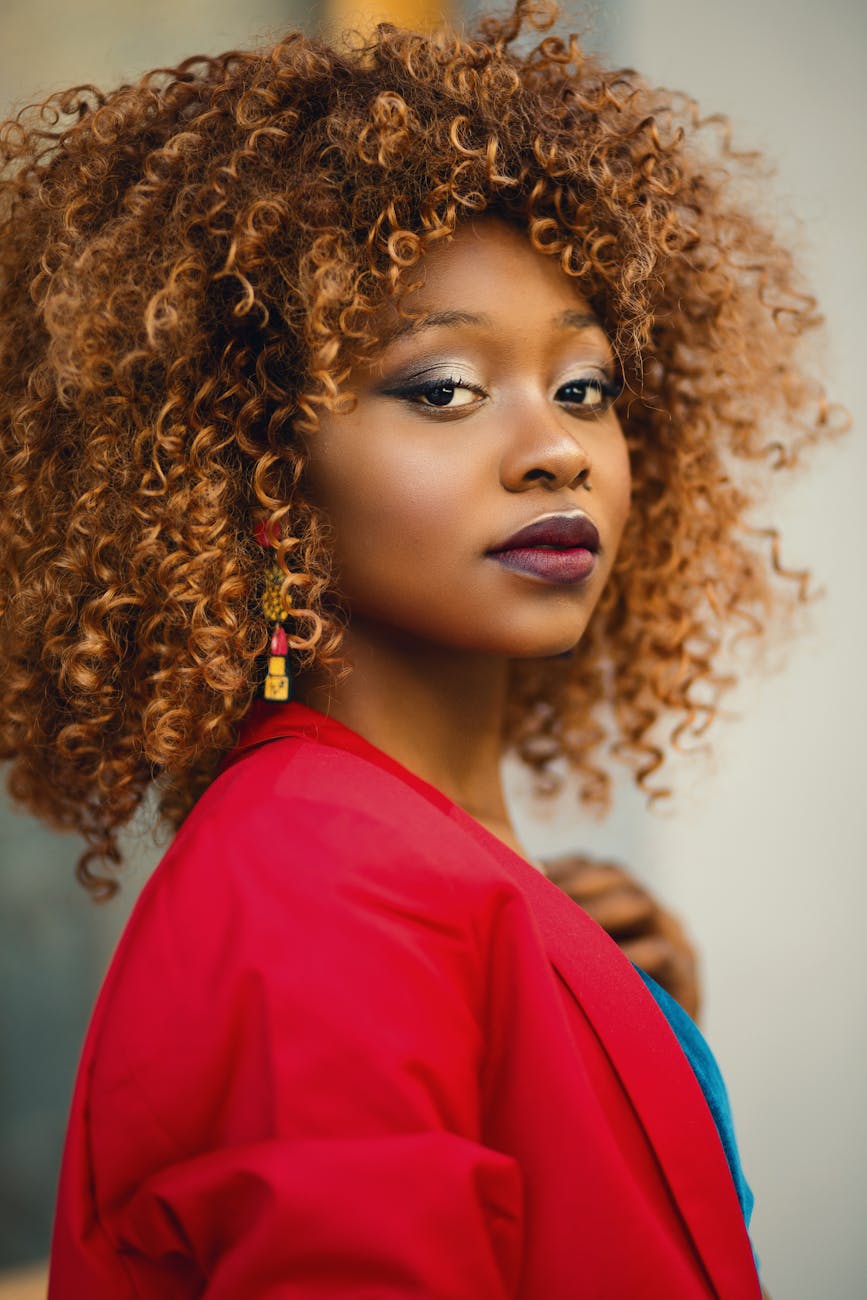
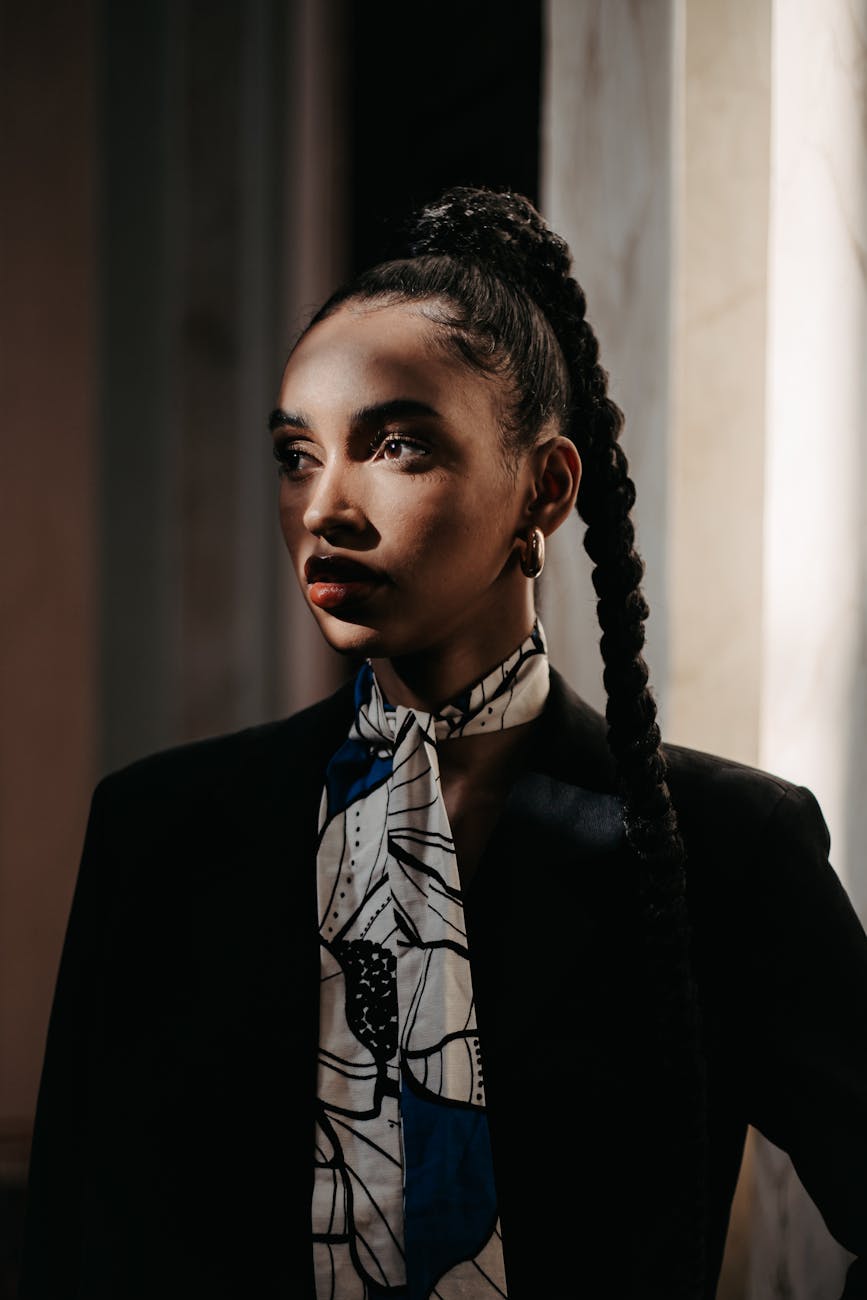
Photo by RDNE Stock project on Pexels.com

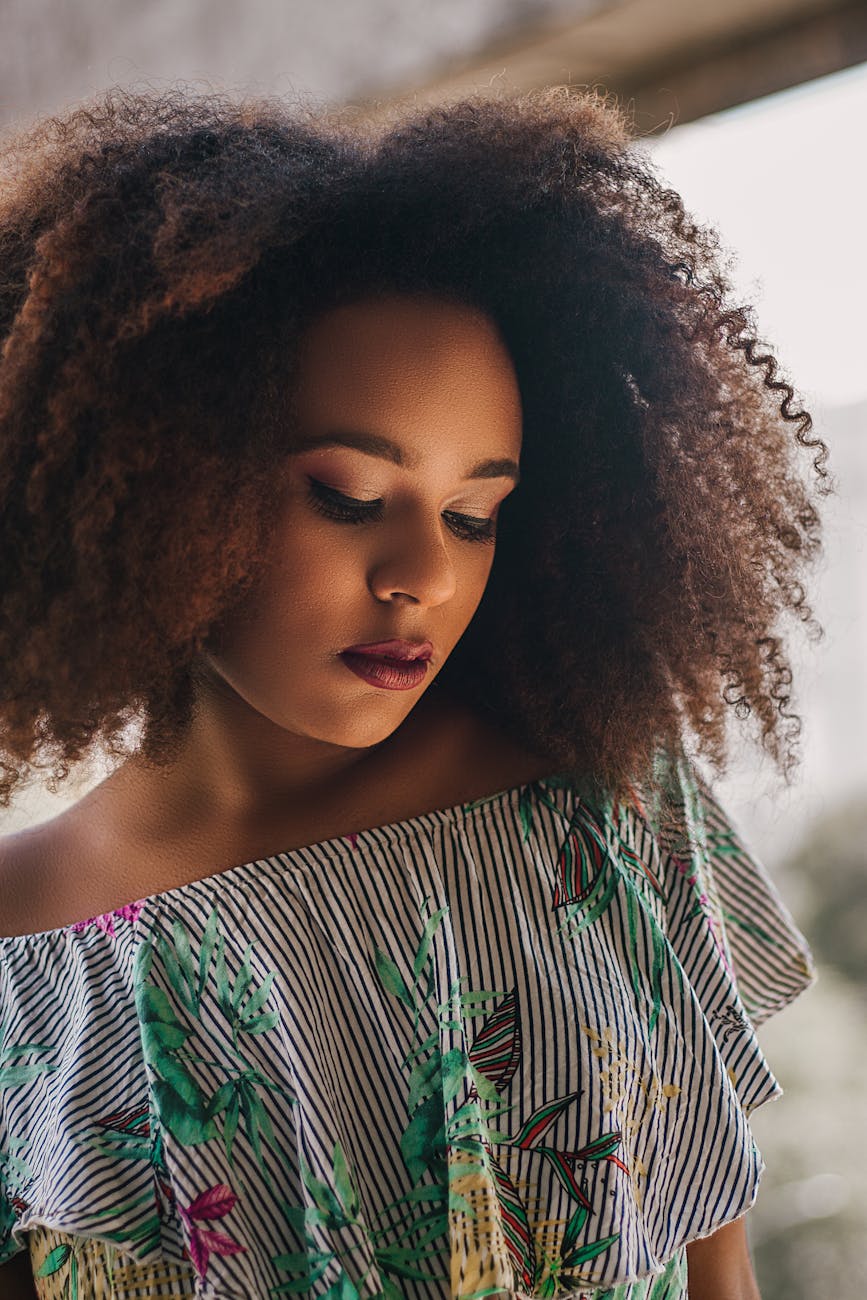
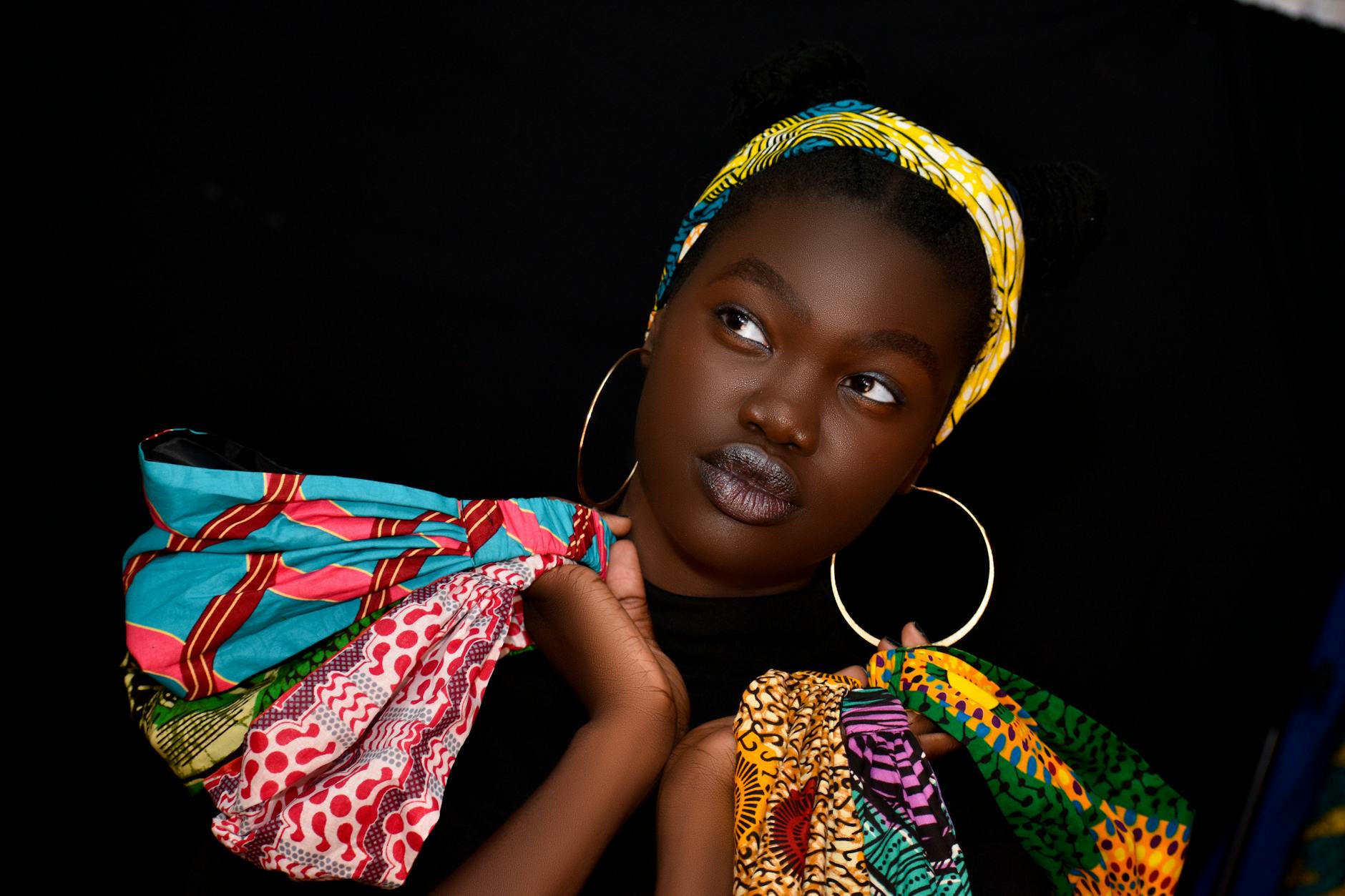
Being brown is more than a skin tone—it is a statement, a legacy, and a form of power. In a world where Eurocentric beauty standards dominate media and culture, claiming one’s brown skin, voice, and presence is an act of courage and self-determination. To be brown and bold is to assert identity unapologetically, embracing heritage, individuality, and influence in every facet of life.

Owning Your Look

Your appearance is a canvas that tells your story. Brown skin, in its many shades, reflects ancestry, resilience, and beauty. From deep cocoa to light caramel, each tone carries its own narrative, influenced by genetics, culture, and history. Embracing your natural look—including skin tone, hair texture, and style—is an act of self-love and defiance against societal pressures that seek to standardize beauty. Celebrities like Lupita Nyong’o, Tracee Ellis Ross, and Adut Akech exemplify how embracing natural beauty can shift perceptions globally. By owning your look, you claim authority over how the world sees you and how you see yourself.

Owning Your Voice

Boldness is not only visual—it is verbal. Speaking your truth, sharing your ideas, and asserting your perspective are vital components of personal power. Historically, Black and brown voices have been silenced or undervalued. Yet, modern movements, social media platforms, and cultural spaces offer opportunities to reclaim narrative authority. Writers, activists, and leaders like Chimamanda Ngozi Adichie, Ava DuVernay, and Issa Rae demonstrate that a confident voice—articulated with clarity and conviction—can inspire change, representation, and empowerment. Owning your voice means refusing to shrink, to apologize, or to be invisible.

Owning Your Power

Power is cultivated when look and voice align with self-awareness and purpose. It is the confidence to navigate spaces that were historically unwelcoming, to excel in careers, relationships, and creative pursuits. Brown individuals often carry the weight of societal bias, yet choosing boldness transforms that weight into strength. Power is expressed through education, entrepreneurship, artistry, advocacy, and leadership. It is the recognition that your identity is an asset, not a limitation.

Brown and Bold Manifesto: Owning Your Look, Your Voice, Your Power

1. Own Your Look
Affirmation: “My skin, my hair, my style are my crown. I honor my heritage and radiate confidence.”

Action Steps:

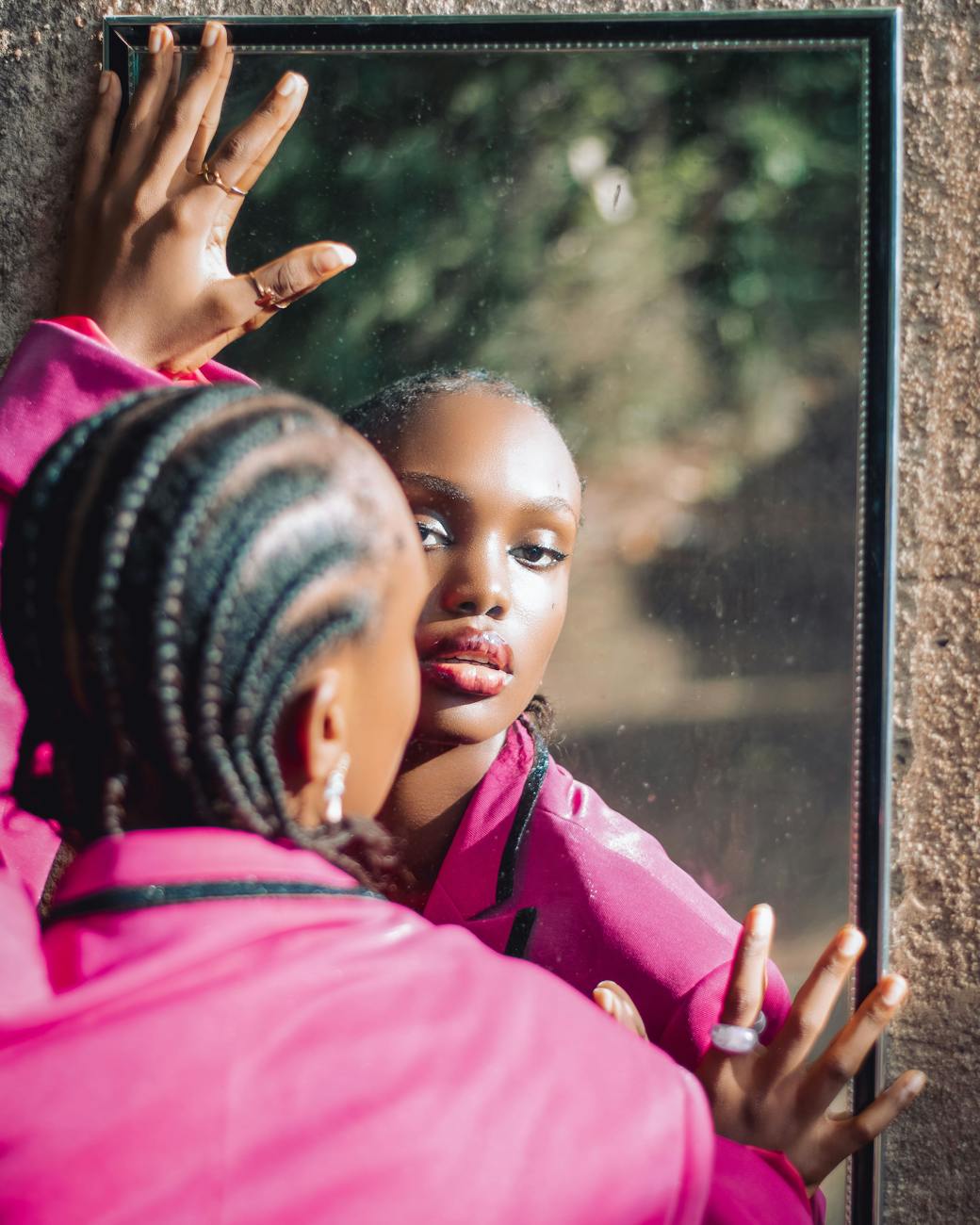
  • Stand before a mirror daily and affirm the beauty of your skin tone.
  • Experiment with hairstyles, fashion, or makeup that makes you feel authentic.
  • Document your style journey in photos or journaling to celebrate growth.

2. Own Your Voice
Affirmation: “My words matter. I speak with clarity, courage, and conviction.”

Action Steps:

  • Practice speaking your ideas aloud, even in small, private spaces.
  • Share your thoughts through writing, social media, or creative outlets.
  • Join communities or groups that uplift and amplify brown voices.

3. Own Your Power
Affirmation: “I am a force of resilience, creativity, and influence. My power is undeniable.”

Action Steps:

  • Set personal goals in career, education, or artistry and take daily steps toward them.
  • Celebrate achievements—big or small—without minimizing your accomplishments.
  • Engage in mentorship or community projects that allow you to uplift others.

4. Cultivate Confidence
Affirmation: “I embrace every shade of me. Confidence flows from acceptance and pride.”

Action Steps:

  • Identify moments of self-doubt and counter them with empowering affirmations.
  • Limit exposure to media or environments that diminish your self-worth.
  • Surround yourself with people who celebrate your identity.

5. Celebrate Heritage and Legacy
Affirmation: “I honor the stories of those who came before me. Their resilience is my foundation.”

Action Steps:

  • Learn about your ancestry and cultural heritage.
  • Share stories of empowerment from your community or family.
  • Use rituals, art, or reflection to honor the legacy of brown excellence.

6. Daily Boldness Practice
Affirmation: “Each day, I choose to be unapologetically me.”

Action Steps:

  • Take one small bold action every day: a statement outfit, a confident opinion, or a new endeavor.
  • Journal reflections on how these actions make you feel empowered.
  • Recognize that boldness is a muscle—strength grows with daily practice.

Psychology of Boldness and Confidence

Psychological research shows that self-affirmation, representation, and cultural pride enhance confidence and resilience (Hunter, 2007). When brown individuals see themselves reflected in positions of influence and media, it validates their worth and encourages bold self-expression. Boldness is thus both an internal practice and a social statement—building confidence while challenging external bias.

Cultural and Spiritual Dimensions

Culturally, brownness is a celebration of lineage, ancestry, and shared history. Spiritually, it is affirmed as beautiful and worthy (Song of Solomon 1:5 KJV). Embracing skin, voice, and power is not vanity—it is reclamation. It is honoring the legacy of those who endured oppression, yet persevered, leaving a foundation upon which boldness can thrive today.

Conclusion

To be brown and bold is to live authentically, unapologetically, and courageously. It is to honor your look, amplify your voice, and wield your power. Every choice—to speak, to create, to lead—is a testament to resilience and self-determination. Brownness is not merely a shade; it is a force, a legacy, and a declaration: we see ourselves, we value ourselves, and we shape the world boldly. The Brown and Bold Manifesto is a daily roadmap to self-empowerment. By intentionally embracing your look, voice, and power, you cultivate confidence, resilience, and pride. Boldness is not about perfection—it’s about authenticity, self-love, and the courage to inhabit your full identity unapologetically.


References

  • Hunter, M. (2007). The Persistent Problem of Colorism: Skin Tone, Status, and Inequality. Sociology Compass, 1(1), 237–254.
  • The Holy Bible, King James Version. (1611). Song of Solomon 1:5.
The Brown Girl #thebrowngirldilemma

Photo by Jonatan Galvis on Pexels.com

A Journey Through Struggle, Faith, and Resilience

Photo by Godisable Jacob on Pexels.com

The Weight and Wonder of Brownness

Photo by nappy on Pexels.com

To be a brown girl in a world that has long worshiped whiteness is to live within a paradox. She is both invisible and hyper-visible, overlooked yet over-scrutinized, diminished and yet desired. Her skin tells a story before she even speaks, a story marked by colonial history, racial hierarchies, and cultural misrepresentation. But her melanin also tells another story—one of divine design, resilience, and sacred inheritance.

This manuscript, The Brown Girl Dilemma, seeks to unpack the layered experiences of brown girls across eight lenses: beauty, faith, psychology, representation, and resilience. Each essay acts as both a mirror and a window—reflecting the inner struggles of brown girls while revealing their undeniable strength to the world.


Beyond the Mirror: Unpacking the Brown Girl Dilemma

Photo by Bigshow Lamar Campton on Pexels.com

The mirror often becomes a battleground for the brown girl. Staring back at her is not only her reflection but centuries of imposed ideals that privilege lighter skin and Eurocentric beauty standards. In this space, the question of worth arises: Is she beautiful enough? Desirable enough? Human enough?

Yet, beyond the mirror lies truth: she is not defined by imposed ideals but by divine design. Psalm 139:14 reminds her that she is “fearfully and wonderfully made.” The brown girl dilemma, then, is not truly about her inadequacy but about the world’s blindness. Beyond the mirror, she rediscovers herself—not as broken, but as whole, chosen, and radiant.


Beauty, Bias, and the Brown Girl Battle

Photo by Marcelo Dias on Pexels.com

The brown girl’s beauty is often weaponized against her. Colorism, both outside and within her community, creates hierarchies that distort identity. Lighter skin is praised, darker shades are devalued, and the cycle perpetuates insecurity. This bias is reinforced by media, where brown girls are either erased or cast into stereotypical roles.

But this battle is not fought in vain. Brown girls resist by embracing natural hair, celebrating melanin, and refusing to shrink. They redefine beauty on their own terms, proving that their worth is not determined by bias but by boldness. Like the Shulamite woman who declared, “I am black, but comely” (Song of Solomon 1:5, KJV), the brown girl learns to affirm her own beauty in the face of cultural denial.


Sacred Shades: A Theological Look at the Brown Girl Dilemma

Photo by Monstera Production on Pexels.com

Faith offers the brown girl an anchor. Theology, when read through her lens, reveals the beauty of her creation and the dignity of her calling. The Bible affirms her worth: she is God’s workmanship, a vessel of divine glory. Too often, theology has been weaponized to justify slavery, segregation, and sexism. But a liberating theology restores her identity as a daughter of Zion, beloved and chosen.

In reclaiming sacred shades, the brown girl learns that her melanin is not a curse but a crown. Her skin is not incidental but intentional—woven into her being by the Creator Himself. Theological reflection allows her to shift from shame to sacredness, from seeing her brownness as a burden to embracing it as a blessing.


Brown Skin, Heavy Crown: The Weight of Representation

Photo by Guilherme Almeida on Pexels.com

Representation is both privilege and pressure. For the brown girl who “makes it” into spaces of visibility—whether Hollywood, academia, politics, or business—her presence carries the weight of her entire community. She is expected to perform flawlessly, lest her mistakes be generalized onto all who look like her.

This heavy crown is both exhausting and empowering. It exhausts because it demands perfection, but it empowers because it signals that she is breaking barriers. The brown girl bears this weight with grace, reminding the world that she does not merely represent her community—she represents excellence, resilience, and possibility.


Invisible Yet Hyper-Visible: The Brown Girl Paradox

Photo by Mikhail Nilov on Pexels.com

One of the most painful dilemmas is the paradox of invisibility and hyper-visibility. In professional and social settings, brown girls are often overlooked—passed over for promotions, excluded from conversations, their voices minimized. Yet, in other contexts, their bodies are over-scrutinized, hyper-sexualized, or exotified.

This paradox creates a psychological tug-of-war. But the brown girl learns to navigate it with strategic resilience—raising her voice where silence is imposed, reclaiming her body where objectification occurs. She refuses invisibility and rejects hyper-visibility, instead demanding authentic visibility—to be seen for who she truly is.


The Skin They Can’t Ignore: Brown Girls in a World of Whiteness

Photo by Godisable Jacob on Pexels.com

In societies where whiteness is normalized as the standard, the brown girl cannot fade into the background. Her skin announces her difference before she speaks. This difference has historically made her a target of exclusion, discrimination, and violence. Yet, paradoxically, this same difference becomes her power.

Her skin, the one thing the world cannot ignore, becomes her testimony. It is the evidence of survival, the shade of heritage, and the hue of strength. What was once used to marginalize her now becomes a mark of distinction. She stands unapologetically brown in a world that demands assimilation, embodying both resistance and pride.


From Colorism to Confidence: Redefining the Brown Girl Dilemma

Photo by Yury Oliveira on Pexels.com

The journey from struggle to strength is never linear. For the brown girl, healing requires confronting colorism—the internalized wounds of comparison, rejection, and exclusion. It also requires unlearning the false narratives whispered by society.

Confidence is cultivated through affirmation, community, and faith. As she grows, the brown girl redefines her dilemma: it is no longer about whether she fits into society’s mold, but about how she chooses to shatter it. Her confidence is not arrogance but liberation—the freedom to exist without apology, to celebrate her skin without shame.


Shades of Struggle, Shades of Strength: The Brown Girl Experience

Photo by Ante Emmanuel on Pexels.com

The brown girl experience is a tapestry of both burden and blessing. She carries the struggle of systemic racism, sexism, and colorism, yet she transforms these struggles into sources of strength. Her resilience is not accidental but ancestral, inherited from women who endured and overcame.

Her shades of struggle are inseparable from her shades of strength. They coexist, shaping her into a woman of wisdom, compassion, and courage. She is not merely surviving the brown girl dilemma—she is rewriting it, turning wounds into wisdom, battles into breakthroughs, and silence into song.


Conclusion: From Dilemma to Destiny

The brown girl dilemma is not the end of the story—it is the beginning of transformation. Each essay in this collection testifies that the brown girl is not defined by her struggles but refined by them. She is both the question and the answer, both the wound and the healing.

In a world that often misunderstands her, she emerges as a living paradox of power: invisible yet undeniable, burdened yet unbreakable, questioned yet chosen. She carries within her the reflection of divine creativity and the legacy of unyielding resilience.

The brown girl dilemma, then, is not her curse. It is her canvas. And on it, she is painting a masterpiece of survival, beauty, and destiny.

References

Collins, P. H. (2000). Black feminist thought: Knowledge, consciousness, and the politics of empowerment. Routledge.

Cone, J. H. (2010). A Black theology of liberation. Orbis Books.

Craig, M. L. (2006). Race, beauty, and the tangled knot of a guilty pleasure. Feminist Theory, 7(2), 159–177. https://doi.org/10.1177/1464700106064415

Glenn, E. N. (2008). Yearning for lightness: Transnational circuits in the marketing and consumption of skin lighteners. Gender & Society, 22(3), 281–302. https://doi.org/10.1177/0891243208316089

Harris, A., & Khanna, N. (2010). Black is, Black ain’t: Biracials, middle-class Blacks, and the social construction of Blackness. Sociological Spectrum, 30(1), 99–120. https://doi.org/10.1080/02732170903495892

hooks, b. (1992). Black looks: Race and representation. South End Press.

Hunter, M. (2016). Colorism in the classroom: How skin tone stratifies African American and Latina/o students. Theory Into Practice, 55(1), 54–61. https://doi.org/10.1080/00405841.2016.1119019

King, D. K. (2005). Multiple jeopardy, multiple consciousness: The context of a Black feminist ideology. Signs: Journal of Women in Culture and Society, 14(1), 42–72. https://doi.org/10.1086/494491

Russell, K., Wilson, M., & Hall, R. (2013). The color complex: The politics of skin color in a new millennium. Anchor Books.

Williams, D. S. (2013). Sisters in the wilderness: The challenge of womanist God-talk. Orbis Books.

Wingfield, A. H. (2019). Flatlining: Race, work, and health care in the new economy. University of California Press.

The Brown Girl: Beauty Personified

The brown girl stands as a timeless symbol of radiance, resilience, and regal splendor. Her beauty is not merely external, nor confined to superficial definitions shaped by Eurocentric visual hierarchies. Rather, her essence glows from a divine inheritance—carried in her skin like sunlight wrapped in earth, in her features shaped by ancestral strength, and in her spirit forged through generations of perseverance and brilliance. The brown girl is beauty personified, not because the world always affirms it, but because creation itself does.

Historically, the image of the brown-skinned woman has been misunderstood, misrepresented, and underestimated. Yet she has always existed as a foundational pillar of civilization. From the queens of Kemet, Kush, and Punt to the heroines of the African diaspora, her presence has defined cultural, spiritual, and intellectual legacies across continents and centuries. Beauty, in her, is embodied not as ornament but as origin.

Her melanin—rich, warm, and luminescent is not merely pigment, but a tapestry of genetic sophistication and divine artistry. Science affirms that melanin serves as a natural protector, a molecular masterpiece that absorbs light, defends against damage, and radiates health and vitality (Wakamatsu et al., 2022). The brown girl carries in her skin a biological excellence that is both ancient and unmatched.

Her facial structure—broad nose or small nose, full lips, expressive eyes, and sculpted cheekbones—has inspired imitation, innovation, and admiration throughout history. Yet these same features have been policed, mocked, and exoticized by systems that simultaneously envy and oppress. Sociologists note the long legacy of colorism and phenotype bias rooted in colonial psychology, where beauty was weaponized as a tool of hierarchy (Hunter, 2007). Despite this, the brown girl remains unstolen, unbroken, and undeniably radiant.

Her hair—coils, curls, waves, and kinks—stands as a crown of divine geometry. Spiraled like galaxies and textured like sacred earth, it is a testament to identity and inheritance. Where the world once demanded conformity, the brown girl reclaimed autonomy, turning her hair into a proclamation of dignity, heritage, and pride. Her beauty is not assimilation—it is revolution.

Culturally, she has shaped fashion, language, art, rhythm, and rhythm-born movements. From braided hairstyles that carry historical codes to dance forms born in Black communities, her presence is culture’s heartbeat. Her grace has been echoed in poetry, sculpted in bronze, sung in gospel hymns, and captured through lenses that struggle to contain her brilliance.

Emotionally, she embodies empathy and power—able to nurture nations and challenge empires. The brown girl’s beauty is rooted in emotional intelligence, compassion, and spiritual depth. Her resilience is not merely reaction but prophecy: she rises not because she must, but because she is called to rise.

Spiritually, she reflects what is sacred. In the biblical narrative, wisdom is personified as a woman of strength, dignity, and divine insight (Proverbs 31:10-31 KJV). Across cultures, goddesses of fertility, creation, and justice are depicted in brown forms. In her, heaven and earth meet.

In modern society, she still battles stereotypes that attempt to flatten her identity—too loud, too strong, too independent, too dark, too much. Yet she breaks these molds effortlessly, revealing that her beauty is multifaceted: soft and mighty, gentle and powerful, intellectual and artistic, graceful and grounded. She is not a trope—she is truth.

She has become the muse and the creator—architect of movements, scholar of survival, priestess of dignity, and mother of nations. The brown girl does not wait for permission to shine; her glow predates oppression and outlives it. Her beauty, like her story, is eternal.

The global beauty industry once erased her image, yet now attempts to profit from the features it ignored. Still, the brown girl understands her value is not market-made but God-given. She does not seek validation—she commands presence.

Education, enterprise, and expression are her adornments. She writes, builds, heals, leads, and innovates. Her mind is fertile ground for brilliance; her voice alters narratives. She births both children and movements, both leaders and legacies.

In relationships, she loves deeply and thoughtfully. Her softness is not weakness—it is wisdom. Her standards are not arrogance—they are inheritance. To be loved by her is to witness excellence and be called higher.

Her walk carries rhythm, grace, and authority; her presence fills rooms. She does not shrink to soothe insecurity—she rises to affirm destiny. Her beauty is not performative; it is purposeful. She is art in motion, history in flesh, divinity in form.

The brown girl is not defined by the struggle that shaped her, but by the glory within her. Trauma has touched her, but triumph crowns her. She carries memory and prophecy simultaneously, holding ancient worlds and future visions in her smile.

She exists beyond gaze or approval. She is beauty when seen and beauty when overlooked. When the world forgets her, she remembers herself. When the world imitates her, she remains original. Her reflection is sacred, not simply stunning.

Time cannot diminish her, trends cannot outrun her, and systems cannot erase her. Her beauty is foundational—before magazines, filters, or metrics ever tried to measure it. She was beauty in womb, in cradle, in history’s first breath.

Her existence refutes any narrative of inferiority. She is evidence of God’s creative genius, Africa’s royal bloodline, and humanity’s first mother. Beauty began with her—and still rests within her.

To see the brown girl is to witness elegance and endurance. To know her is to learn power and peace. To honor her is to honor humanity’s beginning and future. She is not striving to become beauty—she has always been beauty.

And the world, slowly returning to the truth it once denied, is learning again to bow to the brilliance of the brown girl—beauty personified.


References

Hunter, M. (2007). The persistent problem of colorism: Skin tone, status, and inequality. Sociology Compass, 1(1), 237–254.

Wakamatsu, K., Ito, S., & Hasegawa, A. (2022). Melanin chemistry and its implications for skin health. International Journal of Molecular Sciences, 23(18), 10521–10539.

Proverbs 31:10-31, King James Version.

Fearfully and Wonderfully Made: The Brown Girl’s Psalm.

This photograph is the property of its respective owner. No copyright infringement intended.

The story of the Brown girl is a sacred hymn written not in ink, but in the richness of melanin and the quiet endurance of her soul. She walks through the world as a living psalm — a testimony of divine craftsmanship and unbroken lineage. In her reflection, we see God’s artistry, not merely in the hue of her skin but in the rhythm of her spirit. “I will praise thee; for I am fearfully and wonderfully made” (Psalm 139:14, KJV) is not just a verse—it is her anthem, one that echoes against centuries of rejection and redefinition.

For generations, the Brown girl has been taught to question her worth, to compare her glow against a false light. But the Creator never designed her to mimic another’s reflection. Her shade, like the soil of Eden, carries the very breath of life. From her crown of coiled glory to the curve of her hips, every part of her was formed with intention and reverence. Her beauty does not seek validation—it speaks of divine origin.

History tried to dim her brilliance through the politics of color and the hierarchy of skin. Yet, even in bondage, she remained radiant. The same sun that darkened her skin also kissed her strength. From the plantations to the pulpits, from the cotton fields to classrooms, she became a bearer of wisdom, resistance, and grace. She survived, not by accident, but by divine decree.

Her skin tells the story of her ancestors’ resilience—those who toiled in chains but dreamed of freedom. Each melanin cell is a monument to survival, each curl a scripture of identity. The Brown girl’s body is not a battleground of beauty standards; it is sacred architecture built by the hands of a Holy God. Her existence itself refutes every lie told by colonial mirrors.

In a world where Eurocentric beauty was exalted, the Brown girl was forced to unlearn self-hate disguised as admiration. She was told that to be lighter was to be lovelier, that proximity to whiteness meant worthiness. Yet the Spirit whispered truth: you were never meant to blend in with those who were never meant to define you. Her beauty, like a psalm, was meant to stand apart and lift the hearts of those who forgot that the Creator does not make mistakes.

The Brown girl’s psalm is also a declaration of liberation. It reminds her that she does not have to bleach her blessings, straighten her identity, or silence her power to be accepted. She can rest in the truth that her image was shaped in the likeness of divinity. When she walks, heaven recognizes her gait, for she carries the DNA of queens, prophets, and poets who have spoken life over deserts of despair.

In her eyes shines the reflection of generations—of Sarah’s faith, Hagar’s endurance, Esther’s courage, and Mary’s devotion. Her story, though rewritten by men, is restored by God. The Brown girl’s psalm teaches her that her scars are not shame but sacred ink—proof that she has survived what was meant to erase her.

This psalm also calls her to rise in purpose. Her voice was not meant to be background harmony but a solo of strength. She must reclaim the narrative that her foremothers were forced to whisper. Each time she affirms, I am fearfully and wonderfully made, she restores what history tried to erase—her identity as both divine creation and divine reflection.

The Brown girl’s confidence does not rest in external admiration but in internal revelation. She understands that self-love is not vanity but victory. When she adores her reflection, she honors the God who shaped her. When she embraces her hair, her nose, her skin, she offers praise not to herself but to the One who called her good from the beginning.

Psalm 139 becomes her mirror, not as a verse recited but as a truth embodied. It reminds her that she was known before she was born, loved before she was named, and chosen before she was celebrated. The Brown girl is not an afterthought—she is the first light after a long night of erasure.

The Brown girl’s psalm is also a lament. It grieves for the little girls who once hated their skin, who longed for lighter shades and looser curls, who never saw themselves in dolls or dreams. But the lament transforms into healing as she learns to sing again, her melody now one of restoration and self-acceptance.

Through time, her presence has always symbolized the sacred balance between beauty and strength. She can nurture nations and lead revolutions, pray with power and walk in poise. Her softness is not weakness—it is divine wisdom wrapped in compassion. Her resilience is not hardness—it is the evidence of God’s sustaining hand.

Her psalm also speaks to men, children, and generations yet unborn. It calls the world to see her not as an object of desire or envy but as an image of God’s glory. The world must unlearn its gaze and see her not as a symbol of struggle but of sacredness. She is the divine feminine in her purest form, clothed in majesty, kissed by creation.

The Brown girl’s existence is a prayer fulfilled. Her laughter is a hymn, her tears are baptisms, her dreams are prophecies. When she walks in truth, she resurrects the legacy of those who died never knowing they were beautiful. She becomes both the psalmist and the psalm.

In this psalm, love becomes her language. She learns to love the reflection that was once foreign to her. Her body becomes a temple of gratitude, her mind a sanctuary of peace. The beauty she carries is not confined to appearance—it is a moral, spiritual, and ancestral inheritance.

Every Brown girl who reads this psalm is invited to rewrite her story with grace. To forgive herself for believing lies. To anoint herself with truth. To declare, “I am my ancestors’ answered prayer.” For in her smile is the dawn, and in her voice, the echo of freedom.

She is not defined by society’s metrics but by heaven’s masterpiece. When she embraces her reflection, she sees more than beauty—she sees purpose. The Brown girl’s psalm teaches her to stand unapologetically in the fullness of her creation, unbothered by comparison, anchored in divine affirmation.

Her life is an offering. Each day she awakens, she adds another verse to the sacred song of womanhood. And as she learns to walk in love, justice, and truth, she becomes the melody of hope for those still finding their way to the mirror.

The Brown girl is fearfully and wonderfully made—an everlasting psalm written by the hand of God and sung through the ages. Her beauty is not a trend but a testimony. Her existence is not accidental—it is divine poetry in motion.

References

  • The Holy Bible, King James Version. (Psalm 139:14).
  • hooks, b. (1992). Black Looks: Race and Representation. South End Press.
  • Morrison, T. (1970). The Bluest Eye. Holt, Rinehart and Winston.
  • Lorde, A. (1984). Sister Outsider: Essays and Speeches. Crossing Press.
  • Davis, A. (1981). Women, Race, & Class. Random House.
  • Hill Collins, P. (2000). Black Feminist Thought: Knowledge, Consciousness, and the Politics of Empowerment. Routledge.
  • Cooper, B. (2018). Eloquent Rage: A Black Feminist Discovers Her Superpower. St. Martin’s Press.

Invisible Yet Hyper-Visible: The Brown Girl Paradox. #TheBrownGirlDilemma

Photo by Gift Habeshaw ud83cuddeaud83cuddf9 on Pexels.com

The experience of the brown-skinned woman is marked by a unique paradox: she is both unseen and yet constantly watched, ignored yet policed, rendered invisible in her humanity but hyper-visible in stereotypes. This paradox—being both erased and exaggerated—captures the essence of what many scholars and cultural critics identify as the “brown girl dilemma.” To be a brown woman is to exist in a state of contradiction, where one’s presence is simultaneously marginalized and over-scrutinized.

Historical Roots of Invisibility

The paradox begins in history. During slavery and colonialism, Black and brown women were systematically stripped of individuality and reduced to laborers or objects of exploitation (Davis, 1983). Their humanity was rendered invisible, erased from narratives of beauty, dignity, and intellectual worth. Enslaved women were often written out of history, their stories overshadowed by male figures or silenced altogether. This erasure formed the foundation for centuries of invisibility in cultural and institutional spaces.

Hyper-Visibility through Stereotypes

Paradoxically, while their humanity was erased, their bodies were made hyper-visible through stereotypes. Brown women were sexualized as “Jezebels,” framed as angry “Sapphires,” or expected to serve selflessly as “Mammies” (Collins, 2000). These archetypes ensured that while brown women could not simply exist as individuals, they were constantly surveilled and confined within narrow, dehumanizing categories. Hyper-visibility did not affirm their identity; it distorted and weaponized it.

Media’s Role in the Paradox

Contemporary media continues this paradox. Brown women often find themselves excluded from mainstream standards of beauty—rarely appearing on magazine covers, fashion campaigns, or romantic lead roles in film. Yet, when they are represented, their bodies and identities are hyper-visible in roles that emphasize sexuality, anger, or struggle. The visibility granted is conditional, reinforcing old stereotypes rather than offering authentic representation.

Invisibility in Professional Spaces

The paradox extends into workplaces and schools, where brown women frequently report feeling overlooked in leadership roles, passed over for promotions, or dismissed in academic discussions. Their contributions are often invisible until co-opted by others. Yet their presence is hyper-visible when dress, tone, or even natural hairstyles are deemed “unprofessional.” This double-bind places brown women under constant scrutiny while simultaneously silencing their voices.

Psychological Consequences

This paradox has profound psychological consequences. To be invisible denies validation, leaving brown women questioning whether their struggles or talents are recognized. To be hyper-visible subjects them to constant judgment, leaving little room for mistakes or vulnerability. The result is what some psychologists call “double consciousness” (Du Bois, 1903)—the exhausting awareness of how one is perceived through society’s biased gaze while trying to live authentically.

The Policing of Bodies

The brown girl paradox is most evident in the policing of bodies. From the disproportionate discipline of Black girls in schools to the global skin-lightening industry, brown women’s bodies are either ignored or hyper-scrutinized. Dark skin is erased from beauty campaigns yet is fetishized in music videos. Curves are ridiculed in one context yet commodified in another. This fragmented visibility commodifies brown women without affirming them as whole persons.

Faith and Spiritual Visibility

Scripture offers a profound counter-narrative. In Genesis 16, Hagar—a woman of color, enslaved and oppressed—declares of God: “Thou God seest me” (KJV). While human systems rendered her invisible, God affirmed her visibility and dignity. Similarly, Psalm 139 reminds believers that they are “fearfully and wonderfully made.” For brown women, faith disrupts the paradox by declaring that invisibility and hyper-visibility are human distortions, not divine truths.

Resistance through Representation

Representation is not merely about being seen; it is about being seen truthfully. Figures like Viola Davis, Chimamanda Ngozi Adichie, and Zendaya embody this resistance by refusing stereotypes and embracing complexity. Each time a brown woman occupies a space as herself—unfiltered and unconfined—the paradox weakens. Visibility becomes authentic rather than distorted.

Global Dimensions of the Paradox

This paradox is not unique to the United States. In South Asia, Latin America, and Africa, women of darker skin shades face similar tensions of invisibility and hyper-visibility. Colorist hierarchies erase their beauty from advertisements while making their skin the target of billion-dollar whitening industries. The paradox is global, tied to colonial legacies that continue to shape how brown women are seen—or unseen.

Toward Liberation

Breaking free from this paradox requires systemic and personal transformation. Systemically, media and institutions must move beyond tokenism, affirming the full humanity of brown women. Personally, brown women are reclaiming their own narratives, celebrating melanin, natural hair, and cultural heritage. Liberation comes when invisibility is rejected, and hyper-visibility is replaced with holistic recognition of dignity and worth.

Conclusion

The paradox of being invisible yet hyper-visible is not simply a contradiction; it is a form of oppression that fractures identity and limits freedom. Yet brown women, through faith, resilience, and representation, continue to resist. To dismantle the paradox is to create a world where brown women are neither erased nor distorted but seen fully—complex, beautiful, and human.


References

  • Collins, P. H. (2000). Black feminist thought: Knowledge, consciousness, and the politics of empowerment. Routledge.
  • Davis, A. (1983). Women, race, & class. Vintage.
  • Du Bois, W. E. B. (1903). The souls of Black folk. A.C. McClurg & Co.
  • The Holy Bible, King James Version.

Radiance From Within: Cultivating Confidence in a Colorist World.

Photo by Marcelo Dias on Pexels.com

Beyond Eurocentric Standards: Redefining Beauty on Your Own Terms

Beauty has long been defined by Eurocentric ideals: fair skin, straight hair, narrow noses, and Westernized features. These standards, deeply rooted in historical oppression and colonialism, continue to influence media, advertising, and societal perceptions, creating a colorist hierarchy that devalues melanin-rich skin and diverse features. However, redefining beauty on your own terms is both a radical and empowering act.

Challenging Historical Bias

Eurocentric beauty standards originated during colonialism and slavery, where European features were positioned as superior, and darker skin was stigmatized. Colorism, the preferential treatment of lighter skin tones within communities of color, persists as a result, affecting self-esteem, representation, and opportunities (Hunter, 2007). Understanding this history is essential for dismantling internalized biases and reclaiming a personal definition of beauty.

Owning Your Features

Redefining beauty starts with self-acceptance. Celebrating your natural hair texture, melanin-rich skin, facial features, and body shape affirms your identity and challenges imposed norms. Figures like Lupita Nyong’o, Tracee Ellis Ross, and Adut Akech exemplify how embracing one’s heritage and physical features reshapes cultural perceptions of beauty. By owning what makes you unique, you assert that beauty is not a standard to meet but a personal declaration of worth.

Navigating a Colorist World

Living in a society where colorism persists requires intentional strategies:

  • Representation Matters: Seek media, fashion, and beauty content that celebrates melanin and diverse features.
  • Community Support: Surround yourself with peers, mentors, and influencers who uplift and affirm your beauty.
  • Affirmation Practices: Daily self-affirmations reinforce self-worth and counter societal messages of inadequacy.
  • Advocacy: Speak out against discriminatory or biased standards in professional, educational, and social spaces.

Cultural and Psychological Implications

Beauty is deeply intertwined with cultural identity and psychological health. Celebrating your features as part of your heritage strengthens self-esteem, reduces internalized colorism, and affirms belonging (Russell, Wilson, & Hall, 1992). Moreover, redefining beauty encourages society to broaden its perceptions, creating space for more inclusive representations across media and culture.

Redefining Beauty for the Next Generation

By rejecting Eurocentric standards, brown girls and women become role models for authenticity. They demonstrate that beauty is multifaceted, culturally grounded, and rooted in confidence rather than conformity. The legacy is powerful: empowering younger generations to embrace their natural features and instilling pride in their melanin-rich skin.

Redefining Beauty Beyond Eurocentric Standards: A Guide for Brown Girls

1. Celebrate Your Features

Tips:

  • Embrace natural hair textures, melanin-rich skin, and facial features.
  • Practice daily affirmations such as:
    • “My skin, my hair, my features are beautiful and powerful.”
    • “I define my beauty, not society’s standards.”
      Visual Idea: Side-by-side graphics of diverse hairstyles, skin tones, and facial features with empowering quotes.

2. Seek Representation

Tips:

  • Follow influencers, creators, and media showcasing melanin-rich beauty.
  • Support brands that are inclusive in makeup, fashion, and media campaigns.
    Examples: Lupita Nyong’o, Tracee Ellis Ross, Adut Akech, Rihanna.
    Visual Idea: A collage highlighting diverse influencers with their iconic looks.

3. Build Supportive Communities

Tips:

  • Engage with online groups and social media spaces that celebrate brown beauty.
  • Participate in discussions and challenges that uplift and affirm cultural pride.
    Hashtags: #BrownSkinGirl, #MelaninMagic, #BlackGirlJoy
    Visual Idea: Network-style graphic showing connection between community and empowerment.

4. Educate Yourself

Tips:

  • Learn the history of colorism and Eurocentric beauty standards.
  • Share knowledge to empower yourself and others.
    Visual Idea: Timeline infographic showing the origins of Eurocentric standards and modern reclamation.

5. Advocate and Speak Out

Tips:

  • Challenge biased representations in professional or social spaces.
  • Support media, brands, and initiatives that uplift all shades of brown.
    Visual Idea: Call-to-action graphics with messages like “Celebrate All Shades” or “Your Beauty is Your Voice.”

6. Affirm Daily

Tips:

  • Use mirror affirmations, journaling, or social media posts to reinforce self-worth.
  • Examples: “I am beautiful, I am powerful, I am brown and brilliant.”
    Visual Idea: Inspirational, colorful templates for daily affirmations.

Conclusion

Redefining beauty on your own terms is both an act of self-love and resistance. Beyond Eurocentric standards lies the freedom to celebrate individuality, heritage, and authenticity. In a colorist world, embracing your features, amplifying representation, and affirming your worth transforms beauty from a restrictive standard into a personal, empowering, and inclusive declaration. Redefining beauty is an act of self-love and resistance. By celebrating natural features, seeking representation, building supportive communities, educating oneself, advocating, and affirming daily, brown girls can navigate a colorist world with confidence and pride. Beauty is not a standard to follow—it is a declaration of identity, heritage, and empowerment.


References

  • Hunter, M. (2007). The Persistent Problem of Colorism: Skin Tone, Status, and Inequality. Sociology Compass, 1(1), 237–254.
  • Russell, K., Wilson, M., & Hall, R. E. (1992). The Color Complex: The Politics of Skin Color in a New Millennium. Anchor Books.

The Silent Battle: The Brown Girl Dilemma in a Color-Conscious World. #Thebrowngirldilemma

Photo by Last Chwezi on Pexels.com

The experience of being a brown-skinned girl in a color-conscious world is a battle that is often fought in silence. It is a struggle that does not always leave visible scars but deeply impacts self-image, mental health, and emotional well-being. Many brown girls grow up internalizing unspoken messages about their worth based on skin tone, hair texture, and proximity to Eurocentric standards of beauty. The world subtly communicates that lighter is better, leaving darker-skinned girls to question their place and value in society. This silent battle affects confidence and identity, sometimes shaping life choices in profound ways.

Colorism, a term coined by Alice Walker, describes the preferential treatment given to lighter skin tones within and outside communities of color. Psychological studies confirm that colorism can lead to lower self-esteem and higher rates of anxiety and depression among darker-skinned women. The Brown Girl Dilemma is not just about beauty standards but about access — access to opportunity, representation, and affirmation. It is a reminder that racism is not the only challenge Black and brown women face; sometimes, bias comes from within their own culture, adding a double layer of pain and isolation.

From a biblical perspective, God does not measure worth by appearance but by the heart. The Bible says, “Man looketh on the outward appearance, but the Lord looketh on the heart” (1 Samuel 16:7, KJV). This scripture offers a powerful antidote to the internalized shame that colorism can produce. A brown girl’s value is not determined by societal standards but by her Creator, who made her “fearfully and wonderfully” (Psalm 139:14, KJV). This truth becomes a shield against the lies that suggest she must alter or diminish herself to be worthy of love and respect.

Psychologically, the internalization of color-based prejudice can lead to what is known as “internalized oppression,” where the individual begins to adopt negative beliefs about their own group. Brown girls may overcompensate by bleaching their skin, straightening their hair, or minimizing their ethnic features in order to fit in. This creates a cycle of disconnection from self, which researchers say can cause long-term emotional harm. Healing requires not only unlearning these messages but also embracing cultural pride and self-acceptance.

Representation matters in this healing journey. Seeing brown-skinned women celebrated in media, academia, and positions of influence reinforces that beauty and brilliance exist in every shade. It tells brown girls that they are enough as they are. As Philippians 4:8 (KJV) reminds believers, we must think on things that are “true, honest, just, pure, lovely, and of good report.” Choosing to focus on affirming messages can help dismantle years of internalized bias.

In relationships, the Brown Girl Dilemma can manifest as settling for less than one deserves or seeking validation through unhealthy attachments. When society tells you you are “less desirable,” it takes spiritual strength and psychological resilience to wait for someone who honors your worth. This is why affirming communities and faith-based support systems are crucial — they remind women that they are not defined by a world that idolizes lighter complexions but by God’s eternal truth.

The workforce is another battlefield for brown-skinned women. Studies show that lighter-skinned individuals are sometimes given preferential treatment in hiring, promotions, and salaries. This reality can lead to frustration, burnout, and feelings of invisibility. However, the Bible promises that “your labor is not in vain in the Lord” (1 Corinthians 15:58, KJV). A brown girl who persists, despite systemic barriers, becomes a living testimony of resilience and grace under pressure.

Action Steps for Overcoming the Brown Girl Dilemma

Affirm Your Identity in God’s Word
Start each day by declaring Scriptures that affirm your worth. Verses like Psalm 139:14 (“I will praise thee; for I am fearfully and wonderfully made”) and Song of Solomon 1:5 (“I am black, but comely”) remind you that your beauty and value come from God, not from cultural beauty standards.

Limit Negative Influences
Reduce exposure to media that glorifies only one type of beauty. Psychology research shows that repeated exposure to biased imagery reinforces internalized prejudice. Replace it with diverse, affirming images of Black and brown women thriving in different areas of life.

Practice Self-Compassion and Inner Healing
Use journaling, prayer, or therapy to process pain related to colorism. Cognitive Behavioral Therapy (CBT) techniques can help reframe negative thoughts about appearance and self-worth. Spiritually, ask God to renew your mind (Romans 12:2) and heal emotional wounds.

Surround Yourself with Affirming Community
Connect with mentors, faith-based groups, or women’s circles that celebrate melanin-rich beauty and personal growth. Social support buffers against the negative effects of discrimination and increases self-esteem (Cohen & Wills, 1985).

Celebrate Your Natural Beauty
Wear your natural hair, showcase your skin tone, and embrace your cultural heritage as acts of resistance. These practices reinforce self-love and signal to others that you are proud of who you are.

Educate and Advocate
Learn the history of colorism and talk about it openly with others. Bringing awareness to the issue helps dismantle harmful narratives and gives younger girls permission to love themselves fully.

Pursue Purpose, Not Approval
Focus on developing your skills, talents, and spiritual gifts instead of seeking validation from others. Proverbs 31:30 reminds us that “favour is deceitful, and beauty is vain: but a woman that feareth the Lord, she shall be praised.”

Seek Professional and Spiritual Guidance
If colorism-related trauma is affecting mental health, seek professional counseling or Christian therapy. Prayer, fasting, and wise counsel can be combined with evidence-based therapy for holistic healing.

Ultimately, the Brown Girl Dilemma calls for both personal and collective healing. It challenges society to confront colorism and dismantle systems that privilege one shade over another. For the brown girl, victory in this silent battle is found in embracing her identity, anchoring her worth in God’s truth, and walking boldly in the knowledge that she carries greatness within her. Her beauty, resilience, and brilliance are not diminished by the shade of her skin — they are magnified by her strength to rise above a color-conscious world.

References

  • Holy Bible, King James Version
  • Cohen, S., & Wills, T. A. (1985). Stress, social support, and the buffering hypothesis. Psychological Bulletin, 98(2), 310–357.
  • Hunter, M. (2007). The persistent problem of colorism: Skin tone, status, and inequality. Sociology Compass, 1(1), 237–254.
  • Maddox, K. B., & Perry, J. L. (2017). Skin tone, race, and the psychology of colorism. American Psychologist, 72(9), 996–1006.
  • Walker, A. (1983). In Search of Our Mothers’ Gardens: Womanist Prose. Harcourt Brace Jovanovich.
  • Williams, M. T., & Lewis, J. A. (2019). Microaggressions and discrimination: The experience of people of color. American Psychologist, 74(1), 77–89.