Tag Archives: the brown boy dilemma

Dilemma: Post-Traumatic Slave Syndrome

The Lingering Psychology of Oppression.

It is easier to build strong children than to repair broken men.” — Frederick Douglass


Photo by Thirdman on Pexels.com

The African American experience cannot be fully understood without confronting the lingering psychological effects of centuries of slavery, systemic racism, and cultural dislocation. Dr. Joy DeGruy’s concept of Post-Traumatic Slave Syndrome (PTSS) provides a framework for understanding how the horrors of slavery and continued oppression have left lasting scars on the minds, behaviors, and cultural patterns of Black people in America. This psychological condition is not just about personal trauma but a collective, intergenerational inheritance of pain, mistrust, and internalized oppression. Similar to Stockholm Syndrome—where hostages develop psychological alliances with their captors—PTSS involves a learned accommodation to oppression, although its roots are broader, deeper, and sustained over centuries.


Historical Context: How It Happened

The transatlantic slave trade forcibly removed millions of Africans from their homelands, stripping them of names, languages, spiritual systems, and cultural continuity. Enslaved Africans in America endured the brutality of chattel slavery from the early 1600s until the ratification of the Thirteenth Amendment in 1865. This was not merely an economic system—it was an engineered psychological assault designed to break the human spirit. Families were deliberately separated to prevent strong kinship bonds, literacy was forbidden to keep the enslaved in ignorance, and the whip was used to instill fear and compliance. The “seasoning process” of new arrivals—where African cultural identity was systematically dismantled—parallels the mechanisms of psychological control found in Stockholm Syndrome: to survive, the enslaved sometimes had to identify with, appease, or adopt the worldview of the oppressor. However, PTSS is distinct in that it persists across generations, passed down not through a single hostage event, but through centuries of normalized racial subjugation.


Dr. Joy DeGruy’s Theory of Post-Traumatic Slave Syndrome

In her seminal work, Post Traumatic Slave Syndrome: America’s Legacy of Enduring Injury and Healing (2005), Dr. DeGruy defines PTSS as a multigenerational trauma experienced by African Americans resulting from slavery and continued oppression. She identifies three key patterns:

  1. Vacant Esteem – A lack of self-worth stemming from centuries of being devalued.
  2. Marked Propensity for Anger and Violence – Often internalized within the community rather than directed at the source of oppression.
  3. Suspicion and Mistrust – A survival mechanism rooted in historical betrayal by social, political, and economic systems.

Dr. DeGruy explains that these patterns were survival strategies in a hostile world but have become maladaptive in modern contexts. She draws parallels to other historical traumas—such as Holocaust survivors—where trauma is passed down epigenetically and behaviorally. Unlike other groups, however, African Americans have had no generational “breathing room” free from systemic oppression, making recovery far more complex.


The Biblical and Psychological Dimensions of Deliverance

The Bible acknowledges the reality of generational consequences: “The fathers have eaten sour grapes, and the children’s teeth are set on edge” (Jeremiah 31:29, KJV). Yet Scripture also offers a path to renewal. Romans 12:2 (KJV) urges believers to “be transformed by the renewing of your mind,” highlighting the need for cognitive and spiritual reformation. Psychology supports this notion through trauma-informed therapy, cognitive-behavioral interventions, and community-based healing. Deliverance from PTSS requires both internal and systemic work:

  • Acknowledgment of the Wound – Breaking the silence around intergenerational trauma.
  • Cultural Restoration – Reclaiming African heritage, history, and languages to counter cultural erasure.
  • Spiritual Healing – Integrating faith-based support with psychological counseling.
  • Collective Advocacy – Dismantling systemic structures that perpetuate racial inequality.

How Long We Have Carried It and Its Modern Impact

African Americans have carried the weight of PTSS for over 400 years—from the arrival of the first enslaved Africans in 1619 to the present day. Even after emancipation, Jim Crow laws, redlining, mass incarceration, and economic exclusion extended the trauma. Today, PTSS manifests in multiple ways: mistrust of institutions, internalized colorism, higher rates of chronic illness from stress, and fractured family structures. Social scientists have found that trauma alters the brain’s stress response systems, and epigenetic changes—such as altered cortisol regulation—can be passed to descendants (Yehuda et al., 2016). This is why the mindset of survival often overrides the mindset of thriving in many Black communities.


From Knowledge to Transformation

Understanding PTSS is not an excuse for dysfunction—it is a blueprint for healing. By naming the injury, we remove the shame and begin the process of repair. Schools can integrate African American history that highlights resilience rather than just victimhood. Churches can teach liberation theology that speaks to justice and restoration. Families can break cycles of silence by discussing the historical roots of their struggles. As Galatians 5:1 (KJV) proclaims, “Stand fast therefore in the liberty wherewith Christ hath made us free, and be not entangled again with the yoke of bondage.” Deliverance begins when we consciously reject inherited lies about our worth and replace them with truth, unity, and self-determination.

Historical–Psychological Timeline of Post-Traumatic Slave Syndrome

1619–1865: Enslavement and Psychological Conditioning

  • Historical Events: Arrival of the first enslaved Africans in Virginia (1619); the expansion of chattel slavery across the American South.
  • Psychological Impact: Trauma from violent capture, forced transport, and dehumanization. Suppression of emotional expression to avoid punishment. Introduction of survival behaviors such as masking true feelings, mistrust of outsiders, and dependence on the oppressor for basic survival needs.
  • Biblical Parallel: “They that carried us away captive required of us a song” (Psalm 137:3, KJV)—illustrating forced performance under oppression.
  • PTSS Formation: Initial “wiring” of hypervigilance, self-censorship, and generational fear into the collective Black psyche.

1865–1965: Reconstruction, Jim Crow, and Segregation

  • Historical Events: Emancipation (1865), Reconstruction era (1865–1877), rise of Black Codes and Jim Crow laws, racial terror lynchings, economic exclusion (sharecropping, redlining).
  • Psychological Impact: Continued necessity of compliance and emotional control to survive racial violence. Internalization of white superiority narratives. Development of intra-racial colorism, a holdover from slave hierarchies.
  • PTSS Persistence: Adaptive behaviors like code-switching, mistrust of legal systems, and survival-focused parenting styles passed down.
  • Key Quote: W.E.B. Du Bois described “double consciousness” as a “sense of always looking at one’s self through the eyes of others” (1903).

1965–1980s: Civil Rights and Racial Backlash

  • Historical Events: Civil Rights Act (1964), Voting Rights Act (1965), assassinations of major leaders, rise of mass incarceration beginning in the late 1970s.
  • Psychological Impact: Hope for equality met with state resistance. PTSD-like symptoms from racial violence and assassinations of leaders. Disillusionment and political mistrust set in.
  • PTSS Continuation: Generations still inherit stories of brutality, producing guardedness and skepticism about systemic change.
  • Biblical Parallel: “Hope deferred maketh the heart sick” (Proverbs 13:12, KJV)—reflecting the emotional toll of unfulfilled promises of justice.

1990s–2000s: The War on Drugs, Hip-Hop, and Cultural Reflection

  • Historical Events: Intensification of mass incarceration, racial profiling, and discriminatory policing. Rise of hip-hop as cultural expression of resistance and pain.
  • Psychological Impact: Music and art become outlets for suppressed grief and rage. Communities adapt to mass fatherlessness and systemic poverty.
  • PTSS Transmission: Trauma normalized; survival mentality reinforced. Pop culture perpetuates both empowerment and internalized stereotypes.
  • Key Observation: Dr. Joy DeGruy releases Post Traumatic Slave Syndrome (2005), naming and framing the issue as a collective psychological injury.

2010s–Present: Racial Awakening and Continued Trauma

  • Historical Events: Black Lives Matter movement, viral videos of police killings, public discussions of systemic racism, George Floyd protests (2020).
  • Psychological Impact: Collective re-traumatization through constant exposure to racial violence in media. Heightened anxiety, rage, and grief in Black communities.
  • PTSS Modern Form: Generational trauma persists alongside renewed consciousness and activism. New emphasis on mental health in Black spaces.
  • Biblical Parallel: “Deliver the poor and needy: rid them out of the hand of the wicked” (Psalm 82:4, KJV)—mirroring the current demand for justice and liberation.

Key Insight for Healing

PTSS has evolved but never disappeared. The psychology of survival—mistrust, hypervigilance, suppressed emotion—has been passed from generation to generation for over 400 years. Understanding this historical arc gives us the tools to break the cycle through cultural restoration, psychological intervention, and spiritual renewal.

References

  • DeGruy, J. (2005). Post Traumatic Slave Syndrome: America’s Legacy of Enduring Injury and Healing. Uptone Press.
  • Douglass, F. (1845). Narrative of the Life of Frederick Douglass, an American Slave. Anti-Slavery Office.
  • Du Bois, W. E. B. (1903). The Souls of Black Folk. Chicago: A. C. McClurg & Co.
  • Equal Justice Initiative. (2017). Lynching in America: Confronting the Legacy of Racial Terror (3rd ed.). Montgomery, AL: EJI.
  • Franklin, J. H., & Moss, A. A. (2000). From Slavery to Freedom: A History of African Americans (8th ed.). New York: McGraw-Hill.
  • Lerner, G. (1992). Black Women in White America: A Documentary History. Vintage Books.
  • Monk, E. P., Jr. (2014). Skin tone stratification among Black Americans, 2001–2003. Social Forces, 92(4), 1313–1337. https://doi.org/10.1093/sf/sou007
  • Stevenson, H. C. (1994). Validation of the Scale of Racial Socialization for African American Adolescents: Steps toward multidimensionality. Journal of Black Psychology, 20(4), 445–468. https://doi.org/10.1177/00957984940204003
  • Yehuda, R., Daskalakis, N. P., Desarnaud, F., Makotkine, I., Lehrner, A. L., Koch, E., … & Meaney, M. J. (2016). Holocaust exposure induced intergenerational effects on FKBP5 methylation. Biological Psychiatry, 80(5), 372–380. https://doi.org/10.1016/j.biopsych.2015.08.005
  • The Holy Bible, King James Version.
From Kinky to Crown: The Politics and Pride of Black Hair

“Black hair is beautiful, but society has often told us otherwise. It is a statement of identity, resistance, and pride.” — Dr. Ayana Byrd, author of Hair Story

“My hair is my crown, and I wear it with pride. Every curl tells a story.” — Lupita Nyong’o


Photo by TUBARONES PHOTOGRAPHY on Pexels.com

Black hair has long been a symbol of identity, heritage, and culture. The textures range from tightly coiled kinks to soft waves, each reflecting the rich diversity of African ancestry. However, the politics surrounding Black hair are deeply tied to historical and social power structures. Eurocentric standards of beauty have positioned straight hair as the “universal standard,” often marginalizing naturally textured hair. This has created a spectrum of discrimination, from overt workplace bias to subtler societal messaging about what constitutes “good” versus “bad” hair. Understanding the textures, cultural history, and politics of Black hair is essential to fostering pride, resilience, and self-acceptance within the Black community.


The Textures and Cultural Significance

Black hair textures vary widely, commonly classified into four types (1–4), with subcategories (A–C) based on curl tightness and pattern. Type 1 is straight hair, which is rare among people of African descent. Type 2 is wavy, Type 3 is curly, and Type 4 is coily/kinky, characterized by tightly packed curls. Each texture carries cultural significance: in African societies, hairstyles represented social status, tribal affiliation, and spiritual beliefs. The Bible also references hair as a sign of strength and identity; for example, Samson’s hair was a symbol of his God-given strength (Judges 16:17, KJV). These textures have been politicized in modern society, where natural hair has often been stigmatized in favor of straightened, chemically relaxed styles.


The Impact of Media and Societal Standards

Media representations reinforce the notion that straight hair is the universal standard of beauty, creating a pervasive hierarchy of hair textures. “Good hair,” often described as straight or loosely curled, is historically linked to proximity to whiteness, while kinky or coily hair has been labeled “bad” or unprofessional (Byrd & Tharps, 2001). These messages have psychological and emotional impacts, influencing self-esteem, identity formation, and social mobility. Mothers, aware of societal bias, often teach children to view their natural hair as needing taming or improvement, inadvertently perpetuating internalized bias. Celebrities and public figures like Lupita Nyong’o challenge this narrative, celebrating natural hair as a crown of heritage and a statement of self-worth.


Care, Products, and Community Perspectives

Caring for Black hair requires attention to moisture, protective styling, and gentle handling to prevent breakage. Recommended products include shea butter, coconut oil, jojoba oil, and sulfate-free shampoos and conditioners. Popular protective styles include braids, twists, locs, and cornrows. Black men have expressed diverse opinions on Black hair, ranging from appreciation of natural textures to preferences shaped by societal norms. These perspectives highlight the ongoing negotiation of identity, beauty, and social perception within the community. Scholars emphasize that reclaiming pride in natural hair fosters empowerment and combats internalized oppression (Banks, 2016).


Conclusion

Black hair is more than aesthetic; it is a political and cultural statement that reflects history, identity, and resilience. From kinky coils to loose curls, hair embodies a legacy of survival, pride, and spiritual significance. By understanding hair textures, rejecting media-imposed hierarchies, and embracing culturally affirming care practices, the Black community can reclaim the crown of natural beauty. As Lupita Nyong’o asserts, each curl tells a story, and through this recognition, Black hair can be celebrated rather than stigmatized. Embracing the politics and pride of Black hair is a step toward self-love, cultural affirmation, and generational healing.


References

  • Banks, I. (2016). Hair Matters: Beauty, Power, and Black Women’s Consciousness. NYU Press.
  • Byrd, A., & Tharps, L. (2001). Hair Story: Untangling the Roots of Black Hair in America. St. Martin’s Press.
  • Lupita Nyong’o. (2014). Personal Interview: Celebrating Natural Hair. Essence Magazine.
  • Roberts, D. (2010). Shaping Beauty, Shaping Race: African American Women and Hair Politics. Duke University Press.
  • The Holy Bible, King James Version.
Bloodlines and Bondage: The Untold Biblical Genealogy of the Black Diaspora

Photo by nappy on Pexels.com

The genealogy of the Black diaspora is a tapestry woven from millennia of movement, resilience, and divine purpose. For centuries, African people have been misrepresented, with their histories erased or distorted, obscuring their identity as part of the biblical lineage of the “chosen people.” The Hebrew Scriptures, in conjunction with modern genetic research, provide compelling evidence that many Black communities are descendants of the ancient Israelites. This paper traces the genealogy of the Black diaspora, exploring bloodlines, the E1B1A haplogroup, the diaspora’s origins, and the biblical connections to Jerusalem, while contextualizing the historical impact of slavery and migration.


Biblical Genealogy of the Black Chosen People

The Bible records that the descendants of Ham, specifically through Cush (Genesis 10:6–8, KJV), were settled in Africa. These descendants include the ancient kingdoms of Kush, Egypt, and parts of Sub-Saharan Africa, establishing a biblical precedent for African peoples as integral to the lineage of Israel. Deuteronomy 28 details blessings and curses, many of which scholars argue correspond with the historical experiences of the African diaspora. The scriptures provide a genealogical framework that links Africans to the broader story of the Israelites, emphasizing their role in God’s covenantal plan.


The Black Diaspora and Historical Context

The Black diaspora refers to the global dispersion of African peoples through migration, trade, conquest, and slavery. Starting with the transatlantic slave trade, millions of Africans were forcibly removed from their homelands, scattering the descendants of biblical Cush and Ham across the Americas, Europe, and the Caribbean. This diaspora disrupted the natural genealogical continuity, creating a legacy of bondage but also resilience. Historical records, oral traditions, and archaeology show that African civilizations prior to slavery had complex social, political, and religious structures, underscoring the depth of lineage that preceded forced displacement.


Genetics and the E1B1A Haplogroup

Modern genetic studies provide an additional layer of evidence for tracing African genealogies. The E1B1A Y-chromosome haplogroup is prevalent among West and Central African populations and is strongly associated with descendants of the African diaspora. This haplogroup traces paternal lineage and corroborates historical accounts of migrations from Northeast Africa toward the Nile Valley and across the continent. By linking genetics to biblical and historical records, researchers can identify patterns of descent consistent with the movements of Cushite and Hamitic peoples, reinforcing the continuity of Black Israelite lineage.


Tracing the Lineage Back to Jerusalem

Several biblical passages suggest that African peoples had connections to the Holy Land long before slavery. Psalm 87:4 (KJV) notes, “I will make mention of Rahab and Babylon to them that know me,” which scholars interpret as recognizing the inclusion of Cush and other African nations in God’s covenantal history. Historical interactions, including trade, migration, and the establishment of Jewish communities in Africa, provide evidence that Africans had religious and genealogical ties to Jerusalem and the Israelite tradition long before forced dispersal. The Ethiopian eunuch in Acts 8:27–39 further illustrates the integration of Africans into the biblical story of faith and covenant.


Legacy, Continuity, and Resilience

Despite centuries of enslavement, colonization, and cultural erasure, the genealogical and spiritual identity of African peoples as descendants of the biblical Israelites endures. The diaspora’s bloodlines, preserved through genetics and oral tradition, testify to resilience and divine continuity. Recognizing these connections empowers African descendants to reclaim identity, history, and purpose. The Bible consistently underscores the importance of remembering and honoring one’s lineage: “Remember the days of old, consider the years of many generations: ask thy father, and he will shew thee; thy elders, and they will tell thee” (Deuteronomy 32:7, KJV).


Conclusion

The biblical genealogy of the Black diaspora reveals a profound and often overlooked truth: African peoples are deeply intertwined with the history of Israel. From the descendants of Cush and Ham to the modern African diaspora, bloodlines and genetics such as E1B1A corroborate biblical and historical narratives. By tracing these lineages, scholars and communities alike can reclaim their rightful place in history, affirm spiritual identity, and honor the enduring legacy of the chosen people. Understanding the genealogy of the Black diaspora is both an act of scholarship and a restoration of truth.


References

  • De Gruy, J. (2005). Post Traumatic Slave Syndrome: America’s Legacy of Enduring Injury and Healing. Uptone Press.
  • Diop, C. A. (1974). The African Origin of Civilization: Myth or Reality. Chicago Review Press.
  • Franklin, J. H., & Moss, A. A. (2000). From Slavery to Freedom: A History of African Americans (8th ed.). McGraw-Hill.
  • Hammer, M. F., et al. (2001). Hierarchical patterns of global human Y-chromosome diversity. Molecular Biology and Evolution, 18(7), 1189–1203. https://doi.org/10.1093/oxfordjournals.molbev.a003906
  • Van Sertima, I. (1976). They Came Before Columbus: The African Presence in Ancient America. Random House.
  • The Holy Bible, King James Version.

Dilemma: Generational Trauma

Pain as an Inheritance

Photo by Mensah Shot on Pexels.com

Generational trauma is not merely a poetic metaphor—it is a psychological and physiological reality. For Black people, the wounds of the past are not confined to history books; they live within our bodies, our minds, and our cultural memory. The transatlantic slave trade, Jim Crow laws, lynchings, segregation, mass incarceration, and systemic racism have left indelible marks on the collective psyche of African-descended peoples. According to trauma theory, unhealed pain can be transmitted across generations through learned behaviors, family dynamics, and even epigenetic changes that alter stress responses (Yehuda et al., 2016). Dr. Joy DeGruy (2005) calls this Post Traumatic Slave Syndrome, where the legacy of slavery manifests in self-doubt, internalized racism, and fractured community trust. The Bible affirms the reality of inherited struggle, stating, “The fathers have eaten sour grapes, and the children’s teeth are set on edge” (Jeremiah 31:29, KJV), illustrating how the consequences of one generation’s suffering can shape the lives of those yet unborn.

Our ancestors endured unimaginable cruelty—chains cutting into their wrists, the lash of the whip, the ripping apart of families, the erasure of native languages, and the stripping away of names, culture, and heritage. They survived slave ships where human beings were packed like cargo, brutal plantation labor from sunrise to sundown, and laws that declared them three-fifths of a person. These experiences did not vanish when emancipation came; instead, they morphed into racial terror, voter suppression, economic exclusion, and the daily indignities of being treated as “less than.” Such trauma imprinted a deep sense of hypervigilance, mistrust of institutions, and generational patterns of resilience and caution. Maya Angelou once said, “You may not control all the events that happen to you, but you can decide not to be reduced by them.” This speaks to the dual reality of our inheritance: the pain that seeks to bind us and the strength that pushes us to overcome.

Psychologically, generational trauma manifests in patterns of parenting, communication styles, and survival strategies that were essential in hostile environments but may become maladaptive in modern contexts. The legacy of white supremacy perpetuates this cycle by embedding inequality into laws, housing policies, education systems, and media narratives. Microaggressions, racial profiling, wage gaps, and health disparities are not isolated incidents; they are the aftershocks of centuries of oppression. According to the American Psychological Association (2019), chronic exposure to racism creates toxic stress, increasing risks for depression, anxiety, hypertension, and shortened life expectancy among Black Americans. As Exodus 3:7 (KJV) records, “I have surely seen the affliction of my people…and have heard their cry by reason of their taskmasters; for I know their sorrows.” God’s acknowledgment of suffering affirms the depth of our pain while offering hope for deliverance.

The pain we face today—police brutality, mass incarceration, economic inequality, and cultural erasure—is both the shadow of our history and the continuation of an oppressive system. White supremacy’s greatest cruelty is that it not only inflicts harm in the present but also manipulates the past, making it harder for us to heal. Yet healing is possible. Breaking the cycle requires collective acknowledgment, truth-telling, cultural restoration, and both psychological and spiritual liberation. As Galatians 5:1 (KJV) declares, “Stand fast therefore in the liberty wherewith Christ hath made us free, and be not entangled again with the yoke of bondage.” To reject the inheritance of pain is not to forget our ancestors’ suffering, but to honor them by reclaiming our wholeness, our joy, and our future.


References

  • American Psychological Association. (2019). Stress effects on the body. https://www.apa.org
  • DeGruy, J. (2005). Post Traumatic Slave Syndrome: America’s Legacy of Enduring Injury and Healing. Uptone Press.
  • Yehuda, R., et al. (2016). Holocaust exposure induced intergenerational effects on FKBP5 methylation. Biological Psychiatry, 80(5), 372–380.
  • The Holy Bible, King James Version.

America’s Ten Unpaid Debts to Black Citizens.

A Historical and Moral Reckoning

Photo by Alfo Medeiros on Pexels.com

The history of the United States is marked by both the rhetoric of liberty and the reality of systemic exclusion. From slavery to present-day racial inequities, the nation has accumulated what Dr. Martin Luther King Jr. famously described as a “promissory note” to Black Americans—an unfulfilled promise of equality, justice, and opportunity (King, 1963). These unpaid debts are not merely metaphorical; they are tangible, measurable, and rooted in centuries of institutionalized oppression. This essay examines ten of the most significant debts owed to Black citizens, explaining their historical origins and ongoing impact.


1. Reparations for Slavery

From 1619 to 1865, millions of African people were enslaved, generating immense wealth for the United States without receiving wages, property, or restitution (Baptist, 2014). The labor of enslaved Africans built the economic foundation of the nation, particularly in agriculture and trade. The failure to provide “forty acres and a mule” after emancipation represents a broken promise (Foner, 1988). Today, the racial wealth gap is a direct legacy of this uncompensated labor.


2. Unpaid Wages of Sharecropping and Convict Leasing

After slavery, sharecropping and convict leasing perpetuated forced labor under exploitative contracts, often leaving Black workers in perpetual debt (Blackmon, 2008). This system enriched landowners, railroads, and industrialists while trapping Black families in generational poverty. Psychological trauma from this economic exploitation remains embedded in communities.


3. Land Theft and Dispossession

Throughout the late 19th and early 20th centuries, Black farmers lost millions of acres through discriminatory lending practices, violence, and fraudulent legal tactics (Mitchell, 2005). Entire Black towns—such as Rosewood, Florida, and Tulsa’s Greenwood District—were destroyed by white mobs, erasing economic gains and property inheritance.


4. Denial of GI Bill Benefits

Following World War II, the GI Bill offered veterans home loans, education, and business assistance. However, discriminatory administration by banks and colleges meant Black veterans were largely excluded (Katznelson, 2005). This hindered upward mobility and the ability to pass wealth to future generations.


5. Housing Discrimination and Redlining

From the 1930s through the 1970s, the federal government sanctioned redlining—refusing mortgages in Black neighborhoods—which restricted home ownership and property value appreciation (Rothstein, 2017). This structural exclusion solidified racial segregation and the wealth divide.


6. Unequal Education

For centuries, Black children were denied equal education, from the prohibition of literacy under slavery to segregated and underfunded schools after Brown v. Board of Education (1954). Even today, predominantly Black school districts receive significantly less funding, perpetuating educational inequities (Darling-Hammond, 2010).


7. Mass Incarceration

The disproportionate policing, arrest, and imprisonment of Black Americans—especially since the 1970s “War on Drugs”—represents another unpaid debt. Mass incarceration has stripped millions of voting rights, broken families, and drained economic potential (Alexander, 2010). Biblically, this parallels unjust imprisonment condemned in Isaiah 10:1–2 (KJV).


8. Healthcare Inequities

Black Americans have historically faced medical neglect, from the Tuskegee Syphilis Study to present disparities in maternal mortality and access to care (Washington, 2006). Structural racism in healthcare has cost countless lives, a debt measured in both mortality and moral failure.


9. Cultural Appropriation without Compensation

Black creativity has been a driving force in American music, fashion, sports, and art. Yet, cultural appropriation often strips Black innovators of credit and financial benefit, enriching corporations and others while leaving the originators marginalized (Love, 2019).


10. Political Disenfranchisement

From poll taxes and literacy tests to modern voter ID laws and gerrymandering, Black citizens have been systematically denied full political participation (Anderson, 2018). This exclusion undermines the democratic promise of equal representation and self-determination.


Conclusion

These ten unpaid debts—spanning economic, political, social, and cultural domains—reveal that the promise of America remains partially unfulfilled for Black citizens. Addressing them is not merely about restitution but about moral accountability and the biblical imperative to “do justly, and to love mercy” (Micah 6:8, KJV). Until these debts are acknowledged and addressed, the dream of a truly equal America will remain deferred.


References

Alexander, M. (2010). The new Jim Crow: Mass incarceration in the age of colorblindness. The New Press.
Anderson, C. (2018). One person, no vote: How voter suppression is destroying our democracy. Bloomsbury Publishing.
Baptist, E. E. (2014). The half has never been told: Slavery and the making of American capitalism. Basic Books.
Blackmon, D. A. (2008). Slavery by another name: The re-enslavement of Black Americans from the Civil War to World War II. Anchor Books.
Darling-Hammond, L. (2010). The flat world and education. Teachers College Press.
Foner, E. (1988). Reconstruction: America’s unfinished revolution, 1863–1877. Harper & Row.
Katznelson, I. (2005). When affirmative action was white: An untold history of racial inequality in twentieth-century America. W.W. Norton & Company.
Love, B. L. (2019). We want to do more than survive: Abolitionist teaching and the pursuit of educational freedom. Beacon Press.
Mitchell, T. (2005). From reconstruction to deconstruction: Undermining black landownership, political independence, and community through partition sales of tenancies in common. Northwestern University Law Review, 95(2), 505–580.
Rothstein, R. (2017). The color of law: A forgotten history of how our government segregated America. Liveright Publishing.
Washington, H. A. (2006). Medical apartheid: The dark history of medical experimentation on Black Americans from colonial times to the present. Doubleday.

Dilemma: SUNDOWN TOWNS

Shadows After Sunset: The Enduring Legacy of “SUNDOWN TOWNS” in the United States

THEY STILL EXIST TODAY

In the collective American memory, racism is often geographically assigned to the Jim Crow South. Yet, beneath the surface of Northern progressivism and Midwestern hospitality lies a sinister historical truth: sundown towns—white-only communities where African Americans were prohibited from residing, working, or even being present after sunset. These towns, scattered across the U.S. from the late 19th century through the 20th century, enforced their exclusionary practices through violence, intimidation, and local ordinances. Their existence challenges the notion that racism was solely a Southern enterprise and forces a national reckoning with the institutionalization of racial segregation across the country.

The Origins and Practices of Sundown Towns

The term was popularized by sociologist James W. Loewen, whose research documented thousands of towns that historically excluded African Americans. His book Sundown Towns: A Hidden Dimension of American Racism explains that these communities used violence, restrictive covenants, and intimidation to maintain racial homogeneity well into the 20th century.

Many towns did not have written laws but relied on informal enforcement, including harassment by police or residents, discriminatory housing policies, and economic exclusion.


Examples of Towns Often Discussed in Research

Scholars and historical records frequently cite several communities that historically operated as sundown towns and are still sometimes discussed today in conversations about racial exclusion. These include:

  • Anna, Illinois – Historically notorious; the town’s name has often been interpreted as shorthand for “Ain’t No Negroes Allowed.”
  • Forsyth County, Georgia – Black residents were violently expelled in 1912 and the county remained almost entirely white for decades.
  • Harrison, Arkansas – Known historically for exclusionary practices and later controversies involving white supremacist groups.
  • Vidor, Texas – Historically associated with hostility toward Black residents and integration.
  • Dearborn, Michigan – Historically restrictive toward Black residents during the 20th century under Mayor Orville L. Hubbard, though the city is now more diverse.
  • Levittown, New York – One of several suburban developments created by William Levitt that used racially restrictive housing covenants.

Researchers stress that many places have changed significantly, while others still show patterns of exclusion through demographics and housing access.


Why Some Places Still Function Like Sundown Towns

Even without explicit racial rules, several structural factors allow these communities to maintain exclusionary patterns:

1. Housing Segregation

Historically, practices like redlining and racially restrictive covenants prevented Black families from purchasing homes in certain neighborhoods. Although outlawed by the Fair Housing Act of 1968, the legacy of those policies continues to shape demographics.

2. Economic Barriers

High housing costs, zoning restrictions, and limited affordable housing can function as modern gatekeeping mechanisms that maintain racial and class segregation.

3. Social Intimidation

In some communities, minorities report subtle or overt hostility—ranging from surveillance to harassment—which discourages long-term residency.

4. Political and Institutional Culture

Local policing, school zoning, and political leadership may reinforce social boundaries even without explicit racial language.

5. Demographic Momentum

If a town was historically all-white for generations, that demographic pattern often continues simply because new residents tend to resemble the existing population.


Are Sundown Towns Still Legal?

Explicit sundown policies are illegal today due to federal civil rights protections, including the Civil Rights Act of 1964 and the Fair Housing Act of 1968. However, historians argue that informal exclusion can still occur through social pressure, economic barriers, and residential patterns.


How Many Existed Historically?

Research suggests there were thousands of sundown towns across the United States during the late 19th and early 20th centuries, particularly in the Midwest, West, and parts of the South. According to Loewen’s work, entire counties sometimes functioned as sundown areas.


In short: Modern America rarely has official sundown laws, but the legacy of racial exclusion, housing policy, and social norms means that some communities still operate in ways that resemble the old system.

The rise of sundown towns occurred primarily between the 1890s and 1960s, during a period of intense racial backlash following Reconstruction and the emergence of Black mobility. White residents in many towns, especially in the Midwest and North, adopted racial exclusion as a method of preserving “racial purity” and economic control. These towns often placed signs at their borders warning African Americans to leave by sundown, and many used violence, threats, or discriminatory ordinances to enforce this racial terror.

According to Loewen, these towns existed in at least 30 states, with especially high concentrations in Illinois, Indiana, Ohio, Oregon, and California. The practice was not just tolerated but reinforced by realtors, police, local businesses, and sometimes even churches.

Case Study: Anna, Illinois – “Ain’t No Negroes Allowed”

Perhaps the most infamous example is the town of Anna, Illinois, which has been widely believed to be an acronym for “Ain’t No N*s Allowed.” Located in Southern Illinois, Anna became a sundown town following a series of racial expulsions in the early 1900s, including the violent lynching of William “Froggie” James in nearby Cairo, Illinois, in 1909. Afterward, Black residents were systematically forced out of surrounding towns, including Anna.

Though no formal “sundown” signs are currently visible, the town’s demographic patterns and cultural memory have maintained its legacy of exclusion. As recently as 2019, Anna’s population was reported as over 95% white, and Black visitors have reported ongoing hostility and suspicion, particularly after dark. The Southern Poverty Law Center has cited Anna as a contemporary example of how the legacy of racial exclusion continues in subtle yet persistent ways (Southern Poverty Law Center, 2018).

A striking account came from journalist Logan Jaffe, who spent months in Anna documenting the ongoing racial tension. In her reporting for ProPublica, she found that many residents denied the sundown label while simultaneously acknowledging the town’s racial homogeneity. One resident told her, “We’re not racist—we just don’t have any Black people here,” demonstrating the quiet normalization of segregation in everyday speech and consciousness (Jaffe, 2019).

Why Are These Practices Allowed?

The persistence of sundown towns—and the lack of legal accountability—can be attributed to several factors. First, many of the practices were unwritten policies, enforced through vigilante violence rather than legislation, making them difficult to litigate or challenge in court. Second, law enforcement and local governments often collaborated with or turned a blind eye to these actions, ensuring no one was held responsible. Third, the federal government did little to intervene before the Civil Rights Act of 1964, and even afterward, lacked enforcement power in many rural and suburban areas.

The psychology of white fear and racial entitlement also played a significant role. Whites in these towns often justified their actions through tropes of protecting women, property values, and “community harmony,” reinforcing the notion that Black presence was inherently threatening. These deeply embedded beliefs were supported by media portrayals, educational institutions, and local traditions that dehumanized Black people and erased Black contributions to American life.

The Legacy Today

Although formal sundown policies have mostly disappeared, their cultural residue remains potent. Many towns still maintain racially homogenous populations and unwelcoming reputations. In places like Vidor, Texas, Forsyth County, Georgia, and Elwood, Indiana, Black travelers are still warned to proceed with caution. These areas may not have signs anymore, but their histories are well known—passed down by both white residents and African Americans who experienced or heard of the dangers firsthand.

Moreover, the economic impact of these exclusionary practices lingers. By keeping Black families out of thriving towns, African Americans were denied access to housing, education, healthcare, and business opportunities. This has directly contributed to the racial wealth gap and the geographic concentration of poverty among Black Americans. It also means that generational trauma and spatial segregation are not accidents—they are the result of deliberate policies and practices.

Historical Map and Geographic Patterns

Research by historian James W. Loewen, author of Sundown Towns: A Hidden Dimension of American Racism, found that thousands of communities across the United States operated as sundown towns during the late nineteenth and twentieth centuries.

Contrary to popular belief, sundown towns were not only a Southern phenomenon. They were especially common in the Midwest, West, and border states, where Black populations were often driven out entirely.

States with particularly high concentrations historically included:

  • Illinois
  • Indiana
  • Ohio
  • Oregon
  • Missouri
  • California

Many of these towns became almost completely white because African Americans were forced out through intimidation, violence, or discriminatory laws.


Examples of Historically Documented Sundown Towns

Several communities are often discussed in academic and historical research:

  • Anna, Illinois – Historically infamous; the town name was often interpreted as shorthand for “Ain’t No Negroes Allowed.”
  • Harrison, Arkansas – Long associated with white supremacist activity and exclusionary practices.
  • Vidor, Texas – Historically hostile toward Black residents, particularly during school integration.
  • Forsyth County, Georgia – In 1912, Black residents were violently expelled, leaving the county overwhelmingly white for decades.
  • Dearborn, Michigan – Historically exclusionary during the tenure of Mayor Orville L. Hubbard, though the city has since become more diverse.

Some entire counties and suburbs developed reputations for exclusion through housing practices rather than explicit ordinances.


How Black Travelers Navigated These Areas

During the segregation era, Black travelers relied on a guidebook known as the The Negro Motorist Green Book, created by Victor Hugo Green in 1936.

The Green Book listed:

  • Hotels that accepted Black guests
  • Restaurants and gas stations that were safe
  • Cities where Black travelers could stay overnight

This guide helped families avoid towns where they might face harassment or violence.


Why Some Places Still Appear Similar Today

Although explicit sundown policies are illegal under laws such as the Civil Rights Act of 1964 and the Fair Housing Act of 1968, several factors allow patterns of exclusion to persist.

1. Housing Segregation

Historical redlining and racially restrictive covenants shaped where families could buy homes. Even after these policies were outlawed, their effects remain visible in many neighborhoods.

2. Economic Barriers

High housing costs, zoning restrictions, and limited affordable housing often function as modern barriers that indirectly limit demographic diversity.

3. Social Culture

In some communities, minorities report subtle forms of intimidation or unwelcoming social climates that discourage settlement.

4. Demographic Momentum

If a town remained overwhelmingly white for generations, new residents often come from similar social networks, reinforcing the same demographic patterns.


Sundown Towns in the Southeast

In the Southeast, several areas gained reputations for exclusion during the twentieth century. For example:

  • Forsyth County, Georgia, near Atlanta, was historically notorious for expelling Black residents in 1912.
  • Certain small towns in Alabama, Mississippi, and Tennessee also developed reputations for racial exclusion during the Jim Crow era.

Many of these communities have changed significantly since the late twentieth century, though the history remains an important part of understanding regional demographics.


The Broader Historical Impact

Historians estimate that thousands of towns across the United States were once sundown communities. These policies contributed significantly to the racial segregation of American suburbs and small towns, shaping patterns of wealth, education, and opportunity that persist today.

Understanding this history helps explain why some regions remain less diverse and why discussions about housing equity and community inclusion continue today.

Conclusion

The history of sundown towns reveals a disturbing truth: systemic racism in America has always been national in scope, deeply embedded in urban planning, real estate, law enforcement, and local governance. These towns are not relics of the past—they are active reminders of how geography was weaponized to maintain white supremacy. By naming towns like Anna, Vidor, Forsyth County, and Elwood and documenting their histories, we begin to dismantle the myth of Northern innocence and challenge the narrative of post-racial progress.

It is only through public acknowledgment, educational reform, and community reconciliation that the shadows of sundown towns can be dispelled. The question is not just “why were they allowed to do this?”—but “why are we still allowing the consequences to persist?”


References

Jaffe, L. (2019). In a town called Anna. ProPublica. Retrieved from https://www.propublica.org/article/in-a-town-called-anna

Loewen, J. W. (2005). Sundown towns: A hidden dimension of American racism. The New Press.

Southern Poverty Law Center. (2018). The unfinished business of the Civil Rights Movement: Sundown towns and racial exclusion. Retrieved from https://www.splcenter.org

Getting2theRoots.com. (2023). What are sundown towns? Retrieved from https://getting2theroots.com/sundown-towns

Sundown Towns: A Hidden Dimension of American Racism – James W. Loewen. New York, NY: The New Press, 2005.

Equal Justice Initiative. (2017). Lynching in America: Confronting the Legacy of Racial Terror. Montgomery, AL.

The Color of Law: A Forgotten History of How Our Government Segregated America – Richard Rothstein. New York, NY: Liveright Publishing, 2017.

The Warmth of Other Suns: The Epic Story of America’s Great Migration – Isabel Wilkerson. New York, NY: Random House, 2010.

The Negro Motorist Green Book – Victor Hugo Green. New York: Victor H. Green & Co., various editions (1936–1967).

Civil Rights Act of 1964. U.S. Congress.

Fair Housing Act of 1968. U.S. Congress.

National Museum of African American History and Culture. (n.d.). The Green Book and Travel in the Jim Crow Era.

Mapping Inequality Project. (University of Richmond, Virginia Tech, University of Maryland). Redlining Maps and Racial Segregation in the United States.

    Dilemma: Worldly Validation

    The Deception of Worldly Validation: A Biblical and Psychological Exposé.

    Photo by Ann H on Pexels.com

    Worldly validation is the pursuit of approval, acceptance, or worth through external measures—often defined by society’s ever-shifting standards of beauty, success, popularity, or material achievement. It is the constant need to be seen, liked, applauded, or affirmed by others, rather than finding peace in intrinsic worth or divine identity. This form of validation is rooted in the values of the world system, which often contradicts the eternal truths of Scripture. While it can appear harmless or even motivating, worldly validation is deeply deceptive, drawing individuals into cycles of comparison, performance, and insecurity.

    From early childhood, the human need for validation begins to take shape. A child first learns their sense of value through their parents, peers, and environment. Compliments for physical beauty, academic performance, or athletic ability teach children that love and acceptance can be earned through performance. When affirmation is withheld, children may internalize rejection and form a lifelong hunger to seek external approval. Over time, they begin to associate their identity with how others perceive them—leading to the development of people-pleasing behaviors, perfectionism, and an inability to rest in who they are. This craving for validation becomes especially acute in the age of social media, where likes, followers, and comments become a false measure of one’s worth.

    The roots of worldly validation are deeply entrenched in humanity’s fallen condition. After the fall in Genesis 3, Adam and Eve became self-conscious and ashamed, covering themselves with fig leaves and hiding from God. This moment reveals the birth of insecurity and the separation from divine affirmation. Instead of finding identity in God’s voice, humanity began to seek worth from external things. Throughout biblical history, God warns His people not to conform to the world’s standards. Romans 12:2 commands, “Do not be conformed to this world, but be transformed by the renewing of your mind.” Galatians 1:10 asks, “Am I now seeking the approval of man, or of God?” These verses suggest that worldly validation is a form of idolatry, replacing God’s approval with man’s applause.

    When it comes to gender, worldly validation manifests in different but equally destructive ways. For men, validation is often sought through success, strength, power, and status. Society teaches men that their worth is tied to what they can produce, conquer, or control. For women, the pressure is frequently centered around beauty, body image, and likability. The world whispers that unless a woman is desirable, youthful, and admired, she is invisible. These lies fuel comparison, insecurity, and unhealthy relationships. In both genders, worldly validation becomes a prison—chasing a standard that is ever-elusive and never satisfying.

    One of the most dangerous forms of worldly validation is that based on appearance. The obsession with physical beauty, designer labels, and flawless images creates a culture of vanity and false self-worth. Proverbs 31:30 warns, “Charm is deceptive, and beauty is fleeting; but a woman who fears the Lord is to be praised.” Likewise, 1 Samuel 16:7 reminds us that “Man looks at the outward appearance, but the Lord looks at the heart.” Worldly validation through looks leads people to idolize the mirror rather than cultivate the soul. It leaves them vulnerable to depression, eating disorders, and pride, as they chase an ideal that was never meant to define them.

    From a psychological perspective, the need for external validation stems from the innate human desire to belong, be seen, and be loved. Abraham Maslow’s hierarchy of needs includes esteem and belonging as foundational human motivators. When people lack internal security or experience rejection in formative years, they may become addicted to external praise to fill that void. Social comparison theory, developed by Leon Festinger, posits that individuals evaluate themselves based on how they stack up against others—especially in ambiguous situations. This explains why people seek applause, status, or validation even when it’s harmful. Additionally, narcissism, trauma, low self-esteem, and fear of rejection drive individuals to construct identities that gain them the attention or approval they crave.

    Why do people seek to impress others? Because they believe that by doing so, they will finally be seen as “enough.” People who grow up without affirmation or who internalize shame often strive to prove their value through achievement, image, or performance. The desire to impress is a coping mechanism—a mask for deeper wounds. It’s a way of saying, “If I look successful, attractive, or important, then maybe I’ll be loved.” Unfortunately, impressing others only offers fleeting relief. The more we try to be what others want, the more disconnected we become from our authentic selves. The deeper truth is that no amount of applause can substitute for inner peace, nor can the world’s approval replace the affirmation of God.

    Yet there is hope—and deliverance. The gospel of Jesus Christ offers freedom from the bondage of worldly validation. God calls us to rest in His love, not in others’ opinions. Ephesians 1:6 says we are “accepted in the beloved.” Psalm 139 declares that we are “fearfully and wonderfully made.” Our worth is not earned but given. It is not tied to beauty, performance, or approval but rooted in God’s unchanging love. The believer is not defined by Instagram likes or corporate promotions, but by the fact that they are a child of God. Only in Christ can we find the identity that satisfies, the love that does not fluctuate, and the security that does not fail.

    Let this be a call to release the chains of worldly validation. We must not conform to a world that demands we earn love through perfection. We must return to the One who gave us value before we were born. To the woman struggling with beauty standards, to the man trapped in performance-based identity, to the youth seeking likes online—know that you are already seen, already chosen, already enough in Christ. The applause of the world fades, but the affirmation of heaven is eternal.


    References

    • Baumeister, R. F., & Leary, M. R. (1995). The need to belong: Desire for interpersonal attachments as a fundamental human motivation. Psychological Bulletin, 117(3), 497–529. https://doi.org/10.1037/0033-2909.117.3.497
    • Festinger, L. (1954). A theory of social comparison processes. Human Relations, 7(2), 117–140.
    • Maslow, A. H. (1943). A theory of human motivation. Psychological Review, 50(4), 370–396.
    • Smedley, A., & Smedley, B. D. (2005). Race as biology is fiction, racism as a social problem is real. American Psychologist, 60(1), 16–26.
    • The Holy Bible, King James Bible. Scriptures: Romans 12:2; Galatians 1:10; Proverbs 31:30; 1 Samuel 16:7; Ephesians 1:6; Psalm 139.

    Dilemma: Mental Illness

    The Silent Suffering and Mental Illness in the Black Community, Historical Roots, Case Studies, and Paths to Healing

    Photo by Ketut Subiyanto on Pexels.com

    Mental illness remains one of the most underdiagnosed and undertreated health crises in the Black community. Systemic racism, historical trauma from slavery, socioeconomic inequities, and cultural stigma have compounded the challenges of diagnosis and treatment. This paper examines the prevalence and types of mental illness affecting Black populations, case studies illustrating their manifestations, neuroscience research, biblical perspectives from the King James Version (KJV), and potential pathways to prevention and healing. The analysis further explores Post-Traumatic Slave Syndrome (PTSS), Stockholm Syndrome, and intergenerational trauma as they relate to mental health outcomes.


    The mental health crisis within the Black community is often hidden behind layers of cultural stigma, systemic neglect, and historical trauma. According to the National Alliance on Mental Illness (NAMI), approximately 19% of Black adults live with a mental health condition, yet only one-third receive treatment[^1]. The mortality rate for those with untreated severe mental illness is significantly higher than the general population[^2]. This disparity is not merely the result of modern health care inequalities but is rooted in centuries of enslavement, oppression, and racialized violence that have reshaped generational mental health patterns.


    Defining Mental Illness

    The American Psychiatric Association (APA) defines mental illness as “health conditions involving changes in emotion, thinking, or behavior (or a combination thereof)” which cause distress and impair functioning[^3]. Common types include:

    • Bipolar Disorder
    • Autism Spectrum Disorder (ASD)
    • Borderline Personality Disorder (BPD)
    • Post-Traumatic Stress Disorder (PTSD)
    • Dissociative Identity Disorder (Multiple Personality Disorder)
    • Major Depressive Disorder
    • Schizophrenia
    • Obsessive-Compulsive Disorder (OCD)
    • Psychopathy and Sociopathy
    • Anxiety Disorders

    Historical Roots: Why Black People Developed Certain Mental Illnesses

    Slavery in America imposed continuous psychological harm: separation of families, sexual violence, physical brutality, and the stripping of cultural identity. This environment produced Post-Traumatic Slave Syndrome (PTSS), a concept by Dr. Joy DeGruy[^4], describing multigenerational trauma and adaptive survival behaviors that persist today. Furthermore, Stockholm Syndrome—a psychological phenomenon where victims develop empathy toward their oppressors—was observed in some enslaved populations who internalized slaveholder values to survive[^5].


    Case Studies of Mental Illness in the Black Community

    1. Bipolar Disorder

    Case Study: An African American man in Detroit experienced alternating manic episodes of hyper-productivity and depressive episodes of immobilization. During an untreated manic state, he committed an armed robbery under delusional beliefs of “helping” his neighborhood. This resulted in imprisonment instead of psychiatric treatment[^6].

    2. Autism Spectrum Disorder (ASD)

    Case Study: A Black adolescent in Georgia went undiagnosed for years due to teachers misinterpreting his social withdrawal as defiance. His delayed diagnosis deprived him of early intervention that could have improved his academic and social functioning[^7].

    3. Borderline Personality Disorder (BPD)

    Case Study: A young Black woman with BPD in Chicago engaged in impulsive self-harm and unstable relationships. Her behavior escalated into violence during emotional dysregulation, leading to an assault charge. She later improved through dialectical behavior therapy (DBT)[^8].

    4. Post-Traumatic Stress Disorder (PTSD)

    Case Study: A Gulf War veteran from the Black community returned with severe PTSD and hypervigilance. The trauma of combat was compounded by racial discrimination in the military, making reintegration into civilian life difficult[^9].

    5. Schizophrenia

    Case Study: A Black man in Los Angeles suffered from paranoid schizophrenia. Misdiagnosed initially as bipolar disorder, he murdered a stranger he believed was “following orders” from a gang. Correct diagnosis and antipsychotic medication reduced symptoms[^10].

    6. Dissociative Identity Disorder (DID)

    Case Study: A Black woman who had endured severe childhood abuse developed multiple personalities to compartmentalize traumatic memories. One alter was aggressive and committed a theft offense during dissociation[^11].

    7. Psychopathy and Sociopathy

    Case Study: A sociopathic male gang leader in New York exhibited callousness and manipulative charm, orchestrating violent crimes without remorse. His behavior aligned with antisocial personality disorder criteria[^12].


    Neuroscience and Mental Illness in Black Communities

    Neuroscience research reveals that chronic trauma alters brain structure and function. The amygdala, hippocampus, and prefrontal cortex—regions governing fear response, memory, and decision-making—can shrink or become hyperactive in trauma survivors[^13]. Studies on intergenerational trauma show epigenetic changes in stress-response genes among descendants of enslaved Africans[^14].


    Solutions: Psychology, Therapy, Medicine, and Faith

    Psychological Interventions

    Evidence-based approaches include Cognitive Behavioral Therapy (CBT), DBT, Eye Movement Desensitization and Reprocessing (EMDR) for PTSD, and Applied Behavior Analysis (ABA) for autism[^15].

    Top Online Therapy Platforms:

    • BetterHelp
    • Talkspace
    • 7 Cups
    • Therapy for Black Girls
    • Open Path Collective

    Medical Treatments

    Medication such as SSRIs, mood stabilizers, and antipsychotics can reduce symptoms when combined with therapy.

    Biblical Solutions (KJV Perspective)

    • Renewing the Mind: “Be not conformed to this world: but be ye transformed by the renewing of your mind” (Romans 12:2).
    • Peace in Anxiety: “Casting all your care upon him; for he careth for you” (1 Peter 5:7).
    • Healing the Brokenhearted: “He healeth the broken in heart, and bindeth up their wounds” (Psalm 147:3).

    Faith-based counseling integrates spiritual disciplines, prayer, and scriptural meditation to complement medical and psychological care.


    Conclusion

    Mental illness in the Black community is a complex interplay of biology, history, culture, and systemic oppression. Addressing it requires not only medical and psychological interventions but also a historical reckoning with the trauma of slavery and racism. Neuroscience underscores the plasticity of the brain, meaning healing is possible, while the Bible offers enduring hope for transformation.

    References

    American Psychiatric Association. (2022). Diagnostic and statistical manual of mental disorders (5th ed., text rev.). American Psychiatric Publishing.

    Boyd-Franklin, N. (2003). Black families in therapy: Understanding the African American experience (2nd ed.). Guilford Press.

    Comas-Díaz, L., Hall, G. N., & Neville, H. A. (2019). Racial trauma: Theory, research, and healing: Introduction to the special issue. American Psychologist, 74(1), 1–5.

    Cutchin, M. P., & McCray, E. (2021). Post-traumatic stress disorder in African Americans: Historical roots and contemporary implications. Journal of Black Psychology, 47(5), 415–432.

    Franklin, A. J., Boyd-Franklin, N., & Kelly, S. (2006). Racism and invisibility: Race-related stress, emotional abuse and psychological trauma for people of color. Journal of Emotional Abuse, 6(2–3), 9–30.

    Grier, W. H., & Cobbs, P. M. (1992). Black rage. Basic Books.

    Herman, J. L. (2015). Trauma and recovery: The aftermath of violence—from domestic abuse to political terror (Rev. ed.). Basic Books.

    National Alliance on Mental Illness. (2023). Mental health facts in African American communities. NAMI.

    Neal-Barnett, A., Statom, D., & Stadulis, R. (2010). A pilot study of a culturally relevant intervention for African American women with anxiety disorders. Journal of Anxiety Disorders, 24(2), 246–252.

    Pieterse, A. L., Todd, N. R., Neville, H. A., & Carter, R. T. (2012). Perceived racism and mental health among Black American adults: A meta-analytic review. Journal of Counseling Psychology, 59(1), 1–9.

    Resmaa, M. (2017). My grandmother’s hands: Racialized trauma and the pathway to mending our hearts and bodies. Central Recovery Press.

    Sue, D. W., Capodilupo, C. M., Torino, G. C., Bucceri, J. M., Holder, A., Nadal, K. L., & Esquilin, M. (2007). Racial microaggressions in everyday life: Implications for clinical practice. American Psychologist, 62(4), 271–286.

    Tutu, D., & Tutu, M. (2014). The Book of Forgiving: The Fourfold Path for Healing Ourselves and Our World. HarperOne.

    Van der Kolk, B. A. (2014). The body keeps the score: Brain, mind, and body in the healing of trauma. Viking.

    Watkins, D. C., Allen, J. O., Goodwill, J. R., & Noel, B. (2017). Strengths and weaknesses of the mental health diagnostic system for African American men. International Journal of Men’s Health, 16(1), 1–14.

    Williams, D. R., & Mohammed, S. A. (2009). Discrimination and racial disparities in health: Evidence and needed research. Journal of Behavioral Medicine, 32(1), 20–47.

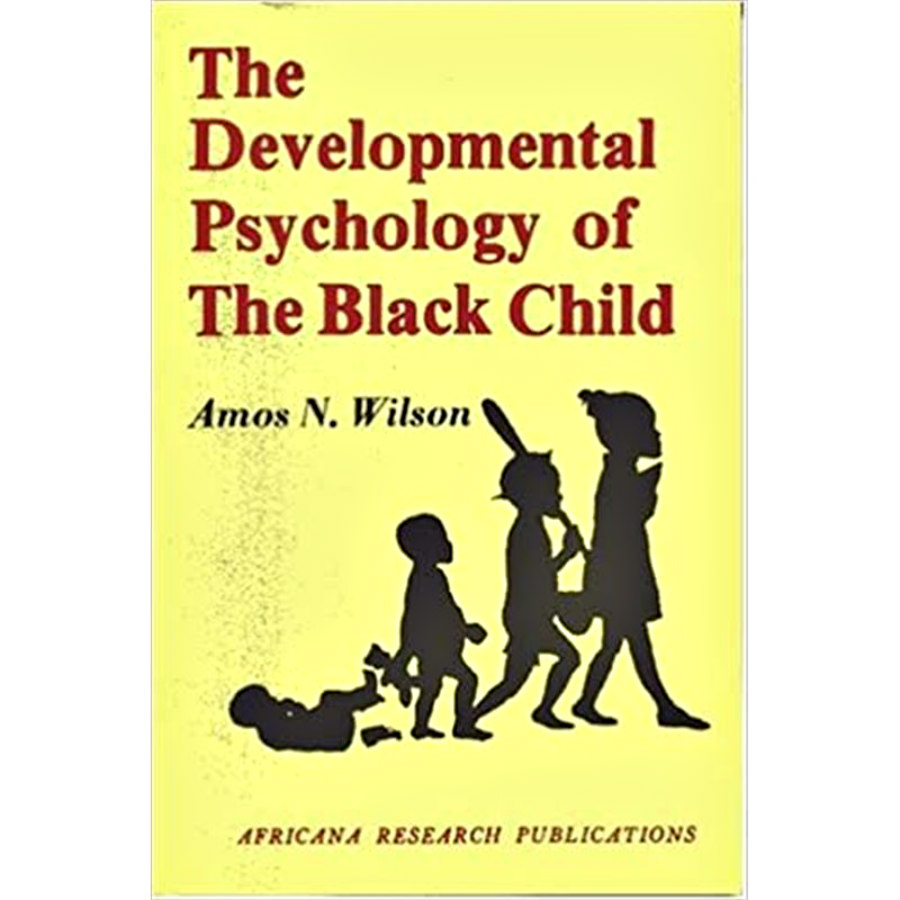
    BOOK Review: The Developmental Psychology of the Black Child by Dr. Amos N. Wilson

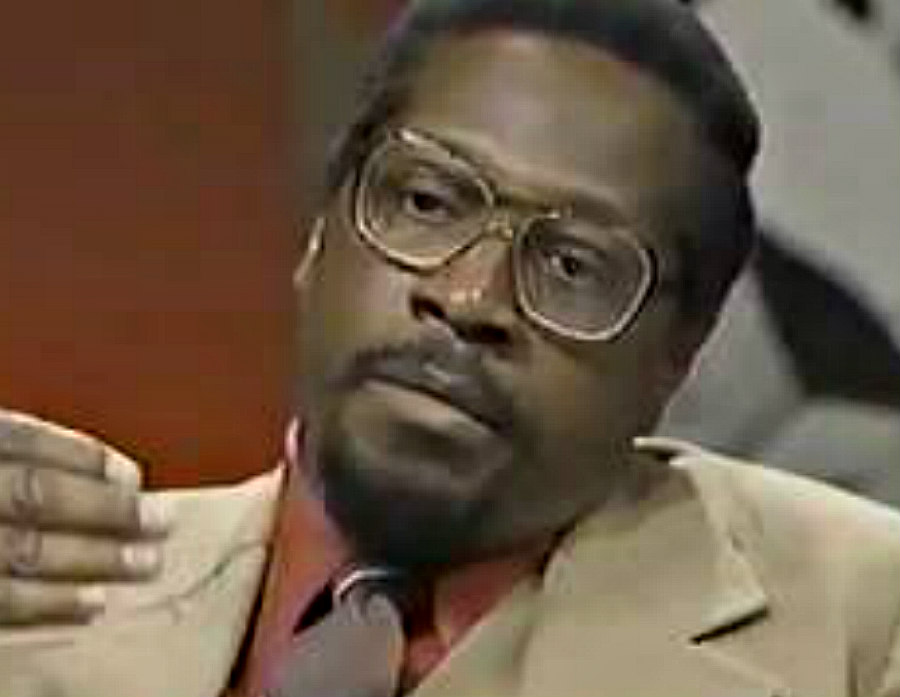
    Dr. Amos N. Wilson, one of the most profound and revolutionary minds in Black psychology and education. His work remains foundational for those seeking liberation from white supremacy and insight into the mental development of African-descended people.


    🌟🌟🌟🌟🌟 5/5

    Dr. Amos N. Wilson: Revolutionary Psychologist and Defender of the Black Mind
    Featuring a 5-Star Review of The Developmental Psychology of the Black Child


    Who Was Dr. Amos Wilson? Biography and Legacy

    Dr. Amos N. Wilson (1941–1995) was a brilliant psychologist, educator, author, and Pan-African scholar whose life work was dedicated to the mental liberation of Black people—especially Black children. Born in Hattiesburg, Mississippi, during the Jim Crow era, Wilson experienced firsthand the devastating effects of racism, segregation, and educational neglect in America.

    He earned his undergraduate degree at Morehouse College, one of the most prestigious Historically Black Colleges and Universities (HBCUs), and later received his Ph.D. in clinical psychology. He worked professionally as a psychologist, not a psychiatrist (a psychiatrist is a medical doctor who prescribes medication, whereas psychologists focus more on therapy, behavior, and educational assessments).

    Wilson taught at City College of New York, worked in social services, and was a youth advocate in the community. Though he kept much of his personal life private, he was married and had children, whom he referenced as part of his lived experience raising and analyzing Black youth in America.


    His Revolutionary Impact on Psychology

    Dr. Wilson was one of the leading figures in African-centered psychology, challenging the Eurocentric models that labeled Black children as “deficient,” “disruptive,” or “inferior.” He argued that psychological development cannot be separated from the socioeconomic and political environment in which a child lives.

    Wilson criticized the mainstream education system and mental health industry for misdiagnosing and mislabeling Black children, particularly Black boys, with learning disabilities and behavior disorders. His goal was to replace white-dominated models of psychology with Africentric, culturally-grounded frameworks rooted in history, identity, and liberation.


    🧠 Five-Star Book Review

    Title: The Developmental Psychology of the Black Child
    By Dr. Amos N. Wilson
    Rating: ⭐⭐⭐⭐⭐ (Essential, Groundbreaking, Liberatory)

    This book is an intellectual masterpiece and a foundational text in the field of Black child psychology. Dr. Wilson wrote it to expose the harmful assumptions of traditional child development theories, which were based almost entirely on white children from middle-class environments. He argued that applying these same metrics to Black children—who face systemic racism, cultural marginalization, and poverty—creates a false narrative of inferiority.


    Purpose and Discoveries of the Book

    Dr. Wilson’s goal was to help educators, psychologists, and parents understand that Black children are different not in deficiency, but in experience and cultural expression. He carefully analyzed:

    • Cognitive development
    • Speech and language acquisition
    • Behavioral traits
    • Academic performance
    • Cultural identity formation

    His central discovery was that Black children learn and grow differently, not because of biological inferiority, but due to environmental racism, cultural mismatch in classrooms, and lack of Afrocentric nurturing. The book includes data, case studies, and critiques of standardized testing, intelligence tests, and biased teacher expectations.

    “The major problem facing Black children is not low IQ but low expectations and miseducation.”
    —Dr. Amos N. Wilson


    His Solutions: What Would Make a Difference?

    Wilson was not just critical—he was constructive. He outlined practical, Afrocentric solutions to enhance the development of Black children:

    • Culturally relevant curriculum rooted in African history and identity
    • Black-controlled educational institutions
    • Parental involvement with strong cultural pride
    • Black psychologists and teachers trained in Africentric developmental theory
    • Community unity and collective responsibility

    He argued that true education should not merely prepare Black children to fit into white society, but to transform and liberate it.


    Dr. Wilson’s Views on Racism in America

    Wilson taught that racism is not about feelings but systems. He saw white supremacy as a global power structure designed to protect white genetic survival, wealth, and dominance. He often said that Black people’s problems are political and economic in nature and must be solved through organized Black power, not begging for white validation or inclusion.

    “Racism is a power relationship… White people are not superior, but they control the institutions of life and death.”
    —Dr. Amos Wilson

    His explosive voice, piercing intellect, and relentless truth-telling made him feared by white academia and loved by conscious Black communities. He was labeled “radical,” “controversial,” and “divisive,” because he exposed the core of systemic racism and called for Black self-determination.


    His Activism and Public Influence

    Though not a marcher or politician, Dr. Wilson was a radical intellectual activist. His activism was in the classroom, the lecture hall, and the page. He spoke passionately at Black conferences, on college campuses, and through media outlets like The Black Dot, Gil Noble’s Like It Is, and other grassroots platforms.

    His voice—booming, baritone, authoritative, and deeply Black—could shake a room and awaken minds. He challenged both white systems and Black complacency.

    “If you don’t understand white supremacy—what it is and how it works—everything else you think you know will only confuse you.”
    —A quote often attributed to both Wilson and Neely Fuller Jr., reflecting their shared ideology.


    Are Black Children Different from White Children?

    Yes—not in intrinsic capability, but in cultural experience, linguistic patterns, and the societal context they are born into. Wilson emphasized:

    • Black children often demonstrate early creativity, rhythm, advanced speech patterns, and kinesthetic learning styles.
    • They are often punished for their brilliance—seen as “hyper,” “loud,” or “defiant”—when in fact they are expressive, inquisitive, and socially advanced.
    • Standardized testing, Eurocentric curricula, and white teacher bias suppress their natural intelligence and creativity.

    He argued that white children are socialized into supremacy, while Black children are often miseducated into submission. The solution, Wilson insisted, was not integration but institution-building, cultural restoration, and psychological freedom.


    Final Thoughts: A Genius We Must Not Forget

    Dr. Amos N. Wilson was a towering intellect, an educator of the soul, and a protector of Black youth. He didn’t just critique the system—he built a blueprint for liberation. His work remains more relevant than ever in an age of continued police violence, educational neglect, and cultural confusion.

    He was respected because he was fearless—a man who told the truth when it wasn’t popular. He gave his life to the mind and left behind mental ammunition for Black survival and progress.


    References

    • Wilson, A. N. (1978). The Developmental Psychology of the Black Child. Afrikan World Infosystems.
    • Wilson, A. N. (1998). Blueprint for Black Power: A Moral, Political, and Economic Imperative for the Twenty-First Century.
    • Akbar, N. (1991). Visions for Black Men.
    • Kambon, K. (2003). Cultural Misorientation: The Greatest Threat to the Survival of the Black Race in the 21st Century.
    • Asa G. Hilliard III and Wade W. Nobles, colleagues and fellow pioneers in Afrocentric psychology.

    Dilemma: Lightism and Shadeism: The Intra-Racial Color Hierarchy and Its Impact on the Black Experience.

    Photo by Adefemi Adedoyin on Pexels.com

    Lightism and shadeism are two interrelated forms of intra-racial discrimination that privilege lighter skin tones over darker complexions within communities of color, particularly in the African diaspora. While racism is externally imposed by systemic white supremacy, lightism and shadeism are internalized hierarchies that reflect colonial legacies and Eurocentric beauty standards. These ideologies affect not only personal identity and self-worth but also professional advancement, media representation, and spiritual narratives. This essay explores the definitions and consequences of lightism and shadeism, their specific impact on the Black community, Hollywood, and the workforce, as well as the lived experiences of two Black actresses. It further examines the “Brown Girl Dilemma” and draws upon biblical insights, particularly from the King James Version of the Bible, to explain the historical mistreatment of Black people.


    Defining Lightism and Shadeism

    Lightism refers to the preferential treatment of individuals with lighter skin tones, especially within the same racial or ethnic group. It is a manifestation of colonial ideology, deeply rooted in the systemic privileging of whiteness (Hunter, 2007). Shadeism, a term often used interchangeably with colorism, specifically denotes discrimination based on the darkness or lightness of one’s skin within a racial group. While both terms are often synonymous, “lightism” implies an aspirational tilt toward whiteness, whereas “shadeism” emphasizes the gradient of privilege or marginalization based on skin tone.

    These ideologies are not mere aesthetic preferences; they are tools of social stratification that reinforce European standards of beauty, intelligence, and civility, ultimately dividing Black communities internally (Russell, Wilson, & Hall, 1992).


    The Impact on the Black Community, Hollywood, and the Workforce

    In the Black community, shadeism contributes to a deeply entrenched psychological struggle—light-skinned individuals may experience privilege and acceptance, while dark-skinned individuals often face rejection, hypersexualization, and dehumanization. These dynamics sow seeds of division, low self-esteem, and generational trauma (Wilder, 2010).

    In Hollywood, lightism and shadeism are visibly apparent. Lighter-skinned Black actors and actresses have historically received more prominent roles, romantic leads, and endorsement deals. Dark-skinned actors, especially women, are often relegated to stereotypical roles or excluded entirely. The casting of biracial or lighter-complexioned actresses to portray historically dark-skinned figures—such as Nina Simone—demonstrates how this bias distorts cultural memory and representation.

    In the workforce, these biases translate to employment discrimination. Research has shown that lighter-skinned African Americans are more likely to be hired, earn higher salaries, and attain leadership positions than their darker-skinned counterparts—even when qualifications are equal (Goldsmith, Hamilton, & Darity, 2007). This disparity stems from the perception that lighter skin aligns more closely with white norms, which are often unconsciously upheld in hiring practices and workplace culture.


    Actresses and the Reality of Shadeism

    Two actresses who personify the lived reality of shadeism are Viola Davis and Zendaya.

    Viola Davis, a dark-skinned, classically trained actress, has spoken openly about how her complexion limited her roles in Hollywood. Despite her immense talent, she was frequently cast in roles that emphasized suffering or servitude. In an interview with The New York Times, Davis remarked: “If I wanted to play the role of a romantic lead or a beautiful woman, I would need to be 10 to 15 shades lighter” (Dargis, 2016). Her Emmy-winning performance in How to Get Away with Murder was groundbreaking not only for its complexity but because it gave a dark-skinned woman a leading role traditionally denied to her.

    Zendaya, who identifies as biracial, has acknowledged her privilege as a lighter-skinned Black woman. She once stated, “As a light-skinned Black woman, it’s important that I use my privilege and platform to show you how much beauty there is in the African-American community” (Essence, 2018). While her success is undeniable, Zendaya’s visibility also raises critical questions about how often Hollywood defaults to lighter-skinned actors to represent the full spectrum of Black identity.


    The Brown Girl Dilemma

    The Brown Girl Dilemma is the psychological and emotional conflict faced by darker-skinned Black women navigating societal and intra-racial rejection. This dilemma often includes feelings of invisibility, self-doubt, and the need to overcompensate for perceived deficits in beauty or femininity. It reflects not only internalized racism but also systemic barriers that silence and marginalize darker-skinned women in media, education, and relationships (Jones, 2000).


    Spiritual Dimensions: The Biblical Explanation

    From a Hebraic-Israelite perspective, many Black scholars and faith-based researchers argue that the mistreatment of Black people is not only social but spiritual. According to the King James Bible, the curses outlined in Deuteronomy 28—including captivity, degradation, and economic disenfranchisement—are often interpreted as prophetic indicators of the identity and suffering of the true children of Israel.

    “The stranger that is within thee shall get up above thee very high; and thou shalt come down very low” (Deuteronomy 28:43, KJV).
    “Thy sons and thy daughters shall be given unto another people, and thine eyes shall look, and fail with longing for them all the day long” (Deuteronomy 28:32, KJV).

    This theological lens asserts that Black people are experiencing divine chastisement for their ancestors’ disobedience and idolatry. However, this same scripture also promises restoration and healing if obedience to divine law is restored.


    Quotes and Testimonies

    • Malcolm X once said, “Who taught you to hate the color of your skin? Who taught you to hate the texture of your hair?”—an indictment of internalized racism and lightism.
    • Lupita Nyong’o, an Oscar-winning actress, stated: “I grew up thinking light skin was more beautiful… until I saw a dark-skinned model who looked like me. Representation matters.” (Black Women in Hollywood, 2014)

    How Can the Black Community Overcome Lightism and Shadeism?

    1. Reeducation: Promote historical and cultural education that affirms African aesthetics and dismantles Eurocentric beauty ideals.
    2. Representation: Amplify diverse Black voices in media, literature, and film to normalize and celebrate all shades of Blackness.
    3. Theological Reconnection: Re-examine spiritual identity through a biblical lens that acknowledges both past transgressions and future redemption.
    4. Collective Healing: Foster intergenerational dialogue and healing spaces to address trauma related to colorism.
    5. Policy and Practice: Implement anti-colorism awareness in hiring practices, school curriculums, and workplace diversity training.

    Conclusion

    Lightism and shadeism remain pervasive and insidious forms of discrimination within the Black community, reinforced by colonialism, capitalism, and cultural amnesia. The experiences of actresses like Viola Davis and Zendaya highlight how these hierarchies operate even among the most visible. By confronting the “Brown Girl Dilemma,” revisiting the biblical roots of oppression, and reclaiming identity through faith, education, and solidarity, Black people can transcend these barriers. True liberation begins when all shades of Blackness are affirmed, valued, and celebrated—spiritually, socially, and systemically.


    References

    • Dargis, M. (2016). Viola Davis on How Hollywood Shuts Out Women of Color. The New York Times.
    • Essence. (2018). Zendaya on Using Her Light-Skin Privilege to Speak Up for Her Community.
    • Goldsmith, A. H., Hamilton, D., & Darity Jr., W. (2007). From dark to light: Skin color and wages among African-Americans. Journal of Human Resources, 42(4), 701–738.
    • Hunter, M. (2007). The Persistent Problem of Colorism: Skin Tone, Status, and Inequality. Sociology Compass, 1(1), 237–254.
    • Jones, T. (2000). Shades of Brown: The Law of Skin Color. Duke Law Journal.
    • Russell, K., Wilson, M., & Hall, R. (1992). The Color Complex: The Politics of Skin Color Among African Americans. Anchor.
    • Wilder, J. (2010). Revisiting “Color Names and Color Notions”: A Contemporary Examination of the Language and Attitudes of Skin Color among Young Black Women. Journal of Black Studies, 41(1), 184–206.
    • The Holy Bible, King James Version (KJV), Deuteronomy 28.