Tag Archives: the brown boy dilemma

Dilemma: Slavery – Chains Across the Waters: The Transatlantic Slave Trade, Biblical Prophecy, and the Legacy of Black Enslavement

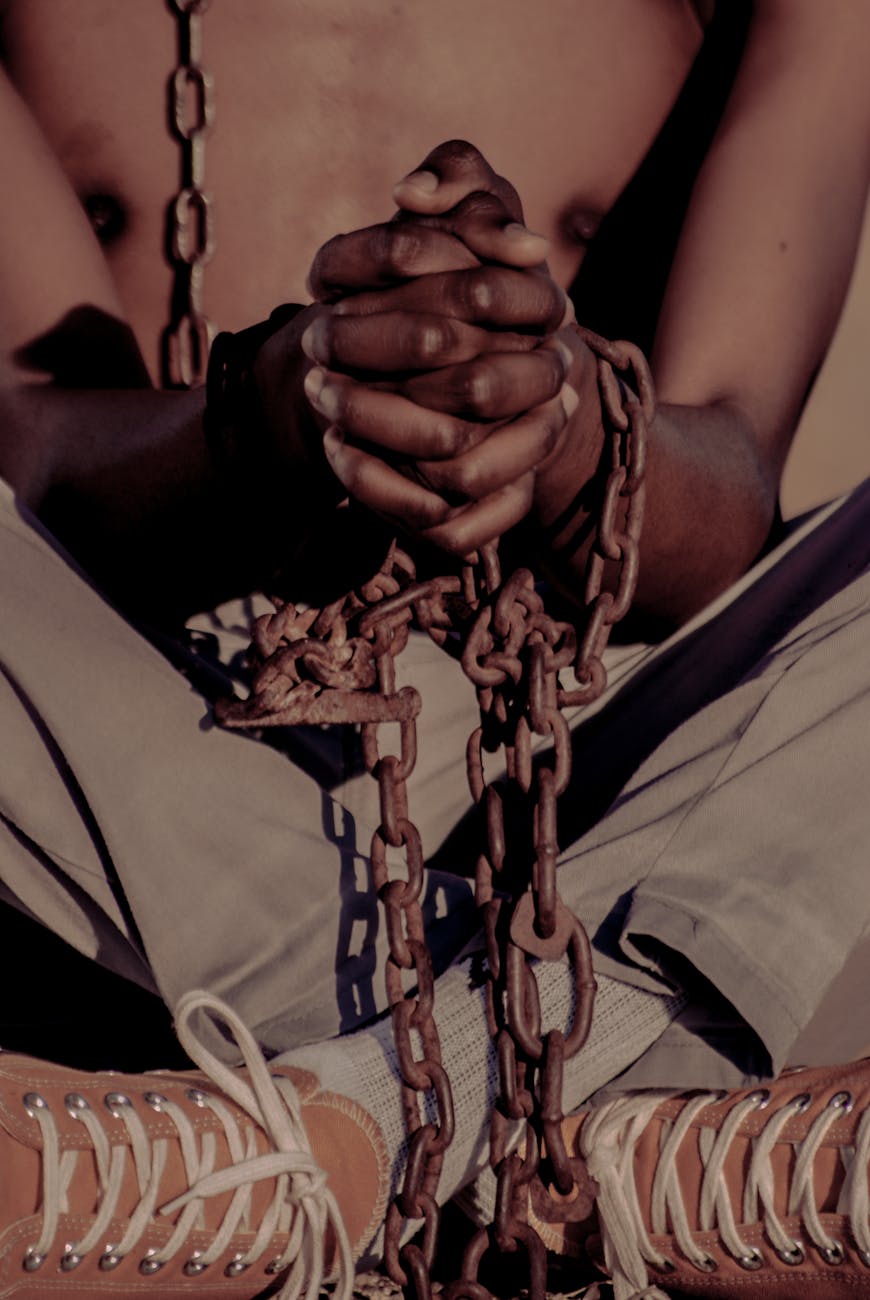
Photo by Thato Moiketsi on Pexels.com

“We Came in the Bottom of Ships”

(A Poem About Slavery)

We came in the bottom of ships, not dreams,
Chained like thunder beneath wooden beams,
Torn from kingdoms kissed by the sun,
From the drums of Dahomey, to the rivers of the Congo run.

We were Igbo, Ashanti, Hebrew, and Ewe,
Mothers of wisdom, warriors of sway,
Fathers of iron, scribes of the scroll,
Our names were gold—but they bartered our soul.

The wind was not freedom but fury and foam,
As they stacked our breath in a floating tomb.
“Amistad,” “Brookes,” and “Jesus” they sailed,
Yet Christ wept each time those hulls prevailed.

We sang in the dark where no sun reached,
We prayed in a tongue they could not breach.
Deuteronomy cried from the sacred page,
“You shall go into Egypt again”—the prophecy aged.

They whipped us at dawn, and raped through the night,
Took our children, and robbed us of sight.
Taught us to bow and forget who we were,
Yet our blood remembered—we came from the Word.

On blocks we stood like cattle and coin,
Sold by the pound, bruised in the groin.
Names lost—Tamar, Kofi, Yaira, Adebayo—
Now called Jack, or Belle, or Uncle Sam’s shadow.

We built this land—its wealth, its walls,
With cotton-picked hands and freedom’s calls.
We bled in silence, we ran, we fought,
We learned to read, though they said we could not.

They broke our backs, but not our will,
For Harriet moved by the Spirit still.
And Frederick wrote fire with a bleeding pen,
While Nat Turner rose like a lion again.

Now we dance in Juneteenth’s flame,
Remembering each forgotten name.
From chains to chants, from songs to speech,
Still reaching the freedom they dared not teach.


Closing Lines

So when you ask where our story begins,
It does not start in chains or sins—
But in a garden, in a scroll, in ancient breath—
Slavery was a shadow. But we are not death.
We are prophecy walking. We are Judah’s drum.
We are the voice that says: “Let my people come.”

.


The transatlantic slave trade remains one of the darkest stains in human history—marked by over four centuries of systemic oppression, brutality, and the forced migration of millions of African men, women, and children. Black people were enslaved in the Americas for approximately 246 years, from 1619 to 1865, and the aftershocks of this atrocity continue to reverberate in modern society. The origin, scale, and spiritual context of this historical trauma require a deep examination—of not only the ships and auction blocks but also the prophetic echoes found in Scripture, particularly Deuteronomy 28.


Origins of African Slavery: Historical and Spiritual Roots

The transatlantic slave trade began in the late 15th century, with European powers—especially Portugal, Britain, Spain, France, and the Netherlands—establishing trading posts along the western coasts of Africa. Africans were kidnapped or sold by rival tribes, many through warfare or debt bondage, and transported across the Atlantic Ocean in horrific conditions.

According to Deuteronomy 28:68 (KJV):

“And the Lord shall bring thee into Egypt again with ships, by the way whereof I spake unto thee, Thou shalt see it no more again: and there ye shall be sold unto your enemies for bondmen and bondwomen, and no man shall buy you.”

This verse is widely cited in Hebraic Israelite theology as a prophetic reference to the transatlantic slave trade, wherein descendants of the biblical Israelites—believed by many to be the so-called African Americans—would be carried in ships to a new “Egypt” (a house of bondage).


Slave Ports and African Origins

Most of the enslaved Africans came from West and Central Africa, regions that include modern-day:

  • Ghana
  • Nigeria
  • Benin
  • Senegal
  • Angola
  • Sierra Leone

The major slave embarkation points were on the Ivory Coast, Gold Coast, Slave Coast, and Bight of Biafra.

There is evidence that Shemites—descendants of Shem, one of Noah’s sons—lived in parts of Africa, particularly among Hebrew-speaking tribes such as the Igbo of Nigeria, the Akan of Ghana, and others who retained oral traditions, circumcision practices, and laws similar to ancient Israel (Hotep, 2016).


Slave Ships and Death at Sea

The names of infamous slave ships included:

  • The Brookes
  • The Henrietta Marie
  • The Jesus of Lübeck (ironically owned by Queen Elizabeth I)
  • La Amistad

Conditions aboard these ships were inhumane. Africans were shackled, stacked tightly in cargo holds with little air, and barely fed. It is estimated that at least 1.8 million of the 12.5 million enslaved Africans died during the Middle Passage (Eltis & Richardson, 2010).

The story of La Amistad (1839) stands out as one of resistance. Enslaved Mende Africans, led by Sengbe Pieh (Cinqué), rebelled against their Spanish captors. The case reached the U.S. Supreme Court, which ruled in favor of the Africans’ freedom—marking a rare legal victory for Black resistance.


Slavery in America and the World

Slavery existed globally, but the transatlantic slave trade was uniquely brutal and racialized. Other nations that held African slaves included:

  • Brazil
  • Cuba
  • The Caribbean colonies
  • Spain
  • Portugal
  • France
  • The Netherlands

In North America, enslaved people were forced into:

  • Plantation labor (cotton, sugar, tobacco)
  • Domestic service
  • Skilled crafts
  • Childbearing (as a source of wealth)

They were often sold at public slave auctions, stripped naked, examined like livestock, and renamed with European or Anglo-Christian names. Most were forced to abandon their original Hebrew names, cultural identities, and languages, such as Ewe, Igbo, Wolof, Yoruba, and Akan.


Sexual Violence and Psychological Warfare

Slavery in America was not only physical but psychological and sexual. “Buck breaking” was a barbaric method where enslaved Black men were raped or publicly humiliated to break their spirit and deter rebellion. It is hard to quantify, but tens of thousands of Black women were also raped by white slave masters, often forced to bear children who were legally still enslaved under the status of the mother (partus sequitur ventrem).


The Abolition of Slavery

Slavery in the United States was abolished in 1865 with the ratification of the 13th Amendment, pushed forward by the efforts of abolitionists like Frederick Douglass, Harriet Tubman, and William Lloyd Garrison, as well as President Abraham Lincoln‘s Emancipation Proclamation (1863).


Slave Narratives and Overcoming

One of the most famous narratives is that of Harriet Jacobs, author of Incidents in the Life of a Slave Girl, who detailed her harrowing experiences as a sexually abused enslaved woman.

Another is Frederick Douglass, who escaped slavery, taught himself to read, and became one of the greatest orators and writers in American history. His book Narrative of the Life of Frederick Douglass (1845) exposed the cruelty of slavery and helped ignite the abolitionist movement.


Modern Black Celebration and Resilience

Today, Black Americans honor their ancestors and freedom through:

  • Juneteenth (June 19th, the date when the last slaves in Texas were freed in 1865)
  • Black History Month
  • Kwanzaa
  • Passover Celebrations (among Hebrew Israelites)

Is the Condition of Black People Better Today?

While legal slavery is abolished, systemic racism, mass incarceration, police brutality, and economic disparities persist. Nevertheless, the resilience, innovation, and cultural power of Black people have reshaped nations—from political powerhouses like Barack Obama to cultural icons like Maya Angelou and Malcolm X.


Conclusion

Slavery was not merely a historical event; it was a fulfillment of biblical prophecy, a global enterprise fueled by greed and racial supremacy, and a foundational trauma in the American story. Understanding its full scope—both physically and spiritually—allows us to honor those who perished, those who resisted, and those who still rise today.


References

  • Berlin, I. (2003). Generations of Captivity: A History of African-American Slaves. Harvard University Press.
  • Deuteronomy 28:68. (n.d.). The Holy Bible, King James Version.
  • Eltis, D., & Richardson, D. (2010). Atlas of the Transatlantic Slave Trade. Yale University Press.
  • Douglass, F. (1845). Narrative of the Life of Frederick Douglass, an American Slave. Boston: Anti-Slavery Office.
  • Jacobs, H. (1861). Incidents in the Life of a Slave Girl. Boston: Thayer & Eldridge.
  • Hotep, D. (2016). The African Hebrews: Biblical Israelites in Africa. Afrikan Mind Publishing.
  • Lovejoy, P. E. (2000). Transformations in Slavery: A History of Slavery in Africa. Cambridge University Press.

Bridging the Divide: Rebuilding Appreciation Between Black Men and Black Women

Photo by Zexy Zw.com on Pexels.com

The relationship between Black men and Black women is historically complex, shaped by centuries of systemic oppression, cultural evolution, and personal experiences. At its best, it is a partnership rooted in shared struggle, resilience, and cultural pride. At its worst, it is marred by misunderstanding, mistrust, and internalized stereotypes. Addressing this dynamic requires honesty about desires, challenges, and the spiritual foundation of mutual respect.


Do Black Men Feel Appreciated by Black Women—and Vice Versa?

Appreciation is often mutual but not always equally expressed. Many Black men report feeling valued for their strength, protection, and leadership, yet some also express frustration at being misunderstood or overly criticized. Likewise, Black women often feel celebrated for their resilience and beauty, but also burdened by societal expectations to be endlessly strong. According to psychologist Dr. Joy DeGruy (2005), the lingering effects of slavery and Jim Crow created fractured gender dynamics within the Black community, making full appreciation more difficult to maintain.


What Black Men Want from Black Women

Studies suggest that Black men often value loyalty, respect, emotional support, physical attraction, and shared cultural understanding (Pew Research Center, 2019). Many emphasize the need for a partner who believes in their vision and offers encouragement during life’s challenges. Spiritually, Proverbs 31 paints the image of a virtuous woman whose strength, wisdom, and kindness are deeply respected.


What Black Women Want from Black Men

Black women frequently prioritize protection, emotional intimacy, faithfulness, ambition, and the ability to lead with humility. They also value vulnerability—a man willing to communicate and share his inner struggles rather than hiding them. The Song of Solomon illustrates a loving relationship where both partners delight in and honor one another without power struggles or mistrust.


Traits Black Men Look for in a Mate

  1. Kindness and compassion
  2. Physical beauty and attraction
  3. Intelligence and ambition
  4. Faith and shared values
  5. Supportive spirit and respect for his role

These traits are not universal to all Black men but are frequently expressed in surveys and relationship studies.


Problems Between Black Men and Black Women

Historical oppression fostered systemic issues—mass incarceration, economic inequality, and disrupted family structures—that created tension in gender relations. Some Black men may feel disrespected or unappreciated, while some Black women feel unsupported or abandoned. Cultural portrayals often fuel conflict, with music, film, and social media promoting narratives of distrust, promiscuity, and materialism rather than unity and cooperation.


Why Do Some Black People Marry Outside Their Race?

Interracial marriage can stem from genuine attraction, shared interests, or proximity in diverse environments. However, research also points to the influence of colorism and Eurocentric beauty ideals, which may cause some to idealize white partners over Black ones (Hunter, 2007). This preference is not universal, but it reflects the lingering impact of colonialism and media representation.


Do Black Men Prefer White Women?

While a small portion of Black men express a preference for white women, most Black men in the U.S. marry Black women (Pew Research Center, 2017). Media narratives often exaggerate interracial dating trends, which can feed mistrust within the community.


Negative Stereotypes Black People Have Against Each Other

  • Against Black Women: “Angry Black Woman,” “Gold Digger,” “Overly Independent,” “Too Masculine.”
  • Against Black Men: “Absent Father,” “Player/Womanizer,” “Lazy,” “Unemotional,” “Dusty,” “Too Wimpy,” “Lack of Masculinity.”

These stereotypes, rooted in racist propaganda, damage relationships by reinforcing distrust and limiting the ability to see one another as complex, individual human beings.


How Can We Appreciate Each Other More?

  • Active Listening – Hearing each other without defensiveness.
  • Affirmation – Expressing gratitude for contributions and sacrifices.
  • Cultural Pride – Celebrating shared heritage rather than competing.
  • Partnership in Purpose – Building families, businesses, and ministries together.
  • Forgiveness – Releasing past hurts to embrace a better future.

What Does the Bible Say About How We Should Treat Each Other?

Scripture is clear about mutual respect and love:

  • Ephesians 5:25“Husbands, love your wives, even as Christ also loved the church, and gave himself for it.”
  • Proverbs 31:30“Favour is deceitful, and beauty is vain: but a woman that feareth the LORD, she shall be praised.”
  • 1 Peter 3:7“Husbands, dwell with them according to knowledge, giving honour unto the wife.”
  • Matthew 7:12“Therefore all things whatsoever ye would that men should do to you, do ye even so to them.”
  • Ecclesiastes 4:9–10“Two are better than one… For if they fall, the one will lift up his fellow.”

The Bible commands love, honor, and humility between men and women. If these principles guided every relationship, many of today’s relational wounds in the Black community could be healed.


References

DeGruy, J. (2005). Post Traumatic Slave Syndrome: America’s legacy of enduring injury and healing. Uptone Press.
Hunter, M. (2007). The persistent problem of colorism: Skin tone, status, and inequality. Sociology Compass, 1(1), 237–254.
Pew Research Center. (2017). Intermarriage in the U.S. 50 years after Loving v. Virginia. Retrieved from https://www.pewresearch.org
Pew Research Center. (2019). Race in America: Public attitudes toward race relations. Retrieved from https://www.pewresearch.org

The Slave Files: Whipped Peter (Gordon)

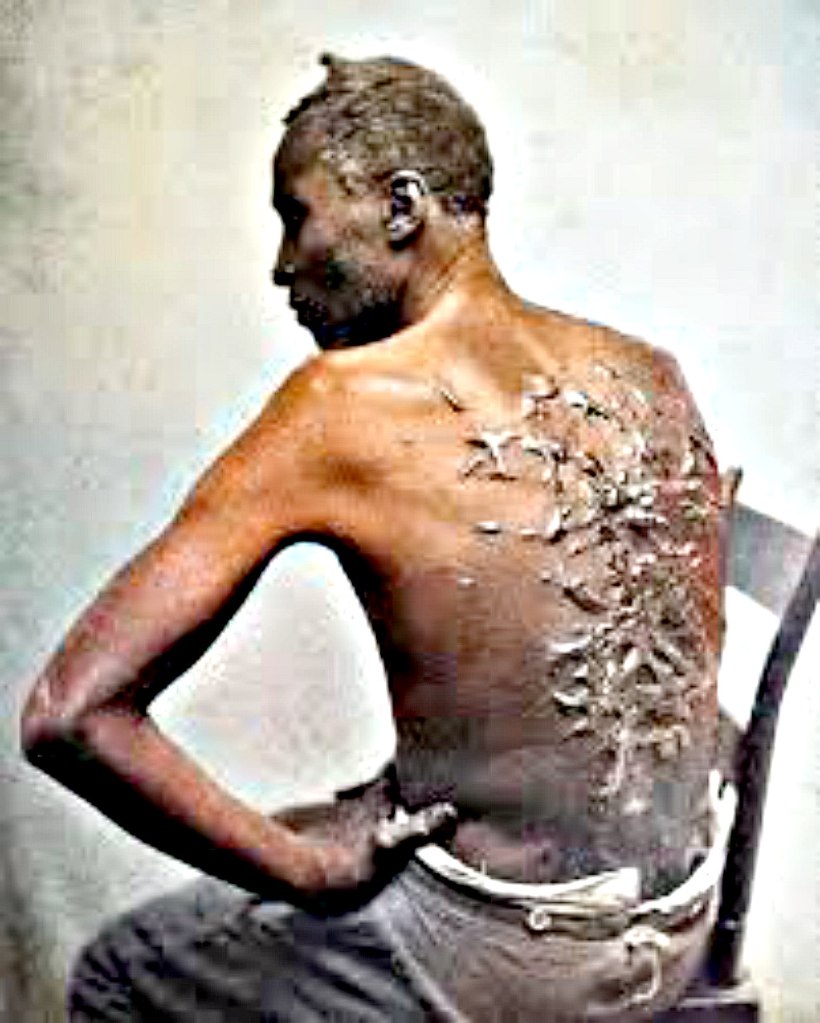
The Scourged Back

Chains that bound, yet could not break
A spirit strong, though flesh did ache.
Scarred and beaten, marked by pain,
He rose to freedom, hope his gain.

Whipped by cruelty, yet never bent,
A testament to courage, resilient.
From fields of sorrow to Union’s call,
Peter’s courage outshines it all.

Photo Credit: McPherson & Oliver. This photograph is the property of its respective owner.

Peter, also known as “Whipped Peter” or “Gordon,” was an enslaved African American man born around 1820–1825; some accounts report his birth around 1850 in Georgia. He was sold to a 3,000-acre plantation in Louisiana owned by Captain John Lyons. In late October 1862, after an altercation with his overseer, Peter was subjected to a brutal whipping that left deep, permanent scars across his back. The overseer reportedly applied salt to the wounds, a common and excruciating practice known as “salting,” intended to inflict maximum pain and humiliation.

Despite this horrific treatment, Peter survived and, in March 1863, escaped the plantation. Using onions to mask his scent from bloodhounds, he reached Union lines near Baton Rouge, Louisiana. There, photographers McPherson & Oliver captured his scarred back, producing the image known as “The Scourged Back.” This photograph circulated widely in abolitionist publications and became a poignant testament to the brutality of slavery, galvanizing public opinion against the institution.

In March 1863, Peter escaped from the plantation, covering his scent with onions to evade bloodhounds. After a perilous journey, he reached Union lines near Baton Rouge, Louisiana, where he was photographed by McPherson & Oliver, revealing the extent of his injuries. The resulting image, known as “The Scourged Back,” was widely circulated and became a poignant testament to the brutality of slavery . Following his escape, Peter enlisted in the Union Army and served in the U.S. Colored Troops, where he continued to contribute to the fight for freedom and justice. While his exact service details remain unclear, his story galvanized anti-slavery sentiments and highlighted the resilience and humanity of enslaved individuals. His story endures as a symbol of resilience, courage, and the unbreakable human spirit, reminding future generations of both the horrors of slavery and the strength required to survive and claim one’s freedom.


References for Further Reading

Dear Black Man 💖

Photo by Luis Araujo on Pexels.com

💖 My Beloved Black Man, 💖

I want you to feel, deep in your soul, just how cherished and celebrated you are. You are a man of strength and wisdom, a provider whose love is steady and unwavering, a leader whose footsteps guide those around you. I see the weight you carry, the battles you’ve faced, and the countless sacrifices you’ve made—not for yourself, but for those you love. Through it all, you remain a man after God’s own heart, holding fast to faith, integrity, and purpose, even when the world has tried to break you. Your resilience inspires, your courage uplifts, and your love nourishes the hearts of all who are blessed to know you.

Through every trial, every sleepless night, and every storm, you have been here—not just physically, but with your heart fully present. You protect, provide, and love in ways that words cannot capture, leaving a legacy of strength, honor, and devotion. Never doubt the power of your influence, the beauty of your character, or the depth of your worth. You are celebrated, appreciated, and loved beyond measure. Keep standing tall, keep walking in faith, and know that your journey, your triumphs, and your very essence are treasured.

💖 With all my love and admiration, a Black woman 💖

Red Flags in Relationships: Recognizing Emotional Manipulation, Healing After Betrayal, and Building Healthy Boundaries.

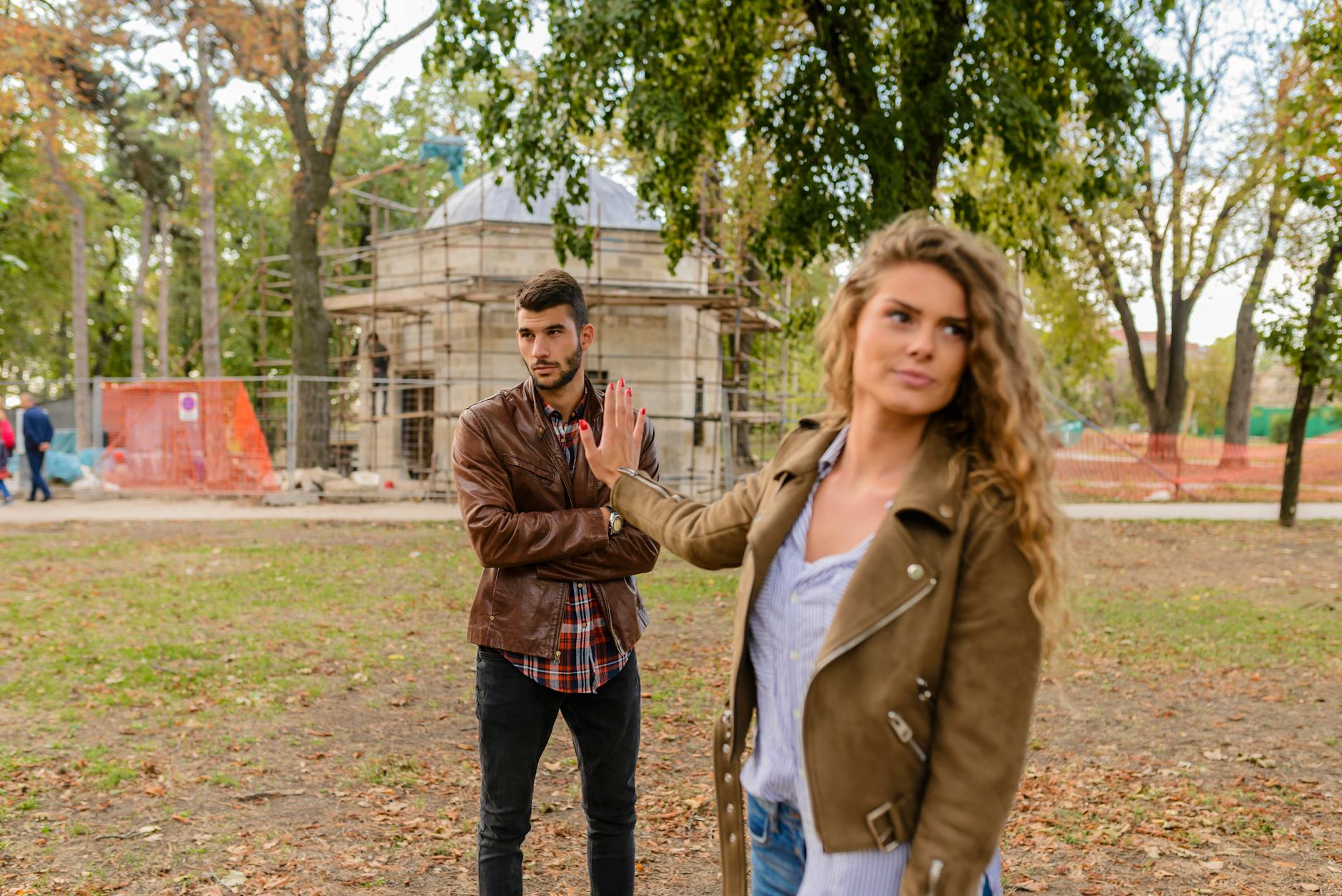
Photo by Vera Arsic on Pexels.com

Relationships are designed to provide love, support, and partnership. Yet not all relationships are healthy, and many people ignore warning signs until significant damage is done. Recognizing emotional manipulation, recovering from betrayal, and learning to set boundaries are essential skills for building lasting, God-centered relationships. This article outlines red flags, provides psychological and biblical insights, and offers practical tips for discernment and healing.


1. Understanding Emotional Manipulation

Emotional manipulation occurs when one partner uses guilt, gaslighting, or control to gain power. Psychology defines this as a form of coercive control that erodes self-esteem and autonomy (Simon, 2010). The Bible warns against deceitful hearts: “The heart is deceitful above all things, and desperately wicked” (Jeremiah 17:9, KJV).


2. Common Red Flags of Emotional Manipulation

  • Excessive jealousy or possessiveness
  • Guilt-tripping when you set boundaries
  • Minimizing your feelings (“You’re overreacting”)
  • Gaslighting—making you doubt your memory or perception
  • Isolating you from family and friends
  • Using the silent treatment as punishment
  • Constantly shifting blame

3. Questions for Reflection on Red Flags

  • Do I feel smaller or weaker when I’m with this person?
  • Am I constantly apologizing though I did nothing wrong?
  • Does this person respect my “no”?
  • Am I free to express my faith, opinions, and goals without ridicule?

🚩 50 Red Flags in Relationships

Emotional Manipulation

  1. Constant guilt-tripping
  2. Gaslighting (making you doubt your reality)
  3. Silent treatment as punishment
  4. Excessive jealousy
  5. Love-bombing (over-the-top affection, then withdrawal)
  6. Controlling who you see or where you go
  7. Minimizing your feelings (“You’re too sensitive”)
  8. Shifting blame onto you
  9. Withholding affection to get their way
  10. Making everything about them

Lack of Respect

  1. Dismissing your opinions or ideas
  2. Interrupting or talking over you
  3. Mocking your beliefs or faith
  4. Publicly embarrassing you
  5. Ignoring your boundaries
  6. Refusing to apologize
  7. Using past mistakes against you
  8. Acting superior or condescending
  9. Treating you like property, not a partner
  10. Disregarding your need for personal time

Betrayal & Trust Issues

  1. Hiding their phone or social media activity
  2. Flirting with others in your presence
  3. Secretive about finances
  4. History of cheating (unrepented)
  5. Lying about small things often
  6. Double standards (“I can, but you can’t”)
  7. Emotional intimacy with others while neglecting you
  8. Refusal to commit
  9. Keeping important life details from you
  10. Prioritizing others over you consistently

Control & Power Imbalances

  1. Making you ask permission for basic decisions
  2. Dictating how you should dress or speak
  3. Criticizing your career or education choices
  4. Using money to control you
  5. Monitoring your whereabouts excessively
  6. Expecting you to sacrifice but never doing so themselves
  7. Using scripture or religion to manipulate you
  8. Refusing to let you grow independently
  9. Gaslighting about spiritual callings or convictions
  10. Expecting blind obedience instead of mutual respect

Emotional Neglect & Abuse

  1. Never celebrating your successes
  2. Dismissing your emotional pain
  3. Explosive anger or unpredictable moods
  4. Making jokes at your expense
  5. Refusing to communicate openly
  6. Never taking responsibility for mistakes
  7. Making you feel unworthy or undeserving of love
  8. Always taking but never giving
  9. Creating fear of abandonment as control
  10. Discouraging your relationship with God

Reflection Questions

  • Do I feel safe expressing myself in this relationship?
  • Do I feel closer to God because of this relationship, or further away?
  • Am I losing my identity in order to please this person?
  • Do I consistently feel valued and respected?

📖 Biblical Insight:
“Can two walk together, except they be agreed?” (Amos 3:3, KJV)
“Love worketh no ill to his neighbour: therefore love is the fulfilling of the law.” (Romans 13:10, KJV)


4. The Psychology of Manipulation

Manipulators thrive on control and often target empathetic individuals. According to attachment theory, those with insecure attachments may be more vulnerable to toxic dynamics (Mikulincer & Shaver, 2007). Recognizing manipulation is the first step toward reclaiming emotional health.


5. The Biblical Warning Against Toxicity

Proverbs 14:7 teaches: “Go from the presence of a foolish man, when thou perceivest not in him the lips of knowledge.” God calls His people to walk in truth and not to remain entangled in webs of deceit.


6. Betrayal and Its Psychological Impact

Betrayal, such as infidelity, leaves deep wounds. Psychologically, betrayal trauma can result in anxiety, depression, and distrust of future partners. Spiritually, betrayal contradicts God’s covenant model of faithfulness in marriage (Hebrews 13:4).


7. Healing After Cheating: First Steps

  • Allow yourself to grieve without shame.
  • Seek counseling or trusted support.
  • Avoid rushing decisions about reconciliation or separation.
  • Pray for clarity and healing.

Psalm 34:18 reminds us: “The Lord is nigh unto them that are of a broken heart.”


8. Questions for Healing

  • Am I blaming myself for someone else’s choice to betray me?
  • Do I still believe I am worthy of love?
  • What boundaries must I set to protect my heart going forward?

9. Psychology of Recovery

Studies show that intentional self-care, therapy, and building social support networks are crucial in emotional recovery (Freyd, 1996). Self-compassion, not self-condemnation, is key.


10. Forgiveness and Discernment

Forgiveness is commanded (Matthew 6:14–15), but forgiveness does not mean foolish trust. Discernment and wisdom are required to determine if a relationship can be rebuilt.


11. Building Healthy Boundaries

Boundaries are not walls but protective guidelines that preserve emotional, spiritual, and physical well-being. Saying “no” is a biblical principle of stewardship over one’s life and body (1 Corinthians 6:19–20).


12. Examples of Healthy Boundaries in Love

  • Respecting personal space and time
  • Clear expectations around communication
  • Financial transparency
  • Spiritual agreement and freedom to worship God
  • Honesty in emotional sharing

13. Questions to Evaluate Boundaries

  • Does this person respect when I say no?
  • Do I feel guilty when prioritizing self-care?
  • Am I able to worship and serve God freely in this relationship?

14. God as the Guide in Relationships

Psalm 37:23 declares: “The steps of a good man are ordered by the Lord.” Relationships flourish when God is at the center. Seeking His wisdom through prayer and Scripture ensures that compromise never leads to self-destruction.


15. Conclusion: Love Rooted in Worth and Wisdom

Recognizing red flags, healing after betrayal, and setting boundaries are all acts of honoring one’s God-given worth. Psychology equips us with tools to understand emotional dynamics, while Scripture provides the ultimate guide. In choosing God as our compass, we learn that true love is not manipulation, betrayal, or abuse—but mutual respect, faith, and covenantal devotion.


References

  • Freyd, J. J. (1996). Betrayal trauma: The logic of forgetting childhood abuse. Harvard University Press.
  • Mikulincer, M., & Shaver, P. R. (2007). Attachment in adulthood: Structure, dynamics, and change. Guilford Press.
  • Simon, G. K. (2010). In sheep’s clothing: Understanding and dealing with manipulative people. Parkhurst Brothers.

Dilemma: White Supremacy

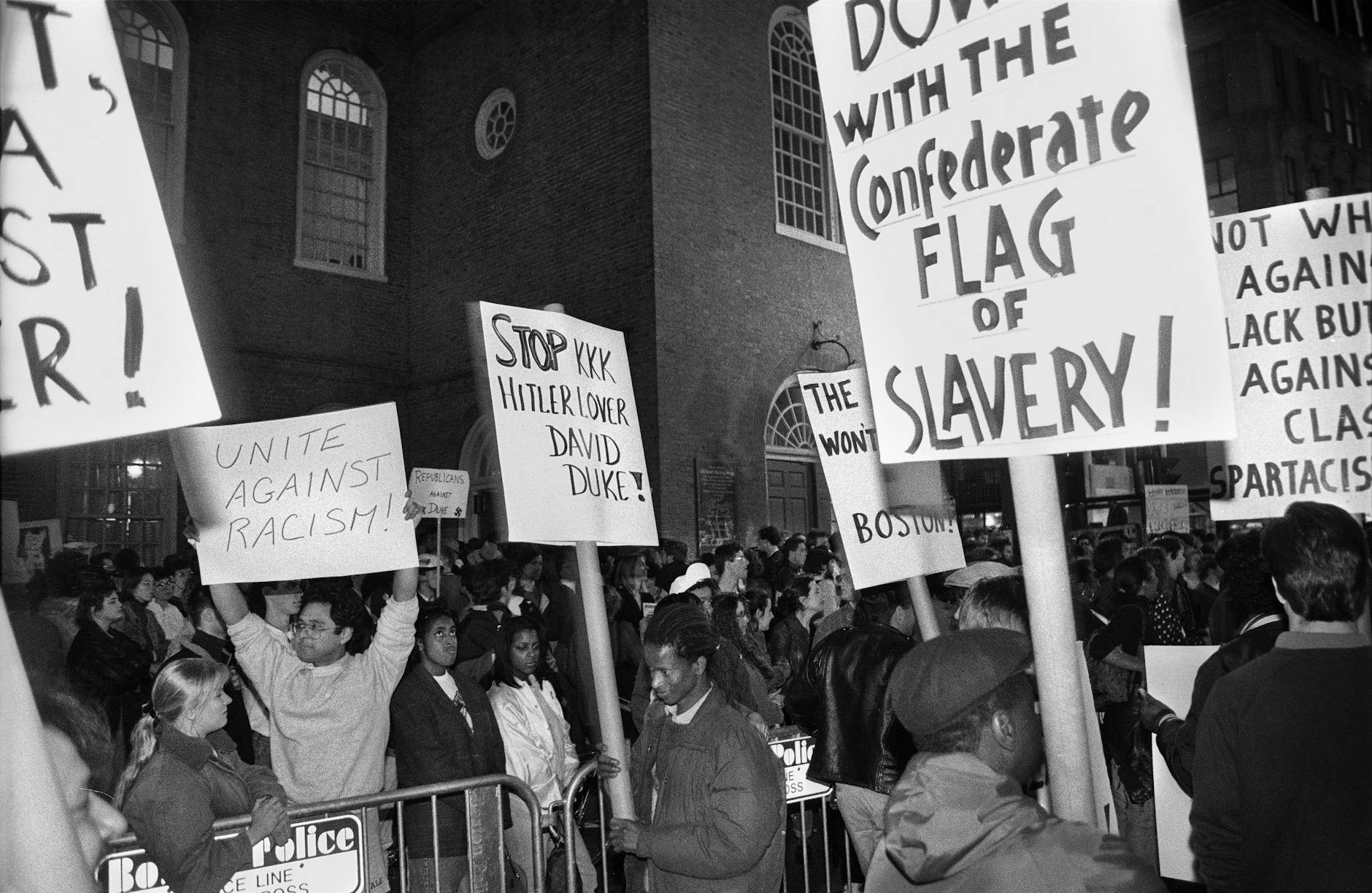
Photo by David Henry on Pexels.com

“The white race is the dominant race in America, and the black race is inferior.” — David Duke, former Grand Wizard of the Ku Klux Klan .Southern Poverty Law Center

White supremacy is a deeply ingrained ideology asserting the inherent superiority of white people over all other races. This belief system has been central to the social, political, and economic structures of many societies, particularly in the United States. Its origins can be traced back to the colonial era, where European powers justified the enslavement and subjugation of African peoples through pseudo-scientific and theological rationales.


Historical Origins and the Role of the Ku Klux Klan

The formalization of white supremacy in the United States was significantly influenced by the founding of the Ku Klux Klan (KKK) in 1865. Established by six Confederate veterans in Pulaski, Tennessee, the Klan aimed to restore white dominance in the post-Civil War South through terror and intimidation. The KKK’s activities included lynchings, arson, and other forms of violence directed at Black individuals and their allies.TIMEWikipedia+1

While the Klan was officially disbanded in the 1870s, its ideology persisted and resurfaced in various forms throughout American history, including during the Civil Rights Movement of the 1960s and in contemporary white nationalist groups.


The Premise of White Supremacy

At its core, white supremacy posits that white people are inherently superior to people of all other races and therefore should dominate society. This belief has been perpetuated through various means, including legislation, cultural norms, and institutional practices that privilege white individuals while marginalizing others.

The premise of white supremacy is often supported by distorted interpretations of religious texts and pseudo-scientific theories that dehumanize non-white populations. For instance, the “Curse of Ham” narrative was historically used to justify the enslavement of Black people by misinterpreting biblical passages .The Banner


Manifestations in Contemporary Society

In modern times, white supremacy manifests in various aspects of life, including employment, education, housing, and criminal justice. Black individuals often face systemic barriers such as discriminatory hiring practices, unequal educational opportunities, and over-policing, which hinder their ability to achieve economic stability and social mobility.

Psychologically, the pervasive nature of white supremacy can lead to internalized racism among Black individuals, affecting their self-esteem and mental health. Studies have shown that exposure to racial discrimination is associated with increased stress and adverse health outcomes .American Psychological Association


Biblical Perspectives and Misinterpretations

The Bible does not support the notion of racial superiority. In fact, passages such as Galatians 3:28 emphasize the equality of all people in Christ: “There is neither Jew nor Greek, slave nor free, male nor female, for you are all one in Christ Jesus.” However, throughout history, certain groups have misused scripture to justify racial hierarchies, citing misinterpretations like the “Curse of Ham” to rationalize the enslavement and oppression of Black people .GotQuestions.blogThe Banner


Psychological Impact on Black Americans

The psychological effects of white supremacy on Black Americans are profound and multifaceted. Chronic exposure to racism can lead to mental health issues such as anxiety, depression, and post-traumatic stress disorder (PTSD). Moreover, the constant need to navigate a society that devalues their existence can result in a diminished sense of self-worth and identity .


Global Perspectives on White Supremacy

While white supremacy is most prominently associated with the United States, it is not confined to its borders. Countries like Israel, Myanmar, and South Korea have faced criticism for racial discrimination and human rights violations against minority groups . These global instances highlight the pervasive nature of racial hierarchies and the need for international efforts to combat them.U.S. News & World Report


Steps of White Supremacy

White supremacy operates through several key mechanisms:

  1. Ideological Justification: Promoting beliefs and narratives that dehumanize non-white populations.
  2. Institutionalization: Embedding discriminatory practices within societal institutions such as schools, workplaces, and the legal system.
  3. Cultural Reinforcement: Perpetuating stereotypes and biases through media and cultural representations.
  4. Violence and Intimidation: Employing physical force and threats to maintain dominance and suppress resistance.

Accountability and Responsibility

Responsibility for perpetuating white supremacy lies not only with overt hate groups but also with institutions and individuals who uphold and benefit from systemic racism. This includes policymakers, educators, and media figures who perpetuate or fail to challenge discriminatory practices and narratives.


Personal Narratives and Experiences

Individuals who have experienced white supremacy often recount stories of exclusion, discrimination, and violence. For example, during the Civil Rights Movement, activists like Rosa Parks and Martin Luther King Jr. faced systemic oppression and personal threats as they challenged racial injustices. Their resilience underscores the profound impact of white supremacy on personal lives and the collective struggle for equality.


The Esteem of Whiteness

The elevation of whiteness can be attributed to historical power dynamics where white individuals established and maintained control over resources, institutions, and narratives. This dominance was reinforced through laws, social norms, and economic systems that privileged white people and marginalized others.


Global Impact and Worst Offenders

Globally, white supremacy manifests in various forms, including colonialism, apartheid, and neo-imperialism. Countries with histories of colonial exploitation, such as Belgium in the Congo and the United Kingdom in India, have legacies of racial hierarchies that continue to affect post-colonial societies.


Conclusion

White supremacy is a pervasive ideology with deep historical roots and widespread contemporary implications. Its impact on Black Americans is profound, affecting their psychological well-being, social mobility, and sense of identity. Addressing white supremacy requires a concerted effort to dismantle systemic racism, promote equity, and foster a culture of inclusion and respect for all individuals, regardless of race.

References

  • Southern Poverty Law Center. (n.d.). David Duke. Retrieved from
  • History.com Editors. (2020, June 25). Ku Klux Klan: Origin, Members & Facts. HISTORY. Retrieved from
  • American Psychological Association. (n.d.). Racism and Mental Health. Retrieved from
  • Bible Odyssey. (n.d.). The Legacy of the Bible in Justifying Slavery. Retrieved from
  • Boston Review. (2019, November 14). Toward a Global History of White Supremacy. Retrieved from
  • Southern Poverty Law Center. (2018, August 14). White Shadow: David Duke’s Lasting Influence on American White Supremacy. Retrieved from
  • Wikipedia contributors. (2023, December 24). Ku Klux Klan. In Wikipedia, The Free Encyclopedia. Retrieved from
  • Wikipedia contributors. (2023, December 24). White supremacy. In Wikipedia, The Free Encyclopedia. Retrieved from

Colorism and the Silent Wounds or Intra-Facial Discrimination.

Photo by Darina Belonogova on Pexels.com

Colorism, a term popularized by Alice Walker in 1983, refers to prejudice or discrimination against individuals with darker skin tones, often by members of their own racial or ethnic group. Unlike racism, which is an intergroup phenomenon, colorism is largely intra-racial and internalized, functioning as a byproduct of colonialism, slavery, and white supremacy. In the Black community, this hierarchy of skin tone—placing light skin above dark—has deep historical roots and persistent modern implications. The silent wounds of colorism often manifest as diminished self-esteem, fractured unity, and internalized oppression.


The Silent Wounds of Intra-Racial Discrimination

The wounds of colorism are “silent” because they are often normalized and rarely addressed openly. Psychologically, they appear as feelings of inadequacy, alienation, and resentment within the Black community. Children are often socialized into believing that lighter skin equates to beauty, intelligence, or higher status. Studies have shown that darker-skinned African Americans face harsher prison sentences, reduced job opportunities, and are less likely to be married than lighter-skinned peers with similar qualifications (Monk, 2014). The consequences are cumulative: lower self-worth, fractured identity, and intergenerational bias.


Historical Roots: The Light vs. Dark Divide

The light-skin/dark-skin divide began during slavery in the Americas, where lighter-skinned enslaved Africans—often the children of white slave owners and enslaved Black women—were sometimes given preferential treatment. They were more likely to work in the house rather than in the fields, receive basic education, or be considered for manumission. This hierarchy persisted into the Jim Crow era, reinforced by social organizations like the “Blue Vein Societies” that excluded darker-skinned Blacks. The ideology of white supremacy made whiteness the ultimate standard of beauty and worth, embedding these beliefs deep within Black cultural consciousness.


Colorism in the Black Community and Entertainment

Today, colorism manifests in how Black people perceive and treat one another. Light-skinned individuals are often assumed to be more attractive, educated, or approachable, while darker-skinned individuals may be stereotyped as aggressive or less refined. This bias is evident in the entertainment, modeling, and sports industries, where lighter-skinned women such as Zendaya, Amandla Stenberg, and Tessa Thompson often receive leading roles, while darker-skinned actresses like Lupita Nyong’o and Viola Davis have had to fight for representation. In music, rappers like Kodak Black have openly stated a preference for lighter-skinned women, reflecting deep-seated biases. Actor Taye Diggs once admitted in an interview that he was attracted to white women due to his upbringing in predominantly white spaces—a statement that sparked discussion about internalized preference and societal conditioning.

Examples of Celebrities by Skin Tone

  • Light-skinned celebrated celebrities: Zendaya, Tessa Thompson, Amandla Stenberg, Drake, Mariah Carey.
  • Dark-skinned celebrated celebrities: Lupita Nyong’o, Viola Davis, Idris Elba, Danai Gurira, Mahershala Ali.

Global and African Context

Colorism is not limited to the African diaspora in the West; it is prevalent in Africa itself. In nations like Nigeria, Ghana, and South Africa, skin-lightening products are widely sold, despite known health risks. The preference for lighter skin is tied to colonial history and reinforced by global media that promotes Eurocentric beauty ideals. Light-skinned women are often considered more “marriageable” or “professional,” while darker-skinned women face social and economic disadvantages.


Social and Economic Impacts

Colorism influences social mobility, dating, marriage prospects, and even income potential. Lighter-skinned Black Americans have been found to earn more, live in wealthier neighborhoods, and receive better educational opportunities than their darker-skinned counterparts (Keith & Herring, 1991). In modeling and advertising, lighter skin tones are disproportionately featured in beauty campaigns, perpetuating the cycle of bias.


Celebrity Commentary on Colorism

Several celebrities have spoken openly about colorism. Lupita Nyong’o has shared how she once prayed to God to lighten her skin, only to later embrace her beauty. Viola Davis has criticized Hollywood for sidelining darker-skinned women in romance and leading roles. Rapper Cardi B has acknowledged that her lighter complexion has given her certain advantages in the music industry compared to darker-skinned peers. These admissions highlight the need for systemic change within media representation.


Solutions and Path to Change

Addressing colorism requires both personal and systemic transformation. On a personal level, Black communities must unlearn internalized racism by affirming the beauty, intelligence, and value of all skin tones. On a systemic level, industries must commit to equal representation and opportunities for darker-skinned individuals. Education, media literacy, and cultural celebration of melanin-rich beauty can dismantle the hierarchy. As Proverbs 31:30 (KJV) reminds us, “Favour is deceitful, and beauty is vain: but a woman that feareth the Lord, she shall be praised.”


Conclusion

Colorism’s silent wounds are a legacy of colonialism and slavery, perpetuated by white supremacy and internalized bias. They impact social, economic, and psychological well-being within the Black community, both in the diaspora and on the African continent. Breaking this cycle demands intentional action, from challenging biased beauty standards to holding media accountable for diverse representation. Until the hierarchy of skin tone is dismantled, true unity in the Black community will remain incomplete.


References

  • Keith, V. M., & Herring, C. (1991). Skin tone and stratification in the Black community. American Journal of Sociology, 97(3), 760–778.
  • Monk, E. P. Jr. (2014). Skin tone stratification among Black Americans, 2001–2003. Social Forces, 92(4), 1313–1337.
  • Walker, A. (1983). In Search of Our Mothers’ Gardens. Harcourt Brace Jovanovich.
  • The Holy Bible, King James Version.

School-to-Prison Pipeline: How the System Fails Black Youth Before They Start.

Photo by RDNE Stock project on Pexels.com

Psychologist Amos Wilson once observed, “Until our children are taught how to be Black, they will fail in school, because the schools were not designed to educate them in the first place.” This profound statement captures the structural failure of the American education system to nurture Black children. Instead of affirming identity and fostering opportunity, schools often serve as the first station along a pathway that leads Black youth toward incarceration. This phenomenon, widely known as the school-to-prison pipeline, is not a new development but the product of a long history of systemic inequality and institutional neglect.

Historically, education for African Americans was deliberately restricted. During slavery, teaching the enslaved to read was illegal in many states, as literacy threatened the institution of bondage. Following emancipation, segregated schools under Jim Crow laws ensured that Black children received inferior resources, curricula, and facilities. Though Brown v. Board of Education (1954) legally ended segregation, the persistence of de facto segregation, underfunded schools in Black neighborhoods, and discriminatory practices maintained inequities. This historical backdrop set the stage for the school-to-prison pipeline, where structural racism in education and law enforcement converges.

One of the primary mechanisms of this pipeline is disproportionate discipline. Research shows that Black students are suspended and expelled at much higher rates than their white peers for the same behaviors (Skiba et al., 2011). Zero-tolerance policies, adopted widely in the 1990s, criminalized minor misbehaviors such as tardiness, classroom disruptions, or dress code violations. Instead of counseling and restorative practices, schools resorted to suspensions, expulsions, and referrals to law enforcement. This exclusionary discipline pushes students out of classrooms and into contact with the criminal justice system.

Psychologically, such punitive environments stigmatize Black children early. Labeling theory suggests that when children are repeatedly categorized as “troublemakers,” they internalize these labels, which shapes self-perception and behavior (Becker, 1963). This creates a cycle where Black students, already navigating racial bias, are further burdened with psychological scars from being treated as criminals-in-waiting. The Bible echoes this concern in Ephesians 6:4, warning fathers and authority figures not to provoke children to wrath, but to nurture them. Yet the school system often provokes, rather than nurtures, Black children.

The failure extends beyond discipline to curriculum and pedagogy. Schools frequently erase or marginalize Black history, culture, and contributions. This invisibility diminishes self-worth and alienates Black youth from academic engagement. Amos Wilson argued that education must be rooted in the cultural and psychological needs of Black children; otherwise, it serves as a mechanism of control rather than liberation. Proverbs 22:6 (KJV) instructs, “Train up a child in the way he should go: and when he is old, he will not depart from it.” Yet Black children are too often trained into alienation, criminalization, and failure rather than purpose and possibility.

Socioeconomic inequality compounds the problem. Underfunded schools in predominantly Black neighborhoods lack qualified teachers, extracurricular opportunities, and adequate resources. These structural disadvantages feed directly into the school-to-prison pipeline. Psychologist Urie Bronfenbrenner’s ecological systems theory underscores that a child’s development is deeply influenced by the surrounding environment. When the environment is impoverished and punitive, children’s outcomes are shaped accordingly, not by personal failure but by systemic design.

The courts and law enforcement deepen this cycle. School-based arrests disproportionately affect Black youth, often for nonviolent infractions. Once ensnared in the juvenile justice system, young people face barriers to reentry into schools and future employment, effectively criminalizing childhood. Lamentations 3:27 reminds us, “It is good for a man that he bear the yoke in his youth.” Yet the yoke that many Black children bear is one of systemic injustice, imposed before they even have the chance to reach adulthood.

Ultimately, the school-to-prison pipeline reflects a betrayal of society’s moral and civic responsibility to its children. To dismantle it, reforms must address disciplinary practices, resource allocation, and culturally relevant curricula. Schools must transform from punitive institutions into nurturing environments that uplift Black youth. Both biblical wisdom and psychological research affirm that the flourishing of children depends on systems that nurture identity, support growth, and embody justice. Until such transformation occurs, justice will remain deferred, and the future of Black youth will continue to be unjustly stolen.


References

Alexander, M. (2010). The new Jim Crow: Mass incarceration in the age of colorblindness. The New Press.

Becker, H. S. (1963). Outsiders: Studies in the sociology of deviance. Free Press.

Bronfenbrenner, U. (1979). The ecology of human development: Experiments by nature and design. Harvard University Press.

King James Bible. (1769/2017). The Holy Bible, King James Version. Cambridge University Press. (Original work published 1611).

Skiba, R. J., Horner, R. H., Chung, C. G., Rausch, M. K., May, S. L., & Tobin, T. (2011). Race is not neutral: A national investigation of African American and Latino disproportionality in school discipline. School Psychology Review, 40(1), 85–107.

Wilson, A. (1998). Blueprint for Black power: A moral, political, and economic imperative for the twenty-first century. Afrikan World InfoSystems.

Justice Deferred: The Double Standard in Law Enforcement and the Courts.

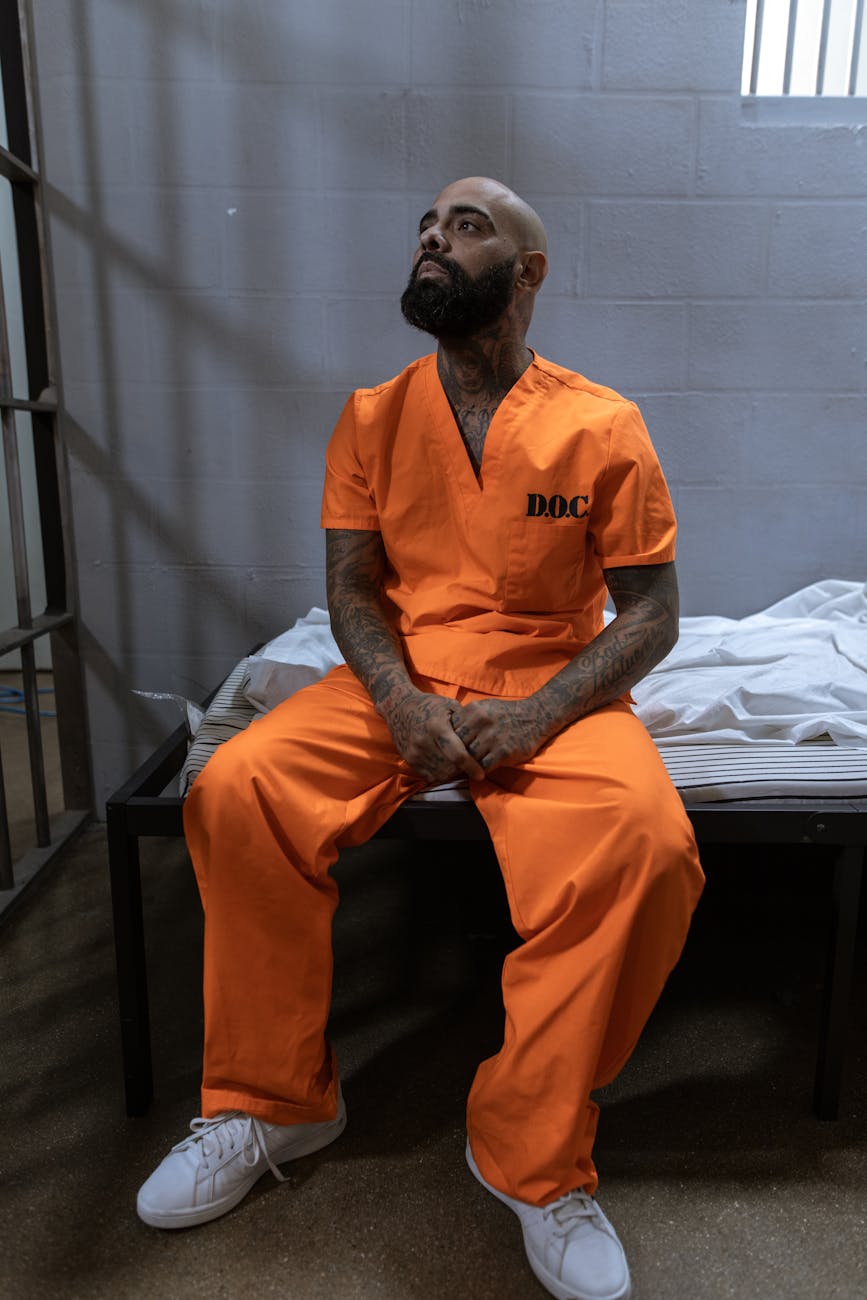
Photo by KATRIN BOLOVTSOVA on Pexels.com

The concept of justice is founded on the principle of fairness, impartiality, and equality before the law. Yet in practice, systemic inequalities reveal a troubling double standard within both law enforcement and the judicial system. Marginalized communities, particularly African Americans, often experience harsher policing, unequal access to legal resources, and disproportionate sentencing outcomes. This disparity undermines the legitimacy of the legal system and perpetuates cycles of distrust between citizens and institutions.

Law enforcement practices demonstrate these inequities in striking ways. Research consistently shows that Black and Latino individuals are disproportionately stopped, searched, and subjected to the use of force compared to white individuals (Gelman, Fagan, & Kiss, 2007). The doctrine of “probable cause” is often applied unevenly, with minority communities bearing the brunt of aggressive policing strategies such as stop-and-frisk. This creates a reality where the very institutions sworn to protect all citizens enforce surveillance and control selectively, reinforcing racial hierarchies.

In the courts, the disparities extend into sentencing and trial outcomes. Studies highlight that people of color frequently receive harsher sentences for the same crimes compared to white defendants, especially in drug-related and capital cases (Alexander, 2010). Mandatory minimum sentencing and “three strikes” laws have compounded these effects, disproportionately incarcerating minority men and contributing to mass incarceration in the United States. Such legal frameworks reveal a systemic bias that privileges some groups while criminalizing others, making equality before the law more of an ideal than a reality.

Moreover, socioeconomic status amplifies these disparities. Wealthy defendants can secure private counsel, expert witnesses, and robust defense strategies, while poorer individuals—disproportionately minorities—rely on underfunded public defenders. The result is a two-tiered system of justice where money, rather than truth, often determines outcomes (Stevenson, 2014). This reality reveals that the double standard in the courts is not only racial but also economic, stratifying access to justice by class as well as color.

The consequences of this double standard reverberate beyond individual cases. When communities see repeated patterns of unequal justice, collective mistrust emerges, eroding confidence in the rule of law itself. This distrust contributes to cycles of alienation, where marginalized groups disengage from civic life, perceiving the state as an adversary rather than a protector. In turn, such alienation perpetuates social unrest, reinforcing a cycle of tension between law enforcement and the communities they police.

Addressing this crisis requires systemic reforms rooted in accountability, transparency, and equity. Implicit bias training, sentencing reform, and increased investment in public defense are among the necessary interventions. Yet beyond policy, a cultural shift is required: one that reasserts the fundamental truth that justice cannot exist where double standards prevail. As Scripture cautions in Proverbs 17:15, “He that justifieth the wicked, and he that condemneth the just, even they both are abomination to the Lord.” Both biblical wisdom and contemporary scholarship affirm that justice deferred is indeed justice denied, and only by dismantling these inequities can society move toward true fairness.


References

Alexander, M. (2010). The new Jim Crow: Mass incarceration in the age of colorblindness. The New Press.

Gelman, A., Fagan, J., & Kiss, A. (2007). An analysis of the New York City Police Department’s “stop-and-frisk” policy in the context of claims of racial bias. Journal of the American Statistical Association, 102(479), 813–823. https://doi.org/10.1198/016214506000001040

King James Bible. (1769/2017). The Holy Bible, King James Version. Cambridge University Press. (Original work published 1611).

Stevenson, B. (2014). Just mercy: A story of justice and redemption. Spiegel & Grau.

How To Discern Fake People.

Photo by Leeloo The First on Pexels.com

In today’s world, the ability to discern character is essential. Many individuals project images of sincerity, loyalty, or friendship while harboring ulterior motives. The Bible provides timeless wisdom on identifying those who are deceptive, while psychology offers insights into behaviors that reveal duplicity. Together, these perspectives equip us to guard our hearts, relationships, and decisions from the harm of false people.

The King James Version (KJV) of the Bible warns against the dangers of deceit. Proverbs 26:24-25 declares, “He that hateth dissembleth with his lips, and layeth up deceit within him; When he speaketh fair, believe him not: for there are seven abominations in his heart.” Here, Scripture emphasizes that words of flattery may mask inner corruption. Fake people often use charm to disarm others, but their intentions are destructive. In psychology, this aligns with the study of impression management, where individuals consciously shape others’ perceptions of them for personal gain.

Another biblical marker of insincerity is hypocrisy. Matthew 7:15 warns, “Beware of false prophets, which come to you in sheep’s clothing, but inwardly they are ravening wolves.” This verse underscores the reality of individuals who conceal their harmful nature behind masks of goodness. In psychology, such behaviors are linked to traits of narcissism and Machiavellianism, components of the “Dark Triad,” where deceit and manipulation are tools for control. Fake people may appear caring, but their patterns of exploitation and lack of empathy eventually reveal their true selves.

From a psychological standpoint, duplicity often manifests in inconsistent behavior. Genuine people maintain congruence between words and actions, while fake people contradict themselves depending on who is watching. Cognitive dissonance theory highlights that such inconsistency creates inner tension, which eventually leaks into observable behavior. This is why one may notice subtle discrepancies—such as a smile that does not reach the eyes, or promises repeatedly broken. Proverbs 20:6 echoes this observation: “Most men will proclaim every one his own goodness: but a faithful man who can find?”

Another sign of falseness is exploitation. In relationships, fake individuals may attach themselves to others only when benefits are present. When difficulties arise, they disappear. The Bible warns in Proverbs 19:4, “Wealth maketh many friends; but the poor is separated from his neighbour.” Psychology supports this with the concept of transactional relationships, where interactions are based not on genuine care but on resource exchange. Such friendships dissolve once material or social benefits vanish.

Discernment also involves paying attention to gossip and backbiting. Scripture cautions in Proverbs 16:28, “A froward man soweth strife: and a whisperer separateth chief friends.” Fake people often thrive on sowing discord, using manipulation and half-truths to elevate themselves. Psychologically, this behavior aligns with traits of passive-aggression and projection. They deflect their insecurities onto others, destabilizing relationships to maintain control. Recognizing this pattern allows individuals to avoid unnecessary entanglement in toxic dynamics.

Moreover, discernment requires self-awareness. Fake people often prey on those who lack boundaries or long excessively for validation. In psychology, attachment theory notes that insecurely attached individuals are more likely to tolerate mistreatment for fear of abandonment. Biblically, believers are urged to establish spiritual grounding: “Keep thy heart with all diligence; for out of it are the issues of life” (Proverbs 4:23). When we are secure in God’s love and emotionally mature, we become less susceptible to counterfeit relationships.

Ultimately, the ability to discern fake people is not about suspicion but about wisdom. The Bible exhorts us to “try the spirits whether they are of God” (1 John 4:1). Psychology teaches us to observe patterns of behavior rather than isolated acts. Together, these disciplines encourage vigilance, humility, and reliance on both discernment and evidence. Protecting ourselves from deceit allows us to cultivate authentic relationships grounded in trust, mutual respect, and love.


References

American Psychological Association. (2013). Diagnostic and statistical manual of mental disorders (5th ed.). Arlington, VA: American Psychiatric Publishing.

Festinger, L. (1957). A theory of cognitive dissonance. Stanford University Press.

Furnham, A., Richards, S. C., & Paulhus, D. L. (2013). The Dark Triad of personality: A 10 year review. Social and Personality Psychology Compass, 7(3), 199–216. https://doi.org/10.1111/spc3.12018

King James Bible. (1769/2017). The Holy Bible, King James Version. Cambridge University Press. (Original work published 1611).

Mikulincer, M., & Shaver, P. R. (2016). Attachment in adulthood: Structure, dynamics, and change (2nd ed.). Guilford Press.