
Tag Archives: strength

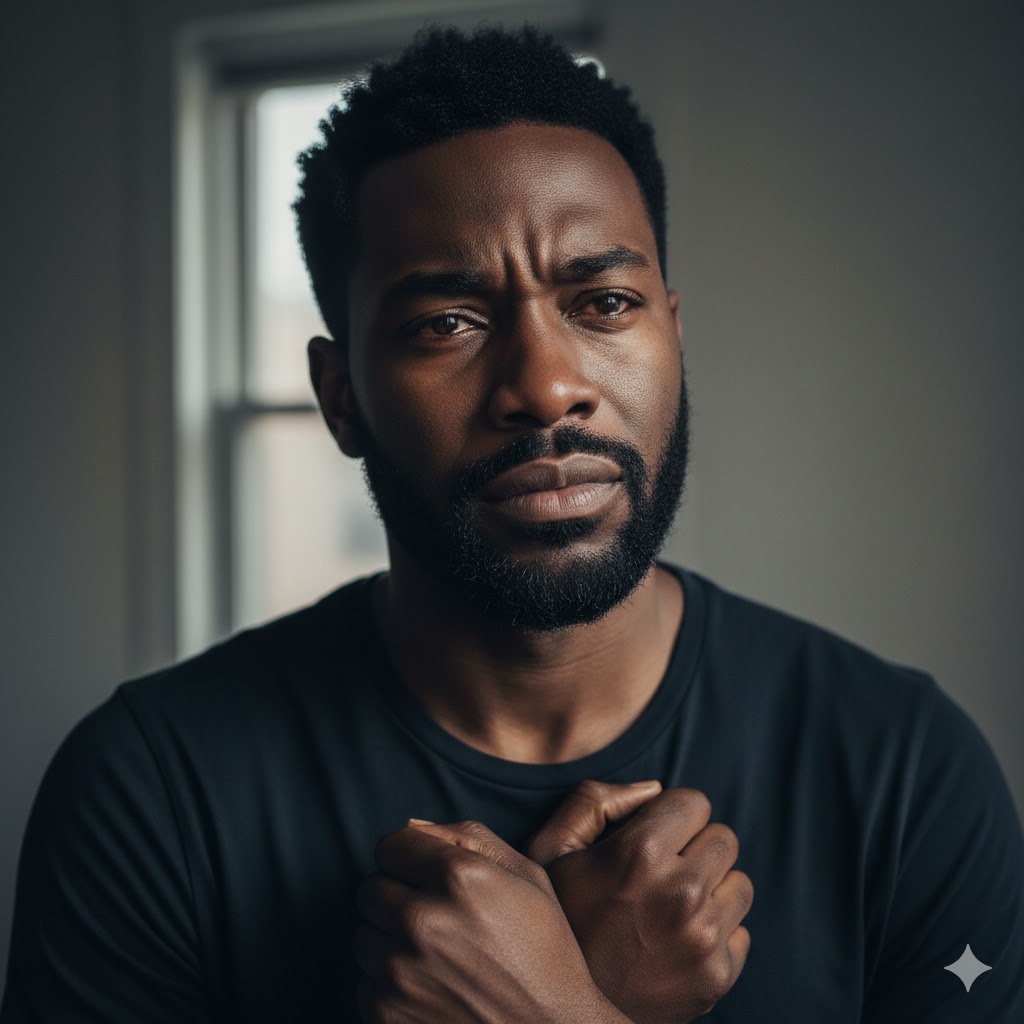
The Cost of Strength: How Society Teaches Men to Suffer in Silence

From boyhood, society places a heavy expectation on males: be strong, be tough, be unshakeable. These early lessons become the foundation of a culture that praises male resilience while quietly punishing male vulnerability. The cost of this expectation is profound, shaping men’s emotional lives in ways that often go unseen.

Many boys are taught to “man up” before they even understand what emotions are. Crying, expressing fear, or asking for help are discouraged, replaced by messages that equate emotional expression with weakness (Pollack, 1998).

As these boys grow, they internalize the belief that silence is noble and vulnerability is shameful. Emotional restraint becomes a performance, and the world applauds them for pretending everything is fine.

Men often receive admiration for enduring pain without complaint. But beneath that admiration lies a dangerous expectation: strength is measured by how well a man hides his suffering. This perception leads to emotional suppression rather than emotional resilience (Addis & Mahalik, 2003).

The social script of masculinity teaches men to prioritize stoicism, turning emotional expression into a forbidden language. Over time, many lose the ability to articulate their inner world, leading to frustration, misunderstanding, and broken relationships.

Workplaces reinforce this silence. Men who admit stress or mental fatigue fear being seen as weak or incapable. Professional culture rewards those who suffer quietly and penalizes those who reveal human limitations (Mahalik et al., 2003).

Romantic relationships reveal another dimension of this silent burden. Many men desperately want emotional intimacy but fear rejection or ridicule if they open up. This creates a painful paradox: they crave connection but have been conditioned to avoid the vulnerability that makes connection possible.

Friendships among men are often limited by unspoken rules—jokes, competition, and surface conversation are acceptable, but deeper emotional sharing is discouraged. This results in profound isolation masked by casual companionship (Way, 2011).

Mental health is one of the greatest casualties of this silence. Men are statistically less likely to seek therapy, less likely to share their struggles, and more likely to suffer from untreated depression and anxiety (Addis & Mahalik, 2003).

Society encourages women to express emotion and discourages men from doing the same, creating an emotional double standard. The result is that men appear emotionally distant, not because they lack feeling, but because they have never been given permission to feel freely.

Cultural narratives often depict men as protectors and problem-solvers, roles that leave little room for emotional need. When men do express vulnerability, they may feel they are failing in their masculine responsibilities (Connell, 2005).

Media representations reinforce the expectation that “real men” absorb pain without complaint. Heroes in movies and television rarely cry, rarely seek help, and rarely acknowledge internal battles. These depictions shape how society views male strength.

Yet, beneath the surface, many men suffer from emotional numbness. The habit of suppressing feelings becomes so ingrained that some men struggle to identify their emotions at all, a phenomenon psychologists call “alexithymia.”

This emotional suppression affects men’s physical health as well. Research links chronic stress, unresolved trauma, and unexpressed emotion to heart disease, high blood pressure, and shorter life expectancy (Courtenay, 2000).

The pressure to remain strong at all times can lead some men to cope through harmful behaviors—substance abuse, aggression, or withdrawal. These behaviors are not signs of innate toxicity but of emotional exhaustion.

The cost of silence extends to fatherhood. Many fathers want to be emotionally present but were never taught how. When they attempt to bond or express softness, they may feel they are betraying the expectation of strength they were raised with.

Healing begins when men recognize that vulnerability is not the opposite of strength but a deeper expression of it. Admitting pain, fear, or uncertainty requires courage, not weakness.

Communities must also play a role by creating safe spaces for men to share, heal, and redefine masculinity in ways that honor emotional humanity. When men feel supported in vulnerability, they are more willing to step into wholeness.

Ultimately, society must reconsider its definition of strength. True strength is not silence. It is honesty. It is self-awareness. It is the willingness to confront pain rather than bury it.

When men are free to express their struggles without judgment, they reclaim parts of themselves that silence once stole. And in that reclamation, they discover that the strongest thing a man can be is fully human.


References

  • Addis, M. E., & Mahalik, J. R. (2003). Men, masculinity, and the contexts of help seeking. American Psychologist, 58(1), 5–14.
  • Connell, R. W. (2005). Masculinities (2nd ed.). University of California Press.
  • Courtenay, W. (2000). Constructions of masculinity and their influence on men’s well-being: A theory of gender and health. Social Science & Medicine, 50(10), 1385–1401.
  • Mahalik, J. R., Good, G. E., & Englar-Carlson, M. (2003). Masculinity scripts and men’s health. American Journal of Men’s Health, 2(2), 82–92.
  • Pollack, W. (1998). Real boys: Rescuing our sons from the myths of boyhood. Henry Holt.
  • Way, N. (2011). Deep secrets: Boys’ friendships and the crisis of connection. Harvard University Press.

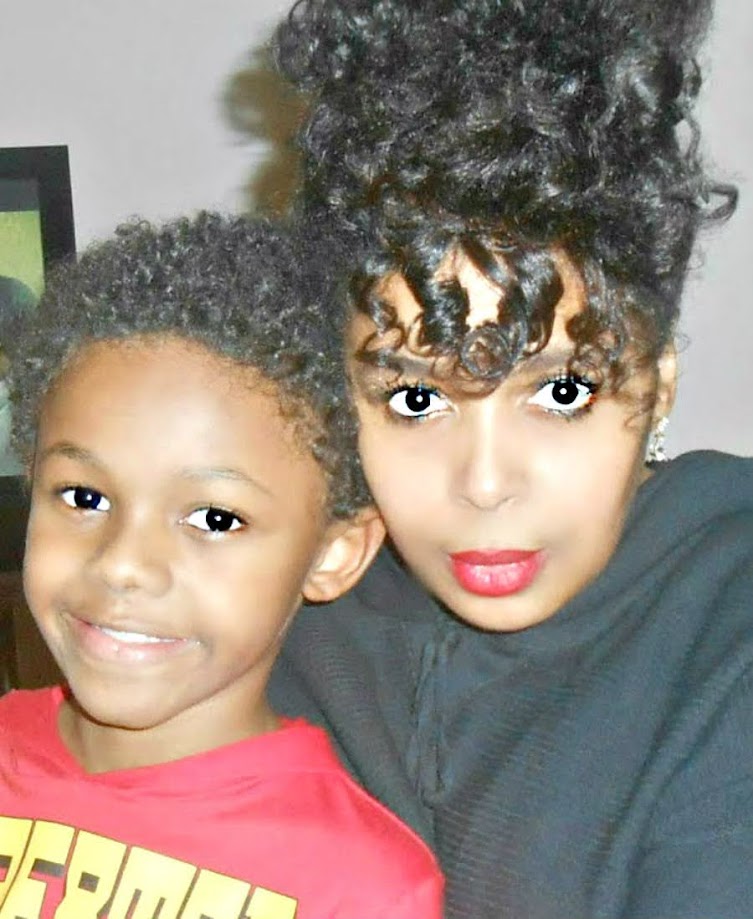
The Black Woman: The Force of Nature

The Black woman is a force of nature—powerful, unbreakable, and extraordinary. She carries a presence that cannot be imitated or minimized. Her soul holds a depth that comes from surviving centuries of oppression while still producing brilliance, culture, and generational resilience. The Most High has gifted her with a spirit that stands tall in storms and shines even in darkness. She is not merely strong—she is strength itself.

Her beauty is unparalleled. From the richness of her melanin to the depth of her features, the Black woman embodies divine artistry. Her skin, kissed by the sun, radiates warmth and royalty. Her hair, in all its textures and forms, is a crown of glory that speaks of identity, culture, and heritage. She is beauty beyond measure—beauty that the world often tries to imitate but can never fully replicate.

The Black woman’s heart is expansive. She loves deeply, often beyond her own capacity, because she understands sacrifice. She loves with intention, commitment, and soul. She shows up for others even when her own heart is weary. Her compassion is not weakness—it is spiritual strength that transforms families, communities, and nations.

Black women are the backbone of their households. They nurture, teach, build, discipline, and uplift. Many have raised generations with limited resources yet produced kings, queens, scholars, and leaders. Their motherhood is a sacred duty, executed with grace and power. Proverbs 31:25 describes her perfectly: “Strength and honour are her clothing; and she shall rejoice in time to come.”

The Black woman carries a unique spiritual intuition. She discerns danger, reads emotion, and senses the unseen. Her prayers cover entire families. Her intercession has saved countless lives. She is a warrior in the spiritual realm, fighting battles that others may never know about.

Her strength is unmatched. Not only does she endure trials, but she transforms them into triumph. History proves this—from surviving slavery, segregation, and systemic injustice, to rising as leaders, educators, innovators, and cultural icons. The Black woman embodies resilience that cannot be taught; it is inherited, divine, and ancestral.

Black women hold up Black men with loyalty, encouragement, and unwavering belief. Even when society tears Black men down, the Black woman often stands beside them as a pillar of support. She speaks life into her husband, her father, her sons, and her brothers. She sees their greatness even when the world tries to blind them.

For Black sons, she is the first love, the first teacher, the first safe place. She nurtures them into men, instilling courage and identity. For Black daughters, she is the blueprint. She models strength, elegance, intelligence, and survival. Her daughters learn womanhood by watching her endure with dignity.

Her intellect is sharp and expansive. Black women are scholars, scientists, theologians, mothers, CEOs, creators, and innovators. Despite being doubted and underestimated, they continue to excel in every field imaginable. They shatter ceilings that were never designed to include them.

The Black woman’s creativity breathes life into culture. Music, fashion, language, dance, and art—Black women have shaped global culture with little credit and even less recognition. Their ingenuity inspires the world, even when the world refuses to honor its source.

Her emotional strength is both beautiful and misunderstood. She feels deeply yet carries herself with composure. Her pain becomes poetry. Her wounds become wisdom. Her journey becomes testimony. Through heartbreak, she rebuilds; through betrayal, she forgives; through loss, she rises again.

Black women are natural leaders. Their presence commands respect not because they demand it, but because they embody it. They lead with compassion, strategy, intuition, and power. Their leadership has sustained movements, communities, and families throughout generations.

She carries cultural memory. Within her is the story of her ancestors—their survival, their songs, their traditions. She subconsciously preserves history through her cooking, her storytelling, her faith, and her rituals. She is a living heritage.

She is a healer. From herbal knowledge to emotional nurturing, the Black woman restores what is broken. Her hands comfort, her words soothe, and her presence brings peace. Her resilience heals generations that come after her.

The Black woman is loyal. She stands when others walk away. She believes when others doubt. She gives when others take. Her loyalty is not naive—it is rooted in her spiritual calling to uplift those she loves.

She is fierce when necessary. Her fire is sacred. She defends her children, her family, her purpose, and her identity with unwavering determination. She does not fear challenges because she has faced greater battles and conquered them.

Her faith is powerful. Through every trial, she calls on the Most High. Her relationship with God sustains her in ways the world cannot understand. She is a woman of prayer, a woman of scripture, a woman of faith. As Psalm 46:5 affirms, “God is in the midst of her; she shall not be moved.”

Her presence elevates spaces. When a Black woman walks into a room, the atmosphere shifts. Her confidence, her elegance, her energy—these things are felt, not just seen. She is a force, a storm, a sunrise.

The Black woman is worthy of honor. Worthy of rest. Worthy of celebration. Worthy of love. Her contribution to the world is immeasurable and irreplaceable. She is the heartbeat of her community, the anchor of her family, and the embodiment of God’s creativity.

The Black woman is a force of nature—powerful, breathtaking, essential, and divine. The world is better because she exists.


References

  • Proverbs 31:25 (KJV)
  • Psalm 46:5 (KJV)
  • Collins, P. H. (2000). Black Feminist Thought.
  • hooks, bell. (1981). Ain’t I a Woman: Black Women and Feminism.
  • Martin, D. (2017). Black Women in the United States: Progress and Pitfalls.

testimony.

© thebrowngirldilemma.com

“He Carried Me Through”
—A Widow’s Testimony

The day my husband died, the sky did not change—but everything in my world collapsed. His absence was louder than any noise, and the silence between breaths became unbearable. I felt as if my soul had been torn from my chest, left bleeding in the arms of memory. No one truly prepares you for the weight of grief, for the ache of an empty side of the bed, for the clothes left hanging in closets that no longer carry a future. I stared at the walls that once echoed laughter and wondered how I would face this life—this cruel and sudden emptiness—alone. I whispered into pillows and prayed through tears, trying to understand how the love of my life could be here one moment and gone the next.

The nights were the hardest. In the dark, the pain became alive. I asked the Most High why. I asked Him how. How do I live without the one who knew my heart better than anyone? How do I smile when the one I laughed with is no longer here? I carried a heaviness that made even breathing feel like a burden. Yet somewhere between my anguish and my pleading, He met me. The Most High didn’t scold me for my sorrow; He held me through it. He reminded me through Scripture that I was not abandoned. “A father to the fatherless and a defender of widows is God in his holy dwelling” (Psalm 68:5). When I thought I would fall apart, He became my strength. When the world grew silent, His Word became louder.

Over time, He began to gently mend what was broken. I saw signs of my husband’s love in little things—a favorite song, a sunset, the kindness of strangers, and in the face of our son. But I saw the hand of the Most High in everything. He reminded me of His promises, that death is not the end for the righteous, and that I would see my beloved again. He showed me purpose in my pain and gave me new breath when mine had run out. I came to know Him not just as God of the heavens, but as a very present help in trouble. He surrounded me with people who prayed when I could not, who stood when I couldn’t rise, and He gave me the courage to walk again—even if slowly, even if with tears.

Today, I live not without grief, but with grace. My sorrow has become a psalm, my mourning a ministry. I am a widow, yes—but I am also a witness. The Most High carried me through the fire, and I came out refined, not consumed. My husband’s memory lives in my spirit, and the love we shared is eternal, written in the scrolls of heaven. Though I faced the valley of the shadow of death, I feared no evil—for He was with me. His rod and staff comforted me. And I will dwell in His presence all the days of my life.

Your story has power. What you’ve been through, how you’ve overcome, and the lessons you’ve learned can be a light to someone walking through a similar struggle. By sharing your testimony, you give hope, inspire faith, and show that victory is possible. Don’t underestimate the impact your journey can have—what was once a trial for you can become a testimony for others. Speak your truth, share your experiences, and let your life be a beacon of encouragement.

thebrowngirlnetwork@gmail.com

CashApp: $thebrowngirlnetwork

Thank you for your support! ❤️ Tasha