Tag Archives: slaves

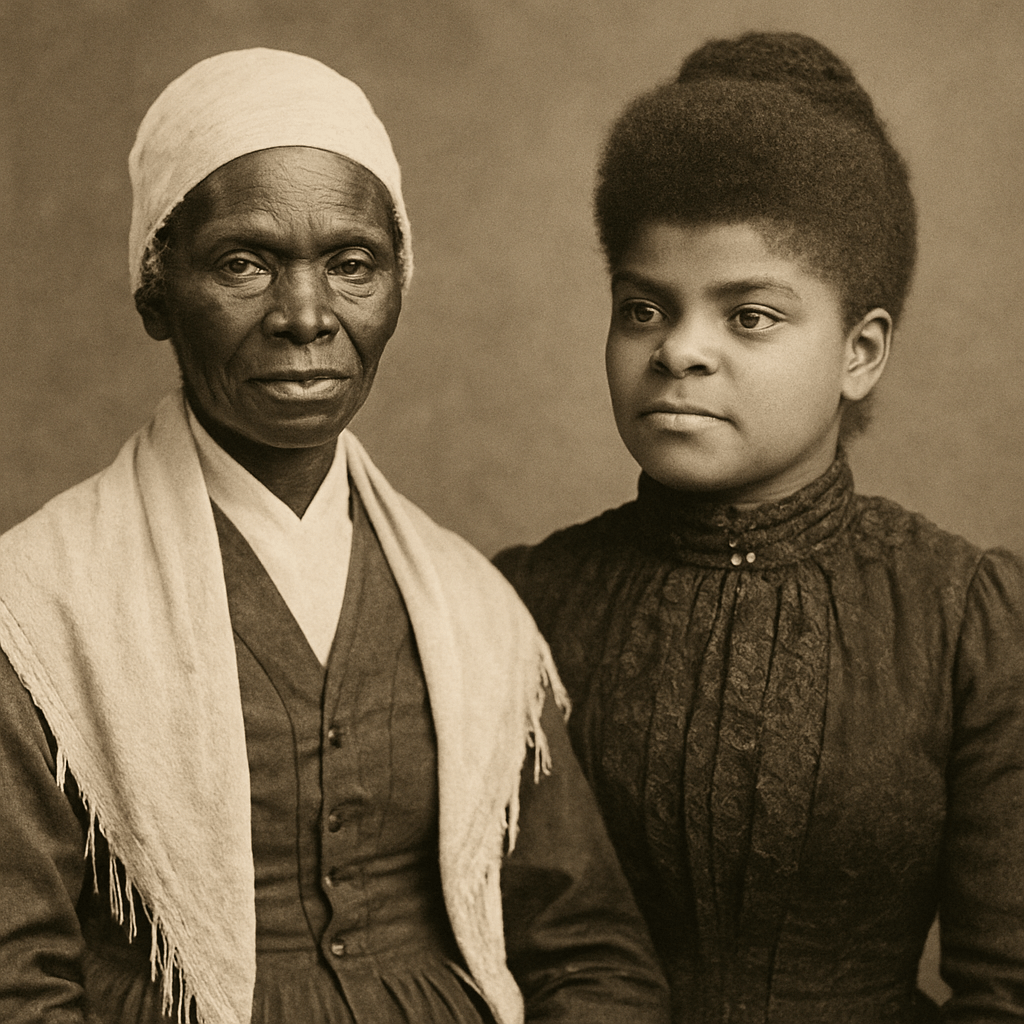
The Slave Files: Sojourner Truth & Ida B. Wells

Sojourner Truth and Ida B. Wells stand as two towering figures in the long arc of Black resistance, each shaped by the wounds of enslavement and the fire of righteous indignation. Though they lived in different generations, their lives intersected through a shared mandate: to speak truth in the face of terror, to defend the dignity of Black people, and to challenge a nation built on contradictions. Their voices became instruments of liberation, courageously confronting the systems that sought to silence them.

Sojourner Truth, born into slavery in 1797 in Ulster County, New York, came into the world as Isabella Baumfree. Her earliest memories were of being owned, sold, and separated from her family—experiences that seared into her consciousness the cruelty of American slavery. Yet she carried within her an unbreakable faith, a spiritual assurance that God had called her to something greater. Her escape from slavery in 1826 marked the beginning of a life mission grounded in preaching, abolition, womanhood, and divine justice.

Her transition from Isabella Baumfree to Sojourner Truth in 1843 signified a spiritual rebirth and a public declaration of purpose. She believed she was commissioned by God to “travel up and down the land” to testify against slavery and advocate for the rights of Black people and women. Her now-famous speech, “Ain’t I a Woman?”, delivered in 1851, challenged racial and gender hierarchies with striking clarity. Though often misquoted, the heart of the message remains a masterwork of intersectional truth spoken long before the term existed.

Sojourner Truth’s activism extended far beyond oratory. She recruited Black troops during the Civil War, advocated for land grants for freedmen, and confronted federal leaders with fearless determination. Her life encapsulated the struggle of a woman surviving slavery, reclaiming her name, and resisting systems that attempted to diminish her humanity. She became a mother of five children, though the brutalities of slavery tore them apart; her fight to regain her son Peter through the courts made her one of the first Black women to successfully challenge a white man in court.

Ida B. Wells, born into slavery in 1862 in Holly Springs, Mississippi, entered the world during the final throes of enslavement. Her parents, James and Elizabeth Wells, valued education deeply and helped establish a school for freed people after Emancipation. Their early influence shaped Ida’s intellectual discipline, but tragedy struck when both parents died during a yellow fever epidemic. At just sixteen, Ida stepped into adulthood as caretaker for her siblings, forging a resilience that would define her future.

Wells became a teacher and later a journalist, using her pen as a weapon against racial violence. Her investigative reporting on lynching remains one of the most significant journalistic contributions in American history. At a time when newspapers routinely justified mob violence, she documented the truth: that lynching was not the result of alleged crimes but a tool of racial terror and economic control. Her groundbreaking pamphlets, such as “Southern Horrors” and “The Red Record,” exposed the hypocrisy of America’s moral claims.

Her boldness came with enormous risk. In 1892, after her friends were lynched in Memphis, she wrote articles condemning the mob. White supremacists destroyed her newspaper office and threatened her life, forcing her to flee to Chicago. Yet even in exile, she refused silence. She traveled internationally, speaking in Britain and Scotland, rallying global outrage against racial violence in America. Her advocacy extended to women’s suffrage, civil rights, and the founding of the NAACP.

Ida B. Wells also lived a rich personal life. In 1895, she married attorney Ferdinand L. Barnett, and together they raised a blended family of six children. Wells balanced motherhood and activism with remarkable efficiency, often taking her infants along to speaking engagements. Her life defied the stereotype that Black women had to choose between public leadership and domestic life.

Where Sojourner Truth fought through the vernacular tradition of preaching and testimony, Wells engaged through print culture and political organizing. Both methods struck deeply at the structural injustices of their eras. Together, their contributions showcase the evolution of Black resistance—from the spiritual abolitionist rhetoric of the antebellum period to the empirical, investigative strategies of the post-Reconstruction era.

Sojourner Truth’s legacy in abolition and women’s rights left an enduring imprint on national consciousness. Her presence forced both abolitionists and suffragists to confront their own racial biases. She preached self-reliance, faith, and the sacredness of Black womanhood at a time when society offered no such validation. Her portrait, sold to fund her activism, famously bore the caption, “I sell the shadow to support the substance,” a profound commentary on self-determination.

Ida B. Wells’ legacy lives in her fearless reporting and organizing. She opened America’s eyes to the brutality of lynching, forcing the nation to reckon with its lies. Her activism laid foundational work that later movements—civil rights, women’s rights, and anti-racism campaigns—built upon. She exemplified what it meant to confront power without apology.

The Underground Railroad, though more closely associated with Tubman, also forms part of the larger backdrop against which Sojourner Truth lived. While Truth was not a conductor in the same formal sense, she provided aid, fellowship, and advocacy for freedom seekers. Her spiritual authority and abolitionist networks contributed significantly to the broader anti-slavery movement. Wells, emerging in a later era, chronicled the legacies of such movements while challenging new forms of racial oppression.

Both women were deeply rooted in spiritual conviction. Truth, shaped by charismatic religion and visions, understood her calling as divinely orchestrated. Wells, raised by devout parents, grounded her activism in moral responsibility and Christian duty. Their faith fueled their courage, their willingness to confront unjust laws, and their unwavering belief in the dignity of their people.

In the realm of education, Sojourner Truth had no formal schooling; slavery denied her literacy. Yet she leveraged her oratory, her memory, and her God-given insight to become one of the most iconic public speakers of the century. Wells, by contrast, received a formal education and became a teacher before entering journalism, using writing as her battlefield. Both approaches illuminate the diverse intellectual traditions within Black womanhood.

Their stories reveal the breadth of Black resistance—from the spiritual mother who walked out of slavery guided by divine intuition to the investigative journalist who fought systemic violence armed with facts and documentation. Each woman carved a distinct path yet arrived at a shared destination: truth-telling as liberation.

In examining their lives, we find a blueprint for modern activism. Truth teaches the power of testimony, the necessity of faith, and the courage to speak even when the world refuses to listen. Wells teaches the power of data, documentation, and organized political pressure. Together, they form a powerful dialectic—spirit and strategy, revelation and research.

Their names are etched into the annals of American memory not because the nation freely honored them but because they demanded recognition. They confronted systems designed to erase them, subvert them, or diminish their voices. Yet they persisted, creating narratives that outlived those who tried to silence them.

Today, the lives of Sojourner Truth and Ida B. Wells remain essential reading in the story of Black freedom. Their legacy informs contemporary movements for justice, from racial equity to gender rights. They bear witness to the fact that Black women have always stood at the forefront of the fight for liberation.

Ultimately, their stories remind us that freedom is never given—it is fought for. Truth and Wells fought with every tool available to them: speeches, testimonies, lawsuits, pamphlets, journalism, and relentless courage. And because of them, generations inherited a more truthful account of America and a more hopeful vision for the future.

They carved their names into history with faith, fire, and unyielding truth. And though the Slave Files record centuries of pain, it is women like Sojourner Truth and Ida B. Wells who illuminate the path of deliverance. Their legacy stands as a permanent reminder that no system of oppression can silence a voice committed to liberation.


References

Andrews, W. L. (2020). African American biography: Collective lives of resistance. Oxford University Press.
Giddings, P. (2008). Ida: A sword among lions. Amistad.
McMurray, S. (2014). Sojourner Truth: A life, a symbol. W. W. Norton.
Washington, B. T. (2019). The legacy of Black abolitionists. Beacon Press.
Wells, I. B. (1892). Southern horrors: Lynch law in all its phases. New York Age.
Wells, I. B. (1895). The red record. New York Age.
Yellin, J. F. (1996). Women and sisters: The struggle for African American liberation. Harvard University Press.
Dilemma: Reparations

“Reparations are not about a handout—they are about restoring justice, repairing wounds, and reconciling with the truth of our shared history.” — Dr. Cornel West

Reparations have long stood at the center of Black America’s moral, historical, and spiritual struggle for justice. They represent not merely financial compensation but a public acknowledgment of the harm inflicted upon millions of African-descended people who endured chattel slavery, racial terrorism, legal segregation, and generational dispossession. Yet despite the magnitude of these injustices, the United States has continually resisted granting African Americans what has been afforded to other groups. This dilemma reflects the nation’s unresolved relationship with truth, accountability, and its own historical narrative.

Reparations remain a contentious issue because they force America to confront its past without euphemism. They require the nation to admit that slavery was not an accidental blemish but a deliberate economic system built on inhumanity. The refusal to offer reparations stems from the denial of responsibility—an unwillingness to accept that the wealth of the nation was constructed through Black suffering. While some argue that time has healed old wounds, generational inequality remains a living consequence that can be traced through the socioeconomic conditions of Black communities today.

Black people deserve reparations because the injustices committed against them were unique in scale, duration, and brutality. Enslaved Africans were legally defined as property, denied humanity, and subjected to violence, rape, forced family separations, and the destruction of cultural identity. Even after emancipation, racist laws such as Black Codes, Jim Crow legislation, redlining, and discriminatory policing reinforced the conditions of inequality. Reparations acknowledge that the effects of slavery did not end in 1865; they echo across generations.

America’s lies to Black people have been vast and intentional. The promise of “forty acres and a mule” never materialized. The idea that freedom would naturally lead to equality proved untrue as the nation constructed new systems of oppression. Meanwhile, myths were created to distort history: that slavery was benevolent, that Black people were inferior, and that racial disparities were due to cultural failings rather than structural inequities. These lies became embedded in school curricula, political rhetoric, and national identity.

Responsibility for this legacy lies not only with the enslavers but also with the federal government, religious institutions, financial corporations, and those who profited from Black labor. Each played a role in perpetuating harm. The U.S. Constitution protected slavery, banks insured enslavers’ “property,” and churches often misused Scripture to justify bondage. Collectively, these institutions built wealth by extracting the life force of an entire people, while simultaneously shaping a narrative that minimized their culpability.

One of the most insidious aspects of American slavery was its misuse of the Bible. Passages were selectively cited to suggest divine approval for slavery, while the liberating themes of the Exodus, justice, and human dignity were ignored. Enslavers weaponized religion to control enslaved people, teaching obedience while forbidding them from reading Scripture in full. Yet Black people found in the Bible—especially the King James Version—promises of deliverance, justice, and divine retribution against oppressors. They recognized that true biblical teaching contradicted the slaveholder’s theology.

The torture inflicted on Black people was systematic and state-sanctioned. Whippings, brandings, mutilation, forced breeding, sexual assault, medical experimentation, and psychological terror were common tools of control. Enslaved children were sold away from their parents; women were violated for profit; men were dehumanized to break their spirit. After slavery, brutality continued through lynching, convict leasing, and racial massacres such as Tulsa in 1921 and Rosewood in 1923. These acts were not isolated incidents but expressions of a national ideology that devalued Black life.

Native Americans also endured genocide, land theft, cultural destruction, and forced assimilation. In some cases, the U.S. government offered financial settlements, land returns, and federal recognition—imperfect but tangible forms of reparative justice. Their experience demonstrates that reparations are not unprecedented; America has the capacity to compensate groups it has harmed. The contrast raises the question: why were African Americans excluded?

The purpose of slavery was economic exploitation and racial domination. The outcome was the creation of a racial caste system where whiteness became associated with power and Blackness with subjugation. The legacy includes wealth disparities, underfunded schools, mass incarceration, health inequalities, and cultural erasure. Generations of Black families have been denied the opportunity to accumulate wealth, resulting in the deep socioeconomic chasm we observe today.

The answer to the dilemma lies in truth-telling, repair, and systemic transformation. Reparations are not merely about money but about addressing the structural conditions that slavery created. They involve formal apologies, financial restitution, educational investments, land returns, business grants, policy reforms, and national remembrance. They require acknowledging the ongoing nature of racial inequality.

Reparations are defined as compensation given to a group for past harms, typically by the government responsible for those harms. They may include monetary payments, community investments, or institutional reforms. Historically, reparations have been provided to Holocaust survivors, Japanese Americans interned during World War II, Native American tribes, and victims of certain state injustices. The absence of reparations for African Americans reveals a contradiction in American values.

Many ethnic groups have received reparations because their suffering was publicly acknowledged as unjust and undeserved. Yet Black suffering was normalized, rationalized, or erased. The failure to grant reparations to Black people is not due to logistical difficulty but to a societal unwillingness to confront racism’s foundational role in American identity. This reluctance is reinforced by political rhetoric that portrays reparations as divisive rather than healing.

Efforts to remove Black history from schools, libraries, and public discourse represent a modern continuation of historical erasure. By censoring slavery, Jim Crow, and systemic racism, America seeks to avoid accountability. This suppression not only distorts national memory but also undermines progress toward justice. When a nation refuses to teach its children the truth, it ensures that oppression will repeat itself in new forms.

The solution begins with acknowledging historical facts without dilution. Reparations commissions should gather documentation, hear testimonies, and formulate actionable plans. Churches and corporations should be required to confess their roles in slavery and contribute to repair. Educational institutions must restore truthful curricula. Policies should address wealth gaps through homeownership grants, student loan forgiveness, and investments in Black-owned businesses and schools.

Spiritually, the Bible affirms reparations. In Exodus, God commands Egypt to compensate the Israelites for their forced labor. In Luke 19:8 (KJV), Zacchaeus pledges to restore fourfold what he has taken unjustly. These passages demonstrate that repentance requires both confession and restitution. Justice is incomplete without repair.

A national program of reparations would not erase the past, but it would create a foundation for healing and reconciliation. It would honor the resilience of Black people whose ancestors endured the unthinkable. It would affirm that America is capable of truth, justice, and transformation.

Reparations are not charity—they are the moral debt owed to a people whose contributions built the nation while their humanity was denied. They represent not only compensation but also dignity restored. For Black America, reparations are not merely a request—they are a rightful claim grounded in history, faith, and justice.

Only through honesty, restitution, and a commitment to systemic change can America move beyond its broken legacy. Reparations are not the end of the story, but they are the beginning of a new chapter where truth prevails over denial and justice triumphs over inequality.

References
Alexander, M. (2012). The new Jim Crow: Mass incarceration in the age of colorblindness. The New Press.
Coates, T.-N. (2014). The case for reparations. The Atlantic.
Du Bois, W. E. B. (1903). The souls of Black folk. A.C. McClurg.
Horne, G. (2018). The apocalypse of settler colonialism. Monthly Review Press.
King James Bible. (1769/2021). King James Version.
West, C. (1993). Race matters. Beacon Press.
Zinn, H. (2005). A people’s history of the United States. Harper Perennial.

The Unbroken: Chronicles of Enslaved Souls.

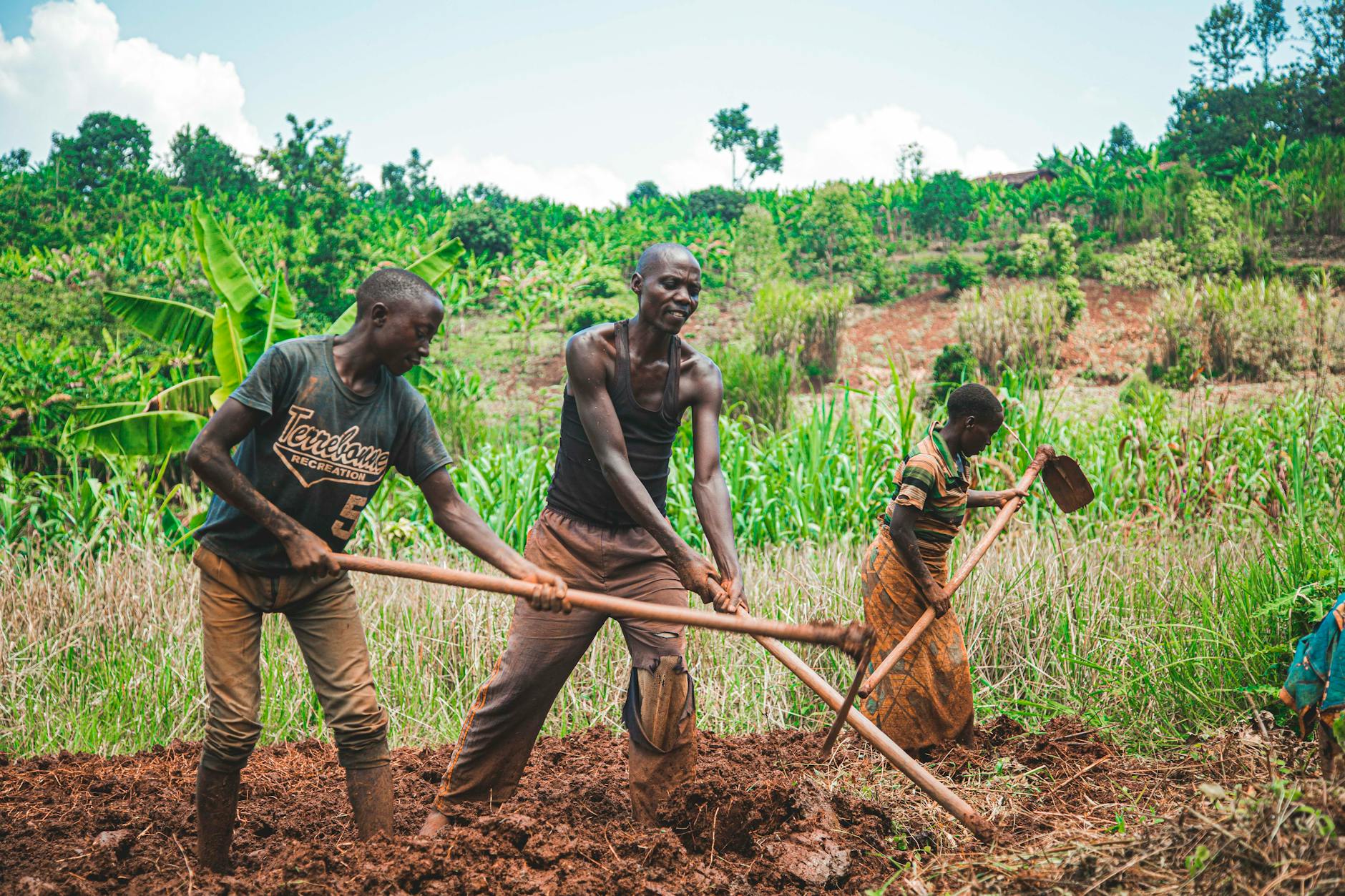
Photo by Safari Consoler on Pexels.com

The story of enslavement in the Americas is not solely a tale of brutality and dehumanization—it is also one of divine endurance, sacred strength, and the unyielding spirit of a people determined to survive. The enslaved African was stripped of name, language, and homeland, yet something eternal within remained unbroken. This resilience, forged in the furnace of oppression, became the cornerstone of Black identity and collective survival across generations.

In the belly of slave ships, chained in darkness and surrounded by death, the captives still prayed, sang, and remembered. The Middle Passage was intended to break their spirits, but it instead birthed a new kind of defiant endurance. These men and women carried not only physical strength but also the ancestral memory of kingdoms, kinship, and sacred traditions. Their songs—spirituals whispered between sobs and storms—were coded messages of hope and liberation (Gates & Curran, 2019).

On the plantations, survival was both a physical and spiritual act. Each day, enslaved people found ways to resist erasure—through language, through song, through secret gatherings where they worshipped a God who delivered Israel and would one day deliver them. The slave masters wielded whips, but they could not conquer faith. In fields where blood soaked the soil, the enslaved sowed seeds of freedom.

The resilience of enslaved women was particularly remarkable. They endured sexual violence, the theft of their children, and the weight of double oppression—both racial and gendered. Yet, they nurtured their families and passed down wisdom, oral history, and the will to survive. Their lullabies were both prayers and promises, ensuring that even in bondage, their children knew they were born from strength (Collins, 2000).

Resistance was not always open rebellion—it was often subtle, subversive, and strategic. Every moment of survival was an act of defiance. Running away, breaking tools, feigning ignorance, or refusing to reproduce were forms of rebellion that disrupted the machinery of slavery. Harriet Tubman, Nat Turner, and countless unnamed heroes transformed defiance into destiny, turning resistance into a moral revolution (Franklin & Schweninger, 1999).

Spiritual resilience emerged as a weapon of hope. The biblical story of Exodus became the foundation of the enslaved theology. The enslaved identified with the Israelites in Egypt, awaiting deliverance from their Pharaohs. Christianity, though distorted by oppressors, was reinterpreted as a promise of divine justice. Faith became the language of resistance, and hope became the instrument of liberation (Raboteau, 2004).

The communal bonds among the enslaved were vital for survival. Families, though often separated by sale, maintained spiritual connections across distances. Kinship was reimagined; any elder could be “Mama” or “Papa.” Community became the sanctuary when no physical refuge existed. Through shared grief, laughter, and labor, they built a sacred fellowship of the unbroken.

Music was both solace and strategy. The spirituals, field hollers, and ring shouts carried messages of escape, coded directions, and sacred affirmation. These songs bridged the gap between Africa and America, between despair and hope. The rhythms preserved memory; the harmonies echoed the soul’s refusal to be silenced. Each note was a heartbeat of survival.

The enslaved also resisted intellectually and artistically. Many secretly learned to read, defying laws that criminalized literacy. The ability to read the Bible became a spiritual victory. From these forbidden words grew the seeds of abolition, as literacy birthed leaders, preachers, and reformers who articulated the moral and human rights argument against slavery (Douglass, 1845).

In the quiet corners of their quarters, the enslaved crafted tools, quilts, and art that encoded messages of liberation. Every stitch, carving, or pattern was an assertion of agency. Creativity became both a cultural inheritance and a subtle rebellion, proving that beauty and meaning could be made even in the darkest captivity.

Resistance also took the form of flight. The Underground Railroad symbolized not just escape but the collective courage of those who risked their lives for others. It was an act of radical love—each conductor and traveler embodying the unbroken bond between freedom and faith. The northward journey was both a physical and spiritual pilgrimage (Hagedorn, 2010).

For those who could not flee, inner freedom became their sanctuary. Enslaved preachers proclaimed a higher law than that of man. They spoke of a kingdom not of this world, where the last would be first and the captors would answer to divine justice. Such preaching was a radical act, for it gave the enslaved people spiritual dignity in a world determined to deny it.

Children born in bondage inherited both trauma and triumph. They learned survival as a language, faith as a shield, and resilience as inheritance. Their elders’ stories became oral scripture—a record of human endurance written not on paper, but on hearts.

Even after emancipation, the unbroken spirit continued. Freedom brought new struggles—poverty, segregation, and systemic racism—but also renewed determination. The resilience that carried them through slavery now fueled education, enterprise, and the building of churches, schools, and communities that would shape the Black experience in America.

The artistry, faith, and family traditions that originated during slavery laid the foundation for African American culture. Jazz, blues, and gospel music carry echoes of the field songs and ring shouts. The resilience born in bondage became the creative force behind some of the world’s most profound cultural expressions.

The legacy of the unbroken lives in every generation that refuses to surrender to despair. From the Harlem Renaissance to the Civil Rights Movement, the descendants of the enslaved have transformed pain into purpose and memory into movement. Their very existence is testimony to divine perseverance and the unextinguished flame of dignity.

The chronicles of enslaved souls remind the world that oppression cannot conquer the human spirit. History records the suffering, but the descendants carry the victory. In every hymn sung, every march walked, and every child educated, the unbroken rise again.

The story of survival within slavery is not simply historical—it is theological, cultural, and psychological. It is the manifestation of a collective covenant with God, who preserves His people even in captivity. Their resilience was not accidental; it was providential. It was faith lived under fire, hope breathing through horror.

Ultimately, the unbroken spirit of the enslaved is a mirror reflecting humanity’s highest capacity for endurance and love. Their story calls the world to remember, to honor, and to emulate their strength. For though their bodies were chained, their souls remained forever free.


References

Collins, P. H. (2000). Black feminist thought: Knowledge, consciousness, and the politics of empowerment (2nd ed.). Routledge.

Douglass, F. (1845). Narrative of the life of Frederick Douglass, an American slave. Anti-Slavery Office.

Franklin, J. H., & Schweninger, L. (1999). Runaway slaves: Rebels on the plantation. Oxford University Press.

Gates, H. L., Jr., & Curran, A. S. (2019). Who’s Black and why? A hidden chapter from the eighteenth-century invention of race. Harvard University Press.

Hagedorn, K. J. (2010). Beyond the slave narrative: Politics, sex, and manuscripts in the Haitian Revolution. Duke University Press.

Raboteau, A. J. (2004). Slave religion: The “invisible institution” in the antebellum South. Oxford University Press.

Wheatley, P. (1773). Poems on various subjects, religious and moral. A. Bell.

Wilmore, G. S. (1983). Black religion and Black radicalism: An interpretation of the religious history of African Americans. Orbis Books.

Walker, D. (1829). David Walker’s appeal to the colored citizens of the world. Boston: David Walker.

Wood, P. H. (1974). Black majority: Negroes in colonial South Carolina from 1670 through the Stono Rebellion. W. W. Norton.

Behind the Cotton Fields: Hidden Lives of Slavery.

Photo by Karen Lau00e5rk Boshoff on Pexels.com

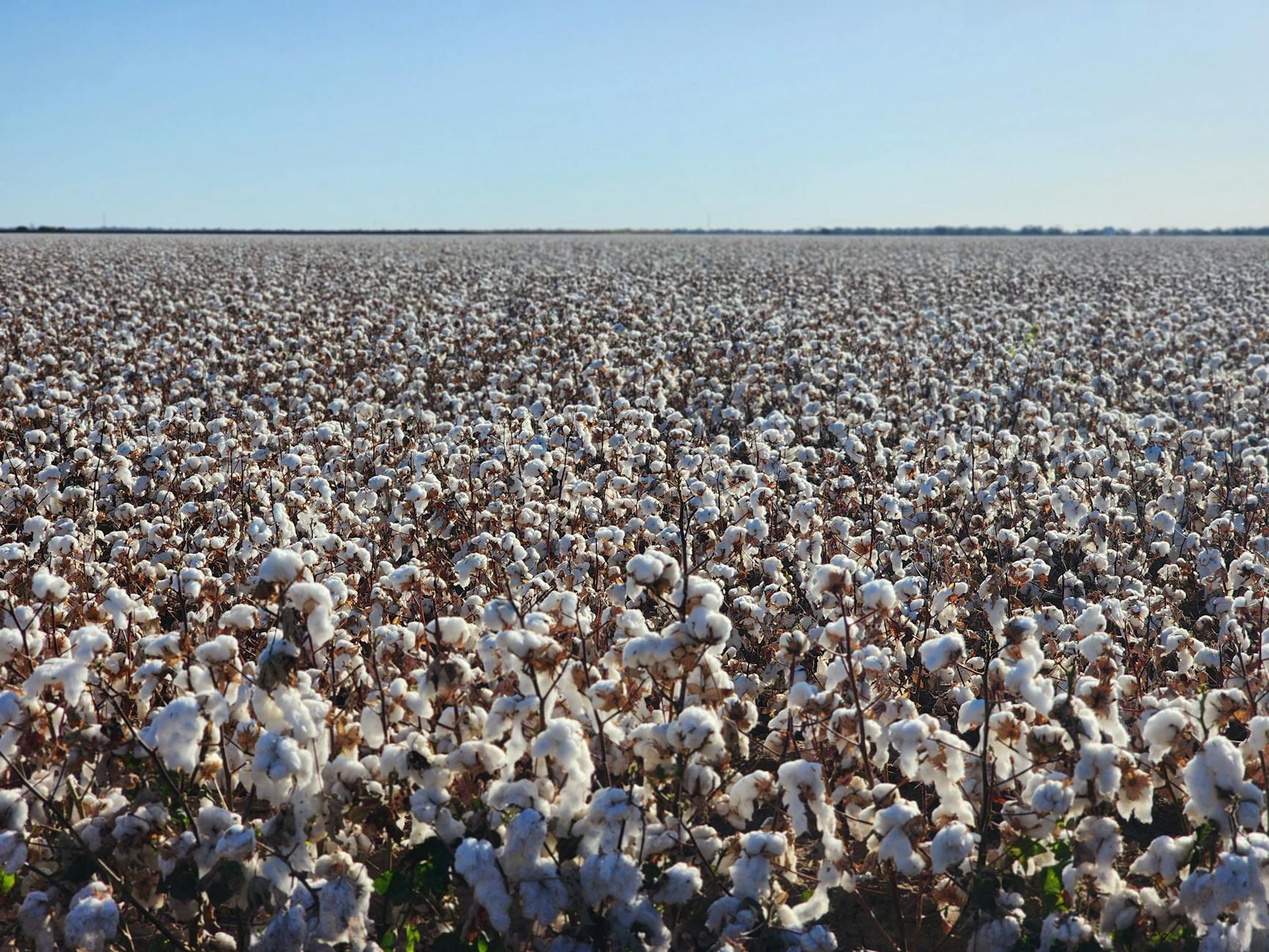
Behind the romanticized myths of southern plantations lay a hidden reality—a world of suffering, endurance, and humanity often obscured by the economic narrative of cotton. Slavery in the American South was not a static institution; it was a geographical and cultural system that shaped landscapes, identities, and lives. From the rich deltas of Mississippi to the rice swamps of South Carolina and the sugarcane fields of Louisiana, the geography of slavery dictated not only labor but the very rhythm of existence for millions of enslaved Africans.

Cotton was king, but it ruled through chains. The geography of the Deep South—its humid climate and fertile soil—made it ideal for cotton cultivation, turning human lives into instruments of production. Enslaved laborers worked from dawn to dusk, their hands blistered by the very fiber that fueled global capitalism. Every cotton boll carried both economic profit and human pain (Baptist, 2014).

In coastal regions, such as the Sea Islands of Georgia and South Carolina, the Gullah-Geechee people developed unique cultural patterns. Because of their isolation and African majority, they preserved much of their ancestral heritage—language, cuisine, and spirituality. This community represented a living bridge between Africa and America, maintaining traditions that defied cultural erasure (Joyner, 1984).

The plantation system was a complete world unto itself, governed by rigid hierarchies and surveillance. Overseers, driven by quotas and cruelty, maintained order through fear. The daily routine began before sunrise and often ended only when the last light faded. Enslaved people labored under the watchful eye of white dominance, yet within these confines, they built an internal world of faith, kinship, and quiet resistance.

Housing reflected the social order. While the master’s mansion stood as a symbol of wealth and power, the slave quarters told another story. Built of wood or mud, with dirt floors and minimal furnishing, these cabins were cramped but alive with community. Within their walls, families prayed, sang, and strategized survival. It was here, behind the cotton fields, that the enslaved recreated a sense of belonging in a world that sought to strip it away.

Foodways also reveal the ingenuity of enslaved Africans. Given meager rations—cornmeal, lard, and scraps—they transformed survival into art, creating culinary traditions that remain central to African American identity. Dishes such as gumbo, hoppin’ john, and rice stews were cultural testaments to memory and adaptation. Through food, they maintained ancestral ties and expressed creative resilience (Opie, 2008).

Religion was the spiritual heart of plantation life. The “invisible church” thrived in secrecy, where enslaved men and women gathered in hush harbors to worship under moonlight. These gatherings were both spiritual and political acts—spaces of liberation where they reinterpreted Christianity through an African lens. The God of the enslaved was not the master’s God of submission, but the deliverer who freed the oppressed (Raboteau, 2004).

Music was omnipresent. The fields echoed with spirituals and work songs that expressed pain, coded hope, and communal strength. The rhythm of hoe and song was a form of communication that transcended language barriers. “Steal Away,” “Go Down, Moses,” and “Swing Low, Sweet Chariot” were not merely songs but sacred messages of endurance and escape.

Gender dynamics shaped experiences differently. Enslaved women carried the dual burden of labor and sexual exploitation. Their bodies became sites of violence and survival. Yet, they also held the community together through care, storytelling, and midwifery. Enslaved mothers resisted psychological destruction by nurturing identity and strength in their children (White, 1999).

Children, born into bondage, learned early the rules of survival. Play was limited; innocence was fleeting. Many were separated from their parents, sold to other plantations before adolescence. Yet, even in these fragmented spaces, children were taught songs, proverbs, and prayers—spiritual inheritances that preserved humanity across generations.

The hidden economy of slavery extended beyond the fields. Skilled artisans—blacksmiths, carpenters, seamstresses—labored in silence, often earning small wages or privileges. Their expertise built the infrastructure of the South, though their names remain lost to history. Labor, in every form, was both a curse and a source of dignity for the enslaved (Berlin, 2003).

Cultural expression flourished in the margins. Folktales, particularly the Br’er Rabbit stories, functioned as allegories of resistance. The cunning trickster who outwitted stronger adversaries symbolized the enslaved spirit—resourceful, patient, and subversive. Oral tradition became a psychological refuge, turning oppression into wisdom (Levine, 1977).

Geography also shaped rebellion. In the swamps of Florida and Louisiana, maroon communities—runaway slaves who formed free settlements—thrived beyond the reach of slave catchers. These hidden enclaves were testaments to defiance, combining African survival skills with the American wilderness. The landscape itself became a partner in resistance (Weaver, 2006).

Daily life was marked by constant negotiation between subservience and selfhood. The enslaved learned to navigate the master’s world with coded behavior—outward compliance masking inner freedom. They practiced what scholar James C. Scott (1990) called “the hidden transcript,” a secret resistance carried in whispers, gestures, and double meanings.

Festivals and dances provided rare spaces of release. On Sundays and holidays, enslaved people gathered to dance the juba, stomp rhythms, and share stories. These cultural gatherings were acts of joy and identity reclamation, affirming their collective humanity despite systematic dehumanization.

The physical geography of slavery also dictated mortality. The rice plantations of the Carolinas were death traps, breeding malaria and disease. The Louisiana sugar fields were even harsher—workers were literally worked to death during harvest. Geography was not just landscape; it was a silent accomplice to suffering (Morgan, 1998).

Despite unimaginable conditions, enslaved people forged emotional worlds of love and loyalty. Marriages, though unrecognized by law, were sacred vows in the eyes of God. Couples risked punishment to see one another across plantations. Love itself became an act of rebellion—a declaration that they were still human, still capable of tenderness.

The hidden lives behind the cotton fields were not defined by despair but by determination. Within every prayer, song, and whispered story was a prophecy of freedom. The enslaved refused to be reduced to property; they were people of vision, artistry, and faith, whose daily resistance laid the foundation for future generations.

When emancipation finally came, it was not granted—it was earned through centuries of survival. The legacy of those hidden lives continues to shape the cultural, spiritual, and moral identity of African Americans today. Behind the cotton fields, there existed a civilization of strength—a people unbroken, unseen, yet unforgettable.


References

Baptist, E. E. (2014). The half has never been told: Slavery and the making of American capitalism. Basic Books.

Berlin, I. (2003). Generations of captivity: A history of African-American slaves. Harvard University Press.

Joyner, C. (1984). Down by the riverside: A South Carolina slave community. University of Illinois Press.

Levine, L. W. (1977). Black culture and Black consciousness: Afro-American folk thought from slavery to freedom. Oxford University Press.

Morgan, P. D. (1998). Slave counterpoint: Black culture in the eighteenth-century Chesapeake and Lowcountry. University of North Carolina Press.

Opie, F. D. (2008). Hog and hominy: Soul food from Africa to America. Columbia University Press.

Raboteau, A. J. (2004). Slave religion: The “invisible institution” in the antebellum South. Oxford University Press.

Scott, J. C. (1990). Domination and the arts of resistance: Hidden transcripts. Yale University Press.

Weaver, J. C. (2006). The red Atlantic: American indigenes and the making of the modern world, 1000–1927. Cambridge University Press.

White, D. G. (1999). Ar’n’t I a woman? Female slaves in the plantation South. W. W. Norton.

Dilemma: Slavery – Chains Across the Waters: The Transatlantic Slave Trade, Biblical Prophecy, and the Legacy of Black Enslavement

Photo by Thato Moiketsi on Pexels.com

“We Came in the Bottom of Ships”

(A Poem About Slavery)

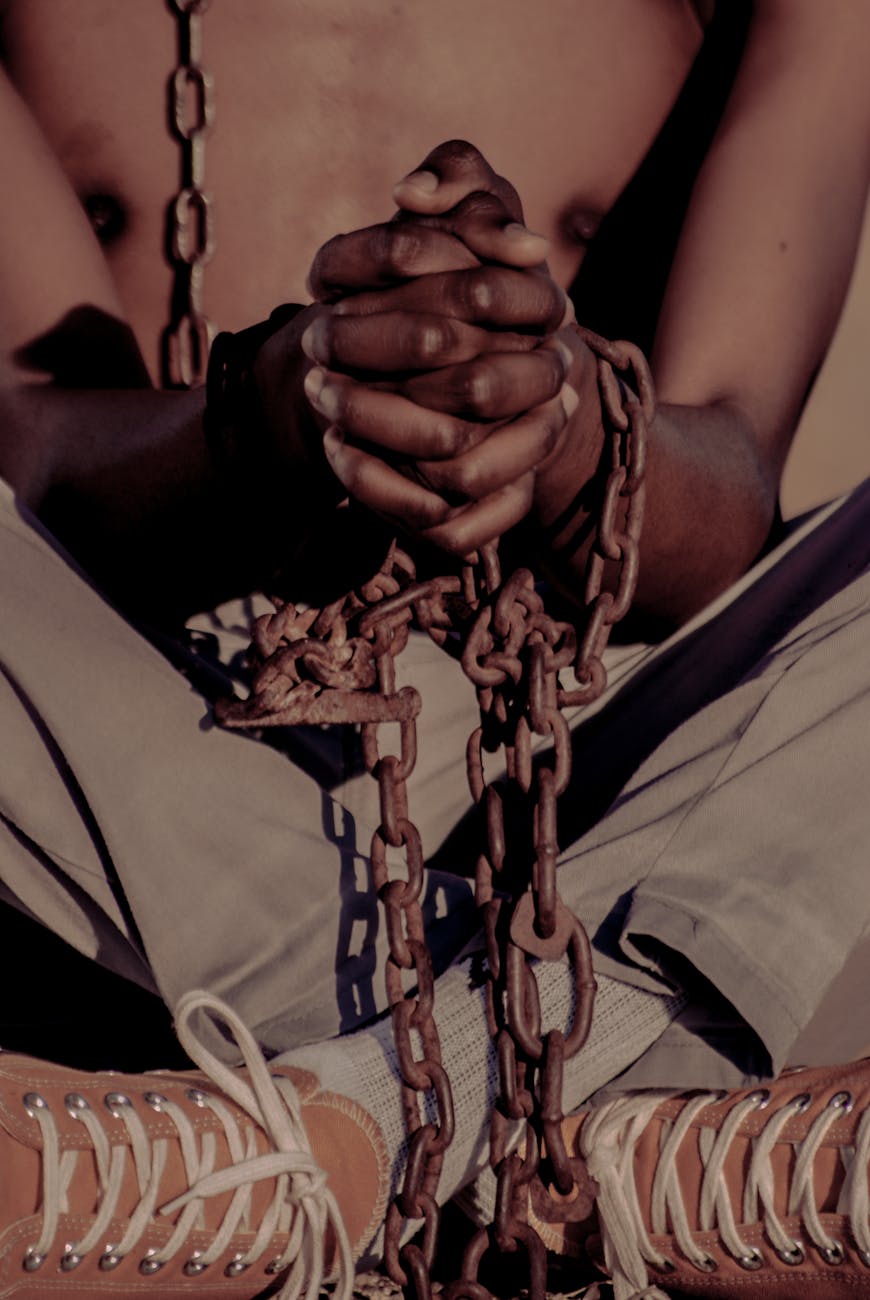
We came in the bottom of ships, not dreams,
Chained like thunder beneath wooden beams,
Torn from kingdoms kissed by the sun,
From the drums of Dahomey, to the rivers of the Congo run.

We were Igbo, Ashanti, Hebrew, and Ewe,
Mothers of wisdom, warriors of sway,
Fathers of iron, scribes of the scroll,
Our names were gold—but they bartered our soul.

The wind was not freedom but fury and foam,
As they stacked our breath in a floating tomb.
“Amistad,” “Brookes,” and “Jesus” they sailed,
Yet Christ wept each time those hulls prevailed.

We sang in the dark where no sun reached,
We prayed in a tongue they could not breach.
Deuteronomy cried from the sacred page,
“You shall go into Egypt again”—the prophecy aged.

They whipped us at dawn, and raped through the night,
Took our children, and robbed us of sight.
Taught us to bow and forget who we were,
Yet our blood remembered—we came from the Word.

On blocks we stood like cattle and coin,
Sold by the pound, bruised in the groin.
Names lost—Tamar, Kofi, Yaira, Adebayo—
Now called Jack, or Belle, or Uncle Sam’s shadow.

We built this land—its wealth, its walls,
With cotton-picked hands and freedom’s calls.
We bled in silence, we ran, we fought,
We learned to read, though they said we could not.

They broke our backs, but not our will,
For Harriet moved by the Spirit still.
And Frederick wrote fire with a bleeding pen,
While Nat Turner rose like a lion again.

Now we dance in Juneteenth’s flame,
Remembering each forgotten name.
From chains to chants, from songs to speech,
Still reaching the freedom they dared not teach.


Closing Lines

So when you ask where our story begins,
It does not start in chains or sins—
But in a garden, in a scroll, in ancient breath—
Slavery was a shadow. But we are not death.
We are prophecy walking. We are Judah’s drum.
We are the voice that says: “Let my people come.”

.


The transatlantic slave trade remains one of the darkest stains in human history—marked by over four centuries of systemic oppression, brutality, and the forced migration of millions of African men, women, and children. Black people were enslaved in the Americas for approximately 246 years, from 1619 to 1865, and the aftershocks of this atrocity continue to reverberate in modern society. The origin, scale, and spiritual context of this historical trauma require a deep examination—of not only the ships and auction blocks but also the prophetic echoes found in Scripture, particularly Deuteronomy 28.


Origins of African Slavery: Historical and Spiritual Roots

The transatlantic slave trade began in the late 15th century, with European powers—especially Portugal, Britain, Spain, France, and the Netherlands—establishing trading posts along the western coasts of Africa. Africans were kidnapped or sold by rival tribes, many through warfare or debt bondage, and transported across the Atlantic Ocean in horrific conditions.

According to Deuteronomy 28:68 (KJV):

“And the Lord shall bring thee into Egypt again with ships, by the way whereof I spake unto thee, Thou shalt see it no more again: and there ye shall be sold unto your enemies for bondmen and bondwomen, and no man shall buy you.”

This verse is widely cited in Hebraic Israelite theology as a prophetic reference to the transatlantic slave trade, wherein descendants of the biblical Israelites—believed by many to be the so-called African Americans—would be carried in ships to a new “Egypt” (a house of bondage).


Slave Ports and African Origins

Most of the enslaved Africans came from West and Central Africa, regions that include modern-day:

  • Ghana
  • Nigeria
  • Benin
  • Senegal
  • Angola
  • Sierra Leone

The major slave embarkation points were on the Ivory Coast, Gold Coast, Slave Coast, and Bight of Biafra.

There is evidence that Shemites—descendants of Shem, one of Noah’s sons—lived in parts of Africa, particularly among Hebrew-speaking tribes such as the Igbo of Nigeria, the Akan of Ghana, and others who retained oral traditions, circumcision practices, and laws similar to ancient Israel (Hotep, 2016).


Slave Ships and Death at Sea

The names of infamous slave ships included:

  • The Brookes
  • The Henrietta Marie
  • The Jesus of Lübeck (ironically owned by Queen Elizabeth I)
  • La Amistad

Conditions aboard these ships were inhumane. Africans were shackled, stacked tightly in cargo holds with little air, and barely fed. It is estimated that at least 1.8 million of the 12.5 million enslaved Africans died during the Middle Passage (Eltis & Richardson, 2010).

The story of La Amistad (1839) stands out as one of resistance. Enslaved Mende Africans, led by Sengbe Pieh (Cinqué), rebelled against their Spanish captors. The case reached the U.S. Supreme Court, which ruled in favor of the Africans’ freedom—marking a rare legal victory for Black resistance.


Slavery in America and the World

Slavery existed globally, but the transatlantic slave trade was uniquely brutal and racialized. Other nations that held African slaves included:

  • Brazil
  • Cuba
  • The Caribbean colonies
  • Spain
  • Portugal
  • France
  • The Netherlands

In North America, enslaved people were forced into:

  • Plantation labor (cotton, sugar, tobacco)
  • Domestic service
  • Skilled crafts
  • Childbearing (as a source of wealth)

They were often sold at public slave auctions, stripped naked, examined like livestock, and renamed with European or Anglo-Christian names. Most were forced to abandon their original Hebrew names, cultural identities, and languages, such as Ewe, Igbo, Wolof, Yoruba, and Akan.


Sexual Violence and Psychological Warfare

Slavery in America was not only physical but psychological and sexual. “Buck breaking” was a barbaric method where enslaved Black men were raped or publicly humiliated to break their spirit and deter rebellion. It is hard to quantify, but tens of thousands of Black women were also raped by white slave masters, often forced to bear children who were legally still enslaved under the status of the mother (partus sequitur ventrem).


The Abolition of Slavery

Slavery in the United States was abolished in 1865 with the ratification of the 13th Amendment, pushed forward by the efforts of abolitionists like Frederick Douglass, Harriet Tubman, and William Lloyd Garrison, as well as President Abraham Lincoln‘s Emancipation Proclamation (1863).


Slave Narratives and Overcoming

One of the most famous narratives is that of Harriet Jacobs, author of Incidents in the Life of a Slave Girl, who detailed her harrowing experiences as a sexually abused enslaved woman.

Another is Frederick Douglass, who escaped slavery, taught himself to read, and became one of the greatest orators and writers in American history. His book Narrative of the Life of Frederick Douglass (1845) exposed the cruelty of slavery and helped ignite the abolitionist movement.


Modern Black Celebration and Resilience

Today, Black Americans honor their ancestors and freedom through:

  • Juneteenth (June 19th, the date when the last slaves in Texas were freed in 1865)
  • Black History Month
  • Kwanzaa
  • Passover Celebrations (among Hebrew Israelites)

Is the Condition of Black People Better Today?

While legal slavery is abolished, systemic racism, mass incarceration, police brutality, and economic disparities persist. Nevertheless, the resilience, innovation, and cultural power of Black people have reshaped nations—from political powerhouses like Barack Obama to cultural icons like Maya Angelou and Malcolm X.


Conclusion

Slavery was not merely a historical event; it was a fulfillment of biblical prophecy, a global enterprise fueled by greed and racial supremacy, and a foundational trauma in the American story. Understanding its full scope—both physically and spiritually—allows us to honor those who perished, those who resisted, and those who still rise today.


References

  • Berlin, I. (2003). Generations of Captivity: A History of African-American Slaves. Harvard University Press.
  • Deuteronomy 28:68. (n.d.). The Holy Bible, King James Version.
  • Eltis, D., & Richardson, D. (2010). Atlas of the Transatlantic Slave Trade. Yale University Press.
  • Douglass, F. (1845). Narrative of the Life of Frederick Douglass, an American Slave. Boston: Anti-Slavery Office.
  • Jacobs, H. (1861). Incidents in the Life of a Slave Girl. Boston: Thayer & Eldridge.
  • Hotep, D. (2016). The African Hebrews: Biblical Israelites in Africa. Afrikan Mind Publishing.
  • Lovejoy, P. E. (2000). Transformations in Slavery: A History of Slavery in Africa. Cambridge University Press.

Pathways to Liberation: The Freedom Fighters of the Underground Railroad and Their Legacy in Black Resistance.

Introduction

In the harrowing chapters of American history, few movements embody both the resilience of the oppressed and the defiance against systemic cruelty as powerfully as the Underground Railroad. This clandestine network of routes, safe houses, and allies helped thousands of enslaved African Americans flee bondage in pursuit of liberty. Central to this movement were extraordinary men and women—freedom fighters—who risked everything to resist the institution of slavery. Among them, figures like Harriet Tubman and Frederick Douglass emerged as enduring symbols of Black courage, leadership, and hope. This essay explores their biographies, the origins of the Underground Railroad, the treatment of African Americans during slavery, and the broader sociopolitical context under which this resistance occurred.


Understanding the Underground Railroad

The Underground Railroad was neither underground nor a literal railroad. It was a covert network established in the early 19th century, primarily between 1810 and 1860, that provided escape routes and safe havens for enslaved African Americans fleeing from Southern plantations to freedom in the North and Canada. Conductors, stationmasters, and abolitionist allies—both Black and white—worked in secrecy to protect fugitives from capture and re-enslavement.

The term was symbolic: “conductors” guided fugitives, “stations” were hiding places, and “cargo” referred to those escaping bondage. This movement represented a large-scale act of civil disobedience against federal laws like the Fugitive Slave Act (1850), which penalized those aiding escapees. The Underground Railroad was a revolutionary act of Black agency and interracial cooperation (Horton & Horton, 1997).


Top 5 Freedom Fighters of the Underground Railroad

  1. Harriet Tubman (c. 1822–1913)
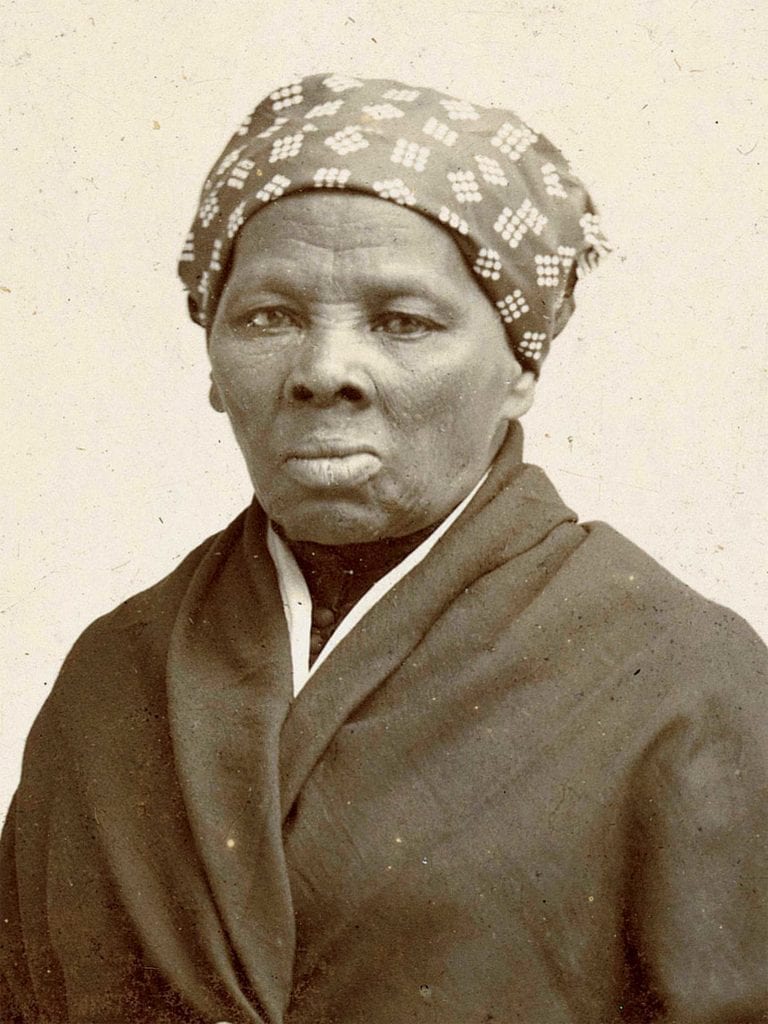
    Born Araminta Ross in Dorchester County, Maryland, Tubman escaped slavery in 1849 and went on to become the most famous conductor of the Underground Railroad. She made over 13 missions to the South, rescuing around 70 enslaved individuals, including family members. Tubman later served as a Union spy during the Civil War and advocated for women’s suffrage. She never had biological children but adopted a daughter, Gertie Davis, with her second husband, Nelson Davis. Her contribution is unparalleled in symbolizing Black resistance and unwavering commitment to freedom (Clinton, 2004).
  2. Frederick Douglass (1818–1895)
    Born Frederick Augustus Washington Bailey in Talbot County, Maryland, Douglass escaped slavery in 1838. He became a leading orator, abolitionist, writer, and statesman. His autobiographies, especially Narrative of the Life of Frederick Douglass, an American Slave, exposed the cruelty of slavery to a wide audience. Douglass married Anna Murray, a free Black woman who helped him escape, and they had five children. After Anna’s death, he married Helen Pitts, a white feminist. Douglass’s home in Rochester, New York, was a known stop on the Underground Railroad. He was also an advisor to President Abraham Lincoln (Blight, 2018).
  3. William Still (1821–1902)
    Often called the “Father of the Underground Railroad,” Still was a free Black man born in New Jersey. He documented the stories of hundreds of fugitives he helped through Philadelphia. His records, later published in The Underground Railroad (1872), are a crucial historical source. Still coordinated operations with conductors like Tubman and was instrumental in the Philadelphia Vigilance Committee. His brother, Peter Still, was enslaved, which gave William a personal stake in the cause (Still, 1872).
  4. Sojourner Truth (c. 1797–1883)
    Born Isabella Baumfree in Ulster County, New York, Truth escaped slavery in 1826. She became a powerful abolitionist and women’s rights advocate. Known for her speech “Ain’t I a Woman?”, she traveled across the nation preaching the injustices of slavery and gender inequality. Truth had five children and legally fought to recover her son, making her one of the first Black women to win a court case against a white man. While not a conductor per se, her speeches inspired the abolitionist cause deeply (Painter, 1996).
  5. Levi Coffin (1798–1877)
    A white Quaker and businessman from North Carolina, Coffin helped an estimated 3,000 slaves to freedom, earning him the title “President of the Underground Railroad.” He and his wife, Catharine, used their home in Indiana—and later Ohio—as a major depot. Though not Black himself, Coffin’s lifelong dedication to abolition was a crucial link in the network, showing interracial cooperation in the fight for justice (Coffin, 1876).

A Brief History of Slavery in the United States

Slavery in America began in 1619 with the arrival of the first enslaved Africans in Virginia. By the 18th century, chattel slavery had become a cornerstone of the Southern economy. Enslaved people were legally considered property, denied basic rights, and subjected to inhumane conditions, forced labor, sexual violence, and family separations.

By the early 1800s, over 4 million African Americans were enslaved in the United States. Resistance took many forms—rebellions, literacy, culture, and escape via the Underground Railroad. The psychological and physical torment endured under this system forged a legacy of trauma, resilience, and cultural endurance that shapes Black identity today.


Black Treatment by Society During the Period

Enslaved Black people were denied citizenship, education, autonomy, and family stability. The Fugitive Slave Acts (1793 and 1850) criminalized escape and punished those aiding fugitives. Free Blacks faced racial violence, segregation, and systemic disenfranchisement. Society regarded African Americans as subhuman, a sentiment codified in the infamous 1857 Dred Scott v. Sandford decision, which declared that no Black person could claim U.S. citizenship (Fehrenbacher, 1978).


Presidential Response: Abraham Lincoln and the Slavery Question

During the height of Underground Railroad activity, Abraham Lincoln (1809–1865), the 16th president, played a complicated role. Elected in 1860, Lincoln initially prioritized preserving the Union over ending slavery. However, his views evolved under the pressures of war and abolitionist influence. He issued the Emancipation Proclamation in 1863, which declared freedom for slaves in Confederate territories. While limited in scope, it marked a turning point in U.S. policy and helped shift the Civil War into a moral battle over slavery (McPherson, 1988).


Conclusion

The story of the Underground Railroad is one of profound moral courage and strategic resistance against one of the greatest evils in American history. Harriet Tubman, Frederick Douglass, and their allies—Black and white—offered the enslaved more than just escape; they embodied the possibility of a new life and future. These freedom fighters’ legacy endures in the ongoing struggle for racial justice, freedom, and human dignity.


References

  • Blight, D. W. (2018). Frederick Douglass: Prophet of Freedom. Simon & Schuster.
  • Clinton, C. (2004). Harriet Tubman: The Road to Freedom. Little, Brown and Company.
  • Coffin, L. (1876). Reminiscences of Levi Coffin. Western Tract Society.
  • Fehrenbacher, D. E. (1978). The Dred Scott Case: Its Significance in American Law and Politics. Oxford University Press.
  • Horton, J. O., & Horton, L. E. (1997). In Hope of Liberty: Culture, Community and Protest Among Northern Free Blacks, 1700-1860. Oxford University Press.
  • McPherson, J. M. (1988). Battle Cry of Freedom: The Civil War Era. Oxford University Press.
  • Painter, N. I. (1996). Sojourner Truth: A Life, A Symbol. W. W. Norton & Company.
  • Still, W. (1872). The Underground Railroad: Authentic Narratives and First-Hand Accounts. Porter & Coates.

Black History: Buck Breaking/Breaking the Buck and Sex Farms.

This photograph is the property of its respective owner.


Buck-Breaking: A Historical Analysis of Sexual Violence, Power, and Psychological Warfare During American Slavery

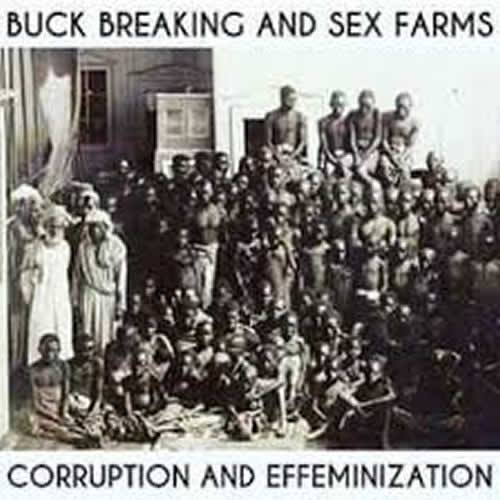
“Buck-breaking” was a term associated with one of the most heinous and dehumanizing practices employed during the transatlantic slavery era, particularly in the Caribbean and parts of the American South. This form of sexual violence was a deliberate tool of psychological and social control, weaponized by white slaveholders to emasculate enslaved Black men, traumatize enslaved families, and dismantle any sense of resistance within the Black community.

Definition and Origins

The term buck-breaking refers to the forced sexual violation of enslaved Black men—referred to derogatorily as “bucks” by slaveholders—typically by white male enslavers. Though not widely discussed in mainstream historical texts, references to such acts are found in historical accounts, oral traditions, and emerging scholarship on slavery and sexual violence. The practice is believed to have been most rampant in the Caribbean, particularly in Jamaica and Barbados, but was also used in the American South to suppress rebellion and instill fear (Fanon, 2008; Patterson, 1982).

Purpose of Buck-Breaking

The purpose of buck-breaking was multifaceted. First, it served as a method of breaking the spirit of enslaved Black men who displayed signs of resistance or insubordination. By publicly humiliating them through sexual violence, slave owners sought to destroy their masculinity and assert total dominance. Secondly, it psychologically devastated enslaved women and children who were forced to witness the violation of their husbands, fathers, and sons. The psychological terror inflicted served as a preventive mechanism against organized rebellion (Hine, 1994).

Moreover, by using sexual violence as a spectacle, white enslavers aimed to invert traditional gender roles and strip Black men of agency, pride, and familial authority. This public act of dehumanization sent a clear message: resistance would be met with degradation, not just punishment.

Psychological Impact and Legacy

The psychological impact of such acts cannot be overstated. Enslaved families who witnessed these violations were left traumatized, with long-term implications for self-worth, masculinity, and kinship bonds. As psychiatrist Frantz Fanon (2008) noted in Black Skin, White Masks, the colonial project was not merely about physical domination but also psychological fragmentation—an internalized sense of inferiority reinforced through brutality and humiliation.

In the post-slavery era, the trauma of buck-breaking has been theorized to contribute to various sociocultural dynamics within the African American community, including distrust, the suppression of vulnerability in men, and familial disintegration.

Modern Symbolism and Myths

One controversial claim connects the modern trend of “sagging pants” to buck-breaking, arguing that it originated as a marker of sexual violation during slavery. While this claim is popular in some Afrocentric and activist circles, it is not widely supported by mainstream historical scholarship. Most academic sources trace sagging to 20th-century prison culture, where belts were often confiscated (Alexander, 2010).

Nevertheless, such narratives—true or symbolic—reflect ongoing struggles to interpret and reclaim historical trauma in a modern context.

The Caste System and Sexual Politics of Slavery

Buck-breaking fits within a broader racial caste system that valorized whiteness and weaponized Blackness. Enslaved Black men were commodified based on perceived physical strength and virility, which made their bodies both a source of economic productivity and sexual threat in the eyes of the white supremacist regime. This further justified acts of violence to control, neuter, and dehumanize them. Scholar Saidiya Hartman (1997) has written extensively on how the Black body, particularly during slavery, was the site of spectacular violence and commodified suffering.

The practice was employed as a strategic tool to:

  • Emasculate enslaved men and negate any sense of masculine authority or defiance, thus neutralizing potential rebellion.
  • Instill terror among enslaved communities by forcing families and peers to witness the sexual shame of defiance (Urban Dictionary; Face2Face Africa) Wyatt O’Brian Evans.
  • Reinforce power dynamics, making clear that black bodies were commodities to be abused and controlled.

According to emerging scholarship, “sex farms” were plantations or compound-like areas maintained for the systematic sexual exploitation of enslaved men. Slaveholders allegedly transported enslaved males from plantation to plantation for group sexual assaults, creating a traveling circuit—a grotesque and institutionalized practice (RasTafari TV) rastafari.tv.

The trauma of buck-breaking became a weapon of psychological subjugation. Witnessing a father or brother publicly violated aimed to:

  • Undermine self-worth and family cohesion.
  • Criminalize resistance internally: enslaved men who survived this abuse often left trauma not addressed and seldom spoken of (Jennings & White, via Project MUSE; TalkAfricana) Reddit+13Project MUSE+13TalkAfricana+13.

Scholars argue the degradation of masculinity under slavery contributed to long-term disruptions in identity, familial protective roles, and community cohesion (Jennings et al.; Fanon’s frameworks) Project MUSETalkAfricana.

Slaveholders also operated breeding farms where enslaved women—and sometimes men—were forcibly impregnated to increase the enslaved labor force. While breeding farms chiefly targeted women, male exploitation was part of the broader system of sexual commodification (Wikipedia; Sublette) rastafari.tv+5Wikipedia+5Wikipedia+5.

Due to stigma and silencing, rape of male slaves was rarely documented in legal records. Most evidence appears in slave narratives and case studies—making direct quantification difficult, yet multiple historians affirm these abuses occurred (Project MUSE; TalkAfricana) Wikipedia+15Project MUSE+15TalkAfricana+15.

Deuteronomy 28:68 (KJV)

“And the Lord shall bring thee into Egypt again with ships, by the way whereof I spake unto thee, Thou shalt see it no more again: and there ye shall be sold unto your enemies for bondmen and bondwomen, and no man shall buy you.”

This verse is part of the curses listed in Deuteronomy 28 for Israel’s disobedience, and many in the African American and Hebrew communities interpret it as a prophetic reference to the transatlantic slave trade, including the horrific abuses such as buck-breaking. It reflects divine foresight into the suffering of a people taken into captivity by ships, sold into slavery, and dehumanized.


Lamentations 5:11–13 (KJV)

“They ravished the women in Zion, and the maids in the cities of Judah. Princes are hanged up by their hand: the faces of elders were not honoured. They took the young men to grind, and the children fell under the wood.”

This passage mourns the violent humiliation and abuse of both men and women in the time of Judah’s destruction. The word “ravished” refers to rape and sexual abuse, and “took the young men to grind” is understood by many biblical scholars to imply forced labor and sexual humiliation.


Isaiah 3:9 (KJV)

“The shew of their countenance doth witness against them; and they declare their sin as Sodom, they hide it not. Woe unto their soul! for they have rewarded evil unto themselves.”

While originally a rebuke to the people of Judah, this verse indicts all who, like the men of Sodom, openly commit abominable acts—such as sexual assault or humiliation—and refuse to repent. It reflects God’s judgment against those who violate others.

Conclusion and Theological Reflections

The atrocity of buck-breaking is not merely a historical footnote—it is a wound in the collective memory of the African diaspora. Understanding it is crucial to unpacking the complex intersection of race, sexuality, power, and trauma. For believers, it is also a call to lament, to pursue justice, and to reclaim dignity lost through centuries of dehumanization. Scripture reminds us that every person is made in the image of God (Genesis 1:27), and that the destruction of one’s dignity—especially through acts of sexual violence—is an affront to the Creator Himself. Deliverance from such trauma involves truth-telling, communal healing, and a return to a biblical vision of wholeness, where no one’s humanity is reduced to their body, race, or utility.

References:

Alexander, M. (2010). The New Jim Crow: Mass Incarceration in the Age of Colorblindness. The New Press.

Fanon, F. (2008). Black Skin, White Masks (R. Philcox, Trans.). Grove Press.

Hartman, S. (1997). Scenes of Subjection: Terror, Slavery, and Self-Making in Nineteenth-Century America. Oxford University Press.

Hine, D. C. (1994). Hine Sight: Black Women and the Re-construction of American History. Indiana University Press.

Patterson, O. (1982). Slavery and Social Death: A Comparative Study. Harvard University Press.

Face2Face Africa. (2019). 5 horrifying ways enslaved African men were sexually exploited and abused by their white masters 3CHICSPOLITICO+1Wyatt O’Brian Evans+1.


Jennings, T. A., et al. (2024). Sexual abuse of Black men under American slavery. Project MUSE Journal. Project MUSE


TalkAfricana. (2023, May 30). Buck Breaking: How slave masters used rape to emasculate enslaved African men. TalkAfricana


RasTafari TV. (2024). Sex farms during slavery & the effeminization of Black Men. Wikipedia+13rastafari.tv+13Project MUSE+13