Tag Archives: slavery

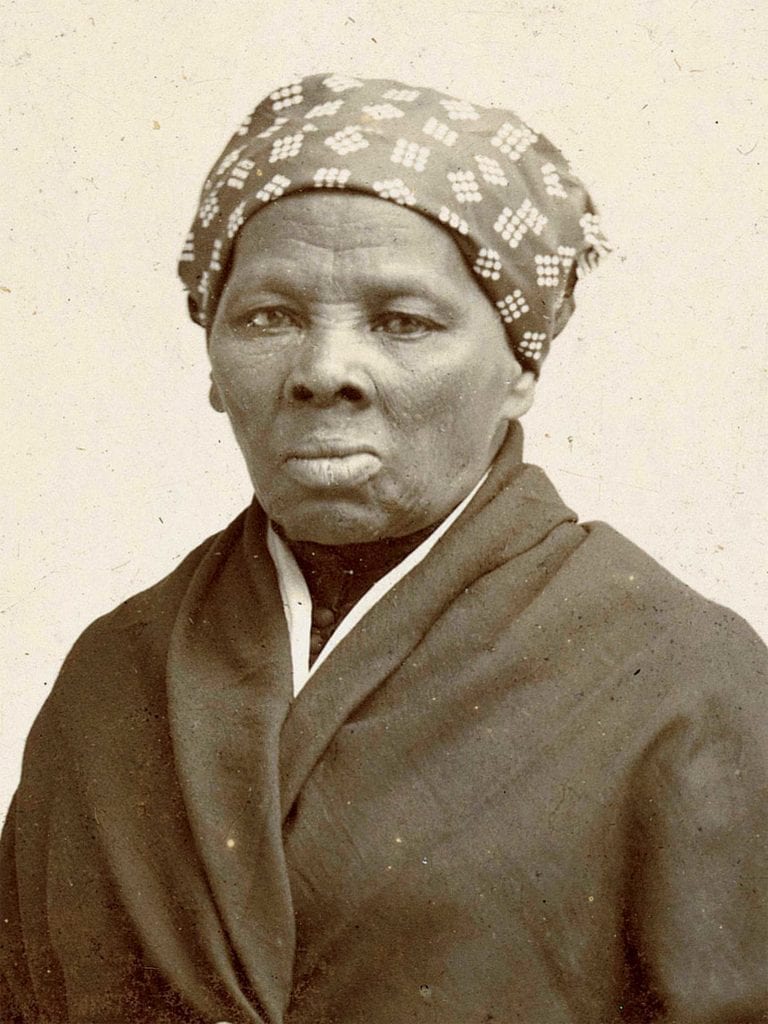
Celebrating Black Women in History: Activists and Trailblazers.

This photograph is the property of its respective owners. No copyright infringement intended.

Black women have been central to social, political, and cultural transformation throughout history, yet their contributions are often overlooked or minimized. From the era of slavery to modern times, Black women have demonstrated resilience, intellect, and leadership, challenging systemic oppression while paving the way for future generations. Recognizing and celebrating their accomplishments is essential for understanding history, inspiring social justice, and affirming the intrinsic value of Black womanhood.


Black Women in the Fight Against Slavery

Women such as Harriet Tubman and Sojourner Truth played pivotal roles in the abolitionist movement. Harriet Tubman’s courage in leading enslaved people to freedom via the Underground Railroad embodies fearless leadership. Sojourner Truth, through her speeches and activism, exposed the dual oppression of race and gender, most famously in her “Ain’t I a Woman?” address. Their legacy teaches that resistance and advocacy are intertwined with survival and faith

Pioneers in Civil Rights

In the 20th century, activists like Rosa Parks and Septima Clark reshaped the civil rights landscape. Rosa Parks’ refusal to give up her bus seat sparked the Montgomery Bus Boycott, a catalyst for nationwide action. Septima Clark, known as the “Mother of the Movement,” advanced citizenship education and literacy programs, empowering African Americans to exercise their voting rights. These women exemplify strategic courage, moral conviction, and community-focused leadership.


Trailblazers in Politics and Leadership

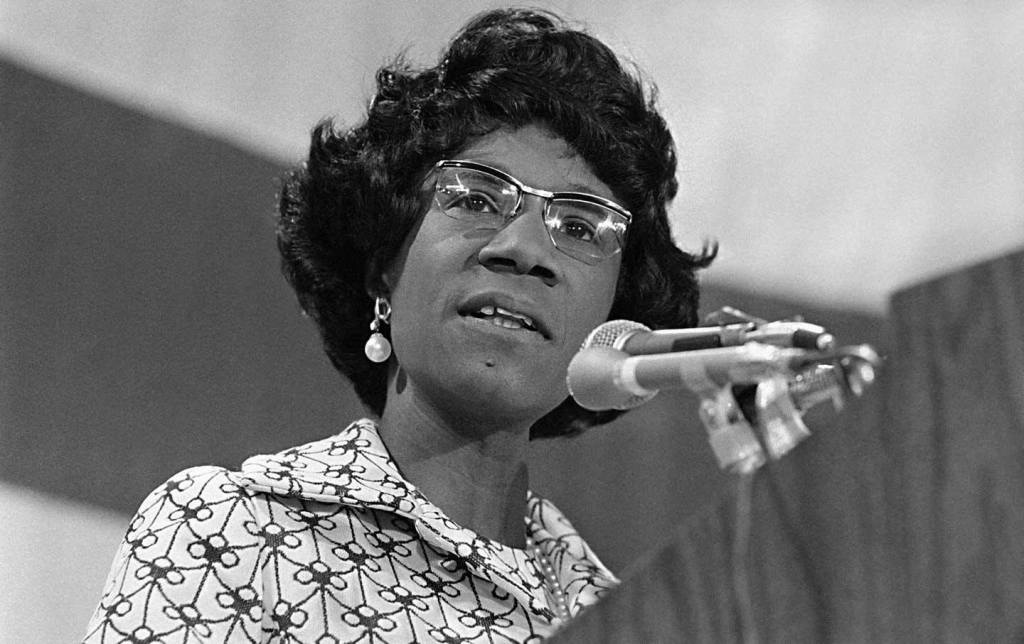
Black women have broken barriers in governance, challenging systemic exclusion. Figures like Shirley Chisholm, the first Black woman elected to Congress and a presidential candidate, redefined political possibility. Similarly, Barbara Jordan brought eloquence and moral authority to legislative processes, inspiring future generations of leaders. Their achievements highlight resilience, intellect, and the intersection of race and gender in public life.


Cultural and Artistic Revolutionaries

Beyond activism, Black women have transformed culture. Maya Angelou, Toni Morrison, and Nina Simone reshaped literature, music, and public consciousness, using their art as both personal expression and political commentary. Through storytelling, poetry, and song, they challenged racial stereotypes, inspired pride, and nurtured cultural identity.


Education and Empowerment Advocates

Black women like Mary McLeod Bethune dedicated their lives to education, founding institutions and programs that uplifted communities. Bethune’s emphasis on literacy, vocational training, and civic engagement demonstrates that education is both a tool for personal growth and societal change.


Modern Trailblazers

Contemporary leaders such as Alicia Garza, co-founder of the Black Lives Matter movement; Tarana Burke, founder of the MeToo movement; Misty Copeland, the first African American principal dancer at the American Ballet Theatre; Amanda Gorman, the youngest inaugural poet in U.S. history; Oprah Winfrey, media mogul and philanthropist; and Stacey Abrams, political leader and voting rights advocate, continue the legacy of activism, creativity, and cultural influence. Their visibility challenges stereotypes, advocates for equity, and inspires younger generations of Black women to embrace their talents, assert their voices, and claim their rightful place in society.


The Intersection of Faith and Activism

Many Black women activists grounded their work in faith. The KJV Bible repeatedly emphasizes justice and moral courage: “Learn to do well; seek judgment, relieve the oppressed” (Isaiah 1:17). Faith has often been a source of resilience, moral clarity, and community solidarity for Black women navigating oppression.


Overcoming Dual Oppression

Black women historically contend with both racial and gendered discrimination. Intersectionality—a term coined by Kimberlé Crenshaw—explains how overlapping systems of oppression shape lived experiences. Recognizing this helps illuminate why the achievements of Black women are particularly extraordinary and instructive.


Inspiring the Next Generation

Celebrating these trailblazers is not mere homage; it is a call to action. Mentorship programs, education, and media representation rooted in Black women’s histories foster self-worth, leadership, and civic engagement among youth.


Concluding Reflection

From Harriet Tubman to Kamala Harris, Black women’s contributions have been monumental, shaping history, culture, and society. Their resilience, intellect, and moral courage exemplify the power of faith, education, and activism. Honoring Black women in history affirms their intrinsic value, encourages social justice, and inspires generations to continue the work of liberation, leadership, and creativity.


References

  • Crenshaw, K. (1991). Mapping the margins: Intersectionality, identity politics, and violence against women of color. Stanford Law Review, 43(6), 1241–1299.
  • Collier-Thomas, B., & Franklin, V. P. (Eds.). (2001). Sisters in the struggle: African American women in the civil rights–black power movement. New York University Press.
  • Morris, A. D. (1999). Women’s work: The civil rights movement and the politics of gender. University of North Carolina Press.
  • Taylor, U. Y. (1998). The historical evolution of Black women in America. Black Women’s Studies Press.

Dilemma: Slavery – Chains Across the Waters: The Transatlantic Slave Trade, Biblical Prophecy, and the Legacy of Black Enslavement

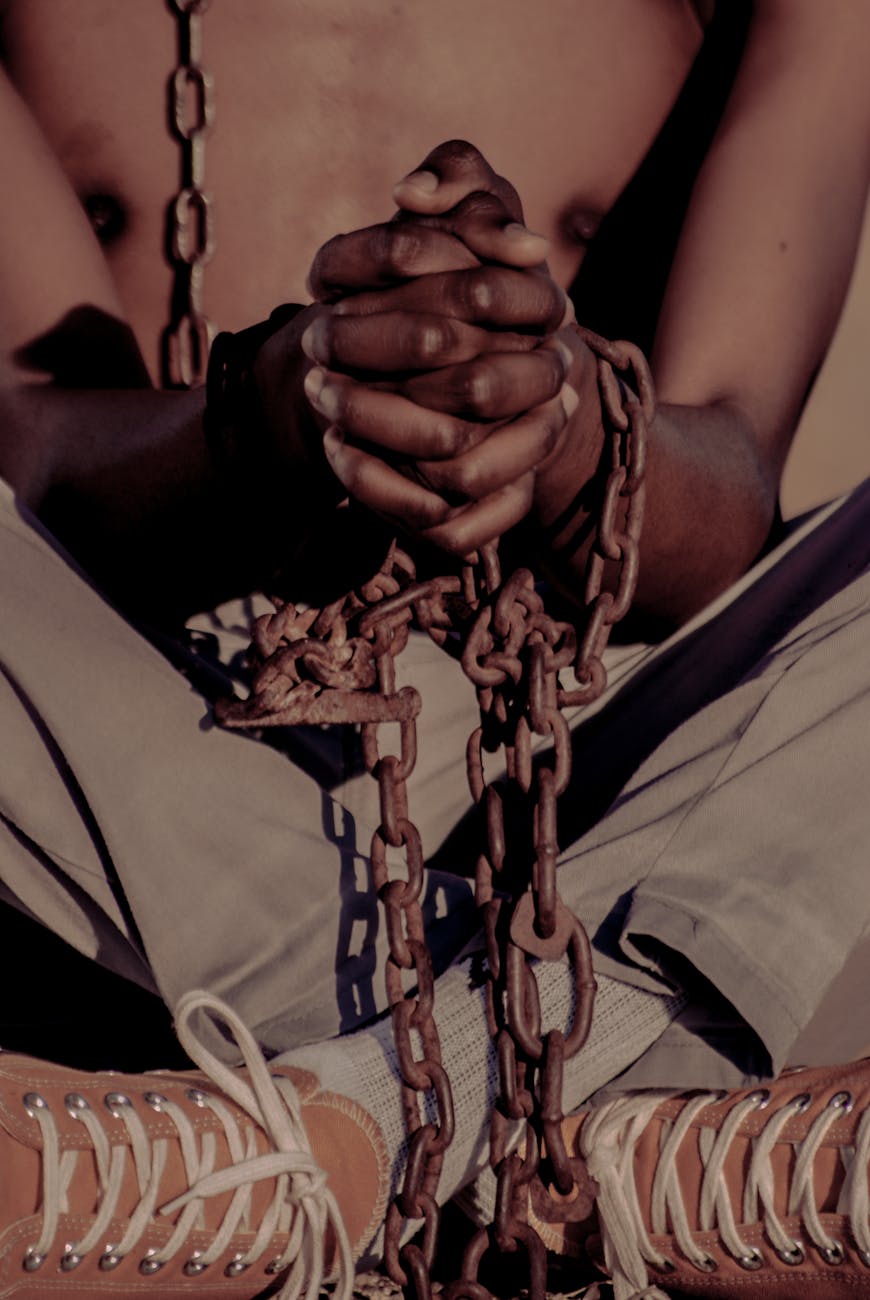
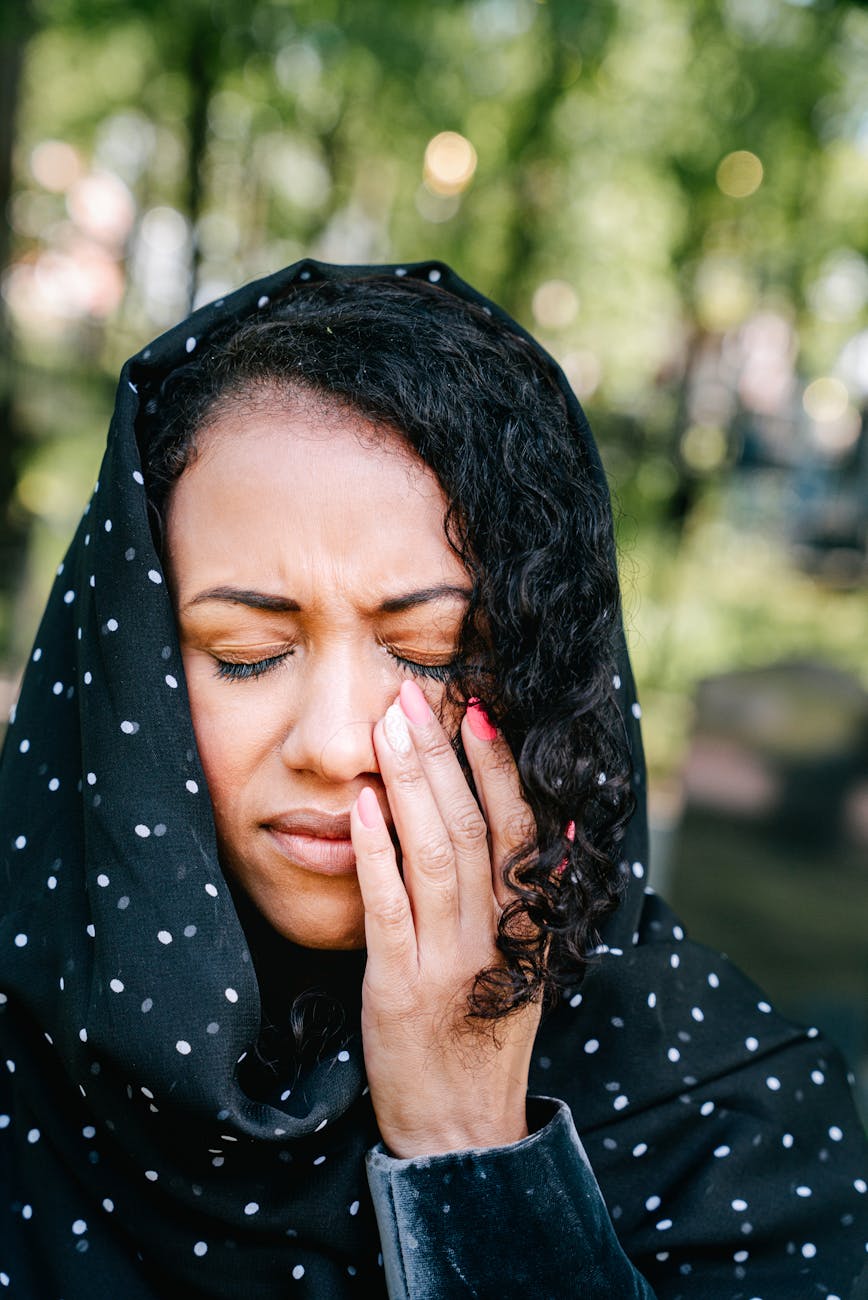
Photo by Thato Moiketsi on Pexels.com

“We Came in the Bottom of Ships”

(A Poem About Slavery)

We came in the bottom of ships, not dreams,
Chained like thunder beneath wooden beams,
Torn from kingdoms kissed by the sun,
From the drums of Dahomey, to the rivers of the Congo run.

We were Igbo, Ashanti, Hebrew, and Ewe,
Mothers of wisdom, warriors of sway,
Fathers of iron, scribes of the scroll,
Our names were gold—but they bartered our soul.

The wind was not freedom but fury and foam,
As they stacked our breath in a floating tomb.
“Amistad,” “Brookes,” and “Jesus” they sailed,
Yet Christ wept each time those hulls prevailed.

We sang in the dark where no sun reached,
We prayed in a tongue they could not breach.
Deuteronomy cried from the sacred page,
“You shall go into Egypt again”—the prophecy aged.

They whipped us at dawn, and raped through the night,
Took our children, and robbed us of sight.
Taught us to bow and forget who we were,
Yet our blood remembered—we came from the Word.

On blocks we stood like cattle and coin,
Sold by the pound, bruised in the groin.
Names lost—Tamar, Kofi, Yaira, Adebayo—
Now called Jack, or Belle, or Uncle Sam’s shadow.

We built this land—its wealth, its walls,
With cotton-picked hands and freedom’s calls.
We bled in silence, we ran, we fought,
We learned to read, though they said we could not.

They broke our backs, but not our will,
For Harriet moved by the Spirit still.
And Frederick wrote fire with a bleeding pen,
While Nat Turner rose like a lion again.

Now we dance in Juneteenth’s flame,
Remembering each forgotten name.
From chains to chants, from songs to speech,
Still reaching the freedom they dared not teach.


Closing Lines

So when you ask where our story begins,
It does not start in chains or sins—
But in a garden, in a scroll, in ancient breath—
Slavery was a shadow. But we are not death.
We are prophecy walking. We are Judah’s drum.
We are the voice that says: “Let my people come.”

.


The transatlantic slave trade remains one of the darkest stains in human history—marked by over four centuries of systemic oppression, brutality, and the forced migration of millions of African men, women, and children. Black people were enslaved in the Americas for approximately 246 years, from 1619 to 1865, and the aftershocks of this atrocity continue to reverberate in modern society. The origin, scale, and spiritual context of this historical trauma require a deep examination—of not only the ships and auction blocks but also the prophetic echoes found in Scripture, particularly Deuteronomy 28.


Origins of African Slavery: Historical and Spiritual Roots

The transatlantic slave trade began in the late 15th century, with European powers—especially Portugal, Britain, Spain, France, and the Netherlands—establishing trading posts along the western coasts of Africa. Africans were kidnapped or sold by rival tribes, many through warfare or debt bondage, and transported across the Atlantic Ocean in horrific conditions.

According to Deuteronomy 28:68 (KJV):

“And the Lord shall bring thee into Egypt again with ships, by the way whereof I spake unto thee, Thou shalt see it no more again: and there ye shall be sold unto your enemies for bondmen and bondwomen, and no man shall buy you.”

This verse is widely cited in Hebraic Israelite theology as a prophetic reference to the transatlantic slave trade, wherein descendants of the biblical Israelites—believed by many to be the so-called African Americans—would be carried in ships to a new “Egypt” (a house of bondage).


Slave Ports and African Origins

Most of the enslaved Africans came from West and Central Africa, regions that include modern-day:

  • Ghana
  • Nigeria
  • Benin
  • Senegal
  • Angola
  • Sierra Leone

The major slave embarkation points were on the Ivory Coast, Gold Coast, Slave Coast, and Bight of Biafra.

There is evidence that Shemites—descendants of Shem, one of Noah’s sons—lived in parts of Africa, particularly among Hebrew-speaking tribes such as the Igbo of Nigeria, the Akan of Ghana, and others who retained oral traditions, circumcision practices, and laws similar to ancient Israel (Hotep, 2016).


Slave Ships and Death at Sea

The names of infamous slave ships included:

  • The Brookes
  • The Henrietta Marie
  • The Jesus of Lübeck (ironically owned by Queen Elizabeth I)
  • La Amistad

Conditions aboard these ships were inhumane. Africans were shackled, stacked tightly in cargo holds with little air, and barely fed. It is estimated that at least 1.8 million of the 12.5 million enslaved Africans died during the Middle Passage (Eltis & Richardson, 2010).

The story of La Amistad (1839) stands out as one of resistance. Enslaved Mende Africans, led by Sengbe Pieh (Cinqué), rebelled against their Spanish captors. The case reached the U.S. Supreme Court, which ruled in favor of the Africans’ freedom—marking a rare legal victory for Black resistance.


Slavery in America and the World

Slavery existed globally, but the transatlantic slave trade was uniquely brutal and racialized. Other nations that held African slaves included:

  • Brazil
  • Cuba
  • The Caribbean colonies
  • Spain
  • Portugal
  • France
  • The Netherlands

In North America, enslaved people were forced into:

  • Plantation labor (cotton, sugar, tobacco)
  • Domestic service
  • Skilled crafts
  • Childbearing (as a source of wealth)

They were often sold at public slave auctions, stripped naked, examined like livestock, and renamed with European or Anglo-Christian names. Most were forced to abandon their original Hebrew names, cultural identities, and languages, such as Ewe, Igbo, Wolof, Yoruba, and Akan.


Sexual Violence and Psychological Warfare

Slavery in America was not only physical but psychological and sexual. “Buck breaking” was a barbaric method where enslaved Black men were raped or publicly humiliated to break their spirit and deter rebellion. It is hard to quantify, but tens of thousands of Black women were also raped by white slave masters, often forced to bear children who were legally still enslaved under the status of the mother (partus sequitur ventrem).


The Abolition of Slavery

Slavery in the United States was abolished in 1865 with the ratification of the 13th Amendment, pushed forward by the efforts of abolitionists like Frederick Douglass, Harriet Tubman, and William Lloyd Garrison, as well as President Abraham Lincoln‘s Emancipation Proclamation (1863).


Slave Narratives and Overcoming

One of the most famous narratives is that of Harriet Jacobs, author of Incidents in the Life of a Slave Girl, who detailed her harrowing experiences as a sexually abused enslaved woman.

Another is Frederick Douglass, who escaped slavery, taught himself to read, and became one of the greatest orators and writers in American history. His book Narrative of the Life of Frederick Douglass (1845) exposed the cruelty of slavery and helped ignite the abolitionist movement.


Modern Black Celebration and Resilience

Today, Black Americans honor their ancestors and freedom through:

  • Juneteenth (June 19th, the date when the last slaves in Texas were freed in 1865)
  • Black History Month
  • Kwanzaa
  • Passover Celebrations (among Hebrew Israelites)

Is the Condition of Black People Better Today?

While legal slavery is abolished, systemic racism, mass incarceration, police brutality, and economic disparities persist. Nevertheless, the resilience, innovation, and cultural power of Black people have reshaped nations—from political powerhouses like Barack Obama to cultural icons like Maya Angelou and Malcolm X.


Conclusion

Slavery was not merely a historical event; it was a fulfillment of biblical prophecy, a global enterprise fueled by greed and racial supremacy, and a foundational trauma in the American story. Understanding its full scope—both physically and spiritually—allows us to honor those who perished, those who resisted, and those who still rise today.


References

  • Berlin, I. (2003). Generations of Captivity: A History of African-American Slaves. Harvard University Press.
  • Deuteronomy 28:68. (n.d.). The Holy Bible, King James Version.
  • Eltis, D., & Richardson, D. (2010). Atlas of the Transatlantic Slave Trade. Yale University Press.
  • Douglass, F. (1845). Narrative of the Life of Frederick Douglass, an American Slave. Boston: Anti-Slavery Office.
  • Jacobs, H. (1861). Incidents in the Life of a Slave Girl. Boston: Thayer & Eldridge.
  • Hotep, D. (2016). The African Hebrews: Biblical Israelites in Africa. Afrikan Mind Publishing.
  • Lovejoy, P. E. (2000). Transformations in Slavery: A History of Slavery in Africa. Cambridge University Press.

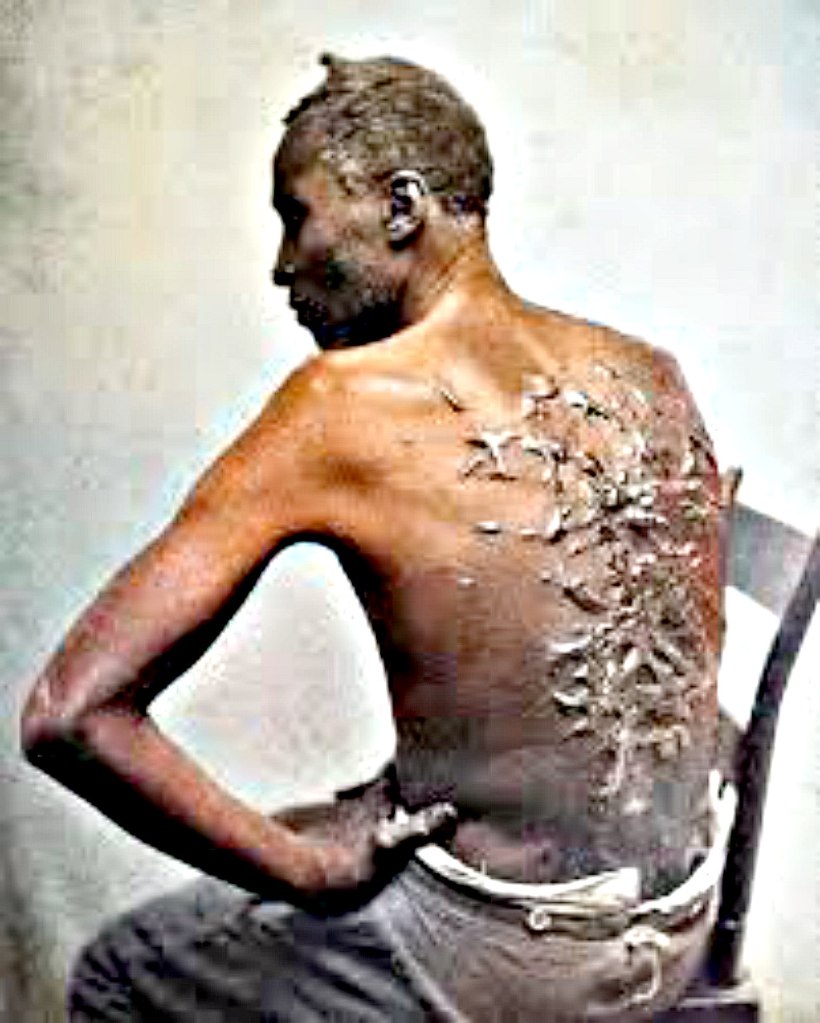
The Slave Files: Whipped Peter (Gordon)

The Scourged Back

Chains that bound, yet could not break
A spirit strong, though flesh did ache.
Scarred and beaten, marked by pain,
He rose to freedom, hope his gain.

Whipped by cruelty, yet never bent,
A testament to courage, resilient.
From fields of sorrow to Union’s call,
Peter’s courage outshines it all.

Photo Credit: McPherson & Oliver. This photograph is the property of its respective owner.

Peter, also known as “Whipped Peter” or “Gordon,” was an enslaved African American man born around 1820–1825; some accounts report his birth around 1850 in Georgia. He was sold to a 3,000-acre plantation in Louisiana owned by Captain John Lyons. In late October 1862, after an altercation with his overseer, Peter was subjected to a brutal whipping that left deep, permanent scars across his back. The overseer reportedly applied salt to the wounds, a common and excruciating practice known as “salting,” intended to inflict maximum pain and humiliation.

Despite this horrific treatment, Peter survived and, in March 1863, escaped the plantation. Using onions to mask his scent from bloodhounds, he reached Union lines near Baton Rouge, Louisiana. There, photographers McPherson & Oliver captured his scarred back, producing the image known as “The Scourged Back.” This photograph circulated widely in abolitionist publications and became a poignant testament to the brutality of slavery, galvanizing public opinion against the institution.

In March 1863, Peter escaped from the plantation, covering his scent with onions to evade bloodhounds. After a perilous journey, he reached Union lines near Baton Rouge, Louisiana, where he was photographed by McPherson & Oliver, revealing the extent of his injuries. The resulting image, known as “The Scourged Back,” was widely circulated and became a poignant testament to the brutality of slavery . Following his escape, Peter enlisted in the Union Army and served in the U.S. Colored Troops, where he continued to contribute to the fight for freedom and justice. While his exact service details remain unclear, his story galvanized anti-slavery sentiments and highlighted the resilience and humanity of enslaved individuals. His story endures as a symbol of resilience, courage, and the unbreakable human spirit, reminding future generations of both the horrors of slavery and the strength required to survive and claim one’s freedom.


References for Further Reading

Slavery’s Legacy on Modern Beauty Standards.

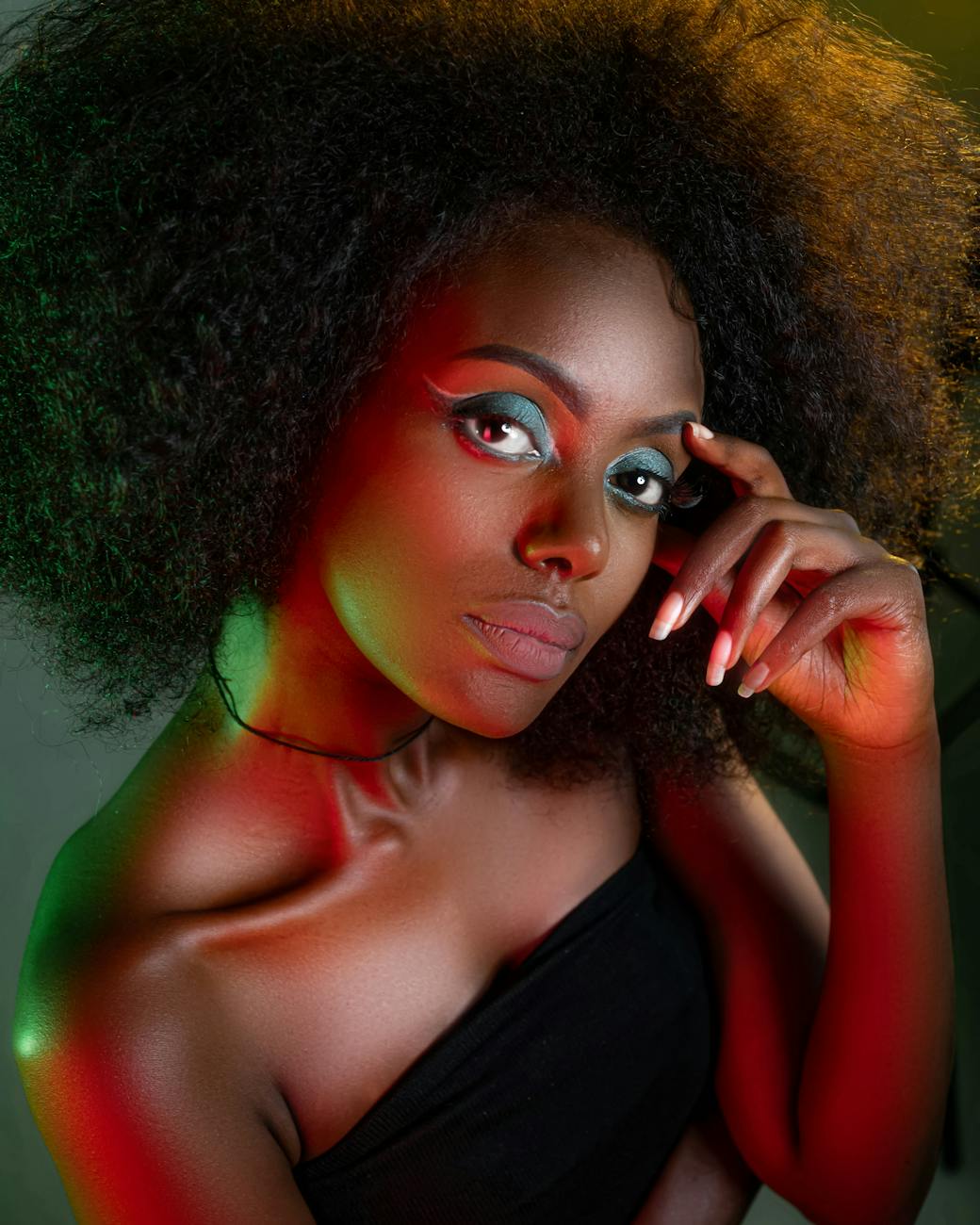
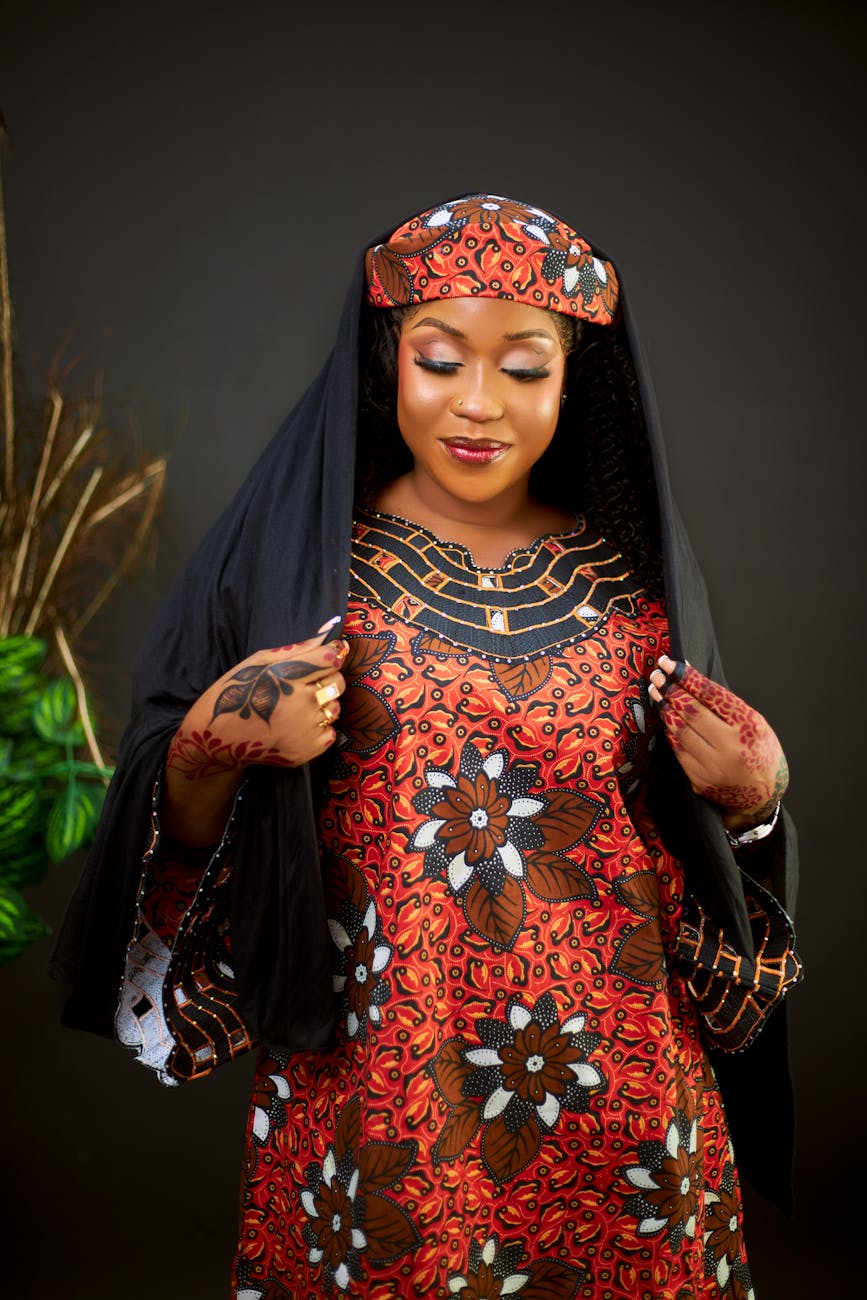
Photo by Abenezer Shewaga on Pexels.com

Beauty is never neutral. It is tied to power, culture, and history. For people of African descent, the idea of what is considered beautiful has been shaped profoundly by the transatlantic slave trade and its enduring consequences. The standards of beauty that dominate in Western culture today continue to reflect the racial hierarchies constructed during slavery. These standards privilege Eurocentric features—light skin, straight hair, narrow noses—while devaluing the natural attributes of African people. To understand modern beauty culture, one must trace its roots back to slavery and its systems of oppression.

Beauty, often perceived as natural or universal, is in reality a social construct deeply shaped by history, culture, and systems of power. For people of African descent, modern beauty standards are inseparably tied to the legacy of slavery and colonialism. The racial hierarchies established during the transatlantic slave trade not only dehumanized Africans but also codified Eurocentric ideals of attractiveness. These legacies persist in the privileging of lighter skin, straighter hair, and Eurocentric facial features while stigmatizing natural Black aesthetics. Understanding slavery’s role in shaping these standards reveals how oppression continues to infiltrate the psychology of self-image and the global beauty industry.

Eurocentric Beauty and Slavery’s Foundations

Slavery created a racialized hierarchy of features. Dark skin, broad noses, and tightly coiled hair were falsely associated with ugliness, savagery, and lack of civilization, while white features were elevated as the pinnacle of beauty and refinement (Fanon, 2008). This was not simply aesthetic preference; it was a political weapon used to justify enslavement and subjugation. By dehumanizing African features, slaveholders reinforced racial superiority while stripping enslaved people of pride in their appearance.

Light Skin Privilege Under Slavery

Within the plantation system, lighter-skinned enslaved people often received preferential treatment, working inside homes rather than in the fields. This was largely due to their proximity to whiteness, often the result of sexual violence committed by slaveholders against enslaved women (Hunter, 2005). This color hierarchy planted deep divisions that still affect Black communities today, with lighter skin frequently associated with higher status, desirability, and opportunity.

Colorism as Slavery’s Heir

The preference for lighter skin, known as colorism, is one of slavery’s most enduring legacies. Research shows that lighter-skinned African Americans are more likely to be perceived as attractive, more employable, and more educated compared to darker-skinned peers (Hill, 2002). These biases echo the privileges extended to mixed-race enslaved people, showing how slavery’s beauty hierarchy remains embedded in society’s subconscious.

The Psychological Wounds of Beauty Hierarchies

Psychologists such as Frantz Fanon (2008) described how colonized and enslaved people internalized white superiority, leading to a desire to approximate whiteness. This internalized racism manifests in practices like skin bleaching, hair straightening, and altering facial features through surgery. The pain of these practices is not in individual choice alone, but in the fact that centuries of conditioning taught Black people to see themselves as less beautiful unless they conformed to Eurocentric ideals.

Women, Hypersexualization, and Beauty

For Black women, the legacy of slavery extends into gendered stereotypes. Enslaved women were simultaneously hypersexualized and devalued. They were depicted as exotic, animalistic, and lustful, justifying both sexual exploitation and the denial of their femininity (Collins, 2000). These stereotypes live on in media portrayals of Black women as either hypersexual “video vixens” or undesirable compared to white counterparts. The slavery-era denial of Black femininity still lingers in modern representations.

Black Men and Bodily Commodification

Black men, too, inherited distorted beauty standards. During slavery, their bodies were commodified for labor and reproduction, leading to the creation of stereotypes associating Black masculinity with strength, hyper-athleticism, and physical dominance (Yancy, 2008). While some of these associations are admired in modern sports and media, they also reduce Black men to bodies rather than whole persons, a dehumanization that echoes slavery’s exploitation.

Naomi Campbell and Breaking Barriers

The fashion world historically resisted darker-skinned models, favoring light-skinned or racially ambiguous women. Naomi Campbell, one of the first Black supermodels to achieve international recognition, broke barriers by forcing the industry to confront its Eurocentric preferences. Yet even she has spoken about being excluded from magazine covers and fashion campaigns because of her skin tone. Her success represents both resistance and the persistence of slavery’s beauty legacy in high fashion.

Alek Wek and the Reclamation of African Aesthetics

Alek Wek, a South Sudanese model, transformed the global perception of beauty by challenging Eurocentric norms. With her dark skin and distinct African features, she faced initial backlash, but her rise to prominence forced the fashion industry to confront its biases. Lupita Nyong’o has publicly acknowledged that seeing Alek Wek made her believe that her own dark skin could be beautiful. Wek’s career is a testament to reclaiming Black aesthetics denied during slavery.

Lupita Nyong’o and the Affirmation of Dark Skin

Lupita Nyong’o has become a symbol of unapologetic Black beauty. In her speeches, she has reflected on childhood experiences of praying for lighter skin because of the societal pressures she faced. Her visibility and accolades, including her Academy Award, symbolize a corrective to the centuries-long denigration of dark-skinned women. Yet her story also reveals the ongoing weight of slavery’s legacy, as generations of children have been taught to equate lighter skin with worth.

Beyoncé and the Complexity of Representation

Beyoncé, celebrated worldwide, embodies the complexities of modern Black beauty representation. While she embraces her identity as a Black woman, her lighter skin and long, often straightened hair align more closely with Eurocentric ideals. This duality sparks debate: does her image empower or reinforce old hierarchies? The discussion itself reveals the depth of slavery’s impact, where even empowerment is entangled with questions of proximity to whiteness.

Adut Akech and Global Black Beauty

Adut Akech, a South Sudanese-Australian model, represents a new wave of global Black beauty. With her natural hair and rich complexion, she challenges the lingering belief that Eurocentric features are required for international success. Her prominence on runways worldwide demonstrates progress, yet her experiences with racism in the industry reveal how the wounds of slavery remain.

Media and Capitalism’s Exploitation of Insecurities

Slavery’s legacy lives not only in representation but in commerce. The beauty industry profits billions from insecurities tied to Eurocentric standards. Skin-lightening products dominate markets in Africa, Asia, and the Caribbean, showing how globalized the colonial beauty hierarchy has become. Hair relaxers and cosmetic surgeries targeting nose shapes and lips similarly reflect capitalism’s exploitation of slavery’s psychological scars.

Resistance Through the Natural Hair Movement

The natural hair movement directly challenges slavery’s legacy by rejecting the idea that straight hair is more professional or beautiful. Laws such as the CROWN Act, which bans hair discrimination in workplaces and schools, reflect the fight for freedom to embrace Black aesthetics. This movement is not just about style but about reclaiming dignity denied during slavery.

Social Media as a Space of Liberation

Unlike traditional media, social platforms have allowed Black creators to redefine beauty standards for themselves. Movements such as #MelaninPoppin and #BlackGirlMagic affirm the beauty of dark skin and natural features. These grassroots affirmations of identity are acts of resistance against centuries of imposed inferiority, echoing the Civil Rights era’s declaration that “Black is Beautiful.”

Theological Reflections on Black Beauty

Scripture challenges slavery’s lies about beauty. Song of Solomon 1:5 (KJV) affirms: “I am black, but comely, O ye daughters of Jerusalem.” This verse rejects the notion that darkness diminishes beauty. Isaiah 61:3 reminds us that God grants “beauty for ashes,” showing that even the ashes of slavery’s dehumanization can give rise to dignity and self-affirmation.

Beauty, Liberation, and Self-Worth

Reclaiming beauty is more than cosmetic; it is spiritual and psychological liberation. Romans 12:2 (KJV) calls for transformation through renewed minds, not conformity to the world’s ideals. Liberation from Eurocentric beauty standards is part of a broader freedom struggle—asserting that Blackness itself is sacred and inherently beautiful.

The Continuing Struggle Against Slavery’s Shadow

Even as progress is made, slavery’s shadow lingers in subtle forms—casting lighter-skinned actresses more often, privileging Eurocentric features in media, and pressuring Black people to alter their appearance for acceptance. Recognizing these patterns is essential for dismantling the chains of slavery that persist invisibly in beauty culture.

Conclusion

Slavery’s legacy on modern beauty standards is undeniable. From the plantation to the fashion runway, from media screens to beauty aisles, Eurocentric ideals continue to haunt definitions of attractiveness. Yet resistance has been powerful—from Naomi Campbell and Alek Wek to Lupita Nyong’o, Beyoncé, and Adut Akech, Black beauty continues to rise as a force of liberation. The struggle for self-acceptance and dignity is not just aesthetic; it is a moral, cultural, and spiritual battle against slavery’s enduring legacy. In affirming that “Black is Beautiful,” we affirm life, freedom, and the sacred worth of all who bear the mark of melanin.


References

Collins, P. H. (2000). Black feminist thought: Knowledge, consciousness, and the politics of empowerment. Routledge.

Fanon, F. (2008). Black skin, white masks. Grove Press. (Original work published 1952)

Hill, M. E. (2002). Skin color and the perception of attractiveness among African Americans: Does gender make a difference? Social Psychology Quarterly, 65(1), 77–91.

Hunter, M. (2005). Race, gender, and the politics of skin tone. Routledge.

Yancy, G. (2008). Black bodies, white gazes: The continuing significance of race in America. Rowman & Littlefield.

Pathways to Liberation: The Freedom Fighters of the Underground Railroad and Their Legacy in Black Resistance.

Introduction

In the harrowing chapters of American history, few movements embody both the resilience of the oppressed and the defiance against systemic cruelty as powerfully as the Underground Railroad. This clandestine network of routes, safe houses, and allies helped thousands of enslaved African Americans flee bondage in pursuit of liberty. Central to this movement were extraordinary men and women—freedom fighters—who risked everything to resist the institution of slavery. Among them, figures like Harriet Tubman and Frederick Douglass emerged as enduring symbols of Black courage, leadership, and hope. This essay explores their biographies, the origins of the Underground Railroad, the treatment of African Americans during slavery, and the broader sociopolitical context under which this resistance occurred.


Understanding the Underground Railroad

The Underground Railroad was neither underground nor a literal railroad. It was a covert network established in the early 19th century, primarily between 1810 and 1860, that provided escape routes and safe havens for enslaved African Americans fleeing from Southern plantations to freedom in the North and Canada. Conductors, stationmasters, and abolitionist allies—both Black and white—worked in secrecy to protect fugitives from capture and re-enslavement.

The term was symbolic: “conductors” guided fugitives, “stations” were hiding places, and “cargo” referred to those escaping bondage. This movement represented a large-scale act of civil disobedience against federal laws like the Fugitive Slave Act (1850), which penalized those aiding escapees. The Underground Railroad was a revolutionary act of Black agency and interracial cooperation (Horton & Horton, 1997).


Top 5 Freedom Fighters of the Underground Railroad

  1. Harriet Tubman (c. 1822–1913)
    Born Araminta Ross in Dorchester County, Maryland, Tubman escaped slavery in 1849 and went on to become the most famous conductor of the Underground Railroad. She made over 13 missions to the South, rescuing around 70 enslaved individuals, including family members. Tubman later served as a Union spy during the Civil War and advocated for women’s suffrage. She never had biological children but adopted a daughter, Gertie Davis, with her second husband, Nelson Davis. Her contribution is unparalleled in symbolizing Black resistance and unwavering commitment to freedom (Clinton, 2004).
  2. Frederick Douglass (1818–1895)
    Born Frederick Augustus Washington Bailey in Talbot County, Maryland, Douglass escaped slavery in 1838. He became a leading orator, abolitionist, writer, and statesman. His autobiographies, especially Narrative of the Life of Frederick Douglass, an American Slave, exposed the cruelty of slavery to a wide audience. Douglass married Anna Murray, a free Black woman who helped him escape, and they had five children. After Anna’s death, he married Helen Pitts, a white feminist. Douglass’s home in Rochester, New York, was a known stop on the Underground Railroad. He was also an advisor to President Abraham Lincoln (Blight, 2018).
  3. William Still (1821–1902)
    Often called the “Father of the Underground Railroad,” Still was a free Black man born in New Jersey. He documented the stories of hundreds of fugitives he helped through Philadelphia. His records, later published in The Underground Railroad (1872), are a crucial historical source. Still coordinated operations with conductors like Tubman and was instrumental in the Philadelphia Vigilance Committee. His brother, Peter Still, was enslaved, which gave William a personal stake in the cause (Still, 1872).
  4. Sojourner Truth (c. 1797–1883)
    Born Isabella Baumfree in Ulster County, New York, Truth escaped slavery in 1826. She became a powerful abolitionist and women’s rights advocate. Known for her speech “Ain’t I a Woman?”, she traveled across the nation preaching the injustices of slavery and gender inequality. Truth had five children and legally fought to recover her son, making her one of the first Black women to win a court case against a white man. While not a conductor per se, her speeches inspired the abolitionist cause deeply (Painter, 1996).
  5. Levi Coffin (1798–1877)
    A white Quaker and businessman from North Carolina, Coffin helped an estimated 3,000 slaves to freedom, earning him the title “President of the Underground Railroad.” He and his wife, Catharine, used their home in Indiana—and later Ohio—as a major depot. Though not Black himself, Coffin’s lifelong dedication to abolition was a crucial link in the network, showing interracial cooperation in the fight for justice (Coffin, 1876).

A Brief History of Slavery in the United States

Slavery in America began in 1619 with the arrival of the first enslaved Africans in Virginia. By the 18th century, chattel slavery had become a cornerstone of the Southern economy. Enslaved people were legally considered property, denied basic rights, and subjected to inhumane conditions, forced labor, sexual violence, and family separations.

By the early 1800s, over 4 million African Americans were enslaved in the United States. Resistance took many forms—rebellions, literacy, culture, and escape via the Underground Railroad. The psychological and physical torment endured under this system forged a legacy of trauma, resilience, and cultural endurance that shapes Black identity today.


Black Treatment by Society During the Period

Enslaved Black people were denied citizenship, education, autonomy, and family stability. The Fugitive Slave Acts (1793 and 1850) criminalized escape and punished those aiding fugitives. Free Blacks faced racial violence, segregation, and systemic disenfranchisement. Society regarded African Americans as subhuman, a sentiment codified in the infamous 1857 Dred Scott v. Sandford decision, which declared that no Black person could claim U.S. citizenship (Fehrenbacher, 1978).


Presidential Response: Abraham Lincoln and the Slavery Question

During the height of Underground Railroad activity, Abraham Lincoln (1809–1865), the 16th president, played a complicated role. Elected in 1860, Lincoln initially prioritized preserving the Union over ending slavery. However, his views evolved under the pressures of war and abolitionist influence. He issued the Emancipation Proclamation in 1863, which declared freedom for slaves in Confederate territories. While limited in scope, it marked a turning point in U.S. policy and helped shift the Civil War into a moral battle over slavery (McPherson, 1988).


Conclusion

The story of the Underground Railroad is one of profound moral courage and strategic resistance against one of the greatest evils in American history. Harriet Tubman, Frederick Douglass, and their allies—Black and white—offered the enslaved more than just escape; they embodied the possibility of a new life and future. These freedom fighters’ legacy endures in the ongoing struggle for racial justice, freedom, and human dignity.


References

  • Blight, D. W. (2018). Frederick Douglass: Prophet of Freedom. Simon & Schuster.
  • Clinton, C. (2004). Harriet Tubman: The Road to Freedom. Little, Brown and Company.
  • Coffin, L. (1876). Reminiscences of Levi Coffin. Western Tract Society.
  • Fehrenbacher, D. E. (1978). The Dred Scott Case: Its Significance in American Law and Politics. Oxford University Press.
  • Horton, J. O., & Horton, L. E. (1997). In Hope of Liberty: Culture, Community and Protest Among Northern Free Blacks, 1700-1860. Oxford University Press.
  • McPherson, J. M. (1988). Battle Cry of Freedom: The Civil War Era. Oxford University Press.
  • Painter, N. I. (1996). Sojourner Truth: A Life, A Symbol. W. W. Norton & Company.
  • Still, W. (1872). The Underground Railroad: Authentic Narratives and First-Hand Accounts. Porter & Coates.

Dilemma:🌹 Navigating Identity — Invisible Yet Indispensable: The Labor of Black Women in Society 🌹

🌹 The Brown Girl🌹

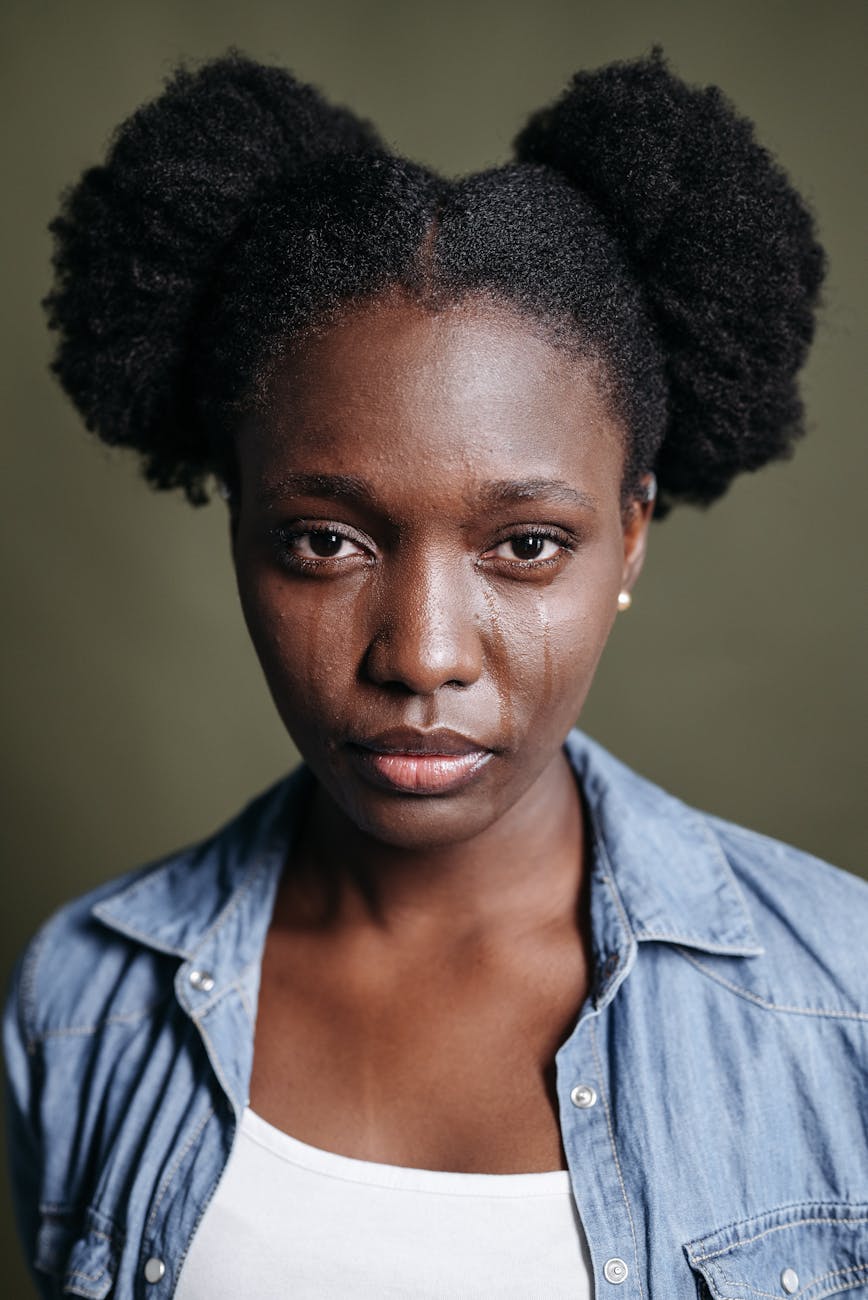
Photo by Ivan Samkov on Pexels.com

The journey of the Black woman is a complex tapestry woven with strands of resilience, faith, pain, and perseverance. Her voice, often muted by systemic oppression, resonates with both the echoes of ancestral struggle and the melody of survival. Despite her indispensable role in the shaping of societies, the Black woman remains caught between visibility and invisibility, celebrated yet silenced, desired yet devalued. This essay examines the layered dilemmas Black women face, focusing on silencing and gaslighting, mental health taboos, and generational trauma, while drawing upon psychology and the King James Bible (KJV) for insight and pathways toward healing.

Black women occupy a paradoxical position in society: they are both invisible and indispensable. Their labor has historically undergirded economies, families, and communities, yet their voices, bodies, and contributions are often dismissed or appropriated. This dilemma—rooted in slavery and perpetuated through systemic inequities—has created a cycle of resilience and exhaustion. Black women are expected to give endlessly while being denied the recognition and care they deserve. As scholar bell hooks (1981) argued, the exploitation of Black women’s labor is foundational to both racism and patriarchy, rendering them crucial yet overlooked participants in social progress.

The Price of Being Heard: Silencing and Gaslighting of Black Women’s Voices

One of the most profound challenges Black women face is the silencing of their voices. Whether in corporate boardrooms, political arenas, or healthcare settings, Black women are often dismissed, interrupted, or told their concerns are exaggerated. The tragic case of Serena Williams—who was ignored by medical staff during childbirth complications—illustrates how even wealthy, high-profile Black women experience silencing. Psychologically, this dismissal results in gaslighting: being made to question one’s reality or truth. Biblically, silencing echoes the injustice condemned in Proverbs 31:8 (KJV): “Open thy mouth for the dumb in the cause of all such as are appointed to destruction.” Scripture affirms that truth-telling is both a moral responsibility and a sacred act, underscoring the need to honor Black women’s testimonies.

Psychology of Silencing

From a psychological standpoint, constant silencing creates cognitive dissonance and internalized self-doubt. Research shows that being unheard increases anxiety and depressive symptoms, while persistent microaggressions erode self-esteem (Sue, 2010). For Black women, the compounded effect of race and gender means their silence is not merely personal but systemic. Overcoming this requires validating their voices, establishing platforms where they are centered, and teaching communities to listen with humility rather than defensiveness.

Solutions for Amplification

To counteract silencing, Black women must be given space in leadership, policy, and media representation. Mentorship programs, advocacy networks, and deliberate inclusion in decision-making structures can elevate voices long ignored. Churches and communities must also challenge patriarchal norms that discourage women from speaking openly. The Apostle Paul’s reminder in Galatians 3:28 (KJV)—“There is neither Jew nor Greek, there is neither bond nor free, there is neither male nor female: for ye are all one in Christ Jesus”—calls for dismantling hierarchies that devalue women’s contributions.

Black Women and Mental Health: Breaking the Taboo of Therapy and Healing

Mental health remains a taboo subject within many Black communities. Generational teachings to “pray it away” or “stay strong” have discouraged women from seeking professional help. The stigma is compounded by historical medical racism, such as the exploitation of Black bodies in the Tuskegee experiments. Psychologically, suppression of emotional struggles manifests as anxiety, depression, and even somatic illnesses like hypertension. Woods-Giscombé (2010) notes that the “Superwoman Schema” forces Black women to conceal vulnerability, worsening mental health outcomes.

Biblical and Psychological Perspective on Healing

The Bible affirms the importance of rest, restoration, and vulnerability. Matthew 11:28 (KJV) declares: “Come unto me, all ye that labour and are heavy laden, and I will give you rest.” This scripture reminds Black women that God does not demand unending strength but invites them into divine rest. Psychologically, therapy provides tools to unpack trauma, process grief, and build resilience. When paired with faith, therapy becomes not a contradiction to spirituality but a complement to healing.

Breaking the Stigma: Examples and Solutions

Examples of progress include the growing movement of Black female therapists, such as Dr. Joy Harden Bradford, founder of Therapy for Black Girls, which normalizes counseling within the community. Support groups, church-based wellness ministries, and culturally competent therapists are helping women dismantle stigma. Overcoming silence around mental health requires both education and representation—seeing women who look like them embrace therapy validates its importance.

Daughters of the Diaspora: Carrying Generational Trauma and Triumph

Black women also bear the dual inheritance of generational trauma and triumph. The legacies of slavery, colonization, and Jim Crow laws passed down unresolved pain—manifesting in patterns of fear, hypervigilance, and mistrust (DeGruy, 2005). At the same time, the triumph of survival, creativity, and spiritual faith continues to shape diasporic identity. For instance, the resilience of mothers and grandmothers who held families together amid oppression reflects triumph woven into trauma. This paradox forms the heart of diasporic womanhood: carrying both burden and brilliance.

Psychology of Intergenerational Trauma

Intergenerational trauma is supported by epigenetic research showing that stress can alter genetic expressions, passing heightened vulnerability to descendants (Yehuda & Lehrner, 2018). For Black women, inherited trauma manifests in hyper-responsibility, guardedness, and sometimes mistrust in relationships. Yet resilience is also passed down, enabling survival and cultural creativity. Psychologists argue that acknowledging both trauma and triumph is critical for holistic healing.

Biblical Understanding of Generational Struggles

The Bible acknowledges generational consequences: “Visiting the iniquity of the fathers upon the children unto the third and fourth generation” (Exodus 20:5, KJV). Yet it also emphasizes redemption: “But the mercy of the Lord is from everlasting to everlasting upon them that fear him” (Psalm 103:17, KJV). For Black women, this means generational pain is real but not final. Faith and intentional healing practices can break cycles of suffering.

Practical Solutions for Diasporic Healing

Healing generational trauma requires storytelling, therapy, and cultural reclamation. Practices such as oral history projects, mother-daughter healing circles, and reconnecting with African heritage provide pathways to empowerment. Community spaces that celebrate Black culture, music, and spirituality affirm the triumph that accompanies trauma. For example, the Gullah traditions in South Carolina preserve ancestral memory, providing cultural pride and connection.

Invisible Yet Indispensable: The Labor of Black Women

Throughout history, Black women have been the backbone of families, churches, and economies. From enslaved women sustaining households to domestic workers of the 20th century, their labor has often been invisible yet essential. Even today, Black women disproportionately fill caregiving roles—nurses, teachers, social workers—while also leading grassroots activism. Their indispensability, however, is rarely matched with recognition or protection. Ecclesiastes 3:13 (KJV) reminds us: “Every man should eat and drink, and enjoy the good of all his labour, it is the gift of God.” This affirms the dignity of labor that must be extended to Black women.

The Psychology of Overwork and Recognition

Psychologically, the invisibility of labor leads to burnout, resentment, and internalized feelings of worthlessness. When contributions are undervalued, women experience the psychological toll of invisibility—feeling unseen despite being overextended. Overcoming this requires systemic recognition of Black women’s work, pay equity, and shared household responsibilities. Within communities, honoring Black women means affirming their contributions without exploiting their endurance.

Toward Healing and Liberation

In overcoming these dilemmas, Black women must reclaim vulnerability, embrace therapy, and center their voices. Society must amplify rather than silence, honor rather than exploit, and protect rather than disregard. As Paul writes in 2 Corinthians 12:9 (KJV): “My grace is sufficient for thee: for my strength is made perfect in weakness.” This verse reframes weakness not as failure but as the gateway to divine empowerment. Solutions lie in a holistic embrace of faith, psychology, and cultural resilience—recognizing that Black women’s survival is not enough; their flourishing is essential for the healing of communities.


References

  • bell hooks. (1981). Ain’t I a woman? Black women and feminism. South End Press.
  • DeGruy, J. (2005). Post Traumatic Slave Syndrome: America’s legacy of enduring injury and healing. Uptone Press.
  • Sue, D. W. (2010). Microaggressions in everyday life: Race, gender, and sexual orientation. Wiley.
  • Woods-Giscombé, C. L. (2010). Superwoman schema: African American women’s views on stress, strength, and health. Qualitative Health Research, 20(5), 668–683.
  • Yehuda, R., & Lehrner, A. (2018). Intergenerational transmission of trauma effects: Putative role of epigenetic mechanisms. World Psychiatry, 17(3), 243–257.

Stereotypes and Survival: Breaking Free from Mammy, Jezebel, and Sapphire

Photo by Boko Shots on Pexels.com

For centuries, the image of Black women has been shaped less by their lived experiences and more by stereotypes designed to control, marginalize, and dehumanize them. Among the most pervasive are the Mammy, the Jezebel, and the Sapphire archetypes. These caricatures originated in slavery and Jim Crow culture, yet their influence persists in media, relationships, and social institutions. To survive and thrive, Black women have been forced to navigate, resist, and redefine themselves beyond these harmful tropes. The title Stereotypes and Survival: Breaking Free from Mammy, Jezebel, and Sapphire reflects both the historical weight of these labels and the ongoing struggle for liberation.

The Mammy: Caretaker Without Desire

The Mammy stereotype portrays Black women as nurturing, asexual, and devoted to serving white families. Popularized in literature and films like Gone with the Wind, the Mammy is imagined as overweight, dark-skinned, and self-sacrificing—valued only for her labor and loyalty. This image justified the exploitation of enslaved women as caretakers while denying them femininity, desirability, or independence. Even today, Black women in caretaking professions such as nursing or domestic work are often expected to “give more” emotionally and physically without recognition or reward (Collins, 2000). The Mammy myth erases Black women’s right to vulnerability, rest, and self-care. Mammy vs. Servanthood in Scripture: The Mammy stereotype portrays Black women as self-sacrificing caretakers without personal desire, existing only to serve others. The Bible affirms servanthood as a noble quality when it is voluntary and rooted in love (Mark 10:44–45), but it rejects exploitation and dehumanization. Enslavement and forced servitude are condemned as oppression (Exodus 3:7–9). Scripture also teaches that women are not defined solely by labor but by their worth as image-bearers of God (Genesis 1:27). The virtuous woman in Proverbs 31 is hardworking, but she is also a leader, entrepreneur, and respected member of her community—not reduced to servitude.

The Jezebel: Hypersexual Object

In contrast, the Jezebel stereotype casts Black women as sexually insatiable, manipulative, and morally corrupt. During slavery, this myth served to rationalize the sexual assault of enslaved women by white men, framing exploitation as “consensual.” Today, Jezebel imagery survives in media portrayals that sexualize Black women’s bodies disproportionately—whether through music videos, advertising, or reality television. The stereotype undermines Black women’s ability to control their sexual agency, branding them either as promiscuous or as unworthy of protection. This myth also affects legal outcomes, where Black women who are victims of sexual violence are less likely to be believed or granted justice (West, 2004). Jezebel vs. Sexual Purity and Agency: The stereotype of the Jezebel depicts Black women as hypersexualized and immoral. In the Bible, Jezebel is a real historical figure—a Phoenician queen married to King Ahab—who became synonymous with idolatry, manipulation, and immorality (1 Kings 21; 2 Kings 9:30–37). However, to equate her story with all women, especially Black women, is a distortion. Scripture does not label women by stereotype but calls for sexual integrity for both men and women (1 Corinthians 6:18–20). Moreover, women like Ruth and Esther show that God honors women not for sexualized caricatures but for faith, wisdom, and courage. The Bible condemns the exploitation of women’s bodies and instead uplifts their agency and dignity (Song of Solomon 4:7, Proverbs 31:30).

The Sapphire: Angry Black Woman

The Sapphire stereotype, also known as the “Angry Black Woman,” depicts Black women as loud, emasculating, and irrationally angry. Rooted in minstrel shows, Sapphire imagery has been recycled in sitcoms and films, where outspoken Black women are mocked as aggressive and domineering. This caricature discourages Black women from expressing legitimate anger about injustice, as their emotions are dismissed as hostility rather than humanity. It also places an unfair burden on Black women to appear “pleasant” or “non-threatening” in workplaces, relationships, and public spaces, suppressing their voices in order to avoid punishment or isolation. Sapphire vs. Righteous Anger: The Sapphire stereotype depicts Black women as angry, loud, and emasculating. Scripture acknowledges that anger is a real human emotion, but it distinguishes between sinful wrath and righteous anger. Ephesians 4:26 states, “Be ye angry, and sin not: let not the sun go down upon your wrath.” Jesus Himself displayed righteous anger when confronting injustice (John 2:13–16). For Black women, anger at injustice is not sinful—it can be holy when directed toward dismantling oppression. The danger lies not in having a strong voice but in allowing bitterness to consume the soul. The Bible affirms that women can speak truth boldly, like Deborah the judge (Judges 4:4–9) or Mary Magdalene, the first witness of the resurrection (John 20:16–18).

The Survival Strategies

To survive under these stereotypes, Black women have developed strategies of resilience. Many practice code-switching, adjusting speech, tone, and appearance to counteract negative assumptions in professional or social settings. Others have turned to cultural and artistic expression—poetry, music, film—to reclaim their narratives. The rise of movements like #BlackGirlMagic and natural hair campaigns signal a collective resistance, affirming that Black women’s beauty, intellect, and complexity cannot be reduced to harmful archetypes.

Breaking Free: Redefining Representation

Breaking free requires dismantling not only the stereotypes themselves but also the systems that sustain them. Media representation is critical: when Black women are shown as multidimensional—leaders, scholars, mothers, entrepreneurs—the grip of Mammy, Jezebel, and Sapphire weakens. Equally important is education, where curricula must unpack these archetypes as tools of oppression rather than cultural “norms.” Black women’s storytelling, from Audre Lorde to Chimamanda Ngozi Adichie, provides counter-narratives that highlight lived truth over caricature.

Psychological Costs of Stereotyping

Surviving under these stereotypes comes at a psychological cost. Research shows that stereotype threat—fear of confirming a negative stereotype—contributes to stress, anxiety, and identity conflict among Black women (Rosenthal & Lobel, 2011). Constantly navigating how one will be perceived, whether as too angry or too sexual, creates a burden that undermines well-being. Breaking free, therefore, is not only a cultural project but a mental health necessity.

Toward Liberation

Liberation means imagining a world where Black women are no longer filtered through distorted lenses but valued in the fullness of their humanity. It requires structural change in how media, law, and institutions portray and treat Black women. It also demands that Black women themselves—and their communities—continue affirming narratives of resilience, love, and joy. Mammy, Jezebel, and Sapphire may have been imposed as cages, but Black women have long been breaking the locks, redefining survival as thriving.

Conclusion

Stereotypes and Survival: Breaking Free from Mammy, Jezebel, and Sapphire is a call to recognize how these archetypes have shaped history and continue to influence society. Yet, it is also a testament to resilience—the ability of Black women to resist, survive, and ultimately transcend these distorted images. In the face of stereotypes meant to confine them, Black women continue to write new narratives of freedom, power, and truth. The Bible does not endorse Mammy, Jezebel, or Sapphire archetypes. Instead, it reveals that these stereotypes are tools of oppression, rooted in lies. God calls Black women—and all women—to freedom, dignity, and purpose. Breaking free means rejecting labels that demean and embracing the identity God gives: beloved, chosen, and powerful vessels of His truth.

Breaking Free Through Biblical Identity

Each of these stereotypes strips Black women of their God-given identity. The Bible, however, grounds identity not in cultural caricatures but in being children of God.

  • Mammy: You are more than your labor—your worth is intrinsic (Psalm 139:14).
  • Jezebel: You are not defined by lustful labels—your body is a temple of the Holy Spirit (1 Corinthians 6:19).
  • Sapphire: Your voice matters—like Esther, you are called “for such a time as this” (Esther 4:14).

The gospel dismantles these stereotypes by affirming that “there is neither Jew nor Greek, there is neither bond nor free, there is neither male nor female: for ye are all one in Christ Jesus” (Galatians 3:28).


References

  • Collins, P. H. (2000). Black feminist thought: Knowledge, consciousness, and the politics of empowerment. Routledge.
  • Rosenthal, L., & Lobel, M. (2011). Explaining racial disparities in adverse birth outcomes: Unique sources of stress for Black American women. Social Science & Medicine, 72(6), 977–983.
  • West, C. M. (2004). Black women and intimate partner violence: New directions for research. Journal of Interpersonal Violence, 19(12), 1487–1493.

Form Chains to Change: The Generational Impact of Slavery on Black Identity.

“The most disrespected person in America is the Black woman. The most unprotected person in America is the Black woman. The most neglected person in America is the Black woman.” — Malcolm X
(This quote underscores the systemic marginalization central to the shaping of Black identity, extended to men and the collective African American community.)


Photo by Pavel Danilyuk on Pexels.com

Black identity is a dynamic construct shaped by history, culture, resilience, and resistance. It encompasses heritage, spirituality, values, and communal bonds that define self-perception, social behavior, and relational understanding. The legacy of slavery has profoundly influenced this identity, leaving psychological, social, and cultural marks that persist across generations. Slavery was not merely the forced labor of Africans in the Americas; it was a system designed to strip individuals of lineage, dignity, and autonomy. The chains were physical, yes, but they were also mental, emotional, and spiritual, creating enduring trauma that shaped how Black people see themselves, their communities, and their place in society.


The Generational Impact of Slavery

Slavery systematically disrupted family structures, cultural transmission, and self-definition. Children were separated from parents, languages were suppressed, and cultural traditions were erased. As a result, Black identity was fragmented, and individuals were often forced to reconstruct their sense of self within an oppressive system. Intergenerational trauma, documented in Dr. Joy DeGruy’s Post-Traumatic Slave Syndrome (2005), demonstrates that behaviors such as hyper-vigilance, mistrust of authority, low self-esteem, and coping mechanisms like code-switching are inherited psychological patterns linked to slavery’s brutal legacy. These patterns continue to shape relationships, economic opportunities, and mental health outcomes within the African diaspora.


Slavery and Its Psychological Effects

From a psychological perspective, slavery inflicted both acute and chronic trauma. The denial of autonomy, physical punishment, and social dehumanization resulted in post-traumatic stress-like symptoms, internalized oppression, and the phenomenon of identity conflict. Scholars have compared some aspects of this to Stockholm Syndrome, wherein oppressed groups may internalize the perspectives or values of the oppressor to survive. Moreover, the consistent invalidation and marginalization by dominant society have led to cumulative psychological burdens, often manifesting as anxiety, depression, and intergenerational mistrust. These impacts are not confined to history; they influence educational attainment, community cohesion, and interpersonal relationships today.


Systemic Denial and White Supremacy

One reason white society has often refused to fully acknowledge Black contributions or humanity is the perpetuation of white supremacy. By minimizing African achievements, denying historical truths, and controlling narratives in media, education, and politics, dominant groups reinforced hierarchies and justified oppression. This intentional erasure disrupts the recognition of Black identity, contributing to internalized oppression and societal marginalization. The chains of slavery, therefore, were extended by ideology and policy, leaving psychological imprints that influence racial dynamics today.


Biblical Perspective on Chains and Liberation

The Bible offers insight into the spiritual and symbolic dimensions of bondage. In Exodus 6:6 (KJV), God declares: “Wherefore say unto the children of Israel, I am the LORD, and I will bring you out from under the burdens of the Egyptians, and I will rid you out of their bondage, and I will redeem you with a stretched out arm, and with great judgments.” Chains, in biblical terms, represent oppression, but they also reflect divine awareness and the promise of liberation. Similarly, Psalm 107:14 (KJV) states: “He brought them out of darkness and the shadow of death, and brake their bands in sunder.” These passages underscore that freedom is both physical and spiritual, resonating with the African American struggle to reclaim identity and agency across generations.


The Reflection of the Past in the Present

The generational impact of slavery continues to shape Black identity in the 21st century. Relationships within families, communities, and broader society often reflect inherited trauma: difficulties in trust, overcompensation in professional or social spaces, and complex responses to authority. Psychologists recognize that historical trauma affects not just individuals but entire populations. For instance, intergenerational transmission of trauma can manifest as collective stress, influencing patterns of parenting, community organization, and resilience-building. Yet, this recognition also presents an opportunity: by understanding the chains of history, the Black community can consciously break them and rebuild identity on foundations of knowledge, pride, and spiritual alignment.


Reclaiming Identity and Breaking Chains

Reclaiming Black identity requires multifaceted approaches:

  1. Education: Teaching accurate historical narratives that celebrate African contributions and highlight resistance to oppression.
  2. Psychological Intervention: Addressing intergenerational trauma through therapy, community support, and culturally sensitive mental health practices.
  3. Spiritual Reclamation: Embracing biblical and cultural narratives that affirm dignity, divine purpose, and collective identity.
  4. Community and Cultural Revival: Promoting arts, literature, and practices that reinforce heritage and self-definition.

By addressing these domains, African descendants can transform the lingering impacts of slavery into sources of empowerment, resilience, and self-awareness.


Conclusion

The chains of slavery were both literal and metaphorical, shaping Black identity across generations in profound ways. Psychological scars, systemic marginalization, and cultural erasure are enduring legacies of bondage, yet they also reveal the resilience and strength of African descendants. By studying history, engaging in spiritual and psychological reclamation, and fostering cultural continuity, the Black community can transform generational trauma into conscious identity formation. As Malcolm X and Cornel West emphasize, the acknowledgment of past oppression is the first step toward liberation, self-determination, and collective progress. The future of Black identity depends on understanding the chains of the past and consciously forging paths toward freedom and self-realization.


References

  • DeGruy, J. (2005). Post Traumatic Slave Syndrome: America’s Legacy of Enduring Injury and Healing. Uptone Press.
  • Franklin, J. H., & Moss, A. A. (2000). From Slavery to Freedom: A History of African Americans (8th ed.). McGraw-Hill.
  • West, C. (1993). Race Matters. Beacon Press.
  • Malcolm X. (1965). The Autobiography of Malcolm X. Ballantine Books.
  • Jones, R. (2010). Intergenerational Transmission of Trauma in African Americans. Journal of Black Psychology, 36(1), 1–25. https://doi.org/10.1177/0095798409353752
  • The Holy Bible, King James Version.

Dilemma: By-Words

The History, Psychology, and Biblical Prophecy of Names Forced Upon Black People

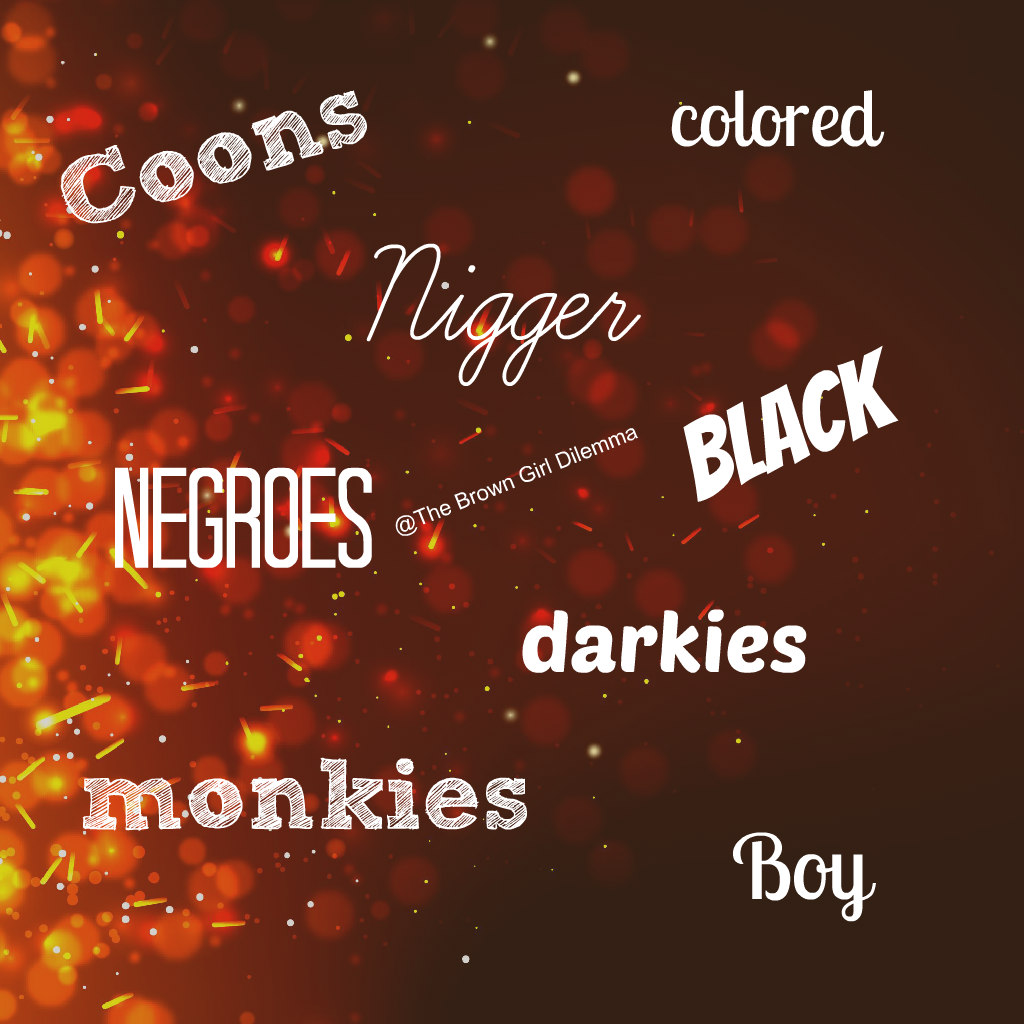
Words carry power. They shape identity, influence perception, and preserve history. Yet words can also wound, distort, and dehumanize. Throughout history, Black people across the diaspora have been branded with derogatory labels—negro, n****, coon, black, colored,* and many more—terms that did not emerge from neutrality but from systems of slavery, colonization, and racial subjugation. The Bible calls these humiliating labels “by-words”—a prophetic sign of oppression and displacement (Deuteronomy 28:37, KJV). To understand the psychology and history of by-words, one must look at the intersection of language, power, slavery, and identity.


What Are By-Words?

The term by-word is defined as a word or phrase used to mock, ridicule, or demean a people or individual. In Scripture, by-words are linked with curses upon nations or peoples who fall under oppression.

  • Deuteronomy 28:37 (KJV): “And thou shalt become an astonishment, a proverb, and a byword, among all nations whither the Lord shall lead thee.”
  • 1 Kings 9:7 (KJV): “Then will I cut off Israel out of the land which I have given them… and Israel shall be a proverb and a byword among all people.”

Biblically, being reduced to a by-word is more than an insult—it signifies loss of sovereignty, dignity, and divine identity.

he Meaning and History of the Word “Nigger”

Origin of the Word

The word nigger is one of the most notorious racial slurs in history. It traces back to the Latin word niger (meaning “black”), which passed into Spanish and Portuguese as negro. When Europeans began enslaving Africans during the transatlantic slave trade (1500s–1800s), the term negro became a racial descriptor.

Over time, particularly in English-speaking countries, negro was corrupted in spelling and pronunciation into n**r—a derogatory term. By the 1700s, it was entrenched in slave societies like the United States as the ultimate label of dehumanization.


Purpose of the Word

The purpose of calling Black people “n****r” was not just insult but domination. It functioned as a psychological weapon in several ways:

  1. Dehumanization:
    • Reduced Black people to something less than human, justifying slavery and racism.
    • Equated Africans with animals, objects, or commodities.
  2. Control and Social Order:
    • Whites used the word to constantly remind enslaved people of their “place” in society.
    • It reinforced racial hierarchy: white = superior, Black = inferior.
  3. Cultural Shaming:
    • Denied African names and identities, replacing them with a word rooted in contempt.
    • Made Blackness itself synonymous with worthlessness or evil.

In short, the word was never neutral. It was created and weaponized to wound, degrade, and keep Black people submissive.


Historical Use in America

  • Slavery Era (1600s–1865): The word was common in plantation speech, laws, and slave advertisements. It was how enslavers referred to Africans as property.
  • Jim Crow (1877–1950s): White people used it as a daily insult to enforce segregation and white supremacy. It became paired with violence—lynching, beatings, and systemic humiliation.
  • Civil Rights Movement (1950s–1970s): The slur was hurled at marchers, students, and leaders fighting for justice. Signs like “Go home n****rs” were common.
  • Modern Era (1980s–Present): The word remains a lightning rod. It is still used by racists as hate speech but also controversially re-appropriated within some Black communities (e.g., in hip-hop, as a term of brotherhood).

How Black People Feel About It

Reactions vary, but the word remains one of the deepest wounds in the Black collective memory:

  1. Pain and Trauma:
    • Many associate it with slavery, Jim Crow, lynching, and racist violence. Hearing it can trigger anger, shame, or grief.
  2. Rage and Resistance:
    • Black leaders like Malcolm X, James Baldwin, and Maya Angelou condemned the word as an instrument of oppression. Baldwin once said: “What you say about somebody else reveals you.”
  3. Division Over Re-appropriation:
    • Some Black people reject the word entirely, seeing it as irredeemable.
    • Others, especially in music and street culture, have attempted to strip it of its power by reclaiming it (e.g., turning it into “n***a” as a casual or friendly address).
    • This re-use, however, is controversial—many feel that no amount of “reclaiming” erases its bloody history.

Biblical & Psychological Perspective

From a biblical standpoint, being called a by-word (Deuteronomy 28:37) is part of a curse—a stripping of honor and identity. Psychologically, constant exposure to the slur can lead to internalized racism: self-doubt, reduced self-worth, and generational trauma.


The word n**r is not just an insult—it is a historical weapon of white supremacy. Born from slavery, cemented during Jim Crow, and still alive today, it carries centuries of blood, pain, and oppression. While some attempt to neutralize it, for most Black people it remains a raw reminder of what their ancestors endured. It is a word heavy with history, one that symbolizes not only racism but also the resilience of a people who refuse to be defined by it.

Timeline: The Evolution of By-Words

1. African Names Before Slavery (Pre-1500s)

Before European colonization, Africans bore names tied to ancestry, geography, spirituality, and meaning: Kwame (born on Saturday, Akan), Makeda (Ethiopian queen), Oluwaseun (God has done this, Yoruba). Names carried memory, culture, and lineage.


2. The Transatlantic Slave Trade (1500s–1800s)

  • Africans kidnapped into slavery were renamed with European surnames (Smith, Johnson, Williams, Brown).
  • By-words such as Negro (from Portuguese/Spanish for “black”) became a racial classification.
  • Slurs like n****,* sambo, and coon emerged on plantations to dehumanize enslaved Africans, comparing them to animals or buffoons.

This was the era of identity erasure: Africans became “property,” marked not by heritage but by by-words.


3. Reconstruction & Jim Crow (1865–1950s)

  • After emancipation, Black people were still denied full humanity. Terms like Negro and Colored became official in laws, schools, and public signs.
  • The Jim Crow system used language to reinforce racial hierarchy: calling Black men “boy” denied manhood, while calling women “mammies” denied femininity.
  • Racist caricatures—coon songs, minstrel shows, Zip Coon, Uncle Tom—spread by-words into mass culture.

By-words became institutionalized, shaping how whites saw Black people and how Black people sometimes internalized those labels.


4. Civil Rights Era (1950s–1970s)

  • The term Negro was challenged, as leaders like Malcolm X urged African Americans to reclaim Black as a badge of pride.
  • The phrase Black is Beautiful emerged as resistance to centuries of being told “black” meant evil or shameful.
  • The name shift to African-American in the late 1980s (championed by Jesse Jackson) reflected a demand for heritage, identity, and cultural recognition.

By-words in this era were confronted with counter-language: affirmations of dignity and identity.


5. Modern Times (1980s–Present)

  • Slurs like n****,* coon, and monkey still circulate, especially online and in extremist circles.
  • The N-word has been re-appropriated in some Black communities as a term of endearment or solidarity—though its use remains deeply divisive.
  • The term Black has been embraced as an ethnic identity marker, while African-American underscores historical and diasporic roots.
  • Psychological studies show that derogatory labeling still impacts self-esteem, racial perception, and systemic bias.

By-words have not disappeared; they have shifted, adapted, and remain central to ongoing struggles over language and identity.


Racism and the Weaponization of By-Words

Racism explains why by-words persisted. These terms justified inequality by painting Black people as inferior, dangerous, or less civilized. By-words reinforced stereotypes in:

  • Law: segregation signs labeled “Colored” vs. “White.”
  • Media: cartoons and films normalized caricatures (Amos ‘n’ Andy, minstrel shows).
  • Society: casual insults reduced Black people to slurs even outside slavery.

By-words were not simply products of ignorance; they were deliberate strategies of domination.


The Psychology of By-Words

From a psychological perspective, by-words operate as verbal shackles.

  1. Identity Erasure: Replacing African names with slave surnames broke ancestral continuity.
  2. Internalized Racism: Constant exposure to insults produced self-doubt and sometimes self-hatred.
  3. Generational Trauma: By-words passed down through history embedded racial inferiority into the subconscious.
  4. Resistance & Reclamation: Language also became a battlefield—turning Black from insult to empowerment, or challenging derogatory names with affirmations.

As psychologist Na’im Akbar (1996) argues, the greatest chains of slavery are not physical but mental—reinforced through language.


Biblical Parallels

The use of by-words against Black people echoes Israel’s fate in exile. Losing names, mocked by nations, and scattered across the earth, they became living fulfillments of Deuteronomy 28. Just as Israel became “a byword among nations,” the descendants of Africa in the diaspora bear the marks of a name-stripping oppression.


Historical Roots of By-Words in Slavery

The transatlantic slave trade, spanning the 16th to 19th centuries, uprooted millions of Africans from their homelands. In the process, enslavers deliberately stripped them of their ethnic names, languages, and tribal lineages. African names like Kwame, Amina, Oluwaseun, Kofi, or Makeda were replaced with European surnames—Smith, Johnson, Williams, Washington—marking forced assimilation into a white supremacist order.

Enslaved Africans were not merely chained physically; they were renamed into invisibility. The imposition of white surnames erased genealogical connections, making it nearly impossible for descendants to trace their ancestral lineage back to their original African nations. This renaming process was a tool of control: to own someone’s name is to own their identity.

At the same time, enslaved Africans became subjects of derogatory by-words. Slave masters, traders, and colonial authorities popularized racial slurs that defined Blackness not by heritage but by supposed inferiority. Terms such as n****,* coon, boy, and Negro reduced a diverse people into a caricature of servitude and subjugation.


The Catalog of By-Words Used Against Black People

Over centuries, Black people have been labeled with words that belittled, animalized, and mocked them:

  • Negro – Derived from the Spanish/Portuguese word for “black,” it became a racial classification imposed by European colonizers.
  • N*** – A perversion of Negro, weaponized as one of the most dehumanizing insults in modern history.
  • Coon – A derogatory word portraying Black people as lazy and buffoonish, rooted in racist minstrel shows of the 19th century.
  • Boy – Used particularly in the Jim Crow South to deny Black men adult dignity and manhood.
  • Colored – Institutionalized through organizations like the NAACP (“National Association for the Advancement of Colored People”), reflecting segregationist terminology.
  • Black – Once synonymous with evil, dirt, or shame in European etymology, rebranded as an identity marker but originally imposed as a contrast to “white purity.”

Each of these terms is a linguistic scar, born of systems that sought to strip away humanity and replace it with inferiority.


Was Racism to Blame?

Yes. The proliferation of by-words was not incidental but systemic, tied directly to racism. By-words allowed dominant groups to control narratives, reinforcing hierarchies of superiority. Racism justified slavery, segregation, colonization, and social exclusion by codifying these by-words into cultural, legal, and political systems.

  • Social Control: Language ensured that Black people were seen not as equals but as perpetual outsiders.
  • Psychological Warfare: By-words internalized shame, often producing generational trauma and fractured self-esteem.
  • Legal Segregation: In the U.S., terms like “colored” and “Negro” were legally inscribed in Jim Crow laws, embedding racism into governance.

The Psychology of By-Words

Psychologists argue that repeated exposure to derogatory labels can produce internalized racism and identity conflict. When a people are constantly described as inferior or less than, the message penetrates deep into the collective psyche.

  • Internalized Oppression: Some Black people began to reject African heritage, aspiring toward whiteness as a form of survival.
  • Group Identity Crisis: By-words created confusion over racial identity—was one “Negro,” “Colored,” “Black,” or “African-American”? This constant renaming fragmented collective identity.
  • Reclamation and Resistance: Over time, Black communities also resisted by re-appropriating terms like “Black” and “N*****” as symbols of empowerment—though still contested.

Biblical Parallels: Israel as a By-Word

The plight of Black people in slavery and colonization parallels biblical Israel’s experience. Just as the Israelites were scattered and mocked with by-words, enslaved Africans endured a loss of name, land, and identity. Deuteronomy 28 not only describes economic curses and enslavement but the stripping away of cultural dignity.

Thus, many Black theologians and scholars interpret the condition of the African diaspora as prophetic: a people renamed, scorned, and marginalized, fulfilling the biblical imagery of becoming “a by-word among nations.”


Conclusion

By-words are more than insults; they are historical markers of oppression. They tell the story of a people kidnapped, enslaved, renamed, and linguistically reshaped to fit the mold of subjugation. From biblical prophecy to the auction blocks of slavery, from Jim Crow to today, the history of by-words reveals how language has been wielded as a weapon against Black identity.

Yet, history also shows resistance. Just as names were stripped, they were reclaimed. Just as by-words mocked, voices rose to redefine them. Understanding the psychology and history of by-words helps restore dignity, while the biblical lens reminds us that identity is ultimately God-given, not man-imposed.

By-words are more than words; they are historical monuments of oppression. They trace a journey from stolen African names to the plantation, from Jim Crow insults to modern re-appropriation. They demonstrate how racism weaponizes language, reshaping identity and memory.

Yet, within that history lies resilience. Every reclaiming of Black as beautiful, every embrace of African names, every refusal to be defined by slurs is a declaration of freedom. In the end, names carry divine weight: not what the oppressor calls us, but what God calls us.


📖 Key Scripture References:

  • Deuteronomy 28:37
  • 1 Kings 9:7
  • Jeremiah 24:9
  • Psalm 44:14

📚 References for Further Reading:

  • Du Bois, W. E. B. (1903). The Souls of Black Folk.
  • Akbar, N. (1996). Breaking the Chains of Psychological Slavery.
  • Davis, A. (1981). Women, Race, and Class.
  • Patterson, O. (1982). Slavery and Social Death.

Kennedy, R. (2002). Nigger: The Strange Career of a Troublesome Word.

Baldwin, J. (1963). The Fire Next Time.

The ONE-DROP Rule: Origins, Biblical Lineage, and the Psychology of Racial Classification.

This artwork/photograph is the property or its respective owner.

The concept of the “one-drop rule” is one of the most insidious legal and psychological tools used in the history of racial oppression in the United States. It declared that any person with even one drop of African ancestry was considered Black, regardless of their appearance or the heritage of their other parent. Rooted in white supremacy and the preservation of a racially stratified society, this rule carried severe social, legal, and psychological implications that are still felt today. While unbiblical in origin, the practice is often at odds with the ancient scriptural understanding that identity, especially tribal or ethnic lineage, is determined through the father’s seed—not the mother.


Origins of the One-Drop Rule

The one-drop rule emerged in the American South during the late 17th and early 18th centuries. While not officially named at the time, colonial slave societies began developing legal statutes that defined the status of individuals with mixed ancestry. The first legal precedent was set in Virginia’s 1662 law: “Partus sequitur ventrem”—a Latin phrase meaning “that which is born follows the womb.” This law ensured that children born to enslaved women, even if fathered by white men, would inherit the status of the mother—remaining enslaved (Higginbotham, 1978). This policy contradicted both biblical and patriarchal norms, where identity typically follows the paternal line.

By the 20th century, particularly with the passage of laws in states like Louisiana (1908) and Tennessee (1910), the idea was codified: any person with any African ancestry, no matter how minimal, was legally Black. This was not science—it was sociology engineered to reinforce segregation, deny land and inheritance, and eliminate ambiguity around racial classification. In 1924, Virginia’s Racial Integrity Act legally enforced the one-drop rule and defined a “white person” as someone with “no trace whatsoever of any blood other than Caucasian.”


The Biblical Law of Lineage Through the Father

Contrary to these racial laws, the Bible teaches that a person’s lineage is determined through the father’s seed. According to the King James Version with Apocrypha, tribal and national identity among the Israelites came from the male line:

“And they assembled all the congregation together on the first day of the second month, and they declared their pedigrees after their families, by the house of their fathers, according to the number of the names, from twenty years old and upward, by their polls.”
Numbers 1:18 (KJV)

This shows that Israelite identity was inherited from the father. The same principle is echoed in several other instances, such as:

  • Nehemiah 7:61-64: Where priesthood and national identity were denied to those who could not trace their lineage through their father’s house.
  • Ezra 2:59: Individuals who could not prove their paternal heritage were considered polluted and excluded from certain offices.

In this context, if a man’s father is from another nation (like Esau, Ishmael, or the Gentiles), the child would inherit that man’s identity—even if the mother is Israelite. Hence, by biblical standards, individuals like Princess Meghan Markle (whose father is white) or Barack Obama (whose father was a Black Kenyan, not an Israelite of the West African diaspora) would not fall under the biblical definition of an Israelite.


Barack Obama and Meghan Markle: Case Studies in Racial Perception

Barack Obama, born to a white American mother and a Black Kenyan father, was consistently identified by society as the first Black U.S. president. This classification followed the one-drop rule logic, even though his lineage was not linked to American slavery or the transatlantic slave trade. Obama’s presidency stirred pride and also complex racial discussions: Was he truly representative of the African American struggle if he was not a descendant of slaves?

Similarly, Meghan Markle, born to a Black mother and a white father, has been racially profiled and discriminated against—especially by British tabloids—despite having Eurocentric features and a light complexion. According to biblical lineage law, her father’s lineage (Gentile, non-Israelite) is what defines her bloodline. Yet under the one-drop rule, she is still considered Black—illustrating how race in the West is often defined not through scripture or science, but through oppressive legal and social constructs.


The Psychology of the One-Drop Rule

The one-drop rule functioned as a psychological weapon to maintain white racial purity and control the growing mixed-race population that resulted from white slave owners raping Black women. This imposed identity robbed many mixed-race children of their right to inherit from their white fathers, and simultaneously denied them access to white privilege.

The idea that one drop of Black blood “taints” a person reflects a belief in the superiority of whiteness and the contamination of Blackness. This psychology persists today, as lighter-skinned Black individuals are often socially pressured to “pick a side,” and multiracial identity is oversimplified.

Psychologists have noted that this binary racial system causes identity confusion, self-hatred, and intra-racial bias. Light-skinned Black individuals are sometimes distrusted within the Black community and marginalized in white spaces—an enduring legacy of forced classification.


Written Into Law

Here are a few major laws that codified the one-drop rule in the U.S.:

  • Virginia Racial Integrity Act (1924): Made it illegal for whites to marry anyone with even 1/16th Black ancestry.
  • Louisiana Act 46 (1908): Defined a “Negro” as anyone with one-thirty-second or more Black ancestry.
  • Tennessee Law (1910): Defined a person as Black if they had any trace of African ancestry.

These laws helped maintain segregation and denied equal rights to mixed-race individuals. Though many of these laws have been repealed or ruled unconstitutional (notably in Loving v. Virginia, 1967), their cultural influence lingers in America’s racial categorization system.


Conclusion

The one-drop rule is not a biblical principle but a man-made policy of racial control and white supremacist ideology. Its legacy persists through cultural perceptions and psychological conditioning that still affect racial identity in 2025. In contrast, the Bible teaches that one’s lineage is determined through the father’s seed, as seen in the Israelites’ tribal identification.

Figures like Barack Obama and Meghan Markle highlight the contradictions between scriptural lineage and Western racial constructs. By understanding these distinctions, we can begin to undo centuries of misinformation and restore a more truthful, biblically-aligned understanding of identity and heritage.


References

  • Higginbotham, A. L. (1978). In the Matter of Color: Race and the American Legal Process: The Colonial Period. Oxford University Press.
  • Williamson, J. (1980). New People: Miscegenation and Mulattoes in the United States. Free Press.
  • Numbers 1:18, Ezra 2:59, Nehemiah 7:61-64 — King James Bible with Apocrypha.
  • Davis, A. (2007). Race and Criminal Justice: One Drop, One Crime, and Racial Boundaries. Harvard Law Review.
  • Loving v. Virginia, 388 U.S. 1 (1967)