Tag Archives: shadeism

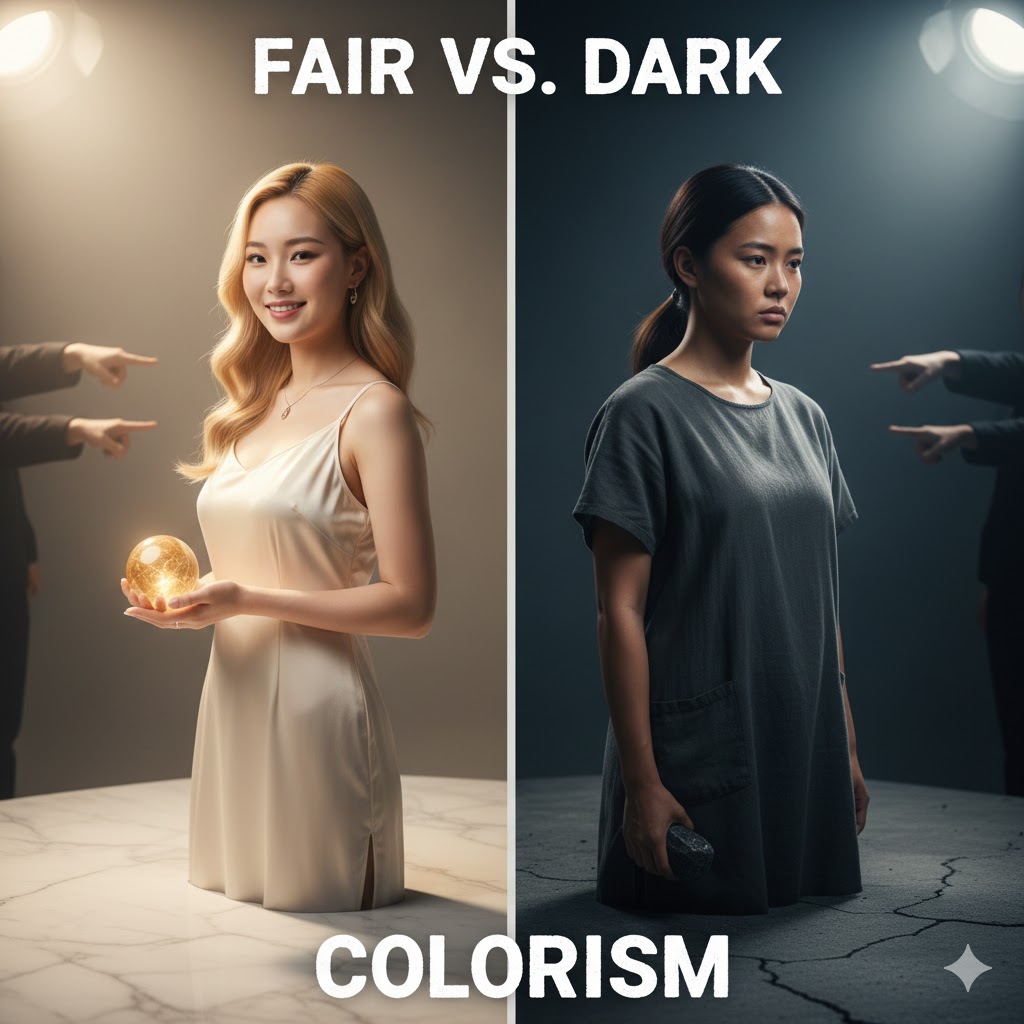
Colorism in Asia

Colorism in Asia is a pervasive social phenomenon in which lighter skin is culturally valued over darker skin, creating systemic advantages for those perceived as fairer. Unlike racism, which often categorizes by ethnicity, colorism operates within racial and ethnic groups, privileging lighter tones as a symbol of wealth, status, and beauty. Its impact spans social, economic, and psychological domains, influencing marriage, employment, media representation, and daily interactions.

The roots of colorism in Asia are complex, intertwining pre-colonial class distinctions with European colonial influence. Historically, fair skin was associated with the elite or ruling classes who worked indoors, while darker skin indicated labor-intensive outdoor work. European colonialism reinforced and codified these associations, idealizing whiteness as superior and desirable.

In India, colorism is deeply entrenched. Fair skin has long been linked to beauty, marriageability, and social status. Advertisements promoting skin-lightening products are widespread, and matrimonial ads often specify preference for fair-skinned partners. Caste and colonial legacy amplify this preference, embedding it in social and cultural norms (Ludhianvi, 2020).

Pakistan similarly exhibits strong colorist tendencies. Lighter skin is associated with higher social class and greater marital prospects. The skin-lightening industry thrives, with consumers believing fairness equates to upward mobility, attractiveness, and professional credibility. Media, film, and advertising reinforce these ideals.

In Southeast Asia, countries like the Philippines, Thailand, and Indonesia exhibit pervasive colorism due to colonial history and media influence. In the Philippines, Spanish colonization and American media created ideals of beauty that favor lighter skin, influencing both professional opportunities and romantic desirability. Fair skin continues to be a marker of privilege and social mobility.

Thailand has a cultural preference for lighter skin, evident in beauty advertisements, television, and social expectations. The legacy of colonial trade and the association of light skin with urban elites amplify this hierarchy. Skin-whitening products dominate the market, signaling the perceived necessity of fair skin for social acceptance.

In China and East Asia, colorism is widespread, though nuanced. Lighter skin is historically associated with refinement, status, and scholarly pursuits, contrasting with rural laborers. Modern media, fashion, and entertainment reinforce these ideals, sustaining societal bias and shaping self-perception from a young age (Li & Min, 2014).

Japan and South Korea also reflect colorism influenced by historical class structures and Western beauty ideals. In South Korea, skin whitening and cosmetic surgery are widespread, with lighter skin seen as a standard of beauty and sophistication. In Japan, light skin is tied to elegance, status, and femininity, although contemporary media sometimes diversifies representation.

The worst-affected countries in Asia tend to be those with both colonial history and rigid social hierarchies. India, Pakistan, the Philippines, and Thailand experience intense societal pressure to conform to fair-skinned beauty ideals, reinforced through marriage markets, media, and professional spaces. The combination of historical caste or class divisions and globalized beauty standards intensifies the penalty for darker skin.

Colorism in Asia intersects with gender, disproportionately affecting women. Women are judged more harshly by skin tone, and their social, marital, and professional opportunities are more tightly linked to appearance. This leads to heightened use of skin-lightening products, cosmetic procedures, and restrictive beauty practices.

Economically, colorism affects career prospects. In India and Southeast Asia, lighter-skinned individuals are more likely to be hired for front-facing roles, leadership positions, and customer-oriented professions. Appearance is often equated with competence and professionalism, creating systemic advantage.

Marriage markets are heavily influenced by colorism. Matrimonial advertisements frequently specify preference for fair-skinned partners, reflecting the perception that lighter skin signals social status, family wealth, and desirability. Darker-skinned individuals are marginalized, even when other qualities are equal.

Media representation reinforces colorism by prioritizing lighter-skinned actors, models, and influencers. Television, film, and advertisements overwhelmingly feature fair-skinned individuals in roles of power, romance, and beauty, while darker-skinned people are underrepresented or typecast. This perpetuates bias in both perception and aspiration.

The skin-lightening industry is a multi-billion-dollar sector in Asia, indicating both the intensity of societal preference for fair skin and the psychological impact of colorism. Consumers internalize the message that lighter skin equates to opportunity, attractiveness, and social capital, sustaining demand and normalizing bias.

Colorism also has psychological consequences, contributing to low self-esteem, anxiety, and body image dissatisfaction. Individuals internalize societal preferences, leading to shame, identity conflict, and social comparison, particularly among women and youth.

Education is not immune. Teachers and peers may implicitly favor lighter-skinned students, assuming greater intelligence, discipline, or refinement. These biases influence expectations, opportunities, and social inclusion, reinforcing systemic inequality from early childhood.

Social mobility in Asia is intertwined with skin tone. Lighter skin is often equated with urbanity, cosmopolitanism, and modernity, while darker skin signals rural labor, poverty, or lower status. This creates a persistent cycle where appearance directly affects life trajectory.

Historically, colorism was reinforced by colonial hierarchies and caste systems. In India, fair skin was associated with higher castes, while darker skin correlated with servitude or laboring classes. European colonization globally reinforced these associations, elevating whiteness as aspirational and moralized.

To challenge colorism in Asia, cultural, institutional, and personal efforts are required. Media representation must diversify, educational systems must address bias, and beauty industries must be held accountable for perpetuating harmful standards. Individual awareness and advocacy play key roles in dismantling internalized preference.

Overcoming colorism involves redefining beauty, valuing diverse appearances, and affirming dignity independent of skin tone. Societies must confront historical roots, economic incentives, and cultural reinforcement to create equitable spaces where color does not determine opportunity, respect, or love.


References

Ludhianvi, R. (2020). Skin-deep bias: The politics of complexion in India. Journal of South Asian Studies, 43(2), 215–232.

Hunter, M. (2007). The persistent problem of colorism: Skin tone, status, and inequality. Sociology Compass, 1(1), 237–254.

Li, W., & Min, S. (2014). Cultural beauty standards in East Asia: Colorism and social perception. Asian Journal of Social Psychology, 17(3), 192–201.

Hamermesh, D. S., & Biddle, J. E. (1994). Beauty and the labor market. American Economic Review, 84(5), 1174–1194.

Hosoda, M., Stone-Romero, E. F., & Coats, G. (2003). The effects of physical attractiveness on job-related outcomes: A meta-analysis of experimental studies. Personnel Psychology, 56(2), 431–462.

Eagly, A. H., Ashmore, R. D., Makhijani, M. G., & Longo, L. C. (1991). What is beautiful is good, but…: A meta-analytic review of research on the physical attractiveness stereotype. Psychological Bulletin, 110(1), 109–128.

Frisby, C. M. (2004). Does race or gender matter? Effects of media images on self-perception. Journal of Broadcasting & Electronic Media, 48(2), 301–317.
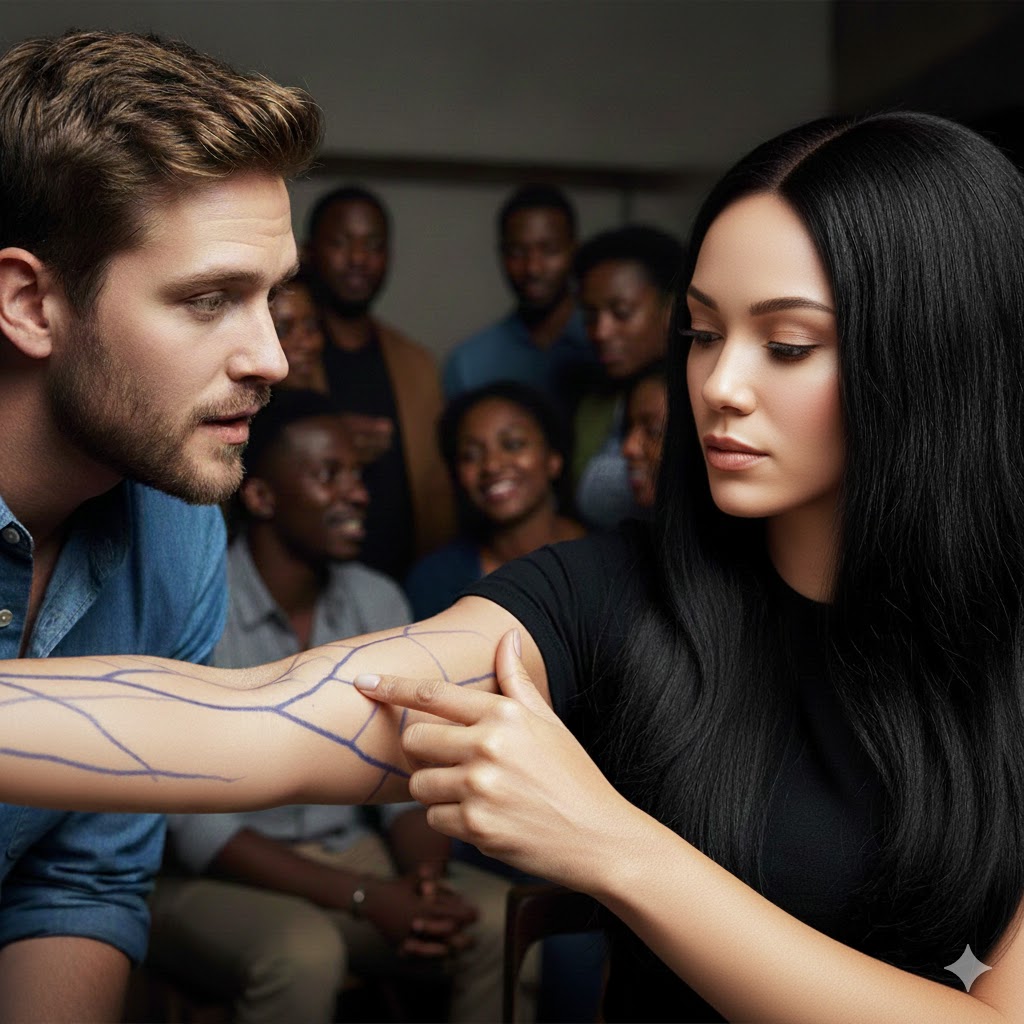
The Blue Vein Society

The Blue Vein Society refers to a color-based social hierarchy that emerged within Black communities, privileging lighter skin tones—particularly those through which veins were visibly apparent—over darker complexions. This phenomenon did not originate organically from African societies but was instead a byproduct of slavery, colonialism, and racial caste systems imposed by Europeans in the Americas. It represents one of the most enduring psychological and social legacies of white supremacy, internalized and perpetuated within oppressed communities long after formal systems of bondage ended.

The roots of the Blue Vein Society trace back to chattel slavery in the United States, where proximity to whiteness often determined one’s survival, labor conditions, and access to marginal privileges. Enslaved Africans with lighter skin, frequently the result of sexual violence by slave masters, were more likely to be assigned domestic labor rather than fieldwork. Over time, these distinctions became codified into informal social classes, creating divisions that mimicked the racial hierarchies established by white enslavers.

After emancipation, these hierarchies did not disappear. Instead, they were repackaged within Black social institutions such as churches, fraternities, sororities, social clubs, and marriage norms. The Blue Vein Society emerged as a literal and symbolic gatekeeping mechanism, where light skin functioned as social capital. The ability to pass the “blue vein test” became shorthand for perceived refinement, intelligence, and respectability—values defined by Eurocentric standards.

Psychologically, the Blue Vein Society reflects internalized racism, a condition in which oppressed people absorb and reproduce the values of their oppressors. Frantz Fanon famously described this process as the colonization of the mind, where Black people come to see themselves through white eyes (Fanon, 1952). Skin tone became a visible marker through which worth was assigned, reinforcing a false hierarchy that contradicted both biological reality and spiritual truth.

The impact on Black people has been profound and generational. Darker-skinned individuals—especially women—have historically faced disproportionate discrimination in employment, marriage prospects, media representation, and social mobility. Colorism fractured Black unity, redirecting communal energy away from collective liberation and toward internal competition. This division weakened resistance to systemic oppression by fostering mistrust and resentment within the community.

The Bible speaks directly against such partiality. Scripture states, “My brethren, have not the faith of our Lord Jesus Christ, the Lord of glory, with respect of persons” (James 2:1, KJV). The Blue Vein Society stands in direct opposition to this command, elevating physical appearance over righteousness, character, and obedience to God. In doing so, it replaces divine standards with worldly hierarchies rooted in sin and pride.

White supremacy played a central role in the creation and maintenance of colorism. European colonizers constructed racial categories that equated whiteness with purity, civility, and intelligence, while associating darkness with savagery and inferiority. These ideas were reinforced through pseudo-scientific racism, Christianized slavery, and legal systems that privileged lighter-skinned Black people as buffers between white elites and darker masses (Painter, 2010).

White women, in particular, were instrumental in policing racial boundaries. Historical records show that white women often weaponized accusations of impropriety or assault against Black men while simultaneously enforcing rigid beauty standards that upheld whiteness as feminine ideal. Their role in shaping social norms further entrenched color hierarchies that Black communities later internalized and replicated.

The psychology behind the Blue Vein Society is rooted in survival trauma. Under slavery and Jim Crow, proximity to whiteness could mean reduced violence, better treatment, or access to education. What began as a coerced adaptation eventually hardened into a belief system. Over time, trauma responses became cultural norms, passed down as “preferences” rather than recognized as wounds.

Biblically, this distortion mirrors the sin of esteeming the outward appearance over the heart. “But the Lord said unto Samuel, Look not on his countenance…for the Lord seeth not as man seeth; for man looketh on the outward appearance, but the Lord looketh on the heart” (1 Samuel 16:7, KJV). Colorism violates this principle, substituting skin tone for spiritual discernment.

The Blue Vein Society also distorted Black theology. Eurocentric depictions of Christ, angels, and biblical figures reinforced the idea that holiness itself was light-skinned. This imagery shaped religious consciousness, subtly suggesting that proximity to God required proximity to whiteness. Such theology alienated darker-skinned believers from seeing themselves fully reflected in the divine image.

Sociologically, colorism functioned as a form of social control. By fragmenting Black communities along shade lines, white supremacy ensured that collective resistance would be weakened. Divide-and-conquer strategies did not end with emancipation; they evolved into psychological warfare, where Black people policed one another on behalf of an oppressive system.

Modern manifestations of the Blue Vein Society persist in media, dating culture, and beauty industries. Skin bleaching, preferential casting, and algorithmic bias all reflect the same hierarchy under new names. Though less explicit, the underlying message remains unchanged: lighter is better. This continuity reveals that the problem is structural, not merely individual.

Healing requires both historical truth-telling and spiritual repentance. The Bible calls God’s people to tear down strongholds, including mental ones: “Casting down imaginations, and every high thing that exalteth itself against the knowledge of God” (2 Corinthians 10:5, KJV). Colorism is one such stronghold that must be confronted as sin and deception.

Education plays a critical role in dismantling these beliefs. Understanding African history prior to European contact reveals societies where beauty, leadership, and divinity were not defined by lightness. Reclaiming this knowledge helps restore dignity to those marginalized by colonial aesthetics.

Collective healing also requires rejecting white validation as the measure of Black worth. The Blue Vein Society thrives where whiteness is still seen as the standard. True liberation demands redefining value through Black-centered, God-centered frameworks rather than Eurocentric approval.

Scripture affirms the unity and equal worth of all people descended from Adam. “And hath made of one blood all nations of men for to dwell on all the face of the earth” (Acts 17:26, KJV). This verse dismantles every color-based hierarchy, declaring them contrary to God’s design.

The dismantling of the Blue Vein Society is not merely a social project but a moral and spiritual imperative. It requires courage to confront uncomfortable truths, humility to unlearn inherited biases, and faith to believe that restoration is possible. Black unity cannot be achieved without addressing the internal fractures caused by colorism.

Ultimately, the Blue Vein Society stands as evidence of how deeply white supremacy penetrated the Black psyche—but it also testifies to the possibility of healing. By exposing its origins, rejecting its lies, and returning to biblical truth, Black communities can move toward wholeness, dignity, and collective strength rooted not in skin tone, but in divine identity.


References

Fanon, F. (1952). Black skin, white masks. Grove Press.

James, W. (2005). The souls of Black folk. Barnes & Noble Classics. (Original work published 1903)

Painter, N. I. (2010). The history of white people. W. W. Norton & Company.

Russell, K., Wilson, M., & Hall, R. (1992). The color complex: The politics of skin color among African Americans. Anchor Books.

The Holy Bible, King James Version. (1611). Various passages.

Wilkerson, I. (2020). Caste: The origins of our discontents. Random House.

Du Bois, W. E. B. (1935). Black reconstruction in America. Free Press.

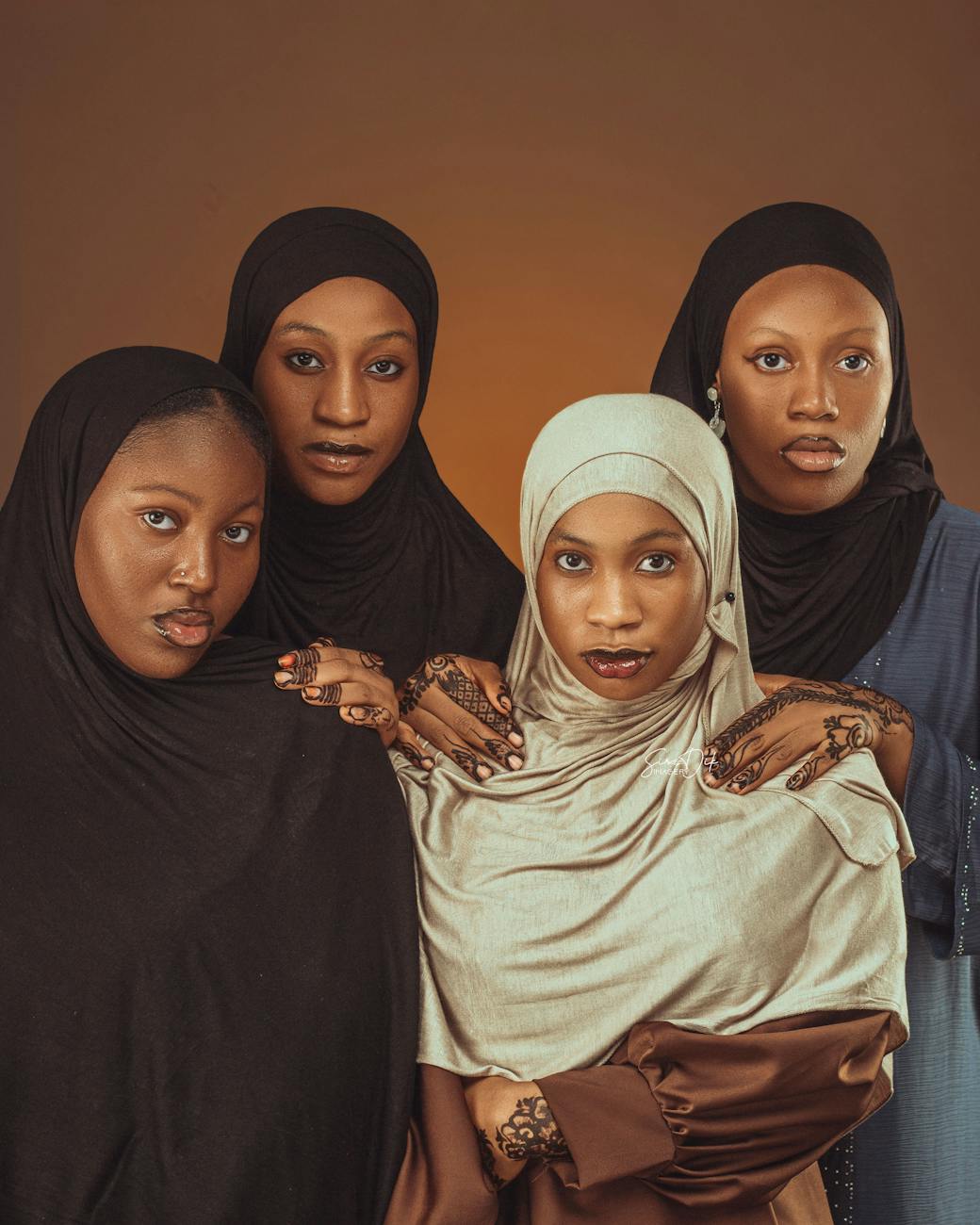
Pretty Privilege Series: Beyond the Complexion — Redefining Worth for Every Shade.

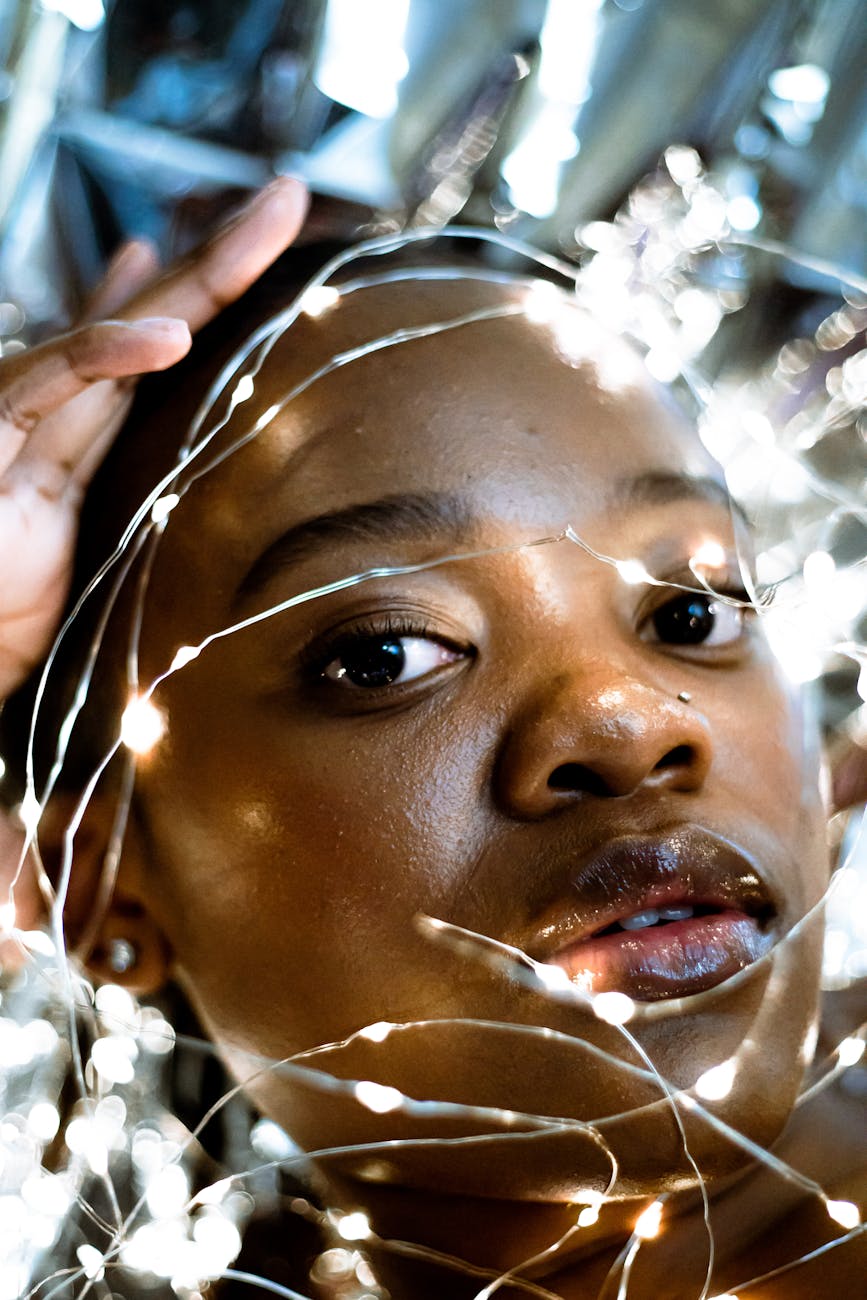
Photo by sirdik Imagery on Pexels.com

Colorism has left wounds that run deep within our communities, shaping perceptions of beauty, identity, and worth. For too long, shade has been used as a measuring stick for acceptance, desirability, and opportunity. To move forward, we must redefine worth for every shade, lifting the veil on “pretty privilege” and affirming the divine value of Blackness in all its richness.

Skin Deep Wounds — Healing the Hidden Scars of Colorism

The wounds of colorism are not only external but internal. Skin tone bias is not simply about how the world perceives us; it is about how we learn to perceive ourselves. Words like “too dark” or “light but not bright” cut into the soul, shaping childhood self-image in ways that echo into adulthood. Proverbs 18:21 (KJV) reminds us, “Death and life are in the power of the tongue.” When words diminish God’s creation, they leave hidden scars.

These scars are visible in the struggles of young Black girls who avoid the sun to keep their skin light, or young boys teased for being “too dark.” The trauma festers silently, becoming insecurities that limit confidence and self-expression. Healing begins with honesty—acknowledging that colorism has been a battleground for many of our souls.

The healing process requires dismantling internalized lies. Psalm 139:14 (KJV) declares, “I will praise thee; for I am fearfully and wonderfully made.” Every shade of melanin carries God’s fingerprint, a mark of intentional design. To heal from colorism is to return to this truth, replacing shame with sacred affirmation.

Shattered Reflections — When Beauty Becomes a Battleground

The beauty industry has long profited from fractured reflections, perpetuating the idea that lighter skin is superior. From skin-lightening creams in Jamaica to casting choices in Hollywood, darker shades are often treated as obstacles rather than assets (Charles, 2003). This battle over beauty has forced many women into comparison wars, where worth is tied to shade rather than substance.

Consider how media representations reinforce these divisions. Lighter-skinned women often receive leading roles or are marketed as universal beauties, while darker-skinned women are typecast as strong but rarely romantic leads. This reinforces a dangerous hierarchy that fractures self-worth and perpetuates insecurity.

But beauty should never be a battlefield. Ecclesiastes 3:11 (KJV) reminds us, “He hath made every thing beautiful in his time.” God’s design leaves no shade excluded, no complexion unworthy. The real battle is against lies that seek to limit the spectrum of Black beauty.

Examples of Worthy Black Women in All Shades of Color

Across history and culture, Black women of every shade have embodied brilliance, resilience, and beauty. Their lives demonstrate that worth is not confined to complexion but rooted in character and calling.

Lupita Nyong’o, a dark-skinned actress and activist, has become a global voice for self-love and natural beauty. Her 2014 Oscar speech about embracing her skin inspired countless young women to reject colorist lies.

Viola Davis, another darker-skinned icon, has broken barriers in Hollywood, becoming the first Black woman to win an Emmy, Tony, and Oscar. Her success proves that talent, not tone, defines greatness.

Zendaya, of a lighter complexion, uses her platform to challenge the privileges afforded to her shade. She consistently advocates for darker-skinned representation in film and fashion, showing that lighter-skinned women can use their privilege responsibly to uplift others.

Beyoncé, with her golden-brown complexion, has redefined global pop culture. Yet she also openly addresses her Blackness in works like Lemonade, highlighting the beauty and struggles of being a Black woman in all shades.

Michelle Obama, of a rich brown hue, served as First Lady of the United States with grace, intellect, and strength. She became a living reminder that leadership, class, and beauty transcend skin tone.

Serena and Venus Williams, both deep brown-toned athletes, dominated tennis, a sport historically closed to Black women. Their resilience against racism and colorism within sports symbolizes how power and melanin coexist unapologetically.

Each of these women stands as proof that every shade holds worth. Their legacies dismantle the myths of colorism and expand the spectrum of representation.

Redefining Worth for Every Shade

Redefining worth means moving beyond complexion as a qualifier. It is choosing to affirm that Black beauty is not conditional but universal. John 8:32 (KJV) assures, “And ye shall know the truth, and the truth shall make you free.” The truth is that worth is God-given, not man-defined.

Communities must intentionally affirm children across shades, teaching them that their melanin is not a burden but a blessing. Schools, churches, and families must create spaces where darker and lighter-skinned children see themselves equally celebrated.

Media industries must diversify representation, rejecting tokenism in favor of authentic inclusivity. This means casting darker-skinned women in roles of love and softness, not just strength, and celebrating lighter-skinned women without placing them on pedestals of exclusivity.

Spiritually, churches must reject shade-based biases. The gospel is clear: “Of a truth I perceive that God is no respecter of persons” (Acts 10:34, KJV). If heaven is filled with every shade, then earth should reflect that same truth.

Ultimately, the battle of complexion is not about beauty but about identity. When Black people stop fighting one another over melanin and begin celebrating the divine artistry of every hue, the chains of colorism will break.

The healing of these hidden scars requires both personal and collective action. Individually, it means reclaiming self-love. Collectively, it means dismantling systems and mindsets that perpetuate shade hierarchies. Together, we can move beyond complexion to redefine worth for every shade.


References

  • Charles, C. A. D. (2003). Skin bleachers’ representations of skin color in Jamaica. Journal of Black Studies, 33(6), 711–728.
  • Hunter, M. (2007). The persistent problem of colorism: Skin tone, status, and inequality. Sociology Compass, 1(1), 237–254.
  • Keith, V. M., & Herring, C. (1991). Skin tone and stratification in the Black community. American Journal of Sociology, 97(3), 760–778.
  • Russell, K., Wilson, M., & Hall, R. (1992). The Color Complex: The Politics of Skin Color Among African Americans. Anchor Books.
  • The Holy Bible, King James Version.

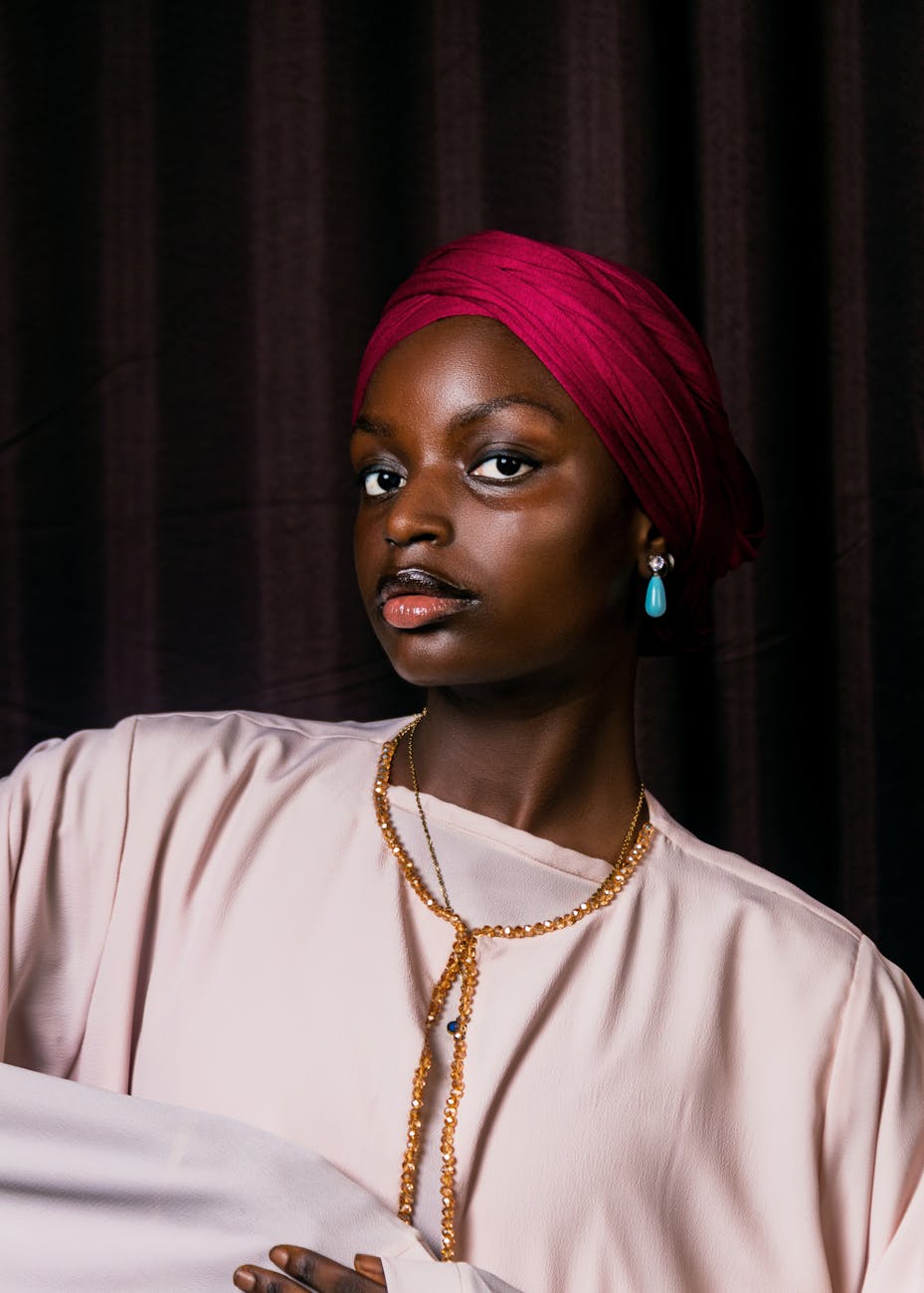
Glow in the Dark: Loving My Shade in a Pale World. #thebrowngirldilemma

Photo by Sean Nkomo on Pexels.com

For individuals with dark skin, navigating a world that idealizes lightness is an enduring challenge. Society often elevates pale skin as the standard of beauty, success, and desirability, marginalizing darker complexions. Glow in the Dark is a celebration of dark-skinned identity, affirming beauty, resilience, and self-love in the face of systemic bias and colorism.

Historically, colonialism and slavery entrenched a hierarchy of skin tones. Lighter-skinned individuals were often granted privileges, while darker-skinned people were dehumanized, undervalued, and stigmatized (Hunter, 2007). These legacies persist today, influencing media representation, social perceptions, and self-image.

Colorism, the preferential treatment of lighter skin within racialized communities, compounds challenges for dark-skinned individuals. It can manifest subtly through microaggressions or overtly through exclusion from social, professional, and romantic opportunities. Understanding these dynamics is crucial to fostering resilience and self-acceptance (Russell, Wilson, & Hall, 1992).

Psychologically, living in a “pale world” can lead to internalized oppression. Many dark-skinned individuals are conditioned to view their complexion as less desirable, creating struggles with self-esteem, identity, and belonging. Reclaiming one’s narrative is an essential step toward healing and empowerment.

Media representation plays a powerful role in shaping perceptions. Historically, darker-skinned individuals were underrepresented or portrayed negatively in television, film, and advertising. When they were visible, they were often caricatured, reinforcing stereotypes. Today, increasing visibility of dark-skinned role models challenges these norms, affirming that beauty exists in all shades.

Beauty standards in fashion and advertising have long centered around lighter tones. Foundation shades, skincare marketing, and magazine covers have historically excluded dark skin, signaling to consumers that their complexion is less worthy. Expanding inclusivity is critical to affirming the worth of dark-skinned people (Glenn, 2008).

Dark-skinned women face a “double bind” of gendered and colorist biases. Their beauty is often undervalued compared to lighter peers, yet they are simultaneously hypersexualized in media narratives. Self-love becomes an act of resistance against a society that seeks to define their value through restrictive and prejudiced lenses.

Hair, an essential component of identity, intersects with skin tone. Natural hairstyles like afros, locs, and braids are often stigmatized in mainstream culture, yet they are powerful symbols of pride and self-expression. Embracing natural hair affirms cultural heritage and reinforces self-love.

Education is key to dismantling internalized biases. Learning about the historical and cultural significance of melanin-rich skin fosters appreciation and pride. Curricula that integrate Black history, cultural contributions, and positive representation help students develop resilience against pervasive societal prejudice.

Family and community support profoundly impact self-perception. Children who receive affirmation about their skin tone, hair, and heritage are more likely to embrace their identity confidently. Community initiatives that celebrate dark-skinned beauty reinforce belonging and self-worth.

Social media amplifies both challenges and opportunities. Platforms can perpetuate colorism through beauty filters and preference hierarchies, but they also provide spaces for empowerment. Campaigns like #DarkSkinIsBeautiful and #MelaninPoppin cultivate pride, representation, and collective affirmation.

Spiritual perspectives validate the inherent worth of dark-skinned individuals. Song of Solomon 1:5 celebrates dark skin: “I am black, but comely, O ye daughters of Jerusalem” (KJV). Such affirmations provide a framework for understanding beauty as divinely ordained rather than socially constructed.

Economic empowerment intersects with skin tone. Supporting Black-owned businesses and inclusive brands strengthens community wealth while reinforcing pride in identity. Economic agency becomes a form of self-affirmation and resistance against systems that marginalize dark-skinned individuals.

Art, literature, and film provide avenues for cultural expression and validation. Creators highlighting dark-skinned beauty, resilience, and achievement challenge dominant narratives, offering inspiration and affirmation to communities historically overlooked or misrepresented.

Interpersonal relationships also reflect colorism’s influence. Studies indicate that dark-skinned individuals often face bias in dating, friendships, and professional networks. Affirming self-worth requires both personal confidence and supportive social environments that counteract prejudice (Hill, 2002).

Mental health is profoundly affected by colorism. Therapy, mentorship, and community support help dark-skinned individuals process internalized biases, cope with societal pressures, and cultivate resilience. Prioritizing emotional well-being is essential to sustaining self-love in a pale-dominated culture.

Cultural pride strengthens identity and resilience. Celebrating heritage, learning ancestral histories, and participating in cultural practices provide a foundation of self-respect and belonging. These practices counteract societal narratives that devalue dark skin and marginalized communities.

Global movements for racial justice underscore the importance of self-love. Dark-skinned individuals who assert pride in their appearance and identity participate in broader efforts to dismantle systemic bias, affirming that visibility, representation, and advocacy are intertwined with personal empowerment.

Ultimately, glowing in a pale world is an act of defiance and affirmation. Loving one’s shade transcends aesthetics; it is a reclamation of dignity, a celebration of heritage, and a declaration of worth. Each individual who embraces their complexion challenges societal hierarchies and models resilience for future generations.

In conclusion, Glow in the Dark is both personal and revolutionary. Dark-skinned individuals who affirm their beauty resist systemic prejudice, nurture self-love, and inspire collective empowerment. Loving one’s shade in a pale world is a commitment to authenticity, pride, and the celebration of melanin as a source of strength, history, and beauty.


References

Glenn, E. N. (2008). Yearning for lightness: Transnational circuits in the marketing and consumption of skin lighteners. Gender & Society, 22(3), 281–302. https://doi.org/10.1177/0891243208316089

Hill, M. E. (2002). Skin color and the perception of attractiveness among African Americans: Does gender make a difference? Social Psychology Quarterly, 65(1), 77–91.

Hunter, M. (2007). The persistent problem of colorism: Skin tone, status, and inequality. Sociology Compass, 1(1), 237–254. https://doi.org/10.1111/j.1751-9020.2007.00014.x

Russell, K., Wilson, M., & Hall, R. (1992). The color complex: The politics of skin color among African Americans. Anchor Books.

The Holy Bible, King James Version. (n.d.). Song of Solomon 1:5. King James Bible Online. https://www.kingjamesbibleonline.org

Dilemma: Introduction to Colorism — The Field Negro and the House Negro.

Colorism did not begin as a social preference or a beauty hierarchy. It began as a weapon. The moment enslavers divided African people by skin tone, the seeds of generational fragmentation were planted. This system of racialized favoritism did not emerge from African communities but from the brutality and strategic manipulation of chattel slavery in the Americas. Colorism was engineered to weaken solidarity among enslaved people, to create distrust, to manufacture false hierarchies, and to keep them psychologically controlled.

During slavery, the division between the “house Negro” and the “field Negro” became one of the earliest and most destructive manifestations of colorism. Enslavers created these categories intentionally, assigning different duties, privileges, and punishments based on appearance. Those with lighter skin—often the result of rape, coercion, and abuse by white slaveholders—were more likely to be placed inside the slaveholder’s home. Those with darker skin tones were more frequently relegated to the grueling labor of the fields. This division birthed a social hierarchy that still impacts Black communities today.

To understand the emotional depth of this dilemma, one must examine why certain slaves were placed inside the house. Light-skinned enslaved women were often the victims of sexual abuse. Their proximity to the slaveholder was not privilege; it was violation. Their lighter children became a physical reminder of the violent mixing of oppression and power. Because they resembled the master, they were considered easier to control, more “civilized,” or more acceptable within the home environment.

The field Negro lived under conditions of extraordinary brutality. They labored from sunrise to sunset in scorching heat, cutting sugarcane, picking cotton, or cultivating tobacco. Their bodies bore the scars of whips, chains, and exhaustion. Their work was physically punishing, and their living quarters were typically small, overcrowded cabins with poor sanitation. Yet, despite the harshness of their environment, the field Negro was often seen as mentally and spiritually resilient, unfiltered, and unbroken by proximity to the master’s household.

By contrast, the house Negro was seen as more privileged, but this privilege came with psychological chains. They lived under constant surveillance, forced politeness, and proximity to danger. They had to navigate the emotional volatility of their enslavers, protect their children from being sold, and maintain an appearance of loyalty even while suffering silently. Their clothing, food, and tasks were different—but they were still enslaved, still property, still unfree.

The treatment of each group created emotional fractures that enslavers deliberately exploited. In the house, enslaved people were sometimes given clothing, verbal favors, or lighter workloads—not as kindness, but as manipulation. In the fields, enslaved people viewed those inside with suspicion, believing they were aligned with the master. The house and the field were crafted to be enemies, not allies, and this division became a direct pipeline to colorism.

The purpose of this division was not only physical but psychological. If enslaved people distrusted one another, they would be less likely to organize rebellions, plan escapes, or unite against their oppressors. The slave system relied on internal conflict to maintain external control. The lighter enslaved person, closer to the master’s environment, was conditioned to adopt certain mannerisms, speech patterns, and behaviors that seemed to elevate them in the eyes of the oppressor. The system rewarded assimilation while punishing authenticity.

The darker enslaved person, laboring outdoors, embodied the strength and rawness of African identity. Their deeper skin tone was stigmatized because it symbolized an unbreakable connection to their roots. Slavery punished them more harshly for this. Whipping, backbreaking labor, and deprivation were used to reinforce the lie that darker skin was inferior, dangerous, or less deserving of humane treatment.

The house Negro stereotype later became associated with cooperation with white society, while the field Negro became a symbol of resistance. This dichotomy was famously described by Malcolm X, who used the terms metaphorically to highlight differences in mindset, identity, and resistance within the Black community. These categories still influence how Black people view one another today—through complexion, hair texture, and perceived proximity to whiteness.

Colorism grew as an internalized belief passed down through generations. Lightness became associated with safety, with reduced punishment, with proximity to privilege. Darkness became associated with hardship, danger, and rebellion. These internalized beliefs spread through families, shaping everything from beauty standards to marriage preferences to socioeconomic assumptions.

The legacy of the house-field division deeply influenced Black identity formation. Children born of the master often received special attention not because they were valued, but because they were reminders of the master’s dominance. Their slightly elevated status placed them in the crossfire of envy, resentment, and painful expectations. Meanwhile, darker children were taught strength and survival early because their punishment was more immediate and their labor more severe.

The house Negro often faced psychological trauma that is rarely discussed. They witnessed the master’s private life, endured constant scrutiny, and lived with the threat of sudden violence. They were expected to maintain the household’s emotional balance, sometimes acting as surrogate caregivers, nurses, cooks, or concubines. Their pain was often invisible, dismissed under the myth of “privilege.”

In the fields, pain was more visible. Brutality was public, and suffering was communal. Yet there was also a deep sense of connection, unity, and shared experience. The field Negro carried the collective heartbeat of the community. Their songs, rituals, and traditions preserved African culture in ways the house environment sought to erase.

As the generations progressed, these divisions morphed into color-based discrimination within Black communities. After slavery, lighter-skinned Black people were more likely to be hired, educated, and socially accepted by white institutions. This gave colorism additional fuel, leading to intra-racial discrimination that still shapes identity, relationships, and self-esteem.

The roots of colorism are not accidental—they are engineered. The slave system used complexion as a tool of division, and those wounds did not disappear with emancipation. They became embedded in the social fabric, passed down quietly through families who equated lighter skin with opportunity and darker skin with struggle.

Understanding this history is essential for undoing its damage. The dilemma of colorism is not merely about appearance; it is about identity, trauma, power, and legacy. To heal, Black communities must recognize how deeply slavery shaped perceptions of worth based on skin tone. The field and the house were never natural divisions—they were created by oppression.

Even today, the remnants of these categories influence how people see themselves and each other. Healing begins with confronting the origins of these divisions and refusing to carry forward the hierarchies slavery created. Unifying Black identity requires acknowledging these wounds, rejecting the false narratives of superiority, and reclaiming a collective sense of worth rooted in truth, history, and God’s design.

In Scripture, God declares that all humans bear His image (Genesis 1:27). There was no hierarchy in His creation—only dignity. Recognizing that truth is a crucial step toward dismantling the scars of colorism. The field and the house were systems of bondage, not identity. Understanding their historical purpose allows modern communities to rise above them.

Modern Colorism: A Psychological and Biblical Analysis

Colorism did not end with the plantation; it was modernized, repackaged, and woven into the cultural fabric of the Black experience across the diaspora. Its contemporary expressions can be found in media representation, employment discrimination, dating preferences, beauty standards, and socioeconomic advantages tied to complexion. Although enslavement created the hierarchy, modern institutions continue to reward lighter skin in subtle and measurable ways. In the workforce, research shows that lighter-skinned African Americans often receive higher wages and are perceived as more “professional” compared to darker-skinned counterparts, even with equal qualifications. This reflects the internalized residue of slavery that still shapes perception, value, and opportunity.

Social media has intensified this hierarchy. Filters, photo-editing apps, and beauty algorithms frequently lighten skin, sharpen features, and promote Eurocentric aesthetics as the universal definition of beauty. Colorism becomes normalized in the subconscious because beauty is rewarded with likes, visibility, and digital validation. This reinforcement affects self-esteem, particularly among young girls who internalize the belief that darker skin is a disadvantage to femininity, desirability, or social acceptance. The psychological impact is long-term, deeply emotional, and often unspoken.

Romantic relationships reflect another battleground of colorism. Preferences that appear “personal” are often shaped by societal conditioning. Studies show that both men and women may associate lighter skin with softness, elegance, and femininity, while darker skin is associated with strength, aggression, or hypersexuality. These stereotypes are direct remnants of the slave plantation: the “house” perceived as delicate and desirable, and the “field” viewed as rugged and worn. Though the physical plantation ended, the mental plantation still operates in the subconscious mind.

Women bear the heaviest burden of colorism in modern culture. Beauty is still a form of currency, and society frequently measures worth by appearance. Dark-skinned women often face harsher policing of their tone, attitude, confidence, and femininity. Their beauty is acknowledged reluctantly, conditionally, or only when exoticized. Meanwhile, lighter-skinned women may be celebrated more quickly, assumed to be more approachable or charismatic, and receive privileges that have nothing to do with character. This generational wound shapes sisterhood, self-perception, and community dynamics.

Psychologically, colorism creates identity fractures within the Black community. It produces insecurity in some, superiority in others, and distrust in many. These dynamics weaken unity, creating an internal battleground where people fight over proximity to whiteness instead of reclaiming the richness of their own image. Colorism becomes a device of division, mirroring the same tactics enslavers used to keep the oppressed from rising in collective strength. The trauma persists because systems have not fully dismantled the biases that birthed it.

From a trauma-informed lens, colorism is a form of intergenerational psychological conditioning. The mind learns what it repeatedly sees, and when beauty, intelligence, or success are consistently associated with lighter skin, the subconscious registers this as truth. Healing requires more than awareness—it demands intentional unlearning. Cognitive restructuring, positive representation, cultural education, and community affirmation are necessary steps to breaking the psychological hold of complexion-based hierarchy.

A biblical perspective reveals that colorism is inconsistent with God’s design. Scripture affirms that humanity is made in the image of God, with no hierarchy of value based on physical features. “So God created man in his own image…” (Genesis 1:27, KJV). This means every shade of melanin reflects divine artistry, not a system of worth. The Bible consistently condemns partiality, calling it sin. “But if ye have respect to persons, ye commit sin…” (James 2:9, KJV). Colorism is a form of partiality, a man-made ranking that God never authored.

The Bible also acknowledges the beauty of dark skin. Solomon’s beloved declares, “I am black, but comely…” (Song of Solomon 1:5, KJV), affirming that complexion does not diminish beauty or worth. Yet society reversed this truth, weaponizing skin tone to oppress the very people God adorned with richness and depth. Restoring a biblical perspective allows the community to challenge the lies of colorism with scriptural truth and reclaim identity through God rather than societal perception.

From a spiritual lens, colorism is an attack on purpose. Anything that diminishes self-worth ultimately diminishes potential, confidence, and calling. When people internalize inferiority, they subconsciously limit themselves, shrink before opportunity, or settle for less than what God intended. Colorism becomes not only a social issue but a spiritual barrier to identity and destiny. Healing requires spiritual realignment—seeing oneself not through the gaze of society, but through the eyes of the Creator.

Unity is essential in confronting the residue of the house-versus-field divide. Christ taught that a kingdom divided cannot stand (Mark 3:24–25). The Black community cannot rise while internal fractures persist. Healing colorism requires transparent conversation, generational accountability, and willingness to dismantle inherited mindsets. It also requires celebrating the beauty and diversity of Black skin in all its shades, recognizing each as a reflection of God’s intentional creativity.

Modern colorism will not disappear overnight, but awareness, healing, education, and spiritual grounding create a pathway forward. When the community rejects inherited lies and embraces the fullness of its identity, the plantation in the mind collapses. The descendants of both the “house” and the “field” rise together—not as divided categories, but as one people walking in truth, restored dignity, and renewed understanding.

References

Alexander, M. (2010). The new Jim Crow: Mass incarceration in the age of colorblindness. The New Press.

Billingsley, A., & Caldwell, C. H. (1991). The social roles of Black men and women in the family. Journal of Family Issues, 12(1), 3–25.

Glenn, E. N. (2008). Yearning for lightness: Transnational circuits in the marketing and consumption of skin lighteners. Gender & Society, 22(3), 281–302.

Hunter, M. (2007). The persistent problem of colorism: Skin tone, status, and inequality. Sociology Compass, 1(1), 237–254.

Monk, E. P. (2014). Skin tone stratification among Black Americans, 2001–2003. Social Forces, 92(4), 1313–1337.

Neal, A. M., & Wilson, M. L. (1989). The role of skin color and features in the Black community: Implications for counseling. Journal of Counseling & Development, 67(6), 54–57.

Walker, A. (1982). In search of our mothers’ gardens. Harcourt Brace.

King James Bible. (1769/2023). Cambridge Edition.

Biblical (KJV)

Genesis 1:27
Exodus 1:12
Psalm 139:14
Proverbs 22:2Boyd, T. (2008). The African American experience. Greenwood Press.
Hunter, M. (2007). The persistent problem of colorism: Skin tone, status, and inequality. Sociology Compass, 1(1), 237–254.
Painter, N. (2023). The history of white people. W. W. Norton.
Williamson, J. (1980). New people: Miscegenation and mulattoes in the United States. LSU Press.
Wilder, C. S. (2010). In the shadow of slavery: African Americans in New York City, 1626–1863. University of Chicago Press.

Not Light Enough, Not Dark Enough

This photograph is the property of its respective owners. No copyright infringement intended.

The struggle of identity within the Black community is a painful and persistent issue. One of the most overlooked dimensions of racial identity is the tension that exists between light skin and dark skin among people of African descent. While white supremacy has historically grouped all Black people together as one inferior category, within the Black community itself, a separate hierarchy has emerged—one that privileges certain shades of Blackness while marginalizing others. This creates the paradoxical reality of being “not light enough, not dark enough.”

For centuries, white colonial powers and enslavers classified Black people according to skin shade, hair texture, and physical features. Terms like “mulatto,” “quadroon,” and “octoroon” were not only derogatory but used as social markers to divide people of African descent. The “paper bag test” and other discriminatory practices reinforced the belief that lighter skin granted access to privilege, while darker skin meant rejection and hardship. White society, however, saw no nuance: regardless of tone, Blackness was stigmatized.

From the perspective of white supremacy, “all Black is Black.” The infamous “one-drop rule” in American history defined anyone with any African ancestry as Black. This erasure of diversity among Black people was designed to maintain control and strip away individuality. White America, by and large, treated Black people as a monolithic group—criminalized, marginalized, and dehumanized. Thus, while colorism was weaponized within the Black community, the larger society did not care whether a person was caramel, mahogany, or ebony—they were all subject to racism.

Within the Black community, however, a more complicated story unfolds. Here, color became not just a descriptor but a social currency. Lighter-skinned individuals often received preferential treatment in employment, education, entertainment, and even in dating. Darker-skinned individuals were unfairly stereotyped as more aggressive, less attractive, or less intelligent. This has led to deep wounds of mistrust, resentment, and division that persist to this day.

The painful truth is that Black people, who should be united in solidarity against systemic oppression, sometimes internalize the very biases created by white supremacy. This is evident in beauty standards that favor European features, in families where children of different shades are treated unequally, and in media portrayals that elevate lighter-skinned actors, singers, and models. The oppression from without has been compounded by discrimination from within.

At the heart of the dilemma lies the question: Who gets to define beauty, worth, and identity? The Bible reminds us that true value comes not from outward appearance but from the inward spirit. “But the LORD said unto Samuel, Look not on his countenance, or on the height of his stature; because I have refused him: for the LORD seeth not as man seeth; for man looketh on the outward appearance, but the LORD looketh on the heart” (1 Samuel 16:7, KJV). This verse reminds us that the very measuring sticks of color, shade, and tone are human constructions, not divine truths.

However, despite this spiritual truth, the earthly reality of colorism causes tangible pain. Many brown-skinned women, for example, express feeling invisible—too dark to be considered exotic or glamorous, yet not dark enough to be celebrated for “deep melanin beauty.” Men in similar positions may find themselves caught between stereotypes, never fitting cleanly into societal expectations of attractiveness or masculinity.

This sense of being “in between” breeds confusion in identity formation. Adolescents and young adults often internalize these messages, leading to low self-esteem, identity crises, and even depression. Social psychology research shows that constant invalidation of one’s identity leads to both intrapersonal and interpersonal struggles (Hunter, 2007). Thus, the “not light enough, not dark enough” paradox becomes not just a matter of aesthetics, but of psychological survival.

From the white gaze, Black people are subjected to stereotypes that lump them together: lazy, criminal, hypersexual, or less intelligent. These false narratives have been historically perpetuated through pseudo-science, racist media, and discriminatory policies. From the Black gaze, however, the nuances of complexion become battlegrounds of belonging. This dual oppression creates a unique burden where one can feel simultaneously over-visible to white society and under-valued within their own community.

One of the most tragic consequences of colorism is its impact on family dynamics. In many Black households, siblings of varying shades may be treated differently. A lighter child may be praised for “good hair” while a darker child may be chastised or teased. Such wounds cut deeply and last for generations. This dysfunction reflects the scripture: “Every kingdom divided against itself is brought to desolation; and every city or house divided against itself shall not stand” (Matthew 12:25, KJV). The Black community’s division over shade is one of the tools the enemy uses to weaken unity.

Another issue that arises is how Black men and women perceive each other through the lens of colorism. Research has shown that men often demonstrate preference toward lighter-skinned women in dating and marriage, while women may assume lighter-skinned men are more successful or less threatening (Burke, 2008). These biases play into centuries of social conditioning. Yet, these preferences reinforce division, leaving many feeling unloved and unwanted simply because of their shade.

The entertainment industry has perpetuated these biases. From the casting of actresses in leading roles to the glorification of certain musicians, there is a noticeable pattern: lighter skin is often framed as more marketable. This has left countless talented darker-skinned artists struggling to gain recognition, despite their abilities. Brown-skinned individuals find themselves marginalized as well, rarely fitting the archetype of “beautiful enough” or “authentic enough.”

Education and economics also reflect color bias. Studies have shown that darker-skinned individuals often receive harsher sentences in the criminal justice system, fewer job opportunities, and less pay than their lighter-skinned counterparts (Villarreal, 2010). Brown-skinned individuals again fall into the paradox of invisibility, overlooked in favor of those deemed closer to whiteness or those visibly marked as “other.”

In addition to external discrimination, there are internal struggles of self-love. Many people spend years unlearning negative messages about their hair, their nose, their lips, or their skin. Products like bleaching creams and hair straighteners continue to profit from these insecurities. The Bible warns against this self-hatred: “Thou art all fair, my love; there is no spot in thee” (Song of Solomon 4:7, KJV). To deny one’s natural beauty is to deny the Creator’s design.

Colorism also intersects with class. Historically, lighter-skinned Black people were more likely to be freed from slavery, receive education, or own property. This created a lasting generational wealth gap even within the Black community. Today, economic mobility is still influenced by shade in subtle ways, compounding the cycle of inequality.

Spiritual solutions are necessary to heal these wounds. The Church should play a leading role in dismantling colorism, teaching that all shades of Black are fearfully and wonderfully made (Psalm 139:14, KJV). Yet, churches have not always been free from these biases. It is vital for Christian communities to confront these divisions openly and to re-center identity in Christ rather than complexion.

Another issue worth mentioning is representation in relationships and family. Children raised in homes where one parent is lighter and the other darker may internalize confusion about their own identity. If not guided with love and affirmation, these children can grow up feeling as though they do not belong fully to either side. The danger is raising another generation caught in the cycle of shade hierarchy.

Healing begins with awareness. To break free from the “not light enough, not dark enough” dilemma, the Black community must address the historical roots of colorism and confront the ways it manifests today. This requires honest conversations, re-education, and intentional celebration of all shades of Blackness.

It also requires rejecting the false narratives imposed by white supremacy. The fact remains: whether light, brown, or dark, Black people share the same struggles under systemic racism. Police brutality, mass incarceration, voter suppression, and economic disenfranchisement do not discriminate by shade. To the oppressor, all are Black. Therefore, unity is essential.

At the same time, individuals must commit to personal healing. This means rejecting colorist preferences, affirming the beauty of all shades, and speaking life rather than perpetuating stereotypes. “Death and life are in the power of the tongue: and they that love it shall eat the fruit thereof” (Proverbs 18:21, KJV). Words spoken in families, schools, and communities can either heal or harm.

Ultimately, the dilemma of being “not light enough, not dark enough” is one born out of oppression and sustained by division. Yet, the truth of God’s Word offers freedom: “And ye shall know the truth, and the truth shall make you free” (John 8:32, KJV). The truth is that all shades of melanin are gifts from the Creator, carrying history, resilience, and beauty.

In order for Black people to thrive, there must be a rejection of hierarchies that serve no purpose but to divide. Healing requires a commitment to love, unity, and equality, rooted in both cultural pride and biblical truth. Only then can the scars of colorism begin to fade.


References

  • Burke, M. (2008). Colorism and African American women in the United States. Journal of Black Studies, 39(3), 348–367.
  • Hunter, M. (2007). The persistent problem of colorism: Skin tone, status, and inequality. Sociology Compass, 1(1), 237–254.
  • Villarreal, A. (2010). Stratification by skin color in contemporary Mexico. American Sociological Review, 75(5), 652–678.
  • The Holy Bible, King James Version (KJV).

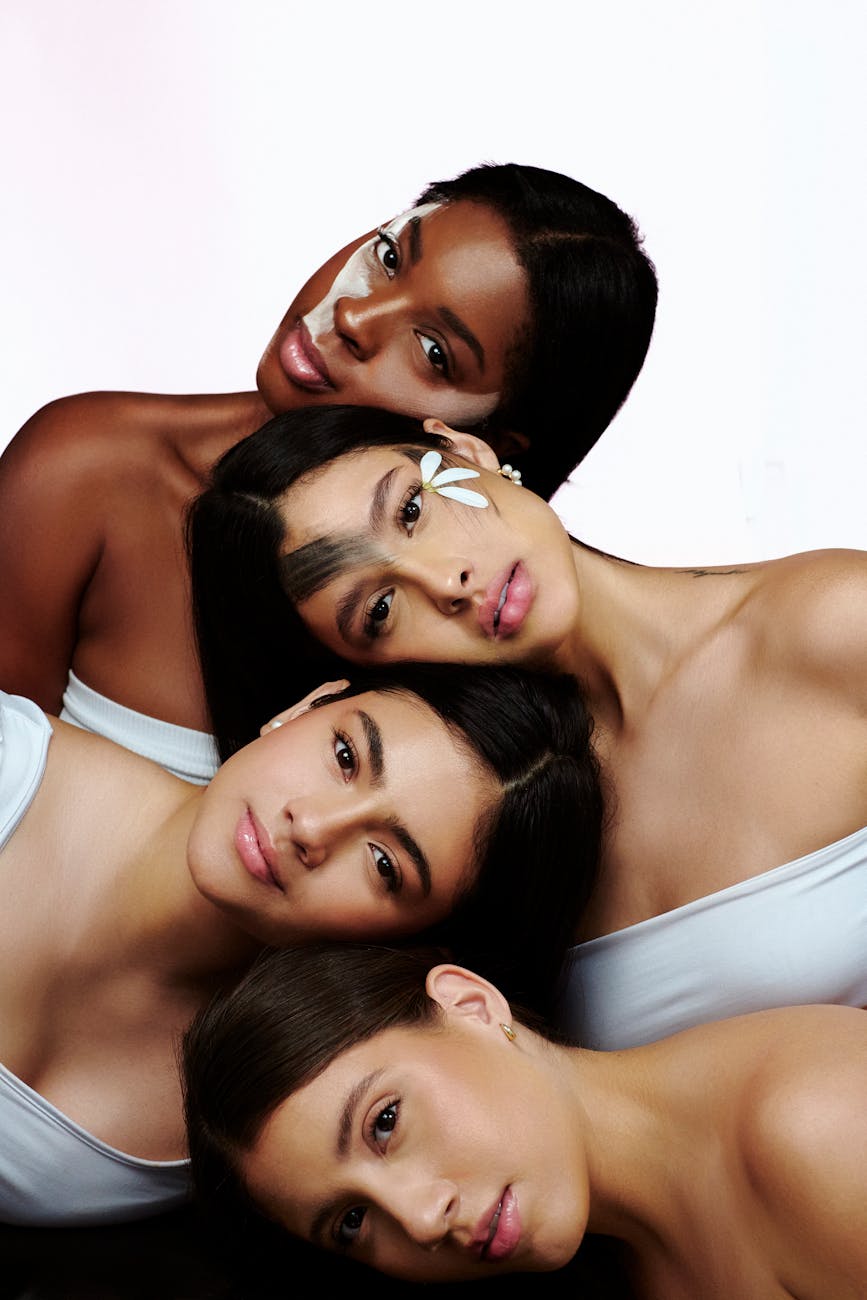
The Shade Spectrum

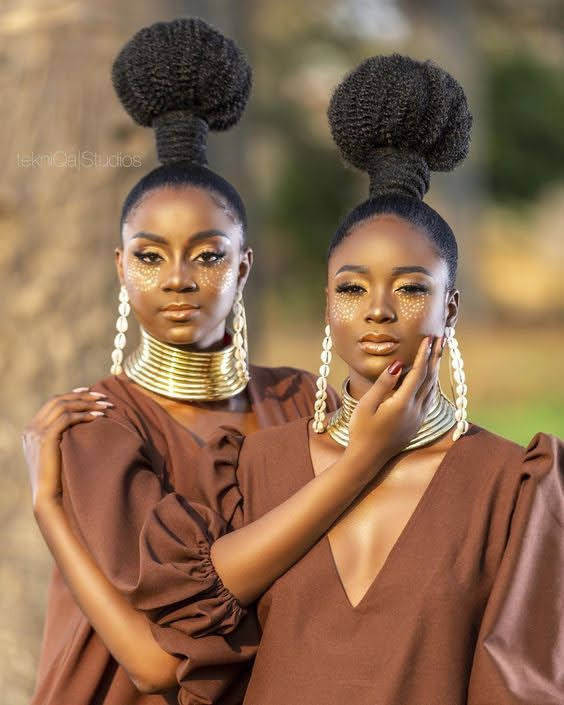
Photo by Bave Pictures on Pexels.com

The shade spectrum represents one of the most delicate and divisive realities within Black identity. From the earliest days of colonialism and slavery, skin tone became more than a biological trait—it became a marker of privilege, beauty, and perceived worth. Today, those hierarchies remain deeply embedded in culture, psychology, and social interaction. Understanding the shade spectrum requires examining not just its history but also its present effects and the biblical truth that dismantles it.

The transatlantic slave trade laid the foundation for shade divisions. Light-skinned enslaved people were often given preferential treatment, such as domestic work, while darker-skinned individuals endured harsher field labor (Hunter, 2007). These divisions created long-lasting hierarchies within the Black community, pitting skin tones against one another in a manufactured contest for worth.

Light skin came to symbolize proximity to whiteness, an idea deeply ingrained in Eurocentric beauty standards. Social psychology notes that this proximity often translated into economic and social advantages, from better marriage prospects to higher rates of employment (Keith & Herring, 1991). Within the shade spectrum, lightness was rewarded, reinforcing generational divisions.

Dark skin, conversely, was vilified under colonial ideologies. It was associated with savagery, hypersexuality, and labor, becoming a site of stigma and shame. Yet, over time, darker complexions have also become symbols of strength, pride, and authenticity, particularly during cultural movements like Black Power in the 1960s and the current “melanin magic” renaissance.

Brown skin occupies a complex middle ground within the shade spectrum. Women like Nia Long, Gabrielle Union, Regina King, and Sanaa Lathan embody this hue, which often goes uncelebrated. While not outright despised, middle hues are frequently overlooked, representing an “in-between” that lacks the societal benefits of lightness or the cultural symbolism of darkness.

Psychologically, the shade spectrum functions as a system of social stratification. Research in colorism shows that individuals with lighter skin often report higher self-esteem and greater access to resources, while darker-skinned individuals face more discrimination (Hill, 2002). Brown-skinned individuals fall somewhere in between, experiencing subtle invisibility and marginalization.

The concept of “passing” further complicates the shade spectrum. Historically, light-skinned individuals could sometimes cross into white society, benefiting from privileges denied to darker-skinned peers. This practice reinforced the perception that lightness was synonymous with safety and success, embedding generational trauma into the community.

Media has consistently reflected and reinforced these hierarchies. From Lena Horne in the 1940s to Halle Berry in the 1990s, light-skinned women were elevated as beauty icons. Dark-skinned women like Lupita Nyong’o and Viola Davis have only recently gained widespread recognition. Brown-skinned women, while present, often remain categorized as “relatable” rather than ideal.

Spike Lee’s School Daze dramatized these tensions, contrasting the “Wannabes” (light-skinned) with the “Jigaboos” (dark-skinned). Yet the film also revealed the absence of middle hues, showing how the shade spectrum often erases women who live between these extremes.

Biblical truth directly challenges the shade spectrum. Genesis 1:27 (KJV) declares that all humanity is made in God’s image, leaving no room for hierarchies based on complexion. Song of Solomon 1:5 (KJV) boldly affirms dark beauty: “I am black, but comely.” These scriptures dismantle the false narratives that tie worth to skin tone.

The psychology of belonging highlights the damage caused by shade hierarchies. Social identity theory (Tajfel & Turner, 1986) suggests that group belonging shapes self-worth. When shade divisions fracture community, individuals struggle with identity, often internalizing inferiority based on where they fall within the spectrum.

For many brown-skinned women, adolescence becomes a battleground. Not deemed “light enough” or “dark enough,” they often internalize invisibility. These experiences can lead to anxiety, depression, and confusion about self-worth. The middle hue’s challenge reveals the cruel subtlety of colorism.

Romantic relationships also reflect the shade spectrum. Studies show that lighter-skinned women are often preferred as partners, symbolizing prestige, while darker-skinned women encounter stereotypes of strength or difficulty (Maddox & Gray, 2002). Brown-skinned women often become “safe choices,” valued for balance rather than passion.

Yet, each part of the spectrum carries resilience. Light-skinned women must navigate assumptions of privilege or inauthenticity. Dark-skinned women turn stigma into power through pride movements. Brown-skinned women create identity through balance and perseverance. Each shade holds a unique story of survival and resistance.

Theologically, the shade spectrum can be viewed as a distortion of divine creation. God’s design of melanin reflects artistry and variation, not hierarchy. Acts 17:26 (KJV) reminds us that God “hath made of one blood all nations of men.” Division based on shade is a man-made system that directly opposes divine unity.

Healing begins when the community rejects these hierarchies. Psychological research suggests that collective affirmation, media representation, and open dialogue about colorism are essential for dismantling generational biases (Monk, 2014). Acknowledging the spectrum without ranking it is the first step toward healing.

Representation matters deeply. When actresses like Regina King or Lupita Nyong’o are celebrated not just for their talent but for their beauty, the spectrum shifts. Affirmation at every shade disrupts the old hierarchies and plants seeds of pride across the spectrum.

Intergenerational healing also requires deliberate teaching. Parents and mentors must affirm children of every shade, reinforcing that no complexion is more worthy than another. This breaks cycles of bias that often begin in family structures.

Spirituality offers a higher lens. Psalm 139:14 (KJV) declares: “I will praise thee; for I am fearfully and wonderfully made.” This truth dismantles the spectrum’s hierarchy, affirming that all shades reflect God’s wonder. Healing comes from grounding identity in God, not in societal categories.

Colorism is not only a gendered issue but also affects men. Dark-skinned men are often stereotyped as threatening, while lighter-skinned men may be perceived as less masculine. Brown-skinned men, like their female counterparts, often occupy a liminal, overlooked position.

Music has also addressed the shade spectrum. From India.Arie’s anthem Brown Skin to Beyoncé’s celebration of “brown-skinned girls,” artists have used their platforms to affirm beauty across the spectrum. These cultural shifts remind society that music and art can heal the wounds of division.

Despite progress, the shade spectrum persists. Workplace studies reveal that lighter-skinned individuals continue to earn more and are more likely to be promoted than darker-skinned peers (Hersch, 2006). Colorism is not just a personal struggle but a systemic injustice embedded in structures of power.

Educational systems also reflect the spectrum. Teachers may unconsciously favor lighter-skinned students, leading to disparities in discipline and academic encouragement (Ferguson, 2001). These biases perpetuate long-term inequalities, showing how colorism shapes opportunity.

Yet, the shade spectrum can also be reframed as a source of collective beauty. Rather than functioning as a hierarchy, the spectrum represents the richness of Black identity—light, brown, and dark together form a radiant tapestry. Healing requires shifting from competition to celebration.

Community initiatives, like shade-inclusive campaigns in fashion and beauty industries, represent tangible steps forward. By displaying models across the full spectrum, these industries challenge Eurocentric standards and affirm every shade as worthy of admiration.

The shade spectrum also demands a theological response within churches. Too often, Westernized Christianity absorbed colorist ideas, perpetuating silence or complicity. A biblical reclaiming of melanin as divine artistry restores dignity and affirms unity.

Ultimately, the shade spectrum reveals the destructive power of division but also the potential for healing. When light, brown, and dark are each honored, the community reflects the wholeness God intended. The spectrum becomes not a hierarchy but a rainbow of resilience.

In the end, the shade spectrum is not about superiority or inferiority but about the richness of human diversity. Black skin, in all its hues, is a testimony of survival, beauty, and divine creation. When society finally sees this truth, the spectrum will no longer divide but unite.


References

  • Ferguson, A. A. (2001). Bad boys: Public schools in the making of Black masculinity. University of Michigan Press.
  • Hersch, J. (2006). Skin tone effects among African Americans: Perceptions and reality. American Economic Review, 96(2), 251–255.
  • Hill, M. E. (2002). Skin color and the perception of attractiveness among African Americans: Does gender make a difference? Social Psychology Quarterly, 65(1), 77–91.
  • Hunter, M. (2007). The persistent problem of colorism: Skin tone, status, and inequality. Sociology Compass, 1(1), 237–254.
  • Keith, V. M., & Herring, C. (1991). Skin tone and stratification in the Black community. American Journal of Sociology, 97(3), 760–778.
  • Maddox, K. B., & Gray, S. A. (2002). Cognitive representations of Black Americans: Re-exploring the role of skin tone. Personality and Social Psychology Bulletin, 28(2), 250–259.
  • Monk, E. P. (2014). Skin tone stratification among Black Americans, 2001–2003. Social Forces, 92(4), 1313–1337.
  • Tajfel, H., & Turner, J. (1986). The social identity theory of intergroup behavior. In S. Worchel & L. W. Austin (Eds.), Psychology of intergroup relations (pp. 7–24). Nelson-Hall.
  • The Holy Bible, King James Version.

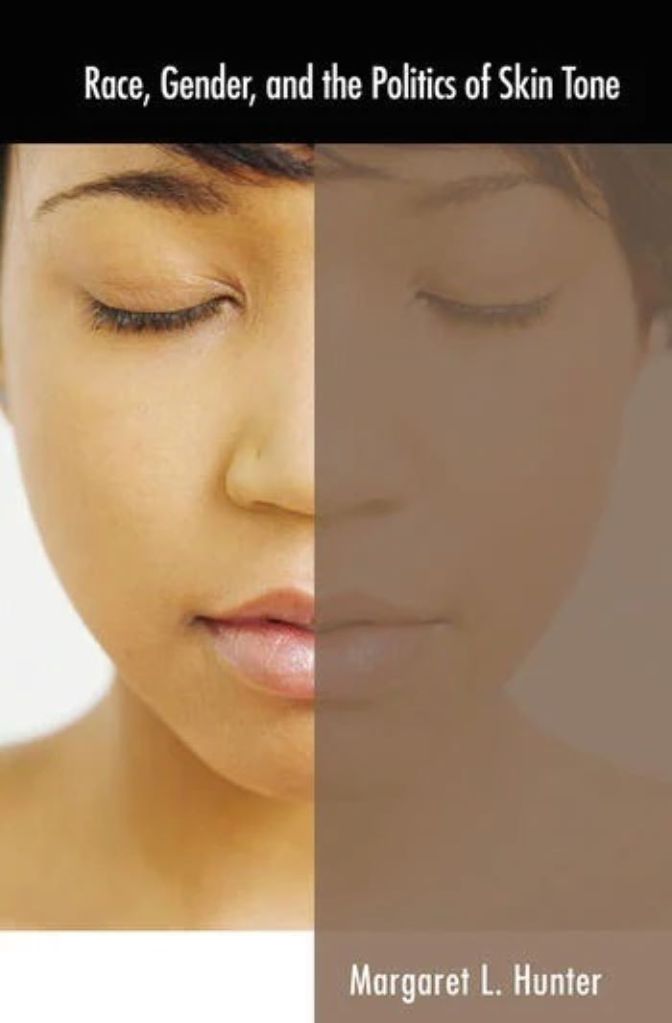
📖Book Review: Race, Gender, and the Politics of Skin Tone by Margaret L. Hunter.

⭐⭐⭐⭐⭐ 5/5 Stars

Race, Gender, and the Politics of Skin Tone

Published in 2005, this book examines how skin tone operates as a system of privilege and discrimination within African American and Mexican American communities. Drawing from in-depth interviews, historical records, and social analysis, Hunter demonstrates how lighter-skinned women often experience greater access to education, employment, and marriage opportunities, while darker-skinned women endure bias, invisibility, and stigmatization. The book situates colorism as both a legacy of colonialism and a persistent barrier to equality in modern society.

Key Points
Hunter highlights several key insights:

  • Historical Foundations: She situates colorism within slavery and colonization, exposing how whiteness and lightness were tied to power.
  • Socioeconomic Disparities: Lighter-skinned women are statistically more likely to access higher-paying jobs, higher levels of education, and “marry up.”
  • Beauty and Body Politics: The text addresses cosmetic pressures, including skin-lightening and surgery to alter facial features, showing how systemic bias reshapes physical identity.
  • Community Paradoxes: Dark-skinned women are often seen as “authentic,” while lighter-skinned women are more widely valued in mainstream society—a painful double standard.

Awards and Reception
Although not listed among mainstream literary award winners, Race, Gender, and the Politics of Skin Tone is regarded as a groundbreaking scholarly text and is widely adopted in college courses on race, gender, sociology, and African American studies. Scholars have praised it for being the first major sociological study to center on colorism across both African American and Mexican American contexts. Its academic influence is measured not in trophies but in citations, class adoptions, and the shaping of future research.

Groundbreaking and Life-Changing Appeal
The book is groundbreaking because it shifts the conversation from race alone to skin tone as an independent and powerful axis of inequality. For readers, it is often life-changing: it validates the lived experiences of women who have faced color-based bias, offering language and evidence where silence once reigned. By connecting personal testimony to systemic inequality, Hunter’s work affirms that the struggles surrounding beauty, identity, and skin tone are not individual failings but social constructions that must be dismantled.

Comparison with Other Works on Colorism
Hunter’s work stands alongside other landmark texts in the study of colorism. For example, Russell, Wilson, and Hall’s The Color Complex (1992, revised 2013) offered one of the earliest explorations of colorism in Black communities, focusing on the psychological effects of shade hierarchies. While The Color Complex is accessible and widely read, Hunter builds on this foundation with a more rigorous sociological methodology and a comparative lens that includes Mexican American experiences. Similarly, Melissa V. Harris-Perry’s Sister Citizen (2011) examines stereotypes and identity struggles of Black women in politics and culture; however, Hunter’s work is narrower in scope, diving deeply into skin tone stratification. Together, these books complement each other—The Color Complex exposing cultural wounds, Race, Gender, and the Politics of Skin Tone providing sociological depth, and Sister Citizen situating those struggles in broader systems of power.

Cultural and Media References
Though exact counts of media and blog citations are difficult to track, Hunter’s book is heavily referenced in academic articles, blogs on colorism, and grassroots discussions about skin tone politics. It frequently appears in bibliographies of colorism studies and has influenced cultural commentary from scholarly circles to online forums. Its resonance lies not only in academia but also in popular conversations about beauty, identity, and racial equity.

Author Bio
Margaret L. Hunter, a distinguished sociologist and professor, is widely recognized for her pioneering scholarship on race, gender, and inequality. Her academic career and cultural analyses have cemented her reputation as one of the leading voices on the study of colorism. As a faculty member at Loyola Marymount University and later at Mills College, Hunter has built her career on amplifying the voices of marginalized communities, specifically African American and Mexican American women.

Conclusion
Hunter’s Race, Gender, and the Politics of Skin Tone stands as one of the most significant works on colorism to date. Compared to The Color Complex and Sister Citizen, it represents the sociological anchor of colorism studies: data-driven, intersectional, and cross-cultural. It offers both a mirror—revealing the painful realities of shade bias—and a compass, pointing toward new ways of affirming beauty and worth beyond oppressive hierarchies. For scholars, activists, and readers seeking understanding, it remains a 5-star, essential text that is as relevant today as when it was first published.


References

Craig, M. L. (2002). Ain’t I a Beauty Queen?: Black Women, Beauty, and the Politics of Race. Oxford University Press.

Glenn, E. N. (2008). Yearning for lightness: Transnational circuits in the marketing and consumption of skin lighteners. Gender & Society, 22(3), 281–302.

Hunter, M. (2005). Race, Gender, and the Politics of Skin Tone. Routledge.

Keith, V. M., & Herring, C. (1991). Skin tone and stratification in the Black community. American Journal of Sociology, 97(3), 760–778.

Russell, K., Wilson, M., & Hall, R. (2013). The Color Complex: The Politics of Skin Color in a New Millennium. Anchor Books.

Harris-Perry, M. V. (2011). Sister Citizen: Shame, Stereotypes, and Black Women in America. Yale University Press.

The Psychology of Shade: Self-Worth in the Brown Girl Journey. #thebrowngirldilemma

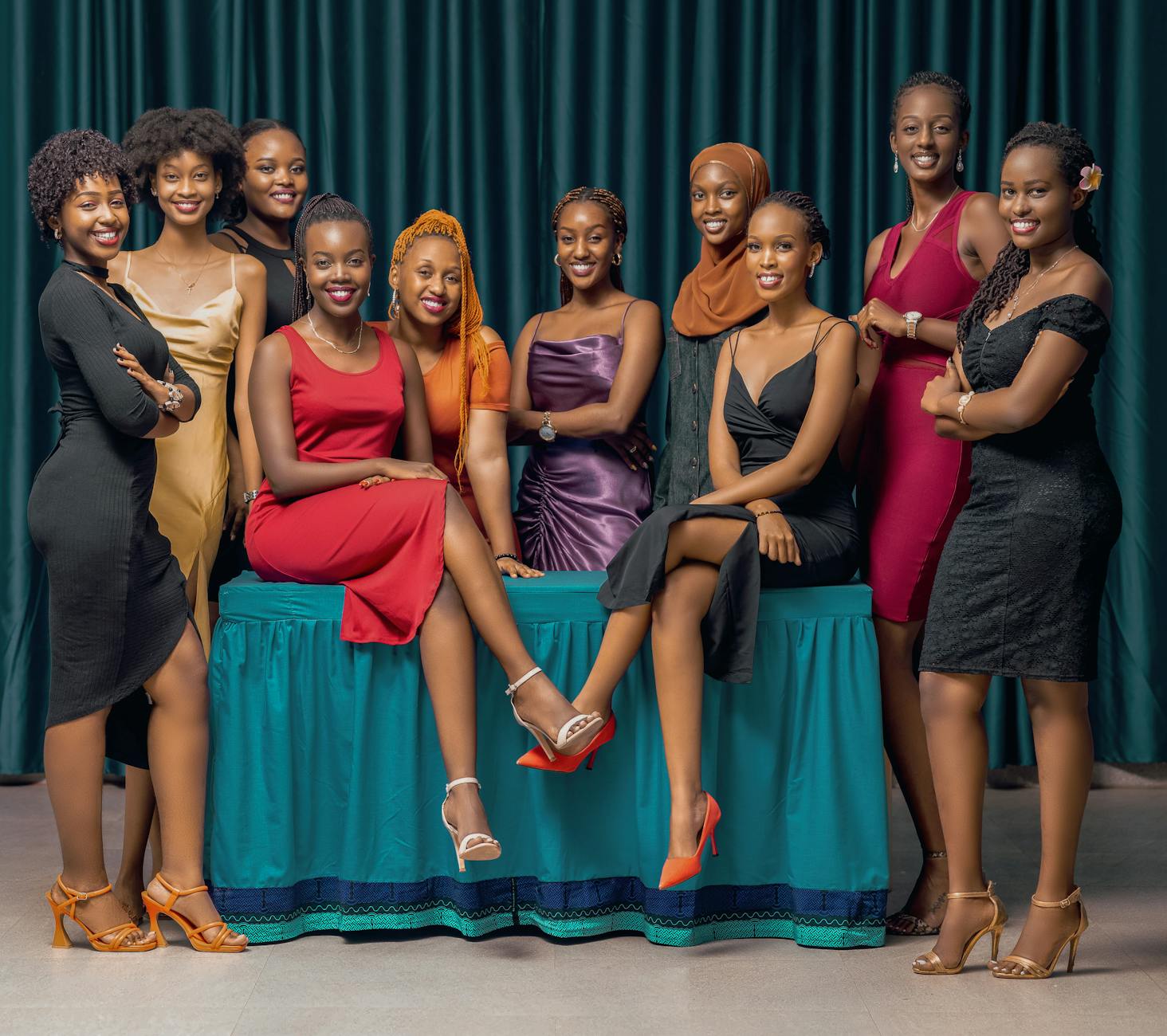
Photo by Anchau on Pexels.com

Shade is more than a color on the spectrum of skin—it is a lived experience that shapes identity, opportunity, and self-worth. For the brown girl, navigating her journey often means negotiating the psychological weight of how her shade is read by the world. Colorism, both within and outside of the Black community, functions as a hierarchy of value, where lighter shades are privileged and darker shades are dismissed or devalued (Hunter, 2007). This creates a paradox of belonging: the brown girl is simultaneously celebrated for her uniqueness yet pressured to alter or deny her shade to gain acceptance.

Psychologically, this manifests in what scholars call internalized colorism, where individuals measure their self-worth against Eurocentric standards of beauty and success (Keith & Herring, 1991). Brown girls may wrestle with questions of desirability—Am I too dark to be beautiful? Too brown to be chosen?—echoing wounds that stem from centuries of colonial trauma. Such questions erode self-esteem, linking complexion to perceived social status and opportunity. This is evident in studies showing that darker-skinned women often earn less, face higher discrimination in dating markets, and experience greater stigmatization in professional spaces (Hersch, 2008).

Yet, the psychology of shade is not solely one of burden. It is also one of resilience. Brown girls develop what psychologists call racial socialization—strategies passed down through family and community that affirm their identity, instill cultural pride, and resist internalized oppression (Hughes et al., 2006). For example, Black mothers often teach their daughters affirmations of melanin beauty, linking shade to cultural strength and divine uniqueness. This nurtures resilience, allowing brown girls to push back against narratives of inferiority.

Faith also plays a crucial role in shaping the psychology of shade. The biblical reminder that “I am fearfully and wonderfully made” (Psalm 139:14, KJV) serves as a spiritual antidote to colorist lies. In the Song of Solomon, the Shulamite woman boldly declares, “I am black, but comely” (Song of Solomon 1:5, KJV), a verse that directly challenges the stigma attached to darker complexion. By rooting self-worth in divine creation rather than societal validation, the brown girl journey becomes one of liberation rather than limitation.

Media representation also influences the psychology of shade. Historically, darker-skinned women were cast in roles that reinforced stereotypes of servitude, aggression, or invisibility. Today, increasing visibility of brown-skinned actresses, models, and influencers signals a shift in cultural narratives. When Lupita Nyong’o won an Academy Award, she used her platform to speak directly to young girls with darker skin, affirming their beauty and worth. Such moments have a profound psychological impact, expanding the mirror of possibility for future generations.

Still, the scars of colorism persist. In global contexts, from South Asia to Latin America, skin-lightening creams remain billion-dollar industries (Tate, 2016), underscoring how shade continues to dictate perceived value. For the brown girl, resisting this global obsession with lightness is a radical act of self-love. It is choosing to see her shade not as a deficit but as a divine inheritance.

Ultimately, the psychology of shade reveals both the wounds and the wisdom of the brown girl journey. The struggle with self-worth is real, shaped by centuries of systemic bias. Yet, through faith, cultural pride, and resistance, brown girls transform shade from a site of shame into a source of strength. In embracing her skin, the brown girl affirms not only herself but also generations before her who were told to hide their brilliance.

Her journey declares that shade is not something to overcome but something to honor. The psychology of shade, therefore, becomes a psychology of sovereignty—choosing to define beauty, worth, and identity on her own terms.


References

  • Hersch, J. (2008). Profiling the new immigrant worker: The effects of skin color and height. Journal of Labor Economics, 26(2), 345–386.
  • Hughes, D., Rodriguez, J., Smith, E. P., Johnson, D. J., Stevenson, H. C., & Spicer, P. (2006). Parents’ ethnic-racial socialization practices: A review of research and directions for future study. Developmental Psychology, 42(5), 747–770.
  • Hunter, M. (2007). The persistent problem of colorism: Skin tone, status, and inequality. Sociology Compass, 1(1), 237–254.
  • Keith, V. M., & Herring, C. (1991). Skin tone and stratification in the Black community. American Journal of Sociology, 97(3), 760–778.
  • Tate, S. (2016). Skin Bleaching in Black and Brown Communities: Connected to Colorism and Colonialism. Palgrave Macmillan.
  • The Holy Bible, King James Version.

Colorism and Beauty Hierarchies: Skin Tone as a Social Currency.

Photo by Jonatan Galvis on Pexels.com

Colorism—the preferential treatment of lighter-skinned individuals over those with darker complexions—represents one of the most enduring legacies of colonialism, slavery, and global white supremacy. Unlike racism, which is discrimination across races, colorism functions within racial and ethnic groups, ranking people based on proximity to whiteness. Beauty becomes the battleground where skin tone acts as a form of social currency, shaping opportunities, desirability, and identity. The title Colorism and Beauty Hierarchies: Skin Tone as a Social Currency underscores how complexion functions not merely as aesthetic variation but as a deeply entrenched system of value that structures societies worldwide.

Understanding “Beauty Hierarchies”

A hierarchy implies an order—some features are placed above others, with privilege and prestige awarded to those who align most closely with the dominant ideal. Within communities of African, Latin American, Asian, and South Asian descent, this hierarchy is evident in the differential treatment of light- and dark-skinned individuals. These beauty hierarchies operate silently yet powerfully, dictating access to media representation, romantic desirability, economic mobility, and even political leadership.

The Social Currency of Skin Tone

The concept of “social currency” refers to intangible assets—respect, desirability, access, and visibility—that an individual gains through certain traits. In societies shaped by colonialism, light skin is often equated with refinement, education, and beauty, while darker skin is stigmatized as less desirable, less intelligent, or even “dangerous” (Hunter, 2007). Thus, complexion is not neutral—it functions as a form of symbolic capital that either opens or restricts doors.

Hierarchies of Skin Tone

Light Skin Privilege

  • Media Representation: Light-skinned women are often cast as the romantic lead or beauty ideal, while dark-skinned women are portrayed as side characters or villains.
  • Perceived Femininity: Light skin is associated with “delicacy” and “purity,” especially in patriarchal cultures.
  • Marriage Prospects: Studies show lighter-skinned women are often considered more “marriageable” due to cultural perceptions linking them to higher social status.
  • Economic Advantage: Lighter-skinned individuals within the same racial group statistically earn more than their darker counterparts (Keith & Herring, 1991).
  • Global Beauty Market: Billions are spent on skin-lightening creams in Africa, Asia, and the Caribbean, reflecting how light skin is commodified as a marker of beauty and advancement.

Medium/Brown Skin

  • Conditional Acceptance: Medium-toned individuals may experience partial privilege depending on cultural context. In some communities, they are “acceptable” if their features lean toward Eurocentric ideals (narrow noses, straighter hair).
  • In-Between Status: They may face pressure to either “pass” as lighter through cosmetic means or defend their proximity to darker identities.
  • Representation: Often celebrated as “exotic” or “ambiguous” in media, commodified for their perceived versatility.

Dark Skin Marginalization

  • Stereotyping: Dark-skinned women are often cast as aggressive, hypersexual, or undesirable in media and social narratives (Wilder, 2015).
  • Romantic Disadvantage: Dark-skinned women report lower rates of being approached for serious relationships, often fetishized rather than appreciated for their full humanity.
  • Economic Exclusion: Darker-skinned individuals face higher unemployment rates and lower wages, even when qualifications are equal.
  • Policing and Violence: Dark-skinned individuals are disproportionately criminalized, reflecting the dangerous intersection of colorism and systemic racism.
  • Psychological Toll: Internalized colorism leads to lower self-esteem, increased anxiety, and generational trauma.

Explaining the Title: “Skin Tone as a Social Currency”

The phrase skin tone as a social currency captures how complexion functions much like wealth—it can be traded, leveraged, and inherited, but it also reflects unequal distribution. Light skin operates as a form of privilege that generates unearned benefits, while dark skin becomes a social “debt” that individuals must constantly negotiate. Unlike financial capital, however, this currency is inscribed onto the body—it cannot be easily discarded or changed. Thus, navigating society means contending with how much “value” one’s skin tone holds within a given cultural and historical context.

Global Contexts of Colorism

  • Africa & the Caribbean: Legacies of colonialism foster the association of lighter skin with elite status. Skin-lightening remains a booming industry.
  • South Asia: Bollywood and matrimonial ads explicitly valorize “fair brides,” perpetuating caste and complexion bias.
  • East Asia: In countries like China and Korea, pale skin is linked with class (indoor labor vs. outdoor labor).
  • United States: Within Black communities, the “paper bag test” historically excluded darker-skinned individuals from certain schools, jobs, and organizations.

Resistance and Reclamation

Movements such as #MelaninMagic, #BlackGirlMagic, and campaigns like “Dark Is Beautiful” in India have sought to dismantle these hierarchies by affirming the beauty of darker skin tones. Increasing representation of dark-skinned women in media—from Lupita Nyong’o to Viola Davis—signals a cultural shift, though systemic hierarchies remain.

Conclusion

Colorism and Beauty Hierarchies: Skin Tone as a Social Currency speaks to the way complexion is not just surface-level—it is a passport or barrier, a burden or advantage, depending on where one falls in the hierarchy. To dismantle these structures, societies must not only broaden beauty standards but also confront the historical systems that created skin tone hierarchies in the first place. Until then, beauty will continue to function as social currency, unequally distributed along the color line.


References

  • Hunter, M. (2007). The persistent problem of colorism: Skin tone, status, and inequality. Sociology Compass, 1(1), 237–254.
  • Keith, V. M., & Herring, C. (1991). Skin tone and stratification in the Black community. American Journal of Sociology, 97(3), 760–778.
  • Wilder, J. (2015). Color stories: Black women and colorism in the 21st century. Praeger.