Tag Archives: Relationships

The 10 Signs a Man Is Stringing You Along

When Love Is an Illusion: Recognizing and Responding to a Man Who Strings You Along

Photo by Erik Mclean on Pexels.com

Relationships flourish when mutual commitment, clarity, and respect are present (Gottman & Silver, 2015). However, some men deliberately keep women emotionally invested without offering genuine commitment—a tactic often referred to as stringing along. This behavior is both psychologically damaging and spiritually dangerous, as it breeds confusion, emotional instability, and wasted years.


10 Signs a Man Is Stringing You Along

  1. He Avoids Defining the Relationship – Months or years pass, yet he resists labels like “girlfriend” or “fiancée.”
  2. Inconsistent Communication – Some days he is attentive, other days emotionally absent without explanation.
  3. Keeps You at Arm’s Length from His Inner Life – You haven’t met his family or close friends despite significant time together.
  4. He Talks About the Future… Vaguely – He dangles promises (“someday we’ll…”) without taking concrete steps.
  5. He Prioritizes Convenience Over Commitment – He contacts you mainly when it benefits him.
  6. Lack of Effort in Building Emotional Intimacy – Conversations remain shallow or avoid important life topics.
  7. Keeps Options Open – Engages in flirtatious behavior or remains active on dating apps.
  8. Emotional Hot-and-Cold Patterns – You never feel secure because his affection fluctuates.
  9. No Progress Over Time – The relationship feels stagnant despite your effort.
  10. He Makes You Feel You’re “Asking for Too Much” – Genuine needs are framed as unreasonable demands.

Why Do Some Men String Women Along?

From a psychological standpoint, men may string women along for several reasons:

  • Fear of Commitment – Avoidance due to past trauma or desire for freedom (Levine & Heller, 2010).
  • Ego Boost – Enjoying female attention without the responsibility of a relationship.
  • Emotional Immaturity – Inability to handle the demands of partnership.
  • Backup Plan Mentality – Keeping a woman “on the hook” while exploring other options.
  • Selfishness – Prioritizing personal gratification over another person’s emotional well-being.

Biblically, this aligns with the description of double-minded men—unstable and unreliable (James 1:8, KJV).


What Kind of Man Strings You Along—and Why?

  • The Commitment-Phobic – Wants intimacy but not responsibility.
  • The Opportunist – Uses a woman’s resources, time, or body without intention to marry.
  • The Serial Dater – Thrives on novelty and avoids settling down.
  • The Insecure Man – Keeps you for validation but fears true vulnerability.

Proverbs warns against aligning with a man who “flattereth with his tongue” (Proverbs 26:28, KJV), because deceitful intentions corrupt trust.


How to Detect the Warning Signs Early

  • Observe consistency between words and actions (Matthew 7:16).
  • Pay attention to how he prioritizes you in public and private life.
  • Assess whether his plans include you beyond convenience.
  • Watch for defensiveness when discussing commitment.

What to Do if You’re Being Strung Along

  1. Clarify Your Boundaries – Define what you need and communicate it directly.
  2. Set a Time Limit – Avoid letting months or years pass without progress.
  3. Don’t Confuse Chemistry with Commitment – Emotional and physical attraction are not proof of intention.
  4. Seek Wise Counsel – Proverbs 15:22 reminds us that “without counsel purposes are disappointed.”
  5. Be Willing to Walk Away – Protect your dignity and emotional health.

5 Ways a Man Shows He Truly Wants You

  1. He Pursues You Consistently – Effort is steady, not situational.
  2. He Makes His Intentions Clear – There’s no guessing about his commitment.
  3. He Integrates You into His Life – Family, friends, and future plans.
  4. He Invests in Your Growth – Supports your goals and well-being.
  5. He Works to Resolve Conflicts – Disagreements don’t make him disappear.

How Long Should You Give a Man Before Leaving?

While timelines vary, healthy relationships typically progress toward clarity within 6–12 months (Knox & Schacht, 2016). If after a year there is no forward movement toward exclusivity or marriage, Proverbs 4:23—“Keep thy heart with all diligence”—reminds you not to squander emotional resources.


What Does the Bible Say About Men Who String Women Along?

Scripture condemns deceit, manipulation, and using others for selfish gain:

  • James 1:8 – “A double minded man is unstable in all his ways.”
  • Proverbs 26:28 – “A lying tongue hateth those that are afflicted by it.”
  • 1 Corinthians 14:33 – “For God is not the author of confusion, but of peace.”
  • Ephesians 5:25 – Men are commanded to love their wives sacrificially, not exploit them.
  • Matthew 7:16 – “Ye shall know them by their fruits.”

A man who deliberately strings a woman along is acting outside God’s design for love, which calls for honesty, covenant, and care.


References
Gottman, J., & Silver, N. (2015). The seven principles for making marriage work. Harmony Books.
Knox, D., & Schacht, C. (2016). Choices in relationships: An introduction to marriage and the family. Cengage Learning.
Levine, A., & Heller, R. (2010). Attached: The new science of adult attachment and how it can help you find—and keep—love. TarcherPerigee.


How to Be a Good and Godly Wife

A Biblical and Psychological Perspective

Photo by Agung Prakoso BayuAdi on Pexels.com

The institution of marriage is one of the earliest and most sacred covenants established by God (Genesis 2:24, KJV). The Bible’s model for a godly wife integrates reverence for the Lord, commitment to her husband, and the nurturing of the home. In contemporary psychology, these same virtues—mutual respect, emotional intelligence, and selflessness—are essential predictors of marital satisfaction and family stability (Gottman & Silver, 2015). Understanding how to live out these biblical principles with wisdom enables women to flourish in their roles as wives, mothers, and spiritual stewards of the household.


I. Biblical Foundation for a Godly Wife

Scripture outlines the qualities of a virtuous wife in detail. Proverbs 31 describes her as industrious, wise, compassionate, and devoted to her family. The apostle Paul emphasizes in Ephesians 5:22–24 (KJV) that wives should submit to their own husbands “as unto the Lord,” not as an act of inferiority, but as a reflection of divine order. Submission in biblical terms means honoring the leadership role of the husband while exercising her own God-given wisdom and gifts (Titus 2:4–5, KJV).


II. Psychological Perspective

From a psychological standpoint, marriage thrives when both partners display emotional regulation, mutual respect, and shared values (Stanley, Rhoades, & Whitton, 2010). Research on healthy relationships shows that a supportive wife fosters emotional stability in her spouse, which in turn strengthens the marital bond and provides a secure environment for children (Karney & Bradbury, 2005). Emotional intelligence—understanding and managing one’s own emotions while empathizing with others—is a key factor in being a loving and wise helpmeet (Goleman, 1995).


III. Ten Traits of a Good and Godly Wife

  1. Faithfulness – Remains loyal in heart, speech, and conduct (Proverbs 31:11, KJV).
  2. Respect for Her Husband – Honors his leadership (Ephesians 5:33, KJV).
  3. Wisdom and Discernment – Speaks with kindness and avoids foolish words (Proverbs 31:26, KJV).
  4. Diligence – Works hard to manage the home and contribute to its well-being (Proverbs 31:13, 27, KJV).
  5. Compassion – Cares for the poor and needy (Proverbs 31:20, KJV).
  6. Self-Control – Maintains godly behavior even under stress (1 Peter 3:4, KJV).
  7. Encouragement – Strengthens her husband with words of affirmation (Proverbs 12:4, KJV).
  8. Modesty – Dresses in a way that honors God and avoids immodesty (1 Timothy 2:9–10, KJV).
  9. Hospitality – Opens her home and heart to others (Hebrews 13:2, KJV).
  10. Prayerfulness – Covers her family in consistent intercession (Philippians 4:6, KJV).

IV. Behaviors to Avoid

A godly wife must guard against traits and behaviors that undermine love and respect:

  • Nagging and Quarreling (Proverbs 21:9, KJV)
  • Disrespect or Contempt (Ephesians 5:33, KJV)
  • Gossip and Slander (Proverbs 16:28, KJV)
  • Laziness (Proverbs 31:27, KJV)
  • Vanity and Pride (Proverbs 31:30, KJV)

Psychology confirms that contempt, criticism, and stonewalling are some of the most destructive patterns in marriage (Gottman & Silver, 2015).


V. Biblical Modesty and Dress

Modesty in dress is both an outward reflection of inward holiness and a safeguard against distraction or temptation. The Bible commands women to adorn themselves “in modest apparel, with shamefacedness and sobriety” (1 Timothy 2:9, KJV). Modesty is not about drabness but about self-respect, dignity, and honoring God with our appearance. Psychology supports the idea that clothing influences perception—modest dress fosters respect and communicates self-control (Adam & Galinsky, 2012).


VI. Becoming the Biblical Wife

To embody the biblical wife is to live in alignment with God’s Word, to respect her husband’s role without losing her own voice, and to cultivate an atmosphere of peace in the home. This requires daily spiritual discipline—prayer, study of Scripture, humility, and a heart set on service rather than self-promotion.


VII. Teaching Daughters to Be Godly Wives

Titus 2:3–5 (KJV) instructs older women to teach the younger women “to love their husbands, to love their children, to be discreet, chaste, keepers at home, good, obedient to their own husbands.” Mothers must model godly womanhood before their daughters, teaching:

  • The value of purity before marriage.
  • The strength found in gentleness and wisdom.
  • Skills for managing a household.
  • How to pray and read Scripture daily.

Psychologically, daughters who witness healthy marriages and loving motherly guidance are more likely to form strong, stable relationships themselves (Amato, 2000).


Conclusion

A good and godly wife is a woman who embodies biblical virtues, exercises emotional intelligence, and builds her home on a foundation of faith and love. She is not defined by cultural fads but by the eternal wisdom of God’s Word. By teaching these principles to daughters, mothers ensure that the legacy of godly womanhood is preserved for generations.


References

Adam, H., & Galinsky, A. D. (2012). Enclothed cognition. Journal of Experimental Social Psychology, 48(4), 918–925.
Amato, P. R. (2000). The consequences of divorce for adults and children. Journal of Marriage and the Family, 62(4), 1269–1287.
Goleman, D. (1995). Emotional intelligence. Bantam Books.
Gottman, J., & Silver, N. (2015). The seven principles for making marriage work. Harmony Books.
Karney, B. R., & Bradbury, T. N. (2005). Contextual influences on marriage. Current Directions in Psychological Science, 14(4), 171–174.
Stanley, S. M., Rhoades, G. K., & Whitton, S. W. (2010). Commitment: Functions, formation, and the securing of romantic attachment. Journal of Family Theory & Review, 2(4), 243–257.

Ten Signs That a Man Does Not Love You.

A Psychological and Biblical Examination

Photo by Joshua Mcknight on Pexels.com

Love is more than a verbal declaration; it is an active, continuous commitment demonstrated through actions, consistency, and sacrificial care (1 Corinthians 13:4–7, KJV). Many women remain in relationships where the profession of love is contradicted by behavior, creating emotional dissonance and spiritual harm. Understanding the signs that a man does not truly love you is essential for both psychological well-being and spiritual discernment.

1. Lack of Respect

Respect is foundational in love (Gottman & Silver, 2015). A man who belittles, mocks, or disregards your feelings is not operating from a place of genuine love. Scripture aligns with this truth, as husbands are commanded to “give honour unto the wife” (1 Peter 3:7, KJV).

2. Absence of Consistent Communication

Healthy love thrives on honest and regular communication. When a man avoids meaningful dialogue, responds with indifference, or habitually ignores your calls and messages, it indicates emotional detachment (Markman, Stanley, & Blumberg, 2010).

3. Emotional Neglect

Love involves emotional support and empathy. When a man is present physically but absent emotionally, the relationship becomes one-sided. Psychological research shows that emotional neglect erodes intimacy and increases relational dissatisfaction (Levine & Heller, 2010).

4. Self-Centeredness

If his needs, ambitions, and comfort consistently take precedence over yours, he may lack the sacrificial nature of true love. Biblical love “seeketh not her own” (1 Corinthians 13:5, KJV), implying that selflessness is non-negotiable.

5. Unwillingness to Commit

Chronic avoidance of defining the relationship or making future plans is a clear warning. Research indicates that commitment avoidance is linked to low relationship satisfaction and a higher likelihood of infidelity (Stanley, Rhoades, & Whitton, 2010).

6. Patterns of Dishonesty

A man who frequently lies or withholds information demonstrates a lack of trustworthiness. The Bible warns that “lying lips are abomination to the LORD” (Proverbs 12:22, KJV), and in relationships, dishonesty is corrosive to emotional safety.

7. Disregard for Your Well-being

When your pain, challenges, or victories are met with indifference, it reveals an absence of genuine care. Psychologically, empathy is a hallmark of love; without it, attachment becomes transactional (Neff & Karney, 2005).

8. Infidelity

Betrayal through emotional or physical affairs violates both biblical covenant (Hebrews 13:4, KJV) and the trust essential to healthy partnerships. Infidelity often signals deeper relational disengagement (Glass & Staeheli, 2003).

9. Lack of Support for Your Growth

True love fosters the other’s spiritual, emotional, and personal development. When a man discourages your dreams, mocks your goals, or undermines your growth, it reveals insecurity rather than love (Cloud & Townsend, 1992).

10. Consistent Disrespect of Boundaries

Healthy boundaries protect individuality within a relationship. A man who repeatedly violates your limits, pressures you into unwanted behavior, or disregards your consent fails to love you in a way that honors God and you (Henry, 2007).


Conclusion

Love is proven by actions, not mere words. The KJV Bible, psychology, and relationship science agree that respect, honesty, empathy, and commitment are indispensable. Recognizing the absence of these traits is not a call to bitterness but to clarity—so one may guard the heart (Proverbs 4:23, KJV) and align with relationships that mirror God’s standard of love.


References

Cloud, H., & Townsend, J. (1992). Boundaries: When to say yes, how to say no to take control of your life. Zondervan.
Glass, S. P., & Staeheli, J. (2003). Not “just friends”: Protect your relationship from infidelity and heal the trauma of betrayal. Free Press.
Gottman, J., & Silver, N. (2015). The seven principles for making marriage work. Harmony Books.
Henry, C. (2007). Boundaries in dating. Zondervan.
Levine, A., & Heller, R. (2010). Attached: The new science of adult attachment and how it can help you find – and keep – love. TarcherPerigee.
Markman, H., Stanley, S., & Blumberg, S. L. (2010). Fighting for your marriage. Jossey-Bass.
Neff, L. A., & Karney, B. R. (2005). To know you is to love you: The implications of global adoration and specific accuracy for marital relationships. Journal of Personality and Social Psychology, 88(3), 480–497.
Stanley, S. M., Rhoades, G. K., & Whitton, S. W. (2010). Commitment: Functions, formation, and the securing of romantic attachment. Journal of Family Theory & Review, 2(4), 243–257.

Dilemma: Leveling Up as a Godly Wife

Biblical Principles, Intellectual Partnership, and the Role of Support in Marriage

Photo by Pavel Danilyuk on Pexels.com

In modern discourse, the phrase “leveling up” often describes personal growth, self-improvement, and the intentional pursuit of higher standards in one’s life. While secular definitions may focus on financial status, aesthetics, or social capital, within the biblical framework, “leveling up” as a wife is rooted in character, spiritual maturity, and the ability to nurture a godly and harmonious home. Proverbs 18:22 (KJV) declares, “Whoso findeth a wife findeth a good thing, and obtaineth favour of the Lord.” This statement highlights not only the blessing of marriage but also the intrinsic value of a godly wife to her husband’s life, mission, and spiritual walk.


The Meaning of “Leveling Up” in a Biblical Marriage

“Leveling up” in the context of biblical womanhood is the intentional act of aligning one’s actions, mindset, and spirit with God’s standards for marriage. This involves spiritual growth (2 Peter 3:18), emotional maturity (Proverbs 31:25), and the cultivation of virtues such as kindness, humility, and wisdom. It is not about material perfection but about embodying the qualities that make a wife a source of stability, inspiration, and strength.


Biblical Principles of Being a Wife

The Bible presents a multi-dimensional view of the role of a wife. Key passages include:

  • Submission and Respect: “Wives, submit yourselves unto your own husbands, as unto the Lord” (Ephesians 5:22, KJV). Biblical submission is not about oppression but about honoring the divine order and supporting the husband’s leadership.
  • Helper and Partner: Genesis 2:18 identifies the wife as a “help meet,” meaning a suitable helper, complementing her husband’s mission and vision.
  • Virtue and Diligence: Proverbs 31 describes a wife who is industrious, wise, and compassionate, managing her home well and caring for her household’s needs.
  • Faithfulness: Hebrews 13:4 emphasizes marital fidelity as a covenant before God.

Practical Ways to Level Up as a Wife

  1. Listening and Communication Skills – James 1:19 advises being “swift to hear, slow to speak.” Effective listening fosters trust, minimizes conflict, and helps a wife better understand her husband’s emotional and spiritual needs.
  2. Culinary and Home Management Skills – Providing healthy, well-prepared meals (Proverbs 31:15) and maintaining a clean, peaceful home environment demonstrate care and respect for the family.
  3. Supportive Partnership – A wife’s encouragement can uplift a man in moments of doubt (Ecclesiastes 4:9–10). She helps him focus on his calling by providing stability and reassurance.
  4. Emotional and Spiritual Encouragement – Praying together and for each other strengthens the spiritual bond (1 Thessalonians 5:11).

Choosing a Husband: Beyond Looks

The Bible warns against relying solely on appearances: “Favour is deceitful, and beauty is vain: but a woman that feareth the Lord, she shall be praised” (Proverbs 31:30). Compatibility, shared faith, integrity, and a man’s commitment to God’s purpose are more important than physical attraction alone.


What Godly Men Look For

Research and biblical teaching suggest that godly men often value:

  • Spiritual maturity (Proverbs 31:10–12)
  • Trustworthiness
  • Emotional support
  • Intellectual companionship
  • Respect and admiration

The Five Love Languages in Marriage

Dr. Gary Chapman (1992) identifies five primary ways people express and receive love:

  1. Words of Affirmation
  2. Acts of Service
  3. Receiving Gifts
  4. Quality Time
  5. Physical Touch

Understanding a husband’s primary love language allows a wife to meet his emotional needs more effectively, fostering deeper intimacy and connection.


Conclusion

Leveling up as a wife means committing to personal growth, aligning with biblical values, and becoming a partner who nurtures her husband’s well-being spiritually, emotionally, and physically. Proverbs 18:22 is not merely a poetic line but a reminder that a godly wife is both a blessing and a source of divine favor. By embracing biblical principles, practical skills, and emotional intelligence, a wife can create a marriage that reflects God’s design and thrives in love and unity.


References

  • Chapman, G. (1992). The five love languages: How to express heartfelt commitment to your mate. Northfield Publishing.
  • Holy Bible, King James Version.
  • Peters, R. (2020). Marriage God’s Way: A Biblical Recipe for Healthy, Joyful Relationships. Christian Focus Publications.
  • Thomas, G. (2015). Sacred marriage: What if God designed marriage to make us holy more than to make us happy? Zondervan.

Dilemma: SUGAR DADDIES

Photo by MART PRODUCTION on Pexels.com

Sugar Daddies and Sugar Babies: The Allure, the Risks, and the Reality

In today’s digital age, the concept of “sugar dating” has become a popular—and often controversial—phenomenon. Sugar dating refers to a relationship dynamic where typically an older, wealthier individual (the “sugar daddy” or “sugar mommy”) provides financial or material support to a younger partner (the “sugar baby”) in exchange for companionship, intimacy, or a romantic relationship.

What Is a Sugar Daddy?

A sugar daddy is usually a financially well-off man, often in his 40s or older, who seeks a relationship with a younger woman or man. His goals may vary—from mentorship and companionship to intimacy and emotional connection. Unlike traditional dating, sugar daddies tend to be upfront about the transactional nature of the relationship.

Common Characteristics:

  • Typically aged 40 to 65+
  • Financially stable or wealthy
  • May be divorced, widowed, or single
  • Often busy professionals (executives, business owners)
  • Seeking companionship without the emotional demands of traditional relationships

What Is a Sugar Baby?

A sugar baby is usually a younger woman or man, often in their late teens to mid-20s, although some are older. They seek relationships that offer financial support, mentorship, or a lavish lifestyle in exchange for time, attention, and sometimes affection.

Common Characteristics:

  • Aged 18–26 on average, though can be older
  • Students or early-career professionals
  • Looking for financial help with tuition, bills, or lifestyle upgrades
  • Attracted to older, more experienced partners
  • Varying motivations: some seek stability, others luxury or emotional security

Popular Sugar Daddy/Sugar Baby Websites

Sugar dating platforms connect sugar daddies with sugar babies. Some of the most well-known include:

  • Seeking.com (formerly SeekingArrangement) – One of the largest and most recognized
  • SugarDaddyMeet.com – Focuses on older men and younger women
  • What’s Your Price – Offers upfront negotiation for dates
  • MissTravel.com – Combines travel with sugar dating
  • RichMeetBeautiful – Popular in Europe for elite sugar dating

These platforms require users to create detailed profiles, and many offer verification services to prevent scams and improve safety.

The Appeal in a Struggling Economy

I know a lot of women who have found themselves a sugar daddy in today’s economy due to a lack of money, stable income, or access to resources. For some, the idea of being supported by a wealthy man seems far more manageable than juggling multiple jobs or struggling through financial hardship. Some have said that sugaring is a pleasure—a way to live comfortably, enjoy luxury experiences, and maintain independence while being pampered.

However, others speak of the pitfalls and dangers. Not every sugar arrangement is glamorous. Some women have faced emotional manipulation, exploitation, or had their safety compromised when boundaries were not respected. It’s a world that demands thick skin, emotional intelligence, and constant awareness of red flags.

Pros of Sugar Dating

For Sugar Daddies:

  • Companionship without traditional commitments
  • Opportunity to mentor and provide support
  • Flexibility in relationship dynamics

For Sugar Babies:

  • Financial assistance (tuition, rent, luxury items)
  • Exposure to elite social circles
  • Mentorship and life guidance
  • Freedom to set boundaries and terms

Cons and Dangers

Emotional Risks:

  • Unequal power dynamics can lead to exploitation
  • Sugar babies may develop feelings that aren’t reciprocated
  • Sugar daddies may feel used if affection isn’t genuine

Legal & Ethical Concerns:

  • Blurry line between sugar dating and prostitution in some cases
  • Age-gap relationships may invite social judgment or familial conflict
  • Some arrangements may violate laws depending on local jurisdiction

Safety Risks:

  • Scams are common—especially financial fraud and identity theft
  • Emotional abuse or coercion if boundaries aren’t respected
  • Physical safety risks if proper vetting and precautions aren’t taken

Many sites urge users to meet in public, avoid sending money upfront, and keep personal information private until trust is established.

What Do Sugar Daddies Look For?

  • Discretion and confidentiality
  • Physical attraction and youth
  • Emotional maturity and communication
  • Flexibility and companionship
  • Clear expectations – honesty about desires and limits

What Do Sugar Babies Look For?

  • Financial support
  • Stability and mentorship
  • Safety and respect
  • Generosity and consistency
  • Mutual understanding of relationship terms

Final Thoughts

Sugar dating is not inherently wrong or illegal, but it walks a fine ethical line that depends on consent, honesty, and mutual benefit. While it can offer rewards—financial, emotional, or experiential—it also carries significant risks. Whether someone is considering becoming a sugar daddy or sugar baby, it’s important to approach these relationships with transparency, caution, and realistic expectations.

In today’s economy, it’s easy to understand why some women (and men) turn to sugar dating. For a few, it’s empowering and even enjoyable. For others, it’s a dangerous path that can come with emotional or physical cost. Like any relationship, it’s essential to be informed, stay safe, and never compromise your values or well-being.


References:

  1. Wade, L. (2019). American Hookup: The New Culture of Sex on Campus. W. W. Norton & Company.
  2. Motyl, M. (2022). “The Psychology Behind Sugar Dating.” Psychology Today.
  3. Seeking.com. (2024). “About Us.” https://www.seeking.com
  4. Weitzer, R. (2015). “The Social Construction of Sex Trafficking.” Annual Review of Sociology, 41, 223-239.
  5. Smith, C. (2023). “Inside the World of Sugar Dating.” Vice News

Dilemma: Narcissism

Recognizing, Surviving, and Healing from Toxic Relationships

Photo by Markus Winkler on Pexels.com

What Is Narcissism?

Narcissism is a personality trait characterized by an inflated sense of self-importance, a deep need for admiration, and a lack of empathy for others. In more extreme cases, it may be classified as Narcissistic Personality Disorder (NPD)—a diagnosable mental health condition described in the DSM-5 (Diagnostic and Statistical Manual of Mental Disorders).

There are different types of narcissism, including:

  • Grandiose Narcissism: Arrogant, dominant, and attention-seeking. These individuals often believe they are superior.
  • Vulnerable (Covert) Narcissism: Appears shy or sensitive but is still deeply self-absorbed and manipulative in subtle ways.
  • Malignant Narcissism: Includes features of antisocial behavior, manipulation, aggression, and sometimes sadism.

Living with a Narcissistic Relative: The Deep Hurt

Having a narcissistic parent, sibling, or other close relative can cause long-term emotional trauma. You may have experienced:

  • Constant invalidation of your feelings
  • Being blamed for things that weren’t your fault
  • Walking on eggshells to avoid triggering their rage or withdrawal
  • Confusion and self-doubt from years of manipulation and gaslighting
  • A lack of emotional support, especially during times of need

Narcissistic relatives often see others—especially family—not as individuals but as extensions of themselves, meant to serve their emotional needs, status, or control.


Key Tactics Narcissists Use

Gaslighting

Gaslighting is a psychological manipulation tactic where the narcissist denies reality to make you question your memory, perception, or sanity.

Example: “That never happened, you’re just too sensitive.”

Deflection & Blame-Shifting

When confronted, narcissists rarely take accountability. They’ll blame others, bring up unrelated issues, or play the victim.

Shame & Guilt

Narcissists use shame to keep control. You might feel guilty for setting boundaries or expressing your needs.

Flying Monkeys

“Flying monkeys” are people (often family or friends) manipulated by the narcissist to do their bidding. They may pressure you to reconcile, doubt your truth, or deliver the narcissist’s messages.

Love-Bombing and Devaluation

At first, narcissists may idealize you—praise, charm, and love-bomb. But when you no longer serve their ego, you are devalued—criticized, ignored, or discarded.


Warning Signs of Narcissism

  • Excessive need for admiration
  • Sense of entitlement
  • Lack of empathy
  • Superiority complex
  • Envious of others, or belief others envy them
  • Manipulative or controlling behavior
  • Gaslighting or distorting facts
  • Poor boundaries and disregard for your autonomy
  • Plays victim while being the aggressor

Initial signs in new relationships may include:

  • Intense flattery early on (“You’re the only one who gets me.”)
  • Quick attempts to become emotionally or physically close
  • Disregard for your boundaries under the guise of love or urgency
  • Subtle digs masked as “jokes”

Do Narcissistic Relationships Last?

Typically, no—at least not in a healthy way. Narcissistic relationships often follow a cycle of idealization, devaluation, and discard. Even if they “last,” they are usually draining, unstable, and emotionally abusive.

A narcissist struggles with true emotional intimacy, accountability, or compromise—essentials of any lasting relationship.


Breaking Free from a Narcissist

  1. Acknowledge the truth – Stop minimizing or excusing their behavior. Abuse doesn’t need to be physical to be real.
  2. Set and enforce boundaries – Be firm, even if they retaliate or play victim.
  3. Limit or cut contact – Especially if the relationship is consistently abusive. “No contact” may be necessary for healing.
  4. Don’t engage in power struggles – Narcissists thrive on conflict. Starve the cycle.
  5. Seek therapy or support – Validation and guidance are vital to unlearning the shame they instilled.
  6. Educate yourself – Knowledge is power. Understanding narcissism helps you detach emotionally.
  7. Find your voice again – Reconnect with your needs, dreams, and identity outside the narcissist’s control.

Biblical Perspective: A Warning Against Narcissism

The Bible addresses pride and self-exaltation multiple times.

Romans 12:3 (KJV):
“For I say, through the grace given unto me, to every man that is among you, not to think of himself more highly than he ought to think; but to think soberly, according as God hath dealt to every man the measure of faith.”

This verse directly speaks to the narcissistic mindset—exalting oneself over others. Scripture emphasizes humility, empathy, and servant leadership—values narcissists often reject.

Also, in 2 Timothy 3:2-5 (KJV):

“For men shall be lovers of their own selves, covetous, boasters, proud… Having a form of godliness, but denying the power thereof: from such turn away.”

This passage warns of people with traits closely resembling narcissists and instructs us to distance ourselves from them.


The Path to Healing

Healing from narcissistic abuse is not instant—it is a process of grieving, rebuilding, and rediscovering your worth. You may need to rewire your beliefs around love, trust, and identity. But know this:

  • You are not crazy.
  • You are not too sensitive.
  • You were manipulated, not loved.
  • You deserve peace.

Further Resources & References

  • American Psychiatric Association. (2013). Diagnostic and Statistical Manual of Mental Disorders (DSM-5)
  • Dr. Ramani Durvasula – Clinical psychologist and expert on narcissistic abuse
  • Brown, N. (2008). Children of the Self-Absorbed: A Grown-Up’s Guide to Getting Over Narcissistic Parents
  • Herman, J. L. (1997). Trauma and Recovery
  • KJV Bible: Romans 12:3, 2 Timothy 3:2-5

Would you like this article formatted as a handout, self-help guide, or for a support group resource? I can adapt it however you need.

You said:

references

ChatGPT said:

Here are the full references used or cited in the article on narcissism, including clinical sources, books, scripture, and expert commentary:


📘 Psychological and Clinical Sources

  1. American Psychiatric Association. (2013). Diagnostic and Statistical Manual of Mental Disorders (5th ed.; DSM-5). Washington, DC: American Psychiatric Publishing.
    • Source for the clinical definition of Narcissistic Personality Disorder (NPD).
  2. Dion, K. K., Berscheid, E., & Walster, E. (1972). What is beautiful is good.Journal of Personality and Social Psychology, 24(3), 285–290.
    • Cited for the “halo effect,” which contributes to the perception of attractive or charming narcissists.
  3. Herman, J. L. (1997). Trauma and Recovery: The Aftermath of Violence—From Domestic Abuse to Political Terror. Basic Books.
    • A foundational text on the trauma survivors face, including those in abusive relationships.
  4. Brown, N. (2008). Children of the Self-Absorbed: A Grown-Up’s Guide to Getting Over Narcissistic Parents (2nd ed.). New Harbinger Publications.
    • A practical guide for adult children of narcissists to heal and set boundaries.
  5. Durvasula, R. (2019). Don’t You Know Who I Am?: How to Stay Sane in an Era of Narcissism, Entitlement, and Incivility. Post Hill Press.
    • Dr. Ramani Durvasula is a prominent clinical psychologist and narcissism expert.

📖 Biblical Scripture (King James Version)

  1. Romans 12:3 (KJV):
    “For I say, through the grace given unto me, to every man that is among you, not to think of himself more highly than he ought to think…”
  2. 2 Timothy 3:2-5 (KJV):
    “For men shall be lovers of their own selves, covetous, boasters, proud… Having a form of godliness, but denying the power thereof: from such turn away.”
    • Both verses are frequently cited in Christian counseling on pride, self-exaltation, and toxic relationships.

🧠 Additional Educational/Popular Resources

  1. Malkin, C. (2015). Rethinking Narcissism: The Secret to Recognizing and Coping with Narcissists. HarperWave.
    • Explores the narcissism spectrum and how to recognize harmful patterns early.
  2. Karyl McBride, Ph.D. (2008). Will I Ever Be Good Enough? Healing the Daughters of Narcissistic Mothers. Atria Books.
    • A well-known resource for understanding narcissistic family dynamics and mother-daughter trauma.
  3. Websites & Articles:

The Marriage Series: The Sacred Roles of Husband and Wife.

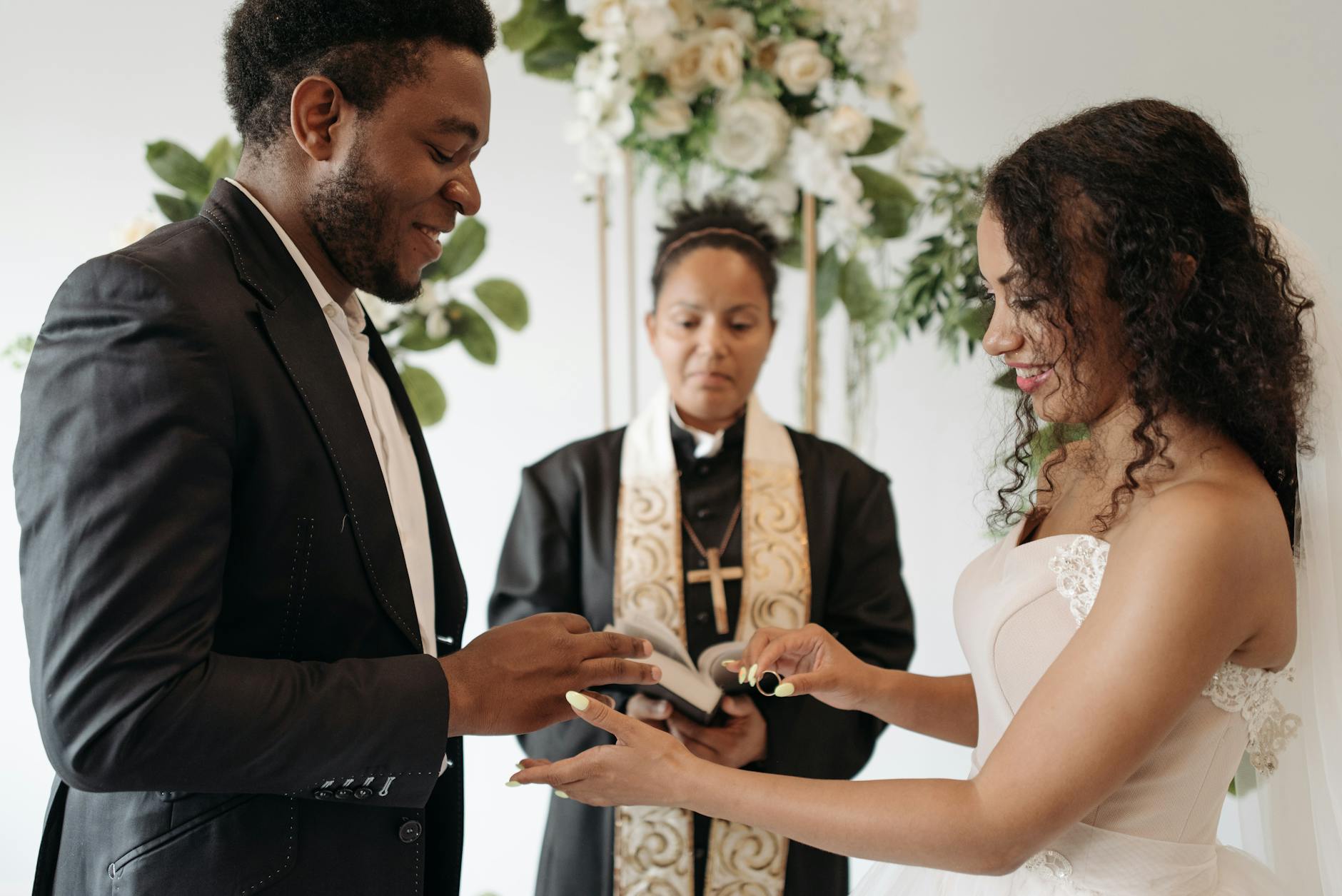
Photo by Aj Collins Artistry on Pexels.com


The Sacred Role of a Husband: A Biblical Perspective

A Husband is the head and the foundation of the family, he ungirds the family. 

Marriage, as designed by the Most High, is a sacred covenant modeled after the divine relationship between Christ and His Church. Within this spiritual union, the husband bears a significant role—one of leadership, love, provision, and spiritual guidance. According to the Apostle Paul, “For the husband is the head of the wife, even as Christ is the head of the church: and He is the savior of the body” (Ephesians 5:23, KJV). This headship, however, is not a position of domination, but of sacrificial leadership—rooted in love, service, and humility.

Headship and Leadership

The concept of male headship is reaffirmed in Paul’s epistle to the Corinthians: “But I would have you know, that the head of every man is Christ; and the head of the woman is the man; and the head of Christ is God” (1 Corinthians 11:3, KJV). Here, divine order is established, not to elevate man in pride, but to empower him in responsibility. The role of the husband is not to control, abuse, or neglect his wife, but to guide her spiritually and emotionally. As Dr. Peters notes, the Most High places the spiritual weight of the home upon the shoulders of the man, calling him to be priest, provider, and protector—not an authoritarian figure, but a servant-leader modeled after Christ (Peters, 2023).

Loving as Christ Loves

The command for husbands to love their wives is not optional—it is foundational. “Husbands, love your wives, even as Christ also loved the church, and gave himself for it” (Ephesians 5:25, KJV). This is not mere affection but a love that sanctifies, edifies, and protects. As Christ sacrificed Himself to present the Church “without spot, or wrinkle,” so too must a husband nurture his wife in holiness and honor (Ephesians 5:26-27). Loving one’s wife as one’s own body means nourishing her emotionally, spiritually, and physically (Ephesians 5:28-29).

Dr. Peters stresses that a godly husband affirms his wife continually, seeks to meet her unspoken needs, and washes her with the Word of God—just as Christ did for His disciples (John 13:4-5). Through acts of service, listening, prayer, and biblical instruction, a husband builds up the heart and soul of his wife, fulfilling his divine duty.

The Biblical Blueprint of a Husband

To walk in divine alignment, a godly husband must embody six core principles:

  1. Leadership (Priesthood of the Home): Initiating spiritual guidance, prayer, and biblical instruction (Deuteronomy 6:6-7).

  2. Provision: Financial responsibility rests on the husband, as Scripture states: “If any provide not for his own… he hath denied the faith, and is worse than an infidel” (1 Timothy 5:8, KJV).

  3. Discipline and Self-Control: God placed man in Eden “to dress it and to keep it” (Genesis 2:15, KJV), symbolizing responsibility and diligence.

  4. Servanthood: True leadership imitates Christ’s humility. “He that is greatest among you shall be your servant” (Matthew 23:11, KJV).

  5. Spiritual Instruction: Teaching one’s wife and children the commandments and ways of the Most High (Proverbs 22:6).

  6. Emotional and Physical Protection: “Giving honor unto the wife, as unto the weaker vessel… that your prayers be not hindered” (1 Peter 3:7, KJV).

A Godly Legacy

A man is called to leave behind a righteous inheritance—not merely in material wealth, but in spiritual impact. “A good man leaveth an inheritance to his children’s children” (Proverbs 13:22, KJV). Prioritizing the wife over all other human relationships reflects the command to “leave his father and his mother, and shall cleave unto his wife: and they shall be one flesh” (Genesis 2:24, KJV). In so doing, the husband models Christ’s commitment and becomes the cornerstone of generational blessings.

Furthermore, as fathers, men are instructed to raise their children in “the nurture and admonition of the Lord” (Ephesians 6:4, KJV), avoiding harshness but promoting spiritual growth (Colossians 3:21).

Conclusion: A Reflection of Divine Love

To be a godly husband is to be a reflection of divine love on earth. It means to “accommodate your life to the life of the gift God has given you—your wife,” as Dr. Peters wisely expresses. At the judgment seat of Christ, may husbands be found faithful—having led, loved, and served their families with holiness and humility. Let every husband declare as Adam did, “This is now bone of my bones, and flesh of my flesh” (Genesis 2:23, KJV), acknowledging his wife not as property, but as a partner in purpose and faith.


The Role of a Godly Wife: A Biblical Blueprint

A godly wife is one who fears the Lord, seeking His will over the approval of others. Proverbs 31:30 declares, “Favour is deceitful, and beauty is vain: but a woman that feareth the Lord, she shall be praised.” Her reverence for the Most High compels her to walk in wisdom, avoiding decisions that compromise her future purpose in God’s plan. Her day begins with prayer and often fasting, aligning herself with the will of the Most High. Her body is a temple of the Holy Spirit (1 Corinthians 6:19-20), and she lives with the awareness that she was bought with a price. Therefore, she honors the Lord in her conduct, speech, and motives.

Luke 12:31 reminds her to “seek ye the kingdom of God; and all these things shall be added unto you.” She is a woman who understands order and calls her husband “lord” as Sarah did, showing reverence and respect (1 Peter 3:6). When her husband is faithful, provides, and protects, she understands she is blessed and expresses gratitude, knowing that such a man is rare and highly favored. A virtuous woman is a crown to her husband (Proverbs 12:4) and contributes to a peaceful and joyful home.

The Help Meet

Genesis 2:18 states, “And the Lord God said, It is not good that the man should be alone; I will make him a help meet for him.” The wife is not a background character; she is central to God’s plan, made to complete her husband. When she sees areas of weakness in him, she steps in as the helper God designed her to be. If her husband falls short, her role is to uplift and assist him—not to criticize, but to build. This is the divine assignment of a help-meet.

Submission to Her Husband

Ephesians 5:22-23 commands, “Wives, submit yourselves unto your own husbands, as unto the Lord. For the husband is the head of the wife.” Submission is not agreement on every issue, but recognition of her husband’s divine position. She submits as unto the Lord, understanding that obedience to God includes reverencing her husband (Ephesians 5:33). This posture of submission brings harmony, ensuring that her prayers are not hindered and her home functions according to God’s design.

Attributes of a Virtuous Wife

A virtuous wife does good to her husband all the days of her life (Proverbs 31:12). She supports his ministry, prays with him, anoints him, and speaks life over him. She never belittles or embarrasses him but treats him with the dignity due to a fellow heir of the Kingdom. Her compliments uplift his spirit: “You are a mighty man of valor,” “my provider,” “my king.” Her praise, like incense, builds him up and encourages godly confidence.

Modesty and Appearance

1 Timothy 2:9 instructs women to “adorn themselves in modest apparel.” Her clothing and demeanor reflect a meek and quiet spirit, which is of great value in God’s eyes (1 Peter 3:4). She dresses for her husband and not the world, maintaining her physical health and cleanliness. Her modesty is not repression, but reverence—honoring God and her spouse.

Housekeeping and Hospitality

The home is a reflection of her stewardship. “Godliness is next to cleanliness,” and her diligence in keeping the house in order shows respect for her husband’s labor. A clean home fosters peace, and she prioritizes this as an act of love and honor.

Parenting

Titus 2:4-5 and 1 Timothy 5:14 instruct wives to love their husbands and children, be keepers at home, and guide the household. She is deeply involved in raising the next generation, not outsourcing this duty to others. She supports her husband in parenting, contributing to a godly legacy.

Feeding the Household

Proverbs 31:15 shows that a virtuous wife “giveth meat to her household.” She learns to cook and provides meals with love and diligence. Her commitment extends to ensuring her family is nourished, not only physically but spiritually.

Conclusion

There is no perfect marriage, but when both spouses fulfill their divine roles, the Most High brings increase. A godly wife is a powerful force in her husband’s life and in her home. She fasts, prays, submits, and nurtures with grace. She exemplifies biblical womanhood and stands as a beacon of holiness, love, and wisdom to the world.

References

King James Bible. (n.d.). Authorized King James Version. Retrieved from https://www.kingjamesbibleonline.org/