
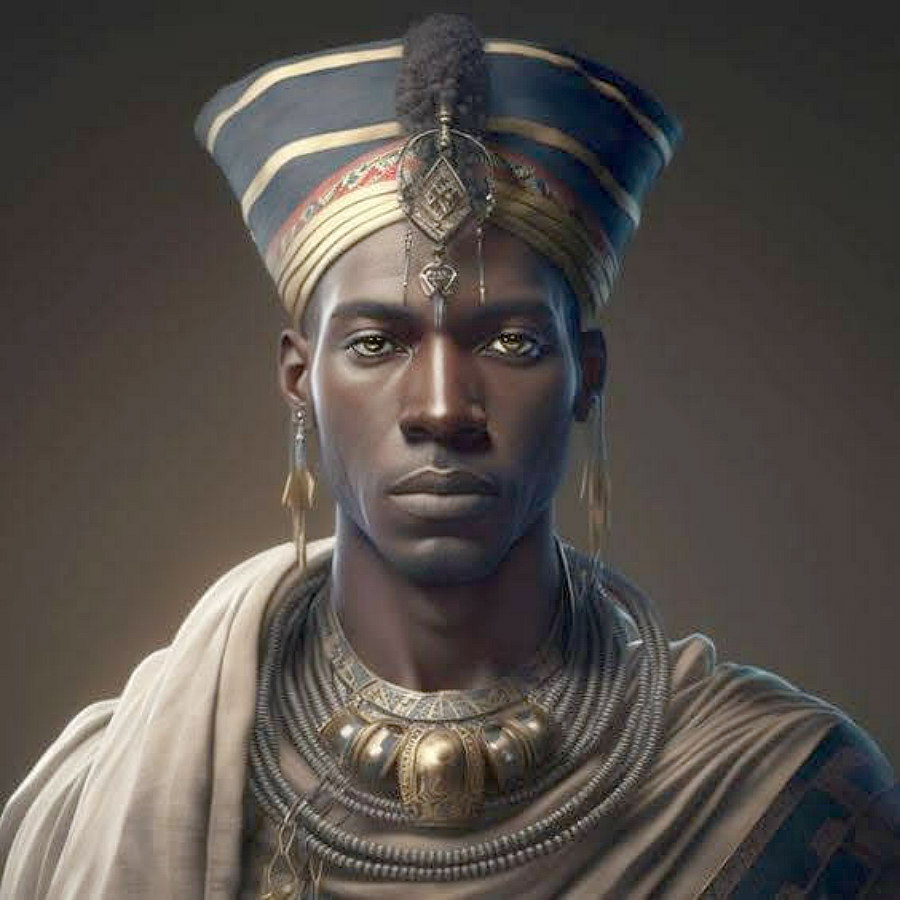
The story of the Black man is one of survival, resilience, and divine purpose. From the chains of slavery to the invisible shackles of systemic oppression, the Black man has endured psychological, spiritual, and social warfare. Yet in every generation, there emerges a call to rebirth—to heal from the inherited trauma passed down through centuries. This rebirth is not merely physical but spiritual, emotional, and cultural. It requires the Black man to reclaim his true identity, rediscover his divine masculinity, and restore the legacy of strength that has been systematically stripped away.
Generational trauma among Black men stems from centuries of enslavement, displacement, and dehumanization. The transatlantic slave trade did not just destroy bodies; it fractured families, identities, and cultural memory. Enslaved men were often stripped of their role as protectors and providers, forced to watch their loved ones suffer without the power to intervene. This historical trauma became embedded in the collective consciousness of the Black community, influencing patterns of behavior, emotional detachment, and broken family structures.
In the modern era, this trauma manifests in new forms—mass incarceration, police brutality, economic disparity, and media misrepresentation. These conditions reinforce the false narrative of the Black man as inherently dangerous, irresponsible, or unworthy of love. Healing begins when the Black man recognizes that his worth was never defined by the systems that oppressed him. Instead, his identity must be rooted in divine truth, self-knowledge, and ancestral strength.
Biblically, the process of healing mirrors spiritual rebirth. Romans 12:2 (KJV) declares, “And be not conformed to this world: but be ye transformed by the renewing of your mind.” The renewing of the mind is essential to break the mental chains of generational trauma. The Black man must unlearn the lies told by colonizers and rediscover his God-given identity as a king, priest, and leader. This spiritual renewal is the foundation of liberation.
Healing also requires acknowledging pain. The Black man’s stoicism—while often seen as strength—can sometimes mask deep wounds. Society has conditioned men to suppress emotions, but healing demands vulnerability. Psalm 34:18 (KJV) reminds us, “The Lord is nigh unto them that are of a broken heart; and saveth such as be of a contrite spirit.” To heal, one must first confront the brokenness within, allowing God to mend what generational trauma has fractured.
Community plays a vital role in this rebirth. For centuries, the Black man has been isolated—pitted against his brother in competition rather than unity. The restoration of brotherhood, mentorship, and collective accountability is essential. Proverbs 27:17 (KJV) says, “Iron sharpeneth iron; so a man sharpeneth the countenance of his friend.” Through unity, the Black man can rebuild his foundation, support his family, and pass down a legacy of wisdom rather than pain.
Fatherhood also represents a cornerstone of healing. When a man steps into his divine role as a father, he reverses generational curses. He becomes the protector and spiritual guide that slavery once denied him the right to be. The presence of strong fathers in the home strengthens the next generation, teaching sons discipline, identity, and love—while showing daughters their worth through example.
Economically, the rebirth of the Black man involves financial literacy and ownership. Generational trauma was perpetuated by economic disenfranchisement, yet modern empowerment comes through education, entrepreneurship, and cooperative economics. Proverbs 13:22 (KJV) states, “A good man leaveth an inheritance to his children’s children.” The rebuilding of wealth is not just about money but about reclaiming legacy, land, and sovereignty.
Emotionally, the healing process involves forgiveness—both of self and others. Centuries of oppression have fostered resentment and internalized anger, yet freedom cannot coexist with bitterness. Forgiveness does not mean forgetting history; it means freeing the heart from the weight of vengeance. True kings operate in wisdom and peace, not rage.
Spiritually, the rebirth calls the Black man back to the Most High. Deuteronomy 30:3 (KJV) promises restoration for the children of Israel when they return to God: “Then the Lord thy God will turn thy captivity, and have compassion upon thee.” The Black man’s healing is tied to his reconnection with divine purpose. As he returns to spiritual alignment, he becomes a vessel of generational restoration.
The journey of healing is not linear—it is a continual process of rediscovery. It involves studying history, embracing African and Hebraic roots, and understanding that the suffering of the past was not in vain. Every scar tells a story of survival; every triumph, a testament to divine favor. The rebirth is about transforming pain into power and oppression into opportunity.
The rebirth of the Black man also challenges societal expectations. No longer defined by stereotypes, he emerges as an intellectual, artist, father, and leader. He embraces balance—strength and sensitivity, authority and compassion. His success is not measured by material gain but by spiritual fulfillment and communal impact.
Healing from generational trauma also requires dismantling toxic masculinity. True manhood is not domination but stewardship. It is the ability to lead with love, discipline with wisdom, and protect without pride. The reborn Black man embodies humility, confidence, and spiritual discernment.
Within relationships, healing fosters healthy love. Many Black men were denied examples of nurturing relationships, resulting in mistrust or emotional distance. Through prayer, counseling, and divine guidance, love becomes redemptive rather than destructive. Ephesians 5:25 (KJV) commands, “Husbands, love your wives, even as Christ also loved the church.” This kind of love heals both partners and the family structure as a whole.
The rebirth also restores cultural pride. For too long, the image of the Black man was distorted by colonizers who feared his power. To heal, he must study his lineage—kings, prophets, warriors, and scholars who shaped civilizations. Knowing his history ignites confidence and restores dignity. Knowledge of self is the highest form of liberation.
This movement toward healing transcends individuals; it is collective. The Black community must create safe spaces where men can speak, weep, and grow without judgment. Churches, schools, and organizations must prioritize mental health, mentorship, and fatherhood programs. Healing the Black man heals the nation.
Ultimately, the rebirth of the Black man is divine prophecy unfolding. Isaiah 61:3 (KJV) speaks of those who will be given “beauty for ashes, the oil of joy for mourning, the garment of praise for the spirit of heaviness.” The ashes of slavery, oppression, and trauma are giving birth to a generation of men walking in spiritual authority and purpose.
The rebirth is not merely survival—it is resurrection. It is the return of the divine Black man, conscious of his worth, his lineage, and his Creator. Through faith, unity, and knowledge, he rises again—stronger, wiser, and unbreakable. The chains are broken, and the curse reversed. The rebirth has begun.
References
- Holy Bible, King James Version
- DeGruy, J. (2005). Post Traumatic Slave Syndrome: America’s Legacy of Enduring Injury and Healing. Uptone Press.
- Akbar, N. (1991). Breaking the Chains of Psychological Slavery. Mind Productions.
- Kambon, K. (1998). African/Black Psychology in the American Context. Nubian Nation Publications.
- Anderson, C. (2017). PowerNomics: The National Plan to Empower Black America. PowerNomics Corporation of America.
- hooks, b. (2004). We Real Cool: Black Men and Masculinity. Routledge.
 THE BROWN GIRL DILEMMA