The twenty-eighth chapter of Deuteronomy in the King James Version (KJV) is one of the most striking passages in the Bible because of its detailed account of blessings for obedience and curses for disobedience. For centuries, many have read this chapter as a prophetic warning to ancient Israel. However, within the Black community—particularly among African Americans and the African diaspora—Deuteronomy 28 has been seen as more than distant history. Its descriptions of exile, suffering, and generational struggle resonate deeply with the legacy of slavery, systemic oppression, and the enduring trials faced by Black people today.
What Deuteronomy 28 Means (KJV Context)
Deuteronomy 28 outlines two distinct paths:
Verses 1–14 – Blessings for obedience to God’s commandments: prosperity, victory over enemies, fruitful land, and respect among nations.
Verses 15–68 – Curses for disobedience: poverty, disease, oppression, exile, enslavement, and a loss of identity.
For example:
“The LORD shall cause thee to be smitten before thine enemies… thou shalt be removed into all the kingdoms of the earth.” (Deut. 28:25, KJV) “And the LORD shall bring thee into Egypt again with ships… and there ye shall be sold unto your enemies for bondmen and bondwomen, and no man shall buy you.” (Deut. 28:68, KJV)
In biblical times, “Egypt” symbolized bondage. The reference to ships in verse 68 has been interpreted by many in the African diaspora as a prophetic mirror to the transatlantic slave trade.
How It Affects Black People Today
For many descendants of the transatlantic slave trade, Deuteronomy 28 feels eerily personal:
Loss of Homeland & Identity – The scattering of Israelites into foreign nations parallels the forced removal of Africans from their native lands, stripping away language, culture, and heritage.
Generational Oppression – The curses describe cycles of poverty and violence that continue to plague Black communities worldwide.
Cultural Disconnection – Enslavement replaced ancestral traditions with foreign religions, names, and lifestyles, creating a fractured sense of self.
This sense of displacement—spiritual, cultural, and physical—has left an imprint that still affects Black people’s self-perception, unity, and empowerment.
Is History Repeating Itself?
While the transatlantic slave trade has ended, its legacy persists in new forms:
Mass Incarceration – A modern system echoing the chains of the past.
Police Brutality – Public killings and abuse as an extension of historical racial violence.
Economic Inequality – Wealth gaps between Black communities and white counterparts remain rooted in systemic barriers from slavery and Jim Crow.
Global Displacement – Migration crises and gentrification uproot Black families from established communities.
These parallels suggest that although the methods have changed, the core patterns of oppression remain. In this sense, history is not merely repeating—it is evolving in ways that still reflect the curses described in Deuteronomy 28.
Trials and Tribulations of the Black Experience
From enslavement to present-day systemic injustice, Black people have endured:
Enslavement & Forced Labor – Centuries of physical bondage and exploitation.
Lynchings & Racial Terrorism – The use of fear to maintain racial hierarchies.
Educational Barriers – Underfunded schools and restricted access to higher learning.
Cultural Appropriation – The theft and monetization of Black creativity without proper recognition or benefit.
Health Disparities – Higher rates of preventable diseases due to unequal access to care.
These struggles align with the “yoke of iron” (Deut. 28:48) that speaks not just to physical chains, but to social, economic, and psychological oppression.
Why Are We Going Through This?
From a biblical perspective, the trials faced by Black people can be seen through the lens of covenant relationship. In the Hebrew Scriptures, disobedience to God brought consequences upon Israel. Theologically, some interpret the suffering of the African diaspora as part of a divine chastisement that calls for repentance, unity, and a return to God’s commandments.
From a historical lens, the reason lies in systemic exploitation and white supremacy, which have sought to control, divide, and profit from Black labor and culture for centuries. Both spiritual and political explanations reveal that our suffering has roots deeper than mere coincidence.
Why Did This Separate Us?
Deuteronomy 28 speaks of being “scattered among all people” (v. 64). The scattering of African peoples through slavery physically separated families and tribes. Colonialism and forced assimilation further divided communities, creating:
Fragmented Identity – Different surnames, languages, and religions within the same bloodline.
Division by Colorism – A lingering byproduct of slavery’s “divide and rule” tactics.
Cultural Amnesia – Loss of collective memory about African kingdoms, traditions, and biblical heritage.
This separation weakens unity, making it harder for Black communities to mobilize for collective liberation.
Conclusion: Prophecy and Purpose
Whether one views Deuteronomy 28 as ancient prophecy directly describing the African diaspora or as an allegorical warning, the parallels are undeniable. The chapter reads like both a historical account and a prophetic mirror reflecting the Black experience—past and present.
Yet within the same chapter lies hope: the blessings that come with obedience, unity, and spiritual restoration. If the curses came to pass, so too can the promises of restoration, prosperity, and freedom. Our history may feel like it’s repeating, but prophecy also offers the possibility of breaking the cycle.
“And the LORD thy God will turn thy captivity, and have compassion upon thee, and will return and gather thee from all the nations…” (Deut. 30:3, KJV)
The call, then, is not only to recognize the pattern but to rise above it—spiritually, culturally, and collectively—so history’s repetition ends with us.
Shadows After Sunset: The Enduring Legacy of “SUNDOWN TOWNS” in the United States
THEY STILL EXIST TODAY
In the collective American memory, racism is often geographically assigned to the Jim Crow South. Yet, beneath the surface of Northern progressivism and Midwestern hospitality lies a sinister historical truth: sundown towns—white-only communities where African Americans were prohibited from residing, working, or even being present after sunset. These towns, scattered across the U.S. from the late 19th century through the 20th century, enforced their exclusionary practices through violence, intimidation, and local ordinances. Their existence challenges the notion that racism was solely a Southern enterprise and forces a national reckoning with the institutionalization of racial segregation across the country.
The Origins and Practices of Sundown Towns
The term was popularized by sociologist James W. Loewen, whose research documented thousands of towns that historically excluded African Americans. His book Sundown Towns: A Hidden Dimension of American Racism explains that these communities used violence, restrictive covenants, and intimidation to maintain racial homogeneity well into the 20th century.
Many towns did not have written laws but relied on informal enforcement, including harassment by police or residents, discriminatory housing policies, and economic exclusion.
Examples of Towns Often Discussed in Research
Scholars and historical records frequently cite several communities that historically operated as sundown towns and are still sometimes discussed today in conversations about racial exclusion. These include:
Anna, Illinois – Historically notorious; the town’s name has often been interpreted as shorthand for “Ain’t No Negroes Allowed.”
Forsyth County, Georgia – Black residents were violently expelled in 1912 and the county remained almost entirely white for decades.
Harrison, Arkansas – Known historically for exclusionary practices and later controversies involving white supremacist groups.
Vidor, Texas – Historically associated with hostility toward Black residents and integration.
Dearborn, Michigan – Historically restrictive toward Black residents during the 20th century under Mayor Orville L. Hubbard, though the city is now more diverse.
Levittown, New York – One of several suburban developments created by William Levitt that used racially restrictive housing covenants.
Researchers stress that many places have changed significantly, while others still show patterns of exclusion through demographics and housing access.
Why Some Places Still Function Like Sundown Towns
Even without explicit racial rules, several structural factors allow these communities to maintain exclusionary patterns:
1. Housing Segregation
Historically, practices like redlining and racially restrictive covenants prevented Black families from purchasing homes in certain neighborhoods. Although outlawed by the Fair Housing Act of 1968, the legacy of those policies continues to shape demographics.
2. Economic Barriers
High housing costs, zoning restrictions, and limited affordable housing can function as modern gatekeeping mechanisms that maintain racial and class segregation.
3. Social Intimidation
In some communities, minorities report subtle or overt hostility—ranging from surveillance to harassment—which discourages long-term residency.
4. Political and Institutional Culture
Local policing, school zoning, and political leadership may reinforce social boundaries even without explicit racial language.
5. Demographic Momentum
If a town was historically all-white for generations, that demographic pattern often continues simply because new residents tend to resemble the existing population.
Are Sundown Towns Still Legal?
Explicit sundown policies are illegal today due to federal civil rights protections, including the Civil Rights Act of 1964 and the Fair Housing Act of 1968. However, historians argue that informal exclusion can still occur through social pressure, economic barriers, and residential patterns.
How Many Existed Historically?
Research suggests there were thousands of sundown towns across the United States during the late 19th and early 20th centuries, particularly in the Midwest, West, and parts of the South. According to Loewen’s work, entire counties sometimes functioned as sundown areas.
✅ In short: Modern America rarely has official sundown laws, but the legacy of racial exclusion, housing policy, and social norms means that some communities still operate in ways that resemble the old system.
The rise of sundown towns occurred primarily between the 1890s and 1960s, during a period of intense racial backlash following Reconstruction and the emergence of Black mobility. White residents in many towns, especially in the Midwest and North, adopted racial exclusion as a method of preserving “racial purity” and economic control. These towns often placed signs at their borders warning African Americans to leave by sundown, and many used violence, threats, or discriminatory ordinances to enforce this racial terror.
According to Loewen, these towns existed in at least 30 states, with especially high concentrations in Illinois, Indiana, Ohio, Oregon, and California. The practice was not just tolerated but reinforced by realtors, police, local businesses, and sometimes even churches.
Case Study: Anna, Illinois – “Ain’t No Negroes Allowed”
Perhaps the most infamous example is the town of Anna, Illinois, which has been widely believed to be an acronym for “Ain’t No N*s Allowed.” Located in Southern Illinois, Anna became a sundown town following a series of racial expulsions in the early 1900s, including the violent lynching of William “Froggie” James in nearby Cairo, Illinois, in 1909. Afterward, Black residents were systematically forced out of surrounding towns, including Anna.
Though no formal “sundown” signs are currently visible, the town’s demographic patterns and cultural memory have maintained its legacy of exclusion. As recently as 2019, Anna’s population was reported as over 95% white, and Black visitors have reported ongoing hostility and suspicion, particularly after dark. The Southern Poverty Law Center has cited Anna as a contemporary example of how the legacy of racial exclusion continues in subtle yet persistent ways (Southern Poverty Law Center, 2018).
A striking account came from journalist Logan Jaffe, who spent months in Anna documenting the ongoing racial tension. In her reporting for ProPublica, she found that many residents denied the sundown label while simultaneously acknowledging the town’s racial homogeneity. One resident told her, “We’re not racist—we just don’t have any Black people here,” demonstrating the quiet normalization of segregation in everyday speech and consciousness (Jaffe, 2019).
Why Are These Practices Allowed?
The persistence of sundown towns—and the lack of legal accountability—can be attributed to several factors. First, many of the practices were unwritten policies, enforced through vigilante violence rather than legislation, making them difficult to litigate or challenge in court. Second, law enforcement and local governments often collaborated with or turned a blind eye to these actions, ensuring no one was held responsible. Third, the federal government did little to intervene before the Civil Rights Act of 1964, and even afterward, lacked enforcement power in many rural and suburban areas.
The psychology of white fear and racial entitlement also played a significant role. Whites in these towns often justified their actions through tropes of protecting women, property values, and “community harmony,” reinforcing the notion that Black presence was inherently threatening. These deeply embedded beliefs were supported by media portrayals, educational institutions, and local traditions that dehumanized Black people and erased Black contributions to American life.
The Legacy Today
Although formal sundown policies have mostly disappeared, their cultural residue remains potent. Many towns still maintain racially homogenous populations and unwelcoming reputations. In places like Vidor, Texas, Forsyth County, Georgia, and Elwood, Indiana, Black travelers are still warned to proceed with caution. These areas may not have signs anymore, but their histories are well known—passed down by both white residents and African Americans who experienced or heard of the dangers firsthand.
Moreover, the economic impact of these exclusionary practices lingers. By keeping Black families out of thriving towns, African Americans were denied access to housing, education, healthcare, and business opportunities. This has directly contributed to the racial wealth gap and the geographic concentration of poverty among Black Americans. It also means that generational trauma and spatial segregation are not accidents—they are the result of deliberate policies and practices.
Historical Map and Geographic Patterns
Research by historian James W. Loewen, author of Sundown Towns: A Hidden Dimension of American Racism, found that thousands of communities across the United States operated as sundown towns during the late nineteenth and twentieth centuries.
Contrary to popular belief, sundown towns were not only a Southern phenomenon. They were especially common in the Midwest, West, and border states, where Black populations were often driven out entirely.
States with particularly high concentrations historically included:
Illinois
Indiana
Ohio
Oregon
Missouri
California
Many of these towns became almost completely white because African Americans were forced out through intimidation, violence, or discriminatory laws.
Examples of Historically Documented Sundown Towns
Several communities are often discussed in academic and historical research:
Anna, Illinois – Historically infamous; the town name was often interpreted as shorthand for “Ain’t No Negroes Allowed.”
Harrison, Arkansas – Long associated with white supremacist activity and exclusionary practices.
Vidor, Texas – Historically hostile toward Black residents, particularly during school integration.
Forsyth County, Georgia – In 1912, Black residents were violently expelled, leaving the county overwhelmingly white for decades.
Dearborn, Michigan – Historically exclusionary during the tenure of Mayor Orville L. Hubbard, though the city has since become more diverse.
Some entire counties and suburbs developed reputations for exclusion through housing practices rather than explicit ordinances.
How Black Travelers Navigated These Areas
During the segregation era, Black travelers relied on a guidebook known as the The Negro Motorist Green Book, created by Victor Hugo Green in 1936.
The Green Book listed:
Hotels that accepted Black guests
Restaurants and gas stations that were safe
Cities where Black travelers could stay overnight
This guide helped families avoid towns where they might face harassment or violence.
Why Some Places Still Appear Similar Today
Although explicit sundown policies are illegal under laws such as the Civil Rights Act of 1964 and the Fair Housing Act of 1968, several factors allow patterns of exclusion to persist.
1. Housing Segregation
Historical redlining and racially restrictive covenants shaped where families could buy homes. Even after these policies were outlawed, their effects remain visible in many neighborhoods.
2. Economic Barriers
High housing costs, zoning restrictions, and limited affordable housing often function as modern barriers that indirectly limit demographic diversity.
3. Social Culture
In some communities, minorities report subtle forms of intimidation or unwelcoming social climates that discourage settlement.
4. Demographic Momentum
If a town remained overwhelmingly white for generations, new residents often come from similar social networks, reinforcing the same demographic patterns.
Sundown Towns in the Southeast
In the Southeast, several areas gained reputations for exclusion during the twentieth century. For example:
Forsyth County, Georgia, near Atlanta, was historically notorious for expelling Black residents in 1912.
Certain small towns in Alabama, Mississippi, and Tennessee also developed reputations for racial exclusion during the Jim Crow era.
Many of these communities have changed significantly since the late twentieth century, though the history remains an important part of understanding regional demographics.
The Broader Historical Impact
Historians estimate that thousands of towns across the United States were once sundown communities. These policies contributed significantly to the racial segregation of American suburbs and small towns, shaping patterns of wealth, education, and opportunity that persist today.
Understanding this history helps explain why some regions remain less diverse and why discussions about housing equity and community inclusion continue today.
Conclusion
The history of sundown towns reveals a disturbing truth: systemic racism in America has always been national in scope, deeply embedded in urban planning, real estate, law enforcement, and local governance. These towns are not relics of the past—they are active reminders of how geography was weaponized to maintain white supremacy. By naming towns like Anna, Vidor, Forsyth County, and Elwood and documenting their histories, we begin to dismantle the myth of Northern innocence and challenge the narrative of post-racial progress.
It is only through public acknowledgment, educational reform, and community reconciliation that the shadows of sundown towns can be dispelled. The question is not just “why were they allowed to do this?”—but “why are we still allowing the consequences to persist?”
Loewen, J. W. (2005). Sundown towns: A hidden dimension of American racism. The New Press.
Southern Poverty Law Center. (2018). The unfinished business of the Civil Rights Movement: Sundown towns and racial exclusion. Retrieved from https://www.splcenter.org
Sundown Towns: A Hidden Dimension of American Racism – James W. Loewen. New York, NY: The New Press, 2005.
Equal Justice Initiative. (2017). Lynching in America: Confronting the Legacy of Racial Terror. Montgomery, AL.
The Color of Law: A Forgotten History of How Our Government Segregated America – Richard Rothstein. New York, NY: Liveright Publishing, 2017.
The Warmth of Other Suns: The Epic Story of America’s Great Migration – Isabel Wilkerson. New York, NY: Random House, 2010.
The Negro Motorist Green Book – Victor Hugo Green. New York: Victor H. Green & Co., various editions (1936–1967).
Civil Rights Act of 1964. U.S. Congress.
Fair Housing Act of 1968. U.S. Congress.
National Museum of African American History and Culture. (n.d.). The Green Book and Travel in the Jim Crow Era.
Mapping Inequality Project. (University of Richmond, Virginia Tech, University of Maryland). Redlining Maps and Racial Segregation in the United States.
In the aftermath of the American Civil War, freedom for Black Americans was not met with liberty, but with continued suffering, racial violence, and systemic neglect. One of the most haunting examples of this is the Devil’s Punchbowl, a natural pit located in Natchez, Mississippi, that became a makeshift concentration camp for thousands of freed Black people. Though omitted from many historical narratives, the Devil’s Punchbowl serves as a dark symbol of post-emancipation cruelty and the ongoing oppression of African Americans in the Reconstruction era.
What and Where Is the Devil’s Punchbowl?
The Devil’s Punchbowl is a deep, forested ravine located near the Mississippi River in Natchez. During the Civil War, it was a strategic military site. However, in 1865, after the Confederate surrender, it became the site of one of the largest internment camps for freed slaves, organized under the oversight of the Union Army.
As tens of thousands of Black men, women, and children fled plantations and moved toward Union-occupied areas in search of safety and freedom, the Union Army confined over 20,000 freed African Americans into this secluded area (Taylor, 2019). High bluffs and ravines made escape nearly impossible, and the terrain lent the site its ominous name.
The Origin and Conditions of the Camp
Rather than being treated as citizens or refugees, the freedmen were corralled into this makeshift camp under military control. The rationale was partly based on fears that the sudden influx of Black people into Natchez would disrupt the local economy and social order. Under the Freedmen’s Bureau, the government established controlled settlements—but conditions were horrifying.
According to local records and oral testimonies:
Inmates were not allowed to leave
Diseases like smallpox and dysentery spread rapidly
Food and clean water were scarce
Women were reportedly raped and abused
Thousands of people died from starvation, exposure, or disease
The Union Army forced men to perform hard labor in nearby orchards and fields, in a system reminiscent of slavery
Estimates suggest over 10,000 freed slaves died in the Devil’s Punchbowl between 1865–1867. The bodies were often dumped in mass graves or left to decay in the ravine (Durham, 2020).
Who Was Responsible?
Ironically, the Union—heralded for “freeing the slaves”—was responsible for the establishment and maintenance of this camp. This points to the harsh truth that freedom from slavery did not mean freedom from white supremacy, even in the North.
Major General Thomas J. Wood, a Union officer, supervised the camp in Natchez. The Freedmen’s Bureau, while well-intentioned in parts of the South, often collaborated with military forces to contain Black populations. Local white residents, many of whom feared a loss of economic control and racial hierarchy, supported these efforts either actively or silently.
The Role of Racism and Dehumanization
The atrocities at the Devil’s Punchbowl highlight how anti-Black racism was deeply embedded even in institutions that were ostensibly committed to emancipation. African Americans were often viewed not as humans deserving of dignity, but as problems to be managed, even by Union officers. Racism persisted through language, policy, and military enforcement. A system of “containment camps” was designed to prevent formerly enslaved people from fully integrating into American society.
This wasn’t an isolated incident. Similar “contraband camps” existed across the South, but the Devil’s Punchbowl remains among the most horrific.
Voices and Testimonies
While few written first-hand slave narratives mention the Devil’s Punchbowl specifically, descendants and locals have preserved its memory. As one resident told historian Kelby Ouchley:
“My grandmother said they wouldn’t even let them out to bury the dead. Just left them where they dropped.”
The stories passed down suggest that the area remains haunted by the souls of those who suffered. Many locals claim the land is cursed and refuse to plant or harvest from the area where mass graves are believed to exist (Ouchley, 2011).
A Cover-Up of History
For decades, the Devil’s Punchbowl was excluded from textbooks, documentaries, and academic discourse. Even today, the site is unmarked, with no official memorial to honor those who died. This erasure reflects a broader pattern of silencing Black suffering in American history, especially when it complicates the “heroic” narrative of Union forces.
What Was the Solution?
Unfortunately, there was no immediate solution or justice for the victims. The camp was eventually abandoned by 1867, as death and disease made it unsustainable. The remaining survivors were either integrated into the broader labor economy or fled further north. The United States never officially investigated or held anyone accountable for the atrocities.
The long-term solution has been in the hands of activists and historians who continue to expose the truth. Black historians, in particular, have called for recognition, memorialization, and reparations for sites like the Devil’s Punchbowl.
Modern Implications and Historical Reckoning
The Devil’s Punchbowl stands as a sobering reminder that slavery’s horrors did not end with emancipation, and that post-war America substituted slavery with other forms of oppression and genocide. Today, as conversations about reparations, racial justice, and historical truth deepen, sites like this must be acknowledged, taught, and honored.
Conclusion
The Devil’s Punchbowl is a testament to the cruel aftermath of slavery, where promises of freedom gave way to systemic containment and death. A true reckoning with American history demands that this site, and others like it, be brought into the light—not as isolated incidents, but as part of the long and brutal continuum of anti-Black violence in the United States.
Quote and Book Reference
“The Devil’s Punchbowl is not merely a natural formation—it is a scar in the earth, and a scar in our collective memory.” — Kelby Ouchley, author of “Flora and Fauna of the Civil War: An Environmental Reference Guide”
References
Durham, L. (2020). Devil’s Punchbowl and the Forgotten Holocaust of Black Americans. Journal of Southern History, 86(2), 341–356.
Ouchley, K. (2011). Flora and Fauna of the Civil War: An Environmental Reference Guide. LSU Press.
Taylor, Q. (2019). In Search of the Racial Past: Slavery, Reconstruction, and the Devil’s Punchbowl. Black Past.org.
United States Freedmen’s Bureau. (1865–1872). Records of the Bureau of Refugees, Freedmen, and Abandoned Lands.
Dr. Amos N. Wilson, one of the most profound and revolutionary minds in Black psychology and education. His work remains foundational for those seeking liberation from white supremacy and insight into the mental development of African-descended people.
🌟🌟🌟🌟🌟 5/5
Dr. Amos N. Wilson: Revolutionary Psychologist and Defender of the Black Mind Featuring a 5-Star Review ofThe Developmental Psychology of the Black Child
Who Was Dr. Amos Wilson? Biography and Legacy
Dr. Amos N. Wilson (1941–1995) was a brilliant psychologist, educator, author, and Pan-African scholar whose life work was dedicated to the mental liberation of Black people—especially Black children. Born in Hattiesburg, Mississippi, during the Jim Crow era, Wilson experienced firsthand the devastating effects of racism, segregation, and educational neglect in America.
He earned his undergraduate degree at Morehouse College, one of the most prestigious Historically Black Colleges and Universities (HBCUs), and later received his Ph.D. in clinical psychology. He worked professionally as a psychologist, not a psychiatrist (a psychiatrist is a medical doctor who prescribes medication, whereas psychologists focus more on therapy, behavior, and educational assessments).
Wilson taught at City College of New York, worked in social services, and was a youth advocate in the community. Though he kept much of his personal life private, he was married and had children, whom he referenced as part of his lived experience raising and analyzing Black youth in America.
His Revolutionary Impact on Psychology
Dr. Wilson was one of the leading figures in African-centered psychology, challenging the Eurocentric models that labeled Black children as “deficient,” “disruptive,” or “inferior.” He argued that psychological development cannot be separated from the socioeconomic and political environment in which a child lives.
Wilson criticized the mainstream education system and mental health industry for misdiagnosing and mislabeling Black children, particularly Black boys, with learning disabilities and behavior disorders. His goal was to replace white-dominated models of psychology with Africentric, culturally-grounded frameworks rooted in history, identity, and liberation.
🧠 Five-Star Book Review
Title: The Developmental Psychology of the Black Child By Dr. Amos N. Wilson Rating: ⭐⭐⭐⭐⭐ (Essential, Groundbreaking, Liberatory)
This book is an intellectual masterpiece and a foundational text in the field of Black child psychology. Dr. Wilson wrote it to expose the harmful assumptions of traditional child development theories, which were based almost entirely on white children from middle-class environments. He argued that applying these same metrics to Black children—who face systemic racism, cultural marginalization, and poverty—creates a false narrative of inferiority.
Purpose and Discoveries of the Book
Dr. Wilson’s goal was to help educators, psychologists, and parents understand that Black children are different not in deficiency, but in experience and cultural expression. He carefully analyzed:
Cognitive development
Speech and language acquisition
Behavioral traits
Academic performance
Cultural identity formation
His central discovery was that Black children learn and grow differently, not because of biological inferiority, but due to environmental racism, cultural mismatch in classrooms, and lack of Afrocentric nurturing. The book includes data, case studies, and critiques of standardized testing, intelligence tests, and biased teacher expectations.
“The major problem facing Black children is not low IQ but low expectations and miseducation.” —Dr. Amos N. Wilson
His Solutions: What Would Make a Difference?
Wilson was not just critical—he was constructive. He outlined practical, Afrocentric solutions to enhance the development of Black children:
Culturally relevant curriculum rooted in African history and identity
Black-controlled educational institutions
Parental involvement with strong cultural pride
Black psychologists and teachers trained in Africentric developmental theory
Community unity and collective responsibility
He argued that true education should not merely prepare Black children to fit into white society, but to transform and liberate it.
Dr. Wilson’s Views on Racism in America
Wilson taught that racism is not about feelings but systems. He saw white supremacy as a global power structure designed to protect white genetic survival, wealth, and dominance. He often said that Black people’s problems are political and economic in nature and must be solved through organized Black power, not begging for white validation or inclusion.
“Racism is a power relationship… White people are not superior, but they control the institutions of life and death.” —Dr. Amos Wilson
His explosive voice, piercing intellect, and relentless truth-telling made him feared by white academia and loved by conscious Black communities. He was labeled “radical,” “controversial,” and “divisive,” because he exposed the core of systemic racism and called for Black self-determination.
His Activism and Public Influence
Though not a marcher or politician, Dr. Wilson was a radical intellectual activist. His activism was in the classroom, the lecture hall, and the page. He spoke passionately at Black conferences, on college campuses, and through media outlets like The Black Dot, Gil Noble’s Like It Is, and other grassroots platforms.
His voice—booming, baritone, authoritative, and deeply Black—could shake a room and awaken minds. He challenged both white systems and Black complacency.
“If you don’t understand white supremacy—what it is and how it works—everything else you think you know will only confuse you.” —A quote often attributed to both Wilson and Neely Fuller Jr., reflecting their shared ideology.
Are Black Children Different from White Children?
Yes—not in intrinsic capability, but in cultural experience, linguistic patterns, and the societal context they are born into. Wilson emphasized:
Black children often demonstrate early creativity, rhythm, advanced speech patterns, and kinesthetic learning styles.
They are often punished for their brilliance—seen as “hyper,” “loud,” or “defiant”—when in fact they are expressive, inquisitive, and socially advanced.
Standardized testing, Eurocentric curricula, and white teacher bias suppress their natural intelligence and creativity.
He argued that white children are socialized into supremacy, while Black children are often miseducated into submission. The solution, Wilson insisted, was not integration but institution-building, cultural restoration, and psychological freedom.
Final Thoughts: A Genius We Must Not Forget
Dr. Amos N. Wilson was a towering intellect, an educator of the soul, and a protector of Black youth. He didn’t just critique the system—he built a blueprint for liberation. His work remains more relevant than ever in an age of continued police violence, educational neglect, and cultural confusion.
He was respected because he was fearless—a man who told the truth when it wasn’t popular. He gave his life to the mind and left behind mental ammunition for Black survival and progress.
References
Wilson, A. N. (1978). The Developmental Psychology of the Black Child. Afrikan World Infosystems.
Wilson, A. N. (1998). Blueprint for Black Power: A Moral, Political, and Economic Imperative for the Twenty-First Century.
Akbar, N. (1991). Visions for Black Men.
Kambon, K. (2003). Cultural Misorientation: The Greatest Threat to the Survival of the Black Race in the 21st Century.
Asa G. Hilliard III and Wade W. Nobles, colleagues and fellow pioneers in Afrocentric psychology.
The concept of race is one of the most controversial and misunderstood ideas in human history—deeply embedded in science, politics, identity, and power. It continues to shape global societies and institutions, influencing policies, healthcare, education, and justice. But what is race? Why was it created, and by whom? Does it hold scientific validity, or is it a sociopolitical invention? Understanding race requires an interdisciplinary approach—tracing its roots through history, examining its use in science, exploring its role in white supremacy, and interrogating its lingering psychological and cultural consequences.
Race became especially “important” in science during the Age of Enlightenment, when European intellectuals sought to classify all forms of life—including human beings—into distinct, hierarchical categories. During this era, European colonial powers were expanding globally and enslaving entire populations, particularly Africans. Scientists and philosophers developed race-based taxonomies to justify imperial domination, slavery, and the notion of white superiority. The classification of human populations into “races” allowed colonial empires to legitimize power structures and establish social hierarchies based on physical appearance, especially skin color.
The term “race” as applied to human beings emerged in the 17th and 18th centuries. While the word existed earlier to describe lineage or group, its scientific application began with French physician and traveler François Bernier, who published an essay in 1684 attempting to divide humans into groups based on physical differences. This laid the foundation for future European racial classification. During the same period, Carl Linnaeus, a Swedish naturalist, introduced a system that categorized human beings into four racial groups (Europeans, Africans, Asians, and Native Americans), each associated with distinct behavioral and moral traits—often reflecting racist biases that elevated white Europeans above all others.
The German anatomist Johann Friedrich Blumenbach further developed this racial typology in 1795. He proposed five racial groups: Caucasian, Mongolian, Ethiopian, American, and Malayan. Although Blumenbach emphasized that all humans belonged to a single species and noted environmental influences on variation, his classification was later misused by proponents of racial hierarchy and white supremacy. German thinkers like Christoph Meiners and Georges Cuvier further distorted these ideas, asserting that Africans were fundamentally inferior to whites in intellect, morality, and civilization.
As race theory evolved, it became a crucial tool in the construction and maintenance of white supremacy. European and American thinkers in the 18th and 19th centuries increasingly portrayed whiteness as the apex of civilization. Pseudoscientific theories such as polygenism—claiming that races were created separately—were used to justify slavery, colonial rule, and apartheid. In this racial hierarchy, whites occupied the highest status, followed by Asians and other non-white groups, with Black people placed at the bottom. These classifications were embedded into law, religion, education, and science, legitimizing centuries of exploitation and systemic violence against African-descended peoples.
Race was not only used to classify—it was weaponized. In the transatlantic slave trade, Africans were reduced to property through racial dehumanization. In the United States, pseudo-medical diagnoses like “drapetomania” claimed that the desire to escape enslavement was a mental illness in Black people. Jim Crow laws, scientific racism, and eugenics movements further reinforced the myth of racial inferiority and shaped institutions that still impact people of African descent today.
However, contemporary science has exposed race as a social fiction rather than a biological fact. Modern genetics—including the Human Genome Project—has shown that all humans share 99.9% of their DNA. The slight genetic variations that exist do not align with historical racial categories. In fact, genetic variation within so-called “racial” groups is often greater than between them. Scientific consensus today recognizes that race is a social construct with no basis in biology. It is more accurate to speak of clinal variation—gradual changes in traits across geography—rather than discrete races.
Psychological research further affirms that racial categories are learned and reinforced through socialization, not biology. Implicit bias, stereotyping, and systemic racism arise from cultural programming and historical institutions. Studies have shown that individuals are often unconsciously biased in favor of lighter-skinned individuals, especially in employment, education, and criminal justice. These biases are measurable and persistent, affecting life outcomes across entire populations.
Historically, racial theorists assigned behavioral traits to racial groups, perpetuating harmful stereotypes. These classifications—such as “Africans are lazy,” “Asians are submissive,” or “Europeans are rational”—are not only inaccurate but damaging. They reflect a legacy of colonial ideology rather than empirical science. The following table summarizes how early racial typologies framed various groups:
Historical “Race” Classification
Associated Stereotypes (Outdated and Racist)
Caucasian (white)
Intelligent, civilized, dominant
Mongolian (yellow)
Calm, methodical, passive
Malayan (brown)
Sensual, primitive, less rational
Ethiopian (black)
Lazy, inferior, subhuman
American (red)
Noble savage, childlike, emotional
These categories were rooted in 18th and 19th-century pseudoscience and have been thoroughly discredited. Yet their influence persists in contemporary stereotypes, beauty standards, immigration policy, and policing.
It’s important to distinguish between race and nationhood. Nations are political and cultural entities defined by shared history, language, institutions, and governance. Race, on the other hand, is a sociopolitical invention based on perceived physical difference. For example, “African American” is a racial category, while “Nigerian” is a national identity that encompasses many ethnic groups. Biblically and anthropologically, all humans descend from a common ancestry—whether traced through Adam and Eve or through mitochondrial DNA studies confirming a common maternal ancestor in East Africa.
The Bible does not promote racial categories as understood today. The “Table of Nations” in Genesis 10 outlines the division of humanity by lineage and geography, not color or race. In Acts 17:26, it declares: “God has made from one blood all nations of men for to dwell on all the face of the earth.” Racism and racial hierarchy are human inventions, not divine mandates.
Scientifically, there is only one human race: Homo sapiens. All existing racial divisions are culturally constructed rather than biologically fixed. No race ranks higher than another in intellect, capacity, or moral value. The persistence of racial categories is rooted in history, not in nature.
Philosophically, the study of race intersects with ethics, epistemology, and political theory. Social constructionism argues that race exists only because societies have chosen to organize themselves around superficial differences. Critical Race Theory (CRT) analyzes how racial inequality is embedded in legal and institutional frameworks. The philosophy of biology challenges the legitimacy of race as a scientific category and asks why, despite overwhelming evidence, race continues to influence public policy and identity formation.
In conclusion, race was created as a tool of division and domination, not as an objective reflection of human variation. It has been used to justify enslavement, colonization, and systemic injustice—particularly against Black people. Although modern science debunks its biological validity, the social reality of race remains potent and deeply entrenched. Understanding the origins, misuses, and philosophical implications of race is essential for dismantling racism and promoting justice in a world that still struggles with the legacy of these artificial boundaries.
Selected References
American Association of Physical Anthropologists. (2019). Statement on Race and Racism.
Gould, S. J. (1996). The Mismeasure of Man. W. W. Norton.
Smedley, A., & Smedley, B. D. (2005). Race as biology is fiction, racism as a social problem is real. American Psychologist, 60(1), 16–26.
Lewontin, R. C. (1972). The apportionment of human diversity. Evolutionary Biology, 6, 381–398.
Templeton, A. R. (2013). Biological races in humans. Studies in History and Philosophy of Science Part C: Biological and Biomedical Sciences, 44(3), 262–271.
Painter, N. I. (2010). The History of White People. W. W. Norton & Company.
Fields, K., & Fields, B. J. (2014). Racecraft: The Soul of Inequality in American Life. Verso Books.
National Human Genome Research Institute. (2020). Is Race a Valid Biological Concept? Retrieved from genome.gov
Known as “Black Wall Street,” the Greenwood District of Tulsa, Oklahoma, was one of the most affluent African American communities in the United States in the early 20th century. It symbolized Black excellence, entrepreneurship, and self-sufficiency during a time when Jim Crow laws sought to suppress African American progress. However, this thriving community was violently destroyed in one of the most horrific episodes of racial terrorism in U.S. history—the Tulsa Race Massacre of 1921.
The Birth of Black Wall Street
Greenwood, located in north Tulsa, was founded in 1906 on land initially settled by Black Freedmen and Native Americans, many of whom were formerly enslaved and had received land allotments through the Dawes Act (Johnson, 1998). Visionary entrepreneurs like O.W. Gurley, a wealthy Black landowner from Arkansas, bought 40 acres and helped build a self-sufficient Black community.
By the 1920s, Greenwood boasted:
Over 300 Black-owned businesses
Two newspapers
Schools, libraries, hospitals
Luxury hotels, grocery stores, law offices, barbershops, theaters, and nightclubs
Some of the most notable establishments included:
The Stradford Hotel, one of the finest Black-owned hotels in the U.S.
Williams Dreamland Theatre
Greenwood Avenue, the bustling economic artery of the district
This self-sustained economy became so prosperous that Booker T. Washington reportedly called it “Negro Wall Street.”
The Incident: Allegation and the Spark
The tragedy began on May 30, 1921, when a 19-year-old Black shoe shiner named Dick Rowland entered an elevator operated by a 17-year-old white woman named Sarah Page in the Drexel Building. Accounts vary, but some say he tripped and grabbed her arm to break his fall. Others claim nothing happened at all. Page screamed, and a clerk called the police. Though Sarah Page later refused to press charges, rumors of an alleged sexual assault spread rapidly through white Tulsa.
On May 31, 1921, a white mob gathered outside the courthouse where Rowland was being held. Armed Black men, including World War I veterans, came to protect him. Tensions escalated into gunfire, and by nightfall, white mobs launched a full-scale assault on Greenwood.
The Destruction of Black Wall Street
For over 18 hours, from the night of May 31 through June 1, 1921, white rioters—many of them deputized by law enforcement—looted, burned, and murdered indiscriminately. They set fire to over 1,200 homes, dozens of churches, businesses, and schools. Reports suggest private planes dropped incendiary bombs on the neighborhood—a rare instance of aerial terrorism on American soil.
Casualty estimates vary:
Official records say around 36 deaths
Modern scholars and eyewitnesses estimate 100–300 Black residents were killed (Ellsworth, 2001)
Over 10,000 Black residents were left homeless, and the community’s wealth was wiped out overnight.
Racism at the Core
The attack was fueled by racist resentment and economic jealousy. Many white Tulsans were angry that Black people in Greenwood had achieved so much success while white families in Tulsa struggled economically. The accusation against Rowland was merely a pretext. The real motive was to eradicate Black prosperity and enforce white supremacy.
White mobs faced no legal consequences, and insurance companies denied claims from Black property owners, citing “riot clauses.” The massacre was largely ignored in history books for decades.
Survivors and Testimonies
Some survivors lived into the 21st century and gave harrowing accounts. Notable among them:
Viola Fletcher, 107 years old, testified before Congress in 2021, saying, “I will never forget the violence… the smell of smoke, bodies in the street, the loss of my childhood.”
Her brother, Hughes Van Ellis, also a veteran, emphasized how America failed them after they served in its military.
Rebuilding and Present-Day Tulsa
Greenwood began modest rebuilding efforts in the 1920s and 30s, but never recovered its pre-1921 affluence. Systemic racism, redlining, and urban renewal programs (including a highway built through Greenwood) further dismantled its infrastructure.
Today, the area is home to the Greenwood Cultural Center and John Hope Franklin Reconciliation Park, preserving the memory of the massacre.
In 2021, the centennial drew national attention. Some local leaders and descendants called for reparations, but most survivors have not received any formal compensation.
Economically, Tulsa is now growing, but the Black community still experiences vast inequality in wealth, housing, and opportunity (Oklahoma Policy Institute, 2021).
Legacy and Importance
Black Wall Street represents more than tragedy—it symbolizes the potential of Black enterprise, resilience, and innovation in the face of white supremacy. It challenges the narrative that African Americans have not built wealth or institutions. Greenwood was that wealth, was that institution—and it was destroyed not by failure but by hatred.
Conclusion
The story of Black Wall Street and the Tulsa Race Massacre is not just a Black history story—it is an American story. It speaks to the power of Black excellence and the violence of white supremacy. As America reckons with its past, the memory of Greenwood remains a testament to what Black communities can achieve—and what they have suffered.
References
Ellsworth, S. (2001). Death in a Promised Land: The Tulsa Race Riot of 1921. LSU Press.
Johnson, H. B. (1998). Black Wall Street: From Riot to Renaissance in Tulsa’s Historic Greenwood District. Eakin Press.
Oklahoma Policy Institute. (2021). The State of Black Tulsa: Equity Indicators. Retrieved from https://okpolicy.org
U.S. Congress. (2021). Testimony of Tulsa Race Massacre Survivors. Congressional Record.
Psychonegrosis (from: psyche = mind, negro = Black identity, -osis = condition) is a coined term describing a psychological and spiritual condition affecting some individuals of African descent. It is characterized by deep-seated identity distortion, internalized oppression, and a disoriented sense of cultural loyalty. This condition is a byproduct of prolonged racial trauma, beginning with slavery and colonialism, and sustained by systemic racism and Eurocentric social conditioning.
Psychonegrosis is a cultural-psychological disorder marked by disruptions in identity, values, and behavior among people of African descent who have internalized ideologies imposed by dominant foreign cultures. It manifests in:
Distorted self-perception
Idealization of non-Black cultures, especially Anglo-European norms (xenophilia)
Rejection or devaluation of one’s own heritage
Conflicted loyalties between their identity and the imposed dominant culture
Behavioral and emotional dissonance, including escapism, self-hate, and contradictory thinking
This disorder varies in severity and expression, often presenting as:
Adoption of non-African religious systems without cultural grounding
Self-deprecation or anti-Black rhetoric
Hyper-identification with Eurocentric aesthetics, ideologies, and moral frameworks
Sexual and social preferences rooted in racial self-denial
Dependence on or excessive regard for validation from non-Black institutions or communities
Historical Origins
The roots of psychonegrosis trace back to chattel slavery, colonial indoctrination, and the forced erasure of African identity.
📖 Willie Lynch Letter (alleged, 1712) — While debated for its authenticity, it outlines a system of psychological conditioning that encouraged division and dependency among enslaved Africans to ensure long-term control.
📖 Frantz Fanon, Black Skin, White Masks (1952): Fanon described the internal conflict experienced by colonized people who unconsciously adopt the worldview of their oppressors, leading to a fractured identity.
📖 W.E.B. Du Bois’ concept of “Double Consciousness” (1903): Describes the struggle of African Americans who see themselves through both their own cultural lens and the eyes of a racist society, creating internal conflict and social paralysis.
Enslaved Africans were not only forced to work, but also subjected to psychological warfare: taught to hate their features, languages, religions, and each other. This multi-generational trauma was not healed but passed down—unconsciously replicated through institutions, media, and educational systems designed to uphold white superiority and devalue Black identity.
Modern Manifestations
Today, psychonegrosis continues to show up in subtle and overt ways:
Deprecating one’s own racial group while celebrating others
Spiritual disconnection, especially when abandoning ancestral traditions for alienating religious ideologies
Sexual preferences shaped by racialized self-hate or colonized beauty standards
Cognitive dissonance—praising Black excellence while participating in systems or ideas that dismantle it
Dependency on white-led institutions for validation, success, or rescue
Liberal tokenism that seeks inclusion over liberation, appeasement over transformation
Cultural Implications and Healing
The effects of psychonegrosis are not limited to individuals—they ripple through communities. When left unaddressed, this condition perpetuates cycles of invisibility, inferiority, and inaction.
🔹 Steps Toward Healing Include:
Reclamation of identity – Studying and embracing African history, traditions, and spirituality
Critical consciousness – Recognizing and rejecting Eurocentric programming
Therapy and cultural counseling – Especially trauma-informed care for historical wounds
Collective upliftment – Building institutions, families, and communities centered in Black values
Spiritual restoration – Reconnecting with ancestral roots, divine purpose, and communal healing
📖 Hosea 4:6 (KJV):“My people are destroyed for lack of knowledge.”
Conclusion
Psychonegrosis is not a clinical diagnosis, but rather a cultural critique and symbolic framework for understanding the deep psychological scars left by colonization and racism. Recognizing it is the first step to liberating the mind. It calls on people of African descent to redefine beauty, reclaim their history, and reconnect with their divine identity.
📖 Romans 12:2 (KJV):“Be not conformed to this world: but be ye transformed by the renewing of your mind.”
Further Reading & References
Du Bois, W.E.B. (1903). The Souls of Black Folk
Fanon, Frantz (1952). Black Skin, White Masks
Akbar, Na’im (1984). Chains and Images of Psychological Slavery
Woodson, Carter G. (1933). The Mis-Education of the Negro
Ani, Marimba (1994). Yurugu: An African-Centered Critique of European Cultural Thought and Behavior
Myers, Linda James (1993). Understanding an Afrocentric Worldview
Featurism is a form of discrimination based on the preference for certain facial features over others, often rooted in Eurocentric beauty standards. Coined by author and scholar Dr. Chika Okeke-Agulu, featurism refers specifically to how people—especially within racially marginalized communities—are treated based on how closely their features align with dominant ideals of attractiveness. In the context of the Black community, this means that features like smaller noses, lighter eyes, finer bone structures, and looser hair textures are often favored over broader noses, tightly coiled hair, and darker skin tones.
Featurism overlaps with colorism and texturism, but it is distinct in its focus on facial characteristics. This discrimination often occurs intraracially, meaning that Black people themselves may prefer, praise, or uplift individuals who embody more “European” features while subtly or overtly devaluing others who possess typically African traits.
How Featurism Affects the Black Community
Featurism reinforces internalized racism and perpetuates low self-esteem, especially in Black children and women. The media, family, school, and even dating preferences often communicate the message that “certain Black looks” are more desirable than others. For example, a Black woman with a slim nose and curly, looser-textured hair may be seen as more attractive or “marketable” than one with a wide nose, fuller cheeks, or tightly coiled hair.
This hierarchical valuing of features can:
Impact mental health, leading to anxiety, shame, and body dysmorphia.
Influence economic opportunities, especially in entertainment, modeling, and corporate environments.
Undermine community solidarity, creating divisions between those who “look more African” and those who are perceived as “closer to white.”
The Universal Standard of Beauty
Historically, the so-called universal standard of beauty has been built on Eurocentric ideals: light skin, straight or loosely curled hair, small noses, large eyes, and symmetrical facial structure. This standard was exported globally through colonialism, media imperialism, and Western consumerism.
As a result, features such as:
Big eyes
Small or narrow noses
Full but controlled lips
Smooth, light or olive-toned skin
…have become globally preferred. Even in non-European cultures, beauty standards have been shaped to reflect these traits. For example, in Asia and Latin America, skin-lightening and nose-narrowing are multi-billion-dollar industries.
Quotes on Featurism and Beauty
Audre Lorde: “If I didn’t define myself for myself, I would be crunched into other people’s fantasies for me and eaten alive.”
Lupita Nyong’o: “I remember a time when I too felt unbeautiful. I put on the TV and only saw pale skin. I got teased and taunted about my night-shaded skin… And my one prayer to God was that I would wake up lighter-skinned.”
Dr. Yaba Blay: “We have internalized these standards of beauty to the point that we police each other and ourselves. That’s the tragedy of featurism and colorism.”
When Was the Term Featurism Introduced?
The term featurism gained popularity through cultural critics and writers in the early 2000s, although it had been discussed implicitly in literature and sociology for decades. Scholar Chika Okeke-Agulu and writer Michaela Angela Davis were among the early voices to articulate it explicitly in relation to Black identity and intraracial discrimination. More recently, featurism has been analyzed alongside terms like “texturism” and “colorism” as part of a broader critique of anti-Black beauty hierarchies.
Are Wider Noses and Fuller Lips Undesirable?
While wider noses and fuller lips are traditionally African features and should be celebrated, they have been historically stigmatized in Western and colonial societies. Black people were often caricatured in minstrel shows, cartoons, and racist scientific journals as having “animalistic” or “primitive” traits, particularly wide noses and big lips.
Yet, ironically, in the modern beauty market, these features have been appropriated and commercialized. Full lips, for instance, are now in high demand—thanks in part to cosmetic enhancements and social media trends. However, when these features appear on Black people, they are still frequently subjected to ridicule, while the same traits on non-Black individuals are praised.
This double standard further illustrates the power dynamics of race and beauty: it’s not the feature itself, but who is wearing it.
How Were Black People Conditioned to Think White Features Are Superior?
The belief in the superiority of white features is a byproduct of colonialism, slavery, and white supremacy. Enslaved Africans were taught—through violence, religion, and visual culture—that whiteness was synonymous with purity, intelligence, and power, while Blackness symbolized sin, ugliness, and inferiority.
In post-slavery society, these beliefs were perpetuated by:
European beauty ads and magazines
Hollywood and media portrayals of beauty
Intergenerational trauma and colorist family dynamics
Colonial education systems that promoted Eurocentric aesthetics and erased African identities
Conclusion: Toward a Reclamation of African Beauty
Featurism is not just about beauty—it’s about power. The ability to define what is “beautiful” is inseparable from cultural dominance. As the Black community continues to reclaim its voice, hair, skin, and heritage, it must also decolonize its ideas about what features are beautiful. African features are not a curse to be erased, but a legacy to be honored.
Celebrating broad noses, full lips, tightly coiled hair, and rich melanin is not just an act of self-love—it is an act of resistance against a system that once tried to erase us.
References
Blay, Y. (2011). (1)ne Drop: Shifting the Lens on Race. BLACKprint Press.
Lorde, A. (1984). Sister Outsider: Essays and Speeches. Crossing Press.
Nyong’o, L. (2014). Speech at the Essence Black Women in Hollywood Luncheon.
Pilgrim, D. (2012). The Brute Caricature. Jim Crow Museum of Racist Memorabilia. Ferris State University.
Tate, S. A. (2009). Black Beauty: Aesthetics, Stylization, Politics. Ashgate.
Okeke-Agulu, C. (2005). Postcolonial Modernism: Art and Decolonization in Twentieth-Century Nigeria. Duke University Press.
The journey of the brown girl is a complex tapestry woven with strands of resilience, faith, pain, and perseverance. Her voice, often muted by systemic oppression, resonates with both the echoes of ancestral struggle and the melody of survival. Despite her indispensable role in the shaping of societies, the brown girl remains caught between visibility and invisibility, celebrated yet silenced, desired yet devalued.
This photograph is the property of its owner. No copyright infringement intended.
The Black woman stands at a unique intersection of race, gender, and historical complexity. She is a daughter of Africa, molded by centuries of cultural richness, yet shaped by the traumas of colonization, slavery, and systemic oppression. To define the Black woman is not merely to categorize her by phenotype or ethnicity but to acknowledge the multifaceted strength, resilience, and spiritual depth she embodies. Her existence is both a testimony of survival and a manifestation of divine creation.
She walks with shadows on her skin, Her crown denied, her truth made thin. Yet in her soul, a flame still burns, Toward God Most High, her spirit turns.
The Essence of the Black Woman
The Black woman is not a passive bystander in the human story. She is a survivor and a leader among women. She is not simply the product of oppression but the embodiment of legacy, faith, and hope. While the world has too often rendered her invisible, she has never ceased to shine. Her scars are not signs of weakness but marks of endurance. Her voice is not one of anger but of righteous truth. Her presence is not an afterthought—it is essential. To be a Black woman is to carry the weight of many worlds and still walk upright. It is to be defined not by trauma, but by triumph. It is to rise, again and again, from the ashes of injustice with wisdom in her mind, fire in her bones, and purpose in her soul.
The Origins and Legacy of the Black Woman
The roots of the Black woman run deep in the soil of the African continent, often referred to as the cradle of civilization. Long before the Middle Passage or the ravages of imperialism, she was revered as queen, healer, warrior, and nurturer. Ancient civilizations such as Kemet (Egypt) and Kush (Nubia) bear witness to her influence and power. Historical figures such as Makeda, the Queen of Sheba, and Yaa Asantewaa, the Ashanti warrior queen, represent the authority and intellect Black women wielded long before colonial narratives sought to reduce their value. In the diaspora, figures such as Harriet Tubman, Sojourner Truth, and Ida B. Wells continued this legacy of resistance, intellect, and spiritual resilience.
This sacred lineage was disrupted but not erased by slavery and systemic racism. She is CHOSEN. Even in bondage, the Black woman bore nations, preserved culture, and nurtured resistance. Her story is not merely one of suffering, but of transformation and transcendence.
The “Brown Girl Dilemma” speaks to the intersectional struggles of Black women who carry the weight of history, family, and society upon their shoulders while striving to reclaim their identity as daughters of the Most High God. The Bible reminds us that sin separates humanity from the Creator: “But your iniquities have separated between you and your God, and your sins have hid his face from you” (Isaiah 59:2, KJV). As descendants of a chosen people, many in the African diaspora bear the consequences of forgetting God’s commandments (Deuteronomy 28). Restoration begins with repentance, obedience, and returning to the covenant, for it is only through God that wholeness can be achieved.
The impact of slavery continues to shape the psyche of Black people. Enslavement fractured families, introduced color hierarchies, and instilled a legacy of trauma. Colorism emerged as a tool of division, where lighter-skinned Blacks were often given preferential treatment, a strategy designed to destroy unity. Today, this manifests in distrust, competition, and a failure to unite as one nation. Scholars such as Du Bois (1903/1994) wrote of the “double consciousness” of Black existence, a struggle between identity and imposed inferiority. The legacy of slavery has not disappeared—it has merely transformed into systemic racism, prison pipelines, and discriminatory policies.
The order of the family is equally troubled. In biblical teaching, the husband is called to love his wife as Christ loved the church (Ephesians 5:25, KJV). Yet many Black women experience broken relationships marked by absentee fathers, irresponsible partners, and men driven by lust rather than godly responsibility. Economic strain, social pressures, and the allure of interracial dating often leave Black women questioning their value. While there are faithful, loving men within the community, they can feel like rare jewels—“needles in a haystack.” Too many women are burdened with carrying the weight of provision, discipline, and emotional labor alone.
Beyond family matters, the “isms” weigh heavily. Racism remains pervasive, sexism undermines Black women in workplaces and institutions, colorism pits them against one another, and lookism—judging worth based on appearance—diminishes them further. Each of these forces multiplies the challenge of survival and success. Crenshaw’s (1989) concept of intersectionality reveals how Black women experience multiple, overlapping oppressions, often making their struggles invisible in mainstream feminist or racial justice discourse.
Economically, Black women continue to face disparities. According to the U.S. Department of Labor (2024), Black women earn approximately 63 cents for every dollar earned by white men, with long-term implications for generational wealth. Joblessness and underemployment remain pressing issues, with Black unemployment rates historically double those of whites (Bureau of Labor Statistics, 2023). This economic imbalance is not only unjust but also psychologically damaging, reinforcing feelings of inadequacy and systemic exclusion.
Health disparities further compound these challenges. Black women have the highest rates of hypertension, diabetes, heart disease, and certain cancers compared to other demographics (CDC, 2024). Additionally, sexually transmitted diseases, including HIV, disproportionately affect Black communities. Poor diet access, limited healthcare, and stress-related illnesses tie into broader socioeconomic inequalities. Scripture reminds us, however, that our bodies are temples of God (1 Corinthians 6:19–20, KJV), urging the community toward better stewardship of health.
The universal standard of beauty has been a dagger against the esteem of Black women. Rooted in Eurocentric ideals, it positions whiteness as the pinnacle of desirability. In 2011, a Psychology Today article notoriously argued that Black women were “less attractive” than other races, sparking outrage and revealing deep-seated prejudices. Lighter-skinned women often find more social acceptance, yet the hierarchy continues to marginalize darker-skinned women. Many Black male celebrities have also publicly disparaged Black women, praising non-Black women instead, furthering the internalization of these hierarchies. This demonstrates how colonized definitions of beauty perpetuate cycles of self-hatred and exclusion.
Kevin Samuels (Image Consultant / YouTube Personality)
Samuels frequently made disparaging remarks toward Black women. In one widely circulated clip, he referred to single women over 35 as “leftovers.” He also claimed:
“When you’re talking about Black women, they are on the opposite end of the spectrum in all ranks.” GQ
Tariq Nasheed (Media Commentary / FBA Proponent)
Nasheed popularized the term “bed wench” as a derogatory label for Black women who date interracially—a term rooted in slavery-era contempt, and used to shame successful Black women who allegedly challenge Black patriarchy. Wikipedia
Tommy Sotomayor (Internet Commentator / Men’s Rights Activist)
Sotomayor has blamed the struggles of young Black men on single Black mothers, suggesting that Black women’s family structures are at the root of broader societal issues. Wikipedia
Chester Himes (Author, mid-20th century)
In his work In Black and White, Himes portrayed Black women with disturbing stereotypes and violence. For example: “It is presumed only right and justifiable for a black man to beat his own black women when they need it.” The New Yorker
Anecdotal Examples from Social Discourse (Reddit)
One user shared a heartbreaking example of a musician’s demeaning comments: “…yelling how ugly black darkskinned women are, the only beautiful women on this planet are biracials and Ethiopians… black girls look like men…” Reddit
Another user captures the broader sentiment of colorism and rejection: “I seen that rap battle … one of the darkskin men boasted about having a lightskin daughter … called the other man’s darkskin 6-year-old daughter black and ugly and a whore.” Reddit
Summary of Key Negative Narratives
Source (Public Figure / Setting)
Essence of Negative Commentary
Kevin Samuels
Demeaning Black women—calling them “leftovers” and ranking them low on desirability.
Tariq Nasheed
Labels Black women who date outside the race with demeaning historical slurs.
Tommy Sotomayor
Blames Black women (single mothers) for societal and familial issues standing in the way of Black men.
Chester Himes (Literary)
Portrays Black women through violent, oppressive stereotypes in his fiction.
Reddit Anecdotes
Reflect real lived experiences: colorism-driven insults, preference for lighter skin, degrading comparisons.
Stereotypes compound these struggles. Black women are often mislabeled as “angry,” “hypersexual,” or “unfeminine,” fallacies that obscure their complexity. Patricia Hill Collins (2000) refers to these as “controlling images,” cultural myths that justify oppression. The truth, however, is that Black women embody resilience, creativity, and leadership. Yet the psychological toll of disproving these stereotypes daily is exhausting, creating stress known as “weathering” (Geronimus, 1992), which accelerates health decline.
Violence against Black women remains an alarming crisis. According to the Institute for Women’s Policy Research (2023), over 40% of Black women will experience intimate partner violence in their lifetime. Police brutality disproportionately harms Black women as well, from Sandra Bland to Breonna Taylor, their lives cut short by systemic violence. Beyond physical harm, psychological warfare—through negative media portrayals, exclusion, and microaggressions—erodes mental well-being. The psalmist cries: “How long shall they utter and speak hard things? and all the workers of iniquity boast themselves?” (Psalm 94:4, KJV).
The solution lies in unity and spiritual renewal. Frances Cress Welsing once wrote, “If we do not understand white supremacy—what it is and how it works—everything else that we think we understand will only confuse us” (1991, p. 2). Michelle Obama reminds us: “The measure of any society is how it treats its women and girls.” And Toni Morrison emphasized, “The function of freedom is to free someone else.” These voices remind us that the liberation of Black women is inseparable from the liberation of the community as a whole.
🌹 The Brown Girl Dilemma vs. The Brown Boy Dilemma 💪
Theme
Brown Girl Dilemma
Brown Boy Dilemma
Spiritual Identity
Men are emasculated, denied authority, criminalized and treated as threats.
Same disconnection; loss of spiritual leadership; struggles with manhood outside biblical order.
Slavery’s Legacy
Disconnected from God through sin and oppression, struggles with worth and obedience to His commandments.
Single mothers bear heavy loads, absentee fathers; imbalance in relationships.
Family Structure
Single mothers bear heavy loads, absentee fathers, imbalance in relationships.
Fatherlessness creates cycles; incarceration removes men from homes; lack of role models.
Racism & Systemic Oppression
Sexism + racism (double bind); overlooked in justice movements.
Criminalized early; school-to-prison pipeline; hyper-policed and surveilled.
Colorism
Lighter-skinned women often favored in beauty standards; darker-skinned women devalued.
Light-skinned men sometimes perceived as more “acceptable”; dark-skinned men stereotyped as dangerous.
Beauty Standards / Masculinity
Eurocentric beauty ideals label Black women “ugly” or “less attractive.”
Stereotypes of hypermasculinity, aggression, and oversexualization.
Economic Struggles
Wage gap: Black women earn ~63¢ per white man’s $1; underrepresentation in leadership roles.
Collective solidarity (ending division between men and women).
The Modern-Day Challenges of the Black Woman
Despite her historical strength, the Black woman today continues to face multilayered adversities stemming from structural and interpersonal forces. These challenges are best understood through the framework of intersectionality—a concept coined by legal scholar Kimberlé Crenshaw—which highlights how race, gender, and other identities intersect to create compounded discrimination.
Racism continues to manifest in disproportionate rates of police brutality, workplace discrimination, and underrepresentation in positions of power. Simultaneously, sexism subjects Black women to patriarchal structures that marginalize their voices and capabilities. Complicating this further is colorism, a preference for lighter skin within and beyond the Black community, often privileging those with Eurocentric features and contributing to a dangerous belief in the superiority of light-skinned individuals.
Misogynoir, the unique discrimination against Black women that blends racism and sexism, further entrenches stereotypes such as the “angry Black woman,” the hypersexualized “jezebel,” or the self-sacrificing “mammy.” These tropes are not just offensive—they are psychologically and socially damaging, limiting the perceptions others have of Black women and the ones they have of themselves.
Moreover, Black women face systemic economic inequalities. Despite being among the most educated demographics in the U.S., Black women continue to earn less than both white men and white women. They also lead in numerous health disparities, including heart disease, maternal mortality, and untreated mental health conditions—often exacerbated by inadequate access to quality care and generational trauma.
✅ Proposed Solutions for Black Women
Domain
Strategy
Psychological
Healing from colorism, building self-worth, therapy to counter trauma
Community
Support sisterhood, mentorship, natural beauty affirmation
Spiritual
Biblical grounding—acknowledge that all are made in God’s image (Psalm 139:14)
Healthcare
Advocate for culturally competent care, regular screenings, trusted providers
Education
Empower conversations about sexuality, STIs, and negotiation in relationships
To rise above, healing is cultural, psychological, and spiritual: affirming identity, rejecting imposed standards, seeking justice, and fostering empowered, faith-rooted sisterhood.
Overcoming Adversity: Pathways to Liberation
To overcome these deeply rooted challenges, Black women must embark on both personal and collective journeys of empowerment. First and foremost, it is critical for the Black woman to reclaim her worth and identity, understanding that her value is not defined by societal standards, media representation, or Eurocentric beauty ideals. Psalm 139:14 declares that she is “fearfully and wonderfully made”—a divine truth that must be internalized.
Knowledge of one’s history is equally vital. By studying the contributions of foremothers and reconnecting with African ancestry, the Black woman gains a powerful sense of self and purpose. Historical literacy combats invisibility and fosters pride.
Community and sisterhood play an essential role in healing. Instead of perpetuating the internalized divisions—whether through colorism, competition, or jealousy—Black women must uplift one another. Unity is not a luxury; it is a necessity for collective survival and flourishing.
Therapy, spiritual practices, and culturally informed healing can address generational trauma and the psychological damage wrought by centuries of oppression. By confronting pain through both professional counseling and ancestral traditions, the Black woman can begin to mend what has been broken.
Economic empowerment and education remain foundational tools for liberation. Black women have historically led movements, founded schools, and built businesses. Entrepreneurship and financial literacy offer pathways to independence and influence.
Faith and spiritual guidance also remain integral. The Black woman has often leaned on her spiritual roots—whether through Christ for hope and endurance. Returning to God and seeking wise counsel strengthens her inner resolve and aligns her with divine purpose.
Unity within the Black community must transcend negativity, envy, and division. The Bible commands: “Behold, how good and how pleasant it is for brethren to dwell together in unity!” (Psalm 133:1, KJV). By rejecting divisive ideologies and embracing love, Black men and women can rebuild trust and solidarity. Restoring families, promoting education, supporting businesses, and encouraging health are acts of resistance against oppression.
Psychologically, healing requires therapy, collective affirmation, and dismantling internalized racism. From a biblical perspective, repentance, forgiveness, and love remain central. “Above all things have fervent charity among yourselves: for charity shall cover the multitude of sins” (1 Peter 4:8, KJV). The brown girl must be reminded that her worth is not defined by a hostile world but by the image of God she carries.
Overcoming the “Brown Girl Dilemma” begins with truth-telling: about history, about pain, and about hope. Black women must be encouraged to pursue spiritual renewal, to demand justice, and to embrace their beauty unapologetically. Communities must uplift one another instead of tearing each other down.
The dilemma remains real, but the path of deliverance is clear. Rooted in God’s commandments, strengthened through unity, and fortified with love, the brown girl will no longer be a dilemma but a divine solution—a vessel of resilience, creativity, and healing for generations to come.
📚 References
Bureau of Labor Statistics. (2023). Employment status of the civilian population by race, sex, and age.
Centers for Disease Control and Prevention. (2024). Health disparities by race and ethnicity.
Collins, P. H. (2000). Black feminist thought: Knowledge, consciousness, and the politics of empowerment. Routledge.
Crenshaw, K. (1989). Demarginalizing the intersection of race and sex. University of Chicago Legal Forum, 1989(1), 139–167.
Du Bois, W. E. B. (1994). The souls of Black folk. Dover. (Original work published 1903).
Geronimus, A. T. (1992). The weathering hypothesis and the health of African-American women and infants. Ethnicity & Disease, 2(3), 207–221.
Welsing, F. C. (1991). The Isis papers: The keys to the colors. Third World Press.
U.S. Department of Labor. (2024). Gender and racial wage gaps.
Crenshaw, K. (1989). Demarginalizing the Intersection of Race and Sex: A Black Feminist Critique of Antidiscrimination Doctrine. University of Chicago Legal Forum. Reprinted in “Mapping the Margins” (1991) Encyclopedia Britannica.
Institute for Women’s Policy Research. (2025, July 7). Black women stand to lose over $1 million to the wage gapIWPR+1National Women’s Law Center+1.
Centers for Disease Control and Prevention. (2024, April). Working Together to Reduce Black Maternal MortalityPRB+7CDC+7people.com+7.
Hoyert, D. L. (2023). Health E‑Stat 100: Maternal Mortality Rates in the United States, 2023CDC.
News reports on maternal mortality (2025). AP News; AxiosAxios.
Britannica Editors. (2025). Intersectionality entry, Encyclopaedia Britannica Encyclopedia Britannica.
Would you like this version formatted as a PDF or adapted into a workshop outline or sermon script
The Complexion Divide: A Critical Examination of Colorism, Beauty, and Identity.
Colorism, a term coined by Pulitzer Prize–winning author Alice Walker in 1982, refers to the “prejudicial or preferential treatment of same-race people based solely on their color” (Walker, 1983). Unlike racism, which is structured around differences between racial groups, colorism operates within racial and ethnic communities, privileging lighter skin tones while marginalizing those with darker complexions. It is a form of internalized oppression born from the intersection of white supremacy and colonial ideology.
This photograph is the property of its respective owner.
While racism categorizes people by race, colorism creates a hierarchy within that categorization, wherein lighter skin becomes a form of social capital. The effects are deeply psychological, affecting self-worth, community relationships, beauty standards, and life opportunities. It is most deeply felt in communities historically subjected to colonial rule, enslavement, and media misrepresentation—including the Black diaspora.
Colorism privileges individuals with lighter skin, Eurocentric features, and straighter hair textures, often at the expense of darker-skinned individuals, particularly women. It is a global phenomenon—seen in the popularity of skin-lightening creams in Africa and Asia, the media underrepresentation of dark-skinned women, and internalized inferiority within Black and brown communities.
The Beauty Hierarchy and Eurocentric Standards
The universal standard of beauty, reinforced by colonialism, mass media, and white supremacy, promotes a Eurocentric ideal—fair skin, narrow noses, thin lips, and a slim yet curvaceous figure. These characteristics are often seen as aspirational, while Afrocentric features—broad noses, full lips, tightly coiled hair—are marginalized. Scientific racism and eugenics in the 19th and 20th centuries played critical roles in establishing this false standard of human aesthetics (Painter, 2010).
This beauty hierarchy persists today in the form of Hollywood casting, magazine covers, beauty pageants, and advertising, where lighter-skinned Black women (e.g., Beyoncé, Zendaya, Halle Berry, and Yara Shahidi) are more prominently featured than their darker-skinned peers, such as Lupita Nyong’o or Viola Davis—though the latter have also achieved visibility through activism and counter-cultural movements.
Psychological and Biblical Implications
Psychologically, colorism fosters internalized oppression, body dysmorphia, low self-esteem, and even disordered eating. Women and girls not deemed “beautiful” by Eurocentric standards often feel invisible or undesirable. Society trains them, through media propaganda, to seek validation through external approval—what psychologists call externalized locus of control.
Biblically, this phenomenon contradicts the teachings of Scripture, which affirms that “man looks at the outward appearance, but the Lord looks at the heart” (1 Samuel 16:7, NKJV). The Bible consistently emphasizes inner character over physical beauty (Proverbs 31:30). Moreover, the elevation of one group over another due to appearance or social class mirrors the sin of partiality, which Scripture condemns (James 2:1-9).
Beauty and the Racial Caste: From Nazi Aryanism to American Colorism
The Nazi Aryan ideal, rooted in pseudoscientific racial theories, promoted the concept of the Nordic master race. This racial doctrine, advanced by figures like Alfred Rosenberg, claimed that Aryans (Northern Europeans) were biologically and morally superior. Such ideologies influenced not only Germany but also global race and beauty perceptions, legitimizing discrimination against people of color and reinforcing whiteness as the pinnacle of humanity.
These ideologies helped shape a global racial beauty hierarchy, where the following order often dominates:
White (European, Aryan)
East Asian (with fair skin)
South Asian (light-skinned)
Latinx (light mestizo)
Middle Eastern (light Arab)
Black (light-skinned)
Black (dark-skinned)
This hierarchy is evident in fashion industries, marriage markets, and social media algorithms that favor Eurocentric features and lighter complexions.
The Science of Dark Skin and Its Strength
Biologically, melanin—the pigment that gives skin its dark color—offers natural protection against UV radiation and decreases the risk of skin cancer (Jablonski & Chaplin, 2000). Far from being a disadvantage, dark skin is an adaptive advantage in equatorial climates. Despite this, it has been wrongly associated with inferiority, laziness, or criminality—myths perpetuated by colonial narratives and media biases.
In the Black community, colorism fosters division, resentment, and competition. It informs dating preferences, hiring decisions, and self-worth. Lighter-skinned individuals may receive more opportunities, while darker-skinned individuals report higher instances of discrimination—even within their own racial group (Keith & Herring, 1991).
This reality is a byproduct of slavery, where enslaved Africans were divided and assigned labor based on color. Today, this manifests in preferences for lighter-skinned partners, the rejection of natural hair, and increased rates of skin bleaching.
Solutions: Psychological and Spiritual Healing
To overcome colorism and its caste-based roots, several interventions are necessary:
Psychological: Encourage media literacy, affirm diverse representations of beauty, promote healing spaces for racial identity development, and reject comparison culture.
Spiritual: Reconnect with Scripture, which affirms that all are “fearfully and wonderfully made” (Psalm 139:14). Reject the idolatry of beauty and uphold justice and equality.
The Church, educators, and media gatekeepers must challenge false narratives and elevate voices and images that reflect the full spectrum of human dignity.
Colorism and the racial caste system are global cancers rooted in historical oppression and perpetuated through beauty myths and social structures. They distort how people see themselves and others, particularly within communities of color. To rise above the “isms”, we must engage in intentional truth-telling, healing, and cultural reformation that affirms all people—regardless of hue—as made in the image of God.
Historical Origins of Colorism and the Colonial Legacy
Colorism has deep roots in the transatlantic slave trade and European colonization. During American slavery, enslaved Africans were divided by complexion: lighter-skinned individuals—often the result of forced sexual relations between slave owners and enslaved women—were frequently assigned domestic duties in the “Big House,” while darker-skinned individuals labored in the fields under harsher conditions. This division reinforced the idea that proximity to whiteness equated to privilege and desirability.
These divisions sowed seeds of internal conflict, jealousy, and disunity within the Black community—a legacy that remains today. Light skin became associated with intelligence, civility, and beauty, while dark skin was linked to ignorance, brutishness, and unattractiveness. These narratives were not just social—they were weaponized tools of control under the umbrella of white supremacy.
Colorism vs. Racism: A Distinct Yet Interrelated Dynamic
While racism is discrimination based on perceived racial identity—often institutional and systemic—colorism is intra-racial and operates at a more intimate, psychological level. It reflects an acceptance of racial hierarchies within one’s own group, often unknowingly perpetuated by those subjected to racial subjugation themselves.
he concept of a racial caste system reflects a deeply entrenched global hierarchy that privileges certain racial and phenotypic features—especially those associated with whiteness—while marginalizing others. This system, particularly within the realms of beauty and social value, historically elevates the white woman as the apex of aesthetic ideals. Her image—fair skin, narrow features, and light hair—has become the global prototype of beauty, reinforced relentlessly through media, colonial legacies, and socio-political structures.
Defining the Caste System and Its Color-Based Foundations
The caste system, originally associated with South Asia, particularly India, is a rigid social stratification structure that historically defined individuals by their birth status, often linked to ritual purity and occupation. During the collapse of the Mughal Empire and under British colonial rule, caste identities were hardened and institutionalized. The British Raj, from 1860–1920, codified caste divisions through their administration, privileging upper-caste elites with education and jobs while relegating the lower castes to subjugated roles. This stratification aligned with skin tone hierarchies, where lighter skin tones were associated with higher caste status and moral superiority (Deshpande, 2010).
This Indian model of caste-based discrimination found parallels across the globe. During American slavery, enslaved Africans were divided by shade: light-skinned Blacks, often children of slave masters, were assigned more favorable tasks (such as domestic work), while dark-skinned Africans were confined to harsh field labor. This intra-racial division sowed seeds of colorism that persist today (Hunter, 2007).
Colorism privileges individuals with lighter skin, Eurocentric features, and straighter hair textures, often at the expense of darker-skinned individuals, particularly women. It is a global phenomenon—seen in the popularity of skin-lightening creams in Africa and Asia, the media underrepresentation of dark-skinned women, and internalized inferiority within Black and brown communities.
The Beauty Hierarchy and Eurocentric Standards
The universal standard of beauty, reinforced by colonialism, mass media, and white supremacy, promotes a Eurocentric ideal—fair skin, narrow noses, thin lips, and a slim yet curvaceous figure. These characteristics are often seen as aspirational, while Afrocentric features—broad noses, full lips, tightly coiled hair—are marginalized. Scientific racism and eugenics in the 19th and 20th centuries played critical roles in establishing this false standard of human aesthetics (Painter, 2010).
This beauty hierarchy persists today in the form of Hollywood casting, magazine covers, beauty pageants, and advertising, where lighter-skinned Black women (e.g., Beyoncé, Zendaya, Halle Bailey, Yara Shahidi) are more prominently featured than their darker-skinned peers, such as Lupita Nyong’o or Viola Davis—though the latter have also achieved visibility through activism and counter-cultural movements.
Beauty and the Racial Caste: From Nazi Aryanism to American Colorism
The Nazi Aryan ideal, rooted in pseudoscientific racial theories, promoted the concept of the Nordic master race. This racial doctrine, advanced by figures like Alfred Rosenberg, claimed that Aryans (Northern Europeans) were biologically and morally superior. Such ideologies influenced not only Germany but also global race and beauty perceptions, legitimizing discrimination against people of color and reinforcing whiteness as the pinnacle of humanity.
These ideologies helped shape a global racial beauty hierarchy, where the following order often dominates:
White (European, Aryan)
East Asian (with fair skin)
South Asian (light-skinned)
Latinx (light mestizo)
Middle Eastern (light Arab)
Black (light-skinned)
Black (dark-skinned)
This hierarchy is evident in fashion industries, marriage markets, and social media algorithms that favor Eurocentric features and lighter complexions.
The Science of Dark Skin and Its Strength
Biologically, melanin—the pigment that gives skin its dark color—offers natural protection against UV radiation and decreases the risk of skin cancer (Jablonski & Chaplin, 2000). Far from being a disadvantage, dark skin is an adaptive advantage in equatorial climates. Despite this, it has been wrongly associated with inferiority, laziness, or criminality—myths perpetuated by colonial narratives and media biases.
Impact on the Black Community
In the Black community, colorism fosters division, resentment, and competition. It informs dating preferences, hiring decisions, and self-worth. Lighter-skinned individuals may receive more opportunities, while darker-skinned individuals report higher instances of discrimination—even within their own racial group (Keith & Herring, 1991).
This reality is a byproduct of slavery, where enslaved Africans were divided and assigned labor based on color. Today, this manifests in preferences for lighter-skinned partners, the rejection of natural hair, and increased rates of skin bleaching.
Solutions: Psychological and Spiritual Healing
To overcome colorism and its caste-based roots, several interventions are necessary:
Psychological: Encourage media literacy, affirm diverse representations of beauty, promote healing spaces for racial identity development, and reject comparison culture.
Spiritual: Reconnect with Scripture, which affirms that all are “fearfully and wonderfully made” (Psalm 139:14). Reject the idolatry of beauty and uphold justice and equality.
The Church, educators, and media gatekeepers must challenge false narratives and elevate voices and images that reflect the full spectrum of human dignity.
Colorism and the racial caste system are global cancers rooted in historical oppression and perpetuated through beauty myths and social structures. They distort how people see themselves and others, particularly within communities of color. To rise above the “isms”, we must engage in intentional truth-telling, healing, and cultural reformation that affirms all people—regardless of hue—as made in the image of God.
Why Is Light Skin Viewed as More Attractive? The Colonial Beauty Ideal
The elevation of light skin is a product of a Eurocentric beauty paradigm established through colonial education, media, and social norms. Historically, European features—fair skin, straight hair, slender noses, and light eyes—have been projected as the universal standard of beauty. This construct is reinforced in fashion, television, film, and social media, creating a globalized aesthetic ideal.
Black women and girls across the world are pressured to conform to this standard—often resulting in skin lightening, hair straightening, cosmetic surgery, and disordered eating. These are not merely beauty preferences; they are survival strategies in a world where desirability often equates to social and economic access.
The Psychological and Spiritual Toll of Colorism
The psychological damage caused by colorism includes:
Low self-esteem and body image issues
Internalized self-hatred
Disrupted identity formation in youth
Color-based bullying, often beginning in childhood
Discrimination in dating, employment, and education
From a biblical perspective, colorism contradicts the foundational truth that all people are made in the image of God (Genesis 1:27). The Bible affirms diversity in creation, and nowhere does it prescribe skin tone as a standard of righteousness, beauty, or worth. Proverbs 31:30 reminds us:
“Charm is deceitful and beauty is vain, but a woman who fears the Lord is to be praised.”
Media and the “Invisible” Woman: The Silencing of Darker Beauty
The media has long perpetuated the myth that beauty is white, slim, and symmetrical. Women who do not meet this standard—especially dark-skinned Black women—often face erasure. Who sees “the woman that nobody sees”? The one ignored in public, overlooked in dating, absent from billboards? This invisibility is one of the most painful consequences of colorism.
Black Beauty and Global Icons
Despite centuries of marginalization, many Black figures have shattered conventional beauty standards and redefined what it means to be beautiful:
Lupita Nyong’o – Oscar-winning actress and vocal advocate against colorism
Viola Davis – Emmy and Oscar winner, known for her powerful presence and authenticity
Gabrielle Union – Actress and author who has challenged Hollywood’s narrow beauty ideals
Naomi Campbell – One of the first Black supermodels to dominate high fashion
Kelly Rowland – Often overshadowed in her early career, she has embraced and celebrated her dark complexion
Jodie Turner-Smith, Michaela Coel, Danai Gurira, and Teyonah Parris – All represent a bold, proud, and deeply Black beauty that confronts Eurocentric norms
These women are not only physically stunning—they reflect strength, intelligence, and spiritual depth.
The Science Behind Dark Skin: A Gift Misunderstood
Scientifically, melanin—the pigment responsible for darker skin—provides protection against ultraviolet radiation. It reduces the risk of sunburn, skin cancer, and slows the aging process. Far from being a deficiency, dark skin is a biological adaptation of excellence, rooted in the geography and climate of ancestral homelands.
✨ Mark Twain on Dark Skin and Zulu Beauty
In Following the Equator (1897), Mark Twain offers a striking meditation on the appearance of South African Zulu tribesmen:
Twain continues with a vivid contrast of white and dark complexions:
“Nearly all black and brown skins are beautiful, but a beautiful white skin is rare.… The advantage is with the Zulu… he starts with a beautiful complexion, and it will last him through.”Full Text Archive+7TheOriginalBlackWoman+7Learning India+7
These passages reveal Twain’s admiration for deeply melanin-rich skin tones and his critique of pale complexions, which, he argues, require constant artificial maintenance.
📖 Contextual Significance
Twain’s reflections emerge from his global travels, where he observed beauty in cultures often marginalized by Western standards. He contrasted the effortless radiance of dark-skinned individuals with the fragile, impermanent beauty of many white complexions, noting how the latter often appear unhealthy or artificial in contrast to naturally rich melanin hues. Mark Twain Classic LiteratureFull Text ArchiveTheOriginalBlackWoman
🧪 Insights and Implications
Theme
Explanation
Beauty & Hierarchy
Twain challenges Eurocentric beauty ideals by elevating darker skin as naturally durable and aesthetically superior.
Cultural Critique
He implicitly critiques a global beauty infrastructure reliant on cosmetics, bleaching, and artificial enhancements.
Psychological Affirmation
His language affirms the inherent dignity, grace, and resilience of dark-skinned individuals—a rare stance in his era.
Recognize each human as fearfully and wonderfully made (Psalm 139:14)
Dismantle idols of beauty and embrace godly character as the true mark of worth
Celebrate diversity as God’s creative intention, not as a flaw to be corrected
Psychological and Community Solutions:
Media representation: Promote diverse portrayals of Blackness in media and advertising
Education: Teach children the beauty of melanin, natural hair, and African features early
Therapy and support groups: Address color-based trauma in safe, healing environments
Parenting practices: Encourage affirmation in families, especially for dark-skinned children
Conclusion: From Shame to Sovereignty
Colorism is a byproduct of colonial violence and white supremacy that has taken root in the hearts and minds of oppressed peoples. But it is not unbreakable. Through truth, education, and faith, the lies about Blackness—especially dark-skinned Black womanhood—can be uprooted.
The question remains: Is light skin better than dark skin? No. It is a false dichotomy—a deception. Beauty is not found in hue, but in the harmony of soul, spirit, and strength. When we rise above the shade-based lies that divide us, we rediscover the inherent power of being beautifully, unapologetically Black.
REFERENCES:
Deshpande, A. (2010). The Grammar of Caste: Economic Discrimination in Contemporary India. Oxford University Press.
Hunter, M. (2007). The Persistent Problem of Colorism: Skin Tone, Status, and Inequality. Sociology Compass, 1(1), 237–254.
Jablonski, N. G., & Chaplin, G. (2000). The evolution of human skin coloration. Journal of Human Evolution, 39(1), 57–106.
Keith, V. M., & Herring, C. (1991). Skin Tone and Stratification in the Black Community. American Journal of Sociology, 97(3), 760–778.
Walker, A. (1982). In Search of Our Mothers’ Gardens: Womanist Prose.
Hunter, M. (2005). Race, Gender, and the Politics of Skin Tone. Routledge.
Russell, K., Wilson, M., & Hall, R. (1992). The Color Complex: The Politics of Skin Color Among African Americans. Anchor Books.
Thompson, C. (2009). Black Women, Beauty, and Hair as a Matter of Being. Women’s Studies.
The Holy Bible, KJV. Genesis 1:27; Psalm 139:14; Proverbs 31:30.
Twain, M. (1894). Following the Equator: A Journey Around the World.
Where faith, history, and truth illuminate the Black experience.

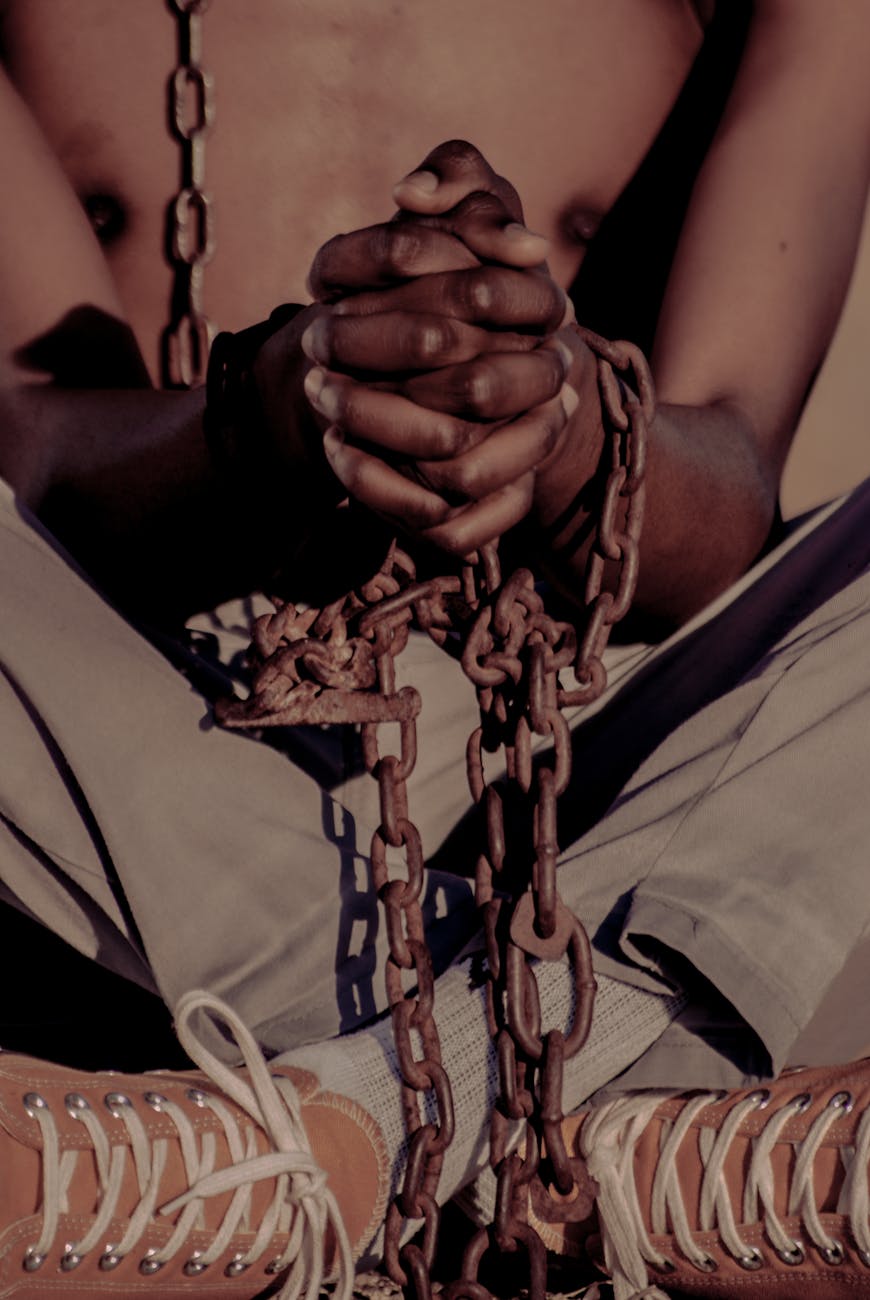
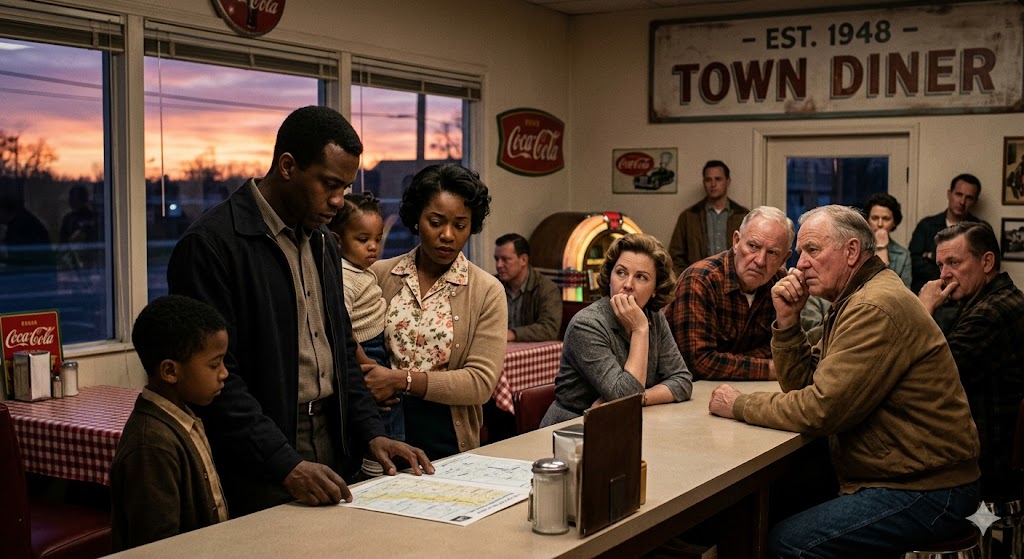

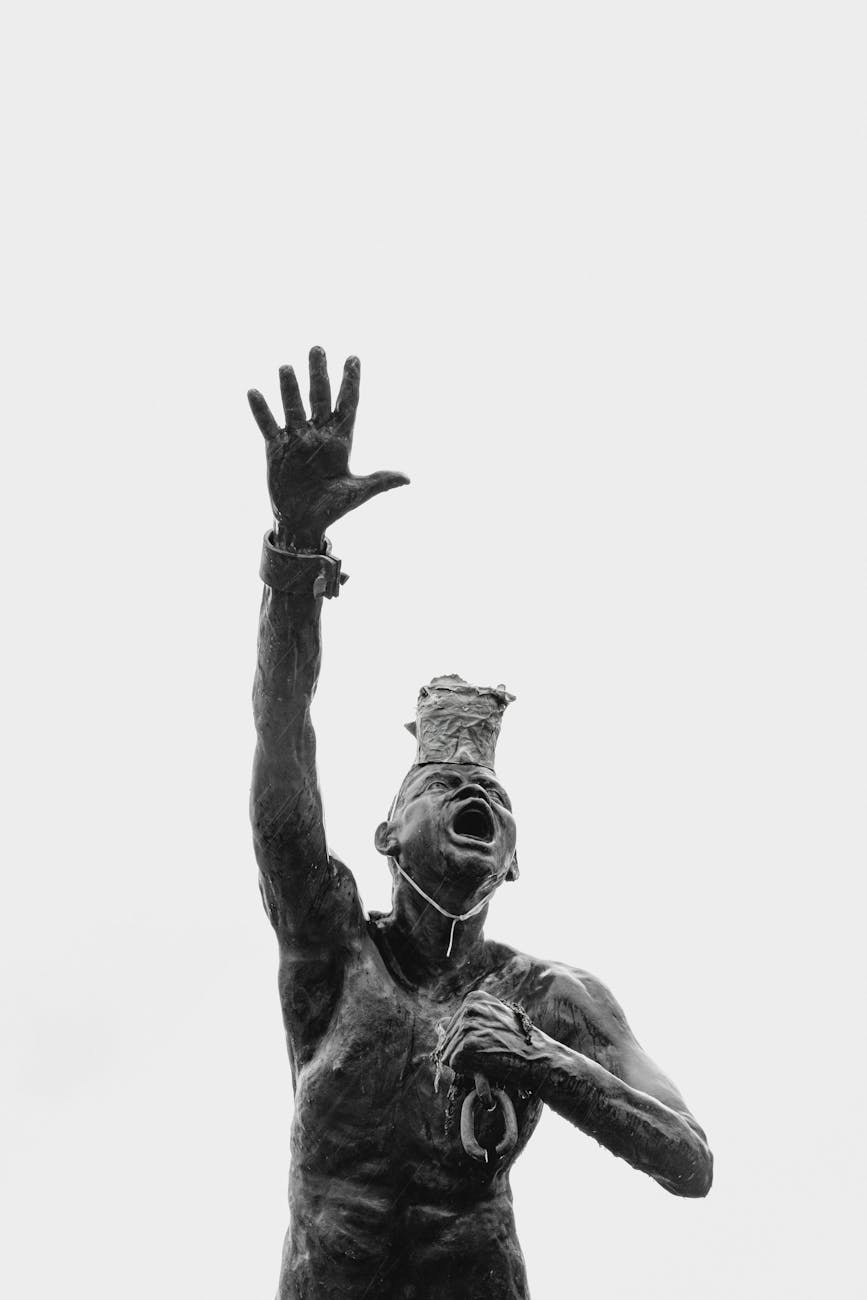
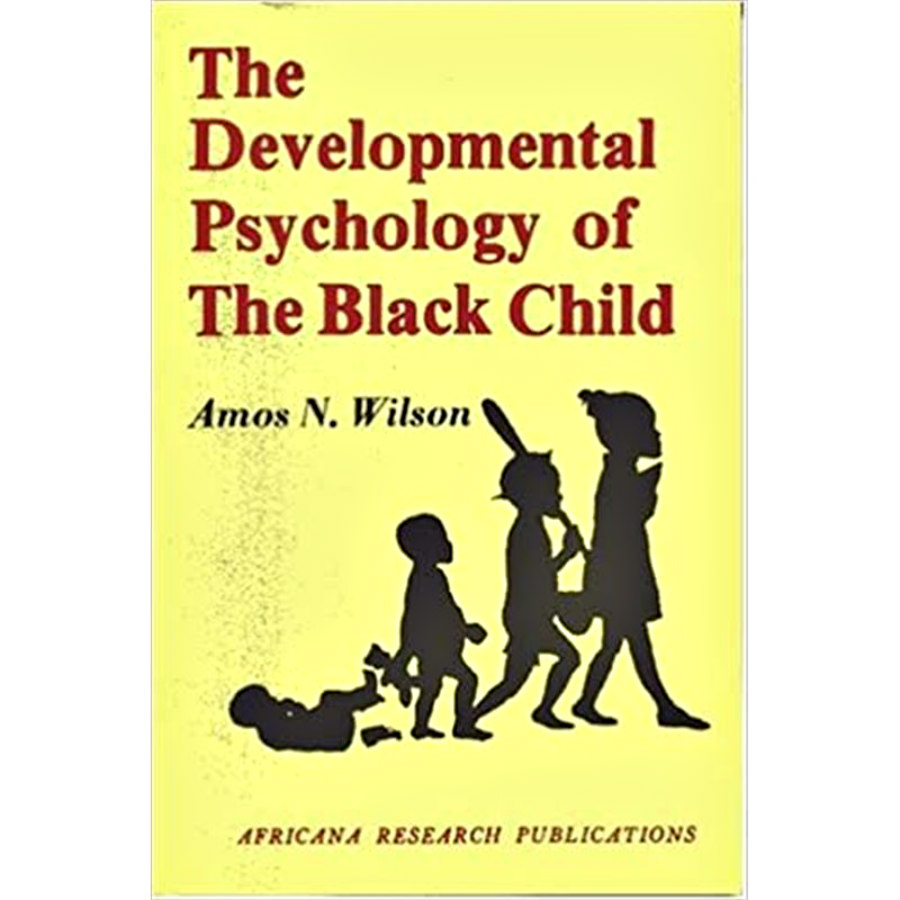
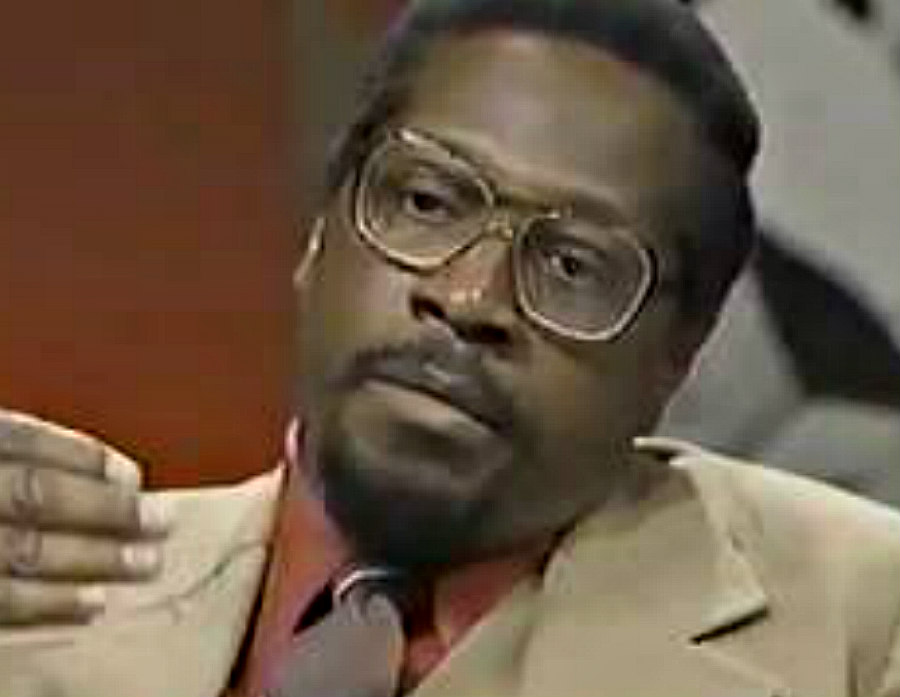

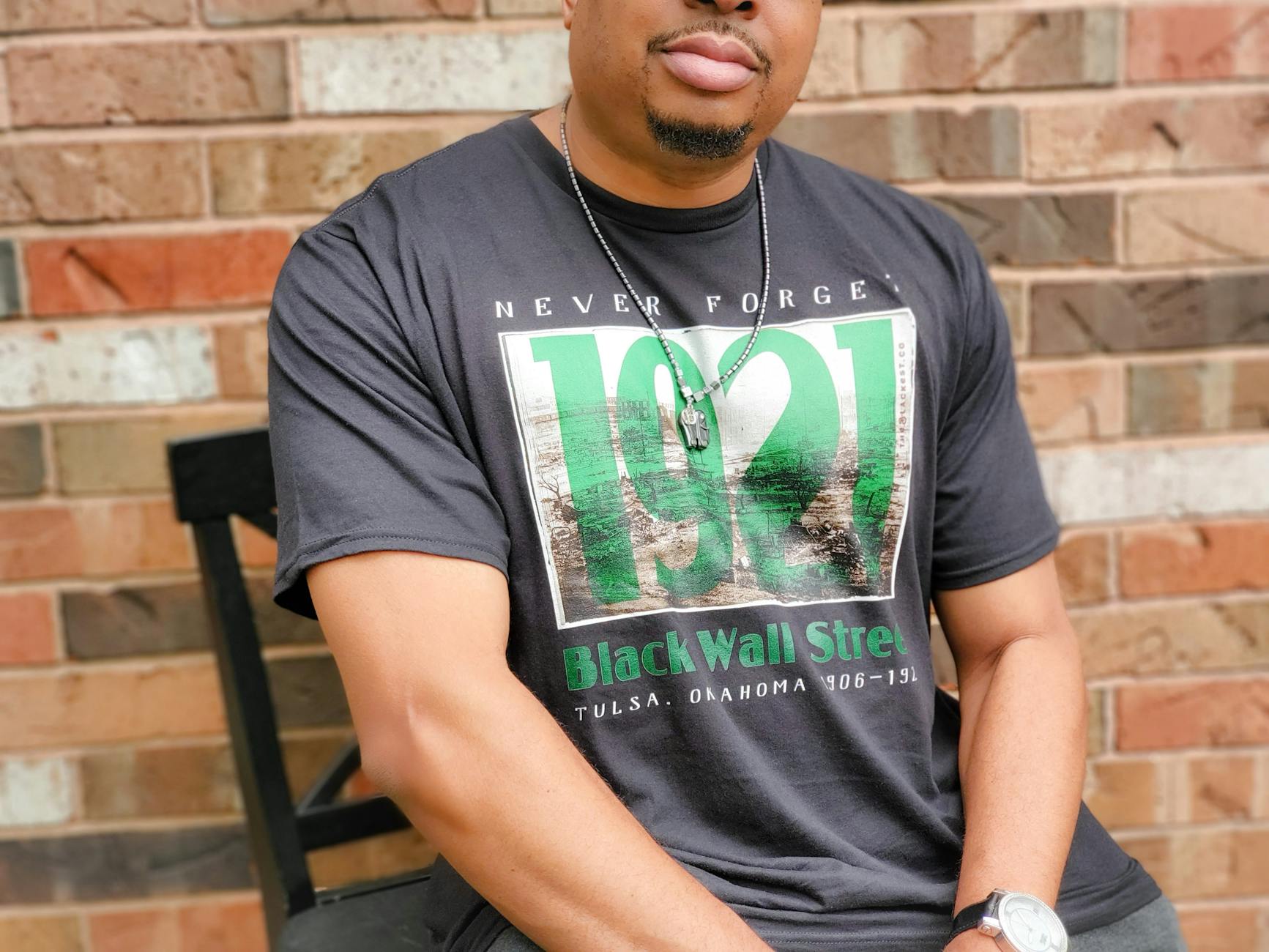
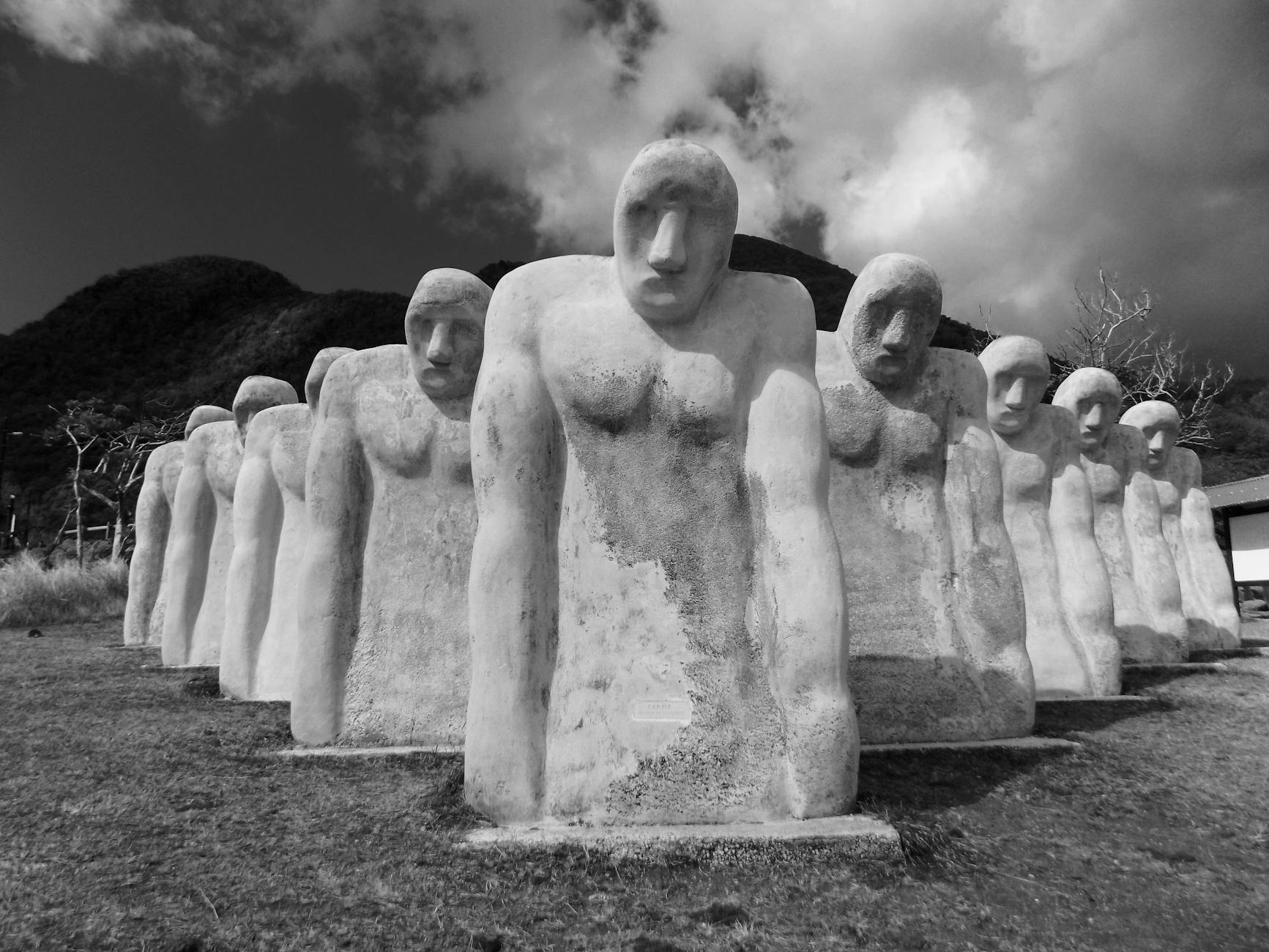
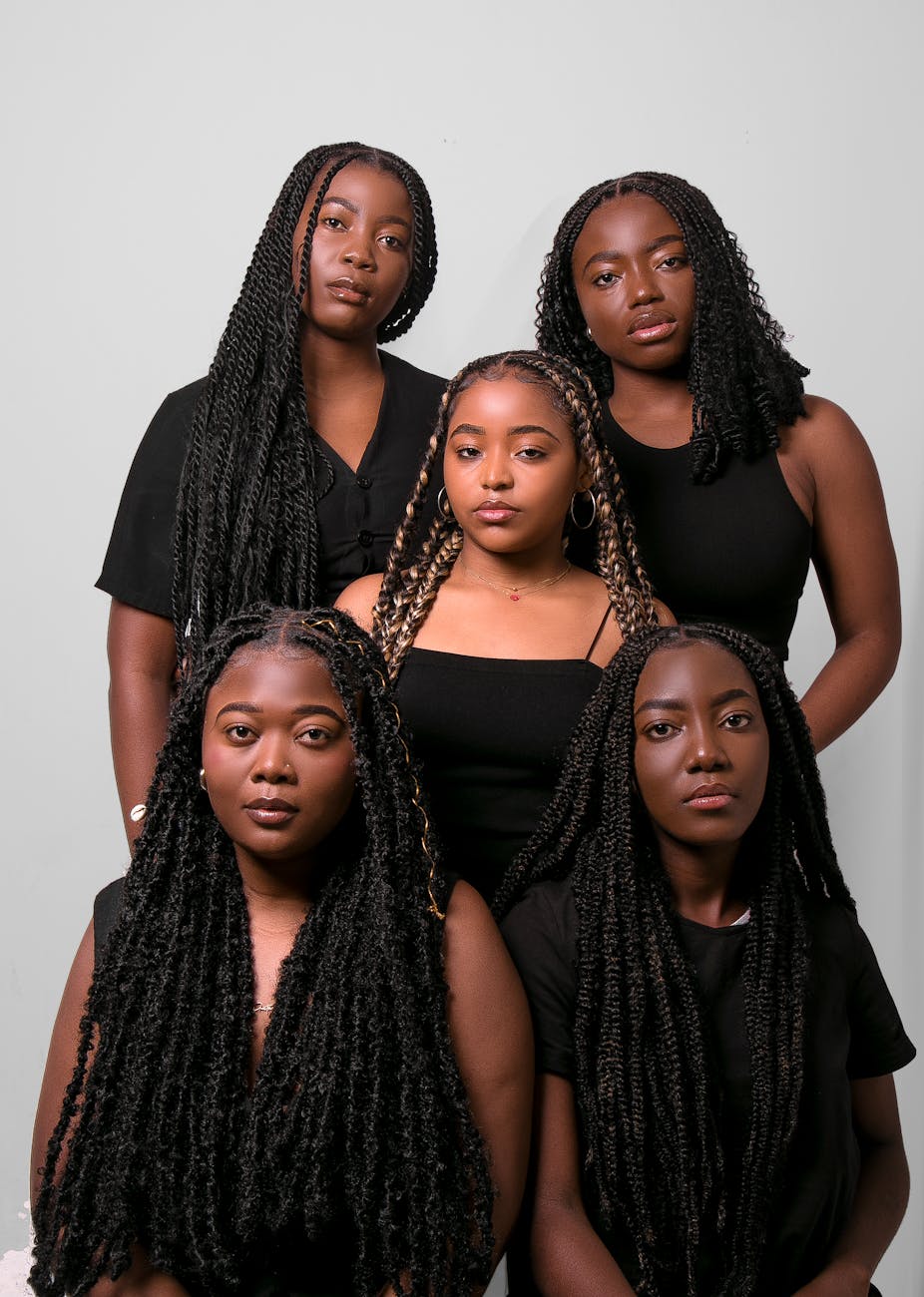

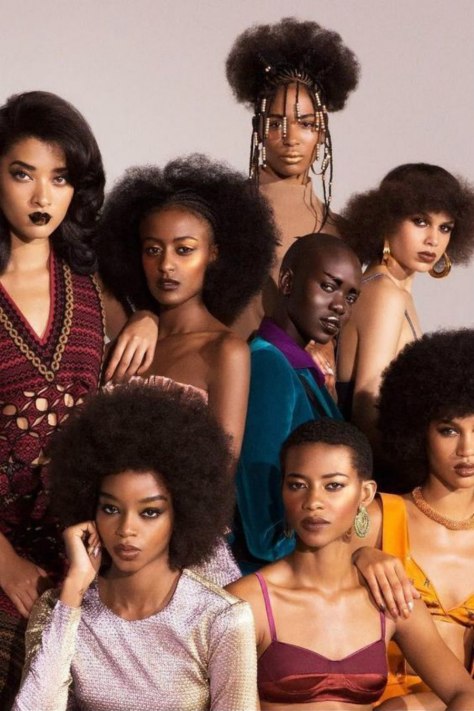
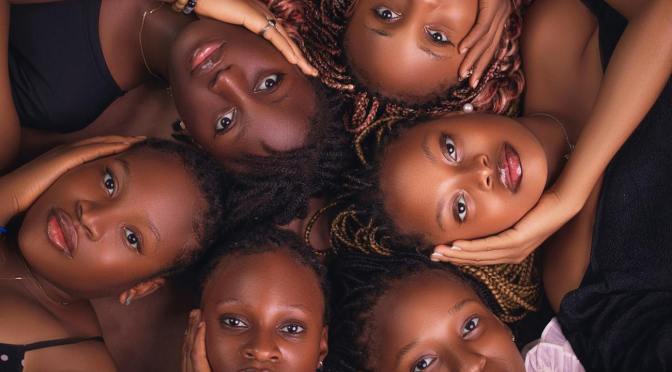

 THE BROWN GIRL DILEMMA