Tag Archives: racism

Colorism and Beauty Hierarchies: Skin Tone as a Social Currency.

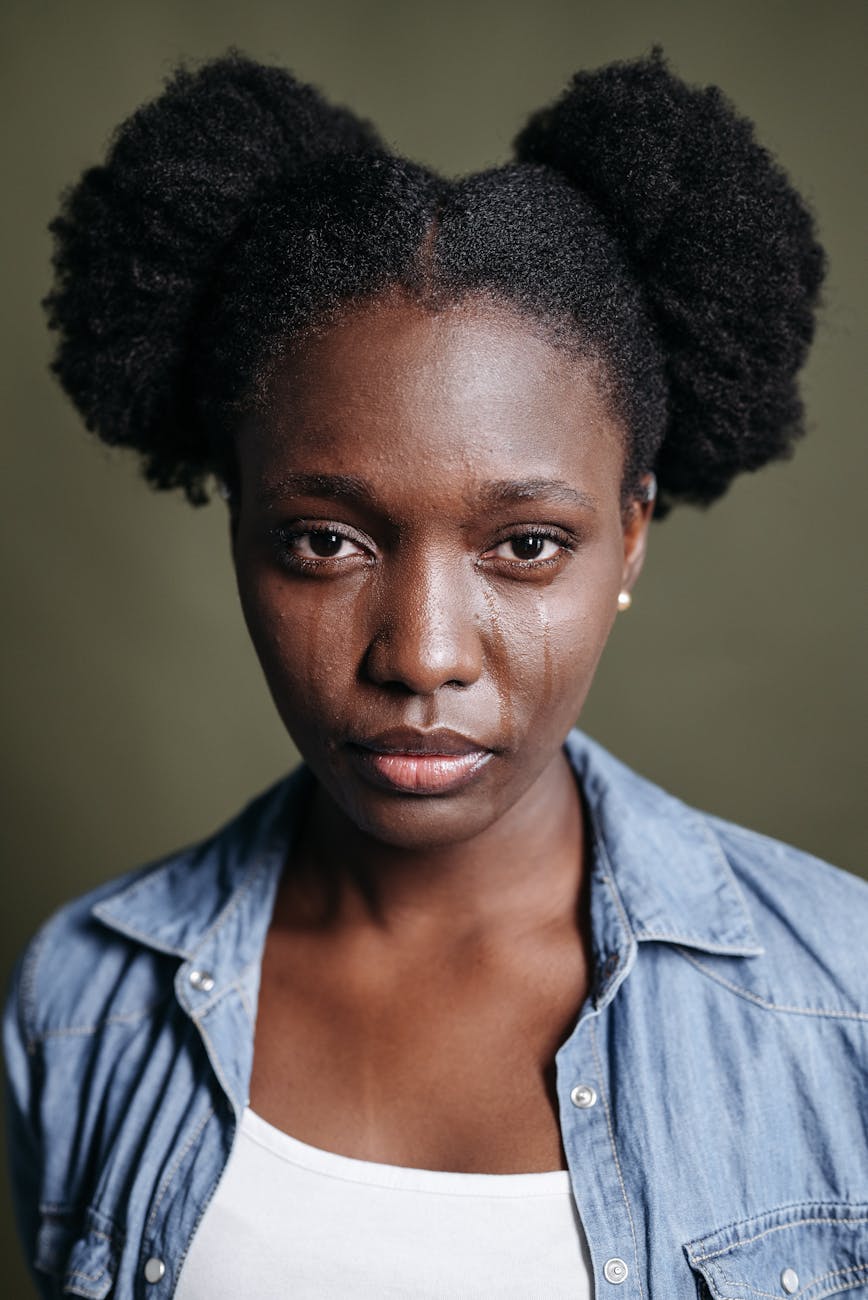
Photo by Jonatan Galvis on Pexels.com

Colorism—the preferential treatment of lighter-skinned individuals over those with darker complexions—represents one of the most enduring legacies of colonialism, slavery, and global white supremacy. Unlike racism, which is discrimination across races, colorism functions within racial and ethnic groups, ranking people based on proximity to whiteness. Beauty becomes the battleground where skin tone acts as a form of social currency, shaping opportunities, desirability, and identity. The title Colorism and Beauty Hierarchies: Skin Tone as a Social Currency underscores how complexion functions not merely as aesthetic variation but as a deeply entrenched system of value that structures societies worldwide.

Understanding “Beauty Hierarchies”

A hierarchy implies an order—some features are placed above others, with privilege and prestige awarded to those who align most closely with the dominant ideal. Within communities of African, Latin American, Asian, and South Asian descent, this hierarchy is evident in the differential treatment of light- and dark-skinned individuals. These beauty hierarchies operate silently yet powerfully, dictating access to media representation, romantic desirability, economic mobility, and even political leadership.

The Social Currency of Skin Tone

The concept of “social currency” refers to intangible assets—respect, desirability, access, and visibility—that an individual gains through certain traits. In societies shaped by colonialism, light skin is often equated with refinement, education, and beauty, while darker skin is stigmatized as less desirable, less intelligent, or even “dangerous” (Hunter, 2007). Thus, complexion is not neutral—it functions as a form of symbolic capital that either opens or restricts doors.

Hierarchies of Skin Tone

Light Skin Privilege

  • Media Representation: Light-skinned women are often cast as the romantic lead or beauty ideal, while dark-skinned women are portrayed as side characters or villains.
  • Perceived Femininity: Light skin is associated with “delicacy” and “purity,” especially in patriarchal cultures.
  • Marriage Prospects: Studies show lighter-skinned women are often considered more “marriageable” due to cultural perceptions linking them to higher social status.
  • Economic Advantage: Lighter-skinned individuals within the same racial group statistically earn more than their darker counterparts (Keith & Herring, 1991).
  • Global Beauty Market: Billions are spent on skin-lightening creams in Africa, Asia, and the Caribbean, reflecting how light skin is commodified as a marker of beauty and advancement.

Medium/Brown Skin

  • Conditional Acceptance: Medium-toned individuals may experience partial privilege depending on cultural context. In some communities, they are “acceptable” if their features lean toward Eurocentric ideals (narrow noses, straighter hair).
  • In-Between Status: They may face pressure to either “pass” as lighter through cosmetic means or defend their proximity to darker identities.
  • Representation: Often celebrated as “exotic” or “ambiguous” in media, commodified for their perceived versatility.

Dark Skin Marginalization

  • Stereotyping: Dark-skinned women are often cast as aggressive, hypersexual, or undesirable in media and social narratives (Wilder, 2015).
  • Romantic Disadvantage: Dark-skinned women report lower rates of being approached for serious relationships, often fetishized rather than appreciated for their full humanity.
  • Economic Exclusion: Darker-skinned individuals face higher unemployment rates and lower wages, even when qualifications are equal.
  • Policing and Violence: Dark-skinned individuals are disproportionately criminalized, reflecting the dangerous intersection of colorism and systemic racism.
  • Psychological Toll: Internalized colorism leads to lower self-esteem, increased anxiety, and generational trauma.

Explaining the Title: “Skin Tone as a Social Currency”

The phrase skin tone as a social currency captures how complexion functions much like wealth—it can be traded, leveraged, and inherited, but it also reflects unequal distribution. Light skin operates as a form of privilege that generates unearned benefits, while dark skin becomes a social “debt” that individuals must constantly negotiate. Unlike financial capital, however, this currency is inscribed onto the body—it cannot be easily discarded or changed. Thus, navigating society means contending with how much “value” one’s skin tone holds within a given cultural and historical context.

Global Contexts of Colorism

  • Africa & the Caribbean: Legacies of colonialism foster the association of lighter skin with elite status. Skin-lightening remains a booming industry.
  • South Asia: Bollywood and matrimonial ads explicitly valorize “fair brides,” perpetuating caste and complexion bias.
  • East Asia: In countries like China and Korea, pale skin is linked with class (indoor labor vs. outdoor labor).
  • United States: Within Black communities, the “paper bag test” historically excluded darker-skinned individuals from certain schools, jobs, and organizations.

Resistance and Reclamation

Movements such as #MelaninMagic, #BlackGirlMagic, and campaigns like “Dark Is Beautiful” in India have sought to dismantle these hierarchies by affirming the beauty of darker skin tones. Increasing representation of dark-skinned women in media—from Lupita Nyong’o to Viola Davis—signals a cultural shift, though systemic hierarchies remain.

Conclusion

Colorism and Beauty Hierarchies: Skin Tone as a Social Currency speaks to the way complexion is not just surface-level—it is a passport or barrier, a burden or advantage, depending on where one falls in the hierarchy. To dismantle these structures, societies must not only broaden beauty standards but also confront the historical systems that created skin tone hierarchies in the first place. Until then, beauty will continue to function as social currency, unequally distributed along the color line.


References

  • Hunter, M. (2007). The persistent problem of colorism: Skin tone, status, and inequality. Sociology Compass, 1(1), 237–254.
  • Keith, V. M., & Herring, C. (1991). Skin tone and stratification in the Black community. American Journal of Sociology, 97(3), 760–778.
  • Wilder, J. (2015). Color stories: Black women and colorism in the 21st century. Praeger.

Form Chains to Change: The Generational Impact of Slavery on Black Identity.

“The most disrespected person in America is the Black woman. The most unprotected person in America is the Black woman. The most neglected person in America is the Black woman.” — Malcolm X
(This quote underscores the systemic marginalization central to the shaping of Black identity, extended to men and the collective African American community.)


Photo by Pavel Danilyuk on Pexels.com

Black identity is a dynamic construct shaped by history, culture, resilience, and resistance. It encompasses heritage, spirituality, values, and communal bonds that define self-perception, social behavior, and relational understanding. The legacy of slavery has profoundly influenced this identity, leaving psychological, social, and cultural marks that persist across generations. Slavery was not merely the forced labor of Africans in the Americas; it was a system designed to strip individuals of lineage, dignity, and autonomy. The chains were physical, yes, but they were also mental, emotional, and spiritual, creating enduring trauma that shaped how Black people see themselves, their communities, and their place in society.


The Generational Impact of Slavery

Slavery systematically disrupted family structures, cultural transmission, and self-definition. Children were separated from parents, languages were suppressed, and cultural traditions were erased. As a result, Black identity was fragmented, and individuals were often forced to reconstruct their sense of self within an oppressive system. Intergenerational trauma, documented in Dr. Joy DeGruy’s Post-Traumatic Slave Syndrome (2005), demonstrates that behaviors such as hyper-vigilance, mistrust of authority, low self-esteem, and coping mechanisms like code-switching are inherited psychological patterns linked to slavery’s brutal legacy. These patterns continue to shape relationships, economic opportunities, and mental health outcomes within the African diaspora.


Slavery and Its Psychological Effects

From a psychological perspective, slavery inflicted both acute and chronic trauma. The denial of autonomy, physical punishment, and social dehumanization resulted in post-traumatic stress-like symptoms, internalized oppression, and the phenomenon of identity conflict. Scholars have compared some aspects of this to Stockholm Syndrome, wherein oppressed groups may internalize the perspectives or values of the oppressor to survive. Moreover, the consistent invalidation and marginalization by dominant society have led to cumulative psychological burdens, often manifesting as anxiety, depression, and intergenerational mistrust. These impacts are not confined to history; they influence educational attainment, community cohesion, and interpersonal relationships today.


Systemic Denial and White Supremacy

One reason white society has often refused to fully acknowledge Black contributions or humanity is the perpetuation of white supremacy. By minimizing African achievements, denying historical truths, and controlling narratives in media, education, and politics, dominant groups reinforced hierarchies and justified oppression. This intentional erasure disrupts the recognition of Black identity, contributing to internalized oppression and societal marginalization. The chains of slavery, therefore, were extended by ideology and policy, leaving psychological imprints that influence racial dynamics today.


Biblical Perspective on Chains and Liberation

The Bible offers insight into the spiritual and symbolic dimensions of bondage. In Exodus 6:6 (KJV), God declares: “Wherefore say unto the children of Israel, I am the LORD, and I will bring you out from under the burdens of the Egyptians, and I will rid you out of their bondage, and I will redeem you with a stretched out arm, and with great judgments.” Chains, in biblical terms, represent oppression, but they also reflect divine awareness and the promise of liberation. Similarly, Psalm 107:14 (KJV) states: “He brought them out of darkness and the shadow of death, and brake their bands in sunder.” These passages underscore that freedom is both physical and spiritual, resonating with the African American struggle to reclaim identity and agency across generations.


The Reflection of the Past in the Present

The generational impact of slavery continues to shape Black identity in the 21st century. Relationships within families, communities, and broader society often reflect inherited trauma: difficulties in trust, overcompensation in professional or social spaces, and complex responses to authority. Psychologists recognize that historical trauma affects not just individuals but entire populations. For instance, intergenerational transmission of trauma can manifest as collective stress, influencing patterns of parenting, community organization, and resilience-building. Yet, this recognition also presents an opportunity: by understanding the chains of history, the Black community can consciously break them and rebuild identity on foundations of knowledge, pride, and spiritual alignment.


Reclaiming Identity and Breaking Chains

Reclaiming Black identity requires multifaceted approaches:

  1. Education: Teaching accurate historical narratives that celebrate African contributions and highlight resistance to oppression.
  2. Psychological Intervention: Addressing intergenerational trauma through therapy, community support, and culturally sensitive mental health practices.
  3. Spiritual Reclamation: Embracing biblical and cultural narratives that affirm dignity, divine purpose, and collective identity.
  4. Community and Cultural Revival: Promoting arts, literature, and practices that reinforce heritage and self-definition.

By addressing these domains, African descendants can transform the lingering impacts of slavery into sources of empowerment, resilience, and self-awareness.


Conclusion

The chains of slavery were both literal and metaphorical, shaping Black identity across generations in profound ways. Psychological scars, systemic marginalization, and cultural erasure are enduring legacies of bondage, yet they also reveal the resilience and strength of African descendants. By studying history, engaging in spiritual and psychological reclamation, and fostering cultural continuity, the Black community can transform generational trauma into conscious identity formation. As Malcolm X and Cornel West emphasize, the acknowledgment of past oppression is the first step toward liberation, self-determination, and collective progress. The future of Black identity depends on understanding the chains of the past and consciously forging paths toward freedom and self-realization.


References

  • DeGruy, J. (2005). Post Traumatic Slave Syndrome: America’s Legacy of Enduring Injury and Healing. Uptone Press.
  • Franklin, J. H., & Moss, A. A. (2000). From Slavery to Freedom: A History of African Americans (8th ed.). McGraw-Hill.
  • West, C. (1993). Race Matters. Beacon Press.
  • Malcolm X. (1965). The Autobiography of Malcolm X. Ballantine Books.
  • Jones, R. (2010). Intergenerational Transmission of Trauma in African Americans. Journal of Black Psychology, 36(1), 1–25. https://doi.org/10.1177/0095798409353752
  • The Holy Bible, King James Version.

Dilemma: By-Words

The History, Psychology, and Biblical Prophecy of Names Forced Upon Black People

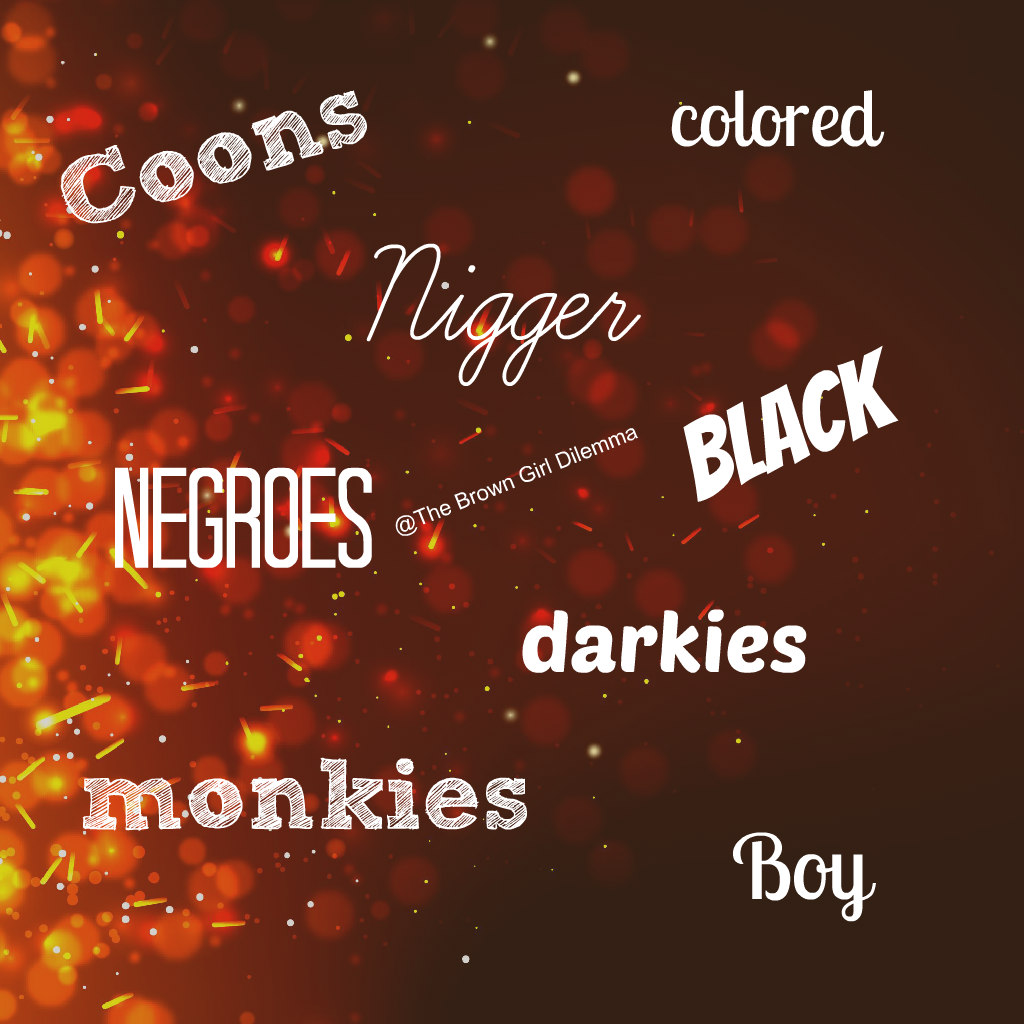
Words carry power. They shape identity, influence perception, and preserve history. Yet words can also wound, distort, and dehumanize. Throughout history, Black people across the diaspora have been branded with derogatory labels—negro, n****, coon, black, colored,* and many more—terms that did not emerge from neutrality but from systems of slavery, colonization, and racial subjugation. The Bible calls these humiliating labels “by-words”—a prophetic sign of oppression and displacement (Deuteronomy 28:37, KJV). To understand the psychology and history of by-words, one must look at the intersection of language, power, slavery, and identity.


What Are By-Words?

The term by-word is defined as a word or phrase used to mock, ridicule, or demean a people or individual. In Scripture, by-words are linked with curses upon nations or peoples who fall under oppression.

  • Deuteronomy 28:37 (KJV): “And thou shalt become an astonishment, a proverb, and a byword, among all nations whither the Lord shall lead thee.”
  • 1 Kings 9:7 (KJV): “Then will I cut off Israel out of the land which I have given them… and Israel shall be a proverb and a byword among all people.”

Biblically, being reduced to a by-word is more than an insult—it signifies loss of sovereignty, dignity, and divine identity.

he Meaning and History of the Word “Nigger”

Origin of the Word

The word nigger is one of the most notorious racial slurs in history. It traces back to the Latin word niger (meaning “black”), which passed into Spanish and Portuguese as negro. When Europeans began enslaving Africans during the transatlantic slave trade (1500s–1800s), the term negro became a racial descriptor.

Over time, particularly in English-speaking countries, negro was corrupted in spelling and pronunciation into n**r—a derogatory term. By the 1700s, it was entrenched in slave societies like the United States as the ultimate label of dehumanization.


Purpose of the Word

The purpose of calling Black people “n****r” was not just insult but domination. It functioned as a psychological weapon in several ways:

  1. Dehumanization:
    • Reduced Black people to something less than human, justifying slavery and racism.
    • Equated Africans with animals, objects, or commodities.
  2. Control and Social Order:
    • Whites used the word to constantly remind enslaved people of their “place” in society.
    • It reinforced racial hierarchy: white = superior, Black = inferior.
  3. Cultural Shaming:
    • Denied African names and identities, replacing them with a word rooted in contempt.
    • Made Blackness itself synonymous with worthlessness or evil.

In short, the word was never neutral. It was created and weaponized to wound, degrade, and keep Black people submissive.


Historical Use in America

  • Slavery Era (1600s–1865): The word was common in plantation speech, laws, and slave advertisements. It was how enslavers referred to Africans as property.
  • Jim Crow (1877–1950s): White people used it as a daily insult to enforce segregation and white supremacy. It became paired with violence—lynching, beatings, and systemic humiliation.
  • Civil Rights Movement (1950s–1970s): The slur was hurled at marchers, students, and leaders fighting for justice. Signs like “Go home n****rs” were common.
  • Modern Era (1980s–Present): The word remains a lightning rod. It is still used by racists as hate speech but also controversially re-appropriated within some Black communities (e.g., in hip-hop, as a term of brotherhood).

How Black People Feel About It

Reactions vary, but the word remains one of the deepest wounds in the Black collective memory:

  1. Pain and Trauma:
    • Many associate it with slavery, Jim Crow, lynching, and racist violence. Hearing it can trigger anger, shame, or grief.
  2. Rage and Resistance:
    • Black leaders like Malcolm X, James Baldwin, and Maya Angelou condemned the word as an instrument of oppression. Baldwin once said: “What you say about somebody else reveals you.”
  3. Division Over Re-appropriation:
    • Some Black people reject the word entirely, seeing it as irredeemable.
    • Others, especially in music and street culture, have attempted to strip it of its power by reclaiming it (e.g., turning it into “n***a” as a casual or friendly address).
    • This re-use, however, is controversial—many feel that no amount of “reclaiming” erases its bloody history.

Biblical & Psychological Perspective

From a biblical standpoint, being called a by-word (Deuteronomy 28:37) is part of a curse—a stripping of honor and identity. Psychologically, constant exposure to the slur can lead to internalized racism: self-doubt, reduced self-worth, and generational trauma.


The word n**r is not just an insult—it is a historical weapon of white supremacy. Born from slavery, cemented during Jim Crow, and still alive today, it carries centuries of blood, pain, and oppression. While some attempt to neutralize it, for most Black people it remains a raw reminder of what their ancestors endured. It is a word heavy with history, one that symbolizes not only racism but also the resilience of a people who refuse to be defined by it.

Timeline: The Evolution of By-Words

1. African Names Before Slavery (Pre-1500s)

Before European colonization, Africans bore names tied to ancestry, geography, spirituality, and meaning: Kwame (born on Saturday, Akan), Makeda (Ethiopian queen), Oluwaseun (God has done this, Yoruba). Names carried memory, culture, and lineage.


2. The Transatlantic Slave Trade (1500s–1800s)

  • Africans kidnapped into slavery were renamed with European surnames (Smith, Johnson, Williams, Brown).
  • By-words such as Negro (from Portuguese/Spanish for “black”) became a racial classification.
  • Slurs like n****,* sambo, and coon emerged on plantations to dehumanize enslaved Africans, comparing them to animals or buffoons.

This was the era of identity erasure: Africans became “property,” marked not by heritage but by by-words.


3. Reconstruction & Jim Crow (1865–1950s)

  • After emancipation, Black people were still denied full humanity. Terms like Negro and Colored became official in laws, schools, and public signs.
  • The Jim Crow system used language to reinforce racial hierarchy: calling Black men “boy” denied manhood, while calling women “mammies” denied femininity.
  • Racist caricatures—coon songs, minstrel shows, Zip Coon, Uncle Tom—spread by-words into mass culture.

By-words became institutionalized, shaping how whites saw Black people and how Black people sometimes internalized those labels.


4. Civil Rights Era (1950s–1970s)

  • The term Negro was challenged, as leaders like Malcolm X urged African Americans to reclaim Black as a badge of pride.
  • The phrase Black is Beautiful emerged as resistance to centuries of being told “black” meant evil or shameful.
  • The name shift to African-American in the late 1980s (championed by Jesse Jackson) reflected a demand for heritage, identity, and cultural recognition.

By-words in this era were confronted with counter-language: affirmations of dignity and identity.


5. Modern Times (1980s–Present)

  • Slurs like n****,* coon, and monkey still circulate, especially online and in extremist circles.
  • The N-word has been re-appropriated in some Black communities as a term of endearment or solidarity—though its use remains deeply divisive.
  • The term Black has been embraced as an ethnic identity marker, while African-American underscores historical and diasporic roots.
  • Psychological studies show that derogatory labeling still impacts self-esteem, racial perception, and systemic bias.

By-words have not disappeared; they have shifted, adapted, and remain central to ongoing struggles over language and identity.


Racism and the Weaponization of By-Words

Racism explains why by-words persisted. These terms justified inequality by painting Black people as inferior, dangerous, or less civilized. By-words reinforced stereotypes in:

  • Law: segregation signs labeled “Colored” vs. “White.”
  • Media: cartoons and films normalized caricatures (Amos ‘n’ Andy, minstrel shows).
  • Society: casual insults reduced Black people to slurs even outside slavery.

By-words were not simply products of ignorance; they were deliberate strategies of domination.


The Psychology of By-Words

From a psychological perspective, by-words operate as verbal shackles.

  1. Identity Erasure: Replacing African names with slave surnames broke ancestral continuity.
  2. Internalized Racism: Constant exposure to insults produced self-doubt and sometimes self-hatred.
  3. Generational Trauma: By-words passed down through history embedded racial inferiority into the subconscious.
  4. Resistance & Reclamation: Language also became a battlefield—turning Black from insult to empowerment, or challenging derogatory names with affirmations.

As psychologist Na’im Akbar (1996) argues, the greatest chains of slavery are not physical but mental—reinforced through language.


Biblical Parallels

The use of by-words against Black people echoes Israel’s fate in exile. Losing names, mocked by nations, and scattered across the earth, they became living fulfillments of Deuteronomy 28. Just as Israel became “a byword among nations,” the descendants of Africa in the diaspora bear the marks of a name-stripping oppression.


Historical Roots of By-Words in Slavery

The transatlantic slave trade, spanning the 16th to 19th centuries, uprooted millions of Africans from their homelands. In the process, enslavers deliberately stripped them of their ethnic names, languages, and tribal lineages. African names like Kwame, Amina, Oluwaseun, Kofi, or Makeda were replaced with European surnames—Smith, Johnson, Williams, Washington—marking forced assimilation into a white supremacist order.

Enslaved Africans were not merely chained physically; they were renamed into invisibility. The imposition of white surnames erased genealogical connections, making it nearly impossible for descendants to trace their ancestral lineage back to their original African nations. This renaming process was a tool of control: to own someone’s name is to own their identity.

At the same time, enslaved Africans became subjects of derogatory by-words. Slave masters, traders, and colonial authorities popularized racial slurs that defined Blackness not by heritage but by supposed inferiority. Terms such as n****,* coon, boy, and Negro reduced a diverse people into a caricature of servitude and subjugation.


The Catalog of By-Words Used Against Black People

Over centuries, Black people have been labeled with words that belittled, animalized, and mocked them:

  • Negro – Derived from the Spanish/Portuguese word for “black,” it became a racial classification imposed by European colonizers.
  • N*** – A perversion of Negro, weaponized as one of the most dehumanizing insults in modern history.
  • Coon – A derogatory word portraying Black people as lazy and buffoonish, rooted in racist minstrel shows of the 19th century.
  • Boy – Used particularly in the Jim Crow South to deny Black men adult dignity and manhood.
  • Colored – Institutionalized through organizations like the NAACP (“National Association for the Advancement of Colored People”), reflecting segregationist terminology.
  • Black – Once synonymous with evil, dirt, or shame in European etymology, rebranded as an identity marker but originally imposed as a contrast to “white purity.”

Each of these terms is a linguistic scar, born of systems that sought to strip away humanity and replace it with inferiority.


Was Racism to Blame?

Yes. The proliferation of by-words was not incidental but systemic, tied directly to racism. By-words allowed dominant groups to control narratives, reinforcing hierarchies of superiority. Racism justified slavery, segregation, colonization, and social exclusion by codifying these by-words into cultural, legal, and political systems.

  • Social Control: Language ensured that Black people were seen not as equals but as perpetual outsiders.
  • Psychological Warfare: By-words internalized shame, often producing generational trauma and fractured self-esteem.
  • Legal Segregation: In the U.S., terms like “colored” and “Negro” were legally inscribed in Jim Crow laws, embedding racism into governance.

The Psychology of By-Words

Psychologists argue that repeated exposure to derogatory labels can produce internalized racism and identity conflict. When a people are constantly described as inferior or less than, the message penetrates deep into the collective psyche.

  • Internalized Oppression: Some Black people began to reject African heritage, aspiring toward whiteness as a form of survival.
  • Group Identity Crisis: By-words created confusion over racial identity—was one “Negro,” “Colored,” “Black,” or “African-American”? This constant renaming fragmented collective identity.
  • Reclamation and Resistance: Over time, Black communities also resisted by re-appropriating terms like “Black” and “N*****” as symbols of empowerment—though still contested.

Biblical Parallels: Israel as a By-Word

The plight of Black people in slavery and colonization parallels biblical Israel’s experience. Just as the Israelites were scattered and mocked with by-words, enslaved Africans endured a loss of name, land, and identity. Deuteronomy 28 not only describes economic curses and enslavement but the stripping away of cultural dignity.

Thus, many Black theologians and scholars interpret the condition of the African diaspora as prophetic: a people renamed, scorned, and marginalized, fulfilling the biblical imagery of becoming “a by-word among nations.”


Conclusion

By-words are more than insults; they are historical markers of oppression. They tell the story of a people kidnapped, enslaved, renamed, and linguistically reshaped to fit the mold of subjugation. From biblical prophecy to the auction blocks of slavery, from Jim Crow to today, the history of by-words reveals how language has been wielded as a weapon against Black identity.

Yet, history also shows resistance. Just as names were stripped, they were reclaimed. Just as by-words mocked, voices rose to redefine them. Understanding the psychology and history of by-words helps restore dignity, while the biblical lens reminds us that identity is ultimately God-given, not man-imposed.

By-words are more than words; they are historical monuments of oppression. They trace a journey from stolen African names to the plantation, from Jim Crow insults to modern re-appropriation. They demonstrate how racism weaponizes language, reshaping identity and memory.

Yet, within that history lies resilience. Every reclaiming of Black as beautiful, every embrace of African names, every refusal to be defined by slurs is a declaration of freedom. In the end, names carry divine weight: not what the oppressor calls us, but what God calls us.


📖 Key Scripture References:

  • Deuteronomy 28:37
  • 1 Kings 9:7
  • Jeremiah 24:9
  • Psalm 44:14

📚 References for Further Reading:

  • Du Bois, W. E. B. (1903). The Souls of Black Folk.
  • Akbar, N. (1996). Breaking the Chains of Psychological Slavery.
  • Davis, A. (1981). Women, Race, and Class.
  • Patterson, O. (1982). Slavery and Social Death.

Kennedy, R. (2002). Nigger: The Strange Career of a Troublesome Word.

Baldwin, J. (1963). The Fire Next Time.

Neely Fuller Jr: The Architect of Counter-Racist Logic and Black Empowerment.

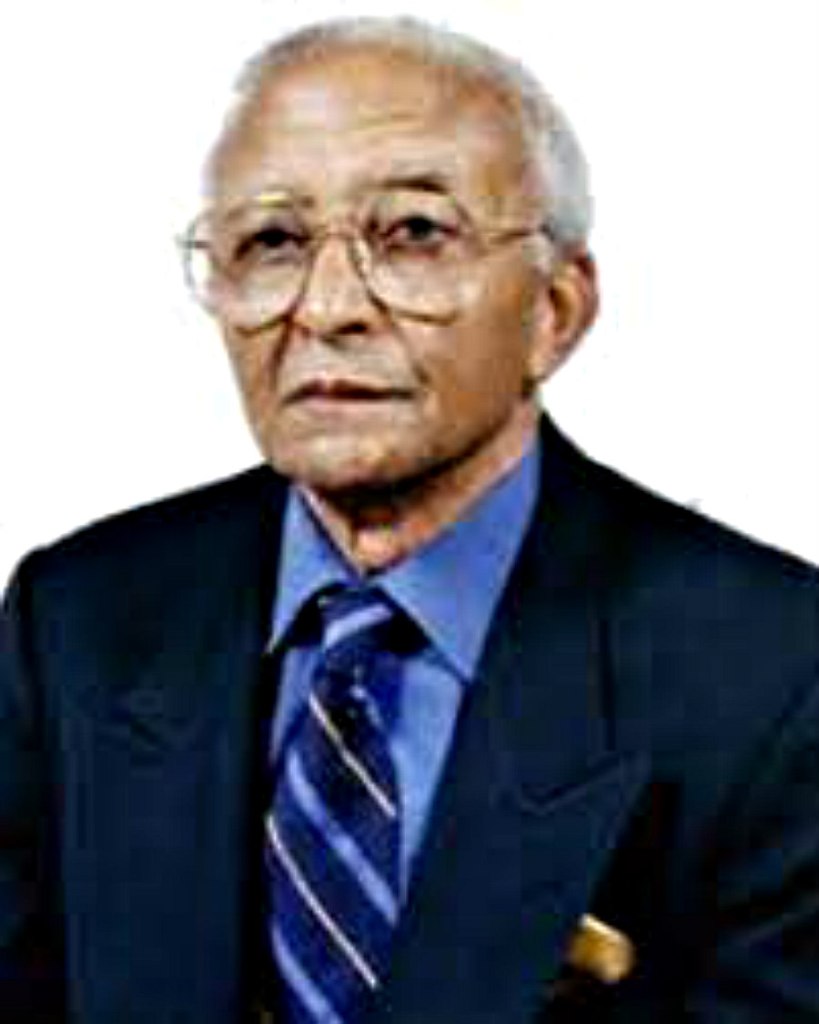
Neely Fuller Jr. is a highly influential yet often underrecognized figure in the realm of African American thought, particularly known for his work on racism, white supremacy, and Black empowerment. Born in the United States during the era of Jim Crow segregation, Fuller developed a worldview deeply shaped by systemic racial oppression. Though many of the personal details of his life—including his date of birth, marital status, and family life—remain private, what stands out is his lifelong dedication to analyzing and dismantling the global system of white supremacy through logic, language, and behavioral code.


Who Is Neely Fuller Jr.?

Neely Fuller Jr. is best known as a theorist and author who introduced a unique, structured framework for understanding and addressing racism in America and worldwide. His life’s work revolves around his central thesis: “If you do not understand white supremacy—what it is and how it works—everything else that you think you understand will only confuse you.” This statement has become a foundational mantra for many in the modern Black liberation and Afrocentric consciousness movements.

Fuller served in the U.S. military and worked as a government employee, experiences that contributed to his understanding of institutionalized racism. Despite lacking the mainstream visibility of figures like Malcolm X or Dr. Martin Luther King Jr., Fuller’s teachings have profoundly impacted generations of Black thinkers, including Dr. Frances Cress Welsing, who credited Fuller’s framework as the intellectual foundation for her own work, The Isis Papers.


His Major Work: A Compensatory Counter-Racist Code

Neely Fuller Jr.’s most well-known book is titled The United Independent Compensatory Code/System/Concept: A Compensatory Counter-Racist Code (first published in 1984 and revised in later editions). The book is not a traditional narrative or academic text; rather, it is a manual—a code of conduct designed to guide non-white people in navigating and countering racism in everyday life.

The book is grounded in logic, clarity, and a precise use of language. Fuller argues that white supremacy is a global system that dominates all areas of people activity: economics, education, entertainment, labor, law, politics, religion, sex, and war. His book offers a “code” of behaviors and linguistic patterns that help non-white people avoid conflict, think critically, and engage in constructive activity rather than reacting emotionally or violently to racism.


Highlights of the Code

  1. Definition of White Supremacy: Fuller defines racism and white supremacy as the same thing, a unified system with the primary goal of maintaining power over all non-white people.
  2. Logic-Based Living: He urges Black people to think, speak, and act in ways that produce justice and eliminate confusion.
  3. Constructive Speech: Fuller teaches the use of precise language—coining the term “codification”—to avoid being manipulated by racist ideology hidden in words.
  4. Sexual Politics: He outlines how sex and relationships are also controlled by the system of white supremacy, emphasizing self-discipline and mutual respect in Black relationships.
  5. Compensatory Code: Non-white people must act independently but in a unified and compensatory way—that is, in a manner that “makes up for” the imbalance caused by racism without engaging in emotional retaliation or disorder.
  6. Universal Man and Universal Woman: Fuller envisions a future where justice is the norm and individuals function without needing the system of racism for identity or value.

Reception and Legacy in the Black Community

While Neely Fuller Jr. has never been a household name, his influence in the conscious Black community is immeasurable. He is widely respected by scholars, activists, and critical thinkers who study race and systems of power. Podcasts, YouTube channels, and online forums continue to analyze and promote his teachings, often referring to him as “the master of logic.”

Figures like Dr. Frances Cress Welsing have publicly praised him, and his concepts are foundational in Afrocentric educational spaces, particularly those focused on mental liberation, cultural sovereignty, and counter-colonial thought. Many regard him as a philosophical giant, especially for his emphasis on the psychological dimensions of racial control.

However, his work has also been critiqued by some as overly methodical or lacking in revolutionary emotion. Yet Fuller deliberately avoided traditional activism or protest methods, believing that emotion-driven movements were easier for white supremacy to manipulate or destroy.


What He Is Known For

  • Creating the Counter-Racist Codification System
  • Influencing critical race theorists like Frances Cress Welsing
  • Highlighting the totalizing nature of white supremacy across all domains of human activity
  • Promoting logic, calmness, and consistency in Black liberation thought
  • Developing a philosophy of “maximum thought, speech, and action to produce justice”

Conclusion

Neely Fuller Jr. is a towering intellectual in the struggle for Black liberation and truth. Through his logical, disciplined framework, he provided tools for African Americans and all non-white people to analyze and dismantle the deceptive and destructive power of white supremacy. While his personal life remains largely hidden from public view, his public legacy—one of clarity, code, and consciousness—continues to shape the minds and strategies of freedom fighters around the globe.


Recommended Reading

  • Fuller, N. (2016). The United Independent Compensatory Code/System/Concept: A Compensatory Counter-Racist Code (Revised Edition). Neely Fuller Publications.
  • Welsing, F. C. (1991). The Isis Papers: The Keys to the Colors. Third World Press.
  • Black Dot, T. (2005). Hip Hop Decoded. Momi Publishing.

“Rosewood: A Massacre Fueled by Lies and White Supremacy in 1923 Florida”


Photo by Alexander Zvir on Pexels.com

Introduction

The story of Rosewood, Florida is one of prosperity, racial pride, and horrifying destruction. Once a thriving Black town in Levy County, Rosewood was obliterated in January 1923 due to a racially charged lie that incited white mob violence. Like the tragedies of Tulsa’s Black Wall Street and the Devil’s Punchbowl, Rosewood exemplifies how Black success in early 20th-century America was often met with white rage, systemic racism, and historical erasure.


The Founding and Prosperity of Rosewood

Founded in the late 1800s, Rosewood was a small, self-sufficient, predominantly African American town. Located near the Gulf Coast of Florida, the town was originally established as a timber and turpentine community. Over time, the Black residents of Rosewood built homes, churches, a school, and several successful businesses. By the early 1920s, Rosewood had become a symbol of Black independence.

The town was made up of about 25 Black families, most of whom were landowners—a rarity in the Jim Crow South. Occupations included blacksmiths, carpenters, midwives, and educators. One notable figure was Sarah Carrier, a well-known midwife and one of the community’s matriarchs.

Rosewood residents lived peacefully—until a white woman in a nearby town falsely accused a Black man of assault, setting off a chain of racial terror.


The Incident: Lies and Racial Violence

On January 1, 1923, Fannie Taylor, a white woman from the neighboring town of Sumner, claimed she had been beaten and assaulted by a Black man while her husband was at work. In truth, she had been injured by her white lover, but to hide her infidelity, she blamed an anonymous Black man. This lie sparked a mob of angry white residents, who began scouring the area for any Black man they could find.

The first victim was Sam Carter, a Black craftsman tortured and lynched when he refused to divulge the whereabouts of the alleged assailant. Soon after, white mobs, some from as far as Gainesville and Jacksonville, stormed Rosewood with rifles, torches, and a thirst for vengeance.


The Massacre and Destruction

Between January 1 and January 7, 1923, the town of Rosewood was burned to the ground. Homes, churches, and schools were set ablaze. Eyewitnesses described the scene as a hellish blaze with smoke rising above the pine trees. At least six Black residents were killed, including Sarah Carrier, who died protecting children hiding in her home. Others were shot as they fled or tortured for information.

The number of deaths is still debated. While official records confirm around six to eight, survivors and descendants estimate that dozens were killed, with bodies either burned in the fires or dumped in mass graves.

Most of the survivors hid in the swamps for days without food, before being evacuated by a few courageous white allies, including John and William Bryce, local train conductors who secretly transported Black families to safety.


Why Did It Happen?

The massacre was rooted in racism, economic envy, and the fear of Black advancement. Rosewood’s prosperity challenged the status quo of white supremacy. Many white residents were resentful that Black citizens owned land, ran businesses, and lived independently.

The lie told by Fannie Taylor was simply a spark that ignited deep-seated hatred. As journalist Gary Moore, who helped revive the story in the 1980s, said:

“It was not just a lynching. It was ethnic cleansing.”


The Aftermath and Silence

After the massacre, Rosewood ceased to exist. Survivors never returned, and many were too traumatized or afraid to speak about what happened. For decades, the story of Rosewood remained buried.

Law enforcement never prosecuted any of the perpetrators, and state officials did nothing to investigate or compensate the victims. The fear of retribution or being labeled a “troublemaker” kept survivors silent.

It wasn’t until the 1990s that survivors came forward with their stories. In 1994, the state of Florida passed the Rosewood Compensation Bill, awarding $2.1 million in reparations to nine survivors and establishing scholarships for descendants. This was one of the first instances of reparations in U.S. history for racial violence (D’Orso, 1996).


Personal Testimonies and Survivors

One of the most vocal survivors was Minnie Lee Langley, who was 7 years old at the time of the massacre. In later interviews, she recalled:

“They burned everything. Everything. We hid in the woods. My mama told me to keep quiet so the white folks wouldn’t hear us.”

Another survivor, Arnett Doctor, helped spearhead the movement for recognition and reparations. He later became known as the “father of the Rosewood legislation.”


Economic Impact and Racial Injustice

The destruction of Rosewood devastated families economically and emotionally. Land that once belonged to Black residents was never returned. This contributed to the racial wealth gap that persists today.

The massacre also underscored the legal impunity enjoyed by white mobs. Local sheriffs did nothing to intervene. White silence and complicity made justice impossible.


Legacy and Rebuilding

Though Rosewood was never rebuilt, its legacy lives on in books, documentaries, and even film. The 1997 movie Rosewood, directed by John Singleton and starring Ving Rhames and Don Cheadle, brought national attention to the tragedy.

In recent years, efforts have been made to preserve the memory of Rosewood:

  • A historical marker was erected in 2004
  • Descendants meet annually to commemorate the lost town
  • Florida’s education system has slowly integrated the story into its curriculum

Still, many argue that true justice has not been served.


Conclusion

The Rosewood Massacre was a deliberate act of racial terrorism, rooted in lies, jealousy, and the desire to uphold white supremacy at the cost of Black lives. It represents more than just a violent episode—it exemplifies how racism, unchecked by law or conscience, destroyed Black progress and stole generational wealth.

The tragedy of Rosewood must be remembered, not only to honor the victims and survivors, but to understand how systemic racism shaped American history and continues to shape the Black experience today.


References

  • D’Orso, M. (1996). Like Judgment Day: The Ruin and Redemption of a Town Called Rosewood. Putnam Publishing Group.
  • Moore, G. (1982, July). “Rosewood Massacre.” St. Petersburg Times.
  • U.S. House of Representatives. (1994). Rosewood Compensation Act. Florida State Archives.
  • Singleton, J. (Director). (1997). Rosewood [Film]. Warner Bros.

The ONE-DROP Rule: Origins, Biblical Lineage, and the Psychology of Racial Classification.

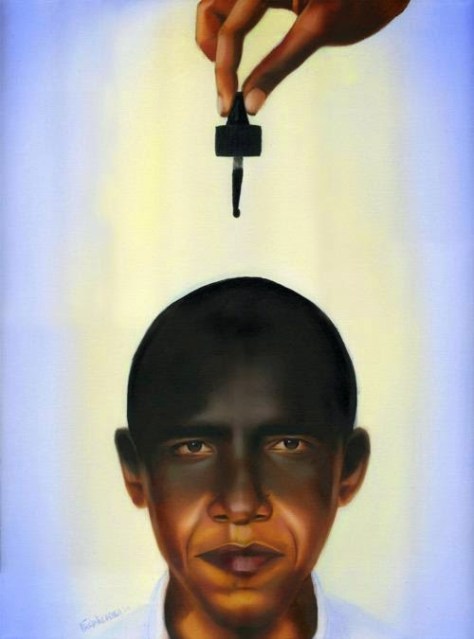
This artwork/photograph is the property or its respective owner.

The concept of the “one-drop rule” is one of the most insidious legal and psychological tools used in the history of racial oppression in the United States. It declared that any person with even one drop of African ancestry was considered Black, regardless of their appearance or the heritage of their other parent. Rooted in white supremacy and the preservation of a racially stratified society, this rule carried severe social, legal, and psychological implications that are still felt today. While unbiblical in origin, the practice is often at odds with the ancient scriptural understanding that identity, especially tribal or ethnic lineage, is determined through the father’s seed—not the mother.


Origins of the One-Drop Rule

The one-drop rule emerged in the American South during the late 17th and early 18th centuries. While not officially named at the time, colonial slave societies began developing legal statutes that defined the status of individuals with mixed ancestry. The first legal precedent was set in Virginia’s 1662 law: “Partus sequitur ventrem”—a Latin phrase meaning “that which is born follows the womb.” This law ensured that children born to enslaved women, even if fathered by white men, would inherit the status of the mother—remaining enslaved (Higginbotham, 1978). This policy contradicted both biblical and patriarchal norms, where identity typically follows the paternal line.

By the 20th century, particularly with the passage of laws in states like Louisiana (1908) and Tennessee (1910), the idea was codified: any person with any African ancestry, no matter how minimal, was legally Black. This was not science—it was sociology engineered to reinforce segregation, deny land and inheritance, and eliminate ambiguity around racial classification. In 1924, Virginia’s Racial Integrity Act legally enforced the one-drop rule and defined a “white person” as someone with “no trace whatsoever of any blood other than Caucasian.”


The Biblical Law of Lineage Through the Father

Contrary to these racial laws, the Bible teaches that a person’s lineage is determined through the father’s seed. According to the King James Version with Apocrypha, tribal and national identity among the Israelites came from the male line:

“And they assembled all the congregation together on the first day of the second month, and they declared their pedigrees after their families, by the house of their fathers, according to the number of the names, from twenty years old and upward, by their polls.”
Numbers 1:18 (KJV)

This shows that Israelite identity was inherited from the father. The same principle is echoed in several other instances, such as:

  • Nehemiah 7:61-64: Where priesthood and national identity were denied to those who could not trace their lineage through their father’s house.
  • Ezra 2:59: Individuals who could not prove their paternal heritage were considered polluted and excluded from certain offices.

In this context, if a man’s father is from another nation (like Esau, Ishmael, or the Gentiles), the child would inherit that man’s identity—even if the mother is Israelite. Hence, by biblical standards, individuals like Princess Meghan Markle (whose father is white) or Barack Obama (whose father was a Black Kenyan, not an Israelite of the West African diaspora) would not fall under the biblical definition of an Israelite.


Barack Obama and Meghan Markle: Case Studies in Racial Perception

Barack Obama, born to a white American mother and a Black Kenyan father, was consistently identified by society as the first Black U.S. president. This classification followed the one-drop rule logic, even though his lineage was not linked to American slavery or the transatlantic slave trade. Obama’s presidency stirred pride and also complex racial discussions: Was he truly representative of the African American struggle if he was not a descendant of slaves?

Similarly, Meghan Markle, born to a Black mother and a white father, has been racially profiled and discriminated against—especially by British tabloids—despite having Eurocentric features and a light complexion. According to biblical lineage law, her father’s lineage (Gentile, non-Israelite) is what defines her bloodline. Yet under the one-drop rule, she is still considered Black—illustrating how race in the West is often defined not through scripture or science, but through oppressive legal and social constructs.


The Psychology of the One-Drop Rule

The one-drop rule functioned as a psychological weapon to maintain white racial purity and control the growing mixed-race population that resulted from white slave owners raping Black women. This imposed identity robbed many mixed-race children of their right to inherit from their white fathers, and simultaneously denied them access to white privilege.

The idea that one drop of Black blood “taints” a person reflects a belief in the superiority of whiteness and the contamination of Blackness. This psychology persists today, as lighter-skinned Black individuals are often socially pressured to “pick a side,” and multiracial identity is oversimplified.

Psychologists have noted that this binary racial system causes identity confusion, self-hatred, and intra-racial bias. Light-skinned Black individuals are sometimes distrusted within the Black community and marginalized in white spaces—an enduring legacy of forced classification.


Written Into Law

Here are a few major laws that codified the one-drop rule in the U.S.:

  • Virginia Racial Integrity Act (1924): Made it illegal for whites to marry anyone with even 1/16th Black ancestry.
  • Louisiana Act 46 (1908): Defined a “Negro” as anyone with one-thirty-second or more Black ancestry.
  • Tennessee Law (1910): Defined a person as Black if they had any trace of African ancestry.

These laws helped maintain segregation and denied equal rights to mixed-race individuals. Though many of these laws have been repealed or ruled unconstitutional (notably in Loving v. Virginia, 1967), their cultural influence lingers in America’s racial categorization system.


Conclusion

The one-drop rule is not a biblical principle but a man-made policy of racial control and white supremacist ideology. Its legacy persists through cultural perceptions and psychological conditioning that still affect racial identity in 2025. In contrast, the Bible teaches that one’s lineage is determined through the father’s seed, as seen in the Israelites’ tribal identification.

Figures like Barack Obama and Meghan Markle highlight the contradictions between scriptural lineage and Western racial constructs. By understanding these distinctions, we can begin to undo centuries of misinformation and restore a more truthful, biblically-aligned understanding of identity and heritage.


References

  • Higginbotham, A. L. (1978). In the Matter of Color: Race and the American Legal Process: The Colonial Period. Oxford University Press.
  • Williamson, J. (1980). New People: Miscegenation and Mulattoes in the United States. Free Press.
  • Numbers 1:18, Ezra 2:59, Nehemiah 7:61-64 — King James Bible with Apocrypha.
  • Davis, A. (2007). Race and Criminal Justice: One Drop, One Crime, and Racial Boundaries. Harvard Law Review.
  • Loving v. Virginia, 388 U.S. 1 (1967)

The Legacy of the Willie Lynch Letter: Historical Premise, Racial Division, and Its Ongoing Impact on Black Identity.

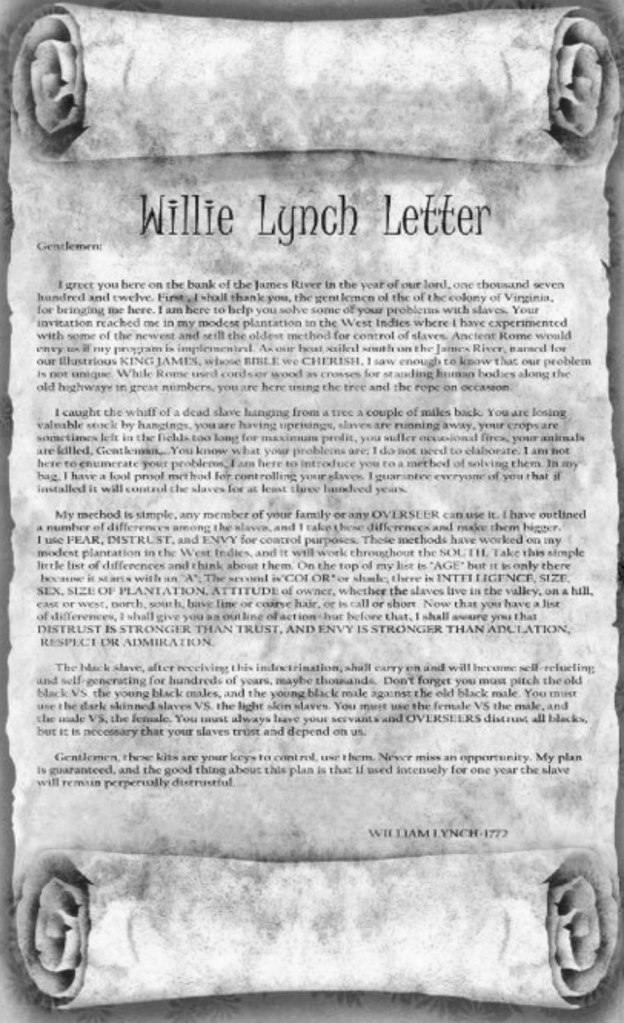
The Willie Lynch Letter—widely circulated as a blueprint for controlling enslaved Africans in America—is often cited in discussions surrounding the systemic psychological manipulation and division within the Black community. Although its authenticity has been heavily disputed, the letter remains symbolically powerful. Allegedly delivered by a British slave owner named Willie Lynch in 1712 on the banks of the James River in Virginia, the letter outlines methods to control slaves for generations by instilling division based on skin color, hair texture, age, gender, and other factors. Despite questions surrounding its historical veracity, the themes it presents remain painfully relevant in 2025.


Alleged Origins and Content of the Willie Lynch Letter

According to the document, Willie Lynch was invited from the West Indies to Virginia to share his “expertise” on slave management. The letter begins with Lynch addressing a group of slave owners, promising them a foolproof method to control their slaves for hundreds of years. He outlines a strategy rooted in psychological division, promoting distrust and disunity among slaves through systemic manipulation of differences—particularly skin color (“light vs. dark”), age (“old vs. young”), gender (“male vs. female”), and even hair texture (“nappy vs. straight”).

One of the most notable concepts from the letter is the separation of the enslaved into house Negroes and field Negroes. House slaves, often lighter-skinned due to being the children of white slave masters, were given relatively better living conditions, cleaner clothes, and closer proximity to their enslavers. They were often used to control or report on the darker-skinned field Negroes, who performed brutal labor in plantations under the hot sun. This intra-racial division served the slaveholders by preventing collective rebellion, as envy, mistrust, and intra-group conflict undermined unity.


Historical Debate: Fact or Fiction?

There is considerable scholarly consensus that the Willie Lynch Letter is a hoax. Historians point to linguistic inconsistencies, anachronisms (such as the use of the term “reflex” and modern grammar structures not used in the 18th century), and the lack of historical evidence of a person named Willie Lynch delivering such a speech in 1712. In fact, no credible record of Lynch’s existence or the letter’s origins exists in the colonial archives (Gates, 2003). Nevertheless, the Willie Lynch Letter endures in cultural consciousness because it reflects real strategies historically used to oppress and manipulate African-descended people in America.


Psychological Residue: Division by Design

Despite its dubious authorship, the letter’s ideology of engineered division has echoed throughout centuries of Black experience in the United States. The division by skin tone, known as colorism, has become deeply embedded within the community. Lighter-skinned individuals have often been afforded more social privilege, greater representation in media, and are sometimes perceived as more intelligent or attractive due to Eurocentric beauty standards (Hunter, 2007). This psychological warfare, seeded in slavery, continues to influence hiring practices, dating preferences, and self-esteem in the modern Black population.

Similarly, the division between field Negroes and house Negroes was metaphorically revived in the 1960s during the civil rights movement, particularly in Malcolm X’s speeches. Malcolm used these terms to describe the difference between the “complacent” Black elite who were comfortable within the white establishment (house Negroes) and the oppressed masses pushing for revolutionary change (field Negroes). His framing highlighted the enduring class-based and psychological divisions that hinder Black unity (X, 1963).


Relevance in 2025: The Lingering Divide

In 2025, the spirit of the Willie Lynch Letter remains manifest in subtle and overt ways. Intra-racial tensions still exist around complexion, hair texture, education, economic status, and gender roles. The media continues to elevate lighter-skinned, Eurocentric Black beauty while marginalizing darker-skinned individuals. Black women with natural hair still face discrimination in professional environments, despite the 2019 CROWN Act (Creating a Respectful and Open World for Natural Hair) aiming to combat hair-based bias (Davis, 2020).

Moreover, systemic racism is far from over. Police brutality, educational disparities, housing discrimination, and wage inequality remain daily realities for many African Americans. Movements like Black Lives Matter emerged as a response not just to violence, but also to the broader dehumanization of Black lives. Although progress has been made, including increased Black representation in politics, media, and academia, the legacy of divide-and-conquer tactics continues to erode unity and foster mistrust.


Conclusion

The Willie Lynch Letter, though likely a fabricated artifact, stands as a mirror reflecting real strategies historically employed to psychologically enslave African Americans through division and manipulation. Whether or not Willie Lynch himself existed, the ideology expressed in the letter has been tragically effective in shaping intergenerational trauma and conflict within the Black community. Recognizing and dismantling these residual effects is critical for healing and unity. In 2025, the challenge is no longer only external oppression, but also internalized division. Understanding our history—both factual and symbolic—is a necessary step toward liberation and solidarity.


References

  • Davis, A. (2020). Hair discrimination and the CROWN Act: A legislative response to anti-Black grooming policies. UCLA Law Review, 67(1), 1–25.
  • Gates, H. L. Jr. (2003). The ‘Willie Lynch Letter’: The Making of a Myth. The Root. Retrieved from https://www.theroot.com
  • Hunter, M. (2007). The Persistent Problem of Colorism: Skin Tone, Status, and Inequality. Sociology Compass, 1(1), 237–254.
  • Malcolm X. (1963). Message to the Grassroots. Speech delivered at King Solomon Baptist Church, Detroit.

MALCOLM X vs MARTIN LUTHER KING JR.

✊🏽 Two Prophets, One Struggle for Black Liberation

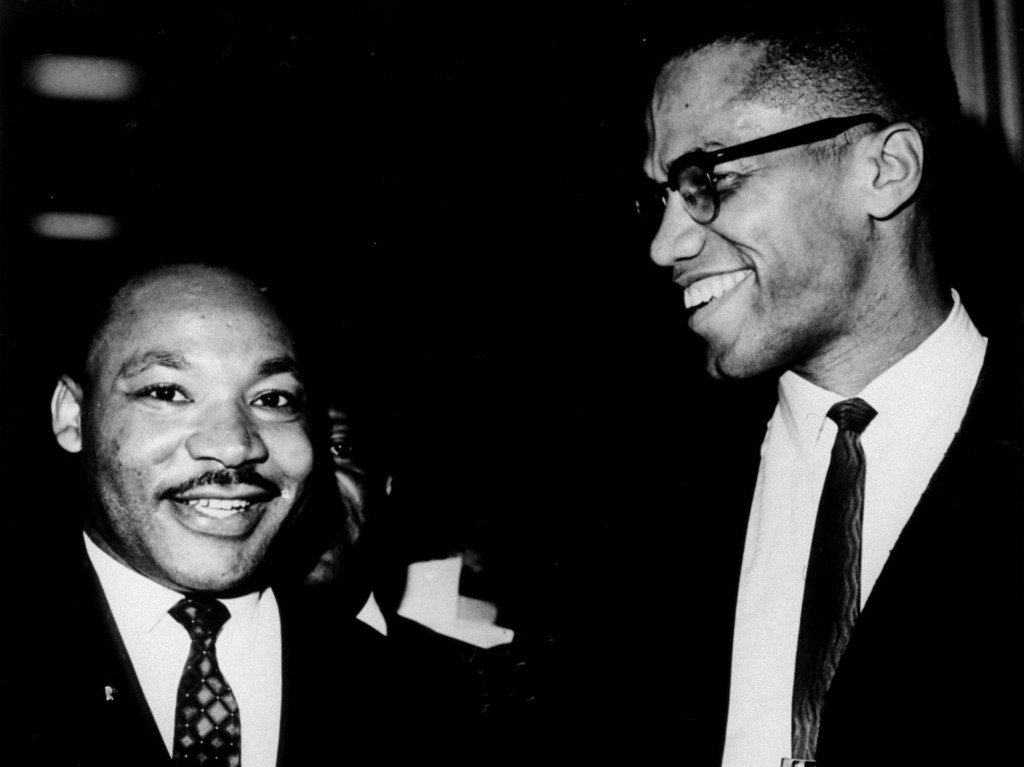
(AP Photo/Henry Griffin)

In the pantheon of American civil rights icons, two names shine with unrelenting brilliance: Malcolm X and Dr. Martin Luther King Jr. Though often cast as ideological opposites—one the militant voice of self-determination, the other the peaceful champion of integration—both men were fearless visionaries who dedicated their lives to the liberation and dignity of African Americans. Despite their differences in theology, rhetoric, and strategy, both stood at the frontline of a nation grappling with racism, injustice, and the unfulfilled promise of democracy.


🕋 Malcolm X: The Firebrand of Black Nationalism

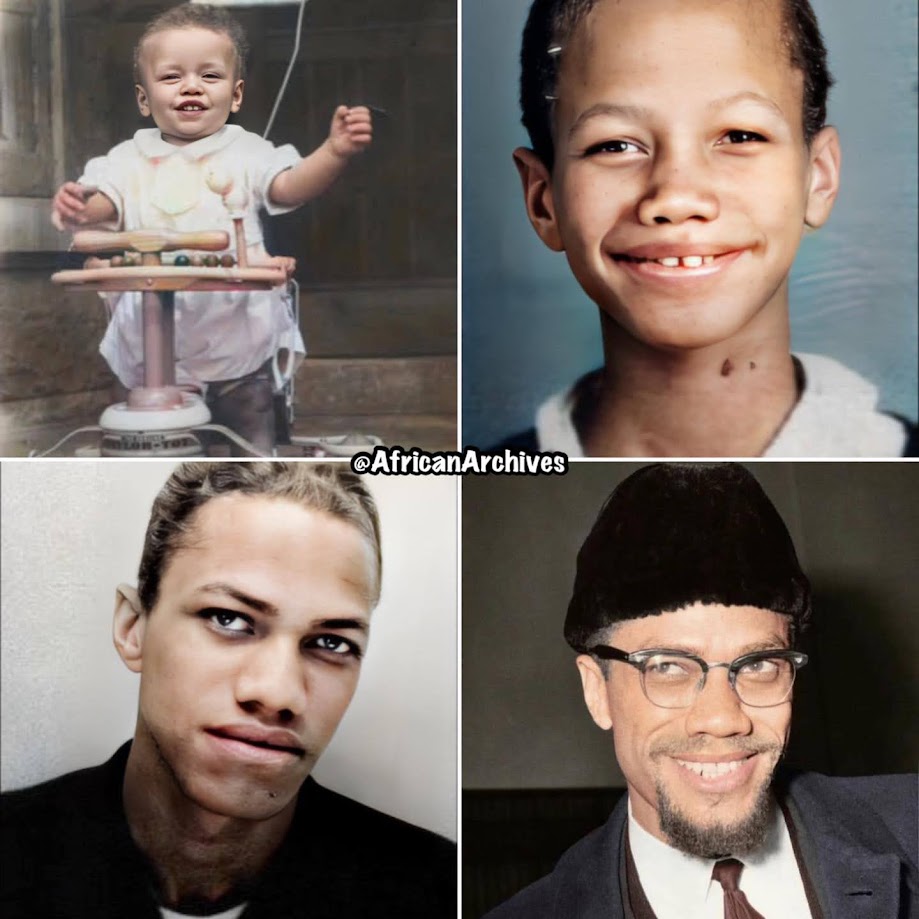
Malcolm X was born Malcolm Little on May 19, 1925, in Omaha, Nebraska. The son of a Baptist preacher and Garveyite activist, Malcolm was introduced early to the power of Black pride. However, after the tragic death of his father and institutionalization of his mother, Malcolm’s youth spiraled into crime and incarceration. While in prison, he encountered the teachings of the Nation of Islam (NOI), a Black nationalist and religious movement led by Elijah Muhammad. Renouncing his surname—“Little”—as a slave name, Malcolm adopted “X” to represent his lost African ancestry.

Through the NOI, Malcolm preached racial pride, economic self-reliance, and Black separation from white society. He famously called for Black liberation “by any means necessary”, advocating self-defense rather than passive resistance. At a time when police brutality and lynchings plagued Black communities, Malcolm X’s unapologetic stance resonated deeply.

Malcolm X’s views were complex and evolving. While he initially condemned interracial relationships, later in life, after breaking with the Nation of Islam and making a pilgrimage to Mecca in 1964, he saw Muslims of all races united in faith. This broadened his worldview and led him to embrace Pan-Africanism and human rights advocacy, softening his stance toward whites.

On Black women, Malcolm once declared:

“The most disrespected person in America is the Black woman. The most unprotected person in America is the Black woman.” (Malcolm X, 1962)

This powerful quote reflected his growing recognition of Black women’s roles in the liberation struggle.

He was married to Betty Shabazz, with whom he had six daughters. Tragically, Malcolm X was assassinated on February 21, 1965, in Harlem’s Audubon Ballroom, just as he was forming the Organization of Afro-American Unity, a non-religious group focused on global Black solidarity.


✝️ Dr. Martin Luther King Jr.: The Apostle of Peace and Justice

Born Michael Luther King Jr. on January 15, 1929, in Atlanta, Georgia, he later changed his name to Martin in honor of the German Protestant reformer. Raised in the heart of the Black church, Martin became a Baptist minister and theologian steeped in the Christian doctrine of love, peace, and redemption.

King earned his doctorate in theology from Boston University and emerged as the leader of the Montgomery Bus Boycott in 1955 after Rosa Parks’ arrest. He founded the Southern Christian Leadership Conference (SCLC) and promoted nonviolent civil disobedience inspired by the teachings of Jesus Christ and Mahatma Gandhi.

He once wrote:

“Darkness cannot drive out darkness; only light can do that. Hate cannot drive out hate; only love can do that.” (King, Strength to Love, 1963)

King’s message appealed to the moral conscience of America. He led monumental events like the March on Washington in 1963, where he delivered his iconic “I Have a Dream” speech.

King was married to Coretta Scott King, and they had four children. While widely revered today, King was labeled a radical in his time. After his death in 1968, newly released FBI files alleged moral failings and adultery, but these accusations remain controversial and heavily debated for their lack of verifiable evidence and the FBI’s notorious attempts to discredit him (Garrow, 1986).


⚖️ Christianity vs. Nation of Islam

The theological differences between the men mirrored the ideological divides of their movements:

  • Christianity, as King practiced, preached forgiveness, integration, and universal brotherhood.
  • The Nation of Islam, as Malcolm embraced in his early years, preached Black supremacy, self-sufficiency, and a theological rejection of white society as inherently evil.

While King saw America as a nation to be redeemed, Malcolm often saw it as irredeemable.


🤝🏿 Did They Respect Each Other?

Though they met only once briefly in 1964, both Malcolm and Martin acknowledged the other’s sincerity and impact. Initially, Malcolm criticized King’s nonviolence as submissive. However, toward the end of his life, Malcolm expressed admiration for King’s commitment and bravery. After Malcolm’s assassination, King said:

“Malcolm X was a brilliant man who had great insight and was an eloquent spokesman for his point of view…I think he had a great ability to analyze the problem.”


👑 What Did They Do for Black People?

  • Malcolm X gave voice to the voiceless, empowering Black people to see themselves as valuable, independent, and sovereign. He introduced terms like “Afro-American” and made “Black is Beautiful” a political statement.
  • Martin Luther King Jr. was instrumental in achieving civil rights legislation, including the Civil Rights Act of 1964 and the Voting Rights Act of 1965, transforming American society through legal and moral change.

🌍 Views on America, Racism, and Africa

  • Malcolm X denounced America’s hypocrisy, calling it a “prison of the oppressed.” After his hajj to Mecca, he embraced a broader global view, saying, “I am not a racist. I am against every form of racism and segregation.”
  • King believed America could live up to its promise if it was held accountable. He said, “I have a dream that one day this nation will rise up and live out the true meaning of its creed.”

Both men viewed Africa as central to Black identity and liberation. Malcolm made alliances with African leaders, while King supported African independence movements.


👶🏾 Wives and Children

  • Malcolm X and Betty Shabazz had six daughters, including the late activist Malikah Shabazz.
  • Martin Luther King Jr. and Coretta Scott King had four children, including Bernice King, a prominent speaker and activist.

🏁 Final Thought: Who Had the Better Message?

This question defies easy answers. Malcolm X gave us the courage to stand tall. Martin Luther King Jr. taught us the power of enduring love. Together, they represented two wings of the same freedom bird. One cried out in righteous anger; the other marched with patient hope. But both demanded that Black people be seen, respected, and free.


📚 References

  • Garrow, D. J. (1986). Bearing the Cross: Martin Luther King, Jr., and the Southern Christian Leadership Conference. William Morrow & Co.
  • Malcolm X & Haley, A. (1965). The Autobiography of Malcolm X. Grove Press.
  • King, M. L. Jr. (1963). Strength to Love. Harper & Row.
  • Marable, M. (2011). Malcolm X: A Life of Reinvention. Viking.
  • Cone, J. H. (1991). Martin & Malcolm & America: A Dream or a Nightmare. Orbis Books.
  • Nation of Islam. (n.d.). Official Website. http://www.noi.org
  • The King Center. (n.d.). Biography of Dr. Martin Luther King Jr. http://www.thekingcenter.org

Dilemma: Generational Trauma

Pain as an Inheritance

Photo by Mensah Shot on Pexels.com

Generational trauma is not merely a poetic metaphor—it is a psychological and physiological reality. For Black people, the wounds of the past are not confined to history books; they live within our bodies, our minds, and our cultural memory. The transatlantic slave trade, Jim Crow laws, lynchings, segregation, mass incarceration, and systemic racism have left indelible marks on the collective psyche of African-descended peoples. According to trauma theory, unhealed pain can be transmitted across generations through learned behaviors, family dynamics, and even epigenetic changes that alter stress responses (Yehuda et al., 2016). Dr. Joy DeGruy (2005) calls this Post Traumatic Slave Syndrome, where the legacy of slavery manifests in self-doubt, internalized racism, and fractured community trust. The Bible affirms the reality of inherited struggle, stating, “The fathers have eaten sour grapes, and the children’s teeth are set on edge” (Jeremiah 31:29, KJV), illustrating how the consequences of one generation’s suffering can shape the lives of those yet unborn.

Our ancestors endured unimaginable cruelty—chains cutting into their wrists, the lash of the whip, the ripping apart of families, the erasure of native languages, and the stripping away of names, culture, and heritage. They survived slave ships where human beings were packed like cargo, brutal plantation labor from sunrise to sundown, and laws that declared them three-fifths of a person. These experiences did not vanish when emancipation came; instead, they morphed into racial terror, voter suppression, economic exclusion, and the daily indignities of being treated as “less than.” Such trauma imprinted a deep sense of hypervigilance, mistrust of institutions, and generational patterns of resilience and caution. Maya Angelou once said, “You may not control all the events that happen to you, but you can decide not to be reduced by them.” This speaks to the dual reality of our inheritance: the pain that seeks to bind us and the strength that pushes us to overcome.

Psychologically, generational trauma manifests in patterns of parenting, communication styles, and survival strategies that were essential in hostile environments but may become maladaptive in modern contexts. The legacy of white supremacy perpetuates this cycle by embedding inequality into laws, housing policies, education systems, and media narratives. Microaggressions, racial profiling, wage gaps, and health disparities are not isolated incidents; they are the aftershocks of centuries of oppression. According to the American Psychological Association (2019), chronic exposure to racism creates toxic stress, increasing risks for depression, anxiety, hypertension, and shortened life expectancy among Black Americans. As Exodus 3:7 (KJV) records, “I have surely seen the affliction of my people…and have heard their cry by reason of their taskmasters; for I know their sorrows.” God’s acknowledgment of suffering affirms the depth of our pain while offering hope for deliverance.

The pain we face today—police brutality, mass incarceration, economic inequality, and cultural erasure—is both the shadow of our history and the continuation of an oppressive system. White supremacy’s greatest cruelty is that it not only inflicts harm in the present but also manipulates the past, making it harder for us to heal. Yet healing is possible. Breaking the cycle requires collective acknowledgment, truth-telling, cultural restoration, and both psychological and spiritual liberation. As Galatians 5:1 (KJV) declares, “Stand fast therefore in the liberty wherewith Christ hath made us free, and be not entangled again with the yoke of bondage.” To reject the inheritance of pain is not to forget our ancestors’ suffering, but to honor them by reclaiming our wholeness, our joy, and our future.


References

  • American Psychological Association. (2019). Stress effects on the body. https://www.apa.org
  • DeGruy, J. (2005). Post Traumatic Slave Syndrome: America’s Legacy of Enduring Injury and Healing. Uptone Press.
  • Yehuda, R., et al. (2016). Holocaust exposure induced intergenerational effects on FKBP5 methylation. Biological Psychiatry, 80(5), 372–380.
  • The Holy Bible, King James Version.

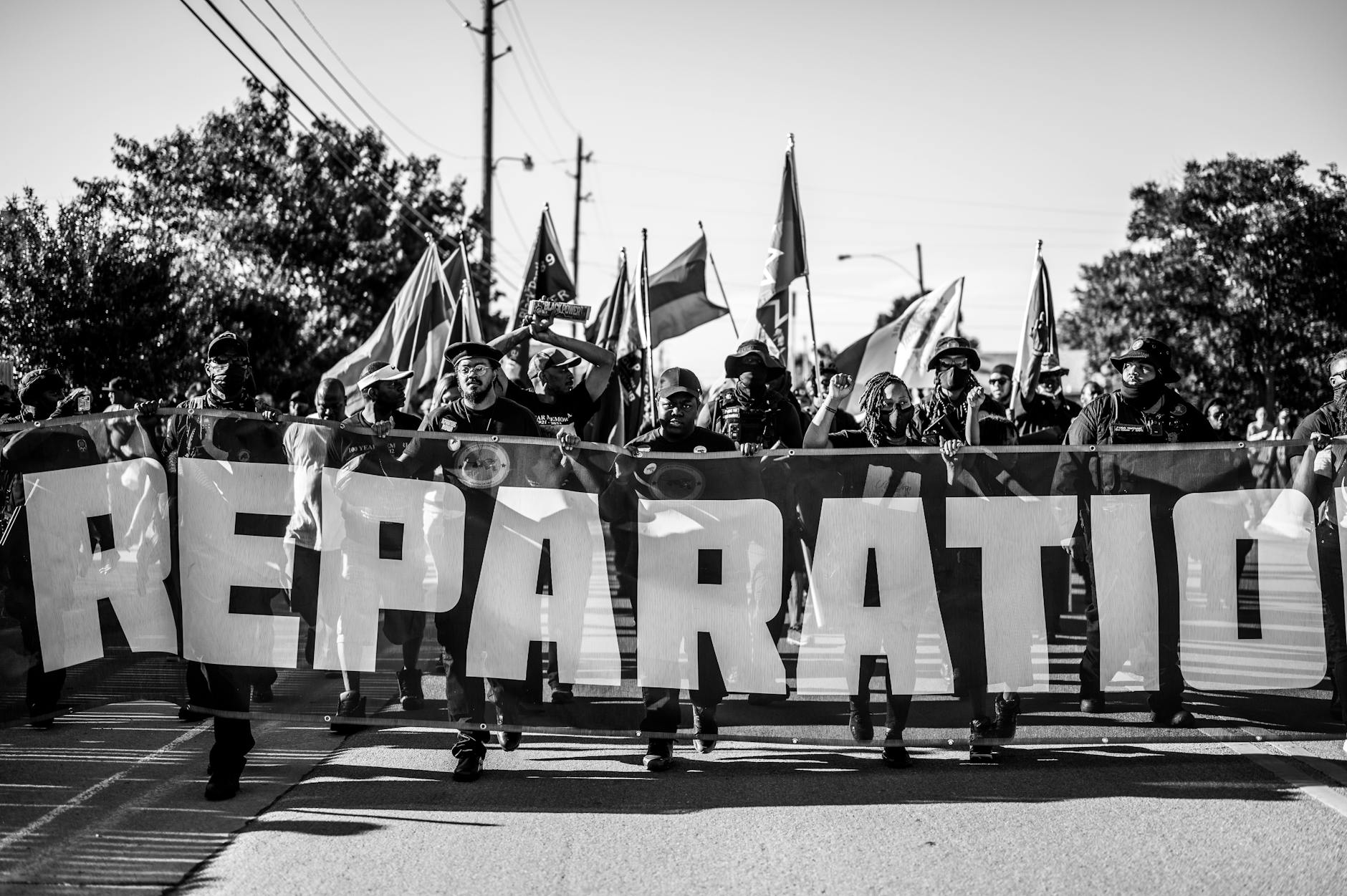
America’s Ten Unpaid Debts to Black Citizens.

A Historical and Moral Reckoning

Photo by Alfo Medeiros on Pexels.com

The history of the United States is marked by both the rhetoric of liberty and the reality of systemic exclusion. From slavery to present-day racial inequities, the nation has accumulated what Dr. Martin Luther King Jr. famously described as a “promissory note” to Black Americans—an unfulfilled promise of equality, justice, and opportunity (King, 1963). These unpaid debts are not merely metaphorical; they are tangible, measurable, and rooted in centuries of institutionalized oppression. This essay examines ten of the most significant debts owed to Black citizens, explaining their historical origins and ongoing impact.


1. Reparations for Slavery

From 1619 to 1865, millions of African people were enslaved, generating immense wealth for the United States without receiving wages, property, or restitution (Baptist, 2014). The labor of enslaved Africans built the economic foundation of the nation, particularly in agriculture and trade. The failure to provide “forty acres and a mule” after emancipation represents a broken promise (Foner, 1988). Today, the racial wealth gap is a direct legacy of this uncompensated labor.


2. Unpaid Wages of Sharecropping and Convict Leasing

After slavery, sharecropping and convict leasing perpetuated forced labor under exploitative contracts, often leaving Black workers in perpetual debt (Blackmon, 2008). This system enriched landowners, railroads, and industrialists while trapping Black families in generational poverty. Psychological trauma from this economic exploitation remains embedded in communities.


3. Land Theft and Dispossession

Throughout the late 19th and early 20th centuries, Black farmers lost millions of acres through discriminatory lending practices, violence, and fraudulent legal tactics (Mitchell, 2005). Entire Black towns—such as Rosewood, Florida, and Tulsa’s Greenwood District—were destroyed by white mobs, erasing economic gains and property inheritance.


4. Denial of GI Bill Benefits

Following World War II, the GI Bill offered veterans home loans, education, and business assistance. However, discriminatory administration by banks and colleges meant Black veterans were largely excluded (Katznelson, 2005). This hindered upward mobility and the ability to pass wealth to future generations.


5. Housing Discrimination and Redlining

From the 1930s through the 1970s, the federal government sanctioned redlining—refusing mortgages in Black neighborhoods—which restricted home ownership and property value appreciation (Rothstein, 2017). This structural exclusion solidified racial segregation and the wealth divide.


6. Unequal Education

For centuries, Black children were denied equal education, from the prohibition of literacy under slavery to segregated and underfunded schools after Brown v. Board of Education (1954). Even today, predominantly Black school districts receive significantly less funding, perpetuating educational inequities (Darling-Hammond, 2010).


7. Mass Incarceration

The disproportionate policing, arrest, and imprisonment of Black Americans—especially since the 1970s “War on Drugs”—represents another unpaid debt. Mass incarceration has stripped millions of voting rights, broken families, and drained economic potential (Alexander, 2010). Biblically, this parallels unjust imprisonment condemned in Isaiah 10:1–2 (KJV).


8. Healthcare Inequities

Black Americans have historically faced medical neglect, from the Tuskegee Syphilis Study to present disparities in maternal mortality and access to care (Washington, 2006). Structural racism in healthcare has cost countless lives, a debt measured in both mortality and moral failure.


9. Cultural Appropriation without Compensation

Black creativity has been a driving force in American music, fashion, sports, and art. Yet, cultural appropriation often strips Black innovators of credit and financial benefit, enriching corporations and others while leaving the originators marginalized (Love, 2019).


10. Political Disenfranchisement

From poll taxes and literacy tests to modern voter ID laws and gerrymandering, Black citizens have been systematically denied full political participation (Anderson, 2018). This exclusion undermines the democratic promise of equal representation and self-determination.


Conclusion

These ten unpaid debts—spanning economic, political, social, and cultural domains—reveal that the promise of America remains partially unfulfilled for Black citizens. Addressing them is not merely about restitution but about moral accountability and the biblical imperative to “do justly, and to love mercy” (Micah 6:8, KJV). Until these debts are acknowledged and addressed, the dream of a truly equal America will remain deferred.


References

Alexander, M. (2010). The new Jim Crow: Mass incarceration in the age of colorblindness. The New Press.
Anderson, C. (2018). One person, no vote: How voter suppression is destroying our democracy. Bloomsbury Publishing.
Baptist, E. E. (2014). The half has never been told: Slavery and the making of American capitalism. Basic Books.
Blackmon, D. A. (2008). Slavery by another name: The re-enslavement of Black Americans from the Civil War to World War II. Anchor Books.
Darling-Hammond, L. (2010). The flat world and education. Teachers College Press.
Foner, E. (1988). Reconstruction: America’s unfinished revolution, 1863–1877. Harper & Row.
Katznelson, I. (2005). When affirmative action was white: An untold history of racial inequality in twentieth-century America. W.W. Norton & Company.
Love, B. L. (2019). We want to do more than survive: Abolitionist teaching and the pursuit of educational freedom. Beacon Press.
Mitchell, T. (2005). From reconstruction to deconstruction: Undermining black landownership, political independence, and community through partition sales of tenancies in common. Northwestern University Law Review, 95(2), 505–580.
Rothstein, R. (2017). The color of law: A forgotten history of how our government segregated America. Liveright Publishing.
Washington, H. A. (2006). Medical apartheid: The dark history of medical experimentation on Black Americans from colonial times to the present. Doubleday.