Tag Archives: prejudice

Dilemma: Loss of Identity

This artwork is the property of its respective owner. No copyright infringement intended.

Chains rattled with the tide,
Names stolen, tongues tied.
On waters wide, hope sank deep,
Captivity carried—memories we keep.

The loss of identity is one of the most profound dilemmas endured by humanity, particularly among oppressed peoples. For African descendants in the Americas, this dilemma is not abstract but lived—a consequence of slavery, colonization, and systemic erasure. This struggle to know oneself is both a personal and collective burden, rooted in history yet carried into the present.

Slave Ships as Sites of Erasure

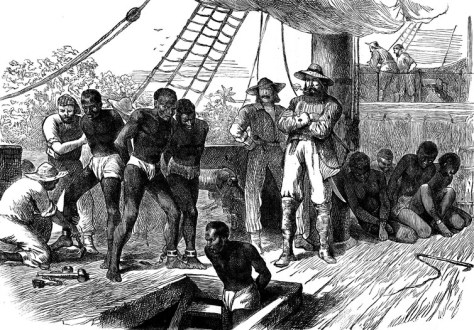
The transatlantic slave ships were more than vessels of transport; they were tools of identity annihilation. Families were torn apart, languages silenced, and cultural memories suppressed. Olaudah Equiano (1789/2001) described the Middle Passage as a space where people were treated as “commodities” rather than human beings. In this forced displacement, African men and women were stripped of their names, rituals, and belonging.

Captivity and Biblical Parallels

The Bible offers parallels to this historical tragedy. Deuteronomy 28:68 (KJV) prophesies, “And the LORD shall bring thee into Egypt again with ships… and there ye shall be sold unto your enemies for bondmen and bondwomen, and no man shall buy you.” This verse echoes the reality of Africans transported into captivity, linking the loss of identity to a spiritual dimension of exile and prophecy.

Identity as a Human Anchor

Psychologically, identity functions as an anchor. Erikson’s (1968) stages of psychosocial development emphasize identity formation as crucial to mental stability. When individuals are robbed of cultural markers, such as name, language, and ancestry, they experience fragmentation. Enslaved Africans and their descendants inherited this psychological wound across generations.

The Mask of Survival

In order to survive, many enslaved people were forced to adopt the identity of their oppressors. Names were replaced with European ones, religions were imposed, and cultural practices were punished. This masking of the true self aligns with W.E.B. Du Bois’s (1903/1994) concept of “double consciousness,” where African Americans lived with the tension of their authentic self and the imposed gaze of white society.

Spiritual Disconnection

Another dimension of identity loss was spiritual. Many Africans brought rich religious traditions, yet these were suppressed and replaced with distorted forms of Christianity that justified slavery. While the true liberating message of the Gospel offered hope, its manipulation by oppressors contributed to spiritual confusion, making faith itself a site of identity struggle (Raboteau, 2004).

The Generational Silence

The dilemma did not end with emancipation. Generations inherited silence rather than memory. Families often lacked knowledge of their origins beyond slavery, leading to fractured identities. This loss of ancestral connection created cultural amnesia, leaving African descendants vulnerable to assimilation and shame.

The Psychological Cost

Research shows that historical trauma can have intergenerational effects. Danieli (1998) observed how unresolved trauma in one generation transmits to the next, manifesting in depression, anxiety, or internalized oppression. For Black communities, the unresolved trauma of slavery contributed to identity confusion, cycles of poverty, and weakened family structures.

Identity and Racism

The external world reinforced this loss through systemic racism. Stereotypes, laws, and discriminatory practices labeled Black people as inferior, perpetuating the identity imposed during slavery. This external misrepresentation created internal conflict, where individuals wrestled with the lies of society versus the truth of their humanity.

The Role of Education

Carter G. Woodson (1933/2006) argued in The Mis-Education of the Negro that systemic erasure within education reinforced identity loss. Black history was omitted or distorted, causing generations to believe they had no legacy worth preserving. Education became a battleground for identity reclamation.

The Dilemma of Assimilation

In pursuit of acceptance, many African Americans adopted European standards of beauty, speech, and culture. While assimilation provided opportunities for survival, it deepened the dilemma of identity: to belong outwardly meant to deny inwardly. This paradox remains visible today in debates about hair, skin tone, and language.

The Bible as Restoration

Despite misuse by oppressors, Scripture also became a source of restoration. Psalms 137:1 (KJV) captures the lament of displaced people: “By the rivers of Babylon, there we sat down, yea, we wept, when we remembered Zion.” The cry of exiles resonates with African descendants longing for identity, showing that biblical narratives of captivity also carry promises of restoration.

Community as Healer

Identity is not rebuilt in isolation but in community. Black churches, cultural movements, and grassroots organizations became centers of identity reclamation. Through music, worship, and storytelling, fragments of identity were pieced back together, restoring dignity and hope.

The Role of Memory

Remembering is itself an act of resistance. By preserving oral histories, traditions, and genealogies, communities resist erasure. Isaiah 58:12 (KJV) promises, “And they that shall be of thee shall build the old waste places… thou shalt be called, The repairer of the breach.” Remembering builds bridges between past and future.

Cultural Reclamation Movements

The Harlem Renaissance, Black Power, and Pan-African movements sought to reclaim lost identity. By celebrating African heritage, art, and pride, these movements countered centuries of imposed inferiority. They demonstrated that cultural expression is not merely art but a tool of identity restoration.

Psychological Healing

Healing identity loss requires psychological and spiritual renewal. Romans 12:2 (KJV) urges believers to “be transformed by the renewing of your mind.” Therapy, cultural education, and spiritual grounding all contribute to rebuilding fragmented identities, offering freedom from internalized lies.

Modern Identity Struggles

Even today, Black communities wrestle with dilemmas of identity. From debates over African versus African American identity to struggles with colorism and beauty standards, the search for self continues. The legacy of slavery’s identity theft lingers in these ongoing struggles.

Toward Restoration

Restoration comes when individuals and communities reclaim their heritage, affirm their worth, and embrace their divine purpose. Identity is not only about ancestry but also about destiny. Recognizing oneself as created in the image of God (Genesis 1:27, KJV) provides the ultimate foundation for restored dignity.

Conclusion

The dilemma of loss of identity is both a wound and a call to healing. Though chains, ships, and systems sought to erase, the memory of a people endures. Through history, faith, and collective resilience, identity can be reclaimed. What was lost in captivity can be restored in truth, for identity rooted in God and heritage cannot be permanently destroyed.


References

  • Danieli, Y. (1998). International handbook of multigenerational legacies of trauma. Springer.
  • Du Bois, W. E. B. (1994). The souls of Black folk. Dover. (Original work published 1903)
  • Equiano, O. (2001). The interesting narrative of the life of Olaudah Equiano. Bedford/St. Martin’s. (Original work published 1789)
  • Erikson, E. H. (1968). Identity: Youth and crisis. Norton.
  • Raboteau, A. (2004). Slave religion: The “invisible institution” in the antebellum South. Oxford University Press.
  • Woodson, C. G. (2006). The mis-education of the Negro. Book Tree. (Original work published 1933)
  • The Holy Bible, King James Version.
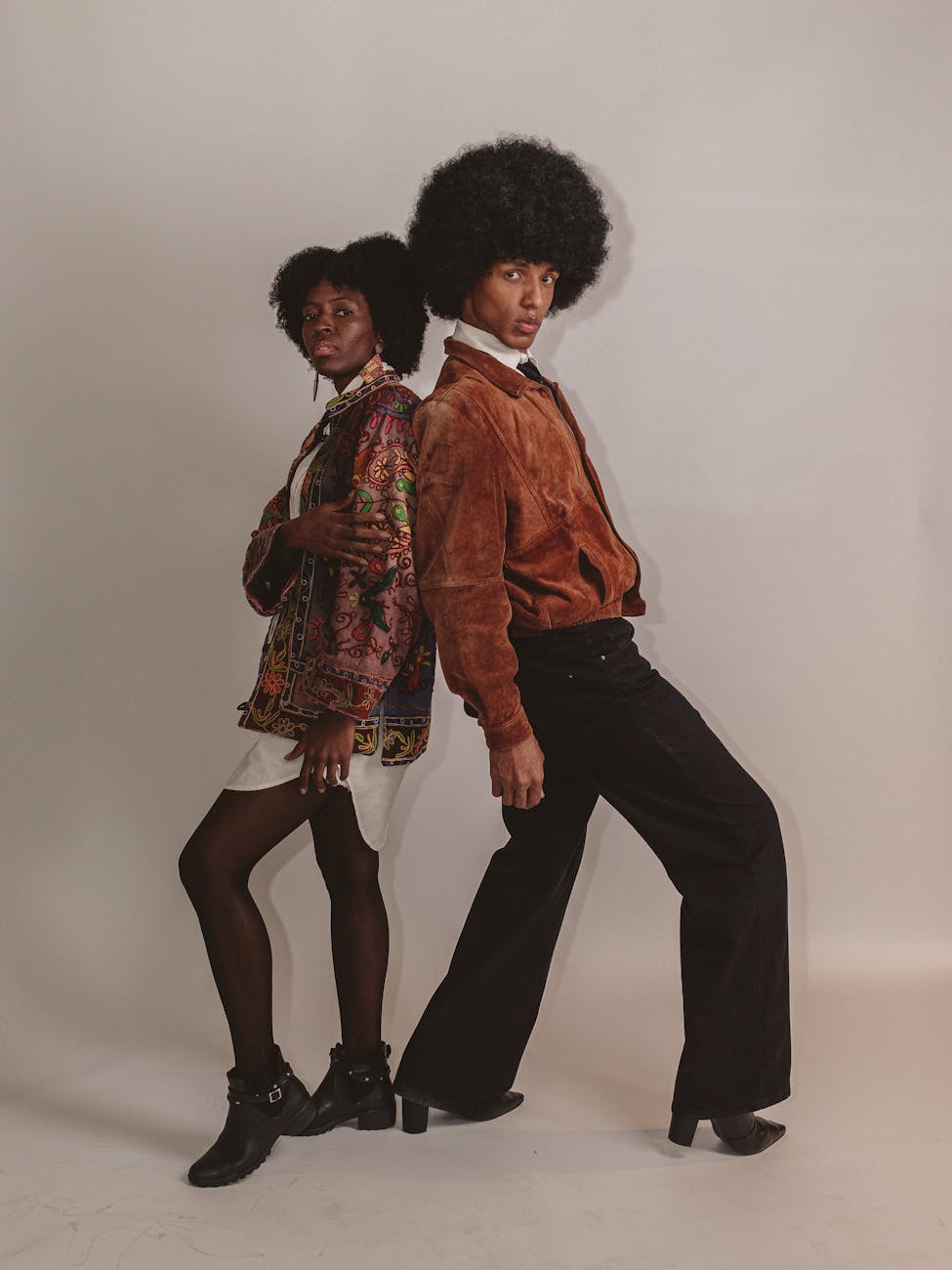
Brown Girl VS Brown Boy: The Trials That Both Black Women and Men Share.

Photo by Alexandre Canteiro on Pexels.com

The narrative of the Brown Girl and the Brown Boy is a testimony of shared endurance and resilience across centuries of oppression. While each carries unique burdens shaped by gender, their struggles intertwine within the same framework of racism, systemic inequality, and cultural misrepresentation. The Brown Boy carries the burden of criminalization. From childhood, he is labeled as a threat, his innocence quickly stripped away by the gaze of a society that fears his melanin. He is often over-policed, over-disciplined, and prematurely marked as deviant. This early criminalization sets the stage for a life in which opportunity is constrained, where his existence is seen as something to be managed rather than celebrated. The Brown Girl, in turn, bears the weight of invisibility and hypervisibility at once. Her body is policed, her skin tone scrutinized, and her hair politicized. She is told she must work twice as hard to be seen, yet when she asserts herself, she is cast as angry or difficult. Her womanhood is too often undervalued, her femininity questioned, and her contributions overlooked. Invisibility denies her credit, while hypervisibility subjects her to surveillance.

Historical Roots of Struggle
The struggles of the Brown Girl and Brown Boy are rooted in slavery, where African men and women were simultaneously dehumanized, exploited, and stripped of their personhood. Enslaved men were depicted as dangerous brutes, while enslaved women were hypersexualized or forced into maternal roles without agency. This legacy persists today in stereotypes that continue to shape societal perceptions. The plantation created a blueprint for systemic oppression that both Black men and women still resist.

The Brown Boy is burdened by criminalization. From his youth, society sees him not as a child but as a potential threat. He is over-policed, over-disciplined, and prematurely marked as deviant. This reflects Deuteronomy 28:50 (KJV): “A nation of fierce countenance, which shall not regard the person of the old, nor shew favour to the young.” His innocence is stolen by systemic suspicion, his manhood molded in the shadow of fear.

The Brown Girl’s struggle is invisibility and hypervisibility at once. She is unseen in her brilliance yet overexposed in her body. Her skin, hair, and tone are politicized, making her both target and spectacle. The scriptures foretell this devaluation: “Thy sons and thy daughters shall be given unto another people, and thine eyes shall look, and fail with longing for them all the day long” (Deuteronomy 28:32, KJV). The world covets her beauty but denies her humanity.

Representation and Misrepresentation
Representation has always been a double-edged sword. For the Brown Boy, media often frames him as a criminal or athlete, denying the full spectrum of his humanity. For the Brown Girl, the media either erases her altogether or confines her to caricatures such as the “mammy,” “jezebel,” or “angry Black woman.” Both experience the suffocation of misrepresentation, where society refuses to see them as complex individuals.

Educational Barriers and Discipline
Education becomes a battlefield. Research shows that Black boys are disproportionately suspended and criminalized in classrooms, labeled as “problematic” rather than nurtured (Ferguson, 2000). Black girls, while often excelling academically, face their own policing: their natural hair is deemed “unprofessional,” their assertiveness mistaken for defiance, and their bodies sexualized even in youth. Both genders wrestle with an education system that undermines their potential.

Economic Inequalities
The Brown Boy often confronts systemic barriers to employment and financial stability, including discriminatory hiring practices and wage gaps. Meanwhile, the Brown Girl—despite being the most educated demographic in the U.S.—earns less than both her Black male counterparts and white women. This intersection of racism and sexism is a double bind, yet both find themselves navigating economic structures designed to exploit rather than uplift.

Colorism’s Dividing Line
Colorism deepens the trials of both. Brown Boys may be perceived as more threatening the darker their complexion, while Brown Girls may be considered less desirable. This internalized bias stems from colonial legacies that equated light skin with superiority. Both men and women endure the psychological scars of a hierarchy that measures their worth through proximity to whiteness.

Psychological Weathering
The term “weathering” describes the cumulative effect of systemic oppression on Black bodies, leading to premature aging and health decline (Geronimus, 1992). The Brown Boy often carries the weight of being seen as a target, leading to chronic stress. The Brown Girl shoulders the burden of caretaking, respectability politics, and constant scrutiny. Together, they endure the slow erosion of health by racism’s daily toll.

Police Violence and State Control
For Brown Boys, encounters with police often turn deadly. Mass incarceration and racial profiling remain defining realities. For Brown Girls, vulnerability takes other forms—sexual violence, neglect in medical care, and dismissal in the justice system. Both genders are ensnared in different arms of the same carceral state, one that polices their existence.

Body Politics
The body becomes a site of battle. Black men are hyper-masculinized, their physiques fetishized yet criminalized. Black women’s bodies are policed, objectified, and appropriated—praised when on non-Black women yet ridiculed when naturally theirs. Both genders face dehumanization through the gaze of others.

Faith and Resilience
Despite these struggles, faith traditions have long served as a refuge. From the hush harbors of slavery to today’s Black churches, scripture reminds the Brown Girl and Brown Boy of their worth: “I will praise thee; for I am fearfully and wonderfully made” (Psalm 139:14, KJV). Both draw strength from a spiritual lineage that affirms beauty, dignity, and resilience against a world that denies them.

Love and Partnership
Romantic and communal relationships are also affected by oppression. The stressors of unemployment, incarceration, and societal division often strain bonds between Black men and women. Yet, when the Brown Girl and Brown Boy commit to healing together, their love becomes an act of resistance, a sanctuary in a hostile world.

Cultural Expression
Music, art, and literature serve as outlets of survival. From jazz and hip-hop to spoken word and Afrofuturism, the Brown Girl and Brown Boy reclaim narratives and create new worlds. Through cultural production, they not only resist but also affirm their brilliance.

Generational Trauma
Trauma is not only personal but generational. Children inherit the burdens of systemic oppression, witnessing the struggles of their parents. The Brown Girl and Brown Boy often carry wounds passed down from ancestors who endured slavery, Jim Crow, and structural racism. Healing requires breaking these cycles while honoring ancestral resilience.

The Burden of Exceptionalism
Both genders often feel the pressure to be “twice as good” in order to be deemed worthy. This burden of exceptionalism leaves little room for error or rest. The Brown Boy is expected to defy the odds and avoid stereotypes, while the Brown Girl must embody strength without vulnerability. Both pay the psychological cost of being denied simple humanity.

Resistance in Activism
Black women and men have stood side by side in movements for freedom, from abolition to civil rights to Black Lives Matter. The Brown Girl and Brown Boy recognize that liberation is bound together, for one cannot be free without the other. Their shared activism is a testimony of collective endurance and vision.

Beauty and Affirmation
In a world that tells them otherwise, both must learn to see their beauty. The Brown Girl reclaims her natural hair, dark skin, and full features as symbols of pride. The Brown Boy embraces his strength, his melanin, and his presence as affirmations of worth. Beauty, once defined against them, becomes theirs to define.

Mental Health Struggles
The stigma of mental health persists in Black communities, where seeking therapy is sometimes discouraged. Yet, both men and women battle depression, anxiety, and PTSD from systemic oppression. The Brown Girl and Brown Boy must learn to embrace healing spaces without shame.

Solidarity and Division
Oppression sometimes pits them against each other, but solidarity is essential. The Brown Girl and Brown Boy must recognize that patriarchy and sexism wound as deeply as racism, and healing requires accountability, empathy, and mutual uplift. Their strength lies in unity, not division.

The Role of Media and Social Platforms
In the digital era, social media becomes both a battleground and a platform for empowerment. Hashtags like #BlackGirlMagic and #BlackBoyJoy counter negative narratives. Yet, both also endure online harassment and colorist commentary. The virtual space mirrors the real-world struggle for validation.

Conclusion: Trials, Triumphs, and Togetherness
The story of the Brown Girl and Brown Boy is not a story of defeat but of resilience. Though their trials differ in form, they intersect in meaning. Both endure systemic oppression, cultural erasure, and personal struggles—but both also embody brilliance, creativity, and faith. Their shared journey calls for solidarity, healing, and love. Together, the Brown Girl and Brown Boy prove that resilience runs deep in their skin, their spirit, and their story.


📚 References

  • Ferguson, A. A. (2000). Bad Boys: Public Schools in the Making of Black Masculinity. University of Michigan Press.
  • Geronimus, A. T. (1992). The weathering hypothesis and the health of African-American women and men: Implications for reproductive strategies and policy analysis. Milbank Quarterly, 70(2), 335–365.
  • hooks, b. (1981). Ain’t I a Woman: Black Women and Feminism. South End Press.
  • Du Bois, W. E. B. (1903). The Souls of Black Folk. Chicago: A. C. McClurg & Co.

The Strategic Plots Against Black Women

Biblical Warnings and Psychological Realities

Photo by TRIPLE LENS PHOTOGRAPHY on Pexels.com

Throughout history, Black women have faced systemic plots designed to diminish their worth, distort their identity, and weaken their families. These strategies are not new; they echo the biblical pattern of oppression against God’s chosen people. Psalm 83:3 (KJV) declares, “They have taken crafty counsel against thy people, and consulted against thy hidden ones.” Black women, as the backbone of their families and communities, have often been targeted in these “crafty counsels” through slavery, media portrayals, institutional racism, and cultural stereotypes. Psychology reveals that such constant attacks on identity create long-term generational trauma, eroding self-worth while forcing resilience.

One of the most persistent plots against Black women is the distortion of beauty and femininity. Western society has historically elevated Eurocentric beauty standards, pressuring Black women to alter their natural hair, skin, or bodies to fit into systems of acceptance. 1 Peter 3:3–4 (KJV) reminds women that true beauty is “not that outward adorning…but the hidden man of the heart.” Yet psychologically, being excluded from dominant standards of beauty leads to internalized racism, body dysmorphia, and feelings of inferiority. By undervaluing natural Black beauty, society strategically undermines confidence and creates divisions within the community.

Another plot is the economic and familial destabilization of Black women. During slavery and Jim Crow, systemic efforts separated families and denied Black men the ability to provide, leaving women overburdened. Today, mass incarceration and discriminatory job markets continue this cycle. Scripture acknowledges the weight placed on women, noting in Lamentations 5:3 (KJV), “We are orphans and fatherless, our mothers are as widows.” Psychologically, this creates stress disorders, burnout, and the “strong Black woman” stereotype, where Black women are expected to endure excessive hardship without support. While resilience is admirable, the expectation of endless sacrifice without healing is itself a form of oppression.

Media representation forms another powerful plot, shaping how the world perceives Black women. The Jezebel stereotype hypersexualizes them, the Sapphire caricature portrays them as angry, and the Mammy image reduces them to servitude. These portrayals, rooted in slavery, persist in modern entertainment and social media. Proverbs 11:22 (KJV) warns, “As a jewel of gold in a swine’s snout, so is a fair woman which is without discretion.” These stereotypes strip away the dignity of Black women, making them objects of ridicule or desire rather than full human beings. Psychologically, constant negative imagery fosters stereotype threat, where Black women feel pressured to disprove false narratives at the expense of authenticity and peace.

Furthermore, the educational and health care systems reveal systemic neglect. Black women experience higher maternal mortality rates, are often dismissed in medical settings, and face biased disciplinary practices in schools. Hosea 4:6 (KJV) laments, “My people are destroyed for lack of knowledge.” Denial of proper care and knowledge is a modern-day plot that not only harms Black women physically but also perpetuates mistrust in institutions. From a psychological lens, such neglect leads to chronic stress, mistrust of authority, and intergenerational health disparities.

Quick Guide: 10 Strategic Plots Against Black Women

Biblical Truths and Psychological Insights

  1. Distortion of Beauty Standards
  • 1 Peter 3:3–4 (KJV) – True beauty is inward, not outward.
  • Eurocentric ideals pressure Black women to alter hair, skin, and body, leading to internalized racism and body-image struggles.
  1. Hypersexualization (Jezebel Stereotype)
  • Proverbs 11:22 (KJV) – Beauty without discretion is devalued.
  • Media reduces Black women to sexual objects, fostering harmful stereotypes and damaging self-worth.
  1. Angry Black Woman (Sapphire Stereotype)
  • James 1:19 (KJV) – Be “slow to wrath.”
  • Stereotyping Black women as hostile discourages authentic emotional expression and silences their voices.
  1. The Mammy Narrative
  • Ecclesiastes 3:7 (KJV) – There is a time to serve, and a time to keep silence.
  • Black women are reduced to caretakers for others, neglecting their own well-being.
  1. Economic Oppression
  • Lamentations 5:3 (KJV) – Families broken, mothers burdened.
  • Wage gaps, job discrimination, and economic instability place undue weight on Black women.
  1. Family Destabilization
  • Malachi 4:6 (KJV) – Turning hearts of fathers to children is key.
  • Mass incarceration and systemic barriers remove fathers, forcing women into overextended roles.
  1. Medical Neglect
  • Hosea 4:6 (KJV) – Lack of knowledge destroys.
  • Black women face high maternal mortality and medical dismissal, creating mistrust in healthcare systems.
  1. Educational Bias
  • Proverbs 4:7 (KJV) – Wisdom is the principal thing.
  • Black girls are disproportionately disciplined, stunting academic confidence and opportunity.
  1. Psychological Burden of “Strong Black Woman” Myth
  • Matthew 11:28 (KJV) – “Come unto me… and I will give you rest.”
  • Society expects Black women to endure without rest, leading to burnout, stress, and mental health struggles.
  1. Erasure of Spiritual and Cultural Identity
  • Psalm 83:3 (KJV) – Enemies take “crafty counsel against thy hidden ones.”
  • Black women’s Hebraic, African, and cultural roots are suppressed, disconnecting them from identity and heritage.

In conclusion, the strategic plots against Black women are both historical and ongoing, rooted in systemic oppression, distorted imagery, and institutional neglect. Yet, the Bible affirms their worth, resilience, and divine role in God’s plan. Proverbs 31:25 (KJV) declares, “Strength and honour are her clothing; and she shall rejoice in time to come.” Psychology confirms that reclaiming identity, healing trauma, and nurturing self-worth are essential strategies of resistance. Recognizing these plots equips Black women and their communities to resist deception, reclaim beauty, and walk in the power and dignity given by God.


📚 References

  • The Holy Bible, King James Version.

  • Collins, P. H. (2000). Black feminist thought: Knowledge, consciousness, and the politics of empowerment. Routledge.
  • hooks, b. (1992). Black looks: Race and representation. South End Press.
  • Steele, C. M. (1997). A threat in the air: How stereotypes shape intellectual identity and performance. American Psychologist, 52(6), 613–629.

Dilemma: White Supremacy

Photo by David Henry on Pexels.com

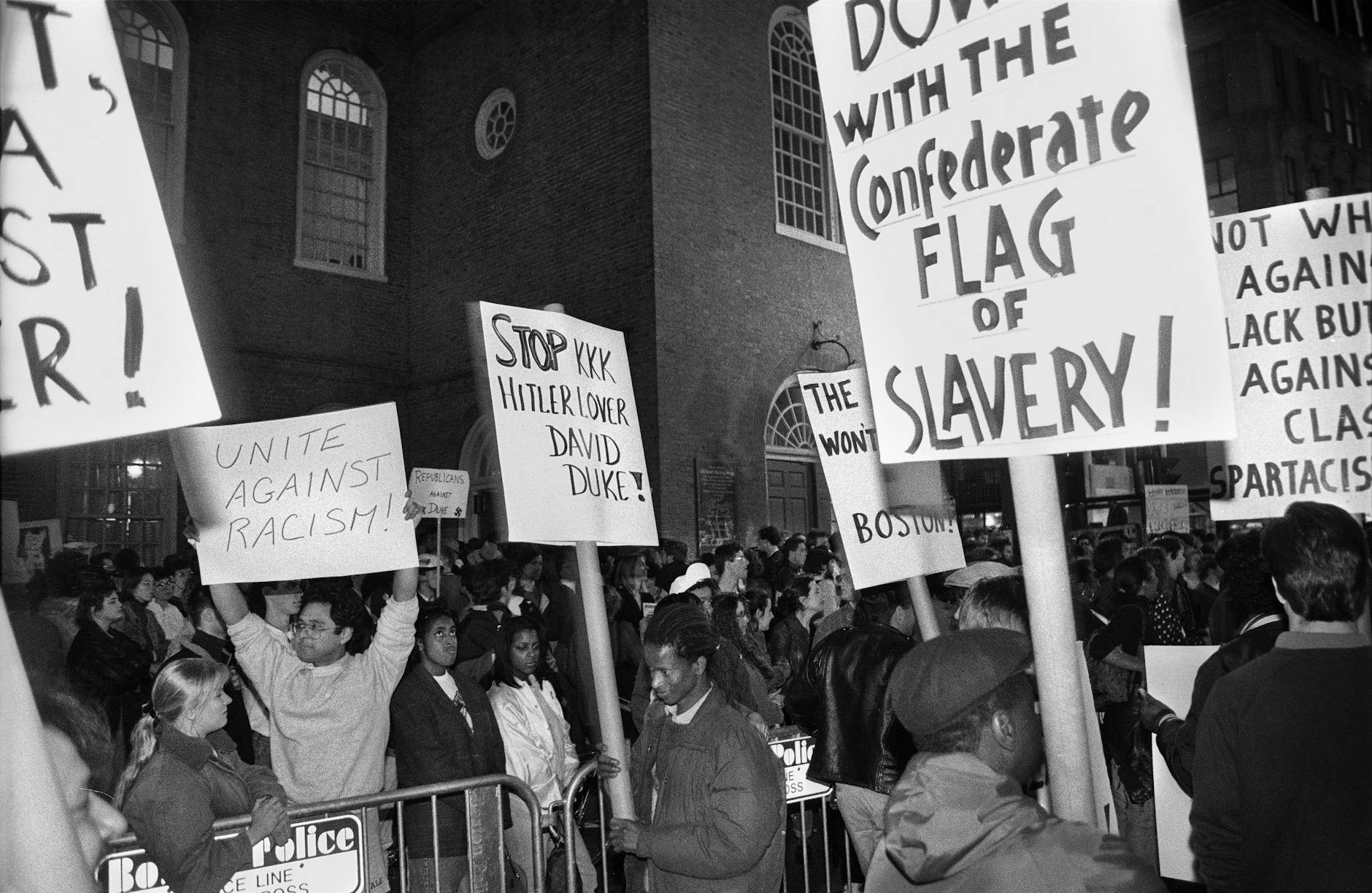
“The white race is the dominant race in America, and the black race is inferior.” — David Duke, former Grand Wizard of the Ku Klux Klan .Southern Poverty Law Center

White supremacy is a deeply ingrained ideology asserting the inherent superiority of white people over all other races. This belief system has been central to the social, political, and economic structures of many societies, particularly in the United States. Its origins can be traced back to the colonial era, where European powers justified the enslavement and subjugation of African peoples through pseudo-scientific and theological rationales.


Historical Origins and the Role of the Ku Klux Klan

The formalization of white supremacy in the United States was significantly influenced by the founding of the Ku Klux Klan (KKK) in 1865. Established by six Confederate veterans in Pulaski, Tennessee, the Klan aimed to restore white dominance in the post-Civil War South through terror and intimidation. The KKK’s activities included lynchings, arson, and other forms of violence directed at Black individuals and their allies.TIMEWikipedia+1

While the Klan was officially disbanded in the 1870s, its ideology persisted and resurfaced in various forms throughout American history, including during the Civil Rights Movement of the 1960s and in contemporary white nationalist groups.


The Premise of White Supremacy

At its core, white supremacy posits that white people are inherently superior to people of all other races and therefore should dominate society. This belief has been perpetuated through various means, including legislation, cultural norms, and institutional practices that privilege white individuals while marginalizing others.

The premise of white supremacy is often supported by distorted interpretations of religious texts and pseudo-scientific theories that dehumanize non-white populations. For instance, the “Curse of Ham” narrative was historically used to justify the enslavement of Black people by misinterpreting biblical passages .The Banner


Manifestations in Contemporary Society

In modern times, white supremacy manifests in various aspects of life, including employment, education, housing, and criminal justice. Black individuals often face systemic barriers such as discriminatory hiring practices, unequal educational opportunities, and over-policing, which hinder their ability to achieve economic stability and social mobility.

Psychologically, the pervasive nature of white supremacy can lead to internalized racism among Black individuals, affecting their self-esteem and mental health. Studies have shown that exposure to racial discrimination is associated with increased stress and adverse health outcomes .American Psychological Association


Biblical Perspectives and Misinterpretations

The Bible does not support the notion of racial superiority. In fact, passages such as Galatians 3:28 emphasize the equality of all people in Christ: “There is neither Jew nor Greek, slave nor free, male nor female, for you are all one in Christ Jesus.” However, throughout history, certain groups have misused scripture to justify racial hierarchies, citing misinterpretations like the “Curse of Ham” to rationalize the enslavement and oppression of Black people .GotQuestions.blogThe Banner


Psychological Impact on Black Americans

The psychological effects of white supremacy on Black Americans are profound and multifaceted. Chronic exposure to racism can lead to mental health issues such as anxiety, depression, and post-traumatic stress disorder (PTSD). Moreover, the constant need to navigate a society that devalues their existence can result in a diminished sense of self-worth and identity .


Global Perspectives on White Supremacy

While white supremacy is most prominently associated with the United States, it is not confined to its borders. Countries like Israel, Myanmar, and South Korea have faced criticism for racial discrimination and human rights violations against minority groups . These global instances highlight the pervasive nature of racial hierarchies and the need for international efforts to combat them.U.S. News & World Report


Steps of White Supremacy

White supremacy operates through several key mechanisms:

  1. Ideological Justification: Promoting beliefs and narratives that dehumanize non-white populations.
  2. Institutionalization: Embedding discriminatory practices within societal institutions such as schools, workplaces, and the legal system.
  3. Cultural Reinforcement: Perpetuating stereotypes and biases through media and cultural representations.
  4. Violence and Intimidation: Employing physical force and threats to maintain dominance and suppress resistance.

Accountability and Responsibility

Responsibility for perpetuating white supremacy lies not only with overt hate groups but also with institutions and individuals who uphold and benefit from systemic racism. This includes policymakers, educators, and media figures who perpetuate or fail to challenge discriminatory practices and narratives.


Personal Narratives and Experiences

Individuals who have experienced white supremacy often recount stories of exclusion, discrimination, and violence. For example, during the Civil Rights Movement, activists like Rosa Parks and Martin Luther King Jr. faced systemic oppression and personal threats as they challenged racial injustices. Their resilience underscores the profound impact of white supremacy on personal lives and the collective struggle for equality.


The Esteem of Whiteness

The elevation of whiteness can be attributed to historical power dynamics where white individuals established and maintained control over resources, institutions, and narratives. This dominance was reinforced through laws, social norms, and economic systems that privileged white people and marginalized others.


Global Impact and Worst Offenders

Globally, white supremacy manifests in various forms, including colonialism, apartheid, and neo-imperialism. Countries with histories of colonial exploitation, such as Belgium in the Congo and the United Kingdom in India, have legacies of racial hierarchies that continue to affect post-colonial societies.


Conclusion

White supremacy is a pervasive ideology with deep historical roots and widespread contemporary implications. Its impact on Black Americans is profound, affecting their psychological well-being, social mobility, and sense of identity. Addressing white supremacy requires a concerted effort to dismantle systemic racism, promote equity, and foster a culture of inclusion and respect for all individuals, regardless of race.

References

  • Southern Poverty Law Center. (n.d.). David Duke. Retrieved from
  • History.com Editors. (2020, June 25). Ku Klux Klan: Origin, Members & Facts. HISTORY. Retrieved from
  • American Psychological Association. (n.d.). Racism and Mental Health. Retrieved from
  • Bible Odyssey. (n.d.). The Legacy of the Bible in Justifying Slavery. Retrieved from
  • Boston Review. (2019, November 14). Toward a Global History of White Supremacy. Retrieved from
  • Southern Poverty Law Center. (2018, August 14). White Shadow: David Duke’s Lasting Influence on American White Supremacy. Retrieved from
  • Wikipedia contributors. (2023, December 24). Ku Klux Klan. In Wikipedia, The Free Encyclopedia. Retrieved from
  • Wikipedia contributors. (2023, December 24). White supremacy. In Wikipedia, The Free Encyclopedia. Retrieved from

Dilemma: SUNDOWN TOWNS

Shadows After Sunset: The Enduring Legacy of “SUNDOWN TOWNS” in the United States

THEY STILL EXIST TODAY

In the collective American memory, racism is often geographically assigned to the Jim Crow South. Yet, beneath the surface of Northern progressivism and Midwestern hospitality lies a sinister historical truth: sundown towns—white-only communities where African Americans were prohibited from residing, working, or even being present after sunset. These towns, scattered across the U.S. from the late 19th century through the 20th century, enforced their exclusionary practices through violence, intimidation, and local ordinances. Their existence challenges the notion that racism was solely a Southern enterprise and forces a national reckoning with the institutionalization of racial segregation across the country.

The Origins and Practices of Sundown Towns

The term was popularized by sociologist James W. Loewen, whose research documented thousands of towns that historically excluded African Americans. His book Sundown Towns: A Hidden Dimension of American Racism explains that these communities used violence, restrictive covenants, and intimidation to maintain racial homogeneity well into the 20th century.

Many towns did not have written laws but relied on informal enforcement, including harassment by police or residents, discriminatory housing policies, and economic exclusion.


Examples of Towns Often Discussed in Research

Scholars and historical records frequently cite several communities that historically operated as sundown towns and are still sometimes discussed today in conversations about racial exclusion. These include:

  • Anna, Illinois – Historically notorious; the town’s name has often been interpreted as shorthand for “Ain’t No Negroes Allowed.”
  • Forsyth County, Georgia – Black residents were violently expelled in 1912 and the county remained almost entirely white for decades.
  • Harrison, Arkansas – Known historically for exclusionary practices and later controversies involving white supremacist groups.
  • Vidor, Texas – Historically associated with hostility toward Black residents and integration.
  • Dearborn, Michigan – Historically restrictive toward Black residents during the 20th century under Mayor Orville L. Hubbard, though the city is now more diverse.
  • Levittown, New York – One of several suburban developments created by William Levitt that used racially restrictive housing covenants.

Researchers stress that many places have changed significantly, while others still show patterns of exclusion through demographics and housing access.


Why Some Places Still Function Like Sundown Towns

Even without explicit racial rules, several structural factors allow these communities to maintain exclusionary patterns:

1. Housing Segregation

Historically, practices like redlining and racially restrictive covenants prevented Black families from purchasing homes in certain neighborhoods. Although outlawed by the Fair Housing Act of 1968, the legacy of those policies continues to shape demographics.

2. Economic Barriers

High housing costs, zoning restrictions, and limited affordable housing can function as modern gatekeeping mechanisms that maintain racial and class segregation.

3. Social Intimidation

In some communities, minorities report subtle or overt hostility—ranging from surveillance to harassment—which discourages long-term residency.

4. Political and Institutional Culture

Local policing, school zoning, and political leadership may reinforce social boundaries even without explicit racial language.

5. Demographic Momentum

If a town was historically all-white for generations, that demographic pattern often continues simply because new residents tend to resemble the existing population.


Are Sundown Towns Still Legal?

Explicit sundown policies are illegal today due to federal civil rights protections, including the Civil Rights Act of 1964 and the Fair Housing Act of 1968. However, historians argue that informal exclusion can still occur through social pressure, economic barriers, and residential patterns.


How Many Existed Historically?

Research suggests there were thousands of sundown towns across the United States during the late 19th and early 20th centuries, particularly in the Midwest, West, and parts of the South. According to Loewen’s work, entire counties sometimes functioned as sundown areas.


In short: Modern America rarely has official sundown laws, but the legacy of racial exclusion, housing policy, and social norms means that some communities still operate in ways that resemble the old system.

The rise of sundown towns occurred primarily between the 1890s and 1960s, during a period of intense racial backlash following Reconstruction and the emergence of Black mobility. White residents in many towns, especially in the Midwest and North, adopted racial exclusion as a method of preserving “racial purity” and economic control. These towns often placed signs at their borders warning African Americans to leave by sundown, and many used violence, threats, or discriminatory ordinances to enforce this racial terror.

According to Loewen, these towns existed in at least 30 states, with especially high concentrations in Illinois, Indiana, Ohio, Oregon, and California. The practice was not just tolerated but reinforced by realtors, police, local businesses, and sometimes even churches.

Case Study: Anna, Illinois – “Ain’t No Negroes Allowed”

Perhaps the most infamous example is the town of Anna, Illinois, which has been widely believed to be an acronym for “Ain’t No N*s Allowed.” Located in Southern Illinois, Anna became a sundown town following a series of racial expulsions in the early 1900s, including the violent lynching of William “Froggie” James in nearby Cairo, Illinois, in 1909. Afterward, Black residents were systematically forced out of surrounding towns, including Anna.

Though no formal “sundown” signs are currently visible, the town’s demographic patterns and cultural memory have maintained its legacy of exclusion. As recently as 2019, Anna’s population was reported as over 95% white, and Black visitors have reported ongoing hostility and suspicion, particularly after dark. The Southern Poverty Law Center has cited Anna as a contemporary example of how the legacy of racial exclusion continues in subtle yet persistent ways (Southern Poverty Law Center, 2018).

A striking account came from journalist Logan Jaffe, who spent months in Anna documenting the ongoing racial tension. In her reporting for ProPublica, she found that many residents denied the sundown label while simultaneously acknowledging the town’s racial homogeneity. One resident told her, “We’re not racist—we just don’t have any Black people here,” demonstrating the quiet normalization of segregation in everyday speech and consciousness (Jaffe, 2019).

Why Are These Practices Allowed?

The persistence of sundown towns—and the lack of legal accountability—can be attributed to several factors. First, many of the practices were unwritten policies, enforced through vigilante violence rather than legislation, making them difficult to litigate or challenge in court. Second, law enforcement and local governments often collaborated with or turned a blind eye to these actions, ensuring no one was held responsible. Third, the federal government did little to intervene before the Civil Rights Act of 1964, and even afterward, lacked enforcement power in many rural and suburban areas.

The psychology of white fear and racial entitlement also played a significant role. Whites in these towns often justified their actions through tropes of protecting women, property values, and “community harmony,” reinforcing the notion that Black presence was inherently threatening. These deeply embedded beliefs were supported by media portrayals, educational institutions, and local traditions that dehumanized Black people and erased Black contributions to American life.

The Legacy Today

Although formal sundown policies have mostly disappeared, their cultural residue remains potent. Many towns still maintain racially homogenous populations and unwelcoming reputations. In places like Vidor, Texas, Forsyth County, Georgia, and Elwood, Indiana, Black travelers are still warned to proceed with caution. These areas may not have signs anymore, but their histories are well known—passed down by both white residents and African Americans who experienced or heard of the dangers firsthand.

Moreover, the economic impact of these exclusionary practices lingers. By keeping Black families out of thriving towns, African Americans were denied access to housing, education, healthcare, and business opportunities. This has directly contributed to the racial wealth gap and the geographic concentration of poverty among Black Americans. It also means that generational trauma and spatial segregation are not accidents—they are the result of deliberate policies and practices.

Historical Map and Geographic Patterns

Research by historian James W. Loewen, author of Sundown Towns: A Hidden Dimension of American Racism, found that thousands of communities across the United States operated as sundown towns during the late nineteenth and twentieth centuries.

Contrary to popular belief, sundown towns were not only a Southern phenomenon. They were especially common in the Midwest, West, and border states, where Black populations were often driven out entirely.

States with particularly high concentrations historically included:

  • Illinois
  • Indiana
  • Ohio
  • Oregon
  • Missouri
  • California

Many of these towns became almost completely white because African Americans were forced out through intimidation, violence, or discriminatory laws.


Examples of Historically Documented Sundown Towns

Several communities are often discussed in academic and historical research:

  • Anna, Illinois – Historically infamous; the town name was often interpreted as shorthand for “Ain’t No Negroes Allowed.”
  • Harrison, Arkansas – Long associated with white supremacist activity and exclusionary practices.
  • Vidor, Texas – Historically hostile toward Black residents, particularly during school integration.
  • Forsyth County, Georgia – In 1912, Black residents were violently expelled, leaving the county overwhelmingly white for decades.
  • Dearborn, Michigan – Historically exclusionary during the tenure of Mayor Orville L. Hubbard, though the city has since become more diverse.

Some entire counties and suburbs developed reputations for exclusion through housing practices rather than explicit ordinances.


How Black Travelers Navigated These Areas

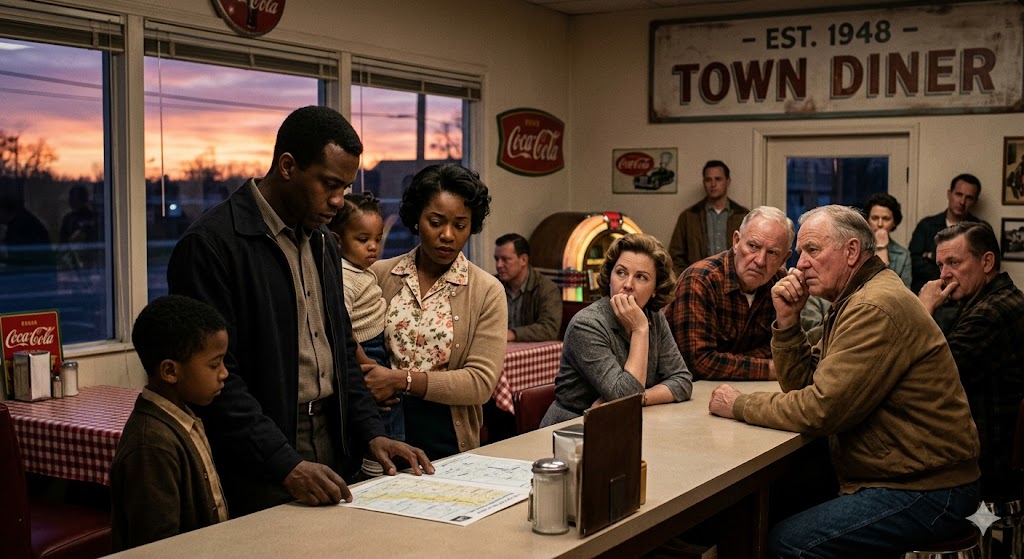
During the segregation era, Black travelers relied on a guidebook known as the The Negro Motorist Green Book, created by Victor Hugo Green in 1936.

The Green Book listed:

  • Hotels that accepted Black guests
  • Restaurants and gas stations that were safe
  • Cities where Black travelers could stay overnight

This guide helped families avoid towns where they might face harassment or violence.


Why Some Places Still Appear Similar Today

Although explicit sundown policies are illegal under laws such as the Civil Rights Act of 1964 and the Fair Housing Act of 1968, several factors allow patterns of exclusion to persist.

1. Housing Segregation

Historical redlining and racially restrictive covenants shaped where families could buy homes. Even after these policies were outlawed, their effects remain visible in many neighborhoods.

2. Economic Barriers

High housing costs, zoning restrictions, and limited affordable housing often function as modern barriers that indirectly limit demographic diversity.

3. Social Culture

In some communities, minorities report subtle forms of intimidation or unwelcoming social climates that discourage settlement.

4. Demographic Momentum

If a town remained overwhelmingly white for generations, new residents often come from similar social networks, reinforcing the same demographic patterns.


Sundown Towns in the Southeast

In the Southeast, several areas gained reputations for exclusion during the twentieth century. For example:

  • Forsyth County, Georgia, near Atlanta, was historically notorious for expelling Black residents in 1912.
  • Certain small towns in Alabama, Mississippi, and Tennessee also developed reputations for racial exclusion during the Jim Crow era.

Many of these communities have changed significantly since the late twentieth century, though the history remains an important part of understanding regional demographics.


The Broader Historical Impact

Historians estimate that thousands of towns across the United States were once sundown communities. These policies contributed significantly to the racial segregation of American suburbs and small towns, shaping patterns of wealth, education, and opportunity that persist today.

Understanding this history helps explain why some regions remain less diverse and why discussions about housing equity and community inclusion continue today.

Conclusion

The history of sundown towns reveals a disturbing truth: systemic racism in America has always been national in scope, deeply embedded in urban planning, real estate, law enforcement, and local governance. These towns are not relics of the past—they are active reminders of how geography was weaponized to maintain white supremacy. By naming towns like Anna, Vidor, Forsyth County, and Elwood and documenting their histories, we begin to dismantle the myth of Northern innocence and challenge the narrative of post-racial progress.

It is only through public acknowledgment, educational reform, and community reconciliation that the shadows of sundown towns can be dispelled. The question is not just “why were they allowed to do this?”—but “why are we still allowing the consequences to persist?”


References

Jaffe, L. (2019). In a town called Anna. ProPublica. Retrieved from https://www.propublica.org/article/in-a-town-called-anna

Loewen, J. W. (2005). Sundown towns: A hidden dimension of American racism. The New Press.

Southern Poverty Law Center. (2018). The unfinished business of the Civil Rights Movement: Sundown towns and racial exclusion. Retrieved from https://www.splcenter.org

Getting2theRoots.com. (2023). What are sundown towns? Retrieved from https://getting2theroots.com/sundown-towns

Sundown Towns: A Hidden Dimension of American Racism – James W. Loewen. New York, NY: The New Press, 2005.

Equal Justice Initiative. (2017). Lynching in America: Confronting the Legacy of Racial Terror. Montgomery, AL.

The Color of Law: A Forgotten History of How Our Government Segregated America – Richard Rothstein. New York, NY: Liveright Publishing, 2017.

The Warmth of Other Suns: The Epic Story of America’s Great Migration – Isabel Wilkerson. New York, NY: Random House, 2010.

The Negro Motorist Green Book – Victor Hugo Green. New York: Victor H. Green & Co., various editions (1936–1967).

Civil Rights Act of 1964. U.S. Congress.

Fair Housing Act of 1968. U.S. Congress.

National Museum of African American History and Culture. (n.d.). The Green Book and Travel in the Jim Crow Era.

Mapping Inequality Project. (University of Richmond, Virginia Tech, University of Maryland). Redlining Maps and Racial Segregation in the United States.

    Dilemma: Race

    The Origins, Science, and Social Construction of Race.

    Photo by cottonbro studio on Pexels.com

    The concept of race is one of the most controversial and misunderstood ideas in human history—deeply embedded in science, politics, identity, and power. It continues to shape global societies and institutions, influencing policies, healthcare, education, and justice. But what is race? Why was it created, and by whom? Does it hold scientific validity, or is it a sociopolitical invention? Understanding race requires an interdisciplinary approach—tracing its roots through history, examining its use in science, exploring its role in white supremacy, and interrogating its lingering psychological and cultural consequences.

    Race became especially “important” in science during the Age of Enlightenment, when European intellectuals sought to classify all forms of life—including human beings—into distinct, hierarchical categories. During this era, European colonial powers were expanding globally and enslaving entire populations, particularly Africans. Scientists and philosophers developed race-based taxonomies to justify imperial domination, slavery, and the notion of white superiority. The classification of human populations into “races” allowed colonial empires to legitimize power structures and establish social hierarchies based on physical appearance, especially skin color.

    The term “race” as applied to human beings emerged in the 17th and 18th centuries. While the word existed earlier to describe lineage or group, its scientific application began with French physician and traveler François Bernier, who published an essay in 1684 attempting to divide humans into groups based on physical differences. This laid the foundation for future European racial classification. During the same period, Carl Linnaeus, a Swedish naturalist, introduced a system that categorized human beings into four racial groups (Europeans, Africans, Asians, and Native Americans), each associated with distinct behavioral and moral traits—often reflecting racist biases that elevated white Europeans above all others.

    The German anatomist Johann Friedrich Blumenbach further developed this racial typology in 1795. He proposed five racial groups: Caucasian, Mongolian, Ethiopian, American, and Malayan. Although Blumenbach emphasized that all humans belonged to a single species and noted environmental influences on variation, his classification was later misused by proponents of racial hierarchy and white supremacy. German thinkers like Christoph Meiners and Georges Cuvier further distorted these ideas, asserting that Africans were fundamentally inferior to whites in intellect, morality, and civilization.

    As race theory evolved, it became a crucial tool in the construction and maintenance of white supremacy. European and American thinkers in the 18th and 19th centuries increasingly portrayed whiteness as the apex of civilization. Pseudoscientific theories such as polygenism—claiming that races were created separately—were used to justify slavery, colonial rule, and apartheid. In this racial hierarchy, whites occupied the highest status, followed by Asians and other non-white groups, with Black people placed at the bottom. These classifications were embedded into law, religion, education, and science, legitimizing centuries of exploitation and systemic violence against African-descended peoples.

    Race was not only used to classify—it was weaponized. In the transatlantic slave trade, Africans were reduced to property through racial dehumanization. In the United States, pseudo-medical diagnoses like “drapetomania” claimed that the desire to escape enslavement was a mental illness in Black people. Jim Crow laws, scientific racism, and eugenics movements further reinforced the myth of racial inferiority and shaped institutions that still impact people of African descent today.

    However, contemporary science has exposed race as a social fiction rather than a biological fact. Modern genetics—including the Human Genome Project—has shown that all humans share 99.9% of their DNA. The slight genetic variations that exist do not align with historical racial categories. In fact, genetic variation within so-called “racial” groups is often greater than between them. Scientific consensus today recognizes that race is a social construct with no basis in biology. It is more accurate to speak of clinal variation—gradual changes in traits across geography—rather than discrete races.

    Psychological research further affirms that racial categories are learned and reinforced through socialization, not biology. Implicit bias, stereotyping, and systemic racism arise from cultural programming and historical institutions. Studies have shown that individuals are often unconsciously biased in favor of lighter-skinned individuals, especially in employment, education, and criminal justice. These biases are measurable and persistent, affecting life outcomes across entire populations.

    Historically, racial theorists assigned behavioral traits to racial groups, perpetuating harmful stereotypes. These classifications—such as “Africans are lazy,” “Asians are submissive,” or “Europeans are rational”—are not only inaccurate but damaging. They reflect a legacy of colonial ideology rather than empirical science. The following table summarizes how early racial typologies framed various groups:

    Historical “Race” ClassificationAssociated Stereotypes (Outdated and Racist)
    Caucasian (white)Intelligent, civilized, dominant
    Mongolian (yellow)Calm, methodical, passive
    Malayan (brown)Sensual, primitive, less rational
    Ethiopian (black)Lazy, inferior, subhuman
    American (red)Noble savage, childlike, emotional

    These categories were rooted in 18th and 19th-century pseudoscience and have been thoroughly discredited. Yet their influence persists in contemporary stereotypes, beauty standards, immigration policy, and policing.

    It’s important to distinguish between race and nationhood. Nations are political and cultural entities defined by shared history, language, institutions, and governance. Race, on the other hand, is a sociopolitical invention based on perceived physical difference. For example, “African American” is a racial category, while “Nigerian” is a national identity that encompasses many ethnic groups. Biblically and anthropologically, all humans descend from a common ancestry—whether traced through Adam and Eve or through mitochondrial DNA studies confirming a common maternal ancestor in East Africa.

    The Bible does not promote racial categories as understood today. The “Table of Nations” in Genesis 10 outlines the division of humanity by lineage and geography, not color or race. In Acts 17:26, it declares: “God has made from one blood all nations of men for to dwell on all the face of the earth.” Racism and racial hierarchy are human inventions, not divine mandates.

    Scientifically, there is only one human race: Homo sapiens. All existing racial divisions are culturally constructed rather than biologically fixed. No race ranks higher than another in intellect, capacity, or moral value. The persistence of racial categories is rooted in history, not in nature.

    Philosophically, the study of race intersects with ethics, epistemology, and political theory. Social constructionism argues that race exists only because societies have chosen to organize themselves around superficial differences. Critical Race Theory (CRT) analyzes how racial inequality is embedded in legal and institutional frameworks. The philosophy of biology challenges the legitimacy of race as a scientific category and asks why, despite overwhelming evidence, race continues to influence public policy and identity formation.

    In conclusion, race was created as a tool of division and domination, not as an objective reflection of human variation. It has been used to justify enslavement, colonization, and systemic injustice—particularly against Black people. Although modern science debunks its biological validity, the social reality of race remains potent and deeply entrenched. Understanding the origins, misuses, and philosophical implications of race is essential for dismantling racism and promoting justice in a world that still struggles with the legacy of these artificial boundaries.


    Selected References

    • American Association of Physical Anthropologists. (2019). Statement on Race and Racism.
    • Gould, S. J. (1996). The Mismeasure of Man. W. W. Norton.
    • Smedley, A., & Smedley, B. D. (2005). Race as biology is fiction, racism as a social problem is real. American Psychologist, 60(1), 16–26.
    • Lewontin, R. C. (1972). The apportionment of human diversity. Evolutionary Biology, 6, 381–398.
    • Templeton, A. R. (2013). Biological races in humans. Studies in History and Philosophy of Science Part C: Biological and Biomedical Sciences, 44(3), 262–271.
    • Painter, N. I. (2010). The History of White People. W. W. Norton & Company.
    • Fields, K., & Fields, B. J. (2014). Racecraft: The Soul of Inequality in American Life. Verso Books.
    • National Human Genome Research Institute. (2020). Is Race a Valid Biological Concept? Retrieved from genome.gov