Tag Archives: politics

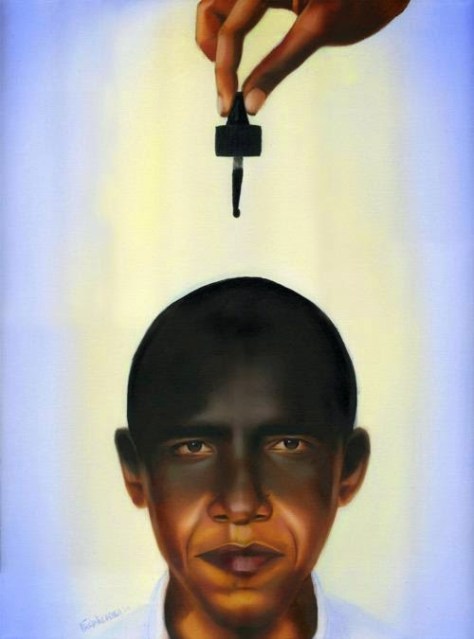
The ONE-DROP Rule: Origins, Biblical Lineage, and the Psychology of Racial Classification.

This artwork/photograph is the property or its respective owner.

The concept of the “one-drop rule” is one of the most insidious legal and psychological tools used in the history of racial oppression in the United States. It declared that any person with even one drop of African ancestry was considered Black, regardless of their appearance or the heritage of their other parent. Rooted in white supremacy and the preservation of a racially stratified society, this rule carried severe social, legal, and psychological implications that are still felt today. While unbiblical in origin, the practice is often at odds with the ancient scriptural understanding that identity, especially tribal or ethnic lineage, is determined through the father’s seed—not the mother.


Origins of the One-Drop Rule

The one-drop rule emerged in the American South during the late 17th and early 18th centuries. While not officially named at the time, colonial slave societies began developing legal statutes that defined the status of individuals with mixed ancestry. The first legal precedent was set in Virginia’s 1662 law: “Partus sequitur ventrem”—a Latin phrase meaning “that which is born follows the womb.” This law ensured that children born to enslaved women, even if fathered by white men, would inherit the status of the mother—remaining enslaved (Higginbotham, 1978). This policy contradicted both biblical and patriarchal norms, where identity typically follows the paternal line.

By the 20th century, particularly with the passage of laws in states like Louisiana (1908) and Tennessee (1910), the idea was codified: any person with any African ancestry, no matter how minimal, was legally Black. This was not science—it was sociology engineered to reinforce segregation, deny land and inheritance, and eliminate ambiguity around racial classification. In 1924, Virginia’s Racial Integrity Act legally enforced the one-drop rule and defined a “white person” as someone with “no trace whatsoever of any blood other than Caucasian.”


The Biblical Law of Lineage Through the Father

Contrary to these racial laws, the Bible teaches that a person’s lineage is determined through the father’s seed. According to the King James Version with Apocrypha, tribal and national identity among the Israelites came from the male line:

“And they assembled all the congregation together on the first day of the second month, and they declared their pedigrees after their families, by the house of their fathers, according to the number of the names, from twenty years old and upward, by their polls.”
Numbers 1:18 (KJV)

This shows that Israelite identity was inherited from the father. The same principle is echoed in several other instances, such as:

  • Nehemiah 7:61-64: Where priesthood and national identity were denied to those who could not trace their lineage through their father’s house.
  • Ezra 2:59: Individuals who could not prove their paternal heritage were considered polluted and excluded from certain offices.

In this context, if a man’s father is from another nation (like Esau, Ishmael, or the Gentiles), the child would inherit that man’s identity—even if the mother is Israelite. Hence, by biblical standards, individuals like Princess Meghan Markle (whose father is white) or Barack Obama (whose father was a Black Kenyan, not an Israelite of the West African diaspora) would not fall under the biblical definition of an Israelite.


Barack Obama and Meghan Markle: Case Studies in Racial Perception

Barack Obama, born to a white American mother and a Black Kenyan father, was consistently identified by society as the first Black U.S. president. This classification followed the one-drop rule logic, even though his lineage was not linked to American slavery or the transatlantic slave trade. Obama’s presidency stirred pride and also complex racial discussions: Was he truly representative of the African American struggle if he was not a descendant of slaves?

Similarly, Meghan Markle, born to a Black mother and a white father, has been racially profiled and discriminated against—especially by British tabloids—despite having Eurocentric features and a light complexion. According to biblical lineage law, her father’s lineage (Gentile, non-Israelite) is what defines her bloodline. Yet under the one-drop rule, she is still considered Black—illustrating how race in the West is often defined not through scripture or science, but through oppressive legal and social constructs.


The Psychology of the One-Drop Rule

The one-drop rule functioned as a psychological weapon to maintain white racial purity and control the growing mixed-race population that resulted from white slave owners raping Black women. This imposed identity robbed many mixed-race children of their right to inherit from their white fathers, and simultaneously denied them access to white privilege.

The idea that one drop of Black blood “taints” a person reflects a belief in the superiority of whiteness and the contamination of Blackness. This psychology persists today, as lighter-skinned Black individuals are often socially pressured to “pick a side,” and multiracial identity is oversimplified.

Psychologists have noted that this binary racial system causes identity confusion, self-hatred, and intra-racial bias. Light-skinned Black individuals are sometimes distrusted within the Black community and marginalized in white spaces—an enduring legacy of forced classification.


Written Into Law

Here are a few major laws that codified the one-drop rule in the U.S.:

  • Virginia Racial Integrity Act (1924): Made it illegal for whites to marry anyone with even 1/16th Black ancestry.
  • Louisiana Act 46 (1908): Defined a “Negro” as anyone with one-thirty-second or more Black ancestry.
  • Tennessee Law (1910): Defined a person as Black if they had any trace of African ancestry.

These laws helped maintain segregation and denied equal rights to mixed-race individuals. Though many of these laws have been repealed or ruled unconstitutional (notably in Loving v. Virginia, 1967), their cultural influence lingers in America’s racial categorization system.


Conclusion

The one-drop rule is not a biblical principle but a man-made policy of racial control and white supremacist ideology. Its legacy persists through cultural perceptions and psychological conditioning that still affect racial identity in 2025. In contrast, the Bible teaches that one’s lineage is determined through the father’s seed, as seen in the Israelites’ tribal identification.

Figures like Barack Obama and Meghan Markle highlight the contradictions between scriptural lineage and Western racial constructs. By understanding these distinctions, we can begin to undo centuries of misinformation and restore a more truthful, biblically-aligned understanding of identity and heritage.


References

  • Higginbotham, A. L. (1978). In the Matter of Color: Race and the American Legal Process: The Colonial Period. Oxford University Press.
  • Williamson, J. (1980). New People: Miscegenation and Mulattoes in the United States. Free Press.
  • Numbers 1:18, Ezra 2:59, Nehemiah 7:61-64 — King James Bible with Apocrypha.
  • Davis, A. (2007). Race and Criminal Justice: One Drop, One Crime, and Racial Boundaries. Harvard Law Review.
  • Loving v. Virginia, 388 U.S. 1 (1967)
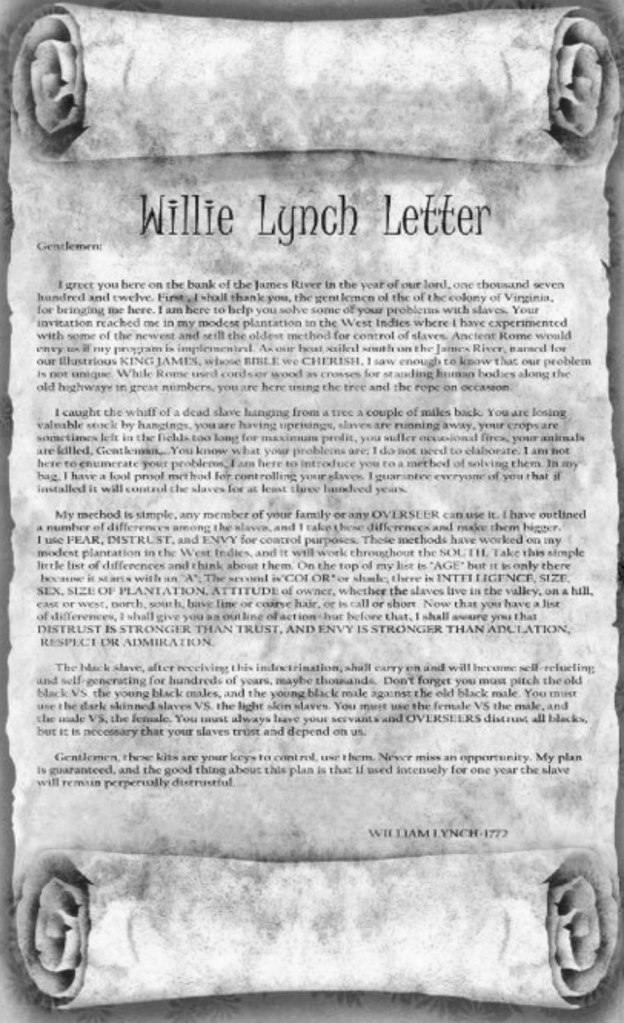
The Legacy of the Willie Lynch Letter: Historical Premise, Racial Division, and Its Ongoing Impact on Black Identity.

The Willie Lynch Letter—widely circulated as a blueprint for controlling enslaved Africans in America—is often cited in discussions surrounding the systemic psychological manipulation and division within the Black community. Although its authenticity has been heavily disputed, the letter remains symbolically powerful. Allegedly delivered by a British slave owner named Willie Lynch in 1712 on the banks of the James River in Virginia, the letter outlines methods to control slaves for generations by instilling division based on skin color, hair texture, age, gender, and other factors. Despite questions surrounding its historical veracity, the themes it presents remain painfully relevant in 2025.


Alleged Origins and Content of the Willie Lynch Letter

According to the document, Willie Lynch was invited from the West Indies to Virginia to share his “expertise” on slave management. The letter begins with Lynch addressing a group of slave owners, promising them a foolproof method to control their slaves for hundreds of years. He outlines a strategy rooted in psychological division, promoting distrust and disunity among slaves through systemic manipulation of differences—particularly skin color (“light vs. dark”), age (“old vs. young”), gender (“male vs. female”), and even hair texture (“nappy vs. straight”).

One of the most notable concepts from the letter is the separation of the enslaved into house Negroes and field Negroes. House slaves, often lighter-skinned due to being the children of white slave masters, were given relatively better living conditions, cleaner clothes, and closer proximity to their enslavers. They were often used to control or report on the darker-skinned field Negroes, who performed brutal labor in plantations under the hot sun. This intra-racial division served the slaveholders by preventing collective rebellion, as envy, mistrust, and intra-group conflict undermined unity.


Historical Debate: Fact or Fiction?

There is considerable scholarly consensus that the Willie Lynch Letter is a hoax. Historians point to linguistic inconsistencies, anachronisms (such as the use of the term “reflex” and modern grammar structures not used in the 18th century), and the lack of historical evidence of a person named Willie Lynch delivering such a speech in 1712. In fact, no credible record of Lynch’s existence or the letter’s origins exists in the colonial archives (Gates, 2003). Nevertheless, the Willie Lynch Letter endures in cultural consciousness because it reflects real strategies historically used to oppress and manipulate African-descended people in America.


Psychological Residue: Division by Design

Despite its dubious authorship, the letter’s ideology of engineered division has echoed throughout centuries of Black experience in the United States. The division by skin tone, known as colorism, has become deeply embedded within the community. Lighter-skinned individuals have often been afforded more social privilege, greater representation in media, and are sometimes perceived as more intelligent or attractive due to Eurocentric beauty standards (Hunter, 2007). This psychological warfare, seeded in slavery, continues to influence hiring practices, dating preferences, and self-esteem in the modern Black population.

Similarly, the division between field Negroes and house Negroes was metaphorically revived in the 1960s during the civil rights movement, particularly in Malcolm X’s speeches. Malcolm used these terms to describe the difference between the “complacent” Black elite who were comfortable within the white establishment (house Negroes) and the oppressed masses pushing for revolutionary change (field Negroes). His framing highlighted the enduring class-based and psychological divisions that hinder Black unity (X, 1963).


Relevance in 2025: The Lingering Divide

In 2025, the spirit of the Willie Lynch Letter remains manifest in subtle and overt ways. Intra-racial tensions still exist around complexion, hair texture, education, economic status, and gender roles. The media continues to elevate lighter-skinned, Eurocentric Black beauty while marginalizing darker-skinned individuals. Black women with natural hair still face discrimination in professional environments, despite the 2019 CROWN Act (Creating a Respectful and Open World for Natural Hair) aiming to combat hair-based bias (Davis, 2020).

Moreover, systemic racism is far from over. Police brutality, educational disparities, housing discrimination, and wage inequality remain daily realities for many African Americans. Movements like Black Lives Matter emerged as a response not just to violence, but also to the broader dehumanization of Black lives. Although progress has been made, including increased Black representation in politics, media, and academia, the legacy of divide-and-conquer tactics continues to erode unity and foster mistrust.


Conclusion

The Willie Lynch Letter, though likely a fabricated artifact, stands as a mirror reflecting real strategies historically employed to psychologically enslave African Americans through division and manipulation. Whether or not Willie Lynch himself existed, the ideology expressed in the letter has been tragically effective in shaping intergenerational trauma and conflict within the Black community. Recognizing and dismantling these residual effects is critical for healing and unity. In 2025, the challenge is no longer only external oppression, but also internalized division. Understanding our history—both factual and symbolic—is a necessary step toward liberation and solidarity.


References

  • Davis, A. (2020). Hair discrimination and the CROWN Act: A legislative response to anti-Black grooming policies. UCLA Law Review, 67(1), 1–25.
  • Gates, H. L. Jr. (2003). The ‘Willie Lynch Letter’: The Making of a Myth. The Root. Retrieved from https://www.theroot.com
  • Hunter, M. (2007). The Persistent Problem of Colorism: Skin Tone, Status, and Inequality. Sociology Compass, 1(1), 237–254.
  • Malcolm X. (1963). Message to the Grassroots. Speech delivered at King Solomon Baptist Church, Detroit.

BOOK REVIEW: Of Africa by Wole Soyinka

🌍✨

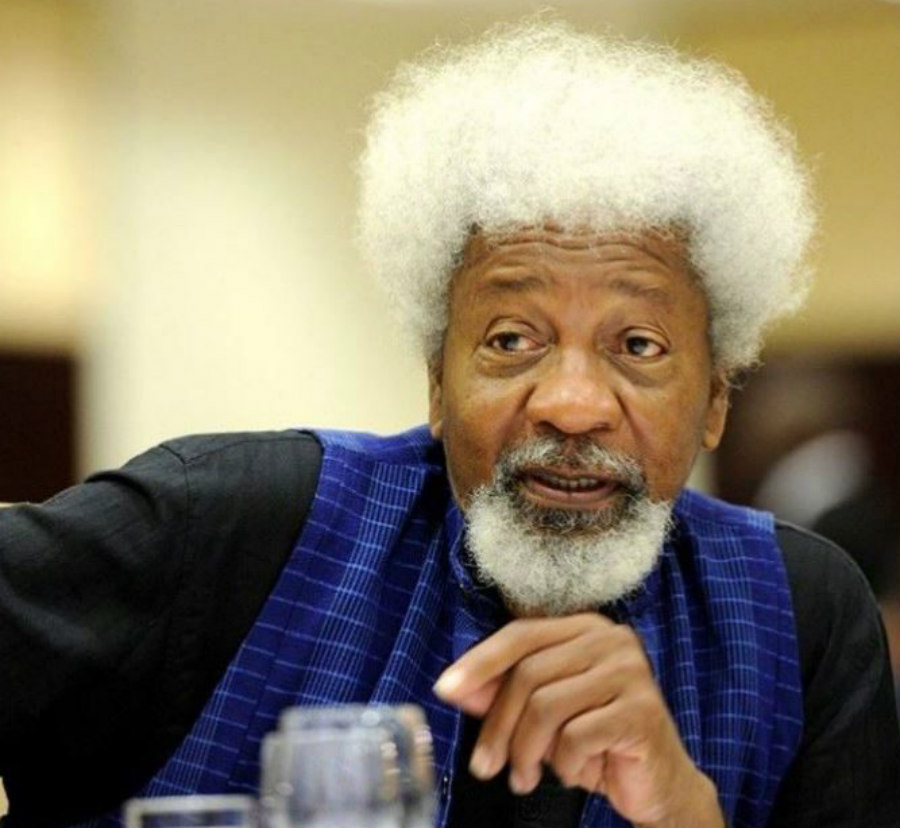
Wole Soyinka: Africa’s Lion of Letters, Conscience of a Continent
Featuring a 5-Star Review of Of Africa.


Who Is Wole Soyinka? A Biographical Portrait

“One’s own self-worth, in any racial equation, comes from within. Black people have been conditioned to see themselves through the lens of others, but we must break that mirror.”
—Wole Soyinka

Wole Soyinka (full name: Akinwande Oluwole Babatunde Soyinka) was born on July 13, 1934, in Abeokuta, Nigeria, during British colonial rule. He is one of Africa’s most revered playwrights, poets, novelists, essayists, and political activists, celebrated globally for his commitment to human rights, intellectual freedom, and the restoration of African dignity.

Soyinka made history in 1986 when he became the first African to win the Nobel Prize in Literature, honored for his poetic, theatrical, and political brilliance. The Nobel committee described him as someone who “in a wide cultural perspective and with poetic overtones fashions the drama of existence.”

Family Life

Wole Soyinka has been married three times. His current wife is Folake Doherty-Soyinka, a Nigerian academic. He is the father of several children, including Dr. Olaokun Soyinka, a physician and former health commissioner in Ogun State, Nigeria.


What Part of Africa Is He From?

Soyinka hails from Nigeria, specifically from the Yoruba ethnic group in the southwestern region. His upbringing was deeply influenced by Yoruba culture and Christian missionary education, which shaped the duality of indigenous spirituality and Western thought that marks his writing.


🧠 What Kind of Writer Is He?

Soyinka is a philosophical writer, dramatist, essayist, poet, and social critic, known for weaving together African mythology, colonial history, Western classics, and moral critique. His tone ranges from satirical and dramatic to elegiac and prophetic. He speaks not only for Nigeria but for the global African experience, standing as a literary giant akin to James Baldwin, Chinua Achebe, and Ngũgĩ wa Thiong’o.

“His gray-white halo speaks volumes, even when he says nothing.”
—A fitting tribute to the dignified, sage-like presence of Wole Soyinka.


📚 Five-Star Book Review: Of Africa

By Wole Soyinka
Rating: ⭐⭐⭐⭐⭐ (Masterpiece of Culture, Memory, and Identity)

Premise and Purpose

Published in 2012, Of Africa is a deeply personal, philosophical, and historical exploration of the continent’s struggles and triumphs. Soyinka aims to reclaim the spiritual and cultural identity of Africa from the misrepresentations of colonialism, slavery, and religious extremism. The book is part memoir, part manifesto, and part historical critique.

What Is Of Africa About?

Soyinka addresses the historical scars of Africa—from the transatlantic slave trade and colonialism to genocides, dictatorships, and religious intolerance. He reflects on the failures of post-independence leadership in many African states, while also uplifting the resilience, creativity, and spiritual wealth of African people.

Key Themes and Discoveries

  1. Spiritual Pluralism vs. Religious Fanaticism
    Soyinka condemns religious extremism, both Islamic and Christian, for fueling violence and suppressing indigenous African wisdom. He calls for religious tolerance and cultural syncretism, rooted in African traditions of peace and coexistence.
  2. Memory as Resistance
    He insists that remembering Africa’s true history—its empires, philosophies, and cosmologies—is essential for reclaiming Black identity and sovereignty.
  3. Pan-Africanism and Black Unity
    Soyinka invokes the diasporic connection between Africans on the continent and those in the Americas, the Caribbean, and Europe, urging solidarity and mutual uplift.
  4. Art as Weapon
    He advocates for the power of literature, drama, and poetry as tools for liberation and truth-telling.

“The black race is the most visible and symbolic victim of an enduring system of global injustice.”
—Wole Soyinka, Of Africa


Soyinka has used his pen, voice, and body in the fight for African liberation:

  • Imprisoned for nearly two years (1967–1969) by the Nigerian government for calling for peace during the Biafran War.
  • Spoke out against military dictatorships in Nigeria, particularly under Sani Abacha, risking exile and even his life.
  • Founded educational and cultural institutions that promoted African literature and history.
  • Mentored African writers, scholars, and activists, creating space for Black thought to flourish globally.

His intellectual work has inspired liberation movements, African-American scholars, and truth-seekers across the diaspora.


Wole Soyinka is a fierce human rights activist and political dissident. Throughout his life, he has challenged:

  • Colonialism
  • Military tyranny
  • Religious extremism
  • Western imperial narratives
  • Internal African corruption

He was forced into exile multiple times for his activism, but never silenced. His speeches, essays, and plays often act as calls to action.


His Role in Nigeria’s History

  • Participated in Nigeria’s civil rights movement during and after independence in 1960.
  • Fought for Biafran peace, which led to his arrest.
  • Opposed authoritarian regimes that suppressed civil liberties and looted the nation’s wealth.
  • Continues to speak out on matters of African governance, education, and Pan-African cooperation.

Wole Soyinka’s life and work are a testament to intellectual liberation for Black people worldwide. He:

  • Challenged white supremacy’s narrative of Africa as primitive.
  • Celebrated Yoruba cosmology, Black resilience, and artistic excellence.
  • Spoke unapologetically to the power, dignity, and capacity of Black people.
  • Helped restore Africa’s intellectual and cultural pride on the global stage.


Conclusion: The Elder Sage of African Letters

Wole Soyinka is not just a writer—he is a keeper of memory, a warrior of truth, and a griot for the global Black soul. His white-gray afro and piercing gaze symbolize a life lived in pursuit of justice and ancestral honor. He is a living bridge between the ancient African past and the liberated Black future.

If you’ve ever been fascinated by Africans, as you said, then Soyinka is one of Africa’s finest mirrors—reflecting truth, pain, beauty, resistance, and eternal pride.


Suggested Reading List by Wole Soyinka

  1. Of Africa (2012)
  2. Death and the King’s Horseman (1975) – A powerful play on colonial conflict and Yoruba ritual.
  3. Ake: The Years of Childhood (1981) – A beautiful autobiographical memoir.
  4. The Man Died: Prison Notes of Wole Soyinka (1972) – His reflections from solitary confinement.
  5. Myth, Literature and the African World (1976) – A profound study of African cosmology and art.

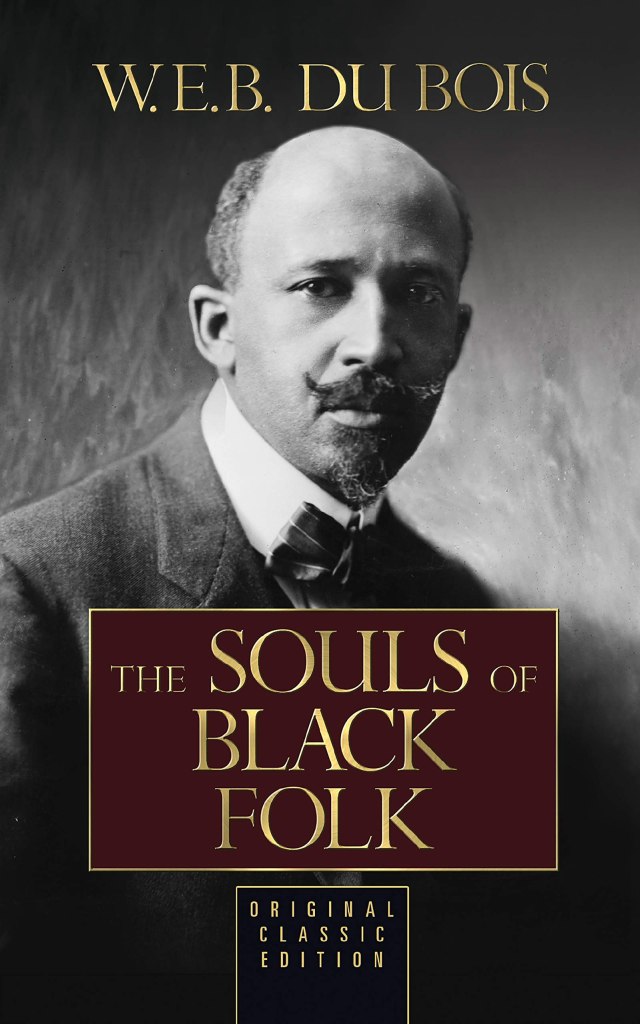
BOOK REVIEW: The Souls of Black Folk by W.E.B. Du Bois

W. E. B. Du Bois (1868–1963) was a pioneering African American scholar, sociologist, historian, author, and civil rights activist whose work transformed the intellectual and political landscape of the 20th century. Born in Great Barrington, Massachusetts, Du Bois was one of the first Black Americans to grow up in a predominantly white community with access to integrated schools. He went on to become the first Black person to earn a Ph.D. from Harvard University, later studying at the University of Berlin. A tireless advocate for racial equality, Du Bois challenged systemic racism through groundbreaking scholarship and bold public advocacy. His landmark 1903 work, The Souls of Black Folk, introduced the concept of double consciousness and called for the political, educational, and social uplift of African Americans. Du Bois co-founded the NAACP and used the power of the pen and protest to fight lynching, segregation, and disenfranchisement. His light skin, though sometimes noted by others, never distracted from his unwavering commitment to Black liberation; he used his voice, platform, and brilliance not for personal elevation but to awaken the conscience of a nation and demand justice for his people. Throughout his life, Du Bois remained a fierce critic of racism and an uncompromising advocate for the dignity, intellect, and future of Black humanity worldwide.

Version 1.0.0

📚 Book Review — The Souls of Black Folk by W. E. B. Du Bois

Rating: ⭐⭐⭐⭐⭐
Published: 1903

Premise & Overview

A foundational collection of essays introducing his theory of double consciousness—the enduring inner conflict experienced by Black Americans: “two souls, two thoughts… two warring ideals in one dark body” Owlcation+15Encyclopedia Britannica+15Biography+15. Du Bois rejects the philosophy of accommodation promoted by Booker T. Washington and calls for full civil rights, higher education, and leadership from the Black “Talented Tenth” Wikipedia+14Encyclopedia Britannica+14PBS+14.

Key Themes and Impact

  • Double Consciousness: The psychological toll of seeing oneself through white society’s contempt, leading to internal division Encyclopedia Britannica.
  • Critique of Washington’s Strategy: Du Bois charged that Washington “practicably accepts the alleged inferiority of the Negro races,” arguing that his approach would perpetuate submission The New Yorker+15Encyclopedia Britannica+15Wikipedia+15.
  • Higher Education & Political Rights: He championed classical education and equal voting rights to produce leaders who could uplift the race Biography+2Reddit+2Reddit+2.
  • Pan-African Vision: Du Bois writes about a global color line and anticipated colonial revolutions and Pan-African unity Wikipedia.

How It Changed Black Lives

  • Served as the intellectual bedrock of the NAACP and the civil rights movement, providing theoretical clarity and radical urgency Encyclopedia BritannicaPBS.
  • Spurred the rise of the Black middle class via legitimizing higher education and civic activism Wikipedia.
  • Became a founding text of Black protest literature, galvanizing generations of activists and scholar-intellectuals Reddit+2Reddit+2Reddit+2.

Celebration & Reception

Awards and Honors

  • The book itself did not win contemporary awards, but it has been honored as a cornerstone of Black literature and thought.
  • The two-volume biography of Du Bois by David Levering Lewis won Pulitzer Prizes in 1993 and 2000 AP News+1TIME+1.


🔑 What Did Du Bois Advocate?

  • Political agitation and protest—not silence or submission.
  • Development of the Talented Tenth—educated Black leaders to guide the masses and achieve justice WikipediaWikipedia+2PBS+2Reddit+2.
  • A refusal to “put further dependence on the help of the whites” and a call for self-reliant organization and nationalist thinking Wikipedia.

🌍 Historical Legacy

  • Du Bois changed American history by legitimizing Black intellectual power, clarifying racial injustice as a national crisis, and fueling the NAACP’s civil rights agenda.
  • His concept of double consciousness is foundational to race and identity studies today.
  • His insistence on education, political rights, and fuller participation transformed prospects for generations of Black Americans.

Conclusion

The Souls of Black Folk is a masterwork—part sociological insight, part moral manifesto, part spiritual meditation. It demanded dignity, equality, and intellectual excellence. W. E. B. Du Bois stood as the voice of Black reason and rebellion. His legacy continues to inspire those who believe in the power of truth, education, and uncompromising justice.

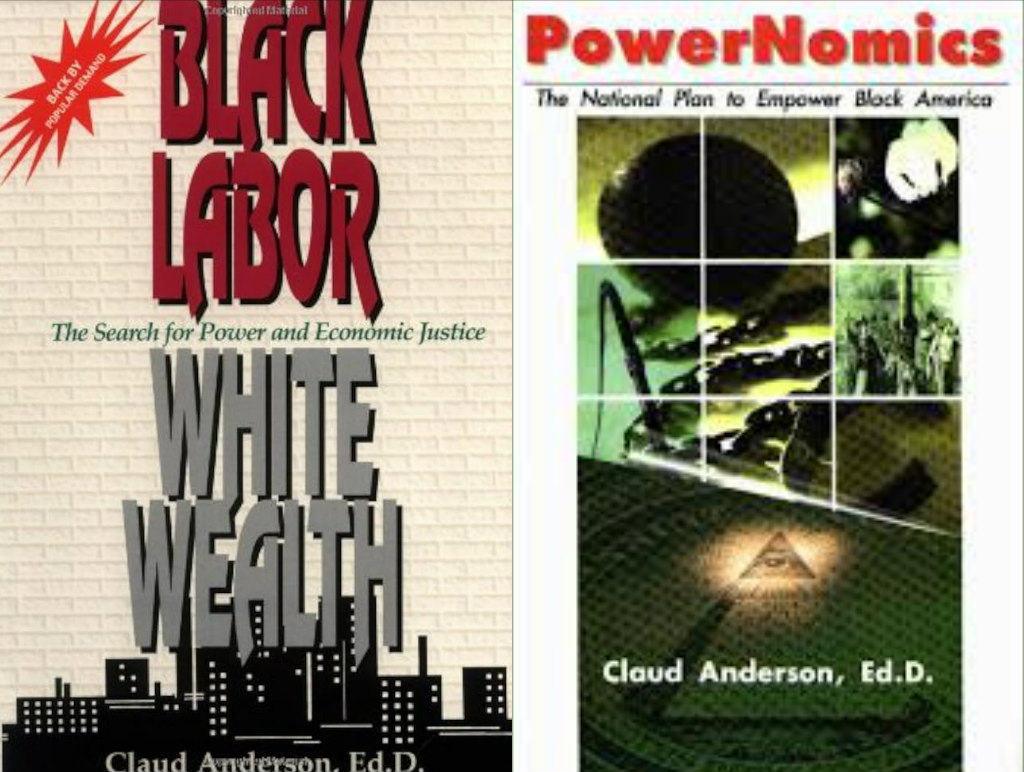
DOUBLE BOOK REVIEW: Black Labor, White Wealth and PowerNomics by Dr. Claud Anderson

5-Star Review of Black Labor, White Wealth and PowerNomics by Dr. Claud Anderson


📚 About the Books

1. Black Labor, White Wealth (1994)
Dr. Claud Anderson’s Black Labor, White Wealth is a masterfully researched chronicle that traces the historical exploitation of Black labor in America. It unearths the foundational truth that the economic engine of the United States was built largely on the backs of enslaved Africans—whose forced labor produced immense wealth for white elites. Anderson outlines how systemic racism, codified in law and reinforced by social customs, created a permanent underclass of African Americans. The book details how wealth was redistributed from Black to white hands through legalized oppression, disenfranchisement, Jim Crow laws, and economic exclusion.

2. PowerNomics: The National Plan to Empower Black America (2001)
As a follow-up, PowerNomics is not merely a critique of the status quo but a blueprint for economic self-empowerment. This work lays out a five-part strategy for Black Americans to become competitive in the 21st-century global economy. Anderson emphasizes building group economics, owning media outlets, creating independent education systems, and establishing a political infrastructure that serves Black interests. This book is revolutionary in that it pushes beyond protest—it advocates for practical solutions rooted in group solidarity and economic literacy.


🧠 Central Themes and Insights

💰 Finance and Black Empowerment
Both books place economic power at the center of liberation. Anderson argues that wealth—not mere income—is what sustains families, communities, and influence. Black Americans, though a trillion-dollar consumer market, own less than 2% of the nation’s wealth. He promotes asset accumulation, business development, and cooperative economics as tools to repair the generational damage of slavery and economic marginalization.

“If you don’t have money, you don’t have power. If you don’t have power, you don’t have justice.”Dr. Claud Anderson

💡 Making Things Better
Anderson’s solution-oriented approach is rooted in practical realism:

  • Pool resources to support Black-owned businesses.
  • Develop industries that circulate the Black dollar within the community.
  • Teach financial literacy from a young age.
  • Lobby for policies that directly benefit Black economic interests.
  • Control the institutions (schools, media, banks) that shape thought and opportunity.

🔍 The Truth About White Exploitation of Black Labor

Dr. Anderson meticulously documents how white elites created and maintained systems designed to exploit Black labor without reward:

  • Slavery (1619–1865) provided free labor that built white wealth.
  • The Homestead Act gave white settlers millions of acres of land—none to freed slaves.
  • Jim Crow laws ensured that Black people were second-class citizens economically and socially.
  • After the Civil Rights era, economic gains were stifled by mass incarceration, redlining, and predatory capitalism.

These acts were not random; they were strategic, multigenerational, and deeply embedded in American law and culture.


⚖️ Similarities and Differences Between the Two Books

AspectBlack Labor, White WealthPowerNomics
ToneHistorical, analytical, foundationalStrategic, solution-focused, motivational
FocusPast injustices and economic theftFuture action plans and systemic empowerment
PurposeTo expose the mechanisms of Black economic suppressionTo provide a plan for Black economic and political power
AudienceScholars, historians, activistsEntrepreneurs, educators, policy makers, community leaders
Key MessageAmerica owes a historical debt to Black peopleBlack America must build parallel economic infrastructure

👤 Who Is Dr. Claud Anderson?

Dr. Claud Anderson is a respected author, economist, political strategist, and entrepreneur. He holds several advanced degrees including a doctorate in education and is a former assistant secretary in the U.S. Department of Commerce under President Jimmy Carter. He also served as State Coordinator of Education under Governor Reubin Askew of Florida.

Dr. Anderson founded the Harvest Institute, a think tank dedicated to research, policy development, and advocacy for Black economic empowerment. His mission has been to awaken Black America to the necessity of controlling its own economy and institutions, rather than relying on integration alone.

He is married to Joan Anderson, and though his family life remains mostly private, his legacy as a thought leader and economic pioneer is cemented in his tireless advocacy for systemic Black advancement.


🌍 His Global and Community Impact

Dr. Anderson’s works are used in classrooms, community centers, and business forums across the United States. He is widely regarded as a pioneer of Black economic nationalism and a bold voice in a field too often marked by assimilationist strategies. His ideas have influenced a generation of Black entrepreneurs, educators, and activists.


🖋️ Final Thoughts – 5-Star Rating

⭐⭐⭐⭐⭐

Both Black Labor, White Wealth and PowerNomics are indispensable for anyone serious about understanding the economic roots of systemic racism and how to uproot them. Dr. Anderson gives Black America not just a mirror to reflect on the past, but a map to navigate the future. His scholarship is unflinching, his voice prophetic, and his vision urgent.

To read these books is to be informed, convicted, and empowered. They are not just books—they are weapons of liberation.


📚 References

Anderson, C. (1994). Black labor, white wealth: The search for power and economic justice. PowerNomics Corporation of America.
Anderson, C. (2001). PowerNomics: The national plan to empower Black America. PowerNomics Corporation of America.

Dilemma: Generational Trauma

Pain as an Inheritance

Photo by Mensah Shot on Pexels.com

Generational trauma is not merely a poetic metaphor—it is a psychological and physiological reality. For Black people, the wounds of the past are not confined to history books; they live within our bodies, our minds, and our cultural memory. The transatlantic slave trade, Jim Crow laws, lynchings, segregation, mass incarceration, and systemic racism have left indelible marks on the collective psyche of African-descended peoples. According to trauma theory, unhealed pain can be transmitted across generations through learned behaviors, family dynamics, and even epigenetic changes that alter stress responses (Yehuda et al., 2016). Dr. Joy DeGruy (2005) calls this Post Traumatic Slave Syndrome, where the legacy of slavery manifests in self-doubt, internalized racism, and fractured community trust. The Bible affirms the reality of inherited struggle, stating, “The fathers have eaten sour grapes, and the children’s teeth are set on edge” (Jeremiah 31:29, KJV), illustrating how the consequences of one generation’s suffering can shape the lives of those yet unborn.

Our ancestors endured unimaginable cruelty—chains cutting into their wrists, the lash of the whip, the ripping apart of families, the erasure of native languages, and the stripping away of names, culture, and heritage. They survived slave ships where human beings were packed like cargo, brutal plantation labor from sunrise to sundown, and laws that declared them three-fifths of a person. These experiences did not vanish when emancipation came; instead, they morphed into racial terror, voter suppression, economic exclusion, and the daily indignities of being treated as “less than.” Such trauma imprinted a deep sense of hypervigilance, mistrust of institutions, and generational patterns of resilience and caution. Maya Angelou once said, “You may not control all the events that happen to you, but you can decide not to be reduced by them.” This speaks to the dual reality of our inheritance: the pain that seeks to bind us and the strength that pushes us to overcome.

Psychologically, generational trauma manifests in patterns of parenting, communication styles, and survival strategies that were essential in hostile environments but may become maladaptive in modern contexts. The legacy of white supremacy perpetuates this cycle by embedding inequality into laws, housing policies, education systems, and media narratives. Microaggressions, racial profiling, wage gaps, and health disparities are not isolated incidents; they are the aftershocks of centuries of oppression. According to the American Psychological Association (2019), chronic exposure to racism creates toxic stress, increasing risks for depression, anxiety, hypertension, and shortened life expectancy among Black Americans. As Exodus 3:7 (KJV) records, “I have surely seen the affliction of my people…and have heard their cry by reason of their taskmasters; for I know their sorrows.” God’s acknowledgment of suffering affirms the depth of our pain while offering hope for deliverance.

The pain we face today—police brutality, mass incarceration, economic inequality, and cultural erasure—is both the shadow of our history and the continuation of an oppressive system. White supremacy’s greatest cruelty is that it not only inflicts harm in the present but also manipulates the past, making it harder for us to heal. Yet healing is possible. Breaking the cycle requires collective acknowledgment, truth-telling, cultural restoration, and both psychological and spiritual liberation. As Galatians 5:1 (KJV) declares, “Stand fast therefore in the liberty wherewith Christ hath made us free, and be not entangled again with the yoke of bondage.” To reject the inheritance of pain is not to forget our ancestors’ suffering, but to honor them by reclaiming our wholeness, our joy, and our future.


References

  • American Psychological Association. (2019). Stress effects on the body. https://www.apa.org
  • DeGruy, J. (2005). Post Traumatic Slave Syndrome: America’s Legacy of Enduring Injury and Healing. Uptone Press.
  • Yehuda, R., et al. (2016). Holocaust exposure induced intergenerational effects on FKBP5 methylation. Biological Psychiatry, 80(5), 372–380.
  • The Holy Bible, King James Version.

Dilemma: Race

The Origins, Science, and Social Construction of Race.

Photo by cottonbro studio on Pexels.com

The concept of race is one of the most controversial and misunderstood ideas in human history—deeply embedded in science, politics, identity, and power. It continues to shape global societies and institutions, influencing policies, healthcare, education, and justice. But what is race? Why was it created, and by whom? Does it hold scientific validity, or is it a sociopolitical invention? Understanding race requires an interdisciplinary approach—tracing its roots through history, examining its use in science, exploring its role in white supremacy, and interrogating its lingering psychological and cultural consequences.

Race became especially “important” in science during the Age of Enlightenment, when European intellectuals sought to classify all forms of life—including human beings—into distinct, hierarchical categories. During this era, European colonial powers were expanding globally and enslaving entire populations, particularly Africans. Scientists and philosophers developed race-based taxonomies to justify imperial domination, slavery, and the notion of white superiority. The classification of human populations into “races” allowed colonial empires to legitimize power structures and establish social hierarchies based on physical appearance, especially skin color.

The term “race” as applied to human beings emerged in the 17th and 18th centuries. While the word existed earlier to describe lineage or group, its scientific application began with French physician and traveler François Bernier, who published an essay in 1684 attempting to divide humans into groups based on physical differences. This laid the foundation for future European racial classification. During the same period, Carl Linnaeus, a Swedish naturalist, introduced a system that categorized human beings into four racial groups (Europeans, Africans, Asians, and Native Americans), each associated with distinct behavioral and moral traits—often reflecting racist biases that elevated white Europeans above all others.

The German anatomist Johann Friedrich Blumenbach further developed this racial typology in 1795. He proposed five racial groups: Caucasian, Mongolian, Ethiopian, American, and Malayan. Although Blumenbach emphasized that all humans belonged to a single species and noted environmental influences on variation, his classification was later misused by proponents of racial hierarchy and white supremacy. German thinkers like Christoph Meiners and Georges Cuvier further distorted these ideas, asserting that Africans were fundamentally inferior to whites in intellect, morality, and civilization.

As race theory evolved, it became a crucial tool in the construction and maintenance of white supremacy. European and American thinkers in the 18th and 19th centuries increasingly portrayed whiteness as the apex of civilization. Pseudoscientific theories such as polygenism—claiming that races were created separately—were used to justify slavery, colonial rule, and apartheid. In this racial hierarchy, whites occupied the highest status, followed by Asians and other non-white groups, with Black people placed at the bottom. These classifications were embedded into law, religion, education, and science, legitimizing centuries of exploitation and systemic violence against African-descended peoples.

Race was not only used to classify—it was weaponized. In the transatlantic slave trade, Africans were reduced to property through racial dehumanization. In the United States, pseudo-medical diagnoses like “drapetomania” claimed that the desire to escape enslavement was a mental illness in Black people. Jim Crow laws, scientific racism, and eugenics movements further reinforced the myth of racial inferiority and shaped institutions that still impact people of African descent today.

However, contemporary science has exposed race as a social fiction rather than a biological fact. Modern genetics—including the Human Genome Project—has shown that all humans share 99.9% of their DNA. The slight genetic variations that exist do not align with historical racial categories. In fact, genetic variation within so-called “racial” groups is often greater than between them. Scientific consensus today recognizes that race is a social construct with no basis in biology. It is more accurate to speak of clinal variation—gradual changes in traits across geography—rather than discrete races.

Psychological research further affirms that racial categories are learned and reinforced through socialization, not biology. Implicit bias, stereotyping, and systemic racism arise from cultural programming and historical institutions. Studies have shown that individuals are often unconsciously biased in favor of lighter-skinned individuals, especially in employment, education, and criminal justice. These biases are measurable and persistent, affecting life outcomes across entire populations.

Historically, racial theorists assigned behavioral traits to racial groups, perpetuating harmful stereotypes. These classifications—such as “Africans are lazy,” “Asians are submissive,” or “Europeans are rational”—are not only inaccurate but damaging. They reflect a legacy of colonial ideology rather than empirical science. The following table summarizes how early racial typologies framed various groups:

Historical “Race” ClassificationAssociated Stereotypes (Outdated and Racist)
Caucasian (white)Intelligent, civilized, dominant
Mongolian (yellow)Calm, methodical, passive
Malayan (brown)Sensual, primitive, less rational
Ethiopian (black)Lazy, inferior, subhuman
American (red)Noble savage, childlike, emotional

These categories were rooted in 18th and 19th-century pseudoscience and have been thoroughly discredited. Yet their influence persists in contemporary stereotypes, beauty standards, immigration policy, and policing.

It’s important to distinguish between race and nationhood. Nations are political and cultural entities defined by shared history, language, institutions, and governance. Race, on the other hand, is a sociopolitical invention based on perceived physical difference. For example, “African American” is a racial category, while “Nigerian” is a national identity that encompasses many ethnic groups. Biblically and anthropologically, all humans descend from a common ancestry—whether traced through Adam and Eve or through mitochondrial DNA studies confirming a common maternal ancestor in East Africa.

The Bible does not promote racial categories as understood today. The “Table of Nations” in Genesis 10 outlines the division of humanity by lineage and geography, not color or race. In Acts 17:26, it declares: “God has made from one blood all nations of men for to dwell on all the face of the earth.” Racism and racial hierarchy are human inventions, not divine mandates.

Scientifically, there is only one human race: Homo sapiens. All existing racial divisions are culturally constructed rather than biologically fixed. No race ranks higher than another in intellect, capacity, or moral value. The persistence of racial categories is rooted in history, not in nature.

Philosophically, the study of race intersects with ethics, epistemology, and political theory. Social constructionism argues that race exists only because societies have chosen to organize themselves around superficial differences. Critical Race Theory (CRT) analyzes how racial inequality is embedded in legal and institutional frameworks. The philosophy of biology challenges the legitimacy of race as a scientific category and asks why, despite overwhelming evidence, race continues to influence public policy and identity formation.

In conclusion, race was created as a tool of division and domination, not as an objective reflection of human variation. It has been used to justify enslavement, colonization, and systemic injustice—particularly against Black people. Although modern science debunks its biological validity, the social reality of race remains potent and deeply entrenched. Understanding the origins, misuses, and philosophical implications of race is essential for dismantling racism and promoting justice in a world that still struggles with the legacy of these artificial boundaries.


Selected References

  • American Association of Physical Anthropologists. (2019). Statement on Race and Racism.
  • Gould, S. J. (1996). The Mismeasure of Man. W. W. Norton.
  • Smedley, A., & Smedley, B. D. (2005). Race as biology is fiction, racism as a social problem is real. American Psychologist, 60(1), 16–26.
  • Lewontin, R. C. (1972). The apportionment of human diversity. Evolutionary Biology, 6, 381–398.
  • Templeton, A. R. (2013). Biological races in humans. Studies in History and Philosophy of Science Part C: Biological and Biomedical Sciences, 44(3), 262–271.
  • Painter, N. I. (2010). The History of White People. W. W. Norton & Company.
  • Fields, K., & Fields, B. J. (2014). Racecraft: The Soul of Inequality in American Life. Verso Books.
  • National Human Genome Research Institute. (2020). Is Race a Valid Biological Concept? Retrieved from genome.gov

FEATURISM and the Politics of Beauty: Deconstructing the Colonial Gaze in the Black Community.

Photo by Admar Kamosso Oficial on Pexels.com

What Is Featurism?

Featurism is a form of discrimination based on the preference for certain facial features over others, often rooted in Eurocentric beauty standards. Coined by author and scholar Dr. Chika Okeke-Agulu, featurism refers specifically to how people—especially within racially marginalized communities—are treated based on how closely their features align with dominant ideals of attractiveness. In the context of the Black community, this means that features like smaller noses, lighter eyes, finer bone structures, and looser hair textures are often favored over broader noses, tightly coiled hair, and darker skin tones.

Featurism overlaps with colorism and texturism, but it is distinct in its focus on facial characteristics. This discrimination often occurs intraracially, meaning that Black people themselves may prefer, praise, or uplift individuals who embody more “European” features while subtly or overtly devaluing others who possess typically African traits.


How Featurism Affects the Black Community

Featurism reinforces internalized racism and perpetuates low self-esteem, especially in Black children and women. The media, family, school, and even dating preferences often communicate the message that “certain Black looks” are more desirable than others. For example, a Black woman with a slim nose and curly, looser-textured hair may be seen as more attractive or “marketable” than one with a wide nose, fuller cheeks, or tightly coiled hair.

This hierarchical valuing of features can:

  • Impact mental health, leading to anxiety, shame, and body dysmorphia.
  • Influence economic opportunities, especially in entertainment, modeling, and corporate environments.
  • Undermine community solidarity, creating divisions between those who “look more African” and those who are perceived as “closer to white.”

The Universal Standard of Beauty

Historically, the so-called universal standard of beauty has been built on Eurocentric ideals: light skin, straight or loosely curled hair, small noses, large eyes, and symmetrical facial structure. This standard was exported globally through colonialism, media imperialism, and Western consumerism.

As a result, features such as:

  • Big eyes
  • Small or narrow noses
  • Full but controlled lips
  • Smooth, light or olive-toned skin

…have become globally preferred. Even in non-European cultures, beauty standards have been shaped to reflect these traits. For example, in Asia and Latin America, skin-lightening and nose-narrowing are multi-billion-dollar industries.


Quotes on Featurism and Beauty

  • Audre Lorde: “If I didn’t define myself for myself, I would be crunched into other people’s fantasies for me and eaten alive.”
  • Lupita Nyong’o: “I remember a time when I too felt unbeautiful. I put on the TV and only saw pale skin. I got teased and taunted about my night-shaded skin… And my one prayer to God was that I would wake up lighter-skinned.”
  • Dr. Yaba Blay: “We have internalized these standards of beauty to the point that we police each other and ourselves. That’s the tragedy of featurism and colorism.”

When Was the Term Featurism Introduced?

The term featurism gained popularity through cultural critics and writers in the early 2000s, although it had been discussed implicitly in literature and sociology for decades. Scholar Chika Okeke-Agulu and writer Michaela Angela Davis were among the early voices to articulate it explicitly in relation to Black identity and intraracial discrimination. More recently, featurism has been analyzed alongside terms like “texturism” and “colorism” as part of a broader critique of anti-Black beauty hierarchies.


Are Wider Noses and Fuller Lips Undesirable?

While wider noses and fuller lips are traditionally African features and should be celebrated, they have been historically stigmatized in Western and colonial societies. Black people were often caricatured in minstrel shows, cartoons, and racist scientific journals as having “animalistic” or “primitive” traits, particularly wide noses and big lips.

Yet, ironically, in the modern beauty market, these features have been appropriated and commercialized. Full lips, for instance, are now in high demand—thanks in part to cosmetic enhancements and social media trends. However, when these features appear on Black people, they are still frequently subjected to ridicule, while the same traits on non-Black individuals are praised.

This double standard further illustrates the power dynamics of race and beauty: it’s not the feature itself, but who is wearing it.


How Were Black People Conditioned to Think White Features Are Superior?

The belief in the superiority of white features is a byproduct of colonialism, slavery, and white supremacy. Enslaved Africans were taught—through violence, religion, and visual culture—that whiteness was synonymous with purity, intelligence, and power, while Blackness symbolized sin, ugliness, and inferiority.

In post-slavery society, these beliefs were perpetuated by:

  • European beauty ads and magazines
  • Hollywood and media portrayals of beauty
  • Intergenerational trauma and colorist family dynamics
  • Colonial education systems that promoted Eurocentric aesthetics and erased African identities

Conclusion: Toward a Reclamation of African Beauty

Featurism is not just about beauty—it’s about power. The ability to define what is “beautiful” is inseparable from cultural dominance. As the Black community continues to reclaim its voice, hair, skin, and heritage, it must also decolonize its ideas about what features are beautiful. African features are not a curse to be erased, but a legacy to be honored.

Celebrating broad noses, full lips, tightly coiled hair, and rich melanin is not just an act of self-love—it is an act of resistance against a system that once tried to erase us.


References

  • Blay, Y. (2011). (1)ne Drop: Shifting the Lens on Race. BLACKprint Press.
  • Lorde, A. (1984). Sister Outsider: Essays and Speeches. Crossing Press.
  • Nyong’o, L. (2014). Speech at the Essence Black Women in Hollywood Luncheon.
  • Pilgrim, D. (2012). The Brute Caricature. Jim Crow Museum of Racist Memorabilia. Ferris State University.
  • Tate, S. A. (2009). Black Beauty: Aesthetics, Stylization, Politics. Ashgate.
  • Okeke-Agulu, C. (2005). Postcolonial Modernism: Art and Decolonization in Twentieth-Century Nigeria. Duke University Press.

The Golden Legacy of MANSA MUSA: Africa’s Emperor of Wealth and Wisdom

Throughout world history, few figures have embodied the fusion of wealth, wisdom, and spiritual devotion like Mansa Musa, the 14th-century emperor of the Mali Empire. Revered as the richest man to have ever lived, Mansa Musa’s legacy goes far beyond gold and grandeur—it encompasses a transformative reign that elevated West Africa to global prominence through trade, scholarship, and religious devotion. His life is not only a celebration of African excellence but a benchmark for leadership that still inspires Africa’s billionaires today.

The Life and Rise of a Golden Monarch

Musa Keita I, known as Mansa Musa, ascended to the throne of Mali in 1312 AD. He inherited power from his predecessor, Abu Bakr II, who is believed to have set sail on an ambitious voyage across the Atlantic Ocean in search of new lands. Musa, a devout Muslim, ruled over an empire that stretched over 2,000 miles, encompassing parts of present-day Mali, Senegal, Gambia, Niger, Nigeria, Guinea, and Mauritania. He was the 10th Mansa, or “King of Kings,” of the Mali Empire and quickly set out to establish a reign that would be remembered for centuries.

Mansa Musa was married to Queen Inari Kunate, and though historical records do not provide exact details of his family, it is known that he had children, including a son named Magha who succeeded him briefly. As a ruler, Musa exemplified not only administrative excellence but a commitment to faith, justice, and community prosperity.

His wealth is legendary. Scholars estimate that, adjusted for inflation, Musa’s personal fortune could have reached as much as $400–500 billion. This would make him richer than today’s tech moguls like Elon Musk or Jeff Bezos. Unlike modern billionaires whose assets are often tied to stock markets, Mansa Musa’s wealth was tangible—gold, land, and control over critical trade routes that moved salt, ivory, slaves, and knowledge across the Sahara.

Mali Under Mansa Musa: The Empire of Learning and Wealth

The Mali Empire thrived under Musa’s leadership, becoming one of the most sophisticated and wealthy civilizations in world history. Its strength was rooted in control of the trans-Saharan trade network, particularly the gold and salt trades. Mali was so rich in gold that the commodity became central to its international image.

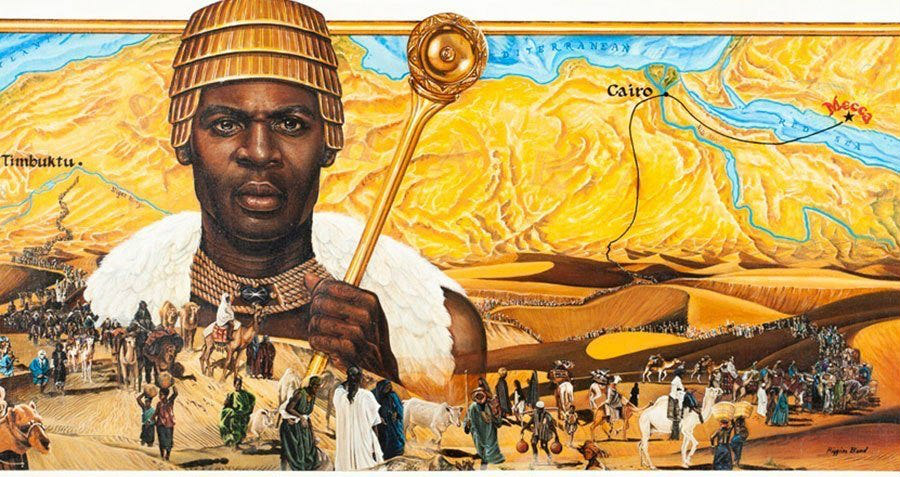
One of Mansa Musa’s most remarkable accomplishments was his 1324 pilgrimage to Mecca, known as the Hajj. This journey was not only a religious obligation but a political statement. He traveled with a caravan reportedly consisting of 60,000 men, including 12,000 slaves and 100 camels each carrying hundreds of pounds of gold. His generosity was so overwhelming in places like Cairo and Medina that he caused significant inflation, devaluing gold for a decade in some regions. This pilgrimage placed Mali on the map for European and Arab chroniclers, and Mansa Musa’s name began appearing in global records, including the Catalan Atlas of 1375.

Upon returning to Mali, Musa commissioned the construction of mosques, madrasas (Islamic schools), and libraries. Timbuktu, under his guidance, blossomed into a world-renowned center of Islamic scholarship and trade. The University of Sankoré in Timbuktu attracted scholars from across Africa and the Middle East. Mansa Musa also hired Andalusian architects, such as Abu Ishaq Es Saheli, who introduced new architectural designs, including the Djinguereber Mosque, still standing today.

The Legacy of Wealth and Spirituality

Mansa Musa’s legacy is not simply one of wealth but one of moral and cultural responsibility. He utilized his riches to invest in education, infrastructure, and religious institutions. His reign exemplified the African tradition of communal wealth—what benefits the king must benefit the people. He modeled the ideal that leadership is stewardship.

Although no direct quotes from Mansa Musa survive, the 14th-century historian Al-Umari described him as “a young man of black complexion with a pleasant face and good figure…he spoke rarely, and always with mildness.” This suggests a man of humility and discipline, despite his immense riches. His image—an African king holding a nugget of gold—became an icon in European maps, redefining Western ideas of African civilization and prosperity.

Ancient African Kingdoms of Wealth and Power

Mali was not alone in its splendor. Ancient Africa was home to several other prosperous kingdoms, such as:

  • Ghana Empire – Preceding Mali, rich in gold and trade.
  • Songhai Empire – Successor to Mali, known for military might and scholarship.
  • Benin Kingdom – Famous for bronze artwork and diplomatic relations with Europeans.
  • Great Zimbabwe – A southern African kingdom renowned for its stone cities and cattle wealth.
  • Axum (Ethiopia) – A powerful Christian empire with vast trade routes.
  • Kongo Kingdom – Central African monarchy known for its diplomacy and Catholic conversion.
  • Kanem-Bornu – Islamic empire with military power and trade.
  • Nubia/Kush – Ancient civilization that rivaled Egypt.

These kingdoms were centers of commerce, technology, military strategy, and cultural identity—dispelling the colonial myth of a dark and stagnant precolonial Africa.

Modern Billionaires: Today’s African Kings

In today’s world, African billionaires carry the legacy of wealth and leadership, though in modern industries:

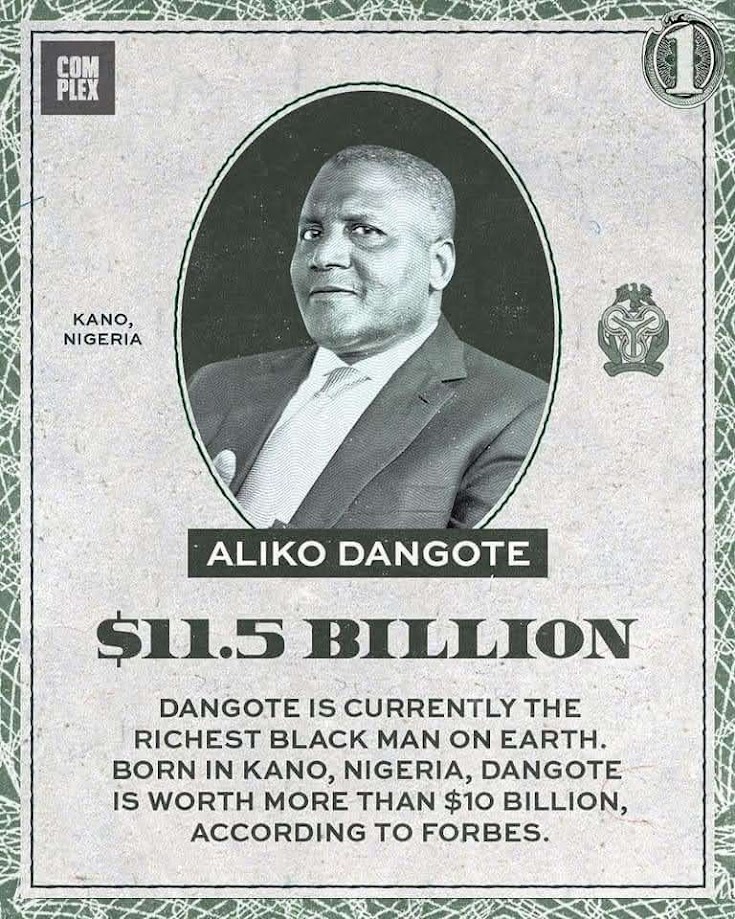
  • Aliko Dangote of Nigeria is Africa’s richest man (net worth ~$13.5 billion). His conglomerate dominates the cement, sugar, and oil industries. His foundation supports education, health, and disaster relief across the continent.
  • Nassef Sawiris of Egypt (net worth ~$9.5 billion) has interests in construction and sports. He represents North African industrial influence.
  • Patrice Motsepe of South Africa, a mining tycoon, was the first Black African on Forbes’ billionaire list. He has pledged much of his wealth to philanthropy through the Motsepe Foundation.

These modern magnates embody a mission to uplift their communities through investment, innovation, and infrastructure—principles that echo the communal values of kings like Mansa Musa.

Comparing Mansa Musa and Elon Musk

Elon Musk, the 21st-century industrialist, has a net worth fluctuating between $230–$250 billion, depending on stock market conditions. His wealth is rooted in futuristic technologies: electric cars, space exploration, and AI. Mansa Musa’s wealth, by contrast, was more immediate and liquid—gold, territory, and people. Economists suggest Musa’s adjusted fortune may have doubled or even tripled Musk’s, making him arguably the wealthiest individual in human history.

However, the true contrast lies in how their wealth was used. Mansa Musa’s riches fueled religious, intellectual, and social development, whereas modern billionaires often focus on innovation and privatized enterprise.

Conclusion: The Sovereign of Sovereigns

Mansa Musa’s name resounds through history not merely as a wealthy king, but as a beacon of divine kingship, cultural enlightenment, and Pan-African pride. He ruled with a blend of Islamic piety and African rootedness, proving that African civilizations were not only rich in gold but in governance, faith, and vision. His story reminds us that Africa’s greatness is not a myth—it is a memory, and a mandate to reclaim.

In honoring Mansa Musa today, we celebrate not only a king of gold, but a king of purpose. His reign challenges contemporary Africans and the diaspora to return to a model of leadership that centers wealth around wisdom and prosperity around people.


References

Gates Jr., H. L. (2011). The African Americans: Many Rivers to Cross. SmileyBooks.
Hunwick, J. O. (1999). Timbuktu and the Songhay Empire: Al-Sa’dī’s Taʾrīkh al-Sūdān down to 1613 and other contemporary documents. Brill.
Levtzion, N., & Hopkins, J. F. P. (2000). Corpus of early Arabic sources for West African history. Markus Wiener Publishers.
Forbes. (2025). World’s Billionaires List. Retrieved from https://www.forbes.com
World History Encyclopedia. (2023). Mansa Musa. Retrieved from https://www.worldhistory.org/Mansa_Musa_I/

MARCUS GARVEY: The Prophet of Pan-African Power and Black Dignity

Few figures in the annals of Black history have left as indelible a mark as Marcus Mosiah Garvey. A towering icon of Pan-Africanism, Garvey was a visionary whose mission to uplift, unify, and empower people of African descent reverberates even today. Born on August 17, 1887, in St. Ann’s Bay, Jamaica, Garvey would go on to found the Universal Negro Improvement Association and African Communities League (UNIA-ACL), sparking one of the most significant global movements for Black self-reliance, racial pride, and economic empowerment.


🔥 A Visionary Born to Liberate

Garvey grew up in a modest household in colonial Jamaica, the youngest of eleven children. His father, a stonemason with a vast personal library, inspired Marcus to become a voracious reader and thinker. By age 14, Garvey had become a printer’s apprentice and began observing the economic and racial disparities around him. His travels to Central America, the Caribbean, and Europe would further shape his pan-African ideology as he witnessed the shared oppression of Black people across the globe.

In 1914, he founded the UNIA-ACL in Jamaica, but it was in the United States—specifically Harlem, New York—where the movement flourished. By the early 1920s, Garvey had amassed over six million followers worldwide. His message was simple yet profound: Black people must unite, reclaim their African heritage, and build institutions that reflect their greatness.


🏴 The Black Star Line and Economic Empowerment

Central to Garvey’s mission was the concept of Black economic autonomy. He established the Black Star Line, a shipping company meant to facilitate trade and transport between Africa and the African diaspora. He also launched businesses such as the Negro Factories Corporation to provide jobs and foster financial independence for Black communities.

A people without the knowledge of their past history, origin and culture is like a tree without roots,” Garvey famously declared, urging African descendants to rediscover their identities and reclaim their destinies.

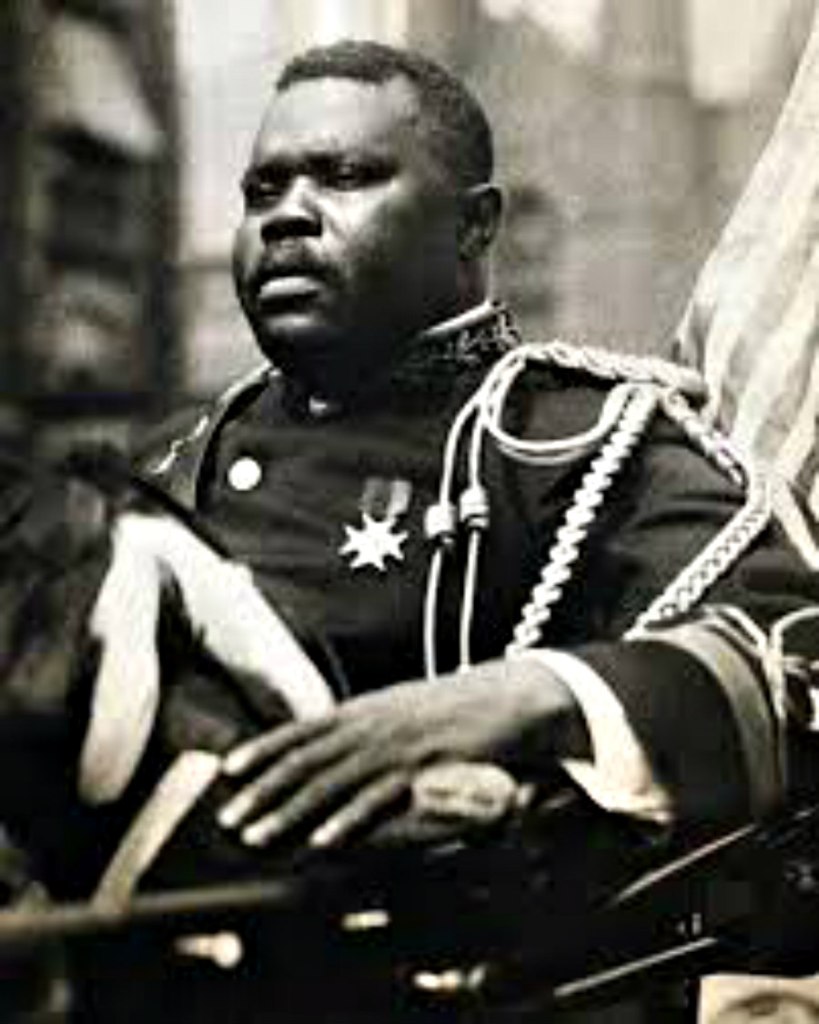
Garvey’s work was revolutionary. He preached Black pride when doing so was dangerous. He wore regal military uniforms, orchestrated mass parades, and encouraged Black people to see themselves as kings and queens descended from African royalty. His newspaper, The Negro World, served as a platform for Black consciousness and Pan-African politics across the diaspora.


💔 Resistance, Persecution, and Imprisonment

Despite the enormous popularity of his movement, Garvey faced fierce resistance. White institutions and governments viewed his ideology as a direct threat to colonial and capitalist systems. In America, J. Edgar Hoover and the FBI targeted him, eventually convicting Garvey on dubious charges of mail fraud in 1923. He was sentenced to five years in prison and later deported to Jamaica in 1927.

Even within the Black community, Garvey faced criticism, particularly from integrationists like W.E.B. Du Bois, who disagreed with Garvey’s separatist approach. Nevertheless, Garvey never wavered in his conviction that Black people needed their own institutions, economy, and land.


❤️ Family Life and Later Years

In 1919, Garvey married Amy Jacques, a dedicated activist and editor who continued his legacy after his death. Together they had two sons. Amy was instrumental in editing and publishing The Philosophy and Opinions of Marcus Garvey, a text that preserves his speeches and writings for future generations.

Garvey passed away on June 10, 1940, in London, largely forgotten by the mainstream world but revered by millions. Decades later, his legacy would experience a powerful revival. Leaders such as Kwame Nkrumah of Ghana, Malcolm X, and Dr. Martin Luther King Jr. cited Garvey as an inspiration.


🌍 The Legacy of a Liberator

Garvey’s teachings still echo in modern movements like Afrocentrism, Black Lives Matter, and reparations advocacy. The Rastafarian movement, born in Jamaica, regards Garvey as a prophet who foretold the rise of an African messiah. His philosophy of Black self-determination continues to influence Pan-Africanists and Afro-descendant communities across the world.

From his 1921 address, Garvey thundered:

“We are going to emancipate ourselves from mental slavery because whilst others might free the body, none but ourselves can free the mind.”
(Garvey, 1983, p. 76)

He was clear in his message: Black people are not inferior, lost, or broken—they are the builders of civilizations.

“Look for me in the whirlwind or the storm, look for me all around you, for with God’s grace, I shall come back with countless millions of Black men and women who have died in America and the West Indies and Africa to aid you in the fight for liberty, freedom and life.” (Garvey, 1983)


🗣️ Words from Those Who Knew Him

Author and activist Amy Jacques Garvey, his wife, wrote:

“Marcus Garvey was a man ahead of his time—visionary, prophetic, relentless. He believed that if Black people knew who they were, they would rise to rule the world.”


🧭 Final Reflections

Garvey’s influence remains undeniable. His ideas laid the foundation for nearly every major Black liberation movement of the 20th and 21st centuries. He did not live to see Africa freed from colonial rule, or African Americans gain civil rights, but his vision made those victories possible. His spirit lives on in every call for justice, every Pan-African flag waved, and every young Black child taught that their heritage is royal.


📚 References

Garvey, M. (1983). Selected Writings and Speeches of Marcus Garvey (B. Martin, Ed.). Dover Publications.
Lewis, R. (1987). Marcus Garvey: Anti-Colonial Champion. Africa World Press.
Martin, T. (1976). Race First: The Ideological and Organizational Struggles of Marcus Garvey and the Universal Negro Improvement Association. Greenwood Press.
Jacques-Garvey, A. (1963). Garvey and Garveyism. Collier Books.
Hill, R. A. (1983). The Marcus Garvey and Universal Negro Improvement Association Papers. University of California Press.