Tag Archives: philosophy

Dilemma: Racialized Double Consciousness

The concept of racialized double consciousness, first articulated by W. E. B. Du Bois remains one of the most enduring frameworks for understanding the psychological and social realities of Black life in America. It describes the internal conflict experienced by Black individuals who must navigate their own cultural identity while simultaneously viewing themselves through the lens of a dominant society that has historically marginalized them. This dual awareness is not merely theoretical; it is lived, embodied, and passed down through generations.

At its core, racialized double consciousness reflects a fractured sense of self. Black individuals are often compelled to reconcile who they are with how they are perceived. This tension produces a heightened awareness of identity, one that requires constant adjustment depending on the social environment. It is both a survival mechanism and a psychological burden, shaping how one speaks, behaves, and even thinks.

The historical roots of this phenomenon are deeply embedded in the legacy of slavery and segregation in the United States. From the era of bondage to the aftermath of the American Civil War, Black identity was constructed in opposition to a dominant white framework that denied full humanity. Even after emancipation, systems of exclusion such as Jim Crow laws reinforced a dual existence—one public and constrained, the other private and authentic.

During the early twentieth century, Du Bois argued that Black Americans were “gifted with second sight,” a profound awareness that allowed them to see both their own world and the world of the dominant culture. While this duality could foster resilience and insight, it also created a persistent sense of internal division. This division continues to shape contemporary experiences of race and identity.

In modern society, racialized double consciousness manifests in professional spaces, where Black individuals often feel pressure to code-switch to conform to dominant cultural norms. This adaptation can involve altering speech, appearance, or behavior to be perceived as acceptable or non-threatening. While effective in navigating systemic barriers, it can also lead to emotional exhaustion and a diminished sense of authenticity.

Education systems also play a significant role in reinforcing this dual awareness. Curricula that center Eurocentric perspectives can marginalize Black history and contributions, forcing Black students to engage with knowledge that does not fully reflect their lived experiences. This dissonance contributes to a fragmented educational identity and underscores the broader societal imbalance.

The media further amplifies racialized double consciousness by perpetuating stereotypes that distort Black identity. From film to news coverage, representations often oscillate between hypervisibility and invisibility. Influential figures such as Lupita Nyong’o have spoken openly about the psychological impact of colorism and representation, highlighting how external perceptions shape internal self-worth.

In addition to media, economic structures reinforce this duality. Wealth disparities, employment discrimination, and limited access to resources create an environment where Black individuals must constantly navigate structural inequities. The tension between aspiration and systemic limitation deepens the conundrum of identity and opportunity.

Racialized double consciousness is also evident in interactions with law enforcement and the criminal justice system. The need to be hyper-aware of one’s behavior in order to avoid suspicion or harm reflects a lived reality rooted in historical and contemporary injustice. This awareness is not abstract; it is often a matter of survival.

Within interpersonal relationships, this duality can influence how Black individuals relate to others, both within and outside their communities. The pressure to conform to external expectations can create internal conflict, particularly when those expectations conflict with cultural values or personal authenticity.

Despite its challenges, racialized double consciousness can also be a source of strength. The ability to navigate multiple cultural frameworks fosters adaptability, resilience, and a nuanced understanding of the world. This “double vision” can empower individuals to challenge dominant narratives and advocate for change.

The Black intellectual tradition has long engaged with this concept, expanding upon Du Bois’s original framework. Scholars have examined how gender, class, and other intersecting identities complicate the experience of double consciousness. Black women, for instance, often navigate multiple layers of marginalization, resulting in a more complex form of dual awareness.

Spirituality and faith traditions also provide a lens through which to understand and cope with this duality. For many, biblical narratives of exile, struggle, and redemption resonate deeply with the Black experience. These frameworks offer both comfort and a means of interpreting historical and contemporary realities.

Artistic expression has become a powerful outlet for articulating the tensions of double consciousness. Through music, literature, and visual art, Black creators explore themes of identity, belonging, and resistance. These expressions not only reflect individual experiences but also contribute to a collective cultural narrative.

The civil rights movement brought national attention to the realities of racial injustice and the internal conflicts it produces. Leaders and activists sought to dismantle the structures that necessitated double consciousness, advocating for a society in which Black identity could exist without compromise.

In contemporary discourse, the concept remains highly relevant. Movements for racial justice continue to highlight the psychological and structural dimensions of inequality. The persistence of systemic racism ensures that double consciousness is not a relic of the past but an ongoing reality.

Global perspectives further enrich the understanding of racialized double consciousness. Black individuals in different parts of the world experience similar tensions, though shaped by distinct cultural and historical contexts. This global dimension underscores the व्यापक impact of racial hierarchies.

The digital age has introduced new dimensions to this experience. Social media platforms allow for both self-expression and surveillance, creating spaces where identity can be affirmed or contested. The visibility afforded by these platforms can amplify both empowerment and scrutiny.

Ultimately, racialized double consciousness speaks to the enduring complexity of Black identity in a world structured by racial inequality. It is a testament to both the resilience and the vulnerability of those who navigate its demands daily.

As society continues to grapple with issues of race and justice, the insights offered by Du Bois remain profoundly relevant. Understanding and addressing the conditions that produce double consciousness is essential to creating a more equitable and inclusive world.

References

Du Bois, W. E. B. (1903). The Souls of Black Folk. Chicago, IL: A. C. McClurg & Co.

Lupita Nyong’o. (2014). Speech on beauty and colorism at Essence Black Women in Hollywood.

Alexander, M. (2010). The New Jim Crow: Mass Incarceration in the Age of Colorblindness. New York, NY: The New Press.

Coates, T.-N. (2015). Between the World and Me. New York, NY: Spiegel & Grau.

Fanon, F. (1952). Black Skin, White Masks. Paris, France: Éditions du Seuil.

The Economics of Beauty Bias

Physical appearance has long influenced social and economic outcomes, but the intersection of beauty and economics extends beyond superficial preference. Scholars have demonstrated that “beauty bias” affects employment, wages, promotions, and even perceptions of competence. Those who conform more closely to socially sanctioned standards of attractiveness often receive tangible economic advantages, while those who do not face systemic disadvantages. Thus, beauty is not merely aesthetic — it functions as a form of social capital with measurable economic consequences.

Studies in labor economics have consistently identified a “beauty premium,” wherein attractive individuals earn higher wages and experience faster career advancement than their less conventionally attractive peers. This phenomenon transcends gender, though its magnitude is often greater for women due to historical gendered expectations and the commodification of female appearance. Employers’ implicit biases reinforce these disparities, translating societal beauty norms into financial outcomes.

The mechanisms behind beauty bias are multifaceted. Cognitive psychology suggests that physical attractiveness triggers a “halo effect,” where positive traits are inferred from appearance. Attractive individuals are often perceived as more competent, trustworthy, and socially adept. These perceptions influence hiring decisions, client relations, and peer evaluations, creating a feedback loop in which beauty becomes both a signal and a form of economic leverage.

Beauty bias is also intertwined with race and ethnicity. Historical and contemporary standards have privileged Eurocentric features, marginalizing people of color and reinforcing structural inequalities. For Black women, this manifests as compounded discrimination: societal devaluation of darker skin, hair texture, or features intersects with gendered expectations, limiting access to economic opportunities while amplifying pressure to conform to dominant ideals.

The media and advertising industries exacerbate economic disparities tied to appearance. Representation in fashion, television, and corporate imagery often favors specific beauty standards, signaling which appearances are socially desirable and economically valuable. This systemic visibility shapes consumer behavior, career aspirations, and self-perception, further reinforcing the economic advantages of beauty.

In addition to income effects, beauty bias influences access to professional networks, mentorship, and career capital. Attractive individuals are more likely to receive invitations to key social and professional spaces, creating opportunities for skill development, sponsorship, and advancement. Conversely, those who diverge from conventional standards may face subtle exclusion, limiting both tangible and intangible resources that drive career success.

The consequences of beauty bias extend beyond the individual, affecting societal efficiency and equity. Organizations that reward appearance over merit risk underutilize talent, reducing productivity and innovation. Furthermore, beauty-based economic stratification perpetuates social hierarchies, reinforcing inequality across race, class, and gender lines. Addressing this bias is therefore not only a moral imperative but also an economic one.

Policy interventions and organizational strategies can mitigate beauty bias. Blind hiring processes, diversity training, and structured evaluation criteria reduce the influence of appearance in decision-making. Similarly, promoting diverse representations of beauty challenges cultural norms and expands the range of socially and economically valued appearances, reducing systemic inequities.

From a theoretical standpoint, beauty bias illustrates the intersection of sociology, economics, and psychology. It demonstrates how social constructs translate into material outcomes and highlights the embeddedness of cultural values within economic systems. Appearance, in this framework, is both symbolic and instrumental: a social signal with quantifiable consequences.

Ultimately, the economics of beauty bias reveals the pervasive power of appearance in shaping opportunity, wealth, and social mobility. Recognizing and addressing these dynamics is critical for creating equitable systems in which merit, skill, and character — rather than conformity to aesthetic ideals — determine success. Beauty, as a form of economic capital, must be understood not as personal preference but as a structural force with measurable consequences.


References

Hamermesh, D. S., & Biddle, J. E. (1994). Beauty and the labor market. American Economic Review, 84(5), 1174–1194.

Kelley, H. H. (1973). The processes of causal attribution. American Psychological Association.

Langlois, J. H., Kalakanis, L., Rubenstein, A. J., Larson, A., Hallam, M., & Smoot, M. (2000). Maxims or myths of beauty? A meta-analytic and theoretical review. Psychological Bulletin, 126(3), 390–423.

Moss, P., & Tilly, C. (2001). Stories employers tell: Race, skill, and hiring in America. Russell Sage Foundation.

Stavins, R., & Hamermesh, D. (2017). Gender, attractiveness, and labor market outcomes: Cross-country evidence. Journal of Economic Behavior & Organization, 140, 232–252.

Wolf, N. (1991). The beauty myth: How images of beauty are used against women. HarperCollins.

Fiske, S. T., Cuddy, A. J. C., & Glick, P. (2007). Universal dimensions of social cognition: Warmth and competence. Trends in Cognitive Sciences, 11(2), 77–83.

Psychology Series: Personality and Social Psychology

Personality and social psychology examine how individual traits and social contexts interact to shape human behavior, emotions, and relationships. At the center of this field lies the question of how people perceive themselves and others, regulate emotions, and navigate power within social structures. Human behavior is never purely individual; it is always embedded in relational and cultural systems.

Personality psychology focuses on enduring patterns of thought, feeling, and behavior. Traits such as extraversion, agreeableness, neuroticism, openness, and conscientiousness influence how individuals respond emotionally to their environments. These traits shape not only internal experience but also social outcomes, including communication styles, conflict resolution, and leadership behavior.

Social psychology, in contrast, emphasizes situational forces and group dynamics. It investigates how social norms, roles, and expectations influence behavior, often in ways that contradict personal values. The interaction between personality and social context reveals that individuals are both agents and products of their environments.

Emotional responsiveness refers to the ability to perceive, interpret, and respond to emotional cues in oneself and others. Responsive emotions are not impulsive reactions but regulated, reflective responses grounded in awareness and empathy. This capacity is strongly associated with emotional intelligence and psychological maturity.

Psychological research suggests that emotional regulation is a key predictor of interpersonal effectiveness. Individuals who can modulate emotional intensity tend to communicate more clearly, de-escalate conflict, and maintain relational stability. Emotional control is therefore not repression but strategic self-governance.

The idea of “speaking softer, not louder” reflects a principle of psychological power. In many social interactions, especially conflicts, the individual who raises their voice is often signaling loss of control rather than authority. Calm communication, by contrast, projects confidence, self-assurance, and emotional mastery.

Power dynamics in communication reveal that emotional restraint often confers greater influence. Leaders who speak calmly and deliberately are perceived as more competent and trustworthy than those who rely on volume or aggression. Authority is psychologically associated with composure rather than dominance.

Social dominance theory explains how power hierarchies are maintained through behavioral and emotional cues. Individuals higher in social status are granted more emotional freedom, while marginalized individuals are often punished for emotional expression. This creates asymmetrical standards for whose emotions are considered legitimate.

From a personality perspective, individuals high in agreeableness and emotional stability tend to engage in softer communication styles. These traits facilitate cooperation and social bonding but may also expose individuals to exploitation in unequal power relationships.

Conversely, individuals high in narcissism or dominance-oriented traits often use louder or more forceful communication as a means of asserting control. Such behaviors are linked to fragile self-esteem and external validation rather than genuine confidence.

Responsive emotional behavior requires cognitive empathy, or the ability to understand others’ perspectives without being overwhelmed by emotional contagion. This allows individuals to respond thoughtfully rather than reactively, preserving agency in emotionally charged situations.

In social psychology, this aligns with the concept of self-monitoring, which refers to the capacity to regulate behavior according to social context. High self-monitors adjust their emotional expression strategically, enhancing social effectiveness and interpersonal influence.

Emotional restraint is also a form of symbolic power. Pierre Bourdieu’s theory of symbolic capital suggests that subtle forms of behavior, such as speech patterns and emotional tone, function as markers of social class and authority. Speaking softly often signals cultural competence and elite social positioning.

Gender norms further complicate emotional power dynamics. Women are socially encouraged to be emotionally expressive, while men are rewarded for emotional control. This double standard positions emotional restraint as masculine authority and emotional openness as feminine vulnerability.

In professional settings, emotional discipline is often interpreted as leadership potential. Employees who regulate emotions effectively are more likely to be promoted and trusted with responsibility. Emotional intelligence thus operates as a form of psychological capital.

However, emotional suppression can become psychologically harmful when individuals are forced to silence legitimate emotional experiences. Chronic emotional inhibition is associated with stress, anxiety, and depressive symptoms, particularly in environments where power is unevenly distributed.

Responsive emotion should therefore be distinguished from emotional repression. Healthy emotional responsiveness involves acknowledgment without escalation, expression without domination, and regulation without denial. It is a balanced psychological posture rather than emotional withdrawal.

From a social power perspective, silence and softness can function as resistance strategies. Marginalized individuals often use calmness, restraint, and strategic emotional control to survive hostile environments. These behaviors reflect adaptive intelligence rather than passivity.

In conflict situations, psychological studies show that lower emotional intensity leads to higher persuasion outcomes. Individuals are more likely to change their attitudes when confronted with calm reasoning rather than emotional pressure.

Ultimately, personality and social psychology reveal that power is not only structural but emotional. The ability to regulate affect, communicate calmly, and remain psychologically grounded constitutes a subtle yet profound form of social influence.

Responsive emotions and soft communication represent psychological sovereignty. They reflect inner control, self-awareness, and emotional literacy in a world structured by power, hierarchy, and social performance. Speaking softer, not louder, becomes a form of embodied authority rooted in emotional intelligence.


References

Bourdieu, P. (1984). Distinction: A social critique of the judgement of taste. Harvard University Press.

Goleman, D. (1995). Emotional intelligence: Why it can matter more than IQ. Bantam Books.

Gross, J. J. (1998). The emerging field of emotion regulation: An integrative review. Review of General Psychology, 2(3), 271–299. https://doi.org/10.1037/1089-2680.2.3.271

Heatherton, T. F., & Baumeister, R. F. (1991). Binge eating as escape from self-awareness. Psychological Bulletin, 110(1), 86–108.

John, O. P., & Srivastava, S. (1999). The Big Five trait taxonomy. In L. A. Pervin & O. P. John (Eds.), Handbook of personality: Theory and research (pp. 102–138). Guilford Press.

Keltner, D., Gruenfeld, D. H., & Anderson, C. (2003). Power, approach, and inhibition. Psychological Review, 110(2), 265–284. https://doi.org/10.1037/0033-295X.110.2.265

Salovey, P., & Mayer, J. D. (1990). Emotional intelligence. Imagination, Cognition and Personality, 9(3), 185–211.

Snyder, M. (1974). Self-monitoring of expressive behavior. Journal of Personality and Social Psychology, 30(4), 526–537. https://doi.org/10.1037/h0037039

Tajfel, H., & Turner, J. C. (1979). An integrative theory of intergroup conflict. In W. G. Austin & S. Worchel (Eds.), The social psychology of intergroup relations (pp. 33–47). Brooks/Cole.

Van Kleef, G. A., De Dreu, C. K. W., & Manstead, A. S. R. (2004). The interpersonal effects of emotions in negotiations. Journal of Personality and Social Psychology, 87(4), 510–528. https://doi.org/10.1037/0022-3514.87.4.510

Beauty Series: The Worship of Physical Beauty #physicalbeauty

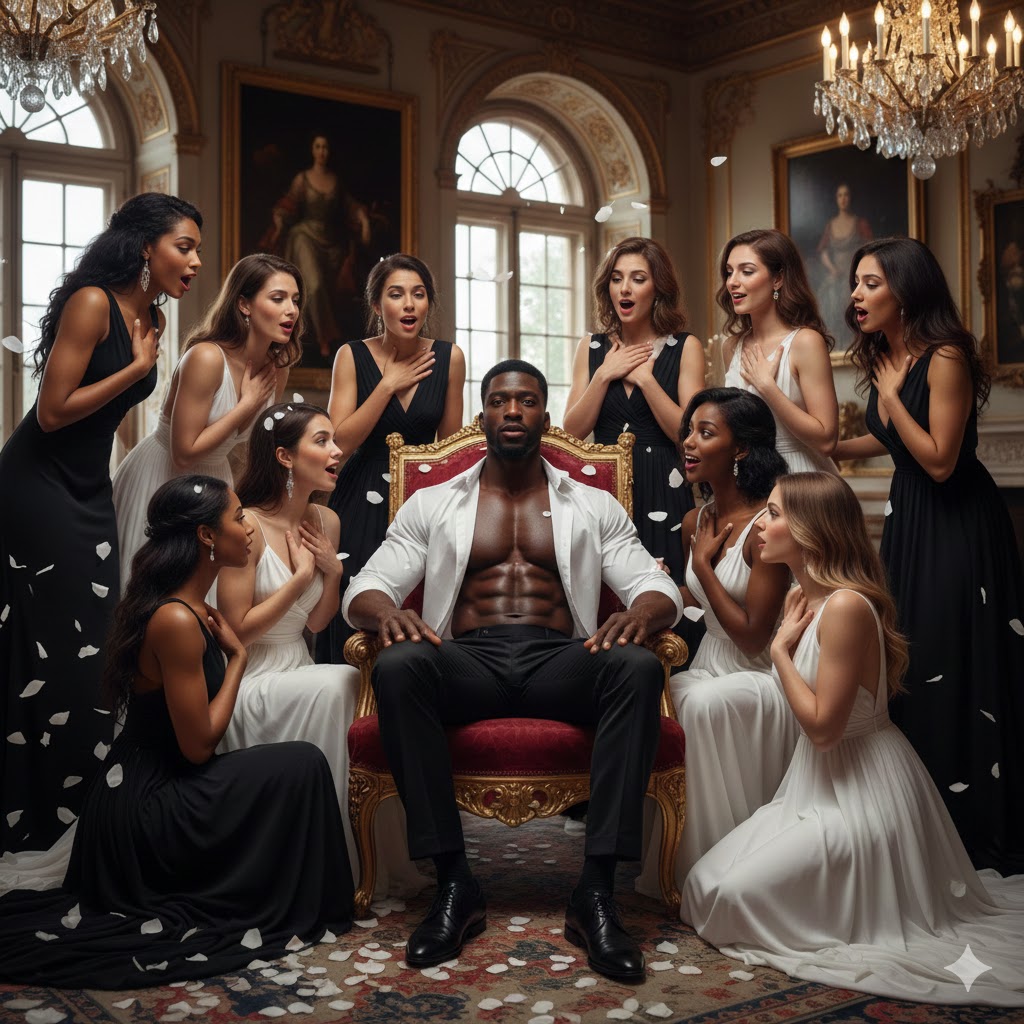
A man once told me that if he were not a man of God, he would worship me because of my physical beauty. What he likely intended as a compliment revealed something far deeper and more troubling—the ease with which admiration can slip into idolatry. His words exposed how modern culture elevates physical beauty beyond appreciation, transforming it into an object of reverence, desire, and spiritual misplacement.

The worship of physical beauty is not new, but it has intensified in an age driven by images, screens, and constant comparison. Beauty is no longer simply noticed; it is exalted. Bodies and faces are elevated to near-divine status, treated as sources of meaning, validation, and power rather than temporary attributes of human life.

When beauty becomes worshiped, it assumes a role reserved for God. Scripture warns against idolatry precisely because it displaces the Creator with the created. Physical beauty, when elevated above character, wisdom, and moral grounding, becomes a false god—demanding attention, sacrifice, and loyalty.

This worship is reinforced by social systems. Media, advertising, and entertainment industries monetize beauty by attaching worth, success, and desirability to physical appearance. The more beautiful the image, the greater its economic and social value. As a result, beauty becomes currency rather than a trait.

Psychologically, beauty worship shapes identity. Those deemed attractive are conditioned to understand themselves through the gaze of others. Research on objectification demonstrates that constant visual evaluation leads individuals to internalize an observer’s perspective, fragmenting the self into body parts rather than a whole person.

For women, especially, beauty worship carries moral contradiction. A beautiful woman is praised for her appearance, yet punished for the attention it attracts. She is admired publicly and judged privately, desired but distrusted, elevated yet reduced. This double bind creates emotional strain and self-surveillance.

Men are not immune to beauty worship, though it manifests differently. Masculine beauty is increasingly commodified, tied to status, sexual prowess, and dominance. The pressure to embody idealized physiques contributes to insecurity, steroid use, and body dysmorphia among men.

Spiritually, beauty worship distorts relationships. When admiration replaces reverence for God, attraction becomes entitlement. The beautiful are no longer seen as neighbors or equals but as objects to possess, conquer, or idolize. This dynamic erodes mutual respect and spiritual clarity.

The biblical narrative consistently resists this elevation of appearance. Scripture reminds readers that God does not see as humans see, for people look on the outward appearance, but the Lord looks on the heart. This principle directly confronts cultures that assign worth visually.

Beauty worship also fuels comparison and envy. Social media intensifies this process by presenting curated perfection as reality. Studies show that repeated exposure to idealized images increases dissatisfaction, depression, and anxiety, even among those who meet beauty standards.

The idolization of beauty is ultimately fragile. Physical attractiveness is temporary, vulnerable to age, illness, and time. When identity is built upon appearance, inevitable change becomes crisis. Fear of losing beauty often results in cosmetic obsession and psychological distress.

Those who are worshiped for beauty often experience isolation. Being admired does not equate to being known. Praise centered on appearance can silence deeper aspects of identity, discouraging vulnerability and reducing relational intimacy.

Faith traditions challenge beauty worship by redirecting attention toward inner transformation. Humility, discipline, and wisdom are presented as enduring virtues. In this framework, beauty is acknowledged but subordinated to righteousness and character.

The statement “I would worship you” reveals how easily admiration can cross into spiritual disorder. Worship involves surrender, devotion, and ultimate value. When these are directed toward a human body, both the admirer and the admired are harmed.

For the one being worshiped, such attention creates pressure to maintain an image rather than live freely. Beauty becomes obligation. The individual is no longer allowed to age, fail, or be ordinary without perceived loss of value.

Beauty worship also obscures accountability. Attractive individuals are often excused or condemned disproportionately based on appearance rather than behavior. This distortion undermines justice and moral clarity.

Healing requires dismantling beauty’s false divinity. Psychological research emphasizes grounding identity in values, purpose, and relationships rather than external validation. Spiritually, this means re-centering worship where it belongs.

Beauty itself is not sinful; worshiping it is. Appreciation honors creation, but worship replaces God. The distinction lies in whether beauty points beyond itself or demands reverence.

When beauty is properly ordered, it becomes an expression rather than an idol. It can be enjoyed without control, admired without possession, and recognized without exaltation.

The burden of beauty worship reveals a cultural hunger for meaning. In the absence of spiritual grounding, appearance becomes a substitute salvation. Yet it cannot sustain the soul.

True freedom emerges when beauty is dethroned and humanity restored. In that liberation, the beautiful are no longer worshiped, and the worshipers are no longer lost—both are returned to their rightful place as human beings, not gods.

References

Fredrickson, B. L., & Roberts, T. A. (1997). Objectification theory: Toward understanding women’s lived experiences and mental health risks. Psychology of Women Quarterly, 21(2), 173–206.

Eagly, A. H., Ashmore, R. D., Makhijani, M. G., & Longo, L. C. (1991). What is beautiful is good, but… A meta-analytic review of research on the physical attractiveness stereotype. Psychological Bulletin, 110(1), 109–128.

Langlois, J. H., Kalakanis, L., Rubenstein, A. J., Larson, A., Hallam, M., & Smoot, M. (2000). Maxims or myths of beauty? A meta-analytic and theoretical review. Psychological Bulletin, 126(3), 390–423.

Calogero, R. M., Tantleff-Dunn, S., & Thompson, J. K. (2011). Self-objectification in women: Causes, consequences, and counteractions. American Psychological Association.

Twenge, J. M., & Campbell, W. K. (2009). The narcissism epidemic: Living in the age of entitlement. Free Press.

Hunter, M. (2007). The persistent problem of colorism: Skin tone, status, and inequality. Sociology Compass, 1(1), 237–254.

What are the Neuro Linguistic Programming Techniques You Can Use Instantly?

Neuro-Linguistic Programming, commonly known as NLP, explores how language, thought patterns, and behavior interact to shape human experience. At its core, NLP suggests that small shifts in perception and communication can produce immediate changes in emotional states and responses.

One instantly usable NLP technique is anchoring. Anchoring involves associating a specific physical action, word, or image with a desired emotional state. By consciously recalling a confident or calm moment and pairing it with a gesture, individuals can later activate that state on demand.

Reframing is another foundational NLP tool that can be applied immediately. This technique involves changing the meaning assigned to a situation rather than the situation itself. By asking what else an experience could represent or what lesson it offers, emotional responses often shift rapidly.

Mirroring and matching are interpersonal NLP techniques that improve rapport. Subtly aligning posture, tone, or pacing with another person can create a sense of psychological safety and connection. When people feel understood, communication becomes more fluid and effective.

Language patterns play a critical role in NLP. Simply changing from absolute language such as “always” or “never” to more flexible phrasing like “sometimes” or “so far” can reduce internal pressure and open space for growth and problem-solving.

Visualization is an NLP strategy that engages the brain’s sensory systems. By vividly imagining a successful outcome using sight, sound, and feeling, individuals prime their nervous system for confidence and preparedness. The brain often responds to imagined success similarly to real experience.

The swish pattern is a rapid NLP technique designed to interrupt unwanted habits or thoughts. It works by replacing a negative mental image with a compelling positive one in quick succession, weakening the old association and strengthening a new, empowering response.

State management is central to NLP practice. Instead of asking why one feels a certain way, NLP focuses on how to shift states. Simple actions such as changing posture, breathing rhythm, or focus can immediately alter emotional energy.

Meta-cognition, or thinking about thinking, is another NLP-aligned skill. Becoming aware of internal dialogue allows individuals to challenge unhelpful narratives and consciously replace them with constructive language.

NLP emphasizes sensory awareness through representational systems. Paying attention to whether one thinks primarily in images, sounds, or feelings can enhance communication and self-understanding. Adjusting language to match these systems increases clarity and impact.

Future pacing is an NLP technique that mentally rehearses desired behaviors in upcoming situations. By imagining oneself responding calmly or confidently in advance, the brain becomes familiar with the behavior, making it easier to execute when the moment arrives.

Chunking is a cognitive NLP strategy that manages overwhelm. Breaking large goals into smaller, achievable steps reduces resistance and increases motivation. Conversely, chunking up helps individuals reconnect with purpose by seeing the bigger picture.

Pattern interruption is a fast NLP tool for shifting emotional states. Doing something unexpected, such as changing physical position or altering speech tempo, disrupts automatic reactions and creates space for conscious choice.

NLP also teaches precision in questioning. Asking better questions, such as “What specifically do I want instead?” directs attention toward solutions rather than problems, influencing both mindset and behavior instantly.

Submodalities refer to the fine details of mental imagery, such as brightness, size, or distance. Changing these qualities can dramatically alter emotional intensity. For example, shrinking or dimming a distressing image often reduces its emotional charge.

Rapport with oneself is just as important as rapport with others. NLP encourages aligning values, beliefs, and actions to reduce internal conflict. When inner communication improves, external behavior often follows.

NLP techniques can be particularly effective in moments of anxiety or self-doubt. Redirecting attention, shifting language, or adjusting body posture can calm the nervous system within minutes, restoring a sense of control.

Critics note that NLP varies in empirical support, yet many techniques align with established cognitive-behavioral and psychological principles. Its practical appeal lies in its accessibility and immediate applicability.

Ethical use of NLP is essential. Techniques designed to enhance communication and self-regulation should never be used to manipulate or coerce. Responsible practice prioritizes consent, authenticity, and personal growth.

Ultimately, NLP offers a toolkit rather than a doctrine. The techniques that work best are those applied with self-awareness, intention, and consistency. Small shifts in language, focus, and behavior can create meaningful changes in daily life.


References

Bandler, R., & Grinder, J. (1975). The structure of magic I: A book about language and therapy. Science and Behavior Books.

Dilts, R. (1990). Changing belief systems with NLP. Meta Publications.

Dilts, R., Grinder, J., Bandler, R., DeLozier, J., & Cameron-Bandler, L. (1980). Neuro-Linguistic Programming: The study of the structure of subjective experience. Meta Publications.

Kahneman, D. (2011). Thinking, fast and slow. Farrar, Straus and Giroux.

Linder-Pelz, S., & Hall, L. M. (2007). The empirical case for NLP. NLP World.

Tosey, P., & Mathison, J. (2010). Neuro-linguistic programming as an innovation in education and teaching. The Curriculum Journal, 21(4), 433–456.

How Beauty Distorts Justice, Desire, and Morality.

Beauty is often treated as a harmless preference, yet research across psychology, sociology, and law demonstrates that attractiveness functions as a powerful social bias. Rather than merely shaping taste, beauty actively distorts how people assign innocence and guilt, whom they desire and protect, and how they define moral worth. What is perceived as “natural attraction” frequently operates as an unexamined system of advantage.

In matters of justice, beauty bias is among the most consistently documented distortions. Attractive individuals are more likely to be perceived as trustworthy, intelligent, and less culpable, a phenomenon known as the “halo effect.” Studies show that jurors tend to assign lighter sentences to attractive defendants and harsher penalties to those deemed unattractive, even when the evidence is identical. Justice, ideally blind, often sees clearly when beauty is present.

This distortion extends beyond courtrooms into everyday moral judgment. Attractive people are more readily forgiven for transgressions, while unattractive individuals are assumed to possess negative character traits. Moral failure, when paired with beauty, is reframed as a mistake; when paired with unattractiveness, it is treated as proof of inherent flaw.

Beauty also shapes what suffering is believed. Victims who align with dominant beauty standards receive more sympathy, media attention, and institutional support. Those outside these standards—particularly darker-skinned women, disabled individuals, and the poor—are more likely to be doubted, ignored, or blamed for their own harm. In this way, beauty acts as a moral amplifier, determining whose pain matters.

Desire, often defended as purely personal, is deeply socialized through beauty hierarchies. From early childhood, people are taught—through media, advertising, and peer reinforcement—who is desirable and who is not. These lessons harden into preferences that feel instinctive but are in fact learned. Desire becomes less about genuine connection and more about proximity to social approval.

This conditioning shapes romantic and sexual markets in unequal ways. Individuals deemed beautiful are granted an abundance of choice, patience, and generosity. Those deemed unattractive are expected to accept less, endure disrespect, or compensate through labor, humor, or submission. Beauty thus regulates intimacy, deciding who is pursued and who must perform for attention.

Morality becomes entangled with appearance when beauty is mistaken for virtue. Cultural narratives frequently depict good characters as beautiful and evil characters as physically undesirable. Over time, these associations seep into moral reasoning, reinforcing the false belief that appearance reflects ethical substance.

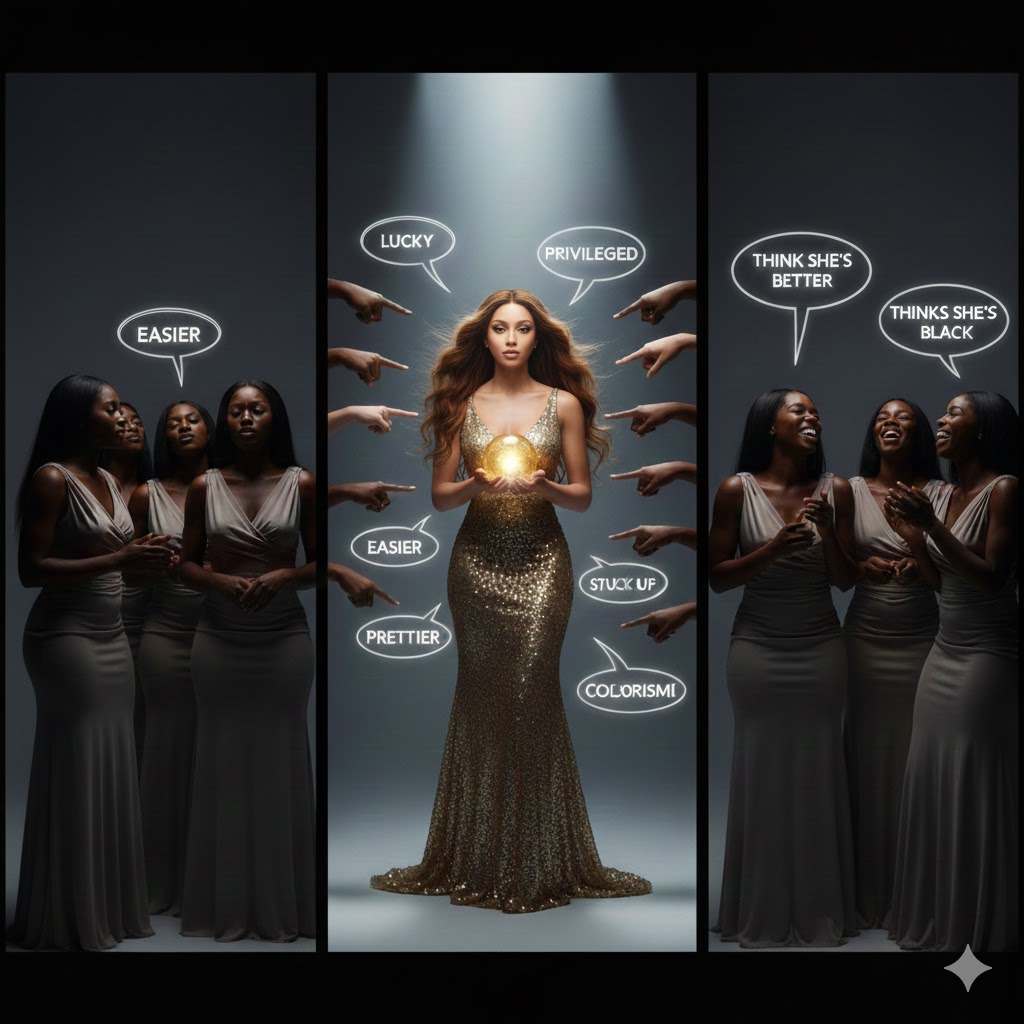
Colorism intensifies these distortions within racialized communities. Lighter skin, looser hair textures, and Eurocentric features are often rewarded with moral credibility and social protection, while darker skin is associated with threat, aggression, or moral deficiency. These biases are not individual failures but legacies of colonial and slave-based hierarchies.

Economic outcomes further expose beauty’s moral distortion. Attractive individuals earn higher wages, receive better evaluations, and are more likely to be hired or promoted. Success is then retroactively framed as merit, masking how beauty quietly tilted the scale. Inequality appears deserved when beauty is mistaken for virtue.

Social media has amplified these effects by monetizing appearance. Algorithms reward faces that align with dominant beauty norms, translating attractiveness into visibility, income, and influence. Moral authority increasingly follows aesthetic appeal, allowing beauty to masquerade as credibility and truth.

The greatest danger of beauty bias is its invisibility. Because beauty is celebrated rather than scrutinized, its influence escapes ethical accountability. People resist naming beauty privilege because it threatens comforting myths about fairness, love, and meritocracy.

Undoing beauty’s distortion requires conscious resistance. Justice must be trained to recognize bias, desire must be interrogated rather than defended, and morality must be separated from appearance. Only when beauty is stripped of moral authority can fairness, love, and truth operate without illusion.

References

Eagly, A. H., Ashmore, R. D., Makhijani, M. G., & Longo, L. C. (1991). What is beautiful is good, but… A meta-analytic review of research on the physical attractiveness stereotype. Psychological Bulletin, 110(1), 109–128.

Hamermesh, D. S. (2011). Beauty pays: Why attractive people are more successful. Princeton University Press.

Hunter, M. (2007). The persistent problem of colorism: Skin tone, status, and inequality. Sociology Compass, 1(1), 237–254.

Langlois, J. H., Kalakanis, L., Rubenstein, A. J., Larson, A., Hallam, M., & Smoot, M. (2000). Maxims or myths of beauty? A meta-analytic and theoretical review. Psychological Bulletin, 126(3), 390–423.

Stewart, J. E. (1980). Defendant’s attractiveness as a factor in the outcome of criminal trials: An observational study. Journal of Applied Social Psychology, 10(4), 348–361.

Wilson, T. D., & Brekke, N. (1994). Mental contamination and mental correction: Unwanted influences on judgments and evaluations. Psychological Bulletin, 116(1), 117–142.

Zebrowitz, L. A. (2017). First impressions from faces. Oxford University Press.

Black Thought Collective

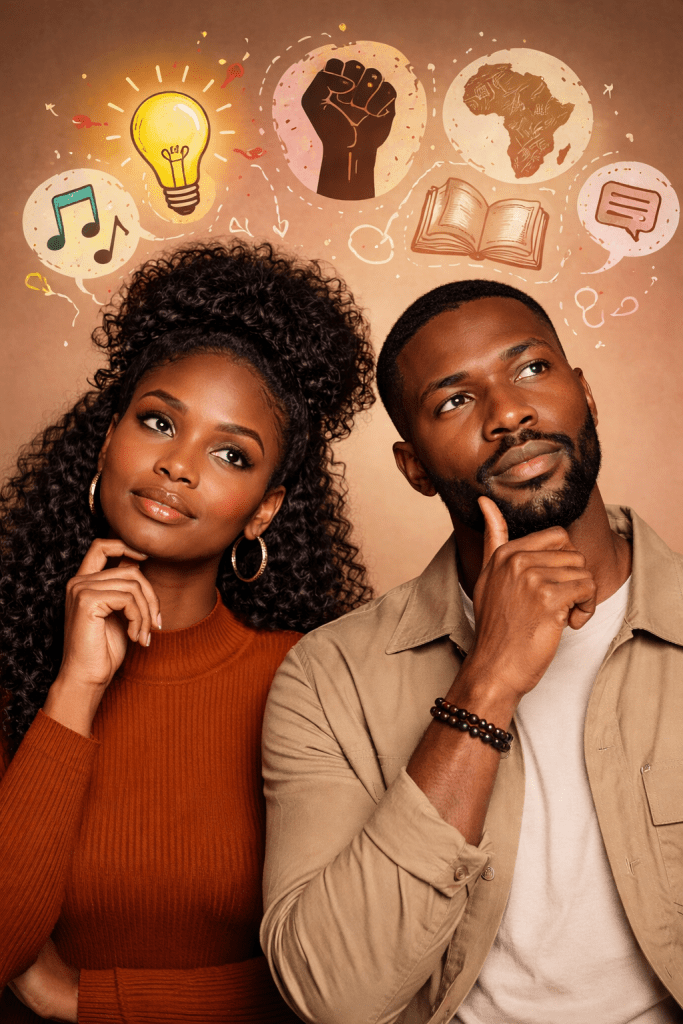
The intellectual and cultural contributions of Black people, when examined collectively, form a rich tapestry of thought that spans centuries, continents, and disciplines. The Black Thought Collective is not merely an academic exercise—it is a recognition of the shared consciousness, resilience, and creative genius of people of African descent. It encompasses reflections on freedom, justice, identity, spirituality, culture, and social responsibility, offering a lens through which the world can better understand the Black experience.

Historical Foundations of Black Thought

Black intellectual thought has deep roots, stretching from African kingdoms and philosophical traditions to the African diaspora. Scholars such as W. E. B. Du Bois articulated the dual consciousness of being Black in a world dominated by Eurocentric norms, highlighting the tensions of identity, freedom, and self-perception (Du Bois, 1903). Similarly, Carter G. Woodson emphasized the importance of education and historical knowledge in combating systemic oppression (Woodson, 1933). These early foundations established the principle that Black people’s collective reflection is not only valid but essential for social transformation.

Resistance and Liberation in Thought

Black thought is often forged in the crucible of struggle. From the era of slavery to the modern civil rights movement, Black intellectuals and activists have confronted oppression with innovative strategies and visionary ideas. The writings of Du Bois (1999) on Reconstruction, the activism of Frederick Douglass, and the political philosophy embedded in contemporary movements like #BlackLivesMatter (Taylor, 2016) all demonstrate that Black thought functions as both critique and guide for collective liberation.

Cultural and Artistic Contributions

Art, music, literature, and philosophy serve as essential vessels of Black collective consciousness. Jazz, hip-hop, African oral traditions, and literary works by Toni Morrison, James Baldwin, and bell hooks articulate both the pain and the triumph of Black life. These cultural productions are not merely aesthetic; they are intellectual interventions, shaping social understanding and advancing discourse on identity, equity, and justice (hooks, 2000; Coates, 2015).

Contemporary Intellectual Discourse

Modern Black thought encompasses sociology, political theory, education, and philosophy. Scholars like Cornel West (2001) and Charles Mills (1997) interrogate the persistent effects of racial hierarchies, systemic injustice, and epistemic exclusion. Collectively, Black intellectuals challenge dominant paradigms, demanding recognition of structural inequities while proposing pathways to equity and collective flourishing (Glaude, 2016).

Spiritual and Moral Dimensions

Faith and spirituality have historically played a central role in shaping Black thought. The moral imperatives embedded in religious traditions—from African spiritual systems to Christianity—inform principles of justice, communal responsibility, and ethical leadership. Black thought consistently integrates the spiritual with the practical, emphasizing that liberation encompasses mind, body, and soul.

Intersectionality and Inclusivity

The Black Thought Collective is inherently intersectional. Gender, class, sexuality, and geographic location intersect with race to produce diverse perspectives within the collective. The insights of Black women intellectuals, including bell hooks and Kimberlé Crenshaw, underscore how multiple axes of oppression and identity inform nuanced understandings of justice and empowerment (hooks, 2000; Taylor, 2016).

Global Perspective

Black thought is not confined to the United States; it resonates across the African diaspora. Intellectuals from the Caribbean, Latin America, Europe, and Africa have contributed perspectives on colonization, migration, cultural identity, and global solidarity. Figures such as Frantz Fanon, Ngũgĩ wa Thiong’o, and Chimamanda Ngozi Adichie highlight the universal and adaptable nature of Black thought, bridging local experience with global consciousness.

Education and Knowledge Production

Education has been both a site of oppression and liberation. Black scholars have emphasized the production and dissemination of knowledge that centers Black experience, countering narratives imposed by colonial and Eurocentric institutions. Woodson’s advocacy for historically accurate education and contemporary calls for decolonized curricula continue this legacy (Woodson, 1933; Painter, 2010).

The Collective Mindset

The strength of Black thought lies in its collective nature. While individual thinkers contribute distinct perspectives, the synthesis of voices creates a holistic understanding of Black life, culture, and aspiration. This collective intelligence fosters resilience, innovation, and strategies for social, political, and cultural advancement.

Future Directions

Looking forward, the Black Thought Collective will continue to evolve. Emerging scholars, activists, and cultural creators are expanding the discourse to include technology, environmental justice, global health, and other contemporary challenges. By integrating historical insight with modern innovation, Black thought remains dynamic, relevant, and transformative.

Conclusion

The Black Thought Collective is a living testament to the intellectual, cultural, and spiritual vitality of Black people. It demonstrates that collective reflection is not merely academic but a vital tool for liberation, empowerment, and social change. Understanding and valuing these contributions is essential for a more just, equitable, and inclusive world. The collective wisdom of Black people offers profound insights into humanity, justice, and the ongoing pursuit of freedom.


References

Alexander, M. (2012). The new Jim Crow: Mass incarceration in the age of colorblindness. The New Press.

Coates, T.-N. (2015). Between the world and me. Spiegel & Grau.

Du Bois, W. E. B. (1903). The souls of Black folk. A. C. McClurg & Co.

Du Bois, W. E. B. (1999). Black reconstruction in America, 1860–1880. Free Press. (Original work published 1935)

Glaude, E. S., Jr. (2016). Democracy in Black: How race still enslaves the American soul. Crown Publishing Group.

hooks, b. (2000). Where we stand: Class matters. Routledge.

Mills, C. W. (1997). The racial contract. Cornell University Press.

Painter, N. I. (2010). The history of White people. W. W. Norton & Company.

Taylor, K.-Y. (2016). From #BlackLivesMatter to Black liberation. Haymarket Books.

West, C. (2001). Race matters. Beacon Press.

Woodson, C. G. (1933). The mis-education of the Negro. Associated Publishers.

Yancy, G. (2018). Black bodies, white gazes: The continuing significance of race in America. Rowman & Littlefield.

Overcoming Colorism

Overcoming colorism requires confronting a system that was never accidental but intentionally engineered to rank human worth by shade. Colorism is the internalization of white supremacist ideology, operating within communities of color to privilege lightness and punish darkness. Healing begins with truth—acknowledging that colorism is not preference, personality, or coincidence, but a learned hierarchy rooted in historical violence.

Colorism was born in slavery and colonialism, where proximity to whiteness determined access to safety, labor conditions, and social value. These hierarchies were imposed by force, reinforced by law, and justified by distorted theology. Over time, what began as external control became internal belief, passed down as culture rather than recognized as trauma.

The first step in overcoming colorism is naming it without defensiveness. Silence protects systems, not people. When communities deny colorism, they allow it to operate unchecked in families, churches, schools, and relationships. Scripture affirms that truth is the pathway to freedom, not comfort (John 8:32, KJV).

Healing requires rejecting the lie that colorism is harmless. Research consistently demonstrates that skin tone affects income, education, sentencing, marriage prospects, and mental health (Hunter, 2007; Monk, 2014). These outcomes reveal colorism as structural inequality, not individual insecurity.

Psychologically, overcoming colorism demands deprogramming. Racialized hierarchies shape self-concept from early childhood, influencing whom people admire, desire, and trust. Proverbs reminds us that as a person thinks in their heart, so they become (Proverbs 23:7, KJV). Without intentional intervention, internalized bias reproduces itself unconsciously.

Families play a central role in dismantling colorism. Differential treatment of children based on skin tone communicates worth long before identity is formed. Overcoming colorism requires equal affirmation, protection, and expectation for all children, regardless of shade. What is nurtured in the home either heals or deepens generational wounds.

Education is another critical site of resistance. Schools must address colorism explicitly, not merely racism. Darker-skinned children are disciplined more harshly and underestimated academically, while lighter-skinned peers receive grace and encouragement. Equity requires awareness, accountability, and structural correction.

Media literacy is essential for overcoming colorism. Representation shapes desire and self-perception. When lighter skin dominates narratives of beauty, success, and love, hierarchy is normalized. Challenging these images and elevating diverse representations disrupts the feedback loop that trains bias.

In romantic relationships, overcoming colorism requires honesty about attraction. Preferences are not neutral when they consistently mirror oppression. Scripture warns against lust shaped by the eyes rather than righteousness (1 John 2:16, KJV). Desire itself must be examined, not defended.

Church spaces must also confront colorism. Partiality based on appearance directly violates biblical law. James condemns favoritism as sin, regardless of cultural norms (James 2:1–9, KJV). Overcoming colorism in faith communities is not optional; it is obedience.

Spiritually, colorism contradicts creation theology. Humanity was made in God’s image, not graded by complexion (Genesis 1:27, KJV). To esteem one shade above another is to dispute God’s craftsmanship and substitute colonial aesthetics for divine truth.

Overcoming colorism also requires addressing shame. Dark-skinned individuals often carry internalized rejection that manifests as self-doubt or overcompensation. Healing involves affirming that darkness is not deficiency but depth, origin, and beauty. African history affirms Blackness as foundational, not marginal (Diop, 1974).

For lighter-skinned individuals, overcoming colorism involves acknowledging unearned advantage without guilt or denial. Recognition is not accusation; it is responsibility. Scripture teaches that to whom much is given, much is required (Luke 12:48, KJV).

Community accountability is essential. Jokes, compliments, and casual comments often reinforce hierarchy. Overcoming colorism means interrupting harmful language and refusing to normalize shade-based value systems, even when they appear subtle or affectionate.

Psychological research affirms that intentional exposure to counter-stereotypical imagery and narratives reduces implicit bias. This aligns with the biblical principle of renewing the mind rather than conforming to inherited patterns (Romans 12:2, KJV).

Overcoming colorism also demands structural change. Institutions must examine hiring practices, promotion criteria, disciplinary policies, and representation. Individual healing cannot substitute for systemic accountability.

Forgiveness is part of the process, but forgiveness without truth is denial. Scripture teaches that repentance precedes restoration. Communities must grieve the damage colorism has caused before reconciliation can occur.

The dismantling of colorism restores unity. Hierarchy fractures solidarity, but truth repairs it. When shade no longer determines worth, collective strength increases, and internal conflict diminishes.

Overcoming colorism is not about reversing hierarchy but abolishing it. Liberation is not achieved by making darkness dominant, but by eliminating dominance altogether.

Ultimately, overcoming colorism is a moral, psychological, and spiritual imperative. God is no respecter of persons (Acts 10:34, KJV). Any system that contradicts this truth must be confronted and dismantled.

When colorism is overcome, communities move closer to wholeness. What replaces hierarchy is not sameness, but dignity. And dignity, once restored, becomes the foundation for justice, unity, and healing.


References

The Holy Bible, King James Version. (1611). Various passages.

Hunter, M. (2007). The persistent problem of colorism: Skin tone, status, and inequality. Sociology Compass, 1(1), 237–254.

Monk, E. P. (2014). Skin tone stratification among Black Americans. Social Forces, 92(4), 1317–1337.

Monk, E. P. (2019). The color of punishment: African Americans, skin tone, and the criminal justice system. Ethnic and Racial Studies, 42(10), 1593–1612.

Russell, K., Wilson, M., & Hall, R. (1992). The color complex: The politics of skin color among African Americans. Anchor Books.

Fanon, F. (1952). Black skin, white masks. Grove Press.

Cross, W. E. (1991). Shades of Black: Diversity in African-American identity. Temple University Press.

Diop, C. A. (1974). The African origin of civilization: Myth or reality. Lawrence Hill Books.

Wilkerson, I. (2020). Caste: The origins of our discontents. Random House.

💄 The Power of Pretty 💄

Beauty, Influence, and Societal Dynamics

Beauty has always been more than skin deep. It functions as a subtle yet pervasive form of influence, shaping social dynamics, opportunities, and perceptions. What society labels as “pretty” carries weight, affecting lives in ways often unnoticed. From history to modern media, the influence of attractiveness impacts interpersonal relationships, professional advancement, and cultural status.

Historically, beauty standards have been codified and politicized. In Renaissance Europe, fair skin, delicate features, and symmetry were not simply aesthetic preferences but symbols of class, virtue, and morality. Across cultures, similar patterns emerge, showing that beauty consistently intersects with social capital.

Psychologically, humans respond instinctively to facial symmetry, clear skin, and proportional features, interpreting these cues as indicators of health and vitality. Pretty individuals often trigger positive biases, influencing how others perceive competence, trustworthiness, and likability.

Gender plays a significant role in how beauty is leveraged. Women, in particular, face societal pressures to maintain appearance, and attractiveness can function as social and economic currency. The “beauty premium” demonstrates that societal preference for attractive individuals can lead to higher likelihood of hiring, promotions, and social favor, yet it also subjects them to heightened scrutiny and objectification.

Appearance operates as a form of social signaling. Being conventionally attractive often conveys competence and social dominance, regardless of actual ability. This “halo effect” means pretty individuals are frequently treated more favorably, consciously or unconsciously.

Colorism adds another layer of complexity. Within communities, lighter skin and Eurocentric features are often favored, creating systemic hierarchies that reward certain appearances while marginalizing others. Beauty becomes both subjective and systemic, influencing social mobility and self-perception.

Modern media further amplifies narrow beauty ideals, presenting often unattainable standards through advertising, film, and social platforms. These images shape cultural perception, influence self-esteem, and dictate interpersonal dynamics, creating an environment where appearance is closely tied to societal validation.

Pretty individuals can consciously wield beauty as leverage. In politics, business, and entertainment, attractiveness can persuade, negotiate, and shape public opinion. Physical appearance can become an asset in both personal and professional spheres.

However, beauty also carries costs. Objectification, jealousy, and the pressure to maintain standards can create psychological and social burdens. The labor, expense, and attention required to maintain societal ideals illustrate that prettiness is as demanding as it is powerful.

Research shows that attractive individuals experience measurable advantages across professional, educational, and social contexts. In workplaces, appearance influences evaluations, promotions, and compensation. In education, students deemed attractive receive more attention and encouragement, demonstrating that beauty can affect trajectories from an early age.

In social networks, attractiveness functions as a form of social navigation. Pretty individuals often gain trust, allies, and influence more readily, using charm and appearance strategically. Digital platforms have quantified these dynamics, with likes, follows, and algorithmic visibility creating a new economy of beauty.

The psychological impact of beauty extends to both those deemed attractive and those outside dominant standards. Attractive individuals may internalize their social power, while others may experience marginalization or heightened self-awareness regarding appearance.

Leadership perception is also influenced by physical attractiveness. Attractive leaders are often judged as more competent, persuasive, and authoritative, showing a direct link between appearance and social influence. Gendered double standards exacerbate these dynamics, as women face greater scrutiny over age and deviations from beauty norms.

Contemporary movements challenging narrow Eurocentric beauty ideals empower individuals to reclaim the influence of appearance. By celebrating diverse skin tones, hair textures, body shapes, and facial features, society can begin to decouple prettiness from oppression and objectification.

Ultimately, beauty represents a form of social, psychological, and economic capital. Recognizing its influence allows individuals and communities to navigate the power of appearance with awareness, balancing advantages with responsibility and ethical consideration.

The power of pretty is undeniable, yet true liberation comes when influence is coupled with integrity, self-knowledge, and the dismantling of oppressive standards. Prettiness can empower, but its greatest expression arises when it aligns with wisdom, justice, and cultural consciousness.


References

Chou, H. T. G., & Edge, N. (2012). “They are happier and having better lives than I am”: The impact of using Facebook on perceptions of others’ lives. Cyberpsychology, Behavior, and Social Networking, 15(2), 117–121.

Dion, K., Berscheid, E., & Walster, E. (1972). What is beautiful is good. Journal of Personality and Social Psychology, 24(3), 285–290.

Elder, T., Goddeeris, J., & Williams, R. (2016). Beauty, bias, and student outcomes. Economics of Education Review, 51, 1–14.

Fredrickson, B. L., & Roberts, T. A. (1997). Objectification theory. Psychology of Women Quarterly, 21(2), 173–206.

Friedan, B. (1991). The Feminine Mystique. Norton.

Hamermesh, D. S., & Biddle, J. E. (1994). Beauty and the labor market. American Economic Review, 84(5), 1174–1194.

Hunter, M. (2007). The persistent problem of colorism: Skin tone, status, and inequality. Sociology Compass, 1(1), 237–254.

Langlois, J. H., et al. (2000). Maxims or myths of beauty? A meta-analytic and theoretical review. Psychological Bulletin, 126(3), 390–423.

Little, A. C., et al. (2007). Facial attractiveness and leadership perception. British Journal of Psychology, 98(1), 91–103.

Rhodes, G. (2006). The evolutionary psychology of facial beauty. Annual Review of Psychology, 57, 199–226.

Tiggemann, M. (2011). The impact of media on body image. In Body image: A handbook of science, practice, and prevention (pp. 169–175). Guilford Press.

Tiggemann, M., & Slater, A. (2013). NetGirls: The Internet, Facebook, and body image concern in adolescent girls. International Journal of Eating Disorders, 46(6), 630–643.

Verhulst, J., Lodge, M., & Lavine, H. (2010). The attractiveness halo: Why some candidates are more persuasive than others. Political Psychology, 31(1), 1–26.

Wolf, N. (1991). The Beauty Myth. HarperCollins.

Beauty Is in the Eyes of the Beholder

Beauty has fascinated philosophers, scientists, and artists for centuries, yet it remains one of the most complex and debated concepts in human experience. When someone says, “Beauty is in the eyes of the beholder,” they acknowledge that what we find attractive is not universal. Two people can look at the same face—Brad Pitt, Denzel Washington, Aishwarya Rai Bachchan, or Kim Kardashian—and have completely different reactions. Some may see perfection, while others feel no attraction at all. This divergence raises a profound question: how can one object or person produce such opposite interpretations?

Human perception of beauty emerges from the interplay between biology, culture, psychology, and personal experience. While some elements of attractiveness are rooted in genetic preferences for health, symmetry, or fertility, these biological cues do not act alone. They are filtered through upbringing, environment, history, and learned values. Thus, beauty can be both subjective and objective at the same time—anchored in natural instincts yet shaped by social forces.

Beauty becomes subjective because each person’s mind interprets stimuli differently. The brain does not merely record what the eyes see; it interprets, edits, analyzes, and assigns meaning. Experiences from childhood, cultural exposure, family influences, societal ideals, and even personal insecurities shape how we judge attractiveness. Two people standing side-by-side may share the same visual input but generate entirely different emotional responses.

Opposing views arise because people possess individual histories that influence how they categorize beauty. Someone raised in a family that praises lighter skin may grow up prioritizing those features, while another who grows up surrounded by deep-toned beauty may find richness in melanin to be the ultimate ideal. In this sense, environment acts like a lens that shapes the raw genetic instincts built into us.

While some individuals find global icons like Brad Pitt or Aishwarya Rai incredibly attractive, others may not respond emotionally to their features. This does not diminish the beauty of the individual; it highlights the complexity of perception. Attraction depends not only on the features themselves but also on how a person’s brain interprets those features in relation to memories, associations, and internal biases.

Childhood plays a powerful role in shaping what we find attractive. Children absorb subtle messages from parents, television, social media, and peers. They observe which faces receive praise, who is considered desirable, and how beauty is talked about. These early impressions become mental templates—what psychologists call “imprinting”—that influence adult preferences. A child repeatedly exposed to a certain beauty ideal is more likely to absorb that ideal subconsciously.

Genetics contributes to attraction by shaping innate preferences. Humans across cultures tend to favor certain biological cues such as facial symmetry, clear skin, proportional features, and expressions of health. These cues signal good genes, fertility, and survival advantages. For example, symmetry suggests developmental stability, while clear skin signals health. However, genetics does not dictate which specific faces each person finds beautiful; it merely provides a blueprint for general tendencies.

Beauty is subjective because perception relies on neural pathways formed over time. The brain creates shortcuts known as heuristics to interpret attractiveness quickly. These heuristics depend heavily on exposure, conditioning, and familiarity. What one person recognizes as beautiful, another may interpret differently based on the mental filters they’ve developed. In other words, beauty is partly a reflection of the beholder’s inner world.

It is true that everyone who looks at you views you differently. Each observer applies their own criteria, experiences, social conditioning, and emotional states to the image before them. You do not appear the same to all people because people do not possess identical mental frameworks. Every face becomes a personal puzzle that each mind solves in its own way.

Opinions of beauty are formed through a mixture of biological impulses and cognitive associations. The brain’s reward pathway, especially the release of dopamine, influences how strongly we react to certain features. If a particular face or feature activates positive associations—perhaps it resembles a loved one or cultural icon—the viewer experiences attraction. If it triggers negative or unfamiliar associations, attraction diminishes.

Many of our thoughts about beauty originate from early exposure. Family shapes our initial ideals when we are young. Culture adds another layer by reinforcing images, standards, and expectations through media and tradition. Religion and community can shift perceptions by emphasizing modesty, purity, strength, or specific gender roles. These influences blend into a personal algorithm that defines what each person considers beautiful.

The subjectivity of beauty is amplified by social comparison. People learn to categorize faces through repeated exposure, and these categories evolve with societal values. When society celebrates a certain celebrity, body type, hairstyle, or skin tone, our understanding of beauty shifts along with it. Over time, these societal shifts influence how individuals form preferences.

In addition, personal experiences shape perception. A person who associates a specific facial type with a negative memory may feel aversion, even if that facial type is widely considered attractive. Conversely, someone who has positive emotional experiences associated with certain features may find those features beautiful regardless of societal standards.

Cultural diversity plays a tremendous role in shaping beauty standards. What is ideal in one society may be average or even unappealing in another. For example, some cultures prize fuller figures, while others emphasize slimness. Some value high cheekbones, while others prioritize softer features. Beauty does not exist in a vacuum—it is embedded in cultural narratives.

Genetics also influences how we perceive beauty through evolutionary psychology. Humans are drawn to cues that historically increased the likelihood of survival and reproduction. For example, certain facial ratios—like the distance between the eyes and mouth—are universally preferred because they signal youthfulness and health. Yet these universal preferences do not override cultural and personal variation.

Beauty appears subjective because the brain reacts not only to physical features but also to emotional meaning. A face can become more attractive to someone they love, admire, or trust, while it can become less attractive if associated with negative experiences. Attraction is not static; it evolves depending on emotional context.

Our reactions to beauty also stem from cognitive biases. Familiarity bias makes us favor what we already know. Similarity bias makes us find people more attractive if they resemble us or our loved ones. Novelty bias can make unfamiliar beauty thrilling or intimidating, depending on a person’s personality and past experiences.

Beauty can shift over time because the mind is adaptable. As people experience different cultures, travel, relationships, and life changes, their perceptions of beauty expand. What one considered unattractive years earlier may become appealing as they mature or as societal standards evolve.

Psychology suggests that beauty perception is linked to identity. People often gravitate toward beauty that validates their sense of self—culturally, racially, spiritually, or emotionally. Thus, beauty becomes a mirror reflecting not only the object being viewed but also the inner state of the viewer.

Opposing views on beauty are also influenced by environment and exposure. Someone raised in an environment where natural hair, melanated skin, or certain facial features were celebrated will grow up with different ideals than someone surrounded by Eurocentric standards. Beauty is a reflection of cultural conditioning.

Subjectivity in beauty is further shaped by emotional connection. A person may find someone more attractive after learning about their personality, kindness, or intelligence. Conversely, someone physically beautiful may become unattractive if their behavior is cruel. The emotional dimension modifies the visual perception.

Another contributor to beauty’s subjectivity is personal insecurity. People often project their desires, fears, or self-judgments onto their perception of others. A person insecure about their own appearance may judge beauty more harshly, while someone confident or emotionally balanced may find beauty in a wider range of faces.

Opinions about beauty also depend on social trends. Celebrities, influencers, and media continually reshape what is considered desirable. As trends evolve—from voluptuous bodies to slim waists, from tanned skin to porcelain tones—public preferences shift with them. Beauty becomes a moving target.

The neurological basis of attraction reveals that the brain rewards patterns it finds aesthetically pleasing. These patterns may include facial symmetry, proportionality, and the golden ratio. Yet the brain’s reward center can be trained to find new patterns beautiful with enough exposure.

Beauty remains subjective because no two people share identical life experiences. The emotional, genetic, cultural, and psychological ingredients that form a person’s preferences are unique. Thus, beauty varies as widely as personalities, languages, and worldviews.

The idea that everyone sees you differently is grounded in neuroscience. Each person’s brain processes visual stimuli through unique connections formed over the years. Thus, you exist in many forms—thirty people see thirty different versions of you, shaped by their internal narratives.

Ultimately, the subjectivity of beauty emphasizes the diversity of human experience. What one person finds breathtaking, another may overlook. This diversity enriches the human story, preventing beauty from becoming a rigid or uniform standard.

Beauty is both personal and universal. It is rooted in biology but refined by culture, shaped by childhood, altered by experience, and influenced by personality. This interplay ensures that no definition of beauty is final or absolute.

Our thoughts about beauty arise from a combination of instinct and experience. While evolutionary biology gives us a framework, the mind colors perception through memory, emotion, and environment. Therefore, beauty remains one of the most personal judgments a human can make.

In the end, beauty’s subjectivity is what makes it powerful. It reminds us that attraction is not a science to be perfected but a reflection of the beholder’s inner world. Beauty lives in perception, memory, culture, genetics, and soul. It is as varied and precious as the people who define it.

References

Bzdok, D., Langner, R., Schilbach, L., Jakobs, O., Roski, C., Caspers, S., … Eickhoff, S. B. (2011). Neural correlates of emotional valence judgments: A functional MRI meta-analysis. NeuroImage, 54(3), 2233–2244.

Darwin, C. (1871). The descent of man, and selection in relation to sex. London: John Murray.

DeBruine, L. M., & Jones, B. C. (2017). Face preferences. In Encyclopedia of evolutionary psychological science (pp. 1–12). Springer.

Etcoff, N. (1999). Survival of the prettiest: The science of beauty. Anchor Books.

Grammer, K., Fink, B, Møller, A. P., & Thornhill, R. (2003). Darwinian aesthetics: Sexual selection and the biology of beauty. Biological Reviews, 78(3), 385–407.

Jones, B. C., DeBruine, L. M., Little, A. C., & Feinberg, D. R. (2007). Social transmission of face preferences among humans. Proceedings of the Royal Society B, 274(1611), 899–903.

Langlois, J. H., Kalakanis, L., Rubenstein, A. J., Larson, A., Hallam, M., & Smoot, M. (2000). Maxims or myths of beauty? A meta-analytic and theoretical review. Psychological Bulletin, 126(3), 390–423.

Little, A. C., Jones, B. C., & DeBruine, L. M. (2011). Facial attractiveness: evolutionary based research. Philosophical Transactions of the Royal Society B, 366(1571), 1638–1659.

Rhodes, G. (2006). The evolutionary psychology of facial beauty. Annual Review of Psychology, 57, 199–226.

Said, C. P., & Todorov, A. (2011). A statistical model of facial attractiveness. Psychological Science, 22(9), 1183–1190.

Thornhill, R., & Gangestad, S. W. (1999). Facial attractiveness. Trends in Cognitive Sciences, 3(12), 452–460.

Zebrowitz, L. A. (1997). Reading faces: Window to the soul? Westview Press.