

Tag Archives: pain

Black Men and Broken Systems: Reclaiming Purpose Through Pain

For centuries, Black men have been positioned at the intersection of systemic oppression, cultural misunderstanding, and social vulnerability. Their struggles cannot be viewed in isolation; they are the result of deeply rooted systems that were never built with their flourishing in mind. Yet, in the midst of these structures, Black men continue to pursue purpose, identity, and restoration.

The legacy of slavery established the earliest disruptions to Black male identity. Enslaved men were stripped of autonomy, dignity, and family stability, creating generational wounds that still echo through modern society (Alexander, 2010).

Jim Crow laws further entrenched barriers that limited employment, education, and political participation. Even after these laws were dismantled, their psychological and economic impacts endured, shaping the environments in which many Black men grew up (Du Bois, 1903).

Mass incarceration, often labeled the “New Jim Crow,” disproportionately targets Black men, removing them from communities, families, and careers. This system creates cycles of trauma that are passed on to younger generations (Alexander, 2010).

Educational inequality also plays a major role in the brokenness many Black men navigate. Underfunded schools, biased disciplinary practices, and the school-to-prison pipeline disrupt potential before it has a chance to fully form (Ferguson, 2000).

Economically, Black men face higher unemployment rates, wage discrimination, and limited access to generational wealth. These hardships often lead to feelings of inadequacy, frustration, and loss of purpose (Pager, 2003).

Media portrayals deepen these wounds by depicting Black men as dangerous, irresponsible, or emotionally detached. Such stereotypes influence everything from hiring decisions to policing practices, reinforcing a distorted narrative of Black masculinity (hooks, 2004).

Yet despite these systemic pressures, Black men continue to demonstrate extraordinary resilience. Many find healing in faith, spirituality, and the belief that suffering can birth strength and transformation.

Purpose is often forged in pain, and Black men who confront their challenges with transparency and courage discover a deeper sense of identity. Their resilience becomes not only personal but generational, influencing sons, brothers, and communities.

The role of fatherhood is profoundly important. Even with societal attempts to erase the presence of Black fathers, research shows that involved Black men are among the most engaged and nurturing parental figures in the nation (Cabrera et al., 2018).

Brotherhood and mentorship are also vital. When Black men pour into one another—through conversation, guidance, accountability, and shared experience—they create powerful networks of healing and empowerment.

Therapy and mental health awareness have become essential tools. Breaking the stigma around emotional vulnerability allows Black men to reclaim their humanity and confront trauma with honesty rather than silence (Ward, 2005).

Faith communities also provide grounding spaces where Black men reconnect with identity and divine purpose. Scripture reminds them that suffering can refine rather than destroy, and that purpose is often revealed through endurance.

Creativity is another medium of reclamation. Music, poetry, storytelling, and art allow Black men to express what society often refuses to hear. These forms of expression turn pain into legacy.

Black entrepreneurs and leaders are rewriting narratives by building businesses, influencing culture, and creating opportunities where systems have failed. Their success challenges the myth of inferiority and proves the power of reclaimed purpose.

Communities thrive when Black men heal. Their emotional, spiritual, and economic restoration strengthens families, reduces violence, and reshapes entire neighborhoods.

Healing is not an individual journey; it is communal and generational. When one Black man breaks a cycle, he shifts the trajectory for everyone connected to him.

Reclaiming purpose requires confronting truth—about broken systems, personal trauma, and internalized beliefs. It is difficult work, but transformative work.

In the end, the story of Black men is not defined by the systems that tried to break them. It is defined by their relentless pursuit of dignity, identity, and purpose—even when the world attempts to deny them both. Their resilience is not only a testament to survival but a blueprint for liberation.


References

  • Alexander, M. (2010). The new Jim Crow: Mass incarceration in the age of colorblindness. The New Press.
  • Cabrera, N., Fagan, J., & Farrie, D. (2018). Explaining the father involvement gap: Race, class, and caregiving in the U.S. Journal of Marriage and Family, 80(3), 691–712.
  • Du Bois, W. E. B. (1903). The souls of Black folk. A.C. McClurg.
  • Ferguson, A. A. (2000). Bad boys: Public schools in the making of Black masculinity. University of Michigan Press.
  • hooks, bell. (2004). We real cool: Black men and masculinity. Routledge.
  • Pager, D. (2003). The mark of a criminal record. American Journal of Sociology, 108(5), 937–975.
  • Ward, E. (2005). Keeping it real: A grounded theory study of Black men’s lived experience and mental health. American Journal of Men’s Health, 1(1), 19–29.

The Storms of Life — Blame it on the Rain

Life’s storms are universal—unpredictable seasons that shake foundations, test faith, and reveal character. No one escapes them, and yet they shape each of us in uniquely profound ways. Scripture reminds us, “Man is born unto trouble, as the sparks fly upward” (Job 5:7, KJV). Hardship is not abnormal; it is part of the human experience.

Storms serve as great teachers. They unveil truths about ourselves that calm seasons hide. When everything feels steady, we assume we are strong. But trials expose what is weak, fragile, or built on sand. Jesus warned that only the house built on the rock withstands the rain, floods, and winds (Matthew 7:24–27, KJV).

These storms also humble us. They remind us that life is not controlled by our will alone. Circumstances can shift in a moment—illness strikes, relationships break, finances collapse, grief visits unexpectedly. In these moments, we echo the psalmist: “From the end of the earth will I cry unto thee, when my heart is overwhelmed” (Psalm 61:2, KJV).

Storms create patience. Waiting for breakthrough often takes longer than we desire. Yet Scripture teaches, “Tribulation worketh patience; and patience, experience; and experience, hope” (Romans 5:3–4, KJV). Growth is often slow, but it is steady.

They bring clarity. Storms strip away distractions, revealing what is truly important. Many discover that people they trusted cannot weather storms with them. But God reassures, “I will never leave thee, nor forsake thee” (Hebrews 13:5, KJV). Real priorities rise to the surface when life shakes.

Storms challenge identity. They force us to confront who we are apart from titles, accomplishments, and comfort. The question becomes not “Why me?” but “Who is God shaping me to become?” Scripture reminds us that trials refine: “I have refined thee… I have chosen thee in the furnace of affliction” (Isaiah 48:10, KJV).

Storms test faith. Belief becomes more than words; it becomes endurance. When answers delay, faith must deepen. Peter wrote that our trials purify faith like gold in fire (1 Peter 1:7, KJV). Storms separate shallow belief from surrender.

They increase empathy. People who have suffered tend to love more deeply. Pain creates compassion. Paul said God comforts us so we can comfort others (2 Corinthians 1:4, KJV). Suffering softens the heart when we allow it to.

Storms build resilience. Each time we survive a storm, we gain strength for the next one. David wrote, “It is good for me that I have been afflicted; that I might learn thy statutes” (Psalm 119:71, KJV). Victory teaches us how strong God already made us.

Storms also reveal hidden wounds. Sometimes God allows shaking so buried pain can finally surface. Healing often begins with disruption. Jesus frequently led people into uncomfortable truths before transformation occurred (John 4, KJV).

They expose false foundations. Some relationships, plans, or dreams collapse quickly under pressure because they were weak from the beginning. This is not meant to destroy but to protect. God removes what cannot hold us so He can replace it with what will.

Storms highlight the necessity of community. Even Moses needed Aaron and Hur to hold up his arms (Exodus 17:12, KJV). No one was created to endure alone. Support becomes sacred in seasons of struggle.

Storms teach surrender. When we reach the limits of our strength, control, and understanding, surrender becomes a spiritual release. Jesus Himself prayed, “Not my will, but thine, be done” (Luke 22:42, KJV). Surrender aligns us with divine wisdom.

Storms redirect destiny. Many life-changing purposes emerge from hard seasons. Joseph’s imprisonment positioned him for influence. What was meant for evil became good (Genesis 50:20, KJV). Painful paths often lead to powerful futures.

Storms are temporary. No matter how heavy, they pass. Scripture assures us, “Weeping may endure for a night, but joy cometh in the morning” (Psalm 30:5, KJV). Hope returns. Light breaks. Seasons shift.

Storms produce testimonies. Surviving becomes a story that blesses others. Scripture emphasizes that believers overcome “by the word of their testimony” (Revelation 12:11, KJV). Your storm becomes someone else’s survival guide.

Storms cultivate spiritual maturity. They deepen prayer life, sharpen discernment, and strengthen trust. James wrote, “The trying of your faith worketh patience” (James 1:3, KJV). Growth requires pressure.

Storms reveal hidden strength. God often shows us who we are through what we endure. He tells us, “My strength is made perfect in weakness” (2 Corinthians 12:9, KJV). Storms introduce us to the warrior within.

And finally, storms remind us that God is in control—even when life seems out of control. He speaks to winds and waves (Mark 4:39, KJV). He commands storms to cease. And even when He allows them, He sustains us through every moment. When the storms pass, we realize we didn’t just survive—we transformed.


📚 References

American Psychological Association. (2020). Publication manual of the American Psychological Association (7th ed.). APA.

Frankl, V. E. (2006). Man’s search for meaning. Beacon Press.

Harvey, J. H., & Miller, E. D. (2017). Loss and trauma: General and close relationship perspectives. Journal of Social and Personal Relationships, 24(6), 983–990.

Neff, K. (2011). Self-compassion: The proven power of being kind to yourself. HarperCollins.

Seligman, M. E. (2011). Flourish: A visionary new understanding of happiness and well-being. Free Press.

Taylor, S. E. (2012). Health psychology (8th ed.). McGraw-Hill.

Herbal Treatments for Pain

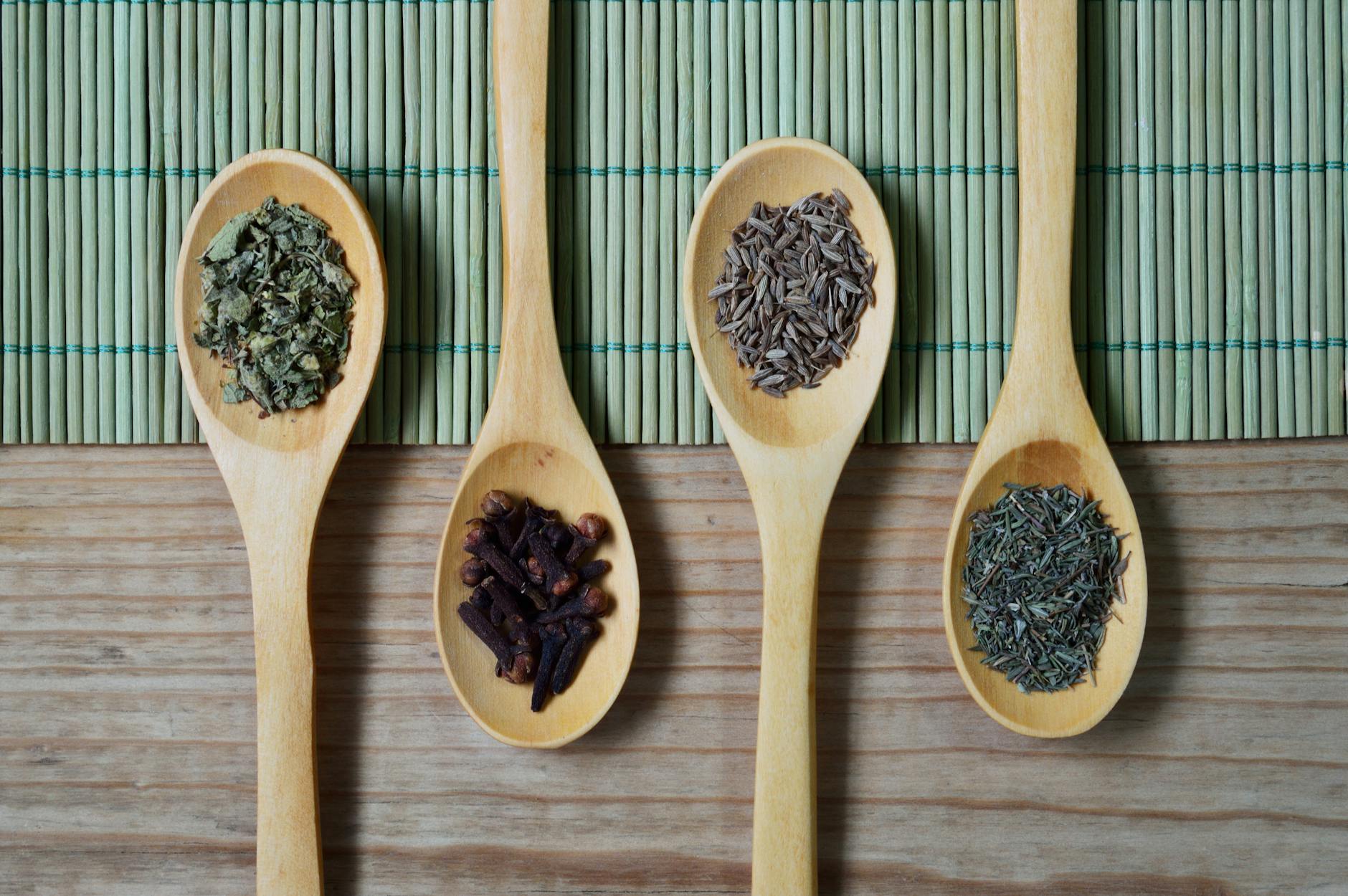
Photo by Miguel u00c1. Padriu00f1u00e1n on Pexels.com

Herbs have been used for centuries to relieve pain naturally, often providing anti-inflammatory, analgesic, and calming effects without the side effects of many synthetic medications. Here’s an overview of some well-known pain-relieving herbs and a closer look at turmeric’s specific role in pain management:


🌿 Herbs for Pain Relief

1. Turmeric (Curcuma longa)
Turmeric is one of the most powerful anti-inflammatory herbs known. Its active compound, curcumin, helps reduce pain by blocking inflammatory pathways in the body. Studies have shown that turmeric can work similarly to NSAIDs (like ibuprofen) but without the same risk of stomach irritation (Daily et al., 2016).

2. Ginger (Zingiber officinale)
Ginger contains gingerols, which have anti-inflammatory and antioxidant properties. It is often used for muscle soreness, menstrual pain, and arthritis-related discomfort.

3. Willow Bark (Salix alba)
Known as “nature’s aspirin,” willow bark contains salicin, which the body converts into salicylic acid — the same compound used to make aspirin. It’s particularly good for headaches, back pain, and osteoarthritis.

4. Devil’s Claw (Harpagophytum procumbens)
Traditionally used in African medicine, devil’s claw is effective for reducing inflammation and pain from arthritis, tendonitis, and lower back pain.

5. Boswellia (Boswellia serrata)
Also called Indian frankincense, boswellia helps block the formation of certain inflammatory molecules. It’s used for osteoarthritis and rheumatoid arthritis pain relief.

6. Valerian Root (Valeriana officinalis)
Though mainly used for sleep, valerian root also has mild muscle relaxant properties, making it helpful for tension headaches and muscle spasms.


🌟 What Turmeric Does for Pain

Turmeric’s pain-relieving power comes mainly from curcumin, its bright yellow polyphenol compound. Curcumin has several mechanisms of action:

  • Anti-Inflammatory Action – Curcumin inhibits NF-κB, a molecule that triggers inflammation. Less inflammation usually means less pain.
  • Antioxidant Support – It neutralizes free radicals that damage tissues and worsen pain.
  • Joint Health – Clinical studies have shown turmeric to reduce stiffness, swelling, and tenderness in people with osteoarthritis and rheumatoid arthritis (Henrotin et al., 2013).
  • Nerve Pain Support – Emerging research suggests curcumin may help with neuropathic pain by supporting nerve repair and reducing inflammation around nerve tissues.

Best Way to Use:

  • Take turmeric with black pepper (piperine) to increase absorption.
  • Can be used in golden milk, teas, or taken as a standardized curcumin supplement (500–2000 mg/day under medical supervision).

🌿 Herbal Remedies for Different Types of Pain

🧠 Headaches & Migraines

  • Willow Bark – Natural aspirin-like pain relief.
  • Feverfew (Tanacetum parthenium) – Known to prevent migraines and reduce severity.
  • Peppermint (Mentha piperita) – Peppermint oil applied to temples can relieve tension headaches.
  • Ginger – Reduces nausea and inflammation often associated with migraines.

🦴 Joint Pain & Arthritis

  • Turmeric (Curcuma longa) – Anti-inflammatory; helps reduce swelling and stiffness.
  • Boswellia (Indian Frankincense) – Blocks inflammatory enzymes, reducing joint damage and pain.
  • Ginger – Decreases pain and improves mobility.
  • Devil’s Claw – Traditionally used for arthritis and tendon pain.

💪 Muscle Pain & Soreness

  • Arnica (Arnica montana) – Topical gel or cream for bruises, sprains, and sore muscles.
  • Valerian Root – Acts as a mild muscle relaxant.
  • Chamomile – Calms muscle tension and helps with stress-related pain.
  • Rosemary – Used topically as an oil to improve circulation and ease muscle stiffness.

🔥 Nerve Pain (Neuropathy, Sciatica)

  • Turmeric/Curcumin – Reduces inflammation and supports nerve healing.
  • St. John’s Wort – Traditionally used for nerve pain and mild nerve damage.
  • Skullcap (Scutellaria lateriflora) – Helps calm nerve-related pain and spasms.
  • Cayenne Pepper (Capsaicin) – Cream applied topically can desensitize nerve pain signals.

🌸 Menstrual Pain & Cramps

  • Ginger – Reduces menstrual pain when taken as tea or capsules.
  • Cinnamon – Has antispasmodic properties and eases uterine contractions.
  • Cramp Bark (Viburnum opulus) – Specifically used to relax the uterus and reduce cramps.
  • Chamomile – Calms muscles and relieves bloating and discomfort.

🩹 Back Pain

  • Willow Bark – Works like aspirin for pain relief.
  • Devil’s Claw – Excellent for chronic lower back pain.
  • Turmeric – Helps reduce inflammation in the spine and surrounding muscles.
  • Ginger Compress – Can be applied topically for soothing warmth and pain relief.

💡 Tips for Best Results

  • Combine Herbs with Lifestyle Support – Stretching, hydration, rest, and anti-inflammatory foods amplify the effects.
  • Consistency Matters – Many herbs work best when taken regularly for a few weeks.
  • Check for Interactions – Some herbs (like St. John’s Wort, willow bark) may interact with medications, so consult a healthcare professional before starting.

📚 References

Daily, J. W., Yang, M., & Park, S. (2016). Efficacy of turmeric extracts and curcumin for alleviating the symptoms of joint arthritis: A systematic review and meta-analysis of randomized clinical trials. Journal of Medicinal Food, 19(8), 717–729. https://doi.org/10.1089/jmf.2016.3705

Henrotin, Y., Priem, F., & Mobasheri, A. (2013). Curcumin: A new paradigm and therapeutic opportunity for the treatment of osteoarthritis: Curcumin for osteoarthritis management. SpringerPlus, 2(1), 56. https://doi.org/10.1186/2193-1801-2-56

Gorji, A., & Khaleghi Ghadiri, M. (2001). History of headache in medieval Persian medicine. The Lancet Neurology, 1(8), 510–515. https://doi.org/10.1016/S1474-4422(02)00215-7

Gruenwald, J., Brendler, T., & Jaenicke, C. (2007). PDR for herbal medicines (4th ed.). Thomson Healthcare.

Ulbricht, C., Basch, E., Cheung, L., Goldberg, H., Hammerness, P., Isaac, R., … & Woods, J. (2011). An evidence-based systematic review of boswellia by the natural standard research collaboration. Journal of Dietary Supplements, 8(1), 45–88. https://doi.org/10.3109/19390211.2011.552068

Shara, M., & Stohs, S. J. (2015). Efficacy and safety of white willow bark (Salix alba) extracts. Phytotherapy Research, 29(8), 1112–1116. https://doi.org/10.1002/ptr.5377

Terry, R., & Ernst, E. (2000). Herbal remedies for osteoarthritis: A systematic review. British Journal of General Practice, 50(455), 493–496.

Ozgoli, G., Goli, M., & Moattar, F. (2009). Comparison of effects of ginger, mefenamic acid, and placebo in patients with primary dysmenorrhea. Journal of Alternative and Complementary Medicine, 15(2), 129–132. https://doi.org/10.1089/acm.2008.0311