Tag Archives: news

Aliko Dangote: The Richest Man in Africa

Aliko Mohammad Dangote is one of the most influential business figures on the African continent, known for his unmatched industrial footprint across multiple sectors. Born on April 10, 1957, in Kano, Nigeria, he emerged from a family whose legacy in commerce dates back generations. Growing up in a household connected to trade and entrepreneurship gave him early exposure to business fundamentals that would later inform his industrial empire.

His great-grandfather, Alhassan Dantata, was one of the wealthiest men in West Africa in the early 20th century, which placed Dangote within a lineage of economic leadership. Despite this background, Dangote’s ascent into modern global wealth was not inherited; instead, he built his conglomerate through strategic investments, reinvestment of profits, and a deep understanding of Africa’s economic needs.

Dangote’s business journey began in 1977 when he started a trading enterprise focused on importing sugar, rice, and other basic commodities. With a small loan from an uncle, he quickly found success by identifying gaps in Nigeria’s supply chain. This strength in commodity trading laid the foundation for more ambitious ventures in manufacturing and industrial production.

As Nigeria and other African nations faced growing demand for construction materials, Dangote shifted from trading to manufacturing. This move proved transformative. Cement production became the cornerstone of his wealth, with Dangote Cement rising to become the largest cement producer in Africa. The company expanded rapidly across borders and now operates in several African countries.

Sugar refining, flour milling, salt production, and logistics soon joined the portfolio, turning Dangote Group into a true continental powerhouse. Manufacturing enabled Dangote to reduce Nigeria’s reliance on imported goods, creating thousands of jobs and stimulating infrastructure growth across the region. This shift from trading to large-scale industrialisation is one of the defining aspects of his business success.

Dangote’s wealth surged as his companies grew, consistently placing him at the top of Africa’s wealth rankings. While fluctuations in currency and commodity prices occasionally shift positions, Dangote has held the title “richest man in Africa” for over a decade, according to major global wealth indexes. His dominance in multiple essential industries makes his economic influence both significant and stable.

A list of Africa’s wealthiest individuals often places Dangote first, followed by figures such as Johann Rupert, Nicky Oppenheimer, Nassef Sawiris, Naguib Sawiris, Abdul Samad Rabiu, and Mike Adenuga. These individuals represent diverse industries such as luxury goods, mining, telecommunications, and manufacturing, but Dangote stands out for building Africa’s largest home-grown industrial conglomerate.

His impact on Africa extends far beyond wealth. Dangote’s businesses have created millions of direct and indirect jobs, strengthened national economies, and brought vital infrastructure to regions that previously relied heavily on foreign imports. His companies have become symbols of African self-sufficiency and industrial capability, reshaping economic landscapes from West Africa to East Africa.

Dangote Cement alone revolutionized construction sectors across the continent, enabling more affordable housing, public works, and urban development. His entry into fertilizer production has had major implications for agricultural self-reliance, while his oil refinery—one of the largest privately owned refineries in the world—aims to significantly reduce Africa’s dependence on imported fuel.

For Nigeria specifically, Dangote is a monumental figure. His industries bolster the country’s GDP, expand its manufacturing sector, and contribute substantially to tax revenue. The refinery project is expected to change Nigeria’s fuel economy by transforming the nation from an importer to a potential exporter of refined petroleum products. This structural shift could reposition Nigeria’s economic identity globally.

Philanthropically, Dangote’s foundation supports healthcare, education, nutrition, and disaster relief across the continent. He has funded major campaigns against malnutrition, disease outbreaks, and pandemic emergencies. His charitable work reflects a commitment to human development alongside industrial progress.

His personal life is rooted in Northern Nigerian traditions. Dangote married early, divorced, remarried, and later divorced again. He has three daughters—Maria, Halima, and Fatima—and an adopted son, Abdulrahman. Despite his immense wealth, Dangote is known for his relatively private lifestyle, placing stronger emphasis on business growth than on public spectacle.

He was educated at schools in Kano before attending Al-Azhar University in Egypt, where he studied business. His education, combined with his family’s commercial influence, shaped his entrepreneurial outlook. From selling simple products as a child to controlling multibillion-dollar industries, his journey displays a consistent drive and business instinct.

Dangote’s rise was not without challenges. He maneuvered through Nigeria’s volatile economic environment, currency devaluations, changing government policies, and intense competition. Yet his strategic focus on essential goods—products people rely on daily—made his businesses recession-resistant and consistently profitable.

The history of his empire is also a history of African industrialisation. While many African billionaires derive wealth from inherited mining assets or globalized sectors, Dangote stands apart as a builder of factories, refineries, plants, and supply chains. His operations bring value directly to African soil, fostering development through manufacturing rather than raw-resource export.

Today, Dangote is not only a symbol of personal achievement but a symbol of African economic possibility. His success demonstrates the potential for African-led industrial transformation, inspiring entrepreneurs across the continent to invest locally and expand boldly.

In summary, Aliko Dangote is widely considered the richest man in Africa because of his vast industrial empire, dominant market position, and sustained economic influence. His contributions to Nigeria and the continent have been profound, reshaping industries, improving infrastructure, and setting a powerful example of African entrepreneurship. His life story—from a trading stall in Kano to global billionaire status—remains one of the most remarkable narratives in modern African history.


References

Britannica. (n.d.). Aliko Dangote.
Investopedia. (n.d.). How Aliko Dangote Became the Richest African.
Wikipedia. Aliko Dangote.
Wikipedia. Wealth of Aliko Dangote.
Wikipedia. List of Africans by Net Worth.
Dangote Group Official Website.
Bloomberg Billionaires Index.
Forbes Africa Billionaires List.
Dilemma: Reparations

“Reparations are not about a handout—they are about restoring justice, repairing wounds, and reconciling with the truth of our shared history.” — Dr. Cornel West

Reparations have long stood at the center of Black America’s moral, historical, and spiritual struggle for justice. They represent not merely financial compensation but a public acknowledgment of the harm inflicted upon millions of African-descended people who endured chattel slavery, racial terrorism, legal segregation, and generational dispossession. Yet despite the magnitude of these injustices, the United States has continually resisted granting African Americans what has been afforded to other groups. This dilemma reflects the nation’s unresolved relationship with truth, accountability, and its own historical narrative.

Reparations remain a contentious issue because they force America to confront its past without euphemism. They require the nation to admit that slavery was not an accidental blemish but a deliberate economic system built on inhumanity. The refusal to offer reparations stems from the denial of responsibility—an unwillingness to accept that the wealth of the nation was constructed through Black suffering. While some argue that time has healed old wounds, generational inequality remains a living consequence that can be traced through the socioeconomic conditions of Black communities today.

Black people deserve reparations because the injustices committed against them were unique in scale, duration, and brutality. Enslaved Africans were legally defined as property, denied humanity, and subjected to violence, rape, forced family separations, and the destruction of cultural identity. Even after emancipation, racist laws such as Black Codes, Jim Crow legislation, redlining, and discriminatory policing reinforced the conditions of inequality. Reparations acknowledge that the effects of slavery did not end in 1865; they echo across generations.

America’s lies to Black people have been vast and intentional. The promise of “forty acres and a mule” never materialized. The idea that freedom would naturally lead to equality proved untrue as the nation constructed new systems of oppression. Meanwhile, myths were created to distort history: that slavery was benevolent, that Black people were inferior, and that racial disparities were due to cultural failings rather than structural inequities. These lies became embedded in school curricula, political rhetoric, and national identity.

Responsibility for this legacy lies not only with the enslavers but also with the federal government, religious institutions, financial corporations, and those who profited from Black labor. Each played a role in perpetuating harm. The U.S. Constitution protected slavery, banks insured enslavers’ “property,” and churches often misused Scripture to justify bondage. Collectively, these institutions built wealth by extracting the life force of an entire people, while simultaneously shaping a narrative that minimized their culpability.

One of the most insidious aspects of American slavery was its misuse of the Bible. Passages were selectively cited to suggest divine approval for slavery, while the liberating themes of the Exodus, justice, and human dignity were ignored. Enslavers weaponized religion to control enslaved people, teaching obedience while forbidding them from reading Scripture in full. Yet Black people found in the Bible—especially the King James Version—promises of deliverance, justice, and divine retribution against oppressors. They recognized that true biblical teaching contradicted the slaveholder’s theology.

The torture inflicted on Black people was systematic and state-sanctioned. Whippings, brandings, mutilation, forced breeding, sexual assault, medical experimentation, and psychological terror were common tools of control. Enslaved children were sold away from their parents; women were violated for profit; men were dehumanized to break their spirit. After slavery, brutality continued through lynching, convict leasing, and racial massacres such as Tulsa in 1921 and Rosewood in 1923. These acts were not isolated incidents but expressions of a national ideology that devalued Black life.

Native Americans also endured genocide, land theft, cultural destruction, and forced assimilation. In some cases, the U.S. government offered financial settlements, land returns, and federal recognition—imperfect but tangible forms of reparative justice. Their experience demonstrates that reparations are not unprecedented; America has the capacity to compensate groups it has harmed. The contrast raises the question: why were African Americans excluded?

The purpose of slavery was economic exploitation and racial domination. The outcome was the creation of a racial caste system where whiteness became associated with power and Blackness with subjugation. The legacy includes wealth disparities, underfunded schools, mass incarceration, health inequalities, and cultural erasure. Generations of Black families have been denied the opportunity to accumulate wealth, resulting in the deep socioeconomic chasm we observe today.

The answer to the dilemma lies in truth-telling, repair, and systemic transformation. Reparations are not merely about money but about addressing the structural conditions that slavery created. They involve formal apologies, financial restitution, educational investments, land returns, business grants, policy reforms, and national remembrance. They require acknowledging the ongoing nature of racial inequality.

Reparations are defined as compensation given to a group for past harms, typically by the government responsible for those harms. They may include monetary payments, community investments, or institutional reforms. Historically, reparations have been provided to Holocaust survivors, Japanese Americans interned during World War II, Native American tribes, and victims of certain state injustices. The absence of reparations for African Americans reveals a contradiction in American values.

Many ethnic groups have received reparations because their suffering was publicly acknowledged as unjust and undeserved. Yet Black suffering was normalized, rationalized, or erased. The failure to grant reparations to Black people is not due to logistical difficulty but to a societal unwillingness to confront racism’s foundational role in American identity. This reluctance is reinforced by political rhetoric that portrays reparations as divisive rather than healing.

Efforts to remove Black history from schools, libraries, and public discourse represent a modern continuation of historical erasure. By censoring slavery, Jim Crow, and systemic racism, America seeks to avoid accountability. This suppression not only distorts national memory but also undermines progress toward justice. When a nation refuses to teach its children the truth, it ensures that oppression will repeat itself in new forms.

The solution begins with acknowledging historical facts without dilution. Reparations commissions should gather documentation, hear testimonies, and formulate actionable plans. Churches and corporations should be required to confess their roles in slavery and contribute to repair. Educational institutions must restore truthful curricula. Policies should address wealth gaps through homeownership grants, student loan forgiveness, and investments in Black-owned businesses and schools.

Spiritually, the Bible affirms reparations. In Exodus, God commands Egypt to compensate the Israelites for their forced labor. In Luke 19:8 (KJV), Zacchaeus pledges to restore fourfold what he has taken unjustly. These passages demonstrate that repentance requires both confession and restitution. Justice is incomplete without repair.

A national program of reparations would not erase the past, but it would create a foundation for healing and reconciliation. It would honor the resilience of Black people whose ancestors endured the unthinkable. It would affirm that America is capable of truth, justice, and transformation.

Reparations are not charity—they are the moral debt owed to a people whose contributions built the nation while their humanity was denied. They represent not only compensation but also dignity restored. For Black America, reparations are not merely a request—they are a rightful claim grounded in history, faith, and justice.

Only through honesty, restitution, and a commitment to systemic change can America move beyond its broken legacy. Reparations are not the end of the story, but they are the beginning of a new chapter where truth prevails over denial and justice triumphs over inequality.

References
Alexander, M. (2012). The new Jim Crow: Mass incarceration in the age of colorblindness. The New Press.
Coates, T.-N. (2014). The case for reparations. The Atlantic.
Du Bois, W. E. B. (1903). The souls of Black folk. A.C. McClurg.
Horne, G. (2018). The apocalypse of settler colonialism. Monthly Review Press.
King James Bible. (1769/2021). King James Version.
West, C. (1993). Race matters. Beacon Press.
Zinn, H. (2005). A people’s history of the United States. Harper Perennial.

Celebrity Spotlight: Sade

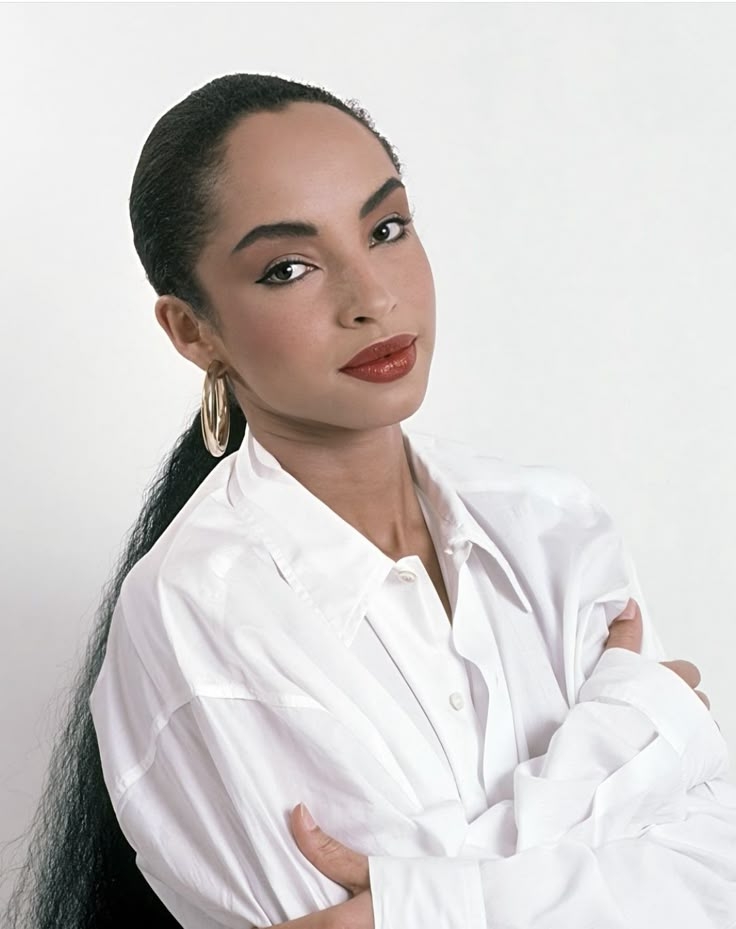
This photograph is the property of its respective owner. No copyright infringement intended.

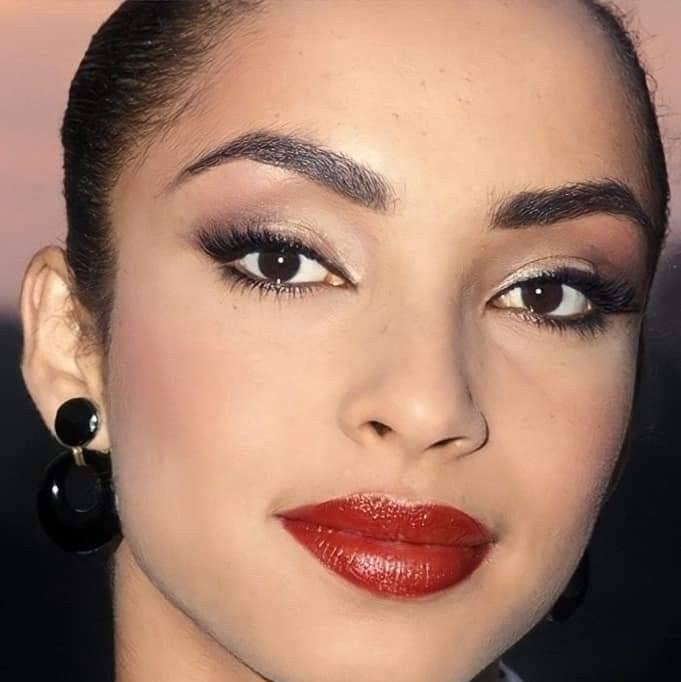
Sade Adu, born Helen Folasade Adu on January 16, 1959, stands as one of the most enigmatic, adored, and musically influential women of the modern era. Her artistic identity blends sensual minimalism, rich emotional depth, and an unmistakable sonic signature that has carried her across generations. She is a woman whose voice alone can halt time—evoking longing, healing, and intimacy.

Born in Ibadan, Nigeria, Sade came into the world as a child of blended heritage: her father, Adebisi Adu, was Nigerian; her mother, Anne Cook, was an English nurse. This biracial identity shaped her life aesthetically and socially, giving her both a multicultural foundation and a dual sense of belonging. When her parents separated, Sade moved with her mother to Essex, England, where she grew up with an awareness of her African roots and British upbringing.

Her early life was marked by modesty and artistic curiosity. Sade originally studied fashion design at Saint Martin’s School of Art, believing her future lay in visual creativity rather than music. Music was not yet a career plan—it was simply part of her environment. Yet destiny has a way of tapping gifted people on the shoulder, even when they walk another path.

During her time in London, Sade began to sing background vocals for a Latin-soul group called Pride. Her voice—warm, cool, smoky, and profoundly emotional—caught immediate attention. The crowd response made it clear: she was not meant to remain in the background. Her presence commanded the spotlight.

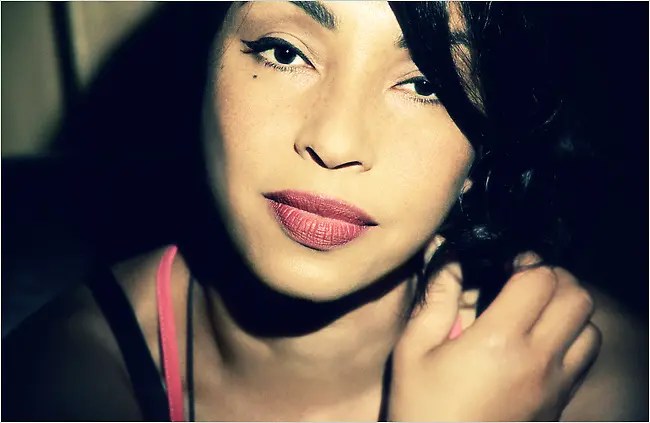
This photograph is the property of its respective owner. No copyright infringement intended.

As she performed with Pride, Sade began writing songs with members of the band. Her writing style, poetic and minimalist, reflected both vulnerability and confidence. After receiving overwhelming praise during Pride performances, a smaller formation of members broke away to create the group known today as Sade. With this new ensemble, her career trajectory shifted from underground singer to rising global star.

Sade’s breakthrough came with the 1984 release of “Diamond Life”, an album that introduced the world to hits such as “Smooth Operator”, “Your Love Is King”, and “Hang On to Your Love.” Her voice was unlike anything in the pop landscape—soft yet powerful, elegant yet raw, glamorous yet grounded. The album became one of the best-selling debut albums by a British female vocalist.

Her follow-up albums—“Promise” (1985), “Stronger Than Pride” (1988), “Love Deluxe” (1992), and “Lovers Rock” (2000)—continue to define entire eras of music. Sade is known for slow-burn records that age like fine wine, album cycles that are intentionally spaced out, and a perfectionist’s approach to her craft.

Over the course of her career, Sade has earned several major awards, including Grammy Awards for Best New Artist, Best R&B Performance, and Best Pop Vocal Album. She remains one of the few artists who can disappear for a decade and return to immediate worldwide acclaim. Her aura of mystery only amplifies her influence.

Beyond her music, Sade’s personal life is intentionally shielded from mainstream scrutiny. She married Spanish film director Carlos Scola in the late 1980s, though the marriage ended shortly afterward. She later entered a long-term partnership with Ian Watts, with whom she has one child—Mickailia “Ila” Adu, born in 1996. In recent years, Sade has been deeply supportive of Ila, who transitioned and publicly shared their journey, reflecting Sade’s nurturing and fiercely protective maternal spirit.

Sade’s family life is grounded in privacy, warmth, and a devotion to simplicity. Unlike many celebrities, she prefers countryside living over Hollywood glamour, giving interviews sparingly and valuing her peace above all. Her hobbies include quiet, earthy pleasures—gardening, cooking, horseback riding, and interior design. She is a woman who enjoys the feel of soil, the calm of nature, and the comfort of a peaceful home.

Her biracial identity shaped much of her early experience, especially growing up as a light-skinned Black girl in Britain. She has spoken about the complexities of being visibly different—too light for one group, too African for another—and how she carved her identity independently of other people’s expectations. Her presence helped broaden visual representations of Black womanhood at a time when few mixed-heritage Black women had global platforms.

As a light-skinned Black woman with a Nigerian father, Sade carried both privilege and pressure. She navigated colorism, exoticization, and constant commentary on her appearance. Yet she faced it with quiet dignity, using neither her lighter complexion nor her beauty as shields or shortcuts. Instead, she let her art speak.

This photograph is the property of its respective owner. No copyright infringement intended.

Sade’s beauty is legendary. She is known for her glowing skin, sculpted cheekbones, expressive eyes, and minimalist style that centers simplicity over spectacle. Her signature ponytail, red lip, and understated glamour have become visual emblems of femininity and quiet power. Men adore her, women are inspired by her, and the world respects her.

Her expressive face carries centuries of story—African ancestry, British poise, feminine softness, and artistic soulfulness. She embodies an effortless type of beauty that does not compete, does not overstate, and does not perform. Instead, she exists with self-possession and grace.

Despite global fame, Sade remains notoriously humble. She has repeatedly turned down industry pressure to release faster, perform larger, or commercialize more aggressively. Her silence is intentional. Her scarcity is strategic. Her voice, when released, comes like rain after drought—rare, cleansing, and deeply treasured.

She represents a generation of artists who prioritize emotional truth over fame, musical integrity over charts, and soulfulness over spectacle. While others chase trends, Sade creates worlds. While others release singles, she releases experiences.

Even today, new generations discover her music as if stumbling upon a rare, precious jewel. Her songs underscore weddings, heartbreaks, romantic dinners, moments of grief, and moments of deep spiritual healing. She is a universal voice of love.

Sade is not just a singer; she is an aesthetic. A feeling. A timeless feminine archetype. Her music remains evergreen, her influence remains vast, and her presence remains untouched by time. Her legacy stands on the pillars of elegance, artistic purity, emotional honesty, and cultural depth. She is truly one of the most beloved women in the world.


References

Balfour, I. (2016). The Sade influence: Minimalism, soul, and global style. Routledge.
Gates, H. L. (2020). Cultural icons of the African diaspora. Oxford University Press.
Guerrero, E. (2012). Women of soul: The evolution of Black female artistry. Columbia University Press.
Harris, D. (2018). Music, identity, and biracial representation in modern Britain. Cambridge University Press.
Rolling Stone. (2021). Sade: A timeless musical mystique.
Smith, S. (2021). Sonic intimacy: Black women musicians and emotional expression. University of California Press.

The Ebony Dolls: Genevieve Nnaji

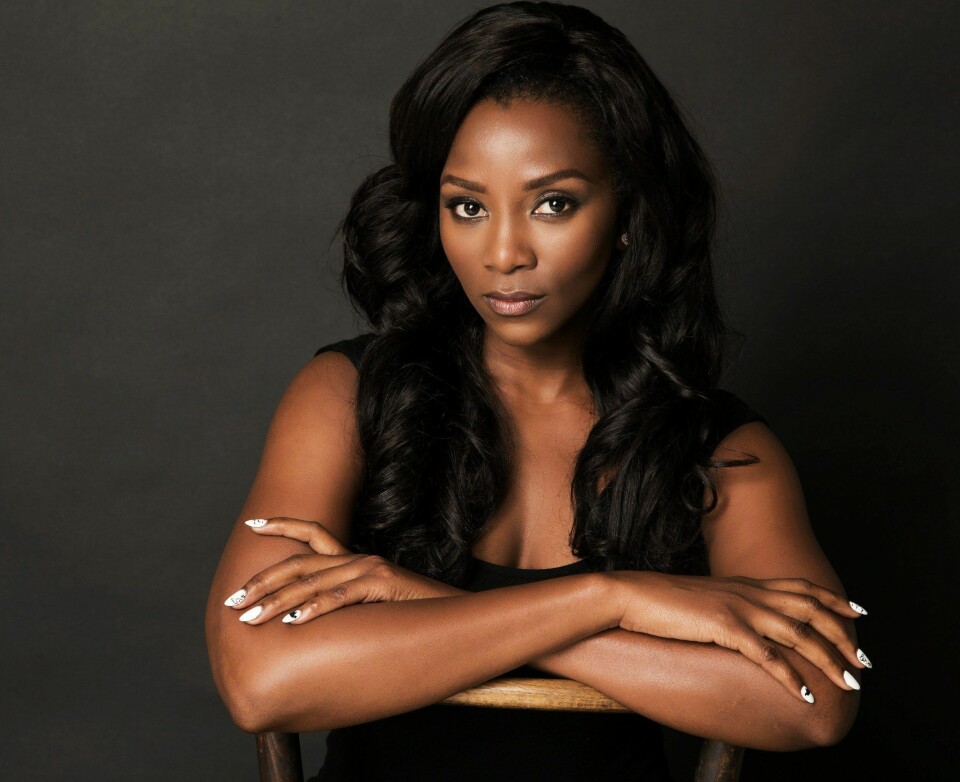
This photograph is the property of its respective owner. No copyright infringement intended.

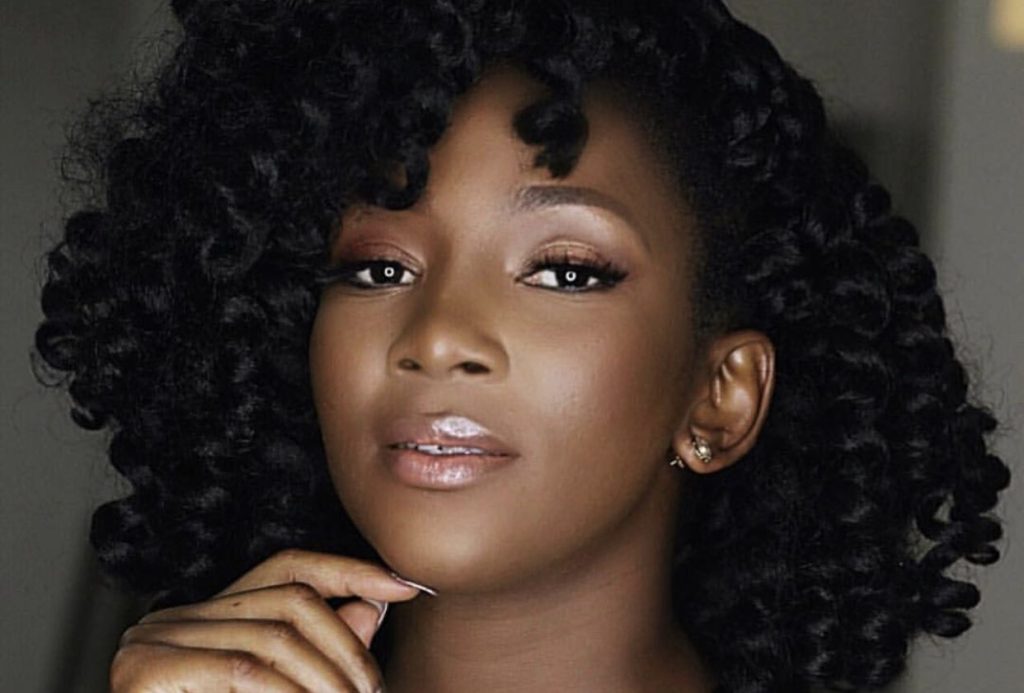
Few women embody the word elegance quite like Genevieve Nnaji — the Nigerian actress, producer, and cultural icon whose beauty and brilliance have transcended borders. With her luminous dark ebony skin, perfectly stunning face, expressive almond-shaped eyes, and graceful demeanor, she radiates a timeless charm reminiscent of a handcrafted porcelain doll — only richer, warmer, and divinely melanated. Her beauty is not only physical; it is regal, poised, and deeply rooted in confidence. Genevieve represents the pinnacle of African femininity: intelligent, self-assured, and graceful in both speech and movement. Often called the “Julia Roberts of Africa,” she stands as one of the most influential figures in Nollywood history, a living testament to what happens when talent meets purpose.


Early Life and Rise to Stardom

Genevieve Nnaji was born on May 3, 1979, in Mbaise, Imo State, Nigeria, and raised in Lagos. The fourth of eight children, she grew up in a close-knit family where hard work, education, and faith were emphasized. Her father worked as an engineer, and her mother was a nursery school teacher. From a young age, Genevieve displayed an extraordinary sense of charisma and performance. At just eight years old, she began acting in the popular Nigerian soap opera Ripples, marking the beginning of a journey that would reshape African cinema.

She later studied Creative Arts at the University of Lagos, where she continued auditioning for film roles while pursuing her education. In the late 1990s, her breakthrough came with the film Most Wanted (1998), followed by a series of blockbuster performances that established her as Nollywood royalty. Her ability to portray deep emotion and authentic African womanhood resonated with audiences across the continent and beyond.


This photograph is the property of its respective owner. No copyright infringement intended.

Career, Awards, and Global Recognition

Genevieve’s career is a masterclass in longevity and excellence. Over the years, she has starred in more than 100 Nollywood films, including Sharon Stone, Blood Sisters, Ijele, and Games Women Play. Her compelling performances earned her numerous accolades, such as the Africa Movie Academy Award (AMAA) for Best Actress in a Leading Role in 2005 — making her the first actress to win that prestigious honor.

In 2011, she was honored with the title of Member of the Order of the Federal Republic (MFR) by the Nigerian government for her contributions to the arts. Genevieve made history again when she directed and starred in Lionheart (2018), which became Nigeria’s first-ever Netflix original film and was Nigeria’s first submission to the Academy Awards in the “Best International Feature Film” category. Lionheart’s success cemented her global reputation as a pioneering filmmaker and storyteller.


Endorsements and Business Ventures

Genevieve’s influence extends beyond acting. Her stunning looks and magnetic presence have made her one of Africa’s most sought-after brand ambassadors. She has signed endorsement deals with major companies such as Lux, Range Rover Evoque, Etisalat (now 9mobile), and Amstel Malta, among others. Her elegance and professionalism have made her the face of premium African beauty, symbolizing grace and achievement.

In 2008, she launched her clothing line, St. Genevieve, blending fashion and philanthropy — proceeds from sales support various charitable causes. Through both her fashion and film ventures, she continues to empower women and promote positive representations of African beauty and excellence.


Family and Personal Life

Genevieve is known for maintaining a dignified level of privacy about her personal life. She is a proud mother to her daughter, Theodora, and has often spoken about the joys and challenges of motherhood. Despite her fame, she has remained grounded, preferring a quiet life away from unnecessary public drama. Her humility and mystery have only deepened her appeal, making her a beloved figure admired for both her beauty and integrity.


This photograph is the property of its respective owner. No copyright infringement intended.

Impact and Legacy

Genevieve Nnaji is widely considered one of the highest-paid actresses in Nollywood, commanding impressive fees per film due to her experience, influence, and star power. She has paved the way for many younger actresses and remains a mentor figure within the industry. Beyond wealth and awards, her impact lies in her ability to tell African stories with dignity, power, and authenticity. She redefined what it means to be a woman of substance and strength — not merely admired for her face, but for her mind and spirit.

Her legacy continues to inspire filmmakers, actresses, and audiences around the world. Genevieve’s artistry proves that true beauty transcends complexion and fame — it is the light of self-awareness, discipline, and divine purpose shining through every performance.


Conclusion

From the streets of Lagos to the global stage, Genevieve Nnaji has become the embodiment of African excellence. Her ebony glow, refined features, and commanding presence are matched only by her grace and intellect. She is not just a film star — she is a symbol of pride, power, and perfection for millions of Black women across the world. In her face and her art, we see the beauty of Africa: radiant, enduring, and forever unforgettable.


References (APA Style)

Africa Magic. (2020). Genevieve Nnaji: The icon of Nollywood. Africa Magic Entertainment. https://www.africamagic.dstv.com

BBC News. (2019, January 7). Genevieve Nnaji’s Lionheart: Nigeria’s first Oscar submission. BBC. https://www.bbc.com/news

Channels Television. (2011). Genevieve Nnaji honored with national award (MFR). Channels TV Nigeria. https://www.channelstv.com

IMDb. (n.d.). Genevieve Nnaji biography. IMDb. https://www.imdb.com/name/nm1452478/

Netflix. (2018). Lionheart [Film]. Netflix Originals.

Pulse Nigeria. (2023, June 12). Genevieve Nnaji: Biography, career, and impact on Nollywood. Pulse Nigeria. https://www.pulse.ng

The Guardian Nigeria. (2020, November 2). Genevieve Nnaji: Beauty, brains, and the power of quiet influence. The Guardian Nigeria. https://guardian.ng

Vanguard. (2021, August 10). Is Genevieve Nnaji still Nollywood’s highest-paid actress? Vanguard Nigeria. https://www.vanguardngr.com

Masculine Perfection Series: Kenneth Okolie, Van Vicker, and Ramsey Nouah

In the grand gallery of African excellence and cinematic artistry, few men embody the essence of masculine perfection as profoundly as Kenneth Okolie, Van Vicker, and Ramsey Nouah. These leading men of Nollywood and Ghanaian cinema epitomize refinement, beauty, and brilliance. Their presence transcends borders — commanding screens across Africa and the diaspora with magnetic performances, striking physiques, and elegant confidence. They are not only talented actors but cultural ambassadors, proving that African men are among the most captivating and multidimensional figures in global entertainment.


Kenneth Okolie: The Regal Gentleman of Nollywood

This photograph is the property of its respective owners. No copyright infringement intended

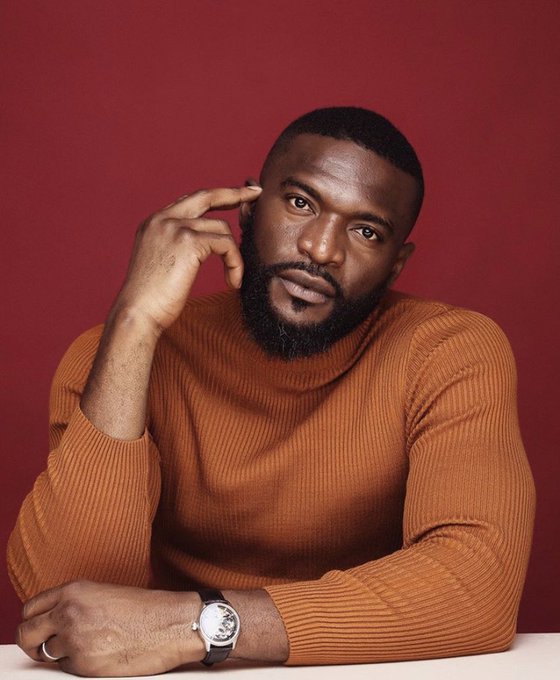
Kenneth Okolie, born February 21, 1984, in Nigeria, stands as one of Nollywood’s most polished and admired figures. A man of regal stature, broad shoulders, and a perfectly sculpted jawline, Okolie embodies the image of African royalty. His deep-brown complexion, calm confidence, and eloquence have made him one of the most desirable actors in the industry.

Before becoming a celebrated actor, Kenneth began his career as a model, winning Mr. Nigeria 2010, a title that catapulted him into fame and opened doors in film and television. His transition from modeling to acting came naturally, as his charm and on-screen poise quickly captivated audiences.

He gained recognition through roles in acclaimed films such as The Royal Hibiscus Hotel (2017), Desperate Housewives Africa, and Fifty the Series. His performances balance intensity and tenderness, often portraying characters who exude leadership and integrity.

Off-screen, Kenneth Okolie is admired for his humility and devotion to family. He married his longtime partner Jessica Nwakah in 2017, and together they represent a picture of grace and grounded success. His awards include Best Supporting Actor at the Nollywood Movies Awards and Best Actor in a Leading Role at the African Magic Viewers’ Choice Awards (AMVCA). Handsome, intelligent, and sophisticated, Kenneth Okolie is truly the modern African gentleman — a symbol of both royal elegance and divine masculinity.


Van Vicker: The Golden Charmer of Ghanaian Cinema

This photograph is the property of its respective owners. No copyright infringement intended

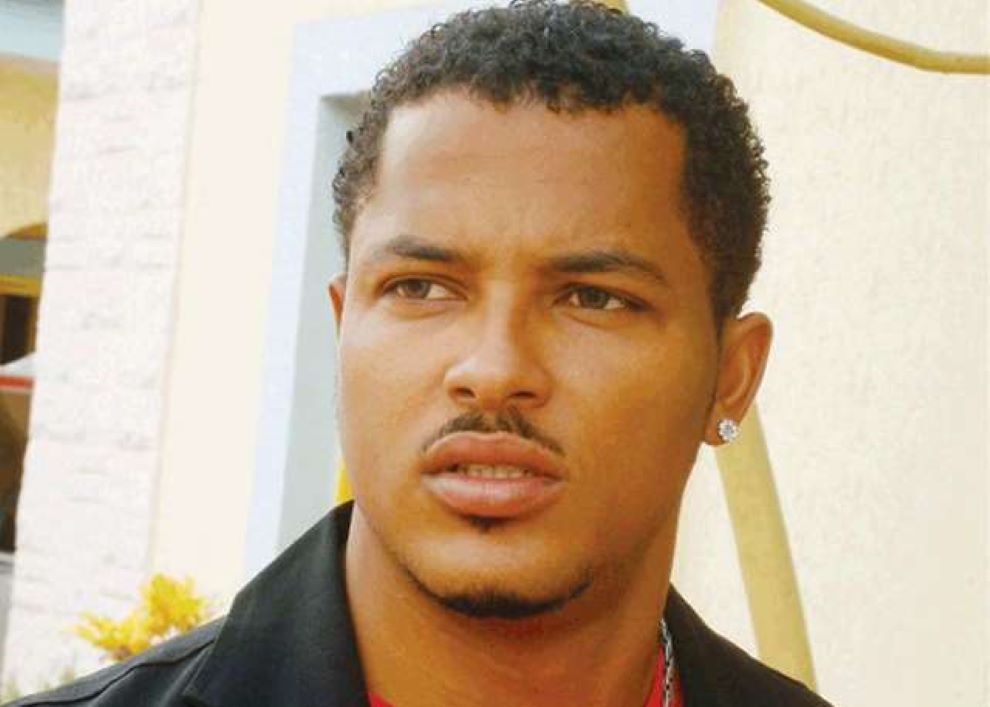
Joseph Van Vicker, born August 1, 1977, in Accra, Ghana, is one of the most recognizable and beloved faces in African entertainment. With his golden skin tone, captivating smile, and soft yet commanding eyes, Van Vicker exudes an effortless charm that has made him a fan favorite across the continent.

He began his career as a radio and television personality, working as a DJ and presenter before transitioning into acting. His rise to fame came with his breakout roles in Divine Love (2004) and Beyoncé: The President’s Daughter (2006), which showcased his romantic charisma and screen presence. Since then, he has starred in over 200 films, often portraying the handsome lover or noble hero.

Van Vicker’s talent has earned him numerous accolades, including the AAMA Best Actor Award and the Pan African Film Festival Award for Achievement. Beyond acting, he is a director, producer, and humanitarian, with a deep passion for empowering youth and supporting education in Ghana.

Married to his high school sweetheart, Adjoa Vicker, since 2003, Van Vicker embodies loyalty and family devotion — a rare quality in the entertainment world. His combination of charm, humility, and artistic excellence makes him one of the most admired men in African cinema. To many, he represents the “golden boy” of Ghana — radiant, talented, and timelessly handsome.


Ramsey Nouah: The Prince of Nollywood

This photograph is the property of its respective owners. No copyright infringement intended

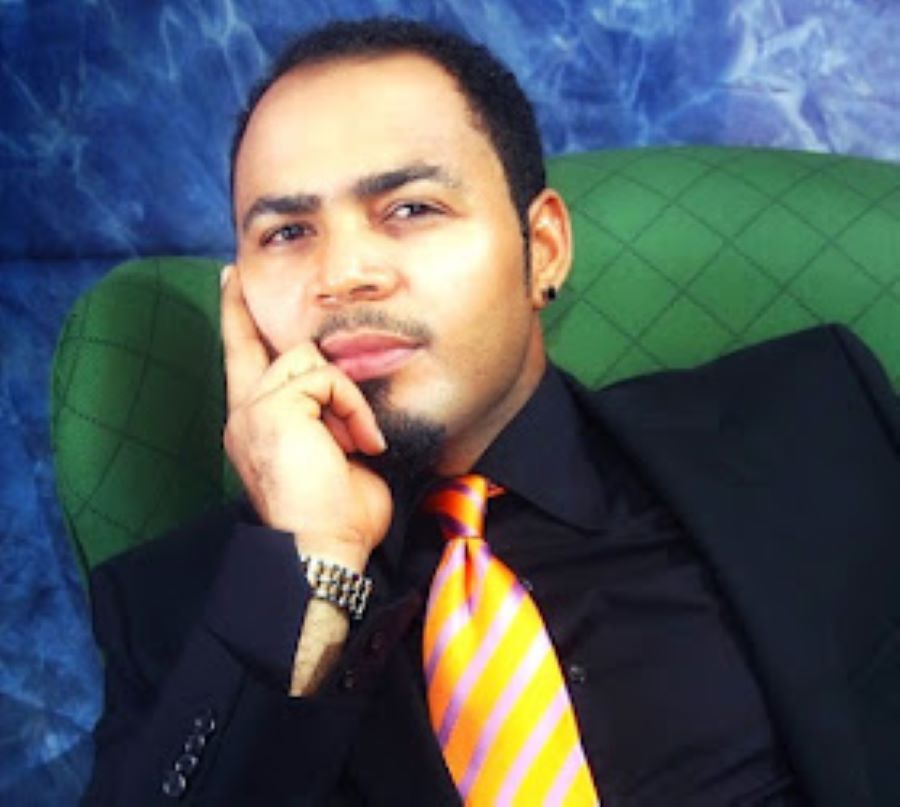
Ramsey Tokunbo Nouah Jr., born December 19, 1970, in Lagos, Nigeria, is the very definition of timeless beauty and cinematic mastery. With his smooth golden light caramel complexion, soulful eyes, and sophisticated demeanor, Ramsey Nouah has been affectionately called “Nollywood’s Lover Boy” — a title he has worn gracefully for over two decades.

His acting career began in the early 1990s with the television soap opera Fortunes, but it was his roles in romantic films such as Silent Night (1996), Dangerous Twins (2004), and Figurine (2009) that established him as one of the most talented and handsome actors in Africa.

Nouah has since evolved into a respected director and producer, making his directorial debut with the blockbuster Living in Bondage: Breaking Free (2019), which won multiple Africa Magic Viewers’ Choice Awards, including Best Overall Movie. His ability to seamlessly move between acting, directing, and producing shows his artistic brilliance and leadership in Nollywood.

Married to Emelia Phillips-Nouah, Ramsey is a devoted husband and father. His calm confidence, refined beauty, and professionalism have made him a mentor and role model to younger actors. His accolades include Best Actor in a Leading Role at the African Movie Academy Awards (AMAA) and multiple recognitions from the AMVCA. Ramsey Nouah is not just a handsome face — he is the embodiment of African cinematic evolution, blending legacy, artistry, and elegance.


Conclusion

Kenneth Okolie, Van Vicker, and Ramsey Nouah stand as three pillars of African masculinity — distinguished, disciplined, and devastatingly handsome. Each of them brings a unique light to the African film industry: Okolie with his regal grace, Vicker with his golden warmth, and Nouah with his timeless sophistication. Together, they redefine what it means to be both powerful and tender, proving that Black excellence radiates across borders and generations. Their artistry reminds the world that Africa not only births talent — it births kings.


References

  • Africa Magic Viewers’ Choice Awards. (2024). Award winners archive. MultiChoice Africa.
  • IMDb. (2024). Kenneth Okolie biography. https://www.imdb.com/name/nm5022442/
  • IMDb. (2024). Van Vicker biography. https://www.imdb.com/name/nm1951509/
  • IMDb. (2024). Ramsey Nouah biography. https://www.imdb.com/name/nm1528046/
  • Nollywood Movies Awards. (2023). Kenneth Okolie: Best Supporting Actor.
  • Pan African Film Festival. (2022). Lifetime Achievement Honorees.
  • Netflix. (2019). Living in Bondage: Breaking Free [Film]. Play Network Studios.
  • Ghanaian Times. (2023). Van Vicker: From actor to filmmaker and philanthropist.

The Ebony Dolls: Rachel Stuart Baker

The Face of Island Stylee

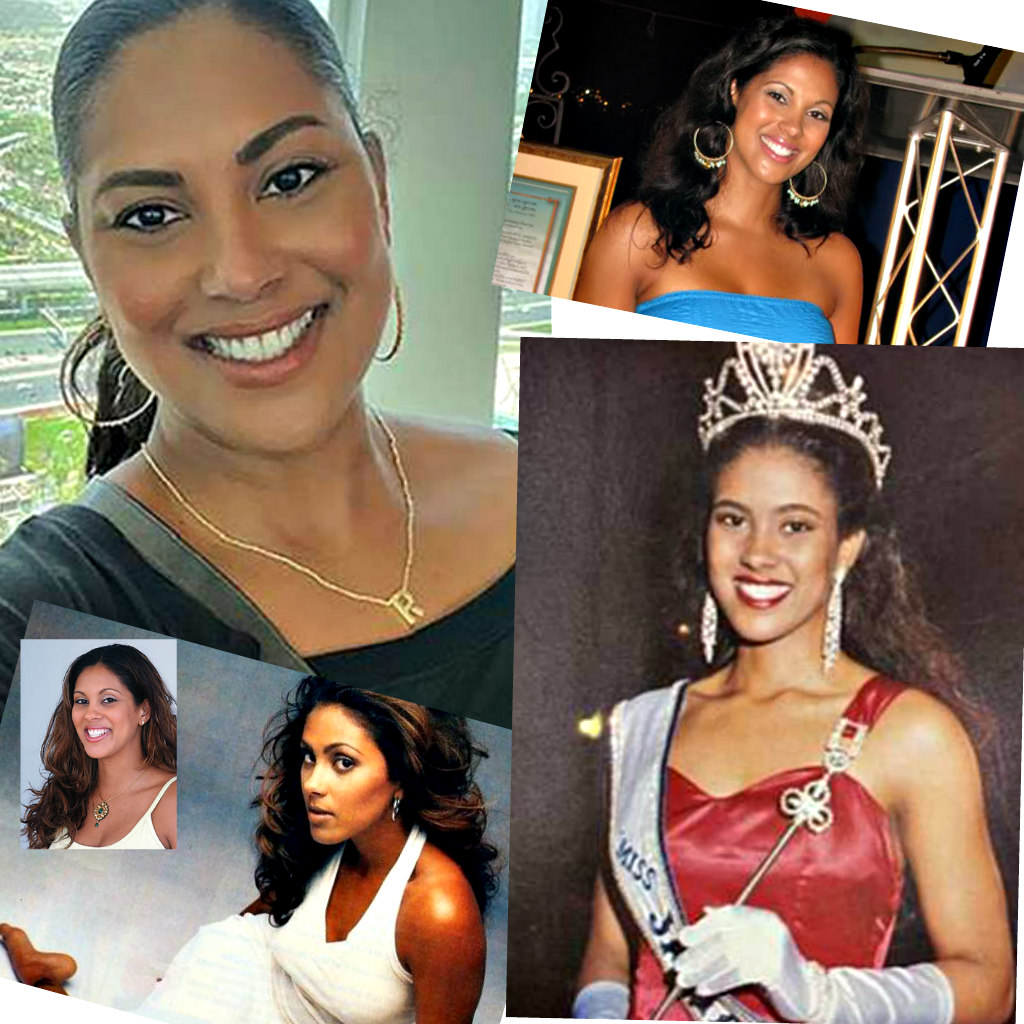
These photographs are the property of their respective owners. No copyright infringement intended.

Born in the early 1970s, Rachel Stuart was born in Kingston, Jamaica. Rachel’s early life unfolded amidst vibrant island rhythms and a cross-cultural upbringing. She spent a portion of her childhood years in Canada before returning to Jamaica for her high school education, attending Stella Maris Preparatory School and Immaculate Conception High School. Jamaica Observer+1 Later, Mohawk College in Canada. As a young woman, she embraced both modelling and academic pursuits, eventually studying television broadcasting in Canada. Jamaica Observer

Rachel Stuart Baker stands as one of the most beloved television personalities of the 1990s, celebrated for her beauty, charisma, and cultural pride. Before she became the radiant face of BET, Rachel served in the Canadian Armed Forces—a little-known fact that highlights her strength, discipline, and patriotism. Her time in the military gave her a sense of order and confidence that later translated effortlessly onto television screens. It was this rare combination of elegance and resilience that made Rachel a standout figure in both media and life.

Her beauty and poise were recognized early on. In 1993, she claimed the title of Miss Jamaica Universe and represented her country at the 42nd Miss Universe pageant in Mexico. Jamaica Observer+1 Before that, she also won the Miss Caraïbes pageant, showcasing her regional prominence in Caribbean beauty competitions. Jamaica Observer+1

Transitioning from pageantry to media, Rachel brought her charm and credibility to the U.S. cable-television stage through BET (Black Entertainment Television). She became the host of Caribbean Rhythms, a pioneering program that spotlighted musicians and musical culture from across the Caribbean. Our Today+1 Her role on the show made her a cultural bridge—bringing Caribbean reggae, dance-hall, and soca artists into the American media consciousness.

Following her success on Caribbean Rhythms, Rachel also hosted BET’s Planet Groove, a show that leaned into music-video culture across R&B, soul, and urban genres. Our Today, these television roles leveraged both her polished on-screen presence and her deep connection to Caribbean heritage, making her a memorable personality in 1990s music television.

Rachel’s background as a Jamaican-Canadian model and actress further enriched her on-screen persona. She used her pageant experience, modelling background, and television training to navigate the entertainment industry with grace. Wikipedia+1 Her success underscored how beauty and brains can combine to create influence, especially as a woman of Caribbean descent on a major network.

Her impact on Caribbean music’s exposure to U.S. audiences cannot be understated. As one profile observed, via Caribbean Rhythms, she helped bring artists like Buju Banton and Beenie Man into greater visibility, contributing to the broader global recognition of Caribbean music. Our Today, this cultural-curation role positioned her as more than a host—she became an ambassador of Caribbean entertainment.

In the 1990s, Rachel became synonymous with Black Entertainment Television (BET), emerging as one of the network’s most iconic hosts. She first gained recognition as the host of Caribbean Rhythms, a vibrant program that spotlighted the beauty and beats of the Caribbean diaspora. With her smooth voice, radiant smile, and island flair, she brought reggae, soca, and dancehall into millions of American homes. Rachel wasn’t just a host—she was a cultural ambassador, connecting Caribbean talent to the world stage.

Her presence on Caribbean Rhythms made her the heartbeat of Caribbean representation in American television. Men across the United States and the Caribbean often called her their “#1 crush,” captivated by her exotic beauty, warm energy, and natural charm. She embodied the ideal of feminine confidence—never forced, never pretentious, but authentically radiant. Whether she was interviewing Shabba Ranks, Buju Banton, or Beenie Man, Rachel exuded joy and pride in showcasing the rhythms of her heritage.

As her popularity soared, Rachel expanded her reach within BET. She hosted Planet Groove, Live from LA, and appeared on BET Soundstage and Video Vibrations, each show adding to her dynamic portfolio. With every role, she left an indelible mark—her laughter, elegance, and Caribbean cadence became part of the network’s golden era. Fans tuned in not only for the music but for Rachel herself, whose magnetic personality brought warmth and authenticity to every broadcast.

Beyond her television career, Rachel’s background as a Jamaican-born, Canadian-raised woman gave her a unique cultural identity. Her journey from Kingston, Jamaica, to Canada, and then to American television reflected the vibrant intersection of cultures that shaped her worldview. She had already made history in 1993 as Miss Jamaica Universe, proudly representing her island on the global stage. Her military experience in Canada only deepened her resilience and discipline, traits that served her well in the competitive entertainment industry.

Rachel’s beauty was never merely external—it was a reflection of her confidence and spirit. With her caramel complexion, radiant smile, and captivating presence, she redefined what it meant to be a Caribbean woman in mainstream media. She embodied both sophistication and island fire, inspiring young women to embrace their cultural roots while pursuing global excellence.

Off-screen, Rachel found love and marriage with Paxton Baker, a respected and prominent executive at BET who served as President of BET Event Productions and other leadership roles within the network. Their union symbolized not only romance but also shared purpose, as both were instrumental in elevating Black entertainment and music television. Together, they have three children and have built a family rooted in faith, creativity, and service. The family has maintained a connection to Rachel’s Jamaican roots, as Rachel continues to visit Jamaica and participate in cultural engagements. Jamaica Observer+1 Rachel later chose to step away from the spotlight to focus on motherhood and community work, demonstrating that fulfillment goes beyond fame.

Even after leaving BET, her legacy endures. Fans from across the diaspora still recall her laughter, her energy, and her trailblazing presence that opened doors for future Caribbean hosts and artists. In interviews, Rachel has expressed gratitude for her years on BET, calling them some of the most exciting times of her life. Her voice and influence continue to echo across generations of Black entertainment and Caribbean pride.

Today, Rachel Stuart Baker remains a symbol of timeless beauty, poise, and authenticity. Her journey—from a disciplined Canadian soldier to a beloved Caribbean media star—is one of resilience, grace, and purpose. She proved that a woman could be beautiful, bold, and brilliant all at once, without compromising her values or cultural identity.

Rachel’s name evokes nostalgia for an era when BET was a cultural hub for music, pride, and Black excellence. She remains, to many, the unforgettable face of that time—the Caribbean queen who lit up screens and hearts alike, with a smile that still defines an entire generation of television magic.

In recent years, Rachel has shifted from high-profile television hosting to focus more on her family, charitable work, and cultural advocacy. According to interviews, she left BET to “grow my family” and has since been involved with theatre programs, food banks, orphanages, and school fundraising. Jamaica Observer Despite stepping back from daily television, her past work remains influential among Caribbean and urban media audiences.

Her legacy is one of beauty, substance, and cultural connectivity—a woman who moved from pageant queen to media host to family advocate, all while maintaining authenticity and pride in her heritage. Rachel Stuart Baker remains a symbol of how Caribbean-born talent has impacted mainstream U.S. entertainment, especially in amplifying the voices of Caribbean artists and culture.

References

  • “Rachel Stuart Baker: 30 years after Miss Jamaica Universe.” Jamaica Observer, March 12, 2023. Jamaica Observer
  • “Whatever happened to Rachel? … former Caribbean Rhythms host enjoying family life.” Our.Today, October 15, 2025. Our Today
  • “Rachel Stuart – Wikipedia.” Wikipedia
  • “Catchin’ Up With BET Alumnus Rachel Stuart-Baker of ‘Caribbean Rhythms’.” WHUR, date unspecified. whur.com
  • BET Archives: Caribbean Rhythms, Planet Groove, Live from LA, BET Soundstage (1993–2000).

Types of Racism

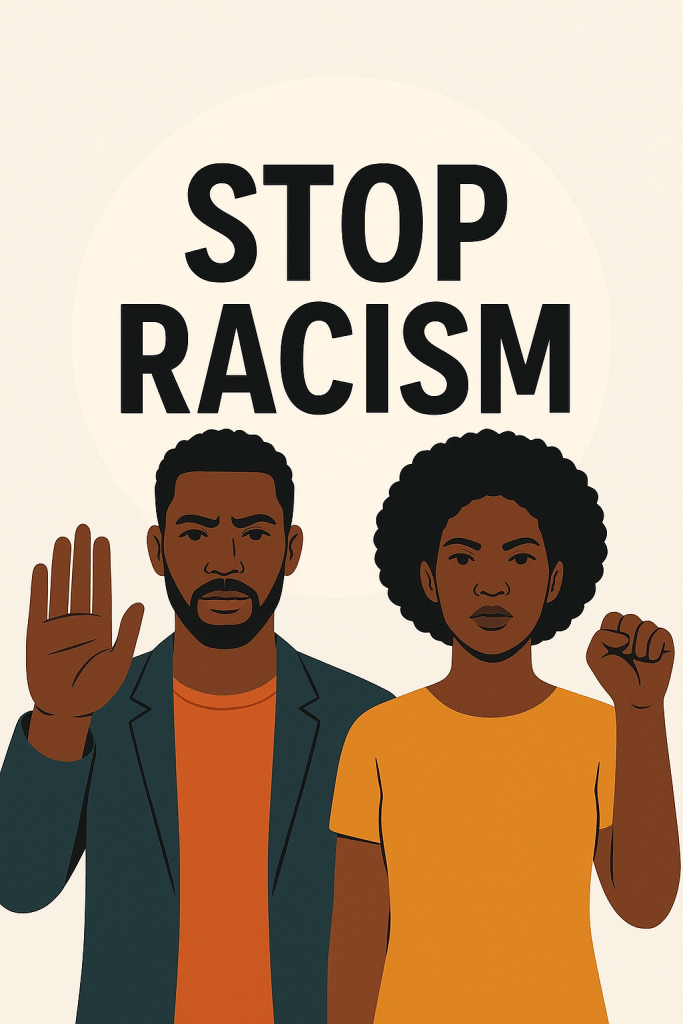
Racism is not a singular phenomenon but a complex system of beliefs, policies, and practices that establish and maintain racial hierarchies. It operates on individual, institutional, and structural levels, shaping everything from identity formation to social mobility. Understanding the types of racism is critical for dismantling the deeply embedded inequities that continue to define societies around the world (Bonilla-Silva, 2014).

Individual racism occurs when a person’s beliefs, attitudes, or actions consciously or unconsciously perpetuate racial prejudice or discrimination. It is expressed through personal bias, stereotyping, and direct acts of hostility toward people of another race. Though often the most visible form of racism, it is only one layer of a much larger system (Tatum, 2017).

Interpersonal racism happens in day-to-day interactions, often disguised as microaggressions. These subtle acts—such as questioning a person’s intelligence or making assumptions about their background—communicate inferiority and reinforce racial hierarchies. The cumulative impact of such encounters can result in significant psychological harm (Sue et al., 2007).

Internalized racism occurs when individuals from marginalized racial groups adopt the negative beliefs or stereotypes perpetuated by dominant groups. This internal oppression manifests through self-doubt, assimilation, and the devaluation of one’s cultural heritage. It often results from centuries of colonization, media misrepresentation, and social exclusion (Pyke, 2010).

Institutional racism refers to policies and practices embedded within organizations—such as schools, corporations, or law enforcement—that produce unequal outcomes along racial lines. Even when not explicitly racist, these structures perpetuate disparities in employment, housing, education, and criminal justice (Carmichael & Hamilton, 1967).

Structural racism extends beyond individual institutions and reflects the historical accumulation of inequality across systems. It is the totality of social, economic, and political mechanisms that normalize racial disadvantage and privilege. Structural racism is both pervasive and self-reinforcing, making it one of the most difficult forms to dismantle (Gee & Ford, 2011).

Systemic racism operates as a comprehensive framework that upholds racial inequality in virtually every sphere of life. It is the “normalization and legitimization” of various dynamics—historical, cultural, and institutional—that routinely advantage white people while disadvantaging people of color (Feagin, 2013).

Cultural racism manifests through the promotion of one group’s norms, values, and aesthetics as the universal standard. This form of racism is deeply embedded in media, beauty ideals, education, and religion. It often leads to the marginalization of cultural expressions that do not align with dominant ideals (hooks, 1992).

Colorism—a byproduct of cultural and systemic racism—favors lighter skin tones over darker ones, even within the same racial group. This phenomenon originates from colonial hierarchies that equated proximity to whiteness with superiority and privilege. Colorism affects access to opportunities, social status, and self-worth (Hunter, 2007).

Environmental racism refers to the disproportionate exposure of marginalized racial communities to environmental hazards. Examples include toxic waste sites, polluted neighborhoods, and limited access to clean water and green spaces. This form of racism connects race directly to public health outcomes (Bullard, 2000).

Economic racism operates through inequitable labor systems, wage disparities, and barriers to financial mobility. The racial wealth gap in the United States, for instance, is not accidental but the result of centuries of discriminatory practices—from slavery and sharecropping to redlining and employment discrimination (Oliver & Shapiro, 2019).

Educational racism is evident in underfunded schools, biased curricula, and tracking systems that disadvantage students of color. These inequities reinforce generational poverty and limit access to higher education, perpetuating systemic disparities (Ladson-Billings, 2006).

Political racism manifests when laws, policies, or voting systems suppress the political power of racial minorities. Gerrymandering, voter ID laws, and disenfranchisement are tools historically used to limit Black and brown representation in governance (Anderson, 2016).

Medical racism exposes racial disparities in health care access, treatment, and outcomes. From the exploitation of enslaved Black bodies in early medical research to the ongoing neglect of pain reports by Black patients, racism remains a critical determinant of health inequality (Washington, 2006).

Linguistic racism operates through language hierarchies that stigmatize certain dialects or accents as “less educated” or “unprofessional.” This form of bias privileges white, Western speech norms and penalizes linguistic diversity within communities of color (Flores & Rosa, 2015).

Religious racism merges ethnocentrism with theological bias, often using religion to justify racial domination. Historically, Christianity was weaponized to validate slavery and colonization, presenting whiteness as divine and Blackness as cursed (Cone, 1969). The aftershocks of this manipulation still influence racialized theology today.

Spatial racism refers to the deliberate segregation of communities through housing policies and urban planning. Practices like redlining, restrictive covenants, and gentrification maintain racial boundaries, limiting access to resources and generational wealth (Rothstein, 2017).

Media racism perpetuates stereotypes that frame people of color as dangerous, inferior, or hypersexualized. Such portrayals shape public perception, influence policy, and justify violence. The absence of nuanced representation contributes to cultural erasure (Entman & Rojecki, 2001).

Colorblind racism is a contemporary form that denies the existence of racial inequality by asserting that race “no longer matters.” This ideology ignores systemic inequities and discourages meaningful discussions about race, ultimately maintaining the status quo (Bonilla-Silva, 2014).

Ultimately, racism manifests in diverse but interconnected ways—individual prejudice feeding institutional policy, cultural bias informing structural design. These interlocking forms ensure that racial inequality is both normalized and invisible to those who benefit from it. Understanding the many faces of racism is not an intellectual exercise but a moral imperative toward dismantling its hold on humanity.


References (APA 7th Edition)

Anderson, C. (2016). White rage: The unspoken truth of our racial divide. Bloomsbury.

Bonilla-Silva, E. (2014). Racism without racists: Color-blind racism and the persistence of racial inequality in America. Rowman & Littlefield.

Bullard, R. D. (2000). Dumping in Dixie: Race, class, and environmental quality. Westview Press.

Carmichael, S., & Hamilton, C. V. (1967). Black power: The politics of liberation. Vintage Books.

Cone, J. H. (1969). Black theology and Black power. Seabury Press.

Entman, R. M., & Rojecki, A. (2001). The Black image in the White mind: Media and race in America. University of Chicago Press.

Feagin, J. R. (2013). Systemic racism: A theory of oppression. Routledge.

Flores, N., & Rosa, J. (2015). Undoing appropriateness: Raciolinguistic ideologies and language diversity in education. Harvard Educational Review, 85(2), 149–171.

Gee, G. C., & Ford, C. L. (2011). Structural racism and health inequities. Du Bois Review, 8(1), 115–132.

hooks, b. (1992). Black looks: Race and representation. South End Press.

Hunter, M. (2007). The persistent problem of colorism: Skin tone, status, and inequality. Sociology Compass, 1(1), 237–254.

Ladson-Billings, G. (2006). From the achievement gap to the education debt. Educational Researcher, 35(7), 3–12.

Oliver, M. L., & Shapiro, T. M. (2019). Black wealth/White wealth: A new perspective on racial inequality. Routledge.

Pyke, K. D. (2010). What is internalized racial oppression and why don’t we study it? Sociological Perspectives, 53(4), 551–572.

Rothstein, R. (2017). The color of law: A forgotten history of how our government segregated America. Liveright Publishing.

Sue, D. W., Capodilupo, C. M., & Holder, A. M. B. (2007). Racial microaggressions in everyday life. American Psychologist, 62(4), 271–286.

Tatum, B. D. (2017). Why are all the Black kids sitting together in the cafeteria? Basic Books.

Washington, H. A. (2006). Medical apartheid: The dark history of medical experimentation on Black Americans from colonial times to the present. Doubleday.

ChatGPT can make mistakes. Check important info.

The Slave Files: Anarcha Westcott

The Forgotten Mother of Modern Gynecology

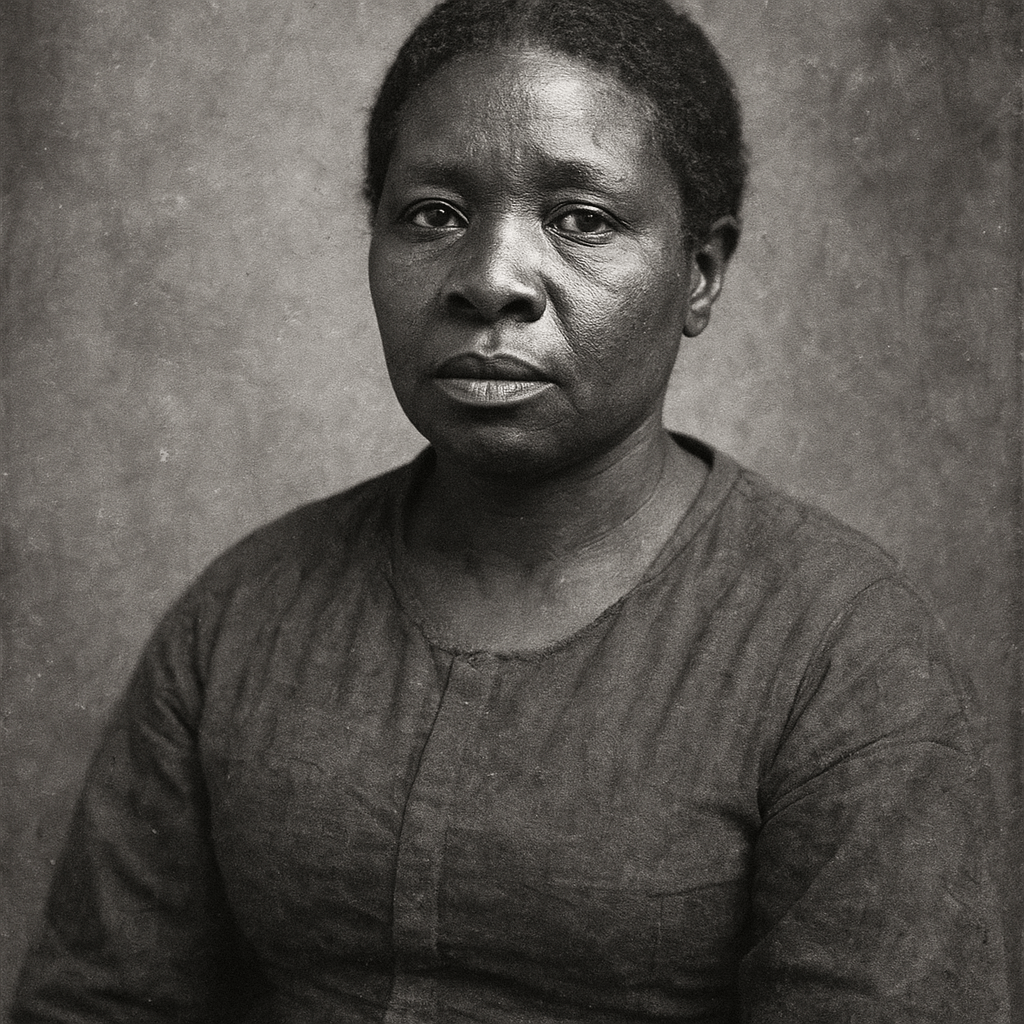
Anarcha Westcott was an enslaved African American woman who became one of the most historically significant yet long-overlooked figures in the history of medicine. Born around 1828 in Alabama, Anarcha was enslaved on a plantation and subjected to one of the most infamous episodes of unethical medical experimentation in the nineteenth century. Her story is deeply intertwined with that of Dr. J. Marion Sims, a physician often referred to as “the father of modern gynecology,” whose surgical breakthroughs came at the cost of the suffering and exploitation of enslaved Black women.

During her teenage years, Anarcha suffered from a vesicovaginal fistula, a devastating childbirth injury that caused incontinence and severe pain. At the time, there were no effective surgical treatments for this condition. Her owner, seeking medical help, sent her to Dr. Sims, who was experimenting with ways to repair the injury. Between 1845 and 1849, Sims performed at least thirty experimental surgeries on Anarcha without anesthesia, as the procedure was extremely painful and invasive (Washington, 2006).

Anarcha was not alone in her ordeal. Sims also experimented on other enslaved women, including Lucy and Betsey. Together, they were forced to endure repeated procedures, often under brutal conditions, while being denied consent and bodily autonomy. Their pain and endurance became the foundation for the advancement of gynecological surgery, yet for more than a century, their names were erased from mainstream medical narratives (Owens & Fett, 2019).

Anarcha’s body became a site of scientific curiosity and racial exploitation. In an era when Black women were viewed as biologically inferior and more tolerant of pain—a racist myth perpetuated to justify medical abuse—Anarcha’s humanity was denied (Hoberman, 2012). Sims justified his actions by claiming that the women consented, but historians have made clear that true consent was impossible within the system of slavery (Gamble, 1997).

After enduring years of painful experimentation, Sims eventually claimed to have perfected the surgical technique for repairing fistulas—an advancement that would transform women’s health worldwide. Once his method succeeded, Sims shifted to performing surgeries on white women, this time using anesthesia. This contrast underscores the racial double standard embedded in nineteenth-century medicine (Washington, 2006).

Little is known about Anarcha’s later life. Historical records indicate that she may have been returned to her owner after Sims deemed his experiments successful. Some accounts suggest that she lived into adulthood and may have later been emancipated, but her ultimate fate remains undocumented (Spettel & White, 2011). The erasure of her life’s details speaks to the broader historical silencing of enslaved Black women whose bodies were exploited in the name of science.

Anarcha’s story resurfaced in the late twentieth and early twenty-first centuries as scholars began to reevaluate the ethical legacy of J. Marion Sims. Feminist and Black historians, such as Harriet A. Washington and Deirdre Cooper Owens, reframed Sims’s “pioneering work” as an example of racial and gendered medical violence rather than mere innovation. Their research has brought Anarcha, Lucy, and Betsey into the light as the true, unacknowledged mothers of modern gynecology.

In recent years, there has been a push to honor Anarcha’s legacy and to confront the medical racism embedded in her story. In 2018, the statue of J. Marion Sims that once stood in Central Park, New York, was removed following public outcry. Activists and historians argued that memorializing Sims without acknowledging his victims perpetuated racial injustice (New York City Public Design Commission, 2018).

In the place of glorifying Sims, memorial projects now seek to center the women who endured his experiments. The Mothers of Gynecology Monument in Montgomery, Alabama, unveiled in 2021, features statues of Anarcha, Lucy, and Betsey. Created by artist Michelle Browder, the monument serves as a visual reclamation of their dignity and humanity. It acknowledges their suffering but also celebrates their resilience and historical significance (Browder, 2021).

Anarcha Westcott’s life represents both a tragedy and a triumph of historical recovery. Her name, once buried under medical myth and racial bias, has become a symbol of resistance against systemic exploitation in medicine. She stands as a testament to the countless unnamed enslaved women whose suffering contributed to medical progress from which they themselves were excluded.

Her legacy compels the medical community to confront its past and to build an ethical framework grounded in consent, respect, and equity. Anarcha’s story also calls for the inclusion of marginalized voices in the telling of medical history, ensuring that the contributions and sacrifices of Black women are never again silenced.

Though Anarcha did not choose her role, her involuntary participation reshaped the landscape of women’s health. Today, her story inspires new generations of Black women in medicine to reclaim agency, visibility, and justice. Anarcha Westcott’s name, once a footnote in Sims’s biography, now rightfully stands as an emblem of both suffering and scientific inheritance—a reminder that progress built on exploitation must be critically examined.

Her rediscovery marks a broader movement within history and medicine toward truth-telling and moral accountability. Anarcha Westcott’s life reveals not only the cruelty of slavery’s medical dimensions but also the enduring strength of the human spirit when subjected to dehumanization. Her pain became the foundation for healing; her silence now speaks volumes in the call for medical justice and remembrance.

In remembering Anarcha, we also acknowledge the humanity of those who were reduced to subjects in the name of progress. Her story embodies both the horror of enslavement and the ongoing struggle to reconcile medicine with morality. She is no longer just a victim of experimentation—she is a historical witness whose endurance reshaped the course of women’s healthcare.

Anarcha Westcott’s history demands not only remembrance but reform. Her life urges medical practitioners and scholars to examine the ethics of research, power, and representation. To honor her is to commit to a medicine that heals rather than exploits, that listens rather than silences, and that restores dignity to those history sought to erase.


References

Browder, M. (2021). The Mothers of Gynecology Monument. Montgomery, AL: More Up Campus.
Gamble, V. N. (1997). Under the shadow of Tuskegee: African Americans and health care. American Journal of Public Health, 87(11), 1773–1778.
Hoberman, J. (2012). Black and blue: The origins and consequences of medical racism. University of California Press.
New York City Public Design Commission. (2018). Statement on the removal of the J. Marion Sims statue. New York, NY.
Owens, D. C., & Fett, S. M. (2019). Black maternal and infant health: Historical legacies of slavery. American Journal of Public Health, 109(10), 1342–1345.
Spettel, S., & White, M. D. (2011). The portrayal of J. Marion Sims’ controversial surgical legacy. Journal of Urology, 185(6), 2424–2427.
Washington, H. A. (2006). Medical apartheid: The dark history of medical experimentation on Black Americans from colonial times to the present. Doubleday.

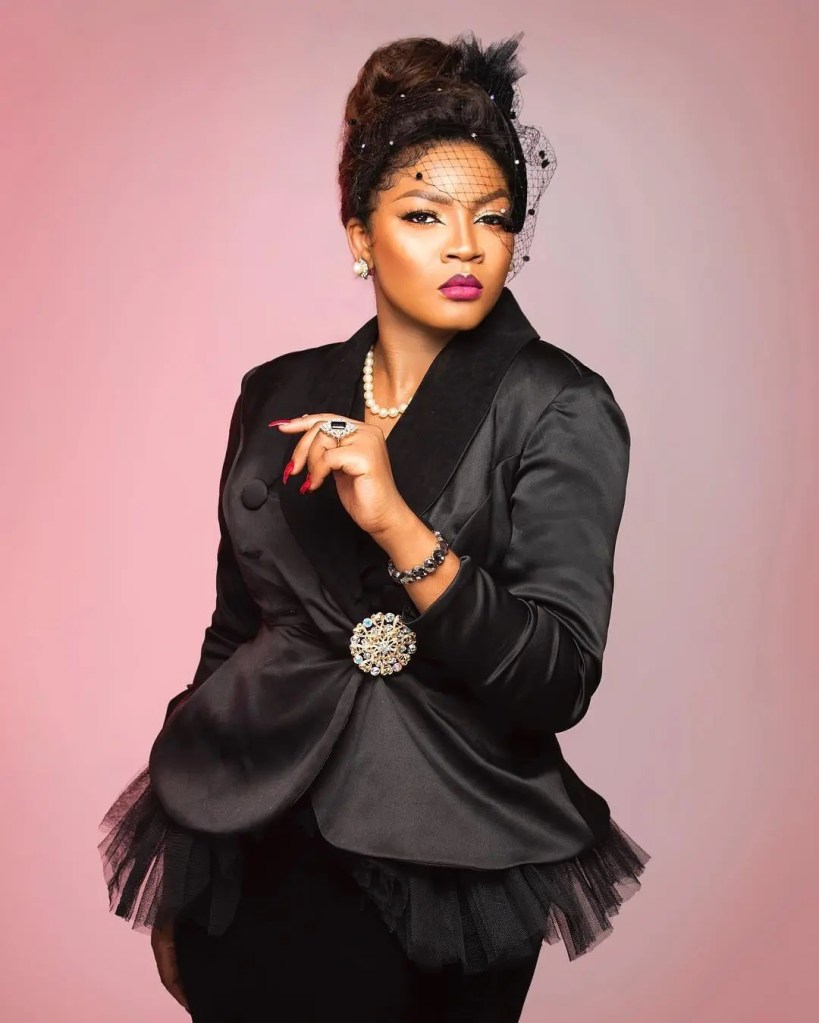
Celebrity Spotlight: Omotola Jalade Ekeinde #Nollywood

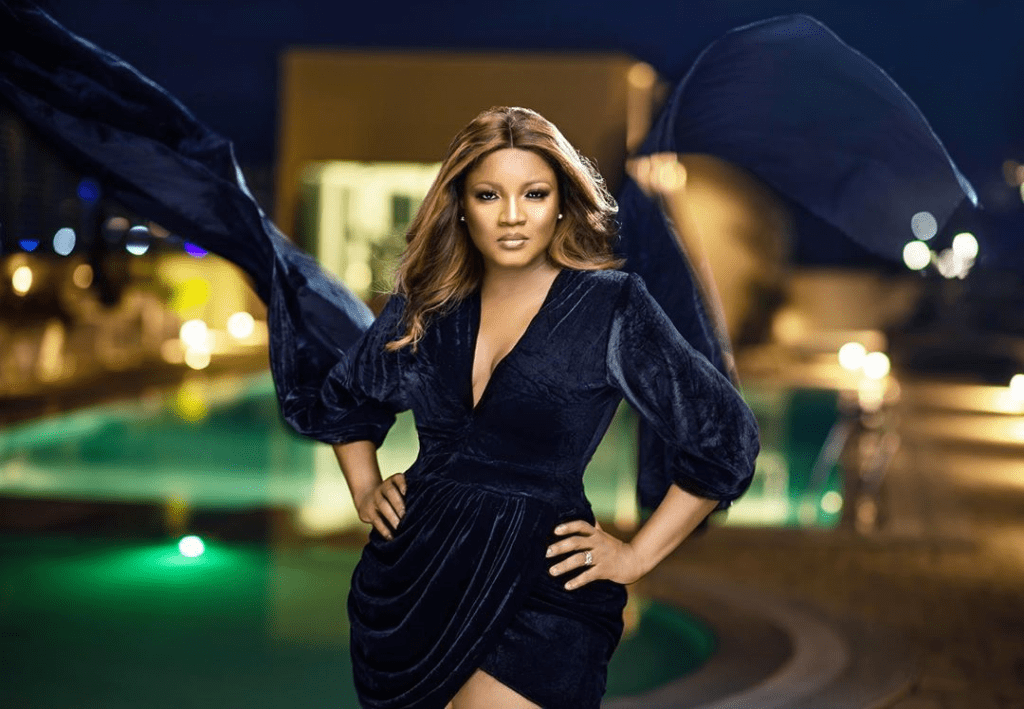
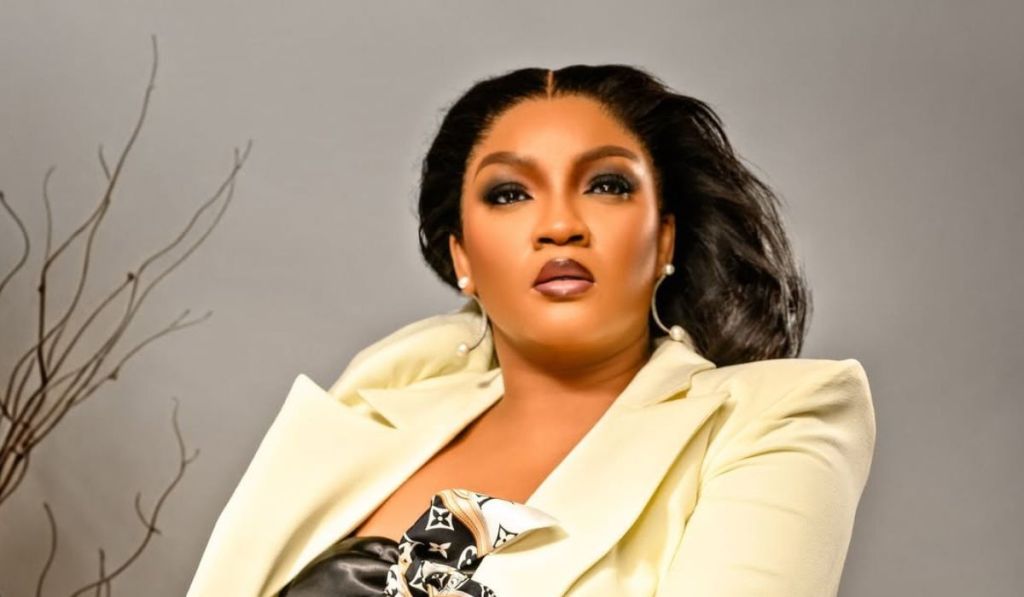
There are women whose presence commands admiration before they even speak — and Omotola Jalade Ekeinde, fondly called “Omosexy,” is one of them. With her radiant light caramel complexion, captivating almond eyes, and statuesque physique, she embodies a perfect fusion of African grace, sensuality, and sophistication. Her beauty is not only physical but regal — the kind that glows from confidence, faith, and purpose. She is not merely a Nollywood actress; she is a global phenomenon, humanitarian, wife, and mother whose impact extends far beyond the screen.


Early Life and Family Background

Omotola Jalade Ekeinde was born on February 7, 1978, in Lagos, Nigeria, to Oluwashola Jalade, a manager with the Lagos Country Club, and Oluwatoyin Jalade, a businesswoman. Raised in a disciplined Christian household, Omotola grew up with strong moral values, a sense of independence, and an early appreciation for education and service. She attended Chrisland School, Opebi, Oxford Children School, and Command Secondary School, Kaduna, before studying Estate Management at Yaba College of Technology.

At the age of 18, Omotola married her long-time partner, Captain Matthew Ekeinde, a respected Nigerian airline pilot, in a union that has become one of the most admired and enduring celebrity marriages in Africa. Together, they have four beautiful children, and their family stands as a symbol of stability, love, and faith within the entertainment industry.


Journey into Nollywood and Rise to Stardom

Omotola’s path to stardom began unexpectedly. Initially aspiring to a career in business management, she accompanied a friend to a movie audition and was encouraged to try out for a role herself. This spontaneous decision became destiny. Her acting debut came in 1995 with the film Venom of Justice, but it was her performance in Mortal Inheritance (1995) that catapulted her to fame. The film, which explored interracial marriage and sickle-cell anemia, showcased her emotional depth and established her as one of Nollywood’s most gifted talents.

Since then, Omotola has appeared in over 300 films, portraying complex characters that explore themes of love, justice, and womanhood. Her commanding performances have made her a household name, not only in Nigeria but across Africa and the diaspora.


Awards, Honors, and Global Recognition

Omotola’s contributions to film and society have earned her an impressive array of awards and distinctions. She received the Africa Movie Academy Award (AMAA) for Best Actress in a Leading Role and has won numerous Africa Magic Viewers’ Choice Awards (AMVCA) honors for her outstanding acting.

In 2013, Time Magazine named her one of the “100 Most Influential People in the World”, alongside Michelle Obama, Beyoncé, and Kate Middleton — an honor that solidified her status as a global icon. She was also recognized by the Nigerian government with the Member of the Order of the Federal Republic (MFR) for her contributions to Nigerian cinema.

Her film Alter Ego (2017) earned widespread critical acclaim for tackling issues of trauma and justice, further demonstrating her evolution as an actress of depth and conviction.


Endorsements and Humanitarian Work

Beyond the screen, Omotola is a dedicated humanitarian. She is a long-time UN World Food Programme Ambassador, advocating for the rights of women and children across Africa. She also works with the Amnesty International campaign on human rights awareness. Her commitment to social justice has earned her the nickname “The Real Life African Superwoman.”

Her beauty, intelligence, and authenticity have also made her one of the most sought-after brand ambassadors in Africa. She has partnered with major brands including Knorr, Ghandour Cosmetics, and BO16 Hair Care, using her platform to promote empowerment and self-confidence among African women.


Personal Life and Legacy

Despite her global fame, Omotola’s humility and devotion to her family remain at the heart of her identity. She often speaks openly about the importance of faith, balance, and maintaining one’s integrity in the entertainment industry. Her marriage to Captain Ekeinde remains one of the longest and most respected in Nollywood, defying the stereotype of fleeting celebrity unions.

Affectionately called “Omosexy” by fans, she redefines sensuality with grace — not as a tool of vanity, but as an expression of confidence and self-love. Her legacy is not only in film but also in her example of womanhood: strong, intelligent, nurturing, and unapologetically powerful.


Is Omotola the Highest-Paid Nollywood Actress?

For years, Omotola has ranked among the highest-paid actresses in Nollywood, often commanding premium fees per film. Alongside Genevieve Nnaji, she helped elevate the professional standards of pay and production quality in the Nigerian film industry. Her business acumen and professionalism have set new precedents for African actors, helping Nollywood evolve into a billion-dollar global industry.


Impact and Cultural Influence

Omotola Jalade Ekeinde’s influence reaches far beyond cinema. She represents the evolution of African womanhood — bold yet humble, beautiful yet principled, powerful yet nurturing. Her presence has inspired countless women to pursue their dreams without compromise. She is not only admired for her radiant ebony beauty but for her substance, discipline, and heart.

Her life is a living parable of excellence — proof that true beauty radiates from purpose and character. Omotola’s journey from a young Lagos girl to a world-renowned icon embodies the strength, resilience, and divine elegance of the modern African woman.


Conclusion

Omotola Jalade Ekeinde remains an enduring symbol of Black femininity and excellence. With her gleaming brown skin, sculpted face, and regal aura, she is a masterpiece of nature and nurture — a woman who moves with both grace and authority. As an actress, wife, and humanitarian, she continues to inspire a generation to dream boldly and love deeply. In every sense, she is carved by destiny, refined by faith, and crowned by legacy.


References

Amnesty International. (2015). Omotola Jalade Ekeinde joins campaign for human rights in Africa. Amnesty International. https://www.amnesty.org

BBC News. (2013, April 18). Time 100: Omotola Jalade Ekeinde among world’s most influential people. BBC. https://www.bbc.com/news

IMDb. (n.d.). Omotola Jalade Ekeinde biography. IMDb. https://www.imdb.com/name/nm1069989/

Nigerian Government Gazette. (2011). National honors list: Member of the Order of the Federal Republic (MFR). Federal Republic of Nigeria.

Pulse Nigeria. (2022, September 6). Omotola Jalade Ekeinde: Biography, family, and career success. Pulse Nigeria. https://www.pulse.ng

Time Magazine. (2013, April). The 100 Most Influential People in the World: Omotola Jalade Ekeinde. TIME Magazine. https://time.com

Vanguard Nigeria. (2021, August 12). Omotola Jalade Ekeinde: The timeless beauty of Nollywood. Vanguard Nigeria. https://www.vanguardngr.com

The Dark History of Having Pretty Privilege as a Light-Skinned Person.

The concept of “pretty privilege” refers to the societal advantages afforded to individuals deemed conventionally attractive. Within communities of color, this privilege is often compounded by colorism—the preferential treatment of lighter-skinned individuals over their darker-skinned counterparts. Historically, light-skinned individuals have navigated a complex landscape where their appearance has afforded them certain privileges, yet also subjected them to unique challenges and scrutiny.

Historical Roots of Colorism

Colorism traces its origins to colonial and slavery-era practices, where lighter-skinned individuals, often of mixed heritage, were granted privileges such as domestic roles or education, while darker-skinned individuals were relegated to labor-intensive tasks. This hierarchy established a precedent for valuing lighter skin within the community. The “brown paper bag test,” a practice where individuals lighter than a brown paper bag were granted entry into social clubs, exemplifies this internalized discrimination. Wikipedia

Cultural Reinforcement Through Media

Media representations have historically favored lighter-skinned individuals, reinforcing the notion that beauty and desirability are linked to lighter skin tones. This portrayal not only marginalizes darker-skinned individuals but also places pressure on light-skinned individuals to conform to these beauty standards. Films, advertisements, and television shows often depict light-skinned characters as more attractive, intelligent, and successful, perpetuating colorist ideals.

The Intersection of Pretty Privilege and Colorism

While light-skinned individuals may experience certain advantages, they are not immune to the complexities of colorism. They may face challenges such as being perceived as less authentically Black or being tokenized in spaces that seek diversity. Furthermore, the internalization of colorist ideals can lead to self-esteem issues and a sense of inadequacy, as individuals navigate the expectations placed upon them due to their appearance.

Example:

Halle Berry and the Intersection of Pretty Privilege and Colorism

Halle Berry’s career trajectory and public image exemplify the complex interplay between beauty standards, colorism, and the concept of “pretty privilege.” As a biracial woman with lighter skin, Berry has often been celebrated for her beauty, yet she has also faced challenges related to her racial identity and the expectations placed upon her.

Beauty and Career Advancement

Berry’s striking appearance has undoubtedly played a role in her ascent within Hollywood. Her success in beauty pageants, including being named Miss Ohio in 1986 and placing as the first runner-up in the Miss USA pageant the same year, highlights the industry’s preference for certain beauty ideals. These accolades likely opened doors for her in modeling and acting, leading to roles in films such as Boomerang (1992) and The Flintstones (1994). Her portrayal of Storm in the X-Men series further cemented her status as a leading actress.

The Impact of Pretty Privilege

While Berry’s beauty has afforded her opportunities, she has also acknowledged the limitations of being valued primarily for her appearance. In a 2024 interview with Marie Claire, Berry described beauty as a “hollow win,” emphasizing that she had no control over her looks and expressing a desire to be recognized for her talents and contributions beyond her physical appearance Marie Claire.

Colorism and Racial Identity

Berry’s biracial heritage has placed her at the intersection of colorism and racial identity. In the entertainment industry, lighter-skinned individuals often receive more favorable treatment, a phenomenon rooted in historical preferences for Eurocentric features. Berry has openly discussed the complexities of her identity, noting that she identifies as Black because that is how she is perceived, despite her mixed-race background Wikipedia.

Public Perception and Criticism

Berry’s experiences reflect broader societal issues related to beauty standards and racial identity. Discussions on platforms like Lipstick Alley have highlighted how her lighter skin may have contributed to her being perceived as more conventionally attractive, raising questions about the role of colorism in shaping public perceptions Lipstick Alley.

Advocacy and Empowerment

Beyond her acting career, Berry has used her platform to advocate for women’s empowerment and challenge societal norms. In 2025, she shared a makeup-free photo in a sheer dress to promote menopause awareness, encouraging women to embrace aging and defy conventional beauty standards InStyle. Her wellness brand, Re-spin, further reflects her commitment to supporting women through various life stages.

Halle Berry’s journey underscores the multifaceted nature of beauty, privilege, and identity. While her appearance has opened doors and afforded her opportunities, she remains a vocal advocate for being recognized for her abilities and character. Her experiences shed light on the complexities faced by individuals navigating the intersections of race, beauty, and societal expectations.

Social Dynamics and Interpersonal Relationships

Within communities of color, light-skinned individuals may experience strained relationships due to perceptions of favoritism or resentment. These dynamics can manifest in both subtle and overt ways, affecting friendships, family bonds, and community cohesion. The pressure to align with certain beauty standards can lead to identity conflicts and a sense of alienation.

Economic Implications

Studies have shown that lighter-skinned individuals often receive higher wages and better job opportunities compared to their darker-skinned counterparts. This economic disparity underscores the tangible benefits associated with lighter skin, highlighting the pervasive nature of colorism in professional settings. However, these advantages can also lead to feelings of guilt or discomfort among light-skinned individuals, who may recognize the inequities present within their communities.

Psychological Effects

The awareness of receiving preferential treatment can lead to cognitive dissonance for light-skinned individuals, as they grapple with the unfairness experienced by darker-skinned peers. This internal conflict can result in stress, anxiety, and a diminished sense of self-worth. Additionally, the constant scrutiny and expectations placed upon them can lead to burnout and emotional fatigue.

Educational Disparities

In educational institutions, light-skinned students often receive more favorable treatment from educators, leading to better academic outcomes. This bias can affect grading, disciplinary actions, and teacher-student relationships, contributing to a cycle where lighter-skinned students are more likely to succeed academically. Conversely, darker-skinned students may face harsher treatment and lower expectations, perpetuating educational inequalities.

Impact on Identity Formation

For light-skinned individuals, especially those of mixed heritage, navigating their identity can be complex. They may struggle with feelings of not fully belonging to either the Black or white communities, leading to identity crises and a lack of cultural grounding. This sense of liminality can affect their self-perception and their relationships with others.

Resistance and Advocacy

Despite the challenges, many light-skinned individuals have used their experiences to advocate for racial equity and challenge colorist norms. By acknowledging their privilege and working to dismantle colorist structures, they contribute to broader efforts aimed at achieving racial justice. Their advocacy highlights the importance of solidarity and collective action in addressing systemic issues.

Conclusion

The history of light-skinned individuals experiencing “pretty privilege” is intertwined with the broader narrative of colorism. While they may benefit from certain societal advantages, these privileges come with their own set of challenges and responsibilities. Understanding the complexities of this dynamic is crucial in the ongoing efforts to combat colorism and promote inclusivity within communities of color.

References