Tag Archives: men

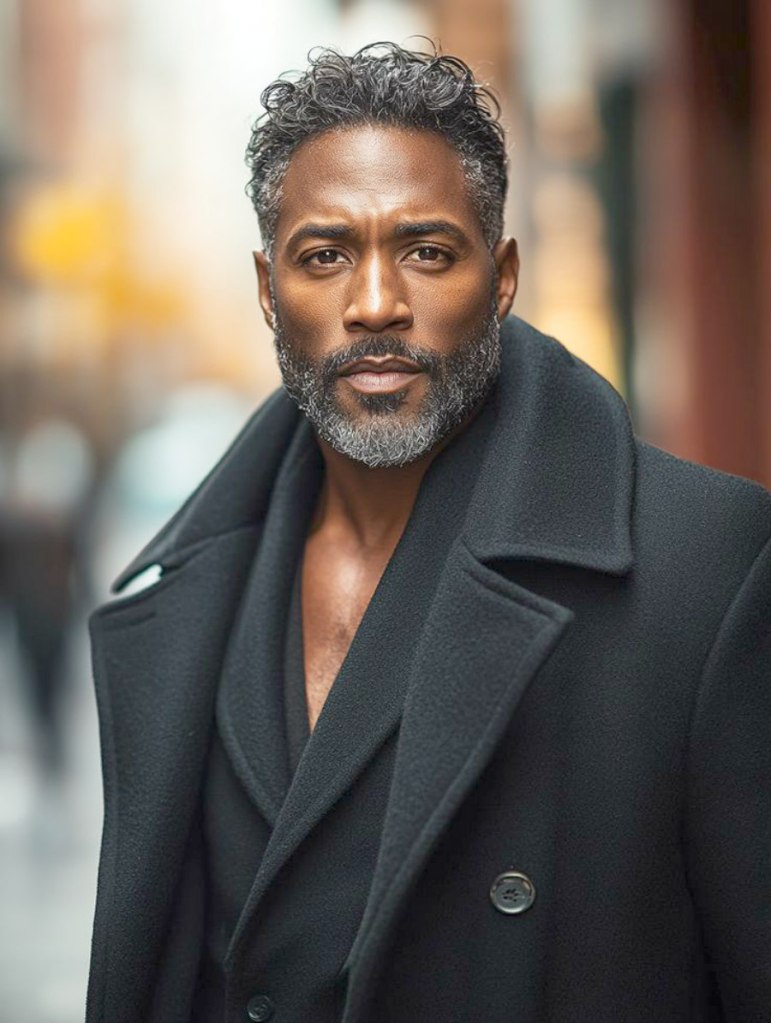
What to Ask a Man to See if He Is Serious About You.

Photo by Jean-Daniel Francoeur on Pexels.com

Biblical Discernment and Psychological Wisdom in Relationships

In the realm of relationships, discernment is essential. The Bible cautions believers to exercise wisdom and not to be deceived by empty words or fleeting promises. Ephesians 5:6 (KJV) warns, “Let no man deceive you with vain words.” This timeless admonition aligns with psychological research, which stresses the importance of communication in testing the authenticity of a partner’s intentions. Asking the right questions allows women to distinguish between superficial interest and genuine commitment, thereby safeguarding their emotional and spiritual well-being.

Biblical Guidance and Psychological Insight for Relationship Discernment

1. Ask About Faith and Values

Question: “What place does God and faith hold in your life?”

  • Biblical Basis: “Be ye not unequally yoked together with unbelievers” (2 Corinthians 6:14, KJV).
  • Psychological Insight: Shared values are essential for long-term relationship satisfaction (Stanley, Rhoades, & Whitton, 2010).
  • What to Listen For: A man who speaks honestly about his spiritual life and moral compass demonstrates alignment with principles that foster stability, trust, and mutual respect.

2. Ask About Future Goals

Question: “Where do you see yourself in five to ten years?”

  • Biblical Basis: “Where there is no vision, the people perish” (Proverbs 29:18, KJV).
  • Psychological Insight: Goal-oriented individuals are more likely to have stable, resilient relationships.
  • What to Listen For: Look for clarity and ambition that matches your life vision. A serious man has plans but is also flexible and considerate of partnership growth.

3. Ask About Commitment and Love

Question: “How do you define love and commitment in a relationship?”

  • Biblical Basis: “Husbands, love your wives, even as Christ also loved the church, and gave himself for it” (Ephesians 5:25, KJV).
  • Psychological Insight: Sternberg’s triangular theory of love emphasizes commitment, intimacy, and trust as essential for enduring relationships.
  • What to Listen For: A man should view commitment as a covenant, not convenience, and demonstrate an understanding of love as action and responsibility.

4. Ask About Past Challenges and Growth

Question: “What lessons have you learned from past relationships?”

  • Biblical Basis: “Even a fool, when he holdeth his peace, is counted wise” (Proverbs 17:28, KJV).
  • Psychological Insight: Emotional intelligence grows from reflection on past experiences.
  • What to Listen For: Honest reflection shows maturity, self-awareness, and a willingness to grow—qualities that support long-term relationship success.

5. Observe Consistency Between Words and Actions

Guiding Principle: “Ye shall know them by their fruits” (Matthew 7:16, KJV).

  • Psychological Insight: Behavioral consistency is a strong predictor of character and relationship reliability.
  • What to Watch For: Actions must align with promises. A serious man demonstrates reliability, accountability, and follow-through in both small and significant matters.

6. Protect Your Heart with Silence and Patience

Guiding Principle: “Keep thy heart with all diligence; for out of it are the issues of life” (Proverbs 4:23, KJV).

  • Psychological Insight: Patience in discernment prevents emotional vulnerability and promotes wise decision-making.
  • Practice: Avoid revealing all your heart too soon. Let his responses and actions reveal his seriousness over time.

The first question centers on faith and values: “What place does God and faith hold in your life?” The Bible makes it clear that spiritual alignment is critical, stating, “Be ye not unequally yoked together with unbelievers” (2 Corinthians 6:14, KJV). From a psychological standpoint, shared values form the foundation for long-term relationship satisfaction (Stanley, Rhoades, & Whitton, 2010). A man who can articulate how his faith and moral compass guide his life reveals not only spiritual depth but also a framework for decision-making and responsibility.

Another crucial inquiry involves future goals and vision: “Where do you see yourself in five to ten years?” Proverbs 29:18 (KJV) declares, “Where there is no vision, the people perish.” A man’s ability to communicate a clear sense of direction reflects maturity and foresight. Psychologically, individuals with goal orientation and planning skills demonstrate higher relationship stability and resilience under stress. By exploring a man’s future aspirations, a woman can determine if his vision harmonizes with her own, ensuring compatibility beyond momentary attraction.

Equally vital is the question of commitment and responsibility: “How do you define love and commitment in a relationship?” Scripture defines love not merely as sentiment but as sacrifice and action: “Husbands, love your wives, even as Christ also loved the church, and gave himself for it” (Ephesians 5:25, KJV). Psychology likewise distinguishes between infatuation and enduring love, emphasizing commitment, intimacy, and trust as key elements of a stable partnership (Sternberg, 1986). A man who views commitment as covenant rather than convenience shows readiness for serious, long-term union.

Discernment also requires listening not only to the words spoken but to the consistency between speech and behavior. Jesus Himself taught, “Ye shall know them by their fruits” (Matthew 7:16, KJV). In psychology, this aligns with behavioral consistency theory, which holds that actions over time reveal true character. A man may offer persuasive answers, but if his actions contradict his words, his seriousness must be questioned. Thus, observation and patience are as important as the questions themselves.

In conclusion, asking a man about his faith, his vision, and his understanding of commitment provides a window into his heart and intentions. By blending biblical wisdom with psychological principles, women are empowered to discern whether a relationship is rooted in truth or illusion. Silence and patience in waiting for honest answers further protect the heart from unnecessary pain. As Proverbs 4:23 (KJV) reminds us, “Keep thy heart with all diligence; for out of it are the issues of life.”


📚 References

  • Stanley, S. M., Rhoades, G. K., & Whitton, S. W. (2010). Commitment: Functions, formation, and the securing of romantic attachment. Journal of Family Theory & Review, 2(3), 243–257.
  • Sternberg, R. J. (1986). A triangular theory of love. Psychological Review, 93(2), 119–135.
  • The Holy Bible, King James Version.

The 10 Attributes of a Good Man

Biblical Wisdom and Psychological Insight on Character and Relationships

This photograph is the property of its respective owners. No copyright infringement intended.

A good man is defined not merely by his outward appearance or words but by the integrity, character, and values he demonstrates in daily life. The Bible emphasizes that true strength is rooted in faith and moral integrity. Psalm 112:1 (KJV) declares, “Blessed is the man that feareth the Lord: that delighteth greatly in his commandments.” This reverence for God provides a foundation for all other virtues. Psychologically, a man guided by values and spiritual principles demonstrates stability, resilience, and a clear sense of purpose, which positively impacts his relationships and community.

First, a good man is faithful, honest, and transparent. Trustworthiness forms the cornerstone of lasting relationships. Scripture teaches, “Providing for honest things, not only in the sight of the Lord, but also in the sight of men” (2 Corinthians 8:21, KJV). Psychologically, honesty and transparency foster emotional safety and strengthen bonds, allowing intimacy to flourish without fear of deception or betrayal.

Second, a good man is responsible, disciplined, and self-controlled. Proverbs 14:29 (KJV) states, “He that is slow to wrath is of great understanding.” Responsibility ensures that a man can care for himself and those who depend on him, while self-discipline predicts long-term achievement and emotional stability. From a psychological perspective, self-control is strongly correlated with better stress management, goal attainment, and relational satisfaction.

Third, he is loving, compassionate, patient, and understanding. Ephesians 5:25 (KJV) instructs, “Husbands, love your wives, even as Christ also loved the church.” Emotional intelligence, including empathy and patience, allows a man to navigate conflict gracefully and maintain supportive relationships. Psychology confirms that men who cultivate compassion and patience experience more satisfying and enduring partnerships, as they respond thoughtfully rather than react impulsively.

Fourth, a good man is wise, humble, and teachable. Proverbs 9:10 (KJV) declares, “The fear of the Lord is the beginning of wisdom.” Humility allows him to learn from mistakes, accept counsel, and grow continually. Psychologically, humility reduces defensiveness and increases adaptability, making a man more capable of resolving challenges and nurturing meaningful relationships.

Finally, a good man is hardworking and a provider. Proverbs 10:4 (KJV) teaches, “The hand of the diligent maketh rich.” Providing goes beyond financial support; it encompasses emotional, spiritual, and practical stewardship of one’s household. Psychologically, ambition and diligence signal responsibility, motivation, and reliability. A man who strives to provide is not only demonstrating care but also creating stability for his family, reflecting both biblical principles and sound relational psychology.

Biblical Wisdom and Psychological Insight

  1. Faithful and God-Fearing
  • Biblical Basis: “Blessed is the man that feareth the Lord” (Psalm 112:1, KJV).
  • Psychological Insight: Spiritual grounding provides moral stability and resilience in life and relationships.
  1. Honest and Transparent
  • Biblical Basis: “Providing for honest things, not only in the sight of the Lord, but also in the sight of men” (2 Corinthians 8:21, KJV).
  • Psychological Insight: Honesty fosters trust and emotional safety, essential for intimacy and long-term partnerships.
  1. Responsible and Accountable
  • Biblical Basis: “But let every man prove his own work” (Galatians 6:4, KJV).
  • Psychological Insight: Responsibility and accountability predict reliability and the ability to handle life’s challenges effectively.
  1. Loving and Compassionate
  • Biblical Basis: “Husbands, love your wives, even as Christ also loved the church” (Ephesians 5:25, KJV).
  • Psychological Insight: Emotional intelligence and empathy are linked to healthier relationships and conflict resolution.
  1. Disciplined and Self-Controlled
  • Biblical Basis: “He that is slow to wrath is of great understanding” (Proverbs 14:29, KJV).
  • Psychological Insight: Self-discipline predicts goal achievement, stress management, and emotional stability.
  1. Protective and Supportive
  • Biblical Basis: “The just man walketh in his integrity: his children are blessed after him” (Proverbs 20:7, KJV).
  • Psychological Insight: A supportive man promotes security, growth, and confidence in those he loves.
  1. Patient and Understanding
  • Biblical Basis: “With all lowliness and meekness, with longsuffering, forbearing one another in love” (Ephesians 4:2, KJV).
  • Psychological Insight: Patience and tolerance reduce conflict and enhance relationship satisfaction.
  1. Wise and Discerned
  • Biblical Basis: “The fear of the Lord is the beginning of wisdom” (Proverbs 9:10, KJV).
  • Psychological Insight: Wisdom and critical thinking aid in making sound decisions and maintaining long-term stability.
  1. Hardworking and A Provider
  • Biblical Basis: “The hand of the diligent maketh rich” (Proverbs 10:4, KJV).
  • Psychological Insight: Motivation and persistence indicate reliability and the ability to provide and achieve goals.
  1. Humble and Teachable
  • Biblical Basis: “Humble yourselves in the sight of the Lord, and he shall lift you up” (James 4:10, KJV).
  • Psychological Insight: Humility allows growth, self-reflection, and healthy relationship dynamics.

In conclusion, a good man integrates faith, integrity, emotional intelligence, wisdom, humility, and diligence into his life. By embodying these ten attributes—faithful, honest, responsible, disciplined, loving, compassionate, patient, wise, humble, and a hardworking provider—he fulfills the biblical vision of manhood while fostering stable, thriving relationships. Aligning spiritual wisdom with psychological understanding ensures that a man is not only admired but also genuinely equipped to lead, love, and protect with purpose and integrity.


📚 References

  • Stanley, S. M., Rhoades, G. K., & Whitton, S. W. (2010). Commitment: Functions, formation, and the securing of romantic attachment. Journal of Family Theory & Review, 2(3), 243–257.
  • Sternberg, R. J. (1986). A triangular theory of love. Psychological Review, 93(2), 119–135.
  • The Holy Bible, King James Version.

Girl Talk Series: What to look for in a Man.

This photograph is the property of its respective owner. No infringement intended.

A heart that seeks the Lord each day,
In prayer and truth, he walks His way.
A husband strong, yet gentle, kind,
With faith and love forever aligned.

Ladies, let me speak to you plainly: it is indeed the man who will find you, as the Bible says, “Whoso findeth a wife findeth a good thing, and obtaineth favour of the Lord” (Proverbs 18:22, KJV). We are not meant to chase men; if a man truly desires you as his wife, he will pursue you. Many men have shared that they know whether a woman is “wife material” the first time they speak with her. It is not simply beauty that keeps a man—it is Godly character, integrity, and the attributes of a true wife.

I do not prefer the term “boyfriend,” which feels high schoolish. In mature, faith-based relationships, we often progress from acquaintance or friendship toward marriage, intentional and purposeful. The question then becomes: what do we look for in a man? What traits indicate he is a suitable, Godly partner for life?


Essential Traits to Look for in a Godly Man

  1. Godliness / Spiritual Leadership
    • A man who fears the Lord and prioritizes his relationship with God is essential. He should lead spiritually, praying, studying the Word, and making decisions aligned with biblical principles (Ephesians 5:25–26).
    • Psychology: Research shows that shared spiritual values in couples correlate with higher marital satisfaction and emotional compatibility (Mahoney et al., 2001).
  2. Provider and Responsible
    • He demonstrates responsibility, ambition, and the ability to provide—not necessarily wealth, but stability and diligence. This includes financial stewardship, career commitment, and protecting the household.
    • Psychology: Men who are perceived as reliable and capable tend to inspire trust and security in partners, fostering relational attachment (Buss, 1989).
  3. Emotional Maturity
    • A mature man manages emotions effectively, communicates well, and does not resort to anger or manipulation. He practices empathy, listens, and respects boundaries.
    • Psychology: Emotional intelligence (EQ) in men predicts relationship satisfaction, conflict resolution, and long-term attachment stability (Brackett et al., 2006).
  4. Integrity and Honesty
    • Truthfulness in speech and action is non-negotiable. A man who demonstrates integrity builds trust and models moral character.
    • Psychology: Integrity is correlated with relational trust, reducing uncertainty and enhancing commitment (Rotter, 1980).
  5. Respect for Women
    • He honors women, treats them as equals, and values their input. Respect is demonstrated in both private and public settings.
    • Psychology: Perceived respect from a partner increases satisfaction, self-esteem, and relational stability (Impett et al., 2008).
  6. Supportive and Encouraging
    • A Godly man uplifts his partner, supports her personal goals, and celebrates her accomplishments. He does not belittle or compete unnecessarily.
    • Psychology: Supportive behavior in partners enhances well-being and fosters secure attachment (Feeney & Collins, 2015).
  7. Self-Control and Discipline
    • He exhibits self-discipline in habits, finances, and sexuality, demonstrating respect for boundaries and long-term goals.
    • Psychology: Self-regulation predicts relational satisfaction and reduces impulsive behaviors that can harm trust (Vohs & Baumeister, 2011).
  8. Humility and Servant-Heartedness
    • A man who is humble, willing to serve, and puts others before himself mirrors Christ’s example. Pride and arrogance are red flags.
    • Scripture: “Let nothing be done through strife or vainglory; but in lowliness of mind let each esteem other better than themselves” (Philippians 2:3, KJV).
  9. Sense of Humor and Joy
    • While serious traits are important, a man who can bring joy, laugh at life, and lighten burdens is invaluable. Joy sustains relationships through challenges.
  10. Commitment and Faithfulness
    • A man who is loyal, keeps promises, and is intentional about the relationship shows readiness for marriage. Infidelity is a leading cause of relational distress; faithfulness is non-negotiable.
    • Psychology: Commitment is a core predictor of marital satisfaction and longevity (Stanley et al., 2006).

Godly Fear and Reverence

  • A man who fears the Lord honors God above all else, submitting his life to His guidance (Proverbs 9:10; Psalm 111:10).
  • Trait in practice: He prays, reads the Word, and aligns his decisions with God’s will. Other traits listed below:

1. Spiritual & Moral Foundation

  • A man who fears God, has integrity, and strives to live by biblical and ethical principles (Proverbs 31:10; Ephesians 5:25).

2. Emotional Intelligence

  • Someone who listens well, communicates clearly, and doesn’t shut down in hard times. Emotional maturity is key to long-lasting love.

3. Leadership & Stability

  • Not just financially, but also in vision, decision-making, and the ability to guide a family with wisdom and patience.

4. Respect & Partnership

  • A man who honors your voice, values your input, and treats you as a partner, not a possession.

5. Consistency & Reliability

  • Words and actions align. You never have to guess where you stand with him.

6. Protective & Supportive Nature

  • He makes you feel safe—emotionally, spiritually, and physically—while also pushing you to grow and achieve your best.

7. Shared Purpose & Values

  • A man whose mission in life aligns with yours, so you’re rowing in the same direction rather than fighting against the tide.

👉 A good way to frame it is: “Does this man bring me closer to peace, closer to God, and closer to becoming the best version of myself?”

Conclusion

Women, your worth is in God, not in the approval of men. Seek a man who mirrors Christlike character, demonstrates integrity, and values partnership. Do not settle for charm or physical appearance alone; the foundation of a lasting, God-honoring relationship is built on spiritual alignment, emotional maturity, and shared values. When these traits are present, love is strengthened, and marriage thrives.

Girl Talk Series: High Value Man

Photo by RDNE Stock project on Pexels.com

A high-value man is not defined by what he has, but by who he is when no one is watching.”

The concept of a high-value man has become increasingly relevant in modern discourse on masculinity, relationships, and leadership. A high-value man is not measured merely by his financial worth, but by the totality of his character, principles, discipline, and integrity. He is an individual who demonstrates maturity, emotional intelligence, and spiritual depth. In essence, he is the type of man whose presence uplifts not only his partner but also his community. To understand what constitutes a high-value man, one must consider biblical foundations, psychological insights, and social expectations that together form a holistic picture of manhood.

Spiritual & Moral Traits

  • God-fearing and prayerful (Proverbs 9:10)
  • Faithful and loyal in all commitments
  • Honest and transparent
  • Humble yet confident
  • Repentant and able to admit mistakes
  • Integrity-driven (does the right thing even when no one is watching)

Relational & Emotional Traits

  • Loves his wife/partner sacrificially (Ephesians 5:25)
  • Encouraging and uplifting
  • Emotionally intelligent (can express and manage emotions)
  • Gentle yet firm in leadership
  • Patient and forgiving
  • Secure attachment style (trustworthy, dependable, non-manipulative)
  • Protects and nurtures his family

Leadership & Provider Traits

  • Responsible and dependable (1 Timothy 5:8)
  • Visionary (knows his purpose and sets long-term goals)
  • Financially literate and disciplined
  • Servant-leadership mindset (leads by example, not control)
  • Protector of home, family, and community
  • Mentor to others, especially younger men

Personal Discipline & Lifestyle Traits

  • Exercises regularly and maintains good health (1 Corinthians 6:19–20)
  • Practices good hygiene and grooming
  • Self-controlled, practices delayed gratification
  • Avoids addictions and destructive habits
  • Organized and wise with his time
  • Lifelong learner, open-minded and teachable
  • Cultivates hobbies and skills for growth

Sexual & Relational Integrity

  • Practices chastity before marriage (Hebrews 13:4)
  • Values intimacy as sacred, not casual
  • Respects women and avoids exploitation
  • Loyal and faithful to his spouse
  • Disciplined in thought life (does not entertain lustful habits)

Generosity & Community Traits

  • Generous with resources (Proverbs 11:25)
  • Gives back to the community
  • Openhearted and empathetic
  • Defends the vulnerable and stands for justice
  • Inspires others through words and actions
  • Leaves a legacy of service and love

A high-value man is godly, disciplined, loving, loyal, purposeful, generous, and wise. He balances strength with humility, discipline with compassion, and leadership with service.

A defining feature of a high-value man is his role as a provider and leader. Biblically, men are instructed to care for their households: “But if any provide not for his own, and specially for those of his own house, he hath denied the faith, and is worse than an infidel” (1 Timothy 5:8, KJV). This means that provision extends beyond material wealth; it encompasses emotional security, vision, and moral guidance. Psychology supports this notion by emphasizing the importance of men developing responsibility and conscientiousness, two traits identified in the Five-Factor Model of personality as markers of maturity (Costa & McCrae, 1992). A high-value man, therefore, exemplifies responsibility, not as an oppressive burden, but as an honorable duty.

Beyond provision, a high-value man is disciplined in lifestyle, health, and purpose. He maintains his body through exercise and diet, demonstrating self-respect and foresight regarding longevity and vitality. Scientific studies confirm that physical health correlates strongly with mental health, self-esteem, and life satisfaction (Penedo & Dahn, 2005). He is not reckless with his body but sees it as a temple of the Holy Spirit (1 Corinthians 6:19–20). Such discipline is not confined to the physical realm but extends to finances, emotions, and time management. This man is purposeful, knowing why he was created, and striving toward goals aligned with divine calling and personal fulfillment.

In relationships, the high-value man embodies loyalty, faithfulness, and encouragement. He treats his partner with honor, reflecting the biblical mandate: “Husbands, love your wives, even as Christ also loved the church, and gave himself for it” (Ephesians 5:25, KJV). This sacrificial love is characterized by patience, kindness, and forgiveness. Psychology echoes this by underscoring the value of secure attachment styles in men, which foster trust, emotional safety, and stability in relationships (Mikulincer & Shaver, 2016). He is not manipulative or deceitful but cultivates transparency, knowing that truth sustains intimacy.

Equally significant, a high-value man is generous and openhearted. He shares his resources, time, and wisdom without arrogance. Proverbs 11:25 affirms, “The liberal soul shall be made fat: and he that watereth shall be watered also himself” (KJV). Generosity reflects an abundance mindset, which psychology associates with gratitude and higher well-being (Emmons & McCullough, 2003). His open-mindedness allows him to learn from others, while his openheartedness allows him to empathize, comfort, and encourage. Such qualities position him as a mentor, a pillar in his family, and a blessing to his community.

A key marker of high value is sexual discipline. Unlike the culture of instant gratification, a man of value understands the sanctity of sex and reserves it for the covenant of marriage. This aligns with Hebrews 13:4: “Marriage is honourable in all, and the bed undefiled: but whoremongers and adulterers God will judge” (KJV). From a psychological standpoint, men who delay gratification exhibit higher self-control, which predicts success in relationships, careers, and personal health (Mischel, 2014). Sexual discipline is not repression, but rather mastery over impulses, enabling him to direct his energy toward building and sustaining purpose.

Historically and culturally, examples of high-value men abound. One such example is Nelson Mandela, who exhibited resilience, forgiveness, leadership, and a strong moral compass during and after his imprisonment. Though not perfect, Mandela embodied discipline, generosity, courage, and an enduring vision that transformed his nation. His life illustrates that high value is not derived from material wealth alone but from perseverance, integrity, and the ability to serve others. Mandela’s character parallels biblical leadership, echoing Christlike humility and endurance. Throughout history and scripture, many men have exemplified high value. Joseph, son of Jacob, provides a biblical example. Despite betrayal and enslavement, Joseph demonstrated sexual discipline when he resisted Potiphar’s wife, integrity when he managed resources during famine, and forgiveness when he reconciled with his brothers (Genesis 39–45). King David, though flawed, embodied courage, leadership, and repentance, showing that high value is not perfection but humility before God. The Apostle Paul likewise exemplified discipline, resilience, and purpose as he spread the gospel despite persecution. In modern times, Nelson Mandela represents a high-value man through his resilience, forgiveness, and leadership in dismantling apartheid. He possesses many high-value traits such as intellectual discipline, leadership, and devotion to family, which demonstrates that high value transcends time, culture, and circumstance.

In conclusion, a high-value man is not defined by shallow markers such as wealth, status, or popularity, but by spiritual integrity, psychological maturity, and social responsibility. He is a provider, protector, leader, and encourager who exemplifies loyalty, generosity, discipline, and faith. Both scripture and psychology agree that such a man creates stability, inspires growth, and cultivates love in all his relationships. Ultimately, he is a man who seeks alignment with God’s purpose, honors his commitments, and leaves a lasting legacy of righteousness and influence. His value is not in what he possesses but in the lives he touches and the character he sustains.


References

  • Costa, P. T., & McCrae, R. R. (1992). Revised NEO Personality Inventory (NEO-PI-R) and NEO Five-Factor Inventory (NEO-FFI). Psychological Assessment Resources.
  • Emmons, R. A., & McCullough, M. E. (2003). Counting blessings versus burdens: An experimental investigation of gratitude and subjective well-being. Journal of Personality and Social Psychology, 84(2), 377–389.
  • Mikulincer, M., & Shaver, P. R. (2016). Attachment in adulthood: Structure, dynamics, and change. Guilford Press.
  • Mischel, W. (2014). The Marshmallow Test: Mastering self-control. Little, Brown and Company.
  • Penedo, F. J., & Dahn, J. R. (2005). Exercise and well-being: A review of mental and physical health benefits associated with physical activity. Current Opinion in Psychiatry, 18(2), 189–193.
  • The Holy Bible, King James Version.

Masculine Perfection Series: Introduction

The Masculine Perfection series is a curated celebration of Black male excellence — a tribute to the men whose presence, talent, and character embody strength, beauty, purpose, and divine craftsmanship. This collection goes beyond surface-level admiration. It explores the full essence of manhood: physical allure, emotional depth, artistic mastery, spiritual grounding, intellectual achievement, and the cultural impact each man leaves on the world.

At its core, the series highlights Black men who have become icons in film, music, athletics, literature, leadership, and entertainment. These men possess magnetic features, powerful physiques, regal bearing, and the kind of inner discipline that shapes greatness. Each profile honors not only their looks, but the stories, struggles, victories, and virtues that forged them.

Through richly written biographies, career retrospectives, personal-life insights, and social commentary, the Masculine Perfection series elevates these men as examples of Black masculine brilliance — men who inspire, protect, create, lead, and shine. Each installment is crafted to showcase the unique beauty of the Black man: his heritage, his endurance, his artistry, his fatherhood, his relationships, his impact, and his legacy.

Masculine Perfection is more than admiration.
It is a declaration:
Black men are powerful.
Black men are exceptional.
Black men are worthy of honor.
Black men are divine masterpieces.

Examples of some of the (Celebrities) from the series:

1. Billy Dee Williams (Actor & Cultural Icon)

  • Traits & Career: Charisma, elegance, confidence, grace, relational charm.
  • Looks & Appeal: Known as one of the most handsome men of his era, with smooth features, a commanding presence, and a style that exudes sophistication. His facial symmetry, warm smile, and refined demeanor made him instantly recognizable and admired.
  • Why masculine perfection: Blends style, poise, and gravitas with charm and professionalism.
  • Reference: IMDb, Williams, B. D. biography

2. Shemar Moore (Actor & Model)

  • Traits & Career: Charismatic, disciplined, hardworking, compassionate, philanthropic. Famous for Criminal Minds and S.W.A.T.
  • Looks & Appeal: Tall, athletic, and exceptionally handsome, with chiseled features, deep expressive eyes, and a warm, magnetic smile. His presence exudes confidence, strength, and charm, making him a modern heartthrob.
  • Why masculine perfection: Combines talent, discipline, charm, and physical appeal with a relatable, grounded personality.
  • Reference: IMDb, Biography.com

3. L.L. Cool J (Actor & Musician)

  • Traits & Career: Discipline, resilience, versatility, family devotion, mentorship.
  • Looks & Appeal: Athletic build, strong jawline, and magnetic presence. His combination of rugged masculinity and refined style—often in tailored suits or casual street-smart fashion—makes him visually striking and iconic.
  • Family: Has 4 children.
  • Why masculine perfection: Strength, charisma, and physical appeal complement his integrity and career success.
  • Reference: IMDb, Biography.com

4. Omari Hardwick (Actor & Philanthropist)

  • Traits & Career: Spiritual grounding, emotional intelligence, responsibility, leadership, mentorship.
  • Looks & Appeal: Tall, muscular, and statuesque with chiseled features and expressive eyes that convey depth and intensity. His presence is both commanding and approachable, combining strength with refinement.
  • Why masculine perfection: Physical prowess and striking appearance enhance his inner integrity and leadership qualities.
  • Reference: IMDb, Essence magazine interviews

5. Phillip Michael Thomas (Actor & Musician)

  • Traits & Career: Charisma, professionalism, cultural influence, vision.
  • Looks & Appeal: Handsome, smooth, and stylish with a classic 1980s charm. His expressive eyes, warm smile, and elegant posture made him a standout on screen and in public appearances.
  • Why masculine perfection: Blends charm, elegance, and talent with visual appeal that commands attention.
  • Reference: IMDb, Biography.com

6. Kenneth Okolie (Actor & Model)

  • Traits & Career: Discipline, elegance, resilience, cultural representation.
  • Looks & Appeal: Tall, well-built, and photogenic with strong facial symmetry and an elegant style. His modeling background amplifies his visual appeal, blending physical beauty with professionalism.
  • Why masculine perfection: Exemplifies modern African masculinity through talent, charm, and striking appearance.
  • Reference: IMDb, Nollywood archives