
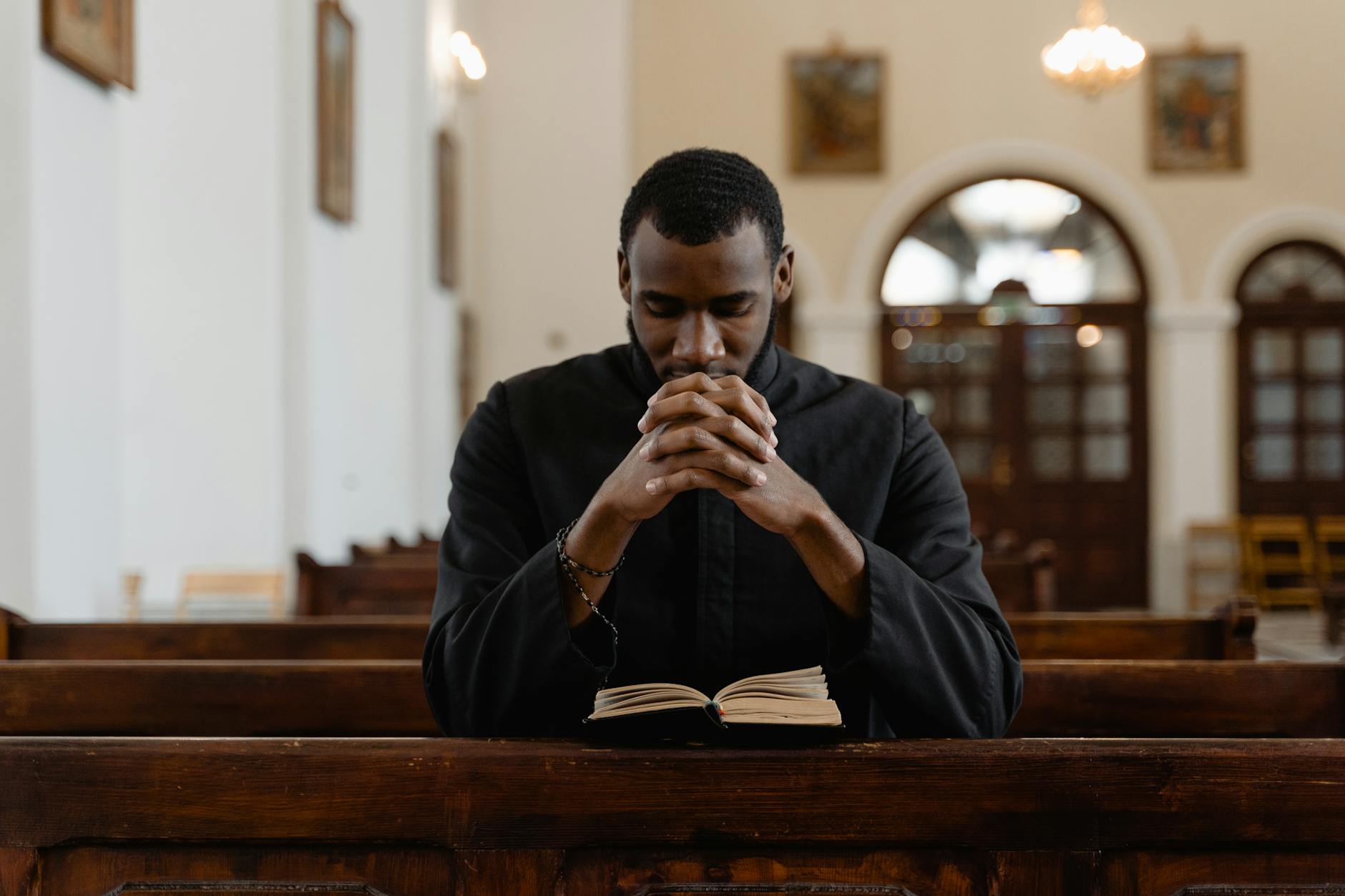
Prayer is a defining act that connects men to divine guidance, moral clarity, and spiritual authority. In a world where traditional masculine power is often measured by wealth, status, or physical prowess, prayer offers a transformative avenue for men to reclaim authentic authority rooted in humility, obedience, and purpose. Men Who Pray explores how spiritual disciplines restore leadership, integrity, and influence.
Historically, men in scripture exemplified spiritual authority through prayer. Figures such as Moses, David, and Solomon demonstrated that true leadership depends on communion with God rather than solely on human wisdom or strength (1 Samuel 12:23; 2 Chronicles 1:7–12, KJV). Prayer was both a tool and a testimony of divine empowerment.
Modern society often marginalizes men’s spiritual development. Cultural narratives emphasize independence and emotional stoicism, discouraging men from seeking divine counsel. This neglect undermines their ability to lead ethically in family, community, and professional spheres. Prayer serves as a corrective to these distortions, restoring alignment with God’s will.
Prayer cultivates humility, a hallmark of spiritual authority. Recognizing dependence on God fosters self-awareness and accountability. Men who pray acknowledge that ultimate power is God-given, not self-invented, allowing them to exercise influence responsibly and justly (Proverbs 3:5–6, KJV).
Intercessory prayer is a mechanism for communal leadership. Men who pray on behalf of families, communities, and nations demonstrate stewardship, empathy, and moral courage. Their spiritual advocacy nurtures social cohesion and inspires trust, reflecting the biblical mandate to shepherd and protect (James 5:16).
Consistent prayer shapes character and integrity. Daily spiritual discipline reinforces patience, self-control, and discernment. Men who commit to regular prayer internalize values that guide decisions, manage conflict, and uphold justice, strengthening both personal and societal moral frameworks.
Spiritual authority through prayer transcends hierarchical power. Unlike worldly dominance, divine authority is relational, ethical, and enduring. Men who cultivate this authority gain influence through respect, wisdom, and service, echoing the biblical principle that “the greatest among you shall be your servant” (Matthew 23:11, KJV).
Prayer combats moral and emotional vulnerability. Life’s pressures—temptation, stress, and adversity—challenge men’s integrity. Prayer provides guidance, fortification, and clarity, enabling men to navigate these trials without succumbing to destructive behaviors or compromised ethics (Psalm 5:11–12, KJV).
Mentorship and modeling are amplified through prayer. Men who prioritize spiritual practice serve as role models for younger generations, demonstrating that true strength emerges from faithfulness and obedience rather than aggression or coercion. This transmission of spiritual discipline preserves cultural and moral continuity.
Faith-driven leadership strengthens families. Fathers who pray cultivate homes grounded in moral clarity, spiritual resilience, and mutual respect. Children witness that authority is inseparable from accountability, compassion, and devotion, fostering well-rounded spiritual development (Ephesians 6:4, KJV).
Prayer also reinforces community engagement. Men who pray for societal welfare demonstrate active stewardship and ethical responsibility. This outward focus bridges personal spirituality with social action, reinforcing the biblical principle of love for neighbor and advocacy for justice (Micah 6:8, KJV).
The discipline of prayer enhances discernment. Through reflection and spiritual attunement, men learn to identify truth, avoid deception, and make decisions aligned with divine wisdom. This discernment underpins ethical leadership and strengthens relational trust.
Spiritual authority challenges destructive cultural norms of masculinity. Men who embrace prayer redefine strength, modeling courage, vulnerability, and ethical stewardship as complementary rather than opposing forces. This redefinition fosters healthier communities and family structures.
Prayer provides resilience against societal oppression. For men facing systemic injustice or marginalization, spiritual practice serves as a source of inner strength and hope. Biblical examples, such as Daniel and Joseph, demonstrate how prayer sustains moral integrity amidst adversity (Daniel 6:10, KJV).
Education on the power of prayer is essential. Teaching young men to integrate spiritual practice with daily life equips them to navigate modern challenges with integrity, purpose, and leadership grounded in faith rather than social approval or material gain.
Mental and emotional health benefit from prayer. Regular spiritual reflection fosters peace, emotional regulation, and clarity, countering stress, anger, or despair. Men who pray cultivate resilience, enabling them to lead without succumbing to personal turmoil (Philippians 4:6–7, KJV).
Corporate prayer—engaging with others in faith communities—strengthens relational bonds and collective purpose. Men who participate model collaboration, humility, and mutual support, reinforcing the social dimensions of spiritual authority.
Prayer aligns men with God’s covenant promises. Acknowledging divine guidance affirms identity, purpose, and destiny, anchoring men in a moral and spiritual framework that transcends temporal challenges (Jeremiah 29:11, KJV).
Consistency in prayer transforms character over time. Spiritual authority is not instantaneous but cultivated through persistent devotion, reflection, and obedience. Men who commit to this discipline demonstrate reliability, ethical fortitude, and lasting influence.
In conclusion, Men Who Pray illustrates that spiritual authority is reclaimed not through dominance, aggression, or societal expectation, but through prayer, humility, and faithful alignment with God. Men who embrace this path become builders of ethical families, communities, and legacies, embodying strength intertwined with spiritual wisdom and divine purpose.
References
The Holy Bible, King James Version. (n.d.). 1 Samuel 12:23; 2 Chronicles 1:7–12; Proverbs 3:5–6; James 5:16; Matthew 23:11; Psalm 5:11–12; Ephesians 6:4; Micah 6:8; Daniel 6:10; Philippians 4:6–7; Jeremiah 29:11. King James Bible Online. https://www.kingjamesbibleonline.org
Ferguson, R. A. (2019). The spiritual lives of African American men: Faith, family, and resilience. Routledge.
Pruett, K. (2017). Faithful fathers: The role of prayer and spirituality in fatherhood. Journal of Men’s Studies, 25(3), 310–326. https://doi.org/10.1177/1060826517720998
Watson, N. (2015). Masculinity and spirituality: Redefining strength through faith. Palgrave Macmillan.
 THE BROWN GIRL DILEMMA