
Tag Archives: meditation

Sacred Femininity: A Woman’s Becoming

This photograph is the property of its respective owner. No copyright infringement intended.

Sacred femininity is not merely an aesthetic—it is a divine revelation. It speaks of the eternal essence that God placed within woman when He formed her from man’s rib and breathed into her the breath of life (Genesis 2:21–23, KJV). This sacredness is not defined by worldly ideals but by divine purpose. It is the glory of creation’s balance, the embodiment of wisdom, compassion, and strength hidden in softness.

The becoming of a woman is both spiritual and ancestral. It is the long pilgrimage from brokenness to wholeness, from survival to sovereignty. For the Black woman, this journey carries generational echoes—cries from foremothers who birthed nations in chains yet sang freedom into existence. Her becoming is not a new story, but a continuation of an ancient one written on papyrus, in the sands of Kemet, and in the margins of a slave Bible.

To become sacred is to remember. The modern world has taught women to perform, to compete, and to commodify their beauty, yet sacred femininity calls her to return—to the Edenic origin where she was not objectified but ordained. She is not the temptation; she is the temple. Her beauty is not vanity—it is divinity made visible.

In a culture that profits from insecurity, sacred femininity is resistance. When a woman reclaims her worth beyond her body, she dismantles a billion-dollar industry of comparison and control. Her holiness becomes protest; her modesty becomes power. The act of self-love becomes an altar where she meets God.

The Black woman’s becoming cannot be divorced from the historical dehumanization of her image. From the Jezebel stereotype that sexualized her body to the Mammy caricature that muted her soul, she has had to rebuild her identity from ashes. Yet like the phoenix, she rises—clothed not in the garments of oppression but in the robe of righteousness (Isaiah 61:10, KJV).

Becoming sacred means understanding that pain has purpose. Every trial, heartbreak, and injustice becomes a teacher. Through tears, she learns the language of faith. Through struggle, she births endurance. Through silence, she finds her voice. The womb of womanhood is not only physical—it is spiritual, birthing dreams, nations, and legacies.

Sacred femininity is not submission to man—it is submission to God. When a woman walks in divine order, her power multiplies, not diminishes. Submission, in its biblical sense, is alignment—a woman aligned with God’s purpose becomes a mirror of His grace. Her femininity is not fragile; it is fortified by faith.

This becoming is also a healing—a spiritual reclamation of what was stolen. For centuries, the Black woman’s body was a battlefield, her womb exploited, her image distorted. But through divine awakening, she begins to see herself as God sees her: fearfully and wonderfully made (Psalm 139:14, KJV). Her melanin is no longer a mark of marginalization but a manifestation of majesty.

The sacred woman knows that beauty is both physical and metaphysical. Her glow is not from cosmetics but from consecration. Her elegance is not performed but possessed. Proverbs 31 describes her not as a passive figure but as an enterprising, wise, and fearless force—a woman whose value is far above rubies.

To become sacred is to unlearn survival and embrace sovereignty. Many women have learned to endure, but few have learned to reign. Sacred femininity teaches her to sit on her throne, not as an idol of vanity, but as a vessel of virtue. It is the spiritual homecoming of the daughter of Zion.

The woman’s becoming is deeply tied to her community. She is both nurturer and nation-builder. From Harriet Tubman guiding souls to freedom, to contemporary queens leading boardrooms and ministries, her divine assignment remains the same: to restore what was broken, to heal what was wounded, and to give life where death was declared.

Sacred femininity also redefines strength. It is not the hardness that the world celebrates but the softness that sustains. It is the ability to forgive without forgetting, to love without losing oneself, and to stand without shouting. Strength, in its purest form, is sanctified gentleness.

Her becoming is also prophetic. Each generation of women births a new revelation of what it means to walk in God’s image. Eve introduced life, Ruth embodied loyalty, Esther demonstrated courage, Mary carried divinity, and today’s woman carries their collective anointing—an inheritance of faith and fire.

In the modern age, sacred femininity stands as a rebuke to artificial empowerment. The world tells women that power is found in dominance and detachment, but the sacred woman knows that true power flows from humility, holiness, and harmony. Her authority is not granted by man but ordained by heaven.

For Black women, this sacred identity also means rejecting colorism, texturism, and the colonial beauty codes that fractured sisterhood. Each shade of melanin, each curl pattern, each ancestral feature reflects a facet of God’s creative genius. Her hair is her crown; her complexion, her covenant.

Sacred femininity restores balance between the masculine and feminine principles of creation. It honors the divine order in relationships, family, and leadership—without erasing individuality or equality. It calls men and women to walk in spiritual unity, where love becomes leadership and service becomes strength.

The woman’s becoming is both internal and eternal. It is a daily practice of prayer, purpose, and purification. She must shed the old self like snakeskin—ego, shame, and fear—to step into her divine assignment. In doing so, she becomes both priestess and prophet of her destiny.

Sacred femininity is also communal; it cannot thrive in isolation. Women heal when they gather—when sisters speak life into one another instead of competing for validation. The circle of sisterhood is an altar where collective healing takes place, a sacred echo of the matriarchal wisdom that once guided nations.

Ultimately, A Woman’s Becoming is not a final arrival but an eternal evolution. To become sacred is to live in constant renewal—to be water and fire, gentle yet unyielding. Every season of her life, from maiden to matriarch, reveals a deeper reflection of God’s glory within her.

In her becoming, she learns that holiness is not perfection but presence—the awareness of God within her. She is both the daughter and the dwelling place, the reflection and the revelation. And when she finally sees herself through divine eyes, she becomes what she was always meant to be: sacred, sovereign, and whole.


References

  • The Holy Bible, King James Version. (n.d.).
  • hooks, b. (2000). All About Love: New Visions. William Morrow.
  • Cooper, B. C. (2018). Eloquent Rage: A Black Feminist Discovers Her Superpower. St. Martin’s Press.
  • Lorde, A. (1984). Sister Outsider: Essays and Speeches. Crossing Press.
  • Walker, A. (1983). In Search of Our Mothers’ Gardens: Womanist Prose. Harcourt.
  • Collins, P. H. (2000). Black Feminist Thought: Knowledge, Consciousness, and the Politics of Empowerment. Routledge.

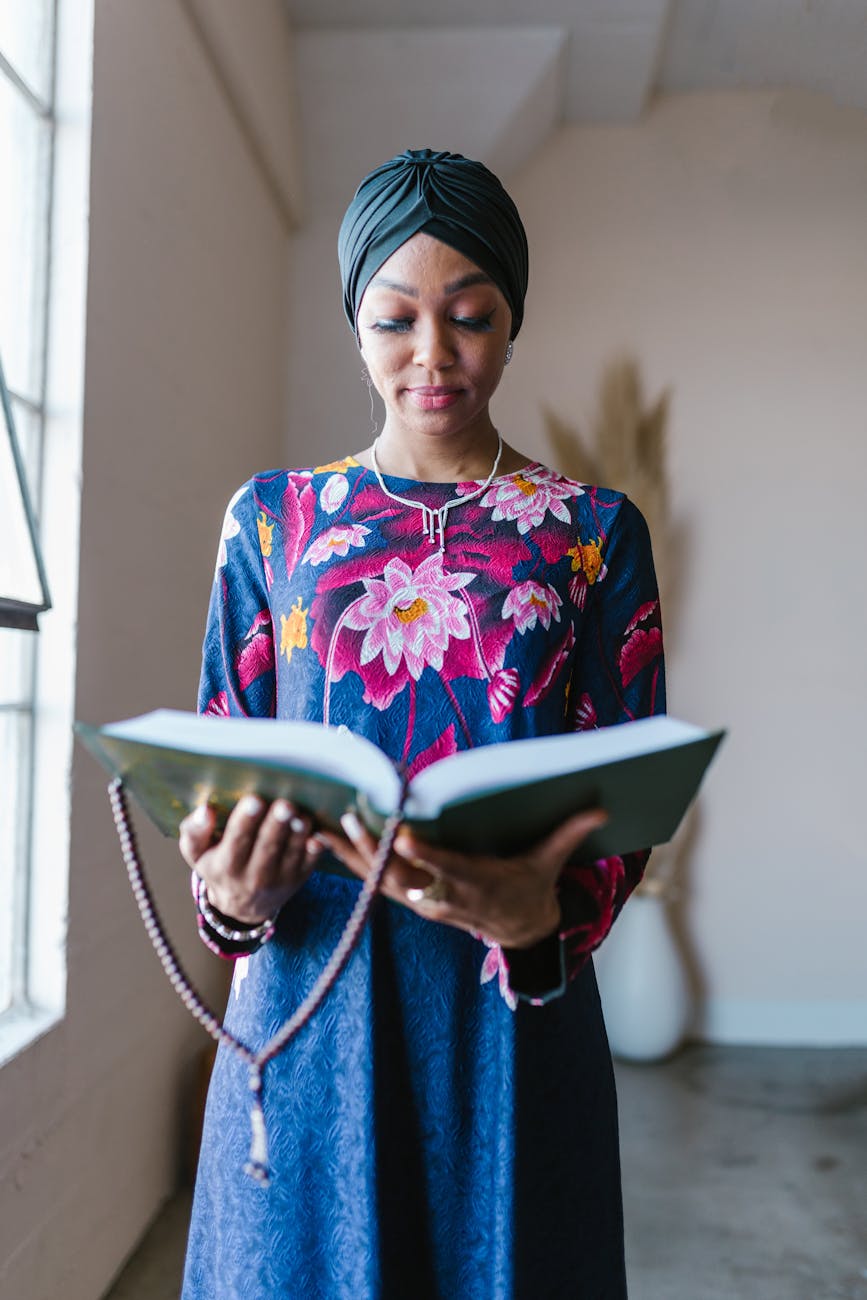
Brown Girl Blueprint: Beauty, Brilliance & Becoming

The journey of a brown girl is one of discovery, resilience, and transformation. Beauty, Brilliance & Becoming reflects the multidimensional essence of her identity—honoring her physical presence, cultivating her intellect, and stepping into her God-given purpose. This blueprint is not merely a guide for success; it is a roadmap to self-realization, confidence, and divine alignment.

Beauty for the brown girl transcends skin tone or societal standards. It encompasses authenticity, self-love, and the embrace of natural features that reflect her heritage. In a world that often equates beauty with Eurocentric ideals, embracing melanin-rich skin, natural hair textures, and unique features becomes an act of reclamation and empowerment. Psalm 139:14 (KJV) reminds her: “I will praise thee; for I am fearfully and wonderfully made.” True beauty begins with recognition of divine design.

Brilliance is the cultivation of the mind, talents, and wisdom. Intellectual growth, creativity, and problem-solving are forms of empowerment that equip the brown girl to navigate life’s challenges. Proverbs 4:7 (KJV) exhorts: “Wisdom is the principal thing; therefore get wisdom: and with all thy getting get understanding.” Brilliance is nurtured through education, mentorship, and deliberate pursuit of excellence.

Becoming is the ongoing process of fulfilling potential. It is the journey of self-discovery, character development, and spiritual alignment. Becoming requires courage—the courage to defy limiting narratives, overcome systemic barriers, and step into spaces where her voice and vision are recognized. Jeremiah 29:11 (KJV) promises: “For I know the thoughts that I think toward you, saith the LORD, thoughts of peace, and not of evil, to give you an expected end.”

The brown girl blueprint encourages intentionality in all aspects of life. It emphasizes self-care, emotional intelligence, and spiritual grounding. By prioritizing mental and physical wellness, she strengthens her ability to contribute meaningfully to her family, community, and world.

Identity is a foundational pillar. Recognizing the value of her ancestry, culture, and heritage empowers the brown girl to stand with confidence in spaces that may not always affirm her worth. Historical context, from African civilizations to modern Black excellence, forms a legacy of resilience and brilliance to be honored and advanced.

Self-expression is also central to this blueprint. Fashion, hair, art, and communication serve as tools for authenticity, creativity, and empowerment. Celebrating individuality fosters confidence and challenges societal stereotypes, allowing the brown girl to claim her narrative.

Relationships shape growth and influence. Surrounding oneself with mentors, peers, and spiritual guides who affirm values, vision, and purpose cultivates an environment where brilliance can flourish. Proverbs 27:17 (KJV) reminds us: “Iron sharpeneth iron; so a man sharpeneth the countenance of his friend.” The right community catalyzes development and accountability.

Education and skill-building are pathways to empowerment. From formal schooling to personal development, knowledge equips the brown girl to navigate systemic challenges and seize opportunities. Intellectual empowerment is inseparable from confidence and spiritual alignment.

Financial literacy and independence are essential components of becoming. Mastery over resources ensures autonomy, reduces vulnerability, and enables her to support herself and her community responsibly. Proverbs 21:20 (KJV) emphasizes prudence: “There is treasure to be desired and oil in the dwelling of the wise; but a foolish man spendeth it up.”

Faith is the anchor of the brown girl blueprint. Spiritual grounding provides clarity, perseverance, and discernment. Prayer, meditation, and alignment with God’s purpose shape decision-making and fortify resilience. Isaiah 40:31 (KJV) promises: “But they that wait upon the LORD shall renew their strength; they shall mount up with wings as eagles; they shall run, and not be weary; and they shall walk, and not faint.”

Resilience is cultivated through embracing challenges as opportunities for growth. Life’s trials refine character, deepen faith, and enhance wisdom. Every setback becomes a stepping stone toward fulfillment and impact.

Self-confidence grows from acknowledging accomplishments, strengths, and potential. The brown girl is encouraged to celebrate victories, however small, as evidence of her brilliance and progression toward purpose.

Leadership is an extension of becoming. Empowered brown girls are equipped to lead with integrity, compassion, and vision. Influence is exercised responsibly, shaping communities and mentoring future generations.

Creativity fuels innovation and personal expression. Art, music, writing, and entrepreneurship allow the brown girl to channel brilliance into tangible contributions that leave lasting impact.

Service and community engagement solidify purpose. Using talents, resources, and knowledge to uplift others reinforces the values of compassion, justice, and stewardship. Strength is measured not only in personal success but in the ability to positively influence the world.

Reflection and self-assessment ensure continuous growth. Regular evaluation of personal goals, values, and spiritual alignment keeps the brown girl on track toward fulfilling her blueprint with intentionality.

Courage underpins every step of the journey. Fear of failure, judgment, or limitation is overcome through faith, resilience, and self-belief. Courage transforms potential into achievement and vision into reality.

Gratitude and humility balance ambition. Recognizing God’s hand, mentors’ support, and ancestral legacy fosters perspective, grounding the brown girl in values that honor both self and community.

Ultimately, Brown Girl Blueprint: Beauty, Brilliance & Becoming is a call to action and a framework for intentional living. It empowers young women to embrace their identity, cultivate their gifts, and step boldly into destiny. Beauty is acknowledged, brilliance is developed, and becoming is actualized—a holistic journey toward purpose, empowerment, and divine fulfillment.


References

Holy Bible, King James Version. (1611). Thomas Nelson.

Guthrie, D. (1994). The NIV application commentary: Proverbs. Grand Rapids, MI: Zondervan.

Wright, C. J. H. (2002). Old Testament ethics for the people of God. Downers Grove, IL: InterVarsity Press.

Rooks, N. (2021). Hair politics: Beauty, culture, and Black identity. New York, NY: Beacon Press.

Harris, T. (2019). Black girls rising: A roadmap to excellence and empowerment. Chicago, IL: University of Chicago Press.

Prayer, Meditation, and Personal Growth

Photo by RDNE Stock project on Pexels.com

Prayer, meditation, and personal growth are interconnected disciplines that nurture spiritual, emotional, and mental well-being. For believers, these practices are not merely exercises in self-reflection but acts of devotion that align the soul with the will of God. Rooted in Scripture, prayer and meditation on God’s Word provide guidance, strength, and wisdom, fostering growth in character and faith.

Prayer is the foundational channel of communication with God. Philippians 4:6-7 (KJV) exhorts, “Be careful for nothing; but in every thing by prayer and supplication with thanksgiving let your requests be made known unto God. And the peace of God, which passeth all understanding, shall keep your hearts and minds through Christ Jesus.” Through prayer, believers express gratitude, seek guidance, and intercede for themselves and others, cultivating humility and reliance on God’s providence.

Meditation, particularly on Scripture, deepens understanding and internalization of God’s Word. Psalm 1:2-3 (KJV) states, “But his delight is in the law of the Lord; and in his law doth he meditate day and night. And he shall be like a tree planted by the rivers of water, that bringeth forth his fruit in his season; his leaf also shall not wither; and whatsoever he doeth shall prosper.” Regular meditation on biblical truths transforms the mind, guiding decisions, shaping character, and fostering spiritual discernment.

Personal growth in God involves applying principles of prayer and meditation to daily life. Romans 12:2 (KJV) commands, “And be not conformed to this world: but be ye transformed by the renewing of your mind, that ye may prove what is that good, and acceptable, and perfect, will of God.” By allowing God’s Word to renew the mind, believers develop virtues such as patience, humility, wisdom, and self-discipline, advancing toward spiritual maturity.

Daily Prayer and Meditation Practices for Personal Growth in God

  1. Start the Day with Scripture and Prayer
    Begin each morning by reading a short passage of the Bible and offering a prayer of gratitude and guidance. Psalm 5:3 (KJV) says, “My voice shalt thou hear in the morning, O Lord; in the morning will I direct my prayer unto thee, and will look up.” This sets the tone for a day anchored in God’s Word.
  2. Meditate on a Single Verse
    Choose one verse each day to meditate on. Reflect on its meaning, how it applies to your life, and ways to embody it in actions. Psalm 119:15 (KJV) encourages, “I will meditate in thy precepts, and have respect unto thy ways.” Focusing on one verse deepens understanding and personal application.
  3. Journaling Your Prayers and Insights
    Write down your prayers, reflections, and spiritual insights daily. Habakkuk 2:2 (KJV) instructs, “Write the vision, and make it plain upon tables, that he may run that readeth it.” Journaling provides clarity, tracks growth, and strengthens faith over time.
  4. Incorporate Short Prayer Breaks
    Take brief moments throughout the day to reconnect with God through silent prayer or thanksgiving. 1 Thessalonians 5:17 (KJV) states, “Pray without ceasing.” These pauses maintain spiritual focus and reduce stress.
  5. Reflect on Personal Growth Areas
    Use meditation to assess areas of personal development—patience, humility, kindness, or faithfulness. Romans 12:2 (KJV) reminds believers to renew the mind for transformation. Self-reflection aligned with Scripture encourages growth in character and spiritual maturity.
  6. Evening Reflection and Gratitude
    Before bed, review your day, noting moments where you lived in alignment with God’s Word or areas needing improvement. 1 Chronicles 16:11 (KJV) urges, “Seek the Lord and his strength, seek his face continually.” Evening reflection reinforces accountability and spiritual awareness.
  7. Memorize Scripture for Meditation
    Memorization strengthens internalization of God’s Word. Psalm 119:11 (KJV) declares, “Thy word have I hid in mine heart, that I might not sin against thee.” Reciting verses throughout the day reminds believers of God’s promises and guidance.
  8. Integrate Worship and Praise
    Combine meditation with worship through music or spoken praise. Psalm 100:2 (KJV) encourages, “Serve the Lord with gladness: come before his presence with singing.” Worship uplifts the spirit and deepens connection to God.
  9. Seek Community Support
    Participate in prayer groups or Bible study. Fellowship strengthens understanding and provides accountability. Ecclesiastes 4:9-10 (KJV) highlights the value of mutual support, “Two are better than one; because they have a good reward for their labour.”
  10. Set Spiritual Goals
    Identify goals for spiritual growth—memorizing verses, daily prayer consistency, or acts of service. 2 Peter 1:5-7 (KJV) encourages adding virtue to knowledge, self-control, patience, and godliness, cultivating a life of continuous improvement and Christlike character.

By incorporating these daily practices, believers foster personal growth grounded in prayer, meditation, and Scripture. These habits build resilience, clarity, and a deeper relationship with God, empowering individuals to live purposefully and faithfully.

Consistency is key in both prayer and meditation. Daily engagement with God’s Word and intentional prayer strengthen faith and resilience. Joshua 1:8 (KJV) emphasizes, “This book of the law shall not depart out of thy mouth; but thou shalt meditate therein day and night, that thou mayest observe to do according to all that is written therein: for then thou shalt make thy way prosperous, and then thou shalt have good success.” Persistent practice ensures growth, stability, and alignment with God’s purpose.

Personal growth is also reflected in ethical living and service to others. Galatians 5:22-23 (KJV) outlines the fruits of the Spirit—love, joy, peace, longsuffering, gentleness, goodness, faith, meekness, temperance—which develop through prayerful meditation and obedience. These qualities shape character and influence interactions, enhancing personal and communal well-being.

Journaling or reflective writing can supplement meditation, helping believers document insights, prayers, and spiritual breakthroughs. Habakkuk 2:2 (KJV) advises, “And the Lord answered me, and said, Write the vision, and make it plain upon tables, that he may run that readeth it.” Recording spiritual reflections reinforces understanding and encourages continued growth.

Prayer and meditation also foster emotional health. Philippians 4:13 (KJV) declares, “I can do all things through Christ which strengtheneth me.” Engaging in these practices reduces anxiety, builds resilience, and strengthens the ability to navigate life’s challenges with faith and confidence.

Community support enhances personal growth as well. Praying with others, studying Scripture in fellowship, and discussing spiritual insights fosters accountability and encouragement, aligning with Ecclesiastes 4:9-10 (KJV), “Two are better than one; because they have a good reward for their labour. For if they fall, the one will lift up his fellow…”

Finally, integrating prayer, meditation, and personal growth into daily life produces holistic transformation. Believers are empowered to act with integrity, pursue purpose, and cultivate spiritual fruit, embodying the teachings of Christ in thought, word, and deed. As Psalm 119:105 (KJV) affirms, “Thy word is a lamp unto my feet, and a light unto my path,” God’s Word illuminates the way for continual growth and spiritual maturity.


References

  1. Holy Bible, King James Version (KJV).
  2. Philippians 4:6-7 (KJV).
  3. Psalm 1:2-3 (KJV).
  4. Romans 12:2 (KJV).
  5. Joshua 1:8 (KJV).
  6. Galatians 5:22-23 (KJV).
  7. Habakkuk 2:2 (KJV).
  8. Philippians 4:13 (KJV).
  9. Ecclesiastes 4:9-10 (KJV).
  10. Psalm 119:105 (KJV).

Narcissism Series: Narcissistic Pseudo-Spirituality.

Photo by yugdas manandhar on Pexels.com

In an age where self-love, manifestation, and “energy alignment” dominate digital discourse, spirituality has increasingly become intertwined with narcissistic ideology. Narcissistic pseudo-spirituality refers to the performative and self-centered use of spiritual language and practices to elevate one’s ego rather than foster humility, compassion, or divine connection. The modern self-help movement, influenced by individualism and consumerism, often distorts sacred wisdom into tools for self-aggrandizement. This phenomenon reflects what psychologists term spiritual bypassing—using spirituality to avoid confronting one’s ego, wounds, or moral responsibility (Masters, 2010).

At its core, pseudo-spiritual narcissism masks itself as enlightenment. It cloaks self-worship in affirmations of “self-awareness” and “divine energy.” Rather than true humility before the Creator, it promotes the self as god-like—an ultimate authority of truth and morality. This distortion is not new; scriptural warnings against “false prophets” and “wolves in sheep’s clothing” (Matthew 7:15, KJV) reveal that even in ancient times, spiritual manipulation was a tool for self-exaltation. The contemporary expression of this deception has found a fertile home in social media, where attention functions as a modern currency of divinity.

Psychologically, narcissistic pseudo-spirituality fulfills the ego’s craving for validation under the guise of enlightenment. The narcissist’s grandiose self-concept seeks constant affirmation, and spirituality becomes another arena for self-display. Phrases like “I’m vibrating too high for you” or “You’re just not on my frequency” reveal how spiritual elitism replaces empathy and accountability with superiority. According to Campbell and Miller (2011), narcissistic individuals reinterpret interpersonal and moral experiences to maintain self-importance and avoid vulnerability. Spiritual language simply provides a convenient justification.

This phenomenon is particularly visible in influencer culture, where “gurus” market spiritual products, courses, or rituals as pathways to transcendence. Instead of emphasizing surrender or repentance, they promise success, beauty, and abundance. Thus, pseudo-spirituality commodifies transcendence into lifestyle aesthetics. As Fromm (1976) argued, modern capitalism transforms even spiritual pursuits into commodities to be consumed rather than internalized. The narcissist thrives in this context, where self-promotion masquerades as sacred wisdom.

In contrast, authentic spirituality centers on humility, service, and alignment with transcendent truth. The narcissistic counterfeit reverses this order—making the self the center of worship. The biblical model of humility, demonstrated by Christ washing the feet of His disciples (John 13:5, KJV), is antithetical to the performative spirituality that seeks followers, likes, or fame. The narcissistic spiritualist cannot grasp true surrender, for surrender implies the dissolution of the false self that narcissism depends upon.

Social media platforms like Instagram and TikTok have amplified the visibility of spiritual narcissism. Through polished aesthetics and poetic affirmations, influencers project an image of “divine perfection” that often belies inner emptiness. Lasch (1979) foresaw this cultural shift, describing the “culture of narcissism” as one in which individuals perform their identities for validation. In the digital temple of self-image, spirituality becomes another brand—curated, commodified, and devoid of accountability.

Spiritually, this pseudo-enlightenment represents a counterfeit awakening. It borrows sacred language—“light,” “vibration,” “manifestation,” “awakening”—but severs them from moral and divine context. The self becomes both priest and god. Such distortions align with ancient warnings: “professing themselves to be wise, they became fools” (Romans 1:22, KJV). The narcissist’s enlightenment is intellectual but not transformative; it lacks repentance and reverence.

Pseudo-spiritual narcissism also exploits vulnerability. Many seekers, disillusioned by organized religion, turn to spirituality for healing and identity. Narcissistic leaders prey on this hunger, offering emotional intimacy while subtly cultivating dependency. Studies on spiritual abuse reveal patterns of manipulation, gaslighting, and exploitation under the guise of divine authority (Ward, 2011). The narcissist thrives where boundaries blur between spiritual guidance and personal control.

At a societal level, this trend reflects the merging of secular individualism and spiritual relativism. Postmodern thought dismantled absolute truth, making every belief a matter of personal perspective. While this allows for diversity of thought, it also opens the door for narcissistic self-deification. When truth becomes subjective, the narcissist’s self-perception faces no challenge. As McAdams and Pals (2006) note, narcissists construct grand narratives to sustain coherence in their inflated identities. Spiritual language becomes one such narrative framework.

In gender dynamics, narcissistic pseudo-spirituality often manifests differently. Male spiritual narcissists may present as prophetic or visionary figures, commanding loyalty through charisma and authority. Female counterparts often embody the “divine feminine” archetype, using sensuality and self-worship to symbolize empowerment. While empowerment itself is not problematic, its distortion into self-idolatry echoes Isaiah’s lament: “For thou hast said in thine heart, I will ascend into heaven… I will be like the Most High” (Isaiah 14:13–14, KJV).

The emotional tone of pseudo-spiritual narcissism is often one of detachment masked as peace. It claims transcendence while avoiding emotional intimacy. True spiritual maturity, however, embraces both love and accountability. Narcissistic spirituality lacks empathy; it recycles spiritual jargon without genuine compassion. According to Pargament (1997), authentic spirituality promotes connection—to others, to the divine, and to moral purpose. Narcissism severs these connections, isolating the self in its own illusion of divinity.

There is also a racial and cultural dimension to consider. In Black and diasporic communities, where spirituality has long been tied to resistance and healing, pseudo-spiritual narcissism can distort ancestral practices into self-serving spectacle. The ancestral altar becomes a fashion accessory; traditional rituals are repackaged for clout. This commodification dilutes sacred heritage, replacing communal faith with performative identity. True spirituality in these contexts historically aimed toward liberation and collective empowerment, not self-promotion.

Biblically, narcissistic pseudo-spirituality is a form of idolatry—the worship of self as god. This mirrors the sin of Lucifer, who sought glory that belonged to the Creator alone. Paul’s warning to Timothy captures the essence of this age: “For men shall be lovers of their own selves… having a form of godliness, but denying the power thereof” (2 Timothy 3:2, 5, KJV). The form of godliness is maintained through language, crystals, and candles, yet the power of transformation—repentance, humility, obedience—is absent.

Psychologically, narcissistic pseudo-spirituality can lead to cognitive dissonance and spiritual burnout. Because the individual’s sense of enlightenment is externally validated, any criticism or doubt threatens their fragile identity. This leads to defensiveness, projection, or spiritual gaslighting (“you’re just not awakened enough to understand”). As Ellis (2020) observes, this cycle creates a feedback loop where narcissists reinterpret failure or conflict as proof of their higher consciousness.

Healing from this distortion requires confronting the ego’s shadow. Jung (1959) taught that individuation—the integration of the shadow self—is essential for authentic spiritual growth. The narcissist resists this process, as it demands vulnerability and humility. Only through confronting one’s flaws can the spirit evolve beyond illusion. The pseudo-spiritual narcissist, however, denies imperfection, mistaking image for essence.

True spirituality involves death of the ego—a concept echoed in multiple traditions. In Christianity, it is the call to “die daily” (1 Corinthians 15:31, KJV). In psychology, it is the transcendence of the false self. The narcissistic counterfeit, however, glorifies the ego while pretending to transcend it. This paradox creates an illusion of progress without transformation. Spiritual symbols become costumes, and enlightenment becomes performance.

In communities of faith, discernment is critical. Believers are urged to “test the spirits” (1 John 4:1, KJV), discerning authenticity from deception. Not all who speak of love, light, or awakening are aligned with truth. The mark of true spirituality is humility, service, and fruitfulness. As Christ taught, “Ye shall know them by their fruits” (Matthew 7:16, KJV). The fruits of narcissistic pseudo-spirituality are division, pride, and confusion.

Educators, counselors, and clergy must recognize this dynamic in spiritual communities and therapeutic spaces. Integrating psychology and theology allows for holistic discernment of authentic growth versus narcissistic inflation. Interventions must balance empathy with accountability, guiding individuals from illusion toward self-awareness and moral responsibility (Miller & Campbell, 2008).

Ultimately, the antidote to narcissistic pseudo-spirituality is surrender—an act the narcissistic self fears most. Surrender acknowledges that enlightenment does not originate from the self but from divine grace. The path of humility restores balance to the spirit, dismantling the illusion of self-deification. Only by emptying oneself of pride can true spiritual fullness emerge. As Christ declared, “He that humbleth himself shall be exalted” (Luke 14:11, KJV).

In the end, pseudo-spiritual narcissism reveals both the hunger and the distortion of the modern soul. It seeks transcendence but fears submission. The journey back to truth begins with the simple act of remembering that spirituality is not about becoming gods but becoming whole through God. The mirror of narcissism must shatter for the spirit to see clearly.


References

Campbell, W. K., & Miller, J. D. (2011). The handbook of narcissism and narcissistic personality disorder: Theoretical approaches, empirical findings, and treatments. Wiley.
Ellis, A. (2020). Ego and enlightenment: The paradox of spiritual narcissism. Journal of Transpersonal Psychology, 52(1), 45–59.
Fromm, E. (1976). To have or to be? Harper & Row.
Jung, C. G. (1959). Aion: Researches into the phenomenology of the self. Princeton University Press.
Lasch, C. (1979). The culture of narcissism: American life in an age of diminishing expectations. Norton.
Masters, R. A. (2010). Spiritual bypassing: When spirituality disconnects us from what really matters. North Atlantic Books.
McAdams, D. P., & Pals, J. L. (2006). A new Big Five: Fundamental principles for an integrative science of personality. American Psychologist, 61(3), 204–217.
Miller, J. D., & Campbell, W. K. (2008). Comparing clinical and social-personality conceptualizations of narcissism. Journal of Personality, 76(3), 449–476.
Pargament, K. I. (1997). The psychology of religion and coping: Theory, research, practice. Guilford Press.
Ward, T. (2011). The subtle power of spiritual abuse. Bethany House.