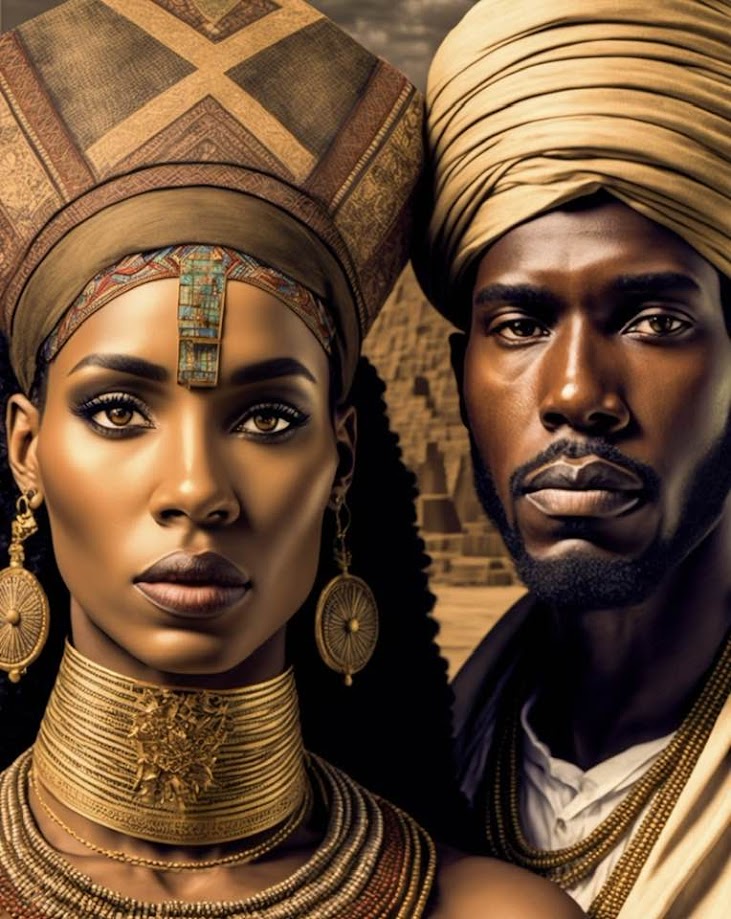
Tag Archives: marriage

Girl Talk Series: No Ring. No Rush. Just Purpose.

Photo by Bave Pictures on Pexels.com

Ladies, let’s have some real talk. I know waiting isn’t easy. You’ve prayed, cried, fasted, and wondered when your Boaz—your king—will come. You’ve watched others walk down the aisle, and sometimes that quiet ache whispers, “When will it be my turn?” But hear me when I say this: your wait is not wasted. The Most High is not ignoring you; He’s preparing you. While you’re waiting for him, God is shaping you into the woman who will be ready to stand beside the man He has chosen for you.

This season is not punishment—it’s preparation. Every prayer, every tear, every moment of solitude is building your spiritual strength, emotional stability, and godly wisdom. Ruth didn’t chase Boaz; she was found walking purposefully, faithful in her field. And in due time, the right man noticed the right woman, because divine timing always reveals divine pairing.

You don’t have to rush what God is still writing. Let Him be the Author of your love story. A real king doesn’t need to be chased—he’ll recognize a queen when he sees one who walks with grace, humility, and holiness. So use this time to fall deeper in love with the Most High. Strengthen your relationship with Him first, because the more you know your Creator, the clearer you’ll see your destiny.

So to every woman waiting on her Boaz: keep serving, keep praying, keep becoming. Your purpose will prepare you for the promise. And when the time is right, the man God designed for you will find you—not because you were looking, but because you were ready.

There’s a quiet strength in a woman who refuses to settle. Society often pressures women to define their worth by marital status—whether she’s single, engaged, or married—but God’s Word paints a much broader, richer picture of purpose. The phrase “No Ring. No Rush. Just Purpose.” is not an anthem of bitterness or independence detached from faith; it’s a declaration of alignment with divine timing. Proverbs 18:22 reminds us, “Whoso findeth a wife findeth a good thing, and obtaineth favour of the Lord” (KJV). Notice the verse doesn’t say a woman finds a husband—it says he finds her. That distinction matters because God designed the pursuit of marriage to be purposeful, not pressured.

Marriage, in God’s plan, was never meant to be a social achievement or a cure for loneliness. It was created as a covenant that reflects His relationship with His people (Ephesians 5:25–32). Adam did not go searching for Eve; God presented her at the right moment. The Lord saw that “it is not good that the man should be alone” (Genesis 2:18, KJV) and then fashioned Eve with intent and timing. She didn’t rush the process; she was formed in purpose.

When a woman understands this divine order, she learns that her season of singleness is not a punishment but preparation. Too many rush into relationships to fill emotional voids that only God can heal. Scripture teaches, “But seek ye first the kingdom of God, and his righteousness; and all these things shall be added unto you” (Matthew 6:33, KJV). Seeking purpose before partnership ensures that love becomes a ministry, not merely a moment.

A man who truly seeks God will also seek a wife according to divine principles. He’s not looking for perfection but for purpose alignment. A “wife” in Proverbs 18:22 is not just a woman with a title; she is a woman already walking in her calling. When she is discovered, she becomes a “good thing” because her presence adds favor, balance, and spiritual partnership to a man’s life.

Many women feel the ticking clock of time and the sting of comparison, especially when friends marry or family members ask, “When is it your turn?” Yet, Scripture gently reminds us, “To every thing there is a season, and a time to every purpose under the heaven” (Ecclesiastes 3:1, KJV). Purpose-driven waiting produces wisdom, patience, and discernment—qualities necessary for sustaining a godly marriage.

God’s plan for marriage is rooted in covenant, not convenience. It’s a sacred union meant to glorify Him, reproduce godly offspring, and model unconditional love (Malachi 2:15). When people marry for reasons other than purpose—lust, status, fear, or loneliness—they often reap turmoil instead of peace. Marriage is a mirror of Christ’s love for the Church, demanding sacrifice, forgiveness, and endurance.

Waiting in purpose also means understanding identity. Before Eve was given to Adam, she knew who she was—a creation made in God’s image. Modern women must reclaim that same confidence. Knowing your worth in Christ eliminates the need to chase validation through romance. As Psalm 139:14 says, “I will praise thee; for I am fearfully and wonderfully made.”

A woman rooted in purpose attracts a man who values purpose. The one God sends will not be confused or inconsistent; he will recognize divine favor when he sees it. Ruth didn’t chase Boaz—she simply worked faithfully in the field God placed her in. When Boaz saw her diligence and character, he moved intentionally. Purpose positioned her for partnership.

For men, the call to find a wife is not about possession but stewardship. To “find” means to discern what God has already ordained. A husband’s role is to love as Christ loved the Church (Ephesians 5:25), leading with humility and honor. A godly woman doesn’t need to rush into submission to the wrong man; she waits for one who follows Christ first.

Marriage under God’s design carries three primary purposes: companionship, reproduction, and reflection of His image. Genesis 1:27–28 confirms that humanity was created male and female to be fruitful and multiply—not just physically, but spiritually and emotionally. Their union was to reflect divine oneness and harmony.

When purpose governs your love life, desperation diminishes. Many failed marriages today result from skipping the season of spiritual preparation. Just as a house built on sand cannot withstand storms, a relationship built without God’s foundation will eventually collapse (Matthew 7:24–27). Purpose ensures your house stands firm.

Women of faith must learn to see singleness as sacred space. It’s the season where God refines your patience, strengthens your faith, and shapes your discernment. Proverbs 31 describes a virtuous woman as one who is clothed in strength and honor—not anxiety or fear. Her virtue shines long before her vows.

The purpose of marriage is not to complete you but to complement you. God never intended for two broken people to fix each other; He designed for two whole people to fulfill a shared mission. Wholeness before union ensures that love flows from overflow, not emptiness.

Purpose-driven love also brings clarity. It teaches that attraction alone cannot sustain a marriage—character does. Physical beauty fades, but integrity, kindness, and spiritual maturity endure. As Proverbs 31:30 (KJV) says, “Favour is deceitful, and beauty is vain: but a woman that feareth the Lord, she shall be praised.”

In God’s time, waiting transforms into witnessing. When you surrender your timeline to Him, He orchestrates divine introductions. Every disappointment, delay, and detour becomes a stepping stone toward destiny. Romans 8:28 promises that “all things work together for good to them that love God.”

A man that findeth a wife finds purpose alongside her. Together, they walk in unity, reflecting God’s covenant love. Their marriage becomes ministry—a living testimony of faith, endurance, and obedience. Marriage is not the goal; purpose is. The goal is to glorify God through whatever season you’re in.

For the woman still waiting, remember: no ring can validate what God already ordained. Rings represent covenant, but purpose represents calling. When you walk in calling, covenant will follow. God doesn’t delay; He prepares.

To rush ahead of purpose is to risk pain that could have been avoided. True love doesn’t fear waiting—it embraces it. Love rooted in Christ is patient, kind, and enduring (1 Corinthians 13:4–8). A purposeful woman knows that the right man won’t rush her—he’ll recognize her as part of God’s plan.

In conclusion, “No Ring. No Rush. Just Purpose.” is not just a phrase; it’s a lifestyle of faith, focus, and fulfillment. Let God write your love story. Wait with wisdom, walk in purpose, and watch Him exceed your expectations. As Isaiah 60:22 reminds us, “When the time is right, I, the Lord, will make it happen.”


References (KJV):

  • Proverbs 18:22
  • Genesis 2:18–24
  • Ephesians 5:25–32
  • Matthew 6:33
  • Ecclesiastes 3:1
  • Malachi 2:15
  • Psalm 139:14
  • Proverbs 31:10–31
  • Romans 8:28
  • 1 Corinthians 13:4–8
  • Isaiah 60:22

The Things God Will Show You When You’ve Met the Right One for Marriage.

Photo by JOSEPH ANDREW on Pexels.com

Marriage, as designed by God, is not merely a human contract but a divine covenant. When you have encountered the person ordained for you, the Spirit of God will bear witness in ways that go beyond physical attraction or worldly standards. The right partner will not draw you away from God but instead inspire you to move closer to Him, deepening your walk and strengthening your faith. As the Scripture says, “Be ye not unequally yoked together with unbelievers: for what fellowship hath righteousness with unrighteousness? and what communion hath light with darkness?” (2 Corinthians 6:14, KJV). The right one will carry a light that harmonizes with your own, compelling you to live holier, love deeper, and serve God more faithfully.

One of the most important confirmations that you have met the right one for marriage is that they compel you to move closer to God rather than pull you away. The right partner is not a distraction from your walk with Christ, but instead, a vessel that leads you deeper into prayer, worship, and obedience. As Amos 3:3 (KJV) says, “Can two walk together, except they be agreed?” A godly marriage begins with two individuals aligned in faith and purpose.

One of the first things God reveals is that the right person will never be a distraction from Him. True love does not compete with God’s presence—it magnifies it. In fact, the right one will join you in prayer, worship, and devotion, reminding you of Christ’s command: “But seek ye first the kingdom of God, and his righteousness; and all these things shall be added unto you” (Matthew 6:33, KJV). If a relationship consistently pulls you away from church, prayer, or Scripture, it is not the kind ordained by God.

Your spirit will also recognize them before your flesh does. Spiritual discernment often precedes emotional or physical confirmation. In the story of Mary and Elizabeth, the unborn child leapt in Elizabeth’s womb when Mary greeted her (Luke 1:41, KJV). In the same way, your spirit may respond with peace, joy, or confirmation from the Holy Ghost when you meet the one destined for you.

Love led by the Spirit is another mark of God’s design. Romans 8:14 reminds us, “For as many as are led by the Spirit of God, they are the sons of God.” In a Spirit-led union, love will not be manipulative or self-serving but rooted in patience, kindness, and truth, echoing the words of 1 Corinthians 13:4–7. Their presence will heal parts of you that were broken, not because they are your savior, but because their love becomes a vessel through which God’s restoring power flows.

With the right one, you will not feel pressured to perform or pretend. Their love accepts you as you are, while encouraging growth in Christ. This reflects God’s covenant love, which embraces us in our weakness while guiding us toward holiness. As Ephesians 5:25 commands husbands to love their wives “even as Christ also loved the church, and gave himself for it,” this standard of unconditional, sacrificial love becomes the model for true marital love.

The right partner will also help make you more effective for the Kingdom. Ecclesiastes 4:9–10 states, “Two are better than one; because they have a good reward for their labour. For if they fall, the one will lift up his fellow.” In Kingdom partnership, your gifts, callings, and purposes align to bear fruit that glorifies God. You become stronger together, advancing His will in ways you could not accomplish alone.

God’s design for marriage is not rooted in confusion, fear, or constant striving, but in peace. Philippians 4:7 (KJV) affirms, “And the peace of God, which passeth all understanding, shall keep your hearts and minds through Christ Jesus.” When you’ve met the right one, your heart finds this peace.

In a godly marriage, both partners encourage one another daily in their faith and in life’s journey. Hebrews 10:24–25 (KJV) says, “And let us consider one another to provoke unto love and to good works: Not forsaking the assembling of ourselves together… but exhorting one another.” Encouragement is the fuel that keeps love strong and hearts steadfast in the Lord.

Another mark is accountability. A righteous spouse holds you accountable, not in judgment, but in love, urging you to remain faithful to God’s Word and His commandments. Proverbs 27:17 (KJV) reminds us, “Iron sharpeneth iron; so a man sharpeneth the countenance of his friend.” Marriage is a covenant where two people continually sharpen one another in righteousness.

The right one will also share a vision for raising godly children, should God bless the union with offspring. Proverbs 22:6 (KJV) states, “Train up a child in the way he should go: and when he is old, he will not depart from it.” Godly parents walk in unity to teach, discipline, and nurture their children in the fear and admonition of the Lord.

Furthermore, the right one will be a place of rest for your soul. Proverbs 18:22 declares, “Whoso findeth a wife findeth a good thing, and obtaineth favour of the Lord.” This favor is not a burden but a blessing, a divine rest where striving ceases and peace reigns. In their presence, you will know the difference between chaos masquerading as passion and true love anchored in Christ’s peace.

Most importantly, their love will resemble God’s love. In 1 John 4:7–8, we are told, “Beloved, let us love one another: for love is of God; and every one that loveth is born of God, and knoweth God. He that loveth not knoweth not God; for God is love.” A God-ordained spouse will express patience, forgiveness, faithfulness, and grace. They will pray with you, intercede for you, and stand beside you through trials. Real love will not avoid challenges but will help you face them in faith and unity.


Conclusion

When God reveals the right one for marriage, He confirms it through peace, spiritual alignment, and love that mirrors His own. That person will draw you closer to Him, not farther away; they will make you better for the Kingdom and offer a place of rest. Their presence will heal, restore, and inspire, echoing God’s covenant love. The right relationship does not distract from God—it glorifies Him.


References (KJV)

  • 2 Corinthians 6:14
  • Matthew 6:33
  • Luke 1:41
  • Romans 8:14
  • 1 Corinthians 13:4–7
  • Ephesians 5:25
  • Ecclesiastes 4:9–10
  • Proverbs 18:22
  • 1 John 4:7–8

How a Woman Evaluates a Man

Photo by Chermiti Mohamed on Pexels.com

When it comes to relationships, the way a woman evaluates a man is not based on shallow impressions alone. Women, especially those who are guided by faith and wisdom, often look deeper than physical appearance or charm. They look for qualities that will sustain a lifelong covenant, not just a fleeting attraction. The Bible reminds us, “Favour is deceitful, and beauty is vain: but a woman that feareth the LORD, she shall be praised” (Proverbs 31:30, KJV). In the same way, a wise woman evaluates a man based on his character, his spiritual devotion, and his capacity to provide stability and love.

The foundation of a woman’s evaluation often begins with whether a man is godly. A godly man acknowledges the authority of God in his life and allows Scripture to guide his actions. The Word declares, “But seek ye first the kingdom of God, and his righteousness; and all these things shall be added unto you” (Matthew 6:33, KJV). A man who prioritizes God’s kingdom demonstrates that his decisions and relationships will be grounded in faith and obedience, which brings security to a woman’s heart.

Women also look at how a man carries himself in his daily walk. Integrity, honesty, and consistency are vital markers of a man’s worthiness. Proverbs 20:7 affirms, “The just man walketh in his integrity: his children are blessed after him” (KJV). A woman understands that a man who is truthful and dependable today will likely continue to be so as a husband and father. His integrity becomes the bedrock on which she can build trust.

Provision is another major factor. This does not mean only financial provision, but also emotional, spiritual, and protective provision. A man who takes responsibility for his household mirrors the biblical charge: “But if any provide not for his own, and specially for those of his own house, he hath denied the faith, and is worse than an infidel” (1 Timothy 5:8, KJV). Women evaluate a man’s willingness to sacrifice and labor for the well-being of those entrusted to his care.

Equally important is his ability to lead with humility and love. Leadership in the biblical sense does not mean dominance but stewardship and service. Ephesians 5:25 states, “Husbands, love your wives, even as Christ also loved the church, and gave himself for it” (KJV). A woman evaluates if a man has the capacity to lead not by control, but by example, by nurturing and sacrificing for her good.

The spiritual life of a man is also deeply examined. A man who spends time in prayer, studies Scripture, and walks in the Spirit will influence his household toward righteousness. Women take note of how a man worships, how he handles trials, and whether he depends on God’s strength. A prayerful man is a covering, and a woman will discern this as part of his worthiness.

Character traits such as patience, kindness, and humility are also vital. A woman evaluates whether a man shows the fruit of the Spirit in his actions, as outlined in Galatians 5:22–23. These traits demonstrate that the man is not led by his flesh, but by the Spirit of God. His behavior under stress or in conflict reveals his true maturity.

Respect for women is another critical measure. A woman watches how a man treats his mother, sisters, or other women in his life. His level of respect demonstrates whether he will cherish her or demean her. Colossians 3:19 commands, “Husbands, love your wives, and be not bitter against them” (KJV). Respect sets the foundation for honor in marriage.

Wisdom and decision-making ability also play a role in how a woman evaluates a man. She observes whether he can make sound choices, guided by discernment and prayer. Proverbs 24:3 states, “Through wisdom is an house builded; and by understanding it is established” (KJV). A man’s ability to lead with wisdom indicates his potential as a strong husband and father.

Financial stewardship is another lens of evaluation. Women notice whether a man manages his resources wisely, regardless of the amount he possesses. Proverbs 13:22 reminds us, “A good man leaveth an inheritance to his children’s children” (KJV). This shows that responsible financial habits reflect foresight, discipline, and concern for future generations.

A woman also looks for emotional stability in a man. Can he handle stress without lashing out? Does he communicate openly rather than bottling things inside or resorting to anger? Proverbs 16:32 teaches, “He that is slow to anger is better than the mighty; and he that ruleth his spirit than he that taketh a city” (KJV). A woman finds safety in a man who governs his emotions with maturity.

Faithfulness is perhaps one of the most significant qualities. A woman evaluates if a man has wandering eyes or if he demonstrates loyalty. Proverbs 31:11 says, “The heart of her husband doth safely trust in him, so that he shall have no need of spoil” (KJV). Faithfulness builds trust, and trust is the cornerstone of marriage.

Humility is another measure. Women notice when a man is prideful versus when he demonstrates a teachable spirit. James 4:6 reminds us, “God resisteth the proud, but giveth grace unto the humble” (KJV). A humble man acknowledges his need for God and is open to growth. Such a posture makes him easier to build with.

A man’s vision and purpose are also significant. Women evaluate whether he has goals and direction, or if he is simply drifting through life. Proverbs 29:18 warns, “Where there is no vision, the people perish” (KJV). A man with purpose inspires confidence, as his vision can cover and include his wife in a shared mission.

Consistency in actions versus words is also critical. A woman will notice if a man makes promises but fails to follow through. Matthew 5:37 instructs, “But let your communication be, Yea, yea; Nay, nay: for whatsoever is more than these cometh of evil” (KJV). Reliability is a reflection of true strength.

Forgiveness and grace matter as well. A woman will evaluate how a man responds when wronged—does he hold grudges, or does he extend mercy? Colossians 3:13 says, “Forbearing one another, and forgiving one another… even as Christ forgave you, so also do ye” (KJV). Forgiveness demonstrates Christlikeness and relational maturity.

Generosity is another measure. Women notice whether a man is selfish or if he shares his time, resources, and love freely. Proverbs 11:25 affirms, “The liberal soul shall be made fat: and he that watereth shall be watered also himself” (KJV). A generous spirit shows a heart aligned with God.

Accountability is crucial in evaluation. A woman considers whether a man is open to correction and accountable to godly mentors. Proverbs 27:17 states, “Iron sharpeneth iron; so a man sharpeneth the countenance of his friend” (KJV). A man who isolates himself and resists accountability is a danger to himself and others.

Above all, women evaluate if a man is aligned with God’s design for marriage. The Bible declares, “Whoso findeth a wife findeth a good thing, and obtaineth favour of the LORD” (Proverbs 18:22, KJV). This scripture reminds both men and women that marriage is God-ordained, and a man’s ability to seek and value a wife reveals his recognition of divine favor.

Ultimately, how a woman evaluates a man is not rooted in vanity but in godly wisdom. She looks for the evidence of Christ in him—his leadership, his provision, his protection, and his faith. While society may encourage surface-level attraction, the biblical model equips women to discern a man’s true worth. In doing so, she prepares herself for a covenant that reflects God’s love and design.

References

  • Allison, G. (2015). Sojourners and strangers: The doctrine of the church. Crossway.
  • Chapman, G. (2015). The 5 love languages: The secret to love that lasts. Northfield Publishing.
  • Cloud, H. (2009). Integrity: The courage to meet the demands of reality. HarperCollins.
  • Cloud, H., & Townsend, J. (2010). Boundaries in dating. Zondervan.
  • Covey, S. R. (2004). The 7 habits of highly effective people. Free Press.
  • Eldredge, J. (2001). Wild at heart: Discovering the secret of a man’s soul. Thomas Nelson.
  • Enright, R. D., & Fitzgibbons, R. P. (2015). Forgiveness therapy: An empirical guide for resolving anger and restoring hope. American Psychological Association.
  • Gottman, J., & Silver, N. (2015). The seven principles for making marriage work. Harmony Books.
  • Keller, T. (2011). The meaning of marriage. Dutton.
  • Keller, T., & Keller, K. (2015). God’s wisdom for navigating life. Viking.
  • Larson, J. H., & Holman, T. B. (2013). Premarital predictors of marital quality and stability. Routledge.
  • Lewis, R. (2018). Real men don’t read romance. Harvest House.
  • Noller, P., & Feeney, J. A. (2013). Close relationships: Functions, forms and processes. Psychology Press.
  • Ortberg, J. (2014). The life you’ve always wanted: Spiritual disciplines for ordinary people. Zondervan.
  • Piper, J., & Grudem, W. (2012). Recovering biblical manhood and womanhood. Crossway.
  • Ramsey, D. (2011). The total money makeover. Thomas Nelson.
  • Stanton, G. T. (2012). Why marriage matters: Thirty conclusions from the social sciences. Institute for American Values.
  • Stanley, C. (2008). Living the extraordinary life: Nine principles to discover it. Thomas Nelson.
  • Wilcox, W. B., & Wolfinger, N. H. (2016). Soul mates: Religion, sex, love, and marriage among African Americans and Latinos. Oxford University Press.

The Bible Series: “”Ruth and Boaz”” : A Covenant Love That Endures.

This artwork is the property of its respective owner. No copyright infringement intended.

“Two souls divinely woven in time,
One from sorrow, one steadfast and kind.
She gleaned in the fields with faith as her guide,
He opened his heart, with honor as pride.
Their love was not sudden, but rooted in grace,
A story eternal no culture can replace.
Ruth and Boaz, a union so pure,
A testament of love that forever endures.”

The love story of Ruth and Boaz is among the most beautiful narratives of covenant faith, devotion, and divine providence in the Bible. Ruth was a Moabite woman, widowed after her marriage to Mahlon, the son of Elimelech and Naomi (Ruth 1:2-5, KJV). After her husband’s death, Ruth chose to remain faithful to Naomi, declaring, “whither thou goest, I will go; and where thou lodgest, I will lodge: thy people shall be my people, and thy God my God” (Ruth 1:16, KJV). Boaz, on the other hand, was a wealthy landowner of Bethlehem, a kinsman of Elimelech, known for his honor, kindness, and godly character.

From the beginning of the account, Ruth’s loyalty sets her apart. Though she could have returned to her own family and gods, she committed herself to Naomi and to the God of Israel. This choice was more than a gesture of affection—it was a declaration of faith and identity. In leaving Moab, she symbolically left behind idolatry and embraced the covenant people of God. This shows how love and faith intertwine; Ruth’s devotion was not just emotional, but deeply spiritual.

When Ruth and Naomi returned to Bethlehem during barley harvest, Ruth went to glean in the fields, an act permitted by Mosaic law for the poor and strangers (Leviticus 19:9-10, KJV). Providence guided her steps to the field of Boaz, where she would not only find provision, but also destiny. Boaz immediately noticed her diligence, humility, and grace, even before knowing her full story. His first words to her were words of protection and kindness, instructing her to remain in his fields and assuring her safety (Ruth 2:8-9, KJV).

Boaz’s actions reflected a man of noble character. He was a protector, provider, and a man sensitive to God’s law. Unlike many who could have ignored Ruth’s plight as a poor foreigner, Boaz went beyond obligation and showed compassion. He even commanded his reapers to leave extra grain for her (Ruth 2:15-16, KJV). His treatment of Ruth demonstrates that true love is not predatory or self-seeking, but nurturing, honorable, and rooted in respect.

Ruth, in turn, demonstrated her humility and gratitude. She asked Boaz why he would show her such kindness as a stranger, to which he responded that he had heard of her loyalty to Naomi and her faithfulness after her husband’s death (Ruth 2:11-12, KJV). This exchange highlights how character and reputation play a role in forming godly unions. Ruth’s heart and actions preceded her, and Boaz valued her inner beauty as much as her outward grace.

Naomi, recognizing the favor Ruth had found, instructed her in the custom of the kinsman-redeemer (Leviticus 25:25, KJV). A close relative of a deceased man could redeem the widow, securing lineage and inheritance. Naomi guided Ruth to approach Boaz at the threshing floor, a symbolic and delicate act of trust. Ruth obeyed, laying herself at Boaz’s feet, a gesture of humility and request for covering (Ruth 3:7-9, KJV). Her request was not one of seduction, but of covenant—seeking the shelter of his role as redeemer.

Boaz, again proving his integrity, did not take advantage of her vulnerability. Instead, he blessed her for her kindness and noble character. He promised to fulfill his duty, yet also acknowledged there was a nearer kinsman who had first right (Ruth 3:12-13, KJV). This shows his righteousness in following the law of God rather than rushing into desire. Even in love, he placed honor and God’s order above personal inclination.

The next day, Boaz presented the matter before the elders at the gate. The nearer kinsman declined, unwilling to jeopardize his own inheritance, thereby leaving the right to Boaz. In the presence of witnesses, Boaz formally redeemed Ruth, securing her as his wife and perpetuating the name of her late husband (Ruth 4:9-10, KJV). This moment marked the union of love, law, and legacy.

Their marriage was blessed not only by the community but by God. Ruth bore Obed, who became the father of Jesse, and the grandfather of King David (Ruth 4:17, KJV). This makes Ruth a part of the direct lineage of Christ, underscoring the divine significance of her love story. A Moabite widow, once an outsider, became central in God’s redemptive plan.

The love story of Ruth and Boaz teaches many timeless lessons. First, it shows the beauty of faithfulness and loyalty, as Ruth’s devotion positioned her for blessings beyond imagination. Second, it highlights the importance of character, as Boaz’s integrity and compassion made him a man worthy of trust. Third, it demonstrates that true love is grounded in covenant, not just emotion—it is about responsibility, faith, and legacy.

For modern relationships, Ruth and Boaz serve as the ultimate example. They remind us that love should be God-centered, respectful, and marked by patience. Boaz did not rush the process, and Ruth did not manipulate the outcome. Instead, both walked in faith, and God orchestrated their union at the right time. Their story assures us that when love is aligned with God’s will, it leads not just to romance, but to generational blessings.

The poetic beauty of Ruth and Boaz is that their love was never just about themselves. It was about God’s larger plan of redemption. What began as sorrow and loss for Ruth became the pathway to hope and restoration. Her story teaches that God can turn grief into joy, emptiness into fullness, and ordinary faithfulness into extraordinary legacy.

Ruth and Boaz’s story also elevates the dignity of women. Ruth was not seen as a mere possession or burden, but as a woman of virtue. Boaz acknowledged her worth and honored her as such. This narrative challenges cultures that devalue women and instead celebrates the woman of strength and loyalty as precious in God’s sight.

The legacy of their love continues to inspire because it was rooted not in superficial attraction but in covenant. Unlike many modern relationships that emphasize fleeting passion, their union stood on respect, faith, and divine timing. Theirs is not only a love story—it is a God story.

In the end, Ruth and Boaz show us what happens when faith and love meet in obedience. It is a reminder that love, when consecrated by God, becomes more than personal satisfaction—it becomes part of divine history. Their union produced not only joy for themselves but hope for the world, culminating in the birth of Christ centuries later.

As the book of Ruth concludes, the once-bitter Naomi rejoiced, the widowed Ruth was restored, and the honorable Boaz was blessed. Their story reminds us of the words of 1 Corinthians 13:13 (KJV): “And now abideth faith, hope, charity, these three; but the greatest of these is charity.” Their love was charity in action—faithful, enduring, and eternal.


📖 KJV Bible References

  • Ruth 1:2-5, 16
  • Ruth 2:8-12, 15-16
  • Ruth 3:7-13
  • Ruth 4:9-10, 17
  • Leviticus 19:9-10
  • Leviticus 25:25
  • 1 Corinthians 13:13

When Ebony Meets Onyx: The Dance of Us 🖤✨

Photo by NOVEMBER IMAGE on Pexels.com

Black love is a sacred rhythm. When Ebony meets Onyx, two distinct yet harmonizing souls begin a dance that is both ancient and revolutionary. This is not just romance—it is the joining of histories, traumas, dreams, and futures. It is a dance choreographed by survival and softened by grace.

The meeting of Black men and Black women is layered with complexity. History has not been kind to their love. Colonialism and slavery sought to dismantle the Black family, separating husbands from wives and children from parents. Yet, love persisted. Secret marriages, whispered promises, and broom-jumping ceremonies were acts of defiance and devotion (King, 2011).

Today, the dance continues, but new obstacles appear. Mass incarceration disproportionately removes Black men from homes, while societal pressures burden Black women with the expectation of endless strength (Alexander, 2010). The result is a relational tension that sometimes feels like a dance with one partner missing.

Psychologically, this dance is about healing attachment wounds. Black couples often carry intergenerational trauma that affects how they trust, communicate, and show affection. Research in trauma psychology shows that secure relationships can actually rewire the brain, restoring safety where there was once fear (Siegel, 2012).

The dance is also spiritual. The union of man and woman is a reflection of divine love. Genesis 2:24 declares, “Therefore shall a man leave his father and his mother, and shall cleave unto his wife: and they shall be one flesh.” When Ebony and Onyx dance in unity, they become a living parable of God’s covenant.

But this dance is not always smooth. Gender wars fueled by stereotypes create friction. Black men are labeled as irresponsible or absent, while Black women are stereotyped as angry or domineering (Collins, 2000). These caricatures must be unlearned for authentic intimacy to flourish.

Communication is the rhythm that keeps the dance flowing. Without honest dialogue, couples misstep and collide. Healthy Black relationships require vulnerability—Black men opening up despite societal messaging that equates emotions with weakness, and Black women finding safe spaces to rest from the pressure of perfection.

Forgiveness is the choreography that keeps the dance alive. Every relationship encounters pain—whether from betrayal, disappointment, or misunderstanding. Forgiveness, both of self and of one’s partner, resets the rhythm and allows the dance to continue (Matthew 6:14–15).

Economics also affects the dance. Financial stress can strain even the strongest relationships. Studies show that economic stability contributes to marital satisfaction (Conger et al., 2010). When Ebony and Onyx build together—saving, investing, and dreaming—they turn their dance floor into an empire.

Culture fuels the soundtrack of Black love. From slow jams to spoken word, from soul food dinners to Sunday mornings in church, culture provides the music that guides each step. Black love is celebrated in everything from gospel duets to R&B ballads to street art murals. 🎶

Representation matters, too. Seeing images of Black couples thriving in media helps rewrite the narrative. Films like Love Jones and shows like Queen Sugar capture the nuance, passion, and vulnerability of Black relationships, showing the world that this dance is beautiful.

Raising children is one of the most powerful parts of the dance. When sons see their fathers lead with integrity and daughters see their mothers loved well, they learn the steps to healthy relationships. This is how generational cycles are broken and re-scripted for the better.

Spiritually, prayer can reset the dance floor. Couples who pray together have higher levels of relational satisfaction and resilience (Mahoney et al., 2013). Prayer invites God to lead, making Him the DJ of the dance.

Ultimately, when Ebony meets Onyx, they teach the world about resilience, about passion, about grace. Their dance is not just for themselves but for the generations watching, waiting, and learning. This is a dance that refuses to die, no matter how often history has tried to silence its music.

And so, the dance continues—sometimes tender, sometimes fierce, always sacred. Ebony and Onyx, hand in hand, moving together toward healing, wholeness, and legacy. Their dance is the sound of survival turning into celebration.


References

  • Alexander, M. (2010). The new Jim Crow: Mass incarceration in the age of colorblindness. The New Press.
  • Collins, P. H. (2000). Black feminist thought: Knowledge, consciousness, and the politics of empowerment. Routledge.
  • Conger, R. D., Conger, K. J., & Martin, M. J. (2010). Socioeconomic status, family processes, and individual development. Journal of Marriage and Family, 72(3), 685–704.
  • King, W. (2011). Stolen childhood: Slave youth in nineteenth-century America. Indiana University Press.
  • Mahoney, A., Pargament, K. I., Murray-Swank, A., & Murray-Swank, N. (2013). Religion and the sanctification of family relationships. Review of Religious Research, 44(3), 220–236.
  • Siegel, D. J. (2012). The developing mind: How relationships and the brain interact to shape who we are. Guilford Press.

Cocoa & Crown: The Story of Black Love 👑🤎

Photo by Enock Mensah on Pexels.com

Black love is more than romance—it is revolution. In a world that has systematically tried to dismantle Black families, Black love stands as a testimony of survival and hope. From the plantations where love was forbidden, to the present day where media often distorts images of Black relationships, every Black couple that chooses each other is participating in a radical act of restoration. ✊🏾🤎

Historically, the love between Black men and women has been under attack. Enslavement ripped husbands from wives and sold children away from mothers. Marriage among enslaved Africans was often not legally recognized, leaving couples vulnerable to forced separation (King, 2011). Yet even then, they jumped the broom, exchanged secret vows, and carved out sacred spaces for intimacy despite the chains. This resilience was the earliest chapter of Cocoa & Crown.

After Emancipation, the Black family became a target for Jim Crow laws, systemic poverty, and racial violence. Sociologists note that Black love survived despite mass incarceration, economic deprivation, and social disinvestment (Alexander, 2010). Black couples built churches, schools, and businesses together, proving that their love was both personal and political. 👑🏾

Psychologically, Black love carries intergenerational trauma but also intergenerational strength. Epigenetic research suggests that trauma can leave biological imprints, yet so can resilience (Yehuda et al., 2016). This means Black love is not just about two people—it is about rewriting genetic memory, passing on healing instead of pain.

Gender dynamics complicate this story. Black men have been stereotyped as absentee fathers or hypersexual predators, while Black women have been portrayed as angry, emasculating, or undesirable (Collins, 2000). These harmful narratives create division and distrust, shaping how Black men and women approach love. Cocoa & Crown calls for breaking those stereotypes and rediscovering each other’s humanity.

Spiritually, Black love is a reflection of God’s covenant love. Marriage was designed as a picture of Christ and the Church (Ephesians 5:25–33), meaning that when a Black man loves a Black woman well, it is a sermon to the world about God’s faithfulness. When a Black woman honors and supports her Black man, she reflects the beauty and strength of the Bride of Christ. This is why spiritual warfare often targets Black unions—they carry prophetic power. ✝️🤎

Healing must begin with honest dialogue. Black men must face the wounds they carry from systemic emasculation and the pressures of hypermasculinity. Black women must process the pain of being expected to be “strong” to the point of self-neglect. Together, they must create safe spaces to be vulnerable and rebuild trust. 💬🏾

Forgiveness is a cornerstone of Cocoa & Crown. Many relationships carry scars from betrayal, misunderstanding, and generational baggage. Forgiveness allows couples to move forward rather than remain chained to past hurts (Matthew 18:21–22). Therapy, prayer, and mentorship can all play a role in this healing process.

Economically, Black love thrives when partners support each other’s growth. Couples who build together—saving, investing, and creating generational wealth—turn love into legacy. This is how Cocoa & Crown becomes more than passion; it becomes partnership. 💼👑

Representation matters. Seeing images of Black couples who love each other deeply, publicly, and without apology inspires others to do the same. Television shows like Black Love (OWN) and films like Love Jones and Queen & Slim offer alternative narratives to the toxic stereotypes that flood mainstream media. 🎥🤎

Culturally, Black love is flavored by music, language, and shared struggle. It is the way we dance together at cookouts, the way we grieve together at funerals, the way we pray together during hard times. It is romance rooted in rhythm, tenderness born of trial. 🎶✊🏾

Raising children within Black love is also revolutionary. When sons see their fathers loving their mothers well, they learn what true manhood looks like. When daughters see their mothers respected and cherished, they learn what love they should accept. Strong Black unions become training grounds for future generations of kings and queens. 👑👶🏾

Black love must also transcend competition. Sometimes colonial conditioning pits Black men and women against one another, turning relationships into battlegrounds for power. True love is not about domination but mutual submission (Ephesians 5:21). It is about laying down ego to build something greater than the sum of two individuals.

Ultimately, Cocoa & Crown is a story of restoration. It is a call to honor the beauty, vulnerability, and sacredness of Black love. It is a reminder that despite centuries of attempts to erase it, this love remains. It blooms in protest, prays through pain, and dances in joy. It wears its crown proudly. 👑🤎

The story is still being written. Every time a Black man and woman choose each other, choose forgiveness, choose partnership, they add another chapter. Cocoa & Crown is not just a love story—it is a legacy story. And it is one the world needs to see.


References

  • Alexander, M. (2010). The new Jim Crow: Mass incarceration in the age of colorblindness. The New Press.
  • Collins, P. H. (2000). Black feminist thought: Knowledge, consciousness, and the politics of empowerment. Routledge.
  • King, W. (2011). Stolen childhood: Slave youth in nineteenth-century America. Indiana University Press.
  • Yehuda, R., Daskalakis, N. P., Lehrner, A., et al. (2016). Influences of maternal and paternal PTSD on epigenetic regulation of the glucocorticoid receptor gene in Holocaust survivor offspring. American Journal of Psychiatry, 173(8), 856–864.

Recognizing False Concepts of Love

Photo by Kamila Rodrigues on Pexels.com

Love ❤️ is one of the most powerful forces in human experience, yet it is also one of the most misunderstood. Society often distorts the true meaning of love, presenting counterfeits 💔 that leave individuals emotionally wounded and spiritually depleted. Recognizing false concepts of love is essential for maintaining healthy relationships 💞, spiritual growth 🙏, and psychological well-being 🧠. The Bible reminds us that “God is love” (1 John 4:8, KJV), establishing that real love reflects God’s character. Anything contrary to His nature is not love but deception.

💔 What is not love must first be identified to understand love correctly. Infatuation, control, abuse, and selfishness masquerade as love but fail the test of patience, kindness, and selflessness found in 1 Corinthians 13:4-7 (KJV). When a person manipulates, isolates, or demands rather than gives, this is not love but bondage. Psychology agrees 🧠 that love cannot thrive where coercion or fear 😨 is present, as love promotes safety, trust 🤝, and mutual respect (Hendrick & Hendrick, 2006).

🎭 Trickery of love often comes in the form of words without actions. Many people say “I love you” ❤️, but their behavior contradicts their statement. Love is not simply a feeling or a phrase—it is verified by actions 💪. Jesus taught, “If ye love me, keep my commandments” (John 14:15, KJV). Likewise, true love in human relationships is demonstrated through consistency, loyalty 🛡️, and care. Empty words or “love bombing” 💣 followed by neglect or abuse are signs of manipulation rather than affection.

🔥 Lust vs. Love is a confusion many face. Lust seeks to consume, while love seeks to serve 🌱. Lust is self-centered, focusing on gratification, whereas love is other-centered, seeking the highest good for the beloved. In psychology, this distinction is clear: lust is primarily a biological drive, whereas love involves emotional bonding 🫂, commitment 💍, and long-term investment (Fisher, 2016). The Bible warns against lust, teaching that it leads to sin and spiritual death ☠️ (James 1:14-15, KJV).

💔 Toxic concepts of love are prevalent in music 🎶, movies 🎬, and social media 📱. They glorify possessiveness, jealousy 😠, and unhealthy dependency as if they were signs of passion. In reality, these behaviors often lead to emotional abuse and cycles of dysfunction. Psychology categorizes these as “anxious” or “disorganized” attachment styles, which stem from unresolved trauma 💭 and lead to unstable bonds (Mikulincer & Shaver, 2019). Love is not supposed to drain a person but to nurture them 🌸.

⚠️ False ideas about love open individuals up to dangerous relationships with narcissists 😈, manipulators 🎭, and fakers 🤥. When a person believes love means enduring any treatment, they may tolerate disrespect, dishonesty, and emotional neglect. Scripture warns believers to “be not unequally yoked together with unbelievers” (2 Corinthians 6:14, KJV), which extends to aligning with people who do not embody godly love.

💪 Love is an action word. Biblical love is not passive but actively seeks to build 🏗️, protect 🛡️, and heal 🩹. The parable of the Good Samaritan (Luke 10:33-34, KJV) shows love as compassion in action—caring for the wounded, sacrificing time ⏳ and resources 💰, and demonstrating mercy. In psychological terms, love manifests through pro-social behaviors such as empathy 🫶, sacrifice, and support (Batson, 2011).

Almost always, there is a sign from true love that sets it apart from counterfeit affection. True love produces peace ☮️, not chaos. It encourages personal growth 🌱, not diminishment. It respects boundaries 🚦 and celebrates individuality. When love is genuine, it aligns with the fruits of the Spirit—love ❤️, joy 😊, peace 🕊️, longsuffering, gentleness 🤗, goodness, faith 🙌, meekness, and temperance (Galatians 5:22-23, KJV).

🔗 Soul ties significantly affect relationships, particularly those formed through sexual intimacy. The Bible teaches that “the two shall be one flesh” (Genesis 2:24, KJV), meaning that sexual union bonds individuals physically 🫀, emotionally 💭, and spiritually 🙏. When these bonds are created outside of marriage 💔, they can tether individuals to toxic partners and hinder future relationships. Psychology confirms that repeated breakups after sexual involvement can lead to emotional fragmentation 🧩 and trust issues (Lehmiller, 2018).

🚩 Toxic people in relationships drain emotional energy ⚡ and leave psychological scars. They may gaslight, manipulate, or belittle their partners, leaving them feeling confused 😵 and unworthy. Recognizing red flags early is critical. Proverbs 4:23 (KJV) advises, “Keep thy heart with all diligence; for out of it are the issues of life.” Protecting one’s emotional and spiritual health requires setting boundaries ✋ and, when necessary, walking away 🚶‍♀️ from harmful relationships.

👨‍👧 Lack of father involvement in a child’s life deeply affects their ability to give and receive love later on. Children who grow up without a nurturing father often struggle with attachment and trust issues 💔. Biblically, fathers are instructed to “bring them up in the nurture and admonition of the Lord” (Ephesians 6:4, KJV). Psychology supports this, showing that paternal absence is linked to higher rates of depression 😢, delinquency, and insecure attachment in adulthood (Allen & Daly, 2007).

💬 Lack of affirmations during childhood can distort one’s understanding of love. When children are not affirmed, they may grow up seeking validation through unhealthy relationships 💔. The Bible shows God affirming Jesus publicly: “This is my beloved Son, in whom I am well pleased” (Matthew 3:17, KJV). This affirmation was identity-shaping 🌱, just as verbal affirmation is critical in human development (Chapman, 2015).

🕊️ Love must be grounded in truth. Lies, deceit 🕸️, and half-truths erode trust and compromise the foundation of a relationship. True love “rejoiceth not in iniquity, but rejoiceth in the truth” (1 Corinthians 13:6, KJV). A love that hides, manipulates, or deceives is not love but selfishness seeking to protect its own interest.

🤍 Forgiveness is also a mark of true love, but forgiveness does not mean allowing repeated harm. The Bible calls us to forgive (Matthew 6:14-15, KJV) but also to walk in wisdom 🦉. Psychology notes that boundaries are essential for relational health—love without boundaries often leads to codependency 🔗 and burnout (Cloud & Townsend, 2016).

🌱 Healthy love encourages growth and maturity. It challenges destructive behaviors, offers accountability 📖, and helps each person become their best self. Hebrews 10:24 (KJV) exhorts believers to “provoke unto love and to good works,” indicating that real love inspires positive action.

🛠️ The world frequently tells people that love should be effortless, but love requires work 🧱 and commitment 🫂. Even in marriage 💍, the effort to communicate, forgive, and stay faithful must be intentional. Research shows that relationship satisfaction is highest when both partners actively invest ❤️ in maintaining the bond (Gottman & Silver, 2015).

🧭 Recognizing false concepts of love requires discernment. Discernment comes from aligning one’s mind with Scripture 📖 and renewing the mind (Romans 12:2, KJV). The believer must weigh every relationship and every claim of love against God’s standard of holiness and selflessness.

🪞 Psychologically, self-awareness is key to breaking cycles of toxic love. Therapy 🛋️, counseling, and introspection can help individuals identify harmful patterns and heal from past wounds 🩹. Spiritually, prayer 🙏 and seeking God’s wisdom offer clarity about who belongs in one’s life.

🎯 In conclusion, love is more than a feeling or fleeting passion. It is rooted in God’s character, expressed through consistent actions 🤲, and evidenced by its fruits 🍇. Recognizing false love protects one from heartache 💔, deception 🎭, and spiritual harm. By combining biblical truth 📖 with psychological insight 🧠, individuals can learn to give and receive love in ways that heal rather than harm.

💖 True love builds, heals, and restores. False love wounds, manipulates, and destroys. The task for every believer is to discern the difference 🔎, guard their heart 🛡️, and pursue love ❤️ that reflects God’s design—holy, patient, kind, and enduring.


References

  • Allen, S., & Daly, K. (2007). The effects of father involvement: A summary of the research evidence. Father Involvement Research Alliance.
  • Batson, C. D. (2011). Altruism in humans. Oxford University Press.
  • Chapman, G. (2015). The 5 love languages: The secret to love that lasts. Northfield Publishing.
  • Fisher, H. (2016). Anatomy of love: A natural history of mating, marriage, and why we stray. W. W. Norton & Company.
  • Gottman, J., & Silver, N. (2015). The seven principles for making marriage work. Harmony Books.
  • Hendrick, C., & Hendrick, S. (2006). Measuring respect in close relationships. Journal of Social and Personal Relationships, 23(6), 881–899.
  • Lehmiller, J. (2018). The psychology of human sexuality. Wiley-Blackwell.
  • Mikulincer, M., & Shaver, P. R. (2019). Attachment in adulthood: Structure, dynamics, and change. Guilford Press.
  • The Holy Bible, King James Version.

Preparing for Healthier Relationships: What to Look for in a Godly Man.

Photo by Ralph Rabago on Pexels.com

When preparing for a healthy relationship, the most important step is first preparing yourself. A woman who knows her worth, guards her heart, and walks in wisdom will be better able to discern the character of the man pursuing her. Proverbs 4:23 reminds us to “Keep thy heart with all diligence; for out of it are the issues of life.” Your heart is precious, and whoever seeks to share it must meet a high standard of love and maturity.

Ephesians 5:25 provides one of the clearest standards for a godly man: “Husbands, love your wives, even as Christ also loved the church, and gave himself for it.” This verse sets the expectation that true love is sacrificial, selfless, and steadfast. A man who aspires to this standard will not merely profess love with words but demonstrate it through action, patience, and commitment.

A godly man is not perfect, but he is growing. Look for evidence of a relationship with God that is active and sincere. This means he is a man of prayer, a man who studies Scripture, and a man willing to be corrected and transformed by the Word. Psalm 1:2–3 describes the righteous man as one who delights in the law of the Lord and flourishes like a tree planted by rivers of water.

One of the most important traits to look for is accountability. A mature man owns his actions and words, even when they are wrong. He does not blame-shift, make excuses, or manipulate. Proverbs 28:13 states, “He that covereth his sins shall not prosper: but whoso confesseth and forsaketh them shall have mercy.” This means he can acknowledge when he has hurt you and seek reconciliation with humility.

Another key trait is consistency. Healthy love is steady, not chaotic. A man who is serious about you will not have you questioning his intentions or feeling anxious about his next move. James 1:8 warns that a double-minded man is unstable in all his ways. Look for someone who keeps his word, shows up when he says he will, and demonstrates integrity over time.

Empathy is essential for emotional connection. A godly man should be able to see your heart, feel your pain, and celebrate your victories as if they were his own. Romans 12:15 exhorts believers to “Rejoice with them that do rejoice, and weep with them that weep.” A man who lacks empathy may ignore your feelings or dismiss your concerns, leaving you emotionally starved.

A man’s respect for women in general can also reveal his character. Does he honor his mother? Speak kindly about women? Treat others with dignity? Ephesians 5:33 teaches, “Nevertheless let every one of you in particular so love his wife even as himself.” A man who honors women before he is married is more likely to honor his wife after he is married.

Look for emotional stability. Emotional maturity does not mean he never feels anger or sadness, but it does mean he can regulate his emotions in a healthy way. Proverbs 16:32 says, “He that is slow to anger is better than the mighty.” A man who lashes out, withdraws in punishment, or uses manipulation is not ready to love you in a Christlike way.

A godly man also seeks wise counsel and is willing to grow under authority. Proverbs 11:14 teaches that “in the multitude of counsellors there is safety.” A man who refuses accountability from pastors, mentors, or elders may struggle to provide spiritual leadership.

Another sign of readiness is financial and practical responsibility. This does not mean he has to be wealthy, but he should show discipline and stewardship. Luke 16:10 reminds us that “He that is faithful in that which is least is faithful also in much.” His approach to money, work, and resources will reflect his ability to provide stability for a future family.

Pay attention to his communication skills. Does he listen to understand or only to respond? Proverbs 18:13 warns that “He that answereth a matter before he heareth it, it is folly and shame unto him.” A man who listens deeply and communicates respectfully is demonstrating the capacity for healthy conflict resolution.

Spiritual leadership is also key. This does not mean controlling or dominating, but leading by example. Joshua 24:15 declares, “As for me and my house, we will serve the Lord.” A godly man invites you to grow closer to God, not away from Him.

Humility is another critical trait. Pride is one of the greatest destroyers of relationships. James 4:6 reminds us that “God resisteth the proud, but giveth grace unto the humble.” A humble man admits when he is wrong, apologizes sincerely, and seeks to learn from mistakes.

A man’s friendships can reveal his true character. 1 Corinthians 15:33 warns that “evil communications corrupt good manners.” If his closest friends encourage foolishness, infidelity, or irresponsibility, he may struggle to resist negative influence. A man who surrounds himself with wise, godly friends is more likely to remain steadfast.

Look for patience and self-control. Galatians 5:22–23 calls these the fruit of the Spirit. A man who cannot delay gratification or who constantly acts impulsively may not be ready for the long-term commitment a healthy relationship requires.

Most importantly, look for a man who encourages your spiritual growth. He should be your partner in prayer, your encourager in faith, and someone who challenges you to pursue Christ more deeply. Ecclesiastes 4:9–10 says, “Two are better than one… for if they fall, the one will lift up his fellow.”

Remember that preparation for a godly relationship is also preparation of your own heart. Becoming the woman who can receive this kind of man means growing in your own faith, emotional maturity, and discernment. Healthy relationships are built when both partners are seeking to honor God.

Red Flags in Men to Avoid: A Biblical and Psychological Guide

When seeking a healthy relationship, knowing what to avoid is just as important as knowing what to look for. Many women find themselves in painful situations not because they lack discernment but because they ignored early warning signs. This guide is written to empower you, dear sister, to recognize red flags before your heart is entangled, so that you can guard your spirit and pursue the love God intended for you.

One of the first red flags is spiritual apathy. A man who has no desire to pursue God, attend church, pray, or grow in faith is not prepared to lead you spiritually. 2 Corinthians 6:14 warns believers not to be unequally yoked with unbelievers, because darkness and light cannot walk in agreement. A man who resists God’s authority will likely resist accountability in the relationship.

Inconsistent behavior is another major red flag. If his words say one thing but his actions say another, pay attention to the pattern. James 1:8 calls a double-minded man unstable in all his ways. Early dating should reveal reliability, not constant confusion.

Lack of accountability is a warning sign of immaturity. A man who never admits fault, blames others for his problems, or becomes defensive when corrected is unlikely to build a healthy partnership. Proverbs 12:15 reminds us that “the way of a fool is right in his own eyes: but he that hearkeneth unto counsel is wise.”

Be wary of anger issues. Proverbs 22:24–25 warns, “Make no friendship with an angry man… lest thou learn his ways.” If he frequently explodes, uses threats, or punishes you with silence, this is a form of emotional abuse and should not be excused.

Another red flag is disrespect toward women in general. Notice how he treats his mother, sisters, or other women in his life. Misogynistic attitudes, crude jokes, or controlling behavior reveal a heart that does not honor women as God commands (Ephesians 5:33).

Dishonesty is a serious warning sign. Lies, half-truths, and secretive behavior will destroy trust over time. John 8:44 calls Satan the father of lies, so a man who habitually lies is walking in a spirit that does not reflect Christ. Truthfulness is non-negotiable for a godly relationship.

Watch out for manipulation and gaslighting. If he twists your words, denies obvious facts, or makes you question your own perception of reality, this is emotional abuse. Isaiah 5:20 condemns those who call evil good and good evil. A healthy man should bring clarity, not confusion.

Another common red flag is sexual pressure. A man who pressures you into fornication or disrespects your boundaries is disqualifying himself from a godly partnership. 1 Thessalonians 4:3–4 calls believers to abstain from fornication and to possess their vessels in sanctification and honor.

Pay attention to financial irresponsibility. A man who is reckless with money, refuses to work, or lives in constant debt without seeking change will create instability for the future. Proverbs 13:11 teaches that wealth gained hastily dwindles, but the one who gathers little by little increases it.

Emotional unavailability is another sign to avoid. If he refuses to talk about feelings, shuts down during conflict, or cannot be vulnerable, he is not ready for a deep relationship. Emotional intimacy is essential for a thriving partnership (Ecclesiastes 4:9–10).

Be cautious of narcissistic tendencies such as grandiosity, entitlement, and lack of empathy. Psychology shows that narcissistic men struggle to maintain healthy relationships because they view others as tools to meet their needs (Campbell & Miller, 2011). Philippians 2:3 commands humility and putting others first — the opposite of narcissism.

Jealousy and control are also red flags. While some jealousy can be normal, possessiveness, monitoring your movements, or isolating you from friends and family are signs of potential abuse. Galatians 5:20 lists jealousy and fits of rage as works of the flesh, not the Spirit.

Look out for addictions — whether to alcohol, drugs, pornography, or gambling. These behaviors will eventually compete with the relationship and may bring chaos and pain. 1 Corinthians 6:12 warns against being mastered by anything. A man unwilling to seek help is not ready for partnership.

Beware of future faking — talking about marriage, children, or shared goals to keep you emotionally invested, but never taking steps toward real commitment. Proverbs 25:14 compares such a person to clouds and wind without rain.

Another major red flag is mockery of your concerns. If he belittles your emotions, calls you dramatic, or refuses to take your worries seriously, he is undermining your sense of safety. 1 Peter 3:7 commands men to dwell with women according to knowledge and honor them.

Isolation from godly counsel is a subtle but dangerous sign. If he tries to separate you from family, friends, or church mentors, it may be to avoid accountability. Wise men welcome community and spiritual oversight (Proverbs 27:17).

Watch for a lack of repentance. Everyone sins, but a man who refuses to confess, change, or seek forgiveness is not walking in step with Christ. 1 John 1:9 says that if we confess our sins, He is faithful and just to forgive and cleanse us. A man who cannot repent before God will not repent before you.

Recognizing these red flags early will protect your heart from unnecessary pain. Trust your discernment, seek the Lord in prayer, and remember that you are worth waiting for a man who meets God’s standard of love and maturity.

Finally, trust God with the process. Psalm 37:4–5 instructs, “Delight thyself also in the Lord: and he shall give thee the desires of thine heart. Commit thy way unto the Lord; trust also in him; and he shall bring it to pass.” As you wait, do not settle for less than God’s best.


References

  • Holy Bible, King James Version (KJV).
  • Cloud, H., & Townsend, J. (2017). Boundaries in Dating: How Healthy Choices Grow Healthy Relationships. Zondervan.
  • Campbell, W. K., & Miller, J. D. (2011). The Handbook of Narcissism and Narcissistic Personality Disorder. Wiley.
  • American Psychological Association. (2020). APA Dictionary of Psychology.

Girl Talk Series: What an Emotionally Immature Man Does to a Woman.

Photo by Pikx By Panther on Pexels.com

Dear sisters, do not lose hope. What the enemy meant for harm, God can turn for good (Genesis 50:20). Your healing journey is a testimony in progress. Stand firm, trust your discernment, and remember that the love God has for you is pure, patient, and enduring.

Every woman who has found herself entangled with an emotionally immature man understands the silent ache that comes with it. This message is to you, dear sister: you are not crazy, too sensitive, or overreacting. You are a woman with a heart that deserves honor and respect. This article seeks to both encourage you and equip you with wisdom on how to identify emotional immaturity in men and learn how to heal, grow, and make it through these challenging relationships.

Emotionally immature men are often charming at first glance, but over time, their actions reveal a deeper instability that can harm the women who love them. The first wound they inflict is often subtle—breaking a woman’s trust in her own perception. This is a form of gaslighting, where the man dismisses, minimizes, or distorts what truly happened, making the woman question her reality. Over time, she begins to wonder whether she is the problem, which can erode her confidence.

Gaslighting is one of the most insidious tactics because it attacks a woman’s mind and spirit. For example, if you confront him about a hurtful action, he may respond, “That never happened,” or, “You’re imagining things.” Proverbs 6:16–19 warns about those who sow discord and speak lies, reminding us that God detests deceitful behavior. A godly relationship should bring clarity, not confusion.

Another mark of an emotionally immature man is infidelity. Cheating is not merely a physical betrayal but a spiritual one. Scripture tells us in Hebrews 13:4 that “Marriage is honourable in all, and the bed undefiled: but whoremongers and adulterers God will judge.” Even if the relationship is not yet a marriage, consistent betrayal of exclusivity breaks covenant trust and damages a woman’s ability to feel safe.

Many women find themselves in so-called “50/50 relationships,” which often sound fair on the surface but end up being emotionally draining. An emotionally immature man may demand equality in ways that benefit him but fail to carry the emotional or spiritual weight of leadership that a healthy partnership requires. Ephesians 5:25 commands men to love their wives as Christ loved the church—sacrificially, not selfishly.

Accountability is another area where emotional immaturity becomes apparent. These men avoid taking responsibility for their actions, choosing instead to blame their partner, their past, or external circumstances. This lack of accountability stunts growth and perpetuates cycles of dysfunction. True repentance, as seen in Psalm 51, begins with confession and humility—not finger-pointing.

Empty promises are another painful hallmark. An emotionally immature man will often speak of future plans, commitments, and changes but never follow through. Proverbs 25:14 compares such a person to “clouds and wind without rain,” highlighting the disappointment of words with no action. Over time, this leaves a woman feeling disillusioned and hopeless.

When a woman begins to speak the truth or call out the dysfunction, she may find herself punished emotionally, whether through silent treatment, withdrawal of affection, or anger. This is a manipulative tactic meant to regain control and silence her voice. But Galatians 4:16 asks, “Am I therefore become your enemy, because I tell you the truth?” A healthy man should welcome constructive truth, not retaliate against it.

Another tactic is rewriting history. An emotionally immature man will reinterpret past events to make himself look like the victim or hero, erasing the reality of the woman’s pain. This is psychologically destabilizing and deeply unfair. Isaiah 5:20 warns against calling evil good and good evil, reminding us that twisting truth is a form of wickedness.

Perhaps the most damaging pattern is the lack of genuine care for a woman’s concerns. When you express hurt, fear, or needs, an emotionally immature man may respond with dismissal, defensiveness, or mockery. This is not love. 1 Peter 3:7 commands men to dwell with women “according to knowledge,” showing honor so that their prayers are not hindered.

Such men also make women doubt their spiritual discernment. If you sense something is wrong, they may laugh it off or label you paranoid, even when the Holy Spirit is prompting you. But Scripture says in 1 John 4:1, “Beloved, believe not every spirit, but try the spirits whether they are of God.” Women must trust their discernment and seek counsel from God’s Word rather than the man’s distorted narrative.

From a psychological standpoint, these patterns often stem from narcissistic traits or arrested emotional development. Psychologists explain that narcissistic men may lack empathy, fear vulnerability, and struggle to see others as separate from themselves (Campbell & Miller, 2011). This leads to relationships where women are treated as objects to regulate the man’s emotions rather than as partners to cherish.

The woman’s self-esteem is often the casualty in these relationships. As her reality is constantly questioned and her needs dismissed, she begins to shrink emotionally. This can manifest as anxiety, depression, or codependency. Yet, healing is possible. Romans 12:2 urges believers not to be conformed to this world but to be transformed by renewing their minds.

One key step for women is to set godly boundaries. Proverbs 4:23 teaches, “Keep thy heart with all diligence; for out of it are the issues of life.” Boundaries protect your heart and remind the other person that respect is a non-negotiable requirement. Emotional immaturity should not be tolerated as a permanent state.

It is also crucial to lean on community. Galatians 6:2 instructs believers to “bear ye one another’s burdens.” Wise counsel, therapy, and spiritual mentorship can help women see clearly and rebuild their confidence. Healing happens faster in safe spaces where your voice is heard and validated.

Forgiveness is part of the process, but it does not mean continued exposure to harm. Jesus forgave sinners but also set boundaries, sometimes withdrawing from those who refused to repent (Luke 5:16). A woman may need to create physical, emotional, or spiritual distance to preserve her peace.

Women must also reclaim their identity in Christ. Psalm 139:14 reminds us that we are “fearfully and wonderfully made.” Your worth is not determined by a man’s immaturity or inability to love you properly. You are chosen, valuable, and deeply loved by God.

Healing from such relationships takes time, but with prayer, therapy, and Scripture, it is possible to come out stronger. Philippians 4:13 declares, “I can do all things through Christ which strengtheneth me.” This includes breaking free from toxic cycles and learning to trust yourself again.

Ultimately, the goal is not just to survive these relationships but to thrive beyond them. When you recognize the patterns of emotional immaturity and respond with wisdom, you open the door to healthier relationships, stronger faith, and greater joy.


References

  • Campbell, W. K., & Miller, J. D. (2011). The Handbook of Narcissism and Narcissistic Personality Disorder: Theoretical Approaches, Empirical Findings, and Treatments. Wiley.
  • Holy Bible, King James Version (KJV).
  • American Psychological Association. (2020). APA Dictionary of Psychology.

Why Sex Before Marriage Damages Your Soul?

Photo by MART PRODUCTION on Pexels.com

Fornication is one of the most sobering topics addressed in the Word of God, and it is not just a physical act — it is a spiritual transaction. The King James Bible defines fornication as sexual immorality or unlawful sexual activity outside of the covenant of marriage. In 1 Corinthians 6:18, Paul commands, “Flee fornication. Every sin that a man doeth is without the body; but he that committeth fornication sinneth against his own body.” This verse highlights that fornication is not like other sins; it uniquely impacts the body and soul because it was never meant to be casual — it was meant to seal a covenant.

Soul ties are an invisible but powerful connection that is formed between two people when they become sexually intimate. Genesis 2:24 teaches, “Therefore shall a man leave his father and his mother, and shall cleave unto his wife: and they shall be one flesh.” This oneness is not just physical; it is emotional and spiritual. Psychology supports this truth: sexual intimacy releases oxytocin (the bonding hormone) and dopamine (the pleasure hormone), creating an emotional and neurochemical bond that can linger long after the relationship ends. When sex happens outside of God’s order, it forges a tie that binds you to someone who may not be your God-ordained spouse, causing inner conflict, guilt, and confusion.

Soul ties can affect your life by influencing your emotions, thoughts, and choices long after the sexual act has ended. People often find themselves still longing for or emotionally tied to a past sexual partner, even when they try to move on. Attachment theory explains that sexual intimacy activates deep relational attachment systems, making separation emotionally painful. These lingering attachments can sabotage future relationships and cloud discernment, leading to patterns of unhealthy relationships or comparison between partners.

Self-control, according to the Bible, is one of the fruits of the Spirit (Galatians 5:22-23). It is the God-given ability to restrain impulses, desires, and passions that would lead you into sin. In psychological terms, self-control is linked to delayed gratification, impulse regulation, and executive function in the prefrontal cortex of the brain. Practicing self-control in your sexual life is not repression — it is a form of spiritual and emotional maturity, acknowledging that your body is the temple of the Holy Ghost (1 Corinthians 6:19-20).

Our culture has made lust and casual sex into a pastime — something to be joked about, consumed, and celebrated. Movies, music, and social media glorify hookups as “empowerment” and normalize pornography as harmless entertainment. But psychology shows that frequent exposure to sexual content desensitizes the brain’s reward system, leading to higher risk behaviors and dissatisfaction with real-life intimacy. What the world calls freedom, the Bible calls bondage (Romans 6:16).

Fornication sabotages your future because it often leads to broken trust, soul wounds, unwanted pregnancies, or sexually transmitted diseases, but beyond the physical consequences, it robs you of intimacy with God. Psalm 66:18 warns, “If I regard iniquity in my heart, the Lord will not hear me.” Psychologically, unresolved guilt and shame can contribute to depression, anxiety, and avoidance of spiritual communities, further isolating a person.

Marriage is God’s covenant framework for intimacy. Hebrews 13:4 declares, “Marriage is honourable in all, and the bed undefiled: but whoremongers and adulterers God will judge.” Research confirms that married couples who wait until marriage for sex report higher levels of relationship satisfaction, trust, and stability (Busby et al., 2010). Within marriage, sex is sacred and protected — it deepens intimacy, strengthens emotional bonds, and has positive effects on mental and physical health.

Lust is a counterfeit of love. Jesus warns in Matthew 5:28, “But I say unto you, That whosoever looketh on a woman to lust after her hath committed adultery with her already in his heart.” Lust is self-centered, seeking personal gratification, while love is sacrificial and seeks the highest good of the other. Psychologists note that lust is fueled by novelty-seeking and reward circuits in the brain, which can fade quickly, leaving emptiness. Love, on the other hand, grows through trust, shared values, and commitment.

Our culture defines sex as just a physical act, a way to explore or have fun, but the Bible defines sex as a sacred union — a mystery that makes two people one flesh before God (Ephesians 5:31-32). Treating sex as common, as Ezekiel 22:26 warns against, diminishes its power and turns something holy into mere entertainment.

The soul is the eternal part of a human being — the seat of your will, emotions, and mind. Jesus asked in Mark 8:36, “For what shall it profit a man, if he shall gain the whole world, and lose his own soul?” Fornication wounds the soul because it fragments the self, scattering emotional energy and creating regret that can weigh heavily on mental health.

Fornication hurts your soul by leaving behind guilt, shame, and spiritual fragmentation. Shame researcher Brené Brown notes that shame is a deep sense of being “unworthy of love and belonging.” Many who engage in premarital sex later testify of feeling unworthy, even if they do not consciously connect their pain to past sexual experiences.

The end game for sex before marriage is often heartbreak and spiritual separation. The enemy uses sexual sin as a trap to keep people bound by cycles of guilt and secrecy. Proverbs 5:22-23 warns, “His own iniquities shall take the wicked himself, and he shall be holden with the cords of his sins.” Psychologically, this cycle of guilt often leads to repeating the behavior to temporarily numb the pain — a classic shame-addiction loop.

Chemistry, often described as an uncontrollable attraction, is partly biological — driven by dopamine and oxytocin surges when we are near someone we desire. This “chemistry high” can cloud judgment, making you overlook red flags or rush into intimacy before discerning someone’s character. Neuroscience shows that dopamine-driven attraction can feel intoxicating but may not reflect long-term compatibility.

When chemistry is mistaken for love, people often give their bodies before their hearts and minds are truly aligned with God’s plan. This can lead to soul ties with people who are not meant to stay in your life, resulting in heartbreak and regret when the relationship ends. Healing requires not just time but spiritual renewal and mental reframing of what love truly means.

It is important to remember that God does not withhold sex to punish His children, but to protect them. His design is for intimacy to flourish in a secure, lifelong covenant where both partners are committed to loving and serving one another. This safety allows trust to grow, minimizing anxiety and fear of abandonment.

Sex within marriage builds trust and unity because it is sealed with commitment. Couples who wait often report a deeper sense of satisfaction because their intimacy is paired with emotional security. When you wait until marriage, you honor God, you honor yourself, and you set a foundation of faithfulness that blesses generations after you.

The call to sexual purity is not about denying pleasure but about aligning with God’s perfect plan for your body and soul. When you surrender your sexuality to Him, you experience true freedom — freedom from shame cycles, broken attachments, and counterfeit love.

In conclusion, sex before marriage damages your soul because it disrupts the spiritual, emotional, and neurological order God established. By practicing self-control and renewing your mind (Romans 12:2), you protect your future and prepare for the gift of covenant love that reflects Christ’s love for His church (Ephesians 5:25-27).

If you have already engaged in fornication or feel tied to someone from your past, there is hope for restoration. The first step is repentance — confessing your sin to God and receiving His forgiveness (1 John 1:9). Then, pray to break ungodly soul ties, asking God to sever emotional and spiritual connections that are not from Him. Forgive yourself and the other person, release them to God, and invite the Holy Spirit to heal your heart. Fasting and prayer strengthen this process, and Christian counseling can help address psychological trauma and shame cycles. Surround yourself with a supportive faith community, and renew your mind daily with Scripture. God promises that if anyone is in Christ, they are a new creature (2 Corinthians 5:17) — meaning restoration and wholeness are possible.


References

Busby, D. M., Carroll, J. S., & Willoughby, B. J. (2010). Compatibility or restraint? The effects of sexual timing on marriage relationships. Journal of Family Psychology, 24(6), 766–774. https://doi.org/10.1037/a0021690

Brown, B. (2012). Daring greatly: How the courage to be vulnerable transforms the way we live, love, parent, and lead. Gotham Books.

The Holy Bible, King James Version. (1769/2017). Cambridge University Press.

  • 1 Corinthians 6:18
  • Genesis 2:24
  • Galatians 5:22–23
  • 1 Corinthians 6:19–20
  • Romans 6:16
  • Psalm 66:18
  • Hebrews 13:4
  • Matthew 5:28
  • Ezekiel 22:26
  • Mark 8:36
  • Proverbs 5:22–23
  • 1 John 1:9
  • Romans 12:2
  • 2 Corinthians 5:17
  • Ephesians 5:25–27