Tag Archives: male beauty

Beauty Series: Men, Masculinity, and the Face Value Fallacy

In modern society, physical attractiveness often carries disproportionate weight in social perception. For men, appearance can influence how they are perceived in both romantic and professional contexts. The “face value fallacy” refers to the assumption that outward appearance reflects inner character, abilities, or worth, a misconception that can mislead both men and women.

Masculinity is often intertwined with perceptions of physicality. Height, facial structure, muscle tone, and grooming can influence how men are judged socially, romantically, and professionally. Society frequently equates certain physical traits with strength, confidence, or success, creating pressure to conform to idealized standards.

However, the face value fallacy distorts understanding. While appearance may open doors or attract initial attention, it is not indicative of integrity, wisdom, or moral character. A man’s physical appeal does not guarantee faithfulness, responsibility, or emotional intelligence. Proverbs 31:30 reminds us, “Favor is deceitful, and beauty is vain: but a woman that feareth the Lord, she shall be praised.” This principle applies universally—outer attractiveness is transient and not a reliable measure of value.

For Black men, navigating societal standards of masculinity is compounded by cultural pressures and racialized stereotypes. Media, historical prejudice, and community expectations shape perceptions of what it means to be attractive, successful, or powerful. The pressure to embody both physical and social ideals can create internal conflict and influence behavior.

Romantic relationships are particularly impacted by the face value fallacy. Men may prioritize appearance when evaluating potential partners, while women may do the same when assessing men. Overemphasis on looks can obscure important qualities such as faithfulness, kindness, intelligence, and spiritual alignment.

Masculinity is more than appearance; it encompasses responsibility, integrity, and the ability to lead and protect. A godly man demonstrates strength through character, service, and faithfulness, not merely through aesthetics. Ephesians 5:25–28 emphasizes love expressed through action, highlighting the importance of inner virtue over superficial appeal.

The fallacy also affects self-perception. Men may equate their worth with how attractive they are or how favorably they are perceived by women or society. This can foster insecurity, anxiety, or unhealthy competition. True confidence is rooted in competence, character, and alignment with God’s purpose.

Social media amplifies the face value fallacy. Filters, curated images, and public comparison encourage judgment based on looks rather than substance. For men, this environment can distort priorities, fostering preoccupation with external validation instead of spiritual or personal growth.

The face value fallacy impacts decision-making in dating, career, and social interactions. Men who overemphasize appearance may overlook red flags, ignore character flaws, or invest in relationships that lack alignment with God’s principles. Discernment requires looking beyond the surface to evaluate behavior, integrity, and values.

Cultural influences play a role in shaping what is considered masculine and attractive. Historically, certain facial features, skin tone, or body types have been idealized, particularly within Western media. These standards often exclude diverse expressions of masculinity and contribute to pressure to conform.

Men may also experience fetishization, particularly in cross-cultural or interracial contexts. Certain physical traits—muscle, height, facial symmetry—can be objectified, reducing a man to aesthetic qualities rather than recognizing holistic character. This parallels how women are often evaluated primarily on appearance.

Faith provides a corrective lens. A man who prioritizes God’s guidance, integrity, and service embodies true masculinity. Appearance becomes secondary to spiritual alignment, moral responsibility, and relational fidelity. Psalm 37:23–24 underscores that the Lord directs the steps of the righteous, emphasizing guidance over outward perception.

Men who understand the face value fallacy cultivate authenticity. They invest in self-discipline, emotional intelligence, and godly character, ensuring that relationships and social interactions are grounded in substance rather than superficial attraction.

The fallacy also informs mentorship and leadership. Men who rise to positions of influence based solely on appearance or charm risk instability, ethical compromise, or relational discord. True leadership requires wisdom, empathy, and integrity, not merely aesthetic appeal.

Masculinity expressed through service rather than show fosters respect. Protecting, providing, and encouraging others reflects strength rooted in action rather than image. Proverbs 20:7 illustrates this principle: “The just man walketh in his integrity: his children are blessed after him.”

Romantic attraction must balance beauty with virtue. Physical appeal can initiate interest, but faithfulness, encouragement, and spiritual alignment sustain a lasting partnership. Women seeking godly men should look beyond appearance to assess character, values, and consistency.

Education, reflection, and accountability help men navigate pressures of appearance. Mentorship, community guidance, and scripture study reinforce the understanding that true masculinity is holistic, integrating physical, emotional, and spiritual dimensions.

Ultimately, the face value fallacy serves as a cautionary tale: appearances are temporary and often misleading. For men, prioritizing inner character, integrity, and godly principles creates enduring influence, meaningful relationships, and spiritual fulfillment.

Understanding this fallacy also benefits women. Recognizing that physical appearance does not guarantee fidelity, leadership, or moral alignment allows women to make informed choices in partners, fostering healthier relationships and spiritual growth.

Beauty, whether male or female, is a gift, but it should never define worth. Masculinity grounded in integrity, wisdom, and service endures beyond fleeting aesthetic standards. Godly men and women alike are called to evaluate relationships and social interactions through the lens of scripture, ensuring alignment with divine purpose rather than superficial perception.

References

The Holy Bible, King James Version.

Ephesians 5:25–28
Proverbs 31:30
Psalm 37:23–24
Twenge, J. M., & Campbell, W. K. (2009). The Narcissism Epidemic: Living in the Age of Entitlement. Free Press.

Hunter, M. (2007). The persistent problem of colorism: Skin tone, status, and inequality. Sociology Compass, 1(1), 237–254.

Anderson, E. (2012). The Social Dynamics of Black Male Attraction. Oxford University Press.

Psychology Today. (2016). Why physical attractiveness influences behavior.
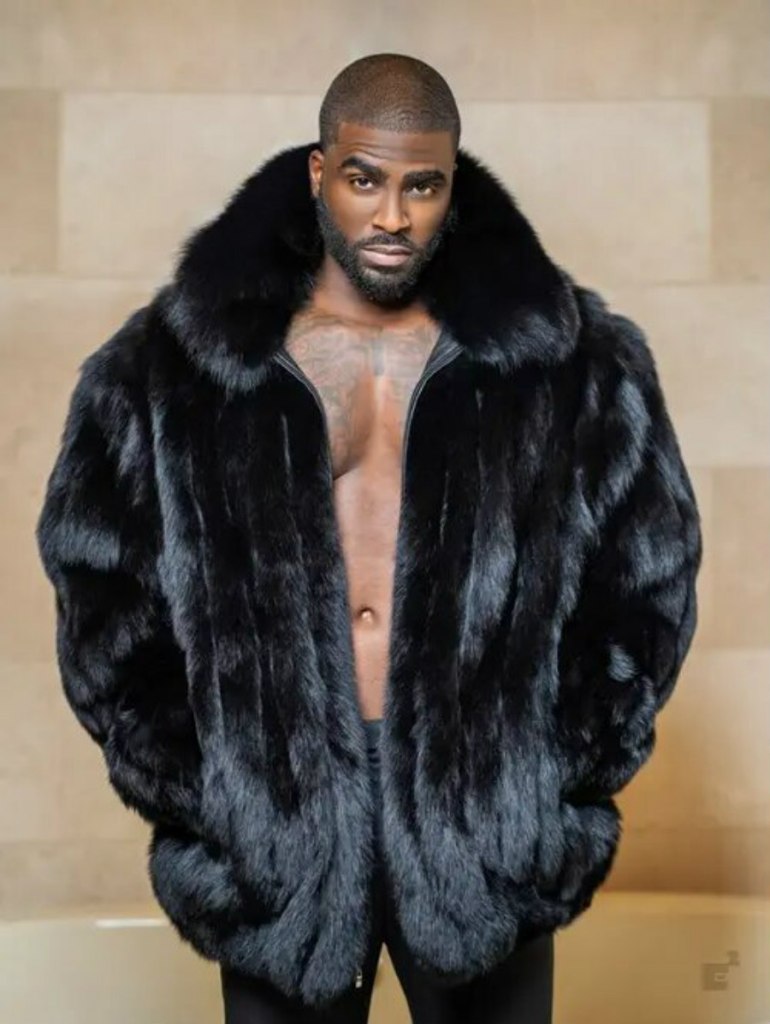
Beauty and the Beast Within: Reconciling Image and Identity in Men.

Photo Credit: Monte Ellis

Beauty and strength have long been seen as incompatible virtues in men. The “beautiful man” must walk a fine line between confidence and perceived vanity, while the “beast” within him—the primal, instinctive, and unrefined—lurks beneath the polished surface. The tension between these two forces—image and identity—defines the modern masculine experience. To be both admired and authentic, powerful yet tender, is the paradox at the heart of every man who strives to reconcile the external image with the internal truth.

In ancient times, beauty in men was not merely aesthetic—it was moral. The Greeks saw physical beauty (kalos) as a reflection of inner goodness (agathos). A well-formed body symbolized discipline, virtue, and harmony. Yet even then, the line between admiration and arrogance was thin. Narcissus, the mythic figure who fell in love with his reflection, serves as a cautionary tale about self-obsession. His beauty became his undoing, revealing the beast within: the hunger for validation that consumes self-awareness.

As centuries passed, ideals of male beauty shifted from divine symmetry to rugged endurance. The warrior replaced the sculpted god, and the ability to endure pain became more valued than aesthetic grace. The male body was no longer for worship but for labor and war. Yet even in these transformations, beauty persisted as a haunting standard—an invisible expectation shaping how men perceived themselves and were perceived by others.

The Renaissance revived the aesthetic fascination with male form, yet this time, beauty was imbued with humanity. Michelangelo’s David and da Vinci’s anatomical sketches suggested that beauty and intellect could coexist. Man was both beast and divine architect—a thinking creature whose body told the story of his soul. But beneath this artistic idealization lay a profound anxiety: if beauty could be measured, then so could worth.

In modernity, this anxiety has intensified under the gaze of media. The rise of Hollywood, fashion, and digital culture has sculpted men as living statues once more—objects of gaze and desire. The “beast” within now manifests not as savagery, but as silent insecurity. The beautiful man must constantly perform his image—maintaining fitness, style, and charisma—to remain relevant. His mirror becomes a battleground between authenticity and perfection.

Social media magnifies this struggle, transforming self-presentation into survival. The male influencer or actor curates his “brand” as carefully as a sculptor polishes marble. He is expected to appear both approachable and ideal, masculine yet emotionally intelligent. This duality—half human, half projection—echoes the myth of the beast: a creature misunderstood, craving connection but hidden behind his own exterior.

Psychologists have noted that this phenomenon contributes to rising rates of male body dysmorphia and emotional suppression. Men are socialized to deny vulnerability even as they chase unattainable ideals (Bordo, 1999). The more they sculpt the external, the more the internal self fractures. Beauty becomes armor, and the beast within grows restless—yearning to be seen, not just looked at.

The reconciliation of image and identity requires the courage to confront the beast—to acknowledge imperfection as integral to manhood. True transformation begins when the man ceases to perform and begins to reveal. Like the fairytale of Beauty and the Beast, redemption occurs not through the destruction of the beast but through the acceptance of his humanity. It is the gaze of compassion, not criticism, that restores his true form.

This metaphor extends to race as well. The Black man’s beauty, for instance, has historically been framed through lenses of hypermasculinity or exoticism. Western culture often commodifies his physique while silencing his emotions. To be both beautiful and Black is to wrestle with the distortion of gaze—where admiration often coexists with fear and fetishization (hooks, 2004). The reconciliation of image and identity here becomes both personal and political: to reclaim the right to define beauty on one’s own terms.

Faith offers another dimension to this reconciliation. Scripture reminds us that man was “fearfully and wonderfully made” (Psalm 139:14, KJV), not as an aesthetic boast but as a declaration of divine intention. The true image of manhood lies not in muscular perfection but in moral reflection—the ability to mirror the Creator through love, integrity, and purpose. Beauty without righteousness is vanity; strength without compassion is beastliness.

Philosopher Alexander Nehamas (2007) wrote that beauty is “a promise of happiness.” Yet that promise often deceives, leading men to chase admiration rather than wholeness. The modern man’s liberation begins when he breaks the mirror and uses the shards to see himself from multiple angles—not as a flawless image, but as a complete being.

Art and psychology converge on this truth: the beast within is not evil but exiled. It is the raw self, stripped of performance, that hungers for authenticity. When integrated, it restores balance between the physical and spiritual, the admired and the authentic.

Thus, the reconciliation of image and identity is not a process of destruction but integration. To embrace both beauty and beast is to acknowledge that the chisel that shapes us also wounds us. The scars, the imperfections, and the humanity beneath the surface are not flaws—they are fingerprints of experience.

The beautiful man who makes peace with his inner beast ceases to live for the camera or the crowd. He becomes art in motion—a living testament that beauty is not the absence of struggle but the mastery of it. His reflection no longer enslaves him; it testifies of his becoming.

In a world obsessed with surfaces, to be real is revolutionary. To be beautiful and broken, seen and sincere, is divine. The man who reconciles his image with his identity becomes more than a face or physique—he becomes whole. And in his wholeness, he reflects not the ideal, but the eternal.

References

Bordo, S. (1999). The male body: A new look at men in public and in private. Farrar, Straus and Giroux.

hooks, b. (2004). We real cool: Black men and masculinity. Routledge.

Kimmel, M. (2017). Angry white men: American masculinity at the end of an era. Nation Books.

Mulvey, L. (1975). Visual pleasure and narrative cinema. Screen, 16(3), 6–18.

Nehamas, A. (2007). Only a promise of happiness: The place of beauty in a world of art. Princeton University Press.

The Handsome Burden: How Society Looks at Black Male Beauty.

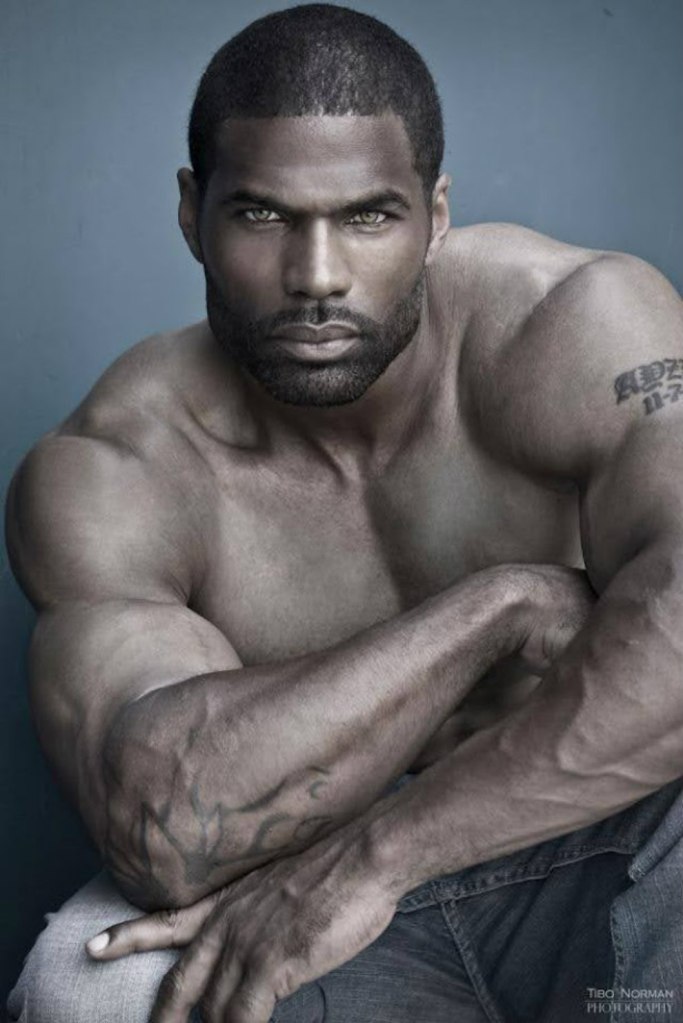
Photo Credit: Tibo Norman (used with permission)

Black male beauty has historically existed in a complex intersection of admiration and marginalization. In Western culture, ideals of masculinity and attractiveness have often been racially coded, favoring Eurocentric features such as light skin, straight hair, and narrow noses, leaving Black men to negotiate a beauty standard that often excludes them (Hunter, 2007). Despite these systemic barriers, Black men have consistently exemplified a wide range of physical beauty that challenges monolithic societal expectations.

The aesthetic evaluation of Black men is heavily influenced by historical and social contexts. During slavery and colonial periods, Black male bodies were subjected to objectification and dehumanization, yet their physicality was simultaneously fetishized as symbols of raw strength and virility (hooks, 1992). This duality created a paradoxical space where Black male attractiveness was both feared and desired.

Skin tone continues to play a significant role in how Black male beauty is perceived. Colorism, an intra-racial bias favoring lighter-skinned individuals, disproportionately affects Black men, impacting their representation in media and the dating market (Keith & Herring, 1991). Darker-skinned men often confront stereotypes associating them with aggression or hyper-masculinity, while lighter-skinned men are more frequently idealized in romantic or social contexts.

Facial features are another critical component in perceptions of beauty. Broad noses, full lips, and strong jawlines, which are characteristic of many Black men, are alternately fetishized and stigmatized in popular culture (Hall, 1997). Media representations often distort these features to fit palatable norms, leading to both admiration in certain subcultures and marginalization in mainstream society.

Hair texture and style also heavily influence social reception. Natural hair, afros, dreadlocks, and braids have long been sites of both cultural pride and discrimination. The policing of Black male hair in professional and social settings reflects broader societal discomfort with expressions of Black identity and beauty (Byrd & Tharps, 2014).

Athleticism is frequently conflated with attractiveness in Black men, reinforcing narrow definitions of beauty tied to physical performance rather than aesthetic nuance. This overemphasis perpetuates the stereotype that Black men’s value lies predominantly in their bodies’ functional capacity, rather than their individuality or style (Sailes, 1998).

The concept of “handsome burden” emerges from the paradox that Black male beauty, while celebrated in certain spaces, carries additional social costs. Attractive Black men are often hyper-visible, subjected to scrutiny, and stereotyped in ways that can impede social mobility and personal relationships (Griffin, 2012). The very features that draw admiration can also elicit bias.

Media representation is central to shaping societal views. Historically, Black men were either absent from mainstream portrayals of romantic leads or depicted in hypersexualized or villainized roles (Bogle, 2016). The lack of nuanced representation has contributed to a skewed understanding of Black male attractiveness, privileging exoticism over authenticity.

Black male celebrities frequently navigate the tension between societal fascination and personal agency over their image. Figures like Idris Elba, Michael B. Jordan, and Denzel Washington have gained recognition for their appearance, yet their visibility often subjects them to reductive discussions centered on looks rather than accomplishments (Russell, 2008).

Society’s obsession with physique and style creates pressures unique to Black men. Fashion, grooming, and fitness become mechanisms through which Black men negotiate social acceptance and desirability, amplifying the burden of external expectations (Banks, 2000).

Intersecting identities—such as socioeconomic status, sexuality, and regional background—further complicate the reception of Black male beauty. For example, a wealthy Black man may gain admiration that is denied to a working-class counterpart, illustrating how social capital intersects with racialized beauty standards (Patton, 2006).

Racialized beauty ideals also affect intimate relationships. Studies show that Black men often face exclusion in dating markets due to stereotypes about their masculinity or desirability (Felmlee, 2001). This phenomenon highlights how social perceptions of Black male beauty can influence both personal and emotional wellbeing.

The global circulation of Black male aesthetics offers a counter-narrative to Eurocentric beauty norms. Across Africa, the Caribbean, and the diaspora, Black men are celebrated for features that are undervalued in Western contexts, creating a multiplicity of beauty frameworks that resist homogenization (Ekine & Abbas, 2013).

Social media has amplified both the pressures and opportunities for Black men to curate their appearance. Platforms like Instagram provide spaces for self-representation and affirmation, yet they also expose individuals to heightened scrutiny and comparison, reinforcing anxieties about desirability (Tynes et al., 2016).

The commodification of Black male beauty through advertising and branding further complicates its social reception. Black men are often marketed as symbols of sexual allure or physical prowess, reducing complex identities to consumable aesthetic traits (Cole, 2015).

Historical trauma and generational narratives contribute to contemporary experiences of beauty for Black men. The lingering effects of slavery, segregation, and systemic oppression influence internalized self-perception and the valuation of physical traits, creating a psychological dimension to the “handsome burden” (Anderson, 2010).

Mental health implications are significant. Hypervisibility and the pressure to perform attractiveness can lead to stress, anxiety, and identity conflicts, revealing how aesthetic ideals intersect with emotional wellbeing (Wyatt et al., 2015).

Resistance movements have emerged, celebrating Black male beauty on its own terms. Cultural expressions such as hip hop, Afrofuturism, and Black fashion activism challenge normative aesthetics and create spaces where diverse Black male appearances are celebrated (Morgan & Bennett, 2011).

Education and scholarship play essential roles in redefining beauty narratives. By analyzing and challenging historical biases, researchers and cultural critics help to broaden society’s understanding of Black male attractiveness beyond reductive stereotypes (hooks, 1992).

Ultimately, Black male beauty exists as both a gift and a burden. The societal gaze can elevate and constrain, praise and stereotype, celebrate and marginalize. Understanding the intricate dynamics of this perception is critical to fostering cultural equity and dismantling limiting beauty paradigms.


References

Anderson, C. (2010). The psychology of African American male identity: Understanding the impact of historical trauma. Journal of Black Psychology, 36(4), 357–381.

Banks, I. (2000). Hair matters: Beauty, power, and Black men’s culture. New York University Press.

Bogle, D. (2016). Toms, coons, mulattoes, mammies, and bucks: An interpretive history of Blacks in American films (4th ed.). Bloomsbury Academic.

Byrd, A., & Tharps, L. (2014). Hair story: Untangling the roots of Black hair in America. St. Martin’s Press.

Cole, D. (2015). Advertising Blackness: Representation and racialization in marketing. Media, Culture & Society, 37(8), 1238–1254.

Ekine, S., & Abbas, H. (2013). African men and masculinities: Gendered transformations. Palgrave Macmillan.

Felmlee, D. (2001). No couple is an island: Social networks and mate selection. Social Forces, 79(4), 1259–1283.

Griffin, R. (2012). Beauty and the burden: Racialized perceptions of African American men. Journal of African American Studies, 16(3), 345–360.

Hall, R. (1997). The standard of beauty: A critical review of racialized aesthetics. Race & Society, 1(2), 123–138.

hooks, b. (1992). Black looks: Race and representation. South End Press.

Hunter, M. (2007). The persistent problem of colorism: Skin tone, status, and inequality. Sociology Compass, 1(1), 237–254.

Keith, V., & Herring, C. (1991). Skin tone and stratification in the Black community. American Journal of Sociology, 97(3), 760–778.

Morgan, M., & Bennett, D. (2011). Hip hop & the global imagination: Black male beauty and cultural resistance. Cultural Studies, 25(5), 643–664.

Patton, T. (2006). In the house of hip hop: Black masculinity and cultural capital. Gender & Society, 20(5), 599–617.

Russell, R. (2008). Image and identity: Black male celebrity culture. Media, Culture & Society, 30(5), 675–693.

Sailes, G. (1998). African American male athletes: Phenomenalism and stereotypes. Journal of Sport & Social Issues, 22(4), 390–402.

Tynes, B., Giang, M., Williams, D., & Thompson, G. (2016). Online racial discrimination and psychological adjustment among adolescents. Journal of Adolescent Health, 58(1), 30–36.

Wyatt, S., Gilbert, R., & Rivers, R. (2015). The impact of societal beauty standards on Black male mental health. Journal of Black Psychology, 41(2), 123–147.

Divine Design: The Sacred Aesthetics of the Black Man.

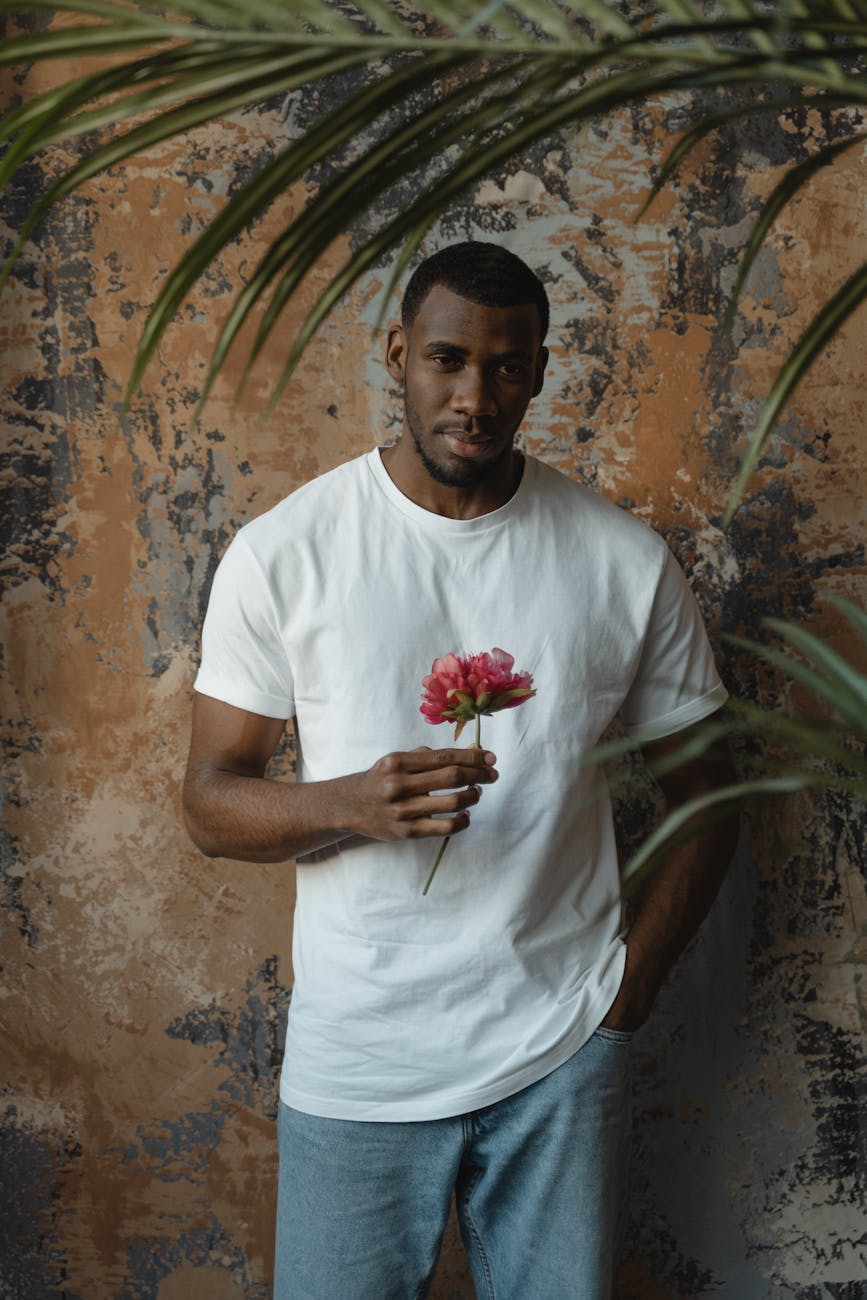
Photo by Tima Miroshnichenko on Pexels.com

The Black male form has historically been a site of layered meanings, embodying beauty, strength, spirituality, and cultural identity. Across African civilizations and the African diaspora, the body of the Black man has not been merely physical; it has been imbued with sacred significance, functioning as a living symbol of ancestral wisdom, divine design, and communal responsibility.

In classical African societies, particularly among the Yoruba, the male form was seen as a conduit of spiritual energy. Artworks and sculptures emphasized proportion, posture, and musculature to convey not only physical health but also moral and spiritual integrity. The ideal male body reflected balance between the corporeal and the metaphysical.

Sacred aesthetics in African art often focus on symmetry, rhythm, and geometric forms. Masks, statues, and ceremonial regalia depicted the male figure with precision, conveying strength, vitality, and divine favor. These depictions emphasized the interconnection between cosmic order and human form, suggesting that physical appearance mirrored spiritual alignment.

The concept of “divine design” is rooted in the belief that God or the creator imbues the human body with intentionality. In African thought, the male body is a sacred vessel through which leadership, wisdom, and ancestral legacy are expressed. The aesthetics of the body—posture, musculature, and gait—communicate character and spiritual authority.

Colonialism and the transatlantic slave trade disrupted these understandings, replacing sacred narratives with dehumanizing representations. The Black male form was often depicted through lenses of criminality, hypersexuality, or physical dominance, stripping it of spiritual and cultural significance. These distortions have had long-lasting impacts on perception and identity.

Contemporary scholars highlight the reclamation of the Black male form as sacred and beautiful. Artistic movements, photography, and visual culture increasingly celebrate muscularity, elegance, and poise not merely for physical appeal but as symbols of resilience, dignity, and ancestral continuity.

Symbolism in African diasporic communities emphasizes the interconnectedness of mind, body, and spirit. The Black male form is portrayed as a holistic entity, with physicality representing moral courage, intellectual acumen, and spiritual alignment. In this framework, beauty is inseparable from purpose and character.

In religious contexts, the Black male body has often been invoked as a vessel for divine presence. Ceremonial dancers, priests, and elders embody sacred principles through posture, movement, and attire. Each gesture and stance is deliberate, communicating reverence, authority, and protection for the community.

The aesthetics of hair, skin, and facial features have profound cultural and spiritual resonance. Cornrows, dreadlocks, and other traditional styles are not merely cosmetic; they signify lineage, social role, and spiritual alignment. Similarly, attention to skin tone and complexion reflects both ancestral heritage and divine creation.

Artistic representations in sculpture, painting, and photography often highlight muscularity as a manifestation of vitality and spiritual strength. Broad shoulders, erect posture, and fluid movement are not only aesthetic choices but also indicators of a person’s ability to embody sacred responsibility and leadership.

In contemporary media, the Black male body has often been objectified or stereotyped. However, intentional portrayals that emphasize sacred aesthetics counteract these narratives, emphasizing dignity, grace, and spiritual authority over reductive physicality.

Athleticism in African diasporic communities has historically been intertwined with spiritual and social values. Warriors, hunters, and athletes were revered not solely for strength but for their embodiment of divine principles: endurance, discipline, and moral integrity.

Fashion and attire have always enhanced the sacred aesthetics of the Black male form. Traditional garments, ceremonial robes, and even contemporary clothing can signify rank, virtue, and spiritual alignment. How the body is adorned communicates intentionality, respect, and presence.

Photography and film are increasingly used to celebrate sacred aesthetics. Projects that showcase Black men in natural light, embracing posture, symmetry, and expression, reclaim narratives historically distorted by racism. These images assert that the Black male form is inherently dignified and spiritually resonant.

Cross-cultural influences have enriched the understanding of sacred aesthetics. African traditions have merged with Caribbean, Latin American, and North American practices, creating hybrid expressions that celebrate ancestry, resilience, and divine design.

Scholarship in psychology and sociology emphasizes the importance of representation for self-perception. When Black men are depicted as sacred, powerful, and beautiful, it fosters positive identity formation, resilience against stereotypes, and alignment with cultural heritage.

The Black male form as sacred challenges Western aesthetic paradigms that often marginalize or distort non-European bodies. Recognizing divine design requires an appreciation of proportion, symmetry, posture, and expression that transcends Eurocentric frameworks.

Sacred aesthetics also extend to gestures and movement. Dance, martial arts, and ritual performance exemplify how physicality communicates spirituality. Each motion becomes a conduit for cultural memory, divine homage, and ancestral strength.

Education on sacred aesthetics fosters intergenerational knowledge. Boys and young men learn posture, grooming, and comportment not merely for social acceptance but as expressions of spirituality, leadership, and respect for lineage.

Ultimately, the sacred aesthetics of the Black man reclaim the body as both a vessel of divine creation and a symbol of cultural continuity. By recognizing the intrinsic beauty, power, and spiritual resonance of the Black male form, communities affirm identity, heritage, and cosmic order.


References

Beckford, R. (Ed.). (2009). Black religion and aesthetics. Palgrave Macmillan.
SpringerLink

Campbell, B. (n.d.). Divinity, creativity and humanity in Yoruba aesthetics. Rhode Island School of Design.
RISD Faculty

Campbell, B. (n.d.). Embodying the sacred in Yoruba art. ObafemiO.
OBAFEMIO.COM

Lawal, B. (n.d.). The construal of Yoruba colour philosophy and symbolism. ObafemiO.
OBAFEMIO.COM

Oladesu, J. O., & Otu, J. (2019). The construal of Yoruba colour philosophy and symbolism. Journal of African Arts & Culture, 3(1), 59–69.
OBAFEMIO.COM

Pinn, A. B. (Ed.). (2009). Black religion and aesthetics. Palgrave Macmillan.
SpringerLink

Girl Talk Series: The True Beauty of a Man

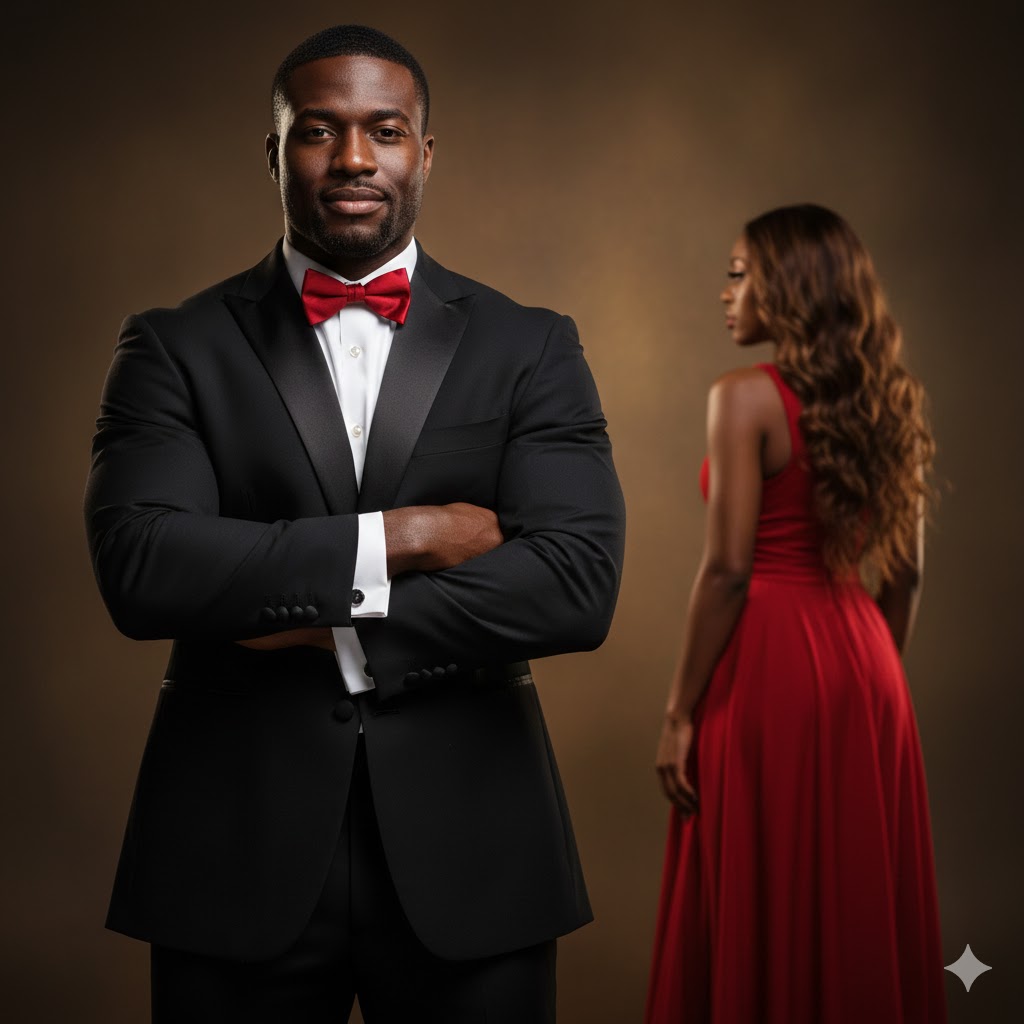
This photograph is the property of its respective owner. No copyright infringement intended.

The true beauty of a man is not found in the symmetry of his face, the cut of his jawline, the strength of his biceps, or the smoothness of his skin. While society may magnify physical attraction, Scripture and wisdom teach us that a man’s deepest beauty rests in his character, integrity, and the condition of his heart. What shines the most is not what can be seen in the mirror, but what is revealed through how he lives, speaks, leads, and loves.

Sisters, we live in a culture where masculinity is often reduced to appearance and bravado—or the ability to attract attention, wealth, or admiration. Yet outward beauty is fleeting and shallow when not supported by righteousness. True beauty is internal; it is spiritual; it is rooted in godly discipline and a submitted heart (1 Samuel 16:7, KJV).

A beautiful man is one who walks in humility, not arrogance. He does not need to boast of his accomplishments nor flex his strength to feel valued. Instead, he leans on the Most High, understanding that real power comes from wisdom, not ego (Proverbs 22:4, KJV). His humility allows him to serve, not demand; to uplift, not dominate.

Beauty in a man is found in his faithfulness—both to the Most High and to the people entrusted to him. His loyalty is not situational, nor does he waver when convenience calls. Faithfulness is a fruit of the Spirit and a mark of genuine righteousness (Galatians 5:22-23, KJV).

The beauty of a man is revealed in his self-control. A man who can rule his spirit is more powerful than one who conquers a city (Proverbs 16:32, KJV). His temper is governed, his mouth is disciplined, and his impulses are mastered. He knows how to pause before reacting; peace is his pursuit.

A beautiful man protects, not from a place of pride, but from a posture of love. He defends without aggression and shelters without suffocating. He understands that leadership is not tyranny, but stewardship; not privilege, but accountability (Ephesians 5:25, KJV).

A truly beautiful man carries wisdom. His decisions are not reckless or emotionally driven; they are thoughtful, prayerful, and guided by discernment. His counsel brings clarity, peace, and direction. Wisdom is his adornment, and it causes him to stand apart (Proverbs 4:5-8, KJV).

A beautiful man builds, not destroys. His words edify; his actions strengthen. He encourages growth in those around him and seeks to uplift others, knowing that insecurity tears down while confidence builds up (1 Thessalonians 5:11, KJV).

A man’s beauty is seen in his work ethic. He does not pursue laziness or shortcuts; he pursues excellence. Whether in his career, ministry, or family responsibilities, he commits himself wholeheartedly, honoring the Most High through his diligence (Colossians 3:23, KJV).

A beautiful man takes accountability. He does not shift blame or justify wrongdoing. Instead, he owns his mistakes, repents, and grows. Accountability is maturity, and maturity is attractive to the spirit and soul (Proverbs 28:13, KJV).

Compassion is a mark of a truly beautiful man. His heart is tender toward the suffering, the weak, and the overlooked. He does not harden himself to protect his ego; he remains gentle in strength, showing mercy and grace (Colossians 3:12, KJV).

A beautiful man is emotionally stable. He is not tossed by mood swings or consumed by prideful silence. Instead, he understands his emotions, processes them with wisdom, and communicates with patience and clarity (James 1:19, KJV).

Honesty clothes a beautiful man like fine linen. His words are true, and his intentions are pure. He does not deceive to gain advantage nor manipulate to preserve image. Truth is his foundation (Proverbs 12:22, KJV).

A beautiful man honors women—not for their beauty alone but for their spirit, purpose, and divine worth. He respects boundaries, protects purity, and recognizes that a woman is a precious daughter of the Most High (1 Peter 3:7, KJV).

His beauty is evident in his leadership. He leads with vision and purpose, not domination. He guides with love and example, not intimidation or fear (Joshua 1:9, KJV). Leadership to him means sacrifice, courage, and service.

A beautiful man knows how to love. His love is patient, gentle, and sacrificial. He mirrors Christ’s love—long-suffering, pure, and enduring (1 Corinthians 13:4-7, KJV). His love is not lust-driven or emotionally conditional; it is anchored in truth.

Prayer and relationship with God beautify a man beyond physical measure. A man who seeks the face of the Most High, who bows his head in humility and lifts his heart in worship, radiates a glory that surpasses physical attraction (Psalm 1:1-3, KJV).

The beauty of a man is shown in his purpose. He lives intentionally, understands his calling, and walks in divine direction. He is not swayed by trends or applause; his assignment is sacred, and he honors it (Proverbs 19:21, KJV).

A beautiful man is consistent. His loyalty does not shift with emotion or convenience. He remains steady—spiritually, emotionally, and morally. This steadiness provides safety and peace.

Finally, a beautiful man fears God. This holy reverence guides his decisions, shapes his values, and forms his identity (Proverbs 9:10, KJV). His fear of God is not bondage—it is wisdom, protection, and purity.

Dear sisters, the world may praise handsome faces, sculpted bodies, and charm, but heaven values purity, humility, discipline, and righteousness. When seeking connection, partnership, or admiration, do not settle for the superficial. Seek the beauty that lasts, that blesses, that leads to peace and purpose—a man whose heart is shaped by the Most High.


References

Holy Bible, King James Version.
Colossians 3:12; Colossians 3:23; Ephesians 5:25; Galatians 5:22-23; James 1:19; Joshua 1:9; 1 Peter 3:7; 1 Samuel 16:7; 1 Thessalonians 5:11; Proverbs 4:5-8; Proverbs 9:10; Proverbs 12:22; Proverbs 16:32; Proverbs 19:21; Proverbs 22:4; Proverbs 28:13; Psalm 1:1-3; 1 Corinthians 13:4-7.