Tag Archives: lifestyle

From Kinky to Crown: The Politics and Pride of Black Hair

“Black hair is beautiful, but society has often told us otherwise. It is a statement of identity, resistance, and pride.” — Dr. Ayana Byrd, author of Hair Story

“My hair is my crown, and I wear it with pride. Every curl tells a story.” — Lupita Nyong’o
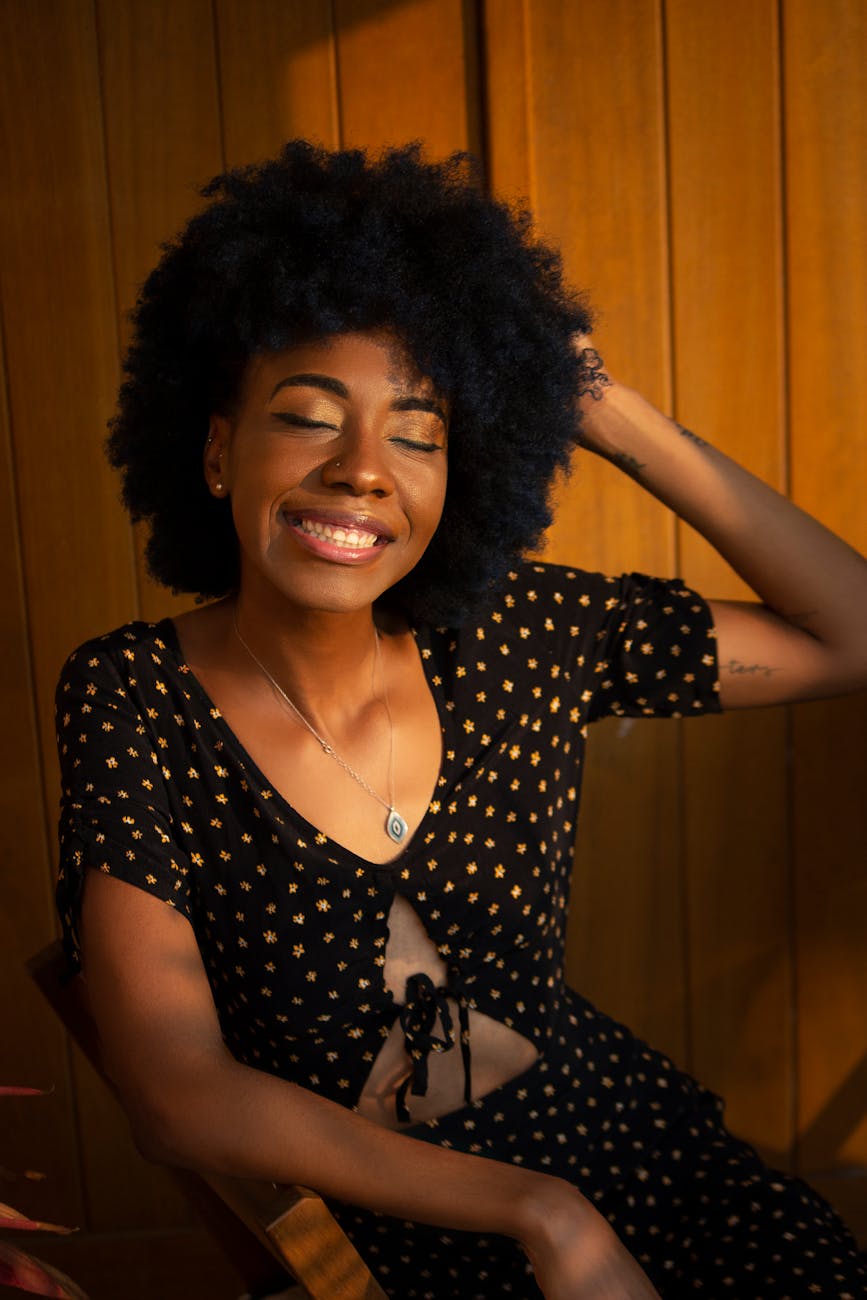

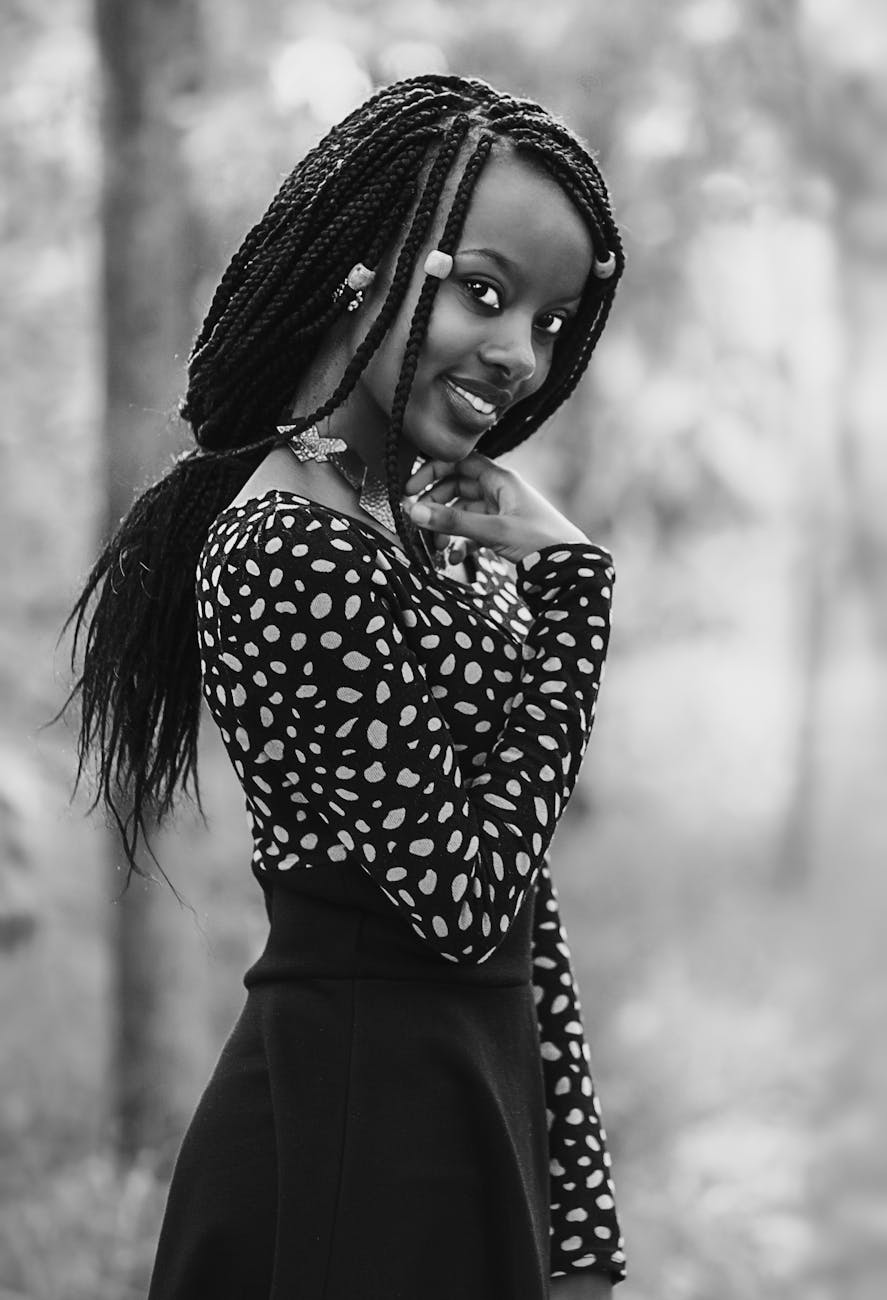
Photo by TUBARONES PHOTOGRAPHY on Pexels.com

Black hair has long been a symbol of identity, heritage, and culture. The textures range from tightly coiled kinks to soft waves, each reflecting the rich diversity of African ancestry. However, the politics surrounding Black hair are deeply tied to historical and social power structures. Eurocentric standards of beauty have positioned straight hair as the “universal standard,” often marginalizing naturally textured hair. This has created a spectrum of discrimination, from overt workplace bias to subtler societal messaging about what constitutes “good” versus “bad” hair. Understanding the textures, cultural history, and politics of Black hair is essential to fostering pride, resilience, and self-acceptance within the Black community.


The Textures and Cultural Significance

Black hair textures vary widely, commonly classified into four types (1–4), with subcategories (A–C) based on curl tightness and pattern. Type 1 is straight hair, which is rare among people of African descent. Type 2 is wavy, Type 3 is curly, and Type 4 is coily/kinky, characterized by tightly packed curls. Each texture carries cultural significance: in African societies, hairstyles represented social status, tribal affiliation, and spiritual beliefs. The Bible also references hair as a sign of strength and identity; for example, Samson’s hair was a symbol of his God-given strength (Judges 16:17, KJV). These textures have been politicized in modern society, where natural hair has often been stigmatized in favor of straightened, chemically relaxed styles.


The Impact of Media and Societal Standards

Media representations reinforce the notion that straight hair is the universal standard of beauty, creating a pervasive hierarchy of hair textures. “Good hair,” often described as straight or loosely curled, is historically linked to proximity to whiteness, while kinky or coily hair has been labeled “bad” or unprofessional (Byrd & Tharps, 2001). These messages have psychological and emotional impacts, influencing self-esteem, identity formation, and social mobility. Mothers, aware of societal bias, often teach children to view their natural hair as needing taming or improvement, inadvertently perpetuating internalized bias. Celebrities and public figures like Lupita Nyong’o challenge this narrative, celebrating natural hair as a crown of heritage and a statement of self-worth.


Care, Products, and Community Perspectives

Caring for Black hair requires attention to moisture, protective styling, and gentle handling to prevent breakage. Recommended products include shea butter, coconut oil, jojoba oil, and sulfate-free shampoos and conditioners. Popular protective styles include braids, twists, locs, and cornrows. Black men have expressed diverse opinions on Black hair, ranging from appreciation of natural textures to preferences shaped by societal norms. These perspectives highlight the ongoing negotiation of identity, beauty, and social perception within the community. Scholars emphasize that reclaiming pride in natural hair fosters empowerment and combats internalized oppression (Banks, 2016).


Conclusion

Black hair is more than aesthetic; it is a political and cultural statement that reflects history, identity, and resilience. From kinky coils to loose curls, hair embodies a legacy of survival, pride, and spiritual significance. By understanding hair textures, rejecting media-imposed hierarchies, and embracing culturally affirming care practices, the Black community can reclaim the crown of natural beauty. As Lupita Nyong’o asserts, each curl tells a story, and through this recognition, Black hair can be celebrated rather than stigmatized. Embracing the politics and pride of Black hair is a step toward self-love, cultural affirmation, and generational healing.


References

  • Banks, I. (2016). Hair Matters: Beauty, Power, and Black Women’s Consciousness. NYU Press.
  • Byrd, A., & Tharps, L. (2001). Hair Story: Untangling the Roots of Black Hair in America. St. Martin’s Press.
  • Lupita Nyong’o. (2014). Personal Interview: Celebrating Natural Hair. Essence Magazine.
  • Roberts, D. (2010). Shaping Beauty, Shaping Race: African American Women and Hair Politics. Duke University Press.
  • The Holy Bible, King James Version.

Pretty Privilege Series: Beauty, Brains, and the Power They Hold.


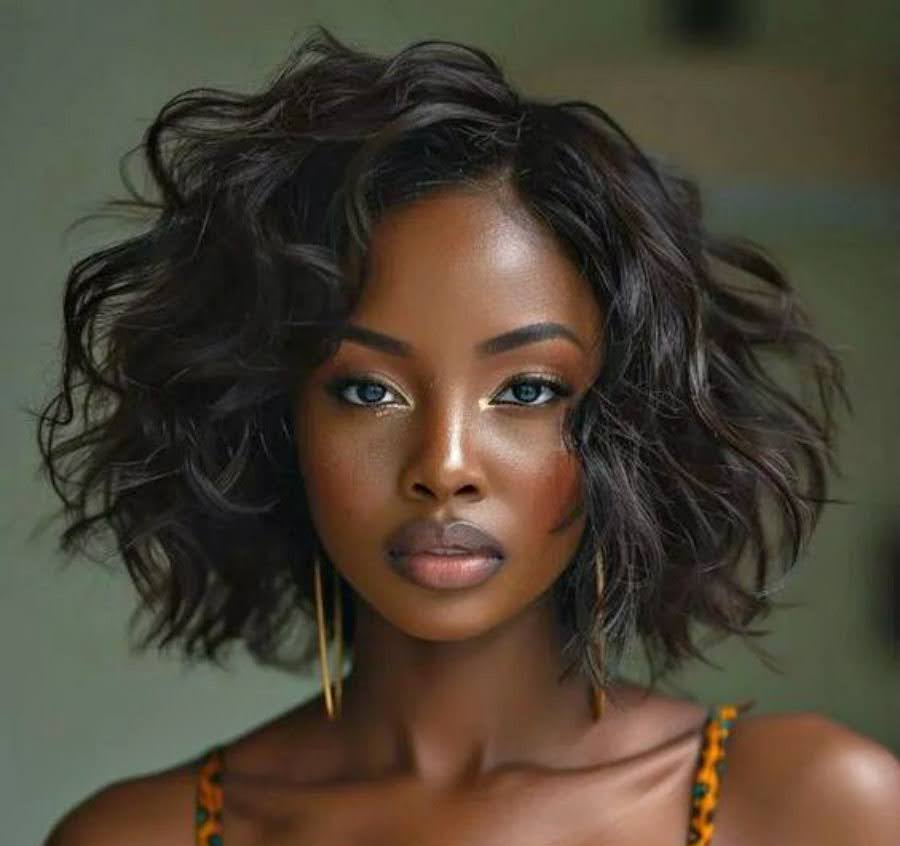
Photo by Nicholas Githiri on Pexels.com

What Is Pretty Privilege?

Pretty privilege refers to the societal advantage given to people who are considered conventionally attractive. Those who benefit from this unspoken bias are often treated more favorably in areas such as employment, dating, customer service, and social interaction, simply because of their appearance.

This form of privilege stems from what psychologists call the “halo effect”—a cognitive bias where we assume that attractive people possess other positive traits like intelligence, kindness, or competence (Dion, Berscheid & Walster, 1972). In essence, beauty becomes a currency that opens doors.


Where Does Pretty Privilege Come From?

The roots of pretty privilege are deeply embedded in Western beauty standards, often tied to Eurocentric features: light skin, thinness, symmetry, straight hair, and youth. These standards have been exported globally through colonialism, media, advertising, and Hollywood.

In many cultures—including communities of color—these ideals have been internalized. As a result, light skin, certain facial features, and body types are often associated with higher status, desirability, and even intelligence, reinforcing colorism and body shaming (Russell et al., 1992; Craig, 2002).


Pretty Privilege in Culture and Work

Workplace: Attractive people tend to earn more money and are perceived as more capable. A study by Hamermesh & Biddle (1994) found that better-looking people earn 5% to 10% more than their average-looking peers. Attractive candidates are more likely to be hired, promoted, and trusted in leadership roles—even when qualifications are equal.

Culture: In media, “pretty” people dominate film, television, and social platforms. The more attractive you are by mainstream standards, the more likely you are to gain followers, brand deals, and admiration. This is especially prominent on platforms like Instagram and TikTok.

Dating: In online dating, attractiveness determines initial contact, and women deemed attractive receive up to 4x more messages than average (Finkel et al., 2012). Men, too, benefit, but to a lesser degree.

Social Treatment: Studies show that attractive people are judged less harshly, receive better customer service, and are more likely to be believed or forgiven (Langlois et al., 2000).


Does Pretty Privilege Apply Equally Across Cultures?

Not exactly. While attractiveness is valued globally, what is considered beautiful differs across cultures. However, colonialism and globalization have caused a dominant Western beauty standard to permeate much of the world, leading to widespread issues like skin bleaching (Africa, Asia, the Caribbean), cosmetic surgery, and eating disorders.

In Black and brown communities, pretty privilege is deeply tied to colorism, texturism (hair bias), and facial feature hierarchies. Lighter-skinned women with Eurocentric features often receive more attention, professional opportunities, and romantic interest—even within their own racial groups.


Is It Better to Be Beautiful or Smart?

This depends on the context:

  • In the long run, intelligence and competence often lead to more sustainable success.
  • In the short term, beauty may offer faster access to opportunities—but they may be more superficial.

📊 Statistics: Beauty vs. Intelligence

  • IQ vs. Income: According to the American Psychological Association, IQ correlates with income (~0.23 correlation), meaning intelligence has a consistent but moderate impact on earnings (Strenze, 2007).
  • Beauty vs. Income: Hamermesh (2011) found that people rated as attractive earn $230,000 more over a lifetime than unattractive peers.
  • Job Performance: Intelligence is one of the strongest predictors of job performance across professions (Schmidt & Hunter, 1998), while beauty is more relevant in jobs requiring visibility (e.g., sales, entertainment).
  • Marriage: Men with higher education are more likely to marry, but for women, appearance still heavily influences marital outcomes (Qian, 2017).

Criticisms and Limitations of Pretty Privilege

  • It’s unstable: Beauty fades or changes with age, weight, or health.
  • It reinforces harmful standards: Societies that idolize beauty often marginalize those who are disabled, older, or outside the norm.
  • It can mask incompetence: Attractive people may be overestimated in roles requiring skill or leadership, leading to flawed decisions.
  • It often ignores intersectionality: Beauty is racialized, gendered, and classed. A light-skinned woman may benefit from beauty privilege, while a dark-skinned woman may be penalized—even if equally attractive by objective measures.

Can We Change It?

We can’t eliminate pretty privilege overnight, but we can:

  1. Broaden definitions of beauty to be more inclusive across races, body types, ages, and genders.
  2. Value merit and integrity over superficial qualities in hiring and leadership.
  3. Teach media literacy to help young people understand how beauty standards are constructed and weaponized.
  4. Challenge ourselves: Ask whether our preferences in dating, hiring, or friendships are shaped by bias or real connection.

Conclusion

Pretty privilege is real, and it influences everything from careers to courtships. While being beautiful may open doors, intelligence, character, and resilience determine how long you stay in the room. We must recognize the power of both beauty and brains—but work to ensure that value isn’t limited to the surface.


References

  • Dion, K. K., Berscheid, E., & Walster, E. (1972). “What is beautiful is good.” Journal of Personality and Social Psychology, 24(3), 285–290.
  • Hamermesh, D. S., & Biddle, J. E. (1994). “Beauty and the Labor Market.” The American Economic Review, 84(5), 1174–1194.
  • Hamermesh, D. S. (2011). Beauty Pays: Why Attractive People Are More Successful. Princeton University Press.
  • Langlois, J. H., et al. (2000). “Maxims or Myths of Beauty? A Meta-Analytic and Theoretical Review.” Psychological Bulletin, 126(3), 390–423.
  • Finkel, E. J., et al. (2012). “Online Dating: A Critical Analysis from the Perspective of Psychological Science.” Psychological Science in the Public Interest, 13(1), 3–66.
  • Strenze, T. (2007). “Intelligence and socioeconomic success: A meta-analytic review of longitudinal research.” Intelligence, 35(5), 401–426.
  • Russell, K., Wilson, M., & Hall, R. (1992). The Color Complex. Anchor Books.
  • Craig, M. L. (2002). Ain’t I a Beauty Queen? Oxford University Press.
  • Schmidt, F. L., & Hunter, J. E. (1998). “The Validity and Utility of Selection Methods in Personnel Psychology.” Psychological Bulletin, 124(2), 262–274.
  • Qian, Y. (2017). “Gender Asymmetry in Educational and Income Assortative Marriage.” Journal of Marriage and Family, 79(2), 318–336

Melanin Magic: Brown Skin is Beautiful

Brown skin tells a story. It speaks of ancestry, resilience, and the divine artistry of creation. Yet for far too long, the beauty of melanin has been questioned, minimized, or ignored. Society often imposes narrow standards of beauty, privileging lighter skin and European features. But the truth remains: brown skin is radiant, powerful, and inherently beautiful. It is a gift, a legacy, and a symbol of identity that should never be hidden or diminished.

The journey toward embracing brown skin begins with recognition. Colorism, lookism, and societal bias have long forced Black and Brown communities to contend with internalized judgments about skin tone. Darker shades were often portrayed as less desirable, while lighter tones were celebrated. These messages are neither natural nor divine—they are the remnants of systemic oppression, colonial influence, and Eurocentric ideals of beauty (Hunter, 2007).

Yet brown skin is a living testament to strength and survival. Across generations, those with melanin-rich skin have endured slavery, colonization, and social marginalization, and yet they have thrived. The very pigment that has been criticized is also a shield, a protective gift, and a marker of identity. Melanin is scientifically proven to protect the skin from UV damage and contributes to overall skin health, but its significance is far more than biological—it is spiritual, cultural, and symbolic (Tharps, 2019).

Beauty cannot be confined to a single shade. The spectrum of brown is wide, ranging from the warmest cocoa to deep mahogany, each unique, each sacred. Every shade carries history, culture, and divine artistry. When brown-skinned women and men claim pride in their natural complexion, they are not simply celebrating appearance—they are affirming identity, lineage, and the image of God in which they were made (Genesis 1:27, KJV).

Embracing melanin is an act of courage. It challenges societal norms that have historically devalued Black and Brown bodies. It refuses to conform to light-skinned ideals of acceptability or desirability. It asserts that beauty is not limited by pigment, but is expansive, multifaceted, and inherently worthy of admiration. The movement toward melanin pride is therefore both personal and revolutionary, redefining standards and reclaiming dignity.

Brown skin is more than aesthetic—it carries cultural and historical significance. It reflects ancestral strength, intelligence, and creativity. From African kingdoms to Indigenous civilizations, from scholars to artists, brown skin has been a marker of excellence and resilience. Each individual with brown skin embodies a continuation of that legacy, a living bridge between past triumphs and future possibilities.

The psychological benefits of embracing melanin cannot be overstated. Self-love begins with self-recognition. Women and men who affirm their brownness often experience greater confidence, higher self-esteem, and a deeper sense of identity. In contrast, rejecting one’s natural skin tone can perpetuate cycles of self-doubt, shame, and internalized oppression (Hunter, 2007).

Celebrating brown skin also intersects with spirituality. Scripture acknowledges the beauty of God’s creation. Psalm 139:14 (KJV) declares, “I will praise thee; for I am fearfully and wonderfully made: marvellous are thy works.” Every shade of brown reflects divine intentionality. To love one’s skin is to honor the Creator, to see oneself as a masterpiece, and to walk boldly in the image of God.

Representation matters. For decades, media, film, and advertising have favored lighter-skinned actors, models, and public figures. This erasure perpetuates the myth that brown skin is less valuable. Yet the rise of influential Brown and Black artists, scholars, and leaders is reshaping perceptions, proving that beauty, talent, and excellence exist across the spectrum of melanin. Visibility validates identity and empowers future generations to embrace their own skin with pride.

Education plays a crucial role in melanin empowerment. Teaching children about the science of melanin, the beauty of their heritage, and the history of their people fosters pride from an early age. Understanding that brown skin is both beautiful and powerful cultivates resilience against societal pressures and internalized bias. Knowledge, after all, is liberation (Tharps, 2019).

Colorism and shadeism are challenges that persist within communities. Yet acknowledging these issues does not diminish the inherent beauty of brown skin—it amplifies the necessity of self-love and cultural pride. When communities celebrate every tone, from light cocoa to deep espresso, they honor the richness and diversity of human experience.

Brown skin is intersectional in its beauty. It is more than skin deep. It embodies culture, intellect, spirituality, and creativity. When a brown-skinned woman or man walks confidently into a room, she or he carries centuries of resilience, wisdom, and divine artistry. That presence alone challenges outdated narratives and sets a standard of authenticity.

Affirmation can be transformative. Phrases like “brown is beautiful,” “melanin magic,” and “love your skin” are not clichés—they are declarations of truth. They remind the world and the individual that beauty is inherent, and that identity should be celebrated, not hidden. Every mirror should reflect pride, not self-doubt.

Fashion, hair, and self-expression are powerful tools for embracing melanin. Natural hairstyles, vibrant clothing, and bold adornments showcase identity and heritage. The creative expression of brown-skinned individuals is both cultural reclamation and personal empowerment, turning visibility into art and confidence into activism.

Community support strengthens the embrace of melanin. When family, friends, and mentors affirm brownness, they reinforce self-worth and pride. Celebration within the community combats societal messages that may seek to devalue or erase. Affirmation, encouragement, and cultural education work hand in hand to nurture self-love.

Brown skin is a source of beauty, not a barrier. It is luminous, expressive, and powerful. In a world that often seeks to measure worth by lightness, claiming pride in melanin is revolutionary. It refuses to apologize for existence, refuses to conform, and insists on recognition, respect, and reverence.

Every shade of brown tells a story—of struggle, triumph, love, and legacy. To embrace that story is to claim one’s identity fully and unapologetically. Melanin is magic because it carries both history and potential, the beauty of ancestry, and the promise of the future.

Ultimately, embracing brown skin is an act of liberation. It is a refusal to internalize societal bias and an affirmation of self-worth. It is pride, beauty, and empowerment woven into the very essence of identity. Brown skin is radiant, sacred, and endlessly beautiful.

Let every mirror reflect this truth: Melanin magic is real, and brown skin is beautiful.


References

  • Hunter, M. (2007). The Persistent Problem of Colorism: Skin Tone, Status, and Inequality. Sociology Compass, 1(1), 237–254.
  • Tharps, L. L. (2019). Same Family, Different Colors: Confronting Colorism in the African American Community. Amistad.
  • hooks, b. (1992). Black Looks: Race and Representation. South End Press.
  • The Holy Bible, King James Version (KJV).