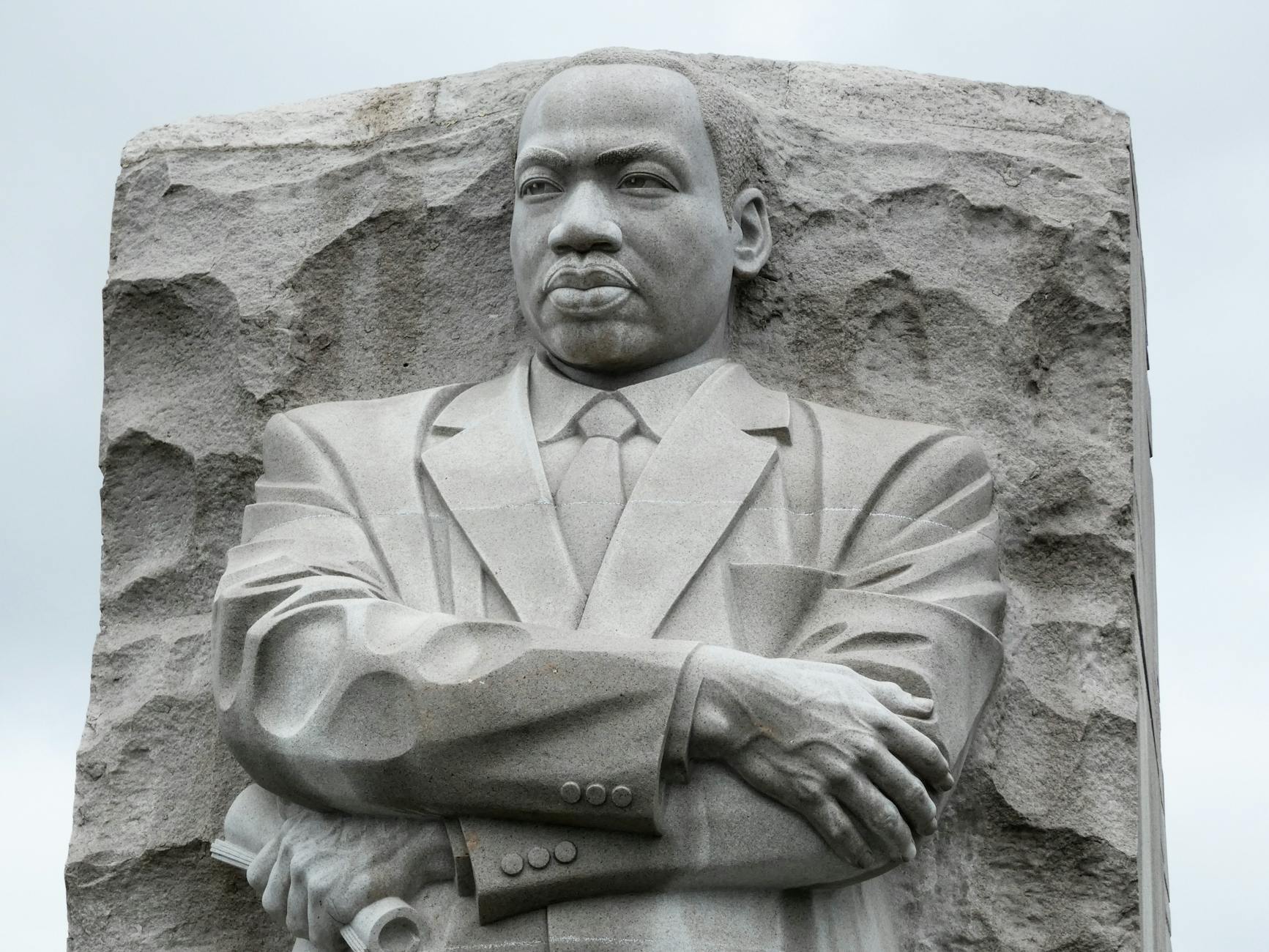
Tag Archives: Jim Crow

Dilemma: Redlining

The Architecture of Racial Segregation in American Housing

Redlining refers to a discriminatory practice in which financial institutions, lenders, insurers, and government agencies systematically denied or limited access to loans, mortgages, and other financial services to residents of certain neighborhoods based on race or ethnicity. The practice disproportionately targeted Black communities and other minority populations, reinforcing residential segregation and economic inequality across the United States. Redlining became one of the most enduring structural mechanisms used to maintain racial hierarchy in housing, wealth accumulation, and urban development.

The term “redlining” originated from the literal red lines drawn on government-sponsored maps to designate neighborhoods considered risky for mortgage lending. These maps were produced by the Home Owners’ Loan Corporation during the 1930s as part of federal housing initiatives implemented during the Great Depression. Neighborhoods with large Black populations were almost automatically labeled hazardous for investment, regardless of the income or stability of the residents who lived there.

Redlining emerged during the era of sweeping federal housing reform under the Franklin D. Roosevelt administration. In 1933, the U.S. government created the Home Owners’ Loan Corporation to refinance mortgages and prevent mass foreclosures. However, the agency developed color-coded maps to guide lending decisions. Areas marked in green were considered the best investments, while areas marked in red—often where Black Americans lived—were deemed undesirable.

These classifications were further reinforced by policies associated with the Federal Housing Administration (FHA), which was established in 1934. The FHA promoted homeownership through federally insured mortgages but refused to insure loans in neighborhoods with Black residents. This meant that white families could more easily obtain mortgages and build wealth through homeownership, while Black families were largely excluded from these opportunities.

Redlining was not merely an economic practice but a social system that institutionalized racial segregation. Mortgage lenders, real estate brokers, and city planners used these maps to guide investment decisions. Even middle-class Black neighborhoods with stable property values were marked as hazardous. As a result, banks refused to provide loans to Black homeowners seeking to buy, repair, or refinance their properties.

White homeowners and real estate developers frequently benefited from redlining policies. Suburban developments constructed after World War II often included racially restrictive covenants that explicitly prohibited the sale of homes to Black buyers. Developments such as Levittown became symbols of postwar suburban prosperity for white families while simultaneously excluding Black Americans from homeownership opportunities.

Because Black families were prevented from accessing traditional mortgage financing, many were forced into exploitative housing arrangements such as contract buying. Under these arrangements, buyers paid inflated prices for homes but did not gain ownership until the entire payment was completed. Missing even a single payment could result in eviction and loss of all previously paid funds, leaving many Black families financially devastated.

Redlining also restricted Black access to suburban neighborhoods, forcing many African Americans to remain concentrated in urban centers. Cities like Chicago, Detroit, and Baltimore became emblematic of racially segregated housing patterns produced by redlining policies. These patterns shaped the demographic landscape of American cities for generations.

One of the most devastating effects of redlining was its impact on generational wealth. Homeownership is one of the primary mechanisms through which American families accumulate wealth. By denying Black families access to mortgage credit, redlining prevented them from building home equity that could be passed down to future generations.

Redlining also affected neighborhood infrastructure and public services. Communities labeled as hazardous received fewer public investments, including reduced funding for schools, parks, and transportation. Businesses were less likely to open in these areas because banks refused to provide commercial loans, leading to economic stagnation in many Black neighborhoods.

Educational inequality also emerged as a secondary consequence of redlining. Because public school funding in the United States is often tied to local property taxes, neighborhoods with declining property values—often those affected by redlining—experienced underfunded schools. This created a cycle of disadvantage that affected educational attainment among Black children.

Health disparities also correlate with historically redlined neighborhoods. Researchers have found that communities once marked as hazardous often experience higher rates of environmental pollution, limited access to healthcare facilities, and increased prevalence of chronic illnesses such as asthma and hypertension.

Although redlining was formally outlawed with the passage of the Fair Housing Act of 1968, its legacy remains deeply embedded in the American housing system. The law prohibited discrimination in housing based on race, color, religion, or national origin, yet the structural inequalities created by decades of redlining have proven difficult to dismantle.

Modern forms of housing discrimination continue to resemble redlining practices. Some lenders engage in “reverse redlining,” targeting minority communities with predatory loans and subprime mortgages. These financial products often carry higher interest rates and fees, increasing the risk of foreclosure.

Urban scholars have noted that historically redlined neighborhoods still exhibit lower property values compared to areas that were graded favorably in the 1930s. This demonstrates how past policies continue to influence contemporary economic outcomes and spatial inequality.

Redlining also shaped patterns of urban disinvestment that contributed to the decline of many American inner cities during the mid-twentieth century. As white families moved to suburbs with government-backed mortgages, tax bases in urban Black communities declined, limiting municipal resources for infrastructure and public services.

Many historians and sociologists argue that redlining represents one of the clearest examples of structural racism in American policy. Unlike individual acts of prejudice, redlining was embedded within federal institutions, banking systems, and real estate practices, making it a systemic barrier to economic equality.

In recent years, scholars and policymakers have called for reparative housing policies to address the enduring legacy of redlining. Proposals include expanded access to homeownership programs, targeted investments in historically marginalized neighborhoods, and reforms to lending practices to promote equitable access to credit.

Understanding redlining is essential for comprehending the racial wealth gap in the United States. While individual success stories exist, structural barriers created by discriminatory policies significantly shaped economic outcomes for generations of Black Americans.

Ultimately, redlining reveals how government policy, financial institutions, and social attitudes combined to produce lasting racial inequality. Its legacy continues to influence patterns of housing segregation, economic mobility, and urban development in modern American society.


References

Aaronson, D., Hartley, D., & Mazumder, B. (2017). The effects of the 1930s HOLC “redlining” maps. Federal Reserve Bank of Chicago.

Jackson, K. T. (1985). Crabgrass frontier: The suburbanization of the United States. Oxford University Press.

Massey, D. S., & Denton, N. A. (1993). American apartheid: Segregation and the making of the underclass. Harvard University Press.

Rothstein, R. (2017). The color of law: A forgotten history of how our government segregated America. Liveright Publishing.

Satter, B. (2009). Family properties: Race, real estate, and the exploitation of Black urban America. Metropolitan Books.

U.S. Department of Housing and Urban Development. (2023). History of housing discrimination and redlining in America. HUD Archives.
History in Black: The Slave Trade

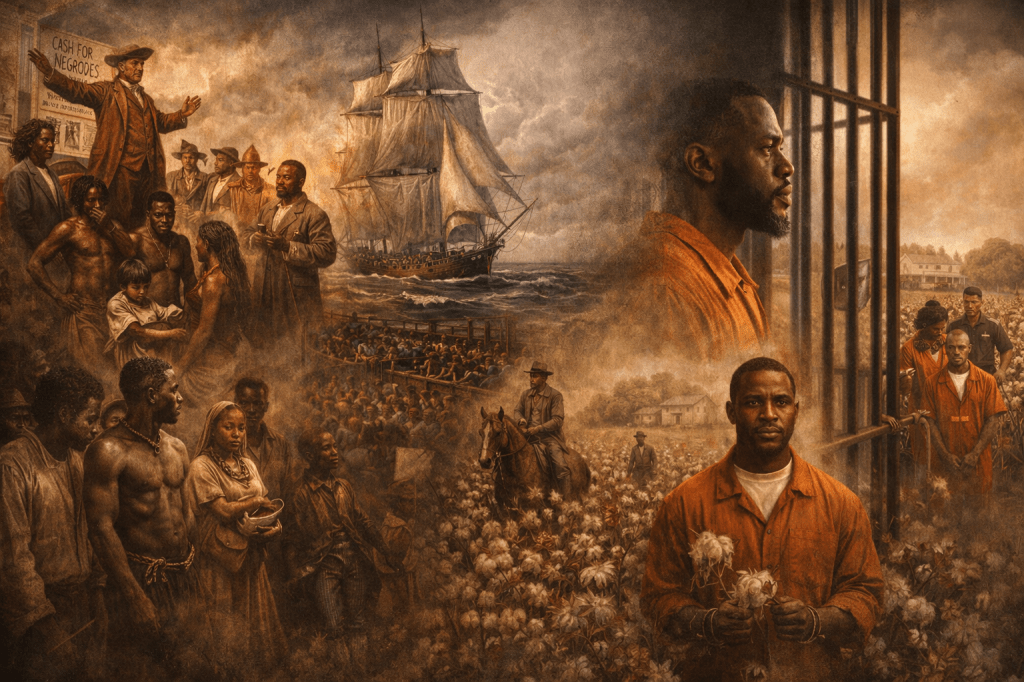
The history of the transatlantic slave trade is one of the most defining and devastating chapters in Black history, shaping the modern world through violence, exploitation, and racial hierarchy. It represents not merely a period of forced labor, but the systematic dehumanization of African peoples and the construction of a global economy built on Black suffering. Slavery was not accidental or natural; it was a deliberate system engineered for profit, power, and domination.

The slave trade began in the late 15th century with European expansion into Africa and the Americas. Portuguese and Spanish traders were among the first to establish routes, followed by the British, French, Dutch, and later Americans. Africa became a central source of labor for European colonies in the so-called “New World,” especially in plantations producing sugar, cotton, tobacco, and coffee.

The primary reason behind the slave trade was economic. European empires needed a massive labor force to exploit land stolen from Indigenous peoples. Africans were targeted because they were already skilled agricultural workers, could survive tropical climates, and were geographically accessible through coastal trading ports. Race was later used to morally justify what was, at its core, an economic crime.

African people were captured through warfare, raids, kidnappings, and betrayal by local intermediaries pressured or coerced into participating. Millions were marched to coastal forts, imprisoned in dungeons, and branded as property. Families were torn apart permanently, with no regard for kinship, language, or humanity.

The Middle Passage was one of the most horrific experiences in human history. Enslaved Africans were packed into ships like cargo, chained, starved, raped, beaten, and thrown overboard. Many died from disease, suicide, or suffocation before ever reaching land. Those who survived arrived psychologically traumatized and physically broken.

Upon arrival in the Americas, Black people were sold at auction and legally reduced to chattel. They were stripped of names, cultures, religions, and identities. Enslaved Africans were treated not as human beings, but as livestock—bred, whipped, mutilated, and worked to death.

Slavery was enforced through extreme violence. Enslaved people were beaten, lynched, raped, and tortured for disobedience. Laws known as slave codes made it illegal for Black people to read, write, gather, or defend themselves. Resistance was punished with death.

Yet, despite unimaginable brutality, enslaved Africans resisted constantly. They escaped, revolted, preserved culture, practiced spiritual traditions, and passed down ancestral knowledge. Revolts such as the Haitian Revolution proved that enslaved people never accepted their condition as legitimate.

In the United States, slavery became the foundation of the national economy. Cotton was king, and enslaved labor made America one of the richest nations on earth. Banks, insurance companies, universities, and governments were directly funded by slave profits.

The Civil War (1861–1865) led to the formal abolition of slavery in the U.S. through the 13th Amendment. However, freedom was largely symbolic. Formerly enslaved people were released into poverty with no land, no resources, and no protection.

Immediately after slavery, Black Americans faced Black Codes, sharecropping, and convict leasing—systems that recreated slavery under new names. Prisons replaced plantations. Chain gangs replaced whips. Black labor remained controlled.

The Jim Crow era legalized racial segregation and terror. Lynchings, racial pogroms, and voter suppression were used to maintain white supremacy. Black people were excluded from housing, education, healthcare, and political power.

The Civil Rights Movement of the 1950s and 60s challenged legal segregation. Figures like Martin Luther King Jr., Malcolm X, and Fannie Lou Hamer fought for basic human rights. Laws changed, but systems did not.

Mass incarceration emerged as the new form of social control. The “War on Drugs” targeted Black communities, filling prisons with nonviolent offenders. Black men became statistically more likely to be incarcerated than to attend college.

Police violence replaced slave patrols. The same logic of control persisted: Black bodies were still viewed as dangerous, disposable, and criminal. Surveillance, brutality, and profiling became modern tools of oppression.

Economic inequality remains rooted in slavery. The racial wealth gap, housing discrimination, school segregation, and healthcare disparities all trace back to stolen labor and denied opportunity.

Globally, the legacy of slavery continues through neocolonialism, resource extraction, and economic dependency across Africa and the Caribbean. Western wealth still rests on historical exploitation.

Culturally, Black identity has been shaped by trauma and resilience. Music, religion, language, and art emerged as tools of survival. Black culture became both a source of global influence and commodification.

Psychologically, slavery created intergenerational trauma. Internalized racism, colorism, and identity fragmentation are modern expressions of historical violence. The mind became another site of colonization.

Legally, slavery was never repaired. There were no reparations, no land restitution, no national healing process. Former enslavers were compensated—former slaves were not.

From slavery to Jim Crow, from segregation to mass incarceration, the system changed in form but not in function. Black people remain disproportionately policed, imprisoned, impoverished, and surveilled.

History in Black reveals a painful truth: slavery did not end—it evolved. The chains became invisible, the plantations became prisons, and the auction blocks became algorithms. What changed were the laws. What did not change was the structure of power.


References

Alexander, M. (2012). The New Jim Crow: Mass incarceration in the age of colorblindness. The New Press.

Baptist, E. E. (2014). The half has never been told: Slavery and the making of American capitalism. Basic Books.

Berlin, I. (2003). Generations of captivity: A history of African-American slaves. Harvard University Press.

Du Bois, W. E. B. (1935). Black reconstruction in America. Free Press.

Equiano, O. (1789). The interesting narrative of the life of Olaudah Equiano. Author.

Equal Justice Initiative. (2017). Lynching in America: Confronting the legacy of racial terror. https://eji.org

Gates, H. L. (2014). The African Americans: Many rivers to cross. PBS.

Hochschild, A. (1998). King Leopold’s ghost. Houghton Mifflin.

Kendi, I. X. (2016). Stamped from the beginning: The definitive history of racist ideas in America. Nation Books.

UNESCO. (2010). The transatlantic slave trade database. https://www.slavevoyages.org

U.S. National Archives. (n.d.). 13th Amendment to the U.S. Constitution. https://www.archives.gov

Washington Post. (2020). Fatal Force: Police shootings database. https://www.washingtonpost.com/graphics/investigations/police-shootings-database/

Williams, E. (1944). Capitalism and slavery. University of North Carolina Press.

Dilemma: Jim Crow – The Legacy of Prejudice and Oppression

Jim Crow laws were a system of legalized racial segregation in the United States, primarily in the South, which lasted from the late 19th century until the mid-1960s. These laws enforced the notion that Black Americans were inferior to whites, systematically restricting their access to public spaces, education, voting rights, and economic opportunity. The name “Jim Crow” itself originated from a racist minstrel show character, highlighting the deeply dehumanizing cultural underpinnings of the system.

The origins of Jim Crow can be traced to the post-Reconstruction era, when Southern states sought to maintain white supremacy after the abolition of slavery. Despite the promises of freedom under the 13th, 14th, and 15th Amendments, white elites implemented laws and practices designed to limit Black advancement, ensuring that social, political, and economic power remained concentrated in white hands.

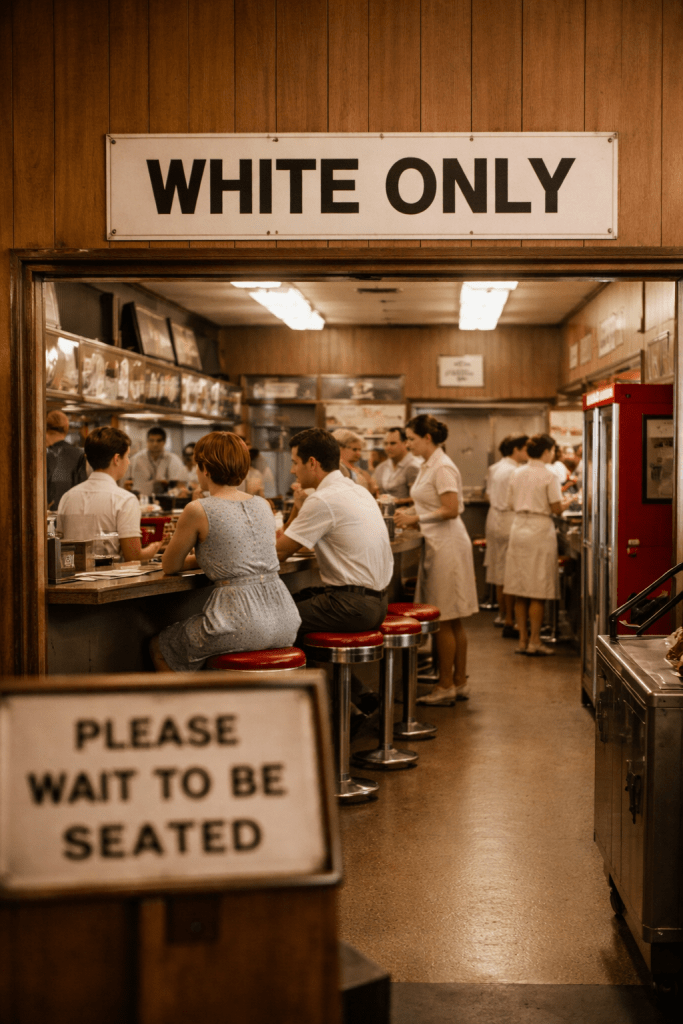
A “White Only” sign in a restaurant during the 1960s was a stark and visible symbol of Jim Crow segregation in the United States. Such signs were legally enforced in many Southern states, designating public spaces—restaurants, theaters, restrooms, water fountains, and more—where Black Americans were either denied entry entirely or relegated to inferior facilities.

These signs were not merely about seating; they reinforced a racial hierarchy, signaling that Black people were considered second-class citizens, unworthy of equal service or treatment. They were part of a broader system designed to maintain white supremacy socially, economically, and politically.

The presence of “White Only” signs had profound psychological and social effects. They dehumanized Black Americans, normalizing exclusion and instilling fear and shame. They also reinforced cultural prejudices in white communities, teaching white patrons that segregation was natural and morally acceptable.

Many Black Americans resisted these injustices through civil rights activism. Sit-ins at “White Only” lunch counters, such as the Greensboro sit-ins in 1960, challenged segregation directly, exposing the cruelty of the system and helping to galvanize national support for desegregation.

Legally, such signs were rendered unenforceable with the passage of the Civil Rights Act of 1964, which outlawed segregation in public accommodations. The removal of these signs symbolized the end of legal segregation, though the social and economic legacies of this discrimination persisted.

In short, a “White Only” sign in a 1960s restaurant was more than a notice—it was a tool of systemic oppression, a daily reminder of racial injustice, and a target for courageous activism in the fight for civil rights.

Under Jim Crow, public facilities were segregated, including schools, transportation, restrooms, restaurants, and theaters. Black citizens were forced into inferior accommodations, often with drastically fewer resources. This system reinforced the message that Black lives were less valuable and less deserving of dignity and opportunity.

Education for Black children under Jim Crow was deliberately underfunded. Schools were overcrowded, lacked textbooks and supplies, and were often housed in dilapidated buildings. This educational inequality limited social mobility, trapping generations of Black Americans in cycles of poverty and exclusion.

Voting rights were systematically restricted through measures such as literacy tests, poll taxes, and grandfather clauses. These tactics effectively disenfranchised most Black citizens in the South, silencing their political voices and denying them the ability to influence policies that affected their communities.

The economic effects of Jim Crow were devastating. Black workers were often relegated to low-paying, unstable jobs while being denied access to higher-paying, skilled labor opportunities. Sharecropping, tenant farming, and discriminatory hiring practices perpetuated economic dependency and vulnerability.

Segregation extended into healthcare, where Black patients faced limited access to hospitals, clinics, and trained physicians. Facilities for Black individuals were often under-resourced, and medical experimentation sometimes targeted Black communities without consent, reflecting the deeply embedded racial prejudice of the era.

Housing discrimination was another major consequence. Redlining and racially restrictive covenants prevented Black families from purchasing homes in certain neighborhoods. This not only limited wealth accumulation but also reinforced social segregation and concentrated poverty.

The legal system was complicit in maintaining Jim Crow. Black Americans were disproportionately targeted, arrested, and harshly sentenced, while white perpetrators often received lenient treatment. Courts upheld segregation and discriminatory laws, cementing structural racism in law and practice.

Social norms under Jim Crow reinforced the ideology of white superiority. Black individuals were subject to constant surveillance, harassment, and intimidation. Even minor perceived infractions of social etiquette could result in violent punishment, including lynching, which was often public and unpunished.

Lynching became a tool of terror used to enforce racial hierarchy. Thousands of Black men and women were murdered or brutally attacked for resisting oppression or simply existing outside the boundaries imposed by white supremacists. These acts were meant to instill fear and reinforce the perceived dominance of whites.

Jim Crow also affected the psychological well-being of Black communities. Continuous exposure to discrimination, exclusion, and violence created trauma that transcended generations. Black individuals internalized societal messages of inferiority, impacting self-esteem, mental health, and aspirations.

Resistance to Jim Crow took many forms. Organizations like the NAACP worked through legal challenges, advocacy, and education to dismantle segregation. Grassroots activism, boycotts, and acts of civil disobedience highlighted the courage and resilience of Black communities under oppression.

The Civil Rights Movement of the 1950s and 1960s directly confronted the injustices of Jim Crow. Landmark legislation, including the Civil Rights Act of 1964 and the Voting Rights Act of 1965, legally ended segregation and restored voting rights. However, the legacy of these laws persists in systemic inequalities and social attitudes.

Jim Crow fostered prejudice not only through law but also through cultural reinforcement. Media, literature, and everyday social interactions perpetuated stereotypes of Black inferiority, laziness, and criminality, creating a society that normalized racial hierarchy.

Racial prejudice under Jim Crow was enforced through both fear and ideology. Black Americans were taught to accept a subordinate status, while whites were socialized to view dominance as natural and justified. This dual reinforcement maintained systemic oppression for decades.

Family life was disrupted by Jim Crow. Economic constraints, restricted mobility, and threats of violence affected Black households, limiting opportunities for generational wealth and stability. Despite this, Black families often cultivated strong networks of support, faith, and community resilience.

Jim Crow shaped urban and rural landscapes. Segregated neighborhoods, schools, and institutions created spatial boundaries that reinforced inequality and restricted access to resources. These patterns of segregation continue to affect cities today.

The legacy of Jim Crow is evident in contemporary racial disparities. Disproportionate incarceration, educational inequities, and wealth gaps trace their roots to the structures and prejudices entrenched during this era. Understanding Jim Crow is essential to addressing these ongoing injustices.

Ultimately, Jim Crow represents the deliberate manipulation of law, culture, and social norms to maintain racial hierarchy. Its effects were profound, extending beyond the immediate physical restrictions to shape generational experiences of Black Americans. The struggle against Jim Crow is a testament to the resilience, courage, and enduring pursuit of justice by Black communities.

References

Woodward, C. V. (2002). The strange career of Jim Crow. Oxford University Press.

Litwack, L. F. (2009). Trouble in mind: Black southerners in the age of Jim Crow. Vintage.

Anderson, J. D. (1988). The education of Blacks in the South, 1860–1935. University of North Carolina Press.

Du Bois, W. E. B. (1935). Black reconstruction in America. Free Press.

Perman, M. (2001). Struggle for mastery: Disfranchisement in the South, 1888–1908. University of North Carolina Press.

Tolnay, S. E., & Beck, E. M. (1995). A festival of violence: An analysis of Southern lynchings, 1882–1930. University of Illinois Press.

Foner, E. (2011). Reconstruction: America’s unfinished revolution, 1863–1877. Harper Perennial.

“From Jim Crow to Justice: THE CIVIL RIGHTS MOVEMENT and the Long Road to Equality”


Photo by Chris on Pexels.com

Introduction

The Civil Rights Movement was one of the most transformative periods in American history. Spanning from 1954 to 1968, it represented a moral and legal battle for racial equality, dignity, and justice for Black Americans long oppressed under the shadow of slavery, segregation, and systemic racism. With grassroots courage, spiritual leadership, and national reckoning, the movement dismantled Jim Crow laws, challenged white supremacy, and redefined the conscience of a nation.


Origins of the Movement

The modern Civil Rights Movement began in earnest with the 1954 Brown v. Board of Education decision, in which the U.S. Supreme Court declared segregation in public schools unconstitutional. Yet resistance in the South was fierce, with white politicians, police, and citizens clinging to Jim Crow customs that banned Black people from using the same restrooms, water fountains, buses, restaurants, and schools as white people.

This apartheid-like system was enforced through humiliation, economic retaliation, and police brutality.


Key Leaders and Organizations

Dr. Martin Luther King Jr.

Dr. Martin Luther King Jr. emerged as the moral compass of the movement. A Baptist minister from Atlanta, Georgia, King rose to national prominence during the Montgomery Bus Boycott (1955–56), which followed the arrest of Rosa Parks, a Black woman who refused to give up her seat to a white passenger. King later founded the Southern Christian Leadership Conference (SCLC) and led nonviolent campaigns across the South—including in Birmingham, Selma, and Washington, D.C.

In his iconic “I Have a Dream” speech (1963), King called for a nation where people would not be judged by the color of their skin but by the content of their character. His philosophy of nonviolence, inspired by Jesus and Gandhi, stood in stark contrast to the brutality Black Americans faced.

Rosa Parks

Often called “the mother of the civil rights movement,” Rosa Parks’ simple act of defiance became a catalyst for mass protest. Her arrest sparked the 381-day Montgomery Bus Boycott, which crippled the city’s economy and led to the desegregation of its bus system.

Medgar Evers

Medgar Evers, a World War II veteran and NAACP field secretary in Mississippi, worked tirelessly to investigate lynchings and push for school integration. He was assassinated outside his home in 1963 by white supremacist Byron De La Beckwith, becoming a martyr for the movement.

Jesse Jackson

Jesse Jackson, a young activist and close associate of King, founded Operation PUSH and later the Rainbow Coalition, focusing on economic empowerment and political inclusion. He marched with King and continued advocating for civil rights and racial justice for decades.

White Allies

Not all white Americans opposed the movement. Many, including Jewish activists and Christian clergy, joined protests, marches, and even lost their lives—such as Viola Liuzzo, murdered by the Klan after Selma, and Andrew Goodman and Michael Schwerner, killed with James Chaney in Mississippi during Freedom Summer.


Other Influential Groups

Malcolm X

Though not part of the mainstream civil rights leadership, Malcolm X of the Nation of Islam was a vital voice. He criticized the passive approach of nonviolence, advocating for Black self-defense, racial pride, and liberation by any means necessary. His evolution toward Pan-African unity and human rights broadened the scope of the Black struggle.

The Black Panther Party

Founded in 1966 by Huey Newton and Bobby Seale, the Black Panther Party combined militant resistance with community programs—like free breakfasts and medical clinics. They stood against police brutality, which in the 1960s often included attacks with dogs, water hoses, and nightsticks, particularly during protests in Birmingham and Selma.


Police Brutality and Resistance

Black protesters often faced militarized repression. Peaceful marchers in Birmingham (1963) were attacked with police dogs and high-pressure fire hoses, scenes that shocked the world. In Selma (1965), on “Bloody Sunday,” marchers were beaten on the Edmund Pettus Bridge by Alabama state troopers. Police routinely abused, jailed, and sometimes murdered activists. The justice system largely protected white aggressors.


Major Legislative Achievements

The movement forced monumental legal changes:

  • Civil Rights Act of 1964 – outlawed segregation and workplace discrimination.
  • Voting Rights Act of 1965 – banned literacy tests and protected Black voting rights.
  • Fair Housing Act of 1968 – outlawed housing discrimination.

These victories were hard-won through protest, litigation, and bloodshed.


Assassinations and Political Turmoil

Dr. King was assassinated on April 4, 1968, in Memphis, Tennessee, by James Earl Ray. His death sparked nationwide riots and mourning. President John F. Kennedy, who had cautiously supported civil rights and proposed legislation before his assassination in 1963, was killed by Lee Harvey Oswald (officially). His successor, Lyndon B. Johnson, signed many civil rights laws into action.


Controversies and Legacy

FBI files later revealed that J. Edgar Hoover’s COINTELPRO sought to discredit King and other Black leaders. Allegations surfaced of King’s infidelity, possibly manipulated through illegal surveillance. Though claims exist that he was involved with prostitutes, these remain contested and ethically questionable due to FBI tampering. King’s wife, Coretta Scott King, a dignified civil rights leader in her own right, continued his legacy with grace. They had four children and maintained close ties with the gospel community, including Aretha Franklin’s father, Rev. C.L. Franklin, who was a friend of King.


Did It Make a Difference?

Yes—and no. The Civil Rights Movement ended legal segregation and created frameworks for equality. Black voter registration soared, Black elected officials increased, and legal protections were codified. But racism did not end. Today, systemic inequality persists through mass incarceration, housing discrimination, economic disparity, and police violence.

Yet the movement planted seeds of resistance, dignity, and unity that endure in modern movements like Black Lives Matter, and in the resilience of Black communities across America.


Conclusion

The Civil Rights Movement was a righteous uprising against injustice, born of centuries of suffering and sanctified by the blood of martyrs. Led by both preachers and Panthers, men and women, Black and white allies, the movement shattered chains both literal and psychological. It did not end racism—but it changed the law, awakened a nation, and inspired the world.

As King once said, “The arc of the moral universe is long, but it bends toward justice.” The bending continues.


References

  • Branch, T. (1988). Parting the Waters: America in the King Years 1954–63. Simon & Schuster.
  • Carson, C. (1998). The Autobiography of Martin Luther King, Jr. Warner Books.
  • Fairclough, A. (2001). Better Day Coming: Blacks and Equality, 1890-2000. Penguin.
  • Garrow, D. J. (1986). Bearing the Cross: Martin Luther King Jr. and the Southern Christian Leadership Conference. Harper Perennial.
  • Malcolm X & Haley, A. (1965). The Autobiography of Malcolm X. Grove Press.
  • Tyson, T. B. (2004). Blood Done Sign My Name. Crown.
  • Williams, J. (2013). Eyes on the Prize: America’s Civil Rights Years, 1954-1965. Penguin Books.