Tag Archives: jesus

10 Material Things you Need to Stop Buying

In a society dominated by consumerism, it is easy to equate wealth with status, happiness, and personal worth. From expensive cars to designer handbags, the constant pursuit of material possessions can blind individuals to the deeper purpose of wealth and the responsibility to use it wisely.

America, in particular, promotes an ethos of individualism—“I got mine, you get yours”—that encourages accumulation over compassion. This mindset often prioritizes personal gain over communal support, leading to a culture where opulence becomes a badge of superiority rather than a tool for service.

Expensive cars, while symbolizing status, rarely produce lasting fulfillment. The thrill of ownership fades quickly, leaving only the financial burden behind. While transportation is necessary, the obsession with luxury vehicles can distract from using resources to meet the needs of others.

Designer handbags from Hermès, Chanel, Prada, and similar brands have become status symbols in many communities. These items signal wealth and taste, yet they cannot carry eternal value. The Bible reminds us that earthly treasures are fleeting and cannot accompany us beyond this life (Matthew 6:19–21).

Costly clothing, beyond what is necessary, often reinforces pride and materialism. Fashion can become a competition of visibility rather than a reflection of personal character. The constant desire for the latest trends shifts focus from spiritual growth and community impact to self-centered display.

Pride and arrogance frequently accompany riches. When wealth becomes a source of identity, humility is compromised, and relationships suffer. Proverbs 16:18 warns that pride goes before destruction, and a haughty spirit before a fall, emphasizing that character matters more than possessions.

Many forget that God gives wealth not merely for personal comfort, but to enable generosity and service. Acts of kindness, financial assistance to those in need, and support of community initiatives honor God’s purpose for resources (1 Timothy 6:17–19). Wealth without generosity is hollow.

Electronics, the latest gadgets, and luxury items intended purely for status also fall into the category of material traps. While these may bring temporary satisfaction, they do not cultivate wisdom, empathy, or spiritual growth. The Bible teaches contentment with what we have (Hebrews 13:5), which contrasts sharply with consumer culture.

Jewelry, watches, and other flashy accessories often symbolize social ranking rather than necessity. When adornment becomes a source of comparison, it fosters envy, division, and distraction. James 2:1–4 cautions against favoritism based on outward appearance, reminding believers to prioritize the heart over possessions.

The pursuit of material wealth often overshadows the need to help others, particularly brothers and sisters in distress. When someone is in need, sharing resources embodies the love and generosity God calls us to express. True wealth is measured not by what we accumulate, but by how we bless others with what we have.

Luxury vacations and extravagant experiences are another form of consumable pride. While travel can enrich perspective, doing so solely to broadcast status fosters vanity. Scripture repeatedly emphasizes stewardship, reminding us that earthly experiences are temporary and should serve a higher purpose.

High-end homes, often purchased as trophies of success, can foster both financial strain and a sense of entitlement. While shelter is necessary, opulence should not replace community connection or spiritual focus. The parable of the rich fool (Luke 12:16–21) illustrates the folly of storing up treasures for oneself alone.

Collecting material items often leads to distraction from spiritual life. Time, energy, and money spent on accumulating things could instead be invested in prayer, study, service, and generosity. Matthew 6:24 teaches that one cannot serve both God and mammon, reminding believers to prioritize eternal over temporal gain.

These items are temporary and cannot accompany us into eternity. Instead, the resources used to acquire them can be redirected toward helping others, cultivating spiritual growth, and living with humility.

  1. Expensive Cars – Luxury vehicles may signal status, but do not bring lasting fulfillment.
  2. Designer Handbags – Brands like Hermès, Chanel, and Prada offer prestige, not eternal value.
  3. Costly Clothing – Overspending on fashion fosters pride and distracts from character and purpose.
  4. Jewelry and Watches – Flashy accessories often promote envy and comparison rather than meaningful self-expression.
  5. Luxury Electronics – Gadgets purchased purely for status rarely enrich the soul or relationships.
  6. High-End Homes – Opulent houses can create financial strain and encourage materialistic priorities.
  7. Extravagant Vacations – Travel for show can cultivate vanity instead of spiritual or personal growth.
  8. Collectibles and Trophies – Accumulating items for prestige often replaces acts of generosity and stewardship.
  9. Expensive Vehicles for Leisure – Boats, jets, or recreational vehicles bought for image rather than need.
  10. Designer Accessories – Shoes, belts, or sunglasses purchased for social status rather than utility.

Instead of chasing possessions, believers are called to cultivate generosity, humility, and contentment. By focusing on relationships, service, and stewardship, we align our lives with God’s vision for wealth. True prosperity is reflected in the lives we touch, not the objects we own.

Ultimately, the things we accumulate cannot accompany us into eternity. Investing in others, supporting the needy, and living with contentment honors God and ensures our wealth serves a lasting purpose. By resisting the allure of unnecessary material purchases, we free ourselves to embrace generosity, humility, and eternal value.


References

Holy Bible, King James Version. (1769).

Anderson, T. (2019). The culture of consumerism and spiritual fulfillment. Christian Scholar Press.

Benedict, D. (2020). Wealth, generosity, and the Christian life. Faith & Finance Publications.

Keller, T. (2013). Generous justice: How God’s grace makes us just. Dutton.

Miller, W. R. (2017). Contentment in a consumer society. Journal of Biblical Ethics, 12(3), 45–60.

Wright, N. T. (2010). After you believe: Why Christian character matters. HarperOne.

The Gospel of Beauty: For man looketh on the outward appearance, but the Lord looketh on the heart.

In a society increasingly obsessed with physical appearance, the tension between outward beauty and inner virtue has never been more pressing. Scripture repeatedly underscores that while humans are prone to judge based on external features, God evaluates the character and intentions of the heart. The Apostle Samuel’s words in 1 Samuel 16:7 (KJV) illustrate this: “But the Lord said unto Samuel, Look not on his countenance, or on the height of his stature; because I have refused him: for the Lord seeth not as man seeth; for man looketh on the outward appearance, but the Lord looketh on the heart.”

Physical beauty, while celebrated culturally, is transient. Societal standards continually shift, creating pressure to conform to ideals that are both fleeting and often unattainable. This emphasis on outward appearance fosters vanity, envy, and superficial judgment, diverting attention from moral, spiritual, and relational substance.

The Bible consistently contrasts external allure with internal virtue. Proverbs 31:30 (KJV) asserts: “Favor is deceitful, and beauty is vain: but a woman that feareth the Lord, she shall be praised.” Here, the text emphasizes reverence, wisdom, and moral integrity as enduring qualities far surpassing aesthetic appeal.

Men, too, are subject to this cultural fixation. In 1 Peter 3:3-4 (KJV), spiritual instruction guides believers: “Whose adorning let it not be that outward adorning of plaiting the hair, and of wearing of gold, or of putting on of apparel; But let it be the hidden man of the heart, in that which is not corruptible, even the ornament of a meek and quiet spirit, which is in the sight of God of great price.” True beauty emanates from humility, meekness, and spiritual devotion rather than fashion or cosmetics.

Social psychology mirrors this biblical principle. Studies on the “halo effect” show that attractive individuals are often assumed to possess positive traits; however, research also suggests that outward beauty does not predict ethical behavior, compassion, or integrity (Eagly et al., 1991). The wisdom of Scripture anticipates this insight, teaching discernment beyond superficial appearances.

Vanity and obsession with outward appearance can disrupt relationships and spiritual growth. When individuals prioritize beauty over character, they risk fostering pride, insecurity, and shallow social connections. Conversely, cultivating inner virtue promotes resilience, meaningful relationships, and spiritual fulfillment.

The Psalms reinforce the primacy of the heart over appearance. Psalm 51:10 (KJV) pleads: “Create in me a clean heart, O God; and renew a right spirit within me.” God’s concern is not outward perfection but purity of intent, ethical integrity, and contrition, qualities invisible to human eyes yet central to divine evaluation.

Biblical narratives illustrate that God often chooses those overlooked by society. Moses, a reluctant leader with apparent deficiencies in confidence; David, the youngest son of Jesse, overlooked for physical stature; and Esther, a woman of quiet virtue elevated to influence, exemplify God’s attention to character over appearance (Exodus 3, 1 Samuel 16, Esther 2).

Beauty, therefore, is not condemned but reframed. 1 Timothy 2:9-10 (KJV) instructs: “In like manner also, that women adorn themselves in modest apparel, with shamefacedness and sobriety; not with broided hair, or gold, or pearls, or costly array; But (which becometh women professing godliness) with good works.” True adornment lies in righteous actions and godly conduct.

Cultural and technological influences exacerbate the human tendency to equate beauty with value. Social media, advertising, and entertainment industries often perpetuate narrow ideals, while Scripture provides an enduring corrective: God measures worth by moral, relational, and spiritual integrity.

The New Testament further emphasizes the enduring nature of inner qualities. Galatians 5:22-23 (KJV) describes the fruit of the Spirit—love, joy, peace, longsuffering, gentleness, goodness, faith, meekness, temperance—which constitute lasting beauty far beyond physical allure.

Discerning God’s perspective requires intentional cultivation of the heart. Prayer, study of Scripture, and acts of service shift focus from external validation to divine affirmation, reinforcing humility, integrity, and spiritual maturity.

Parents and mentors have a responsibility to teach this principle. Encouraging children to value kindness, diligence, and godly character over appearance fosters resilience against societal pressures and nurtures lifelong spiritual and relational flourishing.

The dangers of valuing appearance above character are also illustrated in narrative warnings. Proverbs 31:25-26 (KJV) praises the virtuous woman: “Strength and honour are her clothing; and she shall rejoice in time to come. She openeth her mouth with wisdom; and in her tongue is the law of kindness.” Strength, honor, wisdom, and kindness surpass transient beauty in both societal and divine evaluation.

In communal life, the prioritization of inner virtue cultivates trust, empathy, and ethical behavior. A society that mirrors God’s evaluation—honoring the heart over the outward appearance—promotes justice, relational depth, and enduring value.

Christian leaders and teachers can model this principle, valuing and affirming individuals for character, service, and spiritual devotion rather than attractiveness or charm, thereby reinforcing a culture that reflects divine priorities.

Ultimately, the Gospel of Beauty calls for a reversal of conventional judgment. Human eyes may favor external traits, but God’s perspective emphasizes eternal qualities. Aligning personal and communal evaluation with this principle fosters moral clarity and spiritual depth.

Believers are reminded to cultivate discernment and humility. 1 Samuel 16:7 (KJV) serves as a perpetual guide: resist superficial judgment, prioritize inner virtue, and honor God’s assessment over societal perception.

In conclusion, while the world celebrates outward beauty, Scripture consistently teaches that God looks at the heart. True beauty is measured in character, integrity, service, and devotion. Aligning life with these principles ensures enduring worth, divine favor, and relational richness beyond the fleeting admiration of human eyes.

References

Eagly, A. H., Ashmore, R. D., Makhijani, M. G., & Longo, L. C. (1991). What is beautiful is good, but…: A meta-analytic review of research on the physical attractiveness stereotype. Psychological Bulletin, 110(1), 109–128.

Holy Bible, King James Version (KJV). 1 Samuel 16:7; Proverbs 31:30; 1 Peter 3:3-4; Psalm 51:10; 1 Timothy 2:9-10; Galatians 5:22-23; Proverbs 31:25-26.

Wolf, N. (1991). The beauty myth: How images of beauty are used against women. HarperCollins.

Langlois, J. H., Kalakanis, L., Rubenstein, A. J., Larson, A., Hallam, M., & Smoot, M. (2000). Maxims or myths of beauty? A meta-analytic and theoretical review. Psychological Bulletin, 126(3), 390–423.

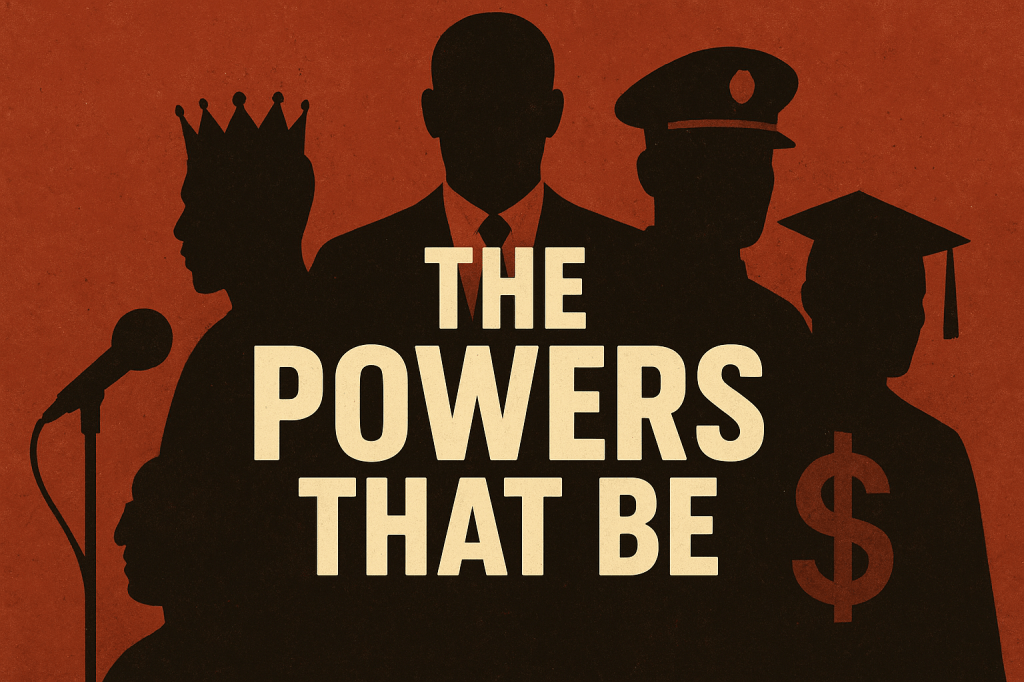
Who Are the Powers That Be?

The question “Who are the powers that be?” stretches beyond casual curiosity; it is a theological, historical, and sociopolitical inquiry that reveals how authority functions in the seen and unseen realms. Throughout Scripture and human history, “the powers that be” refer to those forces—spiritual and earthly—that shape societies, influence human behavior, and govern the direction of nations. Understanding these powers is essential for discerning justice, oppression, liberation movements, and the spiritual battles believers face daily.

In the biblical world, authority is never viewed as random or accidental. Romans 13:1 teaches that “the powers that be are ordained of God,” signaling that all structure in the world, whether righteous or corrupted, sits under divine sovereignty. Yet Scripture also warns that earthly authority can become distorted when leaders reject righteousness. Pharaoh, Nebuchadnezzar, and Herod stand as reminders that political power can be manipulated for the harm of the vulnerable. These opposing realities—divine order and human corruption—frame the ongoing tension around who truly holds power.

Afrocentric & Hebraic–Israelite Perspective)

The question “Who are the powers that be?” resonates deeply within the collective memory of African-descended people and the biblical heritage of the scattered Israelites. It is more than a political inquiry—it is a spiritual and historical decoding of how ruling forces have shaped the destiny, identity, and suffering of Black people across generations. Through an Afrocentric and Hebraic-Israelite lens, the “powers that be” refer not only to governments and institutions but also to empires, spiritual hierarchies, colonial systems, and prophetic cycles that influence the lives of the chosen people.

Scripture presents authority as both divine and contested. Romans 13:1 states that “the powers that be are ordained of God,” indicating that rulers operate within the boundaries of divine sovereignty. Yet throughout the Bible, oppressive rulers—from Pharaoh to Nebuchadnezzar—were permitted to rise as instruments of judgment or refinement for Israel. This pattern echoes across African diaspora history, where colonial powers, enslavers, and Western institutions wielded authority that reshaped nations and scattered peoples. In this reading, oppression becomes a sign not of abandonment but of prophecy unfolding.

A Hebraic-Israelite interpretation identifies the descendants of the transatlantic slave trade as the children of Israel under the curses of Deuteronomy 28. Here, “the powers that be” become the nations that rose to dominance through slavery, colonization, and exploitation of African bodies and labor. Their economic and political power reflected the biblical warning that Israel would become “a proverb and a byword” among all nations (Deut. 28:37). The systems that oppressed Black people were not random; they were part of a prophesied cycle of captivity that marked Israel’s disobedience and exile.

From an Afrocentric perspective, the phrase “powers that be” includes empires that rewrote African history, erased indigenous spiritual knowledge, and dismantled pre-colonial civilizations. West African societies such as Mali, Ghana, Songhai, and Dahomey once possessed enormous wealth, governance systems, and spiritual sophistication. Yet Western powers wielded military technology, religious propaganda, and economic manipulation to dominate African nations. This manufactured dominance became codified into racist ideologies, leading to centuries of systemic oppression that still persists today.

The Bible reveals that human rulers rarely operate alone; they are influenced by spiritual principalities. Ephesians 6:12 identifies an unseen hierarchy—principalities, powers, rulers of darkness—that governs nations and institutions. Hebraic-Israelite thinkers see these spiritual forces working behind political systems that uphold white supremacy, capitalism, and global inequality. These powers influence legislation, policing, education, media, and economic policy. Their purpose is to perpetuate cycles of captivity and confusion among Israel, preventing awakening, unity, and cultural restoration.

Modern institutions—banks, corporations, governments, and entertainment industries—become extensions of these powers. They shape reality, dictate beauty standards, control narratives, and reinforce hyper-consumerism. For Black people, these institutions have historically limited access to wealth and visibility while exploiting creative labor, natural resources, and cultural expression. This manipulation mirrors ancient Israel’s frequent confrontation with foreign empires—Egypt, Assyria, Babylon, Rome—whose political dominance flowed from spiritual corruption and divine timing.

Understanding who the powers that be truly are also requires revisiting the question of identity. Since the transatlantic slave trade, Western systems have deliberately obscured Black people’s heritage, stripping them of language, history, and spiritual lineage. The power to define identity is one of the greatest tools of domination. Hebraic-Israelite thought argues that reclaiming biblical identity is an act of liberation from these powers. It breaks psychological chains and restores dignity, purpose, and covenant consciousness.

Yet spiritual awakening does not eliminate the reality of earthly oppression. Even in Scripture, Israel endured captivity while maintaining divine identity. Daniel served in Babylon, Joseph in Egypt, and Esther under Persia. Each navigated hostile systems while remaining loyal to their heritage and God’s law. These examples suggest that the children of Israel can survive and even flourish within oppressive structures without losing sight of their calling.

Afrocentric and Hebraic readings converge on one truth: the powers that be are temporary. Empires rise and crumble, and spiritual forces eventually face divine judgment. Psalm 2 depicts earthly rulers plotting in vain against God’s anointed. Isaiah 14 describes the fall of oppressive kings. Revelation portrays the collapse of global systems that exploit nations and traffic in human souls. These texts speak directly to the suffering of Black people and signal the approaching reversal of centuries of oppression.

Discernment becomes essential. People who understand the powers that be can resist manipulation, challenge false narratives, and restore cultural and spiritual identity. Hebraic-Israelite consciousness empowers individuals to see their history as prophecy, not coincidence, and to recognize their place in a divine timeline where suffering is followed by restoration.

Ultimately, “the powers that be” include earthly rulers, spiritual hierarchies, and societal systems that shape global order. But the highest power remains Yah, the Most High, who sets up kings and removes them. For the children of Israel, awakening to this truth brings clarity and courage. It affirms that while earthly powers influence circumstances, they do not define destiny. The Most High determines the rise and fall of nations, the liberation of His people, and the restoration of their identity.

This understanding transforms how Afrocentric and Israelite communities interpret history, engage society, and prepare for the future. It calls for unity, spiritual discipline, and cultural reclamation. And it reminds the dispersed descendants of Israel that although they live under the powers that be, they are ultimately governed by the Power who will be.

Historically, “the powers that be” include monarchies, empires, colonial rulers, slaveholders, corporate elites, political structures, and Western institutions that have shaped global culture. For Black communities across the African diaspora, the phrase carries a specific resonance: it evokes memories of transatlantic slavery, segregation, racial hierarchy, and the global systems that still dictate access to wealth, resources, education, and justice. The legacy of these powers still influences economic inequality, policing, healthcare disparities, and the psychological narrative of inferiority imposed upon people of African descent.

In the spiritual realm, Scripture reveals that “principalities, powers, and the rulers of the darkness of this world” (Ephesians 6:12) exert influence over nations and institutions. These are unseen forces—spiritual systems—that inspire human rebellion, pride, violence, and the oppression of the vulnerable. Thus, “the powers that be” cannot be understood solely by looking at governments or corporations; one must also acknowledge the spiritual forces working behind them. The Bible presents a cosmic hierarchy that affects the social one.

Christians are reminded that earthly power is temporary. empires rise and fall, yet God’s kingdom remains unmoved. This is why believers are commanded to use discernment when interacting with the world’s systems. Scripture calls followers to “test the spirits” (1 John 4:1), recognize injustice, and speak truth to power like the prophets of old. Jeremiah, Isaiah, Amos, and Micah consistently challenged kings and rulers whose policies harmed the poor and distorted justice. Their example teaches that righteous authority protects, while corrupt authority oppresses.

In a modern context, “the powers that be” show up in quieter but equally impactful ways: media conglomerates that shape public opinion, financial institutions that determine generational wealth, political systems that allocate justice unevenly, and cultural forces that define beauty, morality, and success. These powers manifest in boardrooms, legislative chambers, digital algorithms, and economic structures that influence billions daily. They are not always elected, visible, or accountable—yet they hold extraordinary influence over human behavior.

For Black communities, the question of power is also a question of identity. Who holds the authority to define history, culture, and truth? For centuries, Western powers controlled the narrative—portraying African civilizations as primitive, erasing contributions to science and theology, and distorting biblical imagery. Recovering historical truth becomes an act of resistance against such powers. This reclamation aligns with biblical themes of remembering one’s heritage and refusing to accept distorted versions of identity imposed by oppressive systems.

Yet Scripture consistently points to a higher truth: while human powers influence the world, they do not define destiny. Even in times of captivity—whether Babylonian exile or transatlantic slavery—God preserved remnants, elevated leaders, and overturned systems. Moses confronted Pharaoh. Esther confronted Haman. Daniel outlasted empires. Christ confronted the religious and political powers of His day. Each represents divine disruption against unjust authority.

Understanding “the powers that be” also requires humility, because human beings—even the righteous—can misuse authority. Power tests character. It magnifies motives. It exposes hidden pride. This is why Jesus taught that true greatness is found in service, not domination (Mark 10:42–45). Power divorced from righteousness becomes tyranny, but power rooted in God’s truth becomes protection, leadership, and justice.

Ultimately, “the powers that be” include three interconnected realms: spiritual authority, human governance, and cultural influence. These realms interact constantly, shaping laws, social norms, and moral direction. The believer’s task is not to fear these powers but to understand and navigate them wisely. Knowledge of spiritual warfare, historical truth, political awareness, and personal discernment empowers individuals to stand firm in a world influenced by both visible and invisible forces.

Christ’s resurrection demonstrates that no earthly or spiritual power can override God’s authority. His victory disarmed principalities (Colossians 2:15) and established a kingdom that outlasts every empire. This kingdom invites believers to walk in purpose, justice, and spiritual clarity even while living within earthly systems. Thus, the answer to the question “Who are the powers that be?” is layered, complex, and deeply spiritual. It reminds us that while power shapes the world, God shapes destiny.

The believer must remain watchful, prayerful, discerning, and courageous. Understanding the powers that be allows one to resist manipulation, recognize injustice, reclaim identity, and align with the higher authority of God’s kingdom. In every generation, those who understand power can transform communities and challenge systems that were designed to oppress. And ultimately, true power belongs not to governments or institutions, but to the One who reigns over heaven and earth.


References

Holy Bible, King James Version. (1769/2017). Cambridge University Press.

Paul, R. (2010). The politics of power and authority in biblical literature. Journal of Ancient Studies, 22(3), 145–162.

Sloan, T. (2018). Spiritual warfare and the unseen realm: A theological exploration. Christian Academic Press.

Williams, C. (2016). Race, empire, and systems of power: Understanding historical oppression. Diaspora Research Review, 14(2), 89–112.

Wright, J. (2020). The powers that be: Government, empire, and the kingdom of God. Theological Horizons, 7(1), 33–57.

Girl Talk Series: The Types of Men you will Encounter in the Dating Process.

Ladies, wisdom calls for discernment, especially when it comes to the men you allow access to your heart, body, and future. The Bible repeatedly warns that relationships shape destiny, character, and spiritual health. Paying attention to the patterns, fruit, and spirit of the man around you is not judgmental—it is biblical self-preservation.

Modern dating, as practiced today, is a relatively new social construct and often lacks biblical structure or accountability. Scripture emphasizes intention, covenant, and purpose rather than emotional experimentation. Without discernment, many women find themselves emotionally depleted by men who were never meant to lead, love, or commit.

Among all the men you may encounter, the rarest is the needle in the haystack—the Godly man. He is uncommon not because God stopped making him, but because discipline, obedience, and integrity are costly. This man embodies godly wisdom not only in his speech but also in his consistent actions.

The Godly man loves as Christ loves the church, sacrificially and responsibly. He understands authority and submission in a biblical sense, meaning he leads with humility and strength, not control. “Husbands, love your wives, even as Christ also loved the church, and gave himself for it” (Ephesians 5:25, KJV).

He is understanding yet firm, compassionate yet principled. His godliness is internal before it is external; his faith is not performative but transformative. Like David, he is a man after God’s own heart, striving daily to align his will with the Most High (1 Samuel 13:14, KJV).

This man is intentional. He does not waste time, emotions, or bodies. He keeps himself for marriage, honors boundaries, and values covenant over convenience. “Marriage is honourable in all, and the bed undefiled” (Hebrews 13:4, KJV).

He is also a provider—financially, spiritually, emotionally, and mentally. Scripture states plainly, “If any provide not for his own… he hath denied the faith” (1 Timothy 5:8, KJV). However, this type of man requires something equally rare: a Godly woman prepared to recognize, respect, and walk alongside him.

The most common man encountered in dating culture today is the narcissist. He is charming, confident, and initially intoxicating. He enters your life with love-bombing, excessive compliments, and intense attention designed to create emotional dependency.

Over time, the narcissist reveals his true nature. He is unfaithful, manipulative, and emotionally abusive. He gaslights, deflects responsibility, and slowly erodes a woman’s confidence while feeding his ego. Scripture warns of men who are “lovers of their own selves” (2 Timothy 3:2, KJV).

Another man many women meet is the wanderer. He is polite, respectful, and seemingly kind, but emotionally unavailable. He enjoys your presence without offering direction, vision, or commitment. Though not overtly harmful, his indecision leads to disappointment.

The wanderer disappears when accountability or depth is required. He lacks clarity about you and about himself. “Where there is no vision, the people perish” (Proverbs 29:18, KJV). A man without vision cannot lead a relationship.

The showboat is another dangerous type. He lies about his status, character, intentions, or accomplishments. You are constantly confused because his words and actions never align. Deception is his default language.

Scripture is clear about such men: “A lying tongue hateth those that are afflicted by it” (Proverbs 26:28, KJV). With the showboat, you never truly know who you are dealing with because authenticity is absent.

The religious man presents himself as spiritually impressive. He quotes Scripture fluently, knows religious language, and appears holy on the surface. Yet his life does not reflect obedience, humility, or transformation.

He has information about God but no intimacy with Him. Christ warned of those who “say, Lord, Lord” yet do not do the will of the Father (Matthew 7:21, KJV). Appearance without fruit is spiritual deception.

The whoremonger or fornicator is openly driven by lust. His conversations are sexual, his focus is your body, and his intentions are carnal. He pressures boundaries and treats intimacy as entertainment rather than a covenant.

Scripture speaks sternly on this behavior, declaring that the fornicator sins against his own body (1 Corinthians 6:18, KJV). A man enslaved to lust cannot offer faithful love or spiritual leadership.

Closely related is the non-provider. He lacks ambition, responsibility, and accountability. He avoids work, neglects family obligations, and prioritizes pleasure over purpose. This man drains rather than builds.

The Bible does not romanticize laziness. “He that is slothful in his work is brother to him that is a great waster” (Proverbs 18:9, KJV). A man unwilling to labor cannot sustain a household or honor a woman.

Discernment requires prayer, not desperation. Women are encouraged to seek God before seeking companionship. “In all thy ways acknowledge him, and he shall direct thy paths” (Proverbs 3:6, KJV). Prayer sharpens perception.

Fasting is also a powerful tool for clarity. Biblically, fasting humbles the soul and heightens spiritual sensitivity. It helps strip away emotional attachment and reveals the truth that feelings may obscure (Isaiah 58:6, KJV).

Pay attention to patterns, not promises. Fruit reveals character over time. “Ye shall know them by their fruits” (Matthew 7:16, KJV). Consistency matters more than charm.

Guard your heart diligently, for relationships influence purpose and peace. “Keep thy heart with all diligence; for out of it are the issues of life” (Proverbs 4:23, KJV). Wisdom protects future joy.

Ultimately, the goal is not simply to avoid bad men, but to become a woman anchored in God, capable of discernment and discipline. When aligned with the Most High, confusion decreases and clarity increases.

The Godly Man (The Needle in the Haystack)

Who he is
He is authentic, consistent, and intentional. His godliness is internal before it is external. His actions align with Scripture, not just his words. He honors boundaries, keeps himself for marriage, leads with humility, and loves as Christ loves the church. He provides, plans, and pursues with clarity and purpose.

How to recognize him
He is patient, not rushed. He is consistent over time. He prays without performing. He shows discipline in finances, sexuality, and speech. His leadership feels safe, not forced.

How to position yourself for him
Become a Godly woman yourself. Develop prayer discipline, obedience, emotional maturity, and self-respect. This man is not attracted to chaos or compromise. Two cannot walk together unless they agree.


The Narcissist (The Most Common)

Who he is
He is self-centered, manipulative, and emotionally dangerous. He love-bombs early, gives excessive compliments, and moves too fast emotionally. Over time, he becomes critical, dismissive, unfaithful, and mentally draining. He gaslights, deflects blame, and lacks accountability.

How to recognize him
He talks mostly about himself. He rushes intimacy. He avoids responsibility. He makes you question your reality. He has a pattern of broken relationships where everyone else is “the problem.”

How to avoid him
Do not be impressed by charm. Watch how he handles correction and disappointment. Set boundaries early and observe his reaction. Narcissists reveal themselves when they cannot control you.


The Wanderer (Nice but Unavailable)

Who he is
He is polite, respectful, and pleasant, but emotionally absent. He enjoys your presence without offering vision, direction, or commitment. He drifts in and out of your life and disappears when depth is required.

How to recognize him
He avoids defining the relationship. He makes no future plans with you. He is inconsistent in communication. He keeps you emotionally close but relationally distant.

How to avoid him
Ask direct questions early. Require clarity. If he avoids commitment, believe him. Do not invest emotionally where there is no vision.


The Showboat (The Liar and Pretender)

Who he is
He exaggerates or lies about who he is, what he has, and what he intends. His words and actions never align. You feel confused more than secure because authenticity is missing.

How to recognize him
His stories change. He avoids transparency. He performs rather than connects. He resists accountability and hates being questioned.

How to avoid him
Slow everything down. Verify consistency over time. Ask questions and observe behavior. Truth does not fear time or scrutiny.


The Religious Man (Form Without Fruit)

Who he is
He knows Scripture but does not live it. He presents as holy but lacks integrity behind closed doors. His faith is performative, not transformative.

How to recognize him
He quotes Scripture but disrespects boundaries. He talks about God but lacks humility, repentance, or discipline. His private life contradicts his public image.

How to avoid him
Watch his fruit, not his vocabulary. Observe how he treats people when no one is watching. True godliness produces consistent character.


The Whoremonger / Fornicator

Who he is
He is ruled by lust. His conversations are sexual, his focus is your body, and his intentions are physical rather than covenantal. He has a reputation for sleeping around and cannot commit.

How to recognize him
He pushes sexual boundaries early. He constantly sexualizes conversations. He pressures you to compromise. He speaks loosely about past partners.

How to avoid him
Establish firm boundaries immediately. Refuse sexual conversation outside of marriage. Lust-driven men remove themselves when denied access.


The Non-Provider (The Lazy Man)

Who he is
He avoids responsibility. He lacks ambition, discipline, and direction. He does not work consistently and neglects leadership in his life and household.

How to recognize him
He has excuses instead of progress. He avoids work. He lacks goals. He expects others to carry his weight.

How to avoid him
Pay attention to his work ethic. Do not confuse potential with effort. A man unwilling to provide cannot sustain a future.


Final Wisdom for Avoidance

Pray before you attach. Fast when emotions cloud judgment. Watch patterns, not promises. Set boundaries early and keep them. Do not ignore red flags for loneliness. Discernment is protection, not fear.

When you are anchored in God, emotionally disciplined, and clear in your standards, the wrong men lose access—and the right man recognizes you without confusion.

God is not the author of chaos or emotional torment. His design for relationships reflects order, love, and truth. Trust Him to reveal what is hidden and remove what is harmful.

The right man will not require you to abandon your convictions, compromise your body, or question your worth. He will complement your walk with God, not compete with it. When you know who you are in Christ, you recognize who does not belong.


References (KJV)

The Holy Bible, King James Version.
1 Samuel 13:14
Proverbs 3:6; Proverbs 4:23; Proverbs 18:9; Proverbs 26:28; Proverbs 29:18
Isaiah 58:6
Matthew 7:16, 21
1 Corinthians 6:18
Ephesians 5:25
1 Timothy 5:8
Hebrews 13:4

Being Spiritually Bankrupt

Spiritual bankruptcy describes a condition in which the soul is impoverished despite outward activity, knowledge, or religious affiliation. It is the quiet emptiness that persists even when one attends services, recites prayers, or possesses intellectual familiarity with Scripture. In biblical terms, it reflects a separation between form and power, where the heart is distant from the Most High though the lips may still speak His name.

In the King James Version, this condition is hinted at when Christ says, “This people draweth nigh unto me with their mouth, and honoureth me with their lips; but their heart is far from me” (Matthew 15:8, KJV). Spiritual bankruptcy is not merely the absence of belief, but the erosion of intimacy with God. It is the soul running on religious fumes rather than living faith.

The spiritually bankrupt individual often experiences dryness, confusion, and fatigue in prayer and reading. Scripture may feel distant or unreadable, and spiritual disciplines become obligations rather than lifelines. This mirrors the Laodicean condition described in Revelation, where believers believed themselves rich, yet were declared “wretched, and miserable, and poor, and blind, and naked” (Revelation 3:17, KJV).

Biblically, spiritual poverty is not always condemned; in fact, it can be the doorway to restoration. Christ declares, “Blessed are the poor in spirit: for theirs is the kingdom of heaven” (Matthew 5:3, KJV). To be poor in spirit is to recognize one’s need, to admit spiritual insolvency without God’s sustaining presence.

Spiritual bankruptcy often develops through neglect rather than rebellion. Slowly, prayer becomes rushed, Scripture reading becomes sporadic, and worldly pressures crowd out sacred space. As Proverbs warns, “He that trusteth in his own heart is a fool” (Proverbs 28:26, KJV). Self-reliance replaces God-dependence, leading to spiritual depletion.

Another cause is unrepented sin, which creates distance between the soul and the Most High. Isaiah declares plainly, “Your iniquities have separated between you and your God” (Isaiah 59:2, KJV). Sin dulls spiritual sensitivity and interrupts communion, leaving the believer spiritually impoverished even while maintaining outward morality.

The first step toward recovery is honest self-examination before God. David models this posture when he prays, “Search me, O God, and know my heart: try me, and know my thoughts” (Psalm 139:23, KJV). Spiritual healing begins when one stops pretending to be full and admits emptiness before the Most High.

Repentance follows recognition. Biblical repentance is not merely sorrow, but a turning of the heart and direction. “If we confess our sins, he is faithful and just to forgive us our sins, and to cleanse us from all unrighteousness” (1 John 1:9, KJV). Confession restores access to divine fellowship and breaks the cycle of spiritual debt.

Prayer must then be rebuilt as relationship rather than ritual. Christ instructed His disciples to pray beginning with reverence and submission: “Our Father which art in heaven, Hallowed be thy name. Thy kingdom come. Thy will be done” (Matthew 6:9–10, KJV). Prayer reconnects the soul to its Source when approached with humility and sincerity.

Effective prayer includes thanksgiving, confession, petition, and listening. The Psalms repeatedly model honest conversation with God, including lament and praise. “The LORD is nigh unto all them that call upon him, to all that call upon him in truth” (Psalm 145:18, KJV). Consistency, not eloquence, restores spiritual vitality.

Reading the Bible is essential to overcoming spiritual bankruptcy, for Scripture is spiritual nourishment. Christ declares, “Man shall not live by bread alone, but by every word that proceedeth out of the mouth of God” (Matthew 4:4, KJV). Without regular intake of the Word, the spirit weakens just as the body would without food.

Scripture reading should be approached prayerfully, asking for understanding and application. “Open thou mine eyes, that I may behold wondrous things out of thy law” (Psalm 119:18, KJV). The goal is not speed or volume, but communion and transformation through divine truth.

Meditation on Scripture deepens this process. Joshua was instructed to meditate on the law day and night to prosper spiritually and practically (Joshua 1:8, KJV). Meditation allows the Word to move from the page into the heart, rebuilding spiritual wealth over time.

Developing a relationship with the Most High requires obedience born from love. Christ states plainly, “If ye love me, keep my commandments” (John 14:15, KJV). Obedience is not legalism but alignment, restoring harmony between God’s will and human conduct.

Trust is another cornerstone of spiritual restoration. “Trust in the LORD with all thine heart; and lean not unto thine own understanding” (Proverbs 3:5, KJV). Spiritual bankruptcy often thrives where trust has been transferred from God to self, systems, or society.

Fellowship with other believers also strengthens spiritual health. Scripture teaches that believers sharpen one another (Proverbs 27:17, KJV). Isolation can deepen spiritual poverty, while righteous community provides encouragement, accountability, and shared wisdom.

Fasting may also play a role in spiritual renewal. Biblically, fasting humbles the soul and reorients desire toward God (Psalm 35:13, KJV). When practiced correctly, it strips away distractions and exposes areas of dependency that must be surrendered.

Ultimately, spiritual wealth is measured by closeness to God, not emotional highs or material success. Paul declares, “I count all things but loss for the excellency of the knowledge of Christ Jesus my Lord” (Philippians 3:8, KJV). True abundance is found in divine intimacy.

The spiritually bankrupt soul is not beyond repair. God promises restoration to those who return to Him wholeheartedly. “Draw nigh to God, and he will draw nigh to you” (James 4:8, KJV). The Most High is not withholding; He is waiting.

Spiritual bankruptcy, when acknowledged, becomes the soil in which renewal grows. Through repentance, prayer, Scripture, obedience, and trust, the soul is rebuilt and restored. The same God who exposes emptiness also supplies fullness, for “the LORD is my shepherd; I shall not want” (Psalm 23:1, KJV).


References (KJV)

The Holy Bible, King James Version.
Matthew 4:4; Matthew 5:3; Matthew 6:9–10; Matthew 15:8
Psalm 23:1; Psalm 35:13; Psalm 119:18; Psalm 139:23; Psalm 145:18
Proverbs 3:5; Proverbs 27:17; Proverbs 28:26
Isaiah 59:2
Joshua 1:8
John 14:15
Philippians 3:8
Revelation 3:17
James 4:8
1 John 1:9

Girl Talk Series: The Temporary Shell

Ladies, I want you to hear this truth deep in your hearts: your looks don’t define you, and the things you own will not follow you when your time on this earth ends. All the attention, admiration, or envy that surrounds beauty and wealth is temporary—fading like mist in the morning sun. What truly matters, what truly lasts, is what you do for Christ. Every act of love, every sacrifice made in His name, every life you touch for His glory carries eternal weight. The mirror can show a face, and the world can praise possessions, but only the life surrendered to God leaves a mark that will never fade. “For we brought nothing into this world, and it is certain we can carry nothing out” (1 Timothy 6:7). Let us fix our eyes on what endures, not the temporary shell that surrounds us.

Beauty, though celebrated and sought after in every age, is fleeting. The mirror may flatter, and society may applaud, but these external adornments are temporary. In the eyes of God, what endures is not the curve of a cheekbone, the glow of skin, or the shine of hair, but the state of the heart and the soul. “For what is a man profited, if he shall gain the whole world, and lose his own soul?” (Matthew 16:26). True worth lies beyond appearances.

From the earliest moments of life, girls are taught to chase looks, to measure themselves by a superficial standard. Magazines, screens, and social media reinforce the notion that beauty is paramount. Yet, every wrinkle, every gray hair, and every mark that time leaves is a reminder that the shell we live in is temporary. “They that be wise shall shine as the brightness of the firmament; and they that turn many to righteousness as the stars for ever and ever” (Daniel 12:3). Wisdom and righteousness outshine the fleeting glow of youth.

It is natural to desire admiration, to want to feel beautiful and valued. But vanity is hollow when it dominates the spirit. “Favor is deceitful, and beauty is vain: but a woman that feareth the LORD, she shall be praised” (Proverbs 31:30). The praise of men fades like mist, but reverence for God creates an eternal honor that cannot be taken away. A woman’s truest beauty is expressed through her faith, kindness, and courage.

Society often tells women that their value is in their skin tone, body shape, or facial symmetry. Yet, the Apostle Peter reminds us: “Whose adorning let it not be that outward adorning of plaiting the hair, and of wearing of gold, or of putting on of apparel; But let it be the hidden man of the heart, in that which is not corruptible, even the ornament of a meek and quiet spirit, which is in the sight of God of great price” (1 Peter 3:3-4). The heart, not the flesh, carries eternal significance.

Every trend fades. The lipstick, the high heels, the designer bag—all are temporary. Death comes for all, and no earthly beauty can accompany the soul into eternity. “Then shall the dust return to the earth as it was: and the spirit shall return unto God who gave it” (Ecclesiastes 12:7). The body, as wondrous as it may be, is merely a vessel for the spirit.

Many women struggle with insecurity, measuring their worth against others. Yet, God’s word calls us to a higher standard, one not rooted in comparison but in divine purpose. “For ye see your calling, brethren, how that not many wise men after the flesh, not many mighty, not many noble, are called” (1 Corinthians 1:26). True significance is found in living a life of faith, not in being the most admired or envied.

The temptation to overvalue appearances is ancient. Even King Solomon warned that worldly pursuits and pleasures ultimately leave the soul unsatisfied. “Vanity of vanities, saith the Preacher, vanity of vanities; all is vanity” (Ecclesiastes 1:2). Physical beauty, unchecked by spiritual depth, is an empty treasure.

Self-love in the form of prideful vanity is dangerous because it obscures the eternal. It convinces the soul that the body is the measure of success. But Scripture declares: “Man that is in honour, and understandeth not, is like the beasts that perish” (Psalm 49:20). Honor without wisdom and reverence for God is transient, no better than the beauty of a flower that fades by evening.

True beauty is cultivated inwardly. A gentle spirit, a compassionate heart, and a life devoted to righteousness carry eternal significance. The soul, not the skin, is what God treasures. “Charm is deceitful, and beauty is vain: but a woman that feareth the LORD, she shall be praised” (Proverbs 31:30). These words echo across generations, reminding women that the inner life is far more important than outward adornment.

Society often rewards looks, but it cannot confer eternal value. The admiration one receives for physical appearance is fleeting; it vanishes with the passing seasons. “The fashion of this world passeth away” (1 Corinthians 7:31). What is temporary cannot compete with the eternal promises of God.

The fear of God, however, secures a legacy beyond the flesh. When a woman cultivates humility, integrity, and love, her influence lasts. She leaves a mark not measured by likes or comments, but by the lives she touches and the faith she nurtures. “A good woman is the crown of her husband: but she that maketh ashamed is as rottenness in his bones” (Proverbs 12:4). Her worth is eternal, not temporary.

Physical beauty often invites envy, judgment, and competition. But the spirit of a woman anchored in God is unshakable. She knows her worth is not contingent on the eyes of men but on the heart of the Creator. “Whosoever therefore shall humble himself as this little child, the same is greatest in the kingdom of heaven” (Matthew 18:4). Humility elevates the soul above superficial measures of beauty.

Many women feel pressure to maintain youth, to resist aging, and to preserve their attractiveness. Yet, the natural progression of life is a divine design. “Thou turnest man to destruction; and sayest, Return, ye children of men” (Psalm 90:3). Aging is inevitable, and true beauty evolves when it rests in God rather than worldly standards.

The vanity of beauty is also a distraction. It can pull women away from cultivating spiritual fruit, from seeking a life aligned with God’s will. “Lay not up for yourselves treasures upon earth, where moth and rust doth corrupt, and where thieves break through and steal” (Matthew 6:19). Investing in God is the only pursuit that yields eternal dividends.

Women must understand that looks are temporary, but influence and character endure. The woman who nurtures wisdom, faith, and virtue leaves a lasting legacy, far beyond what mirrors can reflect. “A virtuous woman is a crown to her husband: but she that maketh ashamed is as rottenness in his bones” (Proverbs 12:4). Her light shines long after her physical beauty fades.

Even the most celebrated beauty fades over time. Cleopatra, Helen of Troy, and countless others admired for their physical allure eventually returned to dust. “For we brought nothing into this world, and it is certain we can carry nothing out” (1 Timothy 6:7). The soul alone is prepared for eternity.

Society may pressure women to pursue the temporary shell, but faith offers an alternative. The eternal value of a life rooted in God surpasses all fleeting admiration. “Set your affection on things above, not on things on the earth” (Colossians 3:2). Heaven’s approval outweighs worldly praise.

A woman who understands this truth walks with freedom. She is no longer bound by comparisons or insecurities because her confidence rests in the eternal. “Be ye therefore perfect, even as your Father which is in heaven is perfect” (Matthew 5:48). Perfection is measured by God, not by the shallow judgments of the world.

In every season of life, beauty transforms. It is not diminished by wrinkles, gray hair, or scars. The soul, cultivated in virtue and love, radiates a lasting beauty. “The beauty of a woman is not in the clothes she wears, the figure that she carries, or the way she combs her hair. The beauty of a woman is seen in her eyes, because that is the doorway to her heart, the place where love resides” (adapted from 1 Samuel 16:7). God sees beyond the temporary shell to the eternal heart.

Ultimately, women are called to prioritize the eternal over the temporal. Beauty is a fleeting reflection of the Creator, a temporary shell that cannot follow us beyond death. “For what shall it profit a man, if he shall gain the whole world, and lose his own soul?” (Mark 8:36). What matters is the cultivation of a heart that fears God, loves others, and embraces righteousness.

The temporary shell is a reminder, not a curse. It teaches humility, dependence on God, and the pursuit of eternal virtues. When women embrace this truth, they are liberated from the chains of vanity and societal expectation. “But seek ye first the kingdom of God, and his righteousness; and all these things shall be added unto you” (Matthew 6:33). True beauty, eternal beauty, begins in God.

The Beauty of Righteous Strength: God’s Design for the Male Form

The male body, according to biblical theology, is not merely a biological structure but a visible expression of purpose, order, and responsibility. God’s design for the male form reflects strength governed by righteousness, power restrained by wisdom, and authority tempered by humility. In Scripture, physical strength is never separated from moral obligation.

From the beginning, God formed man with intention. Adam was created to cultivate, protect, and steward (Genesis 2:15, KJV). His physical design corresponded with his calling. Strength was not for domination, but for service. The male body was shaped to labor, defend, and build within God’s created order.

Biblical masculinity emphasizes functional strength rather than ornamental beauty. While Scripture acknowledges attractiveness, it consistently elevates character over appearance. True male beauty is measured by obedience, discipline, and faithfulness rather than aesthetic appeal alone.

The Psalms frequently associate strength with righteousness. “The Lord is my strength and my shield” (Psalm 28:7, KJV) frames strength as something derived from God rather than self-exaltation. The male form becomes beautiful when it reflects dependence on divine authority rather than personal pride.

In Proverbs, strength without wisdom is portrayed as dangerous. “He that is slow to anger is better than the mighty; and he that ruleth his spirit than he that taketh a city” (Proverbs 16:32, KJV). The most admirable strength is self-governed strength, where power is mastered rather than unleashed recklessly.

The male physique in Scripture is often connected to protection. Men are repeatedly called to guard households, communities, and faith. This protective role gives meaning to physical strength, transforming it from aggression into responsibility.

The New Testament deepens this framework. Christ, the ultimate model of manhood, embodied strength through sacrifice. His power was revealed not through domination, but through endurance, restraint, and submission to the Father’s will. The male form finds its highest expression when aligned with Christ-like character.

Paul instructs men to love sacrificially, especially within marriage. “Husbands, love your wives, even as Christ also loved the church, and gave himself for it” (Ephesians 5:25, KJV). Strength becomes beautiful when it is willing to give rather than take.

Cultural distortions often redefine male beauty as aggression, sexual conquest, or physical intimidation. Scripture rejects this model. Biblical strength is measured by faithfulness, integrity, and the ability to stand firm without cruelty or excess.

Psychological research supports this biblical framing. Studies show that men who integrate strength with emotional regulation and moral clarity experience healthier relationships and greater psychological well-being than those who rely on dominance-based identity.

The male body also reflects discipline. Athleticism, labor, and endurance are praised in Scripture when exercised with self-control. Paul compares spiritual life to physical training, acknowledging the value of bodily discipline while placing greater emphasis on godliness (1 Timothy 4:8, KJV).

Righteous strength also includes restraint in sexuality. The male form is powerful, yet Scripture calls men to govern desire rather than be ruled by it. Self-control is repeatedly listed as evidence of spiritual maturity.

The beauty of the male form is further revealed through leadership. Biblical leadership is not coercive but accountable. Men are instructed to lead as servants, understanding that authority is stewardship, not entitlement.

Historically, societies that honored righteous masculinity valued strength paired with honor. Modern culture often divorces strength from virtue, producing confusion, violence, and identity crisis among men. Scripture offers a corrective framework.

The male body ages, weakens, and changes, yet righteousness preserves dignity. Scripture teaches that strength rooted solely in physical capacity fades, but strength anchored in character endures.

The prophet Micah summarizes masculine virtue succinctly: to do justly, love mercy, and walk humbly with God. These qualities redefine strength as moral clarity rather than physical force.

True masculine beauty is therefore functional, moral, and purposeful. It is a strength that builds rather than destroys, protects rather than exploits, and leads without arrogance.

When men understand their bodies as instruments of service rather than symbols of ego, they reclaim dignity. The male form becomes a testimony rather than a spectacle.

Righteous strength also benefits the community. Families, churches, and societies flourish when men embody disciplined power rather than unchecked dominance. Strength ordered by righteousness produces stability.

The beauty of the male form ultimately points beyond itself. It reflects the Creator’s intent that power exists to uphold life, justice, and truth. When strength is aligned with righteousness, it becomes a visible expression of divine order.

In God’s design, the male form is not merely strong—it is accountable. Its beauty is revealed not in how much it can conquer, but in how faithfully it can serve under God’s authority.

References

The Holy Bible, King James Version.
Genesis 2:15
Psalm 28:7
Proverbs 16:32
Ephesians 5:25
1 Timothy 4:8
Micah 6:8

Connell, R. W. (2005). Masculinities (2nd ed.). University of California Press.

Levant, R. F., & Richmond, K. (2016). The gender role strain paradigm and masculinity ideologies. Psychology of Men & Masculinity, 17(2), 111–119.

Peterson, C., & Seligman, M. E. P. (2004). Character strengths and virtues. Oxford University Press.

The Bible Series: The Story of Gideon and Midian.

The account of Gideon and the Midianites unfolds during a dark period in Israel’s history, when the people repeatedly turned away from the covenant and suffered oppression as a consequence. The book of Judges situates this narrative in a cycle of sin, servitude, supplication, and salvation, revealing both human frailty and divine mercy according to the LORD’s enduring faithfulness.

Midian’s oppression of Israel was severe and systematic, stripping the land of its produce and driving the people into dens and caves. The Israelites cried unto the LORD, acknowledging that their distress was linked to disobedience, and the text emphasizes that economic devastation and fear had become daily realities in the promised land.

Before deliverance came, the LORD sent a prophet to remind Israel of His saving acts, declaring that He brought them out of Egypt and delivered them from the hand of all their oppressors. This rebuke framed the coming salvation as an act of grace rather than reward, exposing the spiritual root of Israel’s suffering.

Gideon is introduced not as a mighty warrior but as a fearful man threshing wheat by the winepress to hide it from Midian. This setting underscores the humility of Gideon’s beginnings and the contrast between human weakness and divine calling.

The Angel of the LORD greeted Gideon with words that seemed contradictory to his circumstances, calling him a “mighty man of valour.” This divine address reveals God’s perspective, which speaks identity and purpose into situations that appear barren and defeated.

Gideon questioned how deliverance could come through him, citing his clan’s insignificance and his own low status. The LORD’s response redirected Gideon’s focus from self-assessment to divine presence, promising, “Surely I will be with thee.”

A sign was given to Gideon through an offering consumed by fire, confirming the LORD’s commission. Gideon’s fear turned to reverence as he recognized the holiness of the encounter, building an altar and naming it “The LORD is peace.”

The call to deliver Israel began at home, as Gideon was instructed to tear down his father’s altar to Baal and cut down the grove beside it. This act demonstrated that spiritual reform must precede national victory and that idolatry could not coexist with covenant faithfulness.

Though Gideon acted by night out of fear, the LORD honored his obedience. When opposition arose from the men of the city, Gideon’s father defended him, declaring that Baal should plead for himself if he were truly a god.

As Midian gathered with Amalek and the children of the east, the Spirit of the LORD clothed Gideon, empowering him to call Israel to arms. Yet even in leadership, Gideon sought reassurance, revealing the patience of God with those who desire confirmation of His will.

The sign of the fleece demonstrated God’s condescension to Gideon’s weakness, granting clarity without rebuke. This moment highlights the balance between faith and divine compassion within the narrative.

When the army assembled, the LORD reduced Gideon’s forces to prevent Israel from boasting that victory came by human strength. The deliberate shrinking of the army underscored that salvation belongs to the LORD alone.

The final selection of three hundred men emphasized obedience and alertness rather than military might. Through this unlikely company, God prepared to display His power unmistakably.

On the eve of battle, the LORD strengthened Gideon by revealing a Midianite’s dream foretelling defeat by Gideon’s hand. Gideon’s worship in response illustrates faith matured through divine reassurance.

The strategy of trumpets, pitchers, and lamps defied conventional warfare, signaling that the victory would be miraculous. When the men cried, “The sword of the LORD, and of Gideon,” confusion seized the enemy camp.

The Midianites turned their swords upon one another and fled, fulfilling the LORD’s promise of deliverance. Israel pursued, and the oppressors were subdued, marking a decisive turning point.

Despite victory, Gideon refused kingship, declaring that the LORD alone would rule over Israel. This confession affirmed divine sovereignty, though later actions revealed lingering human weakness.

Gideon’s request for gold led to the creation of an ephod that became a snare to Israel, reminding readers that even faithful leaders can falter. The narrative remains honest about the complexity of righteousness and leadership.

The land had rest for forty years in the days of Gideon, reflecting the peace that follows obedience and divine intervention. Yet the cycle of Judges warns that peace is often temporary when remembrance fades.

The story of Gideon and Midian ultimately testifies to God’s power perfected in weakness, calling every generation to trust not in numbers or strength, but in the presence and promises of the LORD.

References

The Holy Bible, King James Version. Judges 6–8.

Skin-Tone Capital: How Shade Determines Social Currency

In many societies, skin tone functions as a form of social currency, where lighter complexions are often rewarded with preferential treatment, and darker shades face systemic bias. This phenomenon, widely recognized as colorism, shapes opportunities, self-perception, and interpersonal dynamics. Psalm 139:14 reminds us, “I will praise thee; for I am fearfully and wonderfully made: marvellous are thy works; and that my soul knoweth right well.” Worth is determined by God, not by melanin levels.

Historical legacies perpetuate shade-based hierarchies. Across continents and centuries, lighter skin has been associated with proximity to power, education, and social mobility. Yet, Galatians 3:28 teaches, “There is neither Jew nor Greek, there is neither bond nor free, there is neither male nor female: for ye are all one in Christ Jesus.” Divine equality transcends superficial measures.

Internalized bias affects self-perception. Many darker-skinned individuals grapple with self-doubt and societal rejection. Proverbs 4:7 emphasizes, “Wisdom is the principal thing; therefore get wisdom: and with all thy getting get understanding.” Understanding one’s intrinsic value combats these internalized hierarchies.

Skin-tone capital influences economic opportunity. Studies show that lighter-skinned individuals often access higher-paying roles or public-facing positions. Romans 12:2 exhorts, “And be not conformed to this world: but be ye transformed by the renewing of your mind…” Renewing perspective helps resist societal conditioning.

Media reinforces the bias. Advertising, film, and social media often highlight Eurocentric beauty standards, associating lighter skin with desirability. Proverbs 31:30 teaches, “Favor is deceitful, and beauty is vain: but a woman that feareth the Lord, she shall be praised.” Spiritual and moral qualities surpass superficial valuation.

Shade impacts relationships and community dynamics. Lighter skin can result in privilege within social groups, while darker individuals experience marginalization. Ecclesiastes 4:9-10 states, “Two are better than one; because they have a good reward for their labour. For if they fall, the one will lift up his fellow…” Intentional community support fosters resilience.

Colorism intersects with gender. Darker-skinned women often face compounded bias, navigating societal expectations and systemic discrimination. Proverbs 31:25 affirms, “Strength and honour are her clothing; and she shall rejoice in time to come.” Inner strength and dignity surpass external judgment.

Education and mentorship disrupt shade hierarchies. Knowledge empowers individuals to challenge stereotypes and assert their value. James 1:5 teaches, “If any of you lack wisdom, let him ask of God, that giveth to all men liberally, and upbraideth not; and it shall be given him.” Divine guidance equips for discernment and advocacy.

Faith offers enduring validation. Hebrews 11:6 states, “But without faith it is impossible to please him: for he that cometh to God must believe that he is, and that he is a rewarder of them that diligently seek him.” Spiritual identity resists societal hierarchy based on shade.

Colorism affects mental health. Shame, anxiety, and internalized inferiority often accompany bias. Psalm 34:18 declares, “The LORD is nigh unto them that are of a broken heart; and saveth such as be of a contrite spirit.” Healing begins through divine awareness of personal worth.

Social mobility often aligns with skin-tone bias. Lighter skin frequently correlates with broader acceptance in elite circles. Romans 5:3-4 reminds, “…tribulation worketh patience; And patience, experience; and experience, hope.” Endurance and faith foster resilience beyond superficial advantage.

Faith-centered communities resist external hierarchies. Colossians 3:2 commands, “Set your affection on things above, not on things on the earth.” Anchoring identity in God neutralizes the social power of skin tone.

Media literacy empowers critique. Proverbs 15:14 teaches, “The heart of him that hath understanding seeketh knowledge: but the mouth of fools feedeth on foolishness.” Awareness allows informed engagement with content that perpetuates color bias.

Economic empowerment counters color-based marginalization. Proverbs 31:16 affirms, “She considereth a field, and buyeth it: with the fruit of her hands she planteth a vineyard.” Self-sufficiency and entrepreneurship reduce dependence on shade-based favor.

Interpersonal advocacy disrupts bias. Matthew 5:16 states, “Let your light so shine before men, that they may see your good works, and glorify your Father which is in heaven.” Demonstrating excellence shifts focus from complexion to competence and character.

Self-love challenges societal valuation. 1 Corinthians 6:19-20 reminds, “…your body is the temple of the Holy Ghost…glorify God in your body, and in your spirit, which are God’s.” Embracing skin as God-given rejects hierarchical thinking.

Community dialogue transforms perception. Proverbs 27:17 teaches, “Iron sharpeneth iron; so a man sharpeneth the countenance of his friend.” Honest conversations about bias cultivate awareness and collective empowerment.

Prayer sustains identity. Philippians 4:6 instructs, “Be careful for nothing; but in every thing by prayer and supplication with thanksgiving let your requests be made known unto God.” Spiritual affirmation anchors worth beyond social evaluation.

Legacy requires intentional action. Proverbs 22:6 declares, “Train up a child in the way he should go: and when he is old, he will not depart from it.” Teaching children to value character and faith over shade ensures generational transformation.

Ultimately, skin tone capital may influence perception, but divine truth determines value. Psalm 92:12-14 affirms, “The righteous shall flourish like the palm tree…they shall still bring forth fruit in old age; they shall be fat and flourishing.” Worth and legacy emerge from God-centered living, not the hue of one’s skin.

The Covenant of Melanin: God’s Blueprint for Black Marriage 👑🤎

Photo by Zexy Zw.com on Pexels.com

Marriage is sacred. In the context of Black love, it carries an added layer of historical and spiritual weight. Black couples are called not only to love one another but to honor God, preserve lineage, and reclaim the legacy of union disrupted by slavery and systemic oppression. This is God’s blueprint for Black marriage: a covenant rooted in faith, fidelity, and purpose.

The covenant begins with God. Genesis 2:24 states, “Therefore shall a man leave his father and his mother, and shall cleave unto his wife: and they shall be one flesh.” This divine principle is the foundation of all marriages, emphasizing unity, mutual respect, and partnership. Black couples must see their union as sacred, not social or transactional.

Historically, African marriages honored both families and communities. Kings and queens, like Mansa Musa of Mali or Queen Nzinga of Ndongo, ruled in partnership, demonstrating that love and leadership are intertwined (Levtzion, 2000; Heywood, 2017). These examples show that marriage is both relational and communal, carrying responsibilities beyond the individual couple.

Slavery and colonialism attempted to sever Black unions. Families were separated, and marriages were often illegal or unrecognized. Despite this, love persisted, maintained through spiritual connection, secret ceremonies, and resilient commitment (Berlin, 1998). Modern Black marriage is a reclamation of that sacred history.

Psychologically, Black couples carry intergenerational trauma. Mass incarceration, economic inequality, and social marginalization create challenges for intimacy and trust (Alexander, 2010). Counseling, mentorship, and faith-based support can help couples navigate these obstacles while restoring relational strength.

Mutual respect is central to God’s blueprint. Ephesians 5:21–33 instructs husbands to love their wives as Christ loved the church and wives to respect their husbands. This reciprocal dynamic mirrors the principle of kings and queens ruling side by side, where neither diminishes the other.

Communication is the lifeblood of covenantal marriage. Black couples must practice honesty, vulnerability, and active listening. Historical oppression often fosters defensive or guarded communication, but intentional dialogue fosters intimacy and shared vision (Siegel, 2012).

Spiritual alignment strengthens the covenant. Couples who pray, study scripture, and worship together create a relational environment resilient to external pressures. Ecclesiastes 4:12 affirms that a threefold cord—including God—is not easily broken. ✝️

Economic partnership also plays a vital role. Generational wealth, budgeting, and joint decision-making reflect the practical wisdom of African royalty, ensuring that love is supported by stability and shared responsibility. 💼👑

Colorism and societal pressures challenge Black marriages. Recognizing the value of all shades and rejecting internalized hierarchies ensures that love is based on authenticity, not conformity (Hunter, 2007). Couples must affirm one another fully to honor God’s design.

Forgiveness is essential in covenantal love. Colossians 3:13 reminds couples to forgive as God forgave them. Forgiveness prevents resentment from undermining trust and allows couples to grow together spiritually and emotionally.

Parenting within this covenant transmits legacy. Children raised in marriages rooted in God’s blueprint witness models of respect, partnership, and faith. Sons learn to lead with integrity, and daughters learn to expect reverence, reshaping generational cycles. 👶🏾

Cultural affirmation enriches the covenant. Music, art, rituals, and African heritage reinforce identity, pride, and shared purpose. Celebrating these roots strengthens marital bonds and situates love within a broader historical and spiritual context. 🎶🌍

Rebuilding trust in the Black community also matters. Mentorship, community support, and representation of thriving Black marriages combat societal narratives of dysfunction. Couples who model covenantal love inspire hope and continuity.

Ultimately, the covenant of melanin is a divine design. Black marriage is sacred, resilient, and purposeful. When couples honor God, respect one another, and embrace their shared heritage, they reflect His glory and restore the legacy of love disrupted by history. Black marriage is not just personal—it is prophetic, communal, and eternal. 👑🤎


References

  • Alexander, M. (2010). The new Jim Crow: Mass incarceration in the age of colorblindness. The New Press.
  • Berlin, I. (1998). Many thousands gone: The first two centuries of slavery in North America. Harvard University Press.
  • Bradbury, R. (1998). The Nubian queens: Ancient African women and power. Oxford University Press.
  • Heywood, L. M. (2017). Njinga of Angola: Africa’s warrior queen. Harvard University Press.
  • Hunter, M. (2007). The persistent problem of colorism: Skin tone, status, and inequality. Sociology Compass, 1(1), 237–254.
  • Levtzion, N. (2000). Ancient Ghana and Mali. Africana Publishing.
  • Siegel, D. J. (2012). The developing mind: How relationships and the brain interact to shape who we are. Guilford Press.