Tag Archives: jesus

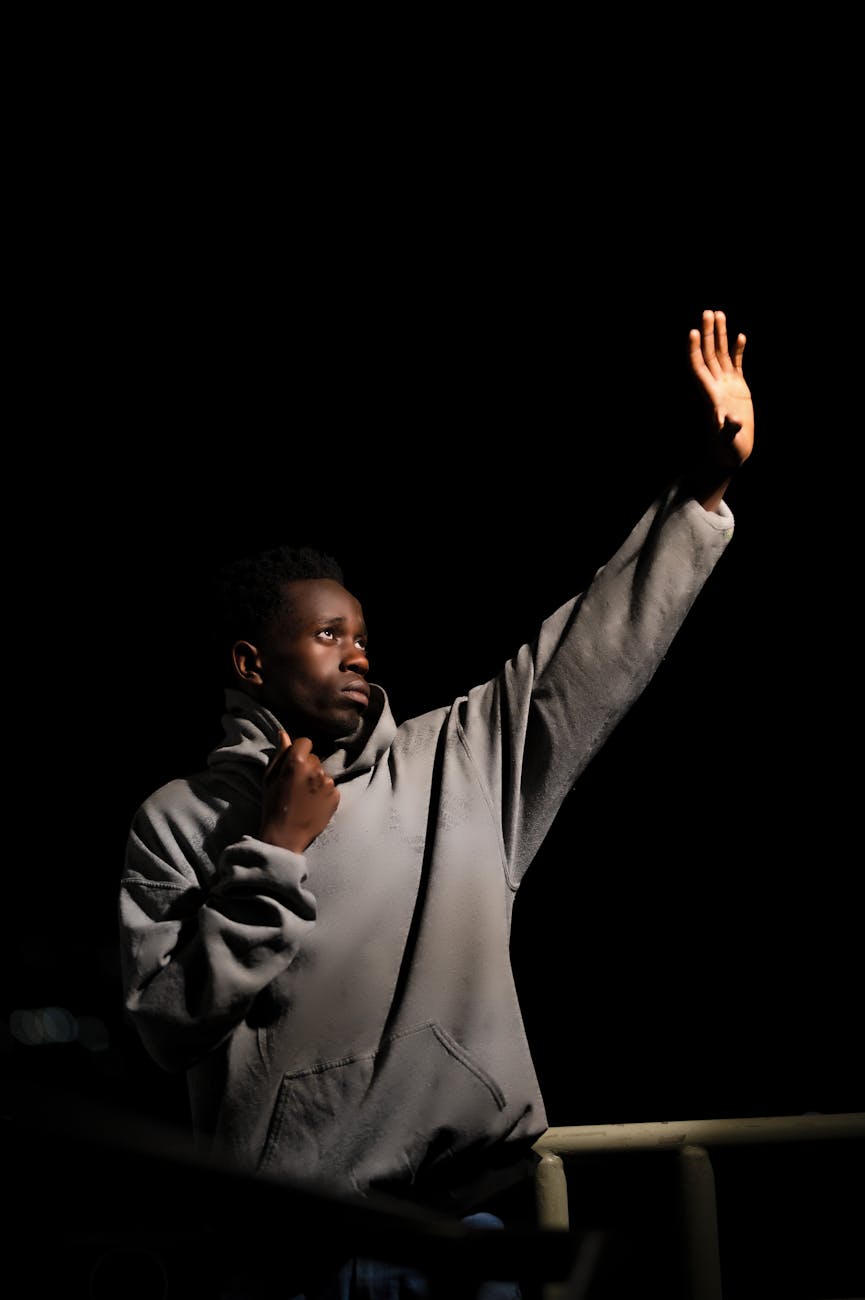
The Return of the Prodigal Man: From Rebellion to Redemption.

Photo by Joe Image on Pexels.com

There comes a moment in every man’s life when he must look into the mirror and see not just his reflection, but his rebellion. The story of the prodigal son is not only about a wayward youth who squandered his inheritance—it is a timeless metaphor for men who lose themselves chasing fulfillment in the far country of sin, pride, and self-will. “The Return of the Prodigal Man” speaks to every soul who has wandered away from purpose, from family, and from God, only to discover that the road back home is the road toward redemption.

The prodigal’s journey begins with rebellion. Like many men, he believed freedom meant separation—freedom from responsibility, authority, and divine order. He demanded his inheritance early (Luke 15:12, KJV), symbolizing humanity’s constant desire to possess blessings without submission to the Giver. In this act, he rejected relationship in favor of autonomy. Yet true manhood cannot exist apart from accountability. The rebellion of the prodigal man mirrors the ancient fall of Adam, who also chose independence over intimacy with God.

The far country represents more than physical distance—it is a spiritual exile. There, the prodigal man exchanges identity for indulgence. He surrounds himself with counterfeit pleasures and temporary applause, believing that validation equals value. But the glamour of rebellion always fades. The Scripture says he “wasted his substance with riotous living” (Luke 15:13, KJV). Modern men waste their inheritance not on livestock and parties, but on distractions—lust, materialism, ego, and the pursuit of image over integrity.

In the far country, the prodigal’s fortune runs dry, and so does his pride. The famine that follows symbolizes the inevitable emptiness of a life disconnected from purpose. No matter how gifted or successful a man becomes, spiritual famine sets in when he trades calling for comfort. In this state, he begins to crave the very things he once despised—structure, love, and the Father’s presence. The famine humbles the man who once believed he needed no one.

The turning point comes “when he came to himself” (Luke 15:17, KJV). That phrase is the axis of redemption. It signifies self-awareness, repentance, and revelation. The prodigal’s return begins not with movement, but with memory—remembering who he was before he fell. Many men live decades away from their true selves, numbing pain through performance. Redemption begins when they awaken to the realization that identity cannot be bought, borrowed, or branded—it must be reclaimed through humility.

The prodigal’s decision to rise and return is the first act of true manhood. It takes greater strength to confess failure than to conceal it. The path back home is paved with repentance, not reputation. The journey requires courage—the courage to admit, “I have sinned against heaven, and before thee” (Luke 15:18, KJV). The returning man must face the damage done by his distance, but also trust the grace that awaits him.

When the father sees his son “a great way off,” he runs to meet him (Luke 15:20, KJV). This image reveals the heart of God toward fallen men—not condemnation, but compassion. The Father does not wait behind locked gates of judgment; He runs down the road of mercy. The robe, ring, and feast symbolize restoration of identity, authority, and belonging. The man who left as a rebel returns as a son. This is the divine exchange—shame for grace, rebellion for restoration.

Every prodigal man carries both wounds and wisdom. The scars of rebellion remind him of where pride leads, while the mercy of the Father reminds him of where love restores. True redemption does not erase the past; it redeems it. The lessons learned in the far country become testimonies that strengthen others still wandering.

Yet not everyone rejoices at the prodigal’s return. The older brother’s resentment reveals society’s tendency to value performance over repentance. Many men fear returning home because they expect rejection rather than restoration. But God’s grace offends the self-righteous and uplifts the broken. Heaven rejoices more over one repentant man than ninety-nine who never left (Luke 15:7, KJV).

The modern prodigal man takes many forms—the absent father, the unfaithful husband, the spiritually lost leader. Yet the same invitation stands: return home. The Father’s arms remain open, not because men deserve it, but because grace demands it. Redemption is not a reward for the perfect; it is a rescue for the repentant.

The rebellion of men has cost families stability, women protection, and children direction. Generations have suffered from the absence of fathers who left physically or emotionally. But the return of the prodigal man has generational power—it restores lineage, rebuilds legacy, and revives love. The same man who once wandered can become the watchman who guards his home with prayer and purpose.

The return requires humility, confession, and accountability. It is not enough to feel sorry; one must come home. The prodigal did not text an apology from afar—he walked the road himself. Redemption demands presence. Modern men must learn that healing begins not in isolation but in community, under the guidance of faith, family, and fellowship.

Spiritually, the story symbolizes humanity’s redemption through Christ. Just as the father received his lost son, God receives all who turn back to Him through repentance. The robe represents righteousness, the ring signifies authority, and the shoes symbolize restored purpose. These are the gifts of grace awaiting every man who chooses to return.

The rebellion of the prodigal was fueled by pride; his return was guided by grace. This pattern reflects the very arc of salvation. Man’s downfall begins with “I will,” but redemption begins with “I have sinned.” To return to God is to rediscover the image of manhood that sin distorted—a man who walks in humility, service, and faith.

In returning home, the prodigal man finds that the Father never stopped waiting. The same is true today. No man is too far gone, no failure too great, no distance too wide for grace to bridge. Redemption is not about erasing the past but transforming it into testimony.

When the prodigal man returns, he does not merely restore his own soul—he revives his household. His repentance becomes a seed that produces generational fruit. Sons learn forgiveness, daughters learn safety, and wives learn trust. His story becomes proof that God still redeems men who once lost their way.

The return of the prodigal man is not just a homecoming—it is a spiritual revolution. It is the restoration of Adam’s voice, David’s heart, and Christ’s calling. It is the rise of men who lead with love, serve with humility, and speak with truth. From rebellion to redemption, the journey of the prodigal man reveals that God is not finished with the fallen—He is waiting to crown them with purpose.


References

Baucham, V. (2009). What he must be: If he wants to marry my daughter. Crossway.
Bonhoeffer, D. (1959). The cost of discipleship. Macmillan.
Eldredge, J. (2001). Wild at heart: Discovering the secret of a man’s soul. Thomas Nelson.
Lewis, C. S. (1952). Mere Christianity. HarperOne.
Moore, R. (2018). The storm-tossed family: How the cross reshapes the home. B&H Publishing Group.
Ortberg, J. (2010). The me I want to be: Becoming God’s best version of you. Zondervan.
Piper, J., & Grudem, W. (Eds.). (1991). Recovering biblical manhood and womanhood. Crossway.
The Holy Bible, King James Version. (1611). Thomas Nelson.
Tchividjian, T. (2012). Glorious ruin: How suffering sets you free. David C. Cook.
Wright, N. T. (2012). After you believe: Why Christian character matters. HarperOne.


The Dating Playbook for Men Who Walk in Honor.

A man who walks in honor understands that dating is not a game of conquest but a process of discernment. He knows that his value is not measured by sexual access but by character, discipline, and integrity. Dating, for such a man, is preparation for covenant, not an excuse for compromise.

Self-mastery is foundational to honorable dating. A man who cannot govern his desires will struggle to govern a household. Scripture teaches that strength is not merely physical but spiritual and moral. “He that ruleth his spirit is better than he that taketh a city” (Proverbs 16:32, KJV).

A man of honor approaches women with respect, not entitlement. He does not view her body as something to be earned, pressured, or negotiated for. Instead, he recognizes her as a bearer of dignity and worth, deserving of protection rather than pursuit driven by lust.

Purity for men is often misunderstood as weakness, yet biblically, it is an expression of power. A disciplined man demonstrates leadership by saying no to his flesh. “For God hath not called us unto uncleanness, but unto holiness” (1 Thessalonians 4:7, KJV). Holiness is not passive; it is intentional resistance.

Sexual restraint protects clarity. A man who abstains from fornication preserves emotional focus and spiritual authority. Scripture warns plainly, “Flee fornication” (1 Corinthians 6:18, KJV), emphasizing that sexual sin uniquely entangles the body, mind, and soul.

Honorable men do not create environments that invite compromise. They are mindful of private spaces, late-night encounters, and emotionally charged situations. Wisdom anticipates temptation and avoids it rather than testing personal limits.

A man who walks in honor understands that leadership begins before marriage. How he treats women while dating reflects how he will treat a wife. Pressure, manipulation, or impatience signal immaturity, not masculinity. True leadership safeguards purity rather than exploiting vulnerability.

Respect for a woman’s boundaries reveals a man’s reverence for God. When a man honors her convictions, he demonstrates alignment with righteousness. “Marriage is honourable in all, and the bed undefiled” (Hebrews 13:4, KJV). Honor always precedes intimacy.

Men who walk in honor value purpose over pleasure. They understand that momentary gratification can derail destiny. Sexual discipline sharpens discernment and preserves focus, allowing a man to pursue calling without unnecessary emotional entanglements.

Accountability is essential for maintaining purity. A wise man does not trust isolation but invites counsel, mentorship, and brotherhood. Scripture teaches, “Iron sharpeneth iron; so a man sharpeneth the countenance of his friend” (Proverbs 27:17, KJV).

A man of honor does not lead with charm alone. He leads with consistency, provision of emotional safety, and integrity. His words align with his actions, and his intentions are transparent. Deception has no place in righteous courtship.

Modern culture often equates masculinity with sexual dominance. A godly man rejects this lie. Strength is revealed in restraint, patience, and obedience. He understands that being chosen for covenant is greater than being desired for pleasure.

Guarding the eyes and mind is critical. Lust often begins internally before manifesting outwardly. “But I say unto you, That whosoever looketh on a woman to lust after her hath committed adultery with her already in his heart” (Matthew 5:28, KJV). Discipline starts in thought life.

A man who walks in honor does not confuse emotional intimacy with entitlement to physical intimacy. He allows trust to grow at a righteous pace. Emotional maturity resists urgency and respects timing.

Healing is necessary for purity. A man who has unresolved wounds may seek sex as validation or escape. Addressing past trauma, rejection, or addiction restores clarity and strengthens discipline. Healing is an act of responsibility.

Patience refines masculinity. A man who waits demonstrates confidence in God’s timing. “But they that wait upon the LORD shall renew their strength” (Isaiah 40:31, KJV). Waiting is not stagnation but preparation.

A man of honor understands that covenant requires sacrifice. He prepares himself spiritually, emotionally, and practically for leadership within marriage. Dating becomes training ground for responsibility, not indulgence.

Peace is a marker of righteous dating. A man who walks in honor does not create confusion, pressure, or anxiety. His presence brings safety and clarity, reflecting alignment with God’s order.

Ultimately, the dating playbook for men who walk in honor is rooted in obedience, self-control, and reverence. Such men understand that purity is not about denial but direction. They choose discipline today to protect joy tomorrow.

A man who walks in honor prepares himself for a marriage that is stable, faithful, and God-honoring. By rejecting fornication and embracing righteousness, he positions himself not only as a suitable partner, but as a trustworthy leader worthy of covenant.


References

The Holy Bible, King James Version. (1611/2017). Cambridge University Press.

1 Corinthians 6:18, KJV
1 Thessalonians 4:7, KJV
Hebrews 13:4, KJV
Proverbs 16:32, KJV
Proverbs 27:17, KJV
Matthew 5:28, KJV
Isaiah 40:31, KJV

Cloud, H., & Townsend, J. (1992). Boundaries. Zondervan.

Stanley, S. M., Rhoades, G. K., & Markman, H. J. (2006). Sliding Versus Deciding: Inertia and the Premarital Transition. Family Relations, 55(4), 499–509.

The Dating Playbook for Women Who Know Their Worth.

Knowing one’s worth is the foundation of healthy dating. A woman who understands her value does not enter relationships seeking validation but discernment. She recognizes that companionship is a complement to her life, not a remedy for emptiness. This awareness reshapes how she dates, what she tolerates, and whom she allows access to her heart.

A woman who knows her worth begins with self-respect. She honors her boundaries, her time, and her emotional energy. Dating is not about proving desirability but about evaluating alignment. Scripture affirms that her body and life carry sacred value, not to be treated casually or without honor.

Intentionality is central to wise dating. Rather than drifting into connections, a woman of worth dates with clarity of purpose. She understands that God is not the author of confusion, and therefore she seeks relationships marked by clarity, consistency, and reverence for righteousness.

Discernment is more powerful than attraction. While chemistry may spark interest, character sustains connection. A discerning woman allows time to reveal truth, remembering that desire without discipline often leads to regret. “He that ruleth his spirit is better than he that taketh a city” (Proverbs 16:32, KJV).

Boundaries are not walls but safeguards. A woman who knows her worth establishes emotional, physical, and spiritual limits early. These boundaries protect her purity and peace. “Abstain from all appearance of evil” (1 Thessalonians 5:22, KJV) becomes a guiding principle, not a burden.

Self-worth reshapes how temptation is viewed. A woman grounded in her values does not flirt with compromise. She understands that fornication carries spiritual, emotional, and relational consequences. “Flee fornication. Every sin that a man doeth is without the body; but he that committeth fornication sinneth against his own body” (1 Corinthians 6:18, KJV).

Emotional availability must be earned, not freely given. A wise woman does not rush intimacy or mistake attention for commitment. She remembers that her body is sacred. “Know ye not that your body is the temple of the Holy Ghost which is in you… ye are not your own” (1 Corinthians 6:19, KJV).

Faith shapes her dating posture. A woman who knows her worth understands that purity is not punishment but protection. “For this is the will of God, even your sanctification, that ye should abstain from fornication” (1 Thessalonians 4:3, KJV). Her obedience flows from reverence, not fear.

Consistency becomes her measure of sincerity. A man who honors God will also honor her boundaries. Pressure, impatience, or manipulation are immediately recognized as red flags. A woman of worth knows that anyone who truly values her will not ask her to violate her convictions.

Dating wisely requires emotional responsibility. A woman who knows her worth does not attempt to heal or rescue potential partners. She understands that she cannot sacrifice her purity or peace to prove loyalty. Love that demands disobedience to God is not love at all.

Patience is an act of strength. A woman who waits does not lack options; she exercises wisdom. “Better is the end of a thing than the beginning thereof: and the patient in spirit is better than the proud in spirit” (Ecclesiastes 7:8, KJV). Waiting refines discernment.

Respect is non-negotiable. A woman of worth does not tolerate sexual pressure disguised as affection. She understands that honor precedes intimacy. “Marriage is honourable in all, and the bed undefiled: but whoremongers and adulterers God will judge” (Hebrews 13:4, KJV).

Modern dating culture often mocks purity, presenting restraint as outdated. A woman who knows her worth resists this narrative. She understands that holiness is timeless and that guarding her body guards her future. She does not confuse freedom with recklessness.

Clarity brings peace. A woman grounded in truth asks direct questions and communicates expectations early. She does not fear honesty because she values righteousness more than attention. Light exposes intention, and she welcomes that exposure.

Healing is essential to maintaining purity. A woman who knows her worth addresses past wounds so they do not lead her into compromise. She understands that unhealed pain often seeks comfort in unhealthy intimacy. Healing restores discernment.

Confidence in purity is quiet and steady. It does not argue, explain, or beg for understanding. A woman of worth stands firm, knowing obedience to God outweighs momentary pleasure. “Thy word have I hid in mine heart, that I might not sin against thee” (Psalm 119:11, KJV).

Sexual boundaries reflect spiritual maturity. A woman who honors her body honors God. She understands that intimacy creates bonds that should be reserved for a covenant. Purity preserves emotional clarity and spiritual authority.

A woman who knows her worth pays attention to how relationships affect her spirit. Confusion, guilt, and anxiety are signals to step back. Peace, safety, and alignment with God’s Word signal wisdom. Her conscience becomes her compass.

Dating is not about proving desirability but protecting destiny. A woman who knows her worth understands that obedience today safeguards joy tomorrow. She refuses to exchange long-term purpose for short-term pleasure.

The dating playbook for women who know their worth is rooted in holiness, discernment, and self-respect. It chooses obedience over impulse and purpose over pressure. Such a woman understands that remaining pure is not about deprivation, but about preparation—for a love that honors God and honors her.


References

The Holy Bible, King James Version. (1611/2017). Cambridge University Press.

1 Corinthians 6:18–19, KJV
1 Thessalonians 4:3, KJV
Hebrews 13:4, KJV
Psalm 119:11, KJV
Proverbs 16:32, KJV
Ecclesiastes 7:8, KJV

Cloud, H., & Townsend, J. (1992). Boundaries. Zondervan.

Stanley, S. M., Rhoades, G. K., & Markman, H. J. (2006). Sliding Versus Deciding. Family Relations, 55(4), 499–509.

The Bible Series: Reading the 1611 KJV Bible with Apocrypha: A Guide to Living a Godly Life

The 1611 King James Version (KJV) of the Bible, including the Apocrypha, is a monumental work that has guided millions in understanding God’s purpose for humanity. Its language, poetry, and depth offer both instruction and inspiration. The KJV is not merely a historical artifact; it is a blueprint for righteous living, a spiritual map for navigating the complexities of life.

Living life according to the 1611 KJV requires recognition that God is the ultimate guide. The scriptures repeatedly emphasize that human understanding is limited, and divine wisdom is essential. Proverbs 3:5–6 instructs, “Trust in the Lord with all thine heart; and lean not unto thine own understanding. In all thy ways acknowledge him, and he shall direct thy paths.”

The inclusion of the Apocrypha in the 1611 KJV provides additional wisdom and moral instruction. Books such as Wisdom of Solomon, Ecclesiasticus (Sirach), and Tobit offer guidance on ethics, discipline, and the rewards of godly living. They reinforce principles of honesty, compassion, and humility, which are central to a life pleasing to God.

A key aspect of the Bible as a guidebook is its emphasis on obedience to God’s laws. The Torah, Psalms, and prophetic writings illustrate that blessings follow adherence to divine instruction. Deuteronomy 28, for instance, outlines the consequences of obedience and disobedience, highlighting that life thrives under God’s guidance.

The KJV with Apocrypha also reveals the identity of the biblical Israelites, providing a historical and spiritual context for understanding God’s covenant people. Scriptural genealogies, tribal delineations, and prophetic visions clarify who the Israelites were and their enduring legacy in spiritual and earthly history. Recognizing this lineage helps believers see themselves within God’s plan and encourages faithfulness to His commands.

The Bible serves as a blueprint for moral and ethical conduct. The teachings of Jesus in the Gospels, complemented by the wisdom literature of the Old Testament and the Apocrypha, emphasize love, integrity, and justice. Followers are called to live honorably, treating others with fairness, showing mercy, and practicing humility.

Prayer and meditation are central practices derived from the scriptures. Engaging with God daily, reading His Word, and reflecting upon it allows believers to internalize divine guidance. Psalms, in particular, provide models for prayer, lamentation, praise, and thanksgiving, demonstrating a holistic spiritual life.

The 1611 KJV teaches that life is a journey of righteousness, not merely a pursuit of personal gain. Ecclesiasticus 2:1–6 in the Apocrypha reminds readers that God tests the faithful, but perseverance, patience, and humility lead to spiritual maturity and divine favor. Life is meant to be lived in alignment with God’s principles rather than worldly expectations.

One of the most profound lessons of the 1611 KJV is the centrality of truth. John 17:17 declares, “Sanctify them through thy truth: thy word is truth.” Living according to God’s Word means embracing reality as God presents it, rejecting deception, and striving for integrity in all areas of life.

The scriptures also provide guidance on community and relationships. The biblical Israelites were taught to honor parents, care for neighbors, and protect the vulnerable. This communal ethic extends to modern life, encouraging believers to cultivate strong, morally grounded relationships and to resist selfishness or exploitation.

Wisdom and discernment are recurring themes in the 1611 KJV with Apocrypha. Readers are encouraged to seek knowledge and understanding that aligns with God’s will. Proverbs and Wisdom literature offer instructions on avoiding foolishness, envy, and pride, guiding individuals toward righteous decision-making.

The Apocrypha emphasizes justice and equity, reinforcing moral principles found in canonical texts. It challenges readers to act fairly, assist the poor, and maintain honesty in trade and social interactions. Living by these standards cultivates a life pleasing to God and beneficial to society.

The Bible also teaches spiritual resilience. Trials, adversity, and temptation are inevitable, but scripture provides encouragement. Psalms, Lamentations, and Wisdom literature affirm that God’s presence offers comfort, strength, and guidance through hardships. Believers are encouraged to trust in God’s providence rather than succumb to despair.

A key aspect of using the Bible as a guide is understanding the historical and prophetic context. Knowledge of the biblical Israelites, their covenant, and prophetic messages allows readers to interpret lessons meaningfully. History demonstrates God’s faithfulness and warns of consequences for disobedience, making scripture both instructional and cautionary.

The 1611 KJV encourages moral reflection and self-examination. Believers are instructed to examine their motives, actions, and desires in light of God’s Word. Apocryphal texts, like Ecclesiasticus, reinforce this by advocating introspection and the correction of moral failings.

Faith expressed through action is another cornerstone. The Bible teaches that belief must manifest in deeds. Generosity, charity, and ethical behavior are proof of one’s commitment to God, aligning personal conduct with spiritual principles rather than mere lip service.

Righteous leadership is modeled in the Bible. Leaders are called to serve with humility, wisdom, and justice. The example of Moses, David, and other biblical figures illustrates that God values character and faithfulness above political or military power. These lessons guide modern believers in positions of influence.

The 1611 KJV with Apocrypha also addresses human frailty and repentance. Scriptures remind readers that sin is inevitable, but God provides a path to restoration. Confession, repentance, and renewed commitment are essential for spiritual health and maintaining alignment with God’s will.

Education and knowledge are vital. Understanding scripture requires study, contemplation, and discussion. The Bible is not merely read; it is studied as a guide for daily life, moral decisions, and spiritual growth, with the Apocrypha enriching comprehension of historical and ethical lessons.

Ultimately, the 1611 KJV Bible with Apocrypha is a complete guide to life. It outlines moral principles, spiritual practices, historical truths, and prophetic insights. It offers a framework for righteous living, teaches obedience, provides wisdom, and reveals God as the ultimate guide. By studying it faithfully, believers gain clarity on their purpose, the nature of the biblical Israelites, and the truths necessary for living a life aligned with God’s will.

References

The Holy Bible, King James Version, 1611. Including the Apocrypha.

Anderson, B. W. (1999). Understanding the Old Testament. Prentice Hall.

Frymer-Kensky, T. (2002). Reading the Bible as History: The New Historicism. Yale University Press.

Aitken, J. K. (2007). A Short History of the Bible. Continuum International.

McKenzie, J. L., & Graham, L. K. (1998). The Hebrew Bible Today: An Introduction to Critical Issues. Westminster John Knox Press.

Knight, G. A. F. (2011). The Biblical Israelite Identity: Origins, History, and Faith. Cambridge Scholars Publishing.

Sanders, E. P. (2007). The Historical Figure of Jesus. Penguin.

Are You Tired of Struggling and Waiting?

Life often feels like a series of obstacles, disappointments, and delays. Struggling and waiting can wear down even the strongest among us. You may ask, “How long, Lord?” or “Why am I still here, still praying, still hoping?” The Bible acknowledges the reality of struggle and the frustration of waiting, yet it also provides answers for those who persevere in faith.

1. God Sees Your Struggle

Psalm 34:17–18 (KJV) declares: “The righteous cry, and the Lord heareth, and delivereth them out of all their troubles. The Lord is nigh unto them that are of a broken heart; and saveth such as be of a contrite spirit.”
Even when life feels overwhelming, God is present. Your pain is not ignored, your tears are not unnoticed. The Lord sees the travail of your soul and is preparing a way to deliver you.

2. Waiting Has a Purpose

Ecclesiastes 3:1 (KJV) reminds us: “To everything there is a season, and a time to every purpose under the heaven.”
Waiting is not wasted time. Every delay carries divine instruction, character development, or preparation for the next season. The seed planted in the dark soil of waiting will bear fruit in God’s appointed time.

3. Strength Is Formed Through Trials

James 1:2–4 (KJV) says: “My brethren, count it all joy when ye fall into divers temptations; Knowing this, that the trying of your faith worketh patience. But let patience have her perfect work, that ye may be perfect and entire, wanting nothing.”
Struggles are not signs of failure; they are opportunities for spiritual refinement. Patience and perseverance strengthen faith and produce completeness.

4. God’s Timing Is Perfect

Habakkuk 2:3 (KJV) instructs: “For the vision is yet for an appointed time, but at the end it shall speak, and not lie: though it tarry, wait for it; because it will surely come, it will not tarry.”
Your breakthrough may not arrive when you expect, but God’s timing is flawless. Faith requires trusting the process, even when the waiting feels indefinite.

5. Prayer Opens the Way

Psalm 37:7–9 (KJV) says: “Rest in the Lord, and wait patiently for him: fret not thyself because of him who prospereth in his way…for evildoers shall be cut off: but those that wait upon the Lord, they shall inherit the earth.”
Consistent prayer aligns your heart with God’s will. It cultivates peace amidst uncertainty and prepares your spirit to receive what God has promised.

6. Perseverance Produces Reward

Galatians 6:9 (KJV) encourages: “And let us not be weary in well doing: for in due season we shall reap, if we faint not.”
Faithfulness and perseverance are key to experiencing God’s promises. The harvest comes in God’s timing—never too early, never too late.

7. Seek God’s Perspective

Isaiah 55:8–9 (KJV) reminds us: “For my thoughts are not your thoughts, neither are your ways my ways, saith the Lord. For as the heavens are higher than the earth, so are my ways higher than your ways, and my thoughts than your thoughts.”
Your understanding is limited; God’s plan encompasses eternity. Struggling and waiting often prepare you for blessings you cannot yet see.


Revealed Answers for the Weary

  1. Rest in God’s Presence – Your struggles are not unnoticed; He is near.
  2. Understand the Season – Every wait has purpose; your life is being shaped.
  3. Grow in Patience and Faith – Trials refine your character.
  4. Trust God’s Timing – He is never late; your season will come.
  5. Pray Continuously – Prayer strengthens hope and aligns you with God.
  6. Persevere Without Fainting – Rewards are promised to the faithful.
  7. Seek God’s Perspective – His ways surpass human understanding; wait in trust.

Conclusion

Struggling and waiting are not signs of failure—they are part of God’s divine process of preparation. Scripture provides assurance that patience, perseverance, and faith will be rewarded. The key is to remain steadfast, trust in His timing, and align your heart with His purpose. The answers are already revealed in the Word: God sees, God prepares, and God delivers.


References

The Holy Bible, King James Version. (1769/2017). Cambridge University Press.

Oswald, R. (2016). Waiting on God: The secret of trusting in His timing. Moody Publishers.

Stanley, A. (2013). The principles of waiting on God. Thomas Nelson.

Johnson, S. M. (2019). Faith through trials: Biblical lessons for perseverance. Zondervan.

Brown Girl, Faith Woven in Her Bones

Faith for the Brown girl is not a concept learned only in books or churches; it is something she carries in her body. It lives in her posture, her endurance, her prayers whispered through clenched teeth, and her ability to stand when history expected her to break. Her faith is ancestral, embodied, and practiced long before it is ever named.

From the womb, the Brown girl is fearfully and wonderfully made, crafted with intention by a God who knew the weight she would bear (Psalm 139:13–16, KJV). Her body becomes both sanctuary and testimony. Scripture affirms that divine power dwells within earthen vessels, revealing that what appears fragile to the world often carries immeasurable spiritual treasure (2 Corinthians 4:7, KJV).

Faith woven into her bones is inherited. It is passed down through mothers and grandmothers who prayed over children they could not always protect, but trusted God to cover. During slavery, segregation, and ongoing structural oppression, Black women’s faith functioned as survival theology—an active trust in God’s presence amid suffering rather than denial of it (Williams, 1993).

The Brown girl learns early that strength and softness are not opposites. Proverbs 31:25 declares that she is clothed in strength and dignity, yet wisdom flows from her mouth with gentleness. This duality resists Western frameworks that masculinize strength and feminize fragility. In her, faith produces wholeness.

Her body remembers what history tries to forget. Trauma is not only psychological; it is stored somatically, shaping how one moves through the world (van der Kolk, 2014). Yet the same body that carries pain also carries praise. African and African American spiritual traditions affirm that memory, rhythm, and ritual transmit faith through generations (Thompson, 1983).

The declaration “I am black, but comely” (Song of Solomon 1:5, KJV) stands as a direct contradiction to racialized beauty hierarchies imposed through colonialism. For the Brown girl, faith includes reclaiming beauty as sacred rather than conditional. Her melanin, hair texture, and features are not obstacles to holiness; they are expressions of divine artistry.

Womanist theology insists that God-talk must take the lived experiences of Black women. Faith is not abstract doctrine detached from life, but a practice forged in the wilderness—much like Hagar, whose encounter with God affirmed her visibility and worth (Williams, 1993; Weems, 1995). The Brown girl recognizes herself in these biblical narratives.

Isaiah 61 promises beauty for ashes and garments of praise for the spirit of heaviness. This scripture resonates deeply for the Brown girl, whose joy often emerges not from ease but from transformation. Her faith does not erase suffering; it redeems it.

The endurance of the Brown girl reflects Hebrews 11:1—faith as substance and evidence. Faith becomes visible through perseverance, moral clarity, and refusal to internalize lies about inferiority. It shows up in how she loves, forgives, and continues believing even when outcomes are delayed.

Black feminist thought emphasizes that knowledge is produced through lived experience (Collins, 2000). The Brown girl’s faith is a form of knowing—one that resists erasure and challenges dominant narratives that marginalize her voice. Her spirituality is intellectual, emotional, and embodied.

James Cone reminds us that the cross cannot be separated from Black suffering in America (Cone, 2011). Yet the Brown girl’s faith affirms resurrection as well. She believes not only in survival, but in restoration, dignity, and future joy.

Her faith is communal. It thrives in testimony, song, prayer circles, and sacred conversations among women. This collective spirituality mirrors African cosmologies where the individual is inseparable from the community (Mbiti, 1990).

Ultimately, faith woven in her bones means the Brown girl does not have to prove her worth to be chosen. She is already called, already seen, already held. Her life itself becomes scripture—readable evidence of a God who sustains, heals, and restores.


References

Cannon, K. G. (1988). Black womanist ethics. Scholars Press.

Collins, P. H. (2000). Black feminist thought: Knowledge, consciousness, and the politics of empowerment (2nd ed.). Routledge.

Cone, J. H. (2011). The cross and the lynching tree. Orbis Books.

Mbiti, J. S. (1990). African religions and philosophy (2nd ed.). Heinemann.

Thompson, R. F. (1983). Flash of the spirit: African and Afro-American art and philosophy. Vintage Books.

van der Kolk, B. (2014). The body keeps the score. Viking.

Weems, R. J. (1995). Just a sister away: A womanist vision of women’s relationships in the Bible. LuraMedia.

Williams, D. S. (1993). Sisters in the wilderness: The challenge of womanist God-talk. Orbis Books.

The Holy Bible, King James Version. (1769/2017). Cambridge University Press.

* 2026*

Welcome to 2026—not merely as a turn of a calendar page, but as a summons to reflection, repentance, and realignment. A new year, when rightly understood, is not magical by itself; it is a marker, a pause in time that invites humanity to evaluate where we have been, what we have become, and whom we truly serve. Scripture consistently reminds us that seasons change, but God remains sovereign over time itself.

The modern world largely recognizes January 1 as the beginning of the new year, according to the Gregorian calendar. This system, introduced by Pope Gregory XIII in 1582, was designed to correct inaccuracies in the Julian calendar and better align civil timekeeping with the solar year. While useful for commerce and global coordination, it is important to acknowledge that this calendar is a human construct, not a divine command.

Biblically, the concept of a “new year” is far more complex and spiritually grounded. In Exodus 12:2, the Most High declares the month of Abib (later called Nisan) as the beginning of months for Israel, aligning the new year with redemption and deliverance rather than winter dormancy. Other biblical markers, such as the Feast of Trumpets (Yom Teruah), emphasize awakening, repentance, and preparation rather than celebration alone.

Understanding this distinction matters because it shifts the believer’s mindset. The new year is not merely about resolutions, gym memberships, or financial goals; it is about spiritual recalibration. Entering 2026 with wisdom requires acknowledging that true renewal begins in the heart, not on the calendar.

Strength in the Most High is not found in self-exaltation or self-reliance. Scripture teaches that “the joy of the LORD is your strength” (Nehemiah 8:10). This strength is cultivated through humility, obedience, prayer, fasting, and trust, especially when circumstances do not immediately change.

Forgiveness stands at the center of spiritual endurance. Christ makes it clear that forgiving others is not optional for those who desire forgiveness themselves (Matthew 6:14–15). Forgiveness is not denial of harm; it is a refusal to allow bitterness to colonize the soul and obstruct communion with God.

Repentance is equally essential as we step into 2026. Biblical repentance (teshuvah) is not shallow regret but a turning—a reorientation of the mind, will, and behavior toward righteousness. It requires honest self-examination, confession without excuse, and a commitment to transformation.

Forgiving others and repenting personally work together. One clears the external debts we hold against others; the other clears the internal debts we owe before God. Both are necessary to walk freely and lightly into a new season without dragging unresolved spiritual baggage behind us.

Setting goals in Christ differs fundamentally from worldly ambition. Goals rooted in ego seek visibility, dominance, and applause. Goals rooted in Christ seek obedience, fruitfulness, and service. As Proverbs 16:3 instructs, “Commit thy works unto the LORD, and thy thoughts shall be established.”

Endurance will be required in 2026. Scripture does not promise ease, but it does promise purpose. Trials refine character, patience, and faith (James 1:2–4). Endurance is not passive suffering; it is active trust under pressure, choosing faith over fear repeatedly.

Taking the moral high ground is one of the most difficult yet powerful spiritual disciplines. It means resisting the temptation to retaliate, slander, manipulate, or compromise integrity, even when wronged. Christ Himself modeled this, responding to cruelty with truth and to hatred with restraint.

In a culture increasingly comfortable with moral relativism, standing upright will often feel lonely. Yet Scripture affirms that righteousness is never obsolete. Walking uprightly before God anchors the believer, even when society’s standards drift.

Fear must also be confronted and rebuked. Fear distorts perception, paralyzes action, and erodes faith. God repeatedly commands His people not to fear—not because threats are imaginary, but because His authority surpasses them all.

Pride, however, is often more subtle and more dangerous than fear. Pride disguises itself as self-confidence, independence, and spiritual superiority. Yet Scripture warns that God resists the proud but gives grace to the humble (James 4:6).

Humility positions the believer to receive instruction, correction, and growth. It opens the door to wisdom and closes the door to self-deception. As we enter 2026, humility must be chosen daily, intentionally, and prayerfully.

Renewal also requires intentional separation from patterns that weaken spiritual sensitivity. This includes unhealthy relationships, destructive habits, and thought patterns that contradict God’s truth. Sanctification is not instant, but it is intentional.

The year ahead should be approached with discernment rather than anxiety. Discernment allows believers to navigate opportunities and challenges without panic, trusting God’s timing even when outcomes remain unclear.

Hope anchors the soul when circumstances fluctuate. Biblical hope is not wishful thinking; it is confident expectation rooted in God’s character. This hope empowers believers to labor faithfully, love deeply, and persevere steadily.

As 2026 begins, the call is clear: walk circumspectly, love intentionally, forgive generously, repent sincerely, and endure faithfully. Time is moving forward, but so is God’s purpose for those who seek Him wholeheartedly.

Let this year be marked not by noise, but by clarity; not by vanity, but by virtue; not by fear, but by faith rooted in the Most High.

Prayer

Heavenly Father,
I come before You humbly, acknowledging my need for Your mercy and grace. Forgive me for my sins—known and unknown. Help me to examine my heart honestly and without excuse. Create in me a clean heart and renew a right spirit within me.

I choose to forgive those who have wronged me, wounded me, or misunderstood me. I release resentment, bitterness, and the desire for retaliation. I rebuke fear in all its forms, and I denounce pride, arrogance, and self-reliance.

Teach me to walk in humility, obedience, and wisdom. Strengthen me in moments of weakness. Order my steps, align my goals with Your will, and help me to endure trials without losing faith.

Guard my heart, discipline my mind, and keep me steadfast in truth. Let my life bring You honor. I trust You with this new season and surrender 2026 fully into Your hands.
In Jesus’ name, Amen.


References

The Holy Bible, King James Version.
Exodus 12:2; Nehemiah 8:10; Proverbs 16:3; Matthew 6:14–15; James 1:2–4; James 4:6; Psalm 51.
Richards, E. G. (1998). Mapping Time: The Calendar and Its History. Oxford University Press.
Blackburn, B., & Holford-Strevens, L. (2003). The Oxford Companion to the Year. Oxford University Press.

Dilemma: Money

Money is one of the most powerful forces shaping human behavior, not because it has a life of its own, but because of what it does to the human heart. Scripture does not condemn money itself, yet it repeatedly warns that wealth has the capacity to distort humility, inflate ego, and quietly replace trust in God with trust in possessions. The dilemma of money lies in its ability to serve as both a tool and a temptation.

When wealth increases, humility is often the first virtue to be tested. Financial abundance can subtly convince a person that their success is self-generated, disconnecting prosperity from divine provision. The heart that once prayed earnestly can become casual, assuming tomorrow is guaranteed because resources appear secure. Proverbs warns, “Pride goeth before destruction, and a haughty spirit before a fall” (Proverbs 16:18, KJV).

Money also breeds arrogance by creating artificial hierarchies of worth. Those with more are often perceived as wiser, more capable, or more deserving, while the poor are unjustly viewed as failures. Scripture rebukes this thinking, reminding us that God is no respecter of persons (Acts 10:34, KJV). Wealth does not elevate righteousness, nor does poverty diminish dignity.

False security is one of money’s greatest deceptions. Bank accounts, investments, and assets promise safety, yet they cannot prevent illness, death, or divine judgment. Jesus warns against this illusion when He says, “Take heed, and beware of covetousness: for a man’s life consisteth not in the abundance of the things which he possesseth” (Luke 12:15, KJV).

Christ’s declaration that it is easier for a camel to go through the eye of a needle than for a rich man to enter the kingdom of God is not hyperbole meant to shock without meaning. It exposes how wealth entangles the soul, making surrender to God increasingly difficult (Matthew 19:23–24, KJV). Riches often compete with obedience, demanding loyalty that belongs to the Most High.

Money has the power to turn hearts away from dependence on God because it offers an alternative source of comfort. Instead of seeking daily bread through prayer, wealth allows people to stockpile security for years ahead. Yet Scripture teaches, “Trust in the LORD with all thine heart; and lean not unto thine own understanding” (Proverbs 3:5, KJV).

The Bible repeatedly commands those with abundance to distribute it quickly and generously. Wealth is not meant to stagnate in vaults while suffering surrounds us. “He that hath pity upon the poor lendeth unto the LORD; and that which he hath given will he pay him again” (Proverbs 19:17, KJV). Giving is not loss; it is obedience.

Hoarding wealth while others starve is portrayed in Scripture as moral failure, not financial wisdom. James speaks sharply to the wealthy who store riches while neglecting justice, declaring that their gold and silver will testify against them (James 5:1–3, KJV). Excess becomes evidence of indifference when compassion is absent.

The gospel ethic does not support the endless accumulation of luxury. One can only inhabit so many houses, drive so many cars, or carry so many handbags before excess becomes vanity. Ecclesiastes soberly observes that abundance does not satisfy the soul (Ecclesiastes 5:10, KJV). Desire expands with wealth, never contracting.

Death exposes the ultimate futility of hoarded riches. Scripture is clear that nothing material accompanies the soul beyond the grave. “For we brought nothing into this world, and it is certain we can carry nothing out” (1 Timothy 6:7, KJV). Every possession will eventually belong to someone else.

Jesus’ parable of the rich fool illustrates this truth vividly. The man builds bigger barns to store his goods, confident in his future, only to lose his life that very night. God asks, “Then whose shall those things be?” (Luke 12:20, KJV). Wealth without wisdom ends in loss.

True riches are measured by generosity, not accumulation. Christ teaches that treasures laid up in heaven cannot be corrupted, stolen, or destroyed (Matthew 6:19–21, KJV). Giving transforms wealth from a burden into a blessing.

Money becomes dangerous when it replaces God as the source of identity. Careers, titles, and net worth begin to define worth, while character and obedience fade into the background. Scripture reminds us that the love of money is the root of all kinds of evil, drawing many away from the faith (1 Timothy 6:9–10, KJV).

The poor are not an inconvenience to be avoided but a divine responsibility. Christ identifies Himself with the hungry, the naked, and the imprisoned, declaring that how we treat them is how we treat Him (Matthew 25:40, KJV). Wealth that ignores suffering dishonors God.

Generosity breaks the power money holds over the heart. Giving disciplines desire and realigns trust, reminding believers that provision comes from God, not from stored surplus. Paul teaches that God loves a cheerful giver, one who gives freely rather than fearfully (2 Corinthians 9:6–7, KJV).

Biblical stewardship does not forbid saving, but it condemns idolatry. Savings meant for wisdom differ from hoards driven by fear and pride. When money is guarded more fiercely than faith, it has become an idol.

The early church modeled radical generosity, selling possessions to ensure that no one lacked necessities (Acts 4:34–35, KJV). This was not coercion but compassion born from spiritual unity. Wealth was subordinated to love.

Money also tests obedience by revealing what we prioritize. Where resources flow, the heart follows. Jesus plainly states, “For where your treasure is, there will your heart be also” (Matthew 6:21, KJV).

Society celebrates excess, yet Scripture celebrates sufficiency. Paul declares that godliness with contentment is a great gain (1 Timothy 6:6, KJV). Contentment resists the endless hunger that wealth culture promotes.

Luxury without generosity hardens the heart. Over time, comfort dulls compassion, making suffering seem distant and abstract. Scripture calls believers to remember the poor always, not selectively (Galatians 2:10, KJV).

Money cannot purchase peace, wisdom, or eternal life. These are gifts of God, not commodities. Isaiah warns against laboring for what does not satisfy, urging people to seek what truly nourishes the soul (Isaiah 55:2, KJV).

The dilemma of money is ultimately a spiritual one. Wealth reveals who we trust, what we worship, and how deeply we believe God’s promises. It tests whether faith is genuine or conditional.

When money is surrendered to God, it becomes a servant rather than a master. Used rightly, it feeds the hungry, shelters the vulnerable, and advances righteousness. Used wrongly, it corrodes humility and fractures the soul.

Scripture does not ask whether we have money, but whether money has us. The call is not poverty for its own sake, but freedom from bondage to possessions. True wealth is found in obedience, generosity, and dependence on the Most High.

In the end, only what is done for God and others will endure. Riches fade, but righteousness remains. The dilemma of money forces every believer to choose between temporary comfort and eternal reward.


References

The Holy Bible, King James Version. (1769/2017). Cambridge University Press.

Blomberg, C. L. (2016). Neither poverty nor riches: A biblical theology of material possessions. IVP Academic.

Wright, C. J. H. (2010). Old Testament ethics for the people of God. IVP Academic.

Foster, R. J. (2018). Money, sex, and power: The challenge of the disciplined life. HarperOne.

Smith, J. K. A. (2016). You are what you love: The spiritual power of habit. Brazos Press.

Dilemma: Transformation from Sin to Godliness

Transformation from sin to godliness is one of the most universal dilemmas of the human soul. Scripture frames this not as self-improvement, but as spiritual rebirth, renewing the inner man before altering outward behavior. “Except a man be born again, he cannot see the kingdom of God” (John 3:3, KJV).

Many struggle because they want transformation without surrender. Humanity seeks to edit habits while God calls for a full spiritual transition. “Lean not unto thine own understanding” (Prov. 3:5, KJV) dismantles the belief that change originates in human reasoning alone.

Sin is more than wrongdoing—it is nature. The dilemma is not simply escaping sinful behavior but escaping a sinful heart. “For the imagination of man’s heart is evil from his youth” (Gen. 8:21, KJV).

Conviction, not shame, initiates transition. When sin meets the light of truth, it exposes rather than merely condemns. “All things that are reproved are made manifest by the light” (Eph. 5:13, KJV).

Acknowledgment precedes deliverance. People cannot repent from what they refuse to name. “He that covereth his sins shall not prosper” (Prov. 28:13, KJV) emphasizes confession as a theological prerequisite for moral conversion.

Repentance is often romanticized, yet it is warfare. Transformation is resisted because sin is familiar even when it is destructive. Paul echoes this struggle: “For the good that I would I do not: but the evil which I would not, that I do” (Rom. 7:19, KJV).

The dilemma intensifies when sin masquerades as identity, pleasure, or coping. Many hold onto sin because it once served as emotional anesthesia. Yet scripture asserts that obedience to God replaces bondage with liberty: “Ye shall know the truth, and the truth shall make you free” (John 8:32, KJV).

Transformation requires the dismantling of self-delusion. Spiritual becoming demands that illusions of self-righteousness die first. “There is a way which seemeth right unto a man, but the end thereof are the ways of death” (Prov. 14:12, KJV).

True godliness cannot be inherited culturally, mimicked publicly, or worn cosmetically. It is internal legislation. God promised a new covenant of inward law: “I will put my law in their inward parts, and write it in their hearts” (Jer. 31:33, KJV).

Many face the dilemma of wanting God but not wanting to lose autonomy. Submission feels like erasure until one realizes it is the pathway to sanctification. “Submit yourselves therefore to God. Resist the devil, and he will flee from you” (James 4:7, KJV) merges surrender and resistance in the same breath.

Godliness demands separation from former attachments. Sin nurtures alliances; holiness cuts them. “Come out from among them, and be ye separate” (2 Cor. 6:17, KJV) signals that transformation sometimes means exile from environments that once normalized sin.

Renewal is gradual in expression but instantaneous in source. People assume transformation is self-generated progress, yet the Bible reveals it as divine activation. “A new heart also will I give you, and a new spirit will I put within you” (Ezek. 36:26, KJV).

This new heart rejects sin by new appetite, not old restraint. Holiness emerges when desire changes before discipline does. “Delight thyself also in the Lord; and he shall give thee the desires of thine heart” (Psa. 37:4, KJV).

Sin is addictive because it promises control, escape, or relief. Godliness challenges addiction not by negation but by superior spiritual fulfillment. “The Lord is my shepherd; I shall not want” (Psa. 23:1, KJV) reframes scarcity, longing, and dependence.

Transformation makes the inner life visible before the outer life becomes accountable. Behavior eventually bows to new spiritual authority. “Be not conformed to this world: but be ye transformed by the renewing of your mind” (Rom. 12:2, KJV).

The mind must be rewired because sin is first a belief system before it is a lifestyle. The battleground begins in thought patterns. “Casting down imaginations… and bringing into captivity every thought to the obedience of Christ” (2 Cor. 10:5, KJV).

Obedience becomes evidence of inner transformation, not the cause. Works reveal salvation, not produce it. “Faith without works is dead” (James 2:20, KJV).

Transformation carries suffering because growth wounds pride, pleasure, and human comfort. But scripture teaches suffering is part of purification, not proof of abandonment. “We must through much tribulation enter into the kingdom of God” (Acts 14:22, KJV).

Godliness does not coexist with arrogance. Meekness is the posture of spiritual transformation. “God resisteth the proud, but giveth grace unto the humble” (James 4:6, KJV).

Deliverance does not mean desire never returns. It means desire no longer owns the believer. The struggle may whisper, but it cannot command. “Sin shall not have dominion over you” (Rom. 6:14, KJV).

The dilemma of transformation is that humanity wants arrival without process, strength without vulnerability, and holiness without crucifixion of the flesh. Yet scripture confirms spiritual death to sin is prerequisite. “They that are Christ’s have crucified the flesh with the affections and lusts” (Gal. 5:24, KJV).

Godliness is not mere abstinence from evil but alignment with divine nature. It is embodiment of God’s character through righteousness, truth, mercy, and obedience. “Herein is my Father glorified, that ye bear much fruit” (John 15:8, KJV).

The transition from sin to God reflects God’s patience with His people, His correction as love, and His rewriting of human nature through spirit infusion, not external law performance alone. “Whom the Lord loveth he correcteth” (Prov. 3:12, KJV).

The final dilemma is not whether change is possible, but whether submission will be chosen over self-management. Scripture assures the believer that transformation is not accidental but divine destiny once surrendered. “Being confident of this very thing, that he which hath begun a good work in you will perform it” (Phil. 1:6, KJV).


References

The Holy Bible, King James Version. (1611). Cambridge University Press.
American Bible Society. (1816). KJV Standard Text.

Spiritual Posture

Spiritual posture refers to the inner orientation of the soul toward God, truth, and moral responsibility. It is not defined by outward appearance, religious vocabulary, or ritual performance, but by the condition of the heart. Scripture consistently emphasizes that posture precedes action, and that who a person is inwardly determines how they respond to trials, blessings, correction, and calling.

At its foundation, spiritual posture is about alignment. To be rightly postured is to be submitted to divine authority rather than ego, fear, or public opinion. Proverbs teaches that “in all thy ways acknowledge him, and he shall direct thy paths,” underscoring that direction flows from submission, not ambition. A misaligned posture leads even gifted individuals into confusion.

Humility is the cornerstone of spiritual posture. The Bible repeatedly affirms that God resists the proud but gives grace to the humble. Humility is not self-hatred or weakness; it is accurate self-assessment in the presence of God. It recognizes dependence on divine wisdom rather than personal intellect or status.

Spiritual posture is revealed most clearly under pressure. Trials expose whether one is rooted in faith or merely comfort. When adversity arises, the heart either bows in trust or hardens in resentment. Scripture describes this testing as refinement, where faith is purified rather than destroyed.

Obedience is another essential dimension of posture. Many desire spiritual authority without submission, revelation without discipline, or blessing without obedience. Yet Jesus Himself modeled obedience, stating that He came not to do His own will, but the will of the Father. Spiritual maturity is demonstrated through consistency, not convenience.

Repentance is a posture, not a one-time event. A repentant heart remains teachable, responsive, and accountable. Rather than defending wrongdoing, it seeks correction and restoration. Scripture describes repentance as life-giving, aligning the believer back into fellowship and clarity.

Faith functions as posture as well. Faith is not denial of reality, but trust in God’s sovereignty despite uncertainty. A faithful posture rests in God’s promises even when outcomes are delayed. This kind of faith produces endurance rather than anxiety.

Spiritual posture also governs how one handles blessing. Prosperity tests posture just as suffering does. Scripture warns that abundance can lead to pride, forgetfulness, and moral compromise. A grounded posture remembers the source of blessing and practices gratitude rather than entitlement.

Prayer reflects posture through approach. Some pray from desperation, others from performance, but true prayer flows from reverence and intimacy. Jesus taught His disciples to pray with acknowledgment of God’s holiness before petitioning for needs, reinforcing order and humility.

Silence before God is often overlooked but essential. A healthy posture includes listening, waiting, and restraint. Scripture teaches that God’s voice is not always in noise or spectacle, but in stillness. A restless posture struggles to hear divine instruction.

Spiritual posture shapes relationships with others. Those aligned with God demonstrate patience, forgiveness, and discernment. They do not need to dominate conversations or prove righteousness. Instead, their presence reflects peace and integrity.

Forgiveness is a posture of release. Holding resentment distorts spiritual alignment and burdens the soul. Scripture teaches that forgiveness is not approval of harm, but refusal to remain bound to it. A forgiving posture restores spiritual flow and emotional health.

Discernment grows from posture rather than intelligence alone. When the heart is aligned with truth, wisdom follows. Scripture distinguishes between earthly wisdom and divine wisdom, noting that the latter is pure, peaceable, and gentle. Discernment protects against deception and spiritual pride.

Spiritual posture also involves endurance. Many begin well but falter due to impatience or distraction. Scripture repeatedly calls believers to stand firm, remain vigilant, and endure sound doctrine. Posture sustains longevity in faith.

Identity is inseparable from posture. When identity is rooted in God rather than social validation, posture stabilizes. External praise or criticism loses power when the inner self is anchored in divine purpose.

The posture of service reflects Christlike character. Scripture teaches that greatness in the kingdom is measured by servanthood, not status. Serving from humility rather than obligation transforms labor into worship.

Spiritual warfare is often fought at the level of posture. Pride, fear, and bitterness weaken spiritual defenses, while humility, faith, and obedience strengthen them. Scripture instructs believers to stand, not strive, emphasizing position rather than panic.

Spiritual posture influences how truth is spoken. Truth delivered without love becomes harsh, while love without truth becomes permissive. A balanced posture maintains both conviction and compassion.

Transformation requires posture change. Renewing the mind involves rejecting old patterns of thought rooted in fear, shame, or domination. Scripture describes this renewal as ongoing, requiring daily surrender.

Ultimately, spiritual posture determines spiritual trajectory. Those who walk uprightly are not immune to hardship, but they remain anchored. God honors alignment over appearance and faithfulness over performance.

Spiritual posture is the quiet power behind visible fruit. When the heart is bowed, the life stands firm. In a world driven by image, ambition, and noise, a rightly postured soul becomes a testimony of peace, authority, and divine order.


References

Bonhoeffer, D. (1959). The cost of discipleship. SCM Press.

Foster, R. J. (1998). Celebration of discipline: The path to spiritual growth. HarperCollins.

Keller, T. (2014). Prayer: Experiencing awe and intimacy with God. Dutton.

The Holy Bible, King James Version. (1611/1987). Cambridge University Press.

Willard, D. (2002). Renovation of the heart: Putting on the character of Christ. NavPress.