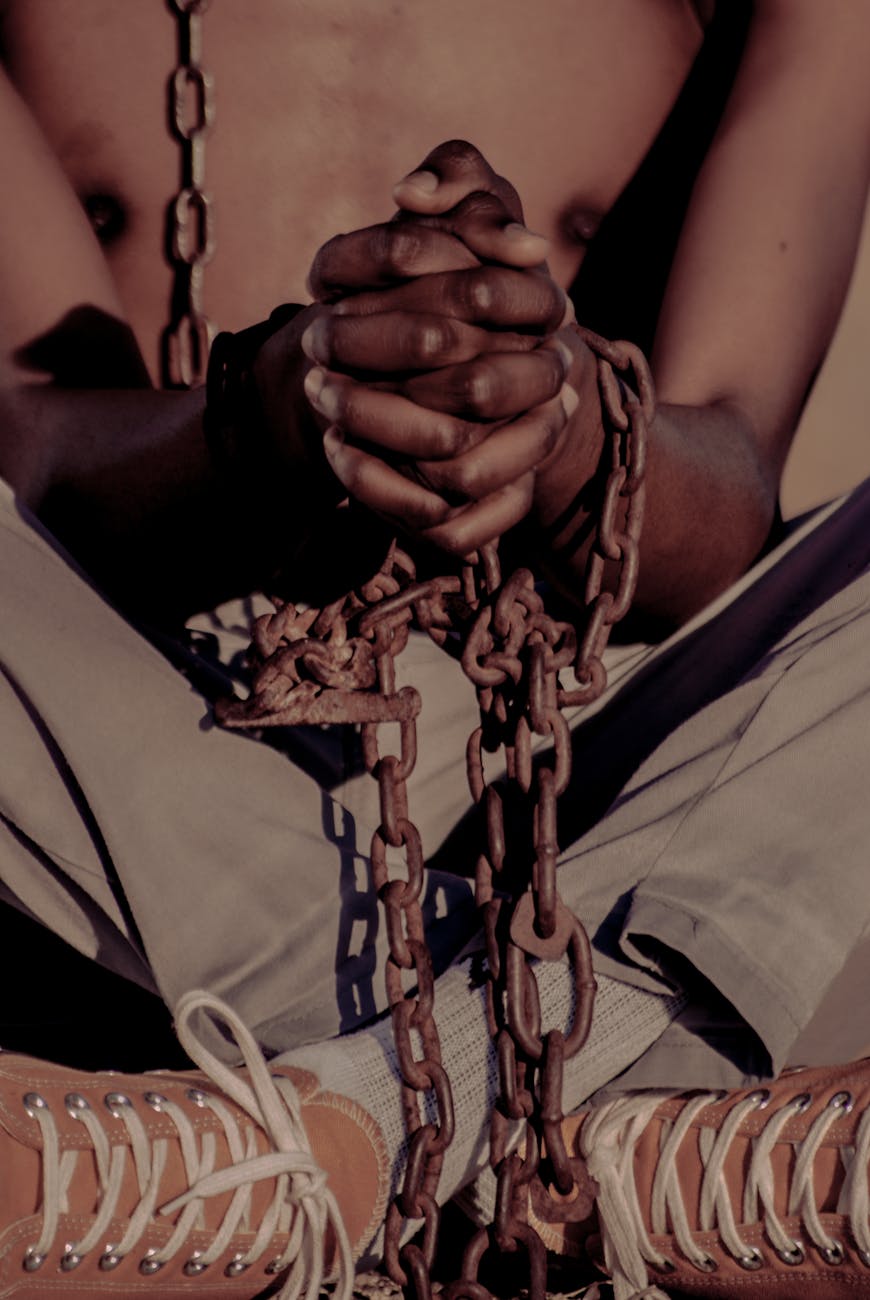
Tag Archives: israelites

Biblical Insights on Black Womanhood

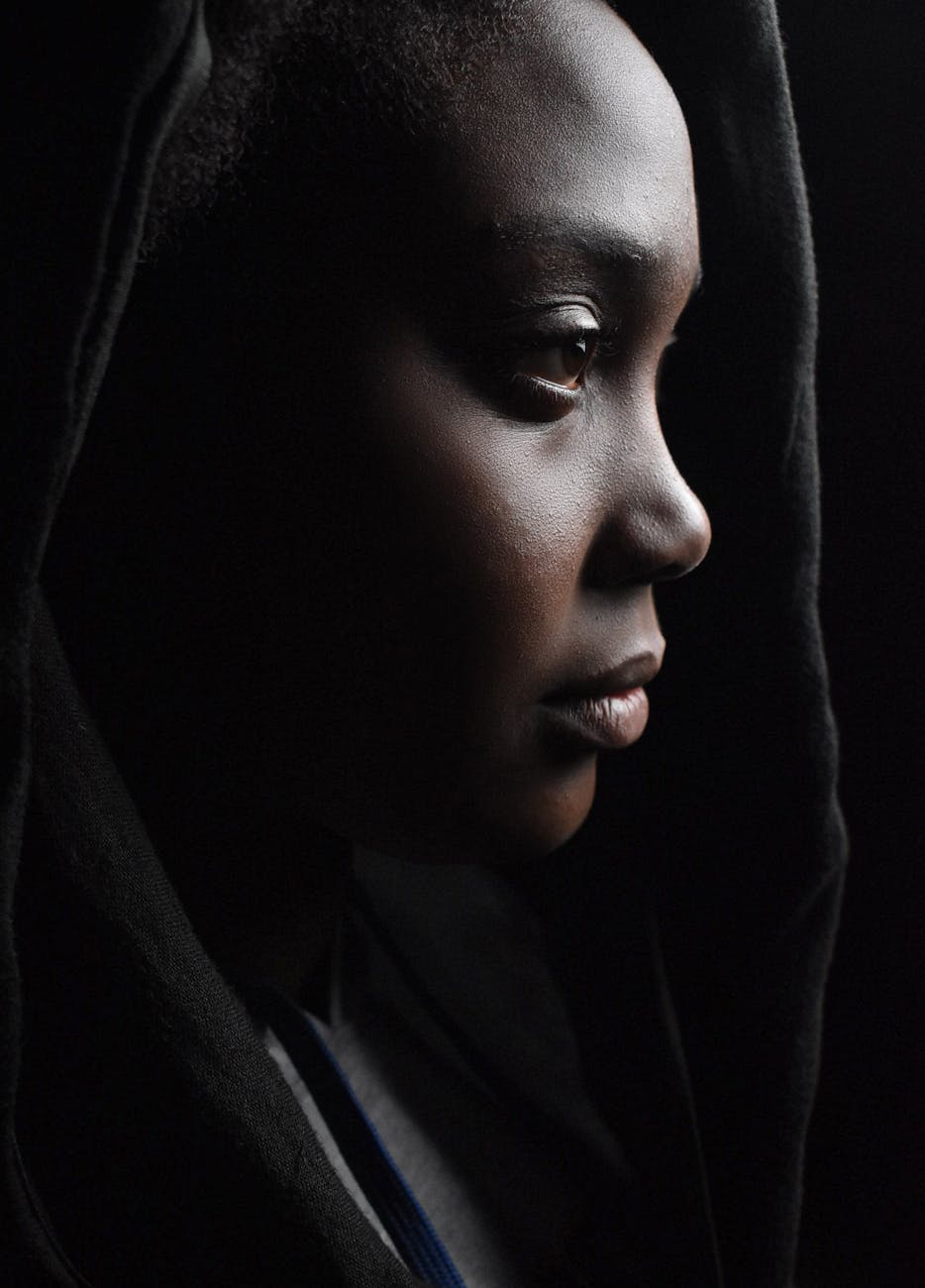
Photo by Victor Ace Geoffrey on Pexels.com

Black womanhood embodies resilience, strength, and spiritual depth. Across generations, Black women have relied on faith as a source of empowerment, guidance, and healing, navigating systemic oppression, personal challenges, and familial responsibilities. The Bible offers timeless wisdom that affirms their value, instills confidence, and provides tools for enduring life’s trials. Understanding these principles illuminates how spirituality can shape identity, foster resilience, and nurture generational healing.

Faith serves as a powerful tool for resilience and empowerment. Black women often face the dual pressures of racial and gendered oppression, economic disparities, and societal expectations. Scripture provides guidance and assurance of God’s sustaining power. Verses such as Isaiah 40:31 (KJV), “But they that wait upon the LORD shall renew their strength; they shall mount up with wings as eagles; they shall run, and not be weary; and they shall walk, and not faint,” illustrate that reliance on God cultivates endurance, courage, and hope. Faith empowers Black women to persevere in the face of adversity while maintaining a sense of dignity and purpose.

Healing generational trauma through spiritual practice is another essential aspect of Black womanhood. Many Black women carry the weight of historical trauma, including the legacy of slavery, segregation, and systemic discrimination. Spiritual disciplines such as prayer, meditation on Scripture, fasting, and worship create a framework for processing pain, restoring inner peace, and breaking cycles of trauma. By anchoring healing in faith, Black women can reclaim narratives of strength and resilience, fostering emotional and psychological restoration for themselves and future generations.

The church and broader community provide crucial support systems, particularly for widows and orphans. Historically, Black churches have served as centers for spiritual guidance, social support, and community advocacy. Women who are widowed or caring for children often rely on communal networks for emotional encouragement, material assistance, and mentorship. The biblical exhortation in James 1:27 (KJV), “Pure religion and undefiled before God and the Father is this, To visit the fatherless and widows in their affliction, and to keep himself unspotted from the world,” highlights the importance of nurturing and supporting vulnerable members of the community, reflecting how faith and collective care intersect.

Faith also profoundly shapes confidence and self-worth. In a society that frequently marginalizes Black women, spiritual affirmation reinforces identity, purpose, and value. Recognizing that they are fearfully and wonderfully made, as affirmed in Psalm 139:14 (KJV), Black women can embrace their uniqueness, talents, and beauty as God-given gifts. Spiritual practices, such as daily reflection and gratitude, cultivate self-awareness and self-respect, allowing women to navigate professional, personal, and social spaces with confidence and integrity.

Overcoming life challenges through spiritual discipline demonstrates the transformative power of faith. Challenges may include career obstacles, relational difficulties, health concerns, or societal pressures. By maintaining consistent prayer, scriptural study, and reliance on God’s guidance, Black women develop resilience, problem-solving skills, and emotional stability. Philippians 4:13 (KJV), “I can do all things through Christ which strengtheneth me,” serves as a guiding principle for approaching difficulties with perseverance, courage, and faith-informed strategy.

🌸 Faith & Empowerment Practices for Black Women

Daily Spiritual Practices

  • Morning Devotion & Prayer: Begin each day with scripture reflection and intentional prayer to set a positive tone.
  • Scripture Meditation: Focus on verses affirming worth, strength, and purpose (e.g., Psalm 139:14; Isaiah 40:31).
  • Gratitude Journaling: Write three things each day you are thankful for, cultivating a mindset of abundance and spiritual awareness.
  • Affirmations in Faith: Speak declarations such as, “I am fearfully and wonderfully made, and God empowers me to overcome challenges.”

Healing Generational Trauma

  • Intergenerational Prayer Circles: Join or create groups that pray for family, ancestors, and future generations.
  • Reflective Journaling: Document personal and family histories, highlighting triumphs and lessons learned.
  • Forgiveness Rituals: Use prayer and meditation to release resentment and trauma inherited through family and community.

Community Engagement

  • Bible Study: Actively engage in Bible study groups, women’s ministries, or outreach programs to foster connection and support.
  • Mentorship & Peer Support: Mentor younger women while also seeking guidance from experienced spiritual and professional mentors.
  • Service to Widows and Orphans: Volunteer or support programs that uplift vulnerable members of the community, following James 1:27 (KJV).

Building Confidence & Self-Worth

  • Reflect on God’s Purpose: Daily remind yourself that your gifts and talents are divinely given.
  • Celebrate Achievements: Record personal victories, both big and small, reinforcing a sense of accomplishment.
  • Faith-Based Goal Setting: Align personal and professional goals with spiritual values to ensure purpose-driven progress.

Overcoming Life Challenges

  • Prayer Before Decisions: Seek guidance through prayer and meditation before making important life choices.
  • Spiritual Accountability Partners: Share struggles and successes with trusted friends or mentors who encourage faith-based growth.
  • Resilience Rituals: Read uplifting scriptures, sing spiritual songs, or engage in contemplative walks to maintain mental and emotional balance.

Key Takeaways

  • Faith is both a personal anchor and a communal resource that strengthens Black women spiritually, emotionally, and socially.
  • Daily spiritual practices cultivate resilience, self-worth, and confidence.
  • Community engagement—through mentorship, church, and service—reinforces healing and generational empowerment.
  • Integrating biblical principles into daily life ensures that challenges are met with strength, purpose, and faith.

In conclusion, biblical insights illuminate the multifaceted strength of Black womanhood. Faith acts as both shield and compass, fostering resilience, empowering healing from generational trauma, and reinforcing confidence and self-worth. Through spiritual discipline and communal support, Black women navigate life’s challenges with grace, wisdom, and purpose. By integrating biblical principles into daily life, they not only overcome adversity but also cultivate legacies of empowerment and spiritual fortitude for future generations.


References

  • Bible (KJV). Isaiah 40:31; James 1:27; Psalm 139:14; Philippians 4:13.
  • hooks, b. (2000). All About Love: New Visions. William Morrow Paperbacks.
  • Boyd-Franklin, N. (2003). Black Families in Therapy: Understanding the African American Experience. Guilford Press.
  • Patterson, O. (1982). Slavery and Social Death: A Comparative Study. Harvard University Press.

Unspoken Struggles: The Silent Battles of Black Women.

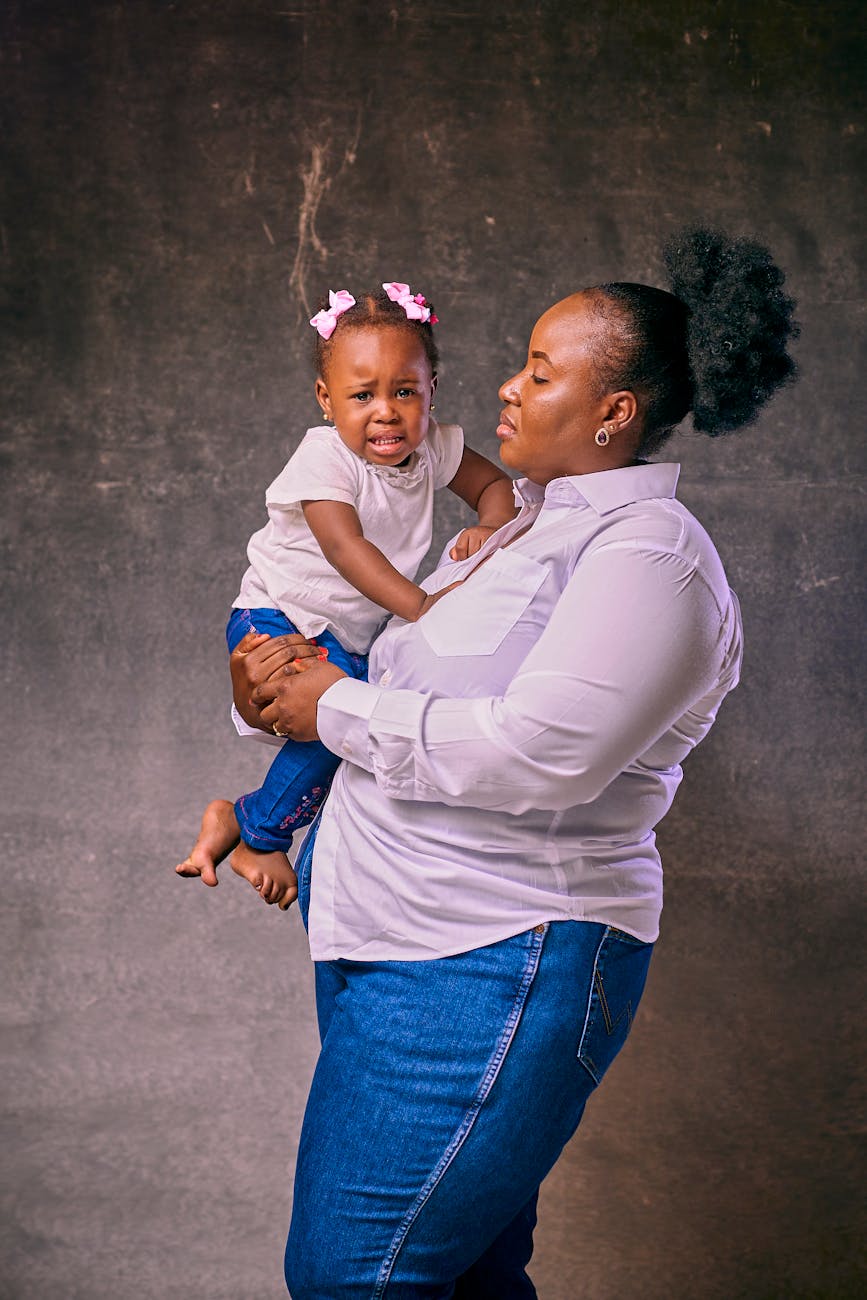
Photo by Kazys Photography on Pexels.com

The narrative of Black women has always been one of resilience, yet beneath this strength lies a series of silent battles that often go unnoticed. From the time of slavery until today, Black women have carried the weight of racial prejudice, gender discrimination, and economic disparity. Their voices, though powerful, are often silenced by the demand to remain strong. As a result, the struggles they endure are not always visible, yet they are deeply embedded in the social, psychological, and spiritual fabric of their lives (Collins, 2000).

Visible Roles vs. Silent Battles of Black Women

Visible Roles (What the World Sees)Silent Battles (What They Endure)
Caregiver and nurturer for familyNeglect of personal needs and self-care
Resilient “Strong Black Woman” figureSuppressed emotions, hidden depression
Professional achiever and breadwinnerWorkplace bias, underpaid and undervalued
Community leader and activistBurnout, exhaustion, lack of recognition
Pillar of faith and spiritualitySilent questioning, struggles with doubt
Embodiment of beauty and styleInternalized pressure to meet Eurocentric beauty standards
Protector of othersVulnerability ignored, need for protection overlooked
Source of cultural pride and strengthStruggle with identity, isolation, and fatigue

One of the most profound struggles is the expectation to embody the archetype of the “Strong Black Woman.” While strength has enabled survival, it has also been a heavy burden. Many women are conditioned to suppress vulnerability and emotional needs, leading to high rates of depression, anxiety, and stress-related illnesses (Woods-Giscombé, 2010). The silent battle, therefore, is not only external but internal—a conflict between societal demands and the natural human need for rest, softness, and care.

Racism and sexism compound these struggles, creating what Kimberlé Crenshaw (1989) defines as “intersectionality.” Black women must constantly navigate a world where their race and gender intersect in ways that expose them to unique disadvantages. For example, in the workplace, they often face being undervalued, overlooked, or tokenized. In social contexts, they are stereotyped as “angry” or “difficult” when they assert themselves. These layered forms of oppression force Black women into silent endurance, as speaking out risks further marginalization.

The silence is also evident in the realm of beauty and identity. The Western beauty standard, rooted in whiteness, has historically excluded the natural features of Black women—dark skin, textured hair, and full bodies. This exclusion fosters feelings of inadequacy and internalized self-doubt. As Frances Cress Welsing argued, the elevation of whiteness in beauty is a reflection of deeper systems of racial dominance (Welsing, 1991). For Black women, the unspoken struggle becomes a daily negotiation between self-acceptance and societal rejection.

Family responsibilities further intensify these battles. Many Black women juggle roles as breadwinners, caretakers, and community pillars, often without adequate support. The silent weight of being “everything to everyone” can leave little room for personal dreams or self-care. Yet Scripture reminds us of the importance of rest and casting burdens on God: “Casting all your care upon him; for he careth for you” (1 Peter 5:7, KJV). This verse emphasizes that Black women need not carry the weight of the world alone.

Faith, however, is often both a coping mechanism and a source of resilience. Many Black women turn to prayer, worship, and church communities for strength and comfort. Still, the church has at times perpetuated the expectation that women must endlessly serve, sacrifice, and remain silent about their pain. Yet, biblical truth offers a counter-narrative: “Come unto me, all ye that labour and are heavy laden, and I will give you rest” (Matthew 11:28, KJV). This scripture dismantles the myth of invulnerability, affirming that rest and vulnerability are divine rights.

Psychologically, the suppression of these silent struggles can lead to “weathering,” a concept describing the cumulative effects of chronic stress on Black women’s health (Geronimus, 1992). Heart disease, hypertension, and mental health disparities often emerge as unspoken consequences of constantly enduring adversity. The lack of safe spaces to share struggles further reinforces silence, making vulnerability both a necessity and a challenge. Breaking this cycle requires intentional cultural, spiritual, and psychological healing.

In conclusion, the silent battles of Black women reveal the need for a collective reimagining of strength. True strength lies not in unending endurance but in the courage to acknowledge pain, embrace softness, and seek support. The Bible affirms that God’s strength is made perfect in weakness (2 Corinthians 12:9, KJV), reminding us that humanity, not superhuman resilience, is the essence of divine design. By breaking the silence, Black women—and the communities that rely on them—can begin to heal, reclaiming dignity and wholeness in the face of centuries of struggle.


References

  • Collins, P. H. (2000). Black feminist thought: Knowledge, consciousness, and the politics of empowerment. Routledge.
  • Crenshaw, K. (1989). Demarginalizing the intersection of race and sex. University of Chicago Legal Forum, 1989(1), 139–167.
  • Geronimus, A. T. (1992). The weathering hypothesis and the health of African-American women and infants. Ethnicity & Disease, 2(3), 207–221.
  • Welsing, F. C. (1991). The Isis papers: The keys to the colors. Third World Press.
  • Woods-Giscombé, C. L. (2010). Superwoman schema: African American women’s views on stress, strength, and health. Qualitative Health Research, 20(5), 668–683.

Stereotypes and Survival: Breaking Free from Mammy, Jezebel, and Sapphire

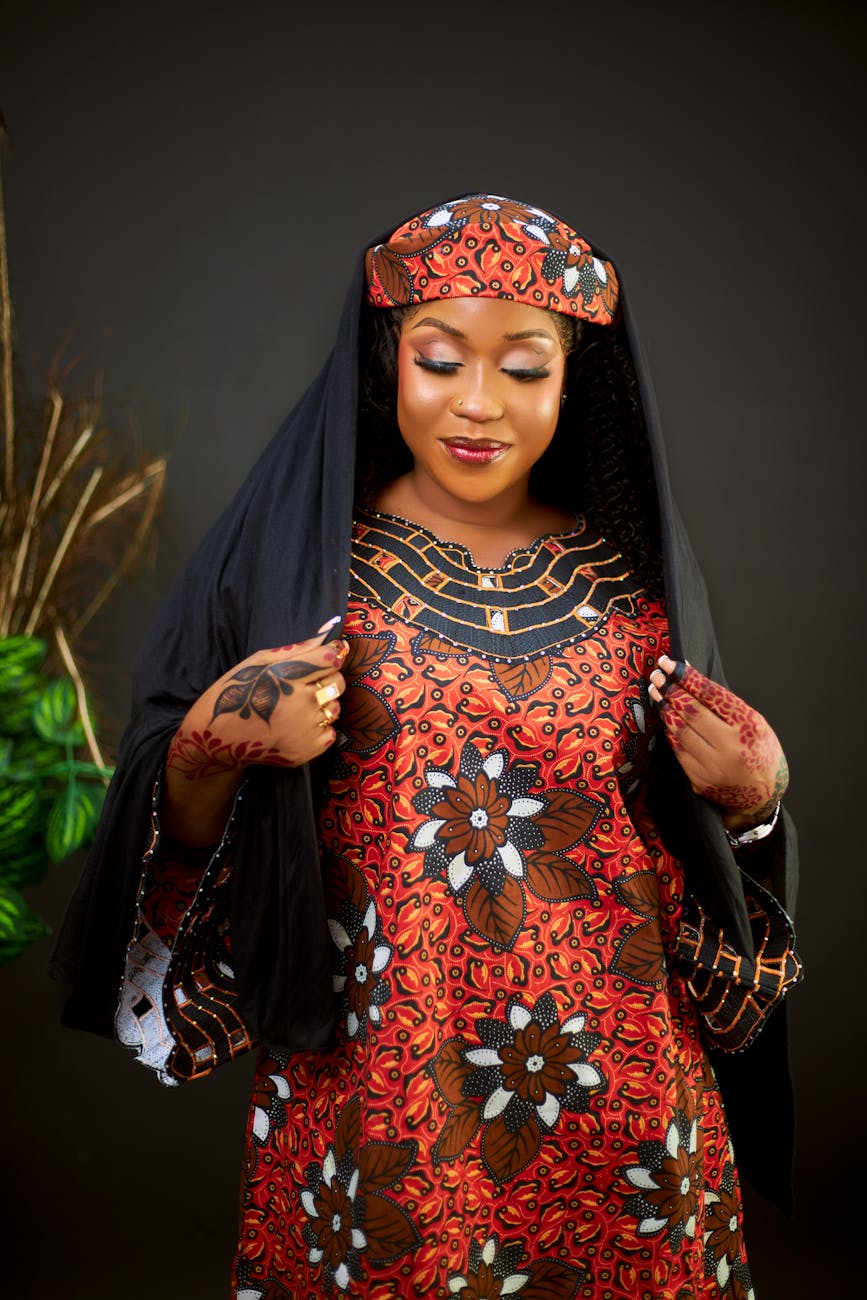
Photo by Boko Shots on Pexels.com

For centuries, the image of Black women has been shaped less by their lived experiences and more by stereotypes designed to control, marginalize, and dehumanize them. Among the most pervasive are the Mammy, the Jezebel, and the Sapphire archetypes. These caricatures originated in slavery and Jim Crow culture, yet their influence persists in media, relationships, and social institutions. To survive and thrive, Black women have been forced to navigate, resist, and redefine themselves beyond these harmful tropes. The title Stereotypes and Survival: Breaking Free from Mammy, Jezebel, and Sapphire reflects both the historical weight of these labels and the ongoing struggle for liberation.

The Mammy: Caretaker Without Desire

The Mammy stereotype portrays Black women as nurturing, asexual, and devoted to serving white families. Popularized in literature and films like Gone with the Wind, the Mammy is imagined as overweight, dark-skinned, and self-sacrificing—valued only for her labor and loyalty. This image justified the exploitation of enslaved women as caretakers while denying them femininity, desirability, or independence. Even today, Black women in caretaking professions such as nursing or domestic work are often expected to “give more” emotionally and physically without recognition or reward (Collins, 2000). The Mammy myth erases Black women’s right to vulnerability, rest, and self-care. Mammy vs. Servanthood in Scripture: The Mammy stereotype portrays Black women as self-sacrificing caretakers without personal desire, existing only to serve others. The Bible affirms servanthood as a noble quality when it is voluntary and rooted in love (Mark 10:44–45), but it rejects exploitation and dehumanization. Enslavement and forced servitude are condemned as oppression (Exodus 3:7–9). Scripture also teaches that women are not defined solely by labor but by their worth as image-bearers of God (Genesis 1:27). The virtuous woman in Proverbs 31 is hardworking, but she is also a leader, entrepreneur, and respected member of her community—not reduced to servitude.

The Jezebel: Hypersexual Object

In contrast, the Jezebel stereotype casts Black women as sexually insatiable, manipulative, and morally corrupt. During slavery, this myth served to rationalize the sexual assault of enslaved women by white men, framing exploitation as “consensual.” Today, Jezebel imagery survives in media portrayals that sexualize Black women’s bodies disproportionately—whether through music videos, advertising, or reality television. The stereotype undermines Black women’s ability to control their sexual agency, branding them either as promiscuous or as unworthy of protection. This myth also affects legal outcomes, where Black women who are victims of sexual violence are less likely to be believed or granted justice (West, 2004). Jezebel vs. Sexual Purity and Agency: The stereotype of the Jezebel depicts Black women as hypersexualized and immoral. In the Bible, Jezebel is a real historical figure—a Phoenician queen married to King Ahab—who became synonymous with idolatry, manipulation, and immorality (1 Kings 21; 2 Kings 9:30–37). However, to equate her story with all women, especially Black women, is a distortion. Scripture does not label women by stereotype but calls for sexual integrity for both men and women (1 Corinthians 6:18–20). Moreover, women like Ruth and Esther show that God honors women not for sexualized caricatures but for faith, wisdom, and courage. The Bible condemns the exploitation of women’s bodies and instead uplifts their agency and dignity (Song of Solomon 4:7, Proverbs 31:30).

The Sapphire: Angry Black Woman

The Sapphire stereotype, also known as the “Angry Black Woman,” depicts Black women as loud, emasculating, and irrationally angry. Rooted in minstrel shows, Sapphire imagery has been recycled in sitcoms and films, where outspoken Black women are mocked as aggressive and domineering. This caricature discourages Black women from expressing legitimate anger about injustice, as their emotions are dismissed as hostility rather than humanity. It also places an unfair burden on Black women to appear “pleasant” or “non-threatening” in workplaces, relationships, and public spaces, suppressing their voices in order to avoid punishment or isolation. Sapphire vs. Righteous Anger: The Sapphire stereotype depicts Black women as angry, loud, and emasculating. Scripture acknowledges that anger is a real human emotion, but it distinguishes between sinful wrath and righteous anger. Ephesians 4:26 states, “Be ye angry, and sin not: let not the sun go down upon your wrath.” Jesus Himself displayed righteous anger when confronting injustice (John 2:13–16). For Black women, anger at injustice is not sinful—it can be holy when directed toward dismantling oppression. The danger lies not in having a strong voice but in allowing bitterness to consume the soul. The Bible affirms that women can speak truth boldly, like Deborah the judge (Judges 4:4–9) or Mary Magdalene, the first witness of the resurrection (John 20:16–18).

The Survival Strategies

To survive under these stereotypes, Black women have developed strategies of resilience. Many practice code-switching, adjusting speech, tone, and appearance to counteract negative assumptions in professional or social settings. Others have turned to cultural and artistic expression—poetry, music, film—to reclaim their narratives. The rise of movements like #BlackGirlMagic and natural hair campaigns signal a collective resistance, affirming that Black women’s beauty, intellect, and complexity cannot be reduced to harmful archetypes.

Breaking Free: Redefining Representation

Breaking free requires dismantling not only the stereotypes themselves but also the systems that sustain them. Media representation is critical: when Black women are shown as multidimensional—leaders, scholars, mothers, entrepreneurs—the grip of Mammy, Jezebel, and Sapphire weakens. Equally important is education, where curricula must unpack these archetypes as tools of oppression rather than cultural “norms.” Black women’s storytelling, from Audre Lorde to Chimamanda Ngozi Adichie, provides counter-narratives that highlight lived truth over caricature.

Psychological Costs of Stereotyping

Surviving under these stereotypes comes at a psychological cost. Research shows that stereotype threat—fear of confirming a negative stereotype—contributes to stress, anxiety, and identity conflict among Black women (Rosenthal & Lobel, 2011). Constantly navigating how one will be perceived, whether as too angry or too sexual, creates a burden that undermines well-being. Breaking free, therefore, is not only a cultural project but a mental health necessity.

Toward Liberation

Liberation means imagining a world where Black women are no longer filtered through distorted lenses but valued in the fullness of their humanity. It requires structural change in how media, law, and institutions portray and treat Black women. It also demands that Black women themselves—and their communities—continue affirming narratives of resilience, love, and joy. Mammy, Jezebel, and Sapphire may have been imposed as cages, but Black women have long been breaking the locks, redefining survival as thriving.

Conclusion

Stereotypes and Survival: Breaking Free from Mammy, Jezebel, and Sapphire is a call to recognize how these archetypes have shaped history and continue to influence society. Yet, it is also a testament to resilience—the ability of Black women to resist, survive, and ultimately transcend these distorted images. In the face of stereotypes meant to confine them, Black women continue to write new narratives of freedom, power, and truth. The Bible does not endorse Mammy, Jezebel, or Sapphire archetypes. Instead, it reveals that these stereotypes are tools of oppression, rooted in lies. God calls Black women—and all women—to freedom, dignity, and purpose. Breaking free means rejecting labels that demean and embracing the identity God gives: beloved, chosen, and powerful vessels of His truth.

Breaking Free Through Biblical Identity

Each of these stereotypes strips Black women of their God-given identity. The Bible, however, grounds identity not in cultural caricatures but in being children of God.

  • Mammy: You are more than your labor—your worth is intrinsic (Psalm 139:14).
  • Jezebel: You are not defined by lustful labels—your body is a temple of the Holy Spirit (1 Corinthians 6:19).
  • Sapphire: Your voice matters—like Esther, you are called “for such a time as this” (Esther 4:14).

The gospel dismantles these stereotypes by affirming that “there is neither Jew nor Greek, there is neither bond nor free, there is neither male nor female: for ye are all one in Christ Jesus” (Galatians 3:28).


References

  • Collins, P. H. (2000). Black feminist thought: Knowledge, consciousness, and the politics of empowerment. Routledge.
  • Rosenthal, L., & Lobel, M. (2011). Explaining racial disparities in adverse birth outcomes: Unique sources of stress for Black American women. Social Science & Medicine, 72(6), 977–983.
  • West, C. M. (2004). Black women and intimate partner violence: New directions for research. Journal of Interpersonal Violence, 19(12), 1487–1493.

Dilemma: By-Words

The History, Psychology, and Biblical Prophecy of Names Forced Upon Black People

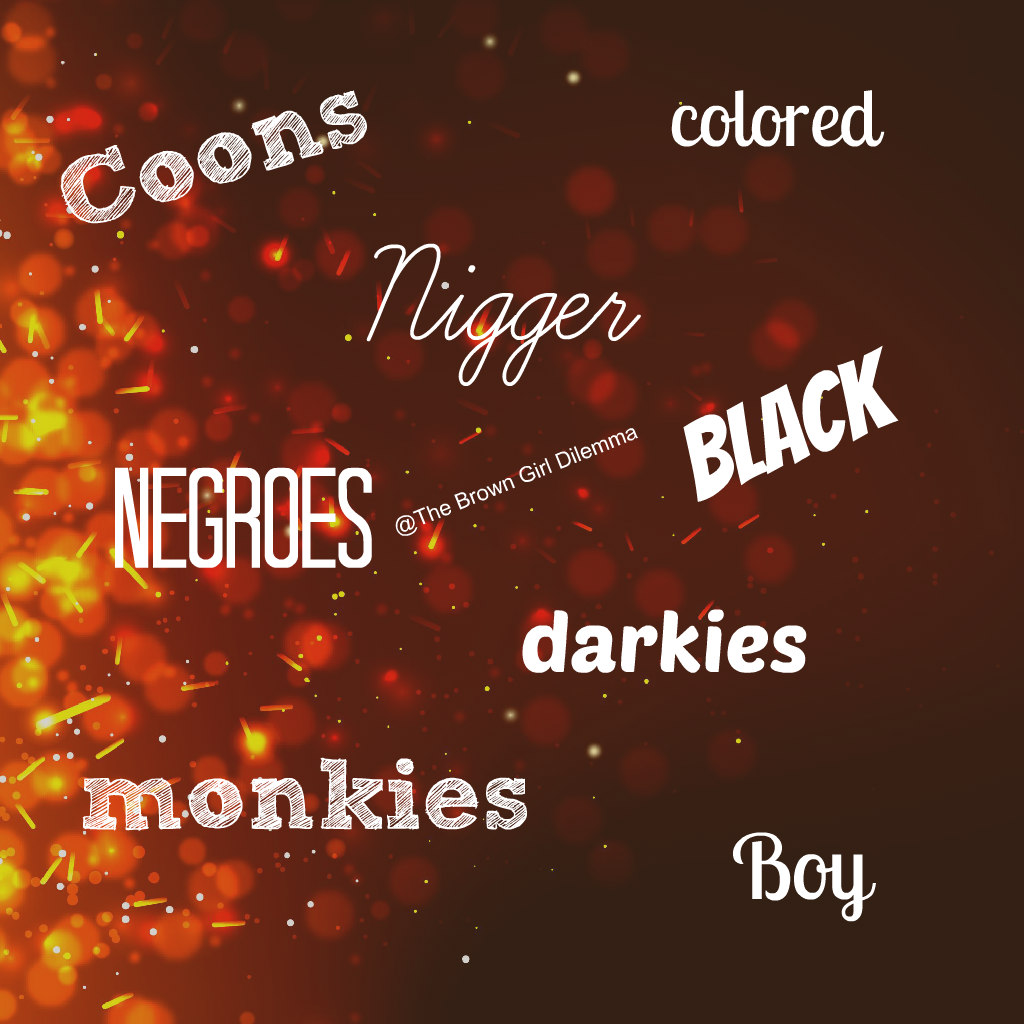
Words carry power. They shape identity, influence perception, and preserve history. Yet words can also wound, distort, and dehumanize. Throughout history, Black people across the diaspora have been branded with derogatory labels—negro, n****, coon, black, colored,* and many more—terms that did not emerge from neutrality but from systems of slavery, colonization, and racial subjugation. The Bible calls these humiliating labels “by-words”—a prophetic sign of oppression and displacement (Deuteronomy 28:37, KJV). To understand the psychology and history of by-words, one must look at the intersection of language, power, slavery, and identity.


What Are By-Words?

The term by-word is defined as a word or phrase used to mock, ridicule, or demean a people or individual. In Scripture, by-words are linked with curses upon nations or peoples who fall under oppression.

  • Deuteronomy 28:37 (KJV): “And thou shalt become an astonishment, a proverb, and a byword, among all nations whither the Lord shall lead thee.”
  • 1 Kings 9:7 (KJV): “Then will I cut off Israel out of the land which I have given them… and Israel shall be a proverb and a byword among all people.”

Biblically, being reduced to a by-word is more than an insult—it signifies loss of sovereignty, dignity, and divine identity.

he Meaning and History of the Word “Nigger”

Origin of the Word

The word nigger is one of the most notorious racial slurs in history. It traces back to the Latin word niger (meaning “black”), which passed into Spanish and Portuguese as negro. When Europeans began enslaving Africans during the transatlantic slave trade (1500s–1800s), the term negro became a racial descriptor.

Over time, particularly in English-speaking countries, negro was corrupted in spelling and pronunciation into n**r—a derogatory term. By the 1700s, it was entrenched in slave societies like the United States as the ultimate label of dehumanization.


Purpose of the Word

The purpose of calling Black people “n****r” was not just insult but domination. It functioned as a psychological weapon in several ways:

  1. Dehumanization:
    • Reduced Black people to something less than human, justifying slavery and racism.
    • Equated Africans with animals, objects, or commodities.
  2. Control and Social Order:
    • Whites used the word to constantly remind enslaved people of their “place” in society.
    • It reinforced racial hierarchy: white = superior, Black = inferior.
  3. Cultural Shaming:
    • Denied African names and identities, replacing them with a word rooted in contempt.
    • Made Blackness itself synonymous with worthlessness or evil.

In short, the word was never neutral. It was created and weaponized to wound, degrade, and keep Black people submissive.


Historical Use in America

  • Slavery Era (1600s–1865): The word was common in plantation speech, laws, and slave advertisements. It was how enslavers referred to Africans as property.
  • Jim Crow (1877–1950s): White people used it as a daily insult to enforce segregation and white supremacy. It became paired with violence—lynching, beatings, and systemic humiliation.
  • Civil Rights Movement (1950s–1970s): The slur was hurled at marchers, students, and leaders fighting for justice. Signs like “Go home n****rs” were common.
  • Modern Era (1980s–Present): The word remains a lightning rod. It is still used by racists as hate speech but also controversially re-appropriated within some Black communities (e.g., in hip-hop, as a term of brotherhood).

How Black People Feel About It

Reactions vary, but the word remains one of the deepest wounds in the Black collective memory:

  1. Pain and Trauma:
    • Many associate it with slavery, Jim Crow, lynching, and racist violence. Hearing it can trigger anger, shame, or grief.
  2. Rage and Resistance:
    • Black leaders like Malcolm X, James Baldwin, and Maya Angelou condemned the word as an instrument of oppression. Baldwin once said: “What you say about somebody else reveals you.”
  3. Division Over Re-appropriation:
    • Some Black people reject the word entirely, seeing it as irredeemable.
    • Others, especially in music and street culture, have attempted to strip it of its power by reclaiming it (e.g., turning it into “n***a” as a casual or friendly address).
    • This re-use, however, is controversial—many feel that no amount of “reclaiming” erases its bloody history.

Biblical & Psychological Perspective

From a biblical standpoint, being called a by-word (Deuteronomy 28:37) is part of a curse—a stripping of honor and identity. Psychologically, constant exposure to the slur can lead to internalized racism: self-doubt, reduced self-worth, and generational trauma.


The word n**r is not just an insult—it is a historical weapon of white supremacy. Born from slavery, cemented during Jim Crow, and still alive today, it carries centuries of blood, pain, and oppression. While some attempt to neutralize it, for most Black people it remains a raw reminder of what their ancestors endured. It is a word heavy with history, one that symbolizes not only racism but also the resilience of a people who refuse to be defined by it.

Timeline: The Evolution of By-Words

1. African Names Before Slavery (Pre-1500s)

Before European colonization, Africans bore names tied to ancestry, geography, spirituality, and meaning: Kwame (born on Saturday, Akan), Makeda (Ethiopian queen), Oluwaseun (God has done this, Yoruba). Names carried memory, culture, and lineage.


2. The Transatlantic Slave Trade (1500s–1800s)

  • Africans kidnapped into slavery were renamed with European surnames (Smith, Johnson, Williams, Brown).
  • By-words such as Negro (from Portuguese/Spanish for “black”) became a racial classification.
  • Slurs like n****,* sambo, and coon emerged on plantations to dehumanize enslaved Africans, comparing them to animals or buffoons.

This was the era of identity erasure: Africans became “property,” marked not by heritage but by by-words.


3. Reconstruction & Jim Crow (1865–1950s)

  • After emancipation, Black people were still denied full humanity. Terms like Negro and Colored became official in laws, schools, and public signs.
  • The Jim Crow system used language to reinforce racial hierarchy: calling Black men “boy” denied manhood, while calling women “mammies” denied femininity.
  • Racist caricatures—coon songs, minstrel shows, Zip Coon, Uncle Tom—spread by-words into mass culture.

By-words became institutionalized, shaping how whites saw Black people and how Black people sometimes internalized those labels.


4. Civil Rights Era (1950s–1970s)

  • The term Negro was challenged, as leaders like Malcolm X urged African Americans to reclaim Black as a badge of pride.
  • The phrase Black is Beautiful emerged as resistance to centuries of being told “black” meant evil or shameful.
  • The name shift to African-American in the late 1980s (championed by Jesse Jackson) reflected a demand for heritage, identity, and cultural recognition.

By-words in this era were confronted with counter-language: affirmations of dignity and identity.


5. Modern Times (1980s–Present)

  • Slurs like n****,* coon, and monkey still circulate, especially online and in extremist circles.
  • The N-word has been re-appropriated in some Black communities as a term of endearment or solidarity—though its use remains deeply divisive.
  • The term Black has been embraced as an ethnic identity marker, while African-American underscores historical and diasporic roots.
  • Psychological studies show that derogatory labeling still impacts self-esteem, racial perception, and systemic bias.

By-words have not disappeared; they have shifted, adapted, and remain central to ongoing struggles over language and identity.


Racism and the Weaponization of By-Words

Racism explains why by-words persisted. These terms justified inequality by painting Black people as inferior, dangerous, or less civilized. By-words reinforced stereotypes in:

  • Law: segregation signs labeled “Colored” vs. “White.”
  • Media: cartoons and films normalized caricatures (Amos ‘n’ Andy, minstrel shows).
  • Society: casual insults reduced Black people to slurs even outside slavery.

By-words were not simply products of ignorance; they were deliberate strategies of domination.


The Psychology of By-Words

From a psychological perspective, by-words operate as verbal shackles.

  1. Identity Erasure: Replacing African names with slave surnames broke ancestral continuity.
  2. Internalized Racism: Constant exposure to insults produced self-doubt and sometimes self-hatred.
  3. Generational Trauma: By-words passed down through history embedded racial inferiority into the subconscious.
  4. Resistance & Reclamation: Language also became a battlefield—turning Black from insult to empowerment, or challenging derogatory names with affirmations.

As psychologist Na’im Akbar (1996) argues, the greatest chains of slavery are not physical but mental—reinforced through language.


Biblical Parallels

The use of by-words against Black people echoes Israel’s fate in exile. Losing names, mocked by nations, and scattered across the earth, they became living fulfillments of Deuteronomy 28. Just as Israel became “a byword among nations,” the descendants of Africa in the diaspora bear the marks of a name-stripping oppression.


Historical Roots of By-Words in Slavery

The transatlantic slave trade, spanning the 16th to 19th centuries, uprooted millions of Africans from their homelands. In the process, enslavers deliberately stripped them of their ethnic names, languages, and tribal lineages. African names like Kwame, Amina, Oluwaseun, Kofi, or Makeda were replaced with European surnames—Smith, Johnson, Williams, Washington—marking forced assimilation into a white supremacist order.

Enslaved Africans were not merely chained physically; they were renamed into invisibility. The imposition of white surnames erased genealogical connections, making it nearly impossible for descendants to trace their ancestral lineage back to their original African nations. This renaming process was a tool of control: to own someone’s name is to own their identity.

At the same time, enslaved Africans became subjects of derogatory by-words. Slave masters, traders, and colonial authorities popularized racial slurs that defined Blackness not by heritage but by supposed inferiority. Terms such as n****,* coon, boy, and Negro reduced a diverse people into a caricature of servitude and subjugation.


The Catalog of By-Words Used Against Black People

Over centuries, Black people have been labeled with words that belittled, animalized, and mocked them:

  • Negro – Derived from the Spanish/Portuguese word for “black,” it became a racial classification imposed by European colonizers.
  • N*** – A perversion of Negro, weaponized as one of the most dehumanizing insults in modern history.
  • Coon – A derogatory word portraying Black people as lazy and buffoonish, rooted in racist minstrel shows of the 19th century.
  • Boy – Used particularly in the Jim Crow South to deny Black men adult dignity and manhood.
  • Colored – Institutionalized through organizations like the NAACP (“National Association for the Advancement of Colored People”), reflecting segregationist terminology.
  • Black – Once synonymous with evil, dirt, or shame in European etymology, rebranded as an identity marker but originally imposed as a contrast to “white purity.”

Each of these terms is a linguistic scar, born of systems that sought to strip away humanity and replace it with inferiority.


Was Racism to Blame?

Yes. The proliferation of by-words was not incidental but systemic, tied directly to racism. By-words allowed dominant groups to control narratives, reinforcing hierarchies of superiority. Racism justified slavery, segregation, colonization, and social exclusion by codifying these by-words into cultural, legal, and political systems.

  • Social Control: Language ensured that Black people were seen not as equals but as perpetual outsiders.
  • Psychological Warfare: By-words internalized shame, often producing generational trauma and fractured self-esteem.
  • Legal Segregation: In the U.S., terms like “colored” and “Negro” were legally inscribed in Jim Crow laws, embedding racism into governance.

The Psychology of By-Words

Psychologists argue that repeated exposure to derogatory labels can produce internalized racism and identity conflict. When a people are constantly described as inferior or less than, the message penetrates deep into the collective psyche.

  • Internalized Oppression: Some Black people began to reject African heritage, aspiring toward whiteness as a form of survival.
  • Group Identity Crisis: By-words created confusion over racial identity—was one “Negro,” “Colored,” “Black,” or “African-American”? This constant renaming fragmented collective identity.
  • Reclamation and Resistance: Over time, Black communities also resisted by re-appropriating terms like “Black” and “N*****” as symbols of empowerment—though still contested.

Biblical Parallels: Israel as a By-Word

The plight of Black people in slavery and colonization parallels biblical Israel’s experience. Just as the Israelites were scattered and mocked with by-words, enslaved Africans endured a loss of name, land, and identity. Deuteronomy 28 not only describes economic curses and enslavement but the stripping away of cultural dignity.

Thus, many Black theologians and scholars interpret the condition of the African diaspora as prophetic: a people renamed, scorned, and marginalized, fulfilling the biblical imagery of becoming “a by-word among nations.”


Conclusion

By-words are more than insults; they are historical markers of oppression. They tell the story of a people kidnapped, enslaved, renamed, and linguistically reshaped to fit the mold of subjugation. From biblical prophecy to the auction blocks of slavery, from Jim Crow to today, the history of by-words reveals how language has been wielded as a weapon against Black identity.

Yet, history also shows resistance. Just as names were stripped, they were reclaimed. Just as by-words mocked, voices rose to redefine them. Understanding the psychology and history of by-words helps restore dignity, while the biblical lens reminds us that identity is ultimately God-given, not man-imposed.

By-words are more than words; they are historical monuments of oppression. They trace a journey from stolen African names to the plantation, from Jim Crow insults to modern re-appropriation. They demonstrate how racism weaponizes language, reshaping identity and memory.

Yet, within that history lies resilience. Every reclaiming of Black as beautiful, every embrace of African names, every refusal to be defined by slurs is a declaration of freedom. In the end, names carry divine weight: not what the oppressor calls us, but what God calls us.


📖 Key Scripture References:

  • Deuteronomy 28:37
  • 1 Kings 9:7
  • Jeremiah 24:9
  • Psalm 44:14

📚 References for Further Reading:

  • Du Bois, W. E. B. (1903). The Souls of Black Folk.
  • Akbar, N. (1996). Breaking the Chains of Psychological Slavery.
  • Davis, A. (1981). Women, Race, and Class.
  • Patterson, O. (1982). Slavery and Social Death.

Kennedy, R. (2002). Nigger: The Strange Career of a Troublesome Word.

Baldwin, J. (1963). The Fire Next Time.

Girl Talk Series: High Value Man

Photo by RDNE Stock project on Pexels.com

A high-value man is not defined by what he has, but by who he is when no one is watching.”

The concept of a high-value man has become increasingly relevant in modern discourse on masculinity, relationships, and leadership. A high-value man is not measured merely by his financial worth, but by the totality of his character, principles, discipline, and integrity. He is an individual who demonstrates maturity, emotional intelligence, and spiritual depth. In essence, he is the type of man whose presence uplifts not only his partner but also his community. To understand what constitutes a high-value man, one must consider biblical foundations, psychological insights, and social expectations that together form a holistic picture of manhood.

Spiritual & Moral Traits

  • God-fearing and prayerful (Proverbs 9:10)
  • Faithful and loyal in all commitments
  • Honest and transparent
  • Humble yet confident
  • Repentant and able to admit mistakes
  • Integrity-driven (does the right thing even when no one is watching)

Relational & Emotional Traits

  • Loves his wife/partner sacrificially (Ephesians 5:25)
  • Encouraging and uplifting
  • Emotionally intelligent (can express and manage emotions)
  • Gentle yet firm in leadership
  • Patient and forgiving
  • Secure attachment style (trustworthy, dependable, non-manipulative)
  • Protects and nurtures his family

Leadership & Provider Traits

  • Responsible and dependable (1 Timothy 5:8)
  • Visionary (knows his purpose and sets long-term goals)
  • Financially literate and disciplined
  • Servant-leadership mindset (leads by example, not control)
  • Protector of home, family, and community
  • Mentor to others, especially younger men

Personal Discipline & Lifestyle Traits

  • Exercises regularly and maintains good health (1 Corinthians 6:19–20)
  • Practices good hygiene and grooming
  • Self-controlled, practices delayed gratification
  • Avoids addictions and destructive habits
  • Organized and wise with his time
  • Lifelong learner, open-minded and teachable
  • Cultivates hobbies and skills for growth

Sexual & Relational Integrity

  • Practices chastity before marriage (Hebrews 13:4)
  • Values intimacy as sacred, not casual
  • Respects women and avoids exploitation
  • Loyal and faithful to his spouse
  • Disciplined in thought life (does not entertain lustful habits)

Generosity & Community Traits

  • Generous with resources (Proverbs 11:25)
  • Gives back to the community
  • Openhearted and empathetic
  • Defends the vulnerable and stands for justice
  • Inspires others through words and actions
  • Leaves a legacy of service and love

A high-value man is godly, disciplined, loving, loyal, purposeful, generous, and wise. He balances strength with humility, discipline with compassion, and leadership with service.

A defining feature of a high-value man is his role as a provider and leader. Biblically, men are instructed to care for their households: “But if any provide not for his own, and specially for those of his own house, he hath denied the faith, and is worse than an infidel” (1 Timothy 5:8, KJV). This means that provision extends beyond material wealth; it encompasses emotional security, vision, and moral guidance. Psychology supports this notion by emphasizing the importance of men developing responsibility and conscientiousness, two traits identified in the Five-Factor Model of personality as markers of maturity (Costa & McCrae, 1992). A high-value man, therefore, exemplifies responsibility, not as an oppressive burden, but as an honorable duty.

Beyond provision, a high-value man is disciplined in lifestyle, health, and purpose. He maintains his body through exercise and diet, demonstrating self-respect and foresight regarding longevity and vitality. Scientific studies confirm that physical health correlates strongly with mental health, self-esteem, and life satisfaction (Penedo & Dahn, 2005). He is not reckless with his body but sees it as a temple of the Holy Spirit (1 Corinthians 6:19–20). Such discipline is not confined to the physical realm but extends to finances, emotions, and time management. This man is purposeful, knowing why he was created, and striving toward goals aligned with divine calling and personal fulfillment.

In relationships, the high-value man embodies loyalty, faithfulness, and encouragement. He treats his partner with honor, reflecting the biblical mandate: “Husbands, love your wives, even as Christ also loved the church, and gave himself for it” (Ephesians 5:25, KJV). This sacrificial love is characterized by patience, kindness, and forgiveness. Psychology echoes this by underscoring the value of secure attachment styles in men, which foster trust, emotional safety, and stability in relationships (Mikulincer & Shaver, 2016). He is not manipulative or deceitful but cultivates transparency, knowing that truth sustains intimacy.

Equally significant, a high-value man is generous and openhearted. He shares his resources, time, and wisdom without arrogance. Proverbs 11:25 affirms, “The liberal soul shall be made fat: and he that watereth shall be watered also himself” (KJV). Generosity reflects an abundance mindset, which psychology associates with gratitude and higher well-being (Emmons & McCullough, 2003). His open-mindedness allows him to learn from others, while his openheartedness allows him to empathize, comfort, and encourage. Such qualities position him as a mentor, a pillar in his family, and a blessing to his community.

A key marker of high value is sexual discipline. Unlike the culture of instant gratification, a man of value understands the sanctity of sex and reserves it for the covenant of marriage. This aligns with Hebrews 13:4: “Marriage is honourable in all, and the bed undefiled: but whoremongers and adulterers God will judge” (KJV). From a psychological standpoint, men who delay gratification exhibit higher self-control, which predicts success in relationships, careers, and personal health (Mischel, 2014). Sexual discipline is not repression, but rather mastery over impulses, enabling him to direct his energy toward building and sustaining purpose.

Historically and culturally, examples of high-value men abound. One such example is Nelson Mandela, who exhibited resilience, forgiveness, leadership, and a strong moral compass during and after his imprisonment. Though not perfect, Mandela embodied discipline, generosity, courage, and an enduring vision that transformed his nation. His life illustrates that high value is not derived from material wealth alone but from perseverance, integrity, and the ability to serve others. Mandela’s character parallels biblical leadership, echoing Christlike humility and endurance. Throughout history and scripture, many men have exemplified high value. Joseph, son of Jacob, provides a biblical example. Despite betrayal and enslavement, Joseph demonstrated sexual discipline when he resisted Potiphar’s wife, integrity when he managed resources during famine, and forgiveness when he reconciled with his brothers (Genesis 39–45). King David, though flawed, embodied courage, leadership, and repentance, showing that high value is not perfection but humility before God. The Apostle Paul likewise exemplified discipline, resilience, and purpose as he spread the gospel despite persecution. In modern times, Nelson Mandela represents a high-value man through his resilience, forgiveness, and leadership in dismantling apartheid. He possesses many high-value traits such as intellectual discipline, leadership, and devotion to family, which demonstrates that high value transcends time, culture, and circumstance.

In conclusion, a high-value man is not defined by shallow markers such as wealth, status, or popularity, but by spiritual integrity, psychological maturity, and social responsibility. He is a provider, protector, leader, and encourager who exemplifies loyalty, generosity, discipline, and faith. Both scripture and psychology agree that such a man creates stability, inspires growth, and cultivates love in all his relationships. Ultimately, he is a man who seeks alignment with God’s purpose, honors his commitments, and leaves a lasting legacy of righteousness and influence. His value is not in what he possesses but in the lives he touches and the character he sustains.


References

  • Costa, P. T., & McCrae, R. R. (1992). Revised NEO Personality Inventory (NEO-PI-R) and NEO Five-Factor Inventory (NEO-FFI). Psychological Assessment Resources.
  • Emmons, R. A., & McCullough, M. E. (2003). Counting blessings versus burdens: An experimental investigation of gratitude and subjective well-being. Journal of Personality and Social Psychology, 84(2), 377–389.
  • Mikulincer, M., & Shaver, P. R. (2016). Attachment in adulthood: Structure, dynamics, and change. Guilford Press.
  • Mischel, W. (2014). The Marshmallow Test: Mastering self-control. Little, Brown and Company.
  • Penedo, F. J., & Dahn, J. R. (2005). Exercise and well-being: A review of mental and physical health benefits associated with physical activity. Current Opinion in Psychiatry, 18(2), 189–193.
  • The Holy Bible, King James Version.

Dilemma: Why can’t women find a good man?💍💍💍

Photo by Git Stephen Gitau on Pexels.com

The Search for a Good Man: Black Women, Marriage, and the Complexities of Modern Love

💍💍💍

“Whoso findeth a wife findeth a good thing, and obtaineth favour of the Lord.”
—Proverbs 18:22 (KJV)

Marriage remains a central social and spiritual institution in human society. For Black women, however, marriage patterns in the United States reveal complex dynamics. According to U.S. Census Bureau data, approximately 26% of Black women are married, compared to 46% of White women (U.S. Census Bureau, 2022). Inversely, about never-married Black women outnumber never-married Black men (47% vs. 36%) (Pew Research Center, 2019). These disparities have spurred scholarly inquiry into why marriage rates among Black women are significantly lower. Biblically, Proverbs 18:22 declares, “Whoso findeth a wife findeth a good thing, and obtaineth favour of the Lord” (KJV), framing marriage as a man’s pursuit of divine favor. Psychologically and socially, the challenge lies in distinguishing between men of character and those who embody destructive traits, and in navigating a dating culture that complicates authentic connections.

The Typologies of Men in Contemporary Relationships

Women searching for suitable partners must navigate a landscape of varied male typologies. The cheater or adulterer undermines covenantal trust, directly contradicting the biblical prohibition: “Thou shalt not commit adultery” (Exodus 20:14, KJV). The fornicator embodies sexual impulsivity without commitment, ignoring Paul’s admonition to “flee fornication” (1 Corinthians 6:18, KJV). The narcissist, often described in psychological literature as possessing inflated self-importance and lack of empathy (American Psychiatric Association, 2013), emotionally manipulates women who seek validation. By contrast, the provider offers material stability but may lack emotional or spiritual leadership. The rare godly man mirrors Ephesians 5:25: “Husbands, love your wives, even as Christ also loved the church, and gave himself for it” (KJV). This typology underscores the biblical model of selfless love and spiritual leadership.

Why Women Struggle to Find a Good Man

The difficulty of finding a good man is rooted in intersecting cultural, psychological, and spiritual factors. First, structural issues such as mass incarceration and economic disparities disproportionately limit the pool of available Black men (Alexander, 2010). Psychologically, many men wrestle with commitment avoidance, stemming from fear of responsibility or unresolved childhood trauma (Levine & Heller, 2010). Spiritually, the erosion of biblical morality normalizes fornication, adultery, and dishonor toward women. Women, in turn, may compromise standards out of loneliness, desperation, or low self-esteem, exposing themselves to unhealthy relationships. Proverbs 31:10 raises the question, “Who can find a virtuous woman? for her price is far above rubies” (KJV)—a reminder that the search for virtue applies to both genders.

The Dangers of Dating Apps and Digital Courtship

The rise of dating apps has introduced new challenges to relational stability. Psychologists describe these platforms as “paradox of choice environments,” where endless swiping fosters superficial attraction and decision fatigue (Finkel et al., 2012). Statistically, while 30% of U.S. adults report using dating apps, only 12% of app users enter long-term marriages or partnerships (Pew Research Center, 2020). For Black women, these platforms often exacerbate racial biases, as studies indicate they are rated less favorably in dating algorithms compared to other racial groups (Robnett & Feliciano, 2011). Biblically, this environment mirrors the warning in 2 Timothy 3:6–7 about being “led away with divers lusts.” Digital dating frequently emphasizes lust-driven choice over spiritual discernment, making it a “cesspool” of temporary encounters rather than covenantal unions.

What is a Good Man?

From a biblical perspective, a “good man” embodies righteousness, faith, and stability. Psalm 37:23 declares, “The steps of a good man are ordered by the Lord” (KJV), implying spiritual alignment and divine guidance. In psychological terms, a good man demonstrates emotional intelligence, empathy, responsibility, and consistent character (Goleman, 1995). He is capable of both providing for and nurturing his partner, balancing strength with gentleness. In marital context, a good husband aligns with Ephesians 5:28: “So ought men to love their wives as their own bodies. He that loveth his wife loveth himself” (KJV). Thus, the definition of a good man transcends financial provision—it requires integrity, emotional maturity, and godliness.

Why Some Black Women Remain Unmarried

Despite their achievements, many Black women struggle to marry due to structural and personal barriers. Sociologists note that Black women are the most educated group of women in the United States, yet higher educational attainment narrows their pool of potential Black male partners (U.S. Department of Education, 2021). Additionally, many women are caught in cycles of unhealthy attachment—dating married men or narcissists—leading to psychological harm. Research shows that women involved in affairs with married men often suffer depression, shame, and prolonged low self-esteem due to secrecy and lack of commitment (Glass & Wright, 1992). Spiritually, such entanglements are destructive: Hebrews 13:4 warns that “whoremongers and adulterers God will judge” (KJV).

Where and How Women Can Position Themselves to Be Found

Proverbs 18:22 underscores that marriage is not about women chasing men but about men, under God’s guidance, finding wives. This principle challenges modern culture where women often pursue men directly. Instead, women should position themselves by cultivating virtue, wisdom, and godliness, much like Ruth did in the fields where Boaz noticed her (Ruth 2). Psychology supports this: individuals with secure attachment styles are more likely to form healthy, lasting marriages (Mikulincer & Shaver, 2016). Thus, women must develop spiritual grounding, self-respect, and patience, trusting that the right man will pursue them in alignment with God’s order.

Hope and Solutions

Though modern dating culture presents obstacles, hope remains. A return to biblical principles of courtship, virtue, and male spiritual leadership provides a framework for healthy marriages. Women can protect themselves by setting boundaries, avoiding desperation, and seeking partners in godly environments—such as churches, community service, and faith-based networks—rather than solely through dating apps. The solution lies not in lowering standards but in elevating expectations to align with God’s design for marriage. In doing so, women increase the likelihood of encountering men who embody godliness, responsibility, and true love. Ultimately, the promise of Jeremiah 29:11 reassures, “For I know the thoughts that I think toward you, saith the Lord, thoughts of peace, and not of evil, to give you an expected end” (KJV).


References

  • Alexander, M. (2010). The new Jim Crow: Mass incarceration in the age of colorblindness. New Press.
  • American Psychiatric Association. (2013). Diagnostic and statistical manual of mental disorders (5th ed.). APA.
  • Finkel, E. J., Eastwick, P. W., Karney, B. R., Reis, H. T., & Sprecher, S. (2012). Online dating: A critical analysis from the perspective of psychological science. Psychological Science in the Public Interest, 13(1), 3–66.
  • Glass, S. P., & Wright, T. L. (1992). Justifications for extramarital relationships: The association between attitudes, behaviors, and gender. Journal of Sex Research, 29(3), 361–387.
  • Goleman, D. (1995). Emotional intelligence. Bantam Books.
  • Levine, A., & Heller, R. (2010). Attached: The new science of adult attachment and how it can help you find—and keep—love. TarcherPerigee.
  • Mikulincer, M., & Shaver, P. R. (2016). Attachment in adulthood: Structure, dynamics, and change. Guilford Press.
  • Pew Research Center. (2019). Marriage and cohabitation in the U.S.
  • Pew Research Center. (2020). The virtues and downsides of online dating.
  • Robnett, B., & Feliciano, C. (2011). Patterns of racial-ethnic exclusion by gender on online dating sites. Social Forces, 89(3), 807–828.
  • U.S. Census Bureau. (2022). Current Population Survey, Annual Social and Economic Supplement.
  • U.S. Department of Education. (2021). Condition of Education.

Dilemma: Deuteronomy 28

The Black Experience: Prophecy or History Repeating?

Photo by Thato Moiketsi on Pexels.com


The twenty-eighth chapter of Deuteronomy in the King James Version (KJV) is one of the most striking passages in the Bible because of its detailed account of blessings for obedience and curses for disobedience. For centuries, many have read this chapter as a prophetic warning to ancient Israel. However, within the Black community—particularly among African Americans and the African diaspora—Deuteronomy 28 has been seen as more than distant history. Its descriptions of exile, suffering, and generational struggle resonate deeply with the legacy of slavery, systemic oppression, and the enduring trials faced by Black people today.


What Deuteronomy 28 Means (KJV Context)

Deuteronomy 28 outlines two distinct paths:

  • Verses 1–14 – Blessings for obedience to God’s commandments: prosperity, victory over enemies, fruitful land, and respect among nations.
  • Verses 15–68 – Curses for disobedience: poverty, disease, oppression, exile, enslavement, and a loss of identity.

For example:

“The LORD shall cause thee to be smitten before thine enemies… thou shalt be removed into all the kingdoms of the earth.” (Deut. 28:25, KJV)
“And the LORD shall bring thee into Egypt again with ships… and there ye shall be sold unto your enemies for bondmen and bondwomen, and no man shall buy you.” (Deut. 28:68, KJV)

In biblical times, “Egypt” symbolized bondage. The reference to ships in verse 68 has been interpreted by many in the African diaspora as a prophetic mirror to the transatlantic slave trade.


How It Affects Black People Today

For many descendants of the transatlantic slave trade, Deuteronomy 28 feels eerily personal:

  • Loss of Homeland & Identity – The scattering of Israelites into foreign nations parallels the forced removal of Africans from their native lands, stripping away language, culture, and heritage.
  • Generational Oppression – The curses describe cycles of poverty and violence that continue to plague Black communities worldwide.
  • Cultural Disconnection – Enslavement replaced ancestral traditions with foreign religions, names, and lifestyles, creating a fractured sense of self.

This sense of displacement—spiritual, cultural, and physical—has left an imprint that still affects Black people’s self-perception, unity, and empowerment.


Is History Repeating Itself?

While the transatlantic slave trade has ended, its legacy persists in new forms:

  • Mass Incarceration – A modern system echoing the chains of the past.
  • Police Brutality – Public killings and abuse as an extension of historical racial violence.
  • Economic Inequality – Wealth gaps between Black communities and white counterparts remain rooted in systemic barriers from slavery and Jim Crow.
  • Global Displacement – Migration crises and gentrification uproot Black families from established communities.

These parallels suggest that although the methods have changed, the core patterns of oppression remain. In this sense, history is not merely repeating—it is evolving in ways that still reflect the curses described in Deuteronomy 28.


Trials and Tribulations of the Black Experience

From enslavement to present-day systemic injustice, Black people have endured:

  • Enslavement & Forced Labor – Centuries of physical bondage and exploitation.
  • Lynchings & Racial Terrorism – The use of fear to maintain racial hierarchies.
  • Educational Barriers – Underfunded schools and restricted access to higher learning.
  • Cultural Appropriation – The theft and monetization of Black creativity without proper recognition or benefit.
  • Health Disparities – Higher rates of preventable diseases due to unequal access to care.

These struggles align with the “yoke of iron” (Deut. 28:48) that speaks not just to physical chains, but to social, economic, and psychological oppression.


Why Are We Going Through This?

From a biblical perspective, the trials faced by Black people can be seen through the lens of covenant relationship. In the Hebrew Scriptures, disobedience to God brought consequences upon Israel. Theologically, some interpret the suffering of the African diaspora as part of a divine chastisement that calls for repentance, unity, and a return to God’s commandments.

From a historical lens, the reason lies in systemic exploitation and white supremacy, which have sought to control, divide, and profit from Black labor and culture for centuries. Both spiritual and political explanations reveal that our suffering has roots deeper than mere coincidence.


Why Did This Separate Us?

Deuteronomy 28 speaks of being “scattered among all people” (v. 64). The scattering of African peoples through slavery physically separated families and tribes. Colonialism and forced assimilation further divided communities, creating:

  • Fragmented Identity – Different surnames, languages, and religions within the same bloodline.
  • Division by Colorism – A lingering byproduct of slavery’s “divide and rule” tactics.
  • Cultural Amnesia – Loss of collective memory about African kingdoms, traditions, and biblical heritage.

This separation weakens unity, making it harder for Black communities to mobilize for collective liberation.


Conclusion: Prophecy and Purpose

Whether one views Deuteronomy 28 as ancient prophecy directly describing the African diaspora or as an allegorical warning, the parallels are undeniable. The chapter reads like both a historical account and a prophetic mirror reflecting the Black experience—past and present.

Yet within the same chapter lies hope: the blessings that come with obedience, unity, and spiritual restoration. If the curses came to pass, so too can the promises of restoration, prosperity, and freedom. Our history may feel like it’s repeating, but prophecy also offers the possibility of breaking the cycle.

“And the LORD thy God will turn thy captivity, and have compassion upon thee, and will return and gather thee from all the nations…” (Deut. 30:3, KJV)

The call, then, is not only to recognize the pattern but to rise above it—spiritually, culturally, and collectively—so history’s repetition ends with us.

Dilemma: The 10 Commandments

Photo by Joshimer Biu00f1as on Pexels.com

The Ten Commandments – A Detailed Biblical Study Guide

(Exodus 20:1–17, KJV)


1. “Thou shalt have no other gods before me.” (Exodus 20:3)

Original Hebrew Meaning:
The Hebrew phrase “לֹא־יִהְיֶה לְךָ אֱלֹהִים אֲחֵרִים עַל־פָּנָיַ” (Lo yiheye lekha elohim acherim al panay) literally means, “You shall not have other gods before My face.” It implies exclusive loyalty and devotion, rejecting all forms of polytheism and spiritual competition.

Modern Application:
God must be first in every area—relationships, ambitions, finances, and decisions. Worship is not just religious ritual but placing trust, love, and obedience in Him above all.

Common Modern Violations:

  • Prioritizing career, money, fame, or relationships over God.
  • Seeking identity in culture, politics, or personal achievements before God’s truth.
  • Following spiritual movements (New Age, occult) instead of God’s Word.

2. “Thou shalt not make unto thee any graven image…” (Exodus 20:4–5)

Original Hebrew Meaning:
The Hebrew term for “graven image” is pesel (פֶסֶל), meaning a carved, sculpted, or manufactured idol. God forbids making physical representations for worship because no image can capture His essence (Deuteronomy 4:15–16).

Modern Application:
Worship God as Spirit (John 4:24), not through objects, symbols, or traditions. Avoid giving human-made things the reverence only God deserves.

Common Modern Violations:

  • Treating religious statues, crosses, or paintings as magical.
  • Idolizing technology, possessions, or even a church leader.
  • Allowing objects to take emotional/spiritual priority over God’s truth.

3. “Thou shalt not take the name of the LORD thy God in vain.” (Exodus 20:7)

Original Hebrew Meaning:
The Hebrew phrase “לֹא תִשָּׂא אֶת־שֵׁם־יְהוָה אֱלֹהֶיךָ לַשָּׁוְא” means “You shall not lift up/carry the name of Yahweh your God for emptiness/falseness.” It includes speech, oaths, and actions that dishonor His name.

Modern Application:
Speak of God with respect, integrity, and truth. Represent His character accurately in word and deed.

Common Modern Violations:

  • Using God’s name as a curse or casual exclamation.
  • Swearing false oaths “in God’s name.”
  • Claiming to follow God while living in open hypocrisy.

4. “Remember the sabbath day, to keep it holy.” (Exodus 20:8–11)

Original Hebrew Meaning:
“Sabbath” comes from shabbat (שַׁבָּת), meaning “rest” or “cease.” God’s command was to set apart the seventh day as sacred—resting from work and dedicating it to Him.

Modern Application:
Set aside time each week for worship, spiritual renewal, and rest. Trust God’s provision instead of working endlessly.

Common Modern Violations:

  • Neglecting worship to pursue business or entertainment.
  • Treating God’s day as just another workday.
  • Using rest days selfishly with no focus on God.

5. “Honour thy father and thy mother…” (Exodus 20:12)

Original Hebrew Meaning:
The Hebrew word kabed (כַּבֵּד) means “to give weight to” or “treat as important.” This is about valuing parents with respect, obedience, and care.

Modern Application:
Speak respectfully, listen to godly guidance, and care for parents in their needs. This commandment includes showing honor to all God-ordained authority structures.

Common Modern Violations:

  • Speaking rudely to parents.
  • Ignoring parents in old age.
  • Rejecting authority simply out of pride.

6. “Thou shalt not kill.” (Exodus 20:13)

Original Hebrew Meaning:
The word ratsach (רָצַח) refers specifically to murder—the unlawful taking of innocent life, not self-defense or war in certain biblical contexts.

Modern Application:
Value and protect human life from hatred, violence, and destruction. Jesus expanded this to include anger and contempt (Matthew 5:21–22).

Common Modern Violations:

  • Murder and violence.
  • Harboring hatred and bitterness.
  • Devaluing human life through neglect or abuse.

7. “Thou shalt not commit adultery.” (Exodus 20:14)

Original Hebrew Meaning:
The word na’aph (נָאַף) means breaking a marriage covenant by sexual relations with someone other than your spouse.

Modern Application:
Remain faithful in thought, word, and action. Protect purity before and within marriage.

Common Modern Violations:

  • Physical or emotional affairs.
  • Pornography and lustful fantasies.
  • Flirting with others while committed.

8. “Thou shalt not steal.” (Exodus 20:15)

Original Hebrew Meaning:
The term ganav (גָּנַב) means taking something without right or permission, whether tangible or intangible.

Modern Application:
Respect others’ property, ideas, and time. Work honestly and give fairly.

Common Modern Violations:

  • Shoplifting, fraud, identity theft.
  • Taking credit for someone’s work.
  • Wasting an employer’s time while on the clock.

9. “Thou shalt not bear false witness against thy neighbour.” (Exodus 20:16)

Original Hebrew Meaning:
The Hebrew ed shaker (עֵד שָׁקֶר) means “false testimony” in legal contexts, but applies to all lying that harms others.

Modern Application:
Speak truthfully and protect others’ reputations. Avoid twisting facts or spreading unverified claims.

Common Modern Violations:

  • Gossip and slander.
  • False accusations.
  • Misrepresenting someone to gain an advantage.

10. “Thou shalt not covet…” (Exodus 20:17)

Original Hebrew Meaning:
The Hebrew chamad (חָמַד) means an intense, selfish desire for something belonging to another, driven by discontent.

Modern Application:
Be content with what God has given, trusting Him for needs and desires. Celebrate others’ blessings without envy.

Common Modern Violations:

  • Envying someone’s house, spouse, success, or lifestyle.
  • Comparing yourself constantly on social media.
  • Obsessing over “keeping up” with others materially.

Introduction: Love God, Love Others

In Luke 10:27, Jesus says:

“Thou shalt love the Lord thy God with all thy heart, and with all thy soul, and with all thy strength, and with all thy mind; and thy neighbour as thyself.”

This verse captures the spirit of the Ten Commandments.

  • The first four commandments teach us how to honor and love God.
  • The last six commandments teach us how to respect and love others.

Now, let’s explore each commandment:


🌟 The First Four: How to Love and Honor God

1. “Thou shalt have no other gods before me.” (Exodus 20:3)

  • Meaning: God must come first—no idols, false religions, or distractions should take His place.
  • How to keep it: Place God above everything—money, fame, relationships, or self. Worship Him alone.

2. “Thou shalt not make unto thee any graven image…” (Exodus 20:4-6)

  • Meaning: Don’t worship idols or physical representations of God.
  • How to keep it: Worship God in spirit and truth—not through statues or rituals, but with reverence and obedience.

3. “Thou shalt not take the name of the Lord thy God in vain…” (Exodus 20:7)

  • Meaning: God’s name is holy—don’t misuse it with profanity, false promises, or disrespect.
  • How to keep it: Speak God’s name with reverence. Represent Him with integrity.

4. “Remember the sabbath day, to keep it holy.” (Exodus 20:8-11)

  • Meaning: Set aside one day a week to rest and focus on God.
  • How to keep it: Dedicate time each week for worship, rest, and reflection—avoiding unnecessary work or worldly distractions.

❤️ The Last Six: How to Love and Treat Others

5. “Honor thy father and thy mother…” (Exodus 20:12)

  • Meaning: Respect and obey your parents and elders.
  • How to keep it: Show gratitude, care, and honor to your parents, even when it’s difficult.

6. “Thou shalt not kill.” (Exodus 20:13)

  • Meaning: Respect life—physically and emotionally.
  • How to keep it: Avoid hate, violence, or bitterness. Value human life and practice peace.

7. “Thou shalt not commit adultery.” (Exodus 20:14)

  • Meaning: Be faithful in marriage and keep your body and thoughts pure.
  • How to keep it: Honor your spouse, avoid lust, and stay committed in love and truth.

8. “Thou shalt not steal.” (Exodus 20:15)

  • Meaning: Don’t take what isn’t yours.
  • How to keep it: Be honest and content. Work hard and respect the property of others.

9. “Thou shalt not bear false witness…” (Exodus 20:16)

  • Meaning: Don’t lie or slander others.
  • How to keep it: Speak truthfully. Avoid gossip and protect others’ reputations.

10. “Thou shalt not covet…” (Exodus 20:17)

  • Meaning: Don’t be envious of others’ possessions, relationships, or status.
  • How to keep it: Practice gratitude and contentment. Trust that God provides what you need.

💬 Summary:

CommandmentsWhat They TeachHow to Keep Them
1–4Love and worship God above allPrioritize God, worship in truth, honor His name, set time aside for Him
5–10Treat others with love, respect, and honestyRespect parents, protect life, honor marriage, be honest, content, and kind

💡 Living Out the Commandments Today

To truly keep the Ten Commandments, we must:

  • Seek a heart transformation—not just outward obedience.
  • Let love be the motive—just as Jesus taught.
  • Walk in faith—relying on the Holy Spirit for guidance.

📜 The Ten Commandments Explained with Examples and Scriptures

Exodus Chapter 20 (KJV)
Divided into Loving God (Commandments 1–4) and Loving Others (Commandments 5–10)
Reference to Luke 10:27 – “Love the Lord thy God… and thy neighbour as thyself.”


✝️ The First Four: Commandments About Loving and Honoring God


1. “Thou shalt have no other gods before me.”

📖 Exodus 20:3

Meaning: The Most High God of Israel demands exclusive worship—no other deities, spirits, or beliefs should rival Him.

Modern Examples:

  • Putting careers, money, celebrities, or self before God.
  • Trusting in horoscopes, astrology, or ancestors instead of God.

How to Keep It:

  • Worship the one true God (YHWH), pray only to Him, and follow His commandments.

2. “Thou shalt not make unto thee any graven image…”

📖 Exodus 20:4–6

Meaning: Do not create or worship idols—physical objects meant to represent God or other deities.

Modern Examples:

  • Statues of Jesus, Mary, saints, or angels used in worship.
  • Crosses, images of “white Jesus,” or “sacred” objects believed to carry divine power.
  • Religious icons in churches or homes that are bowed to, kissed, or prayed to.

How to Keep It:

  • Worship God in spirit and truth (John 4:24).
  • Avoid using or venerating religious images as tools of worship.

3. “Thou shalt not take the name of the LORD thy God in vain…”

📖 Exodus 20:7

Meaning: Don’t misuse or disrespect God’s holy name (YHWH).

Modern Examples:

  • Saying “Oh my God!” casually or in anger.
  • Swearing falsely “I swear to God…” or cursing using God’s name.
  • Using His name in jokes, lies, or profanity.

How to Keep It:

  • Speak His name with reverence.
  • Represent Him truthfully in word and action.

4. “Remember the sabbath day, to keep it holy.”

📖 Exodus 20:8–11

Meaning: The Sabbath is the seventh day—Saturday, not Sunday. It is a sacred day of rest and worship.

Biblical Sabbath:

  • Begins Friday at sunset and ends Saturday at sunset (Genesis 1:5, Leviticus 23:32).
  • Jesus kept the Sabbath (Luke 4:16), and so did the apostles (Acts 17:2).

Modern Misunderstanding:

  • Sunday worship originated from Roman tradition (Constantine, 321 AD), not Scripture.

How to Keep It:

  • Avoid work, business, and distractions.
  • Rest, study Scripture, pray, gather with believers (if possible), and honor God.

❤️ The Last Six: Commandments About Loving Others


5. “Honor thy father and thy mother…”

📖 Exodus 20:12

Meaning: Respect your parents and elders; obey them and care for them.

Modern Examples:

  • Ignoring or yelling at parents.
  • Neglecting them in old age.
  • Disrespecting their wisdom or guidance.

How to Keep It:

  • Speak kindly, listen, care for them, and uphold their dignity.

6. “Thou shalt not kill.”

📖 Exodus 20:13

Meaning: Do not unlawfully take human life.

Expanded Meaning (Matthew 5:21–22):

  • Jesus said hating or being angry without cause is murder in the heart.

Modern Examples:

  • Abortion, gang violence, domestic abuse.
  • Character assassination or driving someone to emotional harm.

How to Keep It:

  • Promote peace, forgiveness, and reconciliation.
  • Value life and protect it.

7. “Thou shalt not commit adultery.”

📖 Exodus 20:14

Meaning: Remain faithful in marriage. Adultery includes physical and emotional betrayal.

Jesus Expands (Matthew 5:27–28):

“Whosoever looketh on a woman to lust after her hath committed adultery with her already in his heart.”

Modern Examples:

  • Cheating on a spouse.
  • Watching pornography or lusting after someone else.
  • Flirting with someone while in a committed relationship.

How to Keep It:

  • Be faithful emotionally and physically.
  • Stay pure in thought, action, and intention.

8. “Thou shalt not steal.”

📖 Exodus 20:15

Meaning: Do not take what isn’t yours.

Modern Examples:

  • Shoplifting, tax fraud, embezzlement.
  • Downloading pirated content.
  • Taking credit for someone else’s work.

How to Keep It:

  • Work honestly.
  • Be generous and respectful of others’ property.

9. “Thou shalt not bear false witness…”

📖 Exodus 20:16

Meaning: Do not lie, especially to harm someone else.

Modern Examples:

  • Spreading rumors or gossip.
  • Lying on job applications or in court.
  • Twisting facts to manipulate or protect yourself.

How to Keep It:

  • Always speak the truth, even when it’s hard.
  • Build others up, not tear them down with lies.

10. “Thou shalt not covet…”

📖 Exodus 20:17

Meaning: Don’t envy what others have—homes, spouses, jobs, cars, etc.

Modern Examples:

  • Scrolling social media and feeling bitter or jealous.
  • Desiring someone else’s partner, life, or success.
  • Obsessing over what others have instead of being grateful.

How to Keep It:

  • Practice contentment (Philippians 4:11).
  • Thank God for what you have and pray for others to be blessed.

🧭 Summary Table

CommandmentFocusModern ExampleScripture
1Worship God aloneMaking money or fame your idolExodus 20:3
2No graven imagesStatues used in worshipExodus 20:4–6
3Honor God’s nameUsing His name in vainExodus 20:7
4Keep Sabbath holySaturday, not Sunday worshipExodus 20:8–11
5Honor parentsNeglecting eldersExodus 20:12
6Do not killHate, abortion, violenceExodus 20:13
7No adulteryCheating, lust, pornExodus 20:14
8Don’t stealFraud, theft, pirated mediaExodus 20:15
9Don’t lieGossip, perjuryExodus 20:16
10Don’t covetJealousy, envyExodus 20:17

📖 Final Thoughts

The Ten Commandments are not just ancient laws—they are eternal principles for righteous living.
They show us how to:

  • Honor God (first 4)
  • Love others (last 6)
  • Live holy and free from sin (Romans 7:12)

Jesus fulfilled the law (Matthew 5:17), but didn’t abolish it. He made it deeper—showing it applies not only to actions but to the heart.

THE 12 TRIBES OF ISRAEL

Who Are the 12 Tribes of Israel? A Biblical and Historical Perspective

Photo by cottonbro studio on Pexels.com

1. Who Are the 12 Tribes of Israel?

The 12 tribes of Israel are the descendants of the 12 sons of Jacob, whose name was changed to Israel (Genesis 32:28). These sons became the patriarchs of the tribes:

  • Reuben
  • Simeon
  • Levi
  • Judah
  • Dan
  • Naphtali
  • Gad
  • Asher
  • Issachar
  • Zebulun
  • Joseph (divided into Ephraim and Manasseh)
  • Benjamin

Although Levi was set apart as the priestly tribe, Joseph’s portion was split between his two sons, Ephraim and Manasseh, making up the full 12.

📖 Genesis 49 gives prophetic insight into the future of each tribe.

2. Are the 12 Tribes of Israel Black?

There is strong historical and scriptural support for the belief among many that the original Israelites were people of color, particularly of Afro-Asiatic descent.

  • Lamentations 5:10 (KJV): “Our skin was black like an oven because of the terrible famine.”
  • Jeremiah 14:2 (KJV): “Judah mourneth… they are black unto the ground.”
  • Songs of Solomon 1:5 (KJV): “I am black, but comely, O ye daughters of Jerusalem…”

Many scholars and Hebrew Israelite groups argue that the modern-day African diaspora (descendants of slaves scattered during the transatlantic slave trade) may be part of the lost tribes of Israel (Deuteronomy 28).

📖 2 Esdras 13:40–46 (Apocrypha): Describes how the northern tribes were carried away and migrated to a new land—often believed to be the Americas.

3. What Are the Ten Commandments?

The Ten Commandments were given by God to Moses on Mount Sinai. They form the foundation of biblical law and morality:

📖 Exodus 20:1–17 (KJV) and Deuteronomy 5:6–21

  1. Thou shalt have no other gods before me.
  2. Thou shalt not make unto thee any graven image.
  3. Thou shalt not take the name of the Lord thy God in vain.
  4. Remember the sabbath day, to keep it holy.
  5. Honour thy father and thy mother.
  6. Thou shalt not kill.
  7. Thou shalt not commit adultery.
  8. Thou shalt not steal.
  9. Thou shalt not bear false witness.
  10. Thou shalt not covet.

Applying the Ten Commandments to Life:

These commandments teach us to:

  • Worship God alone
  • Keep our speech and actions holy
  • Respect others’ lives, marriages, and property
  • Uphold truth, justice, and contentment
  • Keep the Sabbath day (Saturday) as a day of rest

4. What Is Sin?

📖 1 John 3:4 (KJV): “Whosoever committeth sin transgresseth also the law: for sin is the transgression of the law.”

Sin is breaking God’s commandments. It separates us from God and leads to spiritual death.

📖 Romans 6:23 (KJV): “For the wages of sin is death; but the gift of God is eternal life through Jesus Christ our Lord.”

5. How Do We Resist Sin?

  • Through the Word of God:
    📖 Psalms 119:11: “Thy word have I hid in mine heart, that I might not sin against thee.”
  • Through Prayer and Fasting:
    📖 Matthew 17:21: “Howbeit this kind goeth not out but by prayer and fasting.”
  • By Following the Spirit, Not the Flesh:
    📖 Galatians 5:16: “Walk in the Spirit, and ye shall not fulfil the lust of the flesh.”

6. What Color Is Jesus?

The Bible gives a physical description of Christ that challenges the common Western image:

📖 Revelation 1:14–15 (KJV):
“His head and his hairs were white like wool, as white as snow; and his eyes were as a flame of fire;
And his feet like unto fine brass, as if they burned in a furnace.”

  • Wooly hair (texture often associated with people of African descent)
  • Burned brass feet (dark skin tone)

📖 Daniel 10:5–6 also gives a similar description.

7. Who Is the Devil?

The devil, also known as Satan, is the adversary of God and mankind. He tempts, accuses, and seeks to destroy the righteous.

📖 1 Peter 5:8 (KJV):
“Be sober, be vigilant; because your adversary the devil, as a roaring lion, walketh about, seeking whom he may devour.”

📖 Revelation 12:9 (KJV):
“And the great dragon was cast out, that old serpent, called the Devil, and Satan, which deceiveth the whole world…”

The devil often uses temptation, deception, and sin to separate people from God.

8. When Did the Country Name “Israel” Change?

The land was historically known as Canaan, then Israel, later Judah (southern kingdom), and over time came under various empires (Babylonian, Roman, Ottoman). After 70 A.D., Jerusalem was destroyed by the Romans, and the Israelites were scattered (the diaspora).

In 1948, the modern State of Israel was established in Palestine, fulfilling political prophecy and sparking much debate about who the true Israelites are.

📖 Luke 21:24: “Jerusalem shall be trodden down of the Gentiles, until the times of the Gentiles be fulfilled.”

9. Who Are the Chosen People?

📖 Deuteronomy 7:6 (KJV):
“For thou art an holy people unto the LORD thy God… a special people unto himself, above all people that are upon the face of the earth.”

📖 2 Esdras 6:54–56 (Apocrypha):
“And after these, Adam also… of him come we all, and the people also whom thou hast chosen… but we thy people, whom thou hast called thy firstborn, thy only begotten, and thy fervent lover, are given into their hands.”

The Israelites—specifically the 12 tribes—are considered God’s chosen people, with a covenant to keep His laws.

Final Thoughts

Understanding the identity of the 12 Tribes, the nature of sin, the commandments, and Christ’s true image helps believers return to biblical truth and resist modern deception. God calls His people to righteousness, not just in identity, but in obedience.

📖 Ecclesiastes 12:13 (KJV): “Let us hear the conclusion of the whole matter: Fear God, and keep his commandments: for this is the whole duty of man.”


References (KJV & Apocrypha)

  • Genesis 32, 49
  • Exodus 20
  • Deuteronomy 5, 7, 28
  • Psalms 119
  • Isaiah 1:3
  • Jeremiah 14:2
  • Daniel 10
  • Matthew 17
  • Revelation 1, 12
  • 1 John 3
  • 2 Esdras 6, 13 (Apocrypha)
  • Ecclesiasticus/Sirach (Apocrypha)

Dilemma: Online Dating

“He Who Finds a Wife”: Navigating Online Dating Through a Biblical and Real-World Lens

Photo by Antoni Shkraba Studio on Pexels.com

Introduction

In the age of swipes and algorithms, many people are seeking love through apps like Tinder, Plenty of Fish (POF), Bumble, and Hinge. But for Christian women—those striving for godly relationships—this question arises:

“If ‘he who finds a wife findeth a good thing,’ are we supposed to be on dating sites actively searching?”

This article explores the biblical principles, benefits and drawbacks of online dating, the dangers of hookup culture, and the psychological and spiritual consequences of seeking love in the digital age.


📖 Biblical Perspective: Should Women Be Looking or Waiting?

Proverbs 18:22 (KJV)
“Whoso findeth a wife findeth a good thing, and obtaineth favour of the Lord.”

This verse has long been interpreted to mean that a man is to pursue and a woman is to be found—not hidden, but positioned wisely and modestly, aligning her life with purpose so that a godly man recognizes her worth.

The Bible does not forbid technology or meeting people outside of traditional settings, but it emphasizes wisdom, purity, discernment, and the roles of pursuit and preparation in relationships.


💬 Should Christian Women Be on Dating Apps?

There is no one-size-fits-all answer. Some have met godly spouses through online platforms. Others have encountered manipulation, heartbreak, or spiritual compromise.

Online dating can be a tool, but like all tools, it must be used with prayer, discernment, and boundaries. The key question isn’t just “Am I looking?” but “Why am I here, and who am I becoming while I wait?”


🌐 The Good and the Bad of Online Dating

Potential Benefits

  • Wider pool of people—especially for those in small towns or with limited social circles
  • Faith-based platforms like Christian Mingle or Upward cater to spiritual alignment
  • Can lead to real, lasting relationships if approached with caution and intention

⚠️ Setbacks and Dangers

  1. False representation – Many users lie about their age, intentions, or relationship status.
  2. Delayed red flags – It’s easier to hide manipulation or abuse online.
  3. Hookup culture pressure – Even on serious apps, many users expect sex early on.
  4. Disconnection from reality – Chemistry in text rarely reflects real-life compatibility.
  5. Emotional burnout – Constant rejection or ghosting can lower self-worth.

🔥 What Is Hookup Culture?

Hookup culture refers to a social norm where casual sex and minimal emotional connection are encouraged, often without commitment. It is driven by:

  • Apps like Tinder promoting “matches” based on physical appeal
  • Cultural media celebrating no-strings-attached relationships
  • Fear of vulnerability or deep emotional connection

Hookup culture contradicts biblical views on intimacy, which are rooted in covenant (Hebrews 13:4) and purpose—not temporary pleasure.


👥 Desperation and Digital Dating

Desperation online often shows through:

  • Over-sharing personal trauma early
  • Ignoring red flags for fear of being alone
  • Accepting disrespect or manipulation
  • Chasing validation instead of seeking alignment

Proverbs warns us about haste:

Proverbs 19:2 (KJV):
“He that hasteth with his feet sinneth.”

Moving too quickly in romance, especially under pressure, can lead to pain that takes years to heal.


🍭 What Is a Sugar Daddy/Sugar Baby Relationship?

A sugar daddy is typically an older man who provides money, gifts, or financial support in exchange for companionship—often sexual—with a younger “sugar baby.”

Dangers Include:

  • Emotional and financial dependency
  • Exploitation or coercion
  • Legal and moral consequences
  • Disconnection from biblical values of love, mutual respect, and covenant

These arrangements mimic prostitution under the guise of “mutual benefit.” Scripture clearly warns against using the body for profit or manipulation (1 Corinthians 6:18-20).


👀 What Should We Look for Biblically in a Relationship?

Character Over Charm

“Favour is deceitful, and beauty is vain: but a woman that feareth the Lord, she shall be praised.” — Proverbs 31:30

Fruit of the Spirit (Galatians 5:22-23)

Does the person show love, joy, peace, patience, kindness, faithfulness?

Mutual purpose and spiritual leadership

2 Corinthians 6:14 reminds us:

“Be ye not unequally yoked together with unbelievers.”

A godly relationship is not just romantic—it is spiritually aligned and mission-focused.


🛡️ Red Flags and Safety Tips for Online Dating

  • Profiles with no pictures or vague descriptions
  • Pressuring for quick intimacy or financial help
  • Avoids meeting in person or always has excuses
  • Doesn’t respect boundaries or spiritual beliefs
  • Love-bombing early on (excessive flattery + fast attachment)

Protect Yourself:

  • Meet in public places
  • Tell someone your location
  • Do not share financial or personal information early
  • Pray and trust your discernment
  • Final Thought
    Online dating isn’t inherently wrong—but it’s dangerous when pursued without discernment. Ask yourself:
    “Does this relationship align with God’s will for my life, or is it feeding my fear of being alone?”
    A godly relationship is built—not on convenience or charm—but on character, covenant, and Christ.

📚 References & Further Reading

  1. Proverbs 18:22, 31:30, 19:2; 2 Corinthians 6:14; Hebrews 13:4; 1 Corinthians 6:18-20 — King James Bible
  2. Wilkins, A. (2022). Hookup Culture: The Unspoken Rules of Sex and Dating. Oxford University Press.
  3. Rhoades, G. K., Stanley, S. M., & Markman, H. J. (2011). “The impact of the transition into cohabitation on relationship functioning: Cross-sectional and longitudinal findings.” Journal of Family Psychology.
  4. Finkel, E. J., et al. (2012). “Online Dating: A Critical Analysis from the Perspective of Psychological Science.” Psychological Science in the Public Interest, 13(1), 3–66.
  5. The National Center on Sexual Exploitation (NCOSE): https://endsexualexploitation.org – Covers the risks and exploitative nature of “sugar dating.”