Tag Archives: israelites

Sacred Shades: A Theological Look at the Brown Girl Dilemma.

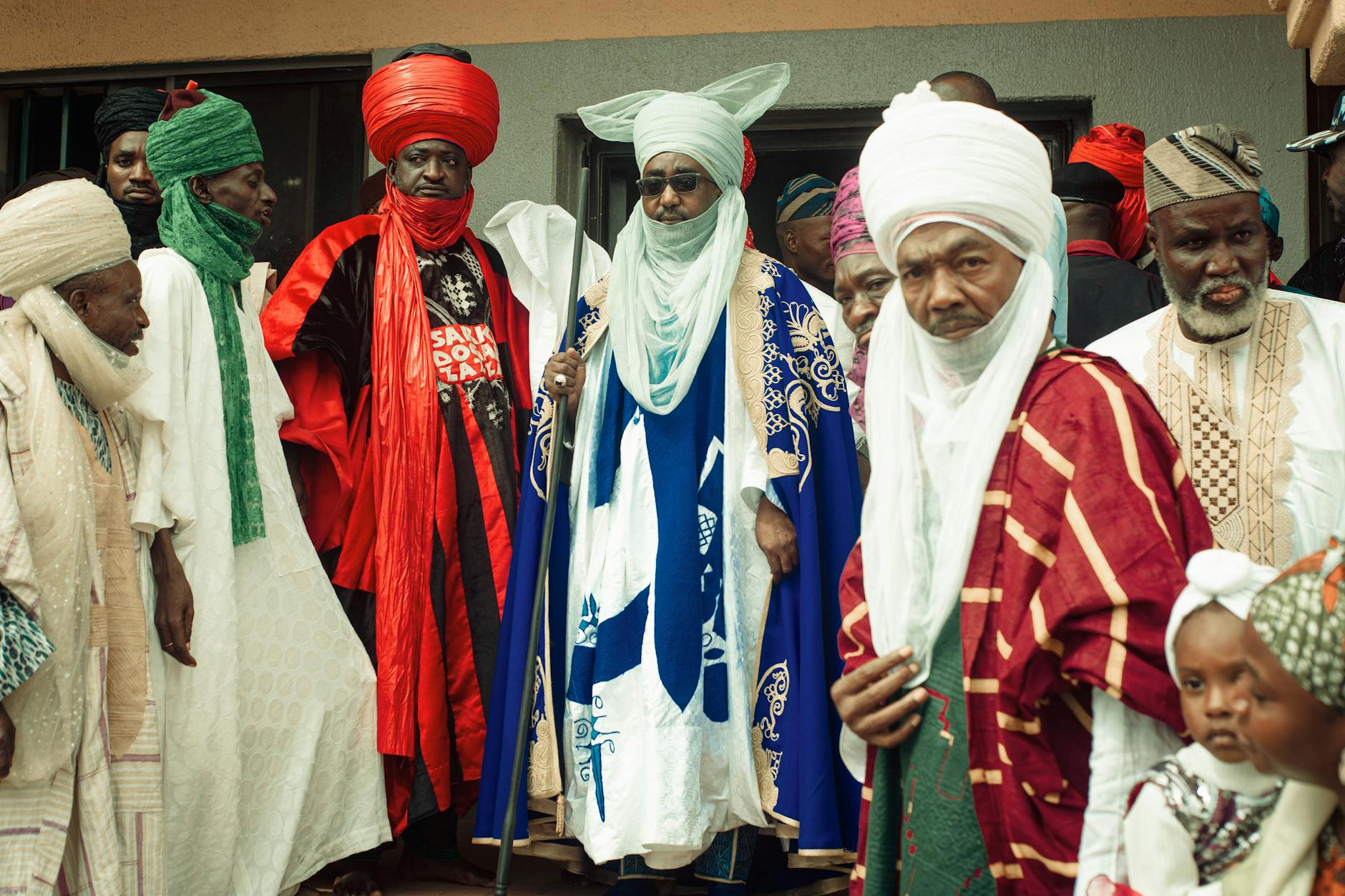
Photo by Christopher Boyd on Pexels.com

The brown girl dilemma is not only cultural or psychological—it is spiritual. At its core lies a tension between society’s distorted beauty standards and God’s divine affirmation of human worth. To take a theological look at this dilemma is to explore how Scripture, faith, and history inform the experience of brown-skinned women. Their skin, often rejected by the world, carries a sacredness rooted in creation, covenant, and divine design. The shades of brown are not incidental; they are sacred reflections of God’s handiwork.

Creation and the Divine Image

The book of Genesis declares that humankind was made in the image of God (Genesis 1:27). This foundational truth dismantles any hierarchy of skin tone. To be created in God’s image means that every shade, from the lightest to the darkest, is imbued with divine dignity. Yet, the brown girl dilemma emerges when society refuses to honor what God declared “very good.” Theology reminds us that brownness is not accidental but intentional, a manifestation of divine artistry.

Dust and Divine Design

The Bible teaches that Adam was formed from the dust of the ground (Genesis 2:7). Scholars note that this dust was rich, dark earth—the very soil that sustains life. Brownness, then, is not a flaw but a return to the origin of humanity. The hues of brown skin echo the fertile soil from which humanity was created, connecting brown women to the very beginning of human existence. The theological truth here is clear: brownness is sacred, not stigmatized.

Song of Solomon and the Beauty of Darkness

Few passages speak more directly to the brown girl dilemma than Song of Solomon 1:5, where the Shulamite woman proclaims, “I am black, but comely.” In this declaration, beauty and blackness are inseparable. She does not apologize for her shade; she affirms it. The fact that this verse is canonized in Scripture indicates that dark skin was not only acknowledged but celebrated. Theology therefore challenges the lie that melanin diminishes beauty.

Bias as Sin, Not Truth

Theologically, bias against brown skin is a distortion of God’s truth. Racism and colorism are manifestations of sin—perversions of justice, love, and equality. James 2:9 warns, “But if ye have respect to persons, ye commit sin.” Bias, therefore, is not divine; it is human error. To stigmatize brownness is to rebel against God’s creation, replacing divine order with human prejudice.

Jesus and Brownness

The humanity of Jesus Himself disrupts Eurocentric beauty standards. While often depicted with pale skin and light eyes, biblical and historical evidence suggests that Jesus, a Middle Eastern Jew, would have had dark features (Reinhartz, 2019). To see Christ through a realistic lens is to affirm that salvation entered the world clothed not in whiteness but in shades closer to brown. This theological truth dismantles false associations of holiness with paleness.

Women of Color in Scripture

The Bible is filled with women whose experiences mirror aspects of the brown girl dilemma. Hagar, an Egyptian servant, endured marginalization yet was seen by God as the one to whom He revealed Himself as “El Roi”—the God who sees (Genesis 16:13). Ruth, a Moabite woman, was integrated into Israel’s covenant line despite cultural biases. These stories affirm that women marked as outsiders in human eyes were central in God’s plan. Theology affirms the visibility and worth of brown women when society renders them invisible.

Spiritual Warfare and Identity

The brown girl dilemma is not merely social but spiritual warfare. Ephesians 6:12 reminds us that the struggle is “not against flesh and blood, but against… the powers of this dark world.” Lies about beauty and worth are weapons of oppression, designed to strip brown women of confidence and identity. Theological reflection reveals that affirming sacred shades is an act of spiritual resistance, reclaiming what God has declared good.

Faith as a Healing Balm

Faith offers a healing balm for wounds inflicted by colorism and racism. Where society says “too dark,” God says “fearfully and wonderfully made” (Psalm 139:14). Where media silences, faith speaks affirmation. Theological reflection transforms beauty from a battlefield into a sanctuary, where brown women find rest in the assurance that their worth is anchored in God, not in bias.

Melanin as a Divine Gift

Science recognizes that melanin protects against UV radiation and aging. Theologically, one might interpret this as evidence of divine provision. Brown skin, with its resilience and richness, testifies to God’s foresight in creation. To demonize melanin is to reject a gift that sustains life. Sacred shades are not burdens but blessings, carrying health, strength, and symbolic connection to the Creator.

The Church and the Dilemma

Unfortunately, the church has often mirrored society’s biases rather than challenged them. From colorist divisions in Black congregations to Eurocentric depictions of biblical figures, the church has sometimes failed to affirm sacred shades. A theological corrective requires churches to re-teach the biblical truth of equality, dismantle internal colorism, and embrace the full spectrum of God’s people.

Theology of Liberation

Liberation theology provides an important framework for addressing the brown girl dilemma. It insists that God is on the side of the oppressed and calls for justice where inequities persist. For brown women, liberation theology proclaims that their shades are not shameful but holy, worthy of celebration and central to God’s work of redemption in the world (Cone, 1997).

Ancestral Spirituality and Continuity

Beyond Christianity, ancestral African traditions celebrated brownness as sacred. Sculptures, rituals, and oral histories elevated melanin as a sign of fertility, vitality, and divinity. For women navigating the brown girl dilemma, theological reflection includes honoring ancestral continuity, integrating African spirituality with biblical truths to affirm that sacred shades transcend cultures and centuries.

Intersection of Theology and Psychology

The brown girl dilemma cannot be understood apart from psychology. Theological affirmation provides spiritual healing, but psychological awareness provides practical tools for resilience. Together, they address both the soul and the mind. Recognizing bias as sin and internalized racism as trauma allows brown women to heal holistically—body, mind, and spirit.

Intergenerational Healing

The dilemma is passed down generationally, as mothers who internalized bias often unknowingly transfer it to daughters. Theology calls for breaking this cycle through intentional affirmation. Proverbs 31:30 teaches, “Favour is deceitful, and beauty is vain: but a woman that feareth the Lord, she shall be praised.” This verse shifts the focus from external bias to spiritual reverence, equipping mothers to pass faith, not fear, to the next generation.

Representation as Sacred Witness

Representation of brown women in media and society becomes a form of sacred witness. When women like Lupita Nyong’o or Michelle Obama shine in public spaces, they testify to the truth that sacred shades can thrive against bias. Their presence affirms God’s creative diversity and challenges systems that seek to erase it. Theology interprets such visibility as not only cultural progress but divine revelation.

The Eschatological Vision of Equality

Revelation 7:9 describes a great multitude before God’s throne, made up of every nation, tribe, people, and language. This eschatological vision affirms that sacred shades will not be erased in eternity but celebrated. The brown girl dilemma is temporary; in God’s kingdom, melanin-rich skin is part of the eternal tapestry of worship. This vision offers hope beyond present bias.

Community as Sanctuary

Healing the dilemma also requires community. The church, when faithful to its calling, can serve as sanctuary where brown women are affirmed and uplifted. By preaching equality, celebrating diversity, and dismantling colorist practices, faith communities can become spaces of restoration. Theology teaches that sacred shades flourish most in communities that reflect God’s inclusive love.

Sacred Resistance

To embrace sacred shades is an act of resistance. It is to say no to systems that profit from insecurity and yes to God’s truth of divine beauty. Sacred resistance involves rewriting narratives, reclaiming biblical affirmations, and living unapologetically in brownness. In this way, theology transforms the dilemma into a declaration.

Conclusion: Shades Made Sacred

The brown girl dilemma may be rooted in history, bias, and oppression, but theology reframes it through divine truth. Brown skin, far from being a deficit, is a sacred mark of creation, continuity, and resilience. To look at brown women theologically is to see reflections of God’s image, testimonies of survival, and bearers of divine light. In the end, sacred shades remind the world that beauty is not found in bias but in the Creator’s design—where every hue carries holiness.


References

  • Cone, J. H. (1997). God of the oppressed. Orbis Books.
  • Painter, N. I. (2010). The history of White people. W.W. Norton & Company.
  • Reinhartz, A. (2019). Jesus of Hollywood. Oxford University Press.
  • Thompson, C. (1996). Black women, beauty, and hair as a matter of being. Women’s Studies, 25(6), 667–678.
  • The Holy Bible, King James Version.

Colorism in the Black Male Experience.

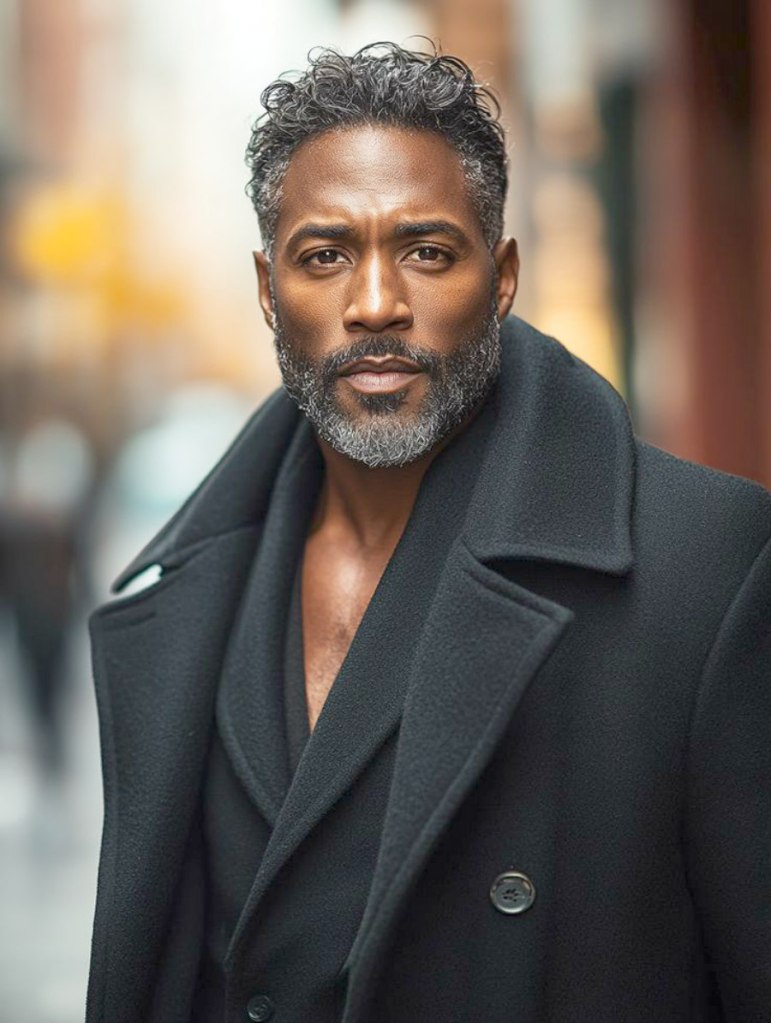
Photo by Ivan Samkov on Pexels.com

Cultural and Societal Expectations

  • Black Women: Colorism often ties directly to beauty standards, desirability, and marriage prospects. Lighter-skinned women are often idealized in media and society, which can affect self-esteem, social mobility, and romantic relationships. Darker-skinned women may face social marginalization and pressure to alter their appearance.
  • Black Men: Colorism is less about beauty in the traditional sense and more tied to perceptions of masculinity, competence, and threat. Lighter-skinned Black men are sometimes perceived as more intelligent, professional, or “safe,” while darker-skinned men may be stereotyped as aggressive, criminal, or hyper-masculine.

2. Stereotypes and Biases

  • Women: Dark skin is often linked to negative beauty stereotypes (“unattractive,” “too ethnic”), while lighter skin is associated with success, refinement, and desirability.
  • Men: Dark skin often amplifies negative societal stereotypes about violence or criminality. Light skin can be an advantage in professional or social contexts, but less connected to romantic desirability compared to women.

3. Psychological Impact

  • Women: Colorism can deeply affect self-esteem, body image, and social inclusion. It can also drive internalized biases against darker-skinned women within Black communities.
  • Men: Colorism influences self-perception, career advancement, and social treatment. Darker-skinned men may experience stress, hyper-vigilance, or feelings of marginalization due to persistent stereotyping.

4. Media Representation

  • Women: Light-skinned actresses, models, and influencers dominate mainstream beauty representation, reinforcing a preference for lighter skin.
  • Men: Media often depicts darker-skinned men in roles associated with aggression or criminality, while lighter-skinned men are more likely to appear as professionals, romantic leads, or “safe” characters.

5. Community Dynamics

  • Women: Colorism can create divisions within families and communities around marriage, social acceptance, or status.
  • Men: It can influence professional networking, mentorship opportunities, and perceptions of leadership or credibility.

In short, colorism is gendered: for Black women, it centers more on beauty and social desirability; for Black men, it centers more on perceived competence, threat, and social legitimacy. The psychological and social consequences differ, but both experiences stem from the same racialized hierarchy that elevates proximity to whiteness.

Historical-Political Lens

Colorism among Black males has roots in colonialism and slavery. European slaveholders often favored lighter-skinned enslaved people, sometimes assigning them less physically demanding work or placing them in supervisory roles. This created a hierarchy based on skin tone, privileging proximity to whiteness even within oppressed populations (Hunter, 2007).

The privileging of lighter skin reinforced systemic oppression. Lighter-skinned men could access slightly better opportunities, while darker-skinned men were subjected to the harshest labor, social marginalization, and heightened surveillance. These historical conditions cemented color-based hierarchies within Black communities, influencing perceptions of competence, value, and masculinity.

Stereotypes of dark-skinned Black men as aggressive or criminal were reinforced through legal and social structures, from the criminalization of African men during slavery to discriminatory policing in the Jim Crow and post-Civil Rights era. These biases persist in contemporary law enforcement and criminal justice systems.

The political and social consequences of these hierarchies continue to shape the experiences of Black men today. From employment discrimination to media representation, historical colorism has become institutionalized, producing lasting psychological and economic disparities.


Psychological-Social Lens

Colorism affects Black men’s self-concept and social interactions. Darker-skinned men often experience internalized stigma, leading to reduced self-esteem, hypervigilance, and stress (Pyke, 2010). Lighter-skinned men, by contrast, may receive social or professional advantages, sometimes creating tension or rivalry within the community.

Stereotypes linking dark skin with aggression or criminality amplify these psychological burdens. Black males may feel pressure to overcompensate through displays of toughness, financial success, or physical presence, influencing behavior and emotional health.

Colorism also impacts relationships and dating. Social preferences often favor lighter-skinned men for perceived attractiveness, status, or “safety,” which can strain intimacy, self-worth, and community cohesion. These biases are internalized across generations, shaping cultural perceptions of masculinity and value.

Peer, family, and community feedback further reinforce color-based hierarchies. Praise for lighter-skinned males and criticism of darker-skinned males perpetuate internalized bias, creating cycles of comparison, resentment, or self-doubt.


Faith-Based Lens

Faith and spirituality offer a counter-narrative to colorism. Scripture affirms that God values all individuals equally, regardless of skin tone: “So God created man in his own image… male and female created he them” (Genesis 1:27, KJV). Skin tone is never a measure of worth, character, or divine favor.

Churches and religious communities have historically played a role in reinforcing dignity among Black men, offering mentorship, moral guidance, and communal support. Faith-based teachings provide a psychological anchor, encouraging self-worth beyond societal perceptions or superficial hierarchies.

Colorism can also be addressed through spiritual principles such as unity, love, and service. Scripture emphasizes that true leadership and respect arise from character, integrity, and obedience to God rather than appearance or social privilege (1 Samuel 16:7, KJV).

Faith encourages reconciliation with self and community. By grounding identity in divine truth rather than social hierarchies, Black men can resist internalized biases, affirm their intrinsic worth, and cultivate resilience against culturally imposed standards of value.


Contemporary Lens

Today, colorism manifests in media representation, employment, and social interactions. Darker-skinned Black men are more likely to be portrayed in films, TV, and news as threatening, criminal, or hypermasculine, while lighter-skinned men are more often cast as professionals, leaders, or romantic interests.

Social media amplifies colorism by highlighting beauty, status, and perceived desirability. Influencers and public figures with lighter skin may receive disproportionate attention or engagement, reinforcing implicit hierarchies. This shapes self-perception and social aspirations within Black male communities.

Economic opportunities are also influenced by colorism. Studies show that lighter-skinned individuals often receive higher wages, more promotions, and better professional opportunities, while darker-skinned men experience bias in hiring and workplace treatment (Herring et al., 2004).

Even within Black communities, colorism persists. Light-skinned men may be afforded greater social mobility, leadership opportunities, or romantic desirability. Darker-skinned men face stereotypes, microaggressions, and implicit social penalties, perpetuating cycles of inequity.


Restorative Lens

Healing from colorism involves addressing both personal and systemic dimensions. Education about historical roots helps Black men understand that color-based hierarchies were imposed and are socially constructed, not reflections of inherent worth.

Community-based mentorship and dialogue are crucial for reducing internalized bias. By celebrating diverse skin tones, modeling positive behaviors, and affirming value beyond appearance, communities can counteract the psychological effects of colorism.

Faith and spiritual grounding support restoration. Emphasizing identity in God’s image and rejecting societal hierarchies provides resilience against internalized and externalized oppression. Churches and faith-based programs can nurture pride, self-respect, and communal solidarity.

Policy reform and representation also matter. Advocating for equitable hiring, media inclusivity, and leadership opportunities reduces systemic reinforcement of color-based hierarchies. Social structures must be reshaped to affirm that worth and competence are unrelated to skin tone.

Ultimately, addressing colorism among Black males requires a holistic approach. Combining historical awareness, psychological support, spiritual affirmation, community solidarity, and systemic reform empowers Black men to resist imposed hierarchies, reclaim identity, and foster self-respect.


📖 References

  • Hunter, M. (2007). The persistent problem of colorism: Skin tone, status, and inequality. Sociology Compass, 1(1), 237–254.
  • Herring, C., Keith, V., & Horton, C. (2004). Skin deep: How race and complexion matter in the “color-blind” era. Politics & Society, 32(1), 111–146.
  • Pyke, K. D. (2010). What is internalized racial oppression and why don’t we study it? Sociological Perspectives, 53(4), 551–572.
  • Holy Bible, King James Version.

The Psychology of the Black Male.

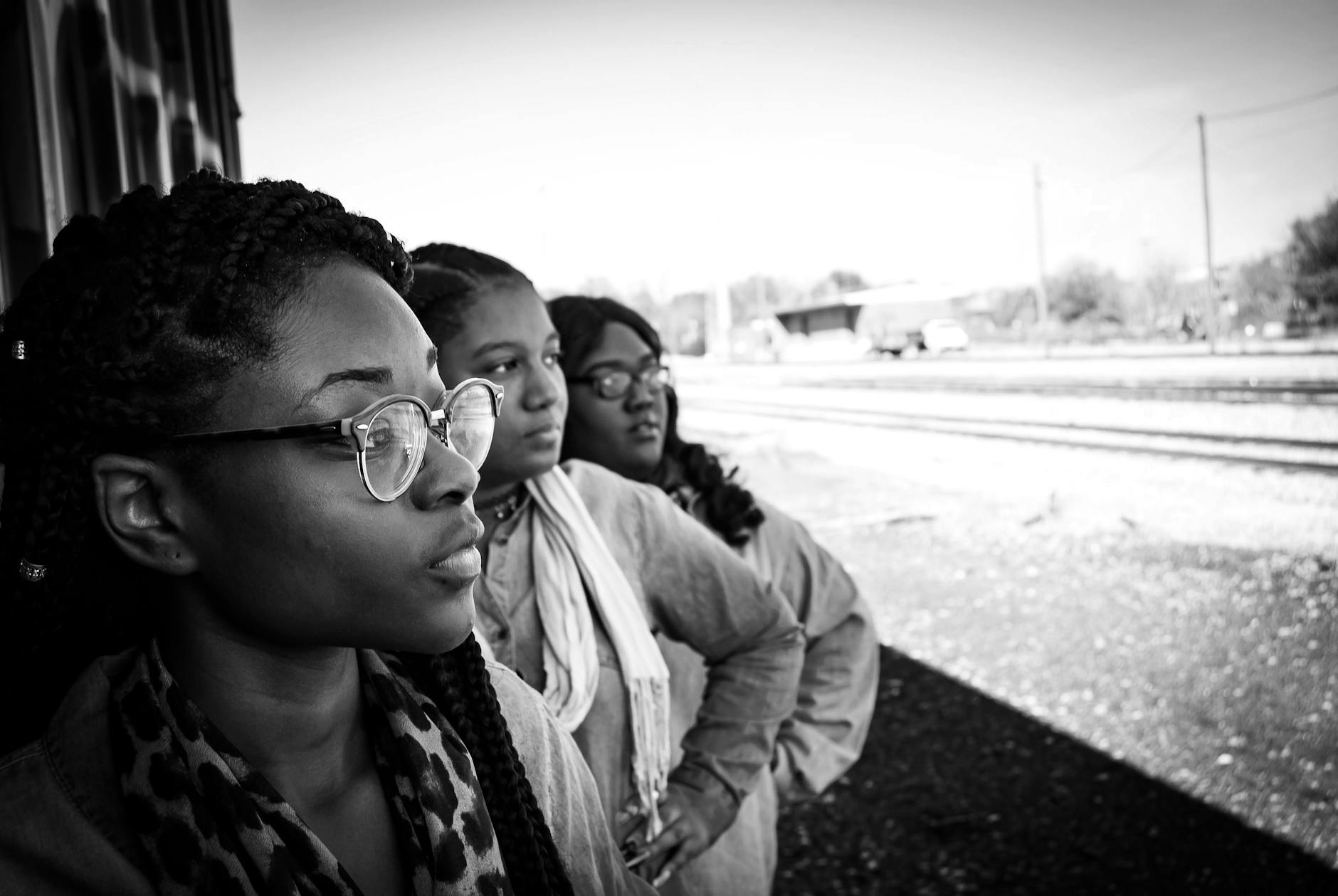
Photo by Ketut Subiyanto on Pexels.com

The psychology of the Black male cannot be fully understood without examining the intersection of historical oppression, systemic inequality, social conditioning, and cultural identity. From the trauma of slavery to the pressures of modern society, Black men navigate a world that has historically sought to define, limit, and dehumanize them. Understanding these psychological dynamics requires a multidimensional approach, including historical, social, and spiritual perspectives.

Historical and Structural Influences

Historically, Black men have been subjected to the dehumanizing effects of slavery, segregation, and systemic racism. Enslaved African men were stripped of autonomy, forced into labor, and often separated from family, disrupting traditional social and familial roles. Post-emancipation, Jim Crow laws, discriminatory policing, and economic exclusion continued to restrict mobility and opportunity, embedding systemic barriers that impact psychological development. These historical injustices contribute to collective trauma, influencing identity formation and social behavior across generations (Wilson, 2012).

Stereotypes of Black men as inherently violent, hypersexual, or aggressive are rooted in historical attempts to justify oppression. Such representations, perpetuated in media, literature, and law, have created social pressures that affect self-perception, interpersonal relationships, and community dynamics. The psychological impact of these stereotypes includes heightened stress, internalized stigma, and the burden of disproving society’s assumptions.

Identity and Socialization

Socialization plays a critical role in shaping the psychology of Black males. From childhood, boys are taught to navigate a world where race influences expectations, interactions, and opportunities. They often face dual pressures: conforming to societal stereotypes while striving to embrace authentic self-expression. This tension can lead to identity conflicts, self-doubt, and hypervigilance in social contexts (Cross, 1991).

Family and community environments also shape resilience and coping strategies. Mentorship, positive role models, and community engagement provide protective factors that support psychological well-being. Conversely, the absence of stable male figures or exposure to systemic marginalization can exacerbate feelings of isolation, anger, or hopelessness.

Mental Health and Emotional Expression

Black men face unique challenges regarding mental health and emotional expression. Cultural norms, historical trauma, and societal expectations often discourage vulnerability, creating a stigma around seeking help. Depression, anxiety, and stress may manifest in externalizing behaviors such as aggression or withdrawal. Encouraging healthy emotional expression, access to culturally competent counseling, and community-based support systems are essential for psychological wellness.

The chronic stress associated with systemic racism—termed “racial battle fatigue” (Smith, 2004)—has tangible physical and mental health consequences. Experiencing discrimination, microaggressions, or bias consistently triggers psychological and physiological stress responses, leading to increased risks of cardiovascular disease, depression, and other health disparities.

Cultural and Spiritual Dimensions

Culture and spirituality are powerful sources of resilience for Black males. Strong connections to heritage, community, and faith traditions provide coping mechanisms and affirm identity. Religious institutions, music, and cultural rituals serve as spaces for psychological restoration, social support, and personal growth. Scripture reinforces dignity and purpose: “Be strong and of a good courage, fear not, nor be afraid of them: for the LORD thy God, he it is that doth go with thee” (Deuteronomy 31:6, KJV).

Afrocentric psychological frameworks emphasize the importance of collective identity, cultural pride, and historical consciousness. Recognizing the legacy of resilience in African and diasporic traditions can buffer against internalized oppression and foster a sense of purpose and belonging.

Contemporary Pressures

Modern Black men navigate a complex landscape of social, economic, and cultural pressures. Media representations, systemic inequities, and community expectations intersect with personal aspirations, shaping behavior, self-esteem, and relational dynamics. Economic challenges, disproportionate incarceration rates, and educational disparities amplify stress and affect life trajectories. Simultaneously, positive representations of Black men in business, politics, arts, and sports offer aspirational models that reinforce psychological resilience.

Toward Healing and Empowerment

Addressing the psychological needs of Black males requires holistic interventions. Community-based programs, culturally competent therapy, mentorship initiatives, and educational empowerment can mitigate historical and systemic challenges. Encouraging emotional literacy, healthy coping strategies, and spiritual grounding fosters well-being. Importantly, societal transformation to dismantle systemic racism and challenge harmful stereotypes is essential for long-term psychological health.

Understanding the psychology of the Black male is not solely about identifying challenges but also highlighting resilience, creativity, and leadership. Black men have historically navigated oppression while cultivating cultural richness, intellectual achievement, and spiritual depth. By examining both the pressures and the strengths, society can support healthier identities, relationships, and life outcomes.

Historical-Political Lens

The psychology of the Black male is deeply influenced by historical and political contexts. From the transatlantic slave trade to modern systemic oppression, Black men have faced dehumanization, exploitation, and marginalization. Enslaved African men were forcibly removed from their families, denied autonomy, and subjected to brutal labor, disrupting traditional social and familial roles. These historical conditions created intergenerational trauma, shaping the collective psychological experience of Black men in the diaspora (Wilson, 2012).

Colonialism and slavery were codified through political structures, laws, and economic systems designed to maintain control over Black populations. Jim Crow laws, segregation, and discriminatory policing limited opportunities for education, economic advancement, and social mobility. These systems not only constrained material success but also imposed psychological burdens, reinforcing feelings of inferiority and social invisibility.

Stereotypes of Black men as violent, hypersexual, or aggressive have roots in these historical systems. Such depictions served to justify oppression and criminalization while shaping public perception and policy. The internalization of these stereotypes has had lasting effects on self-identity, behavior, and community dynamics.

Despite these structural challenges, Black men have demonstrated resilience. Historically, they built communities, nurtured families under oppressive conditions, and preserved cultural heritage. The persistence of survival and creativity amid systemic adversity illustrates a psychological strength that transcends historical trauma.


Psychological-Social Lens

The psychological impact of systemic oppression manifests in identity formation, socialization, and mental health. Black males often navigate dual pressures: resisting stereotypes while striving to assert authentic selfhood. Internalized racism and societal expectations can create tension, self-doubt, and hypervigilance in both social and professional contexts (Cross, 1991).

Colorism compounds these pressures, influencing social hierarchies within Black communities. Darker-skinned men may experience marginalization, while lighter-skinned men might face pressure to conform to Eurocentric ideals. These dynamics affect self-esteem, social mobility, and relational patterns.

Mental health challenges among Black men are shaped by cultural and systemic factors. Stigma around vulnerability often discourages seeking therapy or support. Depression, anxiety, and stress may manifest in externalizing behaviors such as anger or withdrawal. Addressing these challenges requires culturally competent mental health care that acknowledges historical trauma and systemic inequities.

Peer, family, and community relationships serve as protective factors. Positive mentorship, role modeling, and social support help mitigate the negative effects of external and internalized pressures, fostering resilience, self-confidence, and a sense of belonging.


Faith-Based Lens

Spirituality has historically been central to the psychological well-being of Black men. Faith offers a framework for understanding suffering, resilience, and purpose. Biblical teachings affirm intrinsic worth and provide guidance for navigating oppression: “Be strong and of a good courage, fear not, nor be afraid of them: for the LORD thy God, he it is that doth go with thee” (Deuteronomy 31:6, KJV).

The church has historically functioned as both sanctuary and community center. Religious institutions provided education, mentorship, and leadership opportunities, serving as critical spaces for psychological and social development. Through faith, Black men cultivated hope, moral grounding, and resilience despite systemic marginalization.

Scripture emphasizes the importance of character over societal labels: “Ye are not in the flesh, but in the Spirit, if so be that the Spirit of God dwell in you” (Romans 8:9, KJV). By grounding identity in spiritual truths rather than external stereotypes, Black men can reclaim self-worth and purpose.

Faith also offers mechanisms for coping with historical trauma. Prayer, meditation, and community worship provide emotional regulation, social support, and affirmation of personal value, reinforcing psychological resilience and cultural continuity.


Contemporary Lens

Modern Black men navigate a landscape shaped by systemic inequities, social media, and cultural pressures. Disproportionate incarceration rates, educational disparities, and employment discrimination perpetuate historical patterns of oppression, impacting mental health and self-concept.

Media representations continue to shape public perception and internalized identity. Stereotypical depictions of Black men as criminals or hypermasculine reinforce societal bias, creating pressure to conform to or resist these narrow narratives. Conversely, positive portrayals in sports, business, arts, and media provide aspirational models that affirm identity and potential.

Social media is both empowering and challenging. Platforms can amplify voices, create networks of support, and promote cultural pride, yet they also perpetuate unrealistic standards of masculinity and success. The pressure to perform, achieve, or project a curated image can exacerbate stress, self-doubt, and competition.

Contemporary capitalism further complicates psychological experiences. Material success is often conflated with personal value, creating additional pressure to achieve in a system historically designed to limit access. The intersection of race, economics, and social perception remains a critical factor in understanding the modern psychology of Black men.


Restorative Lens

Healing and empowerment require holistic strategies that address historical, social, and personal dimensions. Community-based programs, mentorship initiatives, and culturally competent therapy are essential for fostering resilience and self-efficacy among Black men.

Education is a vital tool for liberation. Understanding the historical roots of oppression allows Black men to contextualize challenges, resist internalized narratives, and reclaim agency over identity. Knowledge of African heritage, diasporic history, and cultural contributions strengthens pride and belonging.

Spiritual grounding and faith-based support remain critical. By affirming intrinsic value and providing coping strategies for trauma, spirituality reinforces psychological health and resilience. Faith communities can serve as anchors for identity, leadership, and collective empowerment.

Restoration also involves confronting societal inequities. Advocacy, policy reform, and community mobilization address structural barriers, creating environments where Black men can thrive. Holistic approaches combine mental health, cultural affirmation, spiritual grounding, and social reform to nurture empowered, resilient individuals.

Ultimately, understanding the psychology of the Black male requires balancing acknowledgment of systemic oppression with recognition of resilience, creativity, and leadership. Black men have historically navigated adversity while cultivating cultural richness, moral depth, and personal strength. Supporting psychological well-being involves honoring this legacy, addressing contemporary challenges, and promoting environments that affirm identity, purpose, and potential.


📖 References

  • Cross, W. E. (1991). Shades of Black: Diversity in African-American identity. Temple University Press.
  • Smith, W. A. (2004). Racial battle fatigue: Psychology and the Black male experience. Journal of Negro Education, 73(3), 266–278.
  • Wilson, W. J. (2012). The truly disadvantaged: The inner city, the underclass, and public policy. University of Chicago Press.

Cross, W. E. (1991). Shades of Black: Diversity in African-American identity. Temple University Press.

  • Smith, W. A. (2004). Racial battle fatigue: Psychology and the Black male experience. Journal of Negro Education, 73(3), 266–278.
  • Wilson, W. J. (2012). The truly disadvantaged: The inner city, the underclass, and public policy. University of Chicago Press.
  • Holy Bible, King James Version.

Genetics of a People: The Science of Ancestry and Haplogroups.

Photo by bareed_shotz on Pexels.com

In the search for identity, few tools have been as revolutionary as the study of genetics. Modern science allows us to trace human migrations, family lineages, and even ancient biblical connections through markers passed down in DNA. Among these markers, haplogroups—clusters of related genetic signatures inherited from a common ancestor—offer profound insights into the origins and journeys of entire peoples.

For those of African descent, haplogroup studies are especially significant. Y-DNA haplogroup E1b1a (E-M2), for instance, is one of the most common paternal lineages among West and Central Africans, regions heavily impacted by the transatlantic slave trade (Underhill et al., 2000). This same lineage is carried today by millions of African Americans, linking them genetically to ancestral homelands. Mitochondrial DNA (mtDNA), inherited maternally, likewise carries the story of women whose resilience sustained generations through migration, captivity, and survival.

What makes these findings powerful is not merely the science, but the resonance they have with Scripture. The Bible often speaks of “seed,” “bloodline,” and “generations” as carriers of both covenant and identity (Genesis 17:7; Deuteronomy 7:9, KJV). In this sense, haplogroups can be viewed as scientific confirmations of heritage and continuity, testifying to the endurance of a people across time and dispersion.

Understanding haplogroups does more than satisfy curiosity—it challenges the narratives of erasure imposed by colonialism and slavery. It allows descendants of the African diaspora to reclaim history not just through oral tradition or written record, but through the very code of their being. Genetics, then, becomes both a science and a witness, affirming that identity is neither lost nor forgotten, but inscribed in every cell.


📖 References

  • Underhill, P. A., Shen, P., Lin, A. A., Jin, L., Passarino, G., Yang, W. H., … & Oefner, P. J. (2000). Y chromosome sequence variation and the history of human populations. Nature Genetics, 26(3), 358–361.
  • Holy Bible, King James Version.

Girl Talk Series: A Microcosm of Relationships That Are Outside of God’s Will for Your Life.

Photo by Luis Quintero on Pexels.com

Ladies, beware of the types of men who can destroy your peace, your faith, and even your destiny. Toxic relationships are not just emotionally draining—they can be spiritually deadly. Pray, pray, and pray again to the Most High about anyone you even consider marrying. In this generation, with the rise of STDs, abuse, and broken covenants, it is dangerous to lean only on feelings or appearances. Our Heavenly Father will reveal the true heart of a man if you seek Him first. Be a woman after His own heart before chasing after any relationship, and in His timing, He will add the right man to your life (Matthew 6:33, KJV).

Relationships hold the power to either elevate or destroy one’s life. When we connect ourselves to the wrong person, we step into a dangerous microcosm that reflects brokenness, sin, and disorder. The Bible warns believers not to be “unequally yoked together with unbelievers” (2 Corinthians 6:14, KJV), for light and darkness cannot walk in harmony. Bad relationships often carry the weight of dysfunction, manipulation, and lust, leading to spiritual decay rather than growth. These unions do not align with God’s perfect will and can prevent us from stepping into our divine purpose.

A bad relationship can be defined as one that hinders your walk with Christ, steals your peace, and causes compromise in your values. Proverbs 13:20 (KJV) states, “He that walketh with wise men shall be wise: but a companion of fools shall be destroyed.” If a connection draws you away from holiness and into sin, it cannot be of God. Such relationships are marked by dishonesty, abuse, infidelity, and an absence of covenant love. These are not simply personality clashes; they are spiritual traps that can drain years of your life and rob you of your joy.

Consider the many types of ungodly men that women may encounter. The toxic man manipulates and controls, often isolating you from friends and family; many women have shared how such men left them feeling worthless and confused. The ungodly man rejects the Word of God, leading you into rebellion; one sister testified that dating a man with no prayer life slowly drew her out of church. The cheater destroys trust, sowing insecurity and heartbreak; psychology confirms that betrayal trauma can lead to anxiety and depression (Freyd, 1996). The man who wants to sleep with you outside of marriage entices you into fornication, though the Bible clearly says, “Flee fornication” (1 Corinthians 6:18, KJV); countless women regret giving their bodies only to be abandoned. The liar builds a false foundation where no true intimacy can exist, leaving women in cycles of disappointment. The lukewarm man professes faith but lacks commitment, echoing Revelation 3:16 (KJV): “Because thou art lukewarm, and neither cold nor hot, I will spue thee out of my mouth.” Each of these men represents a counterfeit partnership that distracts from God’s design for love and marriage.

Bad vs. Godly Men

Type of ManTraits & BehaviorBiblical Reference (KJV)Psychological Insight
Toxic ManManipulative, controlling, emotionally abusive, isolates youProverbs 4:14 – “Enter not into the path of the wicked…”Linked to narcissistic or abusive tendencies; damages self-esteem
Ungodly ManRejects prayer, Word of God, encourages rebellionPsalm 1:1 – “Blessed is the man that walketh not in the counsel of the ungodly…”Promotes spiritual and moral compromise
CheaterUnfaithful, breaks covenant, sows insecurityExodus 20:14 – “Thou shalt not commit adultery.”Betrayal trauma can lead to depression and anxiety (Freyd, 1996)
Fornicator (wants sex outside marriage)Pressures you into sin, disregards purity1 Corinthians 6:18 – “Flee fornication.”Increases risk of regret, broken trust, and unstable attachment
LiarDeceptive, untrustworthy, false promisesProverbs 19:9 – “A false witness shall not be unpunished, and he that speaketh lies shall perish.”Destroys trust, leads to emotional instability
Lukewarm ManClaims faith but lacks commitment, double-mindedRevelation 3:16 – “Because thou art lukewarm… I will spue thee out of my mouth.”Creates confusion, inconsistency, and relational insecurity
Godly ManFaithful, honest, humble, seeks righteousnessProverbs 20:7 – “The just man walketh in his integrity…”Builds secure attachment, trust, and long-term stability
Good Husband MaterialSpirit-led, prays with you, exhibits fruits of the SpiritGalatians 5:22–23 – “The fruit of the Spirit is love, joy, peace, longsuffering, gentleness, goodness, faith, meekness, temperance.”Empathetic, consistent, emotionally mature, supportive
Servant-Hearted ManLeads with humility, serves others, protects youMatthew 20:28 – “The Son of man came not to be ministered unto, but to minister…”Demonstrates prosocial behavior, fosters healthy family dynamics

Psychologically, a good man is one who embodies emotional stability, empathy, responsibility, and integrity. He demonstrates consistency in both words and actions, aligning with traits of secure attachment and healthy masculinity (Bowlby, 1988). Such a man offers emotional safety rather than instability, builds trust instead of fear, and cultivates growth rather than destruction. Psychology affirms what Scripture declares: “A faithful man shall abound with blessings” (Proverbs 28:20, KJV). Women who marry such men often testify that they feel protected, respected, and free to grow into their purpose.

A cursed relationship, on the other hand, is one that brings hardship, strife, and lack instead of joy and peace. These connections are marked by constant turmoil, financial struggles, infidelity, and deep dissatisfaction because they are not blessed by God. When Israel disobeyed, curses followed them (Deuteronomy 28, KJV), showing how disobedience in life and love leads to bondage rather than freedom. A cursed relationship is essentially one born out of sin and sustained by compromise. One woman shared how years of living with a cheating partner drained her emotionally and spiritually, a perfect example of the weight of a cursed union.

Godly relationships, in contrast, are established on truth, covenant, and purity. A godly man fears the Lord, as Proverbs 1:7 (KJV) states, “The fear of the LORD is the beginning of knowledge.” He does not tempt you into sin but pushes you toward holiness. He prays with you, supports your calling, and values you as a daughter of the Most High, not as an object of lust. Women who wait on God often find that these men do not only bring companionship but also strengthen their faith walk.

When looking for a godly man, Scripture gives guidance. He must be sober-minded, faithful, gentle, and not greedy (1 Timothy 3:2–3, KJV). He should demonstrate fruit of the Spirit: love, joy, peace, patience, and self-control (Galatians 5:22–23, KJV). Look for consistency, humility, and a servant’s heart, for even Christ “came not to be ministered unto, but to minister” (Matthew 20:28, KJV). Unlike worldly men, godly men encourage you to honor purity and prepare for covenant marriage.

Choosing God’s will in relationships means avoiding counterfeits and waiting on His timing. Many enter destructive relationships out of loneliness, but patience produces blessings. Isaiah 40:31 (KJV) declares, “But they that wait upon the LORD shall renew their strength.” A woman who waits will not only find a godly husband but also guard her soul from unnecessary heartbreak. Testimonies often reveal that waiting leads to healthier marriages where trust and godliness are the foundation.

Ultimately, relationships outside of God’s will reflect a cycle of pain, sin, and compromise. But when we submit to His Word, we can discern the difference between cursed and blessed unions. The right relationship will not only honor God but also bring fulfillment, protection, and joy, reflecting Christ’s love for His Church (Ephesians 5:25, KJV). In this, believers find that true love is not merely emotional but divine in its foundation.


References

  • The Holy Bible, King James Version.
  • Bowlby, J. (1988). A secure base: Parent-child attachment and healthy human development. Basic Books.
  • Freyd, J. J. (1996). Betrayal trauma: The logic of forgetting childhood abuse. Harvard University Press.

Dilemma: Loss of Identity

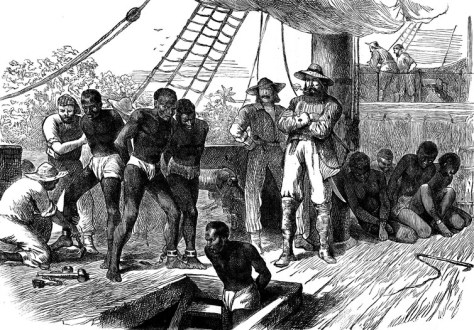
This artwork is the property of its respective owner. No copyright infringement intended.

Chains rattled with the tide,
Names stolen, tongues tied.
On waters wide, hope sank deep,
Captivity carried—memories we keep.

The loss of identity is one of the most profound dilemmas endured by humanity, particularly among oppressed peoples. For African descendants in the Americas, this dilemma is not abstract but lived—a consequence of slavery, colonization, and systemic erasure. This struggle to know oneself is both a personal and collective burden, rooted in history yet carried into the present.

Slave Ships as Sites of Erasure

The transatlantic slave ships were more than vessels of transport; they were tools of identity annihilation. Families were torn apart, languages silenced, and cultural memories suppressed. Olaudah Equiano (1789/2001) described the Middle Passage as a space where people were treated as “commodities” rather than human beings. In this forced displacement, African men and women were stripped of their names, rituals, and belonging.

Captivity and Biblical Parallels

The Bible offers parallels to this historical tragedy. Deuteronomy 28:68 (KJV) prophesies, “And the LORD shall bring thee into Egypt again with ships… and there ye shall be sold unto your enemies for bondmen and bondwomen, and no man shall buy you.” This verse echoes the reality of Africans transported into captivity, linking the loss of identity to a spiritual dimension of exile and prophecy.

Identity as a Human Anchor

Psychologically, identity functions as an anchor. Erikson’s (1968) stages of psychosocial development emphasize identity formation as crucial to mental stability. When individuals are robbed of cultural markers, such as name, language, and ancestry, they experience fragmentation. Enslaved Africans and their descendants inherited this psychological wound across generations.

The Mask of Survival

In order to survive, many enslaved people were forced to adopt the identity of their oppressors. Names were replaced with European ones, religions were imposed, and cultural practices were punished. This masking of the true self aligns with W.E.B. Du Bois’s (1903/1994) concept of “double consciousness,” where African Americans lived with the tension of their authentic self and the imposed gaze of white society.

Spiritual Disconnection

Another dimension of identity loss was spiritual. Many Africans brought rich religious traditions, yet these were suppressed and replaced with distorted forms of Christianity that justified slavery. While the true liberating message of the Gospel offered hope, its manipulation by oppressors contributed to spiritual confusion, making faith itself a site of identity struggle (Raboteau, 2004).

The Generational Silence

The dilemma did not end with emancipation. Generations inherited silence rather than memory. Families often lacked knowledge of their origins beyond slavery, leading to fractured identities. This loss of ancestral connection created cultural amnesia, leaving African descendants vulnerable to assimilation and shame.

The Psychological Cost

Research shows that historical trauma can have intergenerational effects. Danieli (1998) observed how unresolved trauma in one generation transmits to the next, manifesting in depression, anxiety, or internalized oppression. For Black communities, the unresolved trauma of slavery contributed to identity confusion, cycles of poverty, and weakened family structures.

Identity and Racism

The external world reinforced this loss through systemic racism. Stereotypes, laws, and discriminatory practices labeled Black people as inferior, perpetuating the identity imposed during slavery. This external misrepresentation created internal conflict, where individuals wrestled with the lies of society versus the truth of their humanity.

The Role of Education

Carter G. Woodson (1933/2006) argued in The Mis-Education of the Negro that systemic erasure within education reinforced identity loss. Black history was omitted or distorted, causing generations to believe they had no legacy worth preserving. Education became a battleground for identity reclamation.

The Dilemma of Assimilation

In pursuit of acceptance, many African Americans adopted European standards of beauty, speech, and culture. While assimilation provided opportunities for survival, it deepened the dilemma of identity: to belong outwardly meant to deny inwardly. This paradox remains visible today in debates about hair, skin tone, and language.

The Bible as Restoration

Despite misuse by oppressors, Scripture also became a source of restoration. Psalms 137:1 (KJV) captures the lament of displaced people: “By the rivers of Babylon, there we sat down, yea, we wept, when we remembered Zion.” The cry of exiles resonates with African descendants longing for identity, showing that biblical narratives of captivity also carry promises of restoration.

Community as Healer

Identity is not rebuilt in isolation but in community. Black churches, cultural movements, and grassroots organizations became centers of identity reclamation. Through music, worship, and storytelling, fragments of identity were pieced back together, restoring dignity and hope.

The Role of Memory

Remembering is itself an act of resistance. By preserving oral histories, traditions, and genealogies, communities resist erasure. Isaiah 58:12 (KJV) promises, “And they that shall be of thee shall build the old waste places… thou shalt be called, The repairer of the breach.” Remembering builds bridges between past and future.

Cultural Reclamation Movements

The Harlem Renaissance, Black Power, and Pan-African movements sought to reclaim lost identity. By celebrating African heritage, art, and pride, these movements countered centuries of imposed inferiority. They demonstrated that cultural expression is not merely art but a tool of identity restoration.

Psychological Healing

Healing identity loss requires psychological and spiritual renewal. Romans 12:2 (KJV) urges believers to “be transformed by the renewing of your mind.” Therapy, cultural education, and spiritual grounding all contribute to rebuilding fragmented identities, offering freedom from internalized lies.

Modern Identity Struggles

Even today, Black communities wrestle with dilemmas of identity. From debates over African versus African American identity to struggles with colorism and beauty standards, the search for self continues. The legacy of slavery’s identity theft lingers in these ongoing struggles.

Toward Restoration

Restoration comes when individuals and communities reclaim their heritage, affirm their worth, and embrace their divine purpose. Identity is not only about ancestry but also about destiny. Recognizing oneself as created in the image of God (Genesis 1:27, KJV) provides the ultimate foundation for restored dignity.

Conclusion

The dilemma of loss of identity is both a wound and a call to healing. Though chains, ships, and systems sought to erase, the memory of a people endures. Through history, faith, and collective resilience, identity can be reclaimed. What was lost in captivity can be restored in truth, for identity rooted in God and heritage cannot be permanently destroyed.


References

  • Danieli, Y. (1998). International handbook of multigenerational legacies of trauma. Springer.
  • Du Bois, W. E. B. (1994). The souls of Black folk. Dover. (Original work published 1903)
  • Equiano, O. (2001). The interesting narrative of the life of Olaudah Equiano. Bedford/St. Martin’s. (Original work published 1789)
  • Erikson, E. H. (1968). Identity: Youth and crisis. Norton.
  • Raboteau, A. (2004). Slave religion: The “invisible institution” in the antebellum South. Oxford University Press.
  • Woodson, C. G. (2006). The mis-education of the Negro. Book Tree. (Original work published 1933)
  • The Holy Bible, King James Version.

The Genetics of Black People #thescienceofblackbeauty

Photo by Merlin Lightpainting on Pexels.com

The genetics of Black people provides a profound window into human history, identity, and resilience. Through the lens of science, anthropology, and biblical reflection, one discovers that African-descended populations carry the richest genetic diversity on Earth. This diversity not only traces back to the earliest human origins but also tells the story of migration, adaptation, and survival. To understand Black genetics is to understand the foundations of humanity itself.

Africa as the Genetic Cradle

Modern genetics affirms what archaeology and anthropology have long suggested: Africa is the cradle of humanity. Studies of mitochondrial DNA (mtDNA) and Y-chromosome lineages confirm that all modern humans trace their ancestry to Africa approximately 200,000 years ago (Tishkoff et al., 2009). This means that the genetic diversity seen among Black people is not only vast but also foundational to the human story.

Haplogroups and Lineages

Among African and African diasporic populations, haplogroups such as E1b1a are highly prevalent. This Y-DNA lineage is especially common among West and Central Africans, as well as among African Americans and Afro-Caribbeans (Underhill et al., 2001). Such markers provide genetic evidence of ancestral ties that link dispersed Black populations back to Africa, particularly the regions most affected by the transatlantic slave trade.

Melanin as a Genetic Gift

One of the most visible genetic traits of Black people is melanin, the pigment responsible for skin color. Far from being a mere aesthetic trait, melanin serves as a protective adaptation against ultraviolet radiation. It reduces the risk of DNA damage while regulating vitamin D synthesis (Jablonski & Chaplin, 2000). In biblical reflection, one could argue that melanin symbolizes divine design: “I am black, but comely” (Song of Solomon 1:5, KJV).

Adaptation and Survival

Genetics reveals that traits common among African populations were shaped by evolutionary pressures. For example, the sickle cell trait—a genetic adaptation—provides resistance against malaria, a deadly disease endemic to parts of Africa. This illustrates how Black genetics embodies survival strategies written into DNA through centuries of environmental challenges.

The Transatlantic Slave Trade and Genetic Disruption

The forced displacement of millions of Africans through the transatlantic slave trade disrupted genetic continuity, yet it also created new diasporic lineages. African Americans, for example, typically show a mixture of West and Central African ancestry, with smaller proportions of European and Native American ancestry due to centuries of enslavement, coercion, and survival (Bryc et al., 2015). Genetics, therefore, serves as a testimony of trauma but also of resilience.

Diaspora Diversity

The African diaspora is far from monolithic. Afro-Caribbeans, Afro-Latinos, and African Americans all share African genetic roots but reflect distinct admixture histories. For instance, Afro-Brazilians often display higher proportions of African ancestry compared to African Americans, due to Brazil’s massive role in the slave trade (Telles, 2004). Yet across the diaspora, the shared thread is an undeniable African genetic legacy.

Health Implications in Genetics

The genetics of Black people also intersects with health in powerful ways. Certain conditions such as hypertension and diabetes are disproportionately prevalent among African-descended populations, influenced not only by genetics but also by systemic inequalities (Gravlee, 2009). Understanding genetic predispositions must go hand in hand with addressing structural racism in healthcare.

Misuse of Genetics in Racism

History has shown how genetics was misused to justify slavery, colonialism, and segregation. Pseudoscientific racism claimed that Black people were biologically inferior. Modern genetics refutes these falsehoods, affirming that race is a social construct, while genetic diversity within Africa surpasses that of all other continents combined (Lewontin, 1972).

Biblical Reflections on Ancestry

The Bible teaches that all humanity is made in the image of God (Genesis 1:27, KJV). Yet for Black people, genetics and scripture converge in unique ways. Deuteronomy 28 has been interpreted by some as prophetic, aligning the experiences of the African diaspora with the curses of Israel. While debated, this perspective connects genetics, history, and spiritual identity in profound ways.

Marriage of Science and Scripture

Rather than conflict, genetics and scripture can complement one another. Science reveals the pathways of migration and adaptation, while scripture reminds us of divine purpose. Acts 17:26 (KJV) declares: “And hath made of one blood all nations of men for to dwell on all the face of the earth.” This verse resonates deeply with the genetic truth that all humans share common African ancestry.

Genetics and Identity Formation

For many Black individuals, DNA testing has become a tool for reclaiming lost heritage. Commercial genetic tests allow descendants of the diaspora to trace their lineages back to specific African regions. This process provides not only scientific validation but also psychological healing from centuries of disconnection caused by slavery.

Psychology of Genetic Roots

Psychology suggests that knowing one’s ancestry strengthens self-esteem and identity formation (Phinney, 1990). For Black people, genetic awareness can counter narratives of erasure. By affirming African origins and resilience, genetics helps restore pride and a sense of belonging within the larger human family.

🧬 The Genetic Makeup of Black People

1. Genetic Diversity in Africa

Science shows that people of African descent carry the highest genetic diversity in the world. This is because Africa is the cradle of humankind, where modern Homo sapiens first evolved about 200,000 years ago (Tishkoff et al., 2009). Populations that migrated out of Africa carried only a subset of this genetic variation, which makes non-African groups less genetically diverse.


2. Haplogroups in African Populations

One of the most common paternal lineages in Sub-Saharan Africa is the Y-DNA haplogroup E1b1a. It is especially dominant among West and Central Africans and their descendants in the Americas due to the Transatlantic Slave Trade (Wood et al., 2005).

On the maternal side, African women often carry mtDNA haplogroups L0–L3, some of the oldest lineages in the world. These haplogroups trace directly back to the first mothers of humanity (Salas et al., 2002).


3. Skin Color and Melanin

The dark skin of Black people is due to high melanin production (specifically eumelanin). This adaptation evolved in Africa to protect against ultraviolet (UV) radiation, reducing risks of skin cancer and preserving folate, a vitamin essential for reproduction (Jablonski & Chaplin, 2010).


4. Health and Genetic Traits

Certain genetic traits in African populations arose as adaptations to local environments. For example:

  • The sickle-cell trait provides protection against severe malaria, which is widespread in Africa (Kwiatkowski, 2005).
  • Variants in the Duffy antigen receptor gene protect many West Africans from Plasmodium vivax malaria (Miller et al., 1976).

However, these adaptations can have trade-offs. For instance, carrying two sickle-cell alleles leads to sickle-cell disease.


5. Admixture and the Diaspora

Black populations outside Africa, especially in the Americas, often have mixed ancestry. African Americans, for example, typically have West and Central African ancestry but also varying degrees of European and Native American admixture due to historical slavery, colonization, and forced mixing (Bryc et al., 2015).


6. Genetics, Identity, and Misuse

Science has confirmed that while genetic diversity exists, race is not a strict biological category. Instead, it reflects clusters of ancestry shaped by migration and geography. Unfortunately, genetics has been historically misused to justify racism. Today, genetic studies highlight shared humanity and deep African origins of all people (Graves, 2005).


📖 Biblical Reflection (KJV)

  • “And hath made of one blood all nations of men for to dwell on all the face of the earth” (Acts 17:26).
  • “I will say to the north, Give up; and to the south, Keep not back: bring my sons from far, and my daughters from the ends of the earth” (Isaiah 43:6).

Genetic Continuity Across Generations

Despite centuries of oppression, African-descended people carry forward genetic continuity that cannot be erased. Each generation inherits not only biological traits but also stories of endurance. Psalm 139:14 (KJV) reminds us: “I will praise thee; for I am fearfully and wonderfully made.” Genetics affirms this biblical truth.

Cultural Implications of Genetics

Black culture—music, food, language, and spirituality—often reflects deep genetic memory. Anthropologists note that certain rhythms, agricultural practices, and even healing traditions among diasporic communities trace back to African roots. Genetics, therefore, is not only biological but also cultural.

The Ethics of Genetic Research

While genetic science holds promise, ethical considerations remain. Historically, Black communities have been exploited in medical and genetic research, such as the Tuskegee Syphilis Study. Thus, the pursuit of genetic knowledge must be grounded in justice, equity, and respect.

Future of Black Genetics

As technology advances, the genetics of Black people will play a central role in medicine, anthropology, and identity studies. Genetic research promises better healthcare outcomes when tailored to African ancestry. Moreover, it enriches global understanding of human origins and diversity.

Spiritual Continuity and Covenant

In scripture, covenant symbolizes continuity. Just as marriage is a covenant binding two into one flesh, so too does genetics bind generations into one continuous story (Genesis 2:24, KJV). For Black people, genetics reveals that despite historical fractures, divine continuity has preserved identity across centuries.

Walk Toward Eternal Truth

Genetics is not merely about physical lineage—it also points toward eternal truth. For believers, DNA testifies of God’s handiwork, inscribed into the very code of life. It calls humanity to unity rather than division, reminding us that science and scripture both declare the dignity of Black people.

Conclusion

The genetics of Black people is a narrative of origins, endurance, and divine purpose. From the haplogroups of Africa to the diasporic survival of slavery, from melanin’s protective gift to the misuse of science in racism, genetics tells a story of resilience. Scripture confirms this dignity, affirming that God’s covenant transcends race and history. To study Black genetics is not only to learn about biology but also to witness the unfolding of both science and spirit in one of humanity’s most profound stories. The genetics of Black people tells a story that stretches from the dawn of humanity in Africa to the present-day struggles for justice and identity. It encompasses haplogroups, slavery, melanin, health, psychology, and theology. More than science, genetics is a living testimony of survival, a record of God’s providence, and a foundation for future generations to reclaim both heritage and destiny.


📚 References

Bryc, K., Durand, E. Y., Macpherson, J. M., Reich, D., & Mountain, J. L. (2015). The genetic ancestry of African Americans, Latinos, and European Americans across the United States. The American Journal of Human Genetics, 96(1), 37–53. https://doi.org/10.1016/j.ajhg.2014.11.010

Gravlee, C. C. (2009). How race becomes biology: Embodiment of social inequality. American Journal of Physical Anthropology, 139(1), 47–57. https://doi.org/10.1002/ajpa.20983

Jablonski, N. G., & Chaplin, G. (2000). The evolution of human skin coloration. Journal of Human Evolution, 39(1), 57–106. https://doi.org/10.1006/jhev.2000.0403

Lewontin, R. C. (1972). The apportionment of human diversity. Evolutionary Biology, 6, 381–398. https://doi.org/10.1007/978-1-4684-9063-3_14

Phinney, J. S. (1990). Ethnic identity in adolescents and adults: Review of research. Psychological Bulletin, 108(3), 499–514. https://doi.org/10.1037/0033-2909.108.3.499

Telles, E. E. (2004). Race in another America: The significance of skin color in Brazil. Princeton University Press.

Tishkoff, S. A., et al. (2009). The genetic structure and history of Africans and African Americans. Science, 324(5930), 1035–1044. https://doi.org/10.1126/science.1172257

Underhill, P. A., et al. (2001). The phylogeography of Y chromosome binary haplotypes and the origins of modern human populations. Annals of Human Genetics, 65(1), 43–62. https://doi.org/10.1046/j.1469-1809.2001.6510043.x

Bryc, K., Durand, E. Y., Macpherson, J. M., Reich, D., & Mountain, J. L. (2015). The genetic ancestry of African Americans, Latinos, and European Americans across the United States. American Journal of Human Genetics, 96(1), 37–53. https://doi.org/10.1016/j.ajhg.2014.11.010

Graves, J. L. (2005). The race myth: Why we pretend race exists in America. Dutton.

Jablonski, N. G., & Chaplin, G. (2010). Human skin pigmentation as an adaptation to UV radiation. Proceedings of the National Academy of Sciences, 107(Supplement 2), 8962–8968. https://doi.org/10.1073/pnas.0914628107

Kwiatkowski, D. P. (2005). How malaria has affected the human genome and what human genetics can teach us about malaria. American Journal of Human Genetics, 77(2), 171–192. https://doi.org/10.1086/432519

Miller, L. H., Mason, S. J., Clyde, D. F., & McGinniss, M. H. (1976). The resistance factor to Plasmodium vivax in Blacks: The Duffy-blood-group genotype, FyFy. New England Journal of Medicine, 295(6), 302–304. https://doi.org/10.1056/NEJM197608052950602

Salas, A., Richards, M., De la Fe, T., Lareu, M. V., Sobrino, B., Sánchez-Diz, P., … & Carracedo, Á. (2002). The making of the African mtDNA landscape. American Journal of Human Genetics, 71(5), 1082–1111. https://doi.org/10.1086/344348

Tishkoff, S. A., Reed, F. A., Friedlaender, F. R., Ehret, C., Ranciaro, A., Froment, A., … & Williams, S. M. (2009). The genetic structure and history of Africans and African Americans. Science, 324(5930), 1035–1044. https://doi.org/10.1126/science.1172257

Wood, E. T., Stover, D. A., Ehret, C., Destro-Bisol, G., Spedini, G., McLeod, H., … & Hammer, M. F. (2005). Contrasting patterns of Y chromosome and mtDNA variation in Africa: Evidence for sex-biased demographic processes. European Journal of Human Genetics, 13(7), 867–876. https://doi.org/10.1038/sj.ejhg.5201370

Who is that Man? #thebrownboydilemma

Photo by Luca Nardone on Pexels.com

The Black man of today carries a story written in both resilience and struggle. He is the son of kings, the descendant of enslaved men, and the product of a system that has often sought to break his spirit. From slavery to mass incarceration, from redlining to police brutality, life has tried to strip away his worth. Yet, despite wounds and weariness, the Black man continues to stand, fight, and love. His existence is both a testimony and a triumph.

The desires of the Black man often mirror the universal needs of all men: to be respected, to protect, to provide, to love, and to leave a legacy. Psychologist Abraham Maslow (1943) taught that every human strives for basic needs, belonging, and self-actualization. For many Black men, these desires are pursued under the weight of systemic barriers. Yet scripture reminds us that fulfillment is not ultimately in society’s approval but in God’s purpose. “Delight thyself also in the Lord: and he shall give thee the desires of thine heart” (Psalm 37:4, KJV).

Life, however, has often beaten the Black man down. Generational trauma from slavery, Jim Crow, and ongoing racism weighs heavily. Many die young—from violence, illness, or despair—before realizing their God-given potential. Psychology identifies this as “toxic stress,” a prolonged exposure to adversity that affects both mental and physical health (McEwen, 2000). Yet the Bible assures that suffering is not the end. “We are troubled on every side, yet not distressed; we are perplexed, but not in despair” (2 Corinthians 4:8, KJV).

But who is a good man? The Bible paints a clear picture. A good man is one who fears God, seeks wisdom, and lives with integrity. Proverbs 20:7 (KJV) declares, “The just man walketh in his integrity: his children are blessed after him.” A good man is not perfect, but he is faithful, responsible, and kind. He disciplines himself and puts others above selfish ambition.

Qualities of a good man are further echoed in psychology. Research highlights empathy, responsibility, honesty, and emotional intelligence as traits of healthy masculinity (Goleman, 1995). These qualities not only shape strong husbands and fathers but also heal communities. Where the world has tried to define the Black man as broken, lazy, or dangerous, God and psychology agree that goodness is possible, teachable, and transferable.

A good man is also a provider, not only in material terms but in spiritual and emotional support. 1 Timothy 5:8 (KJV) says, “But if any provide not for his own, and specially for those of his own house, he hath denied the faith, and is worse than an infidel.” Provision includes love, security, and leadership, not just finances. In psychology, attachment theory shows that men who are emotionally present help raise children who are more secure and resilient.

A good man also controls his passions. In a world where temptation abounds, a man must master his desires rather than be mastered by them. Proverbs 16:32 (KJV) teaches, “He that is slow to anger is better than the mighty; and he that ruleth his spirit than he that taketh a city.” Psychology aligns, teaching the importance of self-regulation and delayed gratification for long-term success (Mischel, 2014).

Finally, the good man leaves a legacy. For the Black man, this means rewriting the narrative handed down by history. He becomes the father who stays, the leader who serves, the brother who uplifts, and the man who worships God above all. His worth is not measured by his income, his appearance, or his status, but by his faithfulness to God and his love for others.

In conclusion, the Black man of today is not simply a victim of life’s hardships—he is a survivor, a dreamer, and, when guided by God’s Word, a good man in every sense. The world may undervalue him, but heaven esteems him highly. For it is written, “The steps of a good man are ordered by the Lord: and he delighteth in his way” (Psalm 37:23, KJV). The good man is the man who rises above pain, honors God, and builds a future brighter than his past.


References

  • Goleman, D. (1995). Emotional intelligence: Why it can matter more than IQ. Bantam Books.
  • Maslow, A. H. (1943). A theory of human motivation. Psychological Review, 50(4), 370–396.
  • McEwen, B. S. (2000). The neurobiology of stress: From serendipity to clinical relevance. Brain Research, 886(1-2), 172–189.
  • Mischel, W. (2014). The Marshmallow Test: Mastering self-control. Little, Brown.
  • The Holy Bible, King James Version (KJV).

Why Do God’s Chosen Ones Walk Alone?

Biblical and Psychological Reflections

Photo by Aidi Tanndy on Pexels.com

Throughout Scripture, God’s chosen ones often endured seasons of solitude. Abraham left his country and kin at God’s command (Genesis 12:1, KJV). Joseph was betrayed by his brothers and isolated in Egypt before being exalted (Genesis 37–41). Even Christ Himself withdrew to lonely places to pray (Luke 5:16, KJV) and endured Gethsemane’s solitude before the cross. This recurring theme suggests that aloneness is not abandonment, but a sacred space where God develops His chosen vessels.

One reason God’s chosen ones walk alone is preparation for divine assignment. Separation from the crowd allows for spiritual formation, free from distractions and competing voices. In psychology, solitude is associated with self-reflection, emotional regulation, and identity development (Long & Averill, 2003). Spiritually, it allows God’s voice to become clearer, as illustrated when Elijah heard not the earthquake or fire but the “still small voice” (1 Kings 19:12, KJV).

Another reason is that destiny often isolates. The path of the chosen is narrow and cannot be walked by everyone. Jesus taught, “Enter ye in at the strait gate… narrow is the way, which leadeth unto life, and few there be that find it” (Matthew 7:13–14, KJV). Psychology similarly affirms that individuals pursuing uncommon goals or higher callings often experience loneliness, as their values and direction diverge from the majority.

Walking alone also functions as a test of faith and endurance. God uses seasons of isolation to strengthen resilience and dependence on Him. Joseph’s prison years, David’s wilderness hiding from Saul, and Job’s losses all reflect this refining process. Psychologically, enduring solitude can foster resilience and autonomy, teaching individuals to derive self-worth from God and internal strength rather than constant external validation.

Moreover, walking alone guards the chosen against corruption and compromise. When separated, they are less susceptible to the pressures of conformity and worldliness. “Be ye not unequally yoked together with unbelievers” (2 Corinthians 6:14, KJV). Healthy solitude preserves purity of purpose. Psychology supports this principle through the concept of boundary-setting, where distance from toxic influences is necessary for personal growth and emotional well-being.

7 Reasons God’s Chosen Ones Walk Alone

Scripture + Psychology

  1. Preparation for Purpose
  • Genesis 12:1 (KJV): God called Abraham to leave his kin.
  • Psychology: Solitude promotes self-reflection and identity development.
  1. Clarity of God’s Voice
  • 1 Kings 19:12 (KJV): Elijah heard God in the “still small voice.”
  • Being alone quiets distractions so God’s direction becomes clear.
  1. Destiny Requires Separation
  • Matthew 7:14 (KJV): The narrow way is found by few.
  • Psychology: Those pursuing unique callings often experience isolation.
  1. Strength Through Testing
  • Job 23:10 (KJV): “When he hath tried me, I shall come forth as gold.”
  • Trials in solitude refine faith and resilience.
  1. Protection from Corruption
  • 2 Corinthians 6:14 (KJV): “Be ye not unequally yoked…”
  • Healthy solitude guards against negative influence and compromise.
  1. Spiritual Growth and Dependence on God
  • Psalm 62:5 (KJV): “My soul, wait thou only upon God.”
  • Psychology: Solitude develops autonomy and inner strength.
  1. Set Apart for Greatness
  • Jeremiah 1:5 (KJV): “Before I formed thee… I sanctified thee.”
  • God sets apart His chosen to prepare them for higher assignments.

In conclusion, God’s chosen ones walk alone because solitude is the crucible of calling. It is where vision is clarified, faith is tested, character is refined, and destiny is secured. While loneliness may feel like abandonment, Scripture reveals it as preparation: “Lo, I am with you alway, even unto the end of the world” (Matthew 28:20, KJV). To walk alone with God is never truly to be alone; rather, it is to be set apart for greatness.


📚 References

  • The Holy Bible, King James Version.

  • Long, C. R., & Averill, J. R. (2003). Solitude: An exploration of benefits of being alone. Journal for the Theory of Social Behaviour, 33(1), 21–44.
  • Weiss, R. S. (1973). Loneliness: The experience of emotional and social isolation. MIT Press.

The 10 Attributes of a Good Man

Biblical Wisdom and Psychological Insight on Character and Relationships

This photograph is the property of its respective owners. No copyright infringement intended.

A good man is defined not merely by his outward appearance or words but by the integrity, character, and values he demonstrates in daily life. The Bible emphasizes that true strength is rooted in faith and moral integrity. Psalm 112:1 (KJV) declares, “Blessed is the man that feareth the Lord: that delighteth greatly in his commandments.” This reverence for God provides a foundation for all other virtues. Psychologically, a man guided by values and spiritual principles demonstrates stability, resilience, and a clear sense of purpose, which positively impacts his relationships and community.

First, a good man is faithful, honest, and transparent. Trustworthiness forms the cornerstone of lasting relationships. Scripture teaches, “Providing for honest things, not only in the sight of the Lord, but also in the sight of men” (2 Corinthians 8:21, KJV). Psychologically, honesty and transparency foster emotional safety and strengthen bonds, allowing intimacy to flourish without fear of deception or betrayal.

Second, a good man is responsible, disciplined, and self-controlled. Proverbs 14:29 (KJV) states, “He that is slow to wrath is of great understanding.” Responsibility ensures that a man can care for himself and those who depend on him, while self-discipline predicts long-term achievement and emotional stability. From a psychological perspective, self-control is strongly correlated with better stress management, goal attainment, and relational satisfaction.

Third, he is loving, compassionate, patient, and understanding. Ephesians 5:25 (KJV) instructs, “Husbands, love your wives, even as Christ also loved the church.” Emotional intelligence, including empathy and patience, allows a man to navigate conflict gracefully and maintain supportive relationships. Psychology confirms that men who cultivate compassion and patience experience more satisfying and enduring partnerships, as they respond thoughtfully rather than react impulsively.

Fourth, a good man is wise, humble, and teachable. Proverbs 9:10 (KJV) declares, “The fear of the Lord is the beginning of wisdom.” Humility allows him to learn from mistakes, accept counsel, and grow continually. Psychologically, humility reduces defensiveness and increases adaptability, making a man more capable of resolving challenges and nurturing meaningful relationships.

Finally, a good man is hardworking and a provider. Proverbs 10:4 (KJV) teaches, “The hand of the diligent maketh rich.” Providing goes beyond financial support; it encompasses emotional, spiritual, and practical stewardship of one’s household. Psychologically, ambition and diligence signal responsibility, motivation, and reliability. A man who strives to provide is not only demonstrating care but also creating stability for his family, reflecting both biblical principles and sound relational psychology.

Biblical Wisdom and Psychological Insight

  1. Faithful and God-Fearing
  • Biblical Basis: “Blessed is the man that feareth the Lord” (Psalm 112:1, KJV).
  • Psychological Insight: Spiritual grounding provides moral stability and resilience in life and relationships.
  1. Honest and Transparent
  • Biblical Basis: “Providing for honest things, not only in the sight of the Lord, but also in the sight of men” (2 Corinthians 8:21, KJV).
  • Psychological Insight: Honesty fosters trust and emotional safety, essential for intimacy and long-term partnerships.
  1. Responsible and Accountable
  • Biblical Basis: “But let every man prove his own work” (Galatians 6:4, KJV).
  • Psychological Insight: Responsibility and accountability predict reliability and the ability to handle life’s challenges effectively.
  1. Loving and Compassionate
  • Biblical Basis: “Husbands, love your wives, even as Christ also loved the church” (Ephesians 5:25, KJV).
  • Psychological Insight: Emotional intelligence and empathy are linked to healthier relationships and conflict resolution.
  1. Disciplined and Self-Controlled
  • Biblical Basis: “He that is slow to wrath is of great understanding” (Proverbs 14:29, KJV).
  • Psychological Insight: Self-discipline predicts goal achievement, stress management, and emotional stability.
  1. Protective and Supportive
  • Biblical Basis: “The just man walketh in his integrity: his children are blessed after him” (Proverbs 20:7, KJV).
  • Psychological Insight: A supportive man promotes security, growth, and confidence in those he loves.
  1. Patient and Understanding
  • Biblical Basis: “With all lowliness and meekness, with longsuffering, forbearing one another in love” (Ephesians 4:2, KJV).
  • Psychological Insight: Patience and tolerance reduce conflict and enhance relationship satisfaction.
  1. Wise and Discerned
  • Biblical Basis: “The fear of the Lord is the beginning of wisdom” (Proverbs 9:10, KJV).
  • Psychological Insight: Wisdom and critical thinking aid in making sound decisions and maintaining long-term stability.
  1. Hardworking and A Provider
  • Biblical Basis: “The hand of the diligent maketh rich” (Proverbs 10:4, KJV).
  • Psychological Insight: Motivation and persistence indicate reliability and the ability to provide and achieve goals.
  1. Humble and Teachable
  • Biblical Basis: “Humble yourselves in the sight of the Lord, and he shall lift you up” (James 4:10, KJV).
  • Psychological Insight: Humility allows growth, self-reflection, and healthy relationship dynamics.

In conclusion, a good man integrates faith, integrity, emotional intelligence, wisdom, humility, and diligence into his life. By embodying these ten attributes—faithful, honest, responsible, disciplined, loving, compassionate, patient, wise, humble, and a hardworking provider—he fulfills the biblical vision of manhood while fostering stable, thriving relationships. Aligning spiritual wisdom with psychological understanding ensures that a man is not only admired but also genuinely equipped to lead, love, and protect with purpose and integrity.


📚 References

  • Stanley, S. M., Rhoades, G. K., & Whitton, S. W. (2010). Commitment: Functions, formation, and the securing of romantic attachment. Journal of Family Theory & Review, 2(3), 243–257.
  • Sternberg, R. J. (1986). A triangular theory of love. Psychological Review, 93(2), 119–135.
  • The Holy Bible, King James Version.