Tag Archives: Israel

Give Me the Keys, Let me Drive!?

Biblical Dating and Gender Roles

Modern dating culture often raises an important question: who should lead in relationships? In a world that increasingly blurs traditional gender roles, many believers return to biblical teachings for guidance. The question “Give me the keys, let me drive” metaphorically reflects a deeper inquiry about leadership, responsibility, and order in relationships. Within a biblical framework, dating is not merely recreational companionship but a preparatory stage for covenant marriage, requiring wisdom, discipline, and spiritual alignment.

Biblical dating differs from modern dating norms because it is rooted in the purpose of marriage rather than casual experimentation. Scripture emphasizes intentional relationships guided by moral character, faith, and spiritual maturity. While the Bible does not provide an explicit manual for modern dating, it offers principles concerning leadership, respect, modesty, and responsibility that shape how men and women interact during courtship.

In biblical tradition, leadership within the family structure is generally associated with the man. This concept stems from passages such as Ephesians 5:23, which describes the husband as the head of the wife, reflecting a model of sacrificial leadership patterned after Christ’s relationship with the church. This leadership is not meant to be authoritarian but rather protective, responsible, and loving.

For this reason, many theological interpretations suggest that during dating or courtship, men should demonstrate initiative and direction. A man who intends to pursue marriage is expected to show stability, discipline, and the capacity to lead a household. Leadership in this context involves emotional maturity, financial responsibility, and spiritual guidance.

The question then arises: should women lead in dating relationships? While women possess leadership abilities in many aspects of life, biblical teaching traditionally frames romantic pursuit differently. In many scriptural narratives, men initiate the pursuit of marriage while women respond with discernment and wisdom. This pattern reflects cultural traditions present in ancient Israelite society.

Women are often encouraged in biblical teachings to exercise discernment rather than aggressive pursuit. Proverbs 31, for example, describes a virtuous woman as wise, industrious, and honorable. Her character attracts respect and admiration, suggesting that virtue and dignity play a significant role in attracting a suitable partner.

The concept of modesty also appears frequently in biblical discussions about relationships. First Timothy 2:9 encourages women to adorn themselves with modesty and self-control rather than focusing solely on outward appearance. Modesty in this sense refers not only to clothing but also to demeanor, humility, and respect.

In the context of dating, modest behavior can involve maintaining boundaries that reflect personal values and spiritual convictions. These boundaries may include emotional restraint, respectful communication, and a commitment to sexual purity. Such practices are intended to protect both individuals from actions that could harm their spiritual or emotional well-being.

Another important question concerns whether women should actively search for a man. While modern culture often encourages women to aggressively pursue romantic interests, biblical perspectives generally emphasize patience and discernment. Proverbs 18:22 states that “he who finds a wife finds a good thing,” suggesting that the act of seeking traditionally belongs to the man.

This does not imply passivity or lack of agency for women. Instead, biblical wisdom literature encourages women to cultivate character, wisdom, and spiritual strength. These qualities not only contribute to personal fulfillment but also help ensure that a woman chooses a partner who shares her values.

Character remains central to biblical dating. Both men and women are encouraged to prioritize integrity, honesty, and faithfulness when evaluating potential partners. External attraction may spark initial interest, but enduring relationships depend on trust and shared moral commitments.

One of the greatest challenges in modern dating culture is the prevalence of sexual permissiveness. Many biblical teachings warn against fornication, emphasizing that sexual intimacy is designed for marriage. First Corinthians 6:18 instructs believers to flee sexual immorality, highlighting the spiritual and emotional consequences associated with such behavior.

Within biblical dating frameworks, sexual boundaries serve to protect the sacred nature of marriage. Couples are encouraged to focus on spiritual compatibility, emotional connection, and shared purpose rather than physical gratification. These boundaries help ensure that relationships develop on foundations of respect and commitment.

Leadership in dating also involves responsibility for the emotional and spiritual direction of the relationship. A man who seeks to lead should demonstrate patience, kindness, and humility. Rather than controlling his partner, he should prioritize her well-being and encourage her spiritual growth.

Women, in turn, are encouraged to evaluate whether a man exhibits qualities consistent with biblical leadership. A man who lacks discipline, integrity, or respect may not be prepared for the responsibilities of marriage. Discernment helps women avoid relationships that could lead to instability or emotional harm.

Mutual respect is another essential element of biblical dating. While the Bible describes complementary roles for men and women, it also emphasizes the equal value of both. Galatians 3:28 affirms that all believers are one in Christ, underscoring the spiritual equality shared by men and women.

Communication plays a crucial role in developing healthy relationships. Honest dialogue about expectations, values, and goals helps couples determine compatibility. Without open communication, misunderstandings can arise that weaken the foundation of the relationship.

Faith is often considered the most important factor in biblical dating. Couples who share spiritual beliefs and practices may find it easier to navigate challenges together. Prayer, scripture study, and shared worship can strengthen emotional bonds and reinforce shared purpose.

Patience is another virtue emphasized throughout scripture. Rather than rushing into relationships based solely on attraction, individuals are encouraged to seek divine guidance. Waiting allows individuals to develop maturity and clarity about their desires and responsibilities.

Ultimately, the question “who drives the relationship?” may oversimplify the complexity of biblical partnership. While men are often encouraged to lead, healthy relationships require cooperation, humility, and mutual support. Leadership is most effective when grounded in love and service rather than dominance.

Biblical dating, therefore, encourages individuals to pursue relationships with intention, integrity, and faith. By prioritizing spiritual values and moral character, couples can build partnerships that reflect both personal fulfillment and divine purpose.


References

The Holy Bible, King James Version. (1769/2017). Cambridge University Press.

Blomberg, C. L. (2014). Christians in an age of wealth: A biblical theology of stewardship. Grand Rapids, MI: Zondervan.

Cloud, H., & Townsend, J. (2005). Boundaries in dating. Grand Rapids, MI: Zondervan.

Köstenberger, A. J., & Jones, D. W. (2010). God, marriage, and family: Rebuilding the biblical foundation. Wheaton, IL: Crossway.

Stanley, S. M., Rhoades, G. K., & Markman, H. J. (2006). Sliding versus deciding: Inertia and the premarital cohabitation effect. Family Relations, 55(4), 499–509. https://doi.org/10.1111/j.1741-3729.2006.00418.x

A Long Way Home (Walk with God)

This photograph is the property of its respective owner. No copyright infringement intended.

There is something sacred about the word home. It does not merely describe a physical dwelling, but a spiritual destination—a place of rest, belonging, and divine intimacy. From a biblical perspective, humanity has always been on a journey, wandering between what was lost in Eden and what will be restored in the Kingdom of God. Our entire existence on earth can be understood as a pilgrimage, a long way home.

Scripture presents life as a temporary lodging. “For here have we no continuing city, but we seek one to come” (Hebrews 13:14, KJV). Earth is not our final address; it is a passageway. We are travelers passing through time, culture, trauma, and temptation, all while being called back to the presence of God, from whom the soul originated.

Sin is what made the journey long. In Genesis, Adam and Eve were exiled from divine intimacy, not just from a garden but from unbroken fellowship with the Most High. Every generation since has inherited that spiritual distance. To live in sin is to live in exile—breathing, yet displaced from one’s true home.

Yet God, in His mercy, never abandoned humanity to wander without direction. The entire biblical narrative—from Abraham’s call, to Israel’s wilderness journey, to Christ’s incarnation—is about God providing a path back. Redemption is not merely forgiveness; it is relocation of the soul.

Treasures from our past often shape how we travel. Memories, ancestral wisdom, cultural identity, and lived experiences become spiritual luggage. Some of these treasures refine us, while others weigh us down. God does not ask us to forget our past, but to redeem it—transforming pain into purpose.

Jesus taught that not all treasures belong in our suitcase. “Lay not up for yourselves treasures upon earth… but lay up for yourselves treasures in heaven” (Matthew 6:19–20, KJV). Earthly status, beauty, wealth, and validation cannot accompany us home. Only spiritual capital endures.

Our walk with God is not a sprint but a lifelong pilgrimage. Faith matures through trials, losses, unanswered prayers, and seasons of waiting. Like Israel in the wilderness, we often complain about the journey, forgetting that the delay itself is shaping our character.

Earth becomes a testing ground for the heart. God is less interested in what we accumulate and more concerned with what we become. Pride, bitterness, lust, and fear are burdens that slow the soul’s return. Repentance is the act of unpacking what God never told us to carry.

Home is not heaven as a place; it is God as a presence. Heaven is simply where God fully dwells without obstruction. To return home is to return to intimacy, obedience, humility, and truth. It is not about escaping the world, but being transformed within it.

The Apostle Paul described believers as ambassadors. An ambassador lives in a foreign land but remains loyal to their true country. Likewise, the faithful live in this world but do not belong to its systems, values, or idols.

The greatest deception of modern culture is convincing people that fulfillment is found in external things. Social media, consumerism, and self-worship teach us to build homes in places God never promised to dwell. But anything built without God becomes a temporary shelter.

God desires the heart more than performance. “My son, give me thine heart” (Proverbs 23:26, KJV). The true offering is not religious activity, but inner surrender. The heart is the only possession God explicitly asks us to bring home.

Salvation is not merely about avoiding hell, but about returning to a relationship. Christ did not come to make bad people good; He came to bring lost children back to their Father. The cross is the bridge, not the destination.

Many people reach material success yet feel spiritually homeless. This is because the soul remembers Eden, even if the mind does not. There is a divine homesickness embedded in human consciousness—a longing no relationship, achievement, or pleasure can satisfy.

The longer we stay attached to sin, the longer the journey feels. Sin delays arrival. It fragments identity, distorts purpose, and confuses direction. Every act of obedience shortens the distance between where we are and where we belong.

God’s concept of “packing light” is radical. He calls us to release ego, reputation, unforgiveness, and false identity. What He wants us to carry is faith, love, humility, and truth—items that increase in value the closer we get to Him.

Even suffering becomes a form of spiritual navigation. Trials expose what we truly trust. They teach us that comfort is not home, and pleasure is not peace. Sometimes God allows storms because we have mistaken the boat for the destination.

Death, in biblical theology, is not the end of life but the end of exile. For the righteous, it is not loss but return. It is the final border crossing from temporary residence into eternal citizenship.

To go a long way home is to awaken to who we truly are: souls created by God, separated by sin, restored by grace, and called back by love. Every prayer, every repentance, every act of faith is a step closer to that reunion.

In the end, the only thing God truly wants from us is alignment—our hearts facing the same direction as His. Not perfection, not fame, not success, but surrender. Home is not a place we find; it is a relationship we return to.


What to Pack for the Journey with God

Not physical items, but spiritual essentials:

A surrendered heart
A heart willing to be corrected, softened, and transformed.

A consistent prayer life
Not performance prayers, but honest conversation with God.

The Word of God
Scripture as daily bread, not occasional inspiration.

Repentance and humility
The ability to admit when we are wrong and turn back.

Faith and trust
Believing God even when the path is unclear.

Love and forgiveness
Releasing resentment so the soul can travel light.

Obedience
Choosing God’s will over personal comfort.

Gratitude
Recognizing God’s presence in every season.

Discernment
Knowing what to release and what to carry forward.

Hope
Confidence that the destination is real, even when unseen.


References

The Holy Bible, King James Version. (2017). Hendrickson Publishers.

Augustine of Hippo. (1991). Confessions (H. Chadwick, Trans.). Oxford University Press.

Bonhoeffer, D. (1959). The Cost of Discipleship. SCM Press.

Lewis, C. S. (2001). Mere Christianity. HarperOne.

Nouwen, H. J. M. (1992). The Return of the Prodigal Son: A Story of Homecoming. Doubleday.

Wright, N. T. (2012). After You Believe: Why Christian Character Matters. HarperOne.

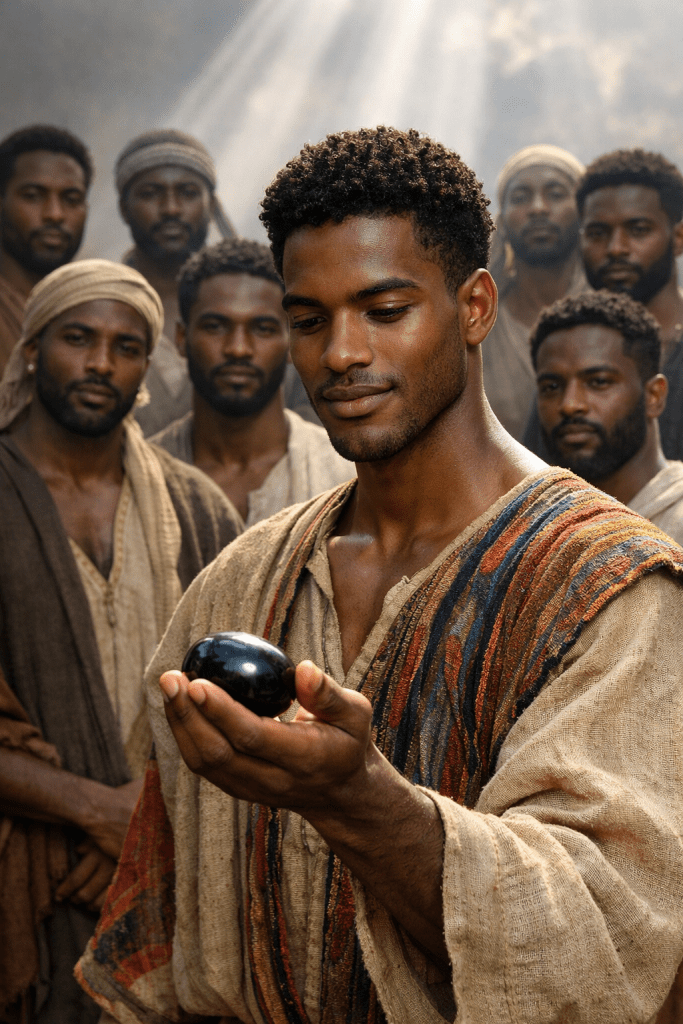
The Onyx Stone: A Family Affair — Joseph and His Brothers.

Onyx, dark as the midnight sky yet polished with hidden light,
a stone of mystery shaped by time and pressure,
a gem that carries both beauty and burden,
whispering of destinies forged through suffering,
and of souls refined in the fire of betrayal.

Onyx holds deep symbolic meaning in the biblical tradition, representing endurance, spiritual depth, and divine remembrance. In Scripture, onyx is one of the stones set in the high priest’s breastplate, engraved with the names of the tribes of Israel, signifying that each tribe was carried before God in sacred memory.

Joseph, the eleventh son of Jacob and the firstborn of Rachel, stands as one of the most compelling figures among the twelve tribes of Israel. His life narrative is not merely historical but theological, illustrating divine providence, generational conflict, and the mystery of chosenness within a fractured family system.

According to rabbinic and later symbolic traditions, Joseph is associated with the onyx stone, reflecting both his dark trials and radiant destiny. Onyx becomes a metaphor for Joseph’s life—polished through suffering, yet ultimately exalted through divine purpose.

Joseph’s story begins with favor, as he is given the coat of many colors by his father, a garment symbolizing distinction, authority, and emotional preference. This visible sign of love ignites jealousy among his brothers, sowing the seeds of betrayal long before the act itself unfolds.

The dreams Joseph receives intensify this conflict. In his visions, the sun, moon, and stars bow before him, along with sheaves of grain belonging to his brothers. These dreams are not merely youthful imagination but prophetic revelations that foreshadow his future role as a ruler and preserver of life.

Yet divine insight does not shield Joseph from human cruelty. His brothers, consumed by envy, conspire against him, stripping him of his garment and casting him into a pit before selling him to Midianite traders for silver, effectively turning family into traffickers and blood into profit.

This act of betrayal reflects one of the Bible’s deepest moral tensions: how God’s purpose often unfolds through human sin. Joseph is innocent, yet he becomes the vessel through which divine redemption will later flow, revealing the paradox of suffering as preparation.

Joseph’s descent into Egypt marks the beginning of his transformation. Though enslaved, he maintains integrity, resisting moral compromise even when falsely accused and imprisoned. His righteousness becomes a quiet rebellion against despair.

In prison, Joseph’s gift of dream interpretation resurfaces, proving that divine calling cannot be silenced by circumstance. His spiritual insight becomes the very instrument that elevates him from prisoner to prince.

Pharaoh’s dreams of famine and abundance position Joseph as a savior figure, entrusted with authority over Egypt’s economy. He rises not by lineage but by wisdom, embodying the principle that divine favor transcends social status.

Joseph’s beauty is also noted in Scripture, described as fair in form and appearance, making him both desired and tested. His physical attractiveness parallels his spiritual calling, showing how outward beauty can coexist with inner discipline.

When famine strikes, Joseph’s brothers unknowingly come before him in search of food, fulfilling the very dreams they once mocked. Their bowing becomes not an act of submission to a man, but to the divine orchestration behind his life.

Joseph’s emotional response reveals the complexity of forgiveness. He weeps privately, torn between memory and mercy, justice and compassion. His power is not in revenge, but in restraint.

The moment of reconciliation becomes one of the Bible’s most profound theological revelations. Joseph declares that what his brothers meant for evil, God intended for good, reframing trauma as testimony.

This declaration does not erase the pain of betrayal but redeems it. Joseph becomes the preserver of the family that once sought his destruction, turning the wound into a wellspring of survival.

Onyx, in this context, becomes more than a gemstone; it is a symbol of Joseph himself—darkened by suffering, refined by pressure, and set in divine memory as part of Israel’s eternal identity.

The family affair of Joseph is not merely about sibling rivalry but about generational inheritance, divine election, and moral responsibility. His story challenges the illusion of fairness and exposes the deeper logic of providence.

Joseph’s life reveals that destiny is not destroyed by betrayal, but often activated by it. The pit becomes the passageway, the prison becomes the platform, and the wound becomes the witness.

Through Joseph, the tribe associated with onyx emerges as a testament to spiritual endurance. He becomes a living stone in the architecture of Israel’s story, bearing both the scars of rejection and the seal of divine favor.

Onyx thus stands as a sacred metaphor for Joseph’s journey, reminding readers that God often engraves glory upon the darkest surfaces, and that what is polished by suffering may one day shine in sovereignty.


References
The Holy Bible, King James Version. (2017). Hendrickson Publishers. (Original work published 1611).
Exodus 28:9–12, 28:20 (KJV).
Genesis 37–50 (KJV).
Alter, R. (2018). The Hebrew Bible: A translation with commentary. W. W. Norton & Company.
Sarna, N. M. (1989). Genesis: The traditional Hebrew text with the new JPS translation. Jewish Publication Society.
Brown, F., Driver, S. R., & Briggs, C. A. (2001). The Brown-Driver-Briggs Hebrew and English lexicon. Hendrickson.

The Seeds of the Promise.

This artwork is the property of its respective owner. No copyright infringement intended.

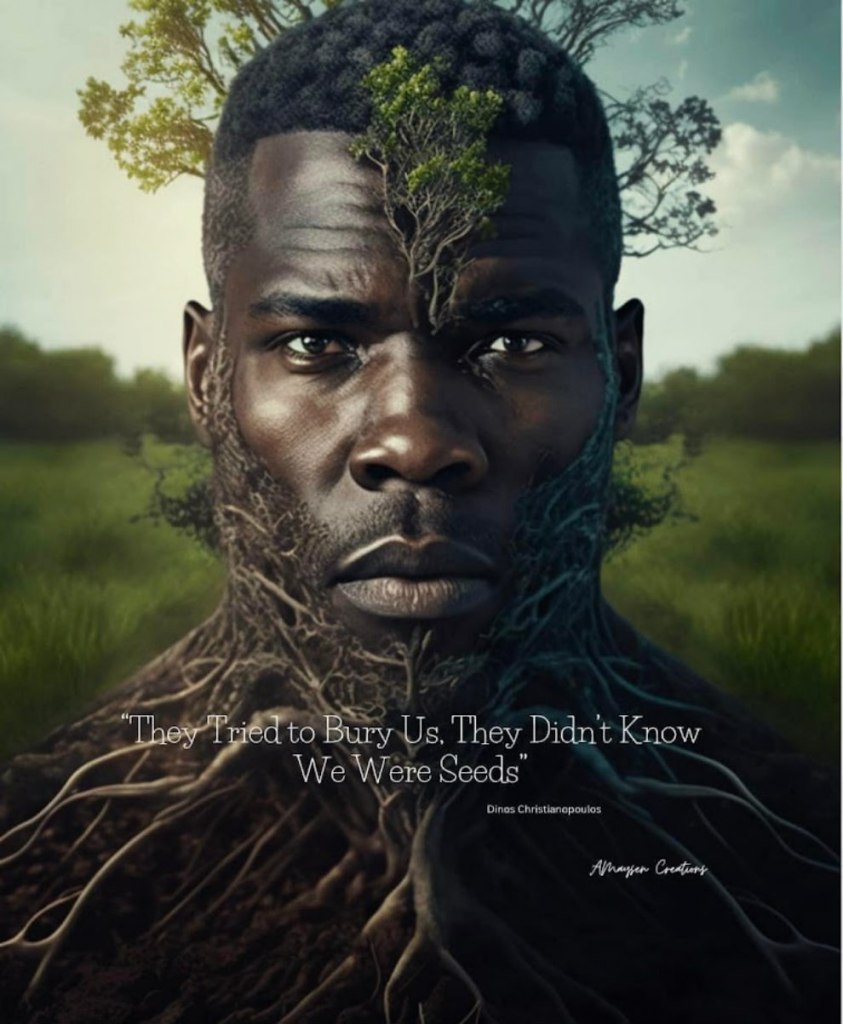
The story of God’s chosen people is deeply rooted in Scripture, prophecy, and history. Deuteronomy 28 (KJV) outlines blessings for obedience and curses for disobedience, serving as both a covenant promise and a prophetic warning. Many within the African diaspora identify their struggles and resilience with these verses, seeing themselves as the “seeds of the promise,” scattered across the earth yet preserved by God’s hand. Like trees planted by rivers of living water, they endure oppression, displacement, and hardship while continuing to grow, flourish, and bear fruit.

The Seeds and the Promise
Seeds carry potential and continuity. Spiritually, the descendants of Israel are seeds of the covenant God made with Abraham (Genesis 17:7, KJV). Psychologically, seeds represent identity and generational transmission. Black people, despite systemic oppression, have carried cultural, spiritual, and intellectual seeds across continents, preserving language, rhythm, faith, and resilience. These seeds testify to survival against all odds.

Deuteronomy 28 and the Black Experience
The curses in Deuteronomy 28:15–68 resonate profoundly with the history of Black people. Enslavement, scattering across nations, oppression by enemies, and loss of identity parallel the transatlantic slave trade and subsequent struggles of the African diaspora. Verse 68 speaks of returning to Egypt “again with ships,” a striking image that mirrors the ships that carried millions into bondage. Many interpret these prophecies as evidence that Black people are part of God’s chosen covenant people.

Trees Planted by Living Water
Psalm 1:3 (KJV) describes the blessed man as being “like a tree planted by the rivers of water, that bringeth forth his fruit in his season.” This metaphor speaks to endurance and divine sustenance. Despite centuries of slavery, segregation, and systemic oppression, Black communities have remained rooted in faith, producing leaders, artists, scholars, and prophets who have blessed the world. The psychology of Black resilience reveals a deep wellspring of spiritual and cultural resources that mirror this biblical imagery.

Psychologically, Black people have carried generational trauma from enslavement, colonization, and racism. Yet, alongside trauma exists resilience—expressed through music, oral tradition, communal bonds, and faith in God. Na’im Akbar (1984) noted that African-descended people maintain strength by reclaiming identity, resisting oppression, and drawing on spirituality. This resilience is evidence of the “living water” that sustains God’s chosen, nourishing them in the face of systemic attempts to uproot them.

The history of Black people stretches far beyond the African continent. Evidence of African presence is found in ancient Israel, Mesopotamia, and early Christian communities. African contributions shaped global civilizations through science, mathematics, philosophy, and theology. From the Kingdom of Kush to the Moors in Spain, Black history reveals a legacy of leadership and brilliance that extends into the Americas, the Caribbean, and beyond. These contributions reveal a scattered yet resilient people, reflecting the biblical narrative of God’s chosen seed dispersed among nations.

Being chosen does not mean privilege without responsibility; it means bearing the covenant of obedience. Deuteronomy 7:6 (KJV) declares, “For thou art an holy people unto the LORD thy God: the LORD thy God hath chosen thee to be a special people unto himself, above all people that are upon the face of the earth.” This chosenness is marked not only by blessings but also by trials meant to refine and bring the people back to God. Black people’s journey through slavery, segregation, and systemic oppression mirrors this refining fire.

The transatlantic slave trade attempted to erase identity, yet language, song, and spirituality preserved the covenant consciousness of the people. Spirituals like “Go Down, Moses” encoded biblical identity, likening the plight of enslaved Africans to the Israelites in Egypt. This connection shows how deeply the promise of God was embedded in the psychology of Black communities, even in the darkest times.

Conclusion
The seeds of the promise remain alive in God’s chosen. Though scattered, bruised, and oppressed, they continue to grow like trees planted by the rivers of water, sustained by the living Word of God. Black history—beyond Africa and into the Americas, Europe, and beyond—bears witness to the fulfillment of prophecy and the preservation of a covenant people. To live as God’s chosen is to embrace both identity and responsibility, walking in obedience, resilience, and faith. The story of the seeds of the promise is not only a history lesson—it is a living testimony of God’s hand upon His people.


References

  • Akbar, N. (1984). Africentric Social Sciences for Human Liberation. Journal of Black Studies.
  • The Holy Bible, King James Version (KJV).

Africa’s Central Role in Biblical Prophecy

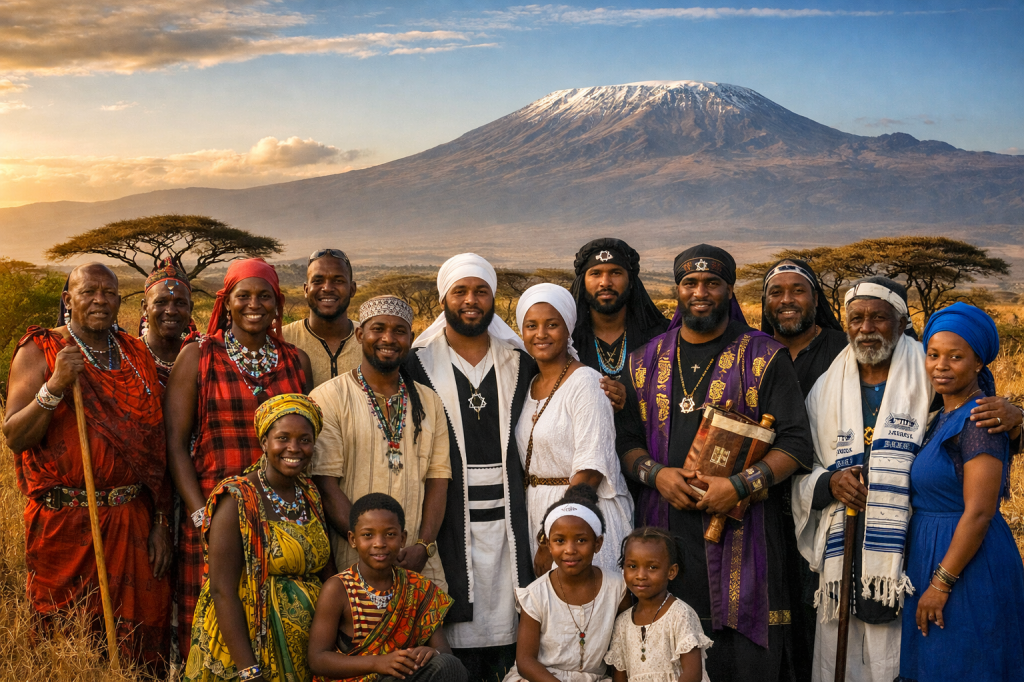
Africa holds a central and indispensable role in biblical prophecy, not as a peripheral landmass, but as a divinely positioned continent woven throughout Scripture from Genesis to Revelation. The Bible consistently presents Africa as a place of refuge, judgment, preservation, and future redemption. When read carefully through a prophetic lens, Africa emerges as a key stage upon which God’s purposes for humanity and Israel unfold.

From the earliest chapters of Genesis, Africa is present in sacred geography. The land associated with Cush, Mizraim, Put, and Ethiopia traces directly to the sons of Ham, whose descendants populated much of the African continent. Genesis records that one of the four rivers flowing from Eden, Gihon, compassed the whole land of Ethiopia, establishing Africa’s presence at the dawn of human history (Genesis 2:13, KJV). This placement signals Africa’s foundational role in God’s original creation narrative.

Africa also serves as a place of divine preservation. Egypt, located in northeast Africa, became the refuge for Joseph and later the entire family of Jacob during famine. God used Africa to sustain the covenant line through which Israel would emerge, demonstrating that African lands were instrumental in preserving the people of promise (Genesis 47:11–12, KJV).

The prophetic significance of Africa intensifies in the Exodus narrative. Egypt stands as both a place of refuge and bondage, illustrating how African territories function in God’s redemptive plan as spaces of testing, judgment, and eventual deliverance. The plagues upon Egypt were not random acts, but prophetic demonstrations of God’s supremacy over nations and false gods (Exodus 12:12, KJV).

Africa’s role extends beyond ancient Israel into messianic prophecy. The Gospel of Matthew records that Jesus Christ was taken into Egypt as a child to escape Herod’s massacre, fulfilling the prophecy, “Out of Egypt have I called my son” (Matthew 2:15, KJV). This moment affirms Africa as a protector of the Messiah and a fulfillment point of prophetic Scripture.

The prophets repeatedly reference African nations in end-time contexts. Isaiah speaks of Ethiopia as a land “shadowing with wings,” sending ambassadors by the sea, indicating geopolitical and prophetic relevance in global affairs (Isaiah 18:1–2, KJV). These passages suggest Africa’s involvement in international movements that precede divine intervention.

Psalm 68 explicitly foretells Africa’s future spiritual awakening, declaring, “Princes shall come out of Egypt; Ethiopia shall soon stretch out her hands unto God” (Psalm 68:31, KJV). This verse is widely understood as a prophetic declaration of Africa’s role in worship, restoration, and alignment with God’s kingdom purposes in the last days.

Africa also appears in prophetic judgments. Ezekiel prophesies against Egypt and its allies, including Cush and Put, demonstrating that African nations are not exempt from divine accountability (Ezekiel 30:4–5, KJV). These judgments align Africa with the broader prophetic pattern of nations being weighed according to righteousness and obedience to God.

The book of Daniel includes Africa in visions of global power shifts. The “king of the north” is said to have authority over “the precious things of Egypt,” along with the Libyans and Ethiopians following at his steps (Daniel 11:43, KJV). This prophecy places African nations within end-time geopolitical alignments.

Africa’s prophetic relevance is also seen in the spread of the gospel. Acts records the conversion of the Ethiopian eunuch, a high official who carried the message of Christ back to Africa, signaling the continent’s early and enduring connection to Christian faith (Acts 8:27–39, KJV). This event foreshadows Africa’s role in global evangelism.

The Bible repeatedly challenges Eurocentric interpretations that marginalize Africa. Scripture itself affirms Africa’s proximity to God’s redemptive acts, revealing that African lands and peoples were never spiritually distant or insignificant within biblical history or prophecy.

Africa’s suffering through colonization, enslavement, and exploitation mirrors biblical patterns of oppression followed by divine reckoning. Just as Egypt was judged for its cruelty toward Israel, Scripture warns that nations will be judged for injustice and bloodshed (Genesis 15:14, KJV). This principle reinforces Africa’s prophetic role as both witness and participant in God’s justice.

The prophetic scriptures also emphasize restoration. Isaiah foretells a time when scattered peoples will be brought back to worship the Lord from distant lands, including Africa (Isaiah 11:11, KJV). This regathering theme resonates strongly with African and diasporic histories.

Africa’s inclusion in prophecy demonstrates God’s global sovereignty. Biblical prophecy does not center exclusively on one region, but reveals a God who governs all nations, including those often overlooked or dismissed by human power structures (Acts 17:26, KJV).

The Book of Revelation depicts all nations and peoples standing before God’s throne, which necessarily includes Africa (Revelation 7:9, KJV). This vision affirms Africa’s presence in the culmination of prophetic history, not as a footnote, but as a redeemed participant in God’s eternal kingdom.

Africa’s prophetic significance also lies in its spiritual resilience. Despite centuries of trauma, African spirituality, worship, and biblical literacy remain deeply rooted, aligning with prophecies of endurance and faith under persecution (Matthew 24:13, KJV).

The repeated biblical mention of African lands underscores that prophecy is inseparable from geography. God acts in real places, among real people, and Africa consistently appears as one of those divinely appointed locations.

Understanding Africa’s role in biblical prophecy challenges distorted narratives that separate faith from Black history. Scripture affirms Africa as central to God’s plan, restoring dignity and biblical identity to African peoples worldwide.

Africa’s place in prophecy ultimately points to hope. The same God who used African lands for preservation, judgment, and refuge promises restoration, worship, and inclusion in His kingdom. This assures that Africa’s story is not marginal, but prophetic.

In the unfolding of biblical prophecy, Africa stands as a witness to God’s faithfulness across generations. From Eden to the Exodus, from the Messiah’s refuge to the final gathering of nations, Africa remains essential to the divine narrative, confirming that God’s promises encompass all lands and all peoples according to His sovereign will.

References

The Holy Bible, King James Version. (1769/2017). Cambridge University Press.

Genesis 2:13 (King James Version).

Genesis 47:11–12 (King James Version).

Exodus 12:12 (King James Version).

Genesis 15:14 (King James Version).

Psalm 68:31 (King James Version).

Isaiah 11:11 (King James Version).

Isaiah 18:1–2 (King James Version).

Ezekiel 30:4–5 (King James Version).

Daniel 11:43 (King James Version).

Matthew 2:15 (King James Version).

Matthew 24:13 (King James Version).

Acts 8:27–39 (King James Version).

Acts 17:26 (King James Version).

Revelation 7:9 (King James Version).

The Bible Series: The Story of Gideon and Midian.

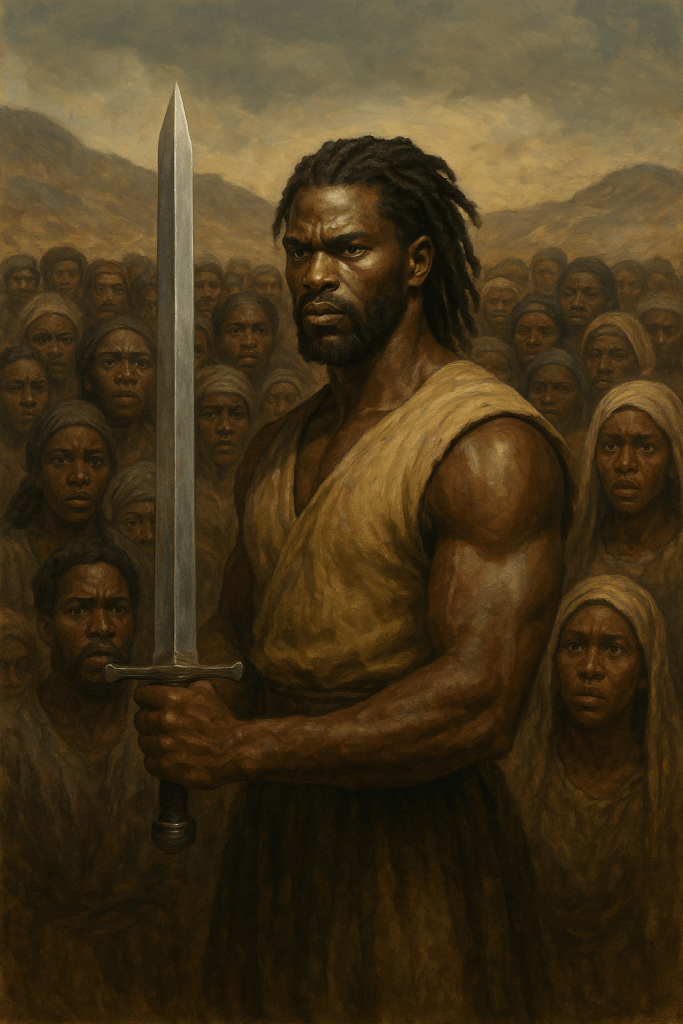
The account of Gideon and the Midianites unfolds during a dark period in Israel’s history, when the people repeatedly turned away from the covenant and suffered oppression as a consequence. The book of Judges situates this narrative in a cycle of sin, servitude, supplication, and salvation, revealing both human frailty and divine mercy according to the LORD’s enduring faithfulness.

Midian’s oppression of Israel was severe and systematic, stripping the land of its produce and driving the people into dens and caves. The Israelites cried unto the LORD, acknowledging that their distress was linked to disobedience, and the text emphasizes that economic devastation and fear had become daily realities in the promised land.

Before deliverance came, the LORD sent a prophet to remind Israel of His saving acts, declaring that He brought them out of Egypt and delivered them from the hand of all their oppressors. This rebuke framed the coming salvation as an act of grace rather than reward, exposing the spiritual root of Israel’s suffering.

Gideon is introduced not as a mighty warrior but as a fearful man threshing wheat by the winepress to hide it from Midian. This setting underscores the humility of Gideon’s beginnings and the contrast between human weakness and divine calling.

The Angel of the LORD greeted Gideon with words that seemed contradictory to his circumstances, calling him a “mighty man of valour.” This divine address reveals God’s perspective, which speaks identity and purpose into situations that appear barren and defeated.

Gideon questioned how deliverance could come through him, citing his clan’s insignificance and his own low status. The LORD’s response redirected Gideon’s focus from self-assessment to divine presence, promising, “Surely I will be with thee.”

A sign was given to Gideon through an offering consumed by fire, confirming the LORD’s commission. Gideon’s fear turned to reverence as he recognized the holiness of the encounter, building an altar and naming it “The LORD is peace.”

The call to deliver Israel began at home, as Gideon was instructed to tear down his father’s altar to Baal and cut down the grove beside it. This act demonstrated that spiritual reform must precede national victory and that idolatry could not coexist with covenant faithfulness.

Though Gideon acted by night out of fear, the LORD honored his obedience. When opposition arose from the men of the city, Gideon’s father defended him, declaring that Baal should plead for himself if he were truly a god.

As Midian gathered with Amalek and the children of the east, the Spirit of the LORD clothed Gideon, empowering him to call Israel to arms. Yet even in leadership, Gideon sought reassurance, revealing the patience of God with those who desire confirmation of His will.

The sign of the fleece demonstrated God’s condescension to Gideon’s weakness, granting clarity without rebuke. This moment highlights the balance between faith and divine compassion within the narrative.

When the army assembled, the LORD reduced Gideon’s forces to prevent Israel from boasting that victory came by human strength. The deliberate shrinking of the army underscored that salvation belongs to the LORD alone.

The final selection of three hundred men emphasized obedience and alertness rather than military might. Through this unlikely company, God prepared to display His power unmistakably.

On the eve of battle, the LORD strengthened Gideon by revealing a Midianite’s dream foretelling defeat by Gideon’s hand. Gideon’s worship in response illustrates faith matured through divine reassurance.

The strategy of trumpets, pitchers, and lamps defied conventional warfare, signaling that the victory would be miraculous. When the men cried, “The sword of the LORD, and of Gideon,” confusion seized the enemy camp.

The Midianites turned their swords upon one another and fled, fulfilling the LORD’s promise of deliverance. Israel pursued, and the oppressors were subdued, marking a decisive turning point.

Despite victory, Gideon refused kingship, declaring that the LORD alone would rule over Israel. This confession affirmed divine sovereignty, though later actions revealed lingering human weakness.

Gideon’s request for gold led to the creation of an ephod that became a snare to Israel, reminding readers that even faithful leaders can falter. The narrative remains honest about the complexity of righteousness and leadership.

The land had rest for forty years in the days of Gideon, reflecting the peace that follows obedience and divine intervention. Yet the cycle of Judges warns that peace is often temporary when remembrance fades.

The story of Gideon and Midian ultimately testifies to God’s power perfected in weakness, calling every generation to trust not in numbers or strength, but in the presence and promises of the LORD.

References

The Holy Bible, King James Version. Judges 6–8.

Dilemma: 400 years later…

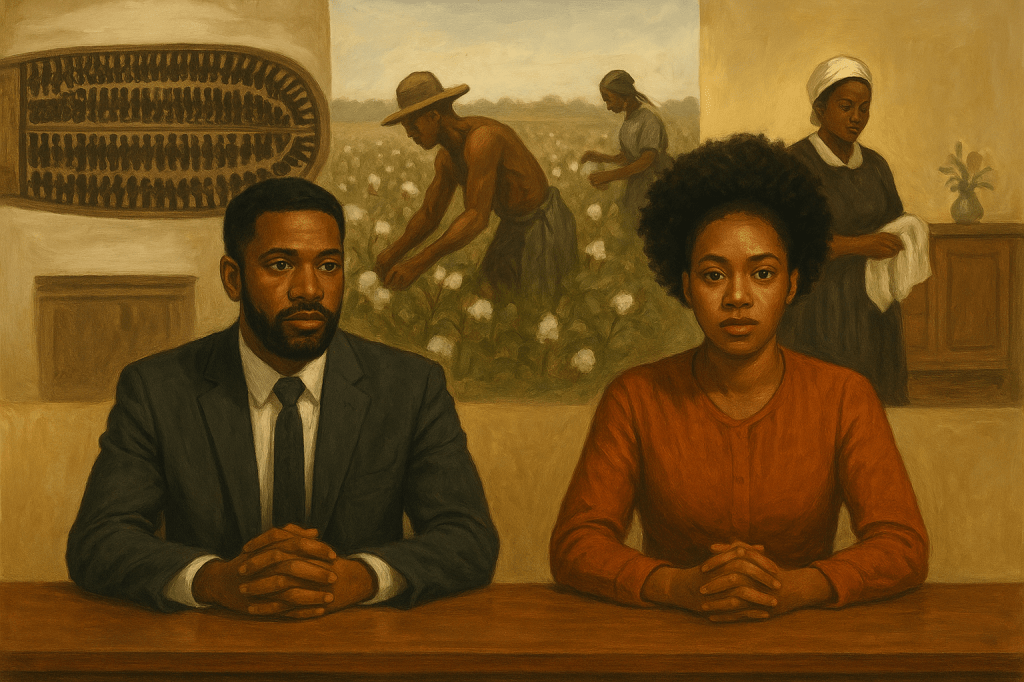
The arrival of the first documented Africans to the shores of what would become the United States began in 1619, initiating a 400-year historical continuum that cannot be reduced to a single era or chapter but must be read as an unfolding system of captivity and racial stratification rooted in both economic exploitation and social demonization. The transatlantic slave trade expanded across the Americas over the next two centuries, cementing a global architecture of forced labor that built Western wealth while systematically devastating African communities and fracturing family lineage. This reality fulfills the ancient warning that curses follow a disobedient and oppressed people, for scripture foretold a nation that would experience alien ruin, humiliation, and subjugation: “The stranger that is within thee shall get up above thee very high; and thou shalt come down very low” (Deuteronomy 28:43, KJV).

Slavery did not begin by accident but by law, religion, and commerce. By the mid-1600s, colonial legislatures had codified Africans and their descendants into permanent hereditary servitude, legally positioning Black bodies as property rather than persons, creating a condition where captivity could be inherited like a surname. Plantations multiplied across the Southern colonies, where cotton would later emerge as “king,” demanding labor on a scale that turned land into empire and humans into fuel. Yet the Bible condemns the very foundation of such enterprise: “He that stealeth a man, and selleth him… shall surely be put to death” (Exodus 21:16, KJV). The theft was never the land alone — it was identity, labor, movement, and posterity.

Even after the Thirteenth Amendment of 1865 formally abolished chattel slavery, its exception clause allowed a rapid pivot into criminalized bondage, birthing the era of convict leasing, where Black men were arrested on arbitrary charges, leased to corporations, and worked under conditions nearly indistinguishable from plantation labor. The cotton field remained, only relabeled. This legislative loophole reframed chains as “justice,” transforming freedom into illusion. Scripture again provides clarity: “The wicked walk on every side, when the vilest men are exalted” (Psalm 12:8, KJV). When power itself is corrupt, deliverance cannot be legal alone — it must also be spiritual.

Reconstruction offered a brief but luminous disruption of bondage. Black Americans built schools, entered political office, established land ownership, and reconnected fragments of stolen ancestry. But progress provoked terror, and by 1877, federal retreat enabled Southern states to regenerate racial hierarchy through Jim Crow laws, insulating white privilege and criminalizing Black mobility. Between 1870 and 1950, thousands of Black Americans were lynched in public acts of racial terrorism, not as random violence but as a national message: Black advancement would be met with blood. The psalmist described this spirit precisely: “They have said, Come, and let us cut them off from being a nation” (Psalm 83:4, KJV). The objective was erasure.

The Great Migration (1916–1970) relocated millions of Black families from the agricultural South to the industrial North, seeking wages rather than whipping posts, safety rather than spectacle deaths. But northern opportunity carried its own forms of apartheid: redlining maps, restricted labor unions, segregated schools, employment ceilings, and policing systems that followed Black communities like a shadow. The physical field changed, but the captivity matured into systems rather than signposts. Scripture declared the emotional condition of displaced people longing for justice and homeland: “By the rivers of Babylon, there we sat down, yea, we wept” (Psalm 137:1, KJV).

The 1960s Civil Rights Movement confronted segregation at its legal roots, demanding equal access to education, voting, housing, and public participation. Its leaders spoke like prophets disrupting empires: “Let judgment run down as waters, and righteousness as a mighty stream” (Amos 5:24, KJV). Yet many of the same state systems that resisted abolition resisted civil rights — governors blocking doors, officers turning hoses, lawmakers filibustering dignity. Progress was wrestled, never gifted.

Following civil rights legislation came a new form of containment — the War on Drugs, hyper-policing, and mass incarceration. From the 1980s onward, prisons expanded faster than schools, sentencing laws grew harsher, and policing strategies militarized, targeting Black neighborhoods with a disproportionality that mirrors an economic draft. Men descended from sharecroppers became inmates leased through labor programs inside industrial prisons. The plantation evolved into a complex, adaptable organism. As Proverbs illuminated the mechanics of inequality: “The rich ruleth over the poor” (22:7, KJV). For Black America, poverty was not incidental but intentional infrastructure.

In modern expression, hatred manifests not in auction blocks but in algorithms, policing districts, wage gaps, and judicial disparities. Hate crimes continue at alarming frequency, motivated by the same racial animus that once governed slave patrols, lynch mobs, and segregated institutions. Police brutality killings operate as extrajudicial punishments disproportionately borne by Black citizens, echoing the terror logic of the past. “They break in pieces thy people, O Lord, and afflict thine heritage” (Psalm 94:5, KJV). The cries are the same; only the arenas differ.

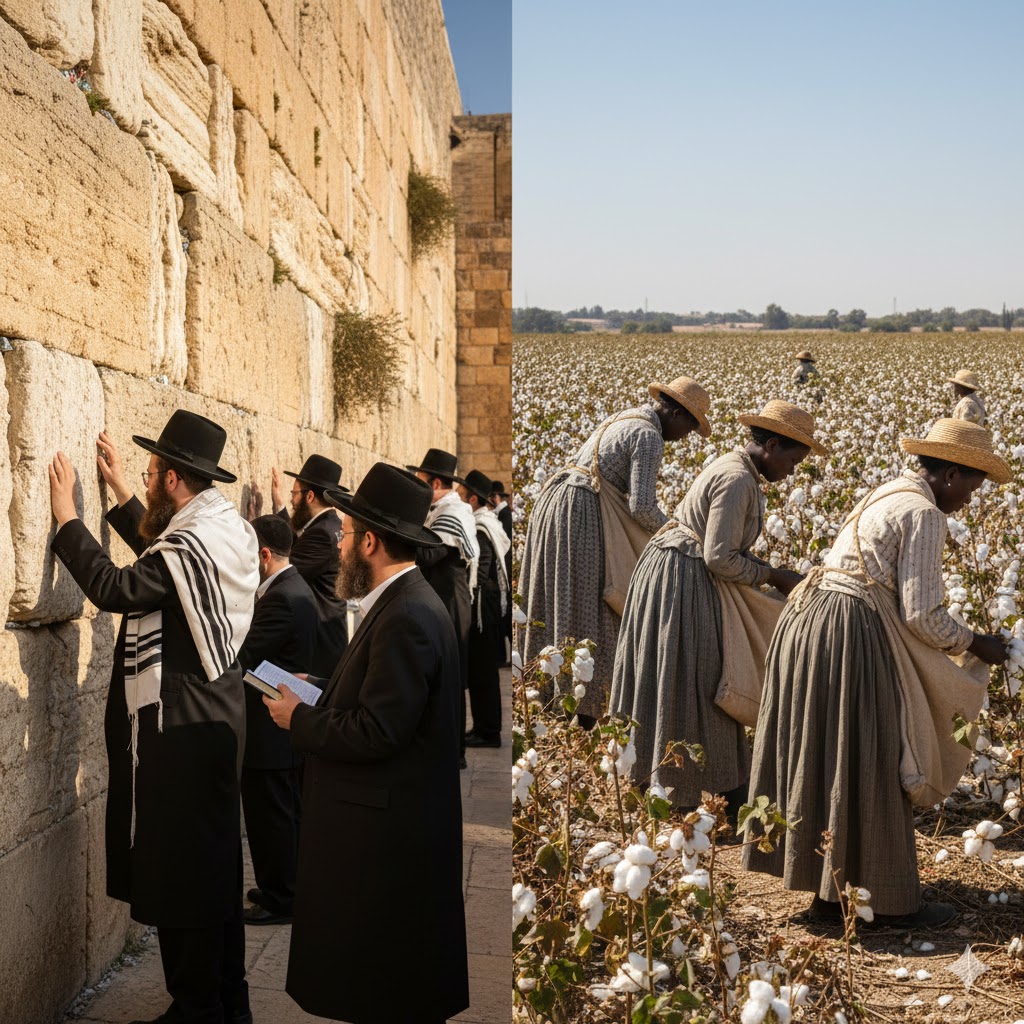
Reparations promised in 1865 through “40 acres and a mule” never materialized nationally, representing not only a breach of contract but a breach of justice. No federal reparative policy has been enacted despite centuries of documented theft, labor extraction, and structural disenfranchisement. The field and the counter today form an economic diptych — continuity rather than contrast: from unpaid cotton labor to underpaid service labor, from stolen land to inaccessible mortgages, from patrolled movement to policed existence, from literal chains to institutional ones.

The psychological captivity is often strongest. Media systems still export narratives that position Black identity as inferior, criminal, or disposable, reproducing a cognitive caste system that shapes public perception, opportunity distribution, and even self-esteem. Solomon teaches that perception becomes self-governing: “As he thinketh in his heart, so is he” (Proverbs 23:7, KJV). When a people lives under 400 years of negative mirrors, liberation must reconstruct the mind, not only the nation.

Understanding the Biblical “400-Year” Hardship Motif

In the Bible, long periods of suffering are often tied to exile, purification, oppression, and divine timing, not arbitrary catastrophe. The closest explicit reference to 400 years appears in Genesis 15:13–14 (KJV), where God tells Abram:

“Know of a surety that thy seed shall be a stranger in a land that is not theirs, and shall serve them; and they shall afflict them four hundred years; And also that nation, whom they shall serve, will I judge: and afterward shall they come out with great substance.”

This passage establishes three key principles:

  1. Suffering within foreign lands can be part of divine assignment — “a land that is not theirs.”
  2. The suffering serves a formative purpose for a chosen lineage — Abram’s seed is not destroyed, but shaped.
  3. The timeline ends with judgment of the oppressor and advancement of the oppressed — “I will judge” + “come out with great substance.”

Other biblical exiles follow similar structure, though without the number 400 attached. Israel’s bondage in Egypt, Judah’s exile into Babylon, and the scattering of tribes under imperial conquest all follow a recognizable pattern:

  • Identity is attacked
  • Oppression is used as endurance training
  • God times deliverance to align with spiritual readiness rather than political apology
  • Restoration is communal, covenantal, and spiritual before material

(Deuteronomy 30:3–5, Jeremiah 29:10–14, Psalm 126:1-3, KJV)

Thus, when people today speak of “400 years later,” they are usually drawing a parallel between African-descended suffering in America (beginning in 1619) and the Genesis 15 captivity framework, combining historical trauma with biblical typology. This is a symbolic theological claim, not a literal prophetic decree.

Du Bois (1903) noted that Black history in America has often been interpreted through a dual lens of diaspora and spiritual yearning, mirroring Hebraic exile themes. This interpretive tradition became especially strong in the African-American church and in later Afro-Hebraic movements. (Du Bois, 1903; Wilkerson, 2010)


Why 2025 Is Being Discussed as the “Cycle’s End”

The belief that “the 400-year test ends in 2025” is an example of contemporary sacred-historical reinterpretation, similar to how different generations calculated messianic or jubilee timelines in their own eras. The Bible shows that humans frequently attach chronology to hope:

  • Daniel expected restoration after 70 years because Jeremiah prophesied it (Daniel 9:2, KJV)
  • Israelites expected the Messiah based on timeline readings of prophets (Luke 3:15, KJV)
  • The Jubilee cycle (Leviticus 25) shaped conversations of liberation and return

Likewise, many Black thought movements today use 1619 → 2019/2025 as a rhetorical timeline to emphasize:

  • How long has injustice persisted
  • How delayed deliverance feels
  • How captivity keeps evolving
  • The moral debt owed to Black descendants has not been acknowledged or repaired

(Rothstein, 2017; Stevenson, 2014)

However, the Bible consistently teaches that God’s deliverance is not triggered by the clock alone, but by covenant remembrance and collective turning toward Him:

“Then ye shall call upon me, and ye shall go and pray unto me, and I will hearken unto you. And ye shall seek me, and find me, when ye shall search for me with all your heart.”
(Jeremiah 29:12-13, KJV)

This shows that spiritual awakening precedes systemic reversal in God’s economy.


What Has Changed vs. What Hasn’t

What has changed since 1619:

  • Black Americans are no longer enslaved as legal property
  • Literacy, land ownership, political office, scholarship, and cultural expression are possible
  • The Bible is now read by Black communities rather than read at them

(Woodson, 1933; Du Bois, 1903)

What has not changed at the root level :

  • Violence against Black bodies continues through hate-motivated crimes
  • Law enforcement injustice appears through disproportionate lethal force and brutality
  • No federal reparative restoration has been enacted for descendants of slavery
  • The wealth gap persists, restricting intergenerational mobility
  • Oppression remains structural, not individual alone
  • Bondage evolved from chains on bodies → chains on systems → chains on narratives → chains on economics → chains on mobility and life expectancy

(Muhammad, 2011; Rothstein, 2017; Stevenson, 2014)

Biblically, this mirrors a shift like captivity rather than the removal of it. Egypt began as physical bondage, but later exile became psychological, political, and spiritual scattering.


Yet transformation, though unfinished, remains possible. The biblical arc of exodus shows that freedom is not immediate but fought for, walked into, prayed into, and inherited by those who refuse to remain Egypt-minded. “Stand fast therefore in the liberty wherewith Christ hath made us free, and be not entangled again with the yoke of bondage” (Galatians 5:1, KJV). Black America has been made free in spirit — the labor left is to be made free in systems, policies, safety, economy, body, and legacy.

Bondage persists, but so does chosen resistance. The cotton field, the counter, the classroom, the courtroom, the wealth gap, the police district — these are the new Red Seas, new wildernesses, and new pleas for divine justice. Deliverance is still in motion. Liberation has begun, but emancipation is still the mission. And the question is no longer “Were we enslaved?” but “Why are the chains so adaptive, and where will exodus lead next?”

References

Bibb, H. (1849). Narrative of the Life and Adventures of Henry Bibb, an American Slave. Author.

Du Bois, W. E. B. (1903). The Souls of Black Folk. A. C. McClurg & Co.

Equal Justice Initiative. (2022). Lynching in America: Confronting the Legacy of Racial Terror (3rd ed.). Author.

Feagin, J. (2020). The racism: A short history (2nd ed.). Routledge.

Genovese, E. D. (1976). Roll, Jordan, Roll: The World the Slaves Made. Pantheon Books.

Higginbotham, A. L. (1978). In the Matter of Color: Race and the American Legal Process. Oxford University Press.

King James Bible. (1611). King James Version (KJV).

King, M. L., Jr. (1963). “I Have a Dream.” Speech presented at the March on Washington for Jobs and Freedom, Washington, D.C.

Muhammad, K. G. (2011). The Condemnation of Blackness: Race, Crime, and the Making of Modern Urban America. Harvard University Press.

National Archives. (2024). 13th Amendment to the U.S. Constitution: Abolition of Slavery (except as punishment for crime). U.S. Government.

Rothstein, R. (2017). The Color of Law: A Forgotten History of How Our Government Segregated America. Liveright Publishing.

Smith, S. (2016). Generations of captivity: A history of African-American slavery. Journal of Cultural History, 12(4), 45–67.

Stevenson, B. (2014). Just Mercy: A Story of Justice and Redemption. Spiegel & Grau.

Wilkerson, I. (2010). The Warmth of Other Suns: The Epic Story of America’s Great Migration. Random House.

Woodson, C. G. (1933). The Mis-Education of the Negro. Associated Publishers.

Exodus 21:16 – “He that stealeth a man, and selleth him… shall surely be put to death.”

Deuteronomy 28:37 – “Thou shalt become an astonishment, a proverb, and a byword, among all nations.”

Deuteronomy 28:43 – “The stranger that is within thee shall get up above thee very high; and thou shalt come down very low.”

Proverbs 22:7 – “The borrower is servant to the lender.”

Proverbs 23:7 – “As he thinketh in his heart, so is he.”

Psalm 12:8 – “The wicked walk on every side, when the vilest men are exalted.”

Psalm 83:4 – “Let us cut them off from being a nation.”Psalm 94:5 – “They break in pieces thy people, O Lord, and afflict thine heritage.”

Galatians 5:1 – “Stand fast therefore in the liberty wherewith Christ hath made us free, and be not entangled again with the yoke of bondage.”

Modern Zionism is built on a false claim

Modern Zionism, as a political ideology, emerged in the late nineteenth century as a movement seeking to establish a Jewish homeland in the ancient land of Palestine. While its cultural and religious motivations often point to biblical narratives, the modern political project was shaped far more by European nationalism, colonial power structures, and the trauma of antisemitism than by any verifiable lineage-linked claim to ancient Israelites. The idea that European Jews, particularly Ashkenazim, are the direct descendants of the biblical Hebrews has been widely debated by historians, geneticists, and sociologists, raising serious questions about the authenticity of the core claim that modern Zionism rests upon.

White supremacy and modern Zionism intersect where racial hierarchy, colonial power, and political domination converge. Modern Zionism emerged in a European colonial era, shaped by Western racial ideologies that positioned European identity—whether Christian or Jewish—as superior to non-European peoples. Although Zionism presented itself as a liberation movement, it often adopted the logic and structures of white supremacy: land seizure, racial stratification, and the belief that a European-descended population had a divine or historical right to rule over an indigenous non-European population. This framing aligned Zionism with broader colonial projects, treating Palestinians as inferior, primitive, or expendable, thereby justifying displacement, segregation, and militarized control.

White supremacy also reinforces modern Zionism through geopolitical alliances. Western nations—rooted in histories of racial hierarchy—have long supported Israel as a strategic extension of their own political power, often valuing a European-aligned state over the rights of Middle Eastern or African populations. In this dynamic, Palestinians are racialized as threats, savages, or terrorists, while Israeli identity—particularly Ashkenazi identity—is coded as Western, civilized, and deserving of protection. Thus, white supremacy operates not merely as personal prejudice but as a global structure that elevates one group’s claim to land and power while systematically dehumanizing and dispossessing another.

Biblically: Zion is a Place, Not a People

In Scripture, Zion first referred to a location:

  • Originally: The ancient fortress David captured (2 Samuel 5:7).
  • Later: Jerusalem as a whole.
  • Symbolically: The dwelling place of God, the seat of His rule, and the future center of His restored kingdom.

Zion was never originally an ethnic label—it was the sacred mountain-city where God chose to place His name.


Spiritually: Zion = God’s Chosen People Who Keep His Covenant

While Zion is a place, Scripture also uses it symbolically to describe:

  • The people who obey God.
  • The remnant who remain faithful.
  • Those who keep His covenant and walk in His statutes.

Examples:
These people have I formed for myself” (Isaiah 43:21).
Out of Zion shall go forth the law” (Isaiah 2:3).
The Lord loveth the gates of Zion more than all the dwellings of Jacob” (Psalm 87:2).

This means Zion is both a location and a covenant community.


Historically: Zion Referred to the Israelites, Not Europeans

Before the modern political movement of Zionism:

  • Zion = the land of Israel
  • Zion = the ancient Israelites, a Semitic Afro-Asiatic people
  • Zion = Jerusalem’s holy center

Zion was intimately tied to the original Hebrew people, not to converts, settlers, or later European identities.


In Hebraic Black Scholarship: Zion Refers to the Scattered True Israelites

Many scholars, theologians, and researchers argue that:

  • The true descendants of ancient Israel are predominantly found among the peoples who endured the transatlantic slave trade.
  • Zion, therefore, symbolizes the scattered, oppressed, covenant people described in Deuteronomy 28.
  • These communities often maintained spiritual memory, oral tradition, and cultural markers that align with biblical Israel.

Thus, in this theological worldview:

  • Zion = the children of Israel scattered to the four corners of the earth.
  • Zion = the people God will gather again (Isaiah 11:11–12).
  • Zion = those who bear the covenant signs, not political claims.

Politically: Modern Zionism Redefined “Zion”

Modern political Zionism (late 1800s) shifted the meaning:

  • It turned Zion into a European nationalist project.
  • It claimed Ashkenazi Jews—often of mixed or European origin—were the rightful “Zion.”
  • It used ancient biblical language to justify a modern state-building effort.

This political redefinition does not match biblical, genetic, or historical lineage.


So—Who Is the Real Zion?

Biblically

Zion = The holy mountain and the people who keep God’s covenant.

Historically

Zion = The original Israelites of the ancient Near East.

Spiritually

Zion = God’s faithful remnant.

Prophetically (Isaiah, Jeremiah, Revelation)

Zion = The scattered children of Israel, whom God will regather at the end.

According to many Black Hebraic scholars

Zion = The descendants of the lost tribes found in the African diaspora, especially those taken into slavery—those whose history matches the curses and prophecies of Deuteronomy 28.


The real Zion is not a political state, a modern ideology, or a European nationalist project.
The real Zion is the covenant people of God—those descended from ancient Israel and those who remain faithful to His commandments.

One of the primary arguments supporting Zionism is the belief in a continuous, unbroken ethnic and genealogical connection between today’s Jewish populations and ancient Israelites. However, numerous scholars argue that Jewish identity across history has not been a single, pure genetic line, but an evolving, diverse, and often converted population. Groups such as the Ashkenazi, Sephardi, Mizrahi, Ethiopian Beta Israel, and others have distinct origins, many of which do not trace exclusively to ancient Judea.

Ashkenazi populations, who form the majority of global Jewry and historically shaped Zionist leadership, have been shown in many genetic studies to possess strong European admixture. Some research posits that a significant portion of their ancestry is linked to the Khazar Empire, a medieval Turkic people who converted to Judaism between the 8th and 10th centuries. This possibility undermines the idea that all modern Jews are “returning” to a land to which they share direct bloodline ties.

Furthermore, the cultural Judaism practiced across Europe evolved separately from the Hebraic practices of the ancient Israelites. The Yiddish language, for example, developed from Middle High German, Slavic, and Hebrew elements—demonstrating an identity shaped by Europe rather than the Middle East. The constructed narrative of a singular Jewish lineage has been used politically to justify territorial claims, often overshadowing the nuanced and diverse history of Jewish communities.

Modern Zionism also relies on the interpretation that biblical promises apply directly to modern political entities. This conflation of ancient religious texts with contemporary geopolitics is highly contested. Many theologians and scholars argue that biblical covenants were spiritual in nature and never intended to justify political conquest or displacement. The attempt to merge scripture with nationalism turns a theological dialogue into a political weapon.

A major critique of Zionism is its reliance on selective historical memory. While the movement highlights episodes of Jewish presence in ancient Israel, it minimizes or erases the continuous presence of Palestinian Arabs—Muslims, Christians, and Jews—who lived in the region for centuries. Prior to Zionist settlement, Palestine was a multiethnic and multireligious society with its own traditions, governance, and identity.

The claim of “a land without a people for a people without a land,” widely circulated by early Zionists, has been thoroughly discredited. Palestine was far from empty; it was home to thriving agricultural villages, bustling towns, and established families who traced their lineage in the land for generations. To claim otherwise is to rewrite history.

European powers played a major role in shaping and validating Zionism, not because of ancestral truths, but because of colonial interests. The Balfour Declaration of 1917 promised a “national home for the Jewish people” in Palestine without consulting its indigenous Arab population, revealing how Zionism functioned within British imperial strategy rather than ancient heritage.

The displacement of over 700,000 Palestinians in 1948—known as the Nakba—demonstrates the real-world consequences of building a nation-state on a contested historical claim. Entire villages were depopulated or destroyed to make room for a modern Zionist state. For Palestinians, the narrative of ancestral return became, in practice, an instrument of dispossession.

Many Jewish scholars have also criticized the racialized ideology embedded in Zionism. The notion of a chosen lineage returning to its promissory homeland can inadvertently elevate one ethnic identity over others. Such exclusionary nationalism clashes with Jewish ethical teachings that emphasize justice, compassion, and the protection of the oppressed.

Additionally, modern genetic research on Middle Eastern populations shows that Palestinians, Bedouins, Samaritans, and other Levantine groups share strong genetic ties to the ancient Israelites. Ironically, many Palestinians may be more genetically linked to the people of the Bible than some populations claiming ancestral return.

Modern Zionism’s most controversial claim is that ancient biblical texts justify contemporary political borders. Sacred texts, however, are theological documents—not land deeds. Many religious scholars argue that Zionism’s use of scripture is a misinterpretation that conflates divine promise with political entitlement.

The belief that all Jewish people originated from a single geographic and ethnic source has been rejected by numerous anthropologists. Jewish identity historically spread through conversion, intermarriage, and cultural assimilation, forming what scholars call a “religio-ethnic tapestry” rather than a singular bloodline.

The modern State of Israel’s identity politics also raise questions about who qualifies as a Jew and who does not. The constant debates over conversion standards, matrilineal descent, and “who is Jewish enough” reveal internal recognition that lineage claims are not as straightforward as political rhetoric suggests.

For many critics, the foundational claim of Zionism functions less as a historical truth and more as a political myth—one that legitimizes land acquisition and nation-building at the expense of another people’s ancestral rights. In this way, Zionism resembles other nationalist movements that reframe or romanticize history to construct a unified ethnic identity.

This does not negate the real suffering of Jewish communities throughout history, nor does it diminish their right to safety. But it does raise critical questions about how historical narratives are used to justify territorial claims, warfare, settlement expansion, and apartheid-like conditions for the Palestinian population.

The ongoing conflict in the region is inseparable from the foundational narrative that modern Zionism promotes. When a political ideology depends on a singular interpretation of ancient identity, it becomes resistant to dialogue, compromise, and historical truth. Critical examination is necessary to understand how mistaken historical claims have shaped decades of violence and displacement.

Many Jewish voices, including rabbis, historians, and activists, have warned that the misuse of ancestry risks corrupting Jewish values and causing harm in the name of heritage. They argue that the true essence of Jewish identity lies in ethics, community, and spirituality—not in territorial entitlement rooted in questionable genealogy.

Ultimately, the claim that modern Zionism is built on ancient, exclusive bloodline ties to the land of Palestine is not supported by the weight of historical, genetic, or anthropological evidence. Rather, modern Zionism is a political project shaped by European nationalism, colonial alliances, and collective trauma.

Understanding this distinction is essential for meaningful dialogue, justice, and reconciliation. When we separate myth from historical reality, we gain clarity about the roots of the conflict and the paths toward a future not driven by racialized claims, but by human dignity and mutual recognition.

References

Belfer, E. (2018). Nationalism and the politics of ancient claims. Oxford University Press.
Elhaik, E. (2013). The missing link of Jewish European ancestry: Investigating the Khazar hypothesis. Genome Biology and Evolution, 5(1), 61–74.
Khalidi, R. (2020). The hundred years’ war on Palestine. Metropolitan Books.
Pappé, I. (2006). The ethnic cleansing of Palestine. Oneworld.
Sand, S. (2009). The invention of the Jewish people. Verso Books.
Tolan, S. (2020). The biblical claim and the politics of memory. Cambridge University Press.

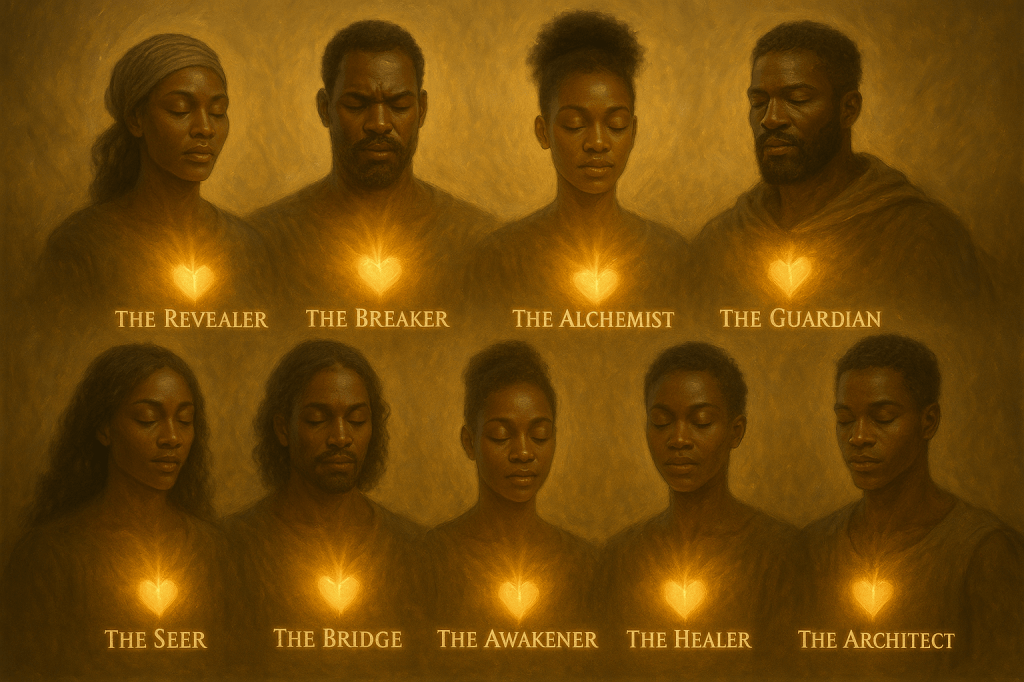
The Callings of the Chosen

In every generation, the Most High appoints vessels for divine purpose, shaping them for assignments that transcend time, culture, and earthly understanding. Scripture affirms that purpose precedes existence, declaring, “Before I formed thee in the belly I knew thee” (Jeremiah 1:5, KJV). This sacred foreknowledge reveals that spiritual callings are not random; they are crafted by the sovereignty of God for the restoration of His people and the advancement of His Kingdom.

The Revealer is appointed to unveil truth hidden beneath deception, spiritual blindness, and worldly confusion. Like Daniel, who interpreted dreams and decoded mysteries, revealers operate under heavenly wisdom and divine insight. Through revelation, they expose the schemes of darkness and illuminate the path of righteousness. “He revealeth the deep and secret things” (Daniel 2:22, KJV). Their purpose is to pull back the veil so that truth can lead souls to freedom.

The Breaker is forged for warfare, designed to dismantle generational curses, demonic cycles, and systemic oppression. The Breaker moves with authority, echoing the Messiah who “break in pieces the oppressor” (Psalm 72:4, KJV). This calling requires courage and spiritual resilience, as these individuals confront strongholds and stand boldly against principalities. They are destined to set captives free and disrupt the plans of the enemy.

The Alchemist represents transformation — the divine ability to turn suffering into strength, rejection into refinement, and trials into spiritual treasure. This calling mirrors Joseph’s journey, where tests became testimony, and hardship became preparation for destiny. The Most High turns “beauty for ashes” (Isaiah 61:3, KJV), and through the Alchemist, pain becomes purpose sanctified by heaven’s hand.

The Guardian is called to protect, intercede, and defend. Much like Nehemiah who rebuilt the walls and guarded the city, Guardians stand watch in prayer, vigilance, and faithfulness. Their spiritual armor is essential, fulfilling the mandate to “be sober, be vigilant” (1 Peter 5:8, KJV). They guard families, communities, truth, and righteousness, standing as pillars of divine protection.

The Seer walks in heightened spiritual sight, perceiving beyond the natural realm. Like Ezekiel and Elisha, Seers discern angels, divine messages, and spiritual warfare unseen by ordinary eyes. “Where there is no vision, the people perish” (Proverbs 29:18, KJV). Their prophetic sight guides nations, warns the righteous, and brings clarity where confusion seeks dominion.

The Bridge is chosen to unify — connecting generations, cultures, and spiritual realities. This calling resembles Moses, who bridged the gap between God and Israel. They reconcile and restore, standing between broken hearts and divine healing. “Blessed are the peacemakers” (Matthew 5:9, KJV). Bridges repair breaches and unite the flock for kingdom advancement.

The Awakener stirs souls from spiritual slumber, calling dry bones to rise. Like John the Baptist, they cry aloud to awaken repentance, righteousness, and identity. “Awake thou that sleepest” (Ephesians 5:14, KJV). Their voice shakes complacency and ignites revival in those chosen to walk in truth.

The Healer carries divine compassion and restorative power. Whether through laying on of hands, wise counsel, or comforting presence, they exemplify the heart of Christ who came to “heal the brokenhearted” (Luke 4:18, KJV). Healers minister to spiritual wounds, emotional scars, and physical afflictions through faith and obedience.

The Architect builds systems, structures, and visions aligned with divine order. Like Bezalel, who was filled with the Spirit to construct the tabernacle (Exodus 31:3–5, KJV), these chosen ones design strategies, ministries, and movements grounded in heavenly wisdom. Their work creates environments where God’s glory can dwell.

Each calling requires humility, obedience, and submission to the Most High. Talents and gifts are not merely abilities, but sacred tools for spiritual growth and edification. “A man’s gift maketh room for him” (Proverbs 18:16, KJV). Spiritual gifts, such as prophecy, teaching, healing, wisdom, and discernment, are manifestations of the Spirit for divine purposes (1 Corinthians 12:4–11, KJV).

Chosen vessels may experience solitude, spiritual attack, and misunderstanding because sanctification often precedes manifestation. Like David, who trained in obscurity, they learn private obedience before public anointing. Destiny requires pruning, testing, and stretching to prepare a vessel worthy of kingdom work.

Many are called, but few answer. The chosen walk a narrow path that rejects worldly applause for heavenly assignment. Their identity is anchored in God’s Word and divine purpose, not earthly titles or acclaim. To carry a spiritual calling is to live in surrender, knowing that “the gifts and calling of God are without repentance” (Romans 11:29, KJV).

When the Most High calls, He equips. Moses received Aaron, Jeremiah received divine reassurance, and the apostles received the Holy Spirit. The chosen are never left powerless; they operate in the authority bestowed by the Father. “Not by might, nor by power, but by my spirit” (Zechariah 4:6, KJV).

Divine callings manifest uniquely, yet they share core attributes — faith, perseverance, righteousness, and love. Without love, even the greatest gifts are empty (1 Corinthians 13:2, KJV). The chosen serve not for glory, but for the advancement of God’s Kingdom and the restoration of His people.

Each calling complements the others, forming a divine ecosystem within the body of believers. The Revealer needs the Guardian; the Seer needs the Architect; the Breaker needs the Healer. “For the body is not one member, but many” (1 Corinthians 12:14, KJV). Unity strengthens purpose, and collaboration magnifies impact.

Those called must cultivate spiritual discipline — prayer, fasting, study, and holy living. “Study to shew thyself approved unto God” (2 Timothy 2:15, KJV). Gifting without character leads to destruction, but gifting combined with holiness leads to divine excellence.

Chosen ones carry spiritual authority, yet remain servants first. They model Christ, who washed feet and bore the cross before wearing the crown. The journey demands humility, compassion, and unwavering trust in the Most High’s timing.

Opposition is guaranteed; purpose attracts resistance. Yet the chosen stand firm, knowing that “no weapon that is formed against thee shall prosper” (Isaiah 54:17, KJV). Trials refine the calling, sharpening discernment and deepening faith.

The Most High ordains seasons of elevation and hiddenness. Waiting is not punishment but preparation. Like Esther, Joseph, and David, the chosen discover that divine timing is perfect and purposeful.

Many experience spiritual isolation, not as abandonment, but consecration. Solitude trains the ear to hear God’s voice and the heart to rely on His strength. “Be still, and know that I am God” (Psalm 46:10, KJV).

True calling cannot be imitated or inherited; it is divinely imparted. It is recognized not by noise or titles but by fruit, obedience, and spiritual authority. “Ye shall know them by their fruits” (Matthew 7:16, KJV).

The chosen often feel unqualified, yet this humility positions them to be vessels of glory. God delights in using the unlikely, proving His power through surrendered lives. “God hath chosen the weak things of the world to confound the things which are mighty” (1 Corinthians 1:27, KJV).

As destinies unfold, chosen vessels must remember their source. They are instruments, not originators. The power, wisdom, and revelation they carry come from the Most High, not themselves. “He that glorieth, let him glory in the Lord” (1 Corinthians 1:31, KJV).

Every calling is sacred, and every chosen soul is appointed for impact. Whether seen or unseen, public or private, each assignment advances the Kingdom and restores righteousness. The chosen move is not by coincidence, but by divine design.

The Revealer, the Breaker, the Alchemist, the Guardian, the Seer, the Bridge, the Awakener, the Healer, and the Architect.

Ultimately, the callings of the chosen align with the mission to bring light, truth, justice, and healing in a world darkened by deception and sin. Their lives testify that God is still raising vessels, still speaking, and still performing wonders among His people.

And in the final measure, the chosen long to hear only one affirmation — “Well done, thou good and faithful servant” (Matthew 25:21, KJV). For that reward outweighs every sacrifice, every battle, and every tear. Their calling is eternal, and their purpose is holy.

References
Holy Bible, King James Version.
Jeremiah 1:5; Daniel 2:22; Psalm 72:4; Isaiah 61:3; 1 Peter 5:8; Proverbs 29:18; Matthew 5:9; Ephesians 5:14; Luke 4:18; Exodus 31:3–5; Proverbs 18:16; Romans 11:29; Zechariah 4:6; 1 Corinthians 12; 1 Corinthians 13:2; 1 Corinthians 12:14; 2 Timothy 2:15; Isaiah 54:17; Psalm 46:10; Matthew 7:16; 1 Corinthians 1:27; 1 Corinthians 1:31; Matthew 25:21 (KJV).

The Dating Series: Modern Dating vs. Courting.

Photo by Gustavo Fring on Pexels.com

The Lost Art of Courtship
In today’s culture, modern dating has replaced the sacred process once known as courtship—a spiritual, intentional, and biblically guided journey toward marriage. Courting emphasized honor, patience, and divine timing, whereas modern dating often focuses on personal pleasure, instant gratification, and sexual chemistry. The Bible says, “He that findeth a wife findeth a good thing, and obtaineth favour of the Lord” (Proverbs 18:22, KJV). Yet, in an era dominated by lust and self-indulgence, the concept of finding a wife has been replaced by finding a “good time.”

The Biblical Foundation of Relationships
From the beginning, God designed relationships with purpose and sanctity. In Genesis 2:24 (KJV), it is written, “Therefore shall a man leave his father and his mother, and shall cleave unto his wife: and they shall be one flesh.” This scripture establishes marriage—not casual encounters—as the divine union approved by God. The process of becoming one flesh was never meant to occur outside of covenant.

Historical Roots of Courtship
Before the rise of modern dating, courtship was the traditional method for choosing a life partner. It was family-oriented, chaperoned, and spiritually supervised. Courtship allowed a man to demonstrate his intentions and moral integrity, proving he could provide and lead a household. The woman’s virtue was protected, and the goal was marriage, not experimentation.

The Role of Parental Guidance in Courtship
In biblical and historical contexts, family involvement was essential. Parents and elders acted as counselors, ensuring the relationship aligned with spiritual principles. This reflected Proverbs 11:14 (KJV): “Where no counsel is, the people fall: but in the multitude of counsellors there is safety.” Such oversight kept emotional and physical boundaries intact.

The Rise of Modern Dating
The concept of “dating” as we know it emerged in the early 20th century with the rise of urbanization and individual freedom. Instead of pursuing marriage, people began pursuing personal experiences. By the mid-1900s, dating was less about long-term commitment and more about social status and pleasure.

The Baby Boomer Era and Romance
During the Baby Boomer generation (1946–1964), dating still retained traces of courtship. Many couples met in church, school, or community events. While some pre-marital encounters existed, societal norms largely favored chastity before marriage. The family unit remained central, and men were expected to pursue and protect women with respect.

Generation X and the Birth of Casual Dating
Generation X (1965–1980) saw a cultural shift due to the sexual revolution of the 1960s and 1970s. The notion of “free love” encouraged physical intimacy without emotional or marital commitment. This was the beginning of the normalization of fornication, contradicting the biblical command: “Flee fornication. Every sin that a man doeth is without the body; but he that committeth fornication sinneth against his own body” (1 Corinthians 6:18, KJV).

Millennials and Hookup Culture
For Millennials, technology transformed dating into a digital marketplace. Apps like Tinder and Bumble made casual sex more accessible than genuine love. The culture of “hooking up” became synonymous with modern dating, removing God from the process entirely.

Generation Z and Gender Confusion
Generation Z (born after 1997) is growing up in a time of blurred gender roles and declining marriage rates. Biblical masculinity and femininity are under attack. Men are no longer taught to pursue women with godly intention, and women are often encouraged to chase careers or fleeting validation rather than covenant relationships.

The Spiritual Consequences of Modern Dating
Modern dating, detached from divine principles, leads to broken hearts, soul ties, and emotional emptiness. The Bible warns that “the wages of sin is death” (Romans 6:23, KJV)—not just physical death, but spiritual death, separation from God’s purpose in relationships.

Casual Sex and the Death of Intimacy
Casual sex reduces sacred union to a temporary thrill. It breeds lust, not love; addiction, not affection. Unlike covenant intimacy within marriage, it leaves both individuals spiritually fragmented. Hebrews 13:4 (KJV) reminds us: “Marriage is honourable in all, and the bed undefiled: but whoremongers and adulterers God will judge.”

Fornication: The Silent Destroyer
Fornication has become normalized, yet it erodes moral foundations. It robs individuals of purity and dulls the conscience to sin. This defilement extends beyond the body—it corrupts the soul, affecting one’s ability to connect deeply and faithfully later in marriage.

Lust: The Counterfeit of Love
Lust masquerades as love but seeks self-gratification, not mutual edification. James 1:14–15 (KJV) declares: “But every man is tempted, when he is drawn away of his own lust, and enticed. Then when lust hath conceived, it bringeth forth sin.” Lust is the devil’s perversion of God’s design for holy intimacy.

The Man’s Role in Courtship
Biblically, the man is the pursuer. He demonstrates leadership, discipline, and spiritual maturity in pursuit of a wife. Courtship allows a man to show his readiness for covenant. Just as Jacob labored seven years for Rachel (Genesis 29:20), a true man of God proves his love through patience and commitment.

The Woman’s Role in Courtship
A godly woman maintains her virtue and discernment, waiting on the man who honors God’s process. Proverbs 31:10 (KJV) asks, “Who can find a virtuous woman? for her price is far above rubies.” She does not chase or seduce; she attracts through righteousness, wisdom, and grace.

Example of Courting in Scripture
The story of Ruth and Boaz offers a perfect example of biblical courtship. Ruth was hardworking, loyal, and virtuous; Boaz was honorable and patient. Their connection grew through respect and righteousness. Boaz’s pursuit led to marriage, not fornication—a divine model for believers today.

The Importance of Purity
Purity is not old-fashioned; it is protection. God designed sexual boundaries to safeguard the heart and soul. 1 Thessalonians 4:3 (KJV) declares, “For this is the will of God, even your sanctification, that ye should abstain from fornication.” Waiting until marriage is a declaration of faith and obedience.

Emotional Soul Ties and Spiritual Damage
Each sexual encounter creates a soul tie—an invisible bond that connects one spirit to another. When these ties are formed outside marriage, they bring confusion, guilt, and spiritual oppression. Breaking these bonds requires repentance and restoration through Christ.

The Deception of “Compatibility”
Modern dating often revolves around “compatibility tests” or physical attraction rather than spiritual alignment. Yet Amos 3:3 (KJV) asks, “Can two walk together, except they be agreed?” True agreement comes from shared faith, not shared hobbies.

Why People Are Far from the Bible Today
People have drifted from the Bible because society glorifies pleasure over purity. The acronym “BIBLE”—Basic Instructions Before Leaving Earth—is no longer seen as relevant. Yet, this divine manual remains the blueprint for successful relationships and eternal life.

The Social Media Effect
Social media has made comparisons and temptations more accessible than ever. Many now idolize unrealistic portrayals of love while rejecting God’s timing. Romans 12:2 (KJV) warns, “Be not conformed to this world: but be ye transformed by the renewing of your mind.”

Entertainment and the Sexual Agenda
Movies, music, and media normalize lust and fornication. The enemy uses culture to desensitize the conscience, making sin seem harmless and holy living appear outdated. But holiness remains God’s standard, not an option.

Reclaiming Biblical Courtship
To restore godly relationships, believers must return to biblical principles—accountability, prayer, chastity, and purpose-driven pursuit. Courtship should glorify God, not self. Every step must be guided by prayer and spiritual counsel.

Waiting on God’s Timing
Patience is the true test of faith. Isaiah 40:31 (KJV) promises, “But they that wait upon the Lord shall renew their strength.” Waiting for the right spouse aligns one’s heart with God’s perfect timing, ensuring blessings rather than burdens.

The Consequences of Impatience
Rushing into relationships often leads to heartbreak and sin. Many seek to satisfy loneliness instead of allowing God to refine them. Impatience breeds compromise, while patience breeds covenant.

Healing from Past Sexual Sin
Through repentance, forgiveness, and sanctification, one can be made new. Psalm 51:10 (KJV) prays, “Create in me a clean heart, O God; and renew a right spirit within me.” Christ offers redemption for those willing to turn from fornication and embrace purity.

Accountability and Community
Surrounding oneself with godly mentors and church community helps maintain purity. Ecclesiastes 4:9–10 (KJV) says, “Two are better than one… For if they fall, the one will lift up his fellow.” Biblical community strengthens righteous living.

Marriage as Covenant, Not Contract
Marriage is not a social arrangement—it’s a covenant before God. Ephesians 5:25 (KJV) instructs, “Husbands, love your wives, even as Christ also loved the church.” This sacred bond reflects divine love, sacrifice, and unity.

Restoring Honor in Relationships
Honoring God in relationships means setting boundaries, seeking holiness, and respecting His design. Men and women must rediscover reverence for marriage as the highest form of love between humans.

Returning to God’s Blueprint
The evolution from courtship to modern dating reveals humanity’s drift from divine truth. To restore love’s true purpose, society must reject lust, embrace purity, and pursue relationships that honor God. As 1 Corinthians 13:4–7 reminds us, “Charity suffereth long, and is kind… seeketh not her own.” True love waits, worships, and walks in obedience.


References (KJV Bible)
Genesis 2:24
Proverbs 11:14
Proverbs 18:22
Proverbs 31:10
Amos 3:3
1 Corinthians 6:18; 13:4–7
Romans 6:23; 12:2
1 Thessalonians 4:3
Hebrews 13:4
Isaiah 40:31
Ephesians 5:25
Psalm 51:10
James 1:14–15
Ecclesiastes 4:9–10