
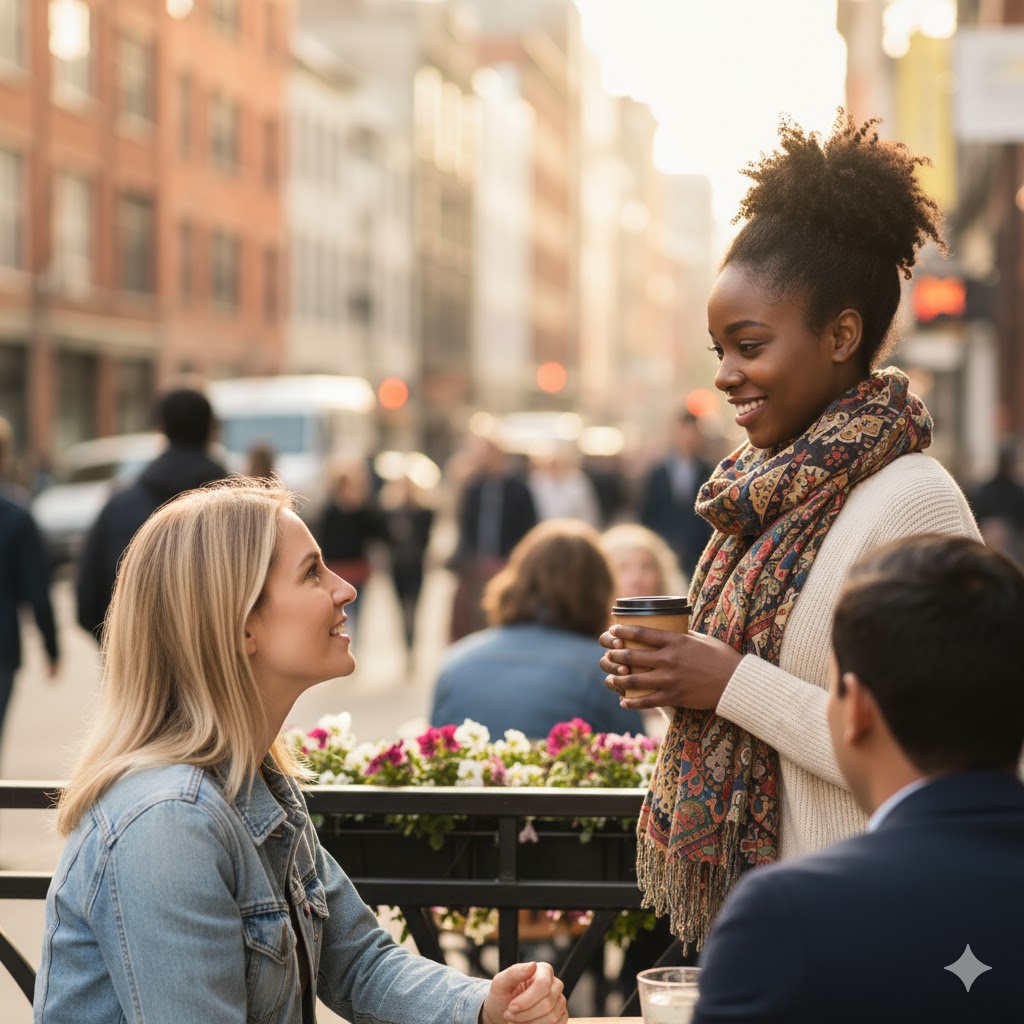
The perception of Black women by white women is deeply shaped by history, culture, and media narratives. From the days of slavery to modern pop culture, these perceptions have been complex, often influenced by competition, envy, or internalized societal hierarchies, rather than direct understanding.
During slavery, white women were both enforcers and victims of a racialized system. Black women were often positioned as laborers, caregivers, and even objects of sexual exploitation, which bred tension and jealousy. White women sometimes resented the resilience and strength of Black women, seeing them as a threat to their social status within the household hierarchy.
Historical beauty standards rooted in European ideals also influenced perception. Features such as dark skin, fuller lips, and naturally textured hair were devalued, while fair skin and straight hair were celebrated. This created a subconscious lens through which white women judged Black women, linking beauty to social acceptance rather than inherent worth.
Romantic dynamics further complicated these perceptions. White women have historically been socialized to see Black women dating Black men or successful partners as competition. Envy could be triggered by traits such as confidence, attractiveness, or assertiveness, particularly when societal narratives suggested that Black women were “less desirable” or should occupy a lower social position.
Media representation has reinforced stereotypes and shaped perception over generations. Reality TV shows like The Real Housewives of Atlanta often highlight conflict, portraying Black women as confrontational or loud. White female audiences consuming these narratives may unconsciously internalize these depictions, perceiving Black women through a lens of stereotype rather than reality.
Conversely, positive media portrayals have the power to shift perception. Films like Black Panther feature Black women as intelligent, elegant, and powerful figures. Characters such as Nakia and Okoye demonstrate strength, grace, and heroism, allowing white women audiences to admire Black women as equals in intellect, beauty, and moral courage.
Social media amplifies perceptions in subtle and explicit ways. On Instagram and TikTok, Black women showcase fashion, hair, and beauty that celebrates natural features. White women engaging with these platforms may respond with admiration or envy, reflecting historical conditioning as well as personal biases. Viral moments, such as Lupita Nyong’o’s red carpet appearances or Beyoncé’s visual albums, exemplify how Black women’s beauty can inspire global recognition and sometimes mixed reactions.
Celebrity culture complicates perception further. Serena Williams, for instance, is both admired for her athletic prowess and critiqued for traits that are celebrated in white athletes but stereotyped in Black women. White women’s admiration can coexist with subtle judgment, revealing the persistent influence of racialized standards.
In dating contexts, white women sometimes view Black women through stereotypes connected to sexuality. The Jezebel myth, which hypersexualized Black women during slavery, continues to influence how white women interpret Black women’s romantic relationships. Media portrayals in shows like Scandal or Empire can unintentionally reinforce notions of Black women as overly sexual or aggressive.
Colorism adds another layer to perception. Lighter-skinned Black women are often viewed as more socially acceptable or attractive, reflecting both historical hierarchies and media preferences. White women may unconsciously perceive lighter-skinned Black women with admiration or envy, while darker-skinned women face compounded biases.
Workplace dynamics mirror these societal trends. Assertive Black women may be labeled “aggressive” or “intimidating” by colleagues, whereas similar behavior by white women is praised. White women’s perceptions are influenced by cultural conditioning and media framing, which historically cast Black women as threats to social and professional order.
Perception is also affected by exposure and familiarity. White women with direct relationships or friendships with Black women often develop more nuanced and positive perceptions, appreciating beauty, intelligence, and character rather than relying on stereotypes. Media literacy and cross-cultural experience help break down historical biases.
Historical myths, like the “angry Black woman” stereotype, continue to inform perception. These myths originated as tools of control during slavery, designed to justify harsh treatment and limit social power. White women today may unknowingly adopt these narratives, perceiving Black women as confrontational or overly dominant.
Media influence remains pervasive. Reality TV, news coverage, and social media highlight Black women in conflict or competition, reinforcing biases. Shows like Love & Hip Hop often depict drama among Black women, affecting both white and Black viewers’ understanding of female relationships and social dynamics.
Positive media representation challenges these stereotypes. The Netflix series Self Made, portraying Madam C.J. Walker, showcases entrepreneurship, beauty, and intelligence. White women watching such portrayals can develop respect and admiration, seeing Black women as multi-dimensional and accomplished rather than one-dimensional stereotypes.
Social media trends celebrating natural hair, such as the #BlackGirlMagic movement, allow white women to witness Black women embracing texture, style, and individuality. These cultural moments promote admiration, inspire fashion and beauty trends, and challenge Eurocentric standards.
White women’s perceptions also intersect with social class and status. Black women in positions of influence, such as politicians, entertainers, or CEOs, may be viewed with admiration or jealousy depending on the observer’s insecurities and exposure to stereotypes. Media often amplifies these perceptions through coverage and commentary.
Celebrity fashion moments continue to shape perception. Lupita Nyong’o’s glowing red carpet appearances or Rihanna’s beauty empire highlight the elegance, radiance, and versatility of Black female beauty. White women witnessing these moments may experience both inspiration and societal-conditioned envy.
Ultimately, perception reflects both historical influence and personal bias. White women’s views of Black women are shaped by slavery-era hierarchies, colorism, media representation, and cultural narratives. While some perceptions stem from envy or stereotyping, education, exposure, and authentic interaction can transform perception into admiration and respect.
Bridging perception requires visibility, storytelling, and authentic representation. Media that uplifts Black women’s beauty, talent, and intellect challenges historical biases and promotes mutual understanding. White women who engage critically with media, build relationships, and reflect on historical context are more likely to perceive Black women with respect and appreciation rather than judgment.
Perception evolves as history, culture, and media awareness intersect. When white women encounter Black women outside stereotypes—in friendship, workplace, or media—they can witness the richness of Black beauty, intellect, and resilience. Understanding historical roots, challenging media myths, and celebrating authentic excellence fosters genuine admiration, transforming centuries-old bias into recognition and respect.
Historical References (Slavery and Perception)
- White, Deborah Gray. (1999). Ar’n’t I a Woman?: Female Slaves in the Plantation South. W.W. Norton & Company.
- Davis, Angela Y. (1983). Women, Race & Class. Random House.
- Franklin, John Hope, & Moss, Alfred A. (2000). From Slavery to Freedom: A History of African Americans. McGraw-Hill Education.
- Painter, Nell Irvin. (2002). Creating Black Americans: African-American History and Its Meanings, 1619 to the Present. Oxford University Press.
Media and Cultural Studies References
- Collins, Patricia Hill. (2000). Black Feminist Thought: Knowledge, Consciousness, and the Politics of Empowerment. Routledge.
- hooks, bell. (1992). Black Looks: Race and Representation. South End Press.
- Byrd, Ayana D., & Tharps, Lori L. (2014). Hair Story: Untangling the Roots of Black Hair in America. St. Martin’s Press.
- Gray, Herman. (2005). Cultural Moves: African Americans and the Politics of Representation. University of California Press.
- Entman, Robert M., & Rojecki, Andrew. (2000). The Black Image in the White Mind: Media and Race in America. University of Chicago Press.
Dating, Social Perception, and Psychology References
- Buchanan, T., & Seligman, L. (2013). Interracial Dating Attitudes and Racial Stereotypes: A Sociopsychological Analysis. Journal of Social Issues.
- Hunter, Margaret L. (2011). Buying Racial Capital: Skin-Bleaching and Cosmetic Surgery in Black and African Communities. Social Text.
- Lewis, J., & Lockwood, E. (2018). Colorism, Beauty, and Media: Social Perceptions of Black Women. Journal of African American Studies.
Media Examples Cited
- The Real Housewives of Atlanta (Bravo, 2008–present) – Reality TV portrayal of Black women in social and conflict-driven narratives.
- Scandal (ABC, 2012–2018) – Portrayal of strong, ambitious, and often sexualized Black female characters.
- Black Panther (Marvel Studios, 2018) – Positive representation of Black women as intelligent, courageous, and regal.
- Self Made: Inspired by the Life of Madam C.J. Walker (Netflix, 2020) – Highlighting entrepreneurship, beauty, and intelligence.
- Social Media: #BlackGirlMagic (Instagram/TikTok) – Movement celebrating Black women’s natural beauty, talent, and achievements.
- Celebrity Case Studies: Beyoncé, Lupita Nyong’o, Rihanna, Serena Williams – Examples of Black female beauty, cultural influence, and public perception.
 THE BROWN GIRL DILEMMA