Tag Archives: identity

The Impact of Viral Culture on Identity and Confidence.

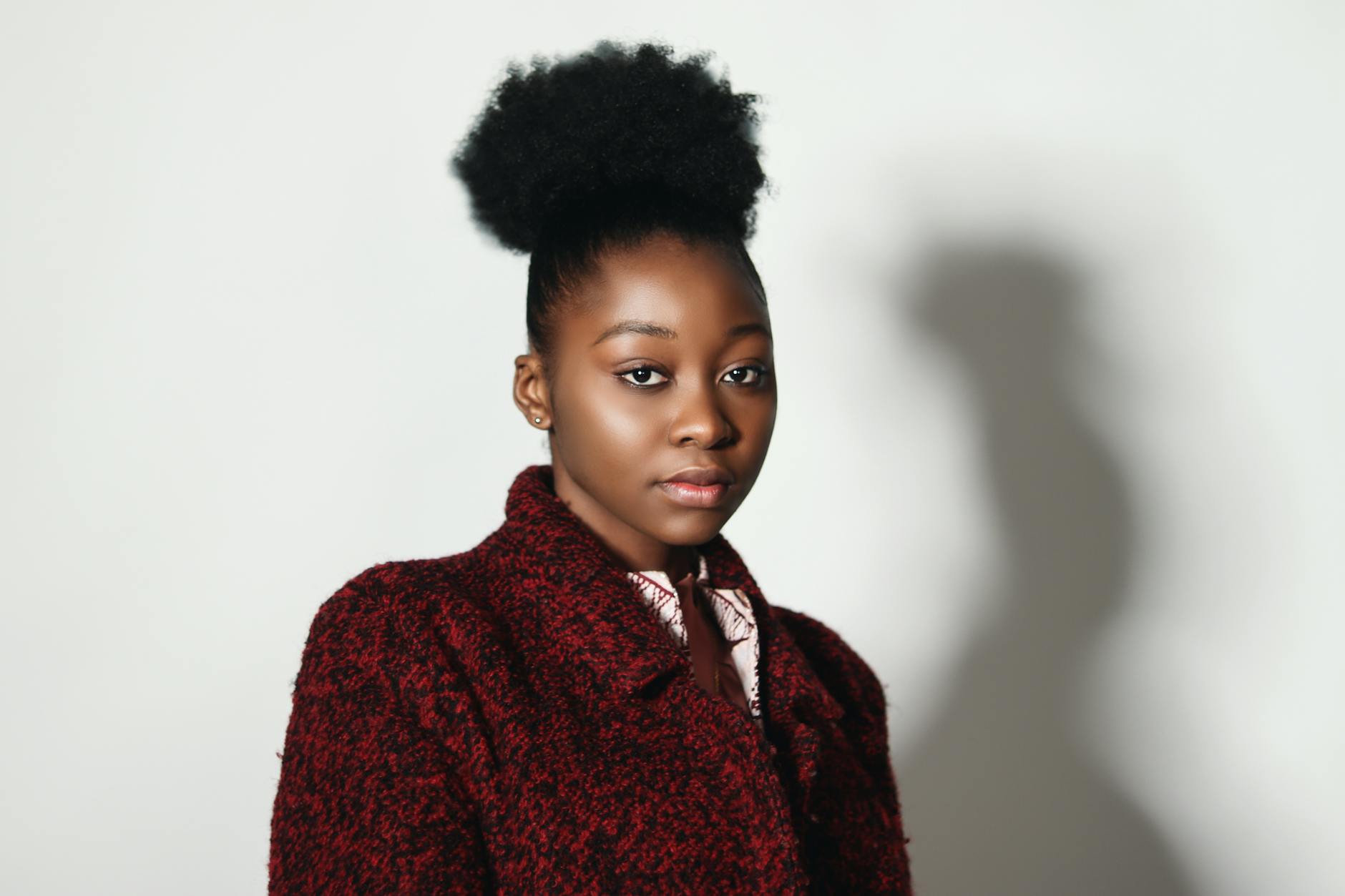
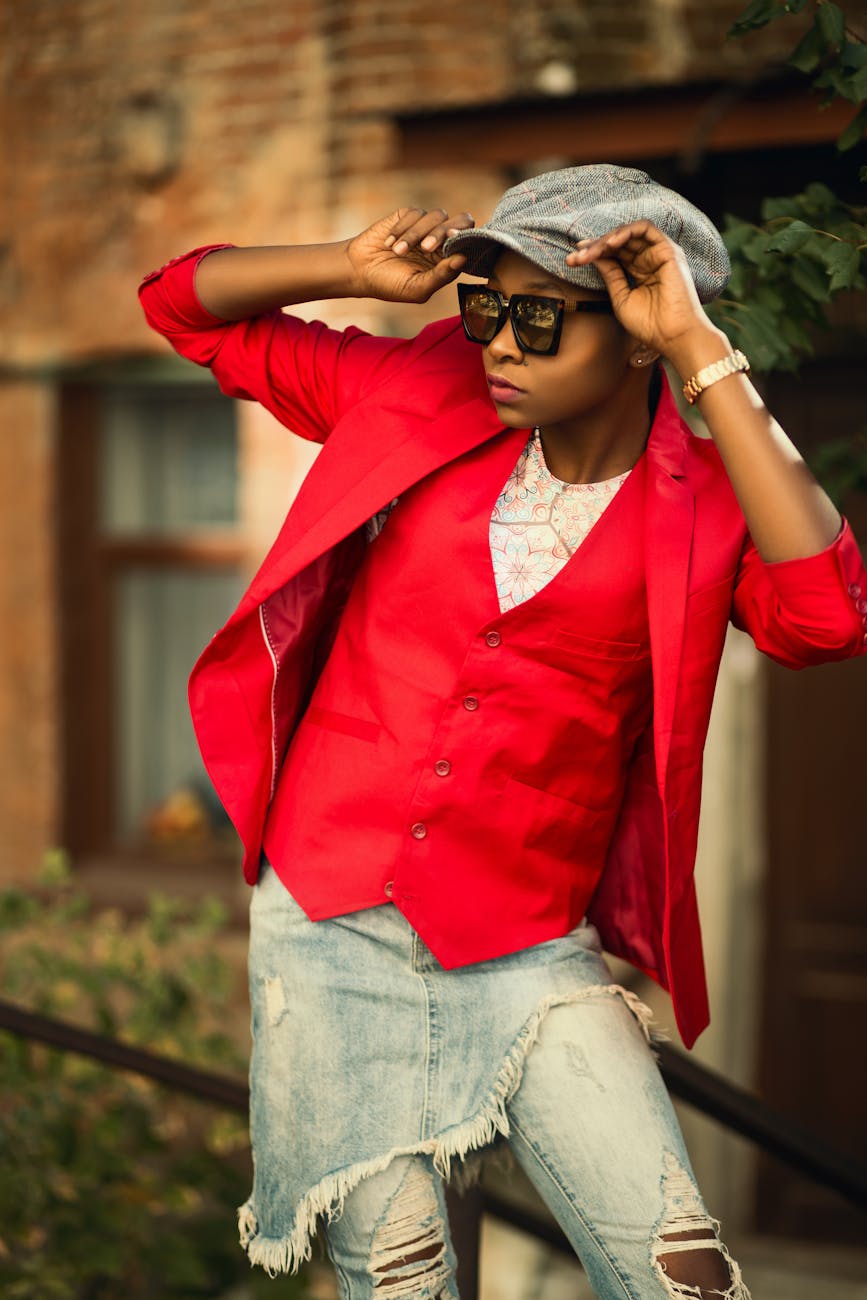
Photo by Godisable Jacob on Pexels.com

Viral culture is one of the most defining features of the digital age, reshaping how individuals understand themselves and how societies negotiate visibility, power, and belonging. It operates through algorithms, platforms, and public participation, transforming ordinary content into global phenomena. For many, the pursuit of virality has become synonymous with the pursuit of relevance. Yet, this culture has profound consequences for identity and confidence, particularly among communities whose histories of misrepresentation and marginalization complicate their online presence.

At its core, viral culture thrives on rapid dissemination and collective engagement. Unlike traditional media that required gatekeepers, virality democratizes visibility: anyone with a smartphone has the potential to reach millions within hours. This democratization has empowered voices once silenced, offering platforms for expression and identity affirmation. However, it has also tethered self-worth to visibility metrics—likes, shares, and followers—that can fluctuate wildly and leave individuals vulnerable to cycles of validation and rejection (Marwick, 2015).

From a psychological perspective, Festinger’s (1954) social comparison theory helps explain how viral culture affects confidence. Individuals often evaluate their identity through comparisons with others, and in digital spaces, these comparisons are amplified. Viral fame creates an unattainable benchmark, leading many to feel inadequate if their content does not achieve similar traction. For those who do go viral, the initial boost in confidence may be followed by anxiety and pressure to maintain relevance—a fragile cycle where identity is negotiated through external validation rather than intrinsic self-worth.

The impact is particularly pronounced among younger generations. Adolescents and young adults, who are in critical stages of identity formation, often equate online visibility with social value. Studies reveal that teenagers who seek virality experience higher rates of body dissatisfaction, anxiety, and diminished self-esteem when their posts underperform (Perloff, 2014). Viral culture thus becomes not only a stage for performance but also a mirror that distorts, reflecting back images filtered by algorithms, aesthetics, and consumer appeal rather than authentic self-expression.

For Black communities, viral culture presents both opportunities and challenges. On one hand, viral hashtags such as #BlackLivesMatter, #BlackGirlMagic, and #SayHerName have mobilized global awareness, affirming cultural identity and collective confidence. These digital movements provide visibility where mainstream media often erases or distorts Black voices, reinforcing solidarity and pride (Florini, 2019). Viral content has also allowed Black creativity—through dance, fashion, language, and humor—to reach international audiences, shaping global trends.

Yet, the commodification of Black culture within viral spaces cannot be ignored. Black dances, slang, and aesthetics often go viral only to be appropriated by non-Black creators who gain profit and visibility, while the originators remain uncredited. This dynamic mirrors historical exploitation, where Black identity is celebrated in fragments but denied in wholeness. Such exploitation can harm confidence, as cultural production becomes stripped of ownership and individuals witness their creativity detached from their identity (Nissenbaum & Shifman, 2017).

Viral shaming further complicates identity. Just as positive content can boost confidence, negative virality can destroy reputations and self-esteem. Black women, in particular, face heightened vulnerability: viral culture often amplifies misogynoir—content that combines racism and sexism—through ridicule, body-shaming, or stereotyping. This digital violence reinforces historical narratives of devaluation, leaving psychological scars even as communities attempt to reclaim narratives of strength and resilience (Bailey, 2021).

On the other hand, viral culture has created unexpected spaces of empowerment. Figures such as Tabitha Brown, whose viral videos centered on kindness and authenticity, demonstrate that virality can affirm identity by amplifying voices grounded in values of compassion and faith. These examples reveal that confidence gained through viral culture need not be shallow or performative; it can be deeply rooted in authentic identity when creators resist the pressures of conformity.

Faith provides a critical anchor in navigating viral culture. The Bible reminds believers that identity is not contingent on public approval but on divine purpose. Romans 12:2 (KJV) urges, “Be not conformed to this world: but be ye transformed by the renewing of your mind.” Viral culture thrives on conformity to trends, aesthetics, and digital clout, but scripture re-centers confidence in God’s unchanging truth. For Black communities, whose history includes resilience against erasure, faith becomes not only a source of individual grounding but also a collective shield against the volatility of online validation.

Historically, confidence among marginalized communities was cultivated through family, community, and spiritual institutions rather than fleeting moments of recognition. Viral culture disrupts these traditional anchors, shifting the measure of self-worth into digital spaces. Yet, by merging digital engagement with cultural pride and spiritual affirmation, individuals can resist the erosion of identity. Movements such as #ChurchTikTok or gospel-infused viral moments illustrate how faith traditions can intersect with viral culture to sustain confidence rather than undermine it.

The paradox of viral culture lies in its ability to both affirm and destabilize identity. On one side, it democratizes influence, amplifies marginalized voices, and builds global solidarity. On the other, it commodifies culture, fosters harmful comparisons, and reduces confidence to numbers on a screen. The key is cultivating critical engagement: using viral culture as a tool rather than a measure of worth. Individuals and communities must learn to navigate these spaces with discernment, grounding identity in values, traditions, and truths that transcend the volatility of virality.

In conclusion, viral culture has become an inescapable force that shapes identity and confidence in the modern world. It creates opportunities for visibility, empowerment, and cultural pride, while simultaneously fostering cycles of comparison, appropriation, and insecurity. For Black communities, the stakes are higher, as viral culture can both amplify resistance and reproduce exploitation. Ultimately, sustainable confidence must rest not on fleeting virality but on authentic identity, cultural grounding, and spiritual truth. When rooted in these foundations, individuals can engage with viral culture without losing themselves in the process.


References

  • Bailey, M. (2021). Misogynoir transformed: Black women’s digital resistance. New York University Press.
  • Festinger, L. (1954). A theory of social comparison processes. Human Relations, 7(2), 117–140.
  • Florini, S. (2019). Blackness, memes, and memory: The digital politics of cultural visibility. Communication and Critical/Cultural Studies, 16(4), 268–284.
  • Marwick, A. (2015). Instafame: Luxury selfies in the attention economy. Public Culture, 27(1), 137–160.
  • Nissenbaum, A., & Shifman, L. (2017). Internet memes as contested cultural capital: The case of 4chan’s /b/ board. New Media & Society, 19(4), 483–501.
  • Perloff, R. M. (2014). Social media effects on young women’s body image concerns: Theoretical perspectives and an agenda for research. Sex Roles, 71(11-12), 363–377.

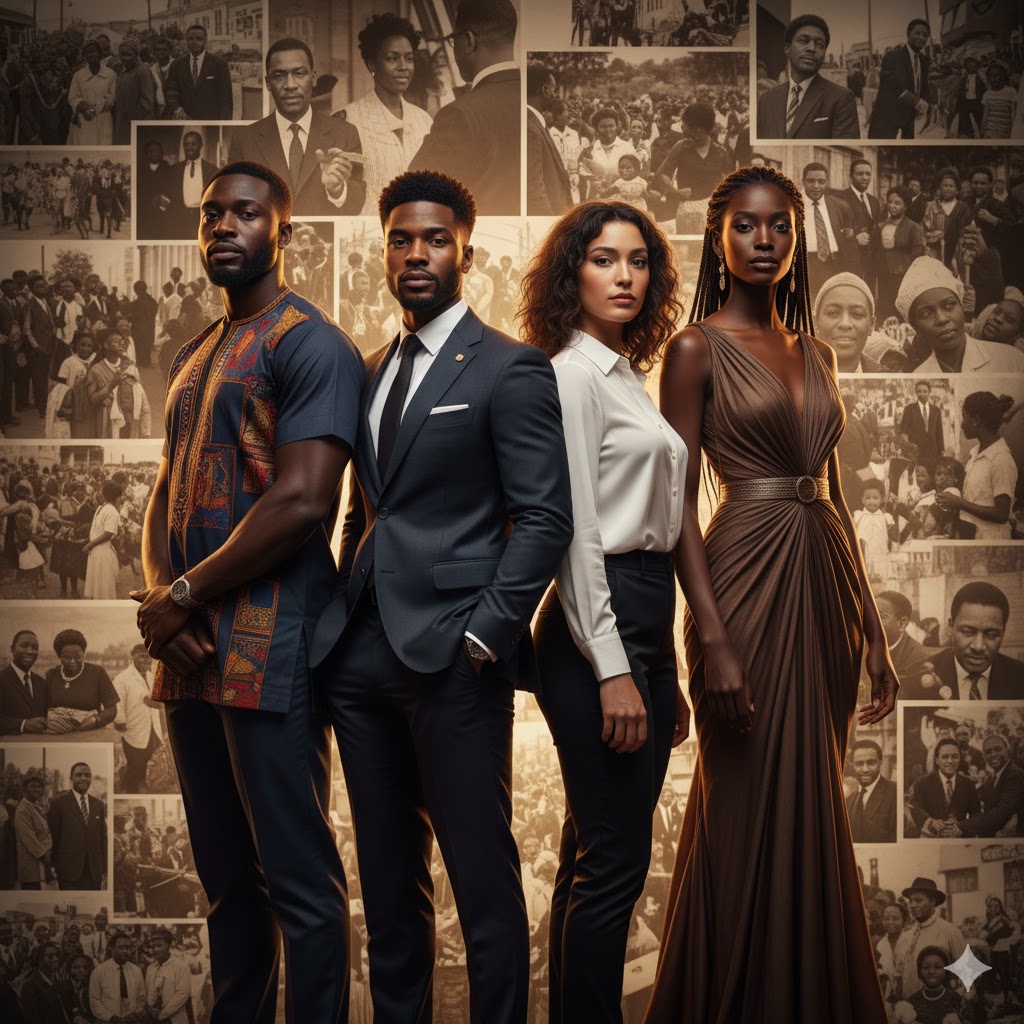
Intersectionality: Race, Gender, and Identity.

Photo by Polina Tankilevitch on Pexels.com

Intersectionality is a framework for understanding how multiple aspects of identity—such as race, gender, class, and sexuality—intersect to create unique experiences of privilege and oppression. Coined by legal scholar Kimberlé Crenshaw in 1989, intersectionality highlights how social systems and power structures do not affect everyone equally but instead produce layered, complex forms of discrimination, particularly for Black women and other marginalized populations.

Race and gender are two central axes in intersectional analysis. Black women, for example, experience discrimination that is not merely additive (race + gender) but intertwined, producing distinctive challenges that cannot be fully understood by examining either race or gender alone (Crenshaw, 1989). This approach allows for a more nuanced understanding of social inequality, as it acknowledges that identities are interconnected and context-specific.

Identity formation is profoundly shaped by these intersecting factors. A Black woman’s self-perception is influenced by societal messages regarding both race and gender, as well as by cultural heritage, family, and community. These overlapping identities can result in heightened awareness of societal biases, but they also provide resilience, cultural pride, and a multifaceted sense of self (Collins, 2000).

Intersectionality: Understanding Overlapping Identities

Core Concept

  • Intersectionality: How multiple social identities (race, gender, class, sexuality) intersect to create unique experiences of privilege and oppression (Crenshaw, 1989).

Visual Layout

Central Circle: Individual Identity
Surrounding Overlapping Circles:

  1. Race
  2. Gender
  3. Class
  4. Sexuality
  5. Religion/Culture

Overlapping Areas: Show how combinations produce distinct experiences.

  • Race + Gender: Unique discrimination experienced by women of color (“double jeopardy”).
  • Race + Class: Economic disparities and systemic barriers.
  • Gender + Sexuality: Gendered expectations compounded by sexual orientation.
  • All Intersecting: Complex lived realities shaped by multiple layers of identity.

Key Examples

  • Black Women in the Workplace: Face both gendered and racial bias, requiring intersectional policies.
  • Media Representation: Stereotypes often ignore overlapping identities; intersectional visibility fosters empowerment.
  • Health Outcomes: Intersectional stress contributes to mental health disparities.

Strategies for Applying Intersectionality

  • Policy design that considers multiple identity factors.
  • Awareness of biases in personal and professional contexts.
  • Representation and inclusion in media, education, and leadership.
  • Spiritual grounding: “Ye are all one in Christ Jesus” (Galatians 3:28, KJV).

Visual Design Notes

  • Colors: Different shades for each circle to show overlaps.
  • Icons: Workplace, media, health, education symbols around outer circles.
  • Text Highlights: Key phrases like “Privilege,” “Oppression,” “Unique Experiences,” “Empowerment.”

In practical terms, intersectionality reveals why certain policies or social interventions may fail. For instance, workplace diversity initiatives that focus solely on gender may not address the unique challenges faced by women of color, while race-focused programs may overlook gendered experiences. Intersectional analysis thus informs more equitable solutions and highlights the necessity of inclusive policymaking.

Psychologically, intersectionality affects mental health and well-being. Black women often experience compounded stress from navigating both racial and gendered expectations, a phenomenon sometimes referred to as “double jeopardy” (Beal, 1970). Recognizing and addressing these intersecting pressures is critical for developing coping strategies, resilience, and community support systems.

Culturally, intersectionality informs representation in media and public life. Black women are frequently underrepresented or stereotyped, reflecting biases that marginalize their complex identities. Accurate and multidimensional representation fosters empowerment and challenges societal norms, enabling individuals to see themselves as whole and valued.

The Bible provides spiritual guidance relevant to understanding identity and intersectional challenges. “There is neither Jew nor Greek, there is neither bond nor free, there is neither male nor female: for ye are all one in Christ Jesus” (Galatians 3:28, KJV). This verse underscores the inherent worth of individuals beyond social hierarchies and biases, reminding believers that identity in God transcends societal discrimination.

Intersectionality also has implications for activism and social justice. Movements such as Black Lives Matter incorporate intersectional frameworks to address not only race but also gender, sexuality, and class, emphasizing the need for solutions that acknowledge the complexity of lived experiences. Recognizing the interconnectedness of oppressions allows advocates to craft more comprehensive and effective strategies.

Education plays a critical role in applying intersectionality. Scholars, educators, and students must be equipped to recognize overlapping systems of privilege and oppression. Curricula that integrate intersectional perspectives foster critical thinking, empathy, and awareness of social inequities, preparing individuals to navigate diverse social contexts responsibly.

In conclusion, intersectionality provides a vital lens for understanding the complex ways race, gender, and identity intersect to shape experiences of privilege and oppression. By acknowledging the interconnectedness of social categories, individuals, policymakers, and communities can develop more nuanced, equitable approaches to social justice, representation, and personal empowerment. For Black women and other marginalized groups, intersectional awareness fosters resilience, cultural pride, and advocacy for systemic change.


References

  • Beal, F. M. (1970). Double jeopardy: To be Black and female. Meridians, 1(2), 1–10.
  • Collins, P. H. (2000). Black Feminist Thought: Knowledge, Consciousness, and the Politics of Empowerment. Routledge.
  • Crenshaw, K. (1989). Demarginalizing the intersection of race and sex: A Black feminist critique of antidiscrimination doctrine, feminist theory and antiracist politics. University of Chicago Legal Forum, 1989(1), 139–167.
  • The Holy Bible, King James Version.

The Beauty and Complexity of Black Identity

Black identity is a tapestry woven from centuries of history, culture, and resilience. It is not reducible to skin color; it is a multidimensional phenomenon encompassing heritage, creativity, spirituality, and self-definition.

The beauty of Black identity lies in its endurance. Despite centuries of enslavement, colonization, and systemic oppression, Black people preserved cultural knowledge, language, and traditions that continue to thrive today.

Historically, African kingdoms cultivated rich civilizations marked by art, scholarship, and governance. Figures such as Mansa Musa of Mali exemplify the wealth, intellect, and sophistication that were the foundation of Black cultural identity long before European interference.

The transatlantic slave trade attempted to erase identity, but Black people transformed oppression into cultural preservation. Spirituals, folktales, and oral histories became vessels for memory and hope, connecting generations across oceans and centuries.

Black identity expresses itself through art. From the Harlem Renaissance to contemporary visual arts, Black creativity reflects both struggle and triumph. Pain and resilience coexist in these works, creating a unique aesthetic language.

Music has been a cornerstone of Black identity. Jazz, blues, gospel, hip-hop, and R&B articulate joy, sorrow, and social critique. Each genre serves as a historical record and a tool of spiritual survival.

Language is a powerful marker of identity. African American Vernacular English (AAVE), Creole languages, and preserved African languages carry cultural meaning, community solidarity, and resistance to assimilation.

Fashion and style are also expressions of Black identity. From Kente cloth and African-inspired garments to modern streetwear, Black people assert individuality, creativity, and pride through dress and adornment.

Black identity is spiritual as well as cultural. Enslaved Africans integrated Christianity with African traditions, creating vibrant spiritual practices. Churches became spaces of education, community organizing, and cultural preservation.

Physical beauty is an integral part of Black identity. Hair, skin, and features have historically been politicized, yet Black people have reclaimed and celebrated these traits as symbols of pride and self-love.

Black identity is intellectual. Thinkers, scientists, and writers such as W.E.B. Du Bois, Zora Neale Hurston, and Katherine Johnson illustrate the intellectual legacy of Black communities that has challenged stereotypes and contributed globally.

Colorism complicates Black identity. The preference for lighter skin in certain societies stems from colonial hierarchies, but Black communities continue to resist these constructs, emphasizing that identity is spiritual, cultural, and personal, not merely visual.

Black identity is resilient in the face of systemic oppression. Black communities have developed institutions, businesses, and networks that sustain culture, foster economic empowerment, and create spaces for artistic and intellectual flourishing.

Family and community are central to Black identity. Extended families, churches, and community networks provide support, mentoring, and intergenerational transmission of cultural knowledge and values.

Black identity is global. The African diaspora connects Black communities across the Americas, Europe, and Africa. Shared histories of struggle and triumph create solidarity that transcends borders.

Black identity is expressed in literature. Writers like James Baldwin, Toni Morrison, and Chimamanda Ngozi Adichie explore the nuances of race, culture, and personal identity, revealing the complexity and richness of Black experience.

The intersection of Blackness and spirituality adds depth to identity. Faith traditions provide frameworks for ethics, social justice, and personal resilience, shaping both individual character and communal life.

Black identity is dynamic. Migration, globalization, and digital communication continue to expand its forms of expression, allowing younger generations to engage with heritage while innovating culturally and socially.

The beauty of Black identity also lies in joy. Music, dance, storytelling, and celebrations manifest resilience, hope, and communal connection, showing that Blackness encompasses both survival and flourishing.

Ultimately, Black identity is complex, multifaceted, and sacred. It embodies history, art, spirituality, intellect, and resilience. To honor Black identity is to recognize the profound contributions, enduring struggles, and eternal beauty of a people who have persevered against every attempt at erasure.


References

Diop, C. A. (1989). The African origin of civilization: Myth or reality. Lawrence Hill Books.

Gates, H. L. (2011). In search of our roots: How 19 extraordinary African Americans reclaimed their past. Crown.

Graves, J. L. (2017). The emperor’s new clothes: Biological theories of race at the millennium. Rutgers University Press.

Hine, D. C., McCluskey, A. T., & McDaniel, A. (2012). The African American odyssey. Pearson.

Woodson, C. G. (2021). The mis-education of the Negro. Dover.

Tutu, D., & Tutu, M. (2014). The book of forgiving: The fourfold path for healing ourselves and our world. HarperOne.

Reclaiming the Mirror: Beauty, Identity, and Resistance in the African Diaspora.

Photo by Godisable Jacob on Pexels.com

The concept of beauty has long been weaponized as a tool of domination and exclusion. For people of African descent, beauty has been historically defined through Eurocentric lenses that sought to invalidate African features, skin tones, and hair textures. This distortion of aesthetics served colonial and psychological purposes—reinforcing systems of white supremacy and dehumanization. Yet, amid this oppression, the African diaspora has continuously resisted, reclaimed, and redefined beauty through self-love, creativity, and cultural expression.

From the transatlantic slave trade to modern globalization, the manipulation of Black beauty has been integral to controlling identity. European colonizers constructed racial hierarchies that associated whiteness with purity and civilization, while blackness was linked to savagery and inferiority. These narratives became embedded in social, political, and religious ideologies, influencing how the world viewed—and how Black people came to view—themselves. This internalized oppression still manifests today in colorism, hair discrimination, and beauty bias within and outside the Black community.

Resistance to these narratives began as early as slavery itself. Enslaved Africans braided maps into their hair, wore headwraps as acts of pride, and sang spirituals affirming divine identity. These practices were not mere survival mechanisms but subtle assertions of self-worth. By reclaiming control over their bodies and appearances, Africans in the diaspora asserted, “We are still human.” This quiet defiance evolved into a cultural aesthetic that would later inspire entire movements of liberation.

The Harlem Renaissance marked a turning point in redefining Black beauty and identity. Figures like Zora Neale Hurston, Langston Hughes, and Josephine Baker challenged the notion that Black culture needed white validation. Their art celebrated dark skin, natural hair, and sensual expression, reclaiming the very traits society had demeaned. The phrase “Black is Beautiful,” born from this era and later popularized in the 1960s, became both a political slogan and a spiritual affirmation.

The Black Power movement of the 1960s and 1970s elevated aesthetics into activism. The afro became a crown of resistance, symbolizing freedom from assimilation. Black models like Beverly Johnson and Naomi Sims graced magazine covers once closed to women of their complexion, forcing the fashion world to confront its biases. Through photography, music, and protest, Black people around the world began to reassert the value of their image.

In the African diaspora, beauty and identity are deeply intertwined with spirituality. Ancient African civilizations revered the human form as divine art—sculptures from Nok, Benin, and Kemet celebrated symmetry, strength, and melanin as reflections of the Creator. This spiritual understanding of beauty counters the Western tendency to commodify and sexualize. The African aesthetic is holistic, connecting inner virtue with outer form—a principle still visible in African diasporic faiths like Yoruba and Rastafari.

Media representation remains one of the battlegrounds for beauty reclamation. For decades, film and advertising industries portrayed Eurocentric features as universal ideals. However, with the rise of digital media, Black creators began shaping new narratives. Platforms like YouTube and Instagram became spaces for natural hair tutorials, melanin-positive campaigns, and discussions about shadeism. This digital renaissance democratized visibility and dismantled the monopoly of Western beauty standards.

In contemporary times, artists like Lupita Nyong’o, Viola Davis, and Michaela Coel have redefined what global beauty looks like. They embody confidence rooted in authenticity rather than conformity. Their visibility challenges centuries of erasure, reminding the world that African beauty is not a trend—it is foundational. Each image, each role, becomes a mirror through which the diaspora can see itself with dignity and love.

Colorism, however, continues to plague the diaspora, a lingering scar of colonialism and slavery. Light skin often remains associated with privilege, while darker complexions are marginalized. This phenomenon fractures communities and perpetuates hierarchies of desirability. Yet, new generations are confronting these wounds head-on through documentaries, essays, and online activism—demanding that every shade of melanin be honored equally.

The reclamation of African aesthetics extends beyond physical features—it encompasses fashion, language, and ritual. African print clothing, protective hairstyles, and ancestral jewelry have become emblems of identity. What was once mocked or banned in workplaces is now worn proudly on global runways. The diaspora’s embrace of traditional aesthetics is not merely nostalgic—it is revolutionary, asserting that African heritage is modern, relevant, and eternal.

Psychologically, reclaiming beauty is an act of healing. Centuries of racial trauma have distorted self-perception, leading to generational insecurities. Scholars like bell hooks and Frantz Fanon have discussed the colonization of the mind and the struggle to love oneself under oppressive gaze. To look in the mirror and find beauty in one’s reflection is therefore a radical act of resistance, one that dismantles the psychological remnants of enslavement.

Black beauty movements have also intersected with gender liberation. Black women, historically hypersexualized or desexualized, have reclaimed agency over their image. Movements like #MelaninMagic and #BlackGirlMagic celebrate diverse forms of femininity—powerful, intellectual, sensual, and sacred. Similarly, Black men are confronting toxic stereotypes that equate masculinity with aggression, finding beauty in vulnerability and self-expression.

The global spread of African aesthetics—from music videos to fashion weeks—illustrates how the diaspora has transformed pain into power. Afrobeats, hip-hop, and soul music have carried messages of pride, resilience, and beauty to every corner of the world. The rhythm of resistance lives in every hairstyle, every dance, every melody that celebrates Blackness unapologetically.

Educational institutions and media organizations are beginning to recognize the importance of diverse representation. Curriculums now explore African art history, and museums exhibit African beauty traditions once labeled “primitive.” This reclamation of space in academia and culture is crucial—it ensures that future generations inherit a fuller, truer reflection of themselves.

In theology, the reclamation of beauty challenges centuries of Eurocentric religious imagery. Depictions of a white Messiah and angels have been replaced in many circles with images that reflect the original people of the Bible. The rise of Afrocentric theology reaffirms that divinity does not belong to one race or culture. The beauty of the Creator is reflected in the diversity of creation itself.

Art remains one of the most powerful vehicles for this transformation. Painters, photographers, and filmmakers across the diaspora are crafting new visual languages that honor melanin, texture, and form. Fine art portraiture—like the works of Kehinde Wiley or Awol Erizku—reimagines classical European iconography through an African lens, restoring Black presence to the historical canvas.

Beauty, in its truest sense, is more than aesthetics—it is liberation. When Black people embrace their natural selves, they reject the lie that they must change to be worthy. This acceptance becomes an act of spiritual sovereignty, echoing the biblical declaration that we are “fearfully and wonderfully made” (Psalm 139:14, KJV).

The mirror, once a symbol of distortion, now becomes a site of truth. It reflects not the colonizer’s image, but the Creator’s craftsmanship. To reclaim the mirror is to reclaim narrative power—to define beauty not by borrowed standards, but by ancestral wisdom. Every curl, curve, and hue tells a story of endurance, divinity, and rebirth.

Ultimately, the reclamation of beauty in the African diaspora is about freedom—the freedom to exist without apology, to see oneself as whole and holy. It is about transforming generations of shame into songs of pride and turning reflection into revolution. Through art, faith, and community, the descendants of Africa continue to rise, reminding the world that the most powerful form of beauty is self-acceptance rooted in truth.


References

Baker, J. (2017). The politics of Black beauty. Oxford University Press.
Davis, A. Y. (1981). Women, race, & class. Random House.
Fanon, F. (1952). Black skin, white masks. Grove Press.
hooks, b. (1992). Black looks: Race and representation. South End Press.
Hunter, M. (2007). The persistent problem of colorism: Skin tone, status, and inequality. Sociology Compass, 1(1), 237–254.
Mercer, K. (1994). Welcome to the jungle: New positions in Black cultural studies. Routledge.
Mills, C. W. (1997). The racial contract. Cornell University Press.
Nyong’o, L. (2014). Lupita Nyong’o’s speech on beauty and self-love [Video]. Essence Black Women in Hollywood.
Walker, A. (1983). In search of our mothers’ gardens: Womanist prose. Harcourt Brace Jovanovich.
Wiley, K. (2018). Reclaiming beauty: African aesthetics in modern art. Yale University Press.
Wilkerson, I. (2020). Caste: The origins of our discontents. Random House.
Wynter, S. (2003). Unsettling the coloniality of being/power/truth/freedom. The New Centennial Review, 3(3), 257–337.
Yaba Blay, Y. (2017). Pretty. Period.: The politics of being Black and beautiful. Blackprint Press.
Bryant-Davis, T. (2007). Healing requires recognition: The case for race-based traumatic stress. The Counseling Psychologist, 35(1), 135–143.
Johnson, K. (2021). Beauty in resistance: Black aesthetics and cultural power. Duke University Press.
Lewis, R. (2011). Afrocentric identity and the politics of beauty. Routledge.
Morrison, T. (1992). Playing in the dark: Whiteness and the literary imagination. Vintage Books.
Nash, J. C. (2019). Black feminism reimagined: After intersectionality. Duke University Press.
Tate, S. (2016). Black beauty: Aesthetics, stylization, politics. Routledge.
Thompson, C. (2009). Black women, beauty, and hair as resistance. Journal of Pan African Studies, 3(2), 97–108.

The Brown Boy Dilemma: Identity, Masculinity, and the Burden of Perception.

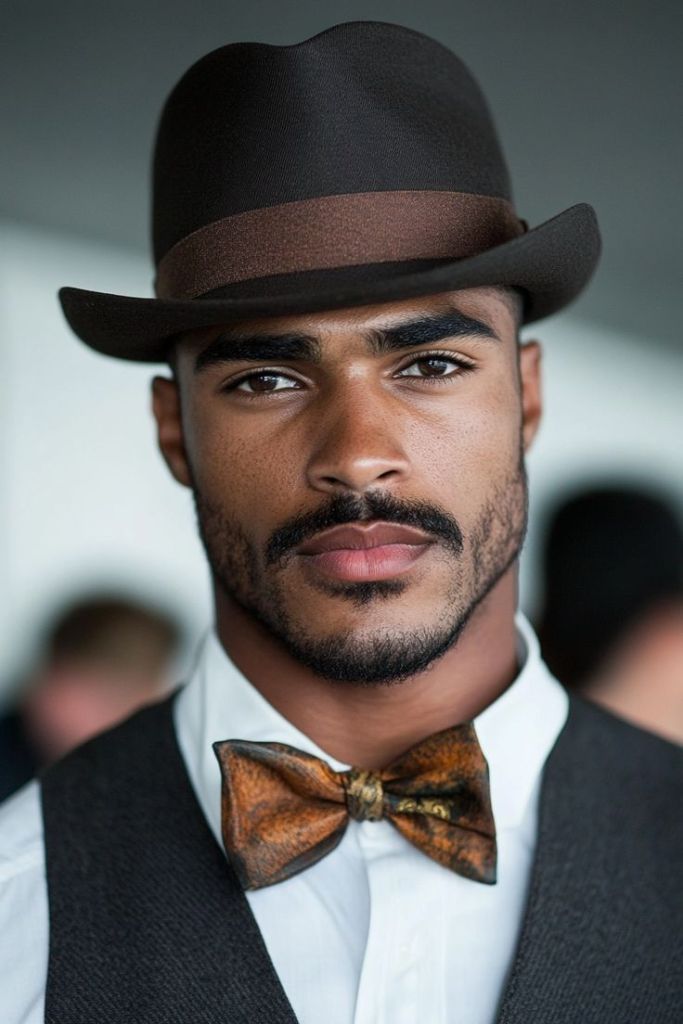
This photograph is the property of its respective owner. No copyright infringement intended.

The struggle of the “Brown Boy” in contemporary society represents a complex intersection of race, colorism, masculinity, and identity. It is not merely a question of visibility but of valuation—how the world perceives darker-skinned men of African descent, and how they, in turn, perceive themselves. In a world that constantly dictates beauty, strength, and worth through Eurocentric ideals, the brown-skinned boy grows up negotiating his humanity in spaces that either fear or fetishize him. His story is both sociological and spiritual, a narrative woven through generations of marginalization and resilience.

From childhood, many brown boys encounter subtle yet persistent forms of rejection. Whether through teasing, biased praise toward lighter peers, or the absence of representation in media, they learn early that their skin tone shapes how others respond to them. Studies on colorism confirm that lighter skin is often associated with higher social status, attractiveness, and opportunity, while darker skin triggers stereotypes of aggression or inferiority (Hunter, 2007). These biases distort self-esteem, forcing brown boys to internalize shame before they even understand its source.

The media perpetuates these disparities through selective glorification. In film and advertising, lighter-skinned men are more likely to be portrayed as romantic leads, while darker men are typecast as villains or hypermasculine figures (Russell, Wilson, & Hall, 1992). This limited representation teaches brown boys that their value lies not in emotional intelligence or creativity, but in physical dominance or stoicism. Such portrayals strip away the complexity of Black and brown male identity, reducing humanity to stereotype.

Masculinity becomes a double-edged sword for the brown boy. On one hand, he is expected to embody strength, resilience, and control; on the other, these same traits are used to justify fear and criminalization. Society tells him to “man up” while simultaneously punishing him for appearing “too masculine.” This contradiction leaves little room for vulnerability—a key ingredient of emotional health. As bell hooks (2004) notes, patriarchal masculinity denies men access to their full humanity, trapping them behind masks of silence and anger.

The burden of perception extends beyond media and social norms into institutional life. In schools, brown boys are disproportionately disciplined compared to their lighter or white peers for the same behaviors (Ferguson, 2001). They are labeled “troublemakers” or “disruptive” rather than “leaders” or “gifted.” This early criminalization creates a psychological prison that follows them into adulthood, shaping their self-concept and limiting future possibilities. The result is an invisible cage built from others’ expectations.

Colorism also manifests within the Black community itself, where colonial hierarchies of complexion persist. Brown boys often find themselves “too dark” to be considered desirable in mainstream spaces yet “not dark enough” to be validated as authentically Black in others. This in-between identity can create deep internal conflict. It is a wound inherited from slavery, when lighter-skinned slaves were given preferential treatment as house servants while darker-skinned individuals labored in the fields (Hall, 1992). These divisions fractured unity and continue to echo through generations.

In romantic relationships, the brown boy’s dilemma is intensified. Studies have shown that women across many racial groups often rate lighter-skinned men as more attractive or “safe” partners (Harrison & Thomas, 2009). Meanwhile, darker men are either stigmatized as threatening or exotified as hypersexual. Both extremes deny them full personhood. Such experiences can breed insecurity and mistrust, complicating intimacy and self-acceptance.

Spiritually, the brown boy wrestles with a deeper question: “Who am I beyond what the world sees?” In a biblical sense, he is a reflection of divine creation, made in the image of God (Genesis 1:27). Yet societal conditioning distorts this truth, teaching him to equate his reflection with rejection. The book of Psalms reminds him that he is “fearfully and wonderfully made” (Psalm 139:14, KJV), but without affirmation, he struggles to believe it. His dilemma becomes not only social but spiritual—a battle for his soul’s self-worth.

The psychological toll of colorism on men is often overlooked. While much of the discourse on colorism focuses on women, men also endure its scars in silence. They are taught that emotions are weakness, so they suppress their pain. Over time, this repression manifests as anger, isolation, or detachment. As psychologists have found, unresolved racial trauma can lead to chronic stress and depressive symptoms among men of color (Williams & Mohammed, 2009). Healing thus requires both communal empathy and individual vulnerability.

In the realm of economics, the brown boy’s complexion can even influence professional advancement. Research indicates that darker-skinned men earn less on average than their lighter-skinned peers, even within the same racial group (Hersch, 2006). These disparities reveal that colorism is not just emotional but structural—a system that rewards proximity to whiteness. For many brown men, every professional achievement comes with the burden of overperformance to prove worthiness.

Culturally, however, the brown boy carries within him the strength of his ancestors. His melanin is a testament to resilience, survival, and divine design. African traditions often viewed dark skin as a sign of strength and connection to the earth—a physical manifestation of spiritual power. To reclaim that heritage is to undo centuries of colonial indoctrination. The brown boy must rediscover that his identity is sacred, not shameful.

The brown boy dilemma also reveals the fragility of Western beauty standards. Society’s preference for fair skin stems from colonialism, slavery, and white supremacy—systems designed to devalue darker bodies while exploiting their labor and culture. Undoing this mindset requires conscious re-education. Schools, churches, and families must affirm that beauty, intelligence, and virtue are not determined by shade but by spirit.

In art and literature, the reclamation of the brown male image has begun. Figures like Chadwick Boseman, Daniel Kaluuya, and John Boyega have challenged color hierarchies by embodying grace, intellect, and humanity in their performances. Their visibility offers young brown boys a mirror of possibility. Representation matters—not as tokenism, but as liberation from erasure.

Despite the obstacles, many brown men rise as leaders, scholars, and visionaries. They transform pain into purpose, channeling rejection into creativity and service. Their triumph is quiet yet profound: to love themselves in a world that taught them not to. This act of self-love is revolutionary. As Frantz Fanon (1952) wrote in Black Skin, White Masks, the oppressed must reclaim their identity through self-definition rather than external validation.

The journey of the brown boy is ultimately one toward wholeness. Healing begins when he confronts the lies that equate his worth with whiteness. It continues when he embraces his complexity—strong yet sensitive, dark yet luminous, masculine yet nurturing. His liberation is not the denial of his pain but the transformation of it.

Faith plays a central role in this restoration. In God’s eyes, there is no hierarchy of hue; the soul’s radiance transcends skin. The brown boy must learn to see himself through divine rather than colonial eyes. When he does, he becomes a vessel of light, a living rebuke to the systems that tried to dim him.

In conclusion, The Brown Boy Dilemma is not simply a racial or aesthetic issue—it is a moral one. It challenges humanity to dismantle the illusions of color-based worth and to restore dignity to all shades of creation. The brown boy’s struggle mirrors the world’s sickness, but his healing reflects its hope. His existence testifies that beauty, power, and divinity cannot be measured by tone—they are written in the soul, where no shadow can reach.


References

Fanon, F. (1952). Black Skin, White Masks. Grove Press.
Ferguson, A. A. (2001). Bad Boys: Public Schools in the Making of Black Masculinity. University of Michigan Press.
Hall, R. E. (1992). Bias among African Americans regarding skin color: Implications for social work practice. Research on Social Work Practice, 2(4), 479–486.
Harrison, M. S., & Thomas, K. M. (2009). The hidden prejudice in selection: A research agenda to examine color bias in organizations. Journal of Organizational Behavior, 30(8), 1031–1046.
Hersch, J. (2006). Skin tone effects among African Americans: Perceptions and reality. American Economic Review, 96(2), 251–255.
hooks, b. (2004). The Will to Change: Men, Masculinity, and Love. Atria Books.
Hunter, M. (2007). The persistent problem of colorism: Skin tone, status, and inequality. Sociology Compass, 1(1), 237–254.
Russell, K., Wilson, M., & Hall, R. (1992). The Color Complex: The Politics of Skin Color among African Americans. Harcourt Brace Jovanovich.
Williams, D. R., & Mohammed, S. A. (2009). Discrimination and racial disparities in health: Evidence and needed research. Journal of Behavioral Medicine, 32(1), 20–47.

Silent Battles: Anxiety and Identity for Dark-Skinned Women. #thebrowngirldilemma

Photo by Klaus Nielsen on Pexels.com

Even in the shadows of bias, dark-skinned women carry light within.

The experience of dark-skinned women in a world dominated by Eurocentric beauty ideals is layered with silent battles. Beyond the visible struggles of colorism lies an interior war against anxiety, insecurity, and fractured identity. While society often dismisses these experiences as superficial, the psychological toll is profound. Being constantly evaluated through a biased lens of attractiveness imposes a burden that impacts mental health, self-esteem, and relationships (Hunter, 2007).

Dark-skinned women face a dual invisibility: underrepresentation in mainstream media and overexposure to damaging stereotypes. The lack of affirming images means many young women grow up without role models who reflect their beauty. This absence translates into identity anxiety, where feelings of worth are perpetually questioned. The silence of these struggles can be isolating, leading to internalized doubt and a sense of invisibility even in spaces meant to be inclusive (Craig, 2002).

The Weight of Shades: Mental Health Implications of Color Bias

Color bias functions not only as a social hierarchy but also as a psychological wound. Studies reveal that darker-skinned women are more likely to experience depression, body dissatisfaction, and low self-worth compared to lighter-skinned peers (Keith & Herring, 1991). The constant comparisons create an internalized hierarchy that attaches anxiety to something as natural and immutable as skin tone.

Anxiety is often heightened by experiences of exclusion in dating, employment, and social recognition. These moments, though seemingly individual, accumulate into chronic stressors. The anticipation of being judged negatively because of skin tone fosters hypervigilance—an exhausting cycle where dark-skinned women must brace for bias before it even occurs (Thompson & Keith, 2001).

At its most harmful, color bias produces identity fragmentation. Dark-skinned women may feel compelled to alter or minimize aspects of themselves—through skin-lightening practices, straightening hair, or modifying style choices—in order to fit into biased standards. These behaviors not only reinforce harmful hierarchies but also fuel ongoing cycles of anxiety and alienation, trapping women between cultural authenticity and societal acceptance (Glenn, 2008).

Despite these struggles, resilience emerges as a recurring theme in the narratives of dark-skinned women. Many find healing and strength in community movements such as #MelaninPoppin and #BlackGirlMagic, which provide visibility and affirmation. These cultural affirmations allow dark-skinned women to reconstruct identity, building confidence not through external validation but through collective celebration of self-worth and heritage.

Spirituality also offers a powerful counterweight to anxiety. Psalm 139:14 (KJV) declares, “I will praise thee; for I am fearfully and wonderfully made: marvellous are thy works; and that my soul knoweth right well.” Such affirmations anchor identity beyond cultural bias, reminding dark-skinned women that beauty is divinely conferred and cannot be diminished by human prejudice. Faith creates a space where identity is whole, secure, and celebrated.

Ultimately, the silent battles of anxiety and identity for dark-skinned women are not signs of weakness but reflections of the resilience required to exist within biased systems. By naming these struggles, affirming cultural pride, and fostering representation, society can begin to dismantle the structures that sustain colorism. Until then, dark-skinned women continue to wage silent battles—with courage, with faith, and with a beauty that no bias can erase.


References

Craig, M. L. (2002). Ain’t I a Beauty Queen?: Black Women, Beauty, and the Politics of Race. Oxford University Press.

Glenn, E. N. (2008). Yearning for lightness: Transnational circuits in the marketing and consumption of skin lighteners. Gender & Society, 22(3), 281–302.

Hunter, M. (2007). The persistent problem of colorism: Skin tone, status, and inequality. Sociology Compass, 1(1), 237–254.

Keith, V. M., & Herring, C. (1991). Skin tone and stratification in the Black community. American Journal of Sociology, 97(3), 760–778.

Thompson, M. S., & Keith, V. M. (2001). The Blacker the berry: Gender, skin tone, self-esteem, and self-efficacy. Gender & Society, 15(3), 336–357.

Melanin and Margins: How Brown Girls Navigate Identity #thebrowngirldilemma

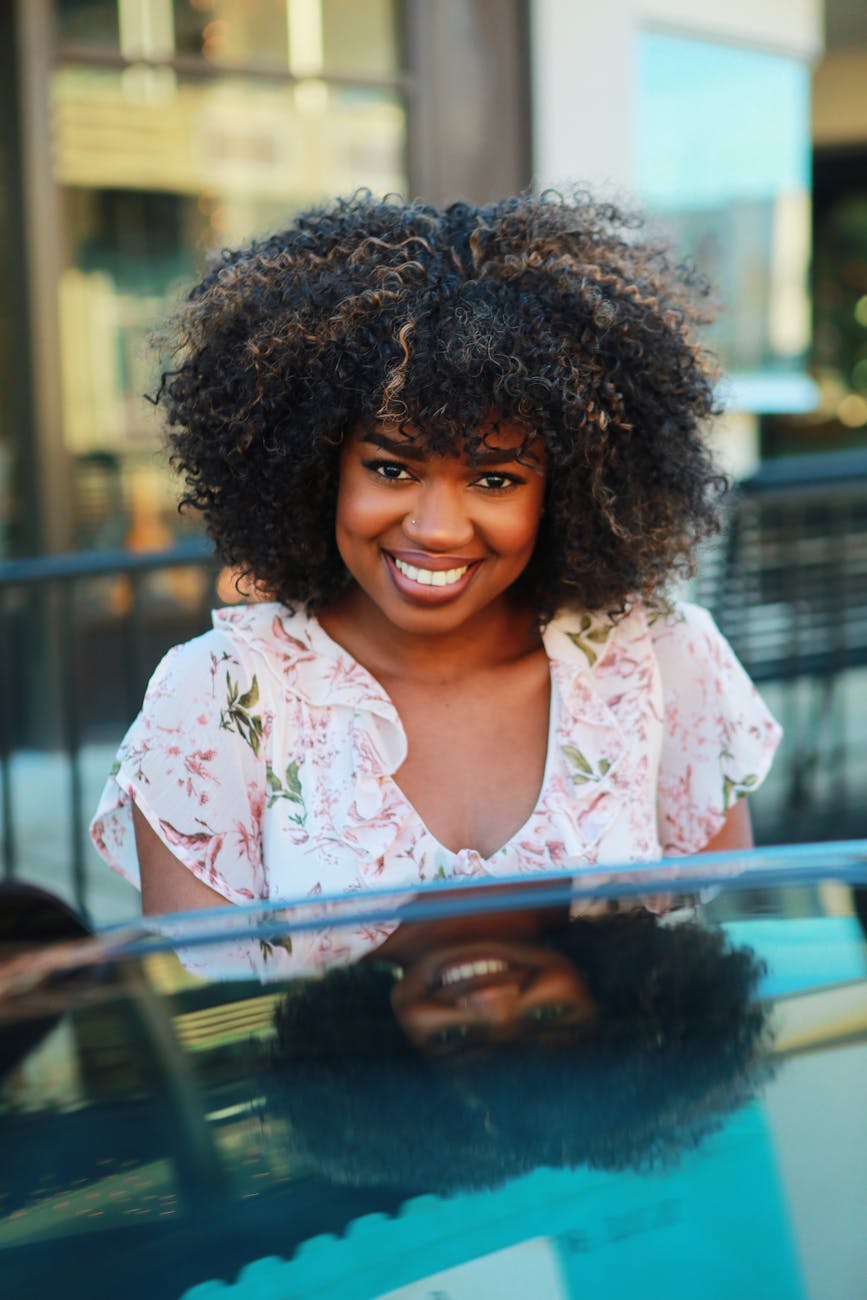
Photo by Ogo Johnson on Pexels.com

To be a brown girl is to live at the intersection of visibility and marginalization. Melanin is both a marker of beauty and a marker of difference—something celebrated in cultural slogans like “Black don’t crack,” yet stigmatized in institutions that uphold Eurocentric standards. The margins become the lived space of brown girls: not fully erased, but rarely centered; present, but often tokenized. Navigating identity within these boundaries requires both resistance and reinvention.

Melanin is not merely pigment; it is history embedded in the body. It carries the legacy of Africa, of ancestors who endured enslavement, colonialism, and displacement. It symbolizes resilience, survival, and cultural inheritance. Yet, within a world dominated by whiteness, melanin has been treated as deficiency rather than dignity. This contradiction defines much of the brown girl dilemma. Identity becomes fractured—formed in pride for one’s roots but tested by social systems that punish proximity to Blackness.

Psychologically, this tension can manifest in identity confusion and internalized colorism. Studies show that young women of color often struggle with self-esteem when their physical features do not align with mainstream ideals (Walker, 1983; Thompson & Keith, 2001). Brown girls are too often told they are “too dark” to be beautiful, or conversely, exotified as “rare” when their features align with fetishized versions of “ethnic beauty.” Such conflicting messages leave them oscillating between invisibility and hyper-visibility, both of which deny the fullness of their humanity.

Yet, brown girls are not passive subjects of this narrative; they actively navigate and redefine it. Identity becomes a form of resistance. From natural hair movements to social media campaigns celebrating melanin, brown girls are reclaiming space in cultures that once excluded them. Digital platforms have become arenas of empowerment, where brown women showcase their beauty, talent, and intellect without waiting for validation from mainstream gatekeepers (Nash, 2019). This reclamation is not just aesthetic—it is political, dismantling centuries of imposed inferiority.

Faith and spirituality also provide a critical foundation in identity navigation. Scriptures like Genesis 1:27 remind brown girls that they are made in the image of God, a truth that affirms dignity beyond social constructs. The declaration of the Shulammite woman in Song of Solomon 1:5—“I am black, but comely”—resonates across centuries as a proclamation of self-acceptance and divine affirmation. In this light, melanin is not a margin but a manifestation of sacred design.

The margins, however, are not only spaces of oppression; they are also spaces of creativity and vision. As bell hooks (1984) reminds us, the margin can be a site of resistance, a place from which the oppressed can critique the center and reimagine new possibilities. Brown girls learn to turn marginalization into mastery—transforming the weight of stereotype into platforms of voice, scholarship, artistry, and activism.

Thus, the brown girl identity is not defined by deficit but by duality: the struggle of navigating marginalization and the strength of transforming it into power. Melanin, once used to exclude, becomes the very marker of pride and resistance. The brown girl dilemma is not an endpoint but a journey—a pilgrimage through bias, beauty, and belief that ultimately leads to the discovery of self.

Brown girls are not only surviving on the margins; they are redrawing the map.


References

  • hooks, b. (1984). Feminist theory: From margin to center. South End Press.
  • Nash, J. C. (2019). Black feminism reimagined: After intersectionality. Duke University Press.
  • Thompson, M. S., & Keith, V. M. (2001). The Blacker the berry: Gender, skin tone, self-esteem, and self-efficacy. Gender & Society, 15(3), 336–357.
  • Walker, A. (1983). In search of our mothers’ gardens: Womanist prose. Harcourt.
  • The Holy Bible, King James Version.

Cultural Pride as Beauty: Why Identity Shapes Perception.

Photo by Al Ameen Saddiq on Pexels.com

Beauty is more than skin deep—it is inseparable from identity, heritage, and cultural pride. Across history, communities have celebrated aesthetic features that reflect ancestral lineage, values, and collective experience. In this sense, cultural pride becomes an intrinsic component of beauty, shaping both self-perception and how others perceive us. Understanding this relationship illuminates the power of identity in cultivating confidence, resilience, and self-worth.

The Interplay of Identity and Perception

Psychological research highlights that individuals who embrace their cultural heritage experience enhanced self-esteem and body image (Phinney, 1990). When identity is acknowledged and celebrated, aesthetic features are interpreted not merely as physical traits but as expressions of history, values, and belonging. For example, Black and brown individuals who take pride in natural hair, melanin-rich skin, or traditional attire often report greater confidence and satisfaction with appearance.

Embodying Heritage: Real-Life Examples of Cultural Pride in Beauty

Cultural pride transforms beauty into a declaration of identity. Across the African diaspora, Black and brown individuals are redefining aesthetic standards by embracing heritage, natural features, and traditional expressions of self. These examples demonstrate how cultural pride enhances confidence, shifts societal perception, and inspires future generations.

1. Lupita Nyong’o – Embracing Natural Skin and Hair
Lupita Nyong’o’s public celebration of her dark, melanin-rich skin and natural hair textures has challenged Hollywood’s narrow beauty standards. She frequently speaks about the importance of representation, affirming that embracing one’s authentic look is empowering. Her presence has inspired young women worldwide to take pride in their natural hair and skin, validating beauty in shades historically marginalized by media.

2. Tracee Ellis Ross – Championing Cultural Hairstyles
Tracee Ellis Ross is known for embracing and showcasing her natural hair in all its textures. From voluminous curls to intricate protective styles, she elevates cultural hairstyles as symbols of heritage and individuality. By owning her aesthetic, she communicates that cultural features are not just personal but political—empowering others to express identity confidently.

3. Adut Akech – Bridging Heritage and Fashion
Model Adut Akech, of South Sudanese heritage, has made waves in the fashion industry while proudly representing her culture. Through runway appearances, editorials, and advocacy, she demonstrates that heritage and beauty are intertwined, proving that embracing cultural roots does not limit opportunities but instead amplifies presence and influence.

4. Michaela Coel – Authentic Storytelling and Visibility
Michaela Coel, the writer and actress behind I May Destroy You, brings cultural pride into storytelling and media representation. Her unapologetic approach to her identity and appearance fosters authenticity on screen, encouraging audiences to appreciate beauty as inseparable from lived experience, heritage, and personal narrative.

5. Rihanna – Integrating Heritage into Style
Rihanna incorporates Caribbean and African influences into her fashion, makeup, and entrepreneurial ventures. By celebrating her roots in visible ways—through Fenty Beauty’s inclusive makeup lines and culturally inspired styling—she demonstrates that embracing heritage enhances both personal beauty and global influence.

The Psychological and Social Impact

These individuals illustrate that cultural pride enhances self-perception and confidence. Studies show that when individuals see public figures embracing heritage and natural features, it reduces internalized colorism and validates diverse expressions of beauty (Hunter, 2007). Socially, such visibility challenges stereotypes and broadens cultural definitions of attractiveness.

Cultural Pride as a Form of Empowerment

Embracing one’s cultural markers is an act of empowerment. Historically marginalized groups have faced pressure to conform to dominant beauty norms—often Eurocentric standards that devalue natural features. By reclaiming these features as symbols of pride, communities assert self-worth and challenge societal bias. Figures like Lupita Nyong’o, Tracee Ellis Ross, and Adut Akech exemplify how cultural pride and identity elevate perceived beauty on global stages.

Influence on Social Perception

Cultural pride also shapes how others perceive beauty. When individuals present themselves confidently while honoring heritage—through hairstyles, fashion, or traditional practices—it signals authenticity, strength, and self-assurance. Research in social psychology shows that observers are more likely to perceive confident, culturally-grounded individuals as attractive, competent, and influential (Tajfel & Turner, 1986). Thus, beauty is not solely an individual attribute but a social signal of identity and pride.

Historical and Spiritual Contexts

Cultural pride and aesthetic appreciation are intertwined with history and spirituality. In African and diasporic communities, features such as skin tone, hair texture, and attire carry ancestral significance, reflecting resilience and continuity. Biblically, beauty is affirmed in relation to identity and creation (Song of Solomon 1:5 KJV: “I am black, but comely, O ye daughters of Jerusalem”). Recognizing the sacredness of one’s heritage enhances self-esteem and reframes beauty as a celebration of identity rather than conformity.

Practical Steps to Embrace Cultural Beauty

  1. Educate Yourself: Learn about the historical and cultural significance of your aesthetic traits.
  2. Celebrate Heritage: Incorporate cultural fashion, hairstyles, and practices into daily life.
  3. Engage Community: Share experiences and support others in embracing their identity.
  4. Challenge Bias: Advocate for inclusive representation in media, education, and professional spaces.
  5. Affirm Daily: Use positive affirmations to reinforce the connection between cultural pride and beauty.

Conclusion

Cultural pride transforms beauty from a superficial attribute into a multidimensional expression of identity. By embracing heritage, individuals cultivate confidence, inspire admiration, and challenge societal biases. Beauty is thus inseparable from identity: it is cultural, historical, and spiritual. Owning one’s heritage, celebrating uniqueness, and expressing it boldly ensures that perception—both self and societal—aligns with authenticity, pride, and brilliance. Cultural pride is a transformative force in defining beauty. Figures like Lupita Nyong’o, Tracee Ellis Ross, Adut Akech, Michaela Coel, and Rihanna exemplify how embracing heritage, natural features, and identity can shape perception—both personally and societally. Beauty rooted in cultural pride is not superficial; it is resilient, empowering, and a declaration of authenticity. By celebrating heritage, we cultivate confidence, inspire representation, and redefine what it means to be truly beautiful.


References

  • Phinney, J. S. (1990). Ethnic identity in adolescents and adults: Review of research. Psychological Bulletin, 108(3), 499–514.
  • Tajfel, H., & Turner, J. C. (1986). The social identity theory of intergroup behavior. In S. Worchel & W. G. Austin (Eds.), Psychology of intergroup relations (pp. 7–24). Chicago: Nelson-Hall.
  • The Holy Bible, King James Version. (1611). Song of Solomon 1:5.

Hunter, M. (2007). The Persistent Problem of Colorism: Skin Tone, Status, and Inequality. Sociology Compass, 1(1), 237–254.

The Holy Bible, King James Version. (1611). Song of Solomon 1:5.