5-Star Review of Black Labor, White Wealth and PowerNomics by Dr. Claud Anderson
📚 About the Books
1. Black Labor, White Wealth (1994) Dr. Claud Anderson’s Black Labor, White Wealth is a masterfully researched chronicle that traces the historical exploitation of Black labor in America. It unearths the foundational truth that the economic engine of the United States was built largely on the backs of enslaved Africans—whose forced labor produced immense wealth for white elites. Anderson outlines how systemic racism, codified in law and reinforced by social customs, created a permanent underclass of African Americans. The book details how wealth was redistributed from Black to white hands through legalized oppression, disenfranchisement, Jim Crow laws, and economic exclusion.
2. PowerNomics: The National Plan to Empower Black America (2001) As a follow-up, PowerNomics is not merely a critique of the status quo but a blueprint for economic self-empowerment. This work lays out a five-part strategy for Black Americans to become competitive in the 21st-century global economy. Anderson emphasizes building group economics, owning media outlets, creating independent education systems, and establishing a political infrastructure that serves Black interests. This book is revolutionary in that it pushes beyond protest—it advocates for practical solutions rooted in group solidarity and economic literacy.
🧠 Central Themes and Insights
💰 Finance and Black Empowerment Both books place economic power at the center of liberation. Anderson argues that wealth—not mere income—is what sustains families, communities, and influence. Black Americans, though a trillion-dollar consumer market, own less than 2% of the nation’s wealth. He promotes asset accumulation, business development, and cooperative economics as tools to repair the generational damage of slavery and economic marginalization.
“If you don’t have money, you don’t have power. If you don’t have power, you don’t have justice.” – Dr. Claud Anderson
💡 Making Things Better Anderson’s solution-oriented approach is rooted in practical realism:
Pool resources to support Black-owned businesses.
Develop industries that circulate the Black dollar within the community.
Teach financial literacy from a young age.
Lobby for policies that directly benefit Black economic interests.
Control the institutions (schools, media, banks) that shape thought and opportunity.
🔍 The Truth About White Exploitation of Black Labor
Dr. Anderson meticulously documents how white elites created and maintained systems designed to exploit Black labor without reward:
Slavery (1619–1865) provided free labor that built white wealth.
The Homestead Act gave white settlers millions of acres of land—none to freed slaves.
Jim Crow laws ensured that Black people were second-class citizens economically and socially.
After the Civil Rights era, economic gains were stifled by mass incarceration, redlining, and predatory capitalism.
These acts were not random; they were strategic, multigenerational, and deeply embedded in American law and culture.
⚖️ Similarities and Differences Between the Two Books
Aspect
Black Labor, White Wealth
PowerNomics
Tone
Historical, analytical, foundational
Strategic, solution-focused, motivational
Focus
Past injustices and economic theft
Future action plans and systemic empowerment
Purpose
To expose the mechanisms of Black economic suppression
To provide a plan for Black economic and political power
Audience
Scholars, historians, activists
Entrepreneurs, educators, policy makers, community leaders
Key Message
America owes a historical debt to Black people
Black America must build parallel economic infrastructure
👤 Who Is Dr. Claud Anderson?
Dr. Claud Anderson is a respected author, economist, political strategist, and entrepreneur. He holds several advanced degrees including a doctorate in education and is a former assistant secretary in the U.S. Department of Commerce under President Jimmy Carter. He also served as State Coordinator of Education under Governor Reubin Askew of Florida.
Dr. Anderson founded the Harvest Institute, a think tank dedicated to research, policy development, and advocacy for Black economic empowerment. His mission has been to awaken Black America to the necessity of controlling its own economy and institutions, rather than relying on integration alone.
He is married to Joan Anderson, and though his family life remains mostly private, his legacy as a thought leader and economic pioneer is cemented in his tireless advocacy for systemic Black advancement.
🌍 His Global and Community Impact
Dr. Anderson’s works are used in classrooms, community centers, and business forums across the United States. He is widely regarded as a pioneer of Black economic nationalism and a bold voice in a field too often marked by assimilationist strategies. His ideas have influenced a generation of Black entrepreneurs, educators, and activists.
🖋️ Final Thoughts – 5-Star Rating
⭐⭐⭐⭐⭐
Both Black Labor, White Wealth and PowerNomics are indispensable for anyone serious about understanding the economic roots of systemic racism and how to uproot them. Dr. Anderson gives Black America not just a mirror to reflect on the past, but a map to navigate the future. His scholarship is unflinching, his voice prophetic, and his vision urgent.
To read these books is to be informed, convicted, and empowered. They are not just books—they are weapons of liberation.
📚 References
Anderson, C. (1994). Black labor, white wealth: The search for power and economic justice. PowerNomics Corporation of America. Anderson, C. (2001). PowerNomics: The national plan to empower Black America. PowerNomics Corporation of America.
The Black is Beautiful movement emerged in the United States during the mid-1960s as a cultural and political affirmation of Black identity, aesthetics, and heritage. While the phrase became widely popularized through the work of the Black Arts Movement and fashion photography, its roots can be traced to the activism of figures such as Kwame Brathwaite and the African Jazz-Art Society & Studios (AJASS) in Harlem. Brathwaite and AJASS launched the Naturally ’62 fashion show in 1962, which celebrated natural hair, darker skin tones, and African-inspired clothing, directly challenging Eurocentric beauty standards (Ford, 2015).
The slogan Black is Beautiful was also closely aligned with the broader Civil Rights and Pan-Africanist movements, reflecting the ideological influence of leaders like Marcus Garvey, whose earlier campaigns emphasized racial pride and self-love. The movement gained visibility in magazines such as Ebony, Jet, and Essence, which featured darker-skinned models and natural hairstyles. Advertising agencies and brands—particularly those serving the African American market—began to incorporate Black beauty ideals into their campaigns. Companies such as Johnson Products (with its Afro Sheen brand) and Soft Sheen made direct use of the slogan and imagery in print and television ads during the 1970s (Taylor, 2016).
The world’s reaction to the movement varied. In the Black community, it fostered a collective sense of dignity and cultural pride, encouraging African Americans to reject skin bleaching, hair straightening, and other practices that reflected internalized racism. Globally, the movement resonated with African liberation struggles, influencing artists and activists in the Caribbean, Africa, and the United Kingdom. Internationally, the concept intersected with anti-colonial sentiment, with publications and cultural festivals abroad adopting similar affirmations of Black beauty and identity (Cummings, 2018).
The Black is Beautiful movement had a profound psychological impact on African Americans. Research in social psychology has shown that positive in-group representation can improve self-esteem and counteract internalized oppression (Cross, 1991). By redefining beauty standards, the movement helped dismantle the harmful association between whiteness and attractiveness, replacing it with an appreciation for African features such as full lips, broad noses, tightly coiled hair, and deep skin tones.
Celebrities played a significant role in popularizing the movement. Figures like Cicely Tyson, Nina Simone, and Kathleen Cleaver wore natural hairstyles and spoke openly about embracing their African heritage. Tyson rejected roles that required her to straighten her hair, stating in interviews that her natural style was a statement of self-respect. Nina Simone famously declared, “You’ve got to learn to leave the table when love’s no longer being served”—a statement tied to the larger ethos of self-worth and pride. In the sports world, Muhammad Ali’s unapologetic proclamation, “I’m Black and I’m proud” echoed the movement’s core message. In music, James Brown’s 1968 hit Say It Loud – I’m Black and I’m Proud became an anthem that galvanized support across generations.
The movement’s era was primarily the 1960s through the 1970s, coinciding with the Civil Rights Movement, the Black Power Movement, and the rise of Black cultural nationalism. Its legacy continues in contemporary movements such as Black Girl Magic and Melanin Poppin’, which similarly celebrate African-descended beauty and identity in the face of ongoing colorism and Eurocentric media dominance.
In sum, the Black is Beautiful movement was not merely a fashion statement but a political and psychological revolution. It empowered generations of African Americans to embrace their identity, reject assimilationist beauty norms, and inspire a global dialogue on race, aesthetics, and cultural pride.
References
Cross, W. E. (1991). Shades of Black: Diversity in African-American identity. Temple University Press.
Cummings, M. J. (2018). We will shoot back: Armed resistance in the Mississippi freedom movement. NYU Press.
Ford, Tanisha C. (2015). Liberated threads: Black women, style, and the global politics of soul. University of North Carolina Press.
Taylor, Ula Y. (2016). The promise of patriarchy: Women and the nation of Islam. University of North Carolina Press.
The genealogy of the Black diaspora is a tapestry woven from millennia of movement, resilience, and divine purpose. For centuries, African people have been misrepresented, with their histories erased or distorted, obscuring their identity as part of the biblical lineage of the “chosen people.” The Hebrew Scriptures, in conjunction with modern genetic research, provide compelling evidence that many Black communities are descendants of the ancient Israelites. This paper traces the genealogy of the Black diaspora, exploring bloodlines, the E1B1A haplogroup, the diaspora’s origins, and the biblical connections to Jerusalem, while contextualizing the historical impact of slavery and migration.
Biblical Genealogy of the Black Chosen People
The Bible records that the descendants of Ham, specifically through Cush (Genesis 10:6–8, KJV), were settled in Africa. These descendants include the ancient kingdoms of Kush, Egypt, and parts of Sub-Saharan Africa, establishing a biblical precedent for African peoples as integral to the lineage of Israel. Deuteronomy 28 details blessings and curses, many of which scholars argue correspond with the historical experiences of the African diaspora. The scriptures provide a genealogical framework that links Africans to the broader story of the Israelites, emphasizing their role in God’s covenantal plan.
The Black Diaspora and Historical Context
The Black diaspora refers to the global dispersion of African peoples through migration, trade, conquest, and slavery. Starting with the transatlantic slave trade, millions of Africans were forcibly removed from their homelands, scattering the descendants of biblical Cush and Ham across the Americas, Europe, and the Caribbean. This diaspora disrupted the natural genealogical continuity, creating a legacy of bondage but also resilience. Historical records, oral traditions, and archaeology show that African civilizations prior to slavery had complex social, political, and religious structures, underscoring the depth of lineage that preceded forced displacement.
Genetics and the E1B1A Haplogroup
Modern genetic studies provide an additional layer of evidence for tracing African genealogies. The E1B1A Y-chromosome haplogroup is prevalent among West and Central African populations and is strongly associated with descendants of the African diaspora. This haplogroup traces paternal lineage and corroborates historical accounts of migrations from Northeast Africa toward the Nile Valley and across the continent. By linking genetics to biblical and historical records, researchers can identify patterns of descent consistent with the movements of Cushite and Hamitic peoples, reinforcing the continuity of Black Israelite lineage.
Tracing the Lineage Back to Jerusalem
Several biblical passages suggest that African peoples had connections to the Holy Land long before slavery. Psalm 87:4 (KJV) notes, “I will make mention of Rahab and Babylon to them that know me,” which scholars interpret as recognizing the inclusion of Cush and other African nations in God’s covenantal history. Historical interactions, including trade, migration, and the establishment of Jewish communities in Africa, provide evidence that Africans had religious and genealogical ties to Jerusalem and the Israelite tradition long before forced dispersal. The Ethiopian eunuch in Acts 8:27–39 further illustrates the integration of Africans into the biblical story of faith and covenant.
Legacy, Continuity, and Resilience
Despite centuries of enslavement, colonization, and cultural erasure, the genealogical and spiritual identity of African peoples as descendants of the biblical Israelites endures. The diaspora’s bloodlines, preserved through genetics and oral tradition, testify to resilience and divine continuity. Recognizing these connections empowers African descendants to reclaim identity, history, and purpose. The Bible consistently underscores the importance of remembering and honoring one’s lineage: “Remember the days of old, consider the years of many generations: ask thy father, and he will shew thee; thy elders, and they will tell thee” (Deuteronomy 32:7, KJV).
Conclusion
The biblical genealogy of the Black diaspora reveals a profound and often overlooked truth: African peoples are deeply intertwined with the history of Israel. From the descendants of Cush and Ham to the modern African diaspora, bloodlines and genetics such as E1B1A corroborate biblical and historical narratives. By tracing these lineages, scholars and communities alike can reclaim their rightful place in history, affirm spiritual identity, and honor the enduring legacy of the chosen people. Understanding the genealogy of the Black diaspora is both an act of scholarship and a restoration of truth.
References
De Gruy, J. (2005). Post Traumatic Slave Syndrome: America’s Legacy of Enduring Injury and Healing. Uptone Press.
Diop, C. A. (1974). The African Origin of Civilization: Myth or Reality. Chicago Review Press.
Franklin, J. H., & Moss, A. A. (2000). From Slavery to Freedom: A History of African Americans (8th ed.). McGraw-Hill.
Generational trauma is not merely a poetic metaphor—it is a psychological and physiological reality. For Black people, the wounds of the past are not confined to history books; they live within our bodies, our minds, and our cultural memory. The transatlantic slave trade, Jim Crow laws, lynchings, segregation, mass incarceration, and systemic racism have left indelible marks on the collective psyche of African-descended peoples. According to trauma theory, unhealed pain can be transmitted across generations through learned behaviors, family dynamics, and even epigenetic changes that alter stress responses (Yehuda et al., 2016). Dr. Joy DeGruy (2005) calls this Post Traumatic Slave Syndrome, where the legacy of slavery manifests in self-doubt, internalized racism, and fractured community trust. The Bible affirms the reality of inherited struggle, stating, “The fathers have eaten sour grapes, and the children’s teeth are set on edge” (Jeremiah 31:29, KJV), illustrating how the consequences of one generation’s suffering can shape the lives of those yet unborn.
Our ancestors endured unimaginable cruelty—chains cutting into their wrists, the lash of the whip, the ripping apart of families, the erasure of native languages, and the stripping away of names, culture, and heritage. They survived slave ships where human beings were packed like cargo, brutal plantation labor from sunrise to sundown, and laws that declared them three-fifths of a person. These experiences did not vanish when emancipation came; instead, they morphed into racial terror, voter suppression, economic exclusion, and the daily indignities of being treated as “less than.” Such trauma imprinted a deep sense of hypervigilance, mistrust of institutions, and generational patterns of resilience and caution. Maya Angelou once said, “You may not control all the events that happen to you, but you can decide not to be reduced by them.” This speaks to the dual reality of our inheritance: the pain that seeks to bind us and the strength that pushes us to overcome.
Psychologically, generational trauma manifests in patterns of parenting, communication styles, and survival strategies that were essential in hostile environments but may become maladaptive in modern contexts. The legacy of white supremacy perpetuates this cycle by embedding inequality into laws, housing policies, education systems, and media narratives. Microaggressions, racial profiling, wage gaps, and health disparities are not isolated incidents; they are the aftershocks of centuries of oppression. According to the American Psychological Association (2019), chronic exposure to racism creates toxic stress, increasing risks for depression, anxiety, hypertension, and shortened life expectancy among Black Americans. As Exodus 3:7 (KJV) records, “I have surely seen the affliction of my people…and have heard their cry by reason of their taskmasters; for I know their sorrows.” God’s acknowledgment of suffering affirms the depth of our pain while offering hope for deliverance.
The pain we face today—police brutality, mass incarceration, economic inequality, and cultural erasure—is both the shadow of our history and the continuation of an oppressive system. White supremacy’s greatest cruelty is that it not only inflicts harm in the present but also manipulates the past, making it harder for us to heal. Yet healing is possible. Breaking the cycle requires collective acknowledgment, truth-telling, cultural restoration, and both psychological and spiritual liberation. As Galatians 5:1 (KJV) declares, “Stand fast therefore in the liberty wherewith Christ hath made us free, and be not entangled again with the yoke of bondage.” To reject the inheritance of pain is not to forget our ancestors’ suffering, but to honor them by reclaiming our wholeness, our joy, and our future.
References
American Psychological Association. (2019). Stress effects on the body. https://www.apa.org
DeGruy, J. (2005). Post Traumatic Slave Syndrome: America’s Legacy of Enduring Injury and Healing. Uptone Press.
Yehuda, R., et al. (2016). Holocaust exposure induced intergenerational effects on FKBP5 methylation. Biological Psychiatry, 80(5), 372–380.
The concept of race is one of the most controversial and misunderstood ideas in human history—deeply embedded in science, politics, identity, and power. It continues to shape global societies and institutions, influencing policies, healthcare, education, and justice. But what is race? Why was it created, and by whom? Does it hold scientific validity, or is it a sociopolitical invention? Understanding race requires an interdisciplinary approach—tracing its roots through history, examining its use in science, exploring its role in white supremacy, and interrogating its lingering psychological and cultural consequences.
Race became especially “important” in science during the Age of Enlightenment, when European intellectuals sought to classify all forms of life—including human beings—into distinct, hierarchical categories. During this era, European colonial powers were expanding globally and enslaving entire populations, particularly Africans. Scientists and philosophers developed race-based taxonomies to justify imperial domination, slavery, and the notion of white superiority. The classification of human populations into “races” allowed colonial empires to legitimize power structures and establish social hierarchies based on physical appearance, especially skin color.
The term “race” as applied to human beings emerged in the 17th and 18th centuries. While the word existed earlier to describe lineage or group, its scientific application began with French physician and traveler François Bernier, who published an essay in 1684 attempting to divide humans into groups based on physical differences. This laid the foundation for future European racial classification. During the same period, Carl Linnaeus, a Swedish naturalist, introduced a system that categorized human beings into four racial groups (Europeans, Africans, Asians, and Native Americans), each associated with distinct behavioral and moral traits—often reflecting racist biases that elevated white Europeans above all others.
The German anatomist Johann Friedrich Blumenbach further developed this racial typology in 1795. He proposed five racial groups: Caucasian, Mongolian, Ethiopian, American, and Malayan. Although Blumenbach emphasized that all humans belonged to a single species and noted environmental influences on variation, his classification was later misused by proponents of racial hierarchy and white supremacy. German thinkers like Christoph Meiners and Georges Cuvier further distorted these ideas, asserting that Africans were fundamentally inferior to whites in intellect, morality, and civilization.
As race theory evolved, it became a crucial tool in the construction and maintenance of white supremacy. European and American thinkers in the 18th and 19th centuries increasingly portrayed whiteness as the apex of civilization. Pseudoscientific theories such as polygenism—claiming that races were created separately—were used to justify slavery, colonial rule, and apartheid. In this racial hierarchy, whites occupied the highest status, followed by Asians and other non-white groups, with Black people placed at the bottom. These classifications were embedded into law, religion, education, and science, legitimizing centuries of exploitation and systemic violence against African-descended peoples.
Race was not only used to classify—it was weaponized. In the transatlantic slave trade, Africans were reduced to property through racial dehumanization. In the United States, pseudo-medical diagnoses like “drapetomania” claimed that the desire to escape enslavement was a mental illness in Black people. Jim Crow laws, scientific racism, and eugenics movements further reinforced the myth of racial inferiority and shaped institutions that still impact people of African descent today.
However, contemporary science has exposed race as a social fiction rather than a biological fact. Modern genetics—including the Human Genome Project—has shown that all humans share 99.9% of their DNA. The slight genetic variations that exist do not align with historical racial categories. In fact, genetic variation within so-called “racial” groups is often greater than between them. Scientific consensus today recognizes that race is a social construct with no basis in biology. It is more accurate to speak of clinal variation—gradual changes in traits across geography—rather than discrete races.
Psychological research further affirms that racial categories are learned and reinforced through socialization, not biology. Implicit bias, stereotyping, and systemic racism arise from cultural programming and historical institutions. Studies have shown that individuals are often unconsciously biased in favor of lighter-skinned individuals, especially in employment, education, and criminal justice. These biases are measurable and persistent, affecting life outcomes across entire populations.
Historically, racial theorists assigned behavioral traits to racial groups, perpetuating harmful stereotypes. These classifications—such as “Africans are lazy,” “Asians are submissive,” or “Europeans are rational”—are not only inaccurate but damaging. They reflect a legacy of colonial ideology rather than empirical science. The following table summarizes how early racial typologies framed various groups:
Historical “Race” Classification
Associated Stereotypes (Outdated and Racist)
Caucasian (white)
Intelligent, civilized, dominant
Mongolian (yellow)
Calm, methodical, passive
Malayan (brown)
Sensual, primitive, less rational
Ethiopian (black)
Lazy, inferior, subhuman
American (red)
Noble savage, childlike, emotional
These categories were rooted in 18th and 19th-century pseudoscience and have been thoroughly discredited. Yet their influence persists in contemporary stereotypes, beauty standards, immigration policy, and policing.
It’s important to distinguish between race and nationhood. Nations are political and cultural entities defined by shared history, language, institutions, and governance. Race, on the other hand, is a sociopolitical invention based on perceived physical difference. For example, “African American” is a racial category, while “Nigerian” is a national identity that encompasses many ethnic groups. Biblically and anthropologically, all humans descend from a common ancestry—whether traced through Adam and Eve or through mitochondrial DNA studies confirming a common maternal ancestor in East Africa.
The Bible does not promote racial categories as understood today. The “Table of Nations” in Genesis 10 outlines the division of humanity by lineage and geography, not color or race. In Acts 17:26, it declares: “God has made from one blood all nations of men for to dwell on all the face of the earth.” Racism and racial hierarchy are human inventions, not divine mandates.
Scientifically, there is only one human race: Homo sapiens. All existing racial divisions are culturally constructed rather than biologically fixed. No race ranks higher than another in intellect, capacity, or moral value. The persistence of racial categories is rooted in history, not in nature.
Philosophically, the study of race intersects with ethics, epistemology, and political theory. Social constructionism argues that race exists only because societies have chosen to organize themselves around superficial differences. Critical Race Theory (CRT) analyzes how racial inequality is embedded in legal and institutional frameworks. The philosophy of biology challenges the legitimacy of race as a scientific category and asks why, despite overwhelming evidence, race continues to influence public policy and identity formation.
In conclusion, race was created as a tool of division and domination, not as an objective reflection of human variation. It has been used to justify enslavement, colonization, and systemic injustice—particularly against Black people. Although modern science debunks its biological validity, the social reality of race remains potent and deeply entrenched. Understanding the origins, misuses, and philosophical implications of race is essential for dismantling racism and promoting justice in a world that still struggles with the legacy of these artificial boundaries.
Selected References
American Association of Physical Anthropologists. (2019). Statement on Race and Racism.
Gould, S. J. (1996). The Mismeasure of Man. W. W. Norton.
Smedley, A., & Smedley, B. D. (2005). Race as biology is fiction, racism as a social problem is real. American Psychologist, 60(1), 16–26.
Lewontin, R. C. (1972). The apportionment of human diversity. Evolutionary Biology, 6, 381–398.
Templeton, A. R. (2013). Biological races in humans. Studies in History and Philosophy of Science Part C: Biological and Biomedical Sciences, 44(3), 262–271.
Painter, N. I. (2010). The History of White People. W. W. Norton & Company.
Fields, K., & Fields, B. J. (2014). Racecraft: The Soul of Inequality in American Life. Verso Books.
National Human Genome Research Institute. (2020). Is Race a Valid Biological Concept? Retrieved from genome.gov
Lightism and shadeism are two interrelated forms of intra-racial discrimination that privilege lighter skin tones over darker complexions within communities of color, particularly in the African diaspora. While racism is externally imposed by systemic white supremacy, lightism and shadeism are internalized hierarchies that reflect colonial legacies and Eurocentric beauty standards. These ideologies affect not only personal identity and self-worth but also professional advancement, media representation, and spiritual narratives. This essay explores the definitions and consequences of lightism and shadeism, their specific impact on the Black community, Hollywood, and the workforce, as well as the lived experiences of two Black actresses. It further examines the “Brown Girl Dilemma” and draws upon biblical insights, particularly from the King James Version of the Bible, to explain the historical mistreatment of Black people.
Defining Lightism and Shadeism
Lightism refers to the preferential treatment of individuals with lighter skin tones, especially within the same racial or ethnic group. It is a manifestation of colonial ideology, deeply rooted in the systemic privileging of whiteness (Hunter, 2007). Shadeism, a term often used interchangeably with colorism, specifically denotes discrimination based on the darkness or lightness of one’s skin within a racial group. While both terms are often synonymous, “lightism” implies an aspirational tilt toward whiteness, whereas “shadeism” emphasizes the gradient of privilege or marginalization based on skin tone.
These ideologies are not mere aesthetic preferences; they are tools of social stratification that reinforce European standards of beauty, intelligence, and civility, ultimately dividing Black communities internally (Russell, Wilson, & Hall, 1992).
The Impact on the Black Community, Hollywood, and the Workforce
In the Black community, shadeism contributes to a deeply entrenched psychological struggle—light-skinned individuals may experience privilege and acceptance, while dark-skinned individuals often face rejection, hypersexualization, and dehumanization. These dynamics sow seeds of division, low self-esteem, and generational trauma (Wilder, 2010).
In Hollywood, lightism and shadeism are visibly apparent. Lighter-skinned Black actors and actresses have historically received more prominent roles, romantic leads, and endorsement deals. Dark-skinned actors, especially women, are often relegated to stereotypical roles or excluded entirely. The casting of biracial or lighter-complexioned actresses to portray historically dark-skinned figures—such as Nina Simone—demonstrates how this bias distorts cultural memory and representation.
In the workforce, these biases translate to employment discrimination. Research has shown that lighter-skinned African Americans are more likely to be hired, earn higher salaries, and attain leadership positions than their darker-skinned counterparts—even when qualifications are equal (Goldsmith, Hamilton, & Darity, 2007). This disparity stems from the perception that lighter skin aligns more closely with white norms, which are often unconsciously upheld in hiring practices and workplace culture.
Actresses and the Reality of Shadeism
Two actresses who personify the lived reality of shadeism are Viola Davis and Zendaya.
Viola Davis, a dark-skinned, classically trained actress, has spoken openly about how her complexion limited her roles in Hollywood. Despite her immense talent, she was frequently cast in roles that emphasized suffering or servitude. In an interview with The New York Times, Davis remarked: “If I wanted to play the role of a romantic lead or a beautiful woman, I would need to be 10 to 15 shades lighter” (Dargis, 2016). Her Emmy-winning performance in How to Get Away with Murder was groundbreaking not only for its complexity but because it gave a dark-skinned woman a leading role traditionally denied to her.
Zendaya, who identifies as biracial, has acknowledged her privilege as a lighter-skinned Black woman. She once stated, “As a light-skinned Black woman, it’s important that I use my privilege and platform to show you how much beauty there is in the African-American community” (Essence, 2018). While her success is undeniable, Zendaya’s visibility also raises critical questions about how often Hollywood defaults to lighter-skinned actors to represent the full spectrum of Black identity.
The Brown Girl Dilemma
The Brown Girl Dilemma is the psychological and emotional conflict faced by darker-skinned Black women navigating societal and intra-racial rejection. This dilemma often includes feelings of invisibility, self-doubt, and the need to overcompensate for perceived deficits in beauty or femininity. It reflects not only internalized racism but also systemic barriers that silence and marginalize darker-skinned women in media, education, and relationships (Jones, 2000).
Spiritual Dimensions: The Biblical Explanation
From a Hebraic-Israelite perspective, many Black scholars and faith-based researchers argue that the mistreatment of Black people is not only social but spiritual. According to the King James Bible, the curses outlined in Deuteronomy 28—including captivity, degradation, and economic disenfranchisement—are often interpreted as prophetic indicators of the identity and suffering of the true children of Israel.
“The stranger that is within thee shall get up above thee very high; and thou shalt come down very low” (Deuteronomy 28:43, KJV). “Thy sons and thy daughters shall be given unto another people, and thine eyes shall look, and fail with longing for them all the day long” (Deuteronomy 28:32, KJV).
This theological lens asserts that Black people are experiencing divine chastisement for their ancestors’ disobedience and idolatry. However, this same scripture also promises restoration and healing if obedience to divine law is restored.
Quotes and Testimonies
Malcolm X once said, “Who taught you to hate the color of your skin? Who taught you to hate the texture of your hair?”—an indictment of internalized racism and lightism.
Lupita Nyong’o, an Oscar-winning actress, stated: “I grew up thinking light skin was more beautiful… until I saw a dark-skinned model who looked like me. Representation matters.” (Black Women in Hollywood, 2014)
How Can the Black Community Overcome Lightism and Shadeism?
Reeducation: Promote historical and cultural education that affirms African aesthetics and dismantles Eurocentric beauty ideals.
Representation: Amplify diverse Black voices in media, literature, and film to normalize and celebrate all shades of Blackness.
Theological Reconnection: Re-examine spiritual identity through a biblical lens that acknowledges both past transgressions and future redemption.
Collective Healing: Foster intergenerational dialogue and healing spaces to address trauma related to colorism.
Policy and Practice: Implement anti-colorism awareness in hiring practices, school curriculums, and workplace diversity training.
Conclusion
Lightism and shadeism remain pervasive and insidious forms of discrimination within the Black community, reinforced by colonialism, capitalism, and cultural amnesia. The experiences of actresses like Viola Davis and Zendaya highlight how these hierarchies operate even among the most visible. By confronting the “Brown Girl Dilemma,” revisiting the biblical roots of oppression, and reclaiming identity through faith, education, and solidarity, Black people can transcend these barriers. True liberation begins when all shades of Blackness are affirmed, valued, and celebrated—spiritually, socially, and systemically.
References
Dargis, M. (2016). Viola Davis on How Hollywood Shuts Out Women of Color. The New York Times.
Essence. (2018). Zendaya on Using Her Light-Skin Privilege to Speak Up for Her Community.
Goldsmith, A. H., Hamilton, D., & Darity Jr., W. (2007). From dark to light: Skin color and wages among African-Americans. Journal of Human Resources, 42(4), 701–738.
Hunter, M. (2007). The Persistent Problem of Colorism: Skin Tone, Status, and Inequality. Sociology Compass, 1(1), 237–254.
Jones, T. (2000). Shades of Brown: The Law of Skin Color. Duke Law Journal.
Russell, K., Wilson, M., & Hall, R. (1992). The Color Complex: The Politics of Skin Color Among African Americans. Anchor.
Wilder, J. (2010). Revisiting “Color Names and Color Notions”: A Contemporary Examination of the Language and Attitudes of Skin Color among Young Black Women. Journal of Black Studies, 41(1), 184–206.
The Holy Bible, King James Version (KJV), Deuteronomy 28.
Throughout world history, few figures have embodied the fusion of wealth, wisdom, and spiritual devotion like Mansa Musa, the 14th-century emperor of the Mali Empire. Revered as the richest man to have ever lived, Mansa Musa’s legacy goes far beyond gold and grandeur—it encompasses a transformative reign that elevated West Africa to global prominence through trade, scholarship, and religious devotion. His life is not only a celebration of African excellence but a benchmark for leadership that still inspires Africa’s billionaires today.
The Life and Rise of a Golden Monarch
Musa Keita I, known as Mansa Musa, ascended to the throne of Mali in 1312 AD. He inherited power from his predecessor, Abu Bakr II, who is believed to have set sail on an ambitious voyage across the Atlantic Ocean in search of new lands. Musa, a devout Muslim, ruled over an empire that stretched over 2,000 miles, encompassing parts of present-day Mali, Senegal, Gambia, Niger, Nigeria, Guinea, and Mauritania. He was the 10th Mansa, or “King of Kings,” of the Mali Empire and quickly set out to establish a reign that would be remembered for centuries.
Mansa Musa was married to Queen Inari Kunate, and though historical records do not provide exact details of his family, it is known that he had children, including a son named Magha who succeeded him briefly. As a ruler, Musa exemplified not only administrative excellence but a commitment to faith, justice, and community prosperity.
His wealth is legendary. Scholars estimate that, adjusted for inflation, Musa’s personal fortune could have reached as much as $400–500 billion. This would make him richer than today’s tech moguls like Elon Musk or Jeff Bezos. Unlike modern billionaires whose assets are often tied to stock markets, Mansa Musa’s wealth was tangible—gold, land, and control over critical trade routes that moved salt, ivory, slaves, and knowledge across the Sahara.
Mali Under Mansa Musa: The Empire of Learning and Wealth
The Mali Empire thrived under Musa’s leadership, becoming one of the most sophisticated and wealthy civilizations in world history. Its strength was rooted in control of the trans-Saharan trade network, particularly the gold and salt trades. Mali was so rich in gold that the commodity became central to its international image.
One of Mansa Musa’s most remarkable accomplishments was his 1324 pilgrimage to Mecca, known as the Hajj. This journey was not only a religious obligation but a political statement. He traveled with a caravan reportedly consisting of 60,000 men, including 12,000 slaves and 100 camels each carrying hundreds of pounds of gold. His generosity was so overwhelming in places like Cairo and Medina that he caused significant inflation, devaluing gold for a decade in some regions. This pilgrimage placed Mali on the map for European and Arab chroniclers, and Mansa Musa’s name began appearing in global records, including the Catalan Atlas of 1375.
Upon returning to Mali, Musa commissioned the construction of mosques, madrasas (Islamic schools), and libraries. Timbuktu, under his guidance, blossomed into a world-renowned center of Islamic scholarship and trade. The University of Sankoré in Timbuktu attracted scholars from across Africa and the Middle East. Mansa Musa also hired Andalusian architects, such as Abu Ishaq Es Saheli, who introduced new architectural designs, including the Djinguereber Mosque, still standing today.
The Legacy of Wealth and Spirituality
Mansa Musa’s legacy is not simply one of wealth but one of moral and cultural responsibility. He utilized his riches to invest in education, infrastructure, and religious institutions. His reign exemplified the African tradition of communal wealth—what benefits the king must benefit the people. He modeled the ideal that leadership is stewardship.
Although no direct quotes from Mansa Musa survive, the 14th-century historian Al-Umari described him as “a young man of black complexion with a pleasant face and good figure…he spoke rarely, and always with mildness.” This suggests a man of humility and discipline, despite his immense riches. His image—an African king holding a nugget of gold—became an icon in European maps, redefining Western ideas of African civilization and prosperity.
Ancient African Kingdoms of Wealth and Power
Mali was not alone in its splendor. Ancient Africa was home to several other prosperous kingdoms, such as:
Ghana Empire – Preceding Mali, rich in gold and trade.
Songhai Empire – Successor to Mali, known for military might and scholarship.
Benin Kingdom – Famous for bronze artwork and diplomatic relations with Europeans.
Great Zimbabwe – A southern African kingdom renowned for its stone cities and cattle wealth.
Axum (Ethiopia) – A powerful Christian empire with vast trade routes.
Kongo Kingdom – Central African monarchy known for its diplomacy and Catholic conversion.
Kanem-Bornu – Islamic empire with military power and trade.
Nubia/Kush – Ancient civilization that rivaled Egypt.
These kingdoms were centers of commerce, technology, military strategy, and cultural identity—dispelling the colonial myth of a dark and stagnant precolonial Africa.
Modern Billionaires: Today’s African Kings
In today’s world, African billionaires carry the legacy of wealth and leadership, though in modern industries:
Aliko Dangote of Nigeria is Africa’s richest man (net worth ~$13.5 billion). His conglomerate dominates the cement, sugar, and oil industries. His foundation supports education, health, and disaster relief across the continent.
Nassef Sawiris of Egypt (net worth ~$9.5 billion) has interests in construction and sports. He represents North African industrial influence.
Patrice Motsepe of South Africa, a mining tycoon, was the first Black African on Forbes’ billionaire list. He has pledged much of his wealth to philanthropy through the Motsepe Foundation.
These modern magnates embody a mission to uplift their communities through investment, innovation, and infrastructure—principles that echo the communal values of kings like Mansa Musa.
Comparing Mansa Musa and Elon Musk
Elon Musk, the 21st-century industrialist, has a net worth fluctuating between $230–$250 billion, depending on stock market conditions. His wealth is rooted in futuristic technologies: electric cars, space exploration, and AI. Mansa Musa’s wealth, by contrast, was more immediate and liquid—gold, territory, and people. Economists suggest Musa’s adjusted fortune may have doubled or even tripled Musk’s, making him arguably the wealthiest individual in human history.
However, the true contrast lies in how their wealth was used. Mansa Musa’s riches fueled religious, intellectual, and social development, whereas modern billionaires often focus on innovation and privatized enterprise.
Conclusion: The Sovereign of Sovereigns
Mansa Musa’s name resounds through history not merely as a wealthy king, but as a beacon of divine kingship, cultural enlightenment, and Pan-African pride. He ruled with a blend of Islamic piety and African rootedness, proving that African civilizations were not only rich in gold but in governance, faith, and vision. His story reminds us that Africa’s greatness is not a myth—it is a memory, and a mandate to reclaim.
In honoring Mansa Musa today, we celebrate not only a king of gold, but a king of purpose. His reign challenges contemporary Africans and the diaspora to return to a model of leadership that centers wealth around wisdom and prosperity around people.
References
Gates Jr., H. L. (2011). The African Americans: Many Rivers to Cross. SmileyBooks. Hunwick, J. O. (1999). Timbuktu and the Songhay Empire: Al-Sa’dī’s Taʾrīkh al-Sūdān down to 1613 and other contemporary documents. Brill. Levtzion, N., & Hopkins, J. F. P. (2000). Corpus of early Arabic sources for West African history. Markus Wiener Publishers. Forbes. (2025). World’s Billionaires List. Retrieved from https://www.forbes.com World History Encyclopedia. (2023). Mansa Musa. Retrieved from https://www.worldhistory.org/Mansa_Musa_I/
Few figures in the annals of Black history have left as indelible a mark as Marcus Mosiah Garvey. A towering icon of Pan-Africanism, Garvey was a visionary whose mission to uplift, unify, and empower people of African descent reverberates even today. Born on August 17, 1887, in St. Ann’s Bay, Jamaica, Garvey would go on to found the Universal Negro Improvement Association and African Communities League (UNIA-ACL), sparking one of the most significant global movements for Black self-reliance, racial pride, and economic empowerment.
🔥 A Visionary Born to Liberate
Garvey grew up in a modest household in colonial Jamaica, the youngest of eleven children. His father, a stonemason with a vast personal library, inspired Marcus to become a voracious reader and thinker. By age 14, Garvey had become a printer’s apprentice and began observing the economic and racial disparities around him. His travels to Central America, the Caribbean, and Europe would further shape his pan-African ideology as he witnessed the shared oppression of Black people across the globe.
In 1914, he founded the UNIA-ACL in Jamaica, but it was in the United States—specifically Harlem, New York—where the movement flourished. By the early 1920s, Garvey had amassed over six million followers worldwide. His message was simple yet profound: Black people must unite, reclaim their African heritage, and build institutions that reflect their greatness.
🏴 The Black Star Line and Economic Empowerment
Central to Garvey’s mission was the concept of Black economic autonomy. He established the Black Star Line, a shipping company meant to facilitate trade and transport between Africa and the African diaspora. He also launched businesses such as the Negro Factories Corporation to provide jobs and foster financial independence for Black communities.
“A people without the knowledge of their past history, origin and culture is like a tree without roots,” Garvey famously declared, urging African descendants to rediscover their identities and reclaim their destinies.
Garvey’s work was revolutionary. He preached Black pride when doing so was dangerous. He wore regal military uniforms, orchestrated mass parades, and encouraged Black people to see themselves as kings and queens descended from African royalty. His newspaper, The Negro World, served as a platform for Black consciousness and Pan-African politics across the diaspora.
💔 Resistance, Persecution, and Imprisonment
Despite the enormous popularity of his movement, Garvey faced fierce resistance. White institutions and governments viewed his ideology as a direct threat to colonial and capitalist systems. In America, J. Edgar Hoover and the FBI targeted him, eventually convicting Garvey on dubious charges of mail fraud in 1923. He was sentenced to five years in prison and later deported to Jamaica in 1927.
Even within the Black community, Garvey faced criticism, particularly from integrationists like W.E.B. Du Bois, who disagreed with Garvey’s separatist approach. Nevertheless, Garvey never wavered in his conviction that Black people needed their own institutions, economy, and land.
❤️ Family Life and Later Years
In 1919, Garvey married Amy Jacques, a dedicated activist and editor who continued his legacy after his death. Together they had two sons. Amy was instrumental in editing and publishing The Philosophy and Opinions of Marcus Garvey, a text that preserves his speeches and writings for future generations.
Garvey passed away on June 10, 1940, in London, largely forgotten by the mainstream world but revered by millions. Decades later, his legacy would experience a powerful revival. Leaders such as Kwame Nkrumah of Ghana, Malcolm X, and Dr. Martin Luther King Jr. cited Garvey as an inspiration.
🌍 The Legacy of a Liberator
Garvey’s teachings still echo in modern movements like Afrocentrism, Black Lives Matter, and reparations advocacy. The Rastafarian movement, born in Jamaica, regards Garvey as a prophet who foretold the rise of an African messiah. His philosophy of Black self-determination continues to influence Pan-Africanists and Afro-descendant communities across the world.
From his 1921 address, Garvey thundered:
“We are going to emancipate ourselves from mental slavery because whilst others might free the body, none but ourselves can free the mind.” (Garvey, 1983, p. 76)
He was clear in his message: Black people are not inferior, lost, or broken—they are the builders of civilizations.
“Look for me in the whirlwind or the storm, look for me all around you, for with God’s grace, I shall come back with countless millions of Black men and women who have died in America and the West Indies and Africa to aid you in the fight for liberty, freedom and life.” (Garvey, 1983)
🗣️ Words from Those Who Knew Him
Author and activist Amy Jacques Garvey, his wife, wrote:
“Marcus Garvey was a man ahead of his time—visionary, prophetic, relentless. He believed that if Black people knew who they were, they would rise to rule the world.”
🧭 Final Reflections
Garvey’s influence remains undeniable. His ideas laid the foundation for nearly every major Black liberation movement of the 20th and 21st centuries. He did not live to see Africa freed from colonial rule, or African Americans gain civil rights, but his vision made those victories possible. His spirit lives on in every call for justice, every Pan-African flag waved, and every young Black child taught that their heritage is royal.
📚 References
Garvey, M. (1983). Selected Writings and Speeches of Marcus Garvey (B. Martin, Ed.). Dover Publications. Lewis, R. (1987). Marcus Garvey: Anti-Colonial Champion. Africa World Press. Martin, T. (1976). Race First: The Ideological and Organizational Struggles of Marcus Garvey and the Universal Negro Improvement Association. Greenwood Press. Jacques-Garvey, A. (1963). Garvey and Garveyism. Collier Books. Hill, R. A. (1983). The Marcus Garvey and Universal Negro Improvement Association Papers. University of California Press.
The popular phrase “I don’t need a man” echoes through modern culture, often touted as a badge of strength, independence, and self-reliance. While independence has its virtues, the sentiment frequently masks deep cultural wounds, spiritual misalignment, and historical shifts that have led to the breakdown of the biblical model of love, marriage, and mutual support. From the Genesis account of Adam and Eve to the apostolic teachings of Christ and the Church, Scripture consistently affirms that it is not good for man—or woman—to be alone.
I Need a Man: To My Black Brother By Paper Doll (with love and truth)
I need a man— Not just any man, but my brother, my king, A soul forged in the fire of trials, A lion with purpose, A priest of his home, A warrior of the Most High.
I need a man— Not to complete me, but to stand beside me, To speak life into dry places, To cover me in prayer when the night grows cold, To hold my hand as we walk this narrow road, Both flawed, but chosen.
I need a man— Not to dominate, but to lead, With love as his language and wisdom as his seed. I need the thunder in your voice to silence fear, The strength of your arms to draw me near. I need your presence, your covering, your gaze, Your commitment, not just your praise.
To my Black brother— We need you. Not the world’s version of you, But the real you: Head bowed in prayer, Hands lifted in praise, Feet firm in faith.
I want you— Your mind, your spirit, your legacy. I want your protection, your counsel, Your vision that sees beyond the storm, Your heart that beats in rhythm with heaven.
We were never meant to do this alone. Even Eden knew no joy until Eve had Adam— Flesh of his flesh, bone of his bone. I am your rib, and you are my frame. We are not enemies. We are flame.
I need a man— One who will stand when others fall, Who loves hard, forgives deep, and fears God above all. A man who will teach sons how to be just, And daughters how to trust.
I need a man— To laugh with, pray with, build with, grow with, To cry with, dream with, raise nations with. To love me like Christ loves His bride— Not as property, but in power. Not as servant, but with honor.
To my Black king, Come home. We need you. I need you. And I will wait—not for perfection, But for your return to purpose.
Genesis: God’s Blueprint for Companionship
In Genesis 2:18 (KJV), God declared, “It is not good that the man should be alone; I will make him an help meet for him.” This foundational statement affirms that man was never intended to live in isolation. The woman was not an afterthought, but a divine counterpart—a reflection of man’s need for relational, emotional, and spiritual partnership. Eve was taken from Adam’s side—not his head, to rule over him, nor his feet, to be trampled—but from his rib, to walk beside him in purpose and covenant (Genesis 2:21-24).
Marriage, in its purest form, is not just a social contract but a living testament of divine love. Ephesians 5:25 (KJV) declares, “Husbands, love your wives, even as Christ also loved the church, and gave himself for it.” Here, Paul equates the sacrificial love of Christ with the love a man must show his wife—protective, selfless, and enduring. This relationship is not built on domination or servitude but mutual honor and spiritual reflection.
The Dangers of Radical Independence and Isolation
While independence in women has its place—particularly in resilience, wisdom, and strength—it becomes spiritually and emotionally dangerous when it fosters isolation, pride, or rebellion against God’s order. Proverbs 14:12 reminds us, “There is a way which seemeth right unto a man, but the end thereof are the ways of death.” The idea that one does not need a man, often born out of trauma or disappointment, may seem empowering but ultimately undermines the divine need for interdependence.
In Ecclesiastes 4:9-10 (KJV), the Word declares: “Two are better than one… For if they fall, the one will lift up his fellow: but woe to him that is alone when he falleth.” Emotional, spiritual, and physical support is best found in companionship and community. When women believe they can “do it all,” they often face burnout, loneliness, and spiritual disconnection, especially if they are raising children or managing households without godly support.
Lesbianism: A Symptom of Rebellion and Woundedness
The rise of lesbianism in modern society is not just a cultural shift but a spiritual misalignment with God’s design for human relationships. Romans 1:26-27 (KJV) speaks directly to this: “For this cause God gave them up unto vile affections: for even their women did change the natural use into that which is against nature.” While society affirms same-sex unions, Scripture warns of the spiritual consequences of rejecting God’s established order.
In many cases, lesbianism arises from deep wounds—neglect, abuse, betrayal by men, or unresolved trauma. Instead of turning to God for healing, some women turn to one another in an effort to escape the hurt men have caused. Yet, counterfeit love cannot fill the void that only God’s truth can satisfy.
Black Love: A Sacred Partnership in Need of Restoration
In the Black community, centuries of slavery, systemic racism, and generational trauma have torn apart the image of strong, unified Black families. From being sold apart on plantations to the government policies of the 20th century that incentivized fatherless homes, the erosion of the Black family has been strategic. Now more than ever, Black men and women must reject the culture of division and embrace one another in truth, healing, and covenant love.
Ephesians 4:2-3 encourages believers to walk “with all lowliness and meekness, with longsuffering, forbearing one another in love; Endeavouring to keep the unity of the Spirit in the bond of peace.” Black love must not be based on transactional convenience but on godly servanthood and mutual respect.
The Working Woman vs. The Stay-at-Home Mother: Honoring Both Roles
A woman who works outside the home brings financial support, creativity, and independence to the family. Proverbs 31:16 describes the virtuous woman: “She considereth a field, and buyeth it.” However, the same passage also honors her role within the home: “She looketh well to the ways of her household” (v. 27). A stay-at-home mother nurtures, educates, and spiritually molds the next generation—a full-time calling that should not be belittled.
Both paths require balance, grace, and godly alignment, and neither is superior if done in submission to God’s will. The danger lies in comparison, pride, or the belief that motherhood or homemaking is lesser in value.
The Fall of Feminism and the Illusion of Superiority
Modern feminism, while originally rooted in the pursuit of equal rights, has gradually evolved into a movement of superiority, not equality. The second and third waves of feminism especially encouraged women to reject traditional gender roles, marriage, and male leadership, positioning men as inherently oppressive. This ideology has led to division, confusion, and a deep identity crisis in many women.
Isaiah 3:12 (KJV) warns, “As for my people, children are their oppressors, and women rule over them.” The breakdown of order, where men are devalued and women exalt themselves above them, creates societal instability. God’s order is not patriarchal oppression—it is divine harmony.
Conclusion: We Need Each Other
God never intended for men or women to be alone or independent from one another. We were created for covenant—for marriage, family, and divine partnership. Hebrews 13:4 (KJV) declares: “Marriage is honourable in all, and the bed undefiled: but whoremongers and adulterers God will judge.” Marriage mirrors the heart of God, His love for His people, and the unity of the body of Christ.
It is not weakness to need a man—it is wisdom. And for men, it is not weakness to need a woman—it is God’s design. As Black men and women, the healing of our community depends on us choosing love, honor, and unity over pride, pain, and division.
The journey of the brown girl is a complex tapestry woven with strands of resilience, faith, pain, and perseverance. Her voice, often muted by systemic oppression, resonates with both the echoes of ancestral struggle and the melody of survival. Despite her indispensable role in the shaping of societies, the brown girl remains caught between visibility and invisibility, celebrated yet silenced, desired yet devalued.
This photograph is the property of its owner. No copyright infringement intended.
The Black woman stands at a unique intersection of race, gender, and historical complexity. She is a daughter of Africa, molded by centuries of cultural richness, yet shaped by the traumas of colonization, slavery, and systemic oppression. To define the Black woman is not merely to categorize her by phenotype or ethnicity but to acknowledge the multifaceted strength, resilience, and spiritual depth she embodies. Her existence is both a testimony of survival and a manifestation of divine creation.
She walks with shadows on her skin, Her crown denied, her truth made thin. Yet in her soul, a flame still burns, Toward God Most High, her spirit turns.
The Essence of the Black Woman
The Black woman is not a passive bystander in the human story. She is a survivor and a leader among women. She is not simply the product of oppression but the embodiment of legacy, faith, and hope. While the world has too often rendered her invisible, she has never ceased to shine. Her scars are not signs of weakness but marks of endurance. Her voice is not one of anger but of righteous truth. Her presence is not an afterthought—it is essential. To be a Black woman is to carry the weight of many worlds and still walk upright. It is to be defined not by trauma, but by triumph. It is to rise, again and again, from the ashes of injustice with wisdom in her mind, fire in her bones, and purpose in her soul.
The Origins and Legacy of the Black Woman
The roots of the Black woman run deep in the soil of the African continent, often referred to as the cradle of civilization. Long before the Middle Passage or the ravages of imperialism, she was revered as queen, healer, warrior, and nurturer. Ancient civilizations such as Kemet (Egypt) and Kush (Nubia) bear witness to her influence and power. Historical figures such as Makeda, the Queen of Sheba, and Yaa Asantewaa, the Ashanti warrior queen, represent the authority and intellect Black women wielded long before colonial narratives sought to reduce their value. In the diaspora, figures such as Harriet Tubman, Sojourner Truth, and Ida B. Wells continued this legacy of resistance, intellect, and spiritual resilience.
This sacred lineage was disrupted but not erased by slavery and systemic racism. She is CHOSEN. Even in bondage, the Black woman bore nations, preserved culture, and nurtured resistance. Her story is not merely one of suffering, but of transformation and transcendence.
The “Brown Girl Dilemma” speaks to the intersectional struggles of Black women who carry the weight of history, family, and society upon their shoulders while striving to reclaim their identity as daughters of the Most High God. The Bible reminds us that sin separates humanity from the Creator: “But your iniquities have separated between you and your God, and your sins have hid his face from you” (Isaiah 59:2, KJV). As descendants of a chosen people, many in the African diaspora bear the consequences of forgetting God’s commandments (Deuteronomy 28). Restoration begins with repentance, obedience, and returning to the covenant, for it is only through God that wholeness can be achieved.
The impact of slavery continues to shape the psyche of Black people. Enslavement fractured families, introduced color hierarchies, and instilled a legacy of trauma. Colorism emerged as a tool of division, where lighter-skinned Blacks were often given preferential treatment, a strategy designed to destroy unity. Today, this manifests in distrust, competition, and a failure to unite as one nation. Scholars such as Du Bois (1903/1994) wrote of the “double consciousness” of Black existence, a struggle between identity and imposed inferiority. The legacy of slavery has not disappeared—it has merely transformed into systemic racism, prison pipelines, and discriminatory policies.
The order of the family is equally troubled. In biblical teaching, the husband is called to love his wife as Christ loved the church (Ephesians 5:25, KJV). Yet many Black women experience broken relationships marked by absentee fathers, irresponsible partners, and men driven by lust rather than godly responsibility. Economic strain, social pressures, and the allure of interracial dating often leave Black women questioning their value. While there are faithful, loving men within the community, they can feel like rare jewels—“needles in a haystack.” Too many women are burdened with carrying the weight of provision, discipline, and emotional labor alone.
Beyond family matters, the “isms” weigh heavily. Racism remains pervasive, sexism undermines Black women in workplaces and institutions, colorism pits them against one another, and lookism—judging worth based on appearance—diminishes them further. Each of these forces multiplies the challenge of survival and success. Crenshaw’s (1989) concept of intersectionality reveals how Black women experience multiple, overlapping oppressions, often making their struggles invisible in mainstream feminist or racial justice discourse.
Economically, Black women continue to face disparities. According to the U.S. Department of Labor (2024), Black women earn approximately 63 cents for every dollar earned by white men, with long-term implications for generational wealth. Joblessness and underemployment remain pressing issues, with Black unemployment rates historically double those of whites (Bureau of Labor Statistics, 2023). This economic imbalance is not only unjust but also psychologically damaging, reinforcing feelings of inadequacy and systemic exclusion.
Health disparities further compound these challenges. Black women have the highest rates of hypertension, diabetes, heart disease, and certain cancers compared to other demographics (CDC, 2024). Additionally, sexually transmitted diseases, including HIV, disproportionately affect Black communities. Poor diet access, limited healthcare, and stress-related illnesses tie into broader socioeconomic inequalities. Scripture reminds us, however, that our bodies are temples of God (1 Corinthians 6:19–20, KJV), urging the community toward better stewardship of health.
The universal standard of beauty has been a dagger against the esteem of Black women. Rooted in Eurocentric ideals, it positions whiteness as the pinnacle of desirability. In 2011, a Psychology Today article notoriously argued that Black women were “less attractive” than other races, sparking outrage and revealing deep-seated prejudices. Lighter-skinned women often find more social acceptance, yet the hierarchy continues to marginalize darker-skinned women. Many Black male celebrities have also publicly disparaged Black women, praising non-Black women instead, furthering the internalization of these hierarchies. This demonstrates how colonized definitions of beauty perpetuate cycles of self-hatred and exclusion.
Kevin Samuels (Image Consultant / YouTube Personality)
Samuels frequently made disparaging remarks toward Black women. In one widely circulated clip, he referred to single women over 35 as “leftovers.” He also claimed:
“When you’re talking about Black women, they are on the opposite end of the spectrum in all ranks.” GQ
Tariq Nasheed (Media Commentary / FBA Proponent)
Nasheed popularized the term “bed wench” as a derogatory label for Black women who date interracially—a term rooted in slavery-era contempt, and used to shame successful Black women who allegedly challenge Black patriarchy. Wikipedia
Tommy Sotomayor (Internet Commentator / Men’s Rights Activist)
Sotomayor has blamed the struggles of young Black men on single Black mothers, suggesting that Black women’s family structures are at the root of broader societal issues. Wikipedia
Chester Himes (Author, mid-20th century)
In his work In Black and White, Himes portrayed Black women with disturbing stereotypes and violence. For example: “It is presumed only right and justifiable for a black man to beat his own black women when they need it.” The New Yorker
Anecdotal Examples from Social Discourse (Reddit)
One user shared a heartbreaking example of a musician’s demeaning comments: “…yelling how ugly black darkskinned women are, the only beautiful women on this planet are biracials and Ethiopians… black girls look like men…” Reddit
Another user captures the broader sentiment of colorism and rejection: “I seen that rap battle … one of the darkskin men boasted about having a lightskin daughter … called the other man’s darkskin 6-year-old daughter black and ugly and a whore.” Reddit
Summary of Key Negative Narratives
Source (Public Figure / Setting)
Essence of Negative Commentary
Kevin Samuels
Demeaning Black women—calling them “leftovers” and ranking them low on desirability.
Tariq Nasheed
Labels Black women who date outside the race with demeaning historical slurs.
Tommy Sotomayor
Blames Black women (single mothers) for societal and familial issues standing in the way of Black men.
Chester Himes (Literary)
Portrays Black women through violent, oppressive stereotypes in his fiction.
Reddit Anecdotes
Reflect real lived experiences: colorism-driven insults, preference for lighter skin, degrading comparisons.
Stereotypes compound these struggles. Black women are often mislabeled as “angry,” “hypersexual,” or “unfeminine,” fallacies that obscure their complexity. Patricia Hill Collins (2000) refers to these as “controlling images,” cultural myths that justify oppression. The truth, however, is that Black women embody resilience, creativity, and leadership. Yet the psychological toll of disproving these stereotypes daily is exhausting, creating stress known as “weathering” (Geronimus, 1992), which accelerates health decline.
Violence against Black women remains an alarming crisis. According to the Institute for Women’s Policy Research (2023), over 40% of Black women will experience intimate partner violence in their lifetime. Police brutality disproportionately harms Black women as well, from Sandra Bland to Breonna Taylor, their lives cut short by systemic violence. Beyond physical harm, psychological warfare—through negative media portrayals, exclusion, and microaggressions—erodes mental well-being. The psalmist cries: “How long shall they utter and speak hard things? and all the workers of iniquity boast themselves?” (Psalm 94:4, KJV).
The solution lies in unity and spiritual renewal. Frances Cress Welsing once wrote, “If we do not understand white supremacy—what it is and how it works—everything else that we think we understand will only confuse us” (1991, p. 2). Michelle Obama reminds us: “The measure of any society is how it treats its women and girls.” And Toni Morrison emphasized, “The function of freedom is to free someone else.” These voices remind us that the liberation of Black women is inseparable from the liberation of the community as a whole.
🌹 The Brown Girl Dilemma vs. The Brown Boy Dilemma 💪
Theme
Brown Girl Dilemma
Brown Boy Dilemma
Spiritual Identity
Men are emasculated, denied authority, criminalized and treated as threats.
Same disconnection; loss of spiritual leadership; struggles with manhood outside biblical order.
Slavery’s Legacy
Disconnected from God through sin and oppression, struggles with worth and obedience to His commandments.
Single mothers bear heavy loads, absentee fathers; imbalance in relationships.
Family Structure
Single mothers bear heavy loads, absentee fathers, imbalance in relationships.
Fatherlessness creates cycles; incarceration removes men from homes; lack of role models.
Racism & Systemic Oppression
Sexism + racism (double bind); overlooked in justice movements.
Criminalized early; school-to-prison pipeline; hyper-policed and surveilled.
Colorism
Lighter-skinned women often favored in beauty standards; darker-skinned women devalued.
Light-skinned men sometimes perceived as more “acceptable”; dark-skinned men stereotyped as dangerous.
Beauty Standards / Masculinity
Eurocentric beauty ideals label Black women “ugly” or “less attractive.”
Stereotypes of hypermasculinity, aggression, and oversexualization.
Economic Struggles
Wage gap: Black women earn ~63¢ per white man’s $1; underrepresentation in leadership roles.
Collective solidarity (ending division between men and women).
The Modern-Day Challenges of the Black Woman
Despite her historical strength, the Black woman today continues to face multilayered adversities stemming from structural and interpersonal forces. These challenges are best understood through the framework of intersectionality—a concept coined by legal scholar Kimberlé Crenshaw—which highlights how race, gender, and other identities intersect to create compounded discrimination.
Racism continues to manifest in disproportionate rates of police brutality, workplace discrimination, and underrepresentation in positions of power. Simultaneously, sexism subjects Black women to patriarchal structures that marginalize their voices and capabilities. Complicating this further is colorism, a preference for lighter skin within and beyond the Black community, often privileging those with Eurocentric features and contributing to a dangerous belief in the superiority of light-skinned individuals.
Misogynoir, the unique discrimination against Black women that blends racism and sexism, further entrenches stereotypes such as the “angry Black woman,” the hypersexualized “jezebel,” or the self-sacrificing “mammy.” These tropes are not just offensive—they are psychologically and socially damaging, limiting the perceptions others have of Black women and the ones they have of themselves.
Moreover, Black women face systemic economic inequalities. Despite being among the most educated demographics in the U.S., Black women continue to earn less than both white men and white women. They also lead in numerous health disparities, including heart disease, maternal mortality, and untreated mental health conditions—often exacerbated by inadequate access to quality care and generational trauma.
✅ Proposed Solutions for Black Women
Domain
Strategy
Psychological
Healing from colorism, building self-worth, therapy to counter trauma
Community
Support sisterhood, mentorship, natural beauty affirmation
Spiritual
Biblical grounding—acknowledge that all are made in God’s image (Psalm 139:14)
Healthcare
Advocate for culturally competent care, regular screenings, trusted providers
Education
Empower conversations about sexuality, STIs, and negotiation in relationships
To rise above, healing is cultural, psychological, and spiritual: affirming identity, rejecting imposed standards, seeking justice, and fostering empowered, faith-rooted sisterhood.
Overcoming Adversity: Pathways to Liberation
To overcome these deeply rooted challenges, Black women must embark on both personal and collective journeys of empowerment. First and foremost, it is critical for the Black woman to reclaim her worth and identity, understanding that her value is not defined by societal standards, media representation, or Eurocentric beauty ideals. Psalm 139:14 declares that she is “fearfully and wonderfully made”—a divine truth that must be internalized.
Knowledge of one’s history is equally vital. By studying the contributions of foremothers and reconnecting with African ancestry, the Black woman gains a powerful sense of self and purpose. Historical literacy combats invisibility and fosters pride.
Community and sisterhood play an essential role in healing. Instead of perpetuating the internalized divisions—whether through colorism, competition, or jealousy—Black women must uplift one another. Unity is not a luxury; it is a necessity for collective survival and flourishing.
Therapy, spiritual practices, and culturally informed healing can address generational trauma and the psychological damage wrought by centuries of oppression. By confronting pain through both professional counseling and ancestral traditions, the Black woman can begin to mend what has been broken.
Economic empowerment and education remain foundational tools for liberation. Black women have historically led movements, founded schools, and built businesses. Entrepreneurship and financial literacy offer pathways to independence and influence.
Faith and spiritual guidance also remain integral. The Black woman has often leaned on her spiritual roots—whether through Christ for hope and endurance. Returning to God and seeking wise counsel strengthens her inner resolve and aligns her with divine purpose.
Unity within the Black community must transcend negativity, envy, and division. The Bible commands: “Behold, how good and how pleasant it is for brethren to dwell together in unity!” (Psalm 133:1, KJV). By rejecting divisive ideologies and embracing love, Black men and women can rebuild trust and solidarity. Restoring families, promoting education, supporting businesses, and encouraging health are acts of resistance against oppression.
Psychologically, healing requires therapy, collective affirmation, and dismantling internalized racism. From a biblical perspective, repentance, forgiveness, and love remain central. “Above all things have fervent charity among yourselves: for charity shall cover the multitude of sins” (1 Peter 4:8, KJV). The brown girl must be reminded that her worth is not defined by a hostile world but by the image of God she carries.
Overcoming the “Brown Girl Dilemma” begins with truth-telling: about history, about pain, and about hope. Black women must be encouraged to pursue spiritual renewal, to demand justice, and to embrace their beauty unapologetically. Communities must uplift one another instead of tearing each other down.
The dilemma remains real, but the path of deliverance is clear. Rooted in God’s commandments, strengthened through unity, and fortified with love, the brown girl will no longer be a dilemma but a divine solution—a vessel of resilience, creativity, and healing for generations to come.
📚 References
Bureau of Labor Statistics. (2023). Employment status of the civilian population by race, sex, and age.
Centers for Disease Control and Prevention. (2024). Health disparities by race and ethnicity.
Collins, P. H. (2000). Black feminist thought: Knowledge, consciousness, and the politics of empowerment. Routledge.
Crenshaw, K. (1989). Demarginalizing the intersection of race and sex. University of Chicago Legal Forum, 1989(1), 139–167.
Du Bois, W. E. B. (1994). The souls of Black folk. Dover. (Original work published 1903).
Geronimus, A. T. (1992). The weathering hypothesis and the health of African-American women and infants. Ethnicity & Disease, 2(3), 207–221.
Welsing, F. C. (1991). The Isis papers: The keys to the colors. Third World Press.
U.S. Department of Labor. (2024). Gender and racial wage gaps.
Crenshaw, K. (1989). Demarginalizing the Intersection of Race and Sex: A Black Feminist Critique of Antidiscrimination Doctrine. University of Chicago Legal Forum. Reprinted in “Mapping the Margins” (1991) Encyclopedia Britannica.
Institute for Women’s Policy Research. (2025, July 7). Black women stand to lose over $1 million to the wage gapIWPR+1National Women’s Law Center+1.
Centers for Disease Control and Prevention. (2024, April). Working Together to Reduce Black Maternal MortalityPRB+7CDC+7people.com+7.
Hoyert, D. L. (2023). Health E‑Stat 100: Maternal Mortality Rates in the United States, 2023CDC.
News reports on maternal mortality (2025). AP News; AxiosAxios.
Britannica Editors. (2025). Intersectionality entry, Encyclopaedia Britannica Encyclopedia Britannica.
Would you like this version formatted as a PDF or adapted into a workshop outline or sermon script
Where faith, history, and truth illuminate the Black experience.

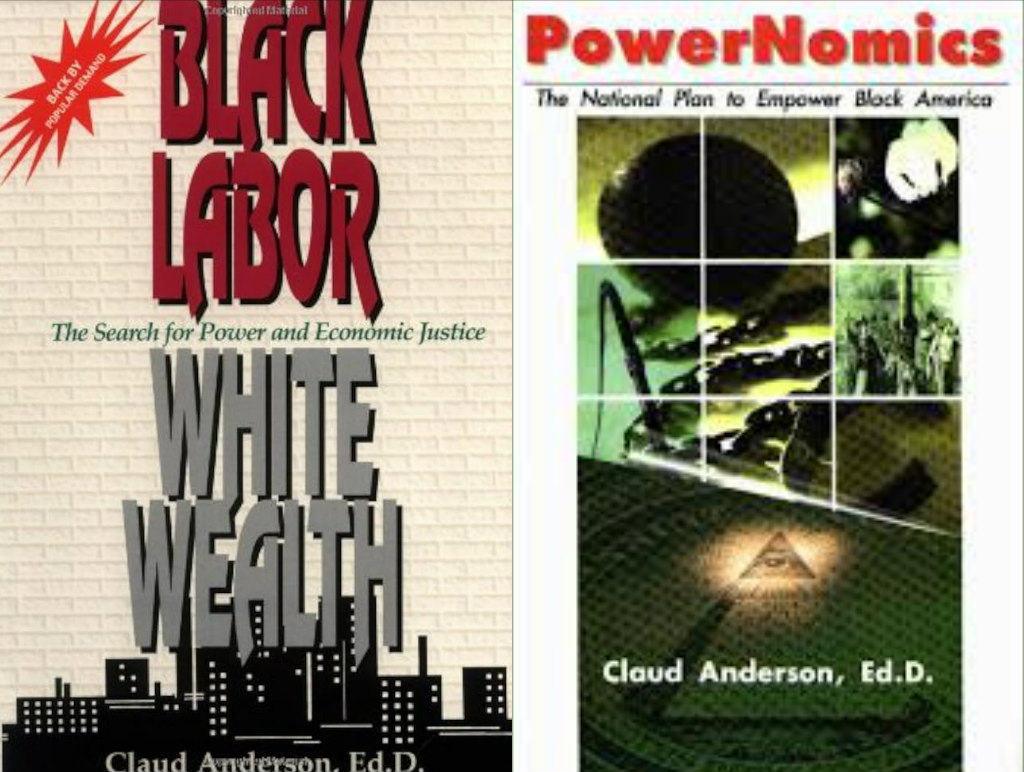
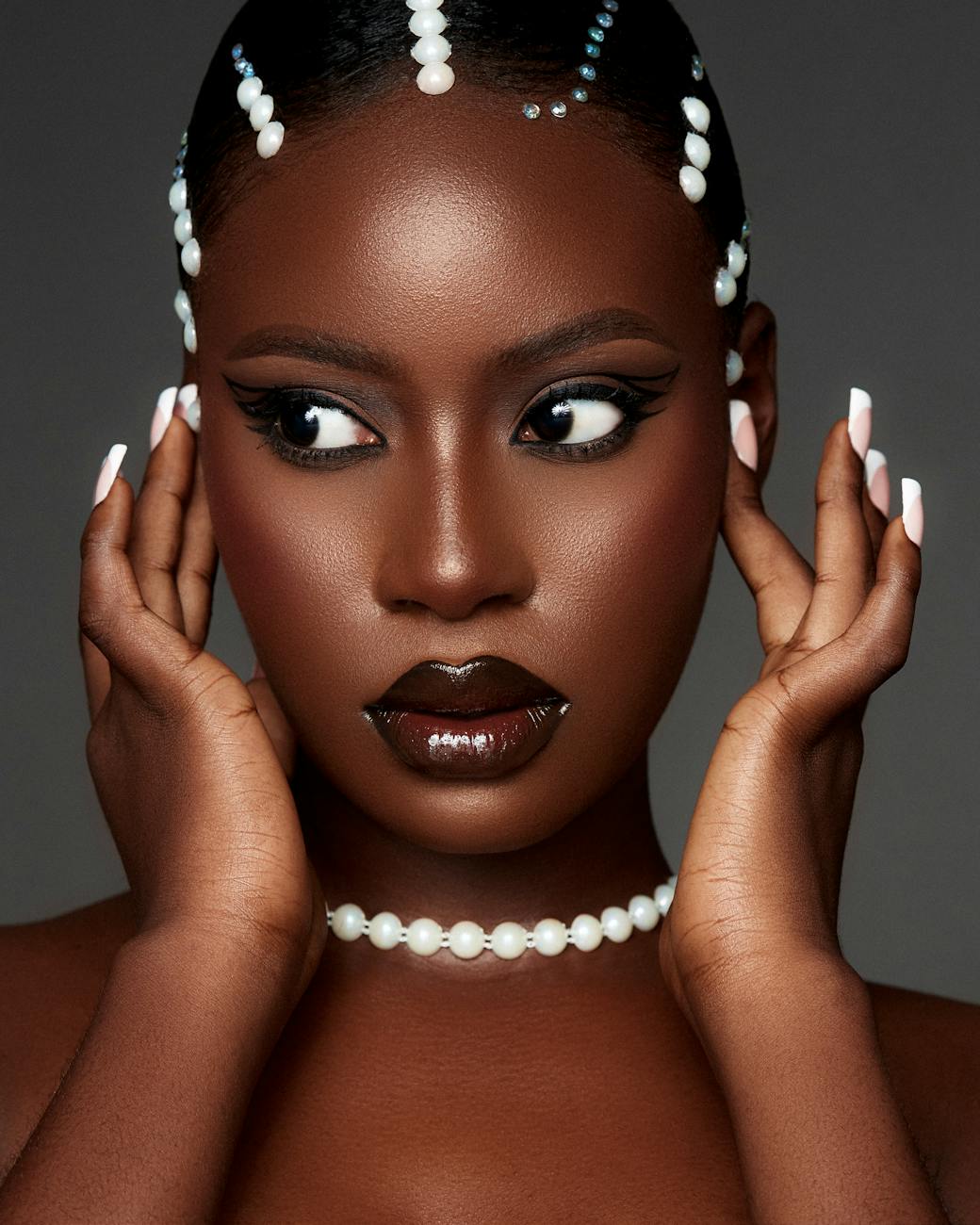



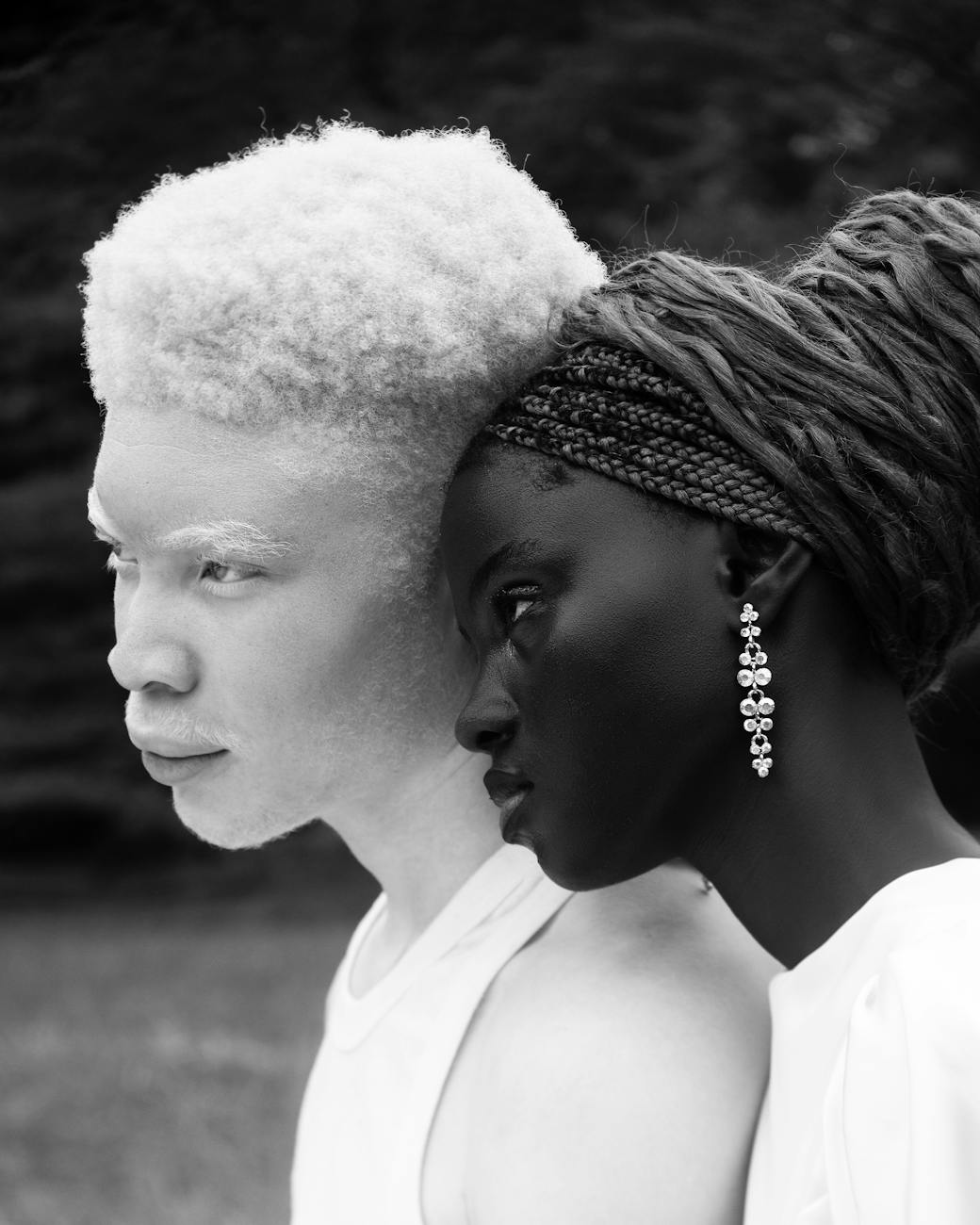
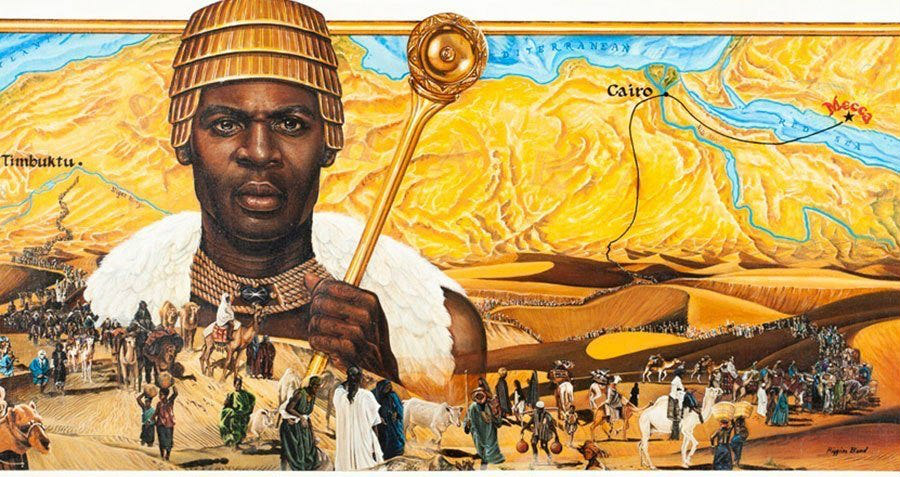
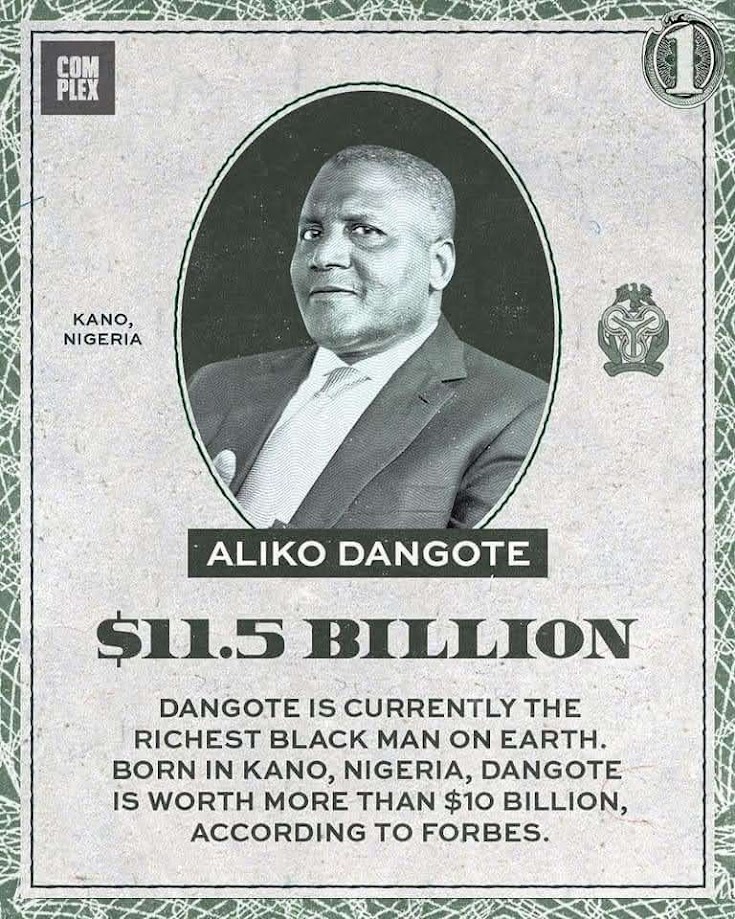
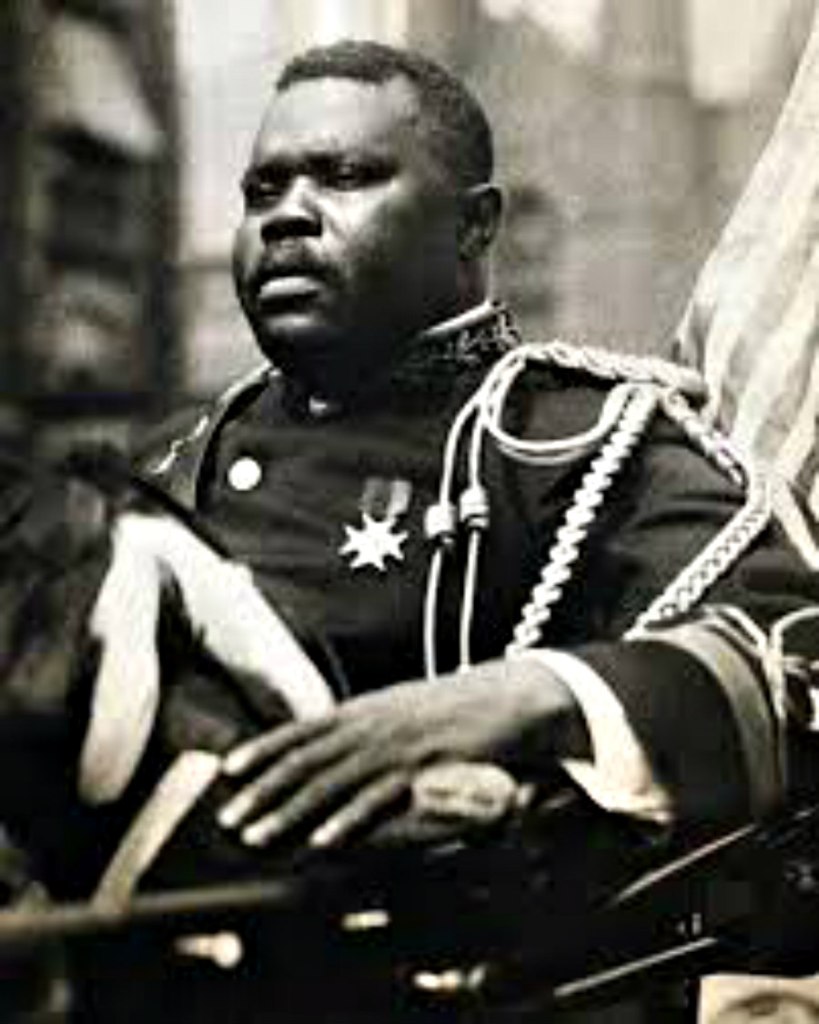


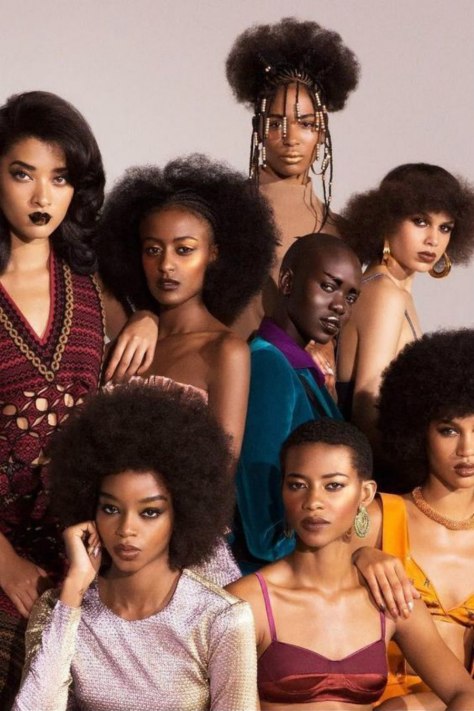
 THE BROWN GIRL DILEMMA