Tag Archives: history

The Brown Boy Dilemma VS Reality

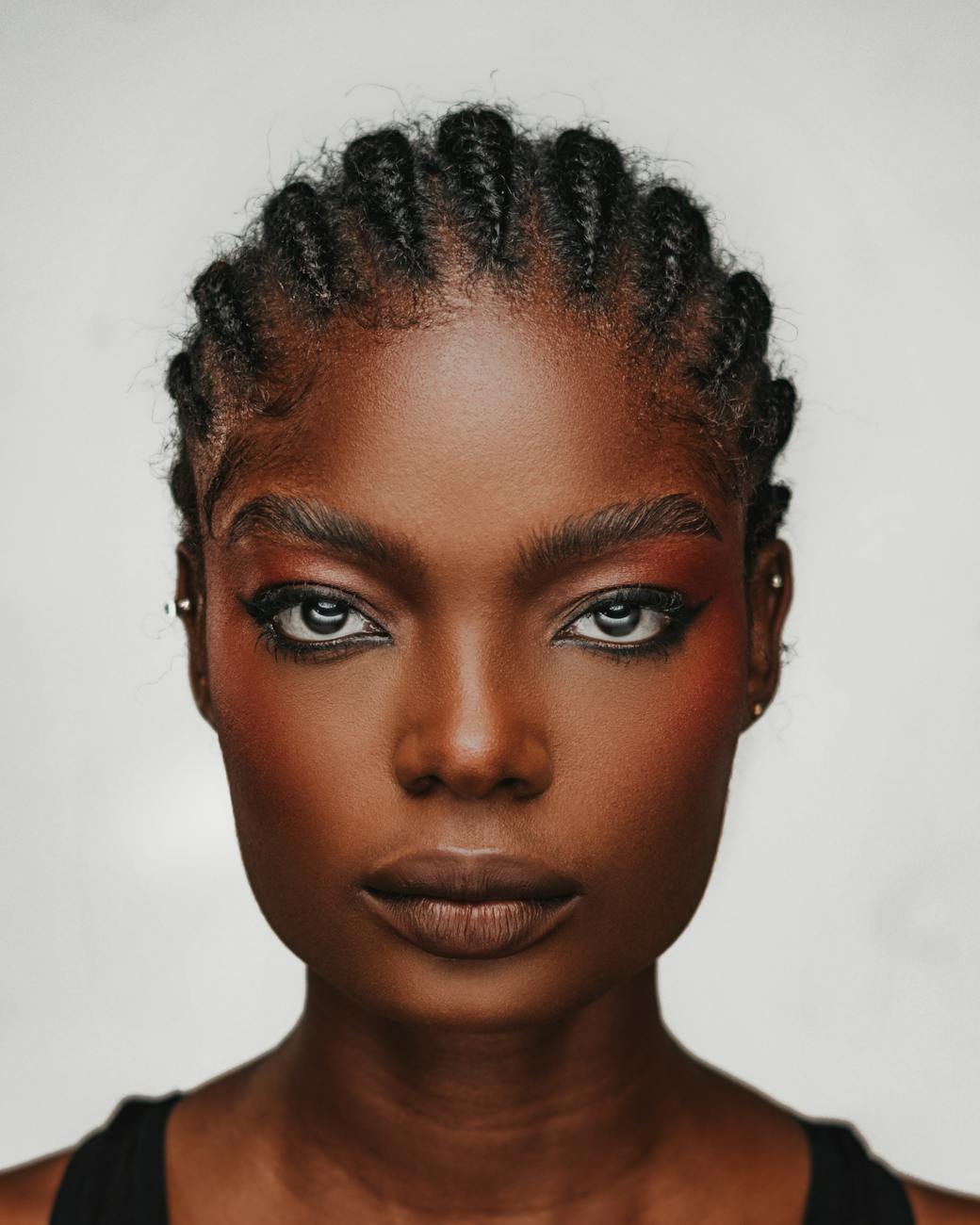
Photo by Marcelo Chagas on Pexels.com

To the Black man,
whose eyes carry storms and suns,
whose silence hides the weight of centuries,
whose steps echo chains yet walk in kingship,
You
are more than the world’s lies,
You are God’s reflection in living flesh.

The life of the brown boy—whether African American, Afro-Caribbean, or African diasporic—is marked by a constant negotiation between inner dilemmas and outer realities. While society crafts stereotypes and systems that define him, he simultaneously wrestles with the truth of his worth, identity, and purpose. This conflict, often invisible to outsiders, is both a psychological battle and a spiritual struggle.

Brown boys grow up under the heavy burden of perception. From childhood, they are labeled as threats, troublemakers, or destined for failure (Ferguson, 2000). This creates a dilemma: does one live according to these imposed perceptions, or fight to prove them wrong? The weight of stereotypes alters how boys see themselves, shaping identity in harmful ways.

The reality, however, is that stereotypes are not mere words but policies and structures. Disproportionate rates of school suspensions, policing, and incarceration reflect systemic bias (Alexander, 2010). The “school-to-prison pipeline” becomes less a metaphor and more a lived reality for many brown boys.

Masculinity adds another layer to this struggle. Brown boys are often told that to be a man is to be tough, emotionless, and dominant. Yet reality shows that this narrow definition harms them by suppressing vulnerability and emotional health (Majors & Billson, 1992). Behind the façade of strength often lies a boy struggling in silence, with suppressed emotions manifesting in destructive ways. Studies show higher risks of depression, anxiety, and trauma among young men of color who lack safe outlets for expression (Watkins, Green, Rivers, & Rowell, 2006).

Identity is also contested ground. Society tells brown boys they are less intelligent, less capable, or destined only for sports and entertainment. The dilemma is whether to accept this limited script or break beyond it. Yet history testifies to the brilliance of Black men—figures such as Frederick Douglass, Malcolm X, and countless unnamed scholars, builders, and leaders who defied systemic limitations.

Colorism deepens the wound. Darker-skinned boys often internalize rejection, believing themselves less desirable or less worthy (Hunter, 2007). The dilemma becomes whether to mold themselves to fit Eurocentric standards of beauty and success or embrace their authentic selves. Yet the reality is anchored in divine truth: every brown boy is made in the image of God. Genesis 1:27 (KJV) declares, “So God created man in his own image… male and female created he them.” The reality of divine creation affirms worth beyond society’s lies.

In education, the struggle persists. Teachers and institutions often carry lowered expectations, creating a dilemma: should boys conform to these expectations or resist through excellence? (Noguera, 2008). The reality is that many do resist, excelling academically, pursuing higher education, and breaking generational barriers. Each success story represents resilience against systemic odds.

Belonging becomes yet another tension. Brown boys often feel caught between two worlds—too Black for mainstream society, yet pressured to prove authenticity within their own communities. This double consciousness, described by Du Bois (1903/1994), creates constant tension. Yet strong communities—churches, mentoring programs, cultural institutions—offer belonging. In these spaces, brown boys are affirmed, nurtured, and equipped to thrive.

The question of the future looms heavily. Many fear whether they will live long enough to fulfill their dreams, given the higher risks of violence and premature death among young men of color (CDC, 2020). Yet reality also holds hope. Many become fathers, leaders, pastors, teachers, and entrepreneurs, reshaping narratives for the next generation. Their survival and success testify to resilience and possibility.

For those raised in faith, there is the dilemma of reconciling suffering with belief. How can a just God allow such struggles? Scripture offers perspective: suffering can birth strength and purpose. Romans 8:28 (KJV) affirms, “And we know that all things work together for good to them that love God.” Thus, the struggles of brown boys can become testimonies of endurance and divine calling.

The dilemmas of perception, masculinity, identity, and belonging are real, but so are the realities of resilience, brilliance, and divine worth. The challenge is bridging the two—turning dilemmas into platforms for growth. The brown boy’s dilemma versus reality reveals a complex truth: society’s lies are strong, but his reality is stronger. He is more than stereotypes, more than statistics, and more than systems of oppression. He is a creation of God, a carrier of legacy, and a vessel of possibility. His reality—rooted in resilience and divine image—can always overcome the dilemma.


References

  • Alexander, M. (2010). The new Jim Crow: Mass incarceration in the age of colorblindness. The New Press.
  • Du Bois, W. E. B. (1994). The souls of Black folk. Dover. (Original work published 1903)
  • Ferguson, A. A. (2000). Bad boys: Public schools in the making of Black masculinity. University of Michigan Press.
  • Hunter, M. (2007). The persistent problem of colorism: Skin tone, status, and inequality. Sociology Compass, 1(1), 237–254.
  • Majors, R., & Billson, J. M. (1992). Cool pose: The dilemmas of Black manhood in America. Lexington Books.
  • Noguera, P. (2008). The trouble with Black boys: …And other reflections on race, equity, and the future of public education. Jossey-Bass.
  • Watkins, D. C., Green, B. L., Rivers, B. M., & Rowell, K. L. (2006). Depression and Black men: Implications for future research. Journal of Men’s Health and Gender, 3(3), 227–235.
  • Centers for Disease Control and Prevention (CDC). (2020). Leading causes of death reports, 1981–2018.

The Genetics of Black People #thescienceofblackbeauty

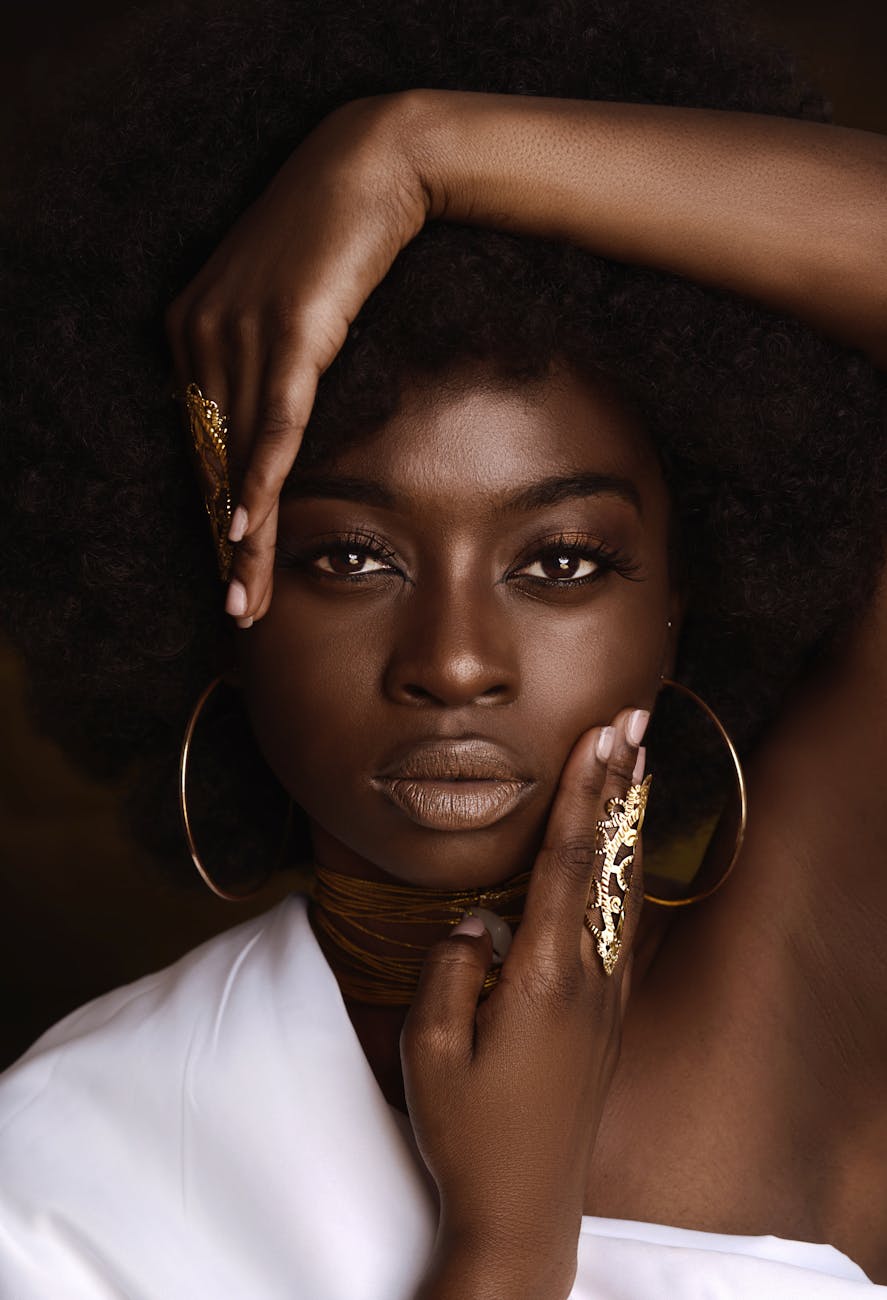
Photo by Merlin Lightpainting on Pexels.com

The genetics of Black people provides a profound window into human history, identity, and resilience. Through the lens of science, anthropology, and biblical reflection, one discovers that African-descended populations carry the richest genetic diversity on Earth. This diversity not only traces back to the earliest human origins but also tells the story of migration, adaptation, and survival. To understand Black genetics is to understand the foundations of humanity itself.

Africa as the Genetic Cradle

Modern genetics affirms what archaeology and anthropology have long suggested: Africa is the cradle of humanity. Studies of mitochondrial DNA (mtDNA) and Y-chromosome lineages confirm that all modern humans trace their ancestry to Africa approximately 200,000 years ago (Tishkoff et al., 2009). This means that the genetic diversity seen among Black people is not only vast but also foundational to the human story.

Haplogroups and Lineages

Among African and African diasporic populations, haplogroups such as E1b1a are highly prevalent. This Y-DNA lineage is especially common among West and Central Africans, as well as among African Americans and Afro-Caribbeans (Underhill et al., 2001). Such markers provide genetic evidence of ancestral ties that link dispersed Black populations back to Africa, particularly the regions most affected by the transatlantic slave trade.

Melanin as a Genetic Gift

One of the most visible genetic traits of Black people is melanin, the pigment responsible for skin color. Far from being a mere aesthetic trait, melanin serves as a protective adaptation against ultraviolet radiation. It reduces the risk of DNA damage while regulating vitamin D synthesis (Jablonski & Chaplin, 2000). In biblical reflection, one could argue that melanin symbolizes divine design: “I am black, but comely” (Song of Solomon 1:5, KJV).

Adaptation and Survival

Genetics reveals that traits common among African populations were shaped by evolutionary pressures. For example, the sickle cell trait—a genetic adaptation—provides resistance against malaria, a deadly disease endemic to parts of Africa. This illustrates how Black genetics embodies survival strategies written into DNA through centuries of environmental challenges.

The Transatlantic Slave Trade and Genetic Disruption

The forced displacement of millions of Africans through the transatlantic slave trade disrupted genetic continuity, yet it also created new diasporic lineages. African Americans, for example, typically show a mixture of West and Central African ancestry, with smaller proportions of European and Native American ancestry due to centuries of enslavement, coercion, and survival (Bryc et al., 2015). Genetics, therefore, serves as a testimony of trauma but also of resilience.

Diaspora Diversity

The African diaspora is far from monolithic. Afro-Caribbeans, Afro-Latinos, and African Americans all share African genetic roots but reflect distinct admixture histories. For instance, Afro-Brazilians often display higher proportions of African ancestry compared to African Americans, due to Brazil’s massive role in the slave trade (Telles, 2004). Yet across the diaspora, the shared thread is an undeniable African genetic legacy.

Health Implications in Genetics

The genetics of Black people also intersects with health in powerful ways. Certain conditions such as hypertension and diabetes are disproportionately prevalent among African-descended populations, influenced not only by genetics but also by systemic inequalities (Gravlee, 2009). Understanding genetic predispositions must go hand in hand with addressing structural racism in healthcare.

Misuse of Genetics in Racism

History has shown how genetics was misused to justify slavery, colonialism, and segregation. Pseudoscientific racism claimed that Black people were biologically inferior. Modern genetics refutes these falsehoods, affirming that race is a social construct, while genetic diversity within Africa surpasses that of all other continents combined (Lewontin, 1972).

Biblical Reflections on Ancestry

The Bible teaches that all humanity is made in the image of God (Genesis 1:27, KJV). Yet for Black people, genetics and scripture converge in unique ways. Deuteronomy 28 has been interpreted by some as prophetic, aligning the experiences of the African diaspora with the curses of Israel. While debated, this perspective connects genetics, history, and spiritual identity in profound ways.

Marriage of Science and Scripture

Rather than conflict, genetics and scripture can complement one another. Science reveals the pathways of migration and adaptation, while scripture reminds us of divine purpose. Acts 17:26 (KJV) declares: “And hath made of one blood all nations of men for to dwell on all the face of the earth.” This verse resonates deeply with the genetic truth that all humans share common African ancestry.

Genetics and Identity Formation

For many Black individuals, DNA testing has become a tool for reclaiming lost heritage. Commercial genetic tests allow descendants of the diaspora to trace their lineages back to specific African regions. This process provides not only scientific validation but also psychological healing from centuries of disconnection caused by slavery.

Psychology of Genetic Roots

Psychology suggests that knowing one’s ancestry strengthens self-esteem and identity formation (Phinney, 1990). For Black people, genetic awareness can counter narratives of erasure. By affirming African origins and resilience, genetics helps restore pride and a sense of belonging within the larger human family.

🧬 The Genetic Makeup of Black People

1. Genetic Diversity in Africa

Science shows that people of African descent carry the highest genetic diversity in the world. This is because Africa is the cradle of humankind, where modern Homo sapiens first evolved about 200,000 years ago (Tishkoff et al., 2009). Populations that migrated out of Africa carried only a subset of this genetic variation, which makes non-African groups less genetically diverse.


2. Haplogroups in African Populations

One of the most common paternal lineages in Sub-Saharan Africa is the Y-DNA haplogroup E1b1a. It is especially dominant among West and Central Africans and their descendants in the Americas due to the Transatlantic Slave Trade (Wood et al., 2005).

On the maternal side, African women often carry mtDNA haplogroups L0–L3, some of the oldest lineages in the world. These haplogroups trace directly back to the first mothers of humanity (Salas et al., 2002).


3. Skin Color and Melanin

The dark skin of Black people is due to high melanin production (specifically eumelanin). This adaptation evolved in Africa to protect against ultraviolet (UV) radiation, reducing risks of skin cancer and preserving folate, a vitamin essential for reproduction (Jablonski & Chaplin, 2010).


4. Health and Genetic Traits

Certain genetic traits in African populations arose as adaptations to local environments. For example:

  • The sickle-cell trait provides protection against severe malaria, which is widespread in Africa (Kwiatkowski, 2005).
  • Variants in the Duffy antigen receptor gene protect many West Africans from Plasmodium vivax malaria (Miller et al., 1976).

However, these adaptations can have trade-offs. For instance, carrying two sickle-cell alleles leads to sickle-cell disease.


5. Admixture and the Diaspora

Black populations outside Africa, especially in the Americas, often have mixed ancestry. African Americans, for example, typically have West and Central African ancestry but also varying degrees of European and Native American admixture due to historical slavery, colonization, and forced mixing (Bryc et al., 2015).


6. Genetics, Identity, and Misuse

Science has confirmed that while genetic diversity exists, race is not a strict biological category. Instead, it reflects clusters of ancestry shaped by migration and geography. Unfortunately, genetics has been historically misused to justify racism. Today, genetic studies highlight shared humanity and deep African origins of all people (Graves, 2005).


📖 Biblical Reflection (KJV)

  • “And hath made of one blood all nations of men for to dwell on all the face of the earth” (Acts 17:26).
  • “I will say to the north, Give up; and to the south, Keep not back: bring my sons from far, and my daughters from the ends of the earth” (Isaiah 43:6).

Genetic Continuity Across Generations

Despite centuries of oppression, African-descended people carry forward genetic continuity that cannot be erased. Each generation inherits not only biological traits but also stories of endurance. Psalm 139:14 (KJV) reminds us: “I will praise thee; for I am fearfully and wonderfully made.” Genetics affirms this biblical truth.

Cultural Implications of Genetics

Black culture—music, food, language, and spirituality—often reflects deep genetic memory. Anthropologists note that certain rhythms, agricultural practices, and even healing traditions among diasporic communities trace back to African roots. Genetics, therefore, is not only biological but also cultural.

The Ethics of Genetic Research

While genetic science holds promise, ethical considerations remain. Historically, Black communities have been exploited in medical and genetic research, such as the Tuskegee Syphilis Study. Thus, the pursuit of genetic knowledge must be grounded in justice, equity, and respect.

Future of Black Genetics

As technology advances, the genetics of Black people will play a central role in medicine, anthropology, and identity studies. Genetic research promises better healthcare outcomes when tailored to African ancestry. Moreover, it enriches global understanding of human origins and diversity.

Spiritual Continuity and Covenant

In scripture, covenant symbolizes continuity. Just as marriage is a covenant binding two into one flesh, so too does genetics bind generations into one continuous story (Genesis 2:24, KJV). For Black people, genetics reveals that despite historical fractures, divine continuity has preserved identity across centuries.

Walk Toward Eternal Truth

Genetics is not merely about physical lineage—it also points toward eternal truth. For believers, DNA testifies of God’s handiwork, inscribed into the very code of life. It calls humanity to unity rather than division, reminding us that science and scripture both declare the dignity of Black people.

Conclusion

The genetics of Black people is a narrative of origins, endurance, and divine purpose. From the haplogroups of Africa to the diasporic survival of slavery, from melanin’s protective gift to the misuse of science in racism, genetics tells a story of resilience. Scripture confirms this dignity, affirming that God’s covenant transcends race and history. To study Black genetics is not only to learn about biology but also to witness the unfolding of both science and spirit in one of humanity’s most profound stories. The genetics of Black people tells a story that stretches from the dawn of humanity in Africa to the present-day struggles for justice and identity. It encompasses haplogroups, slavery, melanin, health, psychology, and theology. More than science, genetics is a living testimony of survival, a record of God’s providence, and a foundation for future generations to reclaim both heritage and destiny.


📚 References

Bryc, K., Durand, E. Y., Macpherson, J. M., Reich, D., & Mountain, J. L. (2015). The genetic ancestry of African Americans, Latinos, and European Americans across the United States. The American Journal of Human Genetics, 96(1), 37–53. https://doi.org/10.1016/j.ajhg.2014.11.010

Gravlee, C. C. (2009). How race becomes biology: Embodiment of social inequality. American Journal of Physical Anthropology, 139(1), 47–57. https://doi.org/10.1002/ajpa.20983

Jablonski, N. G., & Chaplin, G. (2000). The evolution of human skin coloration. Journal of Human Evolution, 39(1), 57–106. https://doi.org/10.1006/jhev.2000.0403

Lewontin, R. C. (1972). The apportionment of human diversity. Evolutionary Biology, 6, 381–398. https://doi.org/10.1007/978-1-4684-9063-3_14

Phinney, J. S. (1990). Ethnic identity in adolescents and adults: Review of research. Psychological Bulletin, 108(3), 499–514. https://doi.org/10.1037/0033-2909.108.3.499

Telles, E. E. (2004). Race in another America: The significance of skin color in Brazil. Princeton University Press.

Tishkoff, S. A., et al. (2009). The genetic structure and history of Africans and African Americans. Science, 324(5930), 1035–1044. https://doi.org/10.1126/science.1172257

Underhill, P. A., et al. (2001). The phylogeography of Y chromosome binary haplotypes and the origins of modern human populations. Annals of Human Genetics, 65(1), 43–62. https://doi.org/10.1046/j.1469-1809.2001.6510043.x

Bryc, K., Durand, E. Y., Macpherson, J. M., Reich, D., & Mountain, J. L. (2015). The genetic ancestry of African Americans, Latinos, and European Americans across the United States. American Journal of Human Genetics, 96(1), 37–53. https://doi.org/10.1016/j.ajhg.2014.11.010

Graves, J. L. (2005). The race myth: Why we pretend race exists in America. Dutton.

Jablonski, N. G., & Chaplin, G. (2010). Human skin pigmentation as an adaptation to UV radiation. Proceedings of the National Academy of Sciences, 107(Supplement 2), 8962–8968. https://doi.org/10.1073/pnas.0914628107

Kwiatkowski, D. P. (2005). How malaria has affected the human genome and what human genetics can teach us about malaria. American Journal of Human Genetics, 77(2), 171–192. https://doi.org/10.1086/432519

Miller, L. H., Mason, S. J., Clyde, D. F., & McGinniss, M. H. (1976). The resistance factor to Plasmodium vivax in Blacks: The Duffy-blood-group genotype, FyFy. New England Journal of Medicine, 295(6), 302–304. https://doi.org/10.1056/NEJM197608052950602

Salas, A., Richards, M., De la Fe, T., Lareu, M. V., Sobrino, B., Sánchez-Diz, P., … & Carracedo, Á. (2002). The making of the African mtDNA landscape. American Journal of Human Genetics, 71(5), 1082–1111. https://doi.org/10.1086/344348

Tishkoff, S. A., Reed, F. A., Friedlaender, F. R., Ehret, C., Ranciaro, A., Froment, A., … & Williams, S. M. (2009). The genetic structure and history of Africans and African Americans. Science, 324(5930), 1035–1044. https://doi.org/10.1126/science.1172257

Wood, E. T., Stover, D. A., Ehret, C., Destro-Bisol, G., Spedini, G., McLeod, H., … & Hammer, M. F. (2005). Contrasting patterns of Y chromosome and mtDNA variation in Africa: Evidence for sex-biased demographic processes. European Journal of Human Genetics, 13(7), 867–876. https://doi.org/10.1038/sj.ejhg.5201370


The Golden Ratio of Melanin: The Science of Black Beauty. #thescienceofblackbeauty

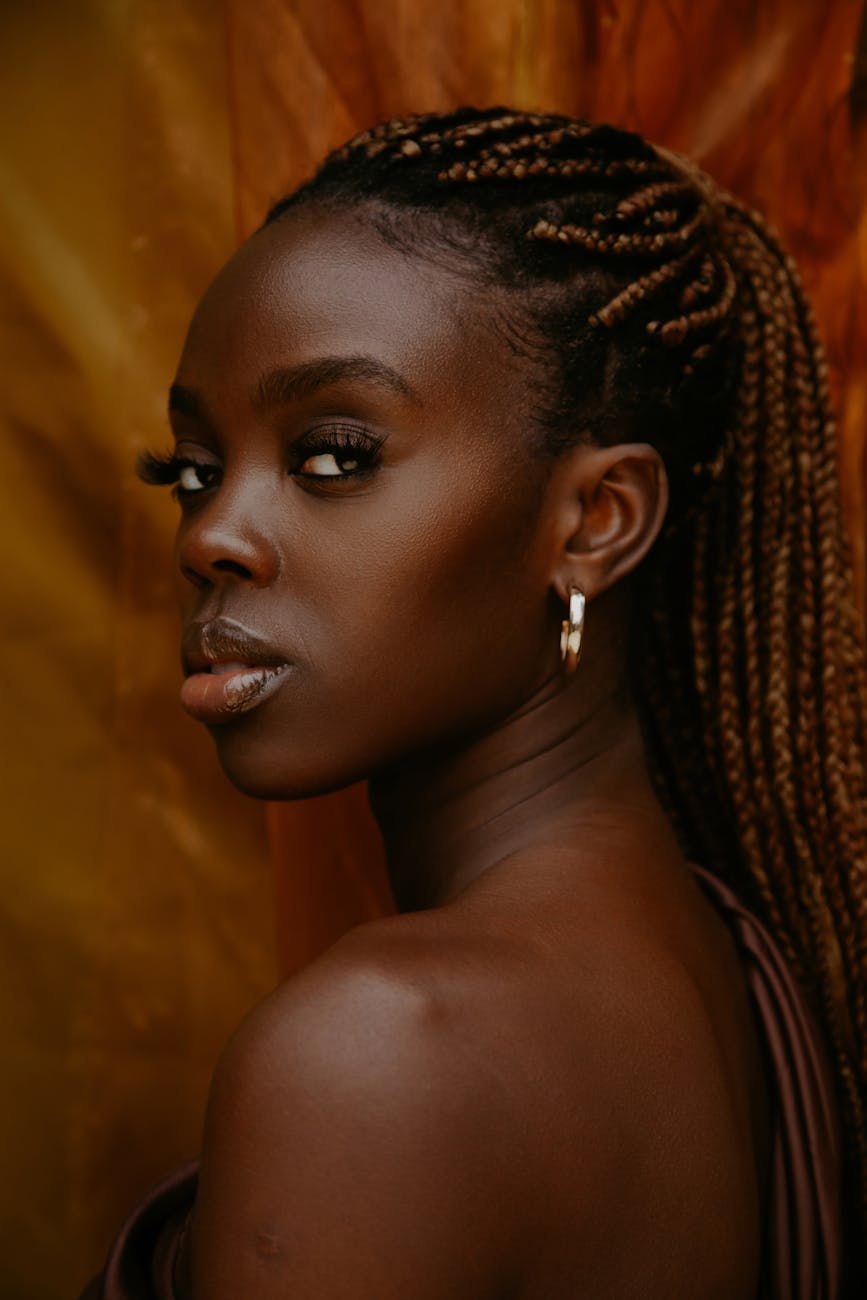
Photo by Iyke Ibeh on Pexels.com

Black beauty is a concept far deeper than surface appearance. It is the convergence of science, history, and spirit, revealing how genetics, cultural expression, and aesthetic principles work together to create radiance. To speak of the “golden ratio of melanin” is to acknowledge that Black beauty embodies symmetry, biological adaptation, and cultural meaning. This essay explores the anatomy of Black beauty through genetics, symmetry, cultural aesthetics, and identity, uncovering the scientific and symbolic foundations of its radiance.

Evolutionary Foundations of Black Beauty

The human body is a record of adaptation, and African-descended peoples carry evolutionary traits that reflect millennia of survival in diverse climates. Deeply pigmented skin, rich in eumelanin, developed as protection against ultraviolet radiation, safeguarding folate and reproductive health while allowing adequate vitamin D synthesis (Jablonski & Chaplin, 2010). This evolutionary brilliance demonstrates that beauty is inseparable from function and survival.

The Science of Melanin

Melanin, the pigment responsible for skin, hair, and eye color, holds both biological and symbolic power. Biologically, it provides a shield against UV damage and oxidative stress. Symbolically, it has become a marker of identity and pride, as phrases such as “melanin magic” reclaim the beauty once devalued by colonial systems. The “golden ratio of melanin” metaphorically expresses the balance between biological adaptation and aesthetic radiance embedded in Black bodies.

Facial Symmetry and Aesthetics

Scientific studies show that facial symmetry often influences perceptions of beauty (Little et al., 2011). Yet Black beauty complicates this narrative. While symmetry is biologically associated with health and reproductive fitness, the diversity of African facial structures—from high cheekbones to broad noses—illustrates that beauty cannot be reduced to symmetry alone. The unique harmony of features within African-descended populations reflects both genetic depth and aesthetic variety beyond Eurocentric measures.

Genetics and Diversity

Africa is the most genetically diverse continent, containing the origins of humanity itself (Tishkoff et al., 2009). This genetic variation produces an extraordinary range of phenotypes: skin tones from deep ebony to golden bronze, hair textures from tightly coiled to wavy, and eye colors that include rare shades of amber or green. Such diversity underscores that Black beauty is not singular but multifaceted, shaped by genetic inheritance and expressed across continents and diasporas.

The Psychology of Black Beauty

The psychology of beauty is inseparable from systems of power. For centuries, Eurocentric ideals defined beauty in ways that excluded African features, leading to internalized racism and colorism within Black communities (Hunter, 2007). Yet psychological resilience emerged through cultural movements that reframed beauty. From the “Black is Beautiful” movement to today’s natural hair renaissance, psychology demonstrates that Black beauty is not merely seen but also consciously reclaimed as self-affirmation.

The Cultural Expression of Beauty

Culture shapes how beauty is performed and perceived. Hairstyles, adornment, and fashion within African and diasporic traditions are more than aesthetic—they are carriers of memory, resistance, and identity. Cornrows, locs, and Afro hairstyles, once stigmatized, now stand as global fashion statements while retaining cultural significance (Byrd & Tharps, 2014). Thus, Black beauty is not static but evolves with cultural shifts, asserting both individuality and community.

Historical Erasure and Resistance

Colonialism and slavery systematically devalued Black beauty, portraying African features as inferior while elevating Eurocentric standards. Enslaved Africans were stripped of adornments yet found ways to preserve identity, such as braiding hair with hidden codes for survival. This history demonstrates that beauty was never trivial but a form of cultural survival and resistance against dehumanization.

Representation and Media

Representation in media profoundly influences global perceptions of beauty. For much of history, darker skin and African features were either excluded or caricatured. Yet figures like Cicely Tyson, Naomi Campbell, and Lupita Nyong’o have redefined representation, bringing diverse expressions of Black beauty to global platforms (Craig, 2006). Rihanna’s Fenty Beauty further revolutionized the cosmetics industry by centering inclusivity, making darker shades visible and celebrated in ways previously unseen.

The Aesthetics of Proportion

The “golden ratio,” a mathematical principle often associated with ideal beauty, raises questions about universal aesthetics. While some studies suggest that facial proportions linked to the golden ratio are perceived as attractive, such measures often privilege European features (Pallett et al., 2010). Black beauty challenges and expands this framework, demonstrating that harmony and proportion can be expressed in multiple ways that transcend narrow mathematical formulas.

Identity and Self-Perception

Beauty is inseparable from identity. For Black people, affirming beauty has long been an act of self-definition against imposed inferiority. Identity formation involves embracing melanin, natural features, and cultural aesthetics as sources of pride rather than shame. This reclamation is both personal and collective, as communities cultivate beauty standards that reflect African heritage rather than colonial imposition.

Spiritual Dimensions of Beauty

Scripture affirms that true beauty is rooted in spirit rather than external adornment: “Whose adorning let it not be that outward adorning… but the hidden man of the heart” (1 Peter 3:3–4, KJV). For Black communities, whose external beauty was historically denied, spiritual beauty became a foundation of dignity and resilience. Thus, Black beauty radiates not only through skin and hair but through faith, endurance, and inner strength.

Global Influence of Black Aesthetics

Today, Black aesthetics shape global culture in profound ways. From hip-hop fashion to Afrocentric hairstyles on runways, African-descended styles influence mainstream trends worldwide. Yet appropriation remains a challenge, as Black cultural expression is often commodified without honoring its origins (Patton, 2006). Despite this, the global admiration of Black beauty underscores its undeniable power to shape aesthetics on a universal scale.

Resilience as Radiance

At its core, Black beauty is radiant because it has endured. It has survived slavery, colonialism, and systemic erasure, yet continues to redefine standards on its own terms. This resilience transforms beauty from mere appearance into testimony. Black beauty is not fragile—it is forged in fire, radiant because it resisted dehumanization and emerged with power intact.

Conclusion

The anatomy of Black beauty encompasses genetics, symmetry, and identity, but extends beyond science into culture, psychology, and spirit. It is the golden ratio of melanin: a perfect balance of biological brilliance, cultural resistance, and aesthetic radiance. To study the science of Black beauty is to affirm that it is foundational to humanity, diverse in expression, and sacred in meaning. Black beauty is not just seen—it is lived, survived, and celebrated as resilience made radiant.


References

  • Byrd, A., & Tharps, L. (2014). Hair story: Untangling the roots of Black hair in America. St. Martin’s Press.
  • Craig, M. L. (2006). Race, beauty, and the tangled knot of a guilty pleasure. Feminist Theory, 7(2), 159–177.
  • Hunter, M. (2007). The persistent problem of colorism: Skin tone, status, and inequality. Sociology Compass, 1(1), 237–254.
  • Jablonski, N. G., & Chaplin, G. (2010). Human skin pigmentation as an adaptation to UV radiation. Proceedings of the National Academy of Sciences, 107(Suppl 2), 8962–8968.
  • Little, A. C., Jones, B. C., & DeBruine, L. M. (2011). Facial attractiveness: Evolutionary based research. Philosophical Transactions of the Royal Society B: Biological Sciences, 366(1571), 1638–1659.
  • Pallett, P. M., Link, S., & Lee, K. (2010). New “golden” ratios for facial beauty. Vision Research, 50(2), 149–154.
  • Patton, T. O. (2006). Hey girl, am I more than my hair? African American women and their struggles with beauty, body image, and hair. NWSA Journal, 18(2), 24–51.
  • Robins, A. H. (2009). Biological perspectives on human pigmentation. Cambridge University Press.
  • Tishkoff, S. A., et al. (2009). The genetic structure and history of Africans and African Americans. Science, 324(5930), 1035–1044.

Resilience and Radiance: The Science of Black Beauty. #thescienceofblackbeauty

Photo by jim nyamao on Pexels.com

The beauty of people of African descent has long been both celebrated and contested, occupying a complex intersection of biology, culture, and politics. Black beauty is not simply a matter of outward appearance, but a profound embodiment of resilience, history, and spiritual depth. It reflects evolutionary intelligence, psychological endurance, and cultural resistance. Understanding the “science of Black beauty” requires examining its genetic foundations, the psychology of beauty perception, the historical weight of colonialism and slavery, and the spiritual dimension that has sustained Black people across centuries. In this sense, Black beauty radiates not only from the body, but also from the survival of a people who have redefined beauty against all odds.


Evolutionary and Biological Foundations of Black Beauty

Human variation is shaped by adaptation, and the physical features commonly associated with African ancestry bear witness to millennia of survival in diverse ecological environments. Skin pigmentation is one of the most visible markers. Deeply pigmented skin, rich in eumelanin, developed as an evolutionary shield against ultraviolet (UV) radiation. This adaptation protected folate—essential for reproduction and fetal development—while still permitting sufficient vitamin D synthesis near the equator (Jablonski & Chaplin, 2010). Thus, the very darkness of African skin is not only an aesthetic trait but also a marker of evolutionary fitness and resilience.

Hair texture provides another example of adaptation. Afro-textured hair, with its tightly coiled structure, plays a thermoregulatory role, shielding the scalp from intense sunlight while allowing airflow to cool the head (Robins, 2009). This unique adaptation highlights the functionality and beauty embedded within African biology. Similarly, fuller lips, broader noses, and other phenotypic features often stigmatized under Eurocentric ideals were evolutionary responses to environment and climate, rather than biological deficiencies.

Genetics further demonstrates the diversity within African-descended populations. Africa possesses the greatest genetic variation of any continent, meaning that Black beauty cannot be reduced to a monolith but must be understood as a spectrum of phenotypes, from ebony to bronze skin tones, from tightly coiled to loosely curled hair textures (Tishkoff et al., 2009). This genetic diversity underscores that Black beauty is vast, multifaceted, and scientifically foundational to humanity itself.


The Psychology of Black Beauty and Self-Perception

While biology provides the framework, psychology reveals how beauty is experienced and valued. For centuries, Eurocentric beauty standards have dominated the global imagination, leading to colorism and internalized oppression within Black communities (Hunter, 2007). Skin tone hierarchies, hair texture bias, and the devaluation of African features created psychological scars that persist today.

Psychological studies show that exposure to Eurocentric ideals negatively impacts self-esteem among Black girls and women, often leading to increased anxiety, depression, and identity struggles (Thompson & Keith, 2001). The infamous “doll test” conducted by Kenneth and Mamie Clark in the 1940s revealed that Black children preferred white dolls over Black dolls, associating whiteness with goodness and beauty while internalizing negative views of their own Blackness.

Yet psychology also highlights resilience. The “Black is Beautiful” movement of the 1960s was a revolutionary act of cognitive reframing, challenging dominant standards and affirming Black self-worth (Byrd & Tharps, 2014). Today, the natural hair movement, the rise of melanin pride campaigns, and the increasing visibility of dark-skinned models and actresses reflect an ongoing psychological resistance to internalized colonial narratives. These cultural shifts affirm that Black beauty is not fragile—it is resilient, continuously redefining itself in ways that nurture self-love and communal pride.


Cultural Representation and the Politics of Beauty

Beauty is never neutral; it is political. For centuries, the exclusion of Black women and men from mainstream beauty standards reinforced structures of racial hierarchy. Dark skin was demonized, kinky hair was stigmatized, and African facial features were caricatured or erased from media representation. When Black bodies did appear in art, literature, or film, they were often exoticized, fetishized, or portrayed as subhuman.

This exclusion was not accidental but deeply rooted in colonial projects that sought to dehumanize African people while upholding whiteness as the pinnacle of beauty and civilization (Craig, 2006). In this context, to affirm Black beauty was to resist systemic erasure. Icons such as Nina Simone, Angela Davis, and Cicely Tyson redefined beauty through their unapologetic embrace of natural hair and African aesthetics, disrupting dominant cultural narratives.

In contemporary culture, representation has expanded. Lupita Nyong’o’s global influence as a dark-skinned actress and advocate for young Black girls challenges colorism. Rihanna’s Fenty Beauty brand revolutionized the cosmetics industry by offering foundation shades across the spectrum of skin tones, addressing the long-standing exclusion of darker complexions (Tate, 2009). These shifts reveal that beauty is not just personal—it is structural, reshaping industries and social perceptions.


Spiritual and Historical Dimensions of Black Beauty

Beyond biology and psychology, Black beauty possesses a spiritual and historical dimension. The transatlantic slave trade, colonialism, and systemic racism sought to strip African people of dignity, yet inner beauty and resilience endured. Enslaved women, denied adornments or agency, still braided hair in intricate styles that carried cultural meaning and even mapped escape routes (Byrd & Tharps, 2014). Beauty became an act of survival, a hidden language of strength.

The Bible, too, speaks of beauty in terms deeper than physical appearance. “Whose adorning let it not be that outward adorning of plaiting the hair, and of wearing of gold… but let it be the hidden man of the heart” (1 Peter 3:3–4, KJV). This verse affirms that true beauty is rooted in spirit, dignity, and virtue rather than external adornment. For Black communities, beauty has always transcended surface features—it is found in resilience, faith, and the radiance of survival through centuries of oppression.


Resilience and Radiance in the Modern Era

Today, Black beauty radiates globally, shaping fashion, music, film, and art. Afrocentric hairstyles influence global trends, African skin tones are celebrated on runways, and hip-hop culture redefines aesthetics worldwide. Yet challenges remain: colorism, Eurocentric bias in corporate beauty industries, and the commodification of Black aesthetics without proper respect for Black creators (Patton, 2006).

Nevertheless, Black beauty continues to redefine itself as a site of resistance and radiance. It is a reminder that beauty is not static but evolving, deeply intertwined with survival and identity. In both science and spirit, Black beauty testifies to the resilience of a people who refused to be erased, radiating strength that shines across generations.


Conclusion

The science of Black beauty demonstrates that it is both biological and transcendent. Evolutionary biology reveals its brilliance in adaptation. Psychology uncovers both the wounds of imposed Eurocentric standards and the resilience of self-love movements. Culture illustrates the politics of representation and the revolutionary act of embracing melanin and natural aesthetics. Spiritually, Black beauty is inseparable from dignity, survival, and divine worth.

In this light, Black beauty is not fragile—it is radiant because it endured. It is resilience written into skin, hair, and spirit. It is science fused with history, and history fused with faith. Black beauty is not merely seen; it is survived, celebrated, and sacred.


References

  • Byrd, A., & Tharps, L. (2014). Hair story: Untangling the roots of Black hair in America. St. Martin’s Press.
  • Craig, M. L. (2006). Race, beauty, and the tangled knot of a guilty pleasure. Feminist Theory, 7(2), 159–177.
  • Hunter, M. (2007). The persistent problem of colorism: Skin tone, status, and inequality. Sociology Compass, 1(1), 237–254.
  • Jablonski, N. G., & Chaplin, G. (2010). Human skin pigmentation as an adaptation to UV radiation. Proceedings of the National Academy of Sciences, 107(Suppl 2), 8962–8968.
  • Patton, T. O. (2006). Hey girl, am I more than my hair? African American women and their struggles with beauty, body image, and hair. NWSA Journal, 18(2), 24–51.
  • Robins, A. H. (2009). Biological perspectives on human pigmentation. Cambridge University Press.
  • Tate, S. A. (2009). Black beauty: Aesthetics, stylization, politics. Ashgate.
  • Thompson, M. S., & Keith, V. M. (2001). The Blacker the berry: Gender, skin tone, self-esteem, and self-efficacy. Gender & Society, 15(3), 336–357.
  • Tishkoff, S. A., et al. (2009). The genetic structure and history of Africans and African Americans. Science, 324(5930), 1035–1044.

Dilemma: Color Bias

Photo by Nicole Berro on Pexels.com

Color bias, often called colorism, is the social preference for lighter skin tones within racial or ethnic groups. Unlike racism, which functions across different races, color bias operates within a community, shaping hierarchies of privilege, beauty, and worthiness according to complexion. Rooted in slavery, colonialism, and Eurocentric ideals, color bias has lasting effects on how people are valued and treated. It creates divisions among those who share the same ancestry, undermining unity and reinforcing oppression from within (Hunter, 2007).

Historically, color bias took root during the transatlantic slave trade and colonial rule. Lighter-skinned enslaved Africans, often born of European masters, were given positions as house servants, while darker-skinned individuals were confined to harsher field labor (Keith & Herring, 1991). This division fostered the perception that lighter skin represented refinement, intelligence, and proximity to whiteness, while darker skin was stigmatized as less desirable. These beliefs were passed through generations, embedding shade hierarchies into social and cultural structures long after the abolition of slavery.

In modern contexts, color bias continues to shape opportunity and representation. Lighter-skinned individuals are often favored in entertainment, media, and professional spaces. Globally, skin-lightening industries thrive, promising upward mobility and beauty to those who conform to lighter ideals (Glenn, 2008). Within families, children with lighter complexions may be praised as “beautiful” or “lucky,” while darker-skinned children face teasing or stigma, creating internalized wounds. Even in casual language, terms like “high yellow” or “redbone” highlight how complexion is tied to perceived social value.

Color bias also significantly impacts relationships, marriage, and family dynamics. Research shows that lighter-skinned women are often perceived as more desirable for marriage, while darker-skinned women face higher levels of rejection, bias, and stereotypes (Hunter, 1998). Men with darker skin may also be labeled as more threatening or less “respectable,” influencing dating choices and family expectations. These biases affect mate selection, with some families encouraging unions with lighter-skinned partners to “improve” the family lineage. Such practices reflect not only internalized racism but also the lingering scars of slavery and colonialism.

The Bible challenges such distortions of human worth. Song of Solomon 1:5 (KJV) declares: “I am black, but comely, O ye daughters of Jerusalem.” This verse affirms the beauty of dark skin, countering cultural stigmas. Furthermore, 1 Samuel 16:7 (KJV) reminds believers that God judges by the heart, not appearance. Favoritism in love, marriage, or family based on complexion stands against the divine standard of equality. Acts 17:26 (KJV) further emphasizes that God “hath made of one blood all nations of men,” revealing that complexion-based hierarchies are human inventions, not divine truths.

Psychologically, color bias is sustained through internalized racism and implicit bias. Internalized racism leads individuals to adopt the belief that lighter features are more attractive or valuable, even when such beliefs harm their own identity (Speight, 2007). Implicit bias operates unconsciously, shaping decisions about who is considered attractive, professional, or marriage-worthy. These biases infiltrate dating preferences, hiring choices, and even parental expectations, perpetuating cycles of inequality. Addressing these issues requires intentional reflection, awareness, and healing.

Ultimately, overcoming color bias demands both spiritual and psychological renewal. Spiritually, believers are called to “be not conformed to this world: but be ye transformed by the renewing of your mind” (Romans 12:2, KJV). Psychologically, education, representation, and open dialogue are necessary to dismantle implicit biases and heal generational wounds. Communities must affirm that every shade of melanin is a reflection of God’s creativity, equally worthy of love, respect, and dignity. By uniting faith and knowledge, families and societies can break the grip of color bias and build relationships rooted in genuine character rather than complexion.


References

  • Glenn, E. N. (2008). Yearning for lightness: Transnational circuits in the marketing and consumption of skin lighteners. Gender & Society, 22(3), 281–302.
  • Hunter, M. (1998). Colorstruck: Skin color stratification in the lives of African American women. Sociological Inquiry, 68(4), 517–535.
  • Hunter, M. (2007). The persistent problem of colorism: Skin tone, status, and inequality. Sociology Compass, 1(1), 237-254.
  • Keith, V. M., & Herring, C. (1991). Skin tone and stratification in the Black community. American Journal of Sociology, 97(3), 760–778.
  • Speight, S. L. (2007). Internalized racism: One more piece of the puzzle. The Counseling Psychologist, 35(1), 126–134.
  • The Holy Bible, King James Version.

Dilemma: Self-Hatred

The Psychological Legacy of Slavery and Color Bias.

Photo by Shanice McKenzie on Pexels.com

Self-hatred among Black people has deep historical roots, particularly stemming from the trauma of slavery and centuries of systemic oppression. This internalized disdain manifests in attitudes toward one’s skin, hair, and cultural features, and continues to affect Black people today. Psychologists identify self-hatred as a form of internalized oppression, where victims adopt the negative beliefs and stereotypes imposed by dominant groups (Welsing, 1991). Biblically, this contrasts with God’s perspective: “But the Lord said unto Samuel, Look not on his countenance, or on the height of his stature; for the Lord seeth not as man seeth; for man looketh on the outward appearance, but the Lord looketh on the heart” (1 Samuel 16:7, KJV).

Historical Roots: Slavery and Colorism

During slavery, lighter-skinned slaves—often children of European masters—were given preferential treatment, while darker-skinned individuals faced harsher labor and punishment. This created a color hierarchy within enslaved communities, instilling notions of inferiority based on skin tone. Hair texture was also stigmatized, and European beauty ideals were valorized. These historical realities laid the foundation for psychological wounds that persist across generations.

Psychological Effects

Self-hatred manifests as low self-esteem, anxiety, depression, and identity conflict. Psychologists note that internalized racism can result in imposter syndrome, social withdrawal, and preference for Eurocentric features (Hunter, 2007). Black girls and women may feel pressured to straighten hair, lighten skin, or alter features to fit societal ideals. The stress of trying to conform externally often exacerbates internal conflict and mental health challenges.

Contemporary Implications

Today, Black people still face discrimination in employment, education, and media representation. Lookism and lightism—preference for lighter skin and straighter hair—affect hiring decisions, casting in media, and social interactions. Colorism perpetuates inequality even within communities of color, while mainstream media continues to glorify Eurocentric beauty standards. The KJV Bible reminds believers to find value in spiritual and moral integrity rather than external appearance (1 Peter 3:3-4, KJV).

Self-Hatred Healing Guide: Overcoming the Legacy of Slavery and Colorism

1. Daily Affirmations and Spiritual Grounding

  • “I am fearfully and wonderfully made” (Psalm 139:14, KJV).
  • “God sees the heart; my worth is in Him, not in society’s standards” (1 Samuel 16:7, KJV).
  • “My skin, hair, and features are beautiful and reflect God’s design.”

Practice: Repeat affirmations daily, write them in a journal, or post them where you see them regularly.


2. Cultural Pride and Representation

  • Celebrate African, Caribbean, or Black American heritage.
  • Engage with media that showcases Black beauty, culture, and achievements.
  • Support Black-owned businesses, authors, artists, and creators to reinforce cultural pride.

3. Media Literacy

  • Critically evaluate mainstream media for Eurocentric beauty standards.
  • Avoid content that perpetuates negative stereotypes or color bias.
  • Share and promote diverse representation that affirms dark and brown-skinned beauty.

4. Mental Health and Therapy

  • Seek therapy with professionals trained in racial trauma and colorism.
  • Journaling: Write thoughts, experiences, and victories to externalize and process internalized biases.
  • Cognitive restructuring: Challenge negative self-talk and replace it with truth-based affirmations rooted in spirituality and personal value.

5. Faith and Spiritual Practices

  • Pray daily for self-acceptance, healing, and guidance.
  • Meditate on Scriptures emphasizing inner beauty and God’s perspective:
    • 1 Samuel 16:7: God values the heart, not outward appearance.
    • Psalm 139:14: Each person is wonderfully made.
  • Use fasting, worship, and fellowship to strengthen spiritual resilience and emotional health.

6. Practical Beauty and Self-Care

  • Embrace natural hair textures, skin tones, and facial features.
  • Experiment with self-expression through fashion, makeup, and hairstyles that celebrate identity rather than conform to Eurocentric norms.
  • Develop a self-care routine that nurtures mental, physical, and emotional well-being.

7. Community and Mentorship

  • Join groups or networks that celebrate Black identity and provide emotional support.
  • Seek mentorship from Black leaders, activists, and professionals who model confidence and self-love.
  • Share experiences with peers to normalize challenges and reinforce empowerment.

8. Action Steps

  1. Begin each day with affirmations and prayer.
  2. Limit exposure to harmful media messages.
  3. Participate in cultural and community events that celebrate Black heritage.
  4. Engage in therapy, journaling, or spiritual counseling.
  5. Mentor or guide younger Black individuals to foster self-love and cultural pride.

Strategies for Change

  • Cultural Affirmation: Celebrate Black features, hairstyles, and skin tones in media, education, and community spaces.
  • Education: Teach the history of slavery, colorism, and its psychological effects to promote awareness.
  • Therapy and Counseling: Encourage mental health support focused on racial trauma and self-worth.
  • Faith-Based Empowerment: Scripture and spiritual practice can restore confidence and identity in God’s eyes (Psalm 139:14, KJV).

Role of White Society

White society can help dismantle systemic biases by:

  • Confronting and correcting discriminatory policies in workplaces, schools, and media.
  • Promoting diverse representation in leadership and media.
  • Supporting initiatives that celebrate Black culture rather than co-opt or erase it.
  • Recognizing the historical roots of self-hatred and advocating for reparative justice.

References

Biblical References (KJV)

  • 1 Samuel 16:7
  • 1 Peter 3:3-4
  • Psalm 139:14

Psychology & Sociology References

  • Welsing, F. C. (1991). The Isis Papers: The Keys to the Colors. Third World Press.
  • Hunter, M. L. (2007). The Persistent Problem of Colorism: Skin Tone, Status, and Inequality. Sociology Compass, 1(1), 237–254.
  • Clark, R., & Clark, K. (1947). Racial Identification and Preference in Negro Children. Journal of Negro Education, 16(3), 169–176.

The Golden Fleece and Its Connection to Black Skin.

Beneath the sun, our skin ignites,
A molten glow of ancient lights.
From river, sea, or morning ray,
The gold within cannot decay.


Photo by Gifty Dzenyo on Pexels.com

The Golden Fleece, in classical mythology, was a symbol of ultimate power, wealth, and divine favor. While often imagined as a literal object in Greek legend, symbolically, it represents the sacred, coveted essence of life and vitality. In Afrocentric interpretations, the Golden Fleece parallels the natural golden undertones of melanated skin, celebrating the richness, resilience, and uniqueness of Black bodies.

When a Black man or woman emerges from water, sunlight reveals a golden glow, a phenomenon that occurs across the spectrum of dark skin tones. This luminous effect reflects the melanin-rich composition of the skin, which absorbs and diffuses light in ways that give a subtle, warm radiance. The glow has been described as a visual testament to the divine and ancestral heritage carried in every melanated body.

Frances Cress Welsing, in her seminal work The Isis Papers, addresses the psychology of melanated skin, emphasizing how white-dominant societies have historically envied the physical, intellectual, and spiritual capacities associated with Blackness. She posits that melanin is not merely pigment but a symbol of power, and the natural golden glow of the skin is a manifestation of life-force and genetic vitality, evoking both admiration and subconscious fear in societies conditioned to reject Black excellence.

The Golden Fleece, then, becomes a metaphor for the sacred value inherent in Black skin—a treasure of beauty, resilience, and divine design. It is a reminder that melanated bodies are not only aesthetically radiant but spiritually significant, carrying a legacy that cannot be replicated or diminished.

Biblical References (KJV)

  • Exodus 3:21-22. King James Version.
  • Deuteronomy 28:12. King James Version.
  • Psalm 139:14. King James Version.

Secondary Sources

Welsing, F. C. (1991). The Isis Papers: The Keys to the Colors. Third World Press.

Fanon, F. (1967). Black Skin, White Masks. Grove Press.

Grier, W. H., & Cobbs, P. M. (1968). Black Rage. Basic Books.

Harris, S. (2015). The Psychological Effects of Racism on African Americans. American Psychological Association.

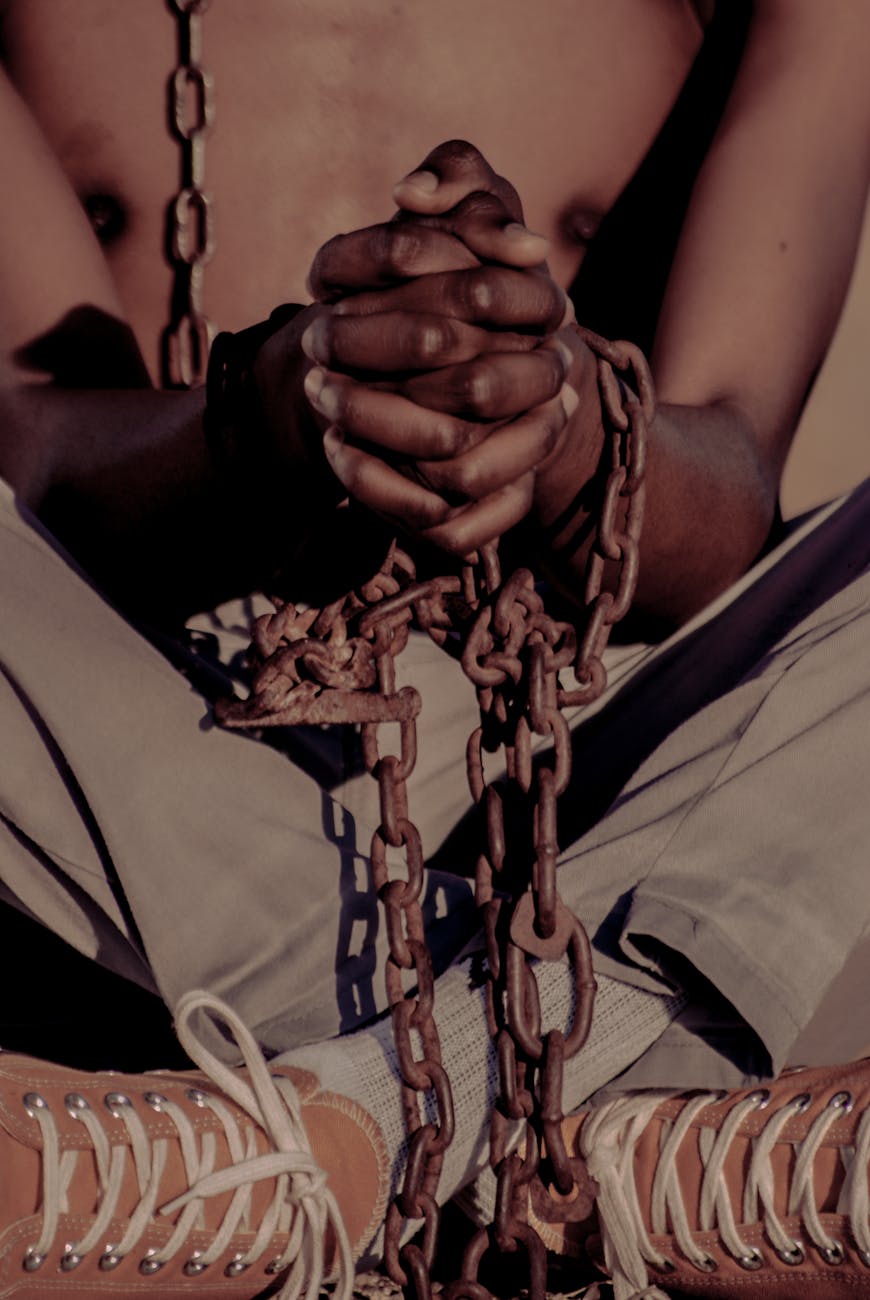
Dilemma: Slavery – Chains Across the Waters: The Transatlantic Slave Trade, Biblical Prophecy, and the Legacy of Black Enslavement

Photo by Thato Moiketsi on Pexels.com

“We Came in the Bottom of Ships”

(A Poem About Slavery)

We came in the bottom of ships, not dreams,
Chained like thunder beneath wooden beams,
Torn from kingdoms kissed by the sun,
From the drums of Dahomey, to the rivers of the Congo run.

We were Igbo, Ashanti, Hebrew, and Ewe,
Mothers of wisdom, warriors of sway,
Fathers of iron, scribes of the scroll,
Our names were gold—but they bartered our soul.

The wind was not freedom but fury and foam,
As they stacked our breath in a floating tomb.
“Amistad,” “Brookes,” and “Jesus” they sailed,
Yet Christ wept each time those hulls prevailed.

We sang in the dark where no sun reached,
We prayed in a tongue they could not breach.
Deuteronomy cried from the sacred page,
“You shall go into Egypt again”—the prophecy aged.

They whipped us at dawn, and raped through the night,
Took our children, and robbed us of sight.
Taught us to bow and forget who we were,
Yet our blood remembered—we came from the Word.

On blocks we stood like cattle and coin,
Sold by the pound, bruised in the groin.
Names lost—Tamar, Kofi, Yaira, Adebayo—
Now called Jack, or Belle, or Uncle Sam’s shadow.

We built this land—its wealth, its walls,
With cotton-picked hands and freedom’s calls.
We bled in silence, we ran, we fought,
We learned to read, though they said we could not.

They broke our backs, but not our will,
For Harriet moved by the Spirit still.
And Frederick wrote fire with a bleeding pen,
While Nat Turner rose like a lion again.

Now we dance in Juneteenth’s flame,
Remembering each forgotten name.
From chains to chants, from songs to speech,
Still reaching the freedom they dared not teach.


Closing Lines

So when you ask where our story begins,
It does not start in chains or sins—
But in a garden, in a scroll, in ancient breath—
Slavery was a shadow. But we are not death.
We are prophecy walking. We are Judah’s drum.
We are the voice that says: “Let my people come.”

.


The transatlantic slave trade remains one of the darkest stains in human history—marked by over four centuries of systemic oppression, brutality, and the forced migration of millions of African men, women, and children. Black people were enslaved in the Americas for approximately 246 years, from 1619 to 1865, and the aftershocks of this atrocity continue to reverberate in modern society. The origin, scale, and spiritual context of this historical trauma require a deep examination—of not only the ships and auction blocks but also the prophetic echoes found in Scripture, particularly Deuteronomy 28.


Origins of African Slavery: Historical and Spiritual Roots

The transatlantic slave trade began in the late 15th century, with European powers—especially Portugal, Britain, Spain, France, and the Netherlands—establishing trading posts along the western coasts of Africa. Africans were kidnapped or sold by rival tribes, many through warfare or debt bondage, and transported across the Atlantic Ocean in horrific conditions.

According to Deuteronomy 28:68 (KJV):

“And the Lord shall bring thee into Egypt again with ships, by the way whereof I spake unto thee, Thou shalt see it no more again: and there ye shall be sold unto your enemies for bondmen and bondwomen, and no man shall buy you.”

This verse is widely cited in Hebraic Israelite theology as a prophetic reference to the transatlantic slave trade, wherein descendants of the biblical Israelites—believed by many to be the so-called African Americans—would be carried in ships to a new “Egypt” (a house of bondage).


Slave Ports and African Origins

Most of the enslaved Africans came from West and Central Africa, regions that include modern-day:

  • Ghana
  • Nigeria
  • Benin
  • Senegal
  • Angola
  • Sierra Leone

The major slave embarkation points were on the Ivory Coast, Gold Coast, Slave Coast, and Bight of Biafra.

There is evidence that Shemites—descendants of Shem, one of Noah’s sons—lived in parts of Africa, particularly among Hebrew-speaking tribes such as the Igbo of Nigeria, the Akan of Ghana, and others who retained oral traditions, circumcision practices, and laws similar to ancient Israel (Hotep, 2016).


Slave Ships and Death at Sea

The names of infamous slave ships included:

  • The Brookes
  • The Henrietta Marie
  • The Jesus of Lübeck (ironically owned by Queen Elizabeth I)
  • La Amistad

Conditions aboard these ships were inhumane. Africans were shackled, stacked tightly in cargo holds with little air, and barely fed. It is estimated that at least 1.8 million of the 12.5 million enslaved Africans died during the Middle Passage (Eltis & Richardson, 2010).

The story of La Amistad (1839) stands out as one of resistance. Enslaved Mende Africans, led by Sengbe Pieh (Cinqué), rebelled against their Spanish captors. The case reached the U.S. Supreme Court, which ruled in favor of the Africans’ freedom—marking a rare legal victory for Black resistance.


Slavery in America and the World

Slavery existed globally, but the transatlantic slave trade was uniquely brutal and racialized. Other nations that held African slaves included:

  • Brazil
  • Cuba
  • The Caribbean colonies
  • Spain
  • Portugal
  • France
  • The Netherlands

In North America, enslaved people were forced into:

  • Plantation labor (cotton, sugar, tobacco)
  • Domestic service
  • Skilled crafts
  • Childbearing (as a source of wealth)

They were often sold at public slave auctions, stripped naked, examined like livestock, and renamed with European or Anglo-Christian names. Most were forced to abandon their original Hebrew names, cultural identities, and languages, such as Ewe, Igbo, Wolof, Yoruba, and Akan.


Sexual Violence and Psychological Warfare

Slavery in America was not only physical but psychological and sexual. “Buck breaking” was a barbaric method where enslaved Black men were raped or publicly humiliated to break their spirit and deter rebellion. It is hard to quantify, but tens of thousands of Black women were also raped by white slave masters, often forced to bear children who were legally still enslaved under the status of the mother (partus sequitur ventrem).


The Abolition of Slavery

Slavery in the United States was abolished in 1865 with the ratification of the 13th Amendment, pushed forward by the efforts of abolitionists like Frederick Douglass, Harriet Tubman, and William Lloyd Garrison, as well as President Abraham Lincoln‘s Emancipation Proclamation (1863).


Slave Narratives and Overcoming

One of the most famous narratives is that of Harriet Jacobs, author of Incidents in the Life of a Slave Girl, who detailed her harrowing experiences as a sexually abused enslaved woman.

Another is Frederick Douglass, who escaped slavery, taught himself to read, and became one of the greatest orators and writers in American history. His book Narrative of the Life of Frederick Douglass (1845) exposed the cruelty of slavery and helped ignite the abolitionist movement.


Modern Black Celebration and Resilience

Today, Black Americans honor their ancestors and freedom through:

  • Juneteenth (June 19th, the date when the last slaves in Texas were freed in 1865)
  • Black History Month
  • Kwanzaa
  • Passover Celebrations (among Hebrew Israelites)

Is the Condition of Black People Better Today?

While legal slavery is abolished, systemic racism, mass incarceration, police brutality, and economic disparities persist. Nevertheless, the resilience, innovation, and cultural power of Black people have reshaped nations—from political powerhouses like Barack Obama to cultural icons like Maya Angelou and Malcolm X.


Conclusion

Slavery was not merely a historical event; it was a fulfillment of biblical prophecy, a global enterprise fueled by greed and racial supremacy, and a foundational trauma in the American story. Understanding its full scope—both physically and spiritually—allows us to honor those who perished, those who resisted, and those who still rise today.


References

  • Berlin, I. (2003). Generations of Captivity: A History of African-American Slaves. Harvard University Press.
  • Deuteronomy 28:68. (n.d.). The Holy Bible, King James Version.
  • Eltis, D., & Richardson, D. (2010). Atlas of the Transatlantic Slave Trade. Yale University Press.
  • Douglass, F. (1845). Narrative of the Life of Frederick Douglass, an American Slave. Boston: Anti-Slavery Office.
  • Jacobs, H. (1861). Incidents in the Life of a Slave Girl. Boston: Thayer & Eldridge.
  • Hotep, D. (2016). The African Hebrews: Biblical Israelites in Africa. Afrikan Mind Publishing.
  • Lovejoy, P. E. (2000). Transformations in Slavery: A History of Slavery in Africa. Cambridge University Press.

Beyond the Mirror: Unpacking the Brown Girl Dilemma. #thebrowngirldilemma

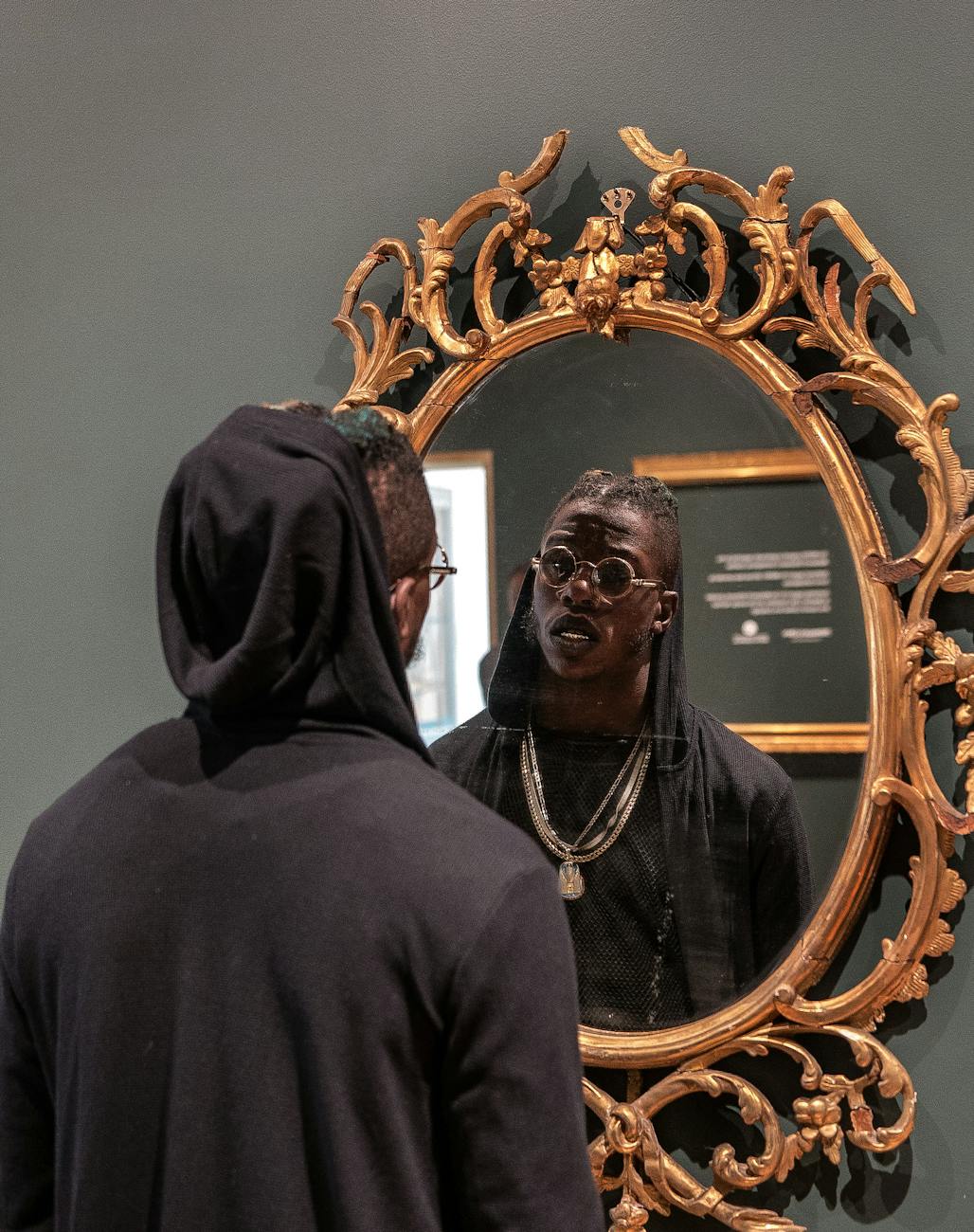
Photo by Jaycee300s on Pexels.com

The concept of the brown girl dilemma describes the tension of existing in a world that both sees and refuses to see brown-skinned women. It is a paradox of hyper-visibility and invisibility, of being exalted as exotic while simultaneously devalued as undesirable. More than an issue of surface-level aesthetics, it reflects centuries of social engineering, colonial domination, and racialized standards of femininity. To fully understand the brown girl dilemma, one must look beyond the mirror—into history, psychology, spirituality, and cultural representation.

The Mirror as Metaphor

The mirror is not simply an object; it is a metaphor for reflection and self-perception. For the brown-skinned woman, the mirror has too often reflected back distorted images shaped by Eurocentric ideals. What should be a place of affirmation becomes a site of scrutiny and comparison. The dilemma, therefore, is not only about personal insecurities but also about collective histories embedded in glass, culture, and memory.

Colonialism and the Invention of Beauty Hierarchies

The roots of this dilemma stretch deep into colonial encounters where European conquerors created hierarchies of race and beauty. Dark skin became associated with servitude and inferiority, while lighter skin was elevated as closer to civility and divinity (Painter, 2010). This system of thought shaped slavery, caste systems, and beauty industries that persist to this day. The dilemma is thus not self-imposed but historically manufactured.

Slavery and the Double Burden

During slavery in the Americas, brown-skinned women were subjected to a dual exploitation. They were both laborers and objects of sexual control. Enslavers often favored lighter-skinned women, who were frequently products of assault, while darker women endured harsher treatment. This practice seeded colorism within communities of African descent, creating internal hierarchies that still echo (Hunter, 2007). The brown girl dilemma carries this inherited wound.

Colorism as Internalized Oppression

Colorism, the preference for lighter skin over darker tones within the same racial group, continues to mark brown-skinned women. Studies show that lighter skin is often associated with higher earnings, marriageability, and social acceptance, while darker skin is linked with stigma and limited opportunities (Monk, 2014). The brown girl dilemma is therefore not just about external prejudice but also internalized self-division.

Media Representation and Stereotypes

The dilemma intensifies when examining media portrayals. Brown women are either absent, stereotyped, or exoticized. The archetype of the “strong Black woman” often denies vulnerability, while the “sassy brown girl” reduces individuality to caricature. Rarely are brown women portrayed with nuance. When actresses like Viola Davis or Lupita Nyong’o challenge these portrayals, they expand cultural imagination, showing that brown skin is not a limitation but a canvas of depth and brilliance.

The Global Reach of the Dilemma

This dilemma is not unique to African American women. Across the globe, from South Asia to the Caribbean, brown-skinned women confront similar struggles. In India, skin-lightening products remain billion-dollar industries. In the Dominican Republic, Haiti, and Brazil, color hierarchies dictate class and desirability. The brown girl dilemma is therefore a global issue, shaped by centuries of colonialism and reinforced by globalization.

The Psychology of the Mirror

Psychologists argue that beauty standards play a significant role in self-esteem and identity development. For brown girls, the mirror often reflects a struggle between internal truth and external messaging. Research shows that women of color may internalize negative stereotypes, leading to anxiety, depression, or eating disorders (Thompson, 1996). The dilemma, then, is a psychological battle, not merely cultural commentary.

Hyper-Visibility and Invisibility

One of the most painful aspects of the brown girl dilemma is the paradox of being hyper-visible yet unseen. Brown women are often hyper-sexualized in media and fetishized in relationships, yet their humanity, intellect, and individuality are overlooked. This paradox strips them of subjectivity, leaving them caught in the tension between being desired and being dismissed.

The Role of Hair in the Dilemma

Hair becomes another battlefield. Eurocentric ideals often prize straight, silky textures, leading many brown women to alter their natural hair through chemicals or heat. The natural hair movement has sought to reclaim pride in coils, curls, and kinks, asserting that beauty does not need to conform. Yet, the workplace, schools, and even legislation have historically policed Black hair. Thus, the brown girl dilemma extends from skin to scalp, from identity to acceptance.

Spiritual Dimensions of Beauty

Faith offers a powerful alternative to destructive beauty hierarchies. The Bible teaches that true beauty comes from within: “Whose adorning let it not be that outward adorning… but let it be the hidden man of the heart” (1 Peter 3:3–4, KJV). Song of Solomon 1:5 unapologetically declares, “I am black, but comely.” These scriptures affirm the dignity and worth of brown women in ways that challenge societal distortions.

Ancestral Legacy as Healing

Reconnecting with ancestral heritage is another path of healing. For centuries, African societies celebrated melanin-rich skin as divine and powerful. Brown skin was linked to fertility, wisdom, and strength. To reclaim these narratives is to resist colonial lies and honor the legacy of queens, warriors, and mothers who embodied pride long before oppression sought to define them otherwise.

Resilience and Resistance

The brown girl dilemma is not solely a story of struggle; it is also a narrative of resilience. Brown women have continually resisted erasure through art, activism, and scholarship. Writers such as bell hooks and Audre Lorde dissected the intersections of race, gender, and beauty, creating intellectual blueprints for liberation. Their voices demonstrate that naming the dilemma is the first step in dismantling it.

Representation as Revolution

Representation is not trivial; it is revolutionary. When young girls see women who look like them on magazine covers, in films, and in leadership positions, it challenges the internalized hierarchy of shade. Media visibility does not solve all issues, but it creates new frameworks for self-acceptance. Issa Rae’s rise, for example, has offered a celebration of awkward, intelligent, brown-skinned womanhood—shattering monolithic depictions.

Intergenerational Transmission of the Dilemma

The dilemma is also generational. Mothers pass down both pride and pain, shaping how daughters see themselves. Healing requires interrupting cycles of self-deprecation with affirmations of beauty and worth. Teaching brown girls to love their reflection is not vanity—it is survival.

Social Movements and Collective Healing

Movements like #MelaninMagic and #BlackGirlMagic are more than hashtags; they are affirmations of collective worth. They operate as cultural interventions, affirming that brownness is not a liability but a superpower. Social media has become a mirror of its own, where brown women can reclaim narratives, curate beauty on their terms, and create digital sisterhoods.

The Brown Girl Dilemma in Academia and Workplaces

Even in professional spaces, brown women face dilemmas of perception. They are often considered “too aggressive” or “too loud” when advocating for themselves, while lighter-skinned peers may not face the same stereotypes. Professionalism itself has been coded in ways that police Black and brown expression. Thus, the dilemma extends from beauty to competence, from mirror to office.

Beyond Victimhood: Reframing the Narrative

To unpack the brown girl dilemma is to resist framing brown women solely as victims. While acknowledging pain, it is equally essential to celebrate victories. Brown women are innovators, thinkers, artists, and leaders whose contributions to history and culture remain unparalleled. To dwell only on oppression is to diminish the fullness of their humanity.

Toward Liberation and Empowerment

Liberation requires both individual and communal action. Individually, it involves self-love, faith, and reclamation of heritage. Communally, it requires dismantling colorism, expanding representation, and creating structures that honor equity. The brown girl dilemma may have been created by oppression, but it can be undone by empowerment.

Conclusion: Beyond the Mirror

Ultimately, the mirror can no longer be the measure of brown beauty. To look beyond the mirror is to embrace a truth deeper than reflection: that brown skin is sacred, strong, and sufficient. The dilemma may persist, but it need not define. By reclaiming their narrative, brown girls transform the mirror from a place of doubt into a place of affirmation, reflecting the light of resilience, faith, and unyielding beauty.


References

  • Hunter, M. (2007). The persistent problem of colorism: Skin tone, status, and inequality. Sociology Compass, 1(1), 237–254.
  • Monk, E. P. (2014). Skin tone stratification among Black Americans, 2001–2003. Social Forces, 92(4), 1313–1337.
  • Painter, N. I. (2010). The history of White people. W.W. Norton & Company.
  • Thompson, C. (1996). Black women, beauty, and hair as a matter of being. Women’s Studies, 25(6), 667–678.
  • The Holy Bible, King James Version.

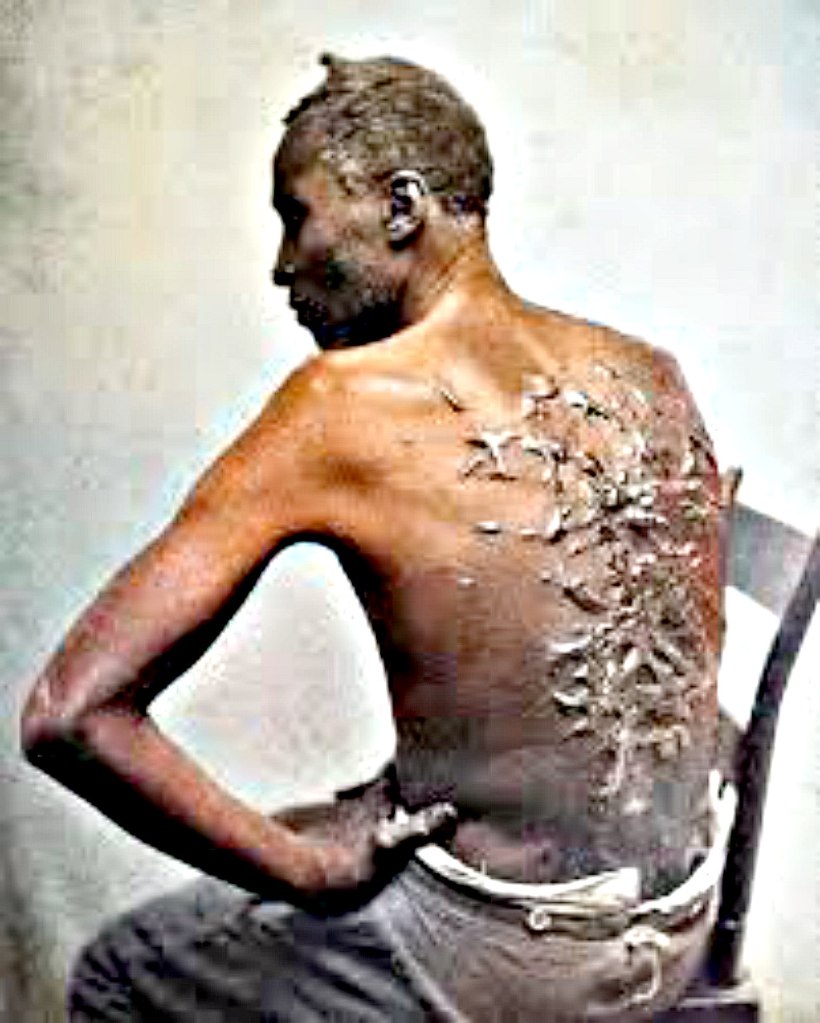
The Slave Files: Whipped Peter (Gordon)

The Scourged Back

Chains that bound, yet could not break
A spirit strong, though flesh did ache.
Scarred and beaten, marked by pain,
He rose to freedom, hope his gain.

Whipped by cruelty, yet never bent,
A testament to courage, resilient.
From fields of sorrow to Union’s call,
Peter’s courage outshines it all.

Photo Credit: McPherson & Oliver. This photograph is the property of its respective owner.

Peter, also known as “Whipped Peter” or “Gordon,” was an enslaved African American man born around 1820–1825; some accounts report his birth around 1850 in Georgia. He was sold to a 3,000-acre plantation in Louisiana owned by Captain John Lyons. In late October 1862, after an altercation with his overseer, Peter was subjected to a brutal whipping that left deep, permanent scars across his back. The overseer reportedly applied salt to the wounds, a common and excruciating practice known as “salting,” intended to inflict maximum pain and humiliation.

Despite this horrific treatment, Peter survived and, in March 1863, escaped the plantation. Using onions to mask his scent from bloodhounds, he reached Union lines near Baton Rouge, Louisiana. There, photographers McPherson & Oliver captured his scarred back, producing the image known as “The Scourged Back.” This photograph circulated widely in abolitionist publications and became a poignant testament to the brutality of slavery, galvanizing public opinion against the institution.

In March 1863, Peter escaped from the plantation, covering his scent with onions to evade bloodhounds. After a perilous journey, he reached Union lines near Baton Rouge, Louisiana, where he was photographed by McPherson & Oliver, revealing the extent of his injuries. The resulting image, known as “The Scourged Back,” was widely circulated and became a poignant testament to the brutality of slavery . Following his escape, Peter enlisted in the Union Army and served in the U.S. Colored Troops, where he continued to contribute to the fight for freedom and justice. While his exact service details remain unclear, his story galvanized anti-slavery sentiments and highlighted the resilience and humanity of enslaved individuals. His story endures as a symbol of resilience, courage, and the unbreakable human spirit, reminding future generations of both the horrors of slavery and the strength required to survive and claim one’s freedom.


References for Further Reading