Tag Archives: hebrewism

Hebrewism

Hebrewism is a multifaceted concept that encompasses the language, culture, spiritual worldview, and identity associated with the ancient Hebrews, often identified biblically as the children of Israel. Rooted in antiquity, Hebrewism extends beyond mere ethnicity; it embodies a covenantal relationship with God, a structured moral law, and a distinctive way of life preserved through sacred texts such as the Torah and the broader canon of Scripture.

At its linguistic core, Hebrewism refers to the Hebrew language, one of the oldest Semitic languages, which carries unique idioms, poetic structures, and symbolic expressions. Biblical Hebrew is rich in imagery and layered meanings, often conveying spiritual truths through metaphor and repetition. Understanding Hebrew linguistically allows deeper interpretation of scripture, as many meanings are lost in translation.

Culturally, Hebrewism reflects a communal and covenant-based society governed by divine law. Practices such as dietary restrictions, Sabbath observance, and ceremonial rituals defined the daily life of ancient Israelites. These customs were not arbitrary but were intended to set the people apart as holy and distinct among the nations.

Theologically, Hebrewism is grounded in monotheism—the belief in one God—and a covenantal framework established with key patriarchs such as Abraham, Isaac, and Jacob. This covenant outlined blessings for obedience and consequences for disobedience, forming the foundation of Israelite identity and destiny.

Historically, the Hebrews are traced through biblical narratives that span from Mesopotamia to Egypt and eventually to the land of Canaan. Key events such as the Exodus and the establishment of the kingdom of Israel shaped their national consciousness and spiritual identity. These events are central to understanding Hebrewism as both a faith and a historical experience.

The destruction of the First and Second Temples and subsequent dispersions contributed to what is often referred to as the Diaspora. This scattering led to the spread of Hebrew culture and religious practice across different regions, while also introducing challenges of maintaining identity in foreign lands.

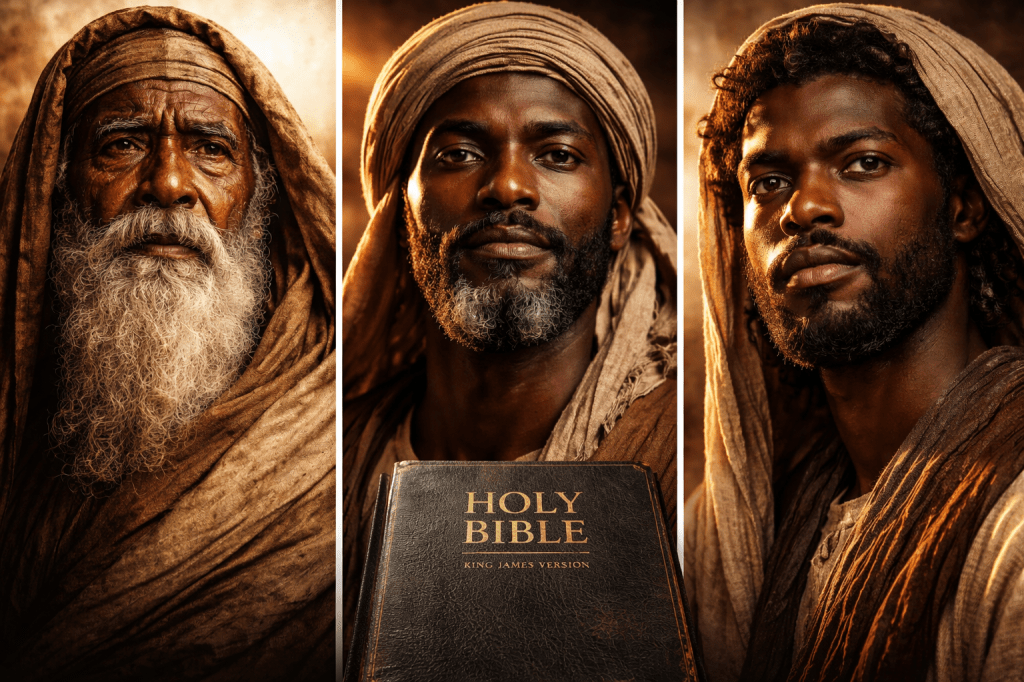
In examining how Black people fit into Hebrewism, one encounters a range of perspectives, some of which are theological, historical, and cultural. Certain groups assert that people of African descent are descendants of the ancient Israelites, drawing connections between biblical prophecies and the historical experiences of Black populations, particularly in the Americas.

Loss of identity refers to a state in which an individual or group becomes disconnected from their true sense of self—culturally, spiritually, psychologically, or historically. It is the erosion or displacement of one’s original identity, often replaced by imposed beliefs, values, or labels.

At the individual level, loss of identity can occur through trauma, social pressure, or prolonged exposure to environments that discourage authenticity. A person may begin to question who they are, adopting behaviors or perspectives that do not align with their core self in order to survive or be accepted.

At the collective level—especially in the context of Black history—the loss of identity is deeply tied to historical processes such as slavery, colonisation, and systemic oppression. During the Transatlantic Slave Trade, Africans were stripped of their names, languages, spiritual systems, and cultural practices. This was not accidental—it was a deliberate attempt to erase identity and replace it with one that served the interests of a dominant सत्ता.

This erasure created generations disconnected from their ancestral roots. Cultural memory was fragmented, and in its place emerged imposed identities shaped by racial hierarchies. Over time, this led to internal conflicts about self-worth, belonging, and purpose—closely tied to what W. E. B. Du Bois described it as double consciousness.

Loss of identity can also manifest through assimilation, where individuals feel pressure to conform to dominant cultural norms at the expense of their own heritage. This often results in code-switching, self-censorship, and the suppression of cultural expression.

Psychologically, it may lead to confusion, low self-esteem, or a fractured sense of self. Spiritually, it can create a disconnection from purpose, heritage, and belief systems that once grounded a people. Socially, it may appear as a division within communities, where shared identity becomes unclear or contested.

Yet, loss of identity is not always permanent. It can also be the beginning of a reclamation process—a journey of rediscovery, where individuals and communities seek to reconnect with their history, culture, and truth.

Simple definition

Loss of identity = the disconnection from one’s true self, roots, or heritage—often caused by external forces like oppression, assimilation, or cultural erasure.

One frequently cited framework in this discussion is found in Deuteronomy 28, which outlines blessings and curses tied to covenantal obedience. Some interpret the curses—such as enslavement, oppression, and displacement—as paralleling the experiences of Africans during the Transatlantic Slave Trade.

This interpretive approach is often associated with movements collectively referred to as Hebrew Israelite traditions. These groups seek to reclaim a perceived lost identity by aligning their history with that of the biblical Israelites, emphasizing restoration, repentance, and adherence to biblical law.

The concept of identity loss is central to these interpretations. The stripping of names, languages, and spiritual systems during slavery is viewed as a severing of original identity, which Hebrewism seeks to restore. This aligns with broader discussions of cultural erasure and reclamation within the African diaspora.

Scholars such as W. E. B. Du Bois have explored the psychological impact of such disconnection, particularly through the lens of double consciousness. While not explicitly tied to Hebrewism, this framework helps explain the internal conflict experienced by those navigating multiple identities.

It is important to note that mainstream academic scholarship generally distinguishes between ancient Israelites of the Near East and modern populations, including those of African descent. Genetic, archaeological, and historical evidence is often used to trace these distinctions, though debates and alternative interpretations persist.

At the same time, Africa has long been connected to biblical narratives. Regions such as Cush (often associated with parts of modern-day Sudan and Ethiopia) and figures like the Ethiopian eunuch in the New Testament highlight the presence of African peoples within the biblical world. This demonstrates that African identity is not foreign to scripture.

Religious identity, particularly within Christianity, has also shaped how Black communities engage with Hebrewism. The Bible has served as both a tool of oppression and a source of liberation, with enslaved Africans drawing strength from stories of deliverance and divine justice.

Modern expressions of Hebrewism among Black communities often emphasise a return to biblical laws, names, and practices. This can include observing dietary laws, celebrating biblical feasts, and adopting Hebrew names as a means of reclaiming identity and spiritual heritage.

Critics of these movements argue that some interpretations lack historical and textual support, cautioning against conflating spiritual identity with ethnic lineage. Nonetheless, the emotional and cultural resonance of these beliefs underscores a deeper desire for belonging and historical continuity.

Hebrewism, therefore, operates on multiple levels: as an ancient tradition, a religious framework, and, for some, a pathway to identity restoration. Its meanings shift depending on context, reflecting both historical realities and contemporary interpretations.

The intersection of Hebrewism and Black identity highlights broader themes of displacement, resilience, and the search for truth. Whether viewed through a scholarly or faith-based lens, the conversation reveals the enduring impact of history on present identity.

Ultimately, Hebrewism invites a deeper exploration of who a people are, where they come from, and how they understand their place in the world. For many, it is not merely about the past but about shaping a future grounded in perceived truth and restored dignity.

As discussions continue, it is essential to approach the topic with both intellectual rigor and cultural sensitivity. The narratives surrounding Hebrewism and Black identity are complex, deeply personal, and often contested, requiring careful study and respectful dialogue.

References

The Holy Bible, King James Version. (1611).

Du Bois, W. E. B. (1903). The Souls of Black Folk. Chicago, IL: A. C. McClurg & Co.

Sanders, E. P. (1992). Judaism: Practice and Belief, 63 BCE–66 CE. London, UK: SCM Press.

Finkelstein, I., & Silberman, N. A. (2001). The Bible Unearthed: Archaeology’s New Vision of Ancient Israel and the Origin of Its Sacred Texts. New York, NY: Free Press.

Goldenberg, D. M. (2003). The Curse of Ham: Race and Slavery in Early Judaism, Christianity, and Islam. Princeton, NJ: Princeton University Press.


Give Me the Keys, Let me Drive!?

Biblical Dating and Gender Roles

Modern dating culture often raises an important question: who should lead in relationships? In a world that increasingly blurs traditional gender roles, many believers return to biblical teachings for guidance. The question “Give me the keys, let me drive” metaphorically reflects a deeper inquiry about leadership, responsibility, and order in relationships. Within a biblical framework, dating is not merely recreational companionship but a preparatory stage for covenant marriage, requiring wisdom, discipline, and spiritual alignment.

Biblical dating differs from modern dating norms because it is rooted in the purpose of marriage rather than casual experimentation. Scripture emphasizes intentional relationships guided by moral character, faith, and spiritual maturity. While the Bible does not provide an explicit manual for modern dating, it offers principles concerning leadership, respect, modesty, and responsibility that shape how men and women interact during courtship.

In biblical tradition, leadership within the family structure is generally associated with the man. This concept stems from passages such as Ephesians 5:23, which describes the husband as the head of the wife, reflecting a model of sacrificial leadership patterned after Christ’s relationship with the church. This leadership is not meant to be authoritarian but rather protective, responsible, and loving.

For this reason, many theological interpretations suggest that during dating or courtship, men should demonstrate initiative and direction. A man who intends to pursue marriage is expected to show stability, discipline, and the capacity to lead a household. Leadership in this context involves emotional maturity, financial responsibility, and spiritual guidance.

The question then arises: should women lead in dating relationships? While women possess leadership abilities in many aspects of life, biblical teaching traditionally frames romantic pursuit differently. In many scriptural narratives, men initiate the pursuit of marriage while women respond with discernment and wisdom. This pattern reflects cultural traditions present in ancient Israelite society.

Women are often encouraged in biblical teachings to exercise discernment rather than aggressive pursuit. Proverbs 31, for example, describes a virtuous woman as wise, industrious, and honorable. Her character attracts respect and admiration, suggesting that virtue and dignity play a significant role in attracting a suitable partner.

The concept of modesty also appears frequently in biblical discussions about relationships. First Timothy 2:9 encourages women to adorn themselves with modesty and self-control rather than focusing solely on outward appearance. Modesty in this sense refers not only to clothing but also to demeanor, humility, and respect.

In the context of dating, modest behavior can involve maintaining boundaries that reflect personal values and spiritual convictions. These boundaries may include emotional restraint, respectful communication, and a commitment to sexual purity. Such practices are intended to protect both individuals from actions that could harm their spiritual or emotional well-being.

Another important question concerns whether women should actively search for a man. While modern culture often encourages women to aggressively pursue romantic interests, biblical perspectives generally emphasize patience and discernment. Proverbs 18:22 states that “he who finds a wife finds a good thing,” suggesting that the act of seeking traditionally belongs to the man.

This does not imply passivity or lack of agency for women. Instead, biblical wisdom literature encourages women to cultivate character, wisdom, and spiritual strength. These qualities not only contribute to personal fulfillment but also help ensure that a woman chooses a partner who shares her values.

Character remains central to biblical dating. Both men and women are encouraged to prioritize integrity, honesty, and faithfulness when evaluating potential partners. External attraction may spark initial interest, but enduring relationships depend on trust and shared moral commitments.

One of the greatest challenges in modern dating culture is the prevalence of sexual permissiveness. Many biblical teachings warn against fornication, emphasizing that sexual intimacy is designed for marriage. First Corinthians 6:18 instructs believers to flee sexual immorality, highlighting the spiritual and emotional consequences associated with such behavior.

Within biblical dating frameworks, sexual boundaries serve to protect the sacred nature of marriage. Couples are encouraged to focus on spiritual compatibility, emotional connection, and shared purpose rather than physical gratification. These boundaries help ensure that relationships develop on foundations of respect and commitment.

Leadership in dating also involves responsibility for the emotional and spiritual direction of the relationship. A man who seeks to lead should demonstrate patience, kindness, and humility. Rather than controlling his partner, he should prioritize her well-being and encourage her spiritual growth.

Women, in turn, are encouraged to evaluate whether a man exhibits qualities consistent with biblical leadership. A man who lacks discipline, integrity, or respect may not be prepared for the responsibilities of marriage. Discernment helps women avoid relationships that could lead to instability or emotional harm.

Mutual respect is another essential element of biblical dating. While the Bible describes complementary roles for men and women, it also emphasizes the equal value of both. Galatians 3:28 affirms that all believers are one in Christ, underscoring the spiritual equality shared by men and women.

Communication plays a crucial role in developing healthy relationships. Honest dialogue about expectations, values, and goals helps couples determine compatibility. Without open communication, misunderstandings can arise that weaken the foundation of the relationship.

Faith is often considered the most important factor in biblical dating. Couples who share spiritual beliefs and practices may find it easier to navigate challenges together. Prayer, scripture study, and shared worship can strengthen emotional bonds and reinforce shared purpose.

Patience is another virtue emphasized throughout scripture. Rather than rushing into relationships based solely on attraction, individuals are encouraged to seek divine guidance. Waiting allows individuals to develop maturity and clarity about their desires and responsibilities.

Ultimately, the question “who drives the relationship?” may oversimplify the complexity of biblical partnership. While men are often encouraged to lead, healthy relationships require cooperation, humility, and mutual support. Leadership is most effective when grounded in love and service rather than dominance.

Biblical dating, therefore, encourages individuals to pursue relationships with intention, integrity, and faith. By prioritizing spiritual values and moral character, couples can build partnerships that reflect both personal fulfillment and divine purpose.


References

The Holy Bible, King James Version. (1769/2017). Cambridge University Press.

Blomberg, C. L. (2014). Christians in an age of wealth: A biblical theology of stewardship. Grand Rapids, MI: Zondervan.

Cloud, H., & Townsend, J. (2005). Boundaries in dating. Grand Rapids, MI: Zondervan.

Köstenberger, A. J., & Jones, D. W. (2010). God, marriage, and family: Rebuilding the biblical foundation. Wheaton, IL: Crossway.

Stanley, S. M., Rhoades, G. K., & Markman, H. J. (2006). Sliding versus deciding: Inertia and the premarital cohabitation effect. Family Relations, 55(4), 499–509. https://doi.org/10.1111/j.1741-3729.2006.00418.x

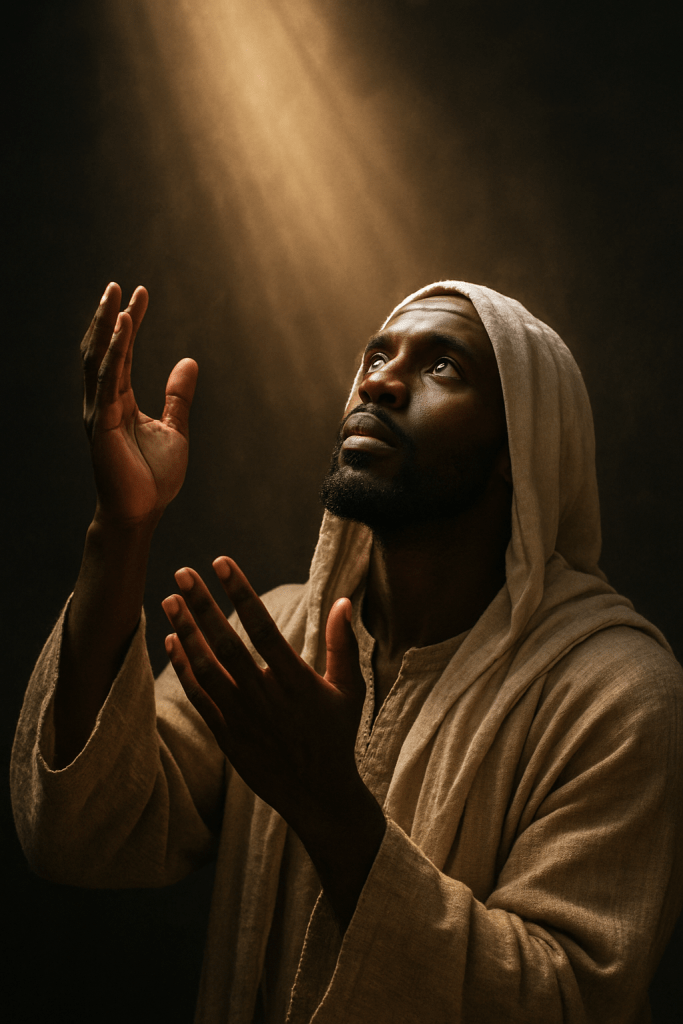
A Long Way Home (Walk with God)

This photograph is the property of its respective owner. No copyright infringement intended.

There is something sacred about the word home. It does not merely describe a physical dwelling, but a spiritual destination—a place of rest, belonging, and divine intimacy. From a biblical perspective, humanity has always been on a journey, wandering between what was lost in Eden and what will be restored in the Kingdom of God. Our entire existence on earth can be understood as a pilgrimage, a long way home.

Scripture presents life as a temporary lodging. “For here have we no continuing city, but we seek one to come” (Hebrews 13:14, KJV). Earth is not our final address; it is a passageway. We are travelers passing through time, culture, trauma, and temptation, all while being called back to the presence of God, from whom the soul originated.

Sin is what made the journey long. In Genesis, Adam and Eve were exiled from divine intimacy, not just from a garden but from unbroken fellowship with the Most High. Every generation since has inherited that spiritual distance. To live in sin is to live in exile—breathing, yet displaced from one’s true home.

Yet God, in His mercy, never abandoned humanity to wander without direction. The entire biblical narrative—from Abraham’s call, to Israel’s wilderness journey, to Christ’s incarnation—is about God providing a path back. Redemption is not merely forgiveness; it is relocation of the soul.

Treasures from our past often shape how we travel. Memories, ancestral wisdom, cultural identity, and lived experiences become spiritual luggage. Some of these treasures refine us, while others weigh us down. God does not ask us to forget our past, but to redeem it—transforming pain into purpose.

Jesus taught that not all treasures belong in our suitcase. “Lay not up for yourselves treasures upon earth… but lay up for yourselves treasures in heaven” (Matthew 6:19–20, KJV). Earthly status, beauty, wealth, and validation cannot accompany us home. Only spiritual capital endures.

Our walk with God is not a sprint but a lifelong pilgrimage. Faith matures through trials, losses, unanswered prayers, and seasons of waiting. Like Israel in the wilderness, we often complain about the journey, forgetting that the delay itself is shaping our character.

Earth becomes a testing ground for the heart. God is less interested in what we accumulate and more concerned with what we become. Pride, bitterness, lust, and fear are burdens that slow the soul’s return. Repentance is the act of unpacking what God never told us to carry.

Home is not heaven as a place; it is God as a presence. Heaven is simply where God fully dwells without obstruction. To return home is to return to intimacy, obedience, humility, and truth. It is not about escaping the world, but being transformed within it.

The Apostle Paul described believers as ambassadors. An ambassador lives in a foreign land but remains loyal to their true country. Likewise, the faithful live in this world but do not belong to its systems, values, or idols.

The greatest deception of modern culture is convincing people that fulfillment is found in external things. Social media, consumerism, and self-worship teach us to build homes in places God never promised to dwell. But anything built without God becomes a temporary shelter.

God desires the heart more than performance. “My son, give me thine heart” (Proverbs 23:26, KJV). The true offering is not religious activity, but inner surrender. The heart is the only possession God explicitly asks us to bring home.

Salvation is not merely about avoiding hell, but about returning to a relationship. Christ did not come to make bad people good; He came to bring lost children back to their Father. The cross is the bridge, not the destination.

Many people reach material success yet feel spiritually homeless. This is because the soul remembers Eden, even if the mind does not. There is a divine homesickness embedded in human consciousness—a longing no relationship, achievement, or pleasure can satisfy.

The longer we stay attached to sin, the longer the journey feels. Sin delays arrival. It fragments identity, distorts purpose, and confuses direction. Every act of obedience shortens the distance between where we are and where we belong.

God’s concept of “packing light” is radical. He calls us to release ego, reputation, unforgiveness, and false identity. What He wants us to carry is faith, love, humility, and truth—items that increase in value the closer we get to Him.

Even suffering becomes a form of spiritual navigation. Trials expose what we truly trust. They teach us that comfort is not home, and pleasure is not peace. Sometimes God allows storms because we have mistaken the boat for the destination.

Death, in biblical theology, is not the end of life but the end of exile. For the righteous, it is not loss but return. It is the final border crossing from temporary residence into eternal citizenship.

To go a long way home is to awaken to who we truly are: souls created by God, separated by sin, restored by grace, and called back by love. Every prayer, every repentance, every act of faith is a step closer to that reunion.

In the end, the only thing God truly wants from us is alignment—our hearts facing the same direction as His. Not perfection, not fame, not success, but surrender. Home is not a place we find; it is a relationship we return to.


What to Pack for the Journey with God

Not physical items, but spiritual essentials:

A surrendered heart
A heart willing to be corrected, softened, and transformed.

A consistent prayer life
Not performance prayers, but honest conversation with God.

The Word of God
Scripture as daily bread, not occasional inspiration.

Repentance and humility
The ability to admit when we are wrong and turn back.

Faith and trust
Believing God even when the path is unclear.

Love and forgiveness
Releasing resentment so the soul can travel light.

Obedience
Choosing God’s will over personal comfort.

Gratitude
Recognizing God’s presence in every season.

Discernment
Knowing what to release and what to carry forward.

Hope
Confidence that the destination is real, even when unseen.


References

The Holy Bible, King James Version. (2017). Hendrickson Publishers.

Augustine of Hippo. (1991). Confessions (H. Chadwick, Trans.). Oxford University Press.

Bonhoeffer, D. (1959). The Cost of Discipleship. SCM Press.

Lewis, C. S. (2001). Mere Christianity. HarperOne.

Nouwen, H. J. M. (1992). The Return of the Prodigal Son: A Story of Homecoming. Doubleday.

Wright, N. T. (2012). After You Believe: Why Christian Character Matters. HarperOne.

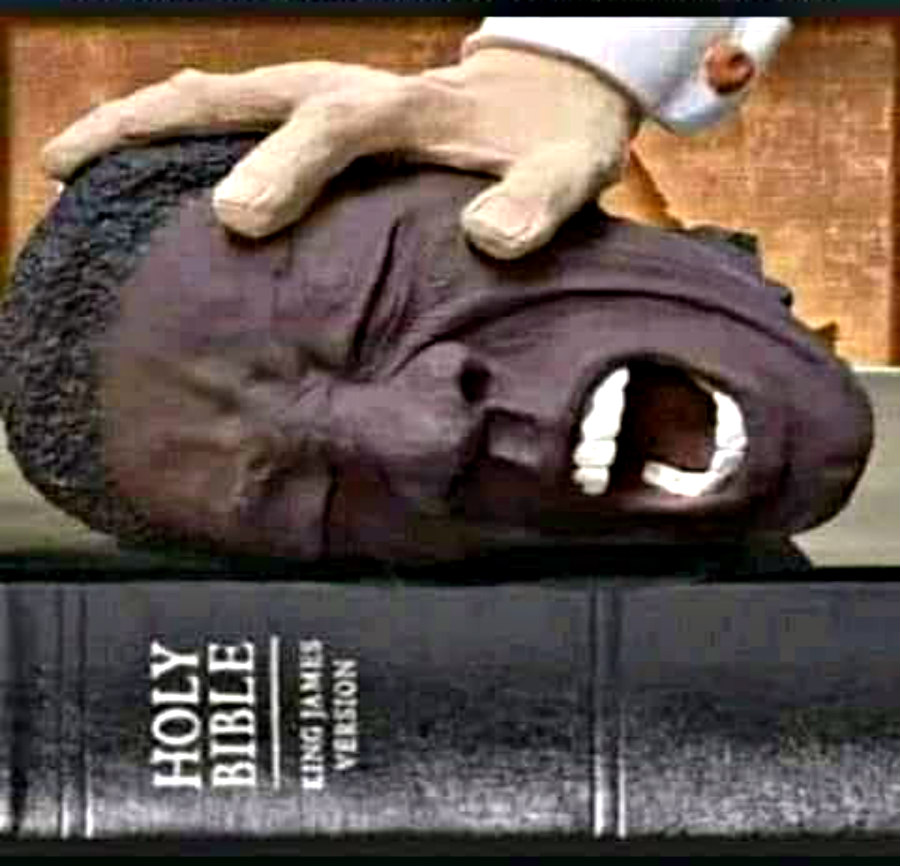
Weaponizing Scripture: How the Bible Was Used to Justify Enslavement

This photograph is the property of its respective owner. No copyright infringement intended

Weaponizing Scripture was one of the most devastating tools used to sustain the transatlantic slave system. The Bible, a text meant to proclaim liberation, justice, and the dignity of humanity, was distorted into an instrument of control. Enslavers did not merely use chains and whips; they used theology, selectively interpreted and strategically taught, to shape belief, obedience, and identity.

European slaveholders understood that physical domination alone was insufficient. To maintain long-term control, they needed mental and spiritual submission. Christianity, when stripped of its liberatory core, became a mechanism for conditioning enslaved Africans to accept suffering as divinely ordained rather than violently imposed.

One of the most common tactics was the selective reading of Scripture. Enslavers emphasized verses that appeared to support servitude while suppressing passages that spoke of freedom, justice, and God’s judgment against oppression. This manipulation created a counterfeit Christianity that served the empire rather than God.

A frequently cited passage was Ephesians 6:5, “Servants, be obedient to them that are your masters” (KJV). This verse was taught without context, stripped of its historical setting, and severed from the broader biblical narrative. Enslavers ignored that the same chapter commands masters to act justly and warns that God shows no partiality.

Similarly, Colossians 3:22 and 1 Peter 2:18 were weaponized to portray submission to abuse as holy obedience. These verses were never intended to endorse racialized, chattel slavery, yet they were recast to sanctify lifelong bondage based on skin color, a concept entirely foreign to the biblical world.

At the same time, enslavers deliberately removed or discouraged engagement with texts that threatened their power. The book of Exodus, which narrates God’s deliverance of an enslaved people, was often censored or reframed. Moses was rarely preached as a liberator, and Pharaoh’s defeat was downplayed or spiritualized to avoid political implications.

In many plantations, enslaved Africans were given a heavily edited text known as the “Slave Bible.” This version removed large portions of the Old Testament and New Testament passages that emphasized freedom, equality, or divine justice. What remained was a hollowed-out gospel engineered for compliance.

This theological distortion extended beyond omission into outright deception. Enslavers taught that Black people were cursed by God, often invoking a twisted interpretation of the so-called “Curse of Ham” in Genesis 9. This lie ignores the text itself, which never condemns Ham’s descendants to perpetual slavery and never mentions race.

By redefining God as a white authoritarian figure aligned with European power, enslavers reshaped spiritual imagination. Blackness became associated with sin, inferiority, and divine disfavor, while whiteness was falsely aligned with righteousness and authority. This inversion was not biblical; it was ideological.

Such misuse of Scripture produced mental slavery, a condition where the enslaved internalized the oppressor’s theology. Over time, some came to believe their suffering was God’s will, that resistance was rebellion against heaven, and that liberation was spiritually dangerous.

Yet even under these conditions, enslaved Africans demonstrated remarkable theological resistance. Through spirituals, coded language, and communal worship, they reclaimed biblical themes of deliverance, judgment, and hope. Songs about crossing Jordan, escaping Egypt, and seeing the promised land were not metaphorical escapism; they were theological protest.

The Bible itself consistently condemns man-stealing, the foundation of chattel slavery. Exodus 21:16 declares that kidnapping a human being and selling them is a capital crime. This verse alone dismantles the moral legitimacy of the slave trade, yet it was systematically ignored.

The prophets repeatedly denounce exploitation of the poor and vulnerable. Isaiah, Jeremiah, and Amos all portray God as hostile toward nations that enrich themselves through oppression. These texts reveal that the God of Scripture sides with the crushed, not the conqueror.

Jesus’ ministry further exposes the lie of slaveholding theology. Christ announced His mission as one to “preach deliverance to the captives” and to set the oppressed free (Luke 4:18). Any theology that sanctifies captivity directly contradicts the words of Christ Himself.

The apostolic message affirms spiritual equality among believers. Galatians 3:28 declares that there is neither slave nor free in Christ, undermining any doctrine that elevates one group over another. While early Christians lived within existing social systems, the gospel planted seeds that inevitably challenged them.

Weaponized Scripture also served to fracture Black identity. African spiritual systems were demonized, ancestral memory was erased, and biblical literacy was restricted. This was not evangelism; it was cultural warfare masquerading as salvation.

The long-term consequences of this distortion persist today. Many descendants of the enslaved wrestle with inherited religious trauma, mistrust of Christianity, or internalized inferiority rooted in centuries of theological abuse. This is one of slavery’s most enduring scars.

Yet the Bible itself is not the enemy. The problem has never been Scripture, but who interprets it, how it is taught, and whose interests it serves. When read holistically, the Bible exposes slavery as sin and oppression as rebellion against God.

Reclaiming Scripture requires restoring context, history, and truth. It demands confronting how Christianity was used as a colonial tool while also recognizing how Black faith communities preserved the liberating heart of the gospel against all odds.

Weaponized Scripture enslaved bodies for centuries, but redeemed Scripture continues to awaken minds. When the Bible is freed from manipulation, it testifies not to chains, but to justice, dignity, and divine judgment against every system built on human suffering.


References

Cone, J. H. (1975). God of the oppressed. New York, NY: Seabury Press.

Douglas, K. B. (1994). The black Christ. Maryknoll, NY: Orbis Books.

Haynes, S. R. (2002). Noah’s curse: The biblical justification of American slavery. Oxford, UK: Oxford University Press.

Raboteau, A. J. (2004). Slave religion: The “invisible institution” in the antebellum South. New York, NY: Oxford University Press.

The Holy Bible, King James Version. (1769/2017). Cambridge Edition.

Wilmore, G. S. (1998). Black religion and Black radicalism (3rd ed.). Maryknoll, NY: Orbis Books.

Being Spiritually Bankrupt

Spiritual bankruptcy describes a condition in which the soul is impoverished despite outward activity, knowledge, or religious affiliation. It is the quiet emptiness that persists even when one attends services, recites prayers, or possesses intellectual familiarity with Scripture. In biblical terms, it reflects a separation between form and power, where the heart is distant from the Most High though the lips may still speak His name.

In the King James Version, this condition is hinted at when Christ says, “This people draweth nigh unto me with their mouth, and honoureth me with their lips; but their heart is far from me” (Matthew 15:8, KJV). Spiritual bankruptcy is not merely the absence of belief, but the erosion of intimacy with God. It is the soul running on religious fumes rather than living faith.

The spiritually bankrupt individual often experiences dryness, confusion, and fatigue in prayer and reading. Scripture may feel distant or unreadable, and spiritual disciplines become obligations rather than lifelines. This mirrors the Laodicean condition described in Revelation, where believers believed themselves rich, yet were declared “wretched, and miserable, and poor, and blind, and naked” (Revelation 3:17, KJV).

Biblically, spiritual poverty is not always condemned; in fact, it can be the doorway to restoration. Christ declares, “Blessed are the poor in spirit: for theirs is the kingdom of heaven” (Matthew 5:3, KJV). To be poor in spirit is to recognize one’s need, to admit spiritual insolvency without God’s sustaining presence.

Spiritual bankruptcy often develops through neglect rather than rebellion. Slowly, prayer becomes rushed, Scripture reading becomes sporadic, and worldly pressures crowd out sacred space. As Proverbs warns, “He that trusteth in his own heart is a fool” (Proverbs 28:26, KJV). Self-reliance replaces God-dependence, leading to spiritual depletion.

Another cause is unrepented sin, which creates distance between the soul and the Most High. Isaiah declares plainly, “Your iniquities have separated between you and your God” (Isaiah 59:2, KJV). Sin dulls spiritual sensitivity and interrupts communion, leaving the believer spiritually impoverished even while maintaining outward morality.

The first step toward recovery is honest self-examination before God. David models this posture when he prays, “Search me, O God, and know my heart: try me, and know my thoughts” (Psalm 139:23, KJV). Spiritual healing begins when one stops pretending to be full and admits emptiness before the Most High.

Repentance follows recognition. Biblical repentance is not merely sorrow, but a turning of the heart and direction. “If we confess our sins, he is faithful and just to forgive us our sins, and to cleanse us from all unrighteousness” (1 John 1:9, KJV). Confession restores access to divine fellowship and breaks the cycle of spiritual debt.

Prayer must then be rebuilt as relationship rather than ritual. Christ instructed His disciples to pray beginning with reverence and submission: “Our Father which art in heaven, Hallowed be thy name. Thy kingdom come. Thy will be done” (Matthew 6:9–10, KJV). Prayer reconnects the soul to its Source when approached with humility and sincerity.

Effective prayer includes thanksgiving, confession, petition, and listening. The Psalms repeatedly model honest conversation with God, including lament and praise. “The LORD is nigh unto all them that call upon him, to all that call upon him in truth” (Psalm 145:18, KJV). Consistency, not eloquence, restores spiritual vitality.

Reading the Bible is essential to overcoming spiritual bankruptcy, for Scripture is spiritual nourishment. Christ declares, “Man shall not live by bread alone, but by every word that proceedeth out of the mouth of God” (Matthew 4:4, KJV). Without regular intake of the Word, the spirit weakens just as the body would without food.

Scripture reading should be approached prayerfully, asking for understanding and application. “Open thou mine eyes, that I may behold wondrous things out of thy law” (Psalm 119:18, KJV). The goal is not speed or volume, but communion and transformation through divine truth.

Meditation on Scripture deepens this process. Joshua was instructed to meditate on the law day and night to prosper spiritually and practically (Joshua 1:8, KJV). Meditation allows the Word to move from the page into the heart, rebuilding spiritual wealth over time.

Developing a relationship with the Most High requires obedience born from love. Christ states plainly, “If ye love me, keep my commandments” (John 14:15, KJV). Obedience is not legalism but alignment, restoring harmony between God’s will and human conduct.

Trust is another cornerstone of spiritual restoration. “Trust in the LORD with all thine heart; and lean not unto thine own understanding” (Proverbs 3:5, KJV). Spiritual bankruptcy often thrives where trust has been transferred from God to self, systems, or society.

Fellowship with other believers also strengthens spiritual health. Scripture teaches that believers sharpen one another (Proverbs 27:17, KJV). Isolation can deepen spiritual poverty, while righteous community provides encouragement, accountability, and shared wisdom.

Fasting may also play a role in spiritual renewal. Biblically, fasting humbles the soul and reorients desire toward God (Psalm 35:13, KJV). When practiced correctly, it strips away distractions and exposes areas of dependency that must be surrendered.

Ultimately, spiritual wealth is measured by closeness to God, not emotional highs or material success. Paul declares, “I count all things but loss for the excellency of the knowledge of Christ Jesus my Lord” (Philippians 3:8, KJV). True abundance is found in divine intimacy.

The spiritually bankrupt soul is not beyond repair. God promises restoration to those who return to Him wholeheartedly. “Draw nigh to God, and he will draw nigh to you” (James 4:8, KJV). The Most High is not withholding; He is waiting.

Spiritual bankruptcy, when acknowledged, becomes the soil in which renewal grows. Through repentance, prayer, Scripture, obedience, and trust, the soul is rebuilt and restored. The same God who exposes emptiness also supplies fullness, for “the LORD is my shepherd; I shall not want” (Psalm 23:1, KJV).


References (KJV)

The Holy Bible, King James Version.
Matthew 4:4; Matthew 5:3; Matthew 6:9–10; Matthew 15:8
Psalm 23:1; Psalm 35:13; Psalm 119:18; Psalm 139:23; Psalm 145:18
Proverbs 3:5; Proverbs 27:17; Proverbs 28:26
Isaiah 59:2
Joshua 1:8
John 14:15
Philippians 3:8
Revelation 3:17
James 4:8
1 John 1:9

The Marriage Series: Can we Talk?

In every enduring relationship, especially within the covenant of biblical marriage, communication stands as one of the greatest expressions of love. When two people speak openly, listen deeply, and share honestly, they build a foundation that storms cannot destroy. The Scriptures affirm that “a threefold cord is not quickly broken” (Ecclesiastes 4:12, KJV), and communication is one of the strands woven into that sacred cord.

Healthy communication begins with a willingness to be transparent. Marriage was never designed for masks, silence, or emotional withdrawal. Adam and Eve were “naked and not ashamed” (Genesis 2:25, KJV), symbolizing emotional openness and vulnerability. When couples talk honestly, they strip away fear and allow intimacy to flourish.

Trust is the oxygen of communication. Without trust, words become weapons or walls. Proverbs 31 describes the virtuous wife by saying, “the heart of her husband doth safely trust in her” (Proverbs 31:11, KJV). Likewise, a God-fearing husband earns trust by acting with integrity, consistency, and love. Trust grows stronger when both partners are safe places for each other.

Respect is another pillar of healthy dialogue. The Bible commands husbands to dwell with their wives “according to knowledge” (1 Peter 3:7, KJV), meaning with understanding, honor, and patience. Respectful communication avoids sarcasm, belittling words, and assumptions. It listens before reacting and seeks to understand before seeking to be understood.

Love—biblical, selfless love—is the voice of God within marriage. Paul reminds us that “charity…seeketh not her own…is not easily provoked…rejoiceth in the truth” (1 Corinthians 13:4–6, KJV). Communicating in love means speaking truth without cruelty, correcting without condemning, and disagreeing without disrespect.

Healthy marriages thrive when couples intentionally create space for conversation. This means setting aside time to talk without distraction, whether daily check-ins or weekly heart-to-heart sessions. These moments build emotional intimacy and allow couples to realign expectations, share gratitude, and resolve tensions before they grow.

Listening is just as holy as speaking. James teaches, “Let every man be swift to hear, slow to speak, slow to wrath” (James 1:19, KJV). A listening spouse hears not only the words but the emotions behind them. A listening spouse resists defensiveness and responds with grace. Listening is a ministry of presence.

Honesty must be handled gently. Truth without compassion becomes harshness, while compassion without truth becomes compromise. Ephesians 4:15 encourages believers to speak “the truth in love,” which should be the posture of every married couple. Honesty should heal, not harm.

Forgiveness is essential for communication to thrive. Couples who talk openly will eventually bump into misunderstandings or mistakes. Jesus teaches that forgiveness is not optional (Matthew 18:21–22, KJV). In marriage, forgiveness restores conversation and prevents resentment from choking intimacy.

Communication also requires humility. Pride is the enemy of connection, but humility invites grace. Philippians 2:3 teaches, “Let nothing be done through strife or vainglory; but in lowliness of mind let each esteem other better than themselves.” Humility softens tone, shifts perspective, and opens doors that pride keeps shut.

Being trustworthy means being dependable with words, emotions, and commitments. When couples keep promises, show up consistently, and honor boundaries, they reinforce the security needed for open dialogue. Trustworthiness is proven over time through actions, not simply declared with speech.

In a biblical marriage, communication should include prayer. When couples pray together, they speak not only to one another but also to God. Prayer invites divine wisdom, unity, and peace. Matthew 18:19 affirms the power of agreement: “If two of you shall agree on earth… it shall be done.” Couples who talk to God together learn to talk to each other with more grace.

Healthy communication honors emotional needs. Some partners need reassurance; others need organization; some need affection; others need clarity. Understanding these differences prevents unnecessary conflict. Husbands and wives can study each other the way they study Scripture—with intention and reverence.

Setting boundaries for conflict is another key. Couples can agree not to shout, insult, walk away, or bring up unrelated past issues. Ephesians 4:26 warns, “Let not the sun go down upon your wrath,” reminding us that peace is a daily pursuit.

A strong marriage requires accountability. Couples must lovingly hold each other to spiritual, emotional, and relational standards. Accountability is not control but partnership. “Iron sharpeneth iron” (Proverbs 27:17, KJV), and marriage is one of God’s refining tools.

Communication thrives when couples celebrate each other. Appreciation strengthens bonds and encourages positive behavior. Compliments, gratitude, and verbal affection create emotional security. Proverbs 16:24 reminds us that “pleasant words are as an honeycomb.”

Honest communication may require difficult conversations—about finances, family, expectations, boundaries, or disappointment. These conversations should not be avoided, for avoidance breeds fear. Instead, couples should approach difficult topics with prayer, patience, and love.

Couples must guard their marriage from outside influences that corrupt communication. Gossipers, negative friends, meddling relatives, and social media comparisons can poison perspective. The Bible warns, “Be not deceived: evil communications corrupt good manners” (1 Corinthians 15:33, KJV). Protecting the marriage circle is protecting communication.

Healthy relationships require consistent emotional check-ins. Asking simple questions like “How are we doing?” keeps problems from festering. These conversations can be gentle assessments of connection, trust, and emotional well-being.

Ultimately, communication in marriage reflects the couple’s relationship with God. When spouses honor God with their words, they honor each other. When they let the Holy Spirit guide their speech, they speak life. Proverbs 18:21 declares, “Death and life are in the power of the tongue.” In marriage, words can either build a sanctuary or create a battlefield.

At its core, biblical communication is an act of love, service, and covenant faithfulness. When couples commit to honesty, humility, trustworthiness, and grace-filled dialogue, they create a marriage that reflects the heart of God—one rooted in truth, strengthened by forgiveness, and flourishing in love.

References
Holy Bible, King James Version.
Ecclesiastes 4:12; Genesis 2:25; Proverbs 31:11; 1 Peter 3:7; 1 Corinthians 13:4–6; James 1:19; Ephesians 4:15, 4:26; Matthew 18:19, 18:21–22; Philippians 2:3; Proverbs 27:17; Proverbs 16:24; 1 Corinthians 15:33; Proverbs 18:21.

The Man God Built

The man God builds is not shaped by the world but by divine purpose. He is called to reflect God’s nature through character, faith, and steadfastness. As Scripture declares, God desires a man after His own heart, one who seeks righteousness above worldly gain (Acts 13:22). This type of man recognizes that true strength is measured in obedience to God, not in personal acclaim.

A man built by God is anchored in integrity. Integrity is the framework that aligns his actions with God’s Word. Proverbs 10:9 says, “He that walketh uprightly walketh surely: but he that perverteth his ways shall be known.” The godly man’s decisions are consistent, whether seen by many or by none, for he knows that God’s eyes are upon him.

Such a man is humble, understanding that authority is stewardship, not entitlement. Humility allows him to submit to God’s guidance while leading others with wisdom and compassion. James 4:10 affirms, “Humble yourselves in the sight of the Lord, and he shall lift you up.” Humility is thus both a shield and a crown in a godly man’s life.

Faith is the foundation of his life. A man after God’s own heart walks in trust, even when circumstances appear daunting. Hebrews 11:6 reminds us, “But without faith it is impossible to please him: for he that cometh to God must believe that he is, and that he is a rewarder of them that diligently seek him.” Faith propels him to act rightly, not merely to believe passively.

The man God builds pursues wisdom above all earthly knowledge. Wisdom distinguishes the temporary from the eternal, guiding him in decision-making and leadership. Proverbs 4:7 declares, “Wisdom is the principal thing; therefore get wisdom: and with all thy getting get understanding.” In every choice, a godly man seeks God’s discernment.

Courage marks the man God constructs. He does not shrink from moral challenges or spiritual battles. Joshua 1:9 commands, “Be strong and of a good courage; be not afraid, neither be thou dismayed: for the Lord thy God is with thee whithersoever thou goest.” Courage is born of trust in God’s presence and promises.

Responsibility defines his every endeavor. A man built by God does not shirk duty but embraces accountability in family, work, and community. Luke 16:10 teaches, “He that is faithful in that which is least is faithful also in much.” Faithfulness in small matters reflects readiness for greater responsibilities.

A man after God’s own heart is prayerful, maintaining constant communion with his Creator. Prayer is the lifeline that sustains his soul and informs his actions. Philippians 4:6 exhorts, “Be careful for nothing; but in every thing by prayer and supplication with thanksgiving let your requests be made known unto God.” Through prayer, he aligns his will with God’s.

Compassion flows naturally from the man God shapes. He bears the burdens of others and acts justly, especially toward the vulnerable. Micah 6:8 instructs, “He hath shewed thee, O man, what is good; and what doth the Lord require of thee, but to do justly, and to love mercy, and to walk humbly with thy God?” Mercy strengthens his relationships and his testimony.

The man God builds practices self-control. His emotions, desires, and impulses are tempered by the Spirit. Proverbs 25:28 warns, “He that hath no rule over his own spirit is like a city that is broken down, and without walls.” Self-discipline ensures his influence is constructive, not destructive.

Vision defines his journey. A man after God’s own heart has clarity of purpose rooted in divine calling. Proverbs 29:18 affirms, “Where there is no vision, the people perish: but he that keepeth the law, happy is he.” His foresight guides his family, community, and spiritual legacy.

The godly man demonstrates resilience, standing firm amidst trials. Job exemplifies this, maintaining faith under suffering. James 1:12 reminds, “Blessed is the man that endureth temptation: for when he is tried, he shall receive the crown of life, which the Lord hath promised to them that love him.” Resilience is nurtured through unwavering trust in God.

A man God builds is honest in all dealings. Truthfulness strengthens his credibility and honors God. Proverbs 12:22 declares, “Lying lips are abomination to the Lord: but they that deal truly are his delight.” His words align with reality and righteousness.

Generosity marks his interactions. He gives willingly to meet needs, reflecting God’s providence. Acts 20:35 notes, “It is more blessed to give than to receive.” The godly man’s generosity is not performative but a reflection of divine love.

He is discerning, understanding that appearances may deceive. 1 Thessalonians 5:21 instructs, “Prove all things; hold fast that which is good.” Discernment protects him from manipulation and allows him to shepherd others wisely.

The man God shapes values family and nurtures those entrusted to him. Ephesians 5:25 commands, “Husbands, love your wives, even as Christ also loved the church, and gave himself for it.” He protects, provides, and models godly leadership in the home.

A man after God’s own heart is a servant-leader, not seeking dominance but service. Mark 10:45 reminds, “For even the Son of man came not to be ministered unto, but to minister, and to give his life a ransom for many.” Leadership is defined by humility and sacrifice.

He cultivates patience, understanding that growth is gradual and challenges are refining. Romans 5:3-4 teaches, “…we glory in tribulations also: knowing that tribulation worketh patience; And patience, experience; and experience, hope.” Patience strengthens character and faith.

A man God builds maintains purity of thought and action, avoiding moral compromise. Philippians 4:8 instructs, “Whatsoever things are true, whatsoever things are honest, whatsoever things are just…think on these things.” Purity ensures his life is a testimony of righteousness.

Finally, the man God builds lives with eternal perspective. Colossians 3:2 advises, “Set your affection on things above, not on things on the earth.” His priorities, decisions, and ambitions are aligned with God’s kingdom, leaving a legacy that honors heaven more than man.

References

Acts 13:22 – “And when he had removed him, he raised up unto them David to be their king; to whom also he gave testimony, and said, I have found David the son of Jesse, a man after mine own heart, which shall fulfil all my will.”

Proverbs 10:9 – “He that walketh uprightly walketh surely: but he that perverteth his ways shall be known.”

James 4:10 – “Humble yourselves in the sight of the Lord, and he shall lift you up.”

Hebrews 11:6 – “But without faith it is impossible to please him: for he that cometh to God must believe that he is, and that he is a rewarder of them that diligently seek him.”

Proverbs 4:7 – “Wisdom is the principal thing; therefore get wisdom: and with all thy getting get understanding.”

Joshua 1:9 – “Have not I commanded thee? Be strong and of a good courage; be not afraid, neither be thou dismayed: for the Lord thy God is with thee whithersoever thou goest.”

Luke 16:10 – “He that is faithful in that which is least is faithful also in much: and he that is unjust in the least is unjust also in much.”

Philippians 4:6 – “Be careful for nothing; but in every thing by prayer and supplication with thanksgiving let your requests be made known unto God.”

Micah 6:8 – “He hath shewed thee, O man, what is good; and what doth the Lord require of thee, but to do justly, and to love mercy, and to walk humbly with thy God?”

Proverbs 25:28 – “He that hath no rule over his own spirit is like a city that is broken down, and without walls.”

Proverbs 29:18 – “Where there is no vision, the people perish: but he that keepeth the law, happy is he.”

James 1:12 – “Blessed is the man that endureth temptation: for when he is tried, he shall receive the crown of life, which the Lord hath promised to them that love him.”

Proverbs 12:22 – “Lying lips are abomination to the Lord: but they that deal truly are his delight.”

Acts 20:35 – “I have shewed you all things, how that so labouring ye ought to support the weak, and to remember the words of the Lord Jesus, how he said, It is more blessed to give than to receive.”

1 Thessalonians 5:21 – “Prove all things; hold fast that which is good.”

Ephesians 5:25 – “Husbands, love your wives, even as Christ also loved the church, and gave himself for it.”

Mark 10:45 – “For even the Son of man came not to be ministered unto, but to minister, and to give his life a ransom for many.”

Romans 5:3-4 – “And not only so, but we glory in tribulations also: knowing that tribulation worketh patience; And patience, experience; and experience, hope.”

Philippians 4:8 – “Finally, brethren, whatsoever things are true, whatsoever things are honest, whatsoever things are just, whatsoever things are pure, whatsoever things are lovely, whatsoever things are of good report; if there be any virtue, and if there be any praise, think on these things.”

Colossians 3:2 – “Set your affection on things above, not on things on the earth.”

The Woman God Built

The woman God built is a masterpiece of divine intention, created to reflect His glory and manifest His purpose on earth. She is a woman of faith, rooted in prayer and devotion, trusting God’s timing and sovereignty. Proverbs 31:25 (KJV) says, “Strength and honour are her clothing; and she shall rejoice in time to come.” Her confidence and joy stem not from worldly recognition, but from her steadfast trust in the Lord.

She loves God with all her heart, soul, and mind, embodying the command of Matthew 22:37 (KJV): “Thou shalt love the Lord thy God with all thy heart, and with all thy soul, and with all thy mind.” Her devotion is evident in her daily choices, her priorities, and the way she cultivates her spiritual life. Prayer, worship, and meditation on the Word are her daily bread, sustaining her in times of challenge and triumph alike.

The woman God built keeps His laws and seeks to live righteously. She understands that obedience is an act of love and reverence. Deuteronomy 5:33 (KJV) teaches, “Ye shall walk in all the ways which the Lord your God hath commanded you, that ye may live, and that it may be well with you…” Her commitment to God’s statutes reflects discipline, wisdom, and a heart aligned with divine will.

She is modest in her appearance and demeanor, valuing purity and self-respect. 1 Timothy 2:9-10 (KJV) instructs, “In like manner also, that women adorn themselves in modest apparel…not with broided hair, or gold, or pearls, or costly array; But (which becometh women professing godliness) with good works.” Modesty is her crown, revealing that her worth is not determined by fashion, popularity, or fleeting trends.

Kindness flows naturally from her character. Proverbs 31:26 (KJV) declares, “She openeth her mouth with wisdom; and in her tongue is the law of kindness.” She speaks with grace, uplifts others, and extends compassion even when it is difficult. Her heart is tender toward those in need, and she actively seeks to bless others through acts of service and encouragement.

Strength is a defining characteristic of the woman God built. She is resilient in the face of trials, steadfast in adversity, and unwavering in her commitments. Joshua 1:9 (KJV) reminds her, “Have not I commanded thee? Be strong and of a good courage; be not afraid, neither be thou dismayed: for the Lord thy God is with thee whithersoever thou goest.” Her strength is both physical and spiritual, anchored in God’s presence.

She is wise, making choices guided by discernment and understanding. Proverbs 3:13-14 (KJV) teaches, “Happy is the man that findeth wisdom, and the man that getteth understanding. For the merchandise of it is better than the merchandise of silver, and the gain thereof than fine gold.” Her decisions honor God and benefit those around her, demonstrating that wisdom is both practical and godly.

Faith fuels her hope. Romans 12:12 (KJV) exhorts, “Rejoicing in hope; patient in tribulation; continuing instant in prayer.” Even in difficult seasons, she trusts God’s promises, knowing that His timing is perfect. Her faith shapes her perspective, enabling her to see opportunity in challenge and blessing in the midst of struggle.

The woman God built is a pillar of her household. Proverbs 31:27 (KJV) affirms, “She looketh well to the ways of her household, and eateth not the bread of idleness.” She manages responsibilities with diligence and care, ensuring that her family is nurtured, guided, and protected. Her home is a reflection of her values, discipline, and love.

She is generous and charitable, giving of her time, resources, and gifts to help others. Proverbs 31:20 (KJV) says, “She stretcheth out her hand to the poor; yea, she reacheth forth her hands to the needy.” Her generosity is not for recognition but stems from a heart attuned to God’s call to love and serve.

Patience defines her interactions with others. Ecclesiastes 7:8 (KJV) reminds us, “Better is the end of a thing than the beginning thereof: and the patient in spirit is better than the proud in spirit.” She responds with calm, understanding, and grace, recognizing that growth—her own and others’—requires time and nurturing.

Her character is unshakeable. Proverbs 31:30 (KJV) teaches, “Favour is deceitful, and beauty is vain: but a woman that feareth the Lord, she shall be praised.” The foundation of her life is God’s fear, guiding her moral compass and shaping her relationships, priorities, and conduct.

She is humble, acknowledging that every gift and talent is from God. James 4:6 (KJV) reminds us, “But he giveth more grace. Wherefore he saith, God resisteth the proud, but giveth grace unto the humble.” Her humility allows her to learn, grow, and uplift others without seeking personal acclaim.

A spirit of joy permeates her life. Nehemiah 8:10 (KJV) says, “The joy of the Lord is your strength.” Even amidst challenges, she finds delight in God’s presence, daily blessings, and the successes of those around her. Her joy is contagious, inspiring and uplifting those in her sphere of influence.

She is a woman of integrity, whose words and actions are consistent and reliable. Proverbs 10:9 (KJV) teaches, “He that walketh uprightly walketh surely: but he that perverteth his ways shall be known.” Her integrity builds trust, respect, and admiration, and she honors God by keeping her commitments faithfully.

She embodies self-discipline, regulating her thoughts, emotions, and actions. 1 Corinthians 9:27 (KJV) emphasizes, “But I keep under my body, and bring it into subjection: lest that by any means, when I have preached to others, I myself should be a castaway.” Discipline enables her to pursue her purpose consistently and live according to God’s standards.

The woman God built is courageous, facing challenges with faith and determination. Deuteronomy 31:6 (KJV) declares, “Be strong and of a good courage, fear not, nor be afraid of them: for the Lord thy God, he it is that doth go with thee; he will not fail thee, nor forsake thee.” Her courage inspires others and demonstrates reliance on God above all.

She is discerning in relationships, valuing those who align with her faith, values, and vision. Proverbs 13:20 (KJV) teaches, “He that walketh with wise men shall be wise: but a companion of fools shall be destroyed.” By surrounding herself with godly influences, she cultivates growth, encouragement, and mutual accountability.

She celebrates others, lifting sisters and peers with encouragement and affirmation. Romans 12:10 (KJV) exhorts, “Be kindly affectioned one to another with brotherly love; in honour preferring one another.” Her support fosters community, unity, and empowerment among women of faith.

Ultimately, the woman God built is a reflection of divine purpose, strength, and beauty. She is a testament to God’s design, blending faith, wisdom, integrity, and love. Proverbs 31:31 (KJV) concludes, “Give her of the fruit of her hands; and let her own works praise her in the gates.” Her life is a living tribute to God’s glory, inspiring generations to walk in obedience, grace, and faith.


References:

  • Holy Bible, King James Version (1611). Proverbs 31:25, 26, 27, 30, 31; Matthew 22:37; Deuteronomy 5:33, 31:6; 1 Timothy 2:9-10; Joshua 1:9; Proverbs 3:13-14; Romans 12:12; Ecclesiastes 7:8; 2 Corinthians 12:9; James 4:6; Nehemiah 8:10; 1 Corinthians 9:27; Proverbs 10:9; Romans 12:10; Titus 2:3-4.

The Marriage Series: Unity

Unity is the cornerstone of any enduring marriage. It is the invisible thread that binds two hearts, minds, and souls into one covenant before God. “Therefore shall a man leave his father and his mother, and shall cleave unto his wife: and they shall be one flesh” (Genesis 2:24, KJV). This union is not merely physical; it is spiritual, emotional, and relational. Unity in marriage reflects the divine pattern of God’s own relationship with His people—a partnership built on love, trust, and obedience.

True marital unity begins with shared faith. When both husband and wife are committed to God, their relationship has a foundation that cannot be shaken by worldly trials. Ecclesiastes 4:12 (KJV) declares, “A threefold cord is not quickly broken,” illustrating that a marriage bound by God is strengthened beyond human capability. Couples who seek God first in their marriage experience alignment of values, priorities, and vision.

Communication is a key pillar of unity. The ability to speak truth in love, to listen with empathy, and to resolve conflict respectfully prevents division. Ephesians 4:2–3 (KJV) instructs, “With all lowliness and meekness, with longsuffering, forbearing one another in love; Endeavouring to keep the unity of the Spirit in the bond of peace.” Unity thrives when couples prioritize understanding over winning, compassion over pride, and patience over impatience.

Unity also requires forgiveness. No marriage is without mistakes or misunderstandings. Harboring resentment or refusing to forgive fractures the bond between husband and wife. Colossians 3:13 (KJV) exhorts, “Forbearing one another, and forgiving one another, if any man have a quarrel against any: even as Christ forgave you, so also do ye.” Couples who practice forgiveness reflect the grace of God in their union, strengthening their emotional and spiritual connection.

Shared purpose enhances unity. When a husband and wife pursue common goals—whether raising children, building a household, serving God, or engaging in community—they move together rather than apart. Amos 3:3 (KJV) asks, “Can two walk together, except they be agreed?” Agreement on purpose fosters cooperation, reduces conflict, and unites hearts in both vision and action.

Physical intimacy is another vital aspect of unity. While sex is a beautiful gift from God, its deeper significance is the expression of one-flesh unity. 1 Corinthians 7:3–4 (KJV) reminds couples that marital intimacy is mutual, sacrificial, and affirming of trust and oneness. It is not merely pleasure, but a covenantal expression of love, reinforcing emotional and spiritual closeness.

Unity demands humility from both partners. Ego, pride, and stubbornness are barriers to marital harmony. Philippians 2:3–4 (KJV) instructs, “Let nothing be done through strife or vainglory; but in lowliness of mind let each esteem other better than themselves. Look not every man on his own things, but every man also on the things of others.” Couples who prioritize their spouse’s needs cultivate a marriage that thrives on mutual respect and sacrificial love.

Financial stewardship impacts unity as well. Money disagreements are a leading cause of marital tension, yet unity requires collaboration, transparency, and shared vision in managing resources. Proverbs 21:5 (KJV) advises, “The thoughts of the diligent tend only to plenteousness; but of every one that is hasty only to want.” When couples plan, budget, and make financial decisions together, they reinforce trust and unity.

Spiritual unity is expressed in prayer and worship. Couples who pray together invite God into the center of their marriage, creating a shield against division. Matthew 18:20 (KJV) promises, “For where two or three are gathered together in my name, there am I in the midst of them.” Shared spiritual disciplines foster intimacy, alignment, and divine guidance.

Conflict is inevitable, but unity determines how it is navigated. Constructive conflict resolution requires listening, humility, and compromise. James 1:19 (KJV) instructs, “Wherefore, my beloved brethren, let every man be swift to hear, slow to speak, slow to wrath.” Couples who resolve disputes with grace protect their marriage from fracture and deepen trust.

Unity also embraces individuality within togetherness. While a husband and wife are one, God created each with distinct gifts, personalities, and callings. Supporting each other’s growth while maintaining shared purpose allows both partners to flourish without compromising unity. 1 Peter 4:10 (KJV) reminds believers to use gifts to serve one another faithfully, which strengthens relational bonds.

Service and selflessness reinforce unity. Marriage is not only a partnership of personal comfort but also a covenant of mutual sacrifice. Ephesians 5:25 (KJV) commands, “Husbands, love your wives, even as Christ also loved the church, and gave himself for it.” Mutual service—through acts of kindness, encouragement, and support—cultivates a bond that is resilient and unshakeable.

Unity is tested in adversity. Life brings trials, loss, sickness, and external pressures. A couple united in faith and purpose stands resilient, trusting God together. Romans 8:28 (KJV) assures, “And we know that all things work together for good to them that love God, to them who are the called according to his purpose.” Shared faith in adversity strengthens emotional and spiritual cohesion.

Forging unity requires intentionality. It is not automatic; couples must prioritize shared devotion, open communication, and alignment in values. Proverbs 24:3–4 (KJV) states, “Through wisdom is an house builded; and by understanding it is established: And by knowledge shall the chambers be filled with all precious and pleasant riches.” Unity is the foundation upon which a blessed home is built.

Unity is reflected in vision for family. When both partners agree on child-rearing, discipline, and spiritual nurture, the household becomes a reflection of divine order. Deuteronomy 6:6–7 (KJV) emphasizes teaching God’s Word to children, highlighting the importance of aligned parental guidance in cultivating a household of faith.

Forging unity also includes shared cultural and moral values. Couples who agree on ethics, traditions, and lifestyle choices minimize friction and cultivate harmony. Amos 3:3 (KJV) is again instructive: alignment enables couples to “walk together” without compromise on essential principles.

Unity is strengthened by mutual respect. A marriage thrives when both partners honor each other’s opinions, contributions, and individuality. 1 Corinthians 13:4–7 (KJV) defines love as patient, kind, and enduring—qualities that form the backbone of unity. Respect is the expression of love in action.

Joy and celebration nurture unity. Couples who share laughter, gratitude, and accomplishments create positive memories that reinforce emotional bonds. Ecclesiastes 3:12–13 (KJV) notes the blessing of rejoicing and enjoying life together, reminding couples that unity thrives not only in struggle but in shared joy.

Finally, unity in marriage reflects the divine relationship between Christ and the Church. Ephesians 5:31–32 (KJV) connects marital unity with spiritual mystery, revealing that oneness in marriage is a testimony to God’s eternal plan. A united marriage demonstrates to the world the power of covenant love, faithfulness, and divine purpose.

In conclusion, unity in marriage is multifaceted—spiritual, emotional, relational, and practical. It requires faith, humility, forgiveness, communication, and shared purpose. A couple who pursues unity intentionally embodies God’s design for marriage, creating a bond that is strong, resilient, and glorifying to Him. True unity is not the absence of challenge, but the presence of God in every trial, decision, and celebration.


KJV Bible References

  • Genesis 2:24, KJV
  • Ecclesiastes 4:12, KJV
  • Ephesians 4:2–3; 5:25, 31–32, KJV
  • Colossians 3:13, KJV
  • Amos 3:3, KJV
  • 1 Corinthians 7:3–4; 13:4–7, KJV
  • 1 Peter 4:10, KJV
  • Romans 8:28, KJV
  • Deuteronomy 6:6–7, KJV
  • Matthew 18:20, KJV
  • Proverbs 24:3–4, KJV

Esoteric Rituals: The Hidden Dangers of Demonic Energy.

Photo by Anete Lusina on Pexels.com

Esoteric rituals have long been shrouded in mystery, often cloaked in the language of “spiritual enlightenment” and “hidden knowledge.” Yet beneath this mystical façade lies a darker truth—one rooted in rebellion against the Most High. Throughout Scripture, God consistently warns His people against seeking knowledge and power from sources outside of His divine will (Deuteronomy 18:10–12, KJV). These secret practices, often disguised as paths to wisdom or spiritual elevation, lead instead to deception and destruction.

The word esoteric refers to knowledge intended for a select few, supposedly capable of understanding deeper truths. This notion reflects the very temptation presented to Eve in the Garden of Eden. The serpent promised secret wisdom apart from God, declaring, “Ye shall be as gods, knowing good and evil” (Genesis 3:5, KJV). Humanity has since been seduced by that same desire—to attain hidden power without submission to divine authority.

Modern esoteric rituals often involve symbols, chants, sigils, or invocations that claim to manipulate spiritual energies. Though practitioners describe these forces as “cosmic” or “universal,” the Bible reveals that such powers originate not from heaven but from the kingdom of darkness. The apostle Paul teaches that believers wrestle “not against flesh and blood, but against principalities, against powers, against the rulers of the darkness of this world” (Ephesians 6:12, KJV). To engage with these unseen energies is to open the door to demonic influence.

Many people mistakenly assume that occult or esoteric practices are harmless forms of self-discovery or artistic expression. Yet Paul warned that pagan sacrifices and rituals were offerings “to devils, and not to God” (1 Corinthians 10:20, KJV). Whether through astrology, numerology, divination, or modern “energy healing,” these acts represent attempts to access spiritual authority outside of the Creator’s ordained structure.

One of the greatest dangers of esoteric rituals is the deception of light. The enemy rarely appears as darkness; instead, he disguises himself “as an angel of light” (2 Corinthians 11:14, KJV). Satan’s strategy is to present evil as enlightenment, convincing seekers that they are gaining divine insight when they are, in truth, drifting further from God’s presence. This illusion is powerful, for it appeals to pride, curiosity, and the desire for control.

Some esoteric rituals even involve symbolic or literal blood sacrifices. Whether ancient or modern, the misuse of blood in any spiritual practice is forbidden by God, who declared, “For the life of the flesh is in the blood” (Leviticus 17:11, KJV). Such practices echo the detestable offerings made to false gods in the Old Testament, which provoked God’s wrath. Even rituals masked as “art” or “tradition” can carry the same demonic undertones if they mimic idolatrous customs.

Practices like astral projection, chanting, or invoking “spirit guides” may seem meditative or harmless but can lead to spiritual bondage. Biblical meditation focuses on the Word of God—“Thou shalt meditate therein day and night” (Joshua 1:8, KJV)—not on empty mantras or mystical journeys. When one’s mind becomes open to the spirit realm without divine covering, it becomes vulnerable to demonic intrusion.

The infiltration of esoteric philosophy into modern culture is subtle yet pervasive. Terms like “manifestation,” “vibrational energy,” and “universal consciousness” echo ancient pagan mysticism. These concepts promise empowerment but deny the sovereignty of the Almighty. Scripture states that “the wisdom of this world is foolishness with God” (1 Corinthians 3:19, KJV), reminding believers that true enlightenment comes only through His Spirit, not through mystical manipulation.

Symbols of the occult—such as pentagrams, all-seeing eyes, and serpentine imagery—are now glorified in music, fashion, and media. These symbols desensitize the public to demonic realities, normalizing rebellion under the guise of art. The prophet Isaiah warned, “Woe unto them that call evil good, and good evil” (Isaiah 5:20, KJV). What society celebrates as creativity often conceals spiritual corruption.

Astrological charts, moon rituals, and numerological predictions also constitute modern forms of divination. Such acts attempt to interpret or influence destiny without consulting God. Yet the Lord alone determines times and seasons (Acts 1:7, KJV). Every attempt to seize control of the future through mystical means mirrors Lucifer’s rebellion—the desire to exalt one’s will above God’s.

The heart of all esoteric practice is self-worship. Lucifer’s fall was driven by his ambition to be like the Most High (Isaiah 14:12–14, KJV). Similarly, modern esoteric movements promote the idea of becoming one’s own god, awakening “divine potential,” or mastering personal reality. This ideology directly opposes the humility and surrender that define biblical faith.

True illumination is not found through secret rites or hidden wisdom but through Christ, “the mystery which hath been hid from ages… which is Christ in you, the hope of glory” (Colossians 1:26–27, KJV). The believer’s access to divine truth does not require rituals, symbols, or incantations; it flows freely through the Holy Spirit and the Word of God.

While esoteric rituals may produce sensations, visions, or feelings of empowerment, these experiences are deceptive imitations. Just as Pharaoh’s magicians mimicked Moses’ miracles (Exodus 7:11–12, KJV), the devil can produce counterfeit spiritual manifestations. What feels like revelation may, in reality, be seduction.

Those who engage in occult or esoteric practices often suffer spiritual consequences—nightmares, anxiety, confusion, and depression. These are signs of spiritual bondage, not enlightenment. Deliverance comes only through repentance, prayer, and faith in Jesus Christ. The Lord promised that in His name, believers “shall cast out devils” (Mark 16:17, KJV).

Scripture commands believers to “abstain from all appearance of evil” (1 Thessalonians 5:22, KJV). Even indirect participation—through entertainment, fashion, or curiosity—can give the enemy a foothold. Spiritual warfare requires vigilance and discernment, for the enemy’s influence often hides beneath appealing aesthetics.

Paul urges believers to “put on the whole armour of God” (Ephesians 6:11, KJV). This includes the helmet of salvation, the sword of the Spirit, and the shield of faith—spiritual defenses against demonic deception. Esoteric ideologies may seem intellectual or empowering, but they are crafted to draw humanity away from divine truth.

True freedom cannot be found in rituals or symbols but only in Christ, who declared, “Ye shall know the truth, and the truth shall make you free” (John 8:32, KJV). Freedom in Christ liberates the soul from the need for hidden knowledge, revealing that all power and wisdom belong to God alone.

Those who have participated in esoteric rituals can find forgiveness and restoration through repentance. The blood of Jesus is sufficient to cleanse every sin and break every spiritual chain. “Submit yourselves therefore to God. Resist the devil, and he will flee from you” (James 4:7, KJV).

The Word of God warns that in the last days, many will turn to “seducing spirits, and doctrines of devils” (1 Timothy 4:1, KJV). The growing fascination with esoteric practices is a sign of this prophecy unfolding. Believers must therefore stand firm in truth, discerning light from darkness through the lens of Scripture.

Ultimately, esoteric rituals are not gateways to enlightenment but pathways to spiritual destruction. What the world calls “illumination” is, in reality, a counterfeit light that leads to darkness. The believer’s calling is to expose these works and walk in the true light of Christ, as the Scripture commands: “Have no fellowship with the unfruitful works of darkness, but rather reprove them” (Ephesians 5:11, KJV).


References
The Holy Bible, King James Version (KJV)
Deuteronomy 18:10–12
Genesis 3:5
Ephesians 6:12
1 Corinthians 10:20
2 Corinthians 11:14
Leviticus 17:11
Joshua 1:8
1 Corinthians 3:19
Isaiah 5:20; 14:12–14
Acts 1:7
Colossians 1:26–27
Exodus 7:11–12
Mark 16:17
1 Thessalonians 5:22
Ephesians 6:11
John 8:32
James 4:7
1 Timothy 4:1
Ephesians 5:11