Tag Archives: health

Smart Brown Girl Series: Condoleezza Rice – Strategic Intelligence on a Global Stage.

This photograph is the property of its respective owner. No copyright infringement is intended.

Condoleezza Rice is one of the most remarkable figures of modern American history—a woman whose intellect, poise, and leadership have earned her a place among the world’s most influential statespersons. Born on November 14, 1954, in Birmingham, Alabama, Rice grew up in a segregated South, where racial discrimination was a daily reality. Her parents—her mother a teacher and her father a guidance counselor—instilled in her the importance of education, excellence, and dignity in the face of prejudice. Rice’s early talents were evident: she skipped grades, excelled academically, and demonstrated an exceptional capacity for learning from a young age.

Rice began her college education at age 15 and originally pursued music as a concert pianist before discovering her passion for international politics. She earned her bachelor’s degree in political science from the University of Denver in 1974, a master’s degree from the University of Notre Dame in 1975, and a Ph.D. in political science from the University of Denver in 1981.

Her academic biography itself speaks volumes about her discipline and intellectual breadth. Studying Russian at Moscow State University and gaining expertise in Soviet political structures positioned her as a scholar with a deep understanding of global affairs. Years later, her academic credentials made her a sought-after voice in national security and foreign policy.

Rice began teaching political science at Stanford University immediately after completing her doctorate, quickly ascending through academic ranks. In 1993, she became the first woman and first African American to serve as Stanford’s Provost, the university’s chief academic and budget officer. During her tenure, she helped guide Stanford through financial challenges and expanded educational access.

Her career bridged academia and government. In 1989 she advised President George H.W. Bush on Soviet and Eastern European affairs during a pivotal moment in world history, including the collapse of the Soviet Union. By 2001, Rice had left Stanford to become National Security Advisor to President George W. Bush, the first African American woman to hold the position.

In 2005 she was appointed the 66th U.S. Secretary of State, making her the first African American woman to serve in that role. As Secretary of State, Rice championed what she termed “Transformational Diplomacy,” a strategy aimed at expanding democratic governance and global cooperation, including redeploying diplomats to challenging regions and emphasizing local capacity building.

Her years in Washington coincided with seismic international events, including the post‑9/11 landscape, the wars in Afghanistan and Iraq, and complex negotiations involving North Korea and the Middle East. These arenas tested her diplomatic expertise and strategic resolve at the highest levels of global politics.

Beyond government service, Rice has written extensively, contributing books on statecraft, international relations, and her own experiences, including Extraordinary, Ordinary People and No Higher Honor. These works reflect not only her high‑level engagements but her reflective insights on leadership and service.

Rice’s life is a testament to intellectual rigor and perseverance. Her journey from a segregated Alabama childhood to the world stage underscores how education can equip one to navigate and lead amid global complexity. Her doctoral work in political science is a rare achievement, testifying to her scholarly discipline and analytical acumen.

Despite her professional accomplishments, she has remained single, choosing to devote her life to public service and scholarship. Early in her life she was once engaged to NFL player Rick Upchurch, but she never married.

Rice continues to shape public discourse today. She serves as the director of Stanford University’s Hoover Institution, where she influences research, policy dialogues, and intellectual thought leadership on freedom, democracy, and global rule of law. In 2025 she launched a Substack venture called Freedom Frequency from Hoover, aiming to promote principled ideas rooted in liberty and democratic values.

Her involvement also extends into the private sector and corporate governance. Rice has served on the boards of major companies and institutions, applying her strategic insight beyond academia and government.

Rice’s intellectual influence is widely recognized. She has received numerous honorary degrees, recognition awards, and was one of the first women to be admitted to the historically male Augusta National Golf Club, symbolizing both social progress and her wide‑ranging impact.

Rice’s legacy within the Smart Brown Girl Series lies in her embodiment of disciplined intelligence, academic excellence, and global leadership. She navigated barriers of race and gender to achieve roles once unimaginable for African American women, and her career illustrates that intellect combined with resolve can redefine possibility.

Her life challenges reductive stereotypes about women of color in leadership, demonstrating that scholarly brilliance and strategic acumen are fundamental to shaping world affairs. Her example offers inspiration not only to young Black girls but to anyone striving for intellectual achievement and meaningful impact in public life.

In a broader sense, Condoleezza Rice represents what it means to live a life of scholarship, service, and civic engagement. Her contributions to diplomacy, education, and public thought affirm the importance of intellectual preparation and principled leadership.

She remains a figure of study for students of international relations, leadership, and history, continuing to publish, speak, teach, and guide public discourse well into her later years.

References

Condoleezza Rice | National Women’s History Museum biography. womenshistory.org
Condoleezza Rice | Britannica. britannica.com
Condoleezza Rice | Biography.com. biography.com
Condoleezza Rice PragerU Magazine. assets.ctfassets.net
Rice launches Freedom Frequency from Hoover Institution. axios.com
Condoleezza Rice board and net worth details. architectureadrenaline.com
White House archives Rice biography and honors. georgewbush-whitehouse.archives.gov

The Tuskegee Syphilis Study – Medical exploitation of Black men.

The Tuskegee Syphilis Study stands as one of the most infamous examples of medical racism and ethical misconduct in American history. Conducted between 1932 and 1972, the study involved hundreds of Black men who were deliberately misled and denied proper medical treatment in order for government researchers to observe the natural progression of untreated syphilis. The experiment revealed how racial prejudice, scientific curiosity, and institutional power combined to exploit a vulnerable population under the guise of public health research.

The study was conducted in Tuskegee, located in Alabama, a region with a large population of poor Black sharecroppers. Researchers from the United States Public Health Service collaborated with the Tuskegee Institute (now Tuskegee University) to recruit participants. Approximately 600 Black men were enrolled in the study, including 399 men who had syphilis and 201 who did not and were used as a control group.

Participants were told that they were receiving treatment for what doctors described as “bad blood,” a vague term commonly used in the rural South to refer to various ailments such as fatigue, anemia, or infections. In reality, the men were never informed that they had syphilis, nor were they told that the purpose of the study was to observe the disease’s untreated progression over time.

During the early twentieth century, scientific racism strongly influenced American medical research. Many white physicians believed that Black people were biologically different and less sensitive to pain or disease than white populations. These racist assumptions contributed to the belief that Black bodies could be used as experimental subjects without the same ethical considerations afforded to white patients.

When the study began in 1932, treatments for syphilis were limited and often dangerous. However, by the mid-1940s, the antibiotic Penicillin had become the widely accepted and highly effective cure for syphilis. Despite this breakthrough, researchers involved in the Tuskegee study intentionally withheld the drug from participants in order to continue observing the disease’s long-term effects.

Researchers monitored the men for decades, regularly conducting blood tests, spinal taps, and physical examinations. Many of the participants believed these procedures were forms of medical care, when in reality they were part of a long-term observational experiment. The spinal taps were misleadingly described to the men as “special treatment,” even though they were primarily diagnostic procedures used for research purposes.

The consequences for the participants were devastating. Untreated syphilis can lead to severe complications, including neurological damage, blindness, heart disease, and death. Many of the men in the study suffered these outcomes while researchers documented the progression of their illness.

The harm extended beyond the individual participants. Because the men were unaware they had syphilis, many unknowingly transmitted the disease to their wives. In some cases, children were born with congenital syphilis, a condition that can cause serious developmental and health complications.

The study continued for forty years, largely hidden from public scrutiny. Government officials, medical researchers, and public health professionals were aware of the experiment, yet few questioned its ethical implications during its early decades. Institutional authority and racial bias allowed the study to persist without significant oversight.

The experiment was finally exposed in 1972 after investigative reporting by Jean Heller, a journalist for Associated Press. Her report brought national attention to the unethical nature of the study and sparked widespread public outrage.

Following the media revelations, the study was immediately terminated by federal authorities. Public condemnation came from medical professionals, civil rights organizations, and political leaders who recognized the experiment as a gross violation of human rights and medical ethics.

The scandal prompted congressional hearings and led to the establishment of new ethical guidelines for human research in the United States. In 1974, the U.S. government passed the National Research Act, which created oversight systems for studies involving human subjects.

One of the most important outcomes of the investigation was the development of the Belmont Report in 1979. This document established fundamental ethical principles for human research, including respect for persons, beneficence, and justice. These principles continue to guide modern medical research practices.

The legacy of the Tuskegee study has had a profound impact on the relationship between Black communities and the American medical establishment. The study reinforced longstanding mistrust toward healthcare institutions among African Americans, many of whom view the incident as evidence of systemic racism within the medical system.

Medical researchers and public health officials have acknowledged that the lingering effects of this mistrust contribute to disparities in healthcare access, participation in clinical trials, and attitudes toward medical treatment among Black populations.

In 1997, the U.S. government formally apologized for the study. During a ceremony at the White House, Bill Clinton issued a public apology to the surviving participants and their families, acknowledging that the government had profoundly violated their rights and dignity.

Clinton stated that the study represented a betrayal of trust and a reminder of the importance of ethical standards in medical research. The apology was widely viewed as a symbolic attempt to address the historical injustice inflicted upon the victims.

Today, the Tuskegee Syphilis Study is frequently taught in medical schools, public health programs, and ethics courses as a cautionary example of how scientific research can be corrupted by racism and institutional power.

The event also serves as a critical reminder of the need for informed consent, transparency, and respect for human dignity in medical research. These ethical standards were strengthened precisely because of the injustices exposed by the Tuskegee study.

Ultimately, the Tuskegee Syphilis Study illustrates how vulnerable populations can be exploited when prejudice, authority, and scientific ambition intersect. Its history remains a powerful lesson about the importance of ethical accountability in both medicine and public health.


References

Brandt, A. M. (1978). Racism and research: The case of the Tuskegee Syphilis Study. Hastings Center Report, 8(6), 21–29.

Centers for Disease Control and Prevention. (2023). The Tuskegee timeline. Centers for Disease Control and Prevention.

Gamble, V. N. (1997). Under the shadow of Tuskegee: African Americans and health care. American Journal of Public Health, 87(11), 1773–1778.

Jones, J. H. (1993). Bad blood: The Tuskegee syphilis experiment. New York: Free Press.

Reverby, S. M. (2009). Examining Tuskegee: The infamous syphilis study and its legacy. Chapel Hill: University of North Carolina Press.

U.S. Department of Health and Human Services. (2022). Tuskegee syphilis study archival records. Washington, DC.

Beauty Capital and Social Stratification

Beauty capital refers to the social, economic, and cultural advantages accrued through physical attractiveness and aesthetic presentation. In contemporary societies, appearance operates as a form of symbolic currency, shaping access to opportunities, resources, and social mobility. Much like economic capital or educational capital, beauty capital can be accumulated, invested in, and exchanged for tangible rewards such as employment, romantic partnerships, and social recognition.

The concept of beauty capital is rooted in Pierre Bourdieu’s broader theory of capital, particularly cultural and symbolic capital. Bourdieu argued that individuals possess varying forms of capital that structure social hierarchies and reproduce inequality. Beauty capital functions similarly by conferring legitimacy, desirability, and perceived competence upon those who embody dominant aesthetic norms.

Social stratification emerges when beauty becomes unevenly distributed and socially rewarded. Individuals deemed attractive by prevailing standards are more likely to receive positive evaluations, higher wages, and greater social trust. Conversely, those who fall outside these standards often face discrimination, marginalization, and reduced life chances, reinforcing existing class, racial, and gender hierarchies.

Empirical research consistently demonstrates the “beauty premium” in labor markets. Attractive individuals are more likely to be hired, promoted, and earn higher salaries than their less attractive counterparts, even when controlling for education and experience. This phenomenon highlights how beauty operates as an invisible credential that shapes professional success.

Gender plays a critical role in the accumulation and valuation of beauty capital. Women, in particular, experience intense social pressure to conform to aesthetic ideals, often investing significant time and financial resources into appearance. This labor is frequently unpaid and normalized, yet it directly influences women’s access to social power and economic security.

Race further complicates the distribution of beauty capital. Eurocentric beauty standards—such as light skin, straight hair, and narrow facial features—privilege whiteness and marginalize non-white bodies. Black, Indigenous, and other racialized groups are systematically excluded from dominant aesthetic hierarchies, resulting in racialized forms of beauty stratification.

Colorism functions as a specific mechanism within racial stratification, privileging lighter skin tones over darker ones within the same racial group. Studies show that lighter-skinned individuals often experience higher incomes, better educational outcomes, and greater media representation. Beauty capital thus becomes a vehicle through which internalized racial hierarchies are reproduced.

Media institutions play a central role in constructing and maintaining beauty norms. Advertising, film, fashion, and social media continuously circulate narrow representations of attractiveness, shaping collective perceptions of value and desirability. These images do not merely reflect reality; they actively produce social expectations and exclusions.

The rise of digital culture has intensified the commodification of beauty. Social media platforms reward aesthetic performance through likes, followers, and sponsorships, transforming beauty into measurable economic capital. Influencer culture exemplifies how attractiveness can be directly monetized, blurring the boundaries between personal identity and market value.

Cosmetic industries thrive within this system, profiting from social insecurity and aspirational aesthetics. Beauty products, cosmetic surgery, and wellness regimes promise social mobility through bodily transformation. However, access to these resources is class-based, reinforcing the idea that beauty itself is stratified by wealth.

Beauty capital also intersects with sexuality and romantic markets. Attractive individuals are often perceived as more desirable partners and experience greater choice in intimate relationships. This dynamic influences marriage patterns, dating economies, and even psychological well-being, as attractiveness becomes tied to self-worth and relational power.

Psychological research demonstrates that attractive individuals benefit from the “halo effect,” wherein physical beauty is unconsciously associated with intelligence, kindness, and moral virtue. This cognitive bias results in systematic advantages across social interactions, from classroom settings to courtroom decisions.

In educational contexts, beauty capital shapes teacher expectations and peer relationships. Attractive students are more likely to receive positive attention, higher evaluations, and leadership opportunities. These micro-level interactions accumulate over time, producing long-term differences in confidence, achievement, and social integration.

The body thus becomes a site of social investment, discipline, and control. Michel Foucault’s notion of biopower helps explain how bodies are regulated through cultural norms, surveillance, and self-policing. Beauty standards function as disciplinary mechanisms that encourage individuals to internalize external expectations.

From a feminist perspective, beauty capital represents both constraint and resource. While women can leverage beauty for social mobility, they remain trapped within systems that objectify and commodify their bodies. Beauty becomes a double-edged sword: empowering in certain contexts, yet structurally exploitative.

Intersectional theory reveals that beauty capital cannot be analyzed in isolation from race, class, gender, and disability. For example, disabled bodies are often excluded from aesthetic economies altogether, rendering them socially invisible. Beauty norms thus reinforce ableism alongside other forms of inequality.

In religious and philosophical traditions, beauty has often been associated with moral virtue or divine order. However, modern consumer culture reframes beauty as marketable property rather than spiritual essence. This shift transforms aesthetics into a tool of capitalism rather than transcendence.

Historically, beauty ideals have shifted alongside political and economic systems. What is considered attractive in one era often reflects the dominant class structure of that time. Thinness, for instance, once symbolized poverty but now signifies discipline and elite self-control.

Resistance movements challenge dominant beauty norms by celebrating marginalized bodies and redefining aesthetic value. The natural hair movement, body positivity campaigns, and Afrocentric fashion all represent efforts to reclaim beauty as a site of cultural affirmation rather than oppression.

Ultimately, beauty capital operates as a powerful yet under-theorized mechanism of social stratification. By rewarding certain bodies and devaluing others, societies reproduce inequality through aesthetic hierarchies. Understanding beauty as capital reveals how deeply embedded appearance is within systems of power, identity, and social mobility.


References

Anderson, T. L., Grunert, C., Katz, A., & Lovascio, S. (2010). Aesthetic capital: A research review on beauty perks and penalties. Sociology Compass, 4(8), 564–575. https://doi.org/10.1111/j.1751-9020.2010.00312.x

Bourdieu, P. (1984). Distinction: A social critique of the judgement of taste. Harvard University Press.

Crenshaw, K. (1989). Demarginalizing the intersection of race and sex. University of Chicago Legal Forum, 1989(1), 139–167.

Eagly, A. H., Ashmore, R. D., Makhijani, M. G., & Longo, L. C. (1991). What is beautiful is good, but… A meta-analytic review of research on the physical attractiveness stereotype. Psychological Bulletin, 110(1), 109–128. https://doi.org/10.1037/0033-2909.110.1.109

Foucault, M. (1977). Discipline and punish: The birth of the prison. Pantheon Books.

Hamermesh, D. S. (2011). Beauty pays: Why attractive people are more successful. Princeton University Press.

Hunter, M. (2007). The persistent problem of colorism. Sociology Compass, 1(1), 237–254. https://doi.org/10.1111/j.1751-9020.2007.00006.x

Mulvey, L. (1975). Visual pleasure and narrative cinema. Screen, 16(3), 6–18. https://doi.org/10.1093/screen/16.3.6

Negrón-Muntaner, F. (2014). The beauty of the real: What Hollywood can learn from contemporary Latin American cinema. Rutgers University Press.

Wolf, N. (1991). The beauty myth: How images of beauty are used against women. HarperCollins.

Psychology Series: Personality and Social Psychology

Personality and social psychology examine how individual traits and social contexts interact to shape human behavior, emotions, and relationships. At the center of this field lies the question of how people perceive themselves and others, regulate emotions, and navigate power within social structures. Human behavior is never purely individual; it is always embedded in relational and cultural systems.

Personality psychology focuses on enduring patterns of thought, feeling, and behavior. Traits such as extraversion, agreeableness, neuroticism, openness, and conscientiousness influence how individuals respond emotionally to their environments. These traits shape not only internal experience but also social outcomes, including communication styles, conflict resolution, and leadership behavior.

Social psychology, in contrast, emphasizes situational forces and group dynamics. It investigates how social norms, roles, and expectations influence behavior, often in ways that contradict personal values. The interaction between personality and social context reveals that individuals are both agents and products of their environments.

Emotional responsiveness refers to the ability to perceive, interpret, and respond to emotional cues in oneself and others. Responsive emotions are not impulsive reactions but regulated, reflective responses grounded in awareness and empathy. This capacity is strongly associated with emotional intelligence and psychological maturity.

Psychological research suggests that emotional regulation is a key predictor of interpersonal effectiveness. Individuals who can modulate emotional intensity tend to communicate more clearly, de-escalate conflict, and maintain relational stability. Emotional control is therefore not repression but strategic self-governance.

The idea of “speaking softer, not louder” reflects a principle of psychological power. In many social interactions, especially conflicts, the individual who raises their voice is often signaling loss of control rather than authority. Calm communication, by contrast, projects confidence, self-assurance, and emotional mastery.

Power dynamics in communication reveal that emotional restraint often confers greater influence. Leaders who speak calmly and deliberately are perceived as more competent and trustworthy than those who rely on volume or aggression. Authority is psychologically associated with composure rather than dominance.

Social dominance theory explains how power hierarchies are maintained through behavioral and emotional cues. Individuals higher in social status are granted more emotional freedom, while marginalized individuals are often punished for emotional expression. This creates asymmetrical standards for whose emotions are considered legitimate.

From a personality perspective, individuals high in agreeableness and emotional stability tend to engage in softer communication styles. These traits facilitate cooperation and social bonding but may also expose individuals to exploitation in unequal power relationships.

Conversely, individuals high in narcissism or dominance-oriented traits often use louder or more forceful communication as a means of asserting control. Such behaviors are linked to fragile self-esteem and external validation rather than genuine confidence.

Responsive emotional behavior requires cognitive empathy, or the ability to understand others’ perspectives without being overwhelmed by emotional contagion. This allows individuals to respond thoughtfully rather than reactively, preserving agency in emotionally charged situations.

In social psychology, this aligns with the concept of self-monitoring, which refers to the capacity to regulate behavior according to social context. High self-monitors adjust their emotional expression strategically, enhancing social effectiveness and interpersonal influence.

Emotional restraint is also a form of symbolic power. Pierre Bourdieu’s theory of symbolic capital suggests that subtle forms of behavior, such as speech patterns and emotional tone, function as markers of social class and authority. Speaking softly often signals cultural competence and elite social positioning.

Gender norms further complicate emotional power dynamics. Women are socially encouraged to be emotionally expressive, while men are rewarded for emotional control. This double standard positions emotional restraint as masculine authority and emotional openness as feminine vulnerability.

In professional settings, emotional discipline is often interpreted as leadership potential. Employees who regulate emotions effectively are more likely to be promoted and trusted with responsibility. Emotional intelligence thus operates as a form of psychological capital.

However, emotional suppression can become psychologically harmful when individuals are forced to silence legitimate emotional experiences. Chronic emotional inhibition is associated with stress, anxiety, and depressive symptoms, particularly in environments where power is unevenly distributed.

Responsive emotion should therefore be distinguished from emotional repression. Healthy emotional responsiveness involves acknowledgment without escalation, expression without domination, and regulation without denial. It is a balanced psychological posture rather than emotional withdrawal.

From a social power perspective, silence and softness can function as resistance strategies. Marginalized individuals often use calmness, restraint, and strategic emotional control to survive hostile environments. These behaviors reflect adaptive intelligence rather than passivity.

In conflict situations, psychological studies show that lower emotional intensity leads to higher persuasion outcomes. Individuals are more likely to change their attitudes when confronted with calm reasoning rather than emotional pressure.

Ultimately, personality and social psychology reveal that power is not only structural but emotional. The ability to regulate affect, communicate calmly, and remain psychologically grounded constitutes a subtle yet profound form of social influence.

Responsive emotions and soft communication represent psychological sovereignty. They reflect inner control, self-awareness, and emotional literacy in a world structured by power, hierarchy, and social performance. Speaking softer, not louder, becomes a form of embodied authority rooted in emotional intelligence.


References

Bourdieu, P. (1984). Distinction: A social critique of the judgement of taste. Harvard University Press.

Goleman, D. (1995). Emotional intelligence: Why it can matter more than IQ. Bantam Books.

Gross, J. J. (1998). The emerging field of emotion regulation: An integrative review. Review of General Psychology, 2(3), 271–299. https://doi.org/10.1037/1089-2680.2.3.271

Heatherton, T. F., & Baumeister, R. F. (1991). Binge eating as escape from self-awareness. Psychological Bulletin, 110(1), 86–108.

John, O. P., & Srivastava, S. (1999). The Big Five trait taxonomy. In L. A. Pervin & O. P. John (Eds.), Handbook of personality: Theory and research (pp. 102–138). Guilford Press.

Keltner, D., Gruenfeld, D. H., & Anderson, C. (2003). Power, approach, and inhibition. Psychological Review, 110(2), 265–284. https://doi.org/10.1037/0033-295X.110.2.265

Salovey, P., & Mayer, J. D. (1990). Emotional intelligence. Imagination, Cognition and Personality, 9(3), 185–211.

Snyder, M. (1974). Self-monitoring of expressive behavior. Journal of Personality and Social Psychology, 30(4), 526–537. https://doi.org/10.1037/h0037039

Tajfel, H., & Turner, J. C. (1979). An integrative theory of intergroup conflict. In W. G. Austin & S. Worchel (Eds.), The social psychology of intergroup relations (pp. 33–47). Brooks/Cole.

Van Kleef, G. A., De Dreu, C. K. W., & Manstead, A. S. R. (2004). The interpersonal effects of emotions in negotiations. Journal of Personality and Social Psychology, 87(4), 510–528. https://doi.org/10.1037/0022-3514.87.4.510

The Ebony Dolls: Philomena Kwao

Beauty, Brains, and the Power of Representation

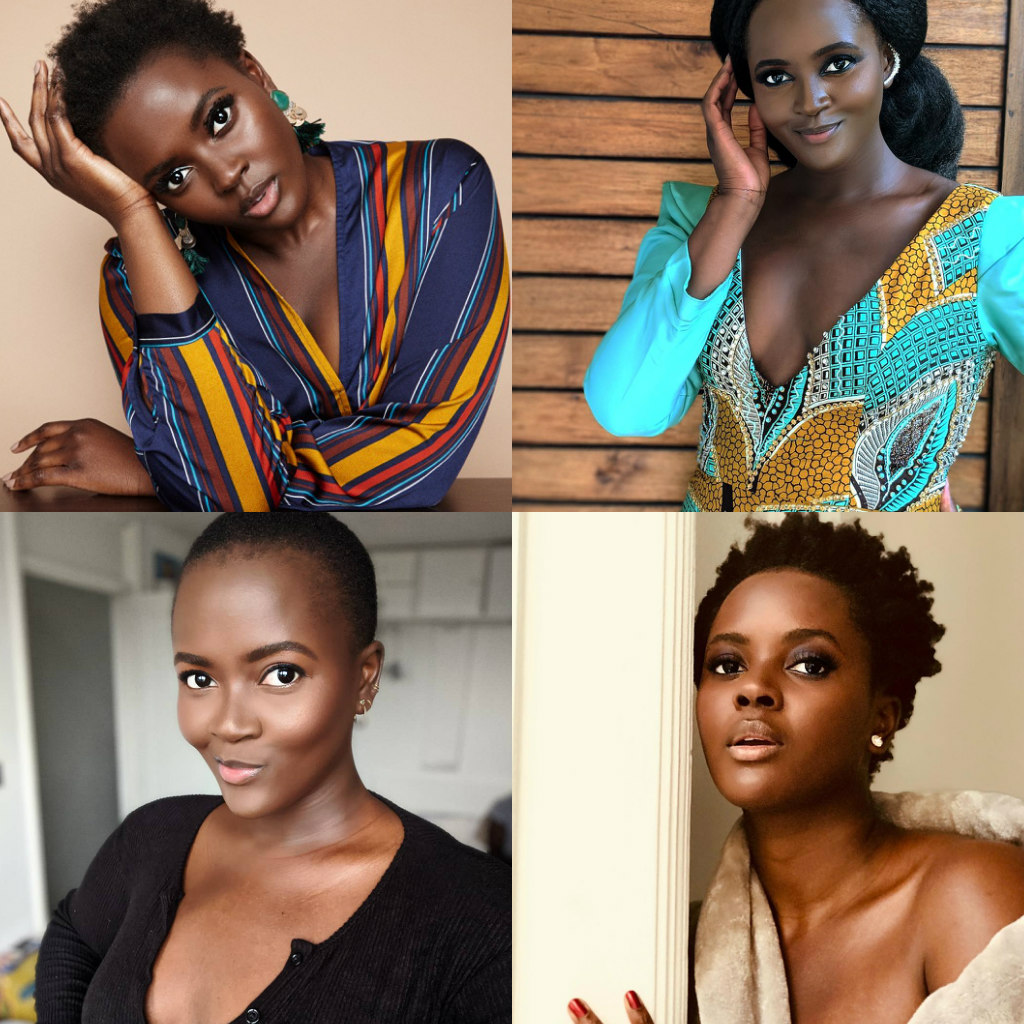
Philomena Kwao stands as one of the most compelling figures in contemporary fashion modeling, not merely for her striking physical beauty, but for the intellectual and cultural depth she brings to an industry long dominated by narrow ideals. With her luminous dark skin, regal posture, and unforgettable, piercing eyes, Kwao represents a modern embodiment of Black elegance—one that challenges both Eurocentric beauty standards and the historical marginalization of plus-size women within fashion. One of Philomena Kwao’s most arresting and unforgettable features is her eyes—mirrored, expansive, and profoundly piercing. They are not merely beautiful; they are commanding. Her large, dark eyes possess a reflective depth that feels almost cinematic, as though they hold both memory and prophecy. In fashion photography, where the gaze is everything, Kwao’s eyes function as a narrative force. They do not simply invite attention; they demand contemplation.

Born in London to Ghanaian parents, Philomena Kwao’s journey into modeling was unconventional. Before the runway and magazine spreads, she pursued higher education, earning a degree in Economics from the University of Birmingham and later a master’s degree in International Health Management. Her academic background already distinguished her as a woman rooted in intellect and global consciousness. Modeling, for Kwao, was not originally a dream but an unexpected calling. She was discovered after submitting photographs to an online modeling platform, initially skeptical of the industry’s limitations but ultimately realizing its potential as a platform for advocacy and change.

Kwao rose to prominence as a plus-size model, though she has often resisted the reductive nature of that label. While she does not conform to traditional sample sizes, her physique defies stereotypes associated with “plus-size” modeling—she is statuesque, toned, and carries herself with the confidence of classical high fashion. Her work with agencies such as Wilhelmina Models and appearances in major publications including Vogue Italia, Essence, Glamour, and Sports Illustrated Swimsuit have placed her firmly among the elite tier of global models.

One of Philomena Kwao’s most defining attributes is her face—often described by critics and fans alike as one of the most beautiful in modern fashion. Her large almond-shaped eyes, sculpted cheekbones, full lips, and smooth melanin-rich complexion create a visage that feels both timeless and contemporary. There is a quiet nobility in her features, evoking the aesthetics of African royalty and classical portraiture. In an industry obsessed with youth and homogeneity, Kwao’s beauty feels ancestral, symbolic, and deeply cultural.

Beyond aesthetics, Kwao’s career is marked by activism and thought leadership. She has become a leading voice in body positivity, diversity, and mental health within fashion. She frequently speaks on panels, contributes to academic and cultural discussions, and advocates for ethical representation of women of color. Her work challenges not only size discrimination but also the sexualization and commodification of Black women’s bodies. She reframes modeling as a site of empowerment rather than objectification.

Philomena Kwao qualifies as an “Ebony Doll” not simply because she is a model, but because she represents the very essence of what the term should signify: a Black woman who is visually exquisite, culturally grounded, intellectually formidable, and socially influential. The Ebony Doll archetype is not about superficial beauty alone—it is about excellence, presence, and representation. Kwao embodies all three. She is living proof that Black beauty is not marginal or niche but global, aspirational, and transformative.

In a world still struggling to reconcile race, gender, and aesthetics, Philomena Kwao stands as a corrective image—one that says Black women do not need to shrink themselves to be seen. They are already monumental.


References

Ashley, L. (2018). The politics of plus-size fashion and representation. Fashion Theory, 22(5), 593–610.

Essence Magazine. (2020). Philomena Kwao on body positivity and mental health.

Glamour. (2017). Meet the model changing the face of fashion: Philomena Kwao.

Sports Illustrated. (2019). Philomena Kwao: Breaking barriers in swimwear.

Vogue Italia. (2016). Curves, color, and couture: A new generation of models.

Wilhelmina Models. (n.d.). Philomena Kwao portfolio and biography.

Kwao, P. (2019). Body image, race, and self-worth in the fashion industry. Journal of Cultural Studies, 14(3), 211–225.

Beauty Series: The Worship of Physical Beauty #physicalbeauty

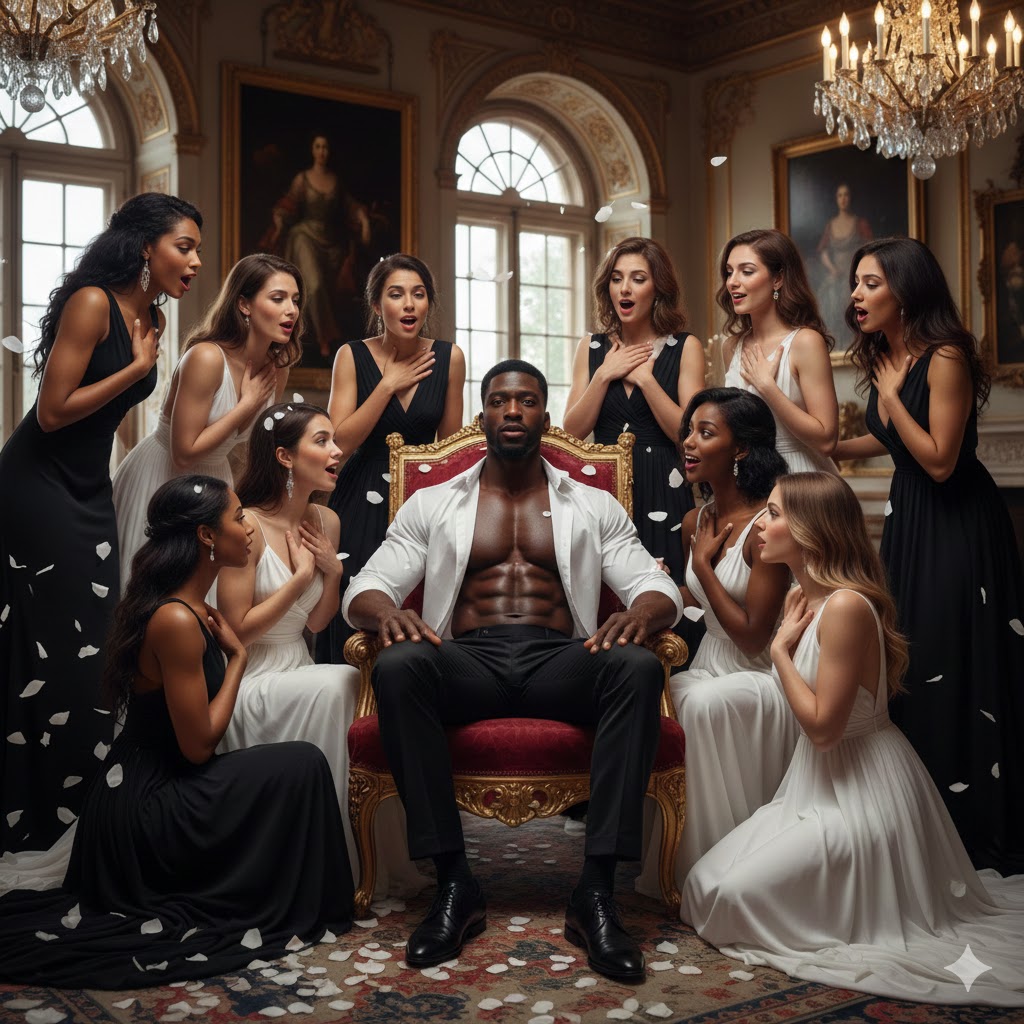
A man once told me that if he were not a man of God, he would worship me because of my physical beauty. What he likely intended as a compliment revealed something far deeper and more troubling—the ease with which admiration can slip into idolatry. His words exposed how modern culture elevates physical beauty beyond appreciation, transforming it into an object of reverence, desire, and spiritual misplacement.

The worship of physical beauty is not new, but it has intensified in an age driven by images, screens, and constant comparison. Beauty is no longer simply noticed; it is exalted. Bodies and faces are elevated to near-divine status, treated as sources of meaning, validation, and power rather than temporary attributes of human life.

When beauty becomes worshiped, it assumes a role reserved for God. Scripture warns against idolatry precisely because it displaces the Creator with the created. Physical beauty, when elevated above character, wisdom, and moral grounding, becomes a false god—demanding attention, sacrifice, and loyalty.

This worship is reinforced by social systems. Media, advertising, and entertainment industries monetize beauty by attaching worth, success, and desirability to physical appearance. The more beautiful the image, the greater its economic and social value. As a result, beauty becomes currency rather than a trait.

Psychologically, beauty worship shapes identity. Those deemed attractive are conditioned to understand themselves through the gaze of others. Research on objectification demonstrates that constant visual evaluation leads individuals to internalize an observer’s perspective, fragmenting the self into body parts rather than a whole person.

For women, especially, beauty worship carries moral contradiction. A beautiful woman is praised for her appearance, yet punished for the attention it attracts. She is admired publicly and judged privately, desired but distrusted, elevated yet reduced. This double bind creates emotional strain and self-surveillance.

Men are not immune to beauty worship, though it manifests differently. Masculine beauty is increasingly commodified, tied to status, sexual prowess, and dominance. The pressure to embody idealized physiques contributes to insecurity, steroid use, and body dysmorphia among men.

Spiritually, beauty worship distorts relationships. When admiration replaces reverence for God, attraction becomes entitlement. The beautiful are no longer seen as neighbors or equals but as objects to possess, conquer, or idolize. This dynamic erodes mutual respect and spiritual clarity.

The biblical narrative consistently resists this elevation of appearance. Scripture reminds readers that God does not see as humans see, for people look on the outward appearance, but the Lord looks on the heart. This principle directly confronts cultures that assign worth visually.

Beauty worship also fuels comparison and envy. Social media intensifies this process by presenting curated perfection as reality. Studies show that repeated exposure to idealized images increases dissatisfaction, depression, and anxiety, even among those who meet beauty standards.

The idolization of beauty is ultimately fragile. Physical attractiveness is temporary, vulnerable to age, illness, and time. When identity is built upon appearance, inevitable change becomes crisis. Fear of losing beauty often results in cosmetic obsession and psychological distress.

Those who are worshiped for beauty often experience isolation. Being admired does not equate to being known. Praise centered on appearance can silence deeper aspects of identity, discouraging vulnerability and reducing relational intimacy.

Faith traditions challenge beauty worship by redirecting attention toward inner transformation. Humility, discipline, and wisdom are presented as enduring virtues. In this framework, beauty is acknowledged but subordinated to righteousness and character.

The statement “I would worship you” reveals how easily admiration can cross into spiritual disorder. Worship involves surrender, devotion, and ultimate value. When these are directed toward a human body, both the admirer and the admired are harmed.

For the one being worshiped, such attention creates pressure to maintain an image rather than live freely. Beauty becomes obligation. The individual is no longer allowed to age, fail, or be ordinary without perceived loss of value.

Beauty worship also obscures accountability. Attractive individuals are often excused or condemned disproportionately based on appearance rather than behavior. This distortion undermines justice and moral clarity.

Healing requires dismantling beauty’s false divinity. Psychological research emphasizes grounding identity in values, purpose, and relationships rather than external validation. Spiritually, this means re-centering worship where it belongs.

Beauty itself is not sinful; worshiping it is. Appreciation honors creation, but worship replaces God. The distinction lies in whether beauty points beyond itself or demands reverence.

When beauty is properly ordered, it becomes an expression rather than an idol. It can be enjoyed without control, admired without possession, and recognized without exaltation.

The burden of beauty worship reveals a cultural hunger for meaning. In the absence of spiritual grounding, appearance becomes a substitute salvation. Yet it cannot sustain the soul.

True freedom emerges when beauty is dethroned and humanity restored. In that liberation, the beautiful are no longer worshiped, and the worshipers are no longer lost—both are returned to their rightful place as human beings, not gods.

References

Fredrickson, B. L., & Roberts, T. A. (1997). Objectification theory: Toward understanding women’s lived experiences and mental health risks. Psychology of Women Quarterly, 21(2), 173–206.

Eagly, A. H., Ashmore, R. D., Makhijani, M. G., & Longo, L. C. (1991). What is beautiful is good, but… A meta-analytic review of research on the physical attractiveness stereotype. Psychological Bulletin, 110(1), 109–128.

Langlois, J. H., Kalakanis, L., Rubenstein, A. J., Larson, A., Hallam, M., & Smoot, M. (2000). Maxims or myths of beauty? A meta-analytic and theoretical review. Psychological Bulletin, 126(3), 390–423.

Calogero, R. M., Tantleff-Dunn, S., & Thompson, J. K. (2011). Self-objectification in women: Causes, consequences, and counteractions. American Psychological Association.

Twenge, J. M., & Campbell, W. K. (2009). The narcissism epidemic: Living in the age of entitlement. Free Press.

Hunter, M. (2007). The persistent problem of colorism: Skin tone, status, and inequality. Sociology Compass, 1(1), 237–254.

The Violence of Beauty Standards

Beauty standards are often framed as harmless preferences or cultural aesthetics, yet their impact is anything but benign. They operate as a quiet, normalized form of violence—psychological, social, economic, and spiritual—imposed upon bodies that fall outside narrowly defined ideals. This violence is subtle enough to evade accountability and powerful enough to shape life outcomes, self-worth, and social hierarchies across generations.

The violence of beauty standards begins with definition. When a dominant culture determines which features are worthy of admiration and which are to be tolerated or erased, it establishes a hierarchy of human value. These hierarchies do not emerge organically; they are historically constructed through colonialism, slavery, class stratification, and racialized power relations that elevate proximity to whiteness, youth, thinness, and Eurocentric features.

For Black communities in particular, beauty standards have functioned as an extension of racial domination. During slavery and colonial rule, physical features were used to classify, rank, and commodify African-descended people. Lighter skin, straighter hair, and narrower features were rewarded with marginal privileges, while darker skin and African phenotypes were associated with labor, disposability, and dehumanization.

This legacy persists through colorism, a system in which skin tone operates as a social currency within and beyond racial groups. Colorism is not merely a preference; it is an internalized enforcement mechanism that reproduces racial hierarchy without the need for overt racism. Its violence lies in how it fractures communal bonds and assigns worth based on phenotype rather than character or humanity.

Beauty standards also enact violence through psychological harm. Repeated exposure to exclusionary ideals fosters chronic self-surveillance, body dissatisfaction, anxiety, and depression. Individuals learn to scrutinize their faces, hair, weight, and aging as problems to be fixed rather than natural expressions of life. This internalized gaze becomes a form of self-policing that mirrors external oppression.

The economic violence of beauty standards is equally profound. Entire industries profit from manufactured insecurity, extracting billions of dollars through skin-lightening products, cosmetic surgery, anti-aging treatments, and hair alteration. Those who can afford to approximate beauty ideals gain social and professional advantages, while those who cannot are penalized in employment, dating, media representation, and social mobility.

Gender intensifies this violence. Women and girls are disproportionately subjected to aesthetic regulation, with their value often tethered to attractiveness rather than intellect, integrity, or contribution. From childhood, girls are conditioned to equate beauty with worth, learning that visibility and validation are contingent upon meeting external standards that shift with trends yet remain rooted in patriarchal control.

Men are not immune to the violence of beauty standards, though it manifests differently. Rigid ideals of masculinity—height, muscularity, stoicism, dominance—discipline male bodies and emotions, discouraging vulnerability and self-acceptance. Men who deviate from these ideals face ridicule, emasculation, and social exclusion, revealing beauty standards as tools of behavioral conformity.

Media functions as a primary weapon in the enforcement of beauty norms. Through film, advertising, social media, and fashion, a narrow range of bodies and faces is repeatedly elevated as aspirational. Algorithmic amplification further entrenches these ideals, rewarding certain looks with visibility while rendering others invisible or stereotyped.

The violence intensifies in the digital age, where beauty standards are no longer distant images but interactive currencies. Likes, follows, and monetization transform appearance into measurable social capital. This quantification of beauty deepens comparison, fuels self-objectification, and accelerates the commodification of the self.

Beauty standards also operate as moral judgments. Attractive bodies are frequently associated with goodness, discipline, intelligence, and virtue, while those deemed unattractive are implicitly linked to laziness, moral failure, or incompetence. This phenomenon, often described as the halo effect, embeds aesthetic bias into decision-making processes that shape education, employment, and criminal justice outcomes.

The violence of beauty standards extends into spiritual dimensions. When individuals are taught to despise the bodies they inhabit, a rupture forms between self and creation. For faith traditions that affirm humanity as divinely made, beauty hierarchies function as theological distortions, subtly contradicting teachings about inherent worth and sacred design.

Historically marginalized bodies carry the heaviest burden of this violence. Disabled bodies, fat bodies, aging bodies, dark-skinned bodies, and gender-nonconforming bodies are treated as deviations rather than variations of human existence. The insistence on correction or concealment communicates that some lives are less deserving of comfort, desire, and dignity.

Resistance to beauty standards is often dismissed as oversensitivity or lack of self-esteem, yet such resistance is deeply political. To reject imposed ideals is to challenge systems that rely on comparison, insecurity, and consumption. It is an act of reclaiming agency over one’s body and narrative.

Cultural movements that celebrate diverse forms of beauty offer important counter-narratives, but they are not immune to co-optation. Inclusion is frequently aestheticized without dismantling underlying power structures, resulting in superficial diversity that leaves hierarchies intact. True liberation requires structural change, not symbolic representation alone.

Education plays a crucial role in disrupting the violence of beauty standards. Critical media literacy, historical context, and conversations about embodiment can equip individuals to recognize how ideals are constructed and whose interests they serve. Awareness does not erase harm, but it weakens its authority.

Healing from beauty-based violence is both personal and collective. Individually, it involves unlearning internalized contempt and cultivating self-regard beyond appearance. Collectively, it requires building communities that affirm worth independent of aesthetics and challenge discriminatory practices in institutions and media.

The language we use around beauty matters. Compliments, critiques, and casual comments can reinforce or resist harmful norms. Shifting language toward appreciation of character, creativity, resilience, and wisdom helps decenter appearance as the primary measure of value.

Ultimately, the violence of beauty standards lies in their ability to disguise domination as desire. They persuade individuals to participate in their own marginalization, to chase approval at the cost of peace, and to mistake conformity for empowerment. Naming this violence is the first step toward dismantling it.

A more just vision of beauty does not require the abandonment of aesthetics, but their reorientation. Beauty can be expansive, contextual, and humane when divorced from hierarchy and exclusion. In reclaiming beauty from violence, society moves closer to affirming the full dignity of every body.

References

Bordo, S. (2003). Unbearable weight: Feminism, Western culture, and the body. University of California Press.

Collins, P. H. (2004). Black sexual politics: African Americans, gender, and the new racism. Routledge.

Crenshaw, K. (1991). Mapping the margins: Intersectionality, identity politics, and violence against women of color. Stanford Law Review, 43(6), 1241–1299.

Dion, K., Berscheid, E., & Walster, E. (1972). What is beautiful is good. Journal of Personality and Social Psychology, 24(3), 285–290.

Hunter, M. (2007). The persistent problem of colorism: Skin tone, status, and inequality. Sociology Compass, 1(1), 237–254.

hooks, b. (1992). Black looks: Race and representation. South End Press.

Kaw, E. (1993). Medicalization of racial features: Asian American women and cosmetic surgery. Medical Anthropology Quarterly, 7(1), 74–89.

Wolf, N. (1991). The beauty myth: How images of beauty are used against women. HarperCollins.

Lookism: Man Looketh on the Outward Appearance, but the LORD Looketh on the Heart

Lookism is the societal bias that judges people primarily by their physical appearance. It elevates those deemed conventionally attractive while marginalizing those who do not fit narrowly defined standards. While human perception often values symmetry, skin tone, body shape, or facial features, scripture reminds us that God’s measure of worth differs fundamentally: He examines the heart (1 Samuel 16:7).

The Psychology of Lookism

Human beings make rapid judgments based on appearance, often within seconds. These evaluations affect social interactions, opportunities, and perceptions of competence. Research shows that attractive individuals receive preferential treatment in education, employment, and social settings, a phenomenon known as the “halo effect” (Langlois et al., 2000).

Cultural Standards of Beauty

Lookism is culturally constructed. Different societies prioritize different physical traits, and media perpetuates narrow ideals, often favoring Eurocentric features or lighter skin tones. These standards are fluid and historically contingent, not universal indicators of worth or beauty.

Facial Harmony and Symmetry

Scientific studies reveal that perceived attractiveness is strongly linked to facial harmony and symmetry, not merely skin tone or superficial features (Rhodes, 2006). Symmetry signals health and genetic fitness, which influences human attraction across cultures.

The Eye of the Beholder

Attraction is subjective. What one person finds beautiful, another may not. This variability emphasizes that societal biases are not absolute truths but reflect collective preferences shaped by media, culture, and personal experience.

Consequences of Lookism

The prioritization of appearance can lead to discrimination, low self-esteem, and social exclusion. Those outside conventional beauty standards often experience prejudice, while attractive individuals are granted unearned advantages. Lookism perpetuates inequality and undermines the intrinsic value of all humans.

Skin Tone and Colorism

Within lookism, colorism—a bias favoring lighter skin—is pervasive. However, light skin does not guarantee attractiveness, just as dark skin is not inherently less beautiful. True beauty is determined by proportional features, expression, and presence, not melanin content (Hunter, 2007).

Inner Beauty vs. Outer Appearance

While human culture emphasizes outward appearance, scripture highlights the primacy of the heart. God values character, kindness, and integrity over superficial traits. True attractiveness incorporates moral and spiritual qualities alongside physical features.

Biblical Perspective

1 Samuel 16:7 instructs, “Man looketh on the outward appearance, but the LORD looketh on the heart.” This passage underscores that divine judgment prioritizes intentions, character, and spiritual alignment over physical attributes.

Lookism and Gender

Lookism affects both men and women but manifests differently. Women often face heightened scrutiny of body shape, facial features, and youthfulness, while men may experience bias based on muscularity, height, or facial symmetry. Faith calls both genders to focus on godly character rather than societal validation.

The Media’s Role

Advertising, film, and social media amplify lookism by promoting idealized, often unattainable images. Filters, photo editing, and selective representation reinforce unrealistic standards, distorting perceptions of beauty.

Impact on Self-Esteem

Repeated exposure to biased standards fosters insecurity, comparison, and self-rejection. Individuals may equate their worth with appearance, neglecting their spiritual, emotional, and moral development.

Resisting Lookism

Awareness is the first step to resisting lookism. By understanding the cultural and psychological mechanisms behind appearance bias, individuals can cultivate self-acceptance and celebrate diverse forms of beauty.

Faith-Based Resistance

Prayer, scripture meditation, and community support help believers resist societal pressures. By anchoring self-worth in God’s assessment rather than public opinion, one can live confidently without succumbing to superficial standards.

Redefining Beauty

True beauty transcends symmetry, facial features, or skin tone. It encompasses kindness, wisdom, humility, and spiritual alignment. Lookism is a human construct, but divine beauty is timeless and inclusive.

Role Modeling and Mentorship

Mentors and role models who exemplify godly character and confidence help counteract the effects of lookism, especially for younger generations navigating social pressures.

Encouraging Diversity

Celebrating diverse appearances—different skin tones, body types, and facial features—challenges societal biases and reflects the richness of God’s creation.

Lookism and Society

Addressing lookism requires collective effort. Education, media representation, and conscious social practices can shift cultural norms to value character and capability over superficial appearance.

Personal Reflection and Growth

Believers are called to self-reflection, assessing whether they have internalized lookist biases. Recognizing the heart as the true measure fosters humility, gratitude, and equitable treatment of others.

Conclusion

Lookism privileges the outward and often misjudges intrinsic worth. Scripture reminds us that God’s perception is rooted in the heart. By embracing this perspective, individuals can resist societal pressure, celebrate authentic beauty, and cultivate moral and spiritual excellence, reflecting divine priorities in a world obsessed with appearances.


References

Dementria: Understanding Dementria, Alzheimer’s Disease, and the Pathways to Brain Healing.

Dementia is a broad clinical term used to describe a decline in cognitive functioning severe enough to interfere with daily life. It is not a single disease but a syndrome composed of multiple symptoms affecting memory, reasoning, communication, and behavior. In everyday conversation, the word is often used interchangeably with Alzheimer’s disease, but medically, they are not identical. Dementia is the overall category; Alzheimer’s is the most common cause within that category.

Dementia develops when brain cells are damaged and can no longer communicate effectively with one another. The areas affected influence how a person thinks, behaves, and remembers. For many families, the slow and steady unraveling of memory is one of the most painful aspects of this condition, as loved ones shift into altered versions of themselves.

Alzheimer’s disease is a progressive neurodegenerative disorder and accounts for approximately 60–80% of dementia cases. In Alzheimer’s, abnormal protein deposits—beta-amyloid plaques and tau tangles—build up around and inside brain cells. Over time, these deposits disrupt neural pathways, eventually causing cell death and significant brain shrinkage.

The brain involvement in Alzheimer’s is both structural and functional. The hippocampus, responsible for forming new memories, is often one of the first regions affected. As the disease progresses, the damage spreads into the cerebral cortex, influencing language, reasoning, sensory processing, and the ability to perform daily tasks. This widespread degeneration is why symptoms intensify over time.

Healthy Foods for Brain Support

Leafy Green Vegetables

  • Spinach
  • Kale
  • Collard greens
  • Swiss chard
  • Arugula
    Rich in folate, vitamin K, lutein, and antioxidants—linked to slower cognitive decline.

Berries

  • Blueberries
  • Strawberries
  • Blackberries
  • Raspberries
    Contain anthocyanins that help fight memory decline and protect neurons from oxidative stress.

Fatty Fish

  • Salmon
  • Sardines
  • Mackerel
  • Trout
    High in omega-3 fatty acids (DHA + EPA), essential for brain cell structure and communication.

Nuts & Seeds

  • Walnuts
  • Almonds
  • Brazil nuts
  • Flaxseeds
  • Chia seeds
    Contain healthy fats, vitamin E, selenium, and antioxidants—important for memory and nerve function.

Healthy Oils

  • Extra virgin olive oil
  • Avocado oil
  • Flaxseed oil
    Mediterranean-style oils reduce inflammation and support vascular brain health.

Cruciferous Vegetables

  • Broccoli
  • Cabbage
  • Brussels sprouts
  • Cauliflower
    contains sulforaphane, which helps detoxify the brain and reduce inflammation.

Whole Grains

  • Oats
  • Quinoa
  • Brown rice
  • Whole wheat
    Provide steady energy for the brain through slow-release glucose.

Beans & Legumes

  • Black beans
  • Lentils
  • Chickpeas
  • Kidney beans
    High in fiber, B vitamins, and steady glucose for brain energy.

Dark Chocolate (70% or higher)

Contains flavonoids that improve circulation and cognitive performance.

Turmeric-Infused Foods

  • Turmeric tea
  • Turmeric in soup or rice
    Contains curcumin, which crosses the blood-brain barrier and reduces plaque and inflammation.

Herbs & Natural Supplements that Support Brain Function

Turmeric (Curcumin)

Powerful anti-inflammatory; supports memory and may reduce buildup of amyloid plaques.

Ginkgo Biloba

Improves blood flow to the brain and supports memory; used in many dementia studies.

Ginseng (Panax ginseng)

Supports mental clarity, energy, and cognitive performance.

Ashwagandha

Reduces stress hormones (cortisol) that damage memory; may support neuron regeneration.

Sage

Contains compounds that enhance memory and acetylcholine levels.

Gotu Kola

Traditionally used to improve memory, mental clarity, and circulation.

Lion’s Mane Mushroom

Supports nerve growth factor (NGF), potentially helping neurons regenerate.

Bacopa Monnieri

Ayurvedic herb known to improve memory formation and recall.

Rosemary

Improves circulation and antioxidant protection; aroma alone enhances memory.


Brain-Protective Fruits

  • Oranges (vitamin C)
  • Grapes (resveratrol)
  • Pomegranates (antioxidants)
  • Avocados (healthy fats for brain cells)

Brain-Healthy Spices

  • Cinnamon (balances blood sugar)
  • Ginger (boosts circulation)
  • Black pepper (helps absorb turmeric)
  • Cloves (high antioxidants)

Foods That Support Gut Health (the gut–brain connection)

  • Greek yogurt
  • Kimchi
  • Sauerkraut
  • Kefir
  • Kombucha
    A healthy microbiome supports emotional stability, memory, and inflammation reduction.

Brain-Supportive Drinks

  • Green tea (L-theanine + antioxidants)
  • Matcha
  • Turmeric latte
  • Blueberry smoothie
  • Fresh vegetable juices

The progression of dementia generally follows several recognizable stages, though the speed varies from person to person. Early-stage symptoms may include difficulty finding words, mild forgetfulness, or trouble managing finances. In the middle stages, confusion deepens, personality changes may appear, and daily activities become harder. In advanced stages, individuals may lose the ability to speak, walk, or swallow, requiring full-time care.

Understanding what causes dementia remains a major area of research, but several factors are consistently linked. Age is the strongest risk factor, though dementia is not a normal part of aging. Genetics play a role as well, especially in early-onset cases. Cardiovascular health, chronic inflammation, head injuries, and lifestyle habits also contribute significantly to overall risk.

At the biological level, dementia emerges from the breakdown of synapses—the connections between neurons. When neurons can no longer communicate effectively, the cognitive functions they once performed begin to fail. This loss is gradual, but cumulative, eventually affecting entire networks within the brain.

Treatments for dementia do not cure the condition, but they can slow symptoms, improve quality of life, and support cognitive functioning. Medications such as cholinesterase inhibitors and memantine work by regulating neurotransmitters involved in memory and learning. While the benefits are modest, they can help maintain independence for a longer period.

Another leg of treatment involves behavioral and environmental interventions. Structured routines, memory aids, music therapy, and safe living environments reduce stress and support mental functioning. These interventions are often just as important as medication, especially as symptoms progress.

Cognitive stimulation therapy is an evidence-based approach that involves engaging the mind through carefully designed activities. These may include puzzles, discussions, or memory exercises that help strengthen neural pathways. The brain retains some capacity for adaptation—known as neuroplasticity—throughout life.

Physical activity is another essential component of treatment. Exercise supports blood flow to the brain, reduces inflammation, and promotes the release of neuroprotective chemicals. Walking, strength training, and balance exercises benefit both cognitive and physical health.

Social engagement plays a vital role in slowing the progression of dementia. Isolation can accelerate cognitive decline, while meaningful interactions—whether with family, friends, or community—stimulate emotional and intellectual centers of the brain.

Dietary approaches have gained attention for their ability to support brain health, though no food can cure dementia. The Mediterranean diet and the MIND diet emphasize fruits, vegetables, whole grains, nuts, olive oil, and lean proteins. These eating patterns reduce inflammation and support cardiovascular health, which in turn protects the brain.

Specific foods linked to better brain function include leafy greens, berries, fatty fish rich in omega-3s, nuts, turmeric, and foods high in antioxidants. These nutrients help guard against oxidative stress, a contributor to cellular damage in dementia.

Managing chronic diseases is another leg of treatment. Conditions like diabetes, hypertension, and high cholesterol significantly increase dementia risk. Controlling them through medication and lifestyle can help slow cognitive decline.

Sleep is a crucial but often overlooked factor. Poor sleep contributes to the buildup of beta-amyloid in the brain. Establishing healthy sleep routines supports memory consolidation, emotional regulation, and overall brain function.

Mental health also intersects with dementia risk. Depression, chronic stress, and anxiety can impair memory and weaken neural circuits. Therapy, mindfulness, and stress-reduction practices create a healthier internal environment for the brain.

Genetics influence dementia risk, but they do not determine destiny. Even individuals with family histories can lower their risk through lifestyle, nutrition, and consistent brain engagement. The interplay between genes and environment is powerful and dynamic.

Environmental toxins may contribute to dementia development. Exposure to pollutants, heavy metals, or harmful chemicals has been linked to higher cognitive decline. Clean air, safe water, and toxin-free environments support long-term brain health.

Head injuries, especially repeated concussions, raise the risk of dementia later in life. Wearing helmets, preventing falls, and prioritizing physical safety protect the brain’s structure and function.

Understanding the emotional impact of dementia is central to comprehensive care. Families often experience grief long before physical loss because dementia changes relationships. Compassionate communication helps loved ones maintain dignity and connection.

As dementia progresses, individuals may struggle with identity and autonomy. Person-centered care focuses on their remaining strengths, preferences, and memories, reinforcing their inherent worth.

Spiritual and cultural practices can provide grounding and comfort. Many families draw upon prayer, scripture, storytelling, and ancestral traditions to strengthen resilience during the journey.

Caregiver support is essential. Those who care for loved ones with dementia face emotional, physical, and financial stress. Support groups, respite care, and practical assistance create healthier caregiving environments.

Legal and financial planning should be addressed early. Decisions about guardianship, power of attorney, and healthcare preferences help ensure dignity and clarity as the disease advances.

As research evolves, new therapies and early detection tools offer hope. Biomarker testing, brain imaging, and genetic analysis allow earlier diagnosis, opening doors for more effective interventions.

Innovations in technology also support patients and families. Devices that track location, automatic reminders, and home sensors increase safety and independence. Assistive technologies can bridge the gap between cognitive decline and functional needs.

Community resources—such as adult day programs, memory cafés, and educational workshops—offer essential support. These networks help reduce stigma and provide opportunities for meaningful engagement.

Education plays a powerful role in breaking misconceptions. Understanding dementia encourages empathy and reduces fear, allowing society to build supportive environments for those living with cognitive decline.

The future of dementia care depends on a holistic approach that values medical science, lifestyle strategies, emotional support, and community involvement. No single intervention is sufficient; rather, progress arises from integrating multiple pathways to brain health.

Dementia reshapes lives, but it does not erase humanity. Individuals living with cognitive decline still experience love, joy, connection, and purpose. Recognizing this truth helps families hold onto moments of grace.

At its core, dementia is a reminder of the fragility of the brain—and the resilience of the human spirit. While memory may fade, dignity, compassion, and care must remain unwavering.

Hope persists in the advancements of research, the devotion of caregivers, and the daily courage of those facing cognitive decline. Each effort contributes to a future where prevention, early intervention, and compassionate understanding are universal.

Until then, brain health remains a lifelong commitment—an ongoing practice that blends science, lifestyle, and care. Strengthening the mind is an investment in clarity, vitality, and quality of life across the lifespan.


References

Alzheimer’s Association. (2024). 2024 Alzheimer’s disease facts and figures. Alzheimer’s & Dementia, 20(3), 1–70.

Livingston, G., Huntley, J., Sommerlad, A., Ames, D., Ballard, C., Banerjee, S., … Mukadam, N. (2020). Dementia prevention, intervention, and care: 2020 report of the Lancet Commission. The Lancet, 396(10248), 413–446.

Morris, M. C., Tangney, C. C., Wang, Y., Sacks, F. M., Barnes, L. L., Bennett, D. A., & Aggarwal, N. T. (2015). MIND diet slows cognitive decline with aging. Alzheimer’s & Dementia, 11(9), 1015–1022.

National Institute on Aging. (2023). Alzheimer’s disease and related dementias: Research and facts. U.S. Department of Health & Human Services.

Smith, E. E., & Johnson, K. A. (2022). Brain aging, cognitive decline, and neurodegenerative disease. The New England Journal of Medicine, 387(7), 613–622.


💄 The Power of Pretty 💄

Beauty, Influence, and Societal Dynamics

Beauty has always been more than skin deep. It functions as a subtle yet pervasive form of influence, shaping social dynamics, opportunities, and perceptions. What society labels as “pretty” carries weight, affecting lives in ways often unnoticed. From history to modern media, the influence of attractiveness impacts interpersonal relationships, professional advancement, and cultural status.

Historically, beauty standards have been codified and politicized. In Renaissance Europe, fair skin, delicate features, and symmetry were not simply aesthetic preferences but symbols of class, virtue, and morality. Across cultures, similar patterns emerge, showing that beauty consistently intersects with social capital.

Psychologically, humans respond instinctively to facial symmetry, clear skin, and proportional features, interpreting these cues as indicators of health and vitality. Pretty individuals often trigger positive biases, influencing how others perceive competence, trustworthiness, and likability.

Gender plays a significant role in how beauty is leveraged. Women, in particular, face societal pressures to maintain appearance, and attractiveness can function as social and economic currency. The “beauty premium” demonstrates that societal preference for attractive individuals can lead to higher likelihood of hiring, promotions, and social favor, yet it also subjects them to heightened scrutiny and objectification.

Appearance operates as a form of social signaling. Being conventionally attractive often conveys competence and social dominance, regardless of actual ability. This “halo effect” means pretty individuals are frequently treated more favorably, consciously or unconsciously.

Colorism adds another layer of complexity. Within communities, lighter skin and Eurocentric features are often favored, creating systemic hierarchies that reward certain appearances while marginalizing others. Beauty becomes both subjective and systemic, influencing social mobility and self-perception.

Modern media further amplifies narrow beauty ideals, presenting often unattainable standards through advertising, film, and social platforms. These images shape cultural perception, influence self-esteem, and dictate interpersonal dynamics, creating an environment where appearance is closely tied to societal validation.

Pretty individuals can consciously wield beauty as leverage. In politics, business, and entertainment, attractiveness can persuade, negotiate, and shape public opinion. Physical appearance can become an asset in both personal and professional spheres.

However, beauty also carries costs. Objectification, jealousy, and the pressure to maintain standards can create psychological and social burdens. The labor, expense, and attention required to maintain societal ideals illustrate that prettiness is as demanding as it is powerful.

Research shows that attractive individuals experience measurable advantages across professional, educational, and social contexts. In workplaces, appearance influences evaluations, promotions, and compensation. In education, students deemed attractive receive more attention and encouragement, demonstrating that beauty can affect trajectories from an early age.

In social networks, attractiveness functions as a form of social navigation. Pretty individuals often gain trust, allies, and influence more readily, using charm and appearance strategically. Digital platforms have quantified these dynamics, with likes, follows, and algorithmic visibility creating a new economy of beauty.

The psychological impact of beauty extends to both those deemed attractive and those outside dominant standards. Attractive individuals may internalize their social power, while others may experience marginalization or heightened self-awareness regarding appearance.

Leadership perception is also influenced by physical attractiveness. Attractive leaders are often judged as more competent, persuasive, and authoritative, showing a direct link between appearance and social influence. Gendered double standards exacerbate these dynamics, as women face greater scrutiny over age and deviations from beauty norms.

Contemporary movements challenging narrow Eurocentric beauty ideals empower individuals to reclaim the influence of appearance. By celebrating diverse skin tones, hair textures, body shapes, and facial features, society can begin to decouple prettiness from oppression and objectification.

Ultimately, beauty represents a form of social, psychological, and economic capital. Recognizing its influence allows individuals and communities to navigate the power of appearance with awareness, balancing advantages with responsibility and ethical consideration.

The power of pretty is undeniable, yet true liberation comes when influence is coupled with integrity, self-knowledge, and the dismantling of oppressive standards. Prettiness can empower, but its greatest expression arises when it aligns with wisdom, justice, and cultural consciousness.


References

Chou, H. T. G., & Edge, N. (2012). “They are happier and having better lives than I am”: The impact of using Facebook on perceptions of others’ lives. Cyberpsychology, Behavior, and Social Networking, 15(2), 117–121.

Dion, K., Berscheid, E., & Walster, E. (1972). What is beautiful is good. Journal of Personality and Social Psychology, 24(3), 285–290.

Elder, T., Goddeeris, J., & Williams, R. (2016). Beauty, bias, and student outcomes. Economics of Education Review, 51, 1–14.

Fredrickson, B. L., & Roberts, T. A. (1997). Objectification theory. Psychology of Women Quarterly, 21(2), 173–206.

Friedan, B. (1991). The Feminine Mystique. Norton.

Hamermesh, D. S., & Biddle, J. E. (1994). Beauty and the labor market. American Economic Review, 84(5), 1174–1194.

Hunter, M. (2007). The persistent problem of colorism: Skin tone, status, and inequality. Sociology Compass, 1(1), 237–254.

Langlois, J. H., et al. (2000). Maxims or myths of beauty? A meta-analytic and theoretical review. Psychological Bulletin, 126(3), 390–423.

Little, A. C., et al. (2007). Facial attractiveness and leadership perception. British Journal of Psychology, 98(1), 91–103.

Rhodes, G. (2006). The evolutionary psychology of facial beauty. Annual Review of Psychology, 57, 199–226.

Tiggemann, M. (2011). The impact of media on body image. In Body image: A handbook of science, practice, and prevention (pp. 169–175). Guilford Press.

Tiggemann, M., & Slater, A. (2013). NetGirls: The Internet, Facebook, and body image concern in adolescent girls. International Journal of Eating Disorders, 46(6), 630–643.

Verhulst, J., Lodge, M., & Lavine, H. (2010). The attractiveness halo: Why some candidates are more persuasive than others. Political Psychology, 31(1), 1–26.

Wolf, N. (1991). The Beauty Myth. HarperCollins.