

Tag Archives: hatred

The Tuskegee Syphilis Study – Medical exploitation of Black men.

The Tuskegee Syphilis Study stands as one of the most infamous examples of medical racism and ethical misconduct in American history. Conducted between 1932 and 1972, the study involved hundreds of Black men who were deliberately misled and denied proper medical treatment in order for government researchers to observe the natural progression of untreated syphilis. The experiment revealed how racial prejudice, scientific curiosity, and institutional power combined to exploit a vulnerable population under the guise of public health research.

The study was conducted in Tuskegee, located in Alabama, a region with a large population of poor Black sharecroppers. Researchers from the United States Public Health Service collaborated with the Tuskegee Institute (now Tuskegee University) to recruit participants. Approximately 600 Black men were enrolled in the study, including 399 men who had syphilis and 201 who did not and were used as a control group.

Participants were told that they were receiving treatment for what doctors described as “bad blood,” a vague term commonly used in the rural South to refer to various ailments such as fatigue, anemia, or infections. In reality, the men were never informed that they had syphilis, nor were they told that the purpose of the study was to observe the disease’s untreated progression over time.

During the early twentieth century, scientific racism strongly influenced American medical research. Many white physicians believed that Black people were biologically different and less sensitive to pain or disease than white populations. These racist assumptions contributed to the belief that Black bodies could be used as experimental subjects without the same ethical considerations afforded to white patients.

When the study began in 1932, treatments for syphilis were limited and often dangerous. However, by the mid-1940s, the antibiotic Penicillin had become the widely accepted and highly effective cure for syphilis. Despite this breakthrough, researchers involved in the Tuskegee study intentionally withheld the drug from participants in order to continue observing the disease’s long-term effects.

Researchers monitored the men for decades, regularly conducting blood tests, spinal taps, and physical examinations. Many of the participants believed these procedures were forms of medical care, when in reality they were part of a long-term observational experiment. The spinal taps were misleadingly described to the men as “special treatment,” even though they were primarily diagnostic procedures used for research purposes.

The consequences for the participants were devastating. Untreated syphilis can lead to severe complications, including neurological damage, blindness, heart disease, and death. Many of the men in the study suffered these outcomes while researchers documented the progression of their illness.

The harm extended beyond the individual participants. Because the men were unaware they had syphilis, many unknowingly transmitted the disease to their wives. In some cases, children were born with congenital syphilis, a condition that can cause serious developmental and health complications.

The study continued for forty years, largely hidden from public scrutiny. Government officials, medical researchers, and public health professionals were aware of the experiment, yet few questioned its ethical implications during its early decades. Institutional authority and racial bias allowed the study to persist without significant oversight.

The experiment was finally exposed in 1972 after investigative reporting by Jean Heller, a journalist for Associated Press. Her report brought national attention to the unethical nature of the study and sparked widespread public outrage.

Following the media revelations, the study was immediately terminated by federal authorities. Public condemnation came from medical professionals, civil rights organizations, and political leaders who recognized the experiment as a gross violation of human rights and medical ethics.

The scandal prompted congressional hearings and led to the establishment of new ethical guidelines for human research in the United States. In 1974, the U.S. government passed the National Research Act, which created oversight systems for studies involving human subjects.

One of the most important outcomes of the investigation was the development of the Belmont Report in 1979. This document established fundamental ethical principles for human research, including respect for persons, beneficence, and justice. These principles continue to guide modern medical research practices.

The legacy of the Tuskegee study has had a profound impact on the relationship between Black communities and the American medical establishment. The study reinforced longstanding mistrust toward healthcare institutions among African Americans, many of whom view the incident as evidence of systemic racism within the medical system.

Medical researchers and public health officials have acknowledged that the lingering effects of this mistrust contribute to disparities in healthcare access, participation in clinical trials, and attitudes toward medical treatment among Black populations.

In 1997, the U.S. government formally apologized for the study. During a ceremony at the White House, Bill Clinton issued a public apology to the surviving participants and their families, acknowledging that the government had profoundly violated their rights and dignity.

Clinton stated that the study represented a betrayal of trust and a reminder of the importance of ethical standards in medical research. The apology was widely viewed as a symbolic attempt to address the historical injustice inflicted upon the victims.

Today, the Tuskegee Syphilis Study is frequently taught in medical schools, public health programs, and ethics courses as a cautionary example of how scientific research can be corrupted by racism and institutional power.

The event also serves as a critical reminder of the need for informed consent, transparency, and respect for human dignity in medical research. These ethical standards were strengthened precisely because of the injustices exposed by the Tuskegee study.

Ultimately, the Tuskegee Syphilis Study illustrates how vulnerable populations can be exploited when prejudice, authority, and scientific ambition intersect. Its history remains a powerful lesson about the importance of ethical accountability in both medicine and public health.


References

Brandt, A. M. (1978). Racism and research: The case of the Tuskegee Syphilis Study. Hastings Center Report, 8(6), 21–29.

Centers for Disease Control and Prevention. (2023). The Tuskegee timeline. Centers for Disease Control and Prevention.

Gamble, V. N. (1997). Under the shadow of Tuskegee: African Americans and health care. American Journal of Public Health, 87(11), 1773–1778.

Jones, J. H. (1993). Bad blood: The Tuskegee syphilis experiment. New York: Free Press.

Reverby, S. M. (2009). Examining Tuskegee: The infamous syphilis study and its legacy. Chapel Hill: University of North Carolina Press.

U.S. Department of Health and Human Services. (2022). Tuskegee syphilis study archival records. Washington, DC.
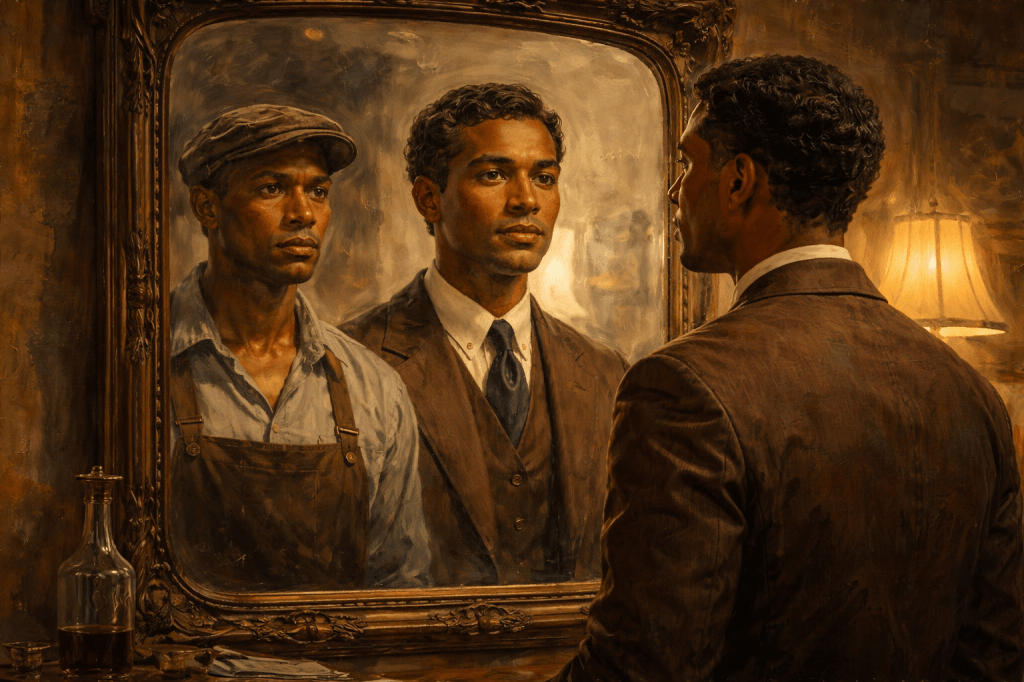
Dilemma: Double Consciousness

The Psychological Struggle of Identity in Black America

Double consciousness is a sociological and psychological concept describing the internal conflict experienced by African Americans who must navigate their identity within a society shaped by racial inequality. The term was first introduced by W. E. B. Du Bois in his groundbreaking book The Souls of Black Folk. Du Bois used the concept to explain how Black Americans often feel divided between their own sense of self and the identity imposed upon them by a racially prejudiced society.

Du Bois famously described double consciousness as a feeling of “two-ness.” According to his explanation, African Americans exist as both Black and American simultaneously, yet these identities are often placed in conflict by social structures that marginalize Blackness. This duality creates a constant awareness of how one is perceived by the dominant culture.

The origins of double consciousness can be traced to the historical conditions created by slavery and racial hierarchy in the United States. From the seventeenth century onward, Black people were legally and socially defined as inferior within a system designed to maintain white supremacy. These conditions forced African Americans to constantly interpret their lives through the lens of both their own experiences and the expectations of a racially stratified society.

During the era of slavery, African Americans were denied basic human rights and subjected to brutal labor systems that treated them as property. Although enslaved people maintained rich cultural traditions and strong communal bonds, they were forced to exist within a social order that rejected their humanity. This contradiction laid the foundation for the psychological tension that Du Bois later described as double consciousness.

Following the American Civil War and the abolition of slavery, African Americans entered a new phase of struggle during Reconstruction. Although freedom brought hope for equality, the reality of discrimination, violence, and political backlash quickly became evident. Black Americans were technically citizens but continued to face widespread exclusion from economic and political power.

The development of Jim Crow laws further intensified the experience of double consciousness. These laws enforced racial segregation and reinforced the idea that Black Americans were second-class citizens. In everyday life, African Americans had to constantly navigate spaces where their presence was restricted or stigmatized.

Double consciousness affected nearly every aspect of social life. Black individuals often felt compelled to monitor their speech, behavior, and appearance in order to avoid reinforcing negative stereotypes. This heightened awareness created a psychological burden that required constant self-regulation.

Education was one area where the tension of double consciousness became particularly visible. African Americans pursued education as a pathway to advancement and empowerment, yet many educational institutions were structured around Eurocentric values that marginalized Black history and culture. Students often learned to succeed within systems that did not fully acknowledge their identity.

The workplace also reflected the pressures of double consciousness. Many Black professionals found themselves navigating predominantly white environments where they felt compelled to prove their competence repeatedly. This experience sometimes required balancing cultural authenticity with professional expectations shaped by white norms.

Cultural expression became one way that African Americans resisted the limitations imposed by double consciousness. Literature, music, art, and religion provided spaces where Black identity could be affirmed and celebrated. Movements such as the Harlem Renaissance allowed Black artists and intellectuals to explore and redefine cultural identity.

The concept of double consciousness also influenced political activism. African American leaders recognized that achieving equality required challenging both external discrimination and internalized perceptions shaped by racism. Activists worked to redefine Black identity in ways that emphasized dignity, strength, and intellectual achievement.

The civil rights movement of the twentieth century further highlighted the tensions of double consciousness. Leaders such as Martin Luther King Jr. encouraged African Americans to demand full citizenship and equality while maintaining moral and cultural integrity. Their efforts helped dismantle many legal forms of segregation.

Despite these advancements, the psychological impact of double consciousness did not disappear. Many African Americans continued to experience subtle forms of discrimination, social bias, and unequal opportunities. As a result, the awareness of being viewed through the lens of race remained a persistent reality.

In modern society, double consciousness often appears in conversations about representation and identity. African Americans frequently navigate expectations from both their own communities and broader society. Balancing these expectations can create complex questions about authenticity and belonging.

Media representation has also influenced the experience of double consciousness. For many years, portrayals of Black people in film, television, and literature were shaped by stereotypes that reinforced negative perceptions. These images contributed to the external gaze that Du Bois described.

Social mobility sometimes intensifies the experience of double consciousness. As African Americans enter professional fields historically dominated by whites, they may find themselves negotiating cultural differences between their personal backgrounds and workplace environments.

At the same time, double consciousness has also fostered resilience and creativity within the Black community. The ability to understand multiple perspectives has contributed to rich intellectual traditions, artistic innovation, and social leadership.

Many scholars argue that the concept remains relevant for understanding race relations today. Issues such as systemic inequality, representation, and cultural identity continue to shape how African Americans navigate society.

Importantly, Du Bois did not view double consciousness solely as a burden. He believed that the ability to see the world from multiple perspectives could also offer unique insight and moral clarity. This dual awareness could empower African Americans to challenge injustice and imagine new possibilities for society.

Ultimately, double consciousness reflects the broader struggle for dignity and equality in a nation built on racial divisions. It captures the psychological complexity of living within a society that simultaneously claims ideals of freedom while historically denying them to many of its citizens.

Understanding double consciousness helps illuminate the historical and contemporary experiences of African Americans. By examining the origins and impact of this concept, scholars and citizens alike can better appreciate the resilience, creativity, and determination that have shaped the Black American journey.


References

Du Bois, W. E. B. (1903). The Souls of Black Folk. A.C. McClurg & Co.

Franklin, J. H., & Moss, A. A. (2000). From Slavery to Freedom: A History of African Americans. McGraw-Hill.

Hine, D. C., Hine, W. C., & Harrold, S. (2014). The African American Odyssey. Pearson.

Gates, H. L., & McKay, N. Y. (2004). The Norton Anthology of African American Literature. W.W. Norton.

Appiah, K. A. (1992). In My Father’s House: Africa in the Philosophy of Culture. Oxford University Press.

Library of Congress. African American history and culture collections.

Smithsonian National Museum of African American History and Culture. Historical resources on race and identity in the United States.

The Strategic Plots Against Black Women

Biblical Warnings and Psychological Realities

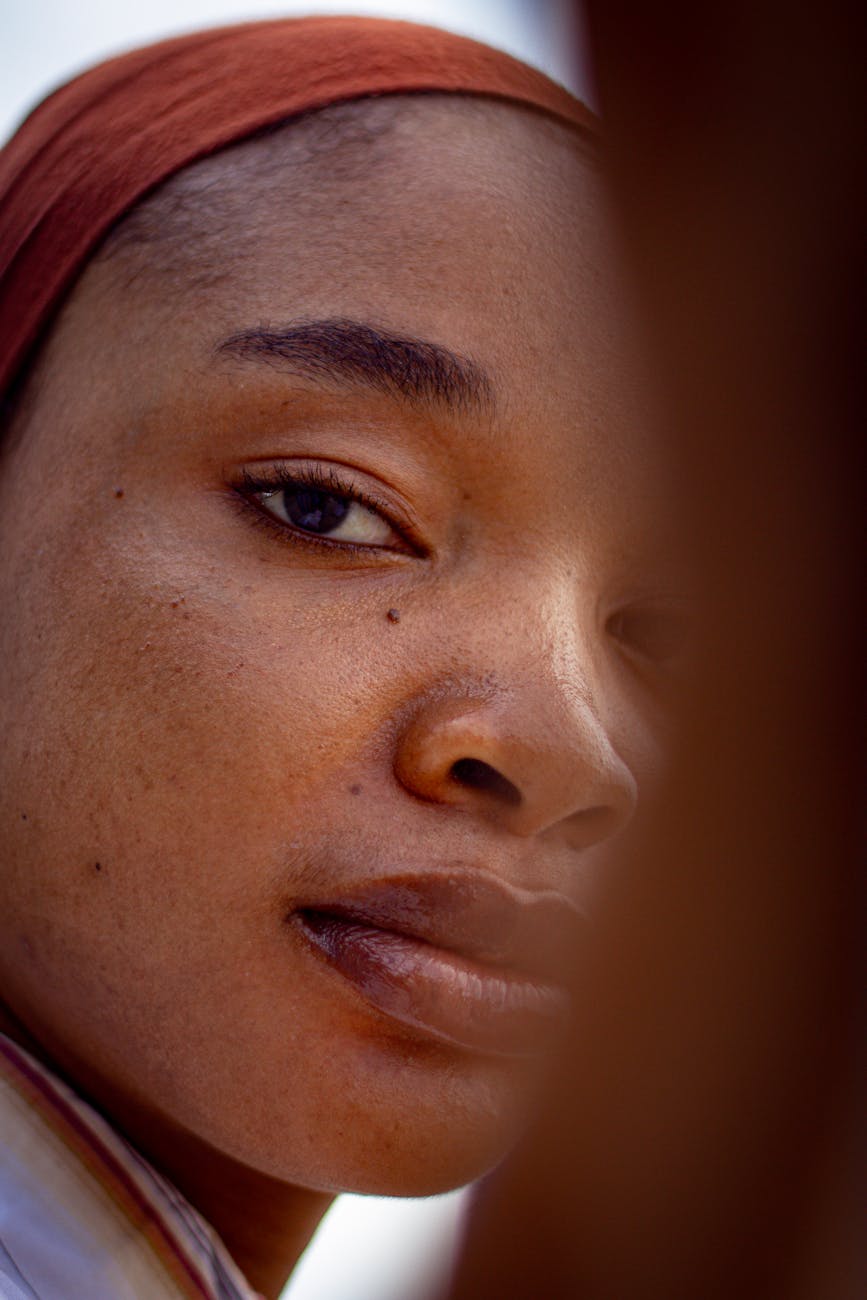
Photo by TRIPLE LENS PHOTOGRAPHY on Pexels.com

Throughout history, Black women have faced systemic plots designed to diminish their worth, distort their identity, and weaken their families. These strategies are not new; they echo the biblical pattern of oppression against God’s chosen people. Psalm 83:3 (KJV) declares, “They have taken crafty counsel against thy people, and consulted against thy hidden ones.” Black women, as the backbone of their families and communities, have often been targeted in these “crafty counsels” through slavery, media portrayals, institutional racism, and cultural stereotypes. Psychology reveals that such constant attacks on identity create long-term generational trauma, eroding self-worth while forcing resilience.

One of the most persistent plots against Black women is the distortion of beauty and femininity. Western society has historically elevated Eurocentric beauty standards, pressuring Black women to alter their natural hair, skin, or bodies to fit into systems of acceptance. 1 Peter 3:3–4 (KJV) reminds women that true beauty is “not that outward adorning…but the hidden man of the heart.” Yet psychologically, being excluded from dominant standards of beauty leads to internalized racism, body dysmorphia, and feelings of inferiority. By undervaluing natural Black beauty, society strategically undermines confidence and creates divisions within the community.

Another plot is the economic and familial destabilization of Black women. During slavery and Jim Crow, systemic efforts separated families and denied Black men the ability to provide, leaving women overburdened. Today, mass incarceration and discriminatory job markets continue this cycle. Scripture acknowledges the weight placed on women, noting in Lamentations 5:3 (KJV), “We are orphans and fatherless, our mothers are as widows.” Psychologically, this creates stress disorders, burnout, and the “strong Black woman” stereotype, where Black women are expected to endure excessive hardship without support. While resilience is admirable, the expectation of endless sacrifice without healing is itself a form of oppression.

Media representation forms another powerful plot, shaping how the world perceives Black women. The Jezebel stereotype hypersexualizes them, the Sapphire caricature portrays them as angry, and the Mammy image reduces them to servitude. These portrayals, rooted in slavery, persist in modern entertainment and social media. Proverbs 11:22 (KJV) warns, “As a jewel of gold in a swine’s snout, so is a fair woman which is without discretion.” These stereotypes strip away the dignity of Black women, making them objects of ridicule or desire rather than full human beings. Psychologically, constant negative imagery fosters stereotype threat, where Black women feel pressured to disprove false narratives at the expense of authenticity and peace.

Furthermore, the educational and health care systems reveal systemic neglect. Black women experience higher maternal mortality rates, are often dismissed in medical settings, and face biased disciplinary practices in schools. Hosea 4:6 (KJV) laments, “My people are destroyed for lack of knowledge.” Denial of proper care and knowledge is a modern-day plot that not only harms Black women physically but also perpetuates mistrust in institutions. From a psychological lens, such neglect leads to chronic stress, mistrust of authority, and intergenerational health disparities.

Quick Guide: 10 Strategic Plots Against Black Women

Biblical Truths and Psychological Insights

  1. Distortion of Beauty Standards
  • 1 Peter 3:3–4 (KJV) – True beauty is inward, not outward.
  • Eurocentric ideals pressure Black women to alter hair, skin, and body, leading to internalized racism and body-image struggles.
  1. Hypersexualization (Jezebel Stereotype)
  • Proverbs 11:22 (KJV) – Beauty without discretion is devalued.
  • Media reduces Black women to sexual objects, fostering harmful stereotypes and damaging self-worth.
  1. Angry Black Woman (Sapphire Stereotype)
  • James 1:19 (KJV) – Be “slow to wrath.”
  • Stereotyping Black women as hostile discourages authentic emotional expression and silences their voices.
  1. The Mammy Narrative
  • Ecclesiastes 3:7 (KJV) – There is a time to serve, and a time to keep silence.
  • Black women are reduced to caretakers for others, neglecting their own well-being.
  1. Economic Oppression
  • Lamentations 5:3 (KJV) – Families broken, mothers burdened.
  • Wage gaps, job discrimination, and economic instability place undue weight on Black women.
  1. Family Destabilization
  • Malachi 4:6 (KJV) – Turning hearts of fathers to children is key.
  • Mass incarceration and systemic barriers remove fathers, forcing women into overextended roles.
  1. Medical Neglect
  • Hosea 4:6 (KJV) – Lack of knowledge destroys.
  • Black women face high maternal mortality and medical dismissal, creating mistrust in healthcare systems.
  1. Educational Bias
  • Proverbs 4:7 (KJV) – Wisdom is the principal thing.
  • Black girls are disproportionately disciplined, stunting academic confidence and opportunity.
  1. Psychological Burden of “Strong Black Woman” Myth
  • Matthew 11:28 (KJV) – “Come unto me… and I will give you rest.”
  • Society expects Black women to endure without rest, leading to burnout, stress, and mental health struggles.
  1. Erasure of Spiritual and Cultural Identity
  • Psalm 83:3 (KJV) – Enemies take “crafty counsel against thy hidden ones.”
  • Black women’s Hebraic, African, and cultural roots are suppressed, disconnecting them from identity and heritage.

In conclusion, the strategic plots against Black women are both historical and ongoing, rooted in systemic oppression, distorted imagery, and institutional neglect. Yet, the Bible affirms their worth, resilience, and divine role in God’s plan. Proverbs 31:25 (KJV) declares, “Strength and honour are her clothing; and she shall rejoice in time to come.” Psychology confirms that reclaiming identity, healing trauma, and nurturing self-worth are essential strategies of resistance. Recognizing these plots equips Black women and their communities to resist deception, reclaim beauty, and walk in the power and dignity given by God.


📚 References

  • The Holy Bible, King James Version.
  • Collins, P. H. (2000). Black feminist thought: Knowledge, consciousness, and the politics of empowerment. Routledge.
  • hooks, b. (1992). Black looks: Race and representation. South End Press.
  • Steele, C. M. (1997). A threat in the air: How stereotypes shape intellectual identity and performance. American Psychologist, 52(6), 613–629.